
Compound Monograph
Oleic Acid
Oleic acid (omega-9, C18:1) is the most abundant monounsaturated fatty acid in the diet and the signature lipid of olive oil — a nutrient the body also makes for itself, not a supplement. The health record credited to it belongs to whole olive oil and MUFA-rich diets; as an isolate it is best known as a membrane building block, a minor player in saw palmetto's fatty-acid fraction, and, at high intravenous doses, a tool for inducing lung injury in the lab.

Sources · 16
Where Does It Come From?
Oleic Acid is a naturally occurring (and made in the body) fatty acid (monounsaturated; omega-9), found in Olive oil, Avocado oil, Saw palmetto berries and 13 other sources. It is well tolerated orally (low toxicity).
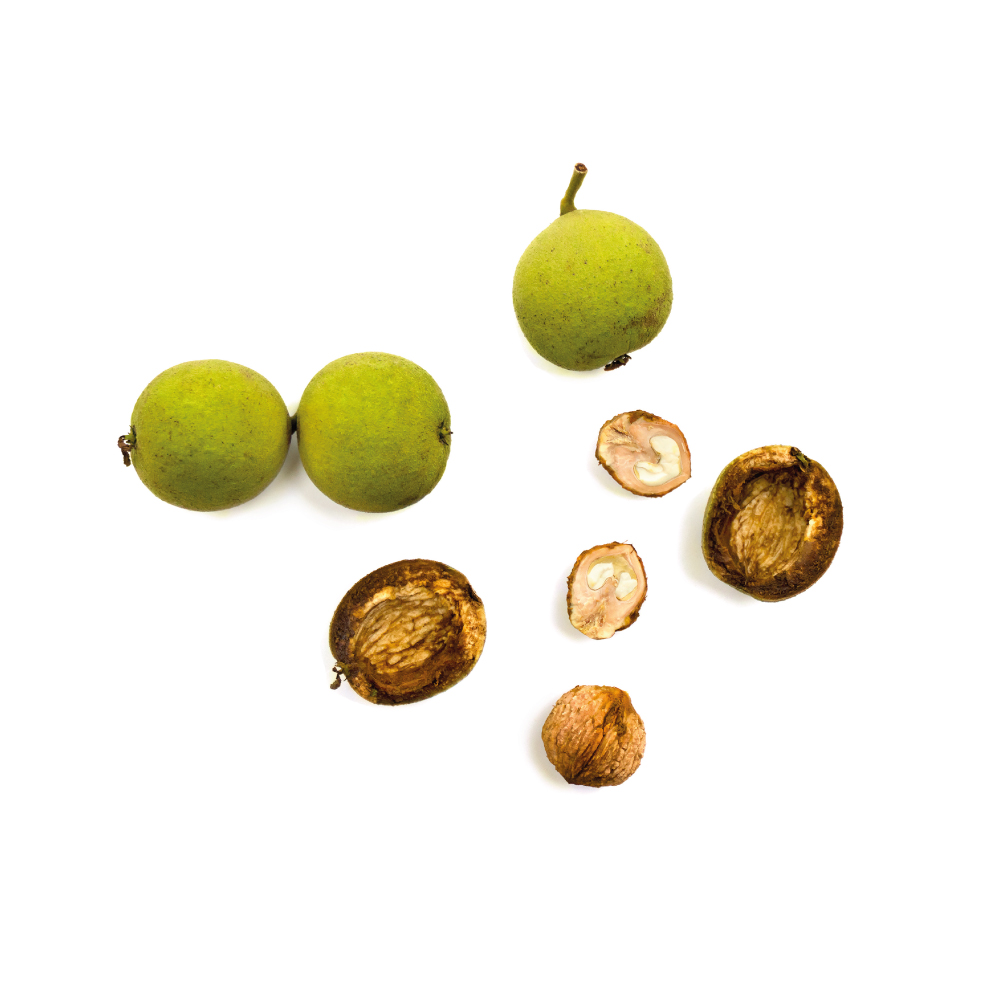 Source Black Walnut Juglans nigra Herb monograph →
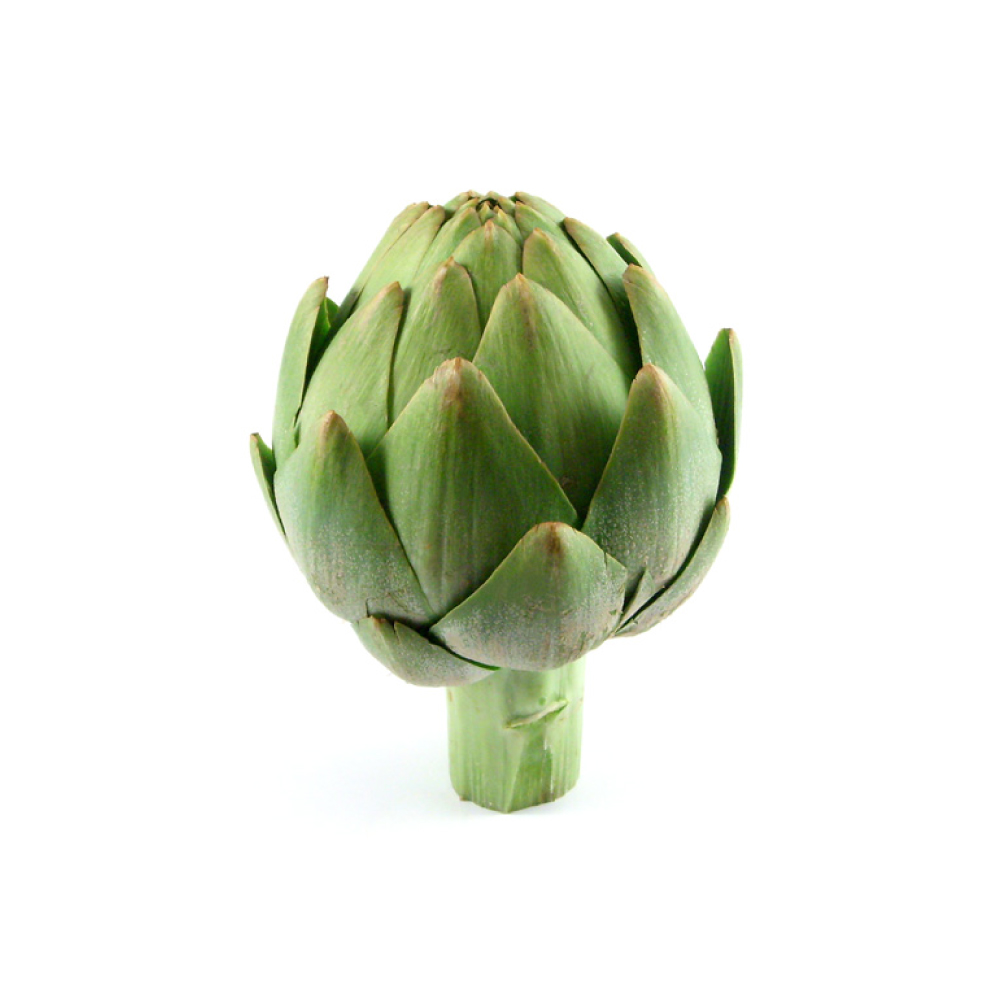 Source Globe Artichoke Cynara scolymus Herb monograph →
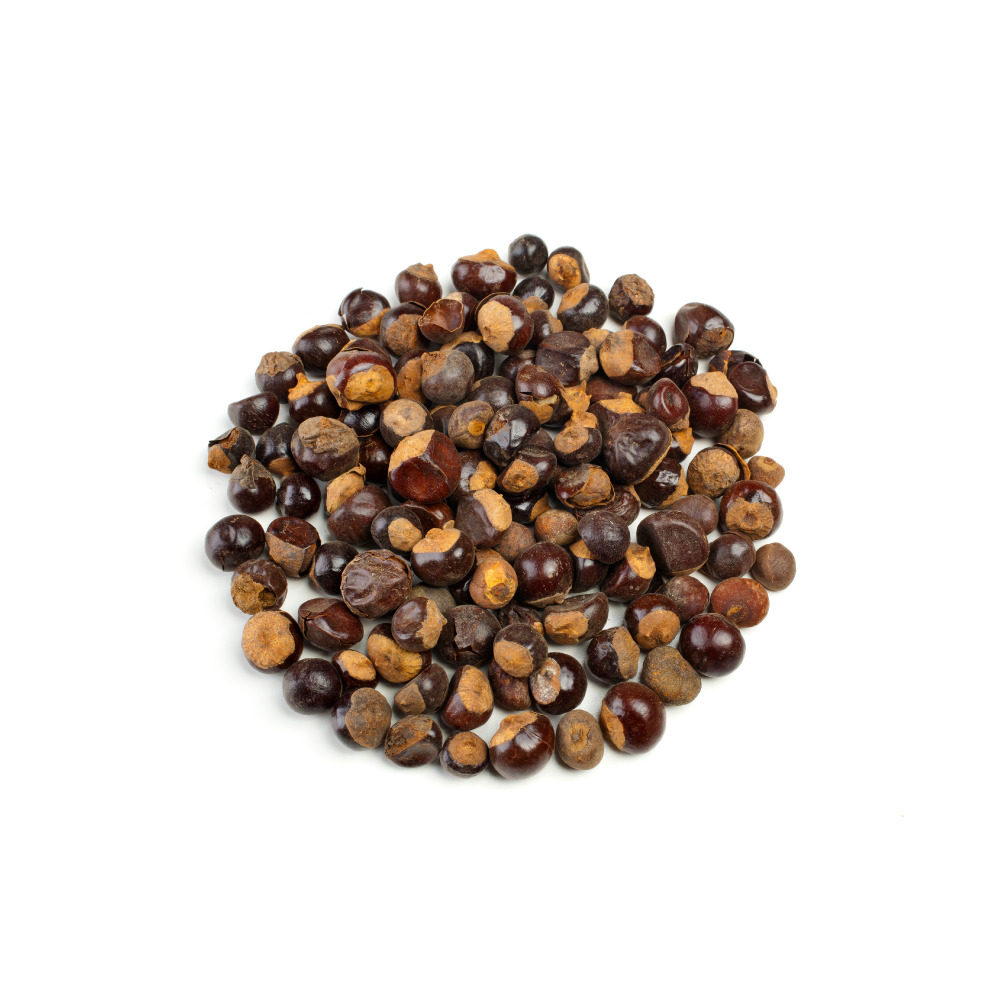 Source Guarana Paullinia cupana Herb monograph →
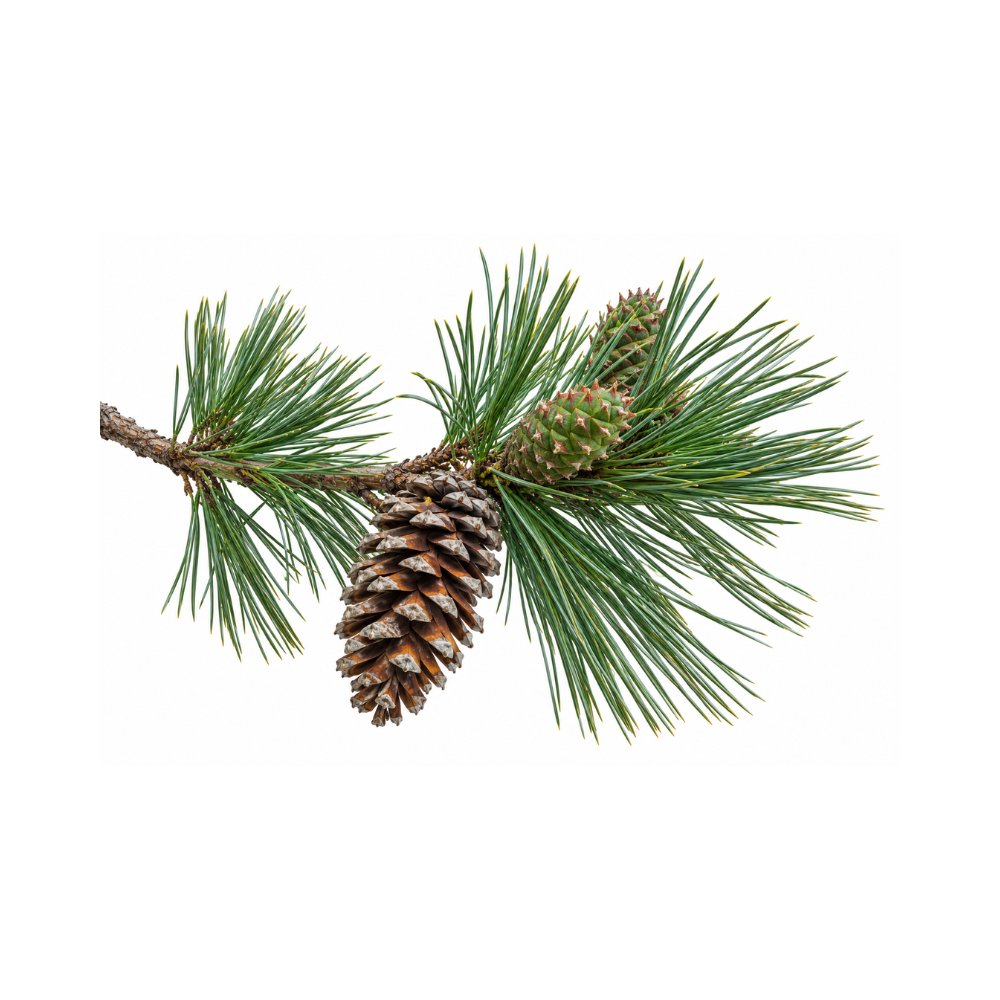 Source Korean Pine Pinus koraiensis Herb monograph →
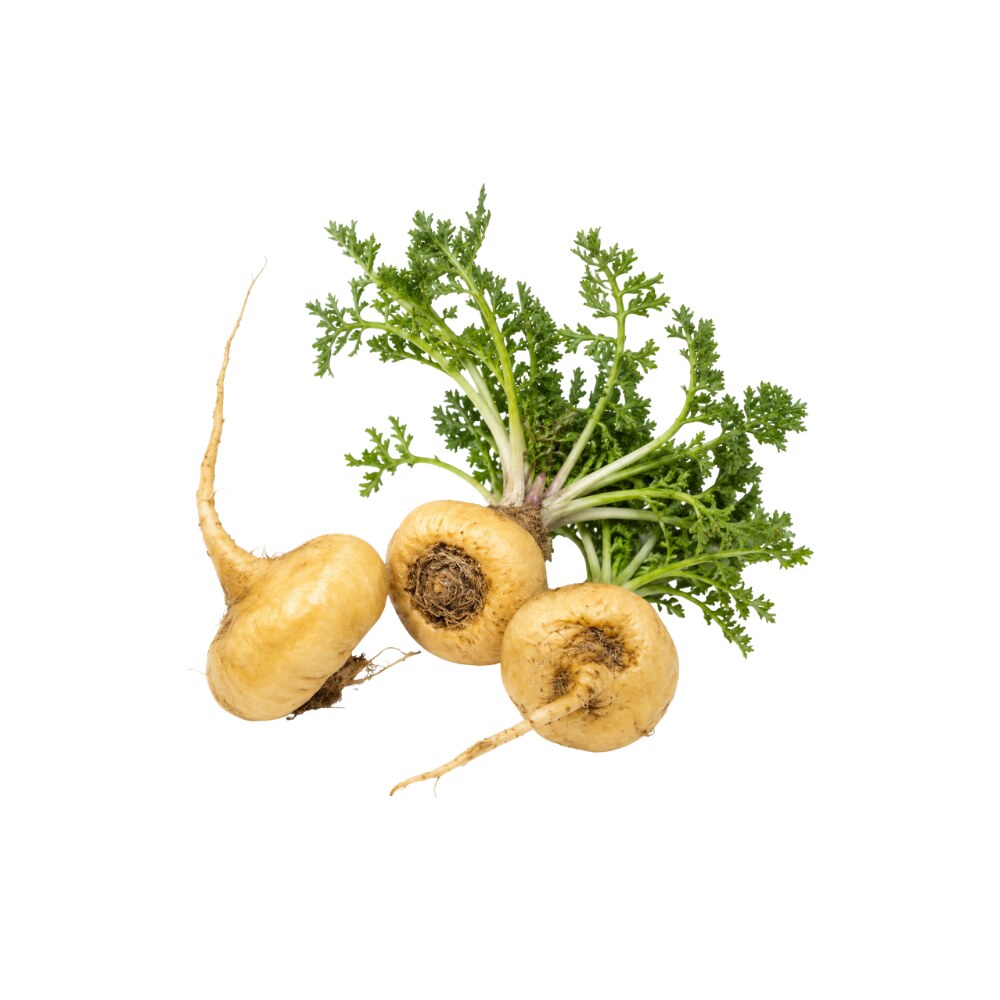 Source Maca Lepidium meyenii Herb monograph →
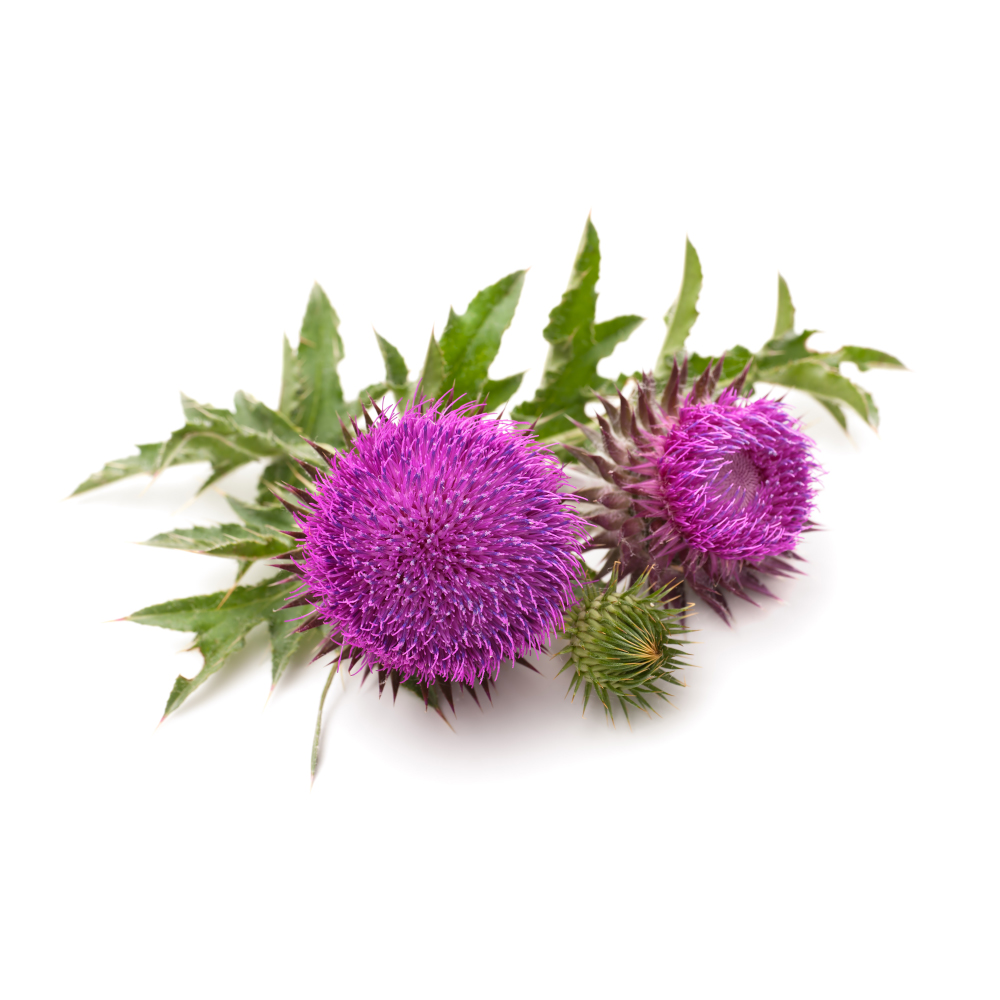 Source Milk Thistle Silybum marianum Herb monograph →
 Source Passionflower Passiflora incarnata Herb monograph →
 Source Samambaia Polypodium leucotomos Herb monograph →
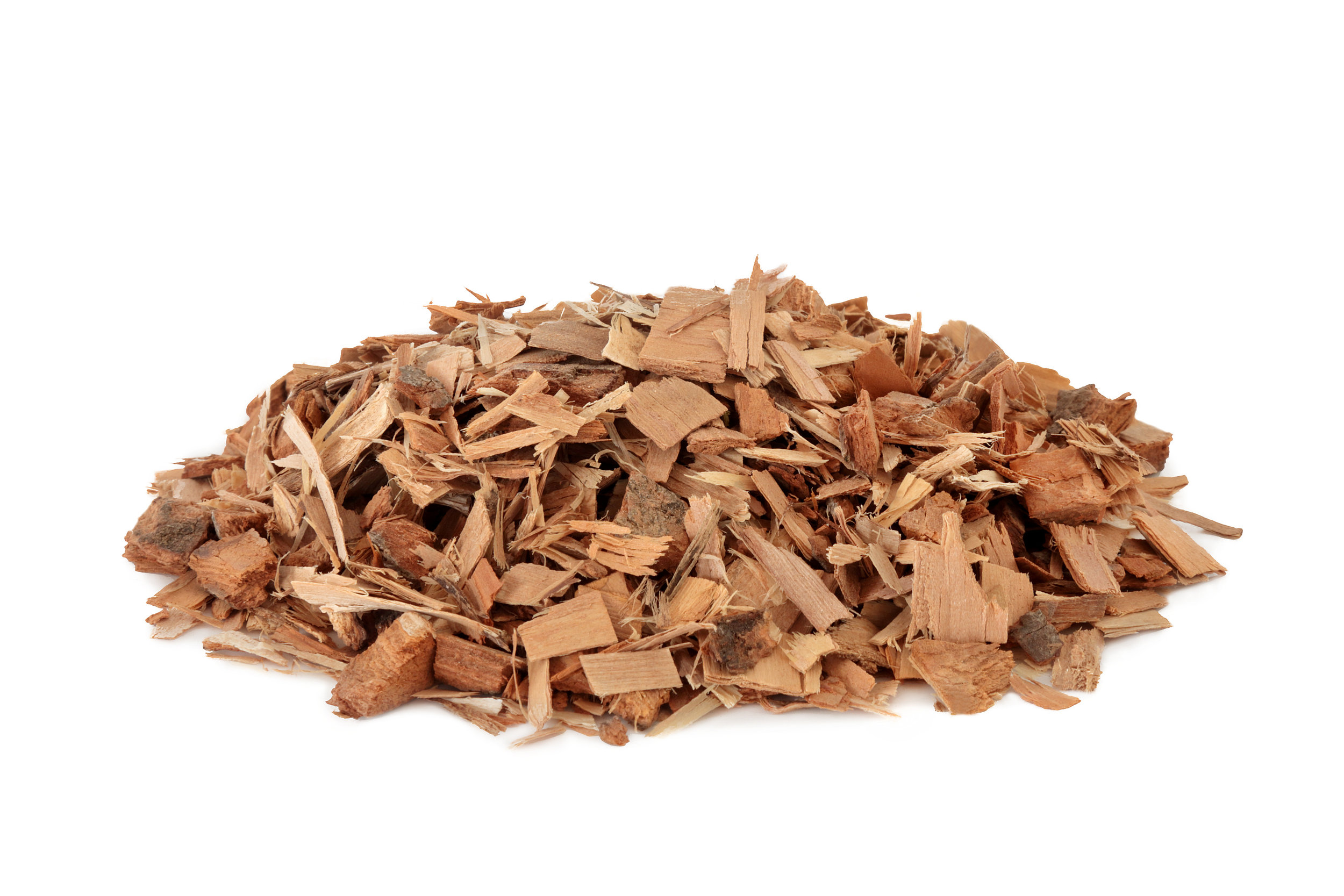 Source Saw Palmetto Serenoa repens Herb monograph →
Concentration
Content by Source
Reported concentrations across the plants that contain oleic acid — the bar marks the typical level, the line shows the reported range.
Literature figures for varying plant parts and preparations. Read them as a comparative guide, not exact assays.
Oleic Acid at a Glance
Oleic acid, (9Z)-octadec-9-enoic acid, is the most abundant monounsaturated fatty acid in the human diet — an 18-carbon chain with a single cis double bond at the omega-9 position (C18:1, ω-9). It is the signature lipid of olive oil (typically 55–83% of the oil) and a major fraction of avocado, macadamia and many nut and seed oils 9,
That framing matters for reading its “benefits”. The strong cardiometabolic reputation attached to oleic acid overwhelmingly belongs to whole olive oil and MUFA-rich dietary patterns — most famously the Mediterranean diet — not to the isolated molecule swallowed on its own 5,
It carries a low toxicity flag as a food fatty acid — but with a genuinely double-edged footnote: at high intravenous doses it is used deliberately to induce acute lung injury / ARDS in laboratory animals, a reminder that “the fat in olive oil” behaves very differently as a bolus in the bloodstream than as food on a plate 8Reference 8Acute respiratory distress syndrome: role of oleic acid-triggered lung injury and inflammationView study →.
Oleic Acid in the Mediterranean Diet
Most of what people mean by “oleic acid is heart-healthy” is really evidence for olive oil and for MUFA-rich eating patterns — and the distinction is the whole point of a molecule page.
The landmark human trial is PREDIMED: in high-cardiovascular-risk adults, a Mediterranean diet supplemented with extra-virgin olive oil (or nuts) reduced major cardiovascular events versus a reduced-fat control diet 5Reference 5Primary prevention of cardiovascular disease with a Mediterranean diet supplemented with extra-virgin olive oil or nuts (PREDIMED)View study →. Prospective cohorts point the same way — a large meta-analysis found that higher intake of MUFA, olive oil and oleic acid was associated with lower all-cause and cardiovascular mortality 6Reference 6Meta-analysisMonounsaturated fatty acids, olive oil and health status: a systematic review and meta-analysis of cohort studiesView study →. But that same analysis carries the crucial caveat that matters most: when the authors separated the sources, the significant risk reductions tracked olive oil specifically, not total dietary MUFA — implying that olive oil’s minor components (polyphenols, tocopherols, phytosterols such as beta-sitosterol) and the overall dietary pattern, rather than oleic acid alone, do much of the work 6Reference 6Meta-analysisMonounsaturated fatty acids, olive oil and health status: a systematic review and meta-analysis of cohort studiesView study →.
The plausible mechanistic contribution of oleic acid itself is modest and indirect: substituting monounsaturated for saturated fat tends to lower LDL cholesterol, which is the conventional read on why MUFA-rich oils look favourable in lipid studies. That is a real but limited claim — it is about replacing one fat with another in the diet, not about oleic acid as an active agent. Whole olive oil ≠ isolated oleic acid, and a Mediterranean diet is a great deal more than its dominant fatty acid.
Oleic Acid & Saw Palmetto
In saw palmetto — the herb whose standardised extracts are studied for benign prostatic hyperplasia — oleic acid is the single largest fatty acid of the liposterolic (free-fatty-acid) fraction, at roughly 30–35% of that fraction 1Reference 1A phytochemical comparison of saw palmetto products using gas chromatography and 1H nuclear magnetic resonance spectroscopy metabolomic profilingView study →. Because saw palmetto’s medicinal activity is concentrated in this lipophilic fraction, oleic acid is one of the molecules credited with the extract’s weak, non-competitive 5α-reductase inhibition 1,
In a cell-free assay, isolated oleic acid, lauric acid and myristic acid each inhibited 5α-reductase (with oleic and the others sharing an IC₅₀ in the tens of µg/ml range), while palmitic acid did not 2Reference 2Pharmacologically relevant receptor binding characteristics and 5alpha-reductase inhibitory activity of free fatty acids contained in saw palmetto extractView study →. That is a genuine isolate finding — but two honest qualifications apply. First, oleic acid is here a marker and one component of a multi-fatty-acid fraction, not the sole active; the co-acting free fatty acids and the whole extract matter 1,
Its Role in Plants & Biology
Oleic acid is one of the most fundamental lipids in living cells, which is exactly why it is everywhere.
In plants, it is a core membrane phospholipid and the major monounsaturated component of storage triglycerides in oil-rich seeds and fruit — the reason olive, avocado, nut and seed oils are so oleic-rich. The oleic/linoleic balance in a given oil is set by the activity of fatty-acid desaturase enzymes, so cultivar and growing conditions swing the numbers widely 11Reference 11Chemometric study of fatty acid composition of virgin olive oil from four widespread Greek cultivarsView study →.
In animals and humans, oleic acid is not an essential fatty acid: the body synthesises it from saturated precursors. The enzyme stearoyl-CoA desaturase-1 (SCD1) performs the rate-limiting desaturation of stearoyl-CoA to oleoyl-CoA, and the oleic acid produced becomes a major component of tissue membrane lipids, cholesteryl esters and triglycerides, tuning membrane fluidity 7Reference 7Stearoyl CoA desaturase 1: role in cellular inflammation and stressView study →. SCD1’s biology also complicates the tidy “MUFA = good” story: its activity is a double-edged regulator — too much is linked to obesity and insulin resistance, yet complete loss provokes inflammatory and metabolic problems of its own 7Reference 7Stearoyl CoA desaturase 1: role in cellular inflammation and stressView study →.
A distinctive biological role sits downstream of dietary oleic acid: absorbed oleic acid in the gut is a precursor for oleoylethanolamide (OEA), an intestinal lipid that acts as a satiety signal via PPAR-α and vagal signalling — lowering dietary oleic acid reduces intestinal OEA and increases food intake in mice 10Reference 10Dietary oleic acid contributes to the regulation of food intake through the synthesis of intestinal oleoylethanolamideView study →. It is a neat example of a common fatty acid doubling as the raw material for a signalling molecule.
The Oleic-Acid Lung-Injury Paradox
The most counter-intuitive fact about “the healthy fat in olive oil” is that it is a standard laboratory tool for causing acute respiratory distress syndrome (ARDS). Injected intravenously, oleic acid produces a rapid, severe lung injury that closely mimics human ARDS — and it is one of the classic animal models of the syndrome 8Reference 8Acute respiratory distress syndrome: role of oleic acid-triggered lung injury and inflammationView study →.
The mechanism is dose- and route-specific and has nothing to do with dietary fat. After IV administration the lungs retain most of the free fatty acid; oleic acid is directly toxic to pulmonary endothelial and epithelial cells, causing necrosis, microvascular leak and protein-rich oedema within minutes, alongside a burst of inflammatory mediators (TNF-α, IL-6, IL-1β) and inhibition of the Na⁺/K⁺-ATPase that normally clears alveolar fluid 8Reference 8Acute respiratory distress syndrome: role of oleic acid-triggered lung injury and inflammationView study →. Clinically, elevated free oleic acid is even measured in the blood of ARDS patients and tracks disease severity 8Reference 8Acute respiratory distress syndrome: role of oleic acid-triggered lung injury and inflammationView study →.
The lesson is about form and dose, not the molecule being “bad”: eaten as a triglyceride in food, oleic acid is a harmless nutrient; delivered as a free-fatty-acid bolus into the circulation, it is a cytotoxin. This is the sharpest illustration on the page of why isolate pharmacology cannot be read off dietary epidemiology.
What It's Used For
Away from the diet-pattern epidemiology, isolated oleic acid’s pharmacology is thin and mechanistic. The evidence splits hard by whether the thing tested was whole olive oil / a MUFA-rich diet or the isolated molecule, and most of the “benefit” belongs to the former.
Support is an experimental score — weighted by study type (human > animal > in vitro) and volume. A beta, not a validated metric. Scores are deliberately modest: the strongest human data are for whole olive oil / MUFA diets, not isolated oleic acid, so read the per-row basis.
The application with the best human data — and the one most often mis-credited to the isolate. In PREDIMED, a Mediterranean diet supplemented with extra-virgin olive oil cut major cardiovascular events versus a low-fat control 5Reference 5Primary prevention of cardiovascular disease with a Mediterranean diet supplemented with extra-virgin olive oil or nuts (PREDIMED)View study →, and a meta-analysis of cohorts linked higher MUFA/olive-oil/oleic-acid intake to lower mortality 6Reference 6Meta-analysisMonounsaturated fatty acids, olive oil and health status: a systematic review and meta-analysis of cohort studiesView study →.
The likely oleic-acid-level contribution is the LDL-lowering effect of replacing saturated fat with monounsaturated fat.
Gap: the tested exposure is whole olive oil and a whole dietary pattern, not isolated oleic acid; critically, the meta-analysis found the benefit tracked olive oil, not total MUFA — so olive oil’s polyphenols/tocopherols and the overall diet, not oleic acid alone, are doing much of the work 6Reference 6Meta-analysisMonounsaturated fatty acids, olive oil and health status: a systematic review and meta-analysis of cohort studiesView study →. No cardiovascular-outcome trial exists for the isolated molecule.
A genuine isolate mechanism, in a narrow niche. Oleic acid is the largest fatty acid (~30–35%) of the saw palmetto free-fatty-acid fraction 1Reference 1A phytochemical comparison of saw palmetto products using gas chromatography and 1H nuclear magnetic resonance spectroscopy metabolomic profilingView study →, and in a cell-free assay isolated oleic acid inhibited 5α-reductase (with lauric and myristic acids, but not palmitic) 2Reference 2Pharmacologically relevant receptor binding characteristics and 5alpha-reductase inhibitory activity of free fatty acids contained in saw palmetto extractView study →.
This is part of the mechanistic rationale for saw palmetto in benign prostatic hyperplasia and androgenetic alopecia.
Gap: in-vitro only, and oleic acid is a marker/component of a multi-fatty-acid fraction, not a stand-alone agent; saw palmetto’s own clinical trials are mixed-to-negative, so this mechanism should not be inflated into a therapeutic claim for oleic acid 1,
A mechanistically elegant role for dietary oleic acid. Absorbed oleic acid in enterocytes is converted (via N-oleoyl-phosphatidylethanolamine and NAPE-PLD) to oleoylethanolamide (OEA), a satiety mediator that acts through PPAR-α and vagal afferents; lowering dietary oleic acid reduces intestinal OEA and increases food intake and weight gain in mice 10Reference 10Dietary oleic acid contributes to the regulation of food intake through the synthesis of intestinal oleoylethanolamideView study →.
Gap: this is preclinical mechanism (mouse), and it describes dietary oleic acid as a precursor rather than oleic acid administered as an anti-obesity drug; the human clinical work is on OEA itself, not oleic-acid dosing 10Reference 10Dietary oleic acid contributes to the regulation of food intake through the synthesis of intestinal oleoylethanolamideView study →.
A single, isolated-molecule preclinical signal. Oleic acid isolated from rehmannia root alleviated LPS-induced acute kidney injury in mice, reducing inflammation and oxidative stress via the Ras/MAPK/PPAR-γ pathway (protection was lost when Ras was blocked) 3Reference 3Oleic acid alleviates LPS-induced acute kidney injury by restraining inflammation and oxidative stress via the Ras/MAPKs/PPAR-γ signaling pathwayView study →.
Gap: one rodent study of the isolate in an acute endotoxin model — no confirmation, no dose-response across models, and no human data 3Reference 3Oleic acid alleviates LPS-induced acute kidney injury by restraining inflammation and oxidative stress via the Ras/MAPKs/PPAR-γ signaling pathwayView study →.
Mechanisms
| Target / pathway | Effect | Relevant to |
|---|---|---|
| Membrane phospholipids / cholesteryl esters (SCD1 product) | incorporated as a major MUFA → tunes membrane fluidity; endogenous synthesis from stearate | structural biology / prevalence |
| Dietary saturated-fat substitution | replacing SFA with MUFA tends to lower LDL cholesterol | cardiometabolic |
| PPAR-α (via oleoylethanolamide) | dietary oleic acid → OEA → satiety and lipid-metabolism signalling | appetite / satiety |
| 5α-reductase (type I/II) | weak inhibition by the free fatty acid (IC₅₀ tens of µg/ml) | saw palmetto / BPH mechanism |
| Ras / MAPK / PPAR-γ | anti-inflammatory/antioxidant signalling in an LPS kidney-injury model | renal protection (preclinical) |
| Na⁺/K⁺-ATPase + pulmonary endothelium | high-dose IV: inhibition + direct endothelial toxicity → ARDS-like injury | the lung-injury paradox (toxicology) |
The load-bearing contrast is route and form: the same molecule is a membrane-building nutrient in the diet and a cytotoxin as an intravenous free-fatty-acid bolus 7,
Pharmacokinetics
Oleic acid is handled as dietary fat, not as a drug, so it has no meaningful “oral bioavailability” figure in the pharmacological sense. Eaten as triglycerides, it is released by pancreatic lipase, packaged into bile-salt mixed micelles, taken up across the enterocyte brush border (protein-mediated transport via CD36/FATP4), re-esterified in the endoplasmic reticulum, and exported in chylomicrons into intestinal lymph — long-chain fatty-acid absorption efficiency exceeds ~90% 12Reference 12New insights into the molecular mechanism of intestinal fatty acid absorptionView study →. From there it is distributed to tissues, incorporated into membrane lipids, adipose triglyceride and cholesteryl esters, or β-oxidised for energy 7,
Clinical Trials
There are no clinical trials of isolated oleic acid as a therapeutic drug. The human evidence is dietary — olive-oil and MUFA cohort studies and the PREDIMED whole-diet randomised trial 5,
| Completed | Planned | Terminated | Preclinical |
|---|---|---|---|
| Dietary only (olive-oil/MUFA cohorts; PREDIMED whole-diet RCT) | — | — | Renal protection; ARDS induction models; 5α-reductase in vitro |
Last checked: July 2026.
Isolate vs. Plant Studies
This molecule is a clean case of the isolate-vs-plant divide. The human efficacy evidence is not the isolate at all — it is whole olive oil and Mediterranean-diet patterns 5,
Prevalence in Nature
Oleic acid is the most widespread monounsaturated fatty acid in nature, occurring in essentially all plant and animal lipids as a membrane and storage fat. It is richest in a handful of oil crops: olive oil at 55–83% of total fatty acids (the defining lipid of the oil, varying widely with cultivar, ripeness and climate) 11Reference 11Chemometric study of fatty acid composition of virgin olive oil from four widespread Greek cultivarsView study →, avocado oil at ~60–67% 9Reference 9Avocado oil: characteristics, properties, and applicationsView study →, and high fractions of macadamia and hazelnut oils. In tree nuts and seeds it co-occurs with the polyunsaturated linoleic acid — for example walnut kernel oil carries roughly 10–25% oleic acid alongside a linoleic-dominant profile.
Among the herbs here it appears as a free fatty acid or seed-oil component of saw palmetto berries (the largest fatty acid of the liposterolic fraction, ~30–35%) 1Reference 1A phytochemical comparison of saw palmetto products using gas chromatography and 1H nuclear magnetic resonance spectroscopy metabolomic profilingView study →, guarana seed oil 4Reference 4Guarana: revisiting a highly caffeinated plant from the AmazonView study →, rehmannia root 3Reference 3Oleic acid alleviates LPS-induced acute kidney injury by restraining inflammation and oxidative stress via the Ras/MAPKs/PPAR-γ signaling pathwayView study →, and artichoke. It is not confined to plants: animals and humans synthesise it endogenously via SCD1, and it is a major fatty acid of animal fats 7Reference 7Stearoyl CoA desaturase 1: role in cellular inflammation and stressView study →.
Major Natural Sources
| Source | Plant part | Reported oleic acid content |
|---|---|---|
| Olive (Olea europaea) | oil | ~55–83% of oil 11Reference 11Chemometric study of fatty acid composition of virgin olive oil from four widespread Greek cultivarsView study → |
| Avocado (Persea americana) | oil | ~60–67% of oil 9Reference 9Avocado oil: characteristics, properties, and applicationsView study → |
| Saw palmetto (Serenoa repens) | berry FA fraction | ~30–35% of the free-fatty-acid fraction 1Reference 1A phytochemical comparison of saw palmetto products using gas chromatography and 1H nuclear magnetic resonance spectroscopy metabolomic profilingView study → |
| Walnut (Juglans regia) | kernel oil | ~10–25% of oil |
These figures are percentages of the oil or fatty-acid fraction, not of the whole plant, and shift substantially with cultivar, ripeness and extraction method 11Reference 11Chemometric study of fatty acid composition of virgin olive oil from four widespread Greek cultivarsView study →.
Discovery & Synthesis
Oleic acid was one of the founding molecules of fat chemistry. It takes its name from the Latin oleum (“oil”), reflecting its identification as the principal liquid fatty acid of olive oil, and it was characterised in the nineteenth-century era of fat and soap chemistry (the period of Chevreul’s work separating the fatty acids); its geometric isomer, the trans elaidic acid, gave its name to the elaidinisation reaction. As the dominant fatty acid of the most-studied dietary oil, it became a reference compound across lipid science.
Manufacture today is by extraction and separation, not total synthesis: oleic acid is obtained industrially from natural fats and oils (olive, high-oleic sunflower and safflower, tallow and other triglyceride sources) by hydrolysis and fractionation of the fatty-acid mixture. High-oleic cultivars of sunflower, safflower and soybean have been bred specifically to raise the oleic fraction for food and industrial use. Commercial “oleic acid” is therefore a purified natural product rather than a synthetic one, and its purity/grade varies with the source oil.
Patents: not yet researched.
Toxicity & Safety
Oleic acid carries a low toxicity flag, and the justification is strong: it is a staple dietary fatty acid eaten in gram quantities daily (the dominant fat of olive oil, consumed for millennia), it is generally recognised as safe in food, and the body synthesises it endogenously — there is no toxicity concern from ordinary dietary or endogenous exposure 7,
- A safe dietary fatty acid. The main fat of olive oil, eaten in quantity for millennia, GRAS in food, and made by the body itself — no concern at dietary/endogenous levels 7,
11Reference 7Stearoyl CoA desaturase 1: role in cellular inflammation and stressView study →Reference 11Chemometric study of fatty acid composition of virgin olive oil from four widespread Greek cultivarsView study → . - The health record belongs to whole olive oil / MUFA diets, not the isolate. “Olive oil is heart-healthy” does not license swallowing isolated oleic acid as a supplement; separated data point to olive oil specifically, not total MUFA 5,
6Reference 5Primary prevention of cardiovascular disease with a Mediterranean diet supplemented with extra-virgin olive oil or nuts (PREDIMED)View study →Reference 6Meta-analysisMonounsaturated fatty acids, olive oil and health status: a systematic review and meta-analysis of cohort studiesView study → . - High-dose intravenous oleic acid is a lung toxin. It is a standard laboratory method for inducing ARDS-like injury via direct endothelial toxicity — a pharmacological hazard of the free-fatty-acid bolus, entirely distinct from eating it 8Reference 8Acute respiratory distress syndrome: role of oleic acid-triggered lung injury and inflammationView study →.
- It is still a calorie-dense fat. Benefit in trials comes from substituting MUFA for saturated fat within a whole diet, not from adding oleic acid on top; total dietary context matters.
Pregnancy/lactation is a per-herb / per-supplement decision and is not adjudicated on this molecule page; as an ordinary dietary and endogenous fatty acid, oleic acid has no isolate-specific reproductive-toxicity signal at food-level exposure, and no isolate verdict is issued here.
Dosage
There is no established or recommended supplemental dose of isolated oleic acid — it is a dietary fatty acid and an endogenous metabolite, not a drug. The meaningful human “dose” is dietary: in Mediterranean-style eating, olive oil supplies the bulk of oleic-acid intake, and MUFA intake in high-consuming populations runs on the order of tens of grams per day 5,
| Context | Form | Figure |
|---|---|---|
| Mediterranean-diet intervention | extra-virgin olive oil | ~≥4 tbsp (~40–50 g) olive oil/day in PREDIMED’s EVOO arm 5Reference 5Primary prevention of cardiovascular disease with a Mediterranean diet supplemented with extra-virgin olive oil or nuts (PREDIMED)View study → |
| Population MUFA intake (high-MUFA tertile) | mixed dietary fat / olive oil | tens of g/day of MUFA 6Reference 6Meta-analysisMonounsaturated fatty acids, olive oil and health status: a systematic review and meta-analysis of cohort studiesView study → |
| Saw palmetto extract | liposterolic (FFA) fraction | oleic acid is ~30–35% of the fatty-acid fraction, not dosed alone 1Reference 1A phytochemical comparison of saw palmetto products using gas chromatography and 1H nuclear magnetic resonance spectroscopy metabolomic profilingView study → |
These are dietary and research figures, not a personal recommendation, and they describe whole olive oil or whole-diet exposure rather than a dose of the pure compound.
References
- Booker A, Suter A, Krnjic A, Strassel B, Zloh M, Said M, Heinrich M (2014). A phytochemical comparison of saw palmetto products using gas chromatography and 1H nuclear magnetic resonance spectroscopy metabolomic profiling. Journal of Pharmacy and Pharmacology. https://pubmed.ncbi.nlm.nih.gov/24417505/
- Abe M, Ito Y, Oyunzul L, Oki-Fujino T, Yamada S (2009). Pharmacologically relevant receptor binding characteristics and 5alpha-reductase inhibitory activity of free fatty acids contained in saw palmetto extract. Biological & Pharmaceutical Bulletin. https://pubmed.ncbi.nlm.nih.gov/19336899/
- Zhang B, Zeng M, Wang Y, Li M, Wu Y, Xu R, Zhang Q, Jia J, Huang Y, Zheng X, Feng W (2022). Oleic acid alleviates LPS-induced acute kidney injury by restraining inflammation and oxidative stress via the Ras/MAPKs/PPAR-γ signaling pathway. Phytomedicine. https://pubmed.ncbi.nlm.nih.gov/34798521/
- Schimpl FC, da Silva JF, Gonçalves JFC, Mazzafera P (2013). Guarana: revisiting a highly caffeinated plant from the Amazon. Journal of Ethnopharmacology. https://pubmed.ncbi.nlm.nih.gov/23981847/
- Estruch R, Ros E, Salas-Salvadó J, et al. (2018). Primary prevention of cardiovascular disease with a Mediterranean diet supplemented with extra-virgin olive oil or nuts (PREDIMED). New England Journal of Medicine. https://pubmed.ncbi.nlm.nih.gov/29897866/
- Schwingshackl L, Hoffmann G (2014). Monounsaturated fatty acids, olive oil and health status: a systematic review and meta-analysis of cohort studies. Lipids in Health and Disease. https://pubmed.ncbi.nlm.nih.gov/25274026/
- Liu X, Strable MS, Ntambi JM (2011). Stearoyl CoA desaturase 1: role in cellular inflammation and stress. Advances in Nutrition. https://pubmed.ncbi.nlm.nih.gov/22211186/
- Gonçalves-de-Albuquerque CF, Silva AR, Burth P, Castro-Faria MV, Castro-Faria-Neto HC (2015). Acute respiratory distress syndrome: role of oleic acid-triggered lung injury and inflammation. Mediators of Inflammation. https://pubmed.ncbi.nlm.nih.gov/26640323/
- Flores M, Saravia C, Vergara CE, Avila F, Valdés H, Ortiz-Viedma J (2019). Avocado oil: characteristics, properties, and applications. Molecules. https://pubmed.ncbi.nlm.nih.gov/31185591/
- Igarashi M, Iwasa K, Hayakawa T, Tsuduki T, Kimura I, Maruyama K, Yoshikawa K (2022). Dietary oleic acid contributes to the regulation of food intake through the synthesis of intestinal oleoylethanolamide. Frontiers in Endocrinology. https://pubmed.ncbi.nlm.nih.gov/36733808/
- Revelou PK, Xagoraris M, Alexandropoulou A, Kanakis CD, Papadopoulos GK, Pappas CS, Tarantilis PA (2021). Chemometric study of fatty acid composition of virgin olive oil from four widespread Greek cultivars. Molecules. https://pubmed.ncbi.nlm.nih.gov/34299426/
- Wang TY, Liu M, Portincasa P, Wang DQ (2013). New insights into the molecular mechanism of intestinal fatty acid absorption. European Journal of Clinical Investigation. https://pubmed.ncbi.nlm.nih.gov/24102389/



