
Compound Monograph
Paeoniflorin
Paeoniflorin is the flagship pinane-type monoterpene glucoside of peony root (Paeonia lactiflora) — the pharmacopoeial marker of white and red peony and the principal active of Total Glucosides of Paeony (TGP), an approved anti-rheumatoid, immune-modulating drug in China. Its human evidence is genuine but almost all belongs to the TGP extract; the isolate's own record is preclinical, and its oral bioavailability is very low.

Sources · 5
Where Does It Come From?
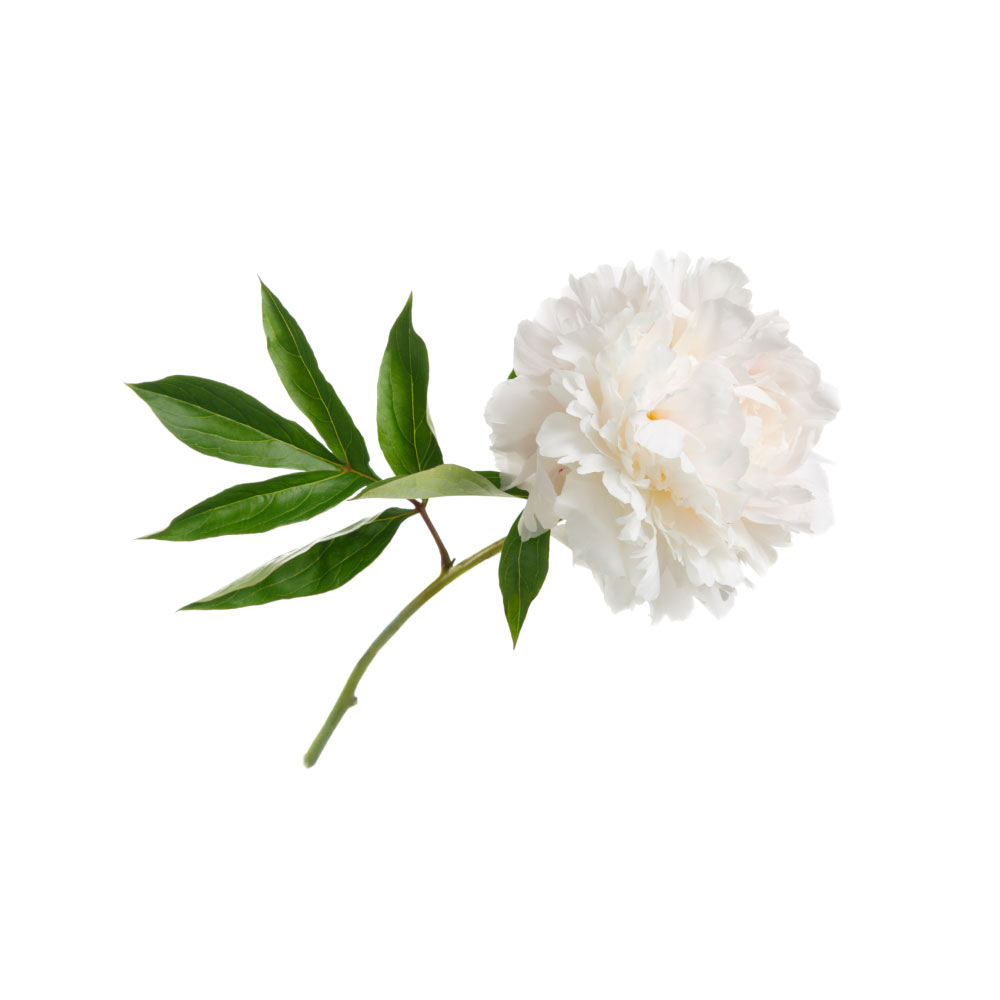
Paeoniflorin is a naturally occurring monoterpene glucoside (caged pinane-type monoterpenoid; c23h28o11), found in White peony, Red peony, Tree peony and 2 other sources. It is well tolerated orally (low toxicity).
Concentration
Content by Source
Reported concentrations across the plants that contain paeoniflorin — the bar marks the typical level, the line shows the reported range.
Literature figures for varying plant parts and preparations. Read them as a comparative guide, not exact assays.
Paeoniflorin at a Glance
Paeoniflorin is the principal monoterpene glucoside of peony root (Paeonia lactiflora) — a structurally distinctive caged pinane-type monoterpenoid (C23H28O11) that serves as the pharmacopoeial marker of both white peony (Bai Shao) and red peony (Chi Shao). It is what quality-control assays measure to certify peony root, and the molecule most peony pharmacology is built around 2,
Its real-world importance is as the lead component of Total Glucosides of Paeony (TGP) — a standardised root extract (≥40% paeoniflorin) that is an approved anti-rheumatoid and immunomodulatory medicine in China, with genuine randomised-trial evidence in rheumatoid arthritis and other autoimmune conditions 1,
Two caveats run through the whole file. First, most human evidence belongs to the TGP extract, not to purified paeoniflorin — the isolate’s own record is preclinical. Second, paeoniflorin has very low oral bioavailability (roughly 3–4% in rats), which sits awkwardly against the strong in-vitro potencies and is central to how the molecule should be read 2,
Total Glucosides of Paeony — The Signature Story
The reason paeoniflorin matters clinically is not the pure molecule but the standardised extract it dominates. Total Glucosides of Paeony (TGP) is a water/ethanol extract of white peony root containing more than fifteen glucosides, of which paeoniflorin is the most abundant (≥40%) and the component to which TGP’s effects are chiefly attributed 1Reference 1Anti-inflammatory and immunomodulatory effects of Paeonia lactiflora Pall., a traditional Chinese herbal medicineView study →. TGP received official authorisation in China as a medication for rheumatoid arthritis, and it is used as an immune-modulating adjunct across several autoimmune diseases 1,
Mechanistically, TGP and paeoniflorin behave as bidirectional immunomodulators rather than blunt immunosuppressants: they can dampen an over-active inflammatory response while sparing (or restoring) normal immune function 1Reference 1Anti-inflammatory and immunomodulatory effects of Paeonia lactiflora Pall., a traditional Chinese herbal medicineView study →. In collagen-induced arthritis the extract suppresses the maturation and activation of dendritic cells, which in turn reduces differentiation of pro-inflammatory Th1 and Th17 cells and lowers IL-17, IL-6 and TNF-α — shifting the Th17/Treg balance back toward tolerance 3Reference 3Total glucosides of paeony inhibits Th1/Th17 cells via decreasing dendritic cells activation in rheumatoid arthritisView study →. This immunological read is the throughline behind the rheumatoid-arthritis, Sjögren’s and other autoimmune applications.
The chemistry sets the terms. Paeoniflorin is a polar, water-soluble glucoside — the sugar and its caged monoterpene aglycone make it hydrophilic and a substrate for intestinal efflux and glucosidase hydrolysis, which is why its oral bioavailability is so low 14Reference 14Mechanisms responsible for poor oral bioavailability of paeoniflorin: role of intestinal disposition and interactions with sinomenineView study →. The practical consequence is that TGP’s clinical dosing runs to grams per day, and that plant/gut context (co-constituents, microbiota) plausibly matters as much as the isolated molecule’s intrinsic potency 2,
Established Uses
Paeoniflorin’s one genuinely established human role is as the marker and principal active of TGP in rheumatoid arthritis and autoimmune disease — an approved indication in China, supported by randomised trials and systematic reviews 1,
This is an extract indication, not an isolate one. Everything below the RA/autoimmune application is preclinical for purified paeoniflorin, or belongs to the whole peony root or the peony–licorice combination rather than the pure molecule.
What It's Used For
Paeoniflorin’s pharmacology is broad, mechanistically coherent and unusually well mapped for a plant monoterpene — but the compound-page discipline is decisive here: the human evidence is the TGP extract, while the isolate work is cell and rodent, and the isolate’s low oral bioavailability shadows every in-vitro potency 1,
Support is an experimental score — weighted by study type (human > animal > in vitro) and volume. A beta, not a validated metric. The top row’s human weight comes from the TGP extract, not purified paeoniflorin, so read the per-row basis.
The marquee application, and the only one with real human data — via the extract. As the principal active of TGP, paeoniflorin underpins an approved Chinese anti-rheumatoid medicine; systematic reviews of randomised trials support TGP’s benefit and favourable safety in rheumatoid arthritis 1,
Mechanistically the extract is a bidirectional immunomodulator: in collagen-induced arthritis TGP suppresses dendritic-cell maturation and activation, cutting IL-12 and IL-6 and thereby impairing Th1 and Th17 differentiation and rebalancing the Th17/Treg axis 1,
It also blunts NF-κB-driven prostaglandin-E2, leukotriene-B4 and nitric-oxide production in inflammation models 1Reference 1Anti-inflammatory and immunomodulatory effects of Paeonia lactiflora Pall., a traditional Chinese herbal medicineView study →.
Gap: the controlled human efficacy belongs to TGP (a multi-glucoside extract), not to purified paeoniflorin; the isolate’s contribution is inferred from its abundance and shared mechanisms, and the very low oral bioavailability of the pure molecule makes the extract-vs-isolate distinction more than academic 1,
A robust rodent isolate signal. Purified paeoniflorin reversed chronic-stress depression-like behaviour in mice, acting through the ERK1/2 signalling pathway 6Reference 6AnimalPaeoniflorin ameliorates chronic stress-induced depression-like behavior in mice model by affecting ERK1/2 pathwayView study →, and a separate study found rapid and sustained antidepressant-like effects mediated by the ghrelin / growth-hormone-secretagogue-receptor (GHS-R) system 7Reference 7The ghrelin/growth hormone secretagogue receptor system is involved in the rapid and sustained antidepressant-like effect of paeoniflorinView study →. These converge with the peony-root tradition as a calming “blood tonic,” and dovetail with the anti-inflammatory/antioxidant (Nrf2) activity implicated in neuroinflammatory models of depression 2Reference 2ReviewA review on the pharmacokinetics of paeoniflorin and its anti-inflammatory and immunomodulatory effectsView study →.
Gap: all rodent, all the isolated molecule, with no controlled human antidepressant trials; the CNS relevance is complicated by low systemic exposure after oral dosing, though brain distribution is reported in animals 2,
Two overlapping threads. First, the isolated-molecule analgesia: TGP/paeoniflorin are antinociceptive across animal pain models, an effect mediated partly by adenosine A1 receptors, and paeoniflorin has a defined smooth-muscle-relaxant, antispasmodic action 1,
Second — and more distinctively — the peony–licorice synergy: paeoniflorin combined with licorice glycyrrhizin blocks neuromuscular transmission at concentrations where neither compound acts alone 12Reference 12AnimalBlocking effects of blended paeoniflorin or its related compounds with glycyrrhizin on neuromuscular junctions in frog and mouseView study →, the pharmacological basis of the Shaoyao-Gancao / Shakuyaku-kanzo-to (SKT) formula, for which a systematic review found a therapeutic effect on muscle cramps across three randomised trials (though heterogeneous and few) 13Reference 13Clinical trialEffect of Shakuyaku-kanzo-to in patients with muscle cramps: a systematic literature reviewView study →.
Gap: the isolate analgesia is preclinical; the human cramp evidence is for the peony–licorice combination, not paeoniflorin alone, and the SKT trials are small and heterogeneous — with a real hypokalaemia caution from the licorice half 12,
A recurring but preclinical liver signal, plus one human adjunct role. In mice, isolated paeoniflorin ameliorated schistosomiasis-associated liver fibrosis by down-regulating IL-13 and its signalling molecules, reducing granuloma size, fibrosis scores and hepatic hydroxyproline, and it inhibited IL-13-induced collagen synthesis in primary hepatic stellate cells 10Reference 10AnimalPaeoniflorin ameliorates schistosomiasis liver fibrosis through regulating IL-13 and its signalling molecules in miceView study →.
In humans, the extract earns its keep differently: adding TGP to methotrexate + leflunomide reduced the DMARD-induced hepatotoxicity of active-RA treatment 5Reference 5Total glucosides of paeony can reduce the hepatotoxicity caused by methotrexate and leflunomide combination treatment of active rheumatoid arthritisView study →.
Gap: the direct antifibrotic/hepatoprotective data are rodent and cell studies of the isolate in specific injury models; the human liver benefit is TGP as a toxicity-sparing adjunct, not paeoniflorin as a stand-alone liver drug 5,
A mechanistically coherent isolate signal in neurodegeneration models. In a transgenic Alzheimer’s mouse, paeoniflorin was neuroprotective via activation of the adenosine A1 receptor 8Reference 8AnimalPaeoniflorin exerts neuroprotective effects in a transgenic mouse model of Alzheimer’s disease via activation of adenosine A1 receptorView study →; in a Parkinson’s mouse model it protected dopaminergic neurons through the α-synuclein / protein-kinase-C-δ pathway, and related work links its neuroprotection to restored autophagy and reduced α-synuclein burden 9Reference 9AnimalNeuroprotective effect of paeoniflorin in the mouse model of Parkinson’s disease through α-synuclein/protein kinase C δ subtype signaling pathwayView study →.
These overlap the antidepressant mechanisms (adenosine A1, anti-inflammatory, antioxidant), consistent with one upstream “lower neuronal stress” theme.
Gap: rodent isolate only, in transgenic/toxin models, with no human neurodegenerative-disease trials; translation is further limited by the molecule’s poor oral bioavailability 2,
Mechanisms
| Target / pathway | Effect | Relevant to |
|---|---|---|
| Dendritic-cell maturation → Th1/Th17 differentiation | ↓ DC activation, ↓ IL-12/IL-6 → fewer Th1/Th17 cells, restored Th17/Treg balance | immunomodulation / rheumatoid arthritis |
| NF-κB / COX-2 / iNOS inflammatory axis | ↓ prostaglandin E2, leukotriene B4, nitric oxide, TNF-α | anti-inflammatory (RAhepaticCNS) |
| ERK1/2 signalling | restored ERK1/2 activity in chronic-stress model | antidepressant |
| Ghrelin / GHS-R system | rapid, sustained antidepressant-like effect | antidepressant |
| Adenosine A1 receptor | analgesia and Alzheimer-model neuroprotection | analgesic; neuroprotective |
| α-synuclein / PKC-δ; autophagy | ↓ α-synuclein, improved autophagic handling | Parkinson’s neuroprotection |
| IL-13 / hepatic-stellate-cell collagen | ↓ IL-13 signalling, ↓ collagen synthesis and fibrosis | hepatoprotective (fibrosis) |
| Nrf2 / antioxidant response | ↑ antioxidant defence, ↓ oxidative stress | antioxidant (cross-cutting) |
| Neuromuscular junction (with glycyrrhizin) | synergistic transmission block only in combination | antispasmodic (peony–licorice) |
The load-bearing point is that paeoniflorin is a many-target immunomodulator, not a single-receptor drug — the immunological (dendritic-cell/Th17) and anti-inflammatory (NF-κB) axes carry the human-relevant RA story, while the CNS mechanisms are preclinical.
Pharmacokinetics
Paeoniflorin’s pharmacokinetics are the crux of the compound page. It is a polar, water-soluble monoterpene glucoside, and its oral bioavailability is very low — on the order of 3–4% in rats 2,
This profile has two practical consequences the page must flag. (1) In-vitro and injected-dose potencies overstate what an oral dose achieves, so cell-level EC50s should be read cautiously. (2) Co-administration changes exposure — classically, sinomenine and certain “inner-warming” co-herbs raise paeoniflorin bioavailability, and the traditional multi-herb decoction context is not pharmacokinetically neutral 14Reference 14Mechanisms responsible for poor oral bioavailability of paeoniflorin: role of intestinal disposition and interactions with sinomenineView study →. Robust human ADME parameters for the isolate remain thin; most quantitative PK is rodent, and the human “dose” that exists is the TGP extract, not pure paeoniflorin 2Reference 2ReviewA review on the pharmacokinetics of paeoniflorin and its anti-inflammatory and immunomodulatory effectsView study →.
Clinical Trials
Human evidence splits cleanly by what was tested. TGP (paeoniflorin-dominant extract) has a substantial randomised-trial and systematic-review footprint in rheumatoid arthritis and other autoimmune conditions, and as a hepatotoxicity-sparing DMARD adjunct 1,
| Completed | Planned | Terminated | Preclinical |
|---|---|---|---|
| TGP: extensive in RA/autoimmune (extract); SKT: small RCTs for cramps | — | — | Isolate: antidepressant, neuroprotective, hepatoprotective, analgesic |
Last checked: July 2026.
The Peony–Licorice Synergy
One of the most-cited facts about paeoniflorin is not about the molecule alone but about a two-herb pairing. The classical formula Shaoyao-Gancao-Tang (Japanese Shakuyaku-kanzo-to, SKT; product code TJ-68) combines peony root and licorice root in roughly equal parts and is used for acute muscle cramps, spasm and colicky pain.
The pharmacology is genuinely synergistic. In isolated nerve–muscle preparations, paeoniflorin (from peony) and glycyrrhizin (from licorice) together block indirectly-stimulated muscle twitching at concentrations where each alone does nothing, and the effect is strongest near the 1:2 paeoniflorin-to-glycyrrhizin ratio present in the formula 12Reference 12AnimalBlocking effects of blended paeoniflorin or its related compounds with glycyrrhizin on neuromuscular junctions in frog and mouseView study →. This is a real “the combination is more than the sum” result — the mechanistic basis for pairing licorice with peony in the cramp formula.
The human record is modest: a systematic review found SKT had a therapeutic effect on muscle cramps across three randomised trials, but heterogeneity and small numbers precluded meta-analysis 13Reference 13Clinical trialEffect of Shakuyaku-kanzo-to in patients with muscle cramps: a systematic literature reviewView study →. The caution is the licorice half, not the peony half — chronic or high-dose licorice can cause pseudoaldosteronism and hypokalaemia, so long-term SKT use is not benign (see Toxicity). Peony’s contribution to the pairing is often traced to paeoniflorin’s smooth-muscle-relaxant, antispasmodic activity and adenosine-A1-mediated analgesia 1,
Isolate vs. Plant Studies
This molecule inverts the usual isolate-vs-plant caution in an informative way. The mechanistic and behavioural work is overwhelmingly the isolated molecule in cells and rodents — the ERK1/2 and ghrelin antidepressant studies 6,
But the human efficacy evidence is a standardised extract, not the isolate. TGP — a multi-glucoside preparation in which paeoniflorin is merely the largest single component — carries the rheumatoid-arthritis and autoimmune trial record 1,
Its Role in Plants
In peony, paeoniflorin is a pinane-type monoterpene glucoside built on the caged terpenoid skeleton that gives the Paeonia glucosides their distinctive chemistry, accumulated chiefly in the root 2,
Its accumulation is also chemotype- and processing-dependent, which is why it works as a quality marker: the level and the balance of related glucosides (albiflorin, oxypaeoniflorin, the galloyl esters) differ between white peony root (Bai Shao, bark removed, boiled), red peony root (Chi Shao, unprocessed) and tree-peony bark (Moutan) — the same processing that shifts paeonol between the forms 15Reference 15Efficacy, chemical constituents, and pharmacological actions of Radix Paeoniae Rubra and Radix Paeoniae AlbaView study →. This is plant/pharmacognostic biology and should not be read as human pharmacology.
Prevalence in Nature
Paeoniflorin is largely confined to the genus Paeonia (family Paeoniaceae), where it is the dominant monoterpene glucoside of the root. It is the pharmacopoeial marker compound: the Chinese Pharmacopoeia sets a minimum of ≥1.6% in white peony root (Radix Paeoniae Alba, Bai Shao) and ≥1.8% in red peony root (Radix Paeoniae Rubra, Chi Shao) 15Reference 15Efficacy, chemical constituents, and pharmacological actions of Radix Paeoniae Rubra and Radix Paeoniae AlbaView study →. Reported content varies with species, white-vs-red processing and grade, and the root carries a family of related glucosides alongside it — the isomer albiflorin, oxypaeoniflorin, and galloyl/benzoyl esters such as 6-O-galloylpaeoniflorin 15,
It occurs across ornamental and medicinal Paeonia species (P. lactiflora, P. veitchii, P. suffruticosa, and others such as P. officinalis, P. emodi and P. anomala), but is not a widespread plant volatile the way many monoterpenes are — outside the peonies it is essentially absent, which is exactly why it functions as a genus marker 15Reference 15Efficacy, chemical constituents, and pharmacological actions of Radix Paeoniae Rubra and Radix Paeoniae AlbaView study →.
Major Natural Sources
| Source | Plant part | Reported paeoniflorin content |
|---|---|---|
| White peony root (Paeonia lactiflora, Bai Shao) | root, bark removed | ≥1.6% (pharmacopoeial minimum); ~1.6–5% reported |
| Red peony root (Paeonia lactiflora / P. veitchii, Chi Shao) | root, unprocessed | ≥1.8% (pharmacopoeial minimum); ~1.8–5% reported |
| Tree peony (Paeonia suffruticosa, Moutan) | root bark | present, generally lower; bark is paeonol-rich |
These are percentages of the dried root, and the pharmacopoeial figures are minimums for quality control, not measured averages; actual assays vary with species, processing and grade 15Reference 15Efficacy, chemical constituents, and pharmacological actions of Radix Paeoniae Rubra and Radix Paeoniae AlbaView study →.
Discovery & Synthesis
Paeoniflorin was isolated from peony root (Paeonia lactiflora) in the 1960s, and its unusual caged pinane-type monoterpene structure — a bicyclic terpenoid cage bearing a glucose and a benzoyl ester — was elucidated in the early 1970s, work that opened up the chemistry of the whole family of Paeonia monoterpene glucosides 2,
Manufacture today is overwhelmingly by extraction from peony root, not synthesis: paeoniflorin is obtained as the marker of standardised white-peony-root preparations, and Total Glucosides of Paeony — the clinically used product — is a water/ethanol root extract standardised to ≥40% paeoniflorin, not a synthetic active 1Reference 1Anti-inflammatory and immunomodulatory effects of Paeonia lactiflora Pall., a traditional Chinese herbal medicineView study →. Its polar glucoside structure and low oral bioavailability mean the commercial interest is in the extract and in bioavailability-enhancing formulation/co-administration, rather than in a purified synthetic drug 2,
Patents: not yet researched.
Toxicity & Safety
Paeoniflorin carries a low toxicity flag. It is the marker of a food-and-medicine root with a long record of use, TGP’s authorised RA indication is explicitly noted for its absence of unacceptable adverse reactions, and the molecule’s own hazard is limited by how little of an oral dose is even absorbed 1,
- Low intrinsic toxicity, favourable clinical safety. TGP (paeoniflorin-dominant) is an approved RA drug noted for good tolerability, and the isolate’s very low oral bioavailability limits systemic exposure 1,
14Reference 1Anti-inflammatory and immunomodulatory effects of Paeonia lactiflora Pall., a traditional Chinese herbal medicineView study →Reference 14Mechanisms responsible for poor oral bioavailability of paeoniflorin: role of intestinal disposition and interactions with sinomenineView study → . - Immunomodulatory, not broadly immunosuppressive. The dendritic-cell/Th17 effect is bidirectional — it rebalances rather than globally suppresses immunity in the models studied 1,
3Reference 1Anti-inflammatory and immunomodulatory effects of Paeonia lactiflora Pall., a traditional Chinese herbal medicineView study →Reference 3Total glucosides of paeony inhibits Th1/Th17 cells via decreasing dendritic cells activation in rheumatoid arthritisView study → . - The peony–licorice caution is the licorice, not the peony. Chronic or high-dose Shaoyao-Gancao / SKT can cause pseudoaldosteronism and hypokalaemia from the glycyrrhizin half — monitor with prolonged use 13Reference 13Clinical trialEffect of Shakuyaku-kanzo-to in patients with muscle cramps: a systematic literature reviewView study →.
- Human safety data are for the extract. Controlled tolerability data belong to TGP; dedicated long-term safety, interaction and reproductive datasets for isolated paeoniflorin are limited.
- As an immunomodulator, plausibility of interaction with immune-active drugs. Not well quantified for the isolate; relevant where TGP is combined with DMARDs/immunosuppressants (though the methotrexate-adjunct data are favourable) 5Reference 5Total glucosides of paeony can reduce the hepatotoxicity caused by methotrexate and leflunomide combination treatment of active rheumatoid arthritisView study →.
Full Safety & Interactions Detail
Clinical tolerability (the extract). In rheumatoid-arthritis and autoimmune use, TGP is repeatedly characterised as effective without unacceptable adverse reactions; the most commonly noted effects are mild and gastrointestinal (loose stools/diarrhoea) 1,
The peony–licorice combination. The pharmacologically important interaction on this molecule’s page is the synergy with licorice glycyrrhizin at the neuromuscular junction, which is therapeutic (the cramp formula) but comes with the licorice-side risk: glycyrrhizin can cause pseudoaldosteronism, sodium/water retention, hypertension and hypokalaemia, so long-term SKT use warrants electrolyte awareness — the risk tracks the licorice half, not paeoniflorin 12,
Bioavailability as a safety modifier. The same poor oral absorption that limits efficacy also limits systemic toxicity of the isolate; conversely, co-administration that raises paeoniflorin bioavailability (e.g. sinomenine, certain co-herbs) changes exposure and should be considered when peony is combined in multi-herb formulas 14Reference 14Mechanisms responsible for poor oral bioavailability of paeoniflorin: role of intestinal disposition and interactions with sinomenineView study →.
Reproductive note (prose only). Peony root is traditionally used in gynaecology, and dedicated reproductive-toxicity data for isolated paeoniflorin are limited; pregnancy and lactation decisions belong to the herb or product page where intake is decided, not to this molecule page. No comprehensive isolate genotoxicity or repeat-dose package is characterised here beyond the extract-level tolerability above.
Dosage
There is no established dose for isolated paeoniflorin. Human dosing is of the standardised extract, Total Glucosides of Paeony (TGP), in which paeoniflorin is the principal component (≥40%):
| Application | Form | Dose (studied) |
|---|---|---|
| Rheumatoid arthritis / autoimmune | TGP (paeoniflorin-dominant extract) | ~600 mg, 2–3× daily (≈1,200–1,800 mg/day) 1, |
| Muscle cramps / spasm | Peony–licorice (Shaoyao-Gancao / SKT) | traditional decoction or standardised granule, per formula 13Reference 13Clinical trialEffect of Shakuyaku-kanzo-to in patients with muscle cramps: a systematic literature reviewView study → |
| Traditional whole-root | White or red peony root decoction | typically with licorice; not standardised to paeoniflorin |
Isolate figures cited in the research above are preclinical rodent doses and are not convertible to human self-dosing — and the low oral bioavailability of the pure molecule is exactly why the clinically used product is the gram-scale extract, not a purified-paeoniflorin pill 2,
References
- He DY, Dai SM (2011). Anti-inflammatory and immunomodulatory effects of Paeonia lactiflora Pall., a traditional Chinese herbal medicine. Frontiers in Pharmacology. https://pubmed.ncbi.nlm.nih.gov/21687505/
- Zhou YX, Gong XH, Zhang H, Peng C (2020). A review on the pharmacokinetics of paeoniflorin and its anti-inflammatory and immunomodulatory effects. Biomedicine & Pharmacotherapy. https://pubmed.ncbi.nlm.nih.gov/32682112/
- Lin J, et al. (2012). Total glucosides of paeony inhibits Th1/Th17 cells via decreasing dendritic cells activation in rheumatoid arthritis. Cellular Immunology. https://pubmed.ncbi.nlm.nih.gov/23399842/
- Luo J, et al. (2019). Benefits and safety of Tripterygium glycosides and total glucosides of paeony for rheumatoid arthritis: an overview of systematic reviews. Chinese Journal of Integrative Medicine. https://pubmed.ncbi.nlm.nih.gov/31385219/
- Xiang N, et al. (2015). Total glucosides of paeony can reduce the hepatotoxicity caused by methotrexate and leflunomide combination treatment of active rheumatoid arthritis. International Immunopharmacology. https://pubmed.ncbi.nlm.nih.gov/26292180/
- Tang M, Chen M, Li Q (2021). Paeoniflorin ameliorates chronic stress-induced depression-like behavior in mice model by affecting ERK1/2 pathway. Bioengineered. https://pubmed.ncbi.nlm.nih.gov/34872456/
- Zhang Y, et al. (2021). The ghrelin/growth hormone secretagogue receptor system is involved in the rapid and sustained antidepressant-like effect of paeoniflorin. Frontiers in Neuroscience. https://pubmed.ncbi.nlm.nih.gov/33664648/
- Kong Y, et al. (2020). Paeoniflorin exerts neuroprotective effects in a transgenic mouse model of Alzheimer’s disease via activation of adenosine A1 receptor. Neuroscience Letters. https://pubmed.ncbi.nlm.nih.gov/32371159/
- Guo K, et al. (2021). Neuroprotective effect of paeoniflorin in the mouse model of Parkinson’s disease through α-synuclein/protein kinase C δ subtype signaling pathway. Neuroreport. https://pubmed.ncbi.nlm.nih.gov/34718250/
- Li X, et al. (2010). Paeoniflorin ameliorates schistosomiasis liver fibrosis through regulating IL-13 and its signalling molecules in mice. Parasitology. https://pubmed.ncbi.nlm.nih.gov/20398436/
- Li M, et al. (2024). The analgesic effect of paeoniflorin: a focused review. Open Life Sciences. https://pubmed.ncbi.nlm.nih.gov/39220595/
- Kimura M, et al. (1984). Blocking effects of blended paeoniflorin or its related compounds with glycyrrhizin on neuromuscular junctions in frog and mouse. Japanese Journal of Pharmacology. https://pubmed.ncbi.nlm.nih.gov/6521072/
- Ota K, et al. (2020). Effect of Shakuyaku-kanzo-to in patients with muscle cramps: a systematic literature review. Journal of General and Family Medicine. https://pubmed.ncbi.nlm.nih.gov/32489757/
- Liu ZQ, Jiang ZH, Liu L, Hu M (2006). Mechanisms responsible for poor oral bioavailability of paeoniflorin: role of intestinal disposition and interactions with sinomenine. Pharmaceutical Research. https://pubmed.ncbi.nlm.nih.gov/17063398/
- Tan YQ, Chen HW, Li J, Wu QJ (2020). Efficacy, chemical constituents, and pharmacological actions of Radix Paeoniae Rubra and Radix Paeoniae Alba. Frontiers in Pharmacology. https://pubmed.ncbi.nlm.nih.gov/32754038/
- Washida K, Itoh Y, Iwashita T, Nomoto K (2009). Androgen modulators from the roots of Paeonia lactiflora (paeoniae radix) grown and processed in Nara prefecture, Japan. Chemical & Pharmaceutical Bulletin. https://pubmed.ncbi.nlm.nih.gov/19721258/



