
Subclass of Terpenoids
Monoterpenes
Ten-carbon terpenes — the light, volatile aromatics of most essential oils (menthol, pinene, linalool).
Overview
About Monoterpenes
Monoterpenes are the ten-carbon terpenes, built from just two isoprene units. That small size is the whole story of the group: they are light enough to evaporate at room temperature, which is why they carry the scent of a crushed leaf and why they dominate essential oils.
They are the most familiar plant compounds most people never name — the cool of peppermint, the sharpness of pine, the calm of lavender. In herbal medicine they supply much of the carminative, antimicrobial and aromatic-nervine character of the volatile-oil herbs.
Where Monoterpenes Occur
Any plant with a distinct smell is worth suspecting. Monoterpenes are concentrated in glandular trichomes, resin ducts and oil cells, and a few families are famous for them:
Mint family (Lamiaceae)
menthol, linalool, thymol, carvacrol
Conifers (Pinaceae)
the pinenes, limonene, borneol
Citrus peel (Rutaceae)
limonene above all
Umbellifers (Apiaceae)
anethole's relatives, carvone, fenchone
Myrtle family (Myrtaceae)
1,8-cineole, terpinen-4-ol
Because they are volatile, content varies sharply with harvest time, drying and storage — an old, badly stored aromatic herb has lost much of what made it medicinal.
How Monoterpenes Are Built
Two isoprene units join to give a ten-carbon skeleton, which then either stays open-chain or folds into one or two rings. Oxygen is added afterwards, and the oxygen-bearing form usually carries the pharmacology:
- Hydrocarbons
- limonene, the pinenes, myrcene
- Alcohols
- menthol, linalool, geraniol, borneol
- Aldehydes
- citral, citronellal
- Ketones
- camphor, thujone, pulegone, carvone
- Oxides and esters
- 1,8-cineole, linalyl acetate, bornyl acetate
That ladder matters for safety as much as for scent: the alcohols are generally the gentlest of the group and the ketones the most hazardous.
Pharmacological Importance
Monoterpenes are lipophilic and small, so they cross membranes easily — including the blood-brain barrier, which is why inhaled aromatics can act on mood and alertness within minutes. Several are direct receptor ligands: menthol activates the cold-sensing TRPM8 channel, and linalool and 1,8-cineole have documented anxiolytic and airway effects.
Clinically the group underpins the carminatives (relaxing gut smooth muscle), the expectorants and mucolytics of the respiratory herbs, the topical rubefacients and counter-irritants, and a large share of plant antimicrobial activity — thymol and carvacrol are genuinely potent against bacteria in vitro.
Toxicity & Safety
As whole herbs and teas, monoterpene-bearing plants are among the best-tolerated medicines there are. The hazard sits almost entirely with concentrated essential oils, where the same molecules arrive at tens or hundreds of times the dietary dose.
The ketones are the ones to watch: thujone (wormwood, sage) is convulsant, pulegone (pennyroyal) is hepatotoxic and has caused deaths, and camphor is toxic to children at small doses. Neat oils are also skin irritants and sensitizers, and oxidized citrus oils more so than fresh. The rule is simple — the herb is not the oil.
Constituents
All Monoterpenes
100 total#
1,3,8-p-Menthatriene 1,8-Cineole 3'-O-galloylpaeoniflorin 4-Terpineol 6'-O-benzoylpaeoniflorin 6'-O-galloylalbiflorin 6'-O-galloylpaeoniflorinA
Albiflorin alpha-Phellandrene alpha-Pinene alpha-Terpinene alpha-Terpineol alpha-Thujene Alpha-thujone Care Artemisia ketone AscaridoleB
Beta-phellandrene Beta-Pinene Beta-thujone Care Borneol Borneol acetate Bornyl acetate Bornyl cryptone Bornyl p-coumarateC
Camphene Camphor Car-3-ene Carvone Chrysanthenone cis-ocimene cis-Sabinene hydrate Citral Citronellal Citronellol CymolD
D-Limonene d-Pinene Delta-3-carene DiosphenolF
FenchoneG
gamma-Terpinene Geranial Geraniol Geranyl Acetate Geranyl propionateI
Isoartemisia ketone Isobornyl 2-methylbutanoate Isomenthone Isomenthyl acetate Isopinocamphone IsopulegolL
Lavandulol Lavandulyl acetate Limonene Linalool Linalool oxide Linalyl AcetateM
Menthofuran Care Menthol Menthone Menthyl acetate Monoterpene alcohols Monoterpene derivatives Myrcene Myrtenal MyrtenolN
Neomenthol Neomenthyl acetate Neral NerolO
Ocimene OxypaeoniflorinP
p-Cymen-8-ol p-Cymene Paeoniflorin Para-cymene Phellandrene Picrocrocin Pinene Pinocamphone Pinocarvone Piperitone Pulegone CareR
rho-cymen-8-olS
Sabinene SafranalT
Terpene hydrocarbons Terpinen-4-ol Terpineol Terpinolene Thujone Care Thymol trans-Myrtenol acetate trans-ocimene trans-sabinol trans-sabinyl acetate trans-thujone Care TricycleneU
Umbellulone CareV
VerbenoneNo monoterpenes match.
Source Plants
Herbs Containing Monoterpenes
72 herbsPlants in the materia medica documented to carry monoterpenes, with the compounds each one is listed for. The bar counts how many DISTINCT monoterpenes are on record for a plant, relative to the best-documented — it measures breadth of record, not potency, so a plant with one well-studied compound can outrank a richer source that has simply been analysed less. Where a measured concentration is on record it is quoted inline; most entries have none yet.
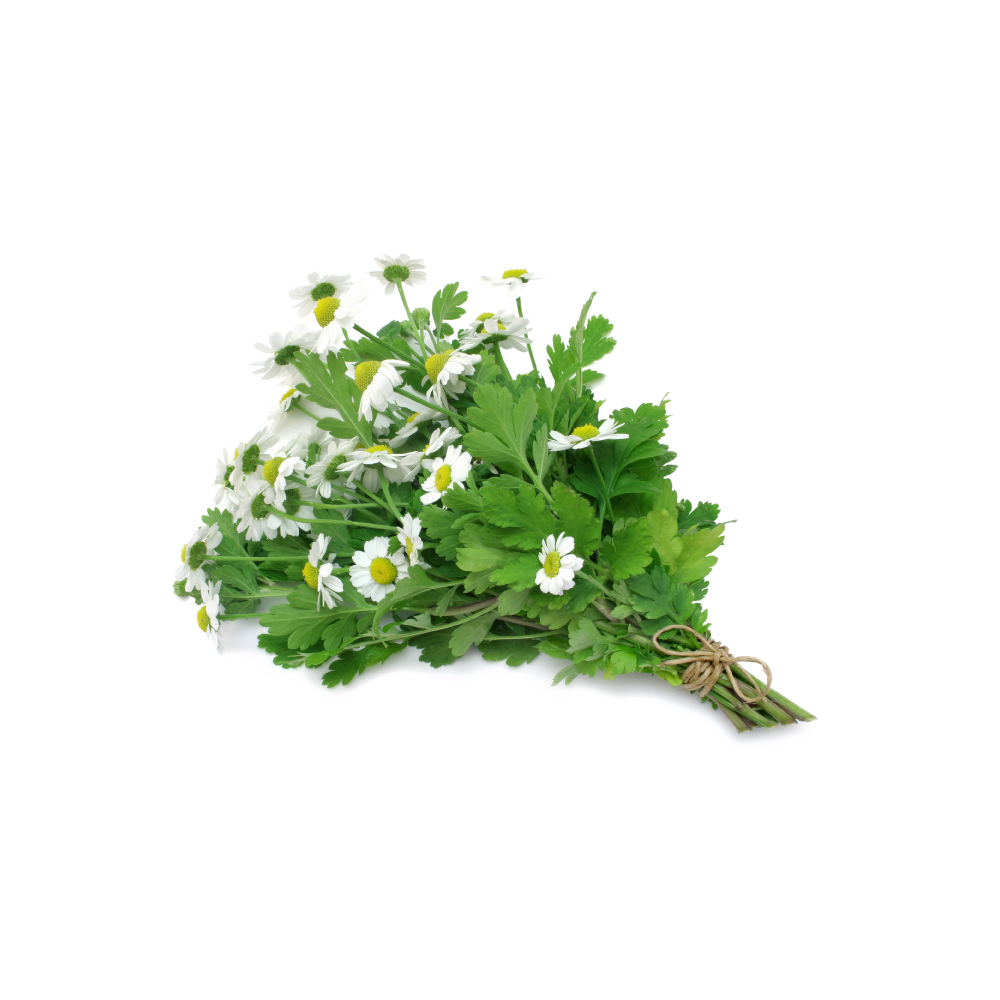 Feverfew Tanacetum parthenium Documented for camphor (0–57 % of oil), 1,8-cineole, alpha-phellandrene and 20 more monoterpenes.
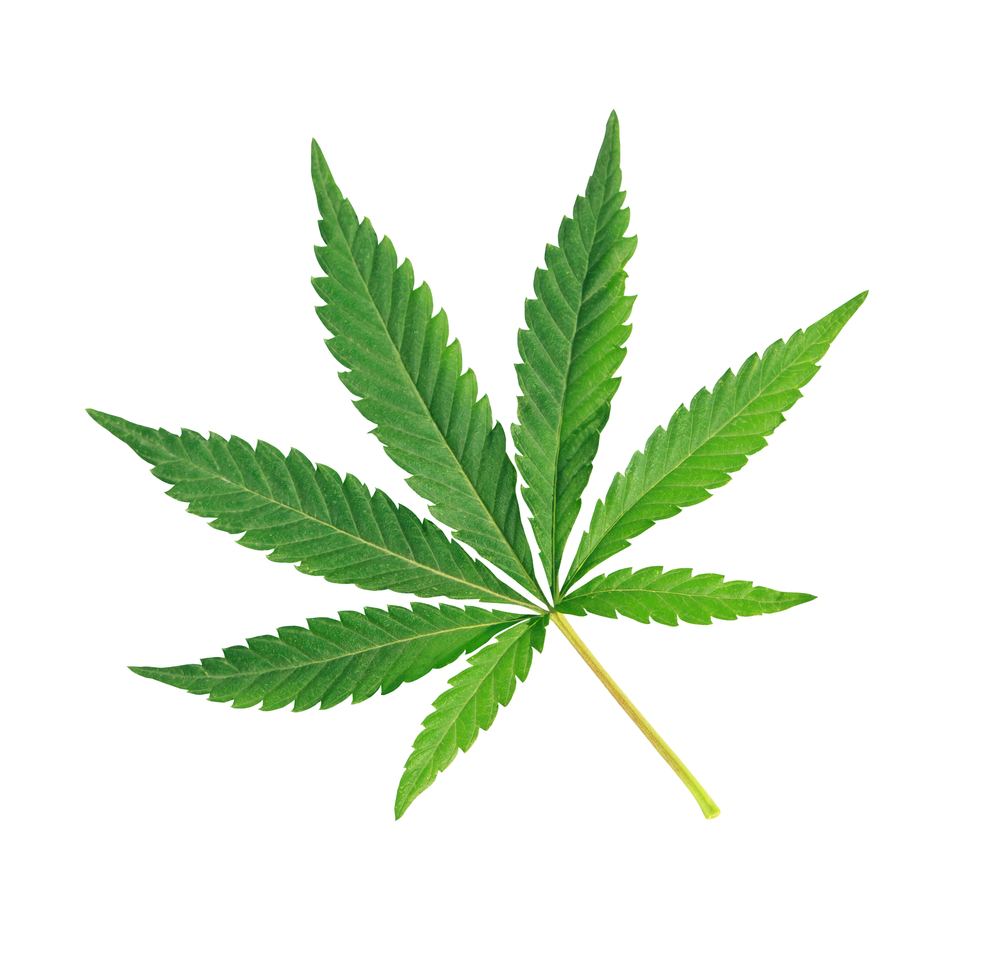 Cannabis Cannabis sativa Documented for 1,8-cineole, alpha-terpinene, alpha-terpineol and 15 more monoterpenes.
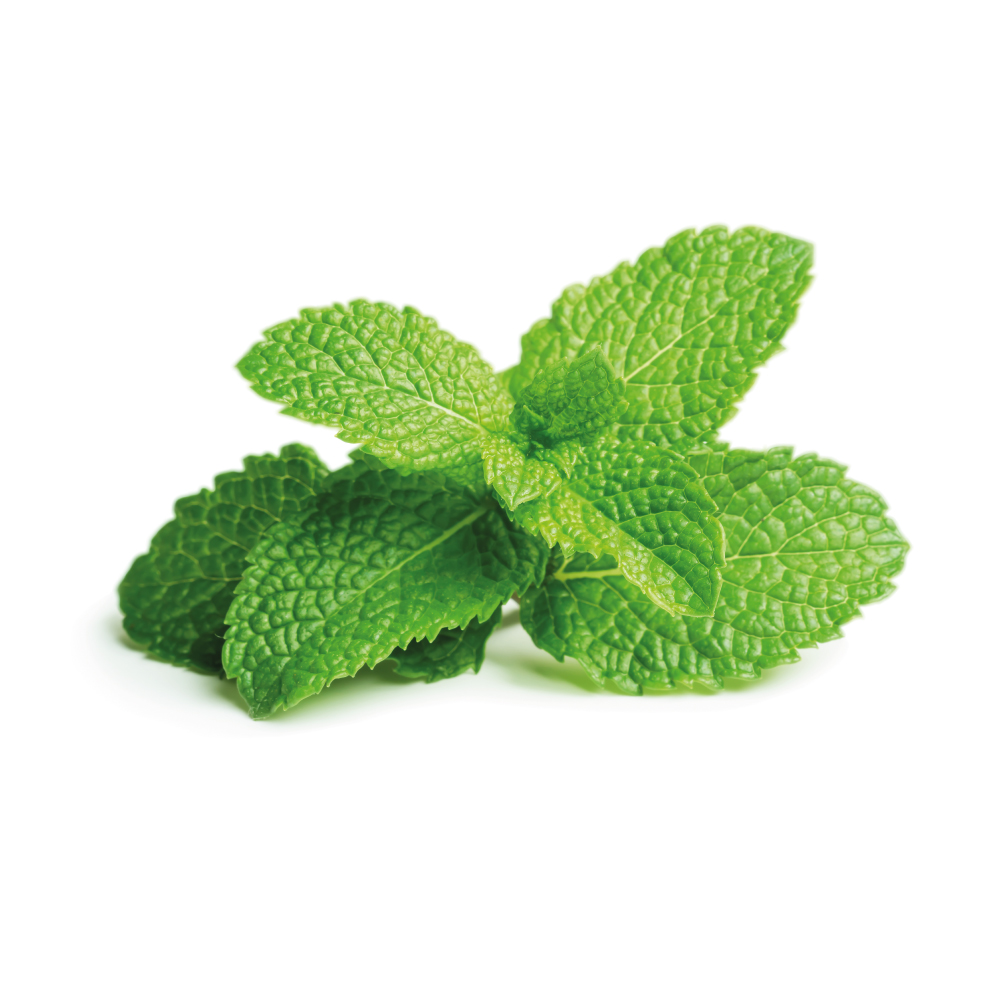 Peppermint Mentha × piperita Documented for 1,8-cineole (3.5–14 % of EO), limonene (1–5 % of oil), menthol (30–55 % of oil) and 13 more monoterpenes.
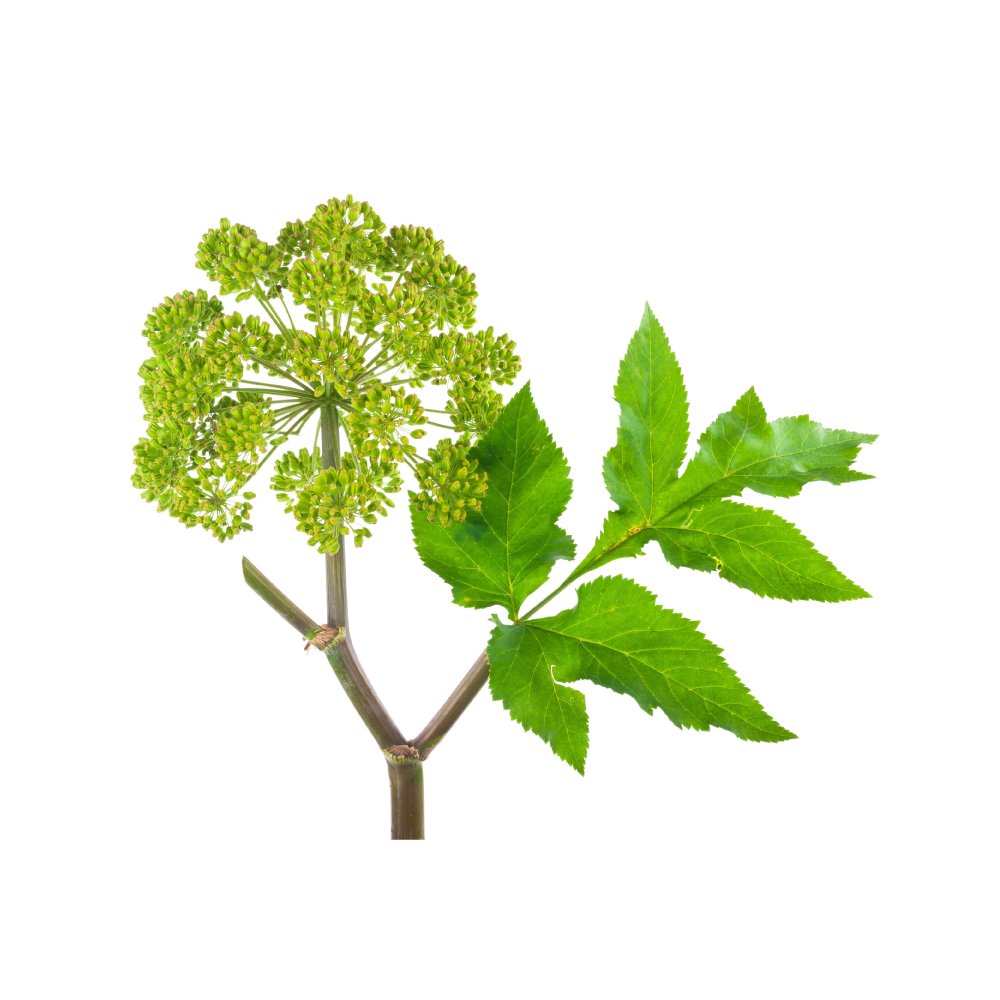 Angelica Angelica archangelica Documented for alpha-phellandrene, alpha-pinene, beta-phellandrene and 11 more monoterpenes.
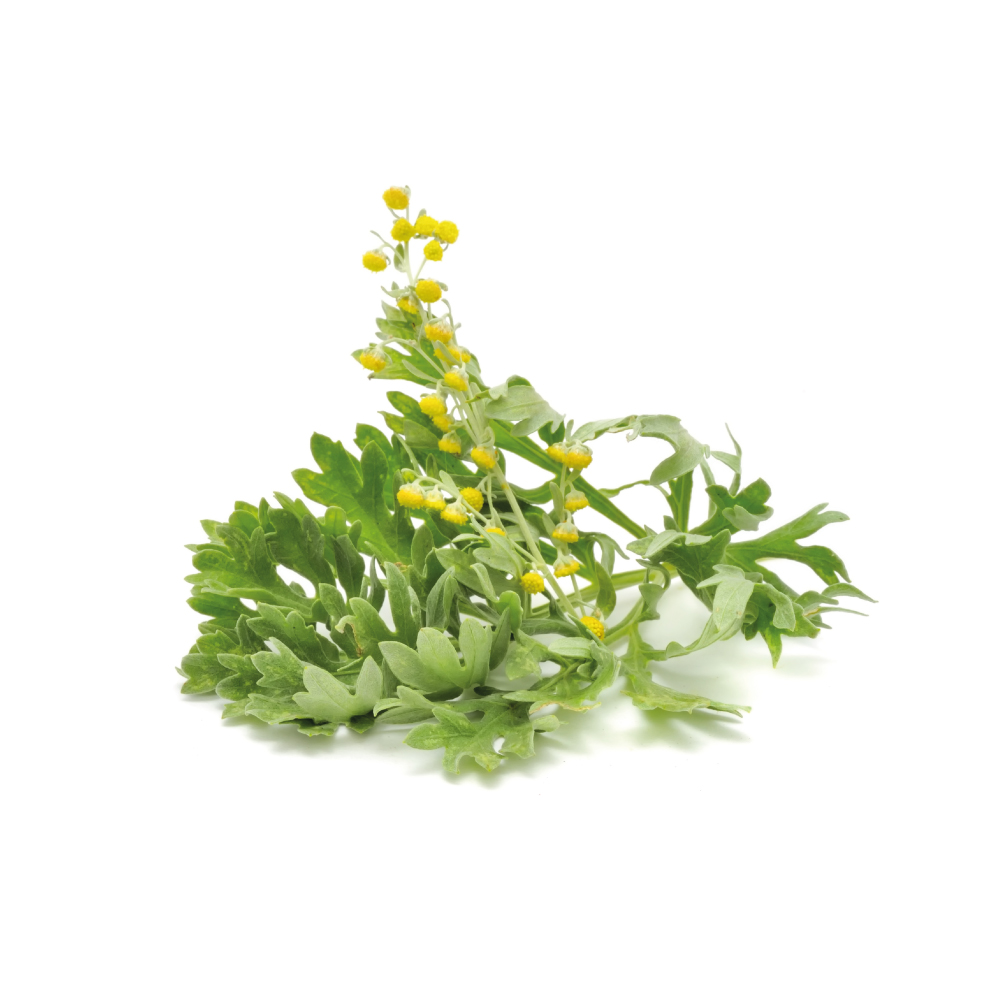 Wormwood Artemisia absinthium Documented for 1,8-cineole (3.4 % of EO), alpha-thujone (10–36 % of oil), beta-pinene (5.4–10.4 % of oil) and 11 more monoterpenes.
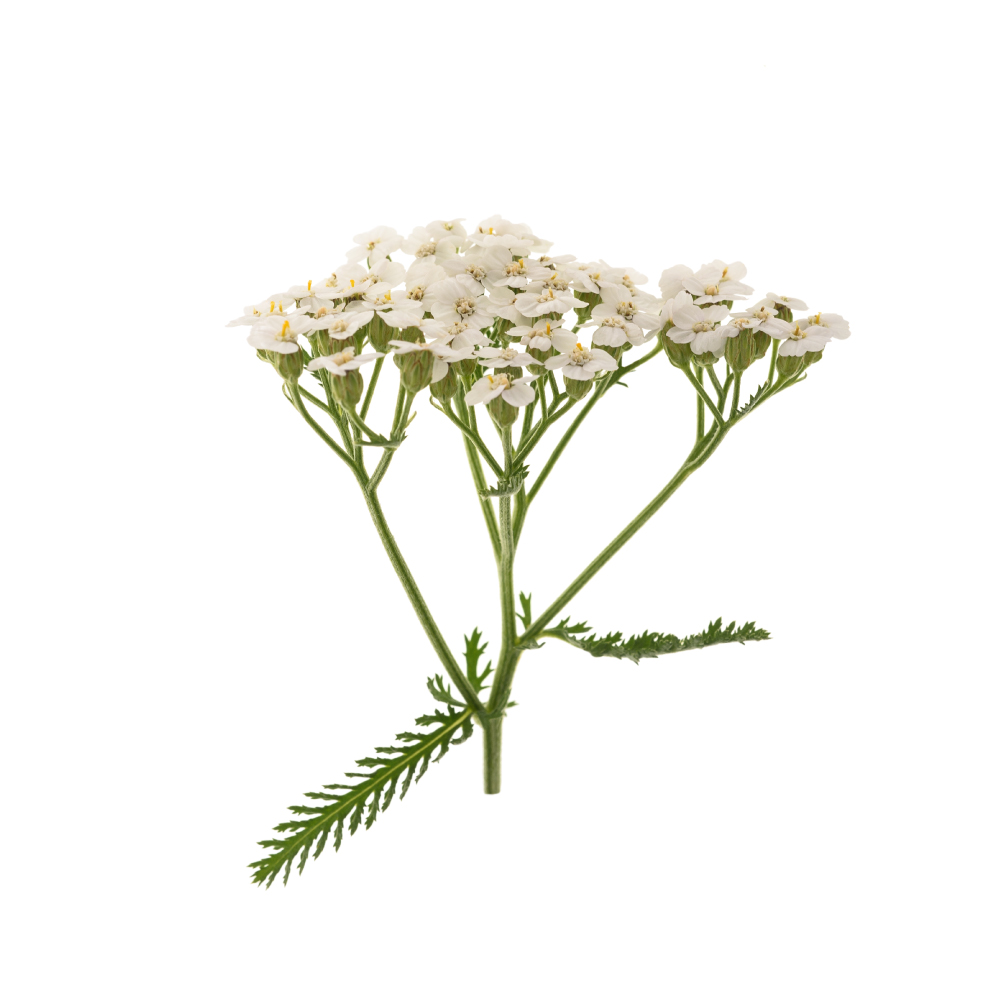 Yarrow Achillea millefolium Documented for 1,8-cineole, alpha-pinene, alpha-terpineol and 10 more monoterpenes.
 Muira Puama Ptychopetalum olacoides Documented for alpha-pinene, alpha-terpinene, beta-pinene and 9 more monoterpenes.
 Pine Pinus sylvestris Documented for alpha-pinene, alpha-terpineol, beta-phellandrene and 8 more monoterpenes.
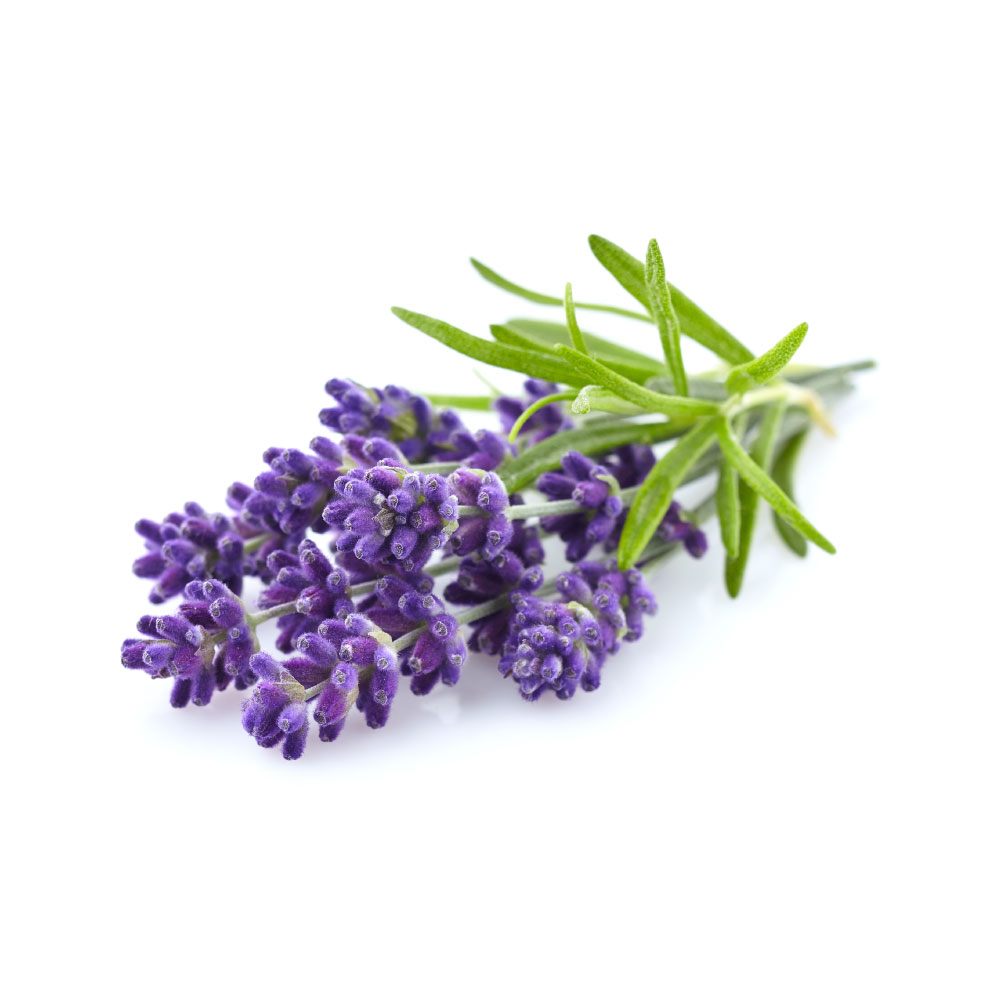 Lavender Lavandula angustifolia Documented for camphor (0–0.5 % of oil), linalool (25–38 % of oil), linalyl acetate (25–45 % of oil) and 7 more monoterpenes.
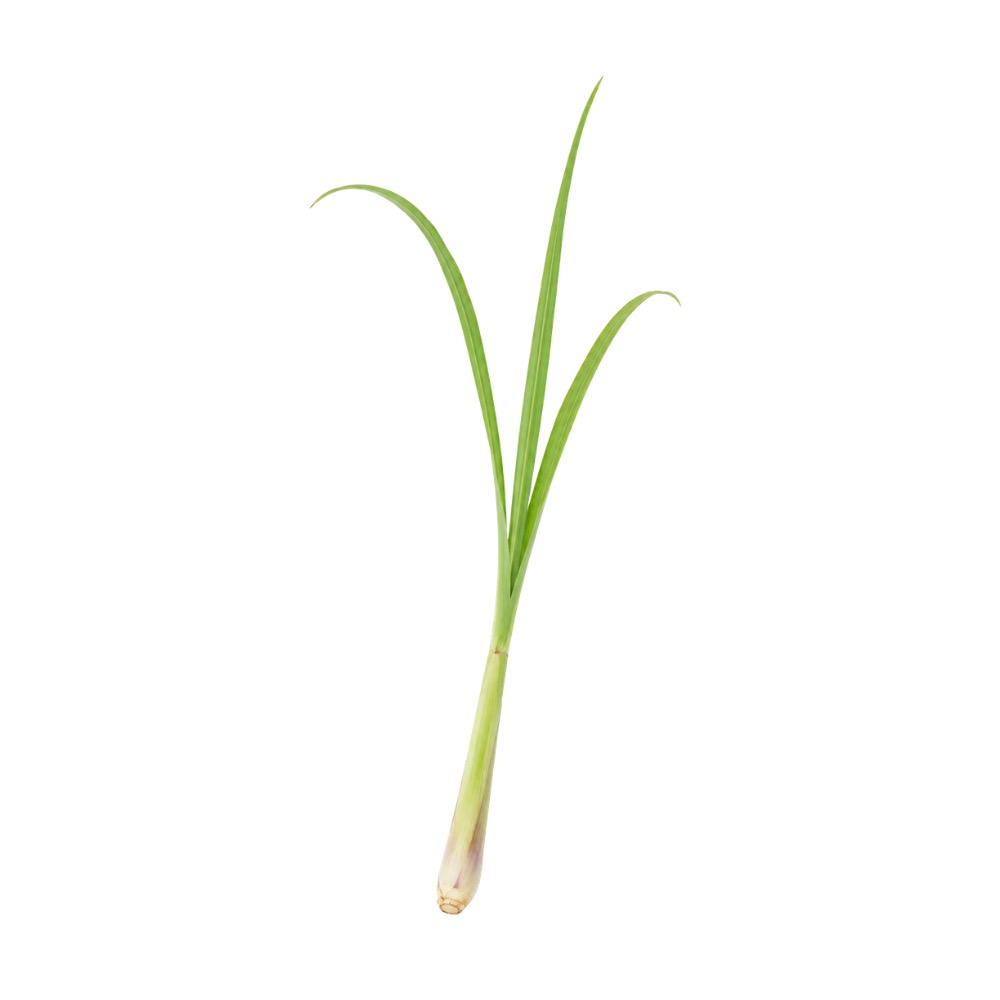 Lemongrass Cymbopogon citratus Documented for citral (65–85 % of oil), citronellal (3–4 % of oil), geranial (36–45 % of oil), geraniol (3 % of oil) and 6 more monoterpenes.
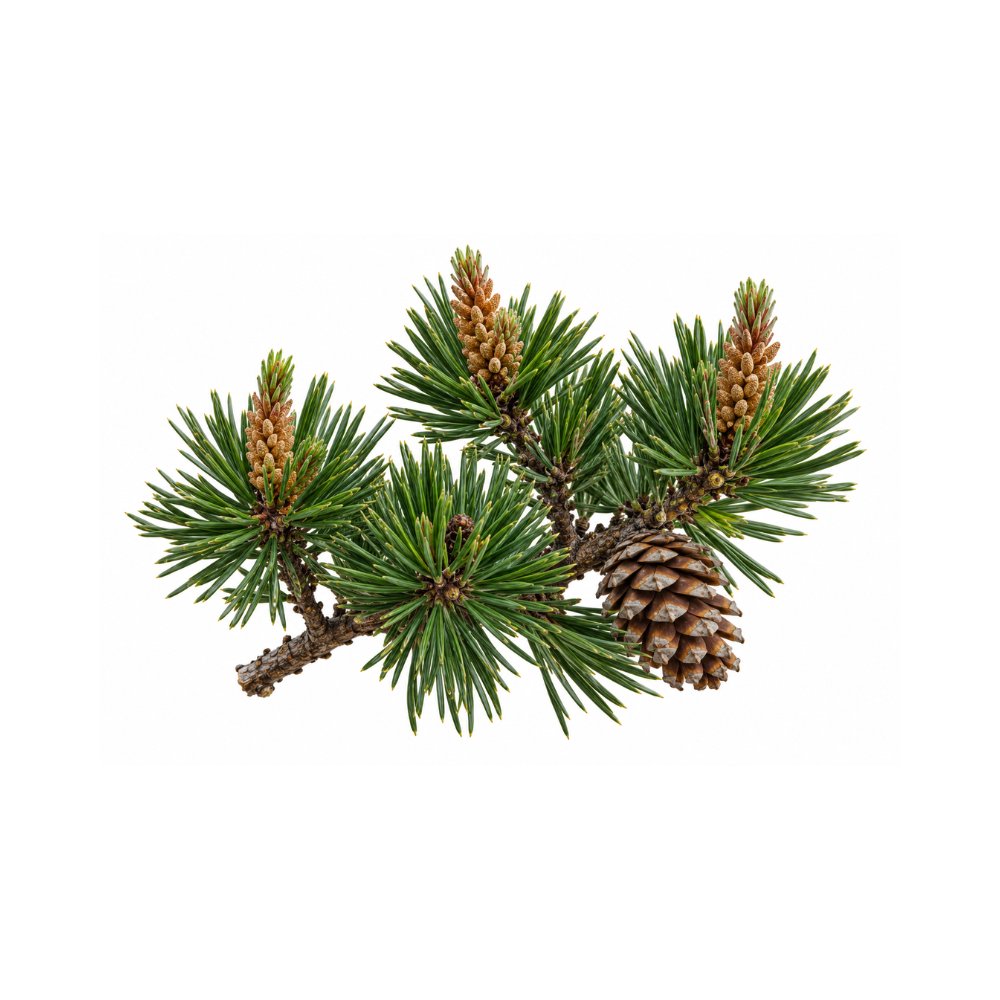 Mugo Pine Pinus mugo Documented for alpha-pinene, beta-phellandrene, beta-pinene and 6 more monoterpenes.
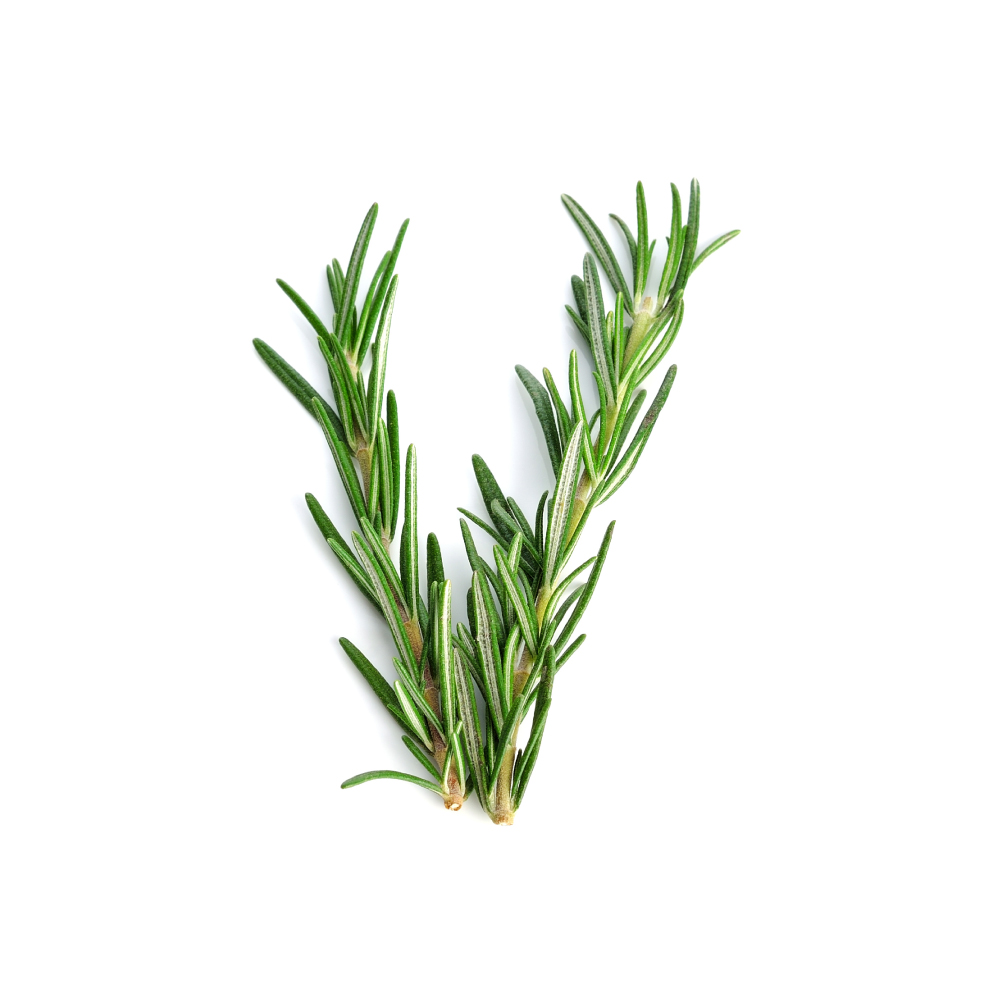 Rosemary Rosmarinus officinalis Documented for 1,8-cineole (15–55 % of EO), alpha-pinene (13.5–37.7 % of oil), borneol (0.3–21 % of oil), camphor (5–31 % of oil) and 5 more monoterpenes.
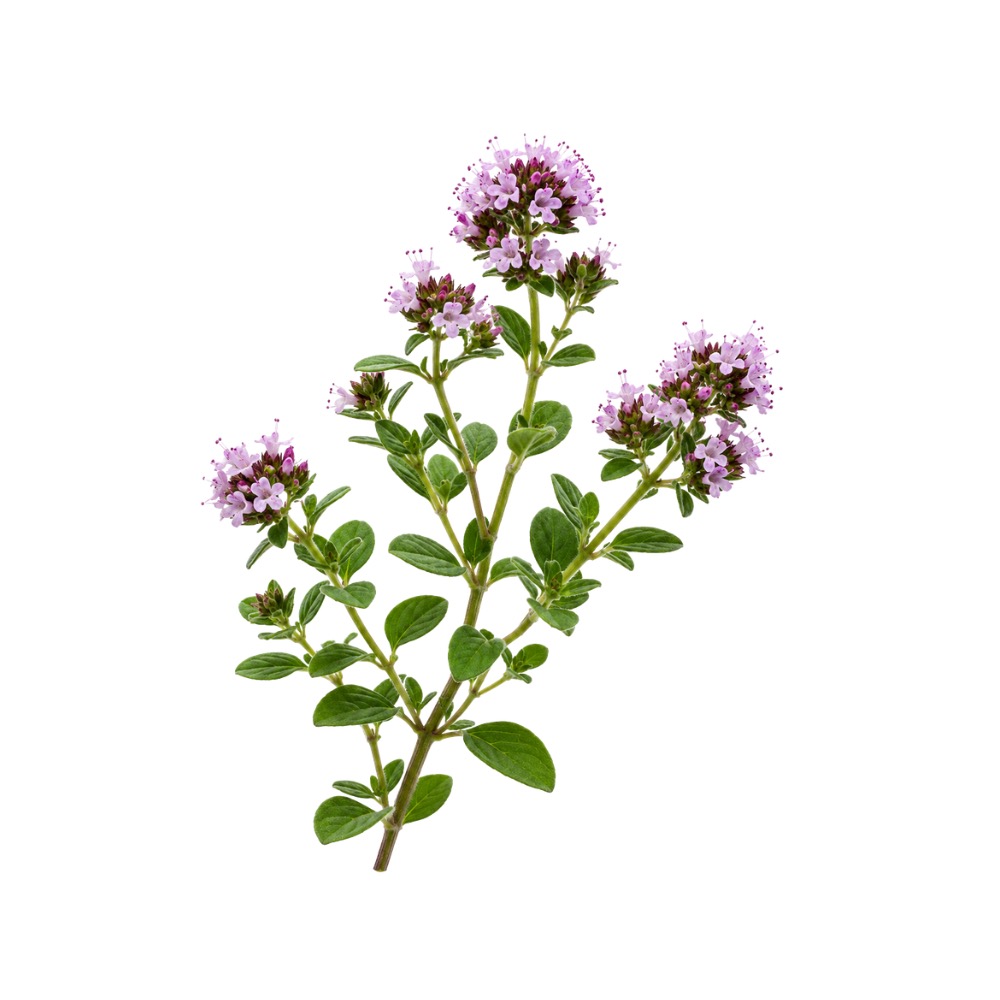 Marjoram Origanum majorana Documented for alpha-terpinene (17.4 % of oil), cis-sabinene hydrate, gamma-terpinene and 5 more monoterpenes.
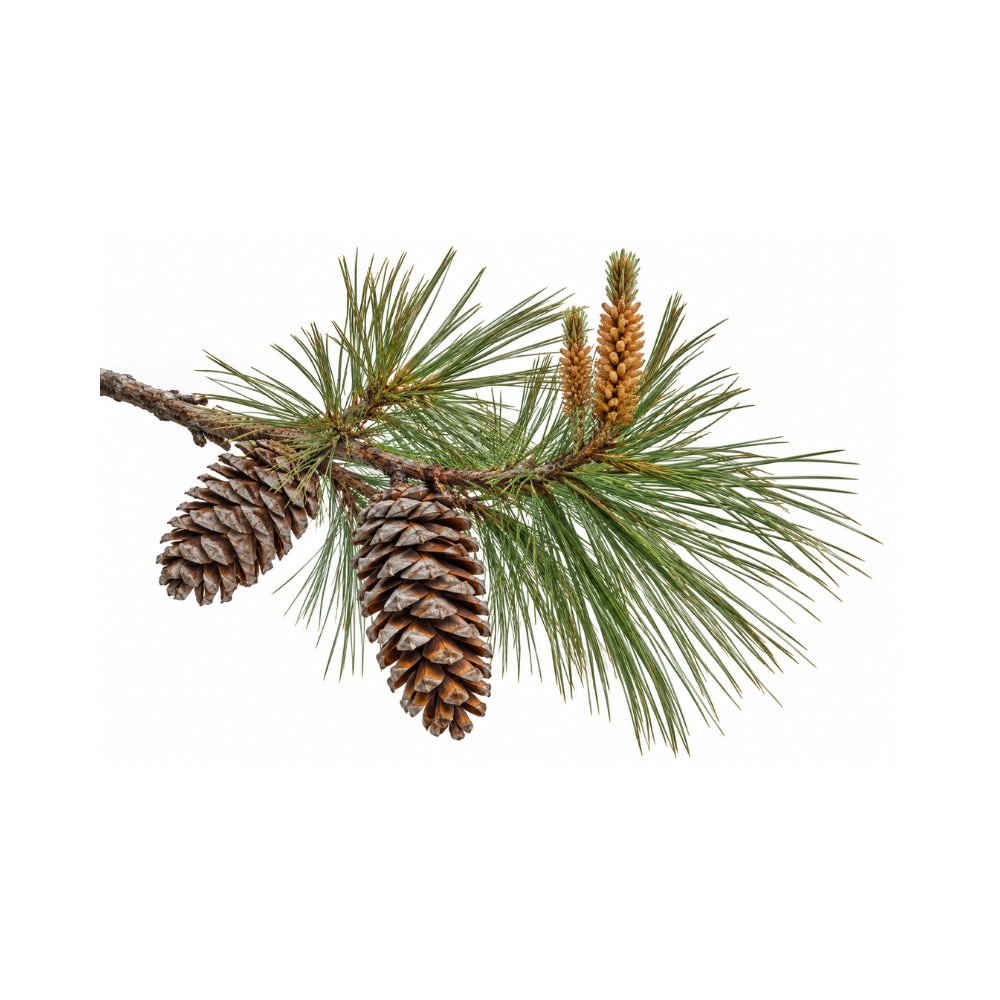 Chir Pine Pinus roxburghii Documented for alpha-pinene, beta-pinene, camphene and 4 more monoterpenes.
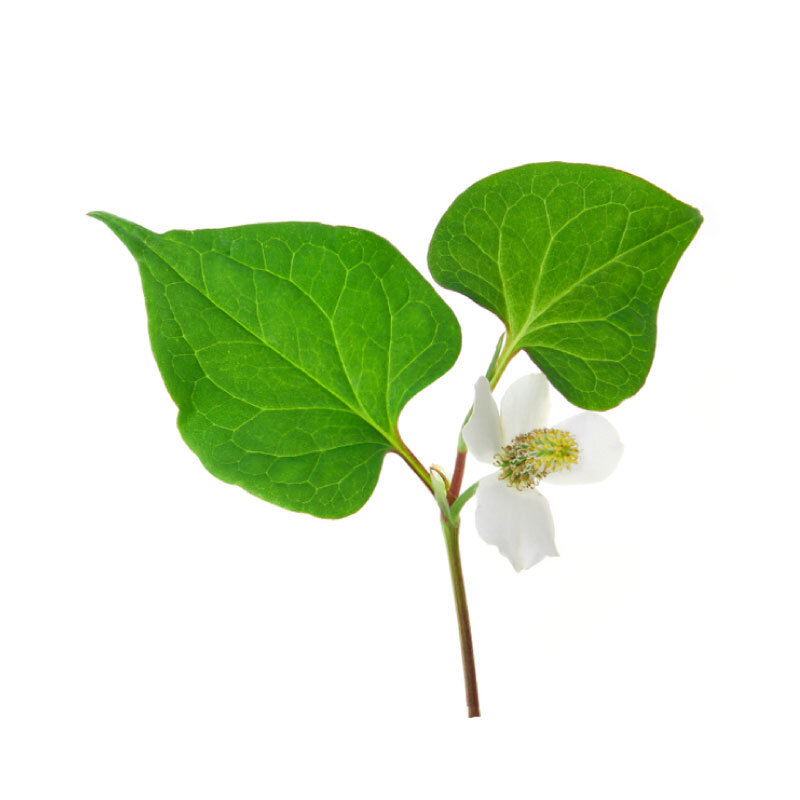 Fish Mint Houttuynia cordata Documented for myrcene (2.6–44.3 % of oil), 4-terpineol, alpha-pinene and 4 more monoterpenes.
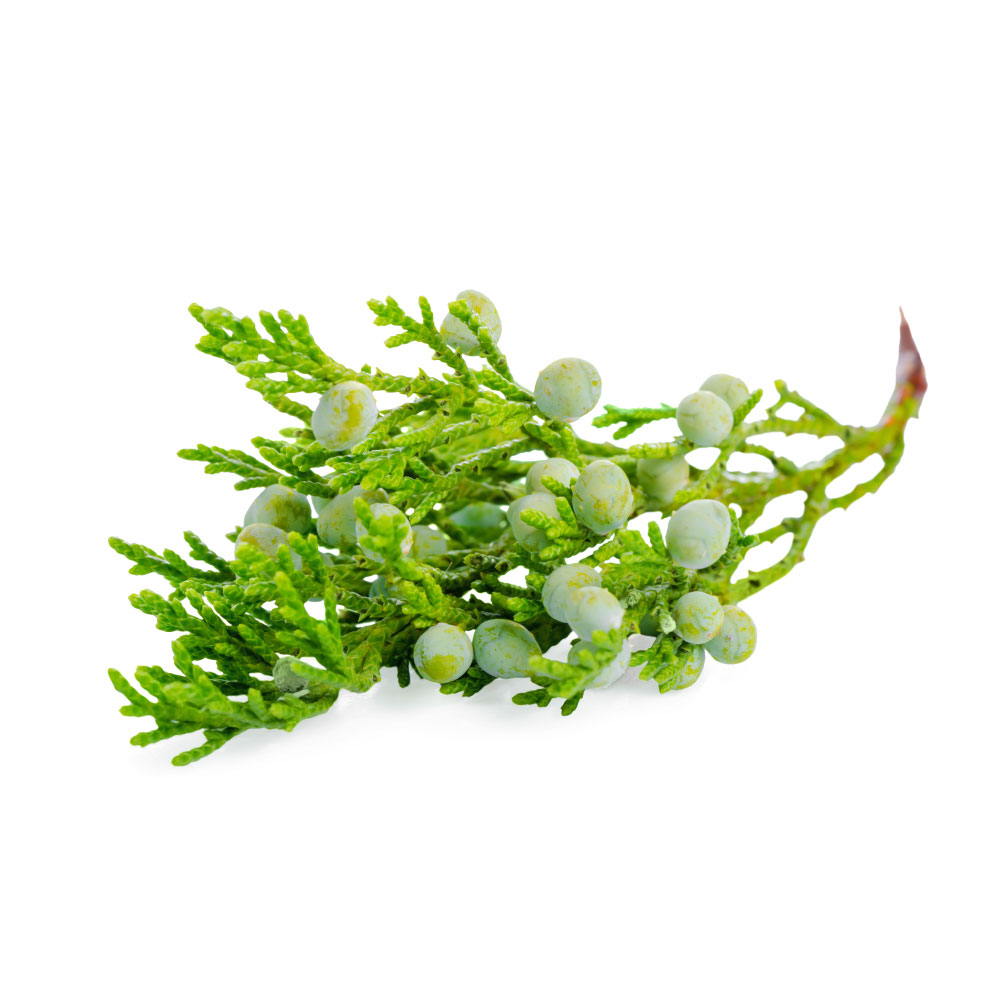 Juniper Juniperus communis Documented for alpha-pinene (51.4 % of oil), beta-pinene (5 % of oil), limonene (1–14 % of oil), myrcene (8.3 % of oil) and 3 more monoterpenes.
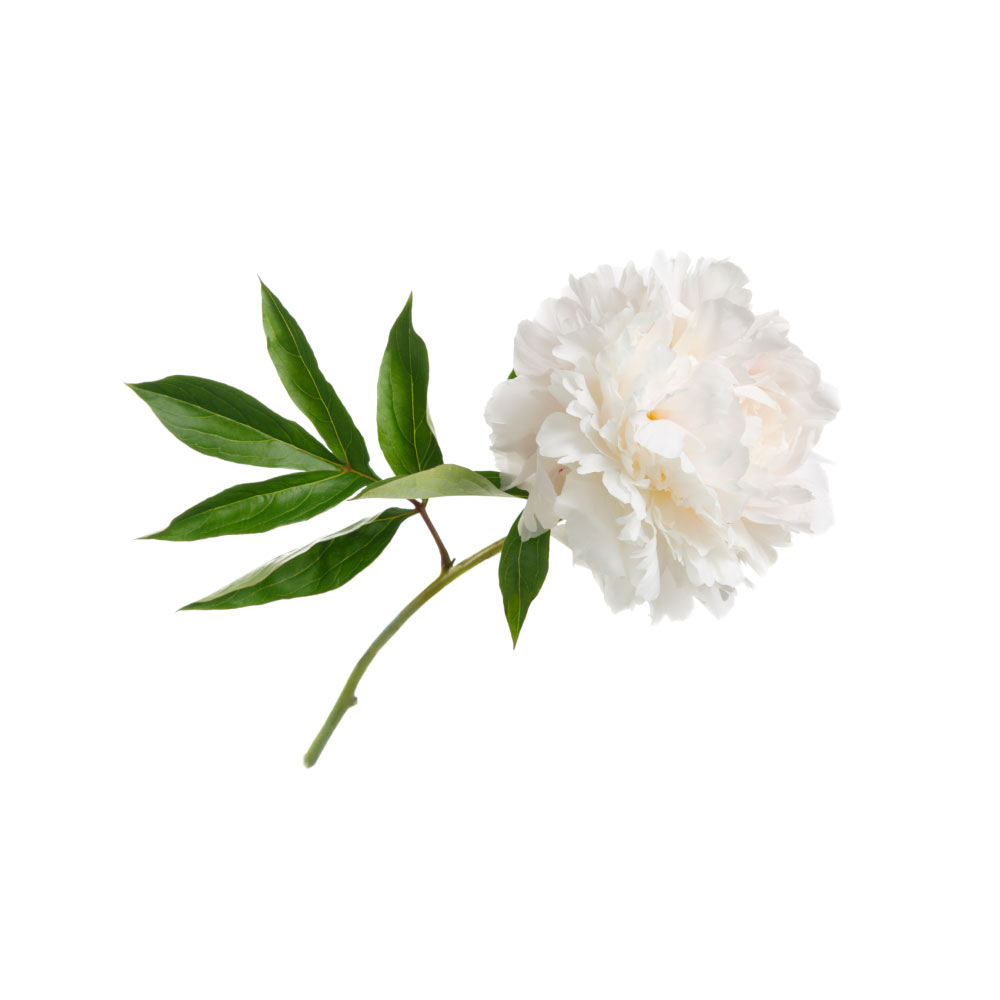 Peony Paeonia lactiflora Documented for albiflorin (0.15–1.97 % dry wt), paeoniflorin (1.6–5 % dry wt), 3'-O-galloylpaeoniflorin and 4 more monoterpenes.
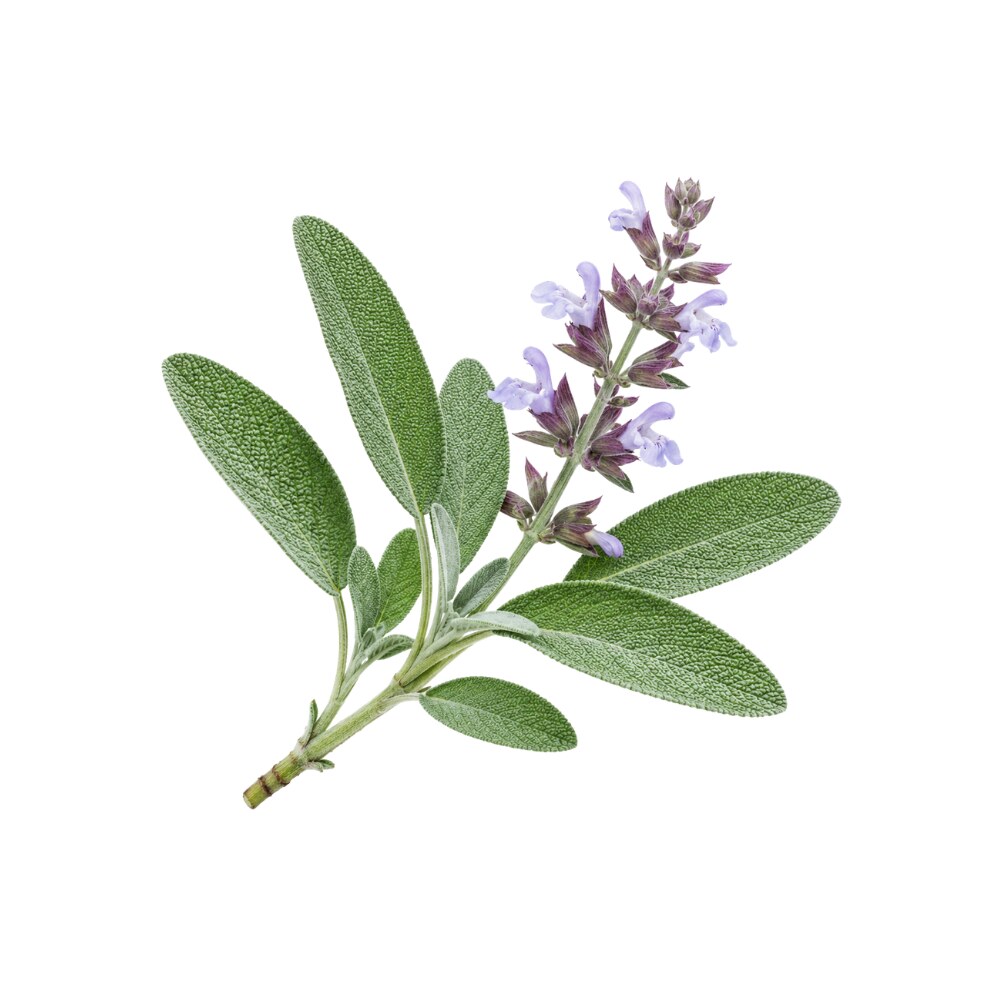 Sage Salvia officinalis Documented for 1,8-cineole (9.4–11 % of EO), alpha-thujone (17.2–27.4 % of oil), beta-thujone and 4 more monoterpenes.
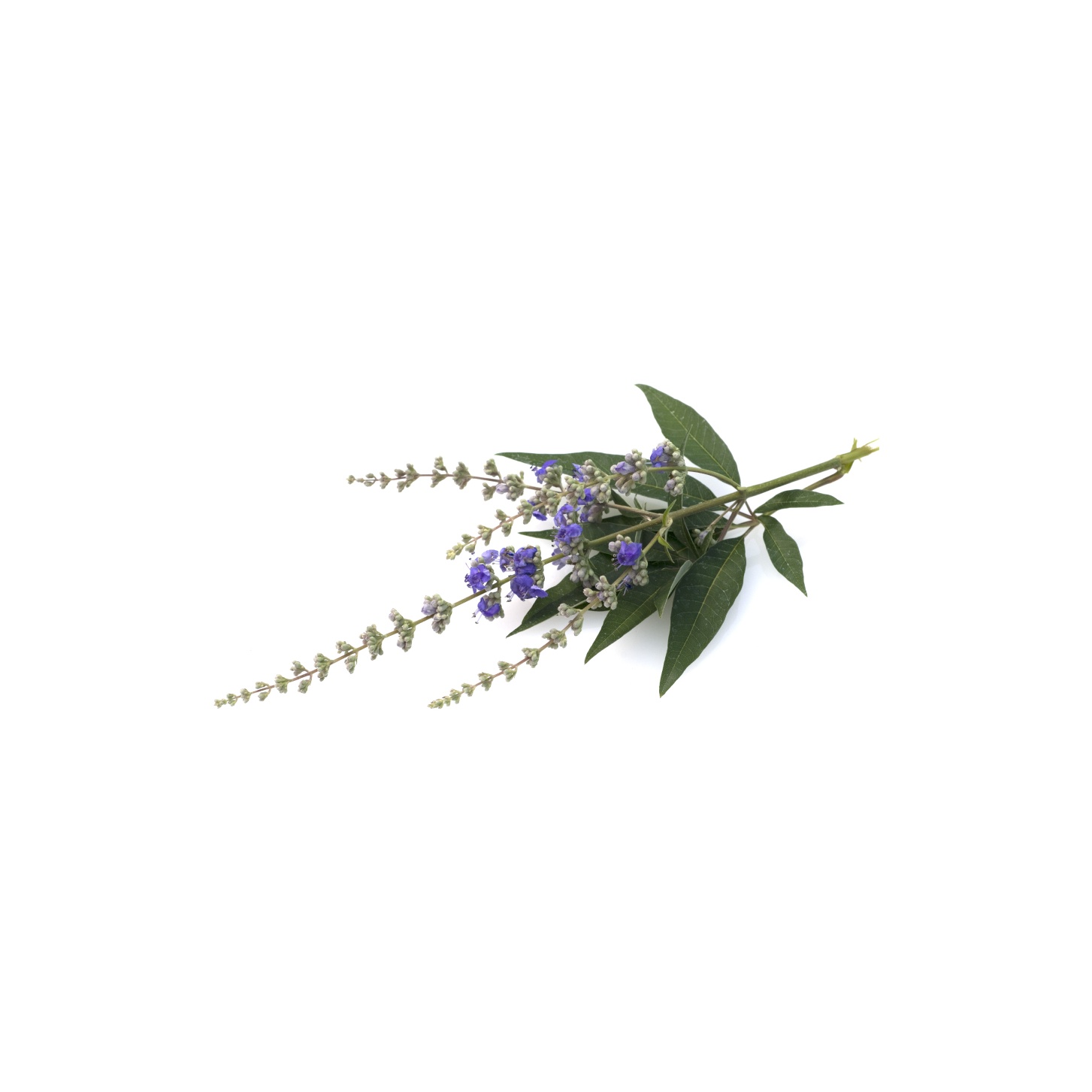 Chaste Tree Vitex agnus-castus Documented for 1,8-cineole, bornyl acetate, limonene and 3 more monoterpenes.
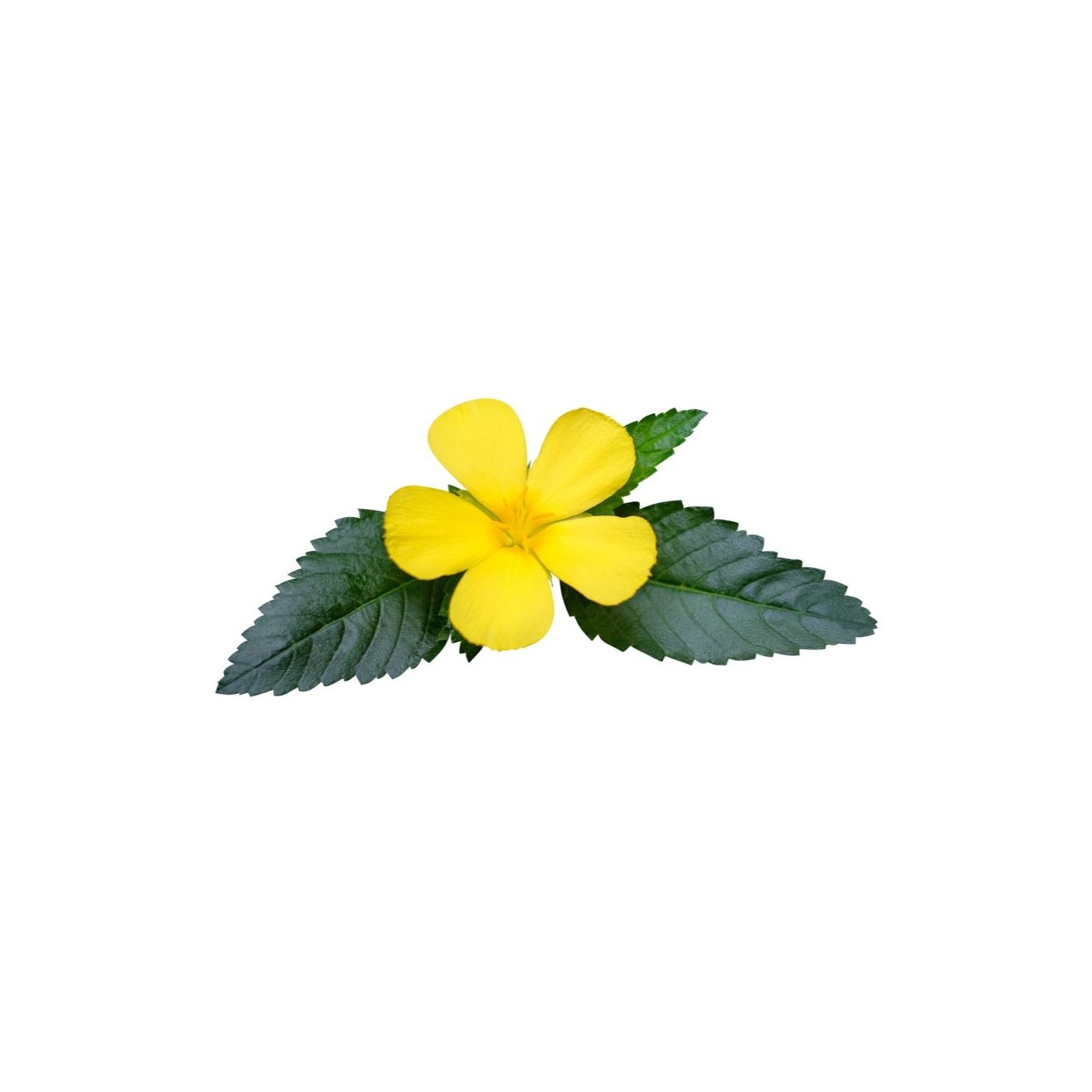 Damiana Turnera diffusa Documented for 1,8-cineole, alpha-pinene, beta-pinene and 3 more monoterpenes.
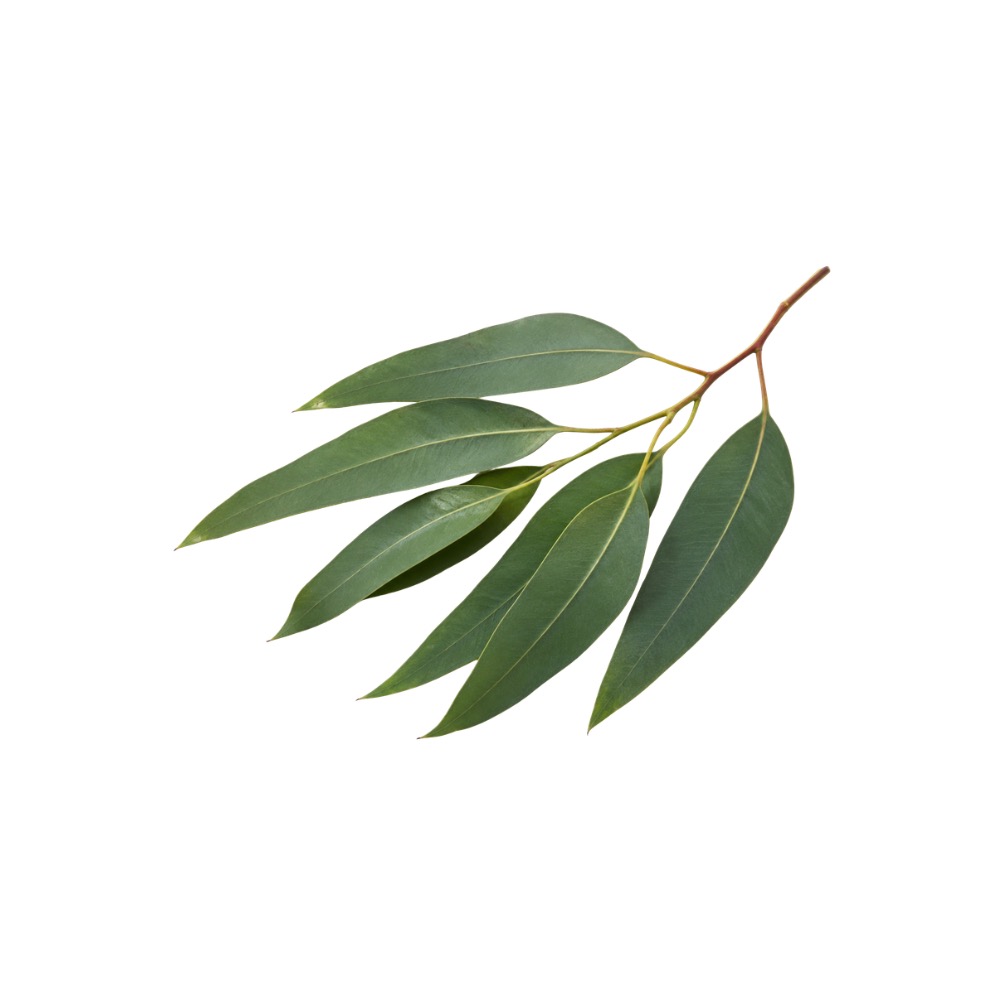 Eucalyptus Eucalyptus globulus Documented for 1,8-cineole, alpha-pinene, alpha-terpineol and 3 more monoterpenes. Korean Red Pine Pinus densiflora Documented for alpha-pinene, beta-pinene, bornyl acetate and 3 more monoterpenes.
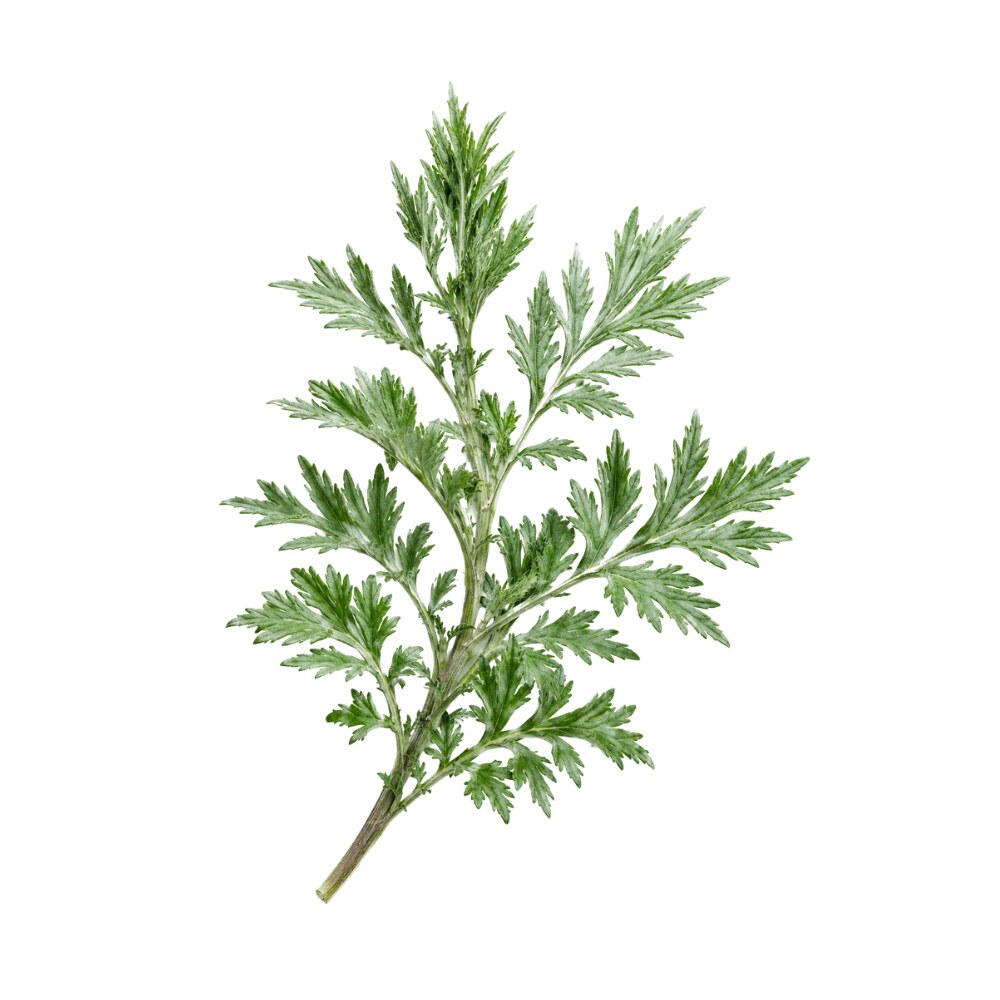 Mugwort Artemisia vulgaris Documented for borneol (4.8–8.2 % of oil), 1,8-cineole, alpha-thujone and 3 more monoterpenes.
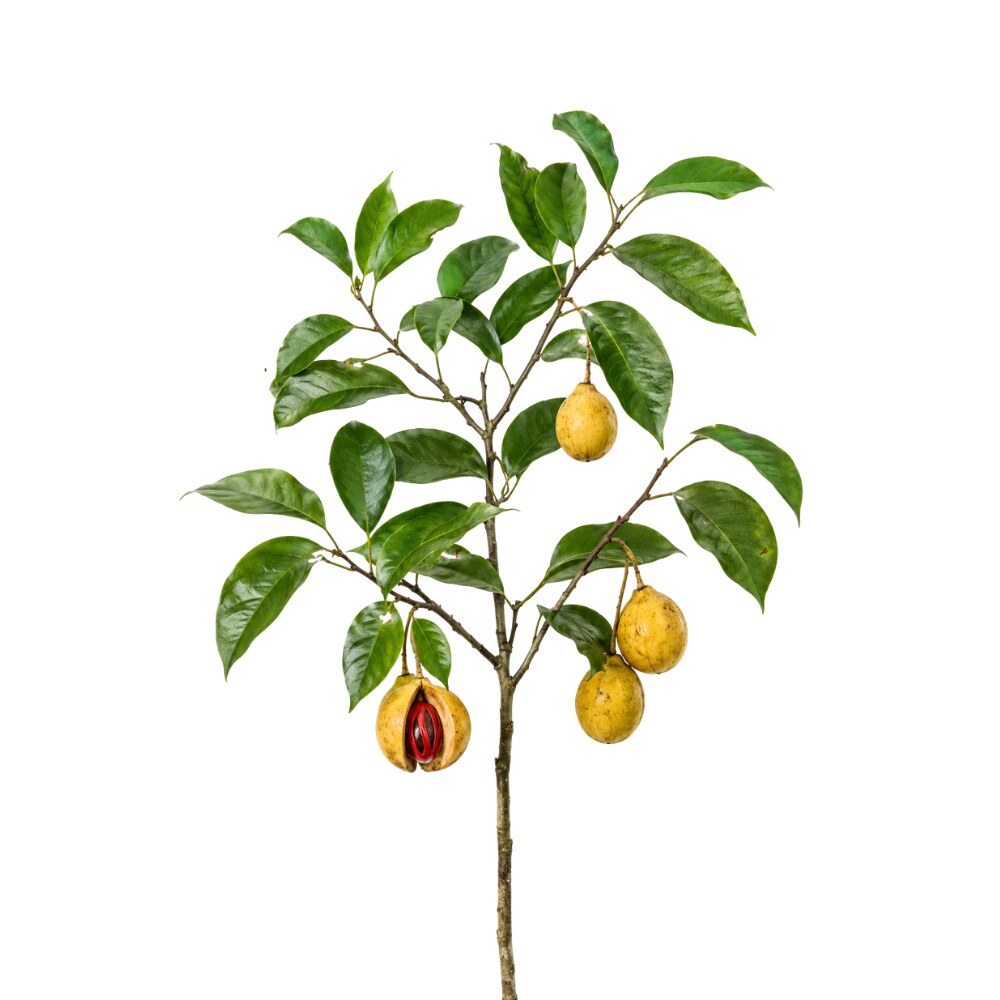 Nutmeg Myristica fragrans Toxic Documented for sabinene (27.7–38.4 % of oil), alpha-pinene, beta-pinene and 3 more monoterpenes.
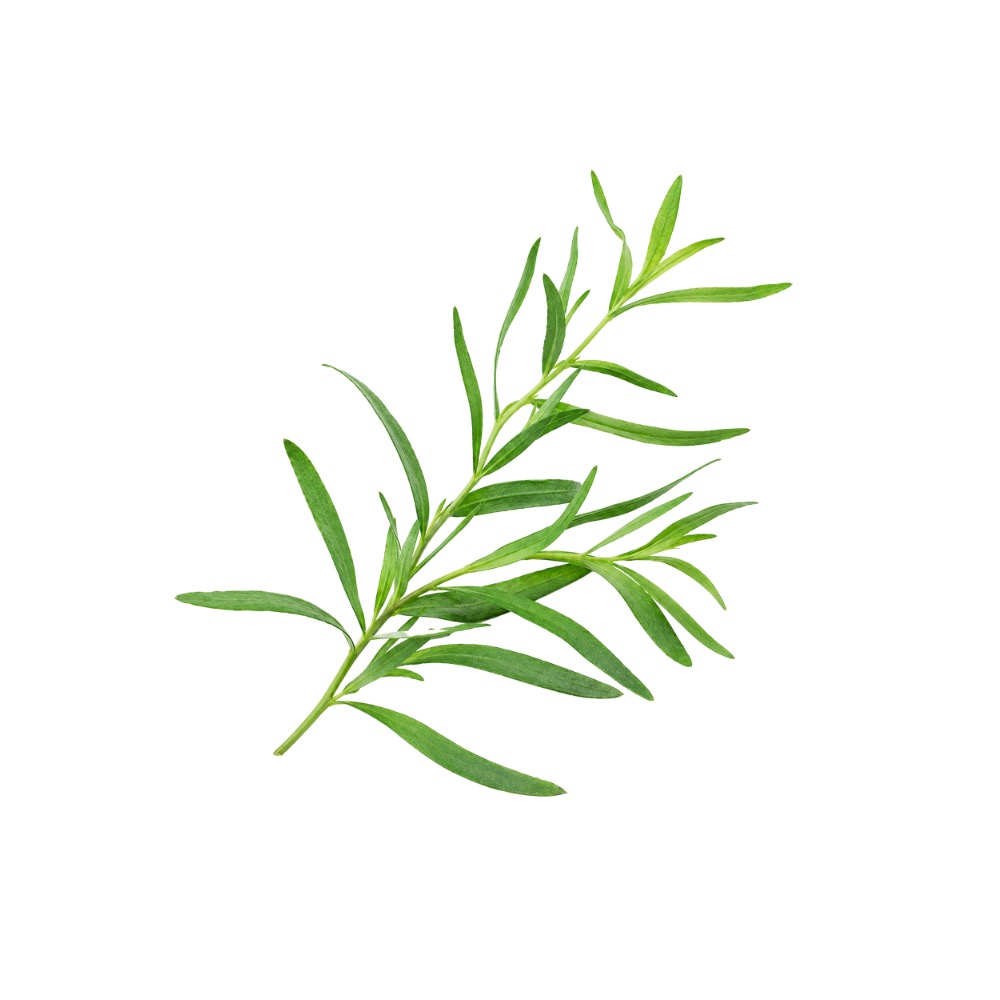 Tarragon Artemisia dracunculus Documented for beta-pinene (0.8 % of oil), ocimene (20.6 % of oil), alpha-pinene and 3 more monoterpenes. Thyme Thymus vulgaris Documented for thymol (20–55 % of oil), 1,8-cineole, gamma-terpinene and 3 more monoterpenes.
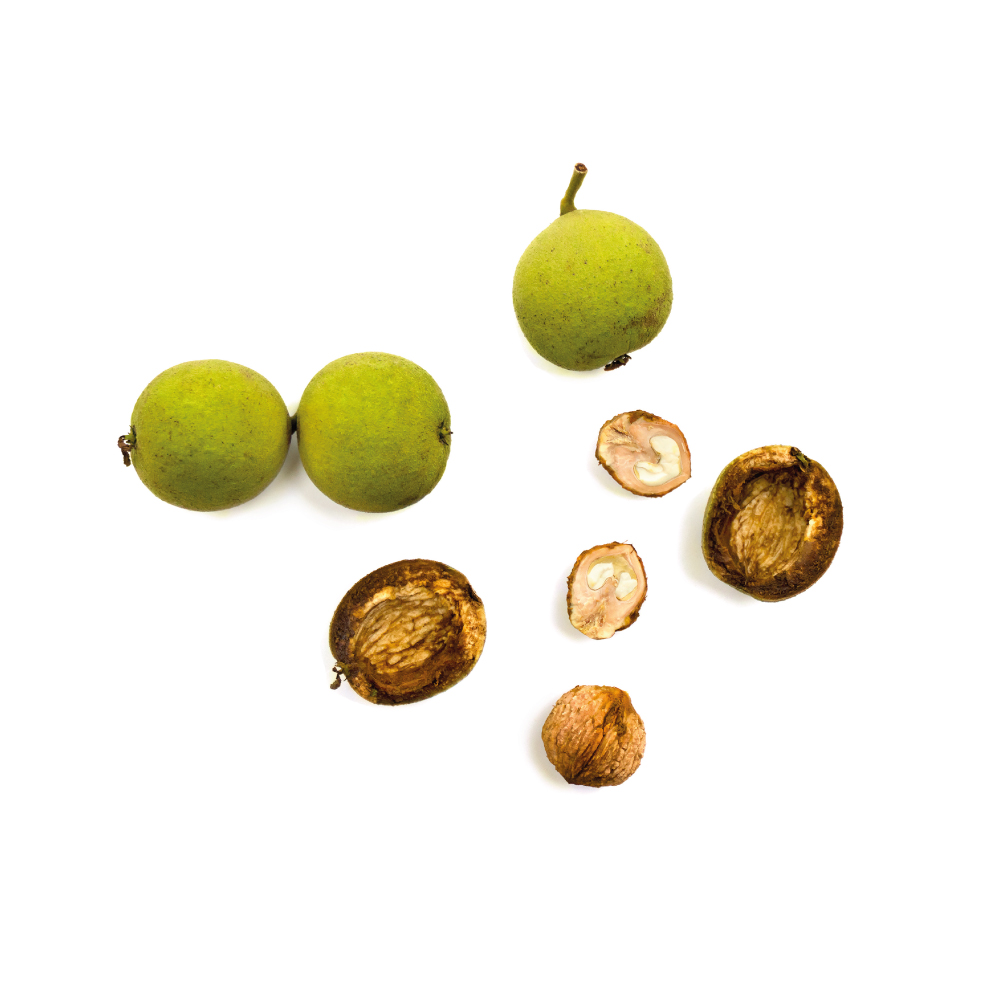 Black Walnut Juglans nigra Documented for alpha-pinene, beta-pinene, limonene and 2 more monoterpenes.
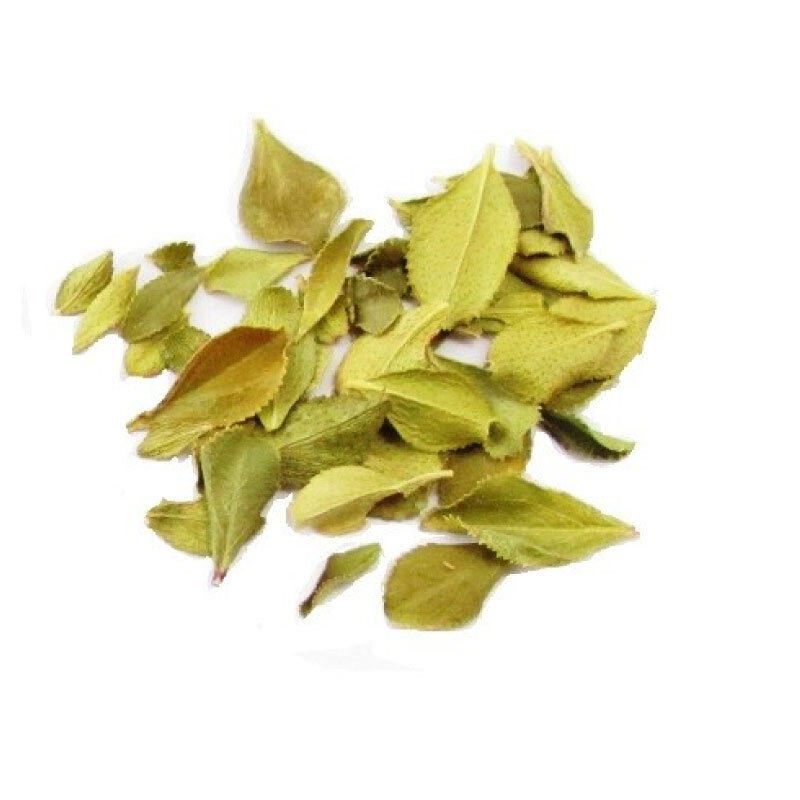 Buchu Agathosma betulina Documented for limonene (12–17 % of oil), pulegone (5–34 % of oil), diosphenol and 2 more monoterpenes.
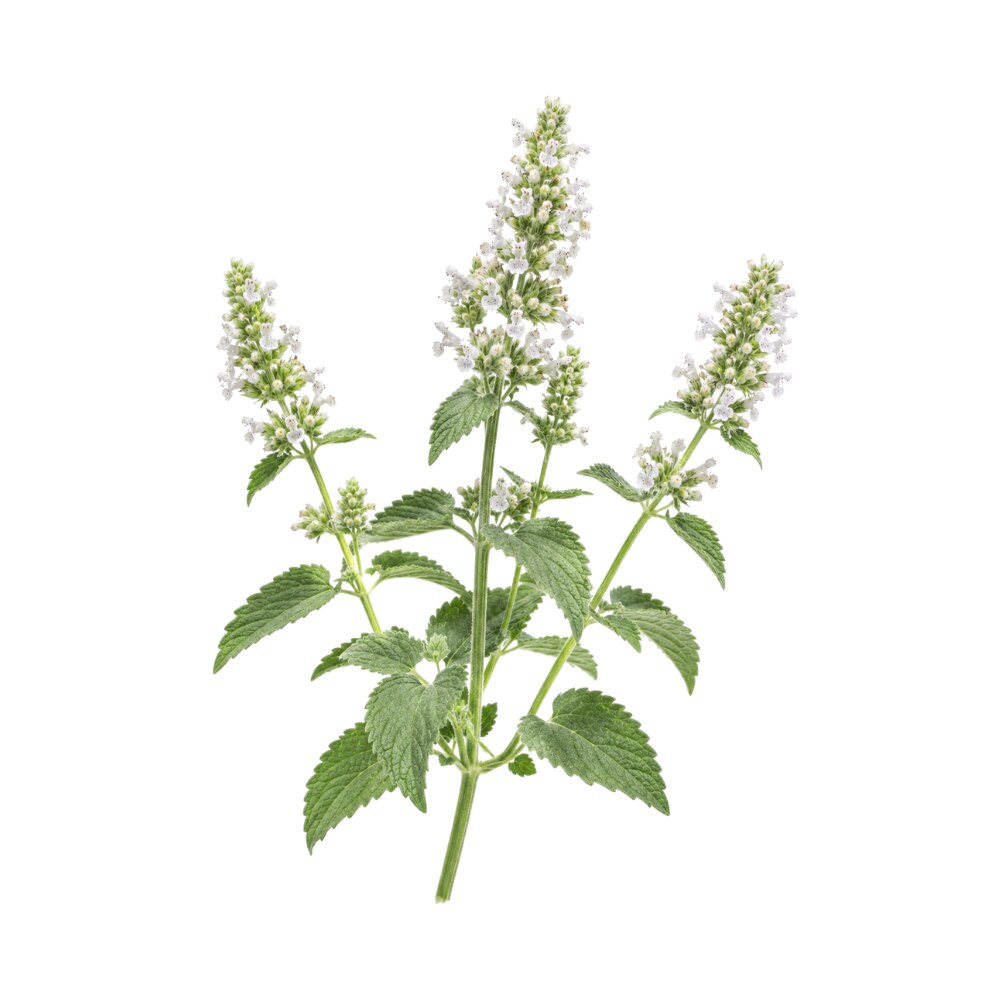 Catnip Nepeta cataria Documented for citral, citronellol, geraniol and 2 more monoterpenes.
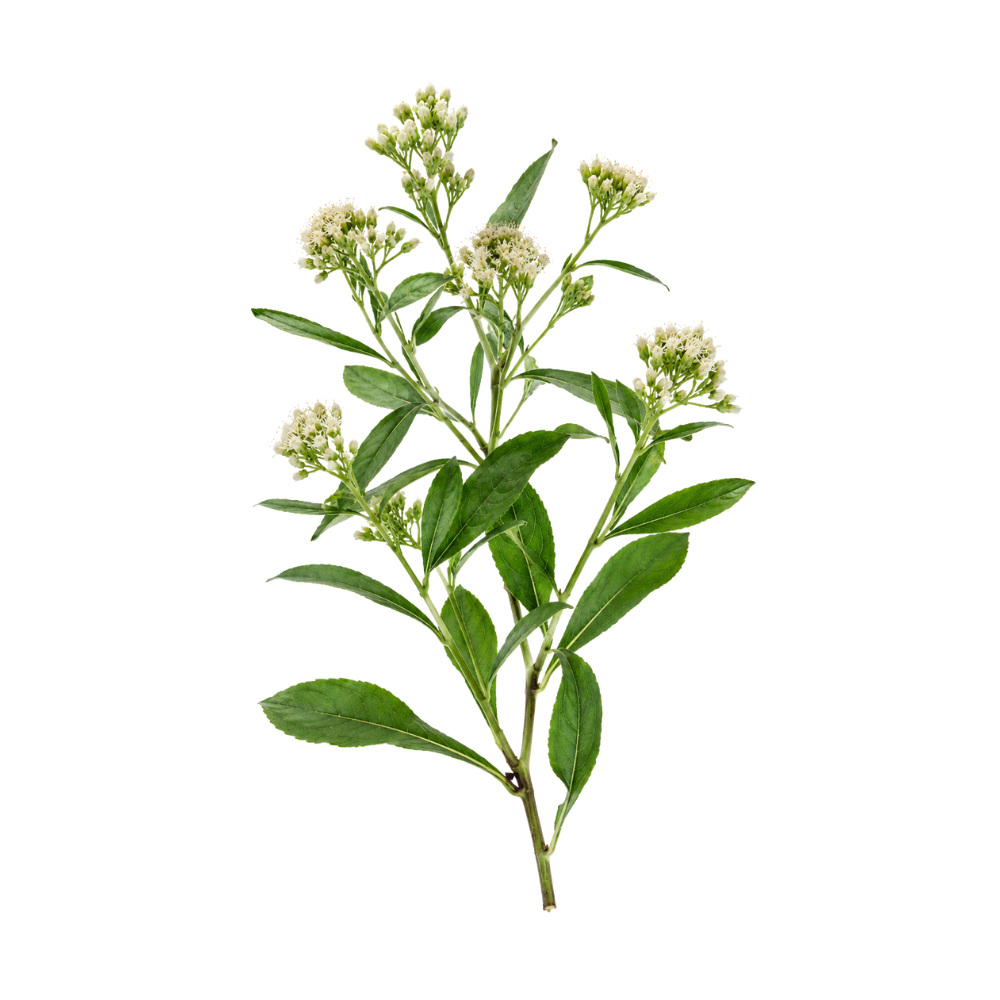 Chilca Baccharis latifolia Documented for beta-phellandrene (10 % of oil), alpha-pinene, beta-pinene and 2 more monoterpenes.
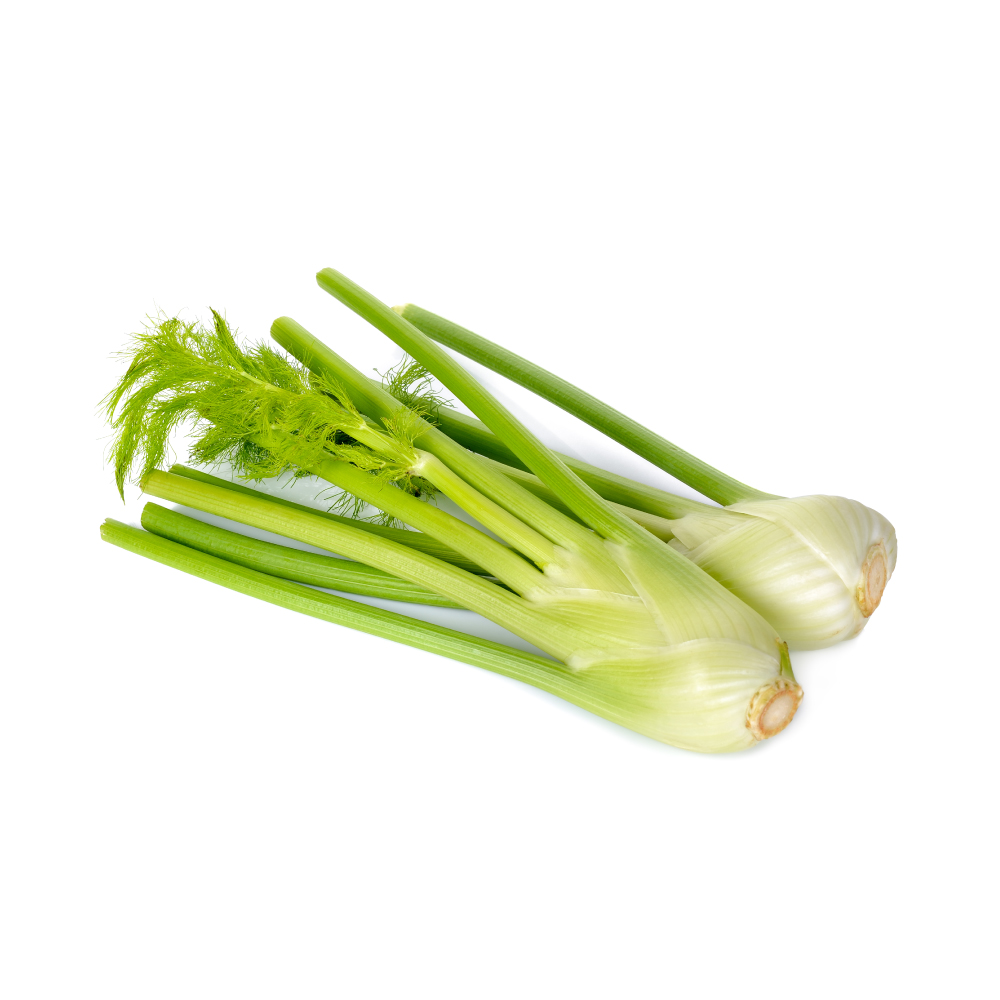 Fennel Foeniculum vulgare Documented for fenchone (1.6–22.8 % of oil), d-pinene, limonene and 2 more monoterpenes.
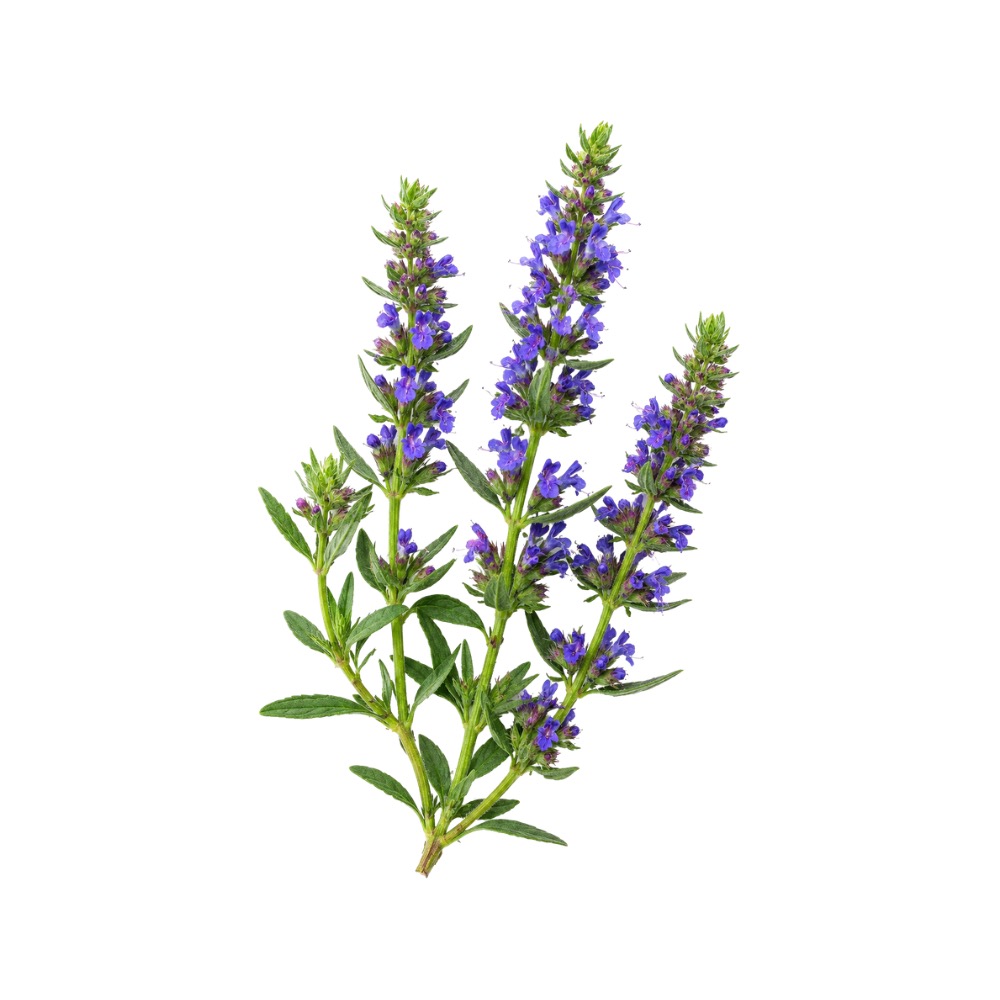 Hyssop Hyssopus officinalis Documented for 1,8-cineole, beta-pinene, isopinocamphone and 2 more monoterpenes.
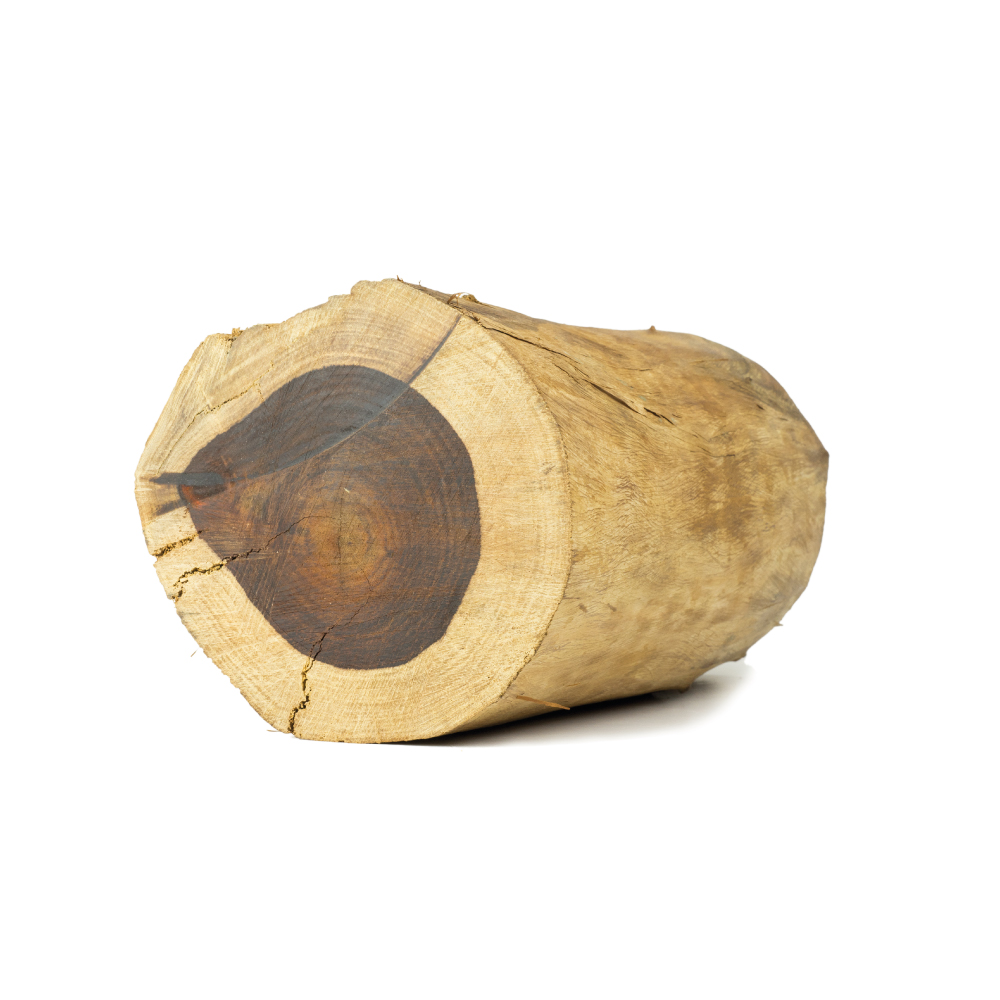 Rosewood Aniba rosaeodora Documented for linalool (80–93 % of oil), 1,8-cineole, alpha-terpineol and 2 more monoterpenes.
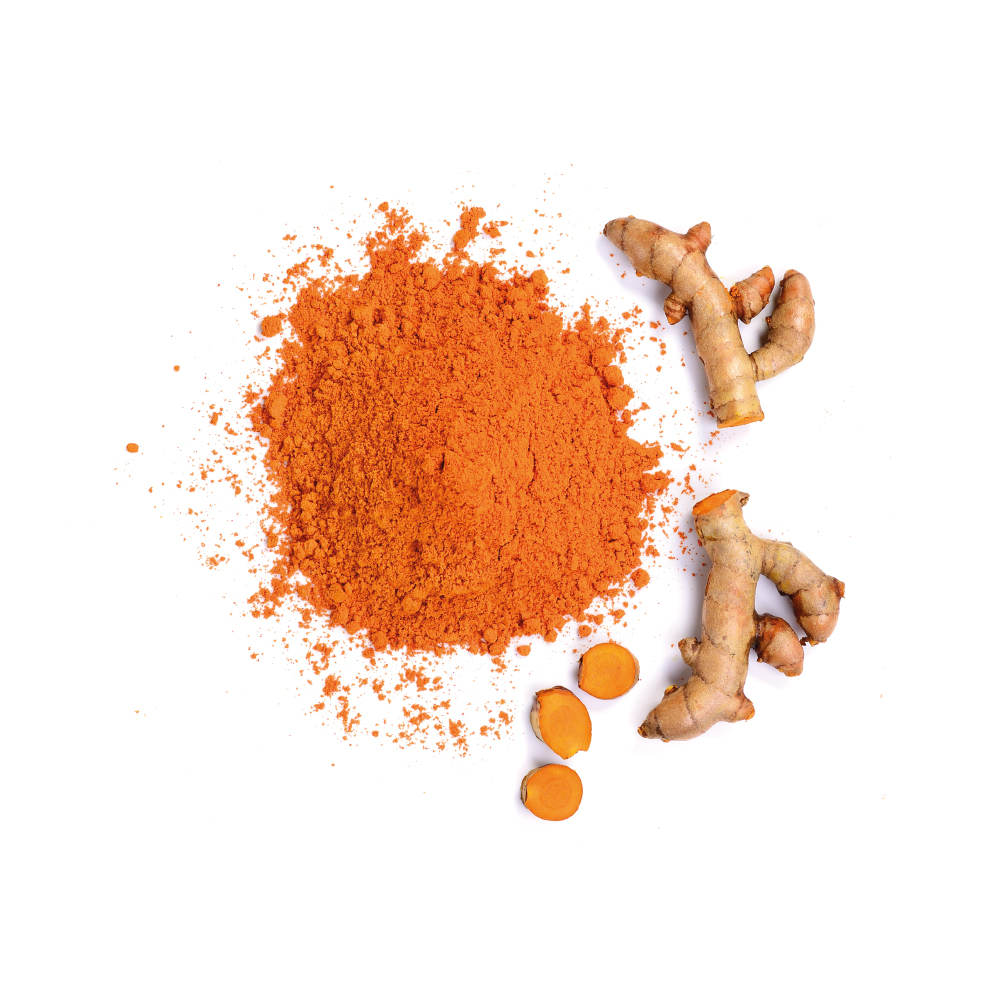 Turmeric Curcuma longa Documented for 1,8-cineole, alpha-phellandrene, borneol and 2 more monoterpenes.
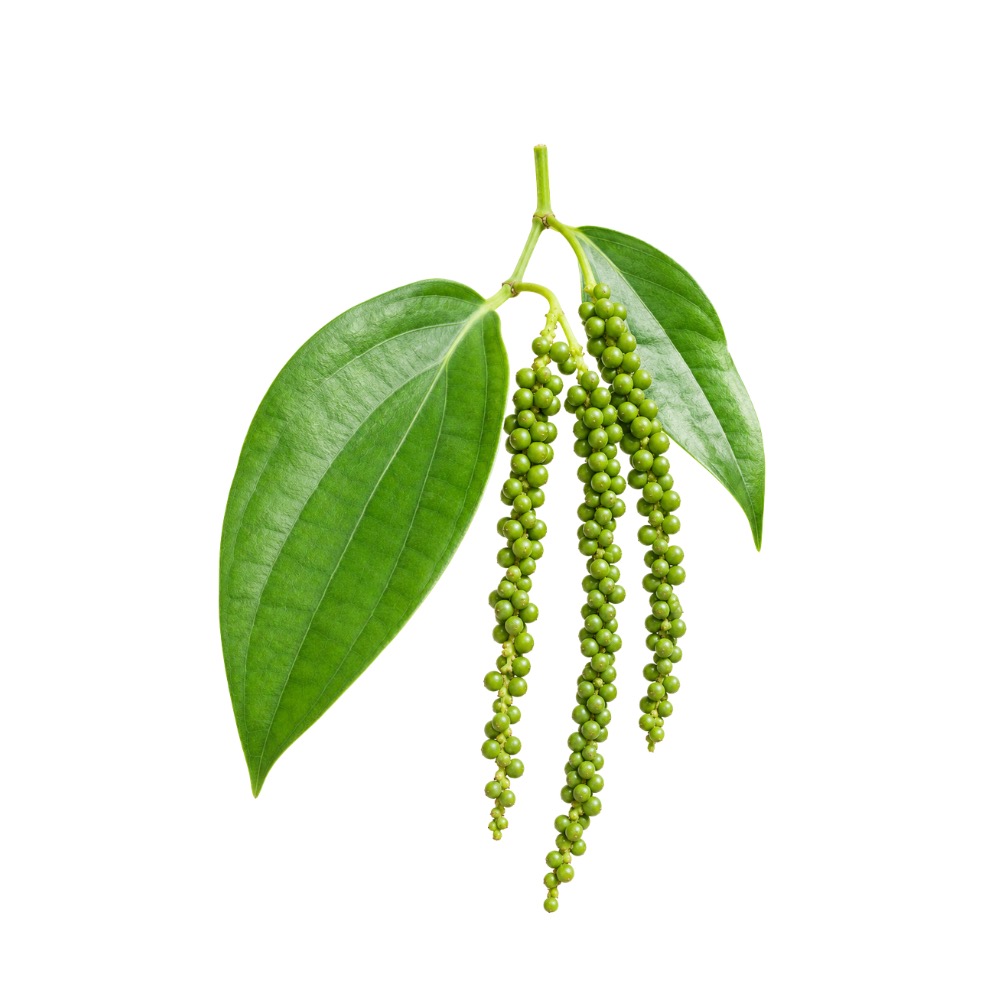 Black Pepper Piper nigrum Documented for alpha-pinene, beta-pinene, limonene and 1 more.
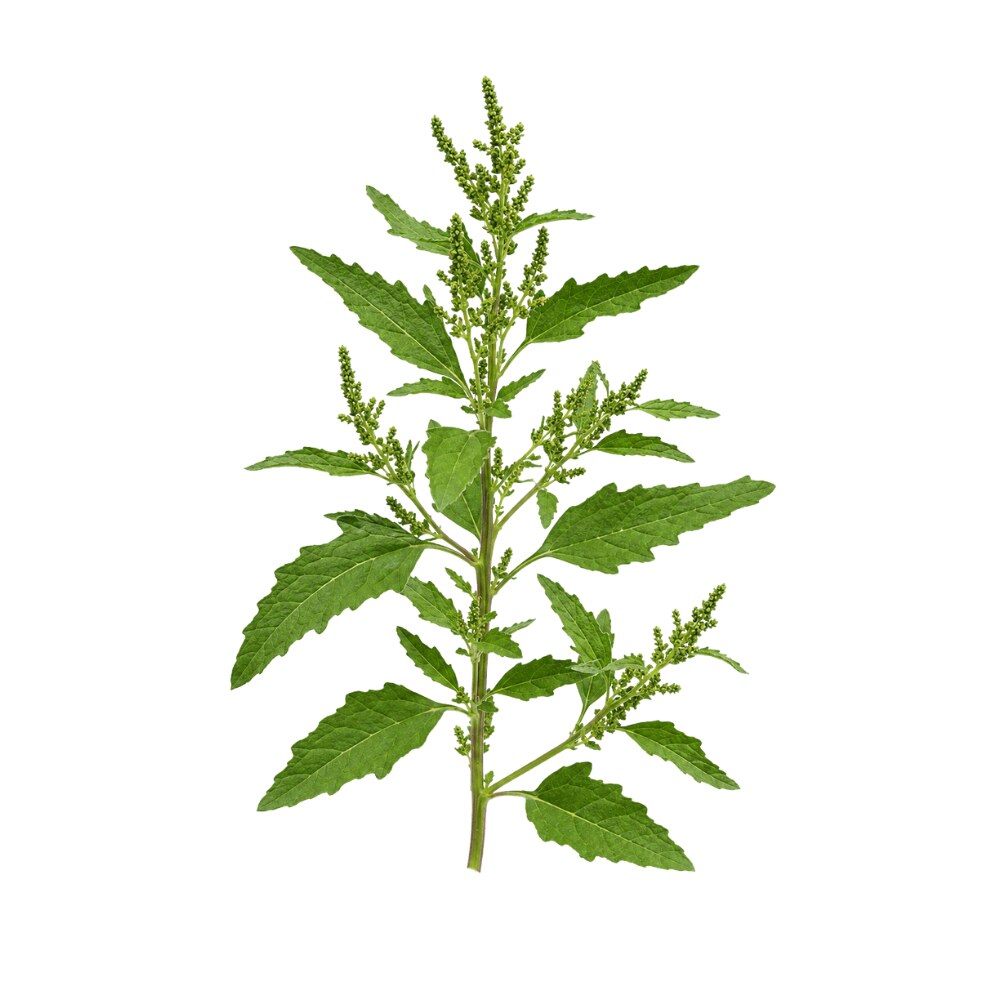 Epazote Dysphania ambrosioides Documented for alpha-terpinene (17–20.7 % of oil), p-cymene (20.2–21.1 % of oil), ascaridole and 1 more.
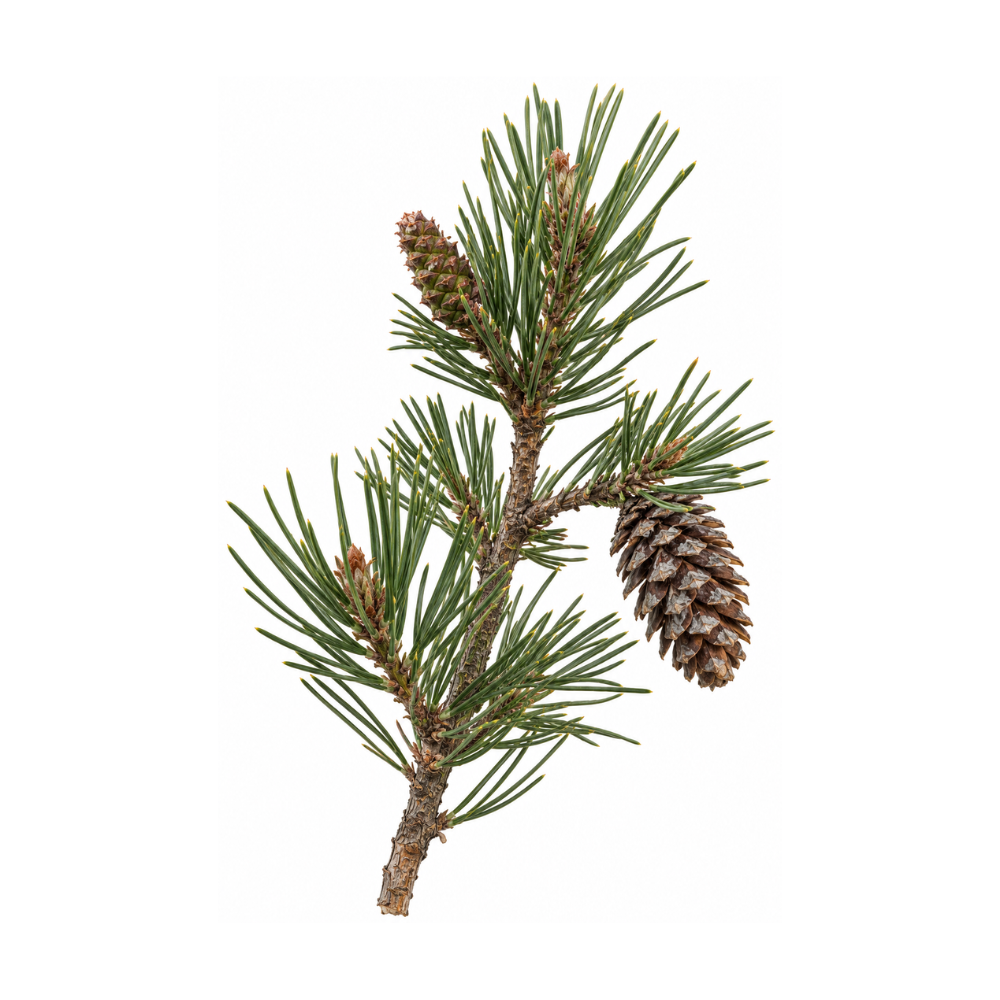 Lodgepole Pine Pinus contorta Documented for beta-phellandrene (23.8 % of oil), alpha-pinene, beta-pinene and 1 more.
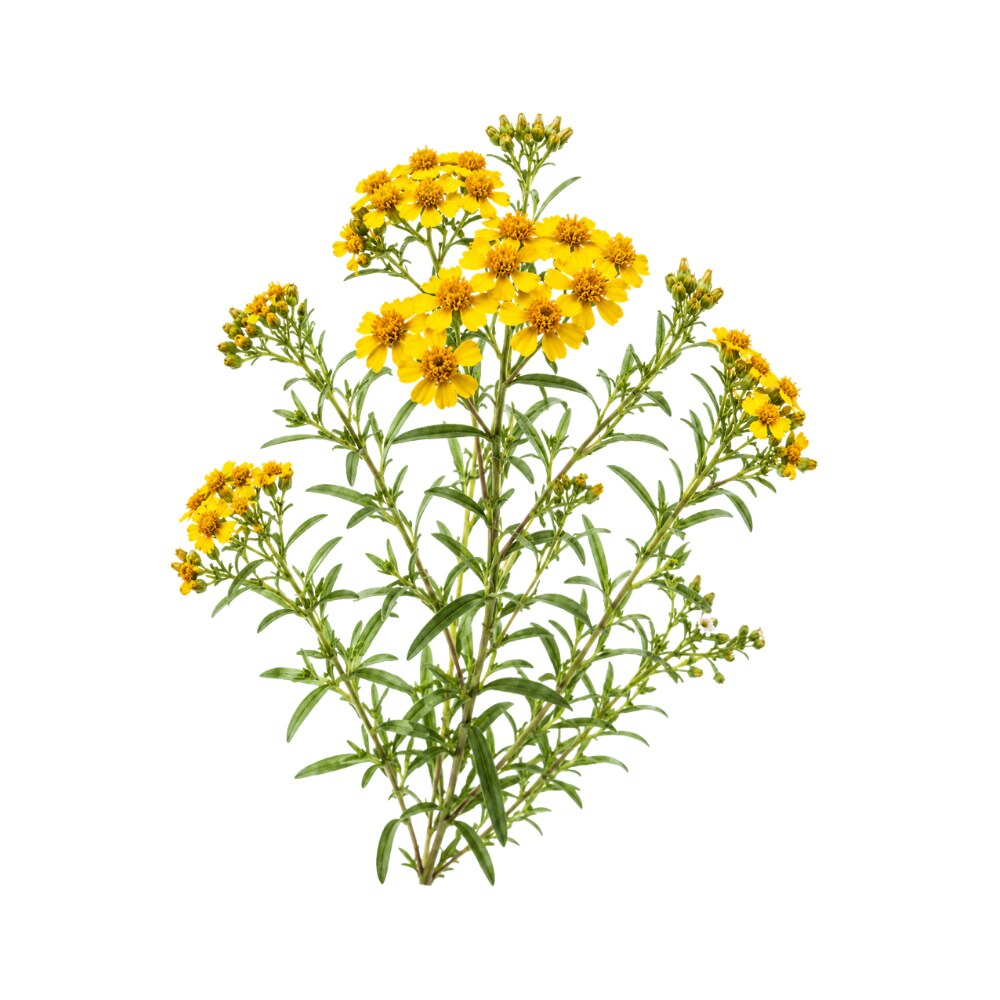 Mexican Tarragon Tagetes lucida Documented for geranyl acetate (49.89 % of oil), limonene, myrcene and 1 more.
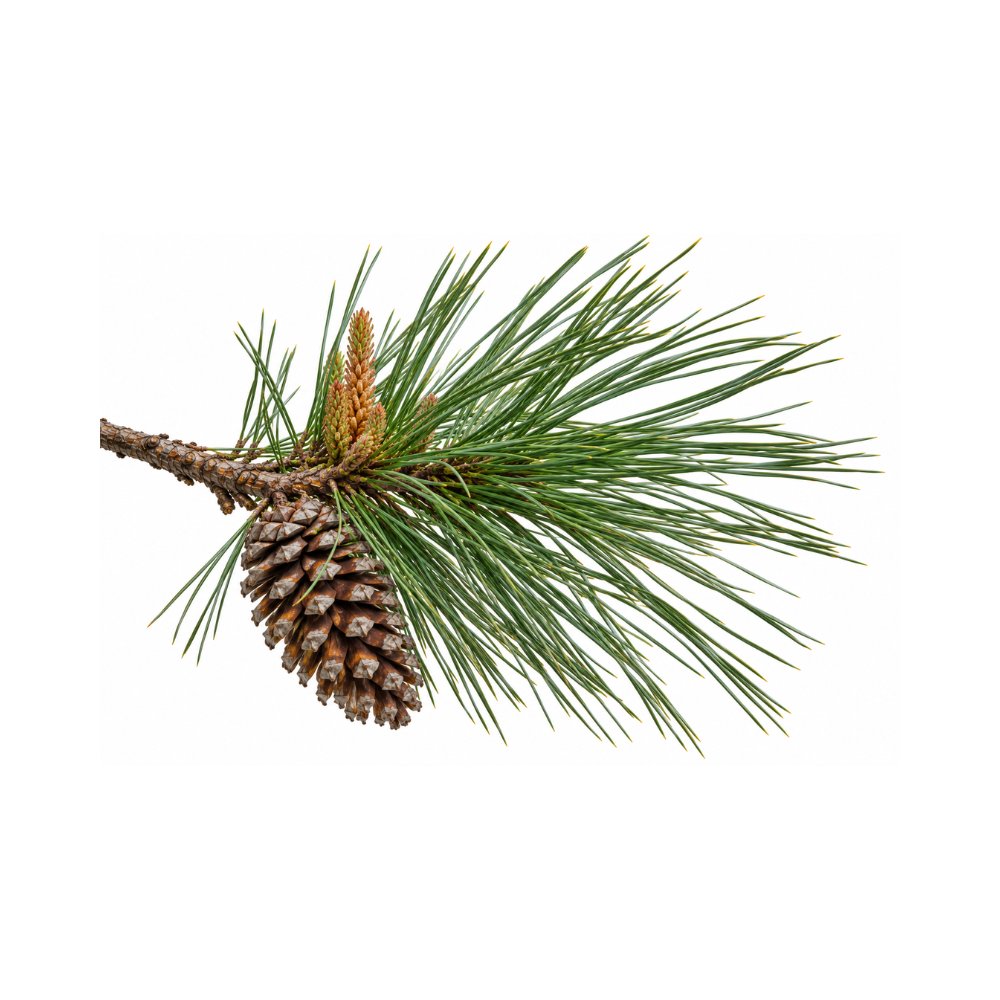 Monterey Pine Pinus radiata Documented for alpha-pinene, beta-pinene, delta-3-carene and 1 more.
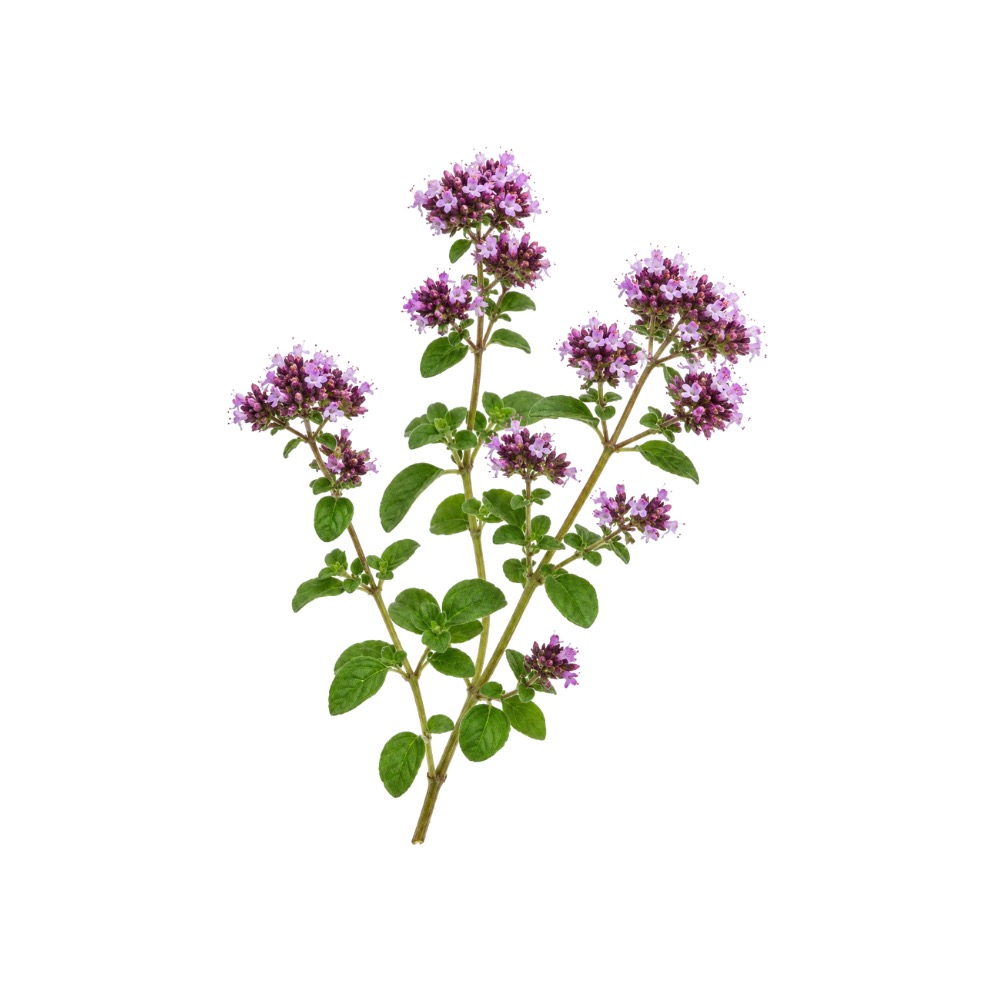 Oregano Origanum vulgare Documented for gamma-terpinene (4–19 % of oil), linalool, p-cymene and 1 more.
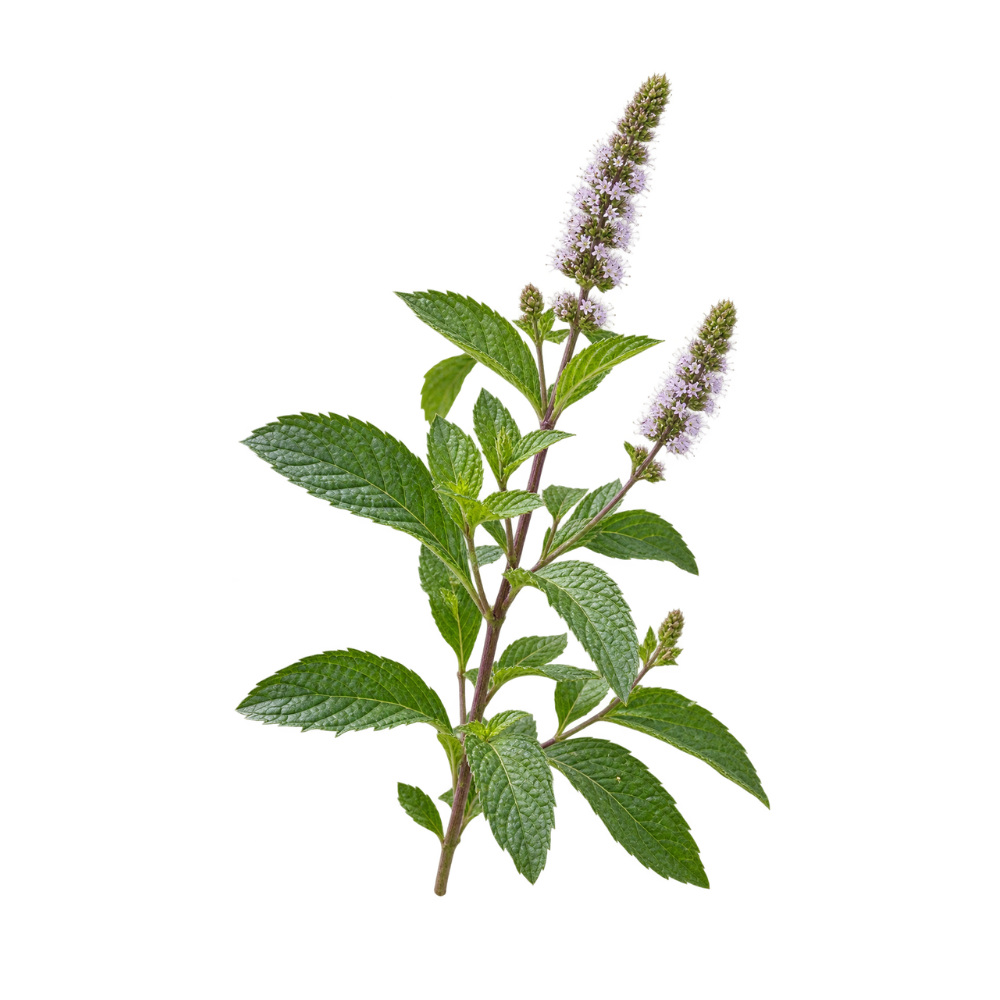 Spearmint Mentha spicata Documented for 1,8-cineole, carvone, limonene and 1 more.
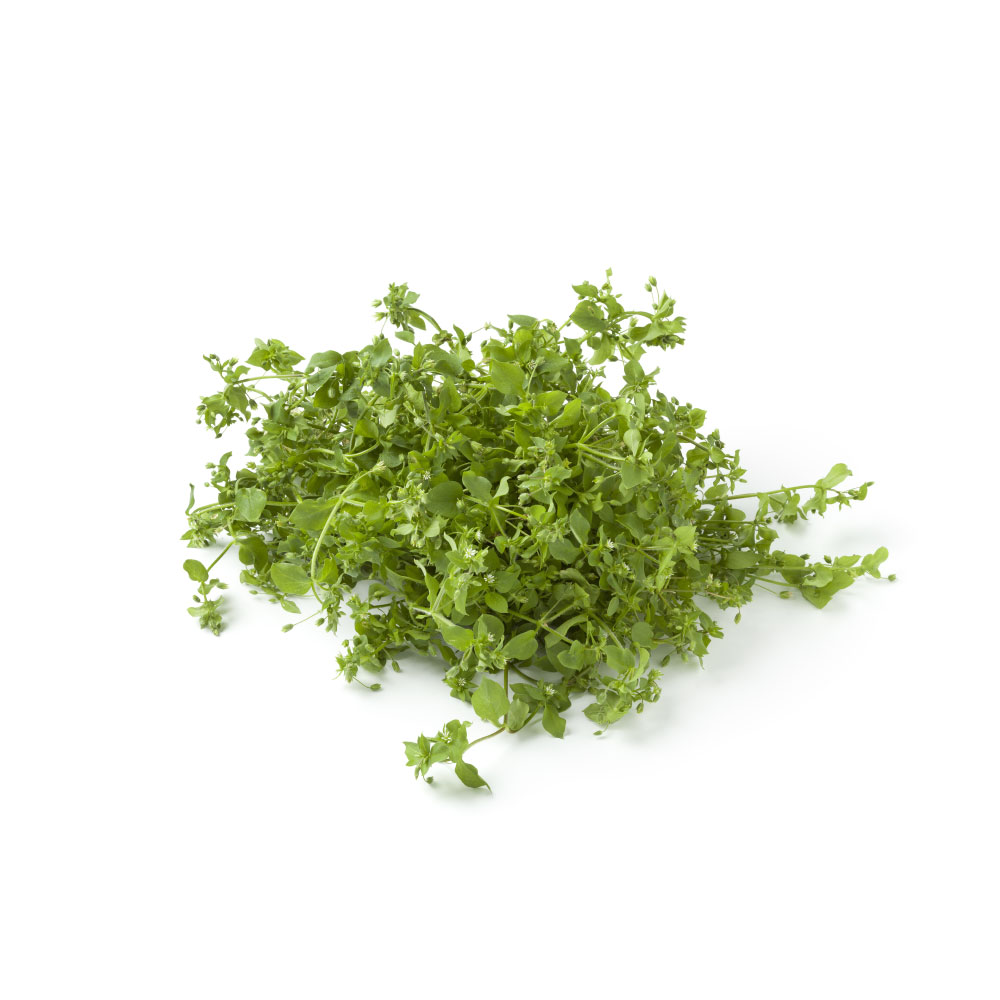 Chickweed Stellaria media Documented for borneol, linalool, menthol.
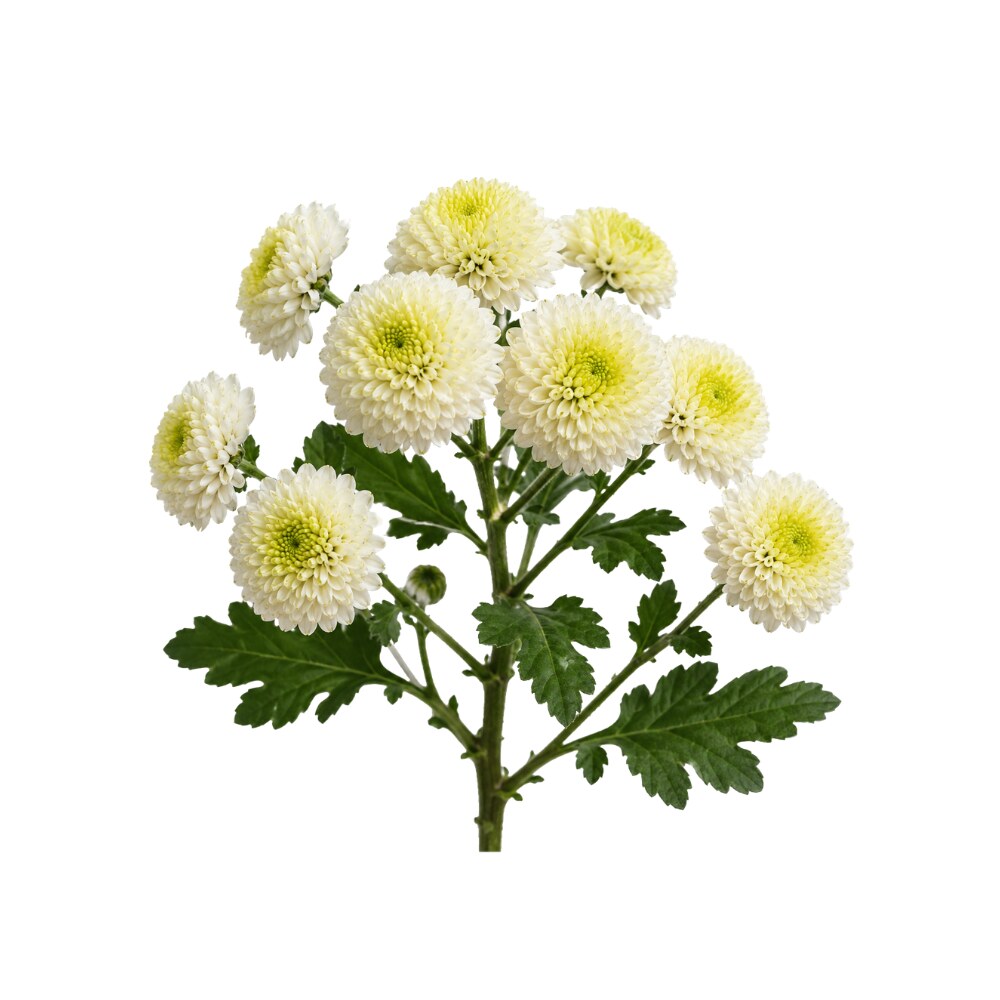 Chrysanthemum Chrysanthemum morifolium Documented for 1,8-cineole, borneol, camphor.
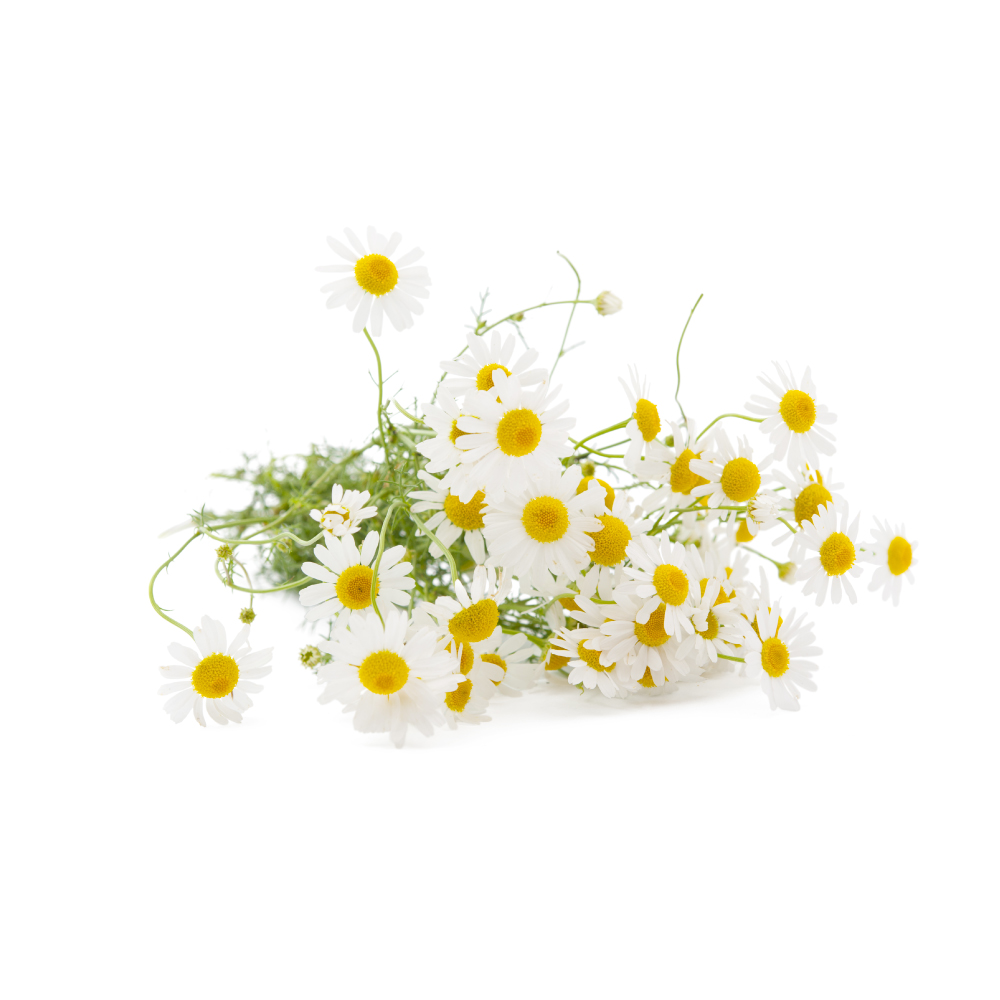 German Chamomile Matricaria chamomilla Documented for 1,3,8-p-menthatriene, beta-pinene, limonene.
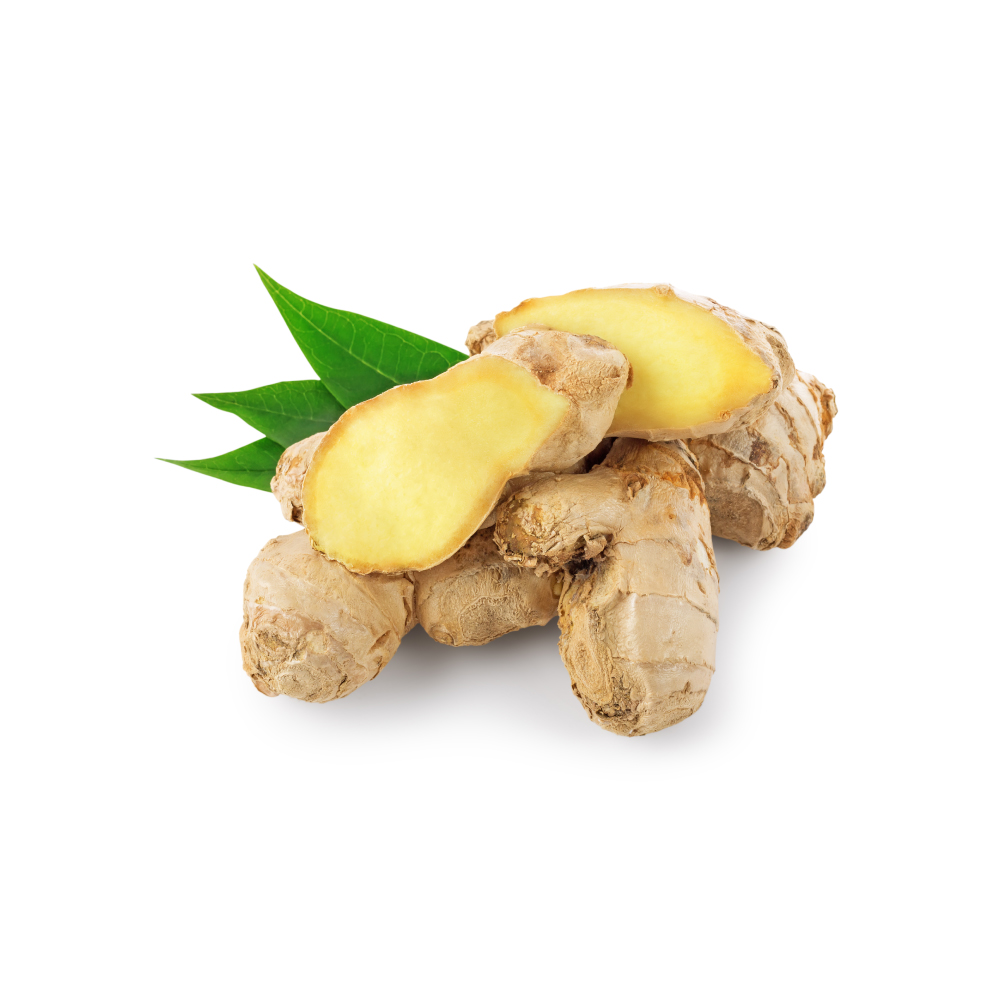 Ginger Zingiber officinale Documented for camphene, geranial, phellandrene.
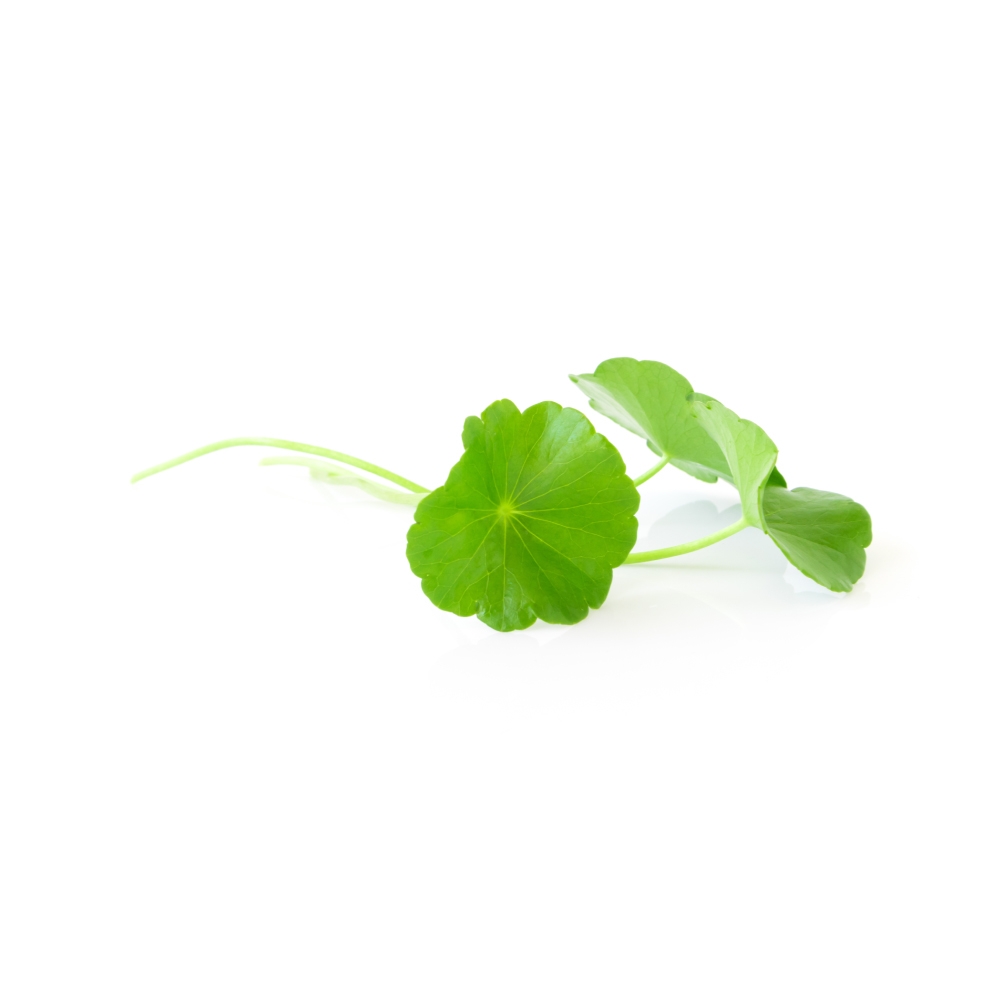 Gotu Kola Centella asiatica Documented for alpha-pinene, monoterpene derivatives, phellandrene.
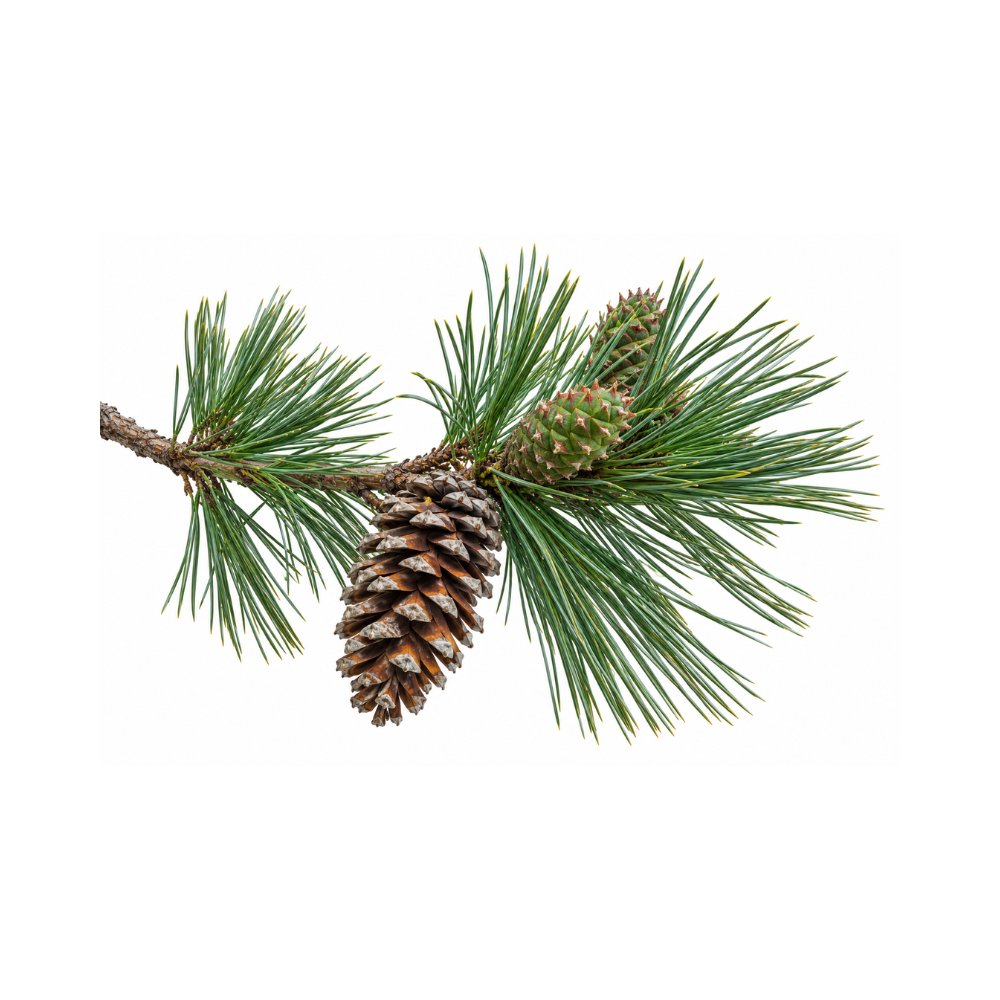 Korean Pine Pinus koraiensis Documented for alpha-pinene, bornyl p-coumarate, limonene. Maritime Pine Pinus pinaster Documented for alpha-pinene, beta-pinene, limonene.
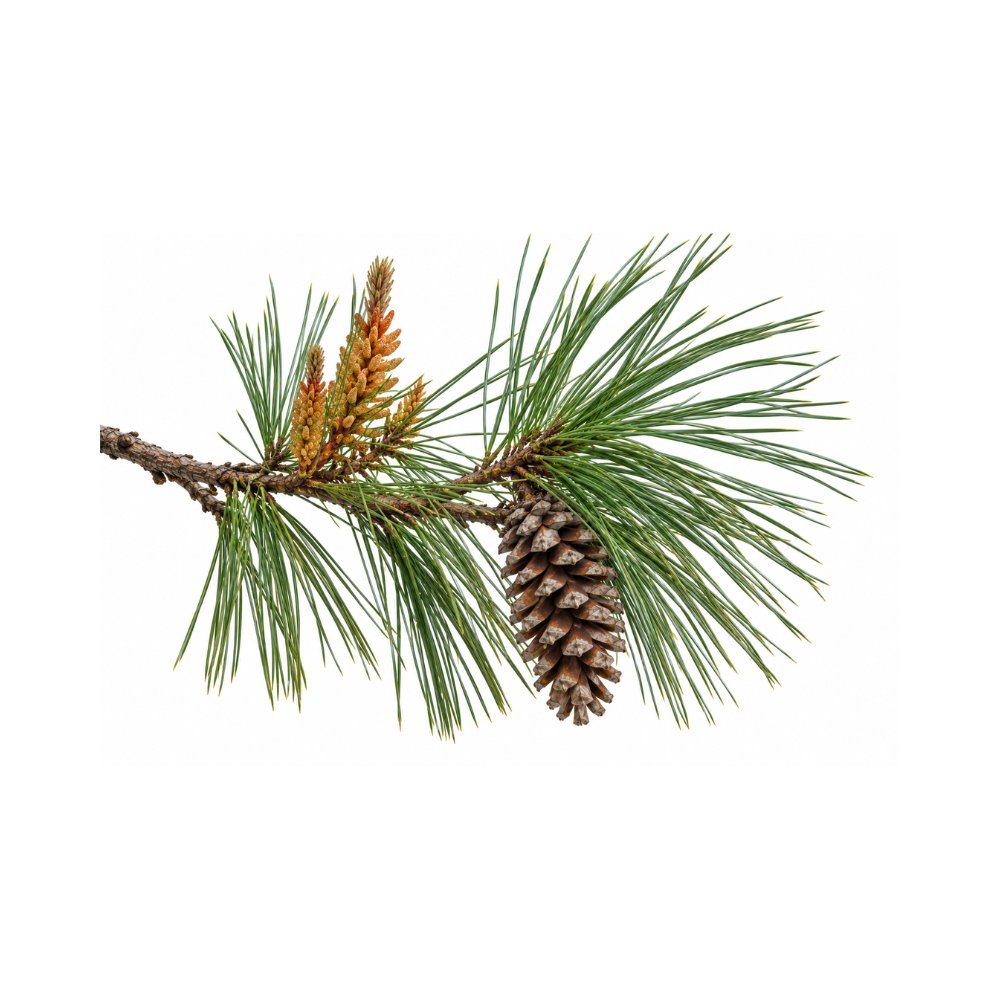 Masson Pine Pinus massoniana Documented for alpha-pinene, beta-pinene, limonene.
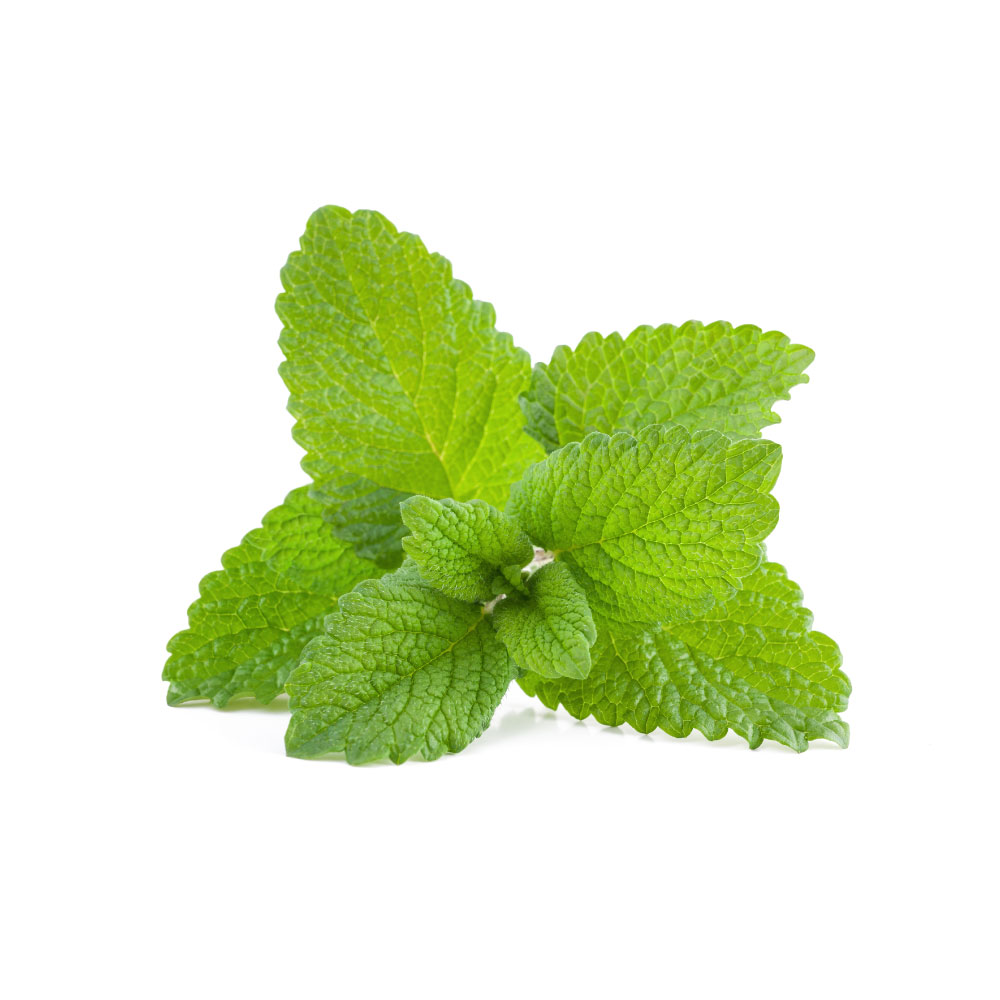 Melissa Melissa officinalis Documented for citronellal (20.3 % of oil), neral (30–34 % of oil), geranial.
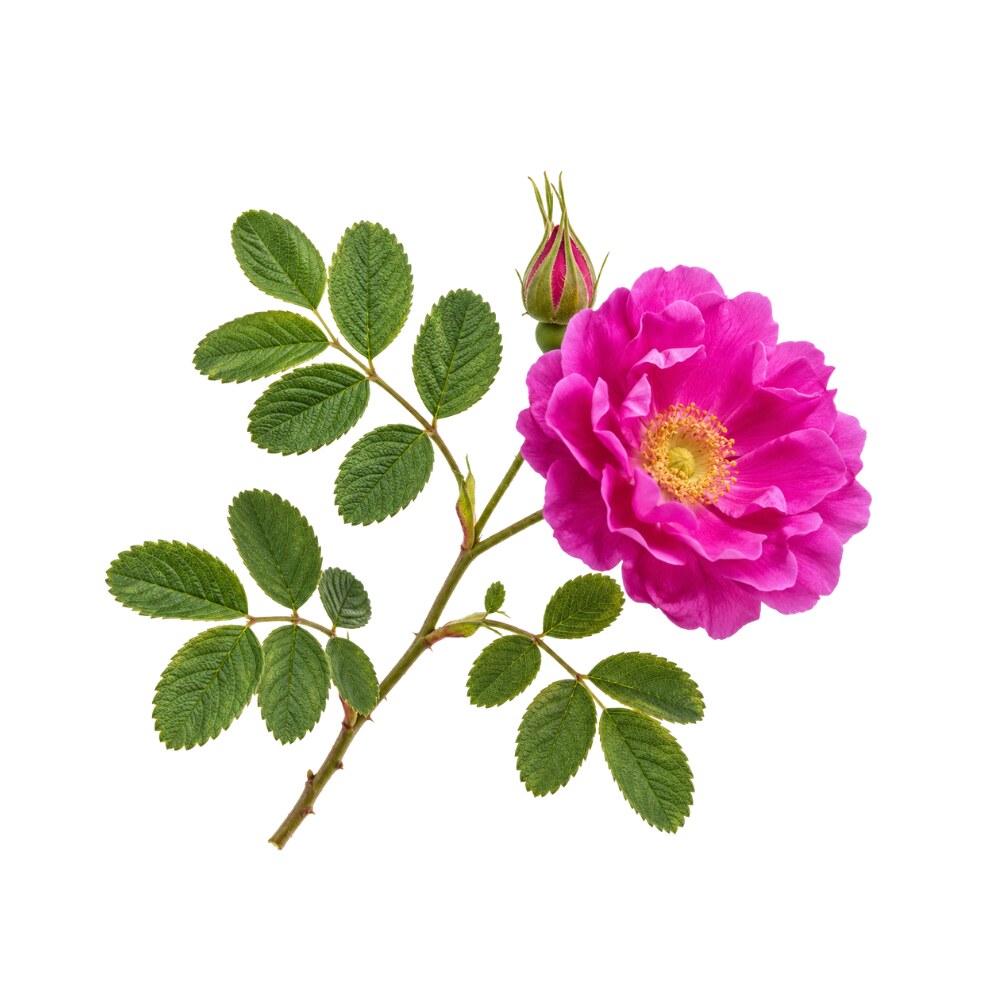 Rose Rosa spp. Documented for citronellol (15.9–35.3 % of oil), geraniol (8.3–30.2 % of oil), nerol (4–9.6 % of oil).
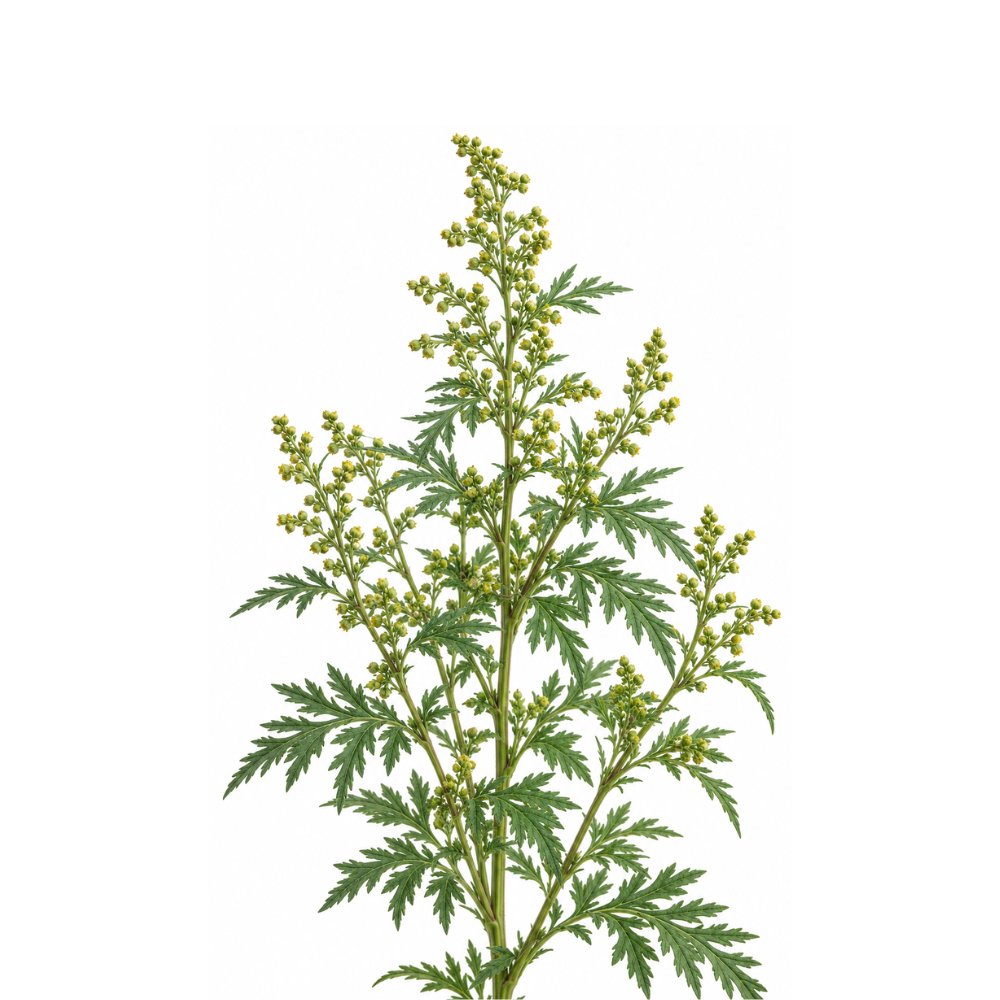 Sweet Wormwood Artemisia annua Documented for 1,8-cineole, artemisia ketone, camphor. Ylang Ylang Cananga odorata Documented for linalool (7–24 % of oil), geranyl acetate, linalyl acetate.
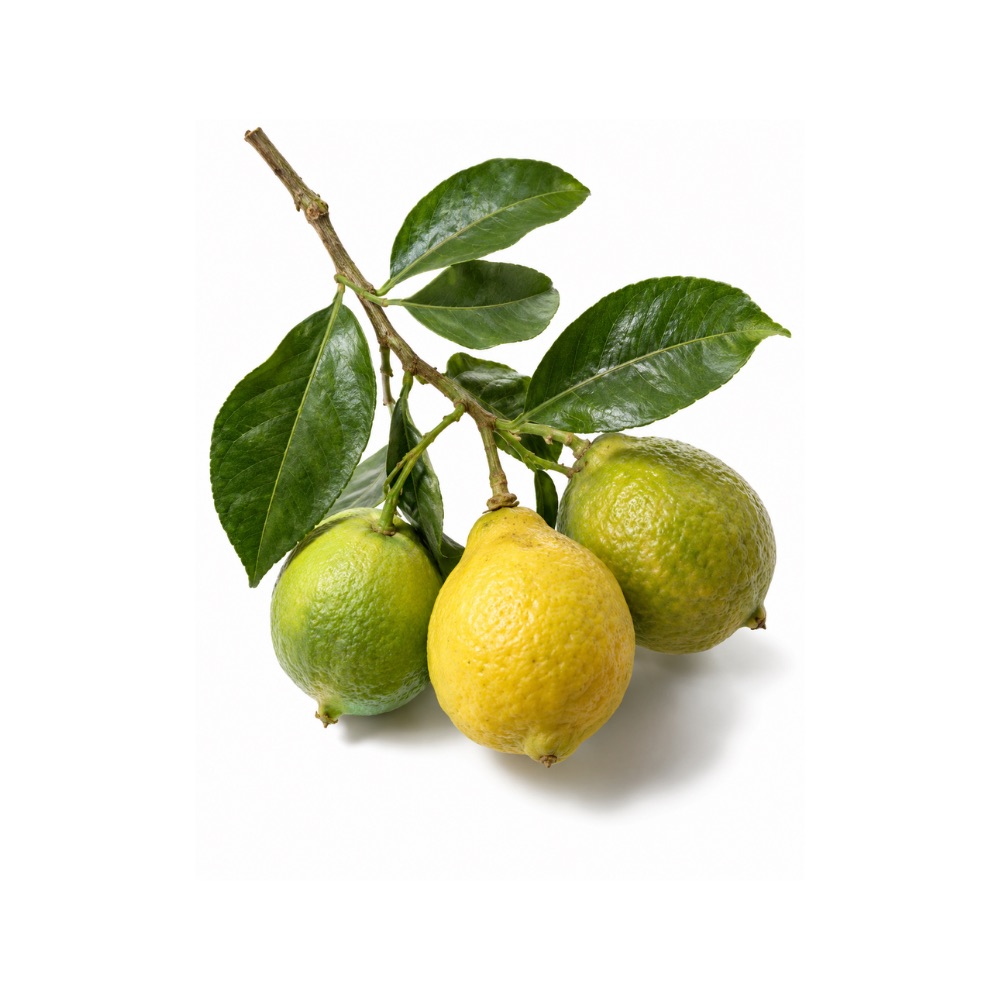 Bergamot Citrus bergamia Documented for linalyl acetate, ocimene.
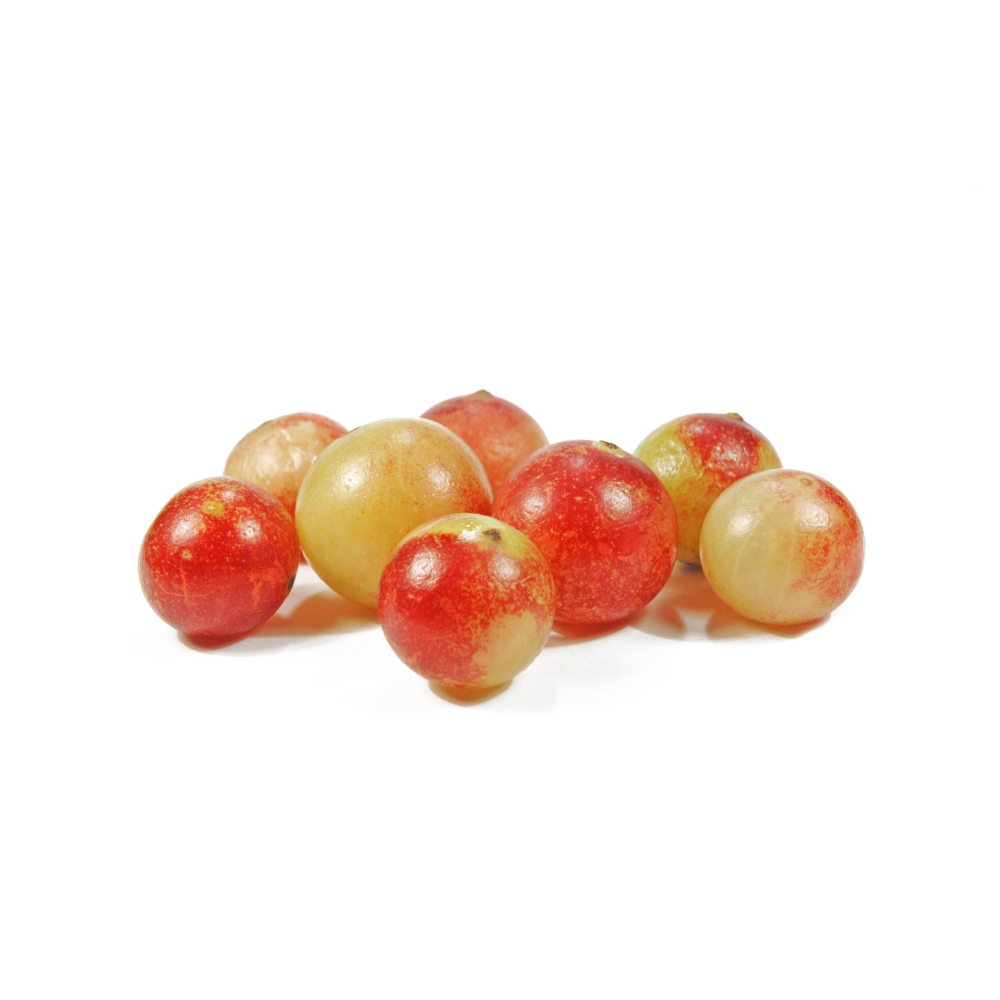 Camu-camu Myrciaria dubia Documented for alpha-pinene, D-limonene.
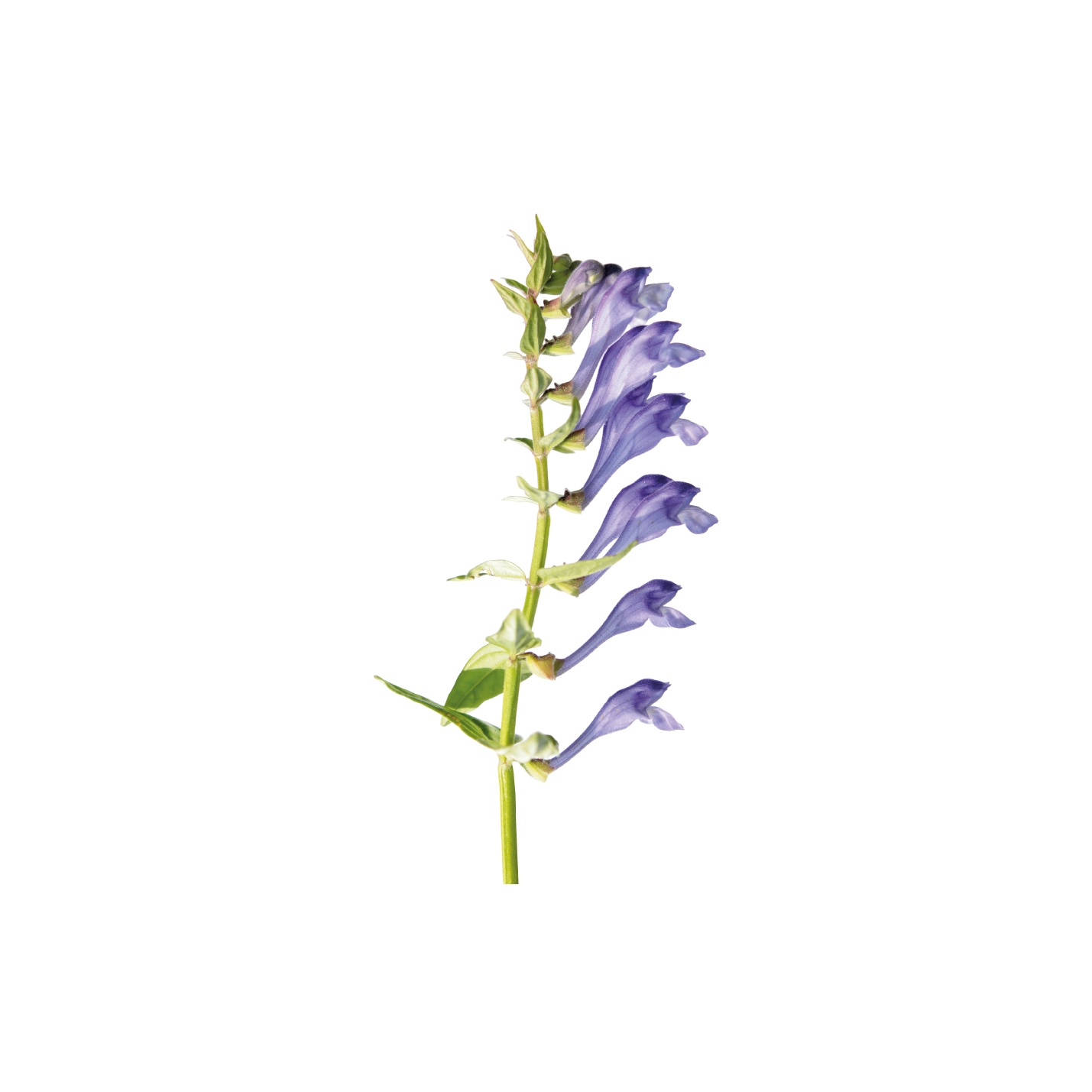 Chinese Skullcap Scutellaria baicalensis Documented for limonene, terpineol.
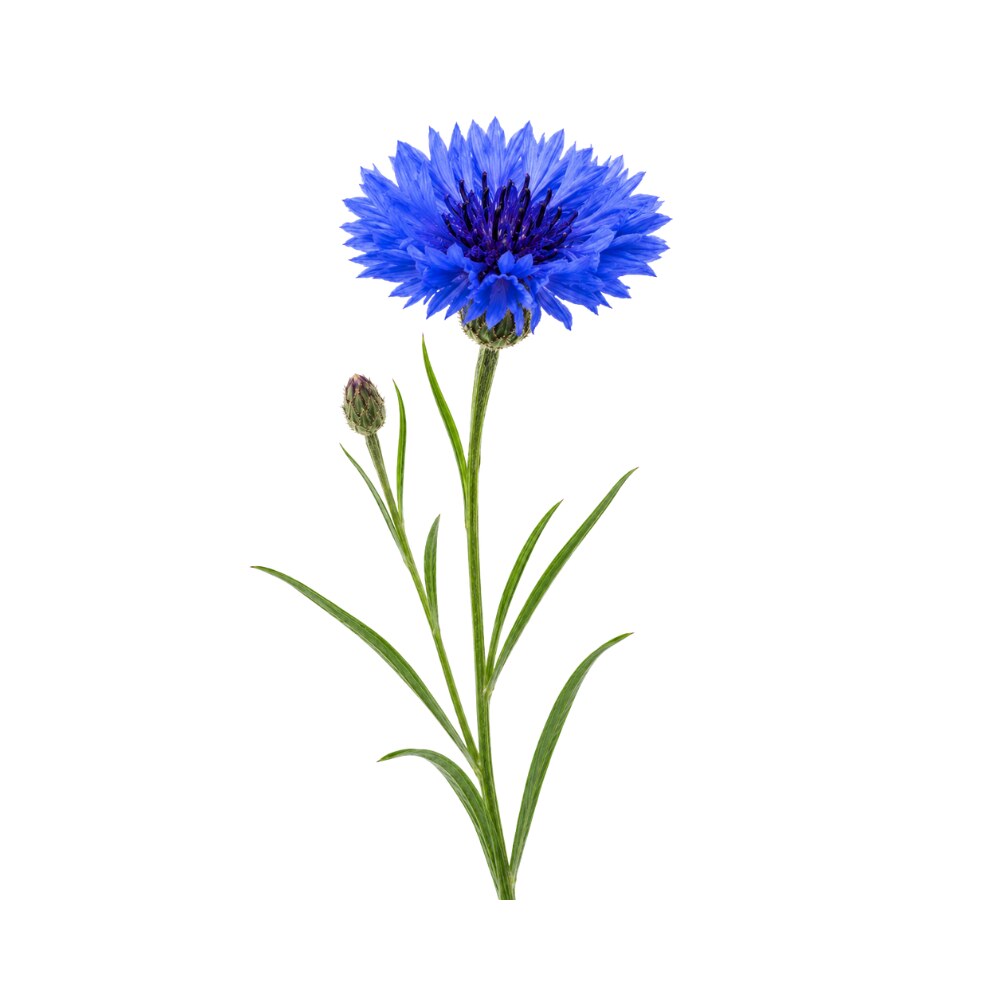 Cornflower Centaurea cyanus Documented for alpha-pinene, limonene.
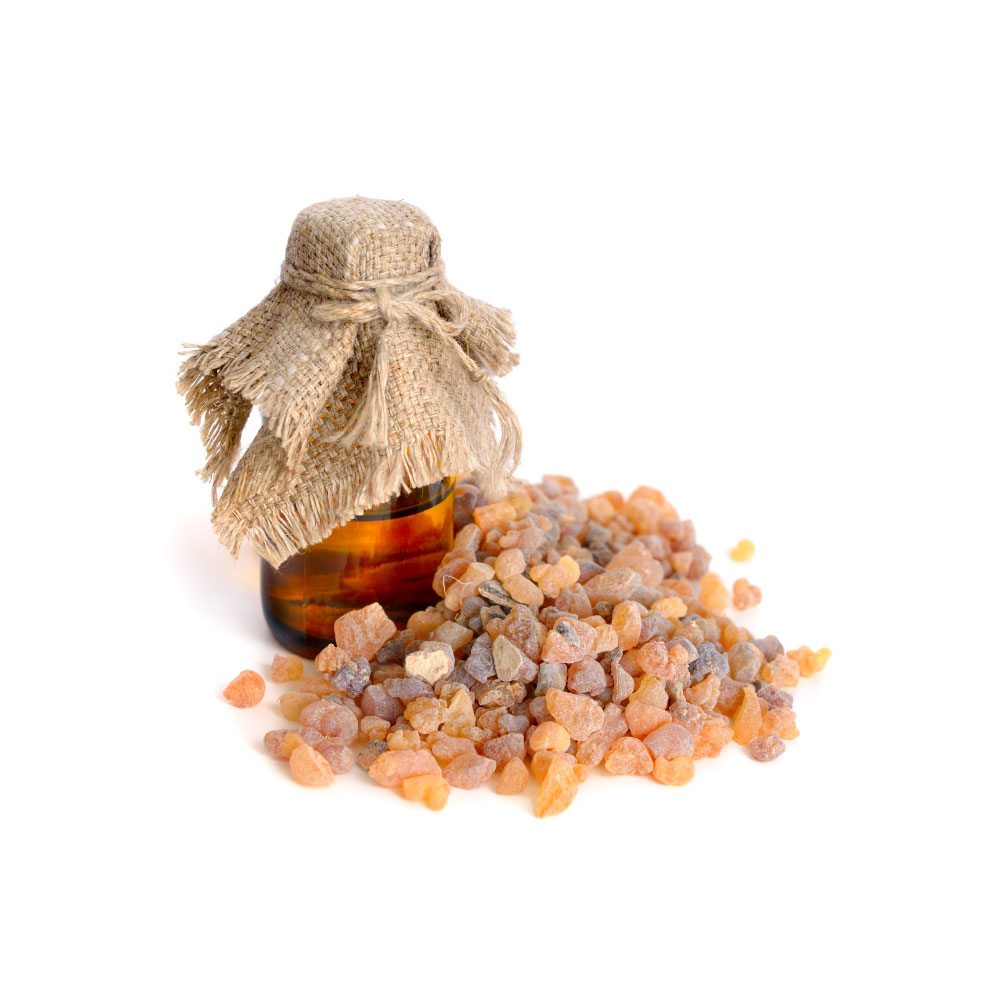 Frankincense Boswellia serrata Documented for alpha-thujene, pinene.
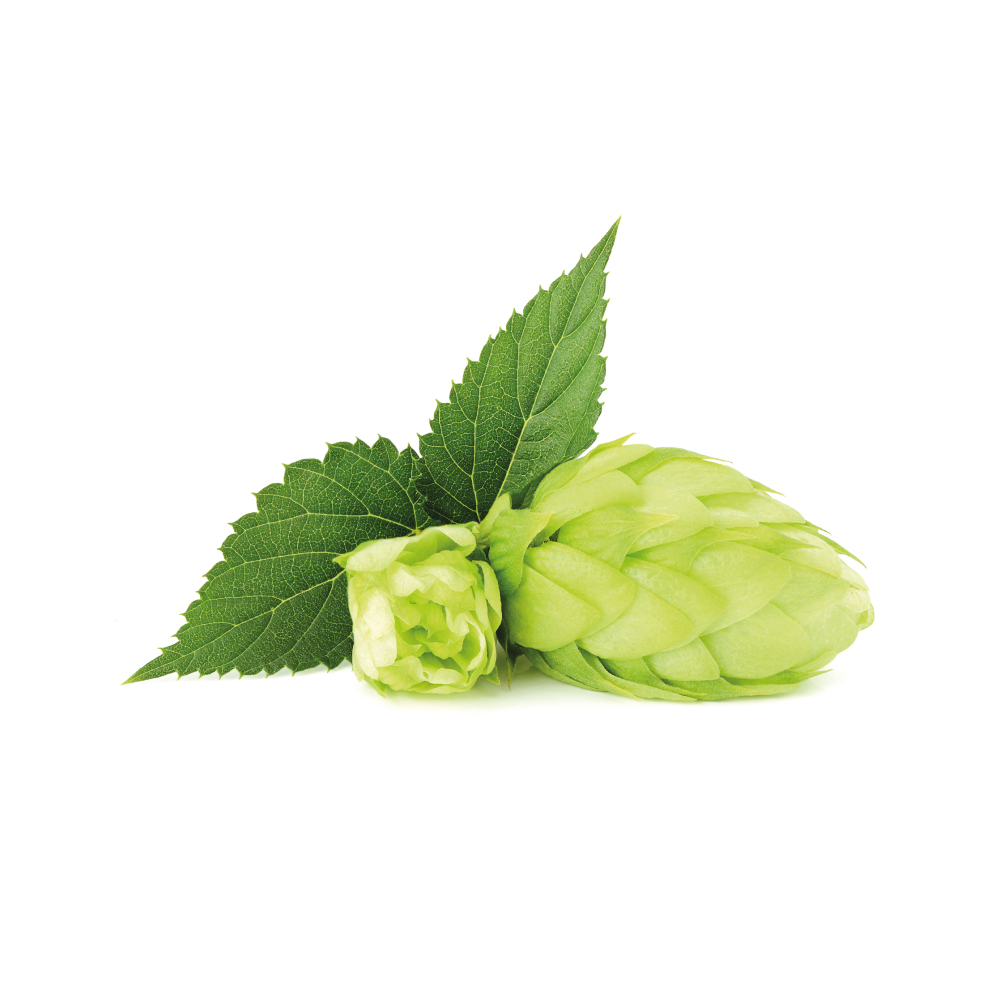 Hops Humulus lupulus Documented for myrcene (24–37 % of oil), ocimene.
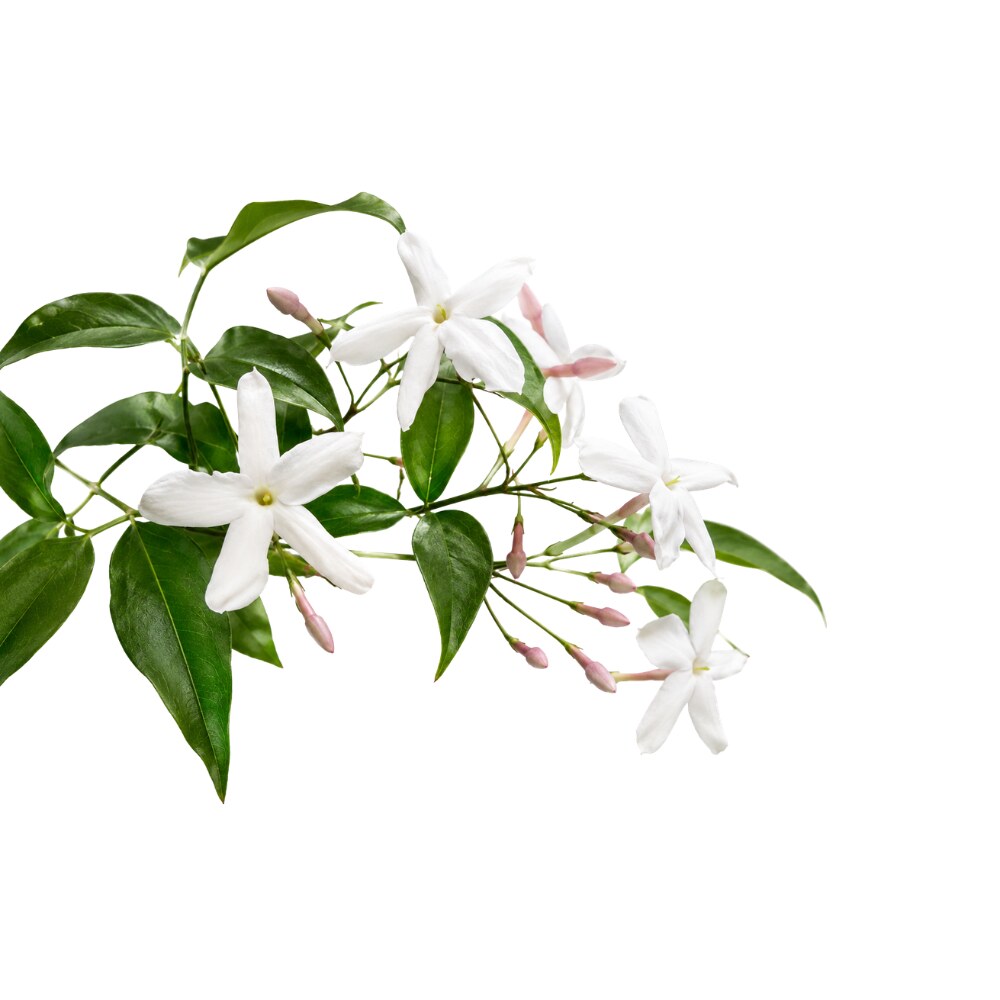 Jasmine Jasminum officinale Documented for linalool, linalyl acetate.
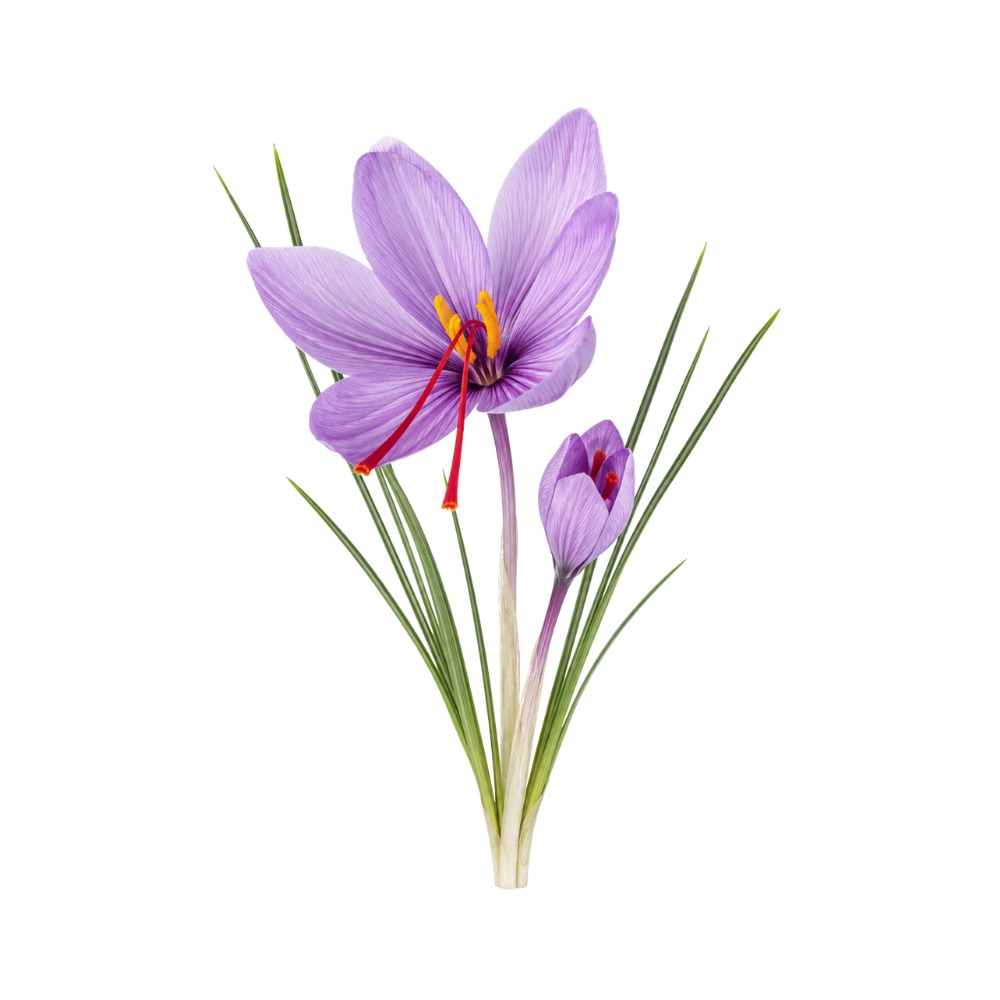 Saffron Crocus sativus Documented for picrocrocin (26.55 % (HPTLC assay)), safranal (30–70 % of volatile oil).
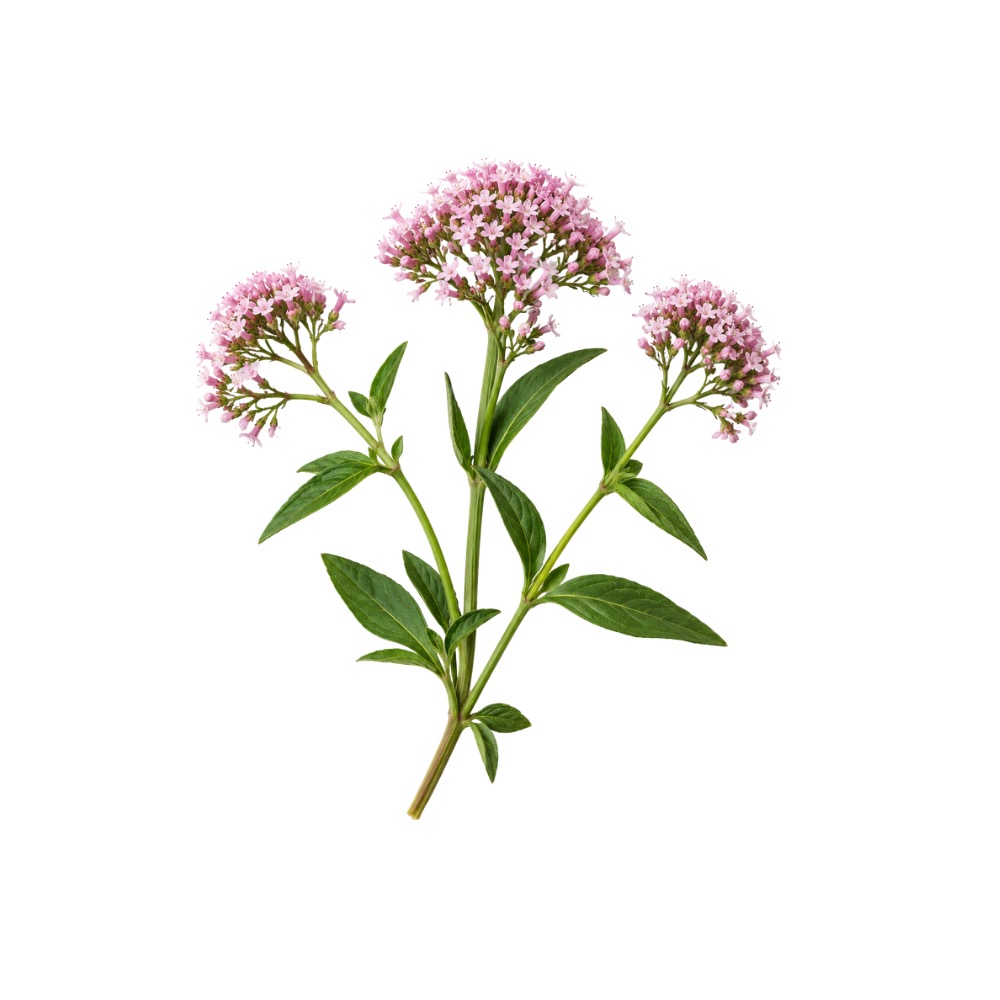 Valerian Valeriana officinalis Documented for bornyl acetate (2.9–33.7 % of oil), camphene.
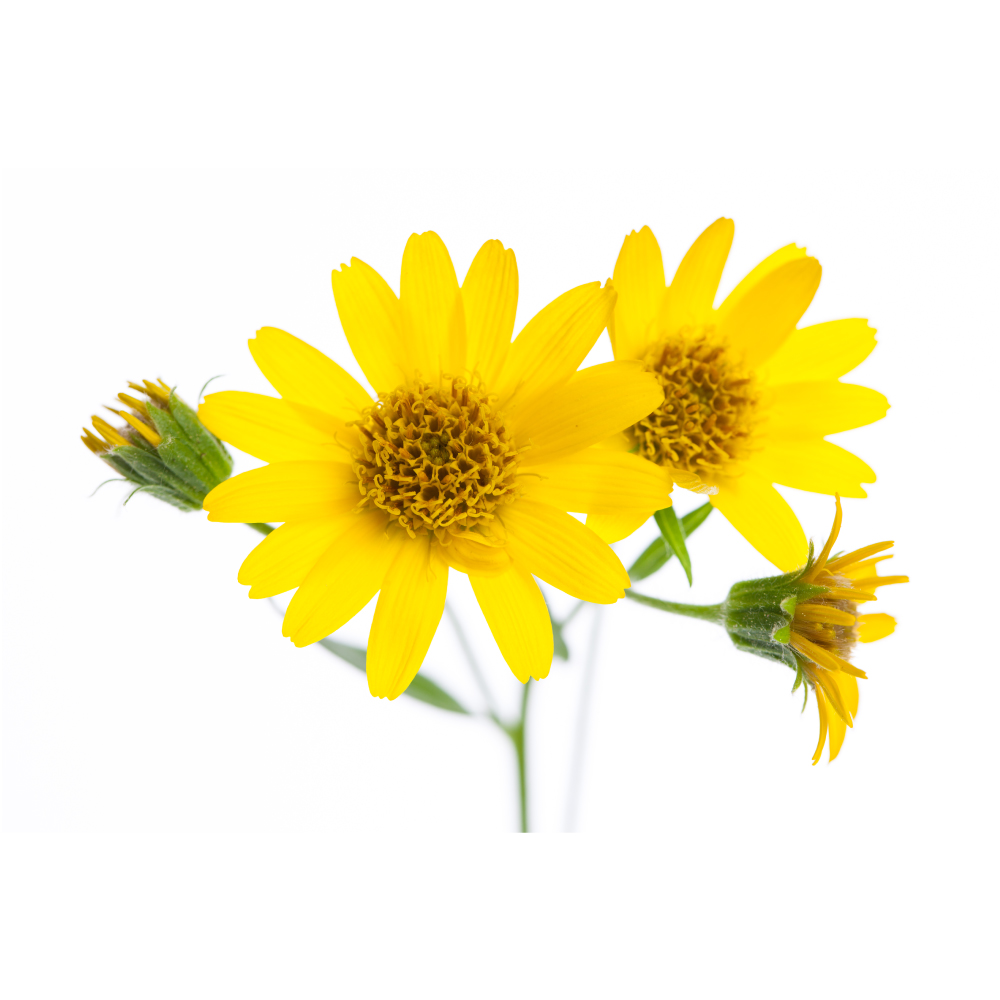 Arnica Arnica montana Toxic Documented for thymol.
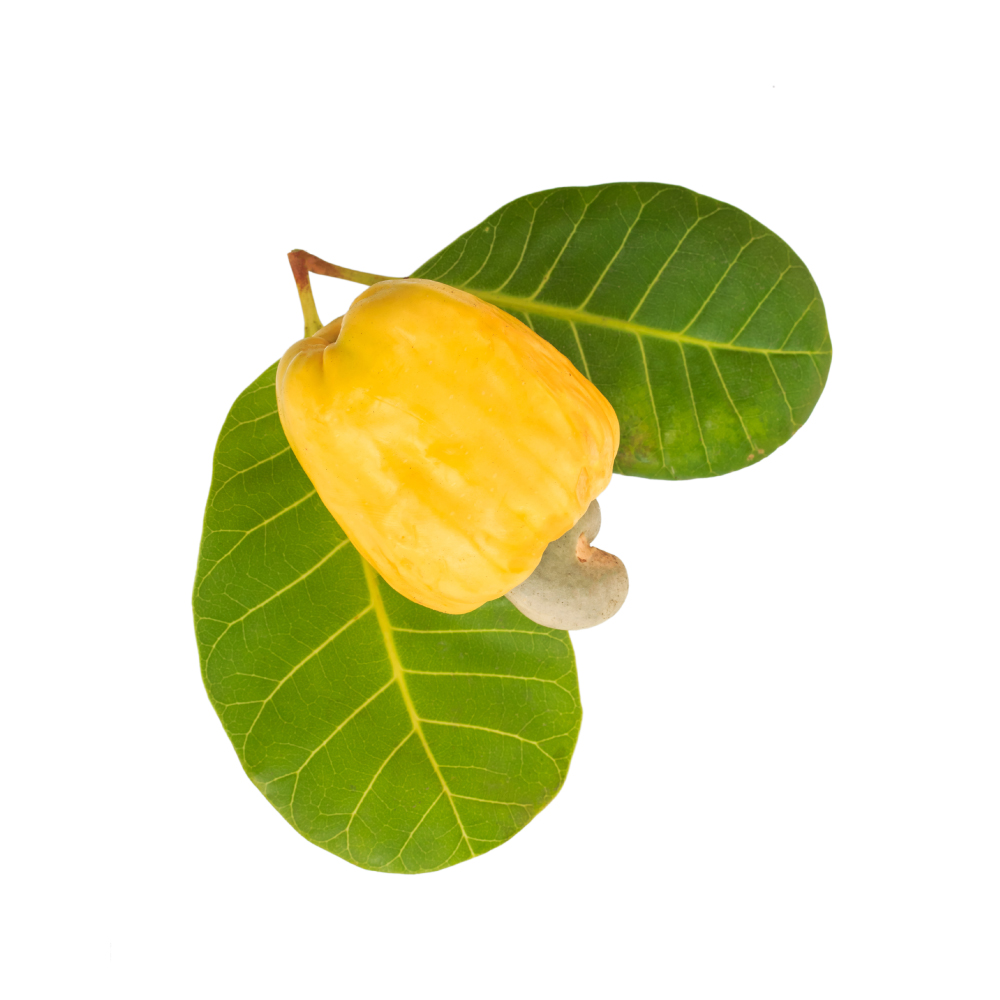 Cashew Anacardium occidentale Documented for limonene.
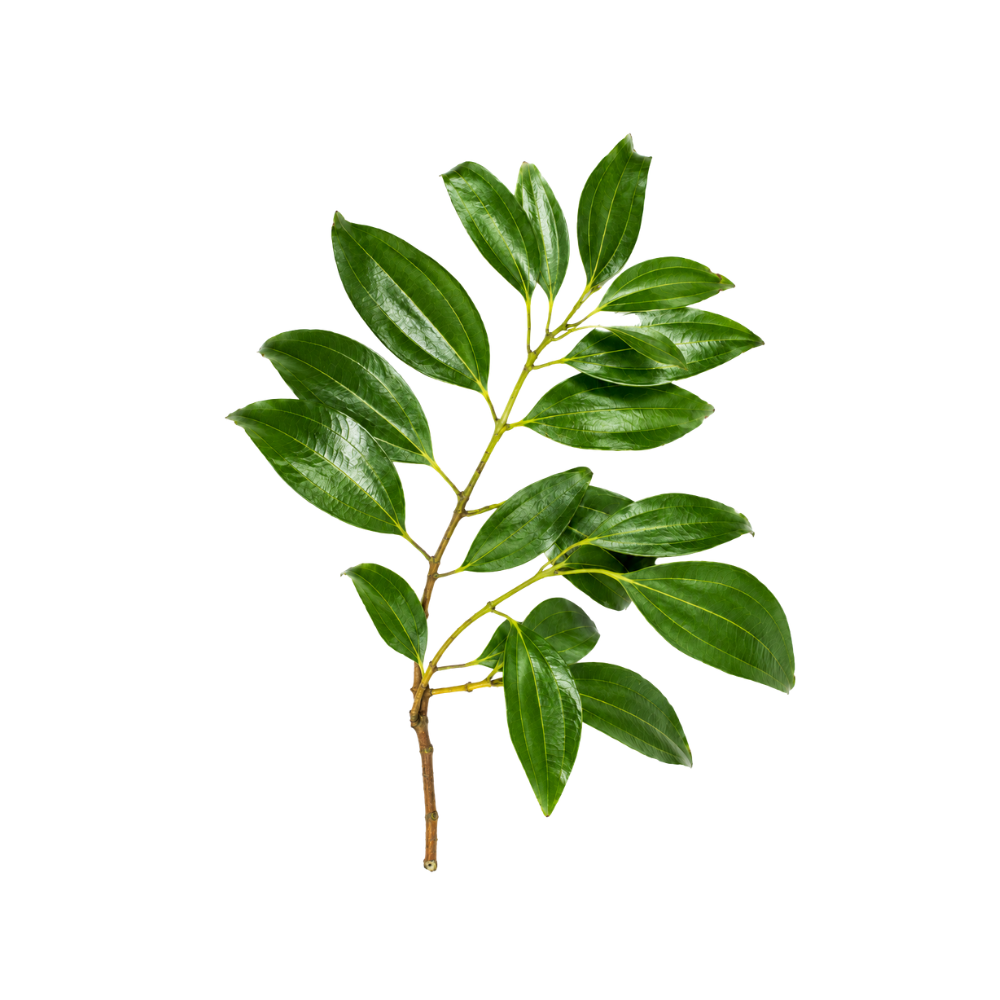 Ceylon Cinnamon Cinnamomum verum Documented for linalool.
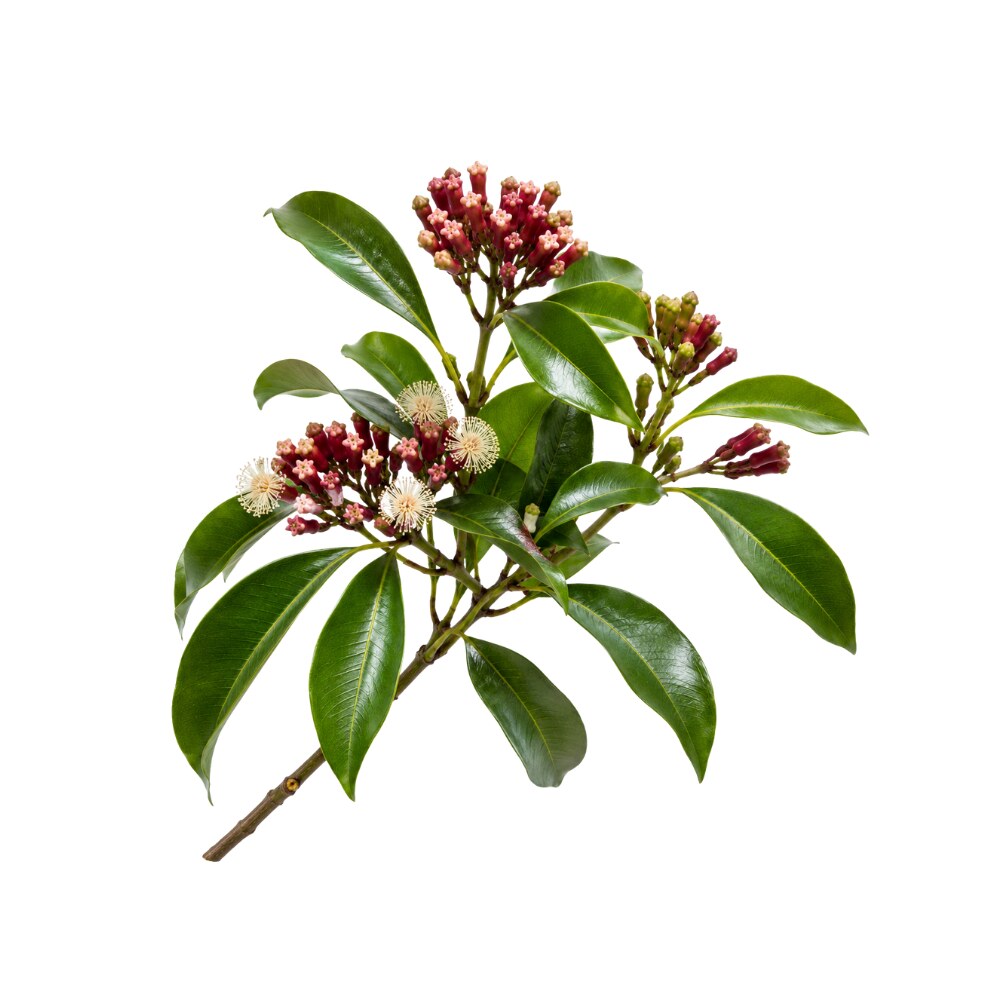 Clove Syzygium aromaticum Documented for sabinene.
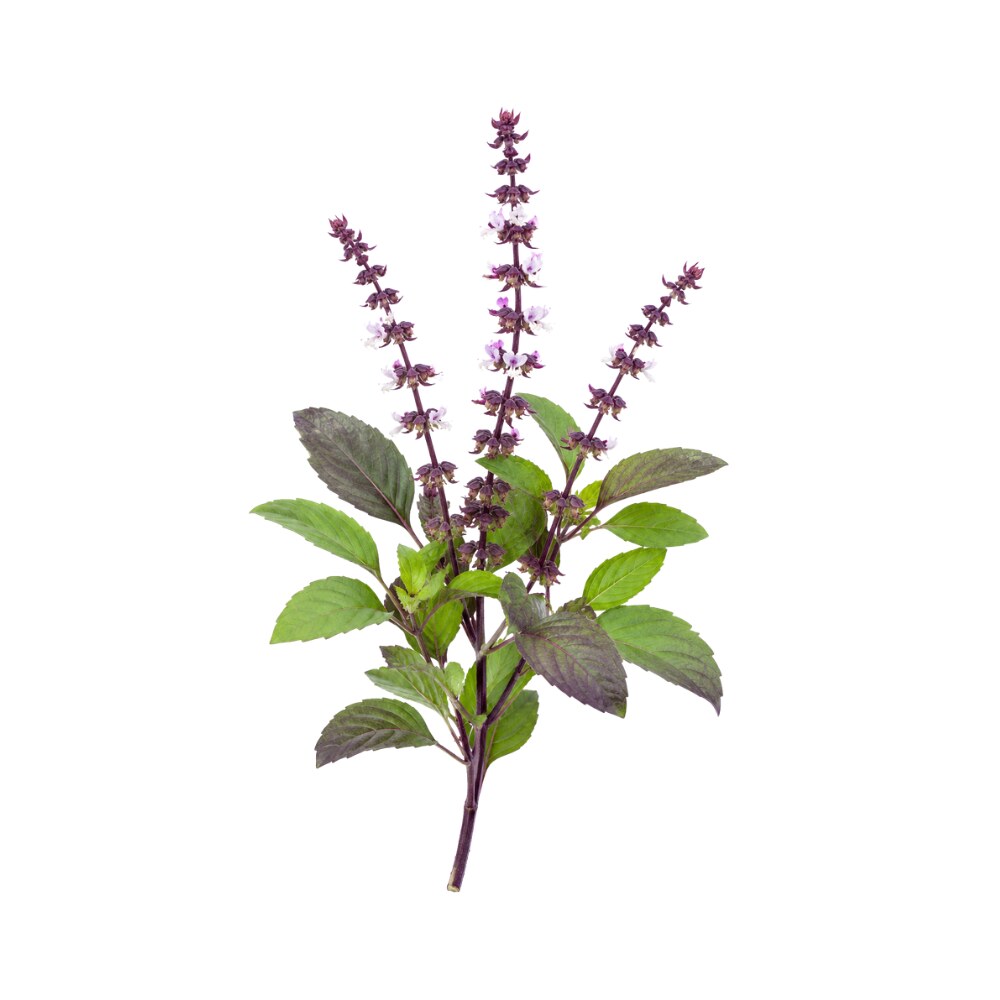 Holy Basil Ocimum tenuiflorum Documented for linalool.
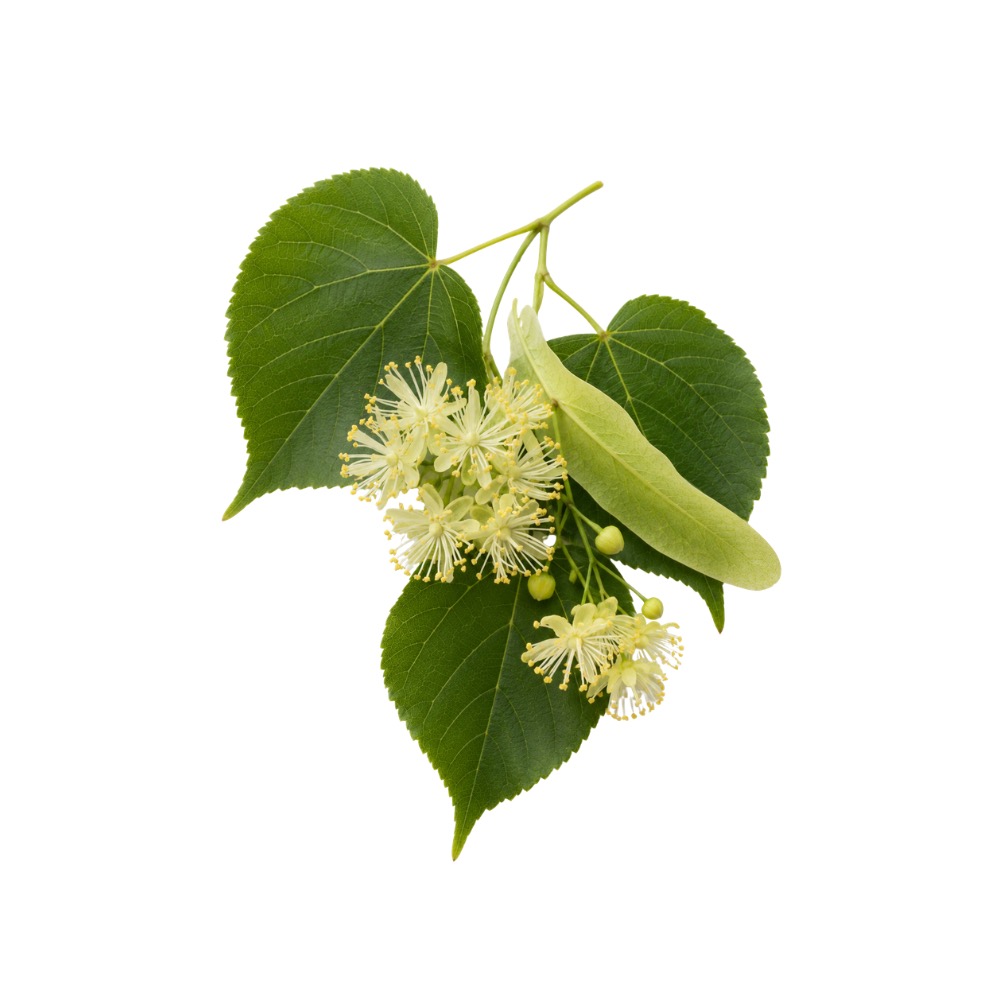 Linden Flower Tilia spp. Documented for linalool.
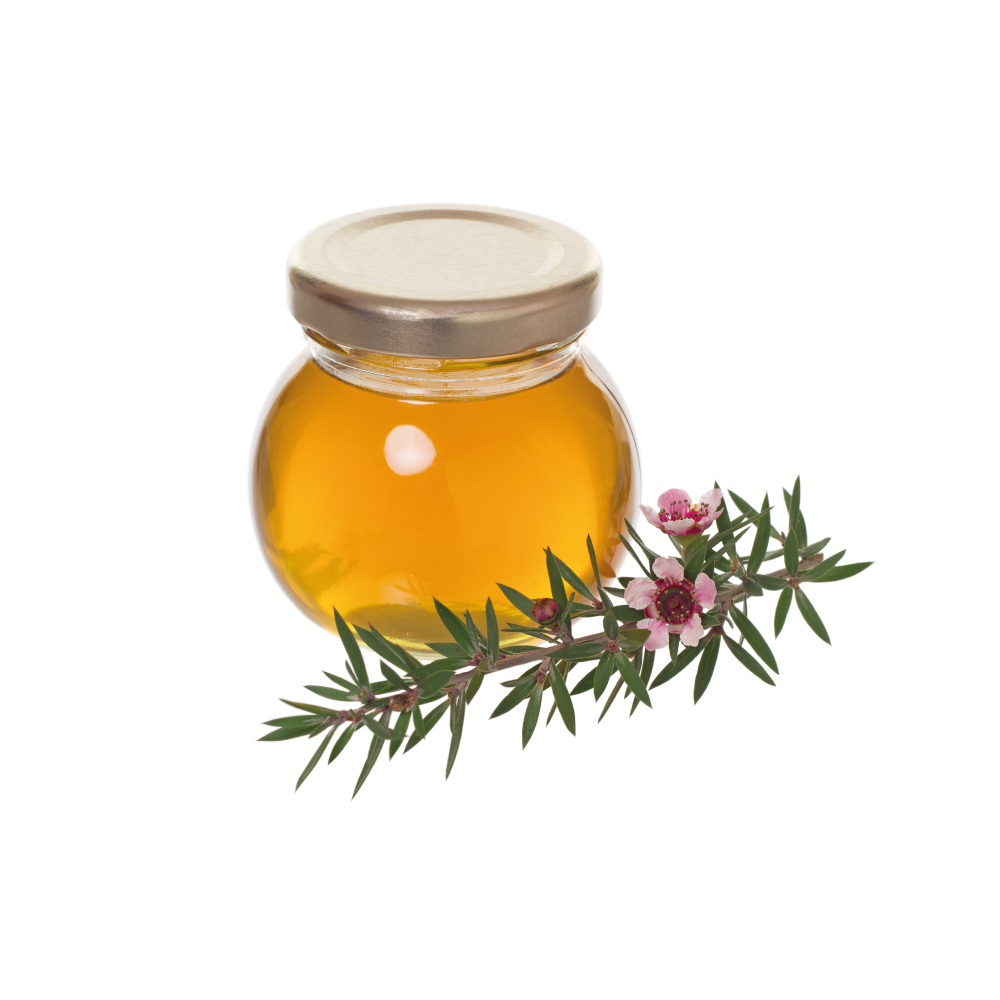 Manuka Leptospermum scoparium Documented for citronellal.
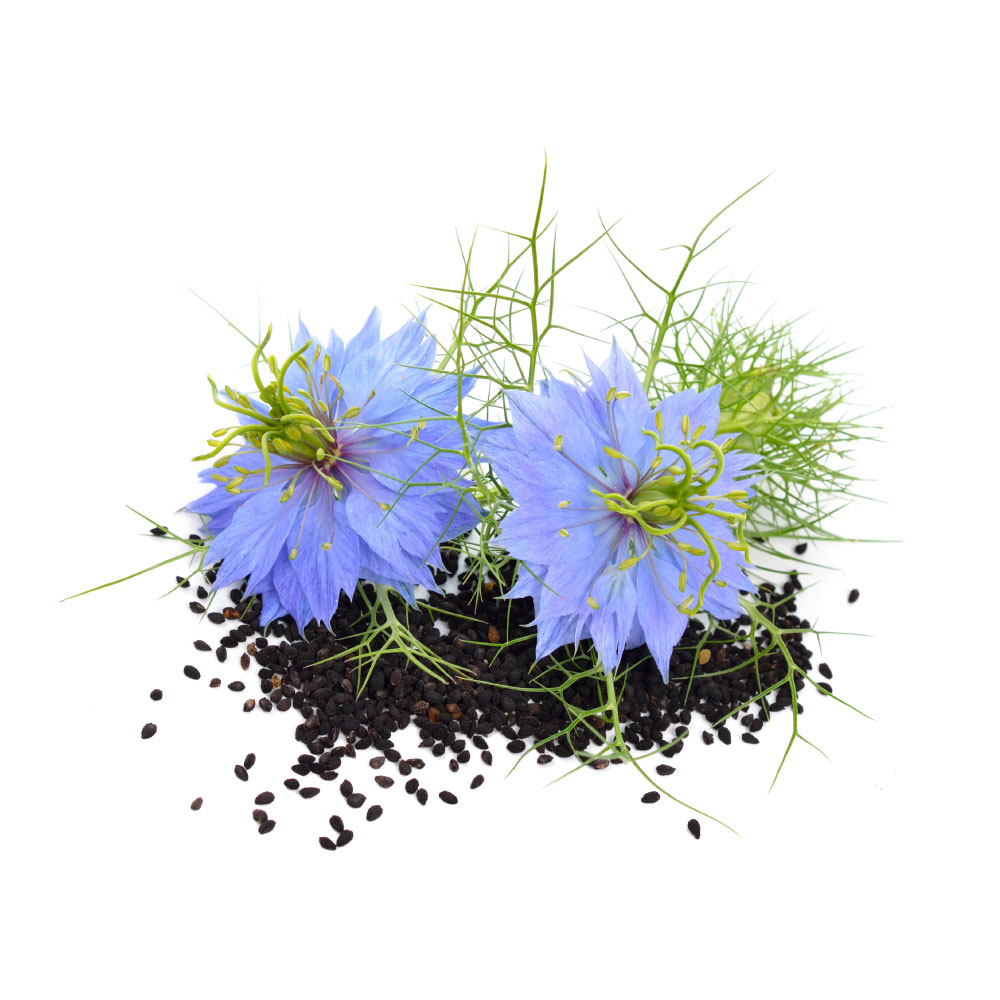 Nigella Nigella sativa Documented for p-cymene (7–15 % of oil).
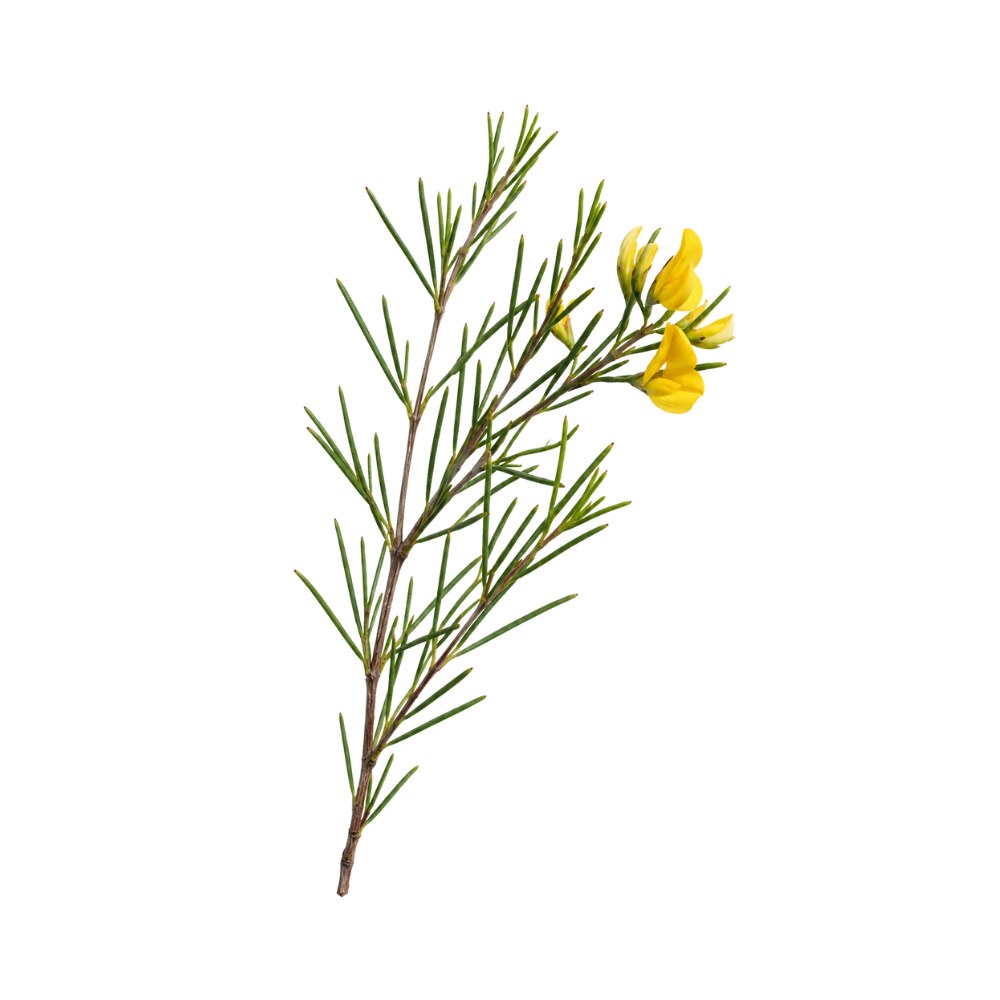 Rooibos Aspalathus linearis Documented for alpha-terpineol.
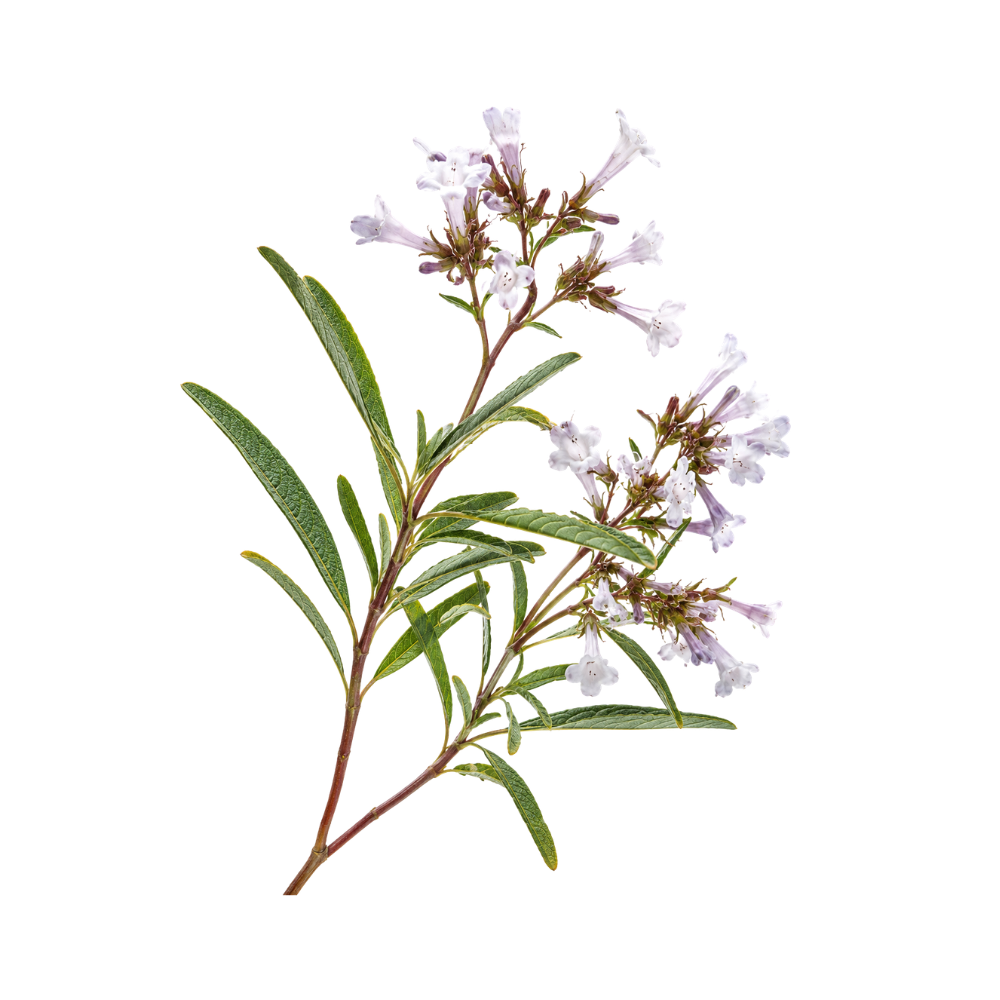 Yerba Santa Eriodictyon californicum Documented for 1,8-cineole.
Keep Exploring
Other Compound Classes
Keep Reading
 GuidesThe Best Kava: A Buyer's GuideHow to buy good kava: noble vs two-day cultivars, which part of the root, chemotype codes, origin, form, and the batch tests a seller should show you.
Read more
 GuidesThe Amazon's Endangered Medicinal PlantsThe Amazon gives us some of our most important medicines — but which healing plants are actually endangered?
Read more
 NutritionThe Best Yerba Maté Brands [Reviewed]A drinker's guide to buying yerba maté — what actually changes the taste, and ten brands worth your money.
Read more
 GuidesHow to Prepare Yerba Maté — The Five Best MethodsHow to brew yerba maté properly — the traditional gourd method, plus tereré, french press and cold brew.
Read more