
Compound Monograph
Plantamajoside
Plantamajoside is a caffeoyl phenylethanoid glycoside and, with acteoside (verbascoside), one of the two signature phenolics of plantain (Plantago major / asiatica) leaf. It is verbascoside's glucose-for-rhamnose analogue, and almost all of its anti-inflammatory, anticancer, anti-AGE and antifibrotic evidence is isolated-molecule work in cells and rodents — there is no human trial.

Sources · 5
Where Does It Come From?
Plantamajoside is a naturally occurring phenylethanoid glycoside (caffeoyl phenylethanoid glycoside), found in Plantain, Asian plantain, Ribwort plantain and 2 other sources. It is well tolerated orally (low toxicity).
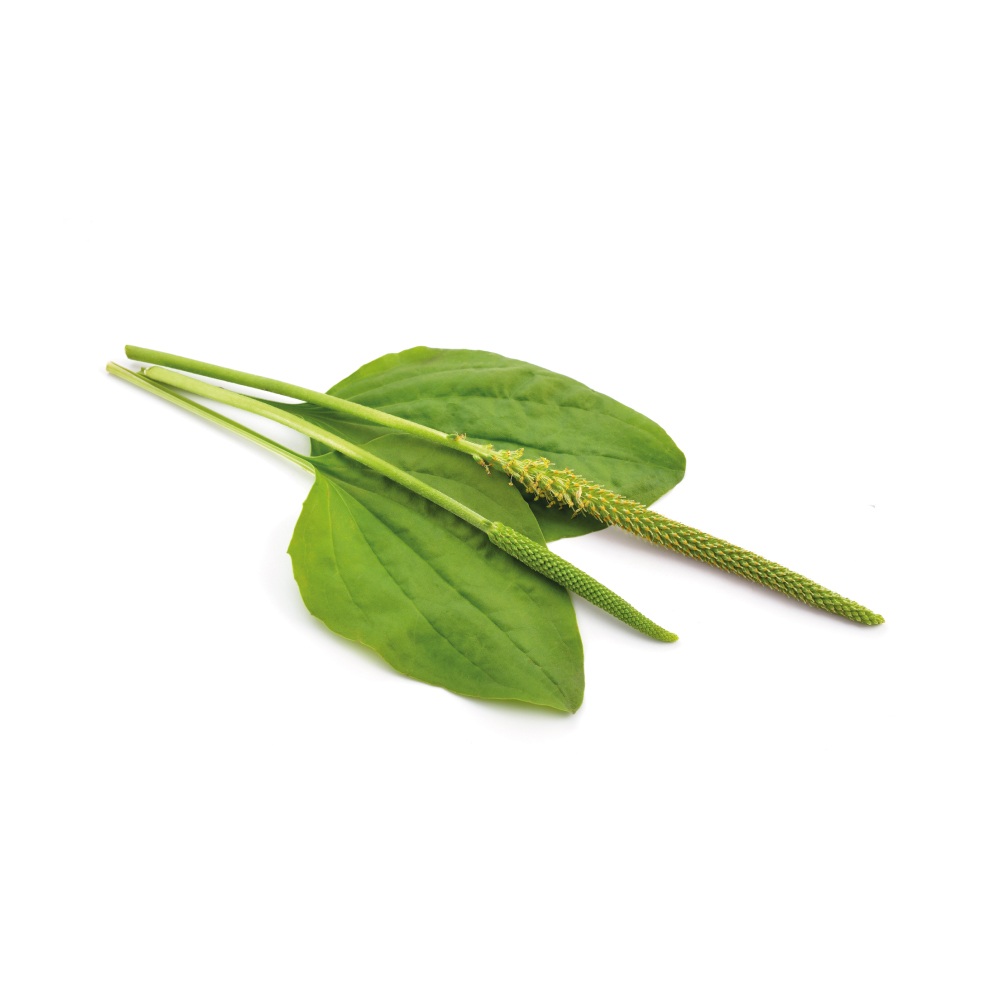 Principal source Plantain Plantago major Herb monograph →
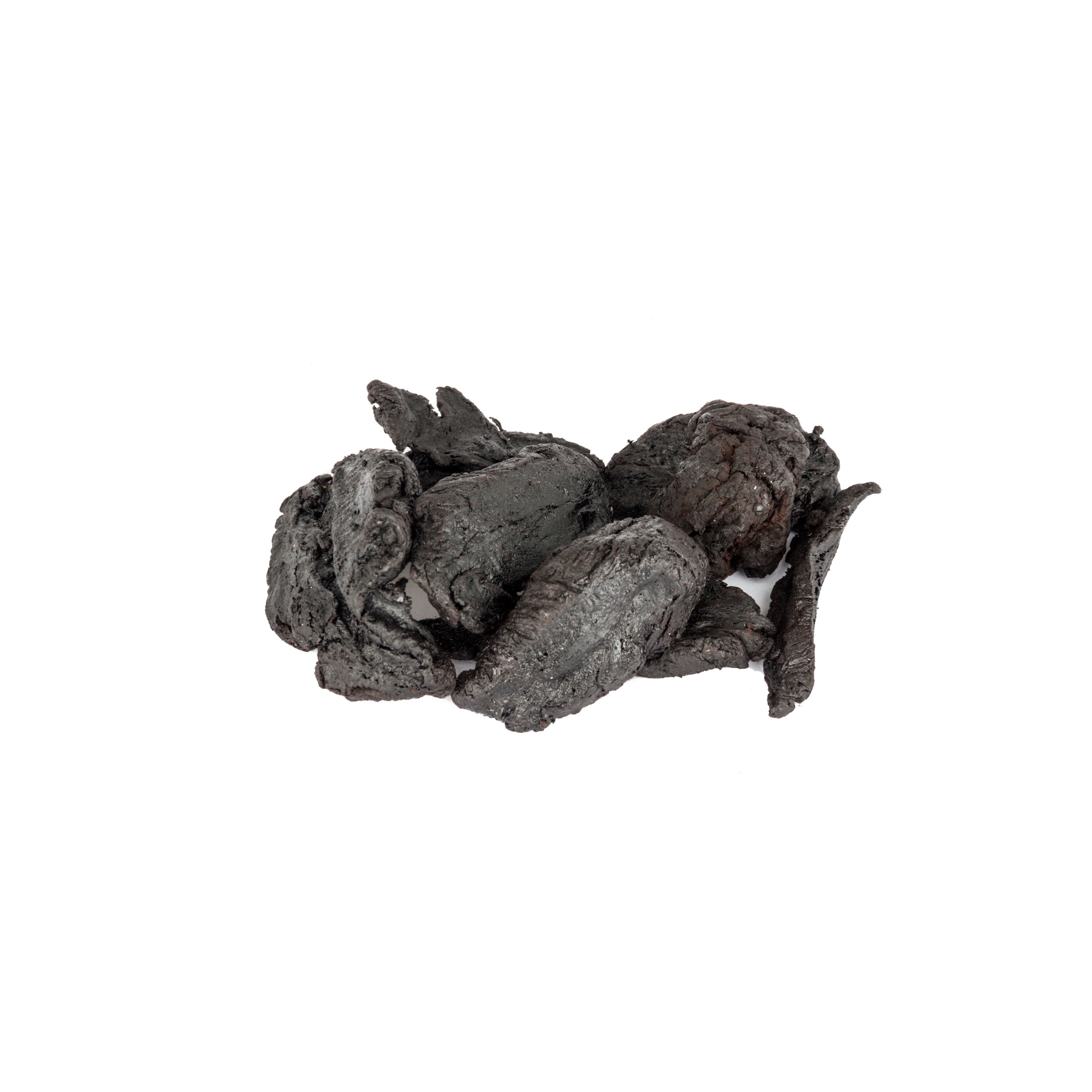 Source Rehmannia Rehmannia glutinosa Herb monograph →
Concentration
Content by Source
Concentrations not reported. No percent-dry-weight or mg/g figures have been published for this compound in its source plants.
Plantamajoside at a Glance
Plantamajoside is a caffeoyl phenylethanoid glycoside (PhG) — the same structural family as verbascoside/acteoside — and one of the two dominant non-volatile phenolics of plantain leaf (Plantago major and the closely related P. asiatica), where it is quantified alongside acteoside as a most-prevalent constituent 1Reference 1Plantago major and Plantago lanceolata Exhibit Antioxidant and Borrelia burgdorferi Inhibiting ActivitiesView study →.
Structurally it is best understood as verbascoside’s glucose-for-rhamnose analogue: the two molecules share a caffeic-acid ester and a hydroxytyrosol core, but where verbascoside carries a rhamnose sugar, plantamajoside carries a second glucose. That one-sugar difference is the compound-unique angle of it, and it is why the two co-occurring PhGs of plantain are usually reported and studied as a pair.
Its documented pharmacology is broad but uniformly preclinical: isolated plantamajoside is anti-inflammatory (suppressing NF-κB and MAPK signalling in several rodent models), antioxidant, anticancer across cultured tumour lines, anti-AGE/antidiabetic, and antifibrotic. Unusually for a plant phenol, most of this rests on the isolated molecule rather than whole extract — a genuine strength — but it stops firmly short of human data, and its rapid clearance tempers the systemic reach of oral doses 14Reference 14AnimalPharmacokinetics of plantamajoside and acteoside from Plantago asiatica in rats by liquid chromatography-mass spectrometryView study →.
Plantamajoside vs. Verbascoside
Plantamajoside and verbascoside (acteoside) are the two signature phenylethanoid glycosides of plantain, and telling them apart is the single most useful thing to hold onto about this molecule.
Both are built on the same scaffold — a caffeic-acid unit esterified to a hydroxytyrosol (dihydroxyphenylethanol) core through a central sugar. The difference is one sugar:
- Verbascoside / acteoside carries a rhamnose on the glucose.
- Plantamajoside carries a second glucose in that position (it is the glucosyl analogue).
The consequence is chemical near-equivalence: both bear the two catechol (dihydroxyphenyl) groups that make PhGs strong radical scavengers and metal chelators, so their antioxidant and anti-inflammatory pharmacology reads very similarly, and plantain’s activity is often attributed to the pair rather than to either alone 1Reference 1Plantago major and Plantago lanceolata Exhibit Antioxidant and Borrelia burgdorferi Inhibiting ActivitiesView study →. The distinction matters mostly for source fingerprinting — the plantamajoside:acteoside ratio helps characterise Plantago material — and as a reminder that findings for one PhG are suggestive, not proof, for the other.
What It's Used For
Plantamajoside’s evidence is deep in breadth and shallow in tier: a wide range of activities, each demonstrated in isolated-molecule cell or rodent studies, none yet in humans. The anti-inflammatory signal is the most developed because it recurs across several independent in-vivo models.
Support is an experimental score — weighted by study type (human > animal > in vitro) and volume, tempered for isolate-vs-plant match. A beta, not a validated metric. Every row here is preclinical; read the per-row basis.
The deepest and most reproducible signal, and the one supported by actual in-vivo dosing. Isolated plantamajoside ameliorated LPS-induced acute lung injury in mice and RAW264.7 macrophages, blocking phosphorylation of IκBα, p65, p38, JNK and ERK — i.e. suppressing both NF-κB and MAPK 2Reference 2Plantamajoside ameliorates lipopolysaccharide-induced acute lung injury via suppressing NF-κB and MAPK activationView study →.
The same NF-κB/MAPK theme recurs across independent models: it protected against sepsis-induced organ dysfunction by inhibiting the TRAF6/NF-κB axis 3Reference 3Plantamajoside alleviates acute sepsis-induced organ dysfunction through inhibiting the TRAF6/NF-κB axisView study →, suppressed LPS-induced airway MUC5AC and inflammation via PI3K/Akt and NF-κB 4Reference 4Plantamajoside Inhibits Lipopolysaccharide-Induced MUC5AC Expression and Inflammation through Suppressing the PI3K/Akt and NF-κB Signaling Pathways in Human Airway Epithelial CellsView study →, ameliorated osteoarthritis by dampening NF-κB and MAPK 5Reference 5Plantamajoside suppresses the activation of NF-κB and MAPK and ameliorates the development of osteoarthritisView study →, and alleviated DSS-induced ulcerative colitis while remodelling the gut microbiota and upregulating cystathionine β-synthase (CBS) 6Reference 6Plantamajoside alleviates DSS-induced ulcerative colitis by modulating gut microbiota, upregulating CBS, and inhibiting NF-κBView study →.
Gap: all isolated-molecule work in rodents and cell lines — a strong attribution story, but there is no human anti-inflammatory trial, and the doses/exposures that work in these models are not benchmarked against what an oral plantain intake actually delivers.
Broad but shallow. Isolated plantamajoside dose-dependently reduced viability, induced apoptosis (Bax/Bcl-2/caspase-3) and suppressed invasion/migration in A2058 malignant melanoma cells, with PI3K/AKT implicated 7Reference 7Plantamajoside represses the growth and metastasis of malignant melanomaView study →.
Blocked LPS-driven epithelial–mesenchymal transition in oesophageal squamous carcinoma cells via NF-κB/IL-6 8Reference 8Plantamajoside inhibits lipopolysaccharide-induced epithelial-mesenchymal transition through suppressing the NF-κB/IL-6 signaling in esophageal squamous cell carcinoma cellsView study →.
Inhibited proliferation and EMT in hepatocellular carcinoma cells through HIF-1α-dependent gene expression 9Reference 9Plantamajoside inhibits the proliferation and epithelial-to-mesenchymal transition in hepatocellular carcinoma cells via modulating hypoxia-inducible factor-1α-dependent gene expressionView study →.
A broader screen of PhGs isolated from P. lanceolata found plantamajoside cytotoxic to breast, ovarian, glioblastoma and hepatocarcinoma lines at high micromolar concentrations, with relative sparing of non-tumorigenic cells 10Reference 10Cytotoxic Effect of Phenylethanoid Glycosides Isolated from Plantago lanceolata LView study →.
Gap: every result is a cultured cell line; there is no in-vivo tumour or human oncology data here, and the cytotoxic concentrations are high (tens–hundreds of µM / µg/mL) relative to plausible systemic exposure.
A mechanistically specific niche centred on advanced glycation end-products (AGEs) — the cross-linked proteins that drive diabetic vascular and tissue damage. Isolated plantamajoside protected human umbilical-vein endothelial cells against glyceraldehyde-derived AGE dysfunction by modulating MAPK/NF-κB signalling 11Reference 11Plantamajoside from Plantago asiatica modulates human umbilical vein endothelial cell dysfunction by glyceraldehyde-induced AGEs via MAPK/NF-κBView study →.
In a related model it attenuated AGE-driven cardiac fibrosis by binding the receptor for AGEs (RAGE) and suppressing a RAGE/autophagy/endothelial-to-mesenchymal-transition pathway 12Reference 12Plantamajoside attenuates cardiac fibrosis via inhibiting AGEs activated-RAGE/autophagy/EndMT pathwayView study →, linking the antidiabetic and antifibrotic stories through the same AGE/RAGE axis.
Gap: cell and rodent AGE models only; no glycaemic, HbA1c or diabetic-complication endpoints in humans, and the “antidiabetic” label here means anti-glycation/vascular protection rather than glucose lowering.
A small, coherent signal that overlaps the AGE story. Isolated plantamajoside dose-dependently inhibited activation and proliferation of PDGF-BB-stimulated hepatic stellate cells (HSC-T6), lowering α-smooth-muscle-actin and collagen-1α1 — the core drivers of liver fibrosis 13Reference 13Plantamajoside exerts antifibrosis effects in the liver by inhibiting hepatic stellate cell activationView study →.
In the heart, the AGE/RAGE work above also reads as an antifibrotic effect 12Reference 12Plantamajoside attenuates cardiac fibrosis via inhibiting AGEs activated-RAGE/autophagy/EndMT pathwayView study →, so the molecule’s antifibrotic activity spans at least two organs in preclinical models.
Gap: the liver data are in-vitro (an isolated stellate-cell line); the cardiac data are rodent; there is no whole-animal liver-fibrosis or human fibrosis outcome for the isolate.
Plantamajoside’s baseline chemistry. Its two catechol groups make it a radical scavenger and metal chelator in the same way as verbascoside, and plantain (P. major / P. lanceolata) extracts in which plantamajoside is a most-prevalent constituent show considerable antioxidant activity 1Reference 1Plantago major and Plantago lanceolata Exhibit Antioxidant and Borrelia burgdorferi Inhibiting ActivitiesView study →. This antioxidant capacity is the mechanism most often invoked to rationalise the anti-inflammatory and cytoprotective effects above.
Gap: the strongest antioxidant data are whole-extract assays where plantamajoside is one phenolic among several (it co-occurs with acteoside, aucubin and flavonoids), so extract antioxidant activity cannot be cleanly assigned to the isolate 1Reference 1Plantago major and Plantago lanceolata Exhibit Antioxidant and Borrelia burgdorferi Inhibiting ActivitiesView study →.
Mechanisms
| Target / pathway | Effect | Relevant to |
|---|---|---|
| NF-κB (incl. TRAF6/NF-κB, IκBα/p65) | Suppresses → ↓pro-inflammatory cytokines, ↓iNOS | Anti-inflammatory / sepsis / colitis |
| MAPK (p38, JNK, ERK) | Blocks phosphorylation | Anti-inflammatory / acute lung injury / osteoarthritis |
| PI3K/Akt | Inhibits → ↓MUC5AC, ↓tumour survival signalling | Airway inflammation / anticancer |
| Gut microbiota + CBS | Remodels microbiota, upregulates cystathionine β-synthase | Ulcerative colitis |
| AGE / RAGE axis | Protects endothelium; binds RAGE → ↓autophagy/EndMT | Antidiabetic / cardiac fibrosis |
| HIF-1α | Modulates hypoxia-response gene expression | Anticancer (HCC) |
| Apoptosis (Bax/Bcl-2/caspase-3) | Pro-apoptotic in tumour cells | Anticancer |
| PDGF-BB → α-SMA / Col1α1 | Inhibits stellate-cell activation | Liver fibrosis |
| Catechol radical scavenging | Antioxidant / metal chelation | Antioxidant (basis for cytoprotection) |
The load-bearing point is convergence on NF-κB/MAPK: most of the anti-inflammatory models arrive at the same two pathways, which is why the anti-inflammatory application scores highest despite being entirely preclinical.
Pharmacokinetics
Direct pharmacokinetic data exist and are the key temper on every claim above. After oral dosing in rats, plantamajoside is absorbed quickly — time-to-peak (Tmax) around 16.7 minutes — and eliminated fairly rapidly (elimination-rate constant ≈ 0.28 h⁻¹), and its kinetics differ significantly when given as pure compound versus within a Plantago asiatica extract at the same dose 14Reference 14AnimalPharmacokinetics of plantamajoside and acteoside from Plantago asiatica in rats by liquid chromatography-mass spectrometryView study →. Like other phenylethanoid glycosides (see verbascoside, whose absolute oral bioavailability is ~0.12% in rats because gut bacteria hydrolyse it before absorption), the intact glycoside’s systemic reach is limited — rapid clearance plus glycoside lability means a concentration that is potent in a culture dish is not something a sustained oral dose maintains in blood. No human pharmacokinetic data exist.
Clinical Trials
There are no registered clinical trials of isolated plantamajoside. Human exposure is limited to plantain-leaf extracts and teas, which are whole-plant matrices (plantamajoside co-occurring with acteoside, aucubin, catalpol and flavonoids) and cannot be read as a molecule result. Everything here is in vitro or preclinical.
| Completed | Planned | Terminated | Preclinical |
|---|---|---|---|
| None(isolated plantamajoside) | None known | None | Extensive |
Last checked: July 2026.
Isolate vs. Plant Studies
Plantamajoside runs against the usual grain in a useful way: most of its evidence is the isolated molecule, not the whole plant. The anti-inflammatory rodent models 2Reference 2Plantamajoside ameliorates lipopolysaccharide-induced acute lung injury via suppressing NF-κB and MAPK activationView study →3Reference 3Plantamajoside alleviates acute sepsis-induced organ dysfunction through inhibiting the TRAF6/NF-κB axisView study →4Reference 4Plantamajoside Inhibits Lipopolysaccharide-Induced MUC5AC Expression and Inflammation through Suppressing the PI3K/Akt and NF-κB Signaling Pathways in Human Airway Epithelial CellsView study →5Reference 5Plantamajoside suppresses the activation of NF-κB and MAPK and ameliorates the development of osteoarthritisView study →6Reference 6Plantamajoside alleviates DSS-induced ulcerative colitis by modulating gut microbiota, upregulating CBS, and inhibiting NF-κBView study →, the tumour-cell work 7Reference 7Plantamajoside represses the growth and metastasis of malignant melanomaView study →8Reference 8Plantamajoside inhibits lipopolysaccharide-induced epithelial-mesenchymal transition through suppressing the NF-κB/IL-6 signaling in esophageal squamous cell carcinoma cellsView study →9Reference 9Plantamajoside inhibits the proliferation and epithelial-to-mesenchymal transition in hepatocellular carcinoma cells via modulating hypoxia-inducible factor-1α-dependent gene expressionView study →10Reference 10Cytotoxic Effect of Phenylethanoid Glycosides Isolated from Plantago lanceolata LView study →, the AGE/RAGE studies 11Reference 11Plantamajoside from Plantago asiatica modulates human umbilical vein endothelial cell dysfunction by glyceraldehyde-induced AGEs via MAPK/NF-κBView study →12Reference 12Plantamajoside attenuates cardiac fibrosis via inhibiting AGEs activated-RAGE/autophagy/EndMT pathwayView study → and the stellate-cell fibrosis assay 13Reference 13Plantamajoside exerts antifibrosis effects in the liver by inhibiting hepatic stellate cell activationView study → all dose purified plantamajoside, which makes attribution far cleaner than for a molecule known only as an extract constituent. The honest limits are the other two axes: the evidence is preclinical (cells and rodents, no humans), and where activity is measured at the plant level — plantain’s antioxidant capacity 1Reference 1Plantago major and Plantago lanceolata Exhibit Antioxidant and Borrelia burgdorferi Inhibiting ActivitiesView study → — plantamajoside is one of several co-occurring phenolics (notably acteoside, its rhamnose analogue), so extract effects cannot be assigned to it alone. The transferability caveat therefore runs the opposite way from most constituents: the isolate data are strong, but they have not been carried into humans, and the whole-plantain effects are shared with its PhG twin.
Prevalence in Nature
Plantamajoside occurs chiefly in the Plantaginaceae, and within it the genus Plantago. It is a characteristic leaf constituent of greater plantain (Plantago major) and Asian plantain (P. asiatica), where it and acteoside (verbascoside) are quantified as the two most-prevalent non-volatile phenolics 1Reference 1Plantago major and Plantago lanceolata Exhibit Antioxidant and Borrelia burgdorferi Inhibiting ActivitiesView study →, and it is also present in ribwort plantain (P. lanceolata), from which it has been isolated for cytotoxicity screening alongside related PhGs 10Reference 10Cytotoxic Effect of Phenylethanoid Glycosides Isolated from Plantago lanceolata LView study →.
Its concentration tracks the same variables as plantain’s other phenolics — subspecies, growth stage, harvest and drying — and, like the co-occurring iridoid glycosides, it is a glycoside whose intact yield depends on gentle processing. Quantified percent-dry-weight figures across sources are not well consolidated in the literature reviewed here, so the honest statement is qualitative: plantamajoside is a Plantago-genus signature phenolic, abundant in plantain leaf, rather than a widely distributed plant metabolite.
Discovery & Synthesis
Plantamajoside takes its name directly from Plantago major, the greater plantain from which it was isolated and characterised as part of the twentieth-century work on Plantago phenylethanoid glycosides; it is consistently described as a major ingredient of P. major and P. asiatica in the pharmacology literature 2Reference 2Plantamajoside ameliorates lipopolysaccharide-induced acute lung injury via suppressing NF-κB and MAPK activationView study →7Reference 7Plantamajoside represses the growth and metastasis of malignant melanomaView study →. Structurally it was placed as the glucosyl analogue of acteoside/verbascoside — the same caffeoyl-hydroxytyrosol scaffold with glucose in place of verbascoside’s rhamnose.
Manufacture today is by extraction from plantain leaf (P. major / P. asiatica), typically as a purified reference standard or research material rather than a bulk commercial commodity; no dominant total-synthesis or semi-synthetic industrial route is established for it, and supply is as a plant-derived isolate.
Patents: not yet researched.
Toxicity & Safety
Plantamajoside carries a low toxicity flag. It is a normal constituent of plantain, a leaf eaten as a wild green and used in traditional herbal preparations, and the preclinical studies performed with the isolate report activity at working concentrations without a signature acute organ toxicity; in cancer-cell screens it was less cytotoxic to non-tumorigenic cells than to tumour lines, suggesting relative selectivity rather than general cytotoxicity 10Reference 10Cytotoxic Effect of Phenylethanoid Glycosides Isolated from Plantago lanceolata LView study →. Its interaction profile has not been comprehensively mapped, and no dedicated human safety dataset exists, so absence of reported harm should not be read as established safety at supra-dietary, isolated doses. No reproductive- or developmental-toxicity dataset for the isolated molecule was identified; intake decisions belong to the plantain herb page, where dose and preparation are set, not to this molecule page.
- Constituent of an edible, traditionally used plant. Plantamajoside is one of the two signature phenolics of plantain leaf, consumed as food and herbal tea.
- Relative tumour-cell selectivity. In vitro, isolated plantamajoside spared non-tumorigenic cells more than cancer lines.
- No human safety data. All toxicology is preclinical; there is no clinical safety database for the isolate at concentrated doses.
- Interactions unmapped. CYP/transporter interaction potential for isolated plantamajoside has not been characterised; caution with concurrent medication is prudent.
Dosage
There is no established human dose for isolated plantamajoside, and its rapid clearance makes extrapolation from cell-culture potencies speculative. Preclinical work spans a wide range: in-vitro effects on tumour and fibrotic cells appear from roughly 20 to 160 µg/mL (melanoma 7Reference 7Plantamajoside represses the growth and metastasis of malignant melanomaView study →, hepatic stellate cells 13Reference 13Plantamajoside exerts antifibrosis effects in the liver by inhibiting hepatic stellate cell activationView study →) up to high-micromolar cytotoxicity 10Reference 10Cytotoxic Effect of Phenylethanoid Glycosides Isolated from Plantago lanceolata LView study →, while rodent studies use oral or systemic dosing in the milligram-per-kilogram range, and pharmacokinetics were characterised around an ~8.98 mg/kg oral dose in rats 14Reference 14AnimalPharmacokinetics of plantamajoside and acteoside from Plantago asiatica in rats by liquid chromatography-mass spectrometryView study →. These are doses studied in research and are not a personal recommendation.
References
- Laanet PR, et al. (2024). Plantago major and Plantago lanceolata Exhibit Antioxidant and Borrelia burgdorferi Inhibiting Activities. International Journal of Molecular Sciences. https://pubmed.ncbi.nlm.nih.gov/39000214/
- Wu H, et al. (2016). Plantamajoside ameliorates lipopolysaccharide-induced acute lung injury via suppressing NF-κB and MAPK activation. International Immunopharmacology. https://pubmed.ncbi.nlm.nih.gov/27089391/
- Feng Q, et al. (2023). Plantamajoside alleviates acute sepsis-induced organ dysfunction through inhibiting the TRAF6/NF-κB axis. Pharmaceutical Biology. https://pubmed.ncbi.nlm.nih.gov/37288729/
- Ma C, et al. (2018). Plantamajoside Inhibits Lipopolysaccharide-Induced MUC5AC Expression and Inflammation through Suppressing the PI3K/Akt and NF-κB Signaling Pathways in Human Airway Epithelial Cells. Inflammation. https://pubmed.ncbi.nlm.nih.gov/29349683/
- Lin S, et al. (2023). Plantamajoside suppresses the activation of NF-κB and MAPK and ameliorates the development of osteoarthritis. International Immunopharmacology. https://pubmed.ncbi.nlm.nih.gov/36584575/
- Jia Y, et al. (2025). Plantamajoside alleviates DSS-induced ulcerative colitis by modulating gut microbiota, upregulating CBS, and inhibiting NF-κB. Phytomedicine. https://pubmed.ncbi.nlm.nih.gov/40381501/
- Wang B, et al. (2020). Plantamajoside represses the growth and metastasis of malignant melanoma. Experimental and Therapeutic Medicine. https://pubmed.ncbi.nlm.nih.gov/32104297/
- Li X, et al. (2018). Plantamajoside inhibits lipopolysaccharide-induced epithelial-mesenchymal transition through suppressing the NF-κB/IL-6 signaling in esophageal squamous cell carcinoma cells. Biomedicine & Pharmacotherapy. https://pubmed.ncbi.nlm.nih.gov/29710521/
- Yin H, et al. (2020). Plantamajoside inhibits the proliferation and epithelial-to-mesenchymal transition in hepatocellular carcinoma cells via modulating hypoxia-inducible factor-1α-dependent gene expression. Cell Biology International. https://pubmed.ncbi.nlm.nih.gov/32239594/
- Budzianowska A, et al. (2023). Cytotoxic Effect of Phenylethanoid Glycosides Isolated from Plantago lanceolata L. Life (Basel). https://pubmed.ncbi.nlm.nih.gov/36836912/
- Son Y, et al. (2017). Plantamajoside from Plantago asiatica modulates human umbilical vein endothelial cell dysfunction by glyceraldehyde-induced AGEs via MAPK/NF-κB. BMC Complementary and Alternative Medicine. https://pubmed.ncbi.nlm.nih.gov/28109289/
- Zhang L, et al. (2023). Plantamajoside attenuates cardiac fibrosis via inhibiting AGEs activated-RAGE/autophagy/EndMT pathway. Phytotherapy Research. https://pubmed.ncbi.nlm.nih.gov/36349468/
- Wang H, et al. (2019). Plantamajoside exerts antifibrosis effects in the liver by inhibiting hepatic stellate cell activation. Experimental and Therapeutic Medicine. https://pubmed.ncbi.nlm.nih.gov/31555353/
- Li Y, et al. (2014). Pharmacokinetics of plantamajoside and acteoside from Plantago asiatica in rats by liquid chromatography-mass spectrometry. Journal of Pharmaceutical and Biomedical Analysis. https://pubmed.ncbi.nlm.nih.gov/24316425/



