
Compound Monograph
Potassium
Potassium is the principal intracellular cation and an essential dietary mineral; leafy herbs such as dandelion are concentrated sources.

Sources · 8
Where Does It Come From?
Potassium is a naturally occurring essential macromineral, found in Dandelion leaf, Nettle, Bananas and potatoes and 5 other sources. It is well tolerated orally (low toxicity).
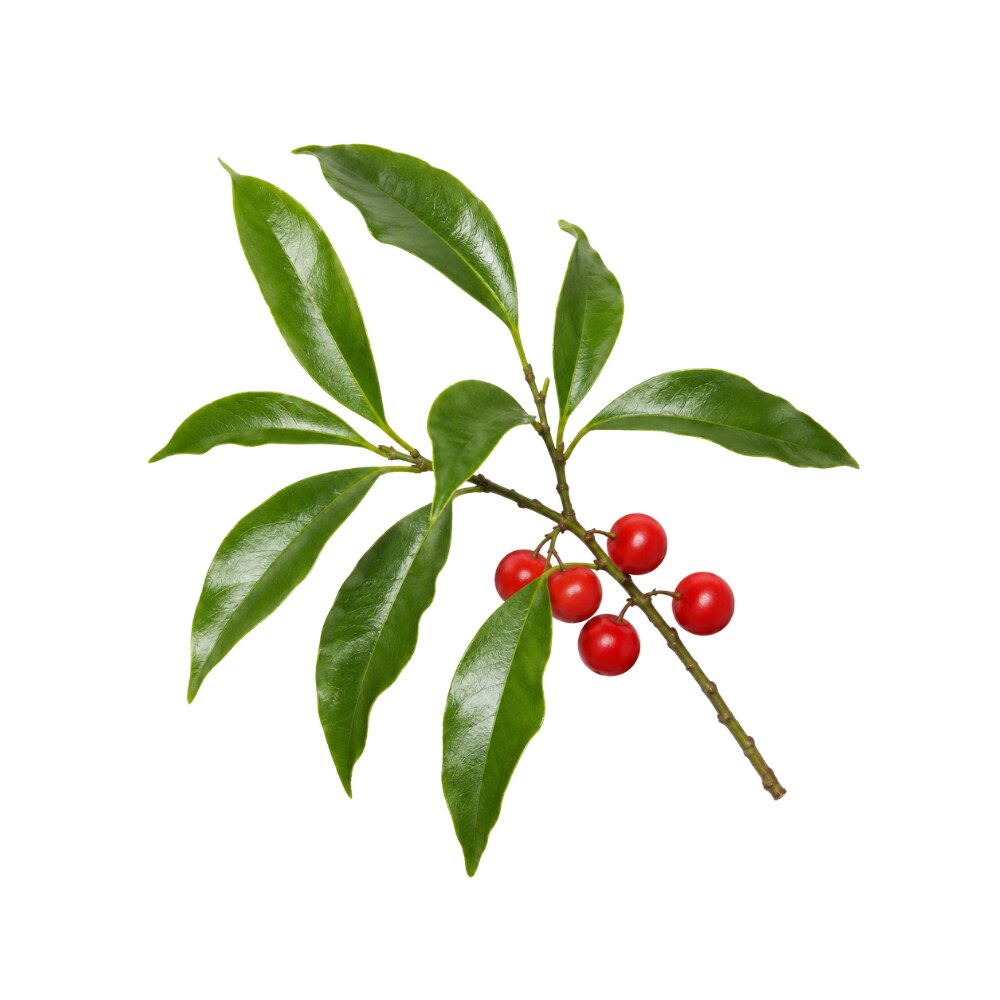 Source Chá de Bugre Cordia salicifolia Herb monograph →
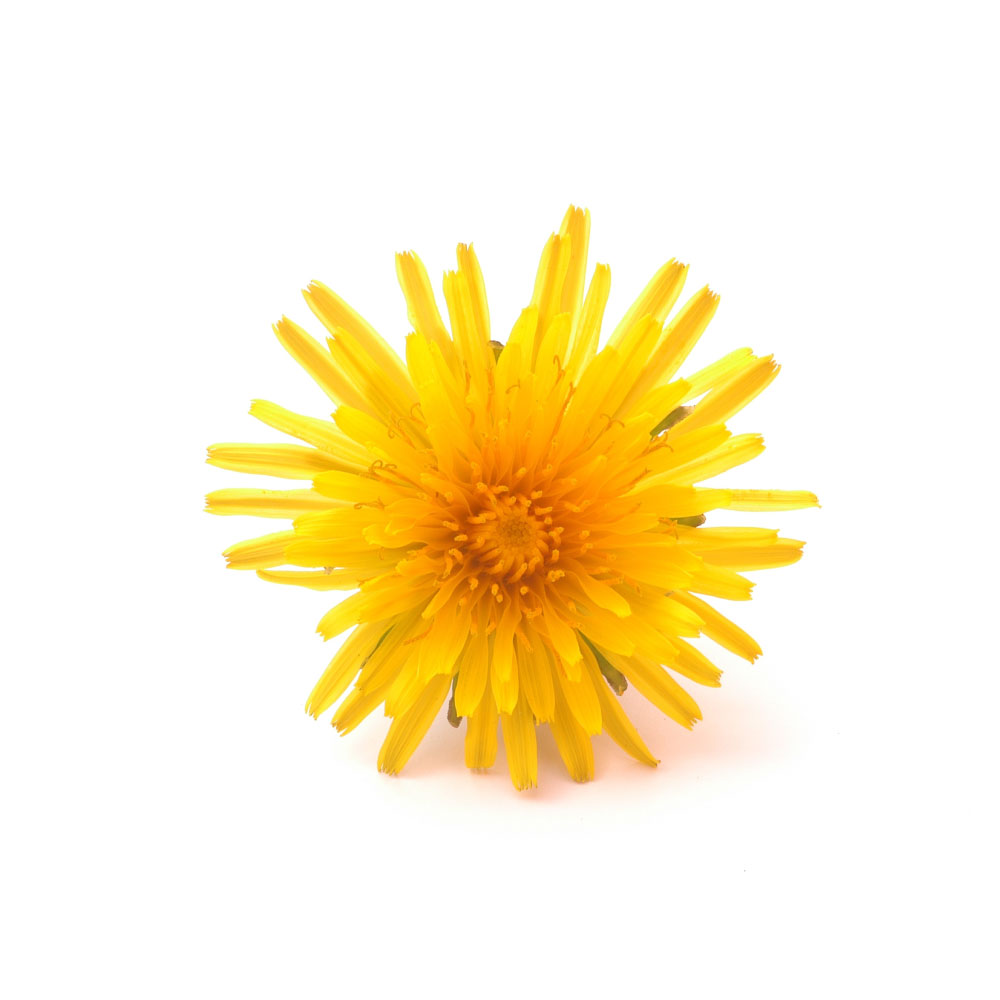 Source Dandelion Taraxacum officinale Herb monograph →
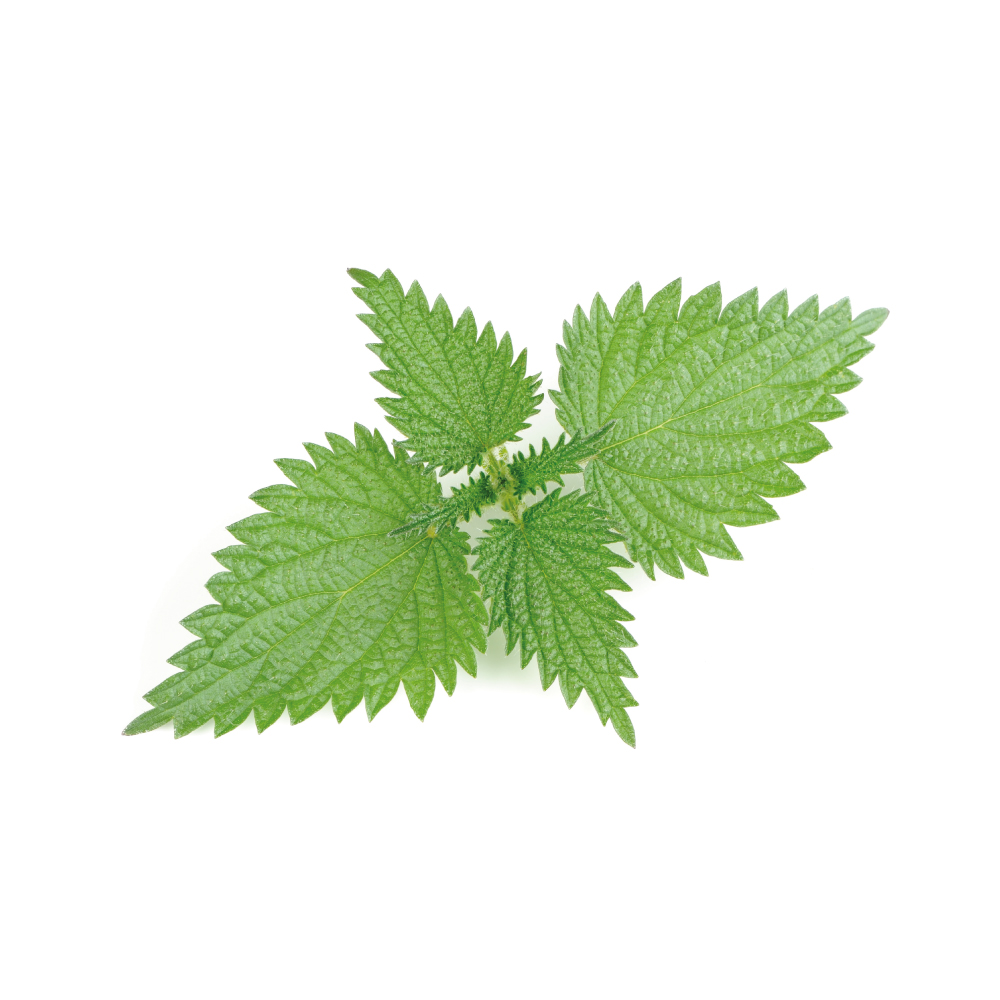 Source Stinging Nettle Urtica dioica Herb monograph →
Concentration
Content by Source
Reported concentrations across the plants that contain potassium — the bar marks the typical level, the line shows the reported range.
Literature figures for varying plant parts and preparations. Read them as a comparative guide, not exact assays.
Research & Evidence
Potassium is the dominant intracellular cation and the counterweight to sodium in blood-pressure regulation, cardiac conduction and neuromuscular excitability. Higher dietary potassium is consistently associated with lower blood pressure, and most public-health guidance treats inadequate intake as the more common problem.
Its presence in the herbal literature is dominated by one specific argument: the traditional diuretics. Most pharmaceutical diuretics waste potassium, and the classical claim for dandelion leaf is that it is a diuretic which replaces what it makes you excrete. The mineral figures are what that claim rests on.
Content by Source
Dandelion leaf carries about 393 mg per 100 g fresh and 406 mg per 100 g shade-dried 1Reference 1Nutritional Profiling, Phytochemical Composition and Antidiabetic Potential of Taraxacum officinale, an Underutilized HerbView study → — comparable to a banana by weight, and high for a leafy green. Whether an infusion delivers a meaningful fraction of that is a separate question from what the leaf contains.
Toxicity & Safety
Dietary potassium is safe in people with normal kidney function; excess is excreted. It is a real concern in renal impairment and in anyone taking potassium-sparing diuretics, ACE inhibitors or ARBs, where added potassium can contribute to hyperkalaemia.
References
- Murtaza I, Laila O, Drabu I, et al. (2022). Nutritional Profiling, Phytochemical Composition and Antidiabetic Potential of Taraxacum officinale, an Underutilized Herb. Molecules. https://pubmed.ncbi.nlm.nih.gov/36080148/



