
Compound Monograph
Pseudotropine
Pseudotropine (tropan-3β-ol) is a minor tropane amino-alcohol of the nightshade family — including trace amounts in ashwagandha. Its significance is biosynthetic, not pharmacological: it is the branch-point precursor to the calystegines, and its 3β stereochemistry routes the pathway away from the atropine/hyoscyamine branch.

Sources · 5
Where Does It Come From?
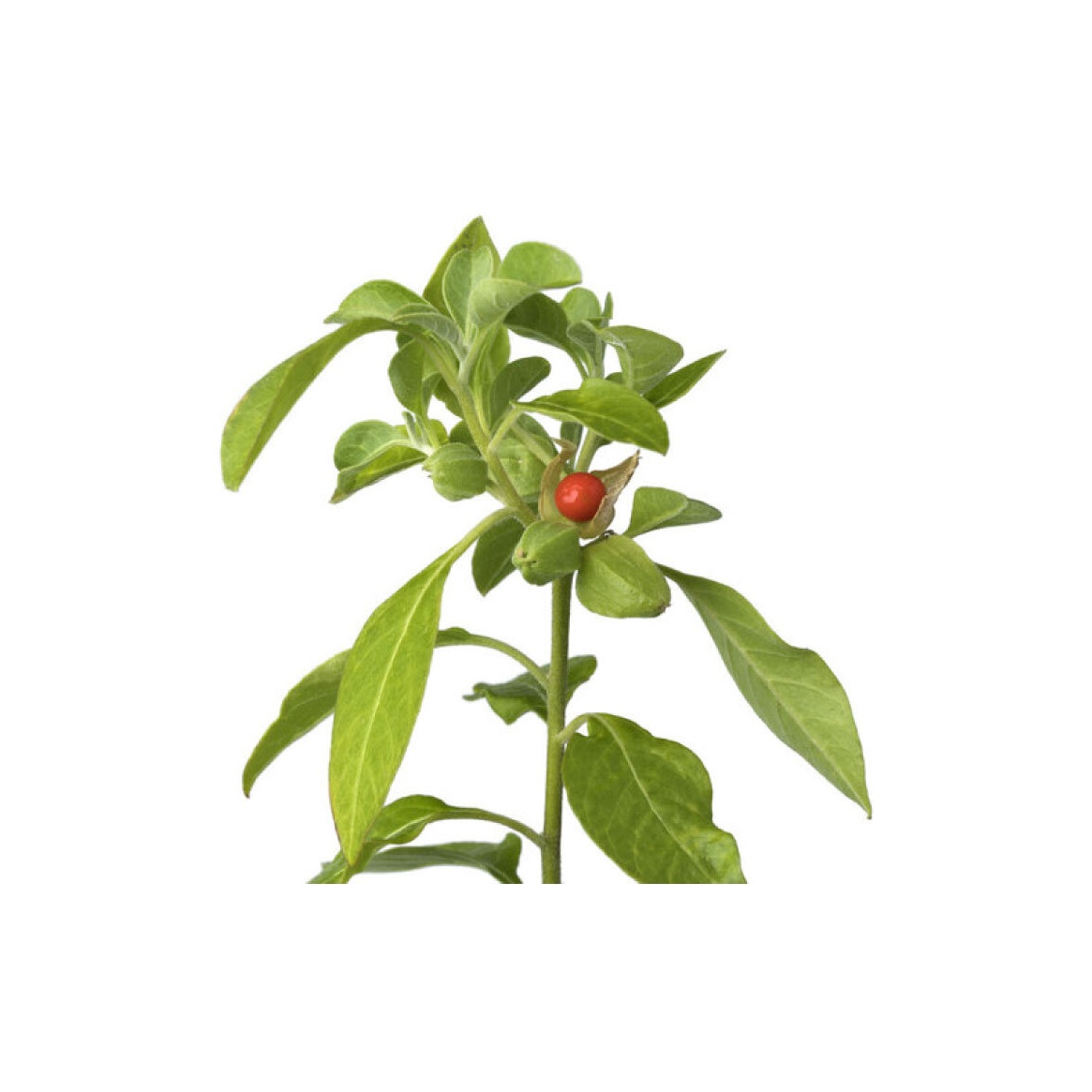
Pseudotropine is a naturally occurring tropane alkaloid (amino-alcohol; tropan-3β-ol), found in Ashwagandha, Potato, Nightshade family and 2 other sources. It is well tolerated orally (low toxicity).
Concentration
Content by Source
Concentrations not reported. No percent-dry-weight or mg/g figures have been published for this compound in its source plants.
Pseudotropine at a Glance
Pseudotropine, or tropan-3β-ol (ψ-tropine), is a small tropane amino-alcohol — the 3β epimer of tropine. The two molecules are identical except for the orientation of a single hydroxyl group on the tropane ring: tropine carries it in the 3α (axial) position, pseudotropine in the 3β (equatorial) position. That one difference is the whole point of this molecule.
Pseudotropine has little pharmacology of its own. Its importance is biosynthetic: it is the branch-point precursor to the calystegines — a family of polyhydroxylated nortropane sugar-mimics that inhibit glycosidase enzymes — and to a set of pseudotropine-esterified tropanes. The 3α-branch, built from tropine, leads instead toward the well-known anticholinergic alkaloids atropine and hyoscyamine 1,
In ashwagandha (Withania somnifera) it is a trace constituent, one of several minor tropane-type alkaloids well below the plant’s defining withanolides in abundance and importance. It is not why anyone takes ashwagandha, and it has no standalone human evidence base.
The 3β-Epimer Branch Point: Pseudotropine → Calystegines vs. Tropine → Atropine/Hyoscyamine
This is the reason the molecule earns a page. Tropane biosynthesis funnels through a single ketone, tropinone, which is then reduced by two different, opposite-facing enzymes — a metabolic fork where the stereochemistry of one reduction decides the plant’s entire downstream alkaloid profile 1,
- Tropinone reductase I (TR-I) reduces tropinone to tropine — the 3α alcohol. Tropine is then esterified with tropic acid and elaborated toward hyoscyamine and atropine, the classic anticholinergic tropanes 1Reference 1Tropane and granatane alkaloid biosynthesis: a systematic analysisView study →.
- Tropinone reductase II (TR-II) reduces the same substrate to pseudotropine — the 3β alcohol. Pseudotropine is the committed entry point to the calystegines (polyhydroxy nortropanes) 1,
3Reference 1Tropane and granatane alkaloid biosynthesis: a systematic analysisView study →Reference 3Inhibition of human intestinal α-glucosidases by calysteginesView study → .
Both enzymes are short-chain dehydrogenases/reductases evolved from a common ancestor, and their opposite stereospecificity is set by their substrate-binding sites — a textbook example of how a small active-site difference partitions a shared precursor into two chemically and pharmacologically distinct alkaloid families 4,
The practical takeaway: α vs. β at a single carbon is the switch. Pseudotropine is the marker for the sugar-mimic (calystegine) side of tropane metabolism; tropine is the marker for the deliriant/anticholinergic side.
What It's Used For
Pseudotropine is best understood as a biosynthetic intermediate, not a bioactive drug. The honest evidence picture is that the isolated molecule has essentially no direct human or animal pharmacology; what literature exists is enzymology and pathway biology, with any downstream bioactivity belonging to its products (the calystegines), not to pseudotropine itself.
Support is an experimental score — weighted by study type (human > animal > in vitro) and volume. A beta, not a validated metric. Note the unusual shape here: the best-evidenced row is a biochemical role, not a therapeutic use, and the pharmacology row credits pseudotropine’s products, not the molecule.
The molecule’s real role. Pseudotropine is the 3β-hydroxy product of tropinone reductase II and the committed precursor of the calystegines, the polyhydroxy nortropanes formed by successive hydroxylation and N-demethylation of the pseudotropine skeleton 1,
This is plant biochemistry, established in the plant itself — not an isolate-in-a-dish inference: silencing TR-II in potato strongly lowers calystegine levels, tying the pseudotropine branch causally to calystegine output 6Reference 6Potato plants with genetically engineered tropane alkaloid precursorsView study →.
Modern pathway reviews place pseudotropine at exactly this fork 1Reference 1Tropane and granatane alkaloid biosynthesis: a systematic analysisView study →.
Gap: this is a biosynthetic role, not a therapeutic one. It says what pseudotropine becomes, not what it does in a person; no health outcome rests on pseudotropine as such.
The only downstream bioactivity of note on this branch, and the reason the pathway attracts interest — but it belongs to the calystegines, not to pseudotropine. Calystegines are sugar-mimicking nortropanes that inhibit glycosidases; calystegines A₃ and B₂ purified from potato inhibit human intestinal α-glucosidases (maltase, sucrase) in vitro, with in-silico docking confirming active-site binding, prompting interest in calystegine-rich vegetables for blunting post-meal glucose 3,
Gap: in-vitro, whole-plant-derived, and about a different molecule (the calystegines). Systemic availability of the active calystegines is low (they were not transported across Caco-2 cells), and there is no human outcome trial 3Reference 3Inhibition of human intestinal α-glucosidases by calysteginesView study →.
Included for honesty. Unlike its 3α-epimer’s ester descendants (hyoscyamine, atropine), pseudotropine is not an anticholinergic and carries no established receptor pharmacology of its own. It is not sold as a supplement, not used as a medicine, and has no isolate clinical literature. Whatever activity the parent plants show is attributable to other constituents entirely 8Reference 8Tropine forming tropinone reductase gene from Withania somnifera (Ashwagandha): biochemical characteristics of the recombinant enzyme and novel physiological overtones of tissue-wide gene expression patternsView study →.
Gap: effectively total — there is no isolate human or animal efficacy data to summarise.
Mechanisms
| Target / pathway | Effect | Relevant to |
|---|---|---|
| Tropinone reductase II (TR-II) | substrate → product: reduced to the 3β alcohol (pseudotropine) | biosynthesis / branch point |
| Calystegine biosynthesis | pseudotropine is the committed precursor (hydroxylation + N-demethylation → nortropane sugar-mimics) | biosynthesis / prevalence |
| Intestinal α-glucosidases (maltase, sucrase) | inhibited by the calystegine products, not by pseudotropine itself | downstream (glycosidase inhibition) |
| Muscarinic acetylcholine receptors | not a ligand — pseudotropine lacks the tropic-acid ester of the anticholinergic tropanes | contrast with tropine/atropine branch |
The load-bearing point is negative space: pseudotropine’s own “mechanism” is being a good substrate for TR-II and a good precursor for calystegines. It is not a receptor drug.
Pharmacokinetics
No dedicated human pharmacokinetic data exist for isolated pseudotropine — it has not been developed or dosed as a drug, so absorption, oral bioavailability, metabolism and half-life are uncharacterised. What is documented is the biochemical fate within the plant: pseudotropine is typically consumed as an intermediate, hydroxylated onward to calystegines rather than accumulated, which is part of why it is usually a trace species 1,
Clinical Trials
There are no clinical trials of isolated pseudotropine — none completed, planned or terminated. It is not a clinical entity. The only human-relevant experimental work on this branch concerns the calystegines as dietary glycosidase inhibitors, and that remains preclinical/in-vitro 3,
| Completed | Planned | Terminated | Preclinical |
|---|---|---|---|
| — | — | — | Calystegine(product) glycosidase inhibition — in vitro 3, |
Last checked: July 2026.
Isolate vs. Plant Studies
Almost everything known about pseudotropine comes from enzyme and pathway studies in the plant — cloned tropinone reductases, isotope-labelled precursor feeding, and transgenic knockdowns — rather than from dosing the purified molecule in animals or people 1,
Its Role in Plants
In the plant, pseudotropine sits at a metabolic decision point. After putrescine is methylated and cyclised to the N-methyl-Δ¹-pyrrolinium cation and built up to tropinone, tropinone reductase II reduces it to pseudotropine, committing carbon toward the calystegines rather than toward the tropic-acid esters (hyoscyamine/atropine) that TR-I’s product feeds 1,
The calystegines that pseudotropine builds are thought to serve ecological and physiological roles as sugar-mimic glycosidase modulators — they accumulate in roots and sprouting tubers of Solanaceae such as potato, though their precise in-planta function (defence, carbohydrate signalling, rhizosphere interactions) is not fully settled 3,
These are plant-biochemistry roles and should not be read as human pharmacology.
Prevalence in Nature
Pseudotropine occurs across the tropane-producing families — chiefly the Solanaceae (nightshades) and Convolvulaceae (bindweeds/morning glories) — the same lineages that make tropine and, on the other branch, the calystegines 1,
In ashwagandha (Withania somnifera) it is one of several minor tropane-type alkaloids (alongside tropine, isopelletierine and anaferine), far below the plant’s characteristic withanolides in abundance. The tropane pathway is genuinely present in the plant — a tropinone reductase from W. somnifera has been cloned and shown to catalyse the tropinone→tropine step, with expression even in aerial tissues — which establishes the biosynthetic machinery for these trace tropanes, pseudotropine included 8Reference 8Tropine forming tropinone reductase gene from Withania somnifera (Ashwagandha): biochemical characteristics of the recombinant enzyme and novel physiological overtones of tissue-wide gene expression patternsView study →. Reliable quantitative figures for pseudotropine specifically in ashwagandha are not well established; that hole is logged in this compound’s gaps tracker.
Discovery & Synthesis
Pseudotropine entered the literature as the 3β (endo) stereoisomer of tropine, distinguished from tropine in the classical tropane chemistry that grew out of nineteenth- and early-twentieth-century work on atropine and cocaine. Its modern biochemical identity — as the specific product of a second, stereochemically opposite tropinone reductase — was pinned down when Nakajima, Hashimoto and Yamada characterised the two tropinone reductases (TR-I and TR-II) in the early 1990s, showing they are common-ancestor short-chain dehydrogenases whose opposite stereospecificity is dictated by their substrate-binding sites 4,
Patents: not yet researched.
Toxicity & Safety
Pseudotropine carries a low flag. It is not an anticholinergic — it lacks the tropic-acid ester that makes hyoscyamine and atropine dangerous — and it is present in the source plants and foods only in trace amounts, as a biosynthetic intermediate. There is no documented syndrome of pseudotropine poisoning, and no isolate toxicology package characterising it in the way the anticholinergic tropanes are characterised. That said, absence of a toxicology dataset is not the same as proven safety.
- Not anticholinergic. Unlike its 3α-epimer’s descendants (atropine, hyoscyamine), pseudotropine has no established muscarinic-receptor activity — it is a plain amino-alcohol precursor.
- Trace, incidental exposure. In ashwagandha and nightshade-family foods it occurs at trace levels as a pathway intermediate, not as an accumulating active.
- Company it keeps. The plants that make pseudotropine (nightshades, datura, etc.) also make genuinely poisonous anticholinergic tropanes; risk from those plants is about the other alkaloids, not pseudotropine.
- No isolate toxicology. There is no dedicated safety, genotoxicity, or reproductive dataset for purified pseudotropine; do not read the low flag as a positive safety demonstration.
Dosage
There is no established or studied human dose for isolated pseudotropine. It is not a supplement and not a medicine — it is a trace biosynthetic intermediate, and human exposure is incidental (as a minor constituent of nightshade-family plants and foods). No therapeutic dose has been defined because no therapeutic use exists. Nothing here should be read as a dosing recommendation.
References
- Kim N, Estrada O, Chavez B, Stewart C Jr, D’Auria JC (2016). Tropane and granatane alkaloid biosynthesis: a systematic analysis. Molecules. https://pubmed.ncbi.nlm.nih.gov/27845728/
- Wu N, Jian D, Xiang M, Chen M, Lan X, Liao Z, Liu X (2019). Biochemical characterization reveals the functional divergence of two tropinone reductases from Przewalskia tangutica. Biotechnology and Applied Biochemistry. https://pubmed.ncbi.nlm.nih.gov/31051047/
- Jocković N, Fischer W, Brandsch M, Brandt W, Dräger B (2013). Inhibition of human intestinal α-glucosidases by calystegines. Journal of Agricultural and Food Chemistry. https://pubmed.ncbi.nlm.nih.gov/23697377/
- Nakajima K, Hashimoto T, Yamada Y (1993). Two tropinone reductases with different stereospecificities are short-chain dehydrogenases evolved from a common ancestor. Proceedings of the National Academy of Sciences USA. https://pubmed.ncbi.nlm.nih.gov/8415746/
- Nakajima K, Hashimoto T, Yamada Y (1994). Opposite stereospecificity of two tropinone reductases is conferred by the substrate-binding sites. Journal of Biological Chemistry. https://pubmed.ncbi.nlm.nih.gov/8163465/
- Küster N, Rosahl S, Dräger B (2017). Potato plants with genetically engineered tropane alkaloid precursors. Planta. https://pubmed.ncbi.nlm.nih.gov/27783159/
- Brock A, Brandt W, Dräger B (2008). The functional divergence of short-chain dehydrogenases involved in tropinone reduction. The Plant Journal. https://pubmed.ncbi.nlm.nih.gov/18221363/
- Kushwaha AK, Sangwan NS, Trivedi PK, Negi AS, Misra L, Sangwan RS (2013). Tropine forming tropinone reductase gene from Withania somnifera (Ashwagandha): biochemical characteristics of the recombinant enzyme and novel physiological overtones of tissue-wide gene expression patterns. PLoS One. https://pubmed.ncbi.nlm.nih.gov/24086372/
- Romera-Torres A, Romero-González R, Martínez Vidal JL, Garrido Frenich A (2018). Analytical methods, occurrence and trends of tropane alkaloids and calystegines: an update. Journal of Chromatography A. https://pubmed.ncbi.nlm.nih.gov/29886001/



