
Subclass of Alkaloids
Tropane Alkaloids
Potent nervous-system alkaloids of the nightshade family, such as atropine and scopolamine.
Overview
About Tropane Alkaloids
Tropane alkaloids are built on a rigid bicyclic tropane ring — an eight-carbon cage with a bridging nitrogen — derived from ornithine. The cage holds an ester group in a fixed orientation, and that geometry is what lets these molecules fit the acetylcholine receptor so precisely.
They are the classic nightshade poisons: deadly nightshade, henbane, datura, mandrake. They are also, at controlled doses, indispensable medicines — the same molecules appear in every hospital pharmacy.
Where Tropanes Occur
Almost entirely the nightshade family, plus one conspicuous outlier:
Deadly nightshade (Atropa belladonna)
atropine, hyoscyamine
Henbane (Hyoscyamus)
hyoscyamine, scopolamine
Datura and Brugmansia
scopolamine, atropine
Mandrake
mixed tropanes
Coca (Erythroxylum)
cocaine and the ecgonine tropanes
Coca is the outlier: an unrelated family that arrived at the same tropane skeleton and used it for a completely different pharmacology — monoamine reuptake blockade rather than anticholinergic action.
A Distinction Worth Holding
The tropane ring on its own does nothing much. Tropine and pseudotropine — the free amino alcohols — are not anticholinergic.
What makes atropine and hyoscyamine antimuscarinic is the tropic acid esterified onto that ring; it is the ester, not the cage, that mimics acetylcholine. This trips up a lot of secondary writing about nightshade chemistry.
Pharmacological Importance
As competitive muscarinic antagonists these compounds do exactly what blocking parasympathetic tone predicts: pupils dilate, secretions dry, heart rate rises, gut and bladder smooth muscle relaxes. Every one of those became a clinical use — atropine in bradycardia and as the antidote to organophosphate poisoning, scopolamine for motion sickness and as an antisecretory premedication, hyoscine butylbromide for gut spasm.
Scopolamine crosses the blood-brain barrier readily and is sedative and amnestic; atropine does so less and is more peripherally stimulant. That difference in CNS penetration explains most of the clinical choices between them.
Toxicity & Safety
This is one of the few compound classes on this site where the honest guidance is that self-directed use is not appropriate at any dose. The therapeutic index is narrow, alkaloid content varies several-fold between plants and seasons, and the toxidrome is severe — the classic "blind as a bat, mad as a hatter, red as a beet, hot as a hare, dry as a bone" picture, progressing to hyperthermia, delirium, seizures and death.
Children are especially vulnerable, and datura seed poisonings recur every year. Deliriant recreational use of these plants is genuinely dangerous and is not comparable to any other class of psychoactive plant.
Constituents
All Tropane Alkaloids
18 totalA
alpha-Truxilline Apoatropine AtropineB
Belladonnine Benzoylecgonine beta-TruxillineC
Cinnamoylcocaine CocaineE
Ecgonine Ecgonine methyl esterH
HyoscyamineM
Mandragorine MethylecgonidineP
PseudotropineS
ScopolamineT
Tropacocaine Tropane alkaloids (catuabines A, B, C) TropineNo tropane alkaloids match.
Source Plants
Herbs Containing Tropane Alkaloids
7 herbsPlants in the materia medica documented to carry tropane alkaloids, with the compounds each one is listed for. The bar counts how many DISTINCT tropane alkaloids are on record for a plant, relative to the best-documented — it measures breadth of record, not potency, so a plant with one well-studied compound can outrank a richer source that has simply been analysed less. Where a measured concentration is on record it is quoted inline; most entries have none yet.
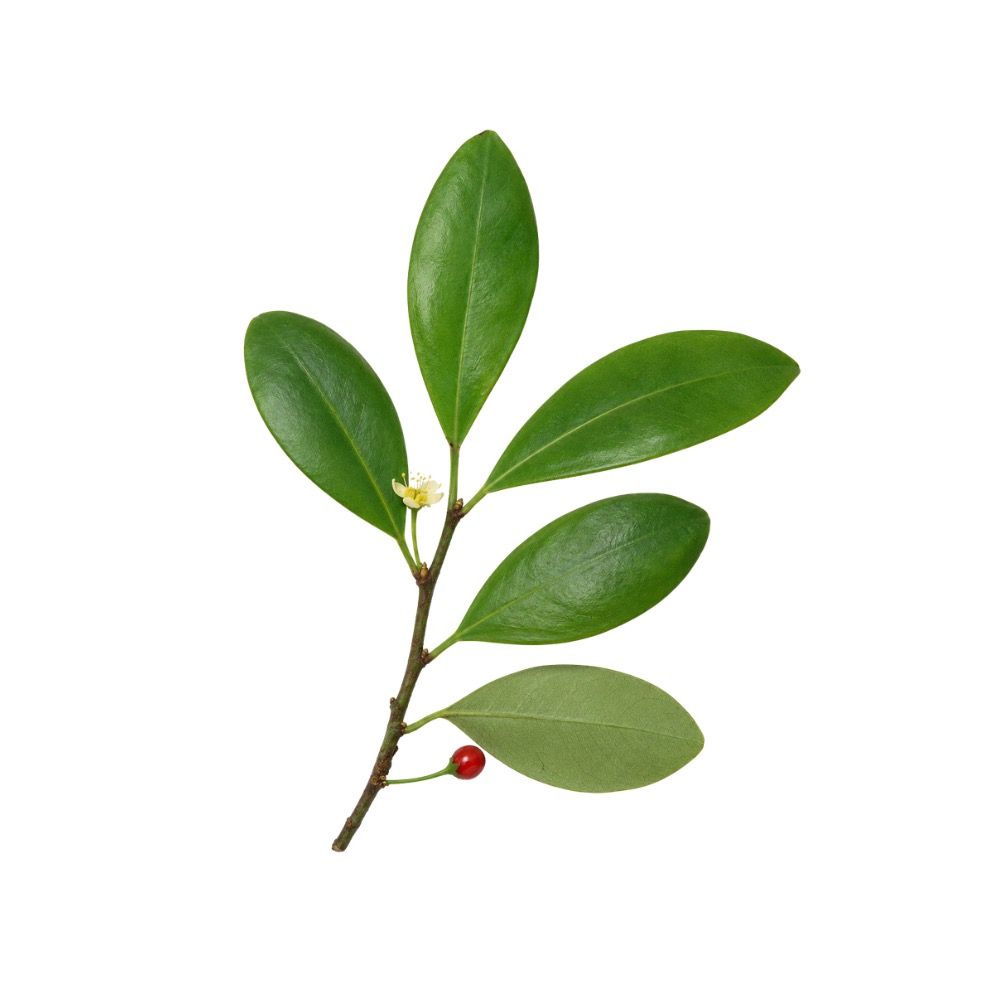 Coca Erythroxylum coca Documented for benzoylecgonine (0.11–0.12 mg/bag), cocaine (0.5–1 % dry wt), alpha-truxilline and 7 more tropane alkaloids.
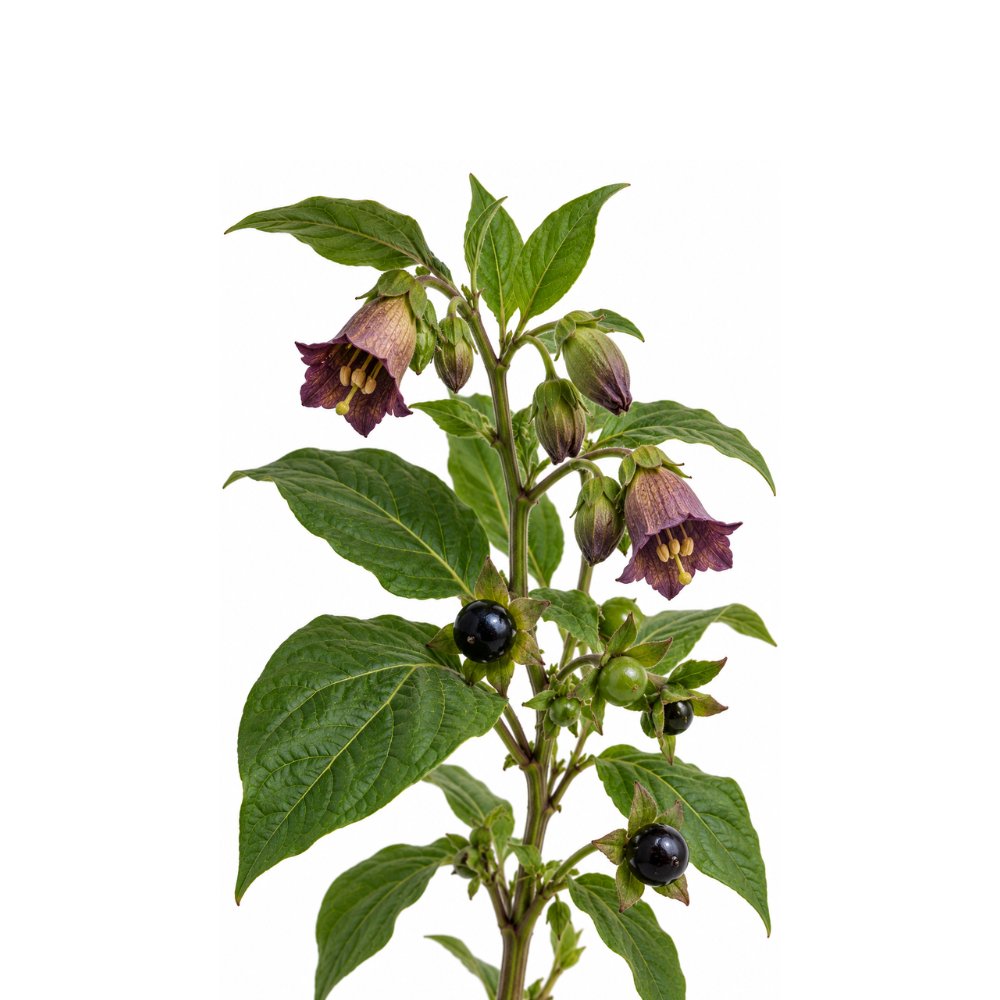 Deadly Nightshade ☠️ Atropa belladonna Toxic Documented for apoatropine, atropine, belladonnine and 2 more tropane alkaloids.
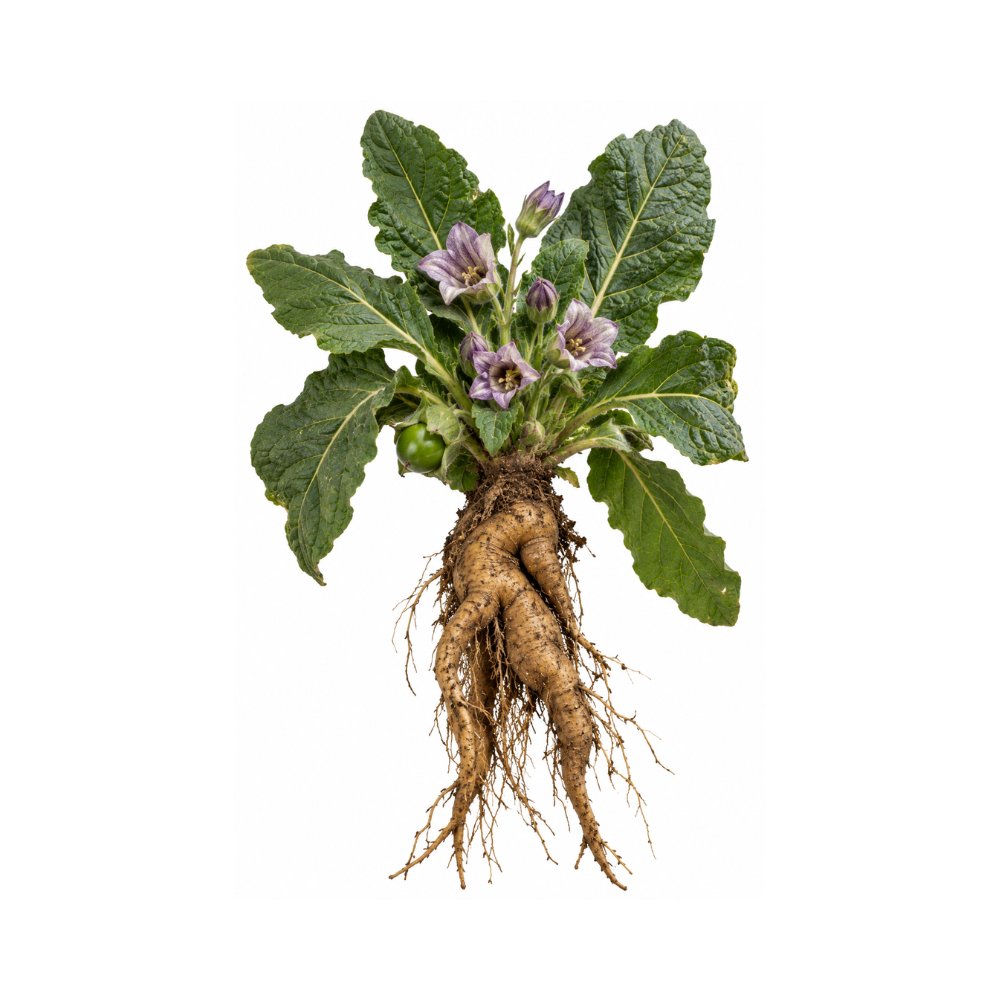 Mandrake ☠️ Mandragora officinarum Toxic Documented for atropine, hyoscyamine, mandragorine and 1 more.
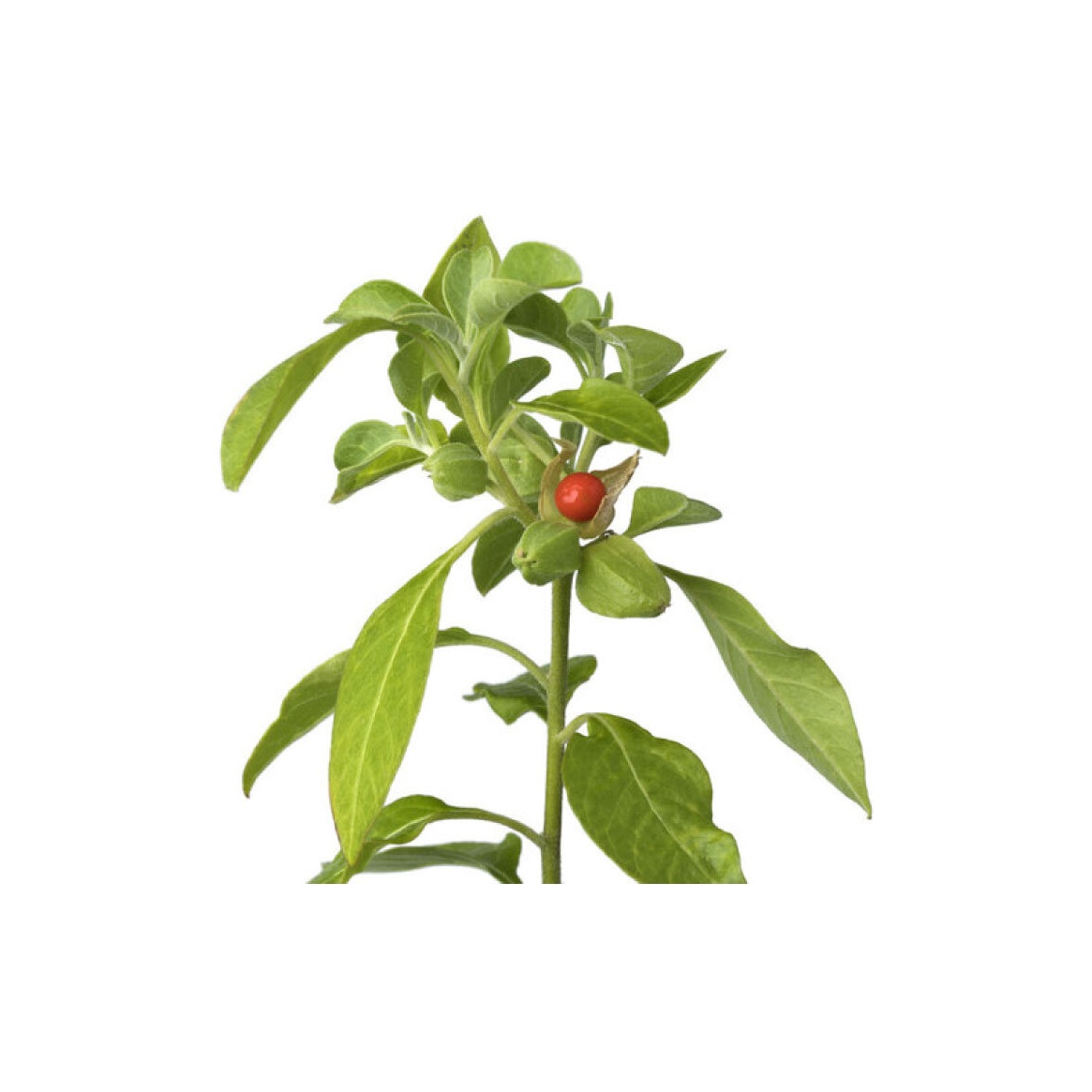 Ashwagandha Withania somnifera Documented for pseudotropine, tropane alkaloids, tropine.
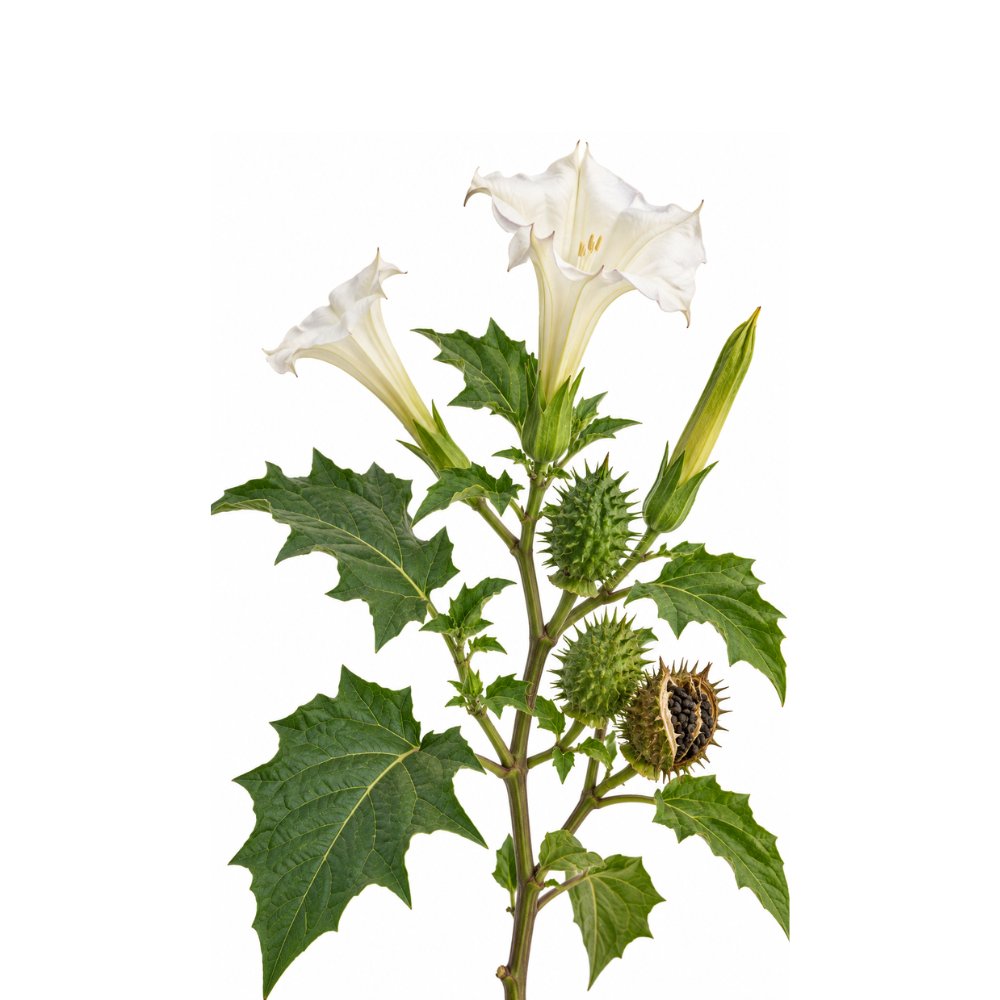 Datura ☠️ Datura stramonium Toxic Documented for atropine, hyoscyamine, scopolamine.
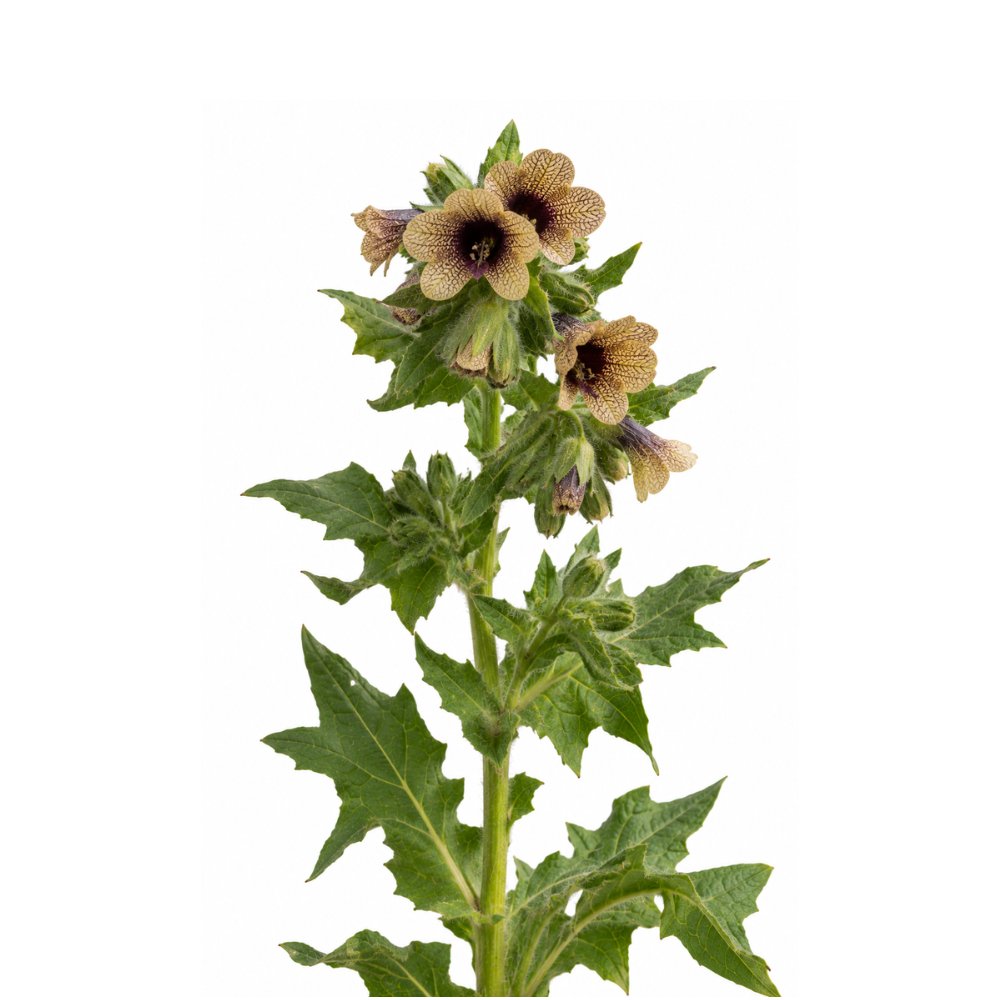 Henbane ☠️ Hyoscyamus niger Toxic Documented for atropine, hyoscyamine, scopolamine.
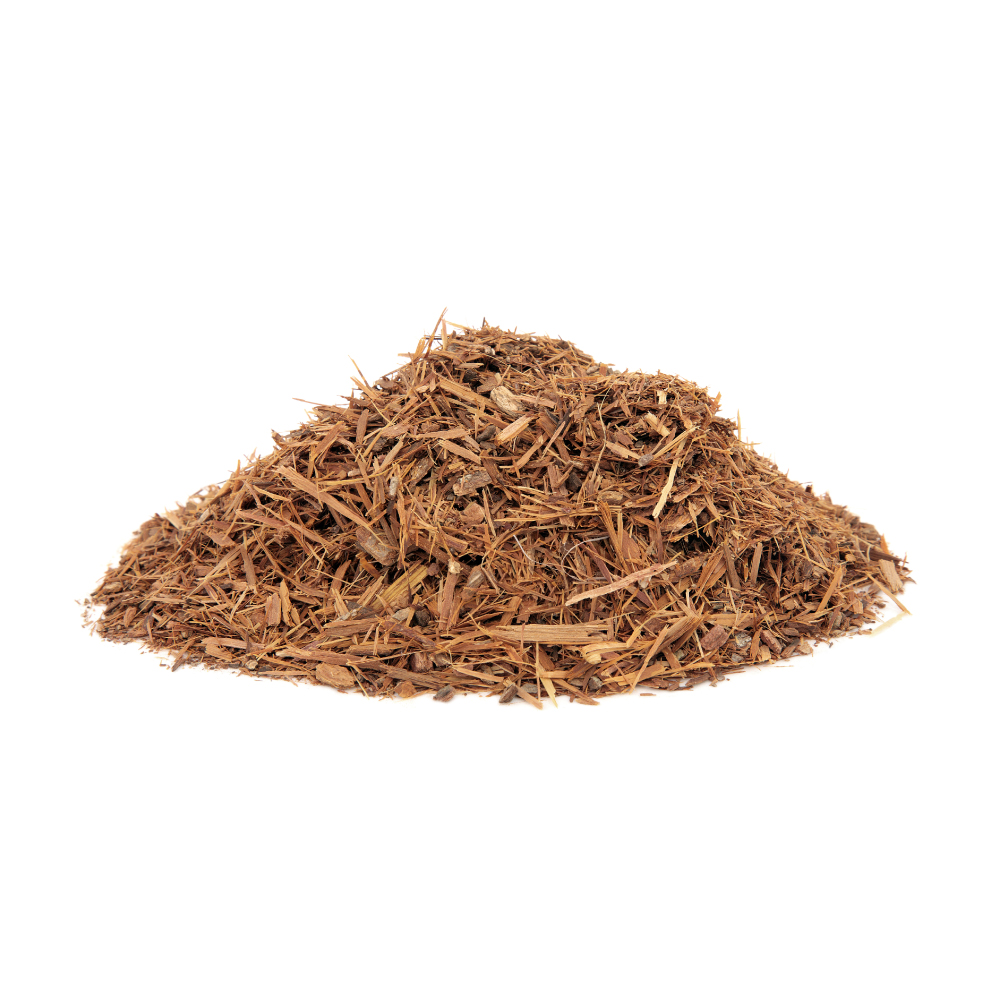 Catuaba Trichilia catigua Documented for tropane alkaloids (catuabines A, B, C).
Keep Exploring
Other Compound Classes
Keep Reading
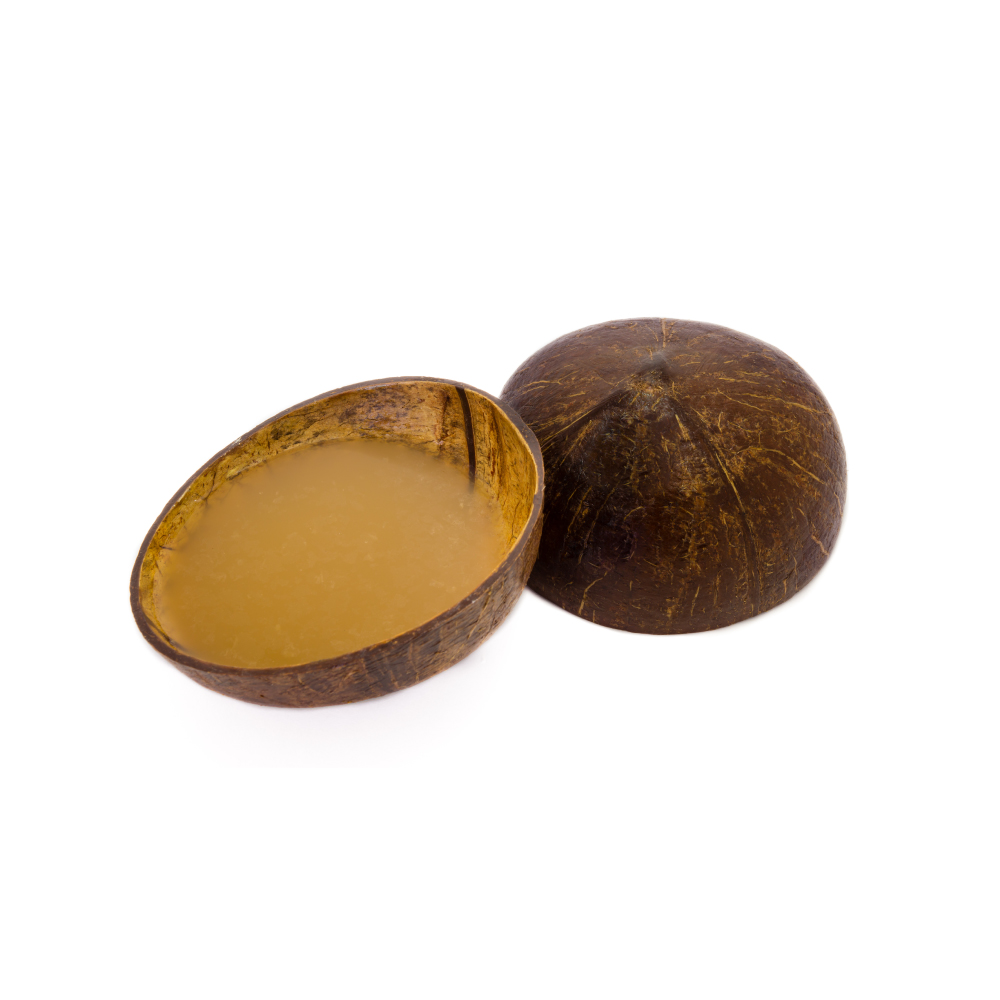 GuidesThe Best Kava: A Buyer's GuideHow to buy good kava: noble vs two-day cultivars, which part of the root, chemotype codes, origin, form, and the batch tests a seller should show you.
Read more
 GuidesThe Amazon's Endangered Medicinal PlantsThe Amazon gives us some of our most important medicines — but which healing plants are actually endangered?
Read more
 NutritionThe Best Yerba Maté Brands [Reviewed]A drinker's guide to buying yerba maté — what actually changes the taste, and ten brands worth your money.
Read more
 GuidesHow to Prepare Yerba Maté — The Five Best MethodsHow to brew yerba maté properly — the traditional gourd method, plus tereré, french press and cold brew.
Read more