
Compound Monograph
Sanguiin H-6
Sanguiin H-6 is the dimeric ellagitannin that dominates raspberry and the rest of the Rubus genus — the single largest polyphenol in a raspberry. It is also a molecule almost nobody absorbs: at 1,871 Da it stays in the gut lumen, hydrolyses to ellagic acid and is then converted by colonic bacteria into urolithins, which is where its real human pharmacology begins.

Sources · 9
Where Does It Come From?
Sanguiin H-6 is a naturally occurring hydrolysable tannin (dimeric ellagitannin), found in Raspberry leaf, Blackberry, Cloudberry and 6 other sources. It is well tolerated orally (low toxicity).
Concentration
Content by Source
Reported concentrations across the plants that contain sanguiin H-6 — the bar marks the typical level, the line shows the reported range.
Literature figures for varying plant parts and preparations. Read them as a comparative guide, not exact assays.
Sanguiin H-6 at a Glance
Sanguiin H-6 is a dimeric ellagitannin — a hydrolysable tannin of 1,871 Da (C₈₂H₅₄O₅₂) built from two casuarictin-type units joined by a sanguisorboyl ester bridge 1,
Its pharmacology in a person is almost entirely a story about not being absorbed. The molecule is too large and too polar to cross the gut wall intact; it hydrolyses to ellagic acid in the stomach and small intestine, and whatever survives to the colon is converted by resident bacteria into urolithins — small metabolites that do circulate, in amounts that vary enormously between people 7,
Within that constraint there is a real body of work: it is a potent catalytic inhibitor of both DNA topoisomerases, a direct blocker of VEGF binding to its receptor, and a repeatedly-reproduced suppressor of NF-κB-driven inflammatory signalling 9,
Dimer, Trimer and the Rubus Ellagitannin Family
Rubus ellagitannins are an oligomeric series built from the same repeating unit, and the family relationships matter for reading the literature:
| Compound | Form | Approx. mass | Where it leads |
|---|---|---|---|
| Casuarictin | monomer | ~936 Da | the repeating unit; a minor raspberry constituent 4Reference 4In vitroAntioxidant activity of isolated ellagitannins from red raspberries and cloudberries — in vitroView study → |
| Sanguiin H-6 | dimer | 1,871 Da | the dominant ellagitannin of raspberry and Rubus generally 3, |
| Lambertianin C | trimer | ~2,805 Da | the same unit extended once more; second-most abundant in raspberry, most abundant in blackberry 3, |
Sanguiin H-6 and lambertianin C are the dimer and trimer of one another’s building block, which is why they are almost always reported together, respond alike in assays, and behave alike in the gut. Their one consistent practical difference is size: in juice processing, ellagitannin transfer falls more than tenfold as molecular mass rises from 1,568 to 2,805 Da, so the smaller sanguiin H-6 travels into juice better while the trimer stays behind in the press cake 22Reference 22Transfer and mass balance of ellagitannins, anthocyanins, flavan-3-ols and flavonols during the processing of red raspberries (Rubus idaeus L.) to juiceView study →.
Two attributions worth separating out. First, strawberry is not a sanguiin H-6 plant in the way raspberry is. A dedicated structural study established that the main ellagitannin of both Fragaria vesca and F. ananassa is agrimoniin, a different dimer; sanguiin H-6 is present in strawberry but “at a much lower concentration,” and the two had previously been confused by chromatography 6Reference 6Clarifying the identity of the main ellagitannin in the fruit of the strawberry, Fragaria vesca and Fragaria ananassa DuchView study →. Second, sanguiin H-6 is not a Rubus exclusive — it was first isolated from great burnet (Sanguisorba officinalis), which is where its name comes from 1Reference 1A dimeric hydrolyzable tannin, sanguiin H-6 from Sanguisorba officinalis LView study →.
The Urolithin Pathway — What Actually Reaches You
This is the load-bearing fact about the molecule, and the reason it should never be read as a systemically-acting drug.
An ileostomy study traced the whole route directly. After 300 g of raspberries, 23% of the ingested sanguiin H-6 was recovered intact in ileal fluid, while recovery of ellagic acid ran to 241% of intake — meaning ellagitannins were being hydrolysed to free ellagic acid before they ever reached the colon. In healthy volunteers, plasma contained no detectable raspberry polyphenolics or their metabolites, and no intact or conjugated ellagitannin appeared in urine from either group. What did appear, 7–48 hours later and only in the intact-colon subjects, were urolithin A-O-glucuronide, two isomers, and urolithin B-O-glucuronide — with, in the authors’ words, marked variation between individuals reflecting differences in the colonic microflora 7Reference 7Clinical trialBioavailability of anthocyanins and ellagitannins following consumption of raspberries by healthy human volunteers and subjects with an ileostomyView study →.
Ex-vivo work confirms the disappearance step: incubate post-raspberry ileal fluid with a faecal inoculum for 24 hours and sanguiin H-6 falls significantly while microbial catabolites rise 30Reference 30Ex vivo fecal fermentation of human ileal fluid collected after raspberry consumption modifies (poly)phenolics and modulates genoprotective effects in colonic epithelial cellsView study →. And the pathway is not raspberry-specific — faecal incubation of an aqueous raspberry-leaf infusion (alongside meadowsweet, tormentil, oak bark, avens and others) produces urolithins A, B and C, and it is those metabolites that carry anti-inflammatory activity, urolithin A inhibiting TNF-α production at 0.625 µM 8Reference 8In vitroRole of human gut microbiota metabolism in the anti-inflammatory effect of traditionally used ellagitannin-rich plant materials — in vitroView study →.
Three consequences follow, and they frame everything below:
- Concentration-reachability. A 20 µM in-vitro effect is achievable in the gut lumen after a bowl of raspberries. It is not achievable in plasma at any realistic intake.
- Metabotype variation. People fall into three reproducible groups: metabotype A produces urolithin A only; metabotype B produces isourolithin A and urolithin B in addition to urolithin A; and metabotype 0 produces essentially none. The same dose of the same berry is not the same exposure in two different people 7Reference 7Clinical trialBioavailability of anthocyanins and ellagitannins following consumption of raspberries by healthy human volunteers and subjects with an ileostomyView study →.
- Attribution. Where a whole-berry or whole-leaf human effect is real, the molecule doing the work downstream is more likely a urolithin — or free ellagic acid acting locally in the gut — than sanguiin H-6 itself.
What It's Used For
The isolate literature is genuine and mechanistically specific, but it is almost entirely in vitro, with two small rodent studies and no human trials of any kind.
Support is an experimental score — weighted by study type (human > animal > in vitro) and volume. A beta, not a validated metric. Scores are capped hard here: there are no human trials of the isolated molecule at all, and the bioavailability ceiling applies to every row. Each application links to its write-up.
The best-supported application, and the one where the reachable concentrations make sense. In human gastric epithelial cells, sanguiin H-6 and lambertianin C totally abolished TNF-α-induced IL-8 release at 2.5 µM — a concentration a berry meal plausibly produces at the mucosal surface — with the parent Rubus ellagitannin extracts inhibiting NF-κB at IC₅₀ 0.67–1.7 µg/mL; in ethanol-injured rats the extracts (20 mg/kg/day, 10 days) cut the ulcer index by 75–88% and lowered mucosal CINC-1 16Reference 16In vitroEllagitannins from Rubus berries for the control of gastric inflammation — in vitro and in vivo rat studiesView study →.
In LPS-activated macrophages the isolate suppressed iNOS mRNA induction and enzyme activity — 25 µM matching aminoguanidine at 50 µM — while also scavenging nitric oxide directly 18Reference 18In vitroEffects of sanguiin H-6, a component of Sanguisorbae Radix, on lipopolysaccharide-stimulated nitric oxide production — in vitroView study →.
The one in-vivo study of the isolate itself gave rats sanguiin H-6 10 mg/kg/day for 30 days before an LPS-plus-ischaemia-reperfusion insult and found reduced mitochondrial lipid peroxidation, preserved glutathione, suppressed caspase-3 and improved BUN and creatinine 19Reference 19AnimalPotential of sanguiin H-6 against oxidative damage in renal mitochondria and apoptosis mediated by peroxynitrite in vivo — rat studyView study →.
Gap: the ulcer model tested a whole ellagitannin extract, not the molecule; the rat renal study is a single unreplicated paper from one laboratory; and the anti-inflammatory activity of orally-taken ellagitannin material has been shown to travel with its urolithin metabolites rather than the parent tannin 8Reference 8In vitroRole of human gut microbiota metabolism in the anti-inflammatory effect of traditionally used ellagitannin-rich plant materials — in vitroView study →.
Unusually for a plant polyphenol, this claim has been apportioned rather than assumed. Preparative HPLC fractionation of Glen Ample raspberry extract showed sanguiin H-6 to be a major contributor to the fruit’s total antioxidant capacity, alongside vitamin C and the anthocyanins, with vasodilation activity confined to the fractions containing sanguiin H-6 and lambertianin C 3Reference 3In vitroEllagitannins, flavonoids, and other phenolics in red raspberries and their contribution to antioxidant capacity and vasorelaxation properties — in vitroView study →. Ellagitannins isolated from red raspberry and cloudberry — 60% and 80% ellagitannin by weight, dimer and trimer dominant — were highly effective radical scavengers in DPPH and gave significant protection to human LDL and to methyl-linoleate emulsions, though only weak activity in bulk oil 4Reference 4In vitroAntioxidant activity of isolated ellagitannins from red raspberries and cloudberries — in vitroView study →.
Gap: these are chemical and cell-free systems. The molecule’s antioxidant chemistry is not in doubt; what is unestablished is whether any of it happens in vivo, given that the compound does not enter the circulation and is degraded in the colon 7,
The cleanest isolate result on the page, because it was done with purified compound and taken into an animal. Sanguiin H-6 fractionated from cloudberry seed gave an MIC of 0.25 mg/mL against all three methicillin-resistant Staphylococcus aureus strains tested (MBC >1 mg/mL, so it is bacteriostatic and antibiofilm rather than bactericidal), prevented biofilm development, and in a mouse wound-infection model reduced wound area by ~10.5% against controls that grew 11%, alongside a fall in bacterial bioluminescence 20Reference 20AnimalSanguiin H-6 fractionated from cloudberry (Rubus chamaemorus) seeds can prevent methicillin-resistant Staphylococcus aureus biofilm development during wound infection — mouse modelView study →. Against the food-spoilage yeast Geotrichum candidum, purified sanguiin H-6, purified lambertianin C and the complex raspberry ellagitannin preparation all shared an MIC of 10 mg/mL and MFC of 30 mg/mL 21Reference 21In vitroEllagitannins from raspberry (Rubus idaeus L.) fruit as natural inhibitors of Geotrichum candidum — in vitroView study →.
Gap: these are milligram-per-millilitre concentrations — topical/luminal, not systemic, and consistent with a general tannin protein-binding mechanism rather than a specific target. The identical MIC for dimer, trimer and crude preparation 21Reference 21In vitroEllagitannins from raspberry (Rubus idaeus L.) fruit as natural inhibitors of Geotrichum candidum — in vitroView study → is itself evidence that the activity is a class property, not something sanguiin H-6 does distinctively.
Mechanistically the richest section and the one most easily over-read. In cell-free assays sanguiin H-6 inhibits the catalytic strand-passing activity of DNA topoisomerase I (IC₅₀ 1 µM) and topoisomerase II (IC₅₀ 0.01 µM) — irreversibly, and by preventing covalent enzyme–DNA complexes rather than stabilising them, so it is not a cleavable-complex poison of the camptothecin/etoposide type; on natural chromatin in isolated HeLa nuclei potency drops to 5 µM and >10 µM, and HeLa growth inhibition needs ED₅₀ 12 µM “without any marked selectivity” 9Reference 9In vitroInhibition of DNA topoisomerases by sanguiin H-6, a cytotoxic dimeric ellagitannin from Sanguisorba officinalis — in vitroView study →.
It blocks VEGF₁₆₅ binding to KDR/Flk-1 at ~0.3 µg/mL and VEGF-driven HUVEC proliferation at ~7.4 µg/mL while leaving HT1080 fibrosarcoma growth untouched 10Reference 10In vitroSanguiin H-6 blocks endothelial cell growth through inhibition of VEGF binding to VEGF receptor — in vitroView study →; blocks HUVEC tube formation at 6.25 µM and lowers VEGF, phospho-Akt and ERK1/2 in MDA-MB-231 cells 12Reference 12In vitroAssessment of the anti-metastatic properties of sanguiin H-6 in HUVECs and MDA-MB-231 human breast cancer cells — in vitroView study →; triggers caspase-8/-3 and PARP cleavage with a raised Bax:Bcl-2 ratio in MCF-7 and MDA-MB-231 breast lines, oestrogen-receptor-independently 11Reference 11In vitroCytotoxic effect of sanguiin H-6 on MCF-7 and MDA-MB-231 human breast carcinoma cells — in vitroView study →; drives caspase-8/BID and p38 MAPK apoptosis in A2780 ovarian cells (35–42% early apoptosis at 20–40 µM) 13Reference 13In vitroInhibition of A2780 human ovarian carcinoma cell proliferation by a Rubus component, sanguiin H-6 — in vitroView study →; and suppresses TGF-β1/Smad2/3-driven EMT in A549 lung cells, restoring E-cadherin and repressing Snail and N-cadherin 14Reference 14In vitroSanguiin H6 suppresses TGF-β induction of the epithelial-mesenchymal transition and inhibits migration and invasion in A549 lung cancer — in vitroView study →.
An older 57-tannin screen placed it among the compounds with selective melanoma cytotoxicity (ED₅₀ 1–4 µg/mL against RPMI-7951) while inactive at >10 µg/mL against four other lines 29Reference 29In vitroAntitumor agents, 129View study →.
Gap: every one of these results is cell culture, and the effective range — roughly 6–200 µM — is unreachable in plasma, where the molecule is simply absent 7Reference 7Clinical trialBioavailability of anthocyanins and ellagitannins following consumption of raspberries by healthy human volunteers and subjects with an ileostomyView study →. Park’s own data illustrate the ceiling: up to 25 µM had no effect on MDA-MB-231 viability and 200 µM was needed to reduce it 12Reference 12In vitroAssessment of the anti-metastatic properties of sanguiin H-6 in HUVECs and MDA-MB-231 human breast cancer cells — in vitroView study →. There is no xenograft study, no in-vivo tumour model of the isolate, and no clinical work of any kind.
A single, self-contained line of work, and the only application with a mechanistically-matched in-vivo result. Sanguiin H-6 isolated from Rubus parvifolius — a plant used traditionally for rheumatism — markedly inhibited RANKL-induced osteoclast differentiation and bone resorption, cutting reactive-oxygen production, IκBα and p38 MAPK phosphorylation, and the protein levels and nuclear translocation of NFATc1, c-Fos, cathepsin K and c-Src; it also suppressed TNF-α-mediated osteoclastogenesis in mice 17Reference 17In vitroSanguiin H-6, a constituent of Rubus parvifolius L., inhibits RANKL-induced osteoclastogenesis and bone resorption in vitro and prevents TNF-α-induced osteoclast formation in miceView study →.
Gap: one laboratory, one publication, unreplicated in a decade. The in-vivo model used local TNF-α-driven osteoclast formation rather than oral dosing for a bone-density endpoint, so it does not address whether eating the molecule could reach bone — which, given the pharmacokinetics, it almost certainly cannot 7Reference 7Clinical trialBioavailability of anthocyanins and ellagitannins following consumption of raspberries by healthy human volunteers and subjects with an ileostomyView study →.
Mechanisms
| Target / pathway | Effect | Relevant to |
|---|---|---|
| DNA topoisomerase I and II | catalytic inhibition (IC₅₀ 1 µM / 0.01 µM cell-free; 5 µM / >10 µM on chromatin), irreversible, not cleavable-complex stabilising | anticancer (in vitro) |
| VEGF₁₆₅ – KDR/Flk-1 binding | direct block (~0.3 µg/mL) → VEGF-driven endothelial proliferation and tube formation inhibited | anti-angiogenic |
| NF-κB / IκBα → IL-8 (CXCL8) | IL-8 release abolished at 2.5 µM in TNF-α-stimulated gastric epithelium | anti-inflammatorygastroprotective |
| iNOS (transcription + activity) and free NO | mRNA induction and enzyme activity suppressed; direct NO scavenging | anti-inflammatory |
| Caspase-8 → BID → caspase-3/PARP; Bax:Bcl-2; p38 MAPK | extrinsic apoptosis in breast and ovarian lines, oestrogen-receptor-independent | anticancer (in vitro) |
| TGF-β1 / Smad2/3; Snail, E-/N-cadherin | blocks epithelial–mesenchymal transition, migration and invasion | anti-metastatic (in vitro) |
| RANKL → NFATc1, c-Fos, cathepsin K, c-Src; ROS | osteoclast differentiation and bone resorption inhibited | bone |
| Phenolic radical scavenging; LDL and lipid-emulsion protection | major measured contributor to raspberry’s antioxidant capacity | antioxidant |
| Protein binding / biofilm matrix disruption | astringency; bacteriostatic and antibiofilm activity at mg/mL | astringentantimicrobial |
| Gut hydrolysis → ellagic acid → microbial urolithins | the actual in-vivo species; the parent tannin never enters the circulation | pharmacokinetics — the ceiling on every row above |
The last row governs the rest. The topoisomerase and VEGF numbers are among the most potent in the whole ellagitannin literature, and they are also the least translatable: a 0.01 µM cell-free IC₅₀ is meaningless for a compound whose plasma concentration is zero.
Pharmacokinetics
Sanguiin H-6 is a 1,871 Da polyphenol with 52 oxygen atoms — about as far from a drug-like absorbable molecule as a natural product gets, and its human kinetics reflect that exactly. In ileostomy subjects, 23% of ingested sanguiin H-6 was recovered unchanged in ileal fluid within 4 hours, while ellagic acid recovery reached 241% of intake, evidencing net hydrolysis of ellagitannins in the stomach and small intestine. Plasma from healthy volunteers contained no detectable native raspberry polyphenolics or metabolites, and no intact or conjugated ellagitannin appeared in the urine of either group; urinary ellagic acid and its O-glucuronide accounted for <1% of intake 7Reference 7Clinical trialBioavailability of anthocyanins and ellagitannins following consumption of raspberries by healthy human volunteers and subjects with an ileostomyView study →. The compounds that do circulate are the colonic-microbial catabolites: urolithin A-O-glucuronide (plus two isomers) and urolithin B-O-glucuronide, excreted 7–48 hours post-ingestion, with pronounced between-subject variation in the profile 7Reference 7Clinical trialBioavailability of anthocyanins and ellagitannins following consumption of raspberries by healthy human volunteers and subjects with an ileostomyView study →. Faecal fermentation reproduces the disappearance step directly — sanguiin H-6 and sanguiin H-10 fall significantly over 24 hours as phenolic catabolites rise 30Reference 30Ex vivo fecal fermentation of human ileal fluid collected after raspberry consumption modifies (poly)phenolics and modulates genoprotective effects in colonic epithelial cellsView study → — and raspberry leaf infusion behaves the same way, yielding urolithins A, B and C on incubation with human faecal microbiota 8Reference 8In vitroRole of human gut microbiota metabolism in the anti-inflammatory effect of traditionally used ellagitannin-rich plant materials — in vitroView study →.
There is no half-life, no peak plasma concentration, no oral bioavailability figure for the parent compound, because it has never been measured in circulation. Practically, its distribution volume is the gut lumen; its pharmacologically relevant descendants are ellagic acid (locally, in the upper gut) and the urolithins (systemically, if your microbiota makes them).
Clinical Trials
None. Sanguiin H-6 has never been administered to human beings as a purified compound in any registered or published trial. The human data adjacent to it are all whole-food or whole-herb: a randomised crossover trial of raspberry-leaf tea (10 g infusion, 22 healthy adults) that blunted postprandial glucose and insulin after sucrose — an effect the authors attribute chiefly to ellagic acid inhibiting α-glucosidase and β-fructofuranosidase, not to the intact ellagitannin 26Reference 26RCTEffects of raspberry leaf tea polyphenols on postprandial glucose and insulin responses in healthy adults — randomized crossover trialView study → — and the raspberry-feeding bioavailability and ileostomy work described above 7,
| Completed | Planned | Terminated | Preclinical |
|---|---|---|---|
| None of the isolate (whole-berry and raspberry-leaf human studies only) | — | — | Topoisomerase / VEGF / NF-κB / RANKL mechanistic; two rodent studies |
Last checked: August 2026.
Isolate vs. Plant Studies
This molecule sits at the awkward end of the isolate-vs-plant problem: the isolate work is good and the plant work is human, and the two do not join up.
On the isolate side, most of the mechanistic papers used genuinely purified sanguiin H-6 — Bastow’s topoisomerase assays, Lee’s VEGF-binding work, the breast and ovarian apoptosis studies, Sakai’s osteoclast work, and Aguilera-Correa’s MRSA experiments all tested the compound itself 9,
On the plant side, everything with a living subject used a mixture. The rat gastroprotection study dosed a crude Rubus ellagitannin extract, with the isolate tested only in cell culture 16Reference 16In vitroEllagitannins from Rubus berries for the control of gastric inflammation — in vitro and in vivo rat studiesView study →. The Caco-2 genotoxicity work ran a raspberry ellagitannin preparation alongside the two purified compounds 15Reference 15In vitroEllagitannins from Rubus idaeus L. exert geno- and cytotoxic effects against human colon adenocarcinoma cell line Caco-2 — in vitroView study →. The human raspberry and raspberry-leaf studies dosed fruit and tea 7,
Two further caveats travel with this compound specifically. Purified sanguiin H-6, purified lambertianin C and the crude preparation gave identical antifungal MIC and MFC values 21Reference 21In vitroEllagitannins from raspberry (Rubus idaeus L.) fruit as natural inhibitors of Geotrichum candidum — in vitroView study → — a plain signal that some of its activity is generic hydrolysable-tannin chemistry rather than anything molecule-specific. And Rubus ellagitannin content varies severalfold with species, cultivar, harvest and processing 22,
Its Role in Plants
Sanguiin H-6 belongs to the oxidative branch of the hydrolysable-tannin pathway: β-pentagalloyl-D-glucose — itself assembled from gallic acid esterified onto glucose — is oxidatively coupled to form the hexahydroxydiphenoyl (HHDP) groups that define an ellagitannin, and further phenolic coupling then links monomers into dimers and larger oligomers 28Reference 28ReviewStructural revisions in natural ellagitannins — reviewView study →. In Rubus the repeating unit is casuarictin; two of them joined through a sanguisorboyl (galloyl-O-galloyl) bridge give sanguiin H-6, and a third gives lambertianin C 4,
Functionally these are defence polyphenols. Their astringency — the capacity to bind and precipitate proteins — is what deters herbivores and inhibits microbial and fungal growth on the plant surface, and it is the same chemistry that produces the antibacterial and antifungal MICs above 20,
Prevalence in Nature
Sanguiin H-6 is a Rosaceae molecule, concentrated in Rubus, where a review counts it in roughly 22 species of the genus 2Reference 2ReviewSanguiins — promising molecules with broad biological potential — reviewView study →.
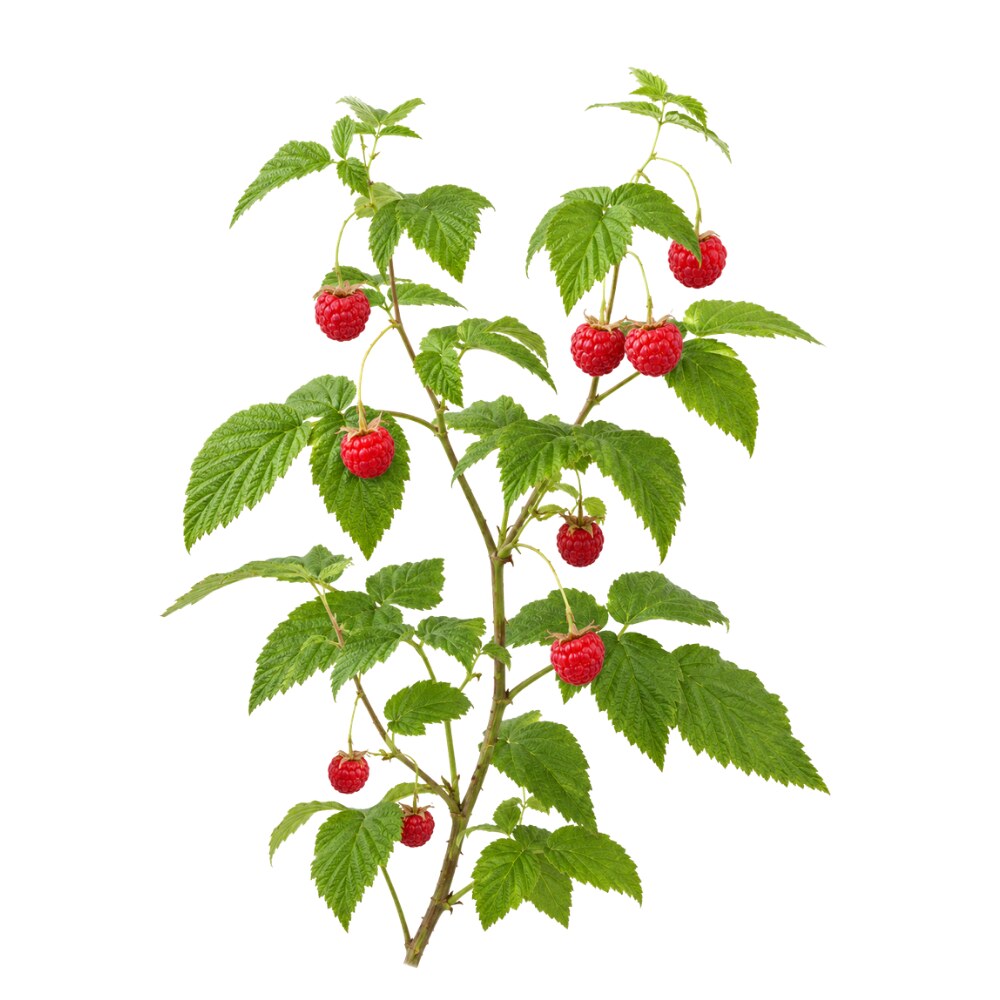
In Rubus fruit. It is the main ellagitannin of red raspberry: 76 mg/100 g fresh weight in the Glen Ample cultivar (with lambertianin C at 31 mg/100 g) 3Reference 3In vitroEllagitannins, flavonoids, and other phenolics in red raspberries and their contribution to antioxidant capacity and vasorelaxation properties — in vitroView study →, and 0.4% w/w of a commercial freeze-dried raspberry powder 23Reference 23Nutritional and phytochemical characterization of freeze-dried raspberry (Rubus idaeus) — a comprehensive analysisView study →. Ellagitannins make up about 64% of raspberry’s total polyphenols, and they concentrate in the press cake — 98% of the residue’s polyphenols after juicing, with 68% of the fruit’s ellagitannins retained there 22Reference 22Transfer and mass balance of ellagitannins, anthocyanins, flavan-3-ols and flavonols during the processing of red raspberries (Rubus idaeus L.) to juiceView study →. In an ellagitannin preparation from fresh fruit (155 mg total ellagitannins per 100 g raspberry, 343 mg per 100 g blackberry), sanguiin H-6 accounted for 19% of raspberry’s and 12% of blackberry’s ellagitannin fraction, with lambertianin C taking the larger share in blackberry 16Reference 16In vitroEllagitannins from Rubus berries for the control of gastric inflammation — in vitro and in vivo rat studiesView study →. In cloudberry it is likewise one of the two dominant ellagitannins with lambertianin C 4Reference 4In vitroAntioxidant activity of isolated ellagitannins from red raspberries and cloudberries — in vitroView study →.
In Rubus leaf and shoot — the herbal exposure. This is where the source herb here sits, and the data are patchier than for fruit. Dried young raspberry shoots are a rich and directly quantified source at 139.2–633.1 mg/100 g, with ellagic acid at 26.1–106.8 mg/100 g 5Reference 5In vitroChemical composition and biological activity of Rubus idaeus shoots — a traditional herbal remedy of Eastern Europe — in vitroView study →. Across 26 wild Rubus (blackberry) leaf samples, ellagic acid derivatives were the predominant phenolics — though that paper’s prose and its table disagree, and the table is what counts: sanguiin H-6 runs nd–73.9 mg/g dry matter against casuarinin’s 34.8–117.9 (the highest mean of the three) and lambertianin C’s 5.7–123.4 24Reference 24In vitroDetermination of phenolic compounds and antioxidant activity in leaves from wild Rubus L. species — in vitroView study →. In blackberry leaf, sanguiin H-6 is not the leading ellagitannin; it has also been identified in cloudberry leaf 2Reference 2ReviewSanguiins — promising molecules with broad biological potential — reviewView study →. Raspberry leaf specifically has no published sanguiin H-6 figure. The one dedicated LC-MS/MS study of raspberry leaf reports ellagitannins as the predominant polyphenol class (155–394 mg/100 g) but quantifies them as ellagic acid and does not name sanguiin H-6 among its targets 25Reference 25Determination of the polyphenol composition of raspberry leaf using LC-MS/MSView study → — so the leaf is confidently an ellagitannin material (its infusion yields urolithins on faecal incubation 8Reference 8In vitroRole of human gut microbiota metabolism in the anti-inflammatory effect of traditionally used ellagitannin-rich plant materials — in vitroView study →) without a molecule-level number. The shoot figures are the closest real quantitation, and are not a substitute.
Outside Rubus. The molecule takes its name from great burnet (Sanguisorba officinalis), from whose root it was first isolated and where it remains a characterised constituent of the traditional drug Sanguisorbae Radix 1,
Discovery & Synthesis
Sanguiin H-6 was isolated and named in 1982 by Genichiro Nonaka, Takashi Tanaka, Meiko Nita and Itsuo Nishioka at Kyushu University, from the root of great burnet, Sanguisorba officinalis — hence the name, with “H” marking its place in the sanguiin series 1Reference 1A dimeric hydrolyzable tannin, sanguiin H-6 from Sanguisorba officinalis LView study →. The structure they published was not correct in two respects, and the same group revised it three years later: the sanguisorboyl bridge was reassigned from O-2/O-4 to O-4/O-6 (moving the HHDP group to O-2/O-3), and the axial chirality of the sanguisorboyl group was changed from R to S 28Reference 28ReviewStructural revisions in natural ellagitannins — reviewView study →. It is a useful reminder for anyone reading pre-1985 ellagitannin literature.
Its identity as the dominant Rubus ellagitannin came later, through the berry-chemistry literature of the 2000s — Mullen’s HPLC-MS work on Glen Ample raspberries in 2002 3Reference 3In vitroEllagitannins, flavonoids, and other phenolics in red raspberries and their contribution to antioxidant capacity and vasorelaxation properties — in vitroView study → and the first accurate quantification using purified sanguiin H-6 and lambertianin C as external standards in 2010 27Reference 27Profiling and accurate quantification of Rubus ellagitannins and ellagic acid conjugates using direct UPLC-Q-TOF HDMS and HPLC-DAD analysisView study →.
No total synthesis of sanguiin H-6 has been reported. Ellagitannin total synthesis is a hard, active field — the monomeric sanguiin H-5 and corilagin have been made — but this dimer, with two macrocyclic glucose cores and an atropisomeric biaryl bridge, has not. Supply is therefore extraction only, and the practical sources are food-industry by-products: raspberry press cake extracted onto Amberlite XAD resin and purified by preparative HPLC 21Reference 21In vitroEllagitannins from raspberry (Rubus idaeus L.) fruit as natural inhibitors of Geotrichum candidum — in vitroView study →, or cloudberry seed 20Reference 20AnimalSanguiin H-6 fractionated from cloudberry (Rubus chamaemorus) seeds can prevent methicillin-resistant Staphylococcus aureus biofilm development during wound infection — mouse modelView study →. Since press cake retains 68% of the fruit’s ellagitannins and 98% of its residual polyphenols are tannins, the juice industry’s waste stream is the natural feedstock 22Reference 22Transfer and mass balance of ellagitannins, anthocyanins, flavan-3-ols and flavonols during the processing of red raspberries (Rubus idaeus L.) to juiceView study →.
Patents: not yet researched.
Toxicity & Safety
Sanguiin H-6 carries a low flag: it is a constituent of foods eaten in quantity for as long as people have eaten berries, it is not absorbed intact, and no in-vivo toxicity signal exists — the one rodent study of the isolate (10 mg/kg/day for 30 days) was protective 19Reference 19AnimalPotential of sanguiin H-6 against oxidative damage in renal mitochondria and apoptosis mediated by peroxynitrite in vivo — rat studyView study →. The caveats below are real but bounded, and two of them are hydrolysable-tannin class properties rather than anything specific to this molecule.
- A well-established dietary compound. The largest polyphenol in a raspberry, consumed at tens of milligrams per serving with no signal of harm.
- Poorly absorbed, which cuts both ways. The same barrier that blocks systemic efficacy also blocks systemic toxicity.
- Genotoxic to colon cells in vitro at food-relevant concentrations. Purified sanguiin H-6 caused concentration-dependent DNA damage, double-strand breaks and base oxidation in Caco-2 cells — and the authors state the concentrations correspond to those found in raspberry-containing foods.
- Tannin astringency. Protein-binding is the mechanism of its antimicrobial and astringent action; heavy tannin intake is markedly drying and can hinder iron, mineral and protein absorption.
- No isolate safety data in humans. No dose-ranging, no repeat-dose toxicology, no interaction studies of the purified molecule.
Full Safety & Interactions Detail
The Caco-2 genotoxicity finding. This is the one flag worth taking seriously and the one most easily misread. A raspberry ellagitannin preparation (2.5–160 µg/mL) and the purified individual compounds — sanguiin H-6 at 12.8–256 µM and lambertianin C at 9.3–378 µM — produced strong concentration-dependent genotoxicity in human colon adenocarcinoma Caco-2 cells, inducing DNA damage from 7.3% to 56.8% with double-strand breaks and oxidation of DNA bases; at IC₅₀ (124 µg/mL) the preparation altered nuclear morphology and induced apoptosis. Crucially, the authors state the concentrations used correspond to those found in foodstuffs containing raspberry fruit — so this is a luminal-realistic exposure, not an artefact of extreme dosing 15Reference 15In vitroEllagitannins from Rubus idaeus L. exert geno- and cytotoxic effects against human colon adenocarcinoma cell line Caco-2 — in vitroView study →. Two things temper it. First, the same authors frame the result as chemopreventive: Caco-2 is a colon cancer line, and killing transformed colonocytes is the intended reading. Second, ex-vivo work in the opposite direction exists — post-raspberry ileal fermentate reduced oxidative DNA damage by ~30% in the normal colonocyte line CCD 841 CoN and induced Nrf2-ARE cytoprotective genes 30Reference 30Ex vivo fecal fermentation of human ileal fluid collected after raspberry consumption modifies (poly)phenolics and modulates genoprotective effects in colonic epithelial cellsView study →. No in-vivo genotoxicity signal has been reported for either compound, and no epidemiology links berry intake to colorectal harm. Treat it as an unresolved in-vitro finding that argues against megadosing concentrated ellagitannin extracts, not against eating raspberries.
Tannin-class effects. As a large hydrolysable tannin, sanguiin H-6 binds and precipitates proteins — the basis of its astringency, of the raspberry-leaf tradition of astringent use, and of the mg/mL antibacterial and antifungal MICs 20,
Interactions. No drug-interaction study of sanguiin H-6 exists — nothing on CYP isoforms, P-glycoprotein, or any transporter. Silence here is absence of data, not evidence of safety. Two mechanistic considerations are worth stating without overstating: the compound is a catalytic topoisomerase I and II inhibitor in cell-free systems 9Reference 9In vitroInhibition of DNA topoisomerases by sanguiin H-6, a cytotoxic dimeric ellagitannin from Sanguisorba officinalis — in vitroView study → and a VEGF-receptor binding blocker 10Reference 10In vitroSanguiin H-6 blocks endothelial cell growth through inhibition of VEGF binding to VEGF receptor — in vitroView study →, so a theoretical concern about concentrated extracts alongside topoisomerase-targeted chemotherapy or anti-angiogenic therapy is arguable — but the compound does not reach plasma, which makes the concern largely academic at dietary intakes. Because the active downstream species are microbial urolithins, anything that reshapes the colonic microbiota (antibiotics in particular) will change real exposure more than any pharmacokinetic interaction would 7,
Reproductive note (prose only). There is no reproductive or developmental toxicity dataset for isolated sanguiin H-6. This is relevant context for raspberry leaf, a herb with a strong late-pregnancy tradition, but pregnancy and lactation decisions belong to the raspberry leaf monograph, where intake is actually decided, not to a molecule page. Note also that no repeat-dose, carcinogenicity or reproductive package exists for the isolate at all — the safety position rests on dietary history and non-absorption.
Dosage
There is no dose. Sanguiin H-6 is not sold as a supplement, has never been given to a person as a purified compound, and has no established or studied human dose. What exists is dietary and research exposure:
| Context | Form | Amount |
|---|---|---|
| Fresh raspberries (100 g) | whole fruit | ~76 mg sanguiin H-6 3Reference 3In vitroEllagitannins, flavonoids, and other phenolics in red raspberries and their contribution to antioxidant capacity and vasorelaxation properties — in vitroView study → |
| Freeze-dried raspberry powder | fruit powder | ~0.4% w/w — ~400 mg per 100 g 23Reference 23Nutritional and phytochemical characterization of freeze-dried raspberry (Rubus idaeus) — a comprehensive analysisView study → |
| Raspberry-leaf tea (10 g infusion) | hot-water infusion | ~38 mg total ellagitannins (not resolved to sanguiin H-6) 26Reference 26RCTEffects of raspberry leaf tea polyphenols on postprandial glucose and insulin responses in healthy adults — randomized crossover trialView study → |
| Dried raspberry shoots | plant material | 139–633 mg per 100 g 5Reference 5In vitroChemical composition and biological activity of Rubus idaeus shoots — a traditional herbal remedy of Eastern Europe — in vitroView study → |
| Rodent studies | purified isolate, oral | 10 mg/kg/day (rat, 30 days) 19Reference 19AnimalPotential of sanguiin H-6 against oxidative damage in renal mitochondria and apoptosis mediated by peroxynitrite in vivo — rat studyView study → |
| Rodent studies | Rubus ellagitannin extract, oral | 20 mg/kg/day (rat, 10 days) 16Reference 16In vitroEllagitannins from Rubus berries for the control of gastric inflammation — in vitro and in vivo rat studiesView study → |
| Cell culture | purified isolate | typically 2.5–200 µM — luminal, not plasma, concentrations 12, |
The raspberry-leaf figure is worth holding onto, because the herbal literature rarely offers this: the 10 g infusion used in the human crossover trial is an ordinary cup of tea, so the ~38 mg of ellagitannins it delivers is a realistic real-world exposure rather than an extract-only number 26Reference 26RCTEffects of raspberry leaf tea polyphenols on postprandial glucose and insulin responses in healthy adults — randomized crossover trialView study →. Content varies severalfold with species, cultivar, harvest time and preparation 22,
References
- Nonaka G, Tanaka T, Nita M, Nishioka I (1982). A dimeric hydrolyzable tannin, sanguiin H-6 from Sanguisorba officinalis L. Chemical and Pharmaceutical Bulletin, 30(6), 2255–2257. https://doi.org/10.1248/cpb.30.2255
- Gesek J, Jakimiuk K, Atanasov AG, Tomczyk M (2021). Sanguiins — promising molecules with broad biological potential — review. International Journal of Molecular Sciences. https://pubmed.ncbi.nlm.nih.gov/34884795/
- Mullen W, et al. (2002). Ellagitannins, flavonoids, and other phenolics in red raspberries and their contribution to antioxidant capacity and vasorelaxation properties — in vitro. Journal of Agricultural and Food Chemistry. https://pubmed.ncbi.nlm.nih.gov/12188628/
- Kähkönen M, Kylli P, Ollilainen V, Salminen JP, Heinonen M (2012). Antioxidant activity of isolated ellagitannins from red raspberries and cloudberries — in vitro. Journal of Agricultural and Food Chemistry. https://pubmed.ncbi.nlm.nih.gov/22229937/
- Krauze-Baranowska M, et al. (2014). Chemical composition and biological activity of Rubus idaeus shoots — a traditional herbal remedy of Eastern Europe — in vitro. BMC Complementary and Alternative Medicine. https://pubmed.ncbi.nlm.nih.gov/25496130/
- Vrhovsek U, Guella G, Gasperotti M, Pojer E, Zancato M, Mattivi F (2012). Clarifying the identity of the main ellagitannin in the fruit of the strawberry, Fragaria vesca and Fragaria ananassa Duch. Journal of Agricultural and Food Chemistry. https://pubmed.ncbi.nlm.nih.gov/22339338/
- González-Barrio R, Borges G, Mullen W, Crozier A (2010). Bioavailability of anthocyanins and ellagitannins following consumption of raspberries by healthy human volunteers and subjects with an ileostomy. Journal of Agricultural and Food Chemistry. https://pubmed.ncbi.nlm.nih.gov/20218618/
- Piwowarski JP, Granica S, Zwierzyńska M, Stefańska J, Schopohl P, Melzig MF, Kiss AK (2014). Role of human gut microbiota metabolism in the anti-inflammatory effect of traditionally used ellagitannin-rich plant materials — in vitro. Journal of Ethnopharmacology. https://pubmed.ncbi.nlm.nih.gov/24969824/
- Bastow KF, Bori ID, Fukushima Y, Kashiwada Y, Tanaka T, Nonaka G, Nishioka I, Lee KH (1993). Inhibition of DNA topoisomerases by sanguiin H-6, a cytotoxic dimeric ellagitannin from Sanguisorba officinalis — in vitro. Planta Medica. https://pubmed.ncbi.nlm.nih.gov/8391144/
- Lee SJ, Lee HK (2005). Sanguiin H-6 blocks endothelial cell growth through inhibition of VEGF binding to VEGF receptor — in vitro. Archives of Pharmacal Research. https://pubmed.ncbi.nlm.nih.gov/16350854/
- Park EJ, et al. (2017). Cytotoxic effect of sanguiin H-6 on MCF-7 and MDA-MB-231 human breast carcinoma cells — in vitro. Bioorganic & Medicinal Chemistry Letters. https://pubmed.ncbi.nlm.nih.gov/28835347/
- Park EH, Park JY, Yoo HS, Yoo JE, Lee HL (2016). Assessment of the anti-metastatic properties of sanguiin H-6 in HUVECs and MDA-MB-231 human breast cancer cells — in vitro. Bioorganic & Medicinal Chemistry Letters. https://pubmed.ncbi.nlm.nih.gov/27237777/
- Lee D, et al. (2016). Inhibition of A2780 human ovarian carcinoma cell proliferation by a Rubus component, sanguiin H-6 — in vitro. Journal of Agricultural and Food Chemistry. https://pubmed.ncbi.nlm.nih.gov/26725849/
- Ko H, Jeon H, Lee D, Choi HK, Kang KS, Choi KC (2015). Sanguiin H6 suppresses TGF-β induction of the epithelial-mesenchymal transition and inhibits migration and invasion in A549 lung cancer — in vitro. Bioorganic & Medicinal Chemistry Letters. https://pubmed.ncbi.nlm.nih.gov/26508552/
- Nowak A, Sójka M, Klewicka E, Lipińska L, Klewicki R, Kołodziejczyk K (2017). Ellagitannins from Rubus idaeus L. exert geno- and cytotoxic effects against human colon adenocarcinoma cell line Caco-2 — in vitro. Journal of Agricultural and Food Chemistry. https://pubmed.ncbi.nlm.nih.gov/28301143/
- Sangiovanni E, et al. (2013). Ellagitannins from Rubus berries for the control of gastric inflammation — in vitro and in vivo rat studies. PLoS One. https://pubmed.ncbi.nlm.nih.gov/23940786/
- Sakai E, et al. (2016). Sanguiin H-6, a constituent of Rubus parvifolius L., inhibits RANKL-induced osteoclastogenesis and bone resorption in vitro and prevents TNF-α-induced osteoclast formation in mice. Phytomedicine. https://pubmed.ncbi.nlm.nih.gov/27288918/
- Yokozawa T, Chen CP, Tanaka T, Kitani K (2002). Effects of sanguiin H-6, a component of Sanguisorbae Radix, on lipopolysaccharide-stimulated nitric oxide production — in vitro. Biochemical Pharmacology. https://pubmed.ncbi.nlm.nih.gov/11911836/
- Yokozawa T, Chen CP, Rhyu DY, Tanaka T, Park JC, Kitani K (2002). Potential of sanguiin H-6 against oxidative damage in renal mitochondria and apoptosis mediated by peroxynitrite in vivo — rat study. Nephron. https://pubmed.ncbi.nlm.nih.gov/12187096/
- Aguilera-Correa JJ, et al. (2021). Sanguiin H-6 fractionated from cloudberry (Rubus chamaemorus) seeds can prevent methicillin-resistant Staphylococcus aureus biofilm development during wound infection — mouse model. Antibiotics. https://pubmed.ncbi.nlm.nih.gov/34943693/
- Klewicka E, Sójka M, Klewicki R, Kołodziejczyk K, Lipińska L, Nowak A (2016). Ellagitannins from raspberry (Rubus idaeus L.) fruit as natural inhibitors of Geotrichum candidum — in vitro. Molecules. https://pubmed.ncbi.nlm.nih.gov/27420041/
- Sójka M, Macierzyński J, Zaweracz W, Buczek M (2016). Transfer and mass balance of ellagitannins, anthocyanins, flavan-3-ols and flavonols during the processing of red raspberries (Rubus idaeus L.) to juice. Journal of Agricultural and Food Chemistry. https://pubmed.ncbi.nlm.nih.gov/27292440/
- Marino M, Gardana C, Rendine M, Klimis-Zacas D, Riso P, Porrini M, Del Bo’ C (2024). Nutritional and phytochemical characterization of freeze-dried raspberry (Rubus idaeus) — a comprehensive analysis. Foods. https://pubmed.ncbi.nlm.nih.gov/38611356/
- Oszmiański J, Wojdyło A, Nowicka P, Teleszko M, Cebulak T, Wolanin M (2015). Determination of phenolic compounds and antioxidant activity in leaves from wild Rubus L. species — in vitro. Molecules. https://pubmed.ncbi.nlm.nih.gov/25793543/
- Alkhudaydi HMS, Muriuki EN, Spencer JPE (2025). Determination of the polyphenol composition of raspberry leaf using LC-MS/MS. Molecules. https://pubmed.ncbi.nlm.nih.gov/40005280/
- Alkhudaydi HMS, Spencer JPE (2025). Effects of raspberry leaf tea polyphenols on postprandial glucose and insulin responses in healthy adults — randomized crossover trial. Nutrients. https://pubmed.ncbi.nlm.nih.gov/40944237/
- Gasperotti M, Masuero D, Vrhovsek U, Guella G, Mattivi F (2010). Profiling and accurate quantification of Rubus ellagitannins and ellagic acid conjugates using direct UPLC-Q-TOF HDMS and HPLC-DAD analysis. Journal of Agricultural and Food Chemistry. https://pubmed.ncbi.nlm.nih.gov/20353173/
- Yamada H, Wakamori S, Hirokane T, Ikeuchi K, Matsumoto S (2018). Structural revisions in natural ellagitannins — review. Molecules. https://pubmed.ncbi.nlm.nih.gov/30061530/
- Kashiwada Y, Nonaka G, Nishioka I, Chang JJ, Lee KH (1992). Antitumor agents, 129. Tannins and related compounds as selective cytotoxic agents — in vitro. Journal of Natural Products. https://pubmed.ncbi.nlm.nih.gov/1431932/
- Dobani S, et al. (2021). Ex vivo fecal fermentation of human ileal fluid collected after raspberry consumption modifies (poly)phenolics and modulates genoprotective effects in colonic epithelial cells. Redox Biology. https://pubmed.ncbi.nlm.nih.gov/33486151/
- Koponen JM, Happonen AM, Mattila PH, Törrönen AR (2007). Contents of anthocyanins and ellagitannins in selected foods consumed in Finland. Journal of Agricultural and Food Chemistry. https://pubmed.ncbi.nlm.nih.gov/17261015/



