
Compound Monograph
Pentagalloylglucose
1,2,3,4,6-penta-O-galloyl-β-D-glucose (PGG) is a gallotannin — a glucose core carrying five gallic-acid esters — and the central biosynthetic hub between the simple galloylglucoses and the ellagitannins. One of the best-studied hydrolysable tannins, it is pro-apoptotic across many cancer models, an antiviral entry/protease inhibitor, an α-glucosidase inhibitor and a protein-crosslinker, but almost all of its evidence is preclinical isolate work and its oral bioavailability is poor.

Sources · 11
Where Does It Come From?
Pentagalloylglucose is a naturally occurring gallotannin (hydrolysable tannin; pentagalloyl glucose ester), found in Peony, Bearberry, Chinese gall / sumac and 8 other sources. It is well tolerated orally (low toxicity).
 Principal source Peony Paeonia lactiflora Herb monograph →
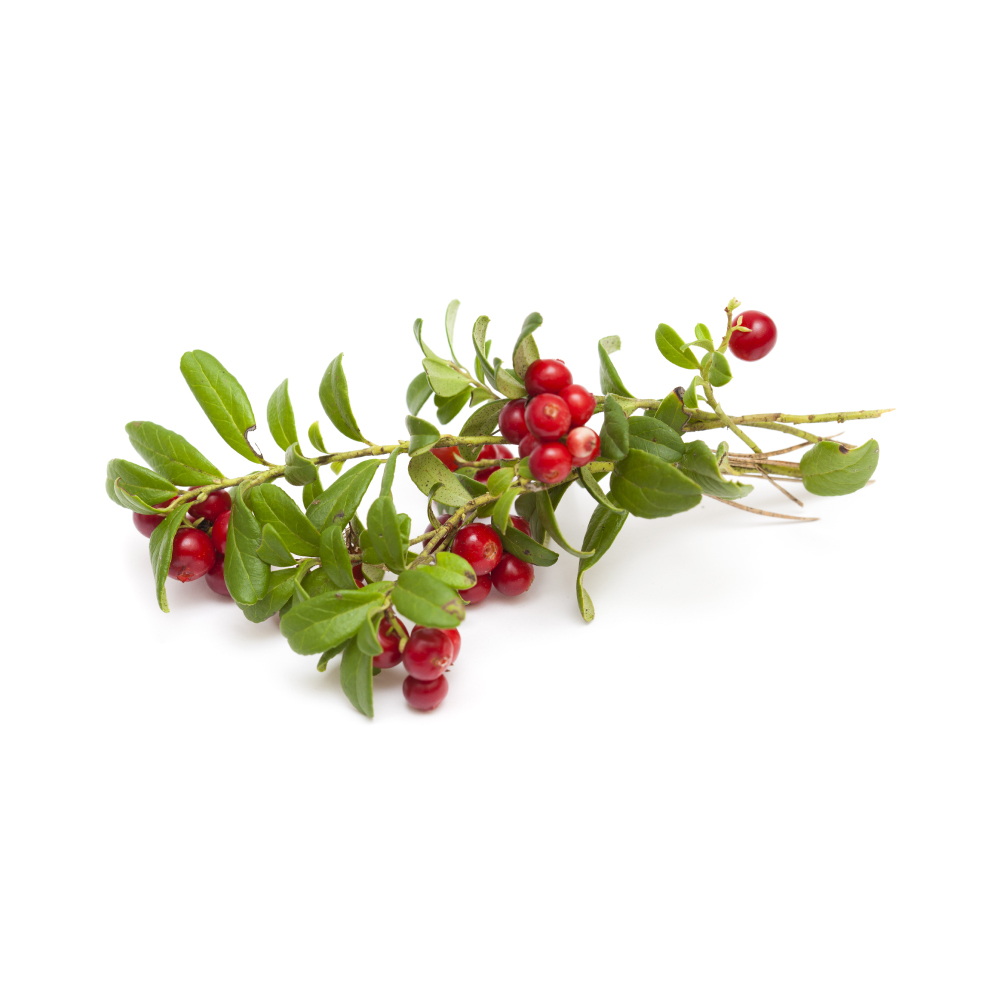 Source Bearberry Arctostaphylos uva-ursi Herb monograph →
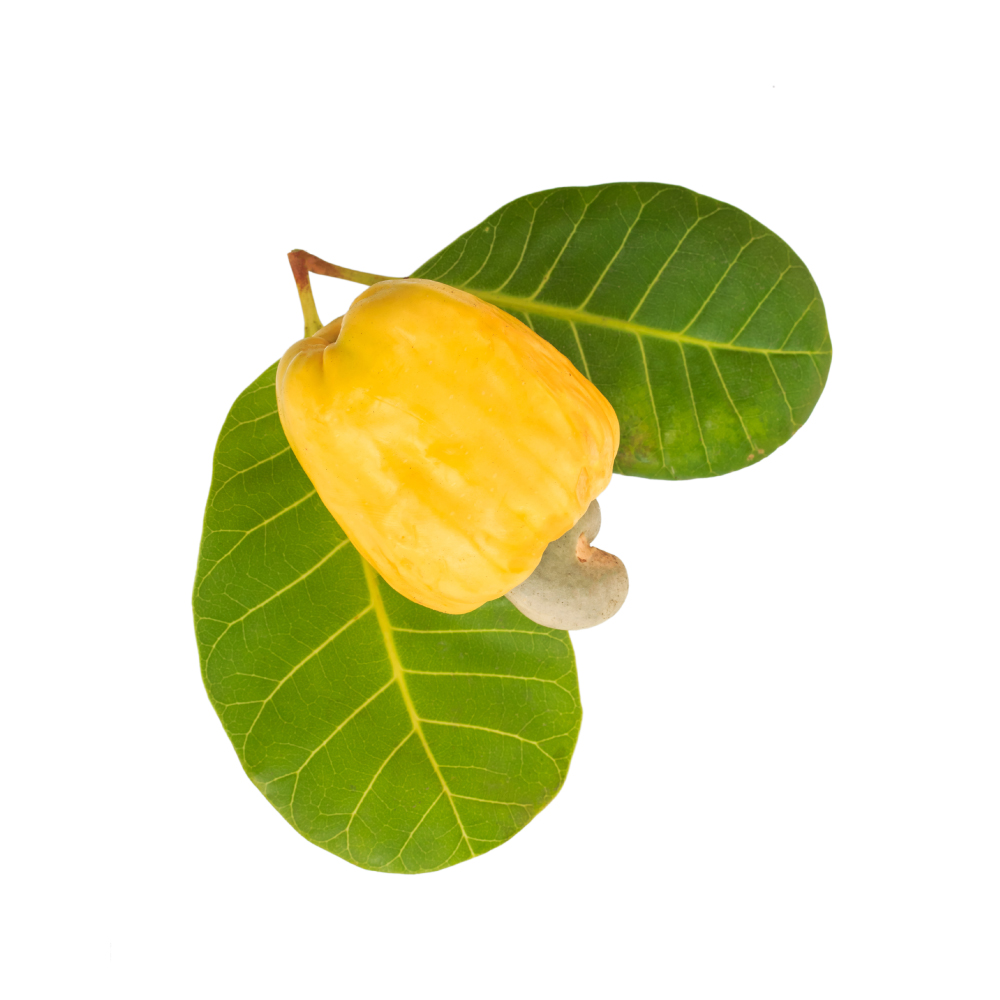 Source Cashew Anacardium occidentale Herb monograph →
 Source Tea Camellia sinensis Herb monograph →
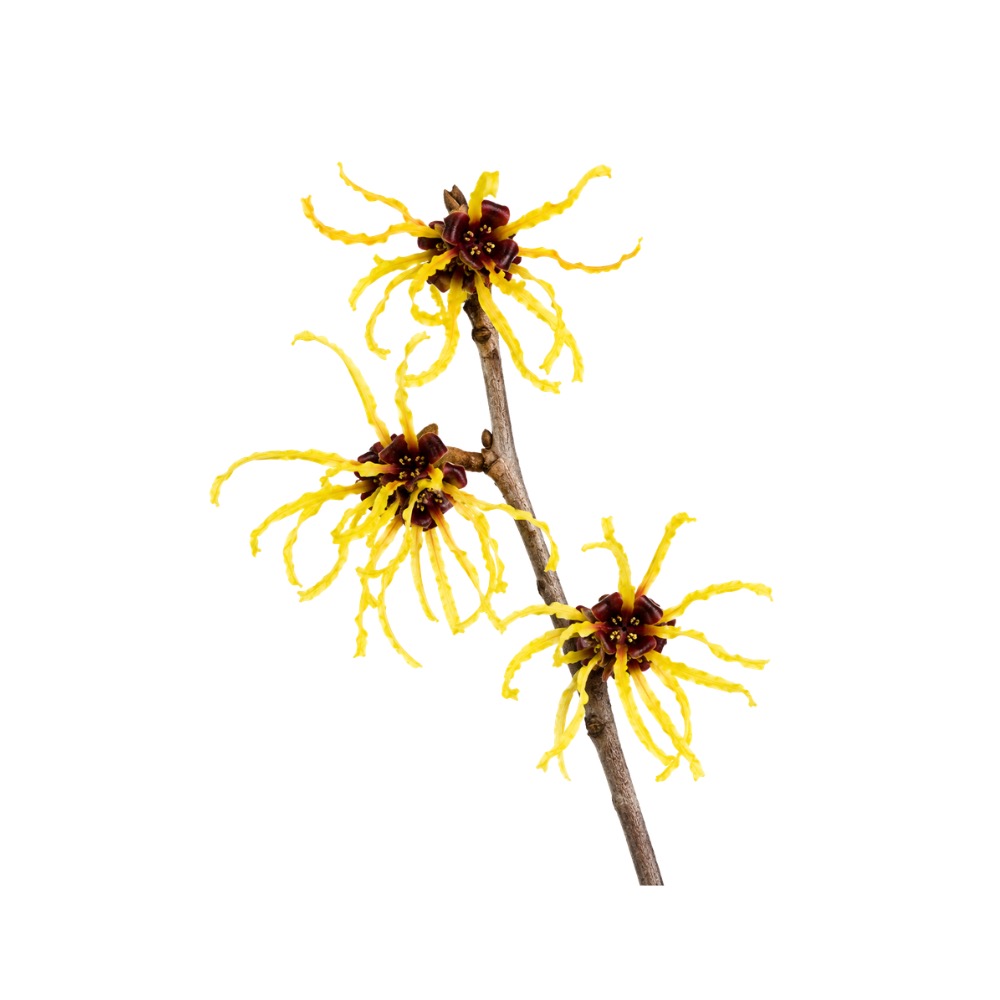 Source Witch Hazel Hamamelis virginiana Herb monograph →
Concentration
Content by Source
Reported concentrations across the plants that contain pentagalloylglucose — the bar marks the typical level, the line shows the reported range.
Literature figures for varying plant parts and preparations. Read them as a comparative guide, not exact assays.
Pentagalloylglucose at a Glance
Pentagalloylglucose — full name 1,2,3,4,6-penta-O-galloyl-β-D-glucose (PGG) — is a gallotannin: a single glucose molecule esterified with five gallic acid units. That structure makes it the pivot of hydrolysable-tannin chemistry. It is the fully galloylated glucose core that further galloylation turns into the larger gallotannins (the basis of tannic acid), and the substrate whose galloyl groups undergo oxidative coupling to form the ellagitannins 23,
PGG is one of the most-studied hydrolysable tannins, with a genuinely broad preclinical pharmacology: it is pro-apoptotic across many cancer models, an antiviral entry/protease inhibitor, an α-glucosidase inhibitor (antidiabetic), an antioxidant and anti-inflammatory, and a protein-crosslinker used to stabilise elastin and collagen in biomaterials 1,
Its safety profile is that of a dietary tannin — low acute toxicity but with the whole-class caution that tannins bind proteins and reduce non-heme iron absorption.
The Gallotannin Core
Everything PGG does traces back to one structural fact: a small glucose scaffold bristling with five galloyl groups, each contributing multiple phenolic hydroxyls. This is the molecular signature that separates it from a simple phenolic acid like its building block gallic acid, and it drives the molecule’s whole repertoire.
Protein binding and crosslinking. The dense phenolic surface lets PGG hydrogen-bond and hydrophobically complex with proteins — the defining behaviour of a tannin, and the chemical basis of astringency. This non-specific protein affinity is repurposed across its biology: it lets PGG inhibit enzymes (α-glucosidase and α-amylase, GAPDH, viral proteases) by coating their active surfaces 8,
A biosynthetic hub. In the plant, PGG sits at the branch point of hydrolysable-tannin metabolism. Sequential galloylation of β-glucogallin builds up to PGG; from there, further galloylation of its galloyl groups (via depside bonds) yields the higher gallotannins, while oxidative C–C coupling of adjacent galloyl residues produces the hexahydroxydiphenoyl groups that define the ellagitannins (which on hydrolysis release ellagic acid) 23,
Redox activity. As a polyphenol with fifteen phenolic hydroxyls, PGG is a strong radical scavenger and metal chelator, and it activates the Nrf2/HO-1 cytoprotective axis — the antioxidant thread that recurs in its anti-inflammatory work 12Reference 12Pae HO, et al. (2006). 1,2,3,4,6-penta-O-galloyl-beta-D-glucose up-regulates heme oxygenase-1 expression by stimulating Nrf2 nuclear translocation in an extracellular signal-regulated kinase-dependent manner in HepG2 cells. World Journal of Gastroenterology. https://pubmed.ncbi.nlm.nih.gov/16482620/View study →.
These three properties — protein complexation, biosynthetic centrality and redox activity — are not separate stories. They are the same gallotannin core seen from three angles, and together they explain why a single molecule shows up in the cancer, antiviral, antidiabetic, anti-inflammatory and biomaterials literatures at once.
What It's Used For
PGG’s preclinical breadth is unusual for a plant tannin, but the compound-page discipline applies throughout: this is overwhelmingly isolated-molecule work in cells and rodents, and the molecule’s poor oral bioavailability is the constant qualifier 1,
Support is an experimental score — weighted by study type (human > animal > in vitro) and volume. A beta, not a validated metric. There are no human efficacy trials, so scores are capped by design and reflect preclinical isolate evidence only.
PGG’s largest evidence base, and the one with in-vivo depth. In prostate cancer cells it induces S- and G1-phase arrest by targeting DNA replication and down-regulating cyclin D1 4Reference 4Penta-O-galloyl-beta-D-glucose induces S- and G1-cell cycle arrests in prostate cancer cells targeting DNA replication and cyclin D1View study →; in triple-negative breast cancer cells it causes G1/S arrest independent of p21/p27/p53 and is orally active against xenograft growth 6Reference 6Penta-O-galloyl-beta-D-glucose induces G1 arrest and DNA replicative S-phase arrest independently of P21, P27 and P53 in human breast cancer cells and is orally active against triple-negative xenograft growthView study →, with a companion study showing oral PGG suppresses xenograft growth and metastasis via JAK1–STAT3 inhibition 7Reference 7Oral administration of penta-O-galloyl-β-D-glucose suppresses triple-negative breast cancer xenograft growth and metastasis in strong association with JAK1-STAT3 inhibitionView study →.
Mechanistically it is a nanomolar inhibitor of select mammalian DNA polymerases 5Reference 5Anti-cancer gallotannin penta-O-galloyl-beta-D-glucose is a nanomolar inhibitor of select mammalian DNA polymerasesView study → and a reversible inhibitor of the glycolytic enzyme GAPDH 20Reference 20Natural product 1,2,3,4,6-penta-O-galloyl-β-D-glucopyranose is a reversible inhibitor of glyceraldehyde 3-phosphate dehydrogenaseView study →, and it suppresses colon-cancer growth by inducing a tumour-suppressor pathway 26Reference 26Kawk SH, et al. (2018). 1,2,3,4,6-penta-O-galloyl-β-D-glucose suppresses colon cancer through induction of a tumor suppressor. Bioorganic & Medicinal Chemistry Letters. https://pubmed.ncbi.nlm.nih.gov/29778287/View study →.
The two dedicated reviews compile anti-angiogenic, pro-apoptotic and cell-cycle actions across many lineages 1,
Gap: all of this is cell and rodent work on the isolate — there are no human cancer trials, and the oral bioavailability that makes the xenograft results notable is still low, so effective systemic exposure in people is unproven 3,
A clean mechanistic story rooted in the gallotannin core. PGG and related galloylglucoses are potent inhibitors of the carbohydrate-digesting enzymes α-glucosidase and α-amylase (and of intestinal sucrase and maltase), with inhibition tracking the number of galloyl groups — PGG, the fully galloylated member, is among the strongest 8,
A gallotannin study showed this translates to lowered post-prandial blood glucose in vivo 8Reference 8In vitroInhibitory activities and rules of plant gallotannins with different numbers of galloyl moieties on sucrase, maltase and α-amylase in vitro and in vivoView study →, and PGG is described as a dual inhibitor of host and gut-microbial α-glucosidases 19Reference 19Bioassay-guided evaluation of a potent dual inhibitor of host and gut microbial α-glucosidases from Galla chinensis: mechanism insights and in silico studiesView study →.
PGG also appears in the antidiabetic activity attributed to whole galloylglucose-rich extracts.
Gap: the inhibition is well demonstrated in vitro and in rodents, but this is an acarbose-like luminal (gut) effect that depends on PGG reaching the intestine intact; no human glycaemic trial of isolated PGG exists 8,
A broad, mechanistically coherent isolate signal. PGG inhibits inducible nitric-oxide synthase (iNOS) and COX-2 in activated macrophages 13Reference 13AnimalInhibition of inducible nitric oxide synthase and cyclooxygenase-2 activity by 1,2,3,4,6-penta-O-galloyl-beta-D-glucose in murine macrophage cellsView study →, produces NO–cGMP-dependent vasodilation and anti-inflammatory effects in vessels 14Reference 14Vasodilatory and anti-inflammatory effects of the 1,2,3,4,6-penta-O-galloyl-beta-D-glucose (PGG) via a nitric oxide-cGMP pathwayView study →, and up-regulates the cytoprotective Nrf2/HO-1 axis 12Reference 12Pae HO, et al. (2006). 1,2,3,4,6-penta-O-galloyl-beta-D-glucose up-regulates heme oxygenase-1 expression by stimulating Nrf2 nuclear translocation in an extracellular signal-regulated kinase-dependent manner in HepG2 cells. World Journal of Gastroenterology. https://pubmed.ncbi.nlm.nih.gov/16482620/View study →. In rodent organ-injury models it prevents angiotensin-II-driven perivascular inflammation and vascular dysfunction 22Reference 22Mikolajczyk TP, et al. (2019). 1,2,3,4,6-penta-O-galloyl-β-D-glucose modulates perivascular inflammation and prevents vascular dysfunction in angiotensin II-induced hypertension. British Journal of Pharmacology. https://pubmed.ncbi.nlm.nih.gov/30658013/View study → and protects against acute lung injury via AMPK/PI3K/Akt/Nrf2 21Reference 21Zhang Q, et al. (2022). 1,2,3,4,6-O-pentagalloylglucose protects against acute lung injury by activating the AMPK/PI3K/Akt/Nrf2 pathway. International Journal of Molecular Sciences. https://pubmed.ncbi.nlm.nih.gov/36430900/View study →.
Gap: rodent and cell models of acute inflammation, delivered mostly by injection or high local dose; the antioxidant/anti-inflammatory numbers are not anchored to any human outcome, and oral delivery is the unresolved bottleneck 21,
A protein-binding antiviral, not a classic nucleoside. PGG efficiently blocks hepatitis C virus entry into hepatocytes in vitro, acting at the attachment/entry step as a constituent of Cortex moutan (tree-peony bark) 10Reference 10Pentagalloylglucose, a highly bioavailable polyphenolic compound present in Cortex moutan, efficiently blocks hepatitis C virus entryView study →.
Against SARS-CoV-2 it is a genuine cautionary tale: an initial report of main-protease (Mpro/3CLpro) inhibition was invalidated on re-testing, which instead identified PGG as an inhibitor of the viral papain-like protease (PLpro) 11Reference 11Invalidation of dieckol and 1,2,3,4,6-pentagalloylglucose (PGG) as SARS-CoV-2 main protease inhibitors and the discovery of PGG as a papain-like protease inhibitorView study →.
The broad reviews list additional antiviral activity (including reports against HIV and herpesviruses) driven by the same protein-complexing mechanism 2Reference 2Biological and biomedical functions of penta-O-galloyl-D-glucose and its derivativesView study →.
Gap: single-virus, in-vitro entry/protease assays, some of which have failed replication for specific targets 11Reference 11Invalidation of dieckol and 1,2,3,4,6-pentagalloylglucose (PGG) as SARS-CoV-2 main protease inhibitors and the discovery of PGG as a papain-like protease inhibitorView study →; no animal antiviral efficacy or human data, and the mechanism (surface-protein coating) is intrinsically promiscuous.
PGG’s most distinctive, non-drug application — it uses the gallotannin core as a crosslinker. By binding and stabilising elastin and collagen, PGG has been developed to reinforce the arterial wall and is studied as a treatment/stabiliser for aneurysm and other degenerative vascular disease, and as a component of drug-delivery and biomaterial scaffolds 15Reference 15Pentagalloyl glucose and its functional role in vascular health: biomechanics and drug-delivery characteristicsView study →.
A “sulfonated PGG” derivative (SPGG) was engineered as a glycosaminoglycan (heparin) mimetic acting on coagulation-cascade targets 16Reference 16Sulfonated penta-galloyl glucose (SPGG): the pharmacological effects of a promiscuous glycosaminoglycan small-molecule mimeticView study →.
Gap: this is materials science and device pharmacology, not systemic phytochemistry — the effect is local, structural and formulation-dependent, and does not describe what eating a PGG-containing plant does 15,
Mechanisms
| Target / pathway | Effect | Relevant to |
|---|---|---|
| Structural proteins (elastin, collagen) | protein crosslinking / stabilisation | tissue stabilisation / vascular biomaterials |
| α-Glucosidase, α-amylase, sucrase, maltase | active-surface binding → carbohydrate-digestion inhibition (galloyl-number dependent) | antidiabetic / glycaemic |
| DNA polymerases (select mammalian) | nanomolar inhibition → blocked DNA replication | antitumour |
| Cyclin D1 / cell-cycle machinery | down-regulation → S- and G1-phase arrest | antitumour |
| JAK1 / STAT3 | inhibition → reduced tumour growth & metastasis | antitumour (in-vivo) |
| GAPDH (glycolysis) | reversible inhibition | antitumour / metabolic |
| Nrf2 / HO-1 | activation → antioxidant/cytoprotective response | anti-inflammatory / antioxidant |
| iNOS / COX-2 | suppression of inflammatory mediators | anti-inflammatory |
| eNOS / NO–cGMP | NO-dependent vasodilation | vascular / anti-inflammatory |
| Viral surface & proteases (HCV entry factors, SARS-CoV-2 PLpro) | binding/inhibition blocks entry or protease activity | antiviral |
The unifying theme is the gallotannin core’s protein affinity: whether the protein is a digestive enzyme, a DNA polymerase, a viral protease or structural elastin, PGG’s five galloyl groups let it coat and bind it. That promiscuity is the source of both its breadth and its main weakness — non-specific binding and poor bioavailability.
Pharmacokinetics
The single most important PK fact is that PGG is poorly bioavailable orally. It is a large (MW ~940), highly galloylated, protein-binding polyphenol: much of an oral dose is bound in the gut, hydrolysed by gut flora and intestinal esterases toward gallic acid and smaller galloylglucoses, and poorly absorbed intact 17,
Clinical Trials
There are no controlled human efficacy trials of isolated PGG. The human “exposure” is dietary — PGG occurs in tannin-rich foods and traditional herbal preparations (peony root, bearberry-leaf tea, mango, sumac) — but no trial has tested the purified molecule for a clinical endpoint. All the oncology, antiviral, antidiabetic and vascular data below are preclinical.
| Completed | Planned | Terminated | Preclinical |
|---|---|---|---|
| —(no isolate efficacy trials) | — | — | Extensive: oncology (incl. oral xenograft), antidiabetic, antiviral, anti-inflammatory, vascular-biomaterial |
Last checked: July 2026.
Isolate vs. Plant Studies
PGG’s evidence is almost entirely the isolated molecule — a contrast with many constituents whose data are trapped in whole-extract assays. The cancer cell-cycle and DNA-polymerase work 4,
The transferability caveat is different here and points the other way. Because PGG is poorly absorbed 17,
Its Role in Plants
In the plant, PGG is a defence and structural tannin and a biosynthetic intermediate. Hydrolysable tannins like PGG deter herbivores and microbes by precipitating dietary and salivary proteins (astringency) and by binding pathogen enzymes — the same protein affinity that defines the molecule pharmacologically.
Biosynthetically, PGG is the hub of the hydrolysable-tannin pathway. Gallic acid (from the shikimate pathway) is activated as β-glucogallin, and successive galloyl transfers build 1-galloyl-, then di-, tri-, tetra- and finally penta-galloylglucose. From PGG the pathway forks: enzymatic acylation adds further galloyl groups (depside bonds) to make the higher gallotannins 23Reference 23Biosynthesis of gallotannins: formation of polygalloylglucoses by enzymatic acylation of 1,2,3,4,6-penta-O-galloylglucoseView study →, while oxidative coupling of galloyl residues generates the ellagitannins. PGG is thus both the terminal simple gallotannin and the gateway to the complex ones.
These are plant-biology and chemistry functions and should not be read as human pharmacology.
Prevalence in Nature
PGG occurs across many tannin-rich, often galling-prone families — Anacardiaceae (sumac/Rhus, the source of Chinese gall), Paeoniaceae (peony), Ericaceae (bearberry), Hamamelidaceae (witch hazel), Fabaceae (tara), Fagaceae (oak galls) and Anacardiaceae again in mango 1,
Where it has been quantified in a common herb, PGG is a major galloylglucose of bearberry leaf at 6.6–12.9 mg/g of dried leaf 24Reference 24Discovery and characterization of phenolic compounds in bearberry (Arctostaphylos uva-ursi) leaves using liquid chromatography-ion mobility-high-resolution mass spectrometryView study →. In peony it is a documented root constituent (identified among the androgen-modulating gallotannins of Paeonia lactiflora), though its concentration is less well quantified 25Reference 25Androgen modulators from the roots of Paeonia lactiflora (paeoniae radix) grown and processed in Nara prefecture, JapanView study →. Absolute levels vary widely with species, tissue, galling and processing.
Major Natural Sources
| Source | Plant part | Reported PGG level |
|---|---|---|
| Bearberry (Arctostaphylos uva-ursi) | dried leaf | 6.6–12.9 mg/g 24Reference 24Discovery and characterization of phenolic compounds in bearberry (Arctostaphylos uva-ursi) leaves using liquid chromatography-ion mobility-high-resolution mass spectrometryView study → |
| Peony (Paeonia lactiflora / Cortex Moutan) | root / bark | present (not well quantified) 25Reference 25Androgen modulators from the roots of Paeonia lactiflora (paeoniae radix) grown and processed in Nara prefecture, JapanView study → |
| Chinese gall / sumac (Rhus spp.) | leaf galls | rich (industrial gallotannin source) |
| Witch hazel (Hamamelis virginiana) | bark / leaf | present |
| Mango (Mangifera indica) | seed kernel | present (PGG-rich extract) 17Reference 17Factors influencing oral bioavailability of Thai mango seed kernel extract and its key phenolic principlesView study → |
Only the bearberry figure is a firmly quantified concentration; the others are qualitative pending a measured value (tracked in the gaps file).
Other Reported Sources
PGG is also reported from:
- Tara (Caesalpinia spinosa) pods
- Oak (Quercus) galls
- Pomegranate
- Tea
- Rhubarb
- Various Euphorbia and Rhus species
Discovery & Synthesis
PGG belongs to the oldest chapter of natural-product chemistry — tannin chemistry. The pentagalloyl glucose structure is the parent of tannic acid, the commercial gallotannin known and used (tanning, ink, medicine) long before its molecular structure was resolved. The molecule’s modern importance came with the elucidation of hydrolysable-tannin biosynthesis: enzymological studies in the 1980s–1990s established that 1,2,3,4,6-penta-O-galloyl-β-D-glucose is the central branch-point intermediate, showing that plant acyltransferases build it by sequential galloylation and then acylate it further to the higher gallotannins 23Reference 23Biosynthesis of gallotannins: formation of polygalloylglucoses by enzymatic acylation of 1,2,3,4,6-penta-O-galloylglucoseView study →. That work fixed PGG’s place as the hub of the pathway rather than merely one tannin among many.
Manufacture today is by extraction and partial hydrolysis of gallotannin-rich material — chiefly Galla chinensis / tannic acid, from which PGG is isolated or prepared — supplemented by chemical/enzymatic galloylation of glucose for research-grade material. There is no large-scale total-synthesis route in common use; the plant tannin supply is abundant and cheap.
Patents: not yet researched.
Toxicity & Safety
PGG carries a low toxicity flag: it is a dietary hydrolysable tannin, poorly absorbed by mouth, with a long history of human exposure through tannin-rich foods and herbs. Its cautions are those of the tannin class rather than a specific organ toxicity, and its poor bioavailability limits systemic risk from oral intake.
- A low-toxicity dietary tannin. PGG occurs in commonly consumed tannin-rich plants (mango, tea, sumac, peony root, bearberry-leaf tea) and is poorly absorbed orally, so systemic exposure from food is low 17,
18Reference 17Factors influencing oral bioavailability of Thai mango seed kernel extract and its key phenolic principlesView study →Reference 18Pentagalloylglucose, a limited oral bioavailability polyphenol, improves allergic asthma through regulating gut microbiota and modulating enteritisView study → . - Reduces non-heme iron absorption. As a hydrolysable tannin, PGG binds dietary iron in the gut — a genuine, class-wide effect that matters for people who are iron-deficient or rely on plant (non-heme) iron; separate tannin intake from iron-rich meals.
- GI astringency and protein binding at high intake. Concentrated tannin doses can cause astringency, nausea or gut irritation and can bind dietary and digestive proteins; this is a high-dose/concentrate concern, not a trace-dietary one.
- Poor oral bioavailability cuts both ways. It limits systemic toxicity but also means high-potency in-vitro/rodent results do not transfer to oral human dosing — do not read the preclinical anticancer/antiviral data as an effect achievable by eating the plant 18,
21Reference 18Pentagalloylglucose, a limited oral bioavailability polyphenol, improves allergic asthma through regulating gut microbiota and modulating enteritisView study →Reference 21Zhang Q, et al. (2022). 1,2,3,4,6-O-pentagalloylglucose protects against acute lung injury by activating the AMPK/PI3K/Akt/Nrf2 pathway. International Journal of Molecular Sciences. https://pubmed.ncbi.nlm.nih.gov/36430900/View study → . - Human safety data are absent. No clinical safety or interaction studies exist for isolated PGG; interaction potential (e.g. with iron and possibly with protein-based drugs or co-administered polyphenols) is inferred from tannin-class behaviour, not measured.
Pregnancy/lactation is a per-herb / per-supplement decision and is not adjudicated on this molecule page; no isolate-specific reproductive dataset exists for PGG, and no verdict is issued here.
Dosage
There is no established or recommended human dose for isolated PGG. The figures in the literature are in-vitro concentrations (nanomolar to micromolar in enzyme and cell assays) and preclinical rodent doses (commonly oral, in the tens-to-hundreds of mg/kg range in the xenograft and organ-injury studies) — neither is convertible to human self-dosing, and PGG’s poor oral bioavailability means an equivalent human oral dose would not reproduce the tissue exposures used in cell work 3,
Human exposure is dietary and indirect:
- Tannin-rich foods (mango, sumac, tea, pomegranate)
- Herbal preparations of peony root, bearberry leaf and witch hazel
- Not sold as a standalone standardised supplement dose
These are research figures and dietary contexts, not a personal recommendation.
References
- Zhang J, Li L, Kim SH, Hagerman AE, Lü J (2009). Anti-cancer, anti-diabetic and other pharmacologic and biological activities of penta-galloyl-glucose. Pharmaceutical Research. https://pubmed.ncbi.nlm.nih.gov/19575286/
- Cao Y, Himmeldirk KB, Qian Y, Ren Y, Malki A, Chen X (2014). Biological and biomedical functions of penta-O-galloyl-D-glucose and its derivatives. Journal of Natural Medicines. https://pubmed.ncbi.nlm.nih.gov/24532420/
- Wen C, et al. (2023). Pentagalloyl glucose: a review of anticancer properties, molecular targets, mechanisms of action, pharmacokinetics, and safety profile. Molecules. https://pubmed.ncbi.nlm.nih.gov/37375411/
- Hu H, et al. (2009). Penta-O-galloyl-beta-D-glucose induces S- and G1-cell cycle arrests in prostate cancer cells targeting DNA replication and cyclin D1. Carcinogenesis. https://pubmed.ncbi.nlm.nih.gov/19269999/
- Mizushina Y, et al. (2010). Anti-cancer gallotannin penta-O-galloyl-beta-D-glucose is a nanomolar inhibitor of select mammalian DNA polymerases. Biochemical Pharmacology. https://pubmed.ncbi.nlm.nih.gov/20599777/
- Chai Y, et al. (2010). Penta-O-galloyl-beta-D-glucose induces G1 arrest and DNA replicative S-phase arrest independently of P21, P27 and P53 in human breast cancer cells and is orally active against triple-negative xenograft growth. Breast Cancer Research. https://pubmed.ncbi.nlm.nih.gov/20809980/
- Lee HJ, et al. (2011). Oral administration of penta-O-galloyl-β-D-glucose suppresses triple-negative breast cancer xenograft growth and metastasis in strong association with JAK1-STAT3 inhibition. Carcinogenesis. https://pubmed.ncbi.nlm.nih.gov/21289371/
- Liu L, et al. (2023). Inhibitory activities and rules of plant gallotannins with different numbers of galloyl moieties on sucrase, maltase and α-amylase in vitro and in vivo. Phytomedicine. https://pubmed.ncbi.nlm.nih.gov/37716036/
- Cardullo N, et al. (2020). C-glucosidic ellagitannins and galloylated glucoses as potential functional food ingredients with anti-diabetic properties: a study of α-glucosidase and α-amylase inhibition. Food Chemistry. https://pubmed.ncbi.nlm.nih.gov/31927321/
- Behrendt P, et al. (2017). Pentagalloylglucose, a highly bioavailable polyphenolic compound present in Cortex moutan, efficiently blocks hepatitis C virus entry. Antiviral Research. https://pubmed.ncbi.nlm.nih.gov/28923507/
- Tan H, et al. (2022). Invalidation of dieckol and 1,2,3,4,6-pentagalloylglucose (PGG) as SARS-CoV-2 main protease inhibitors and the discovery of PGG as a papain-like protease inhibitor. Medicinal Chemistry Research. https://pubmed.ncbi.nlm.nih.gov/35578732/
- Pae HO, et al. (2006). 1,2,3,4,6-penta-O-galloyl-beta-D-glucose up-regulates heme oxygenase-1 expression by stimulating Nrf2 nuclear translocation in an extracellular signal-regulated kinase-dependent manner in HepG2 cells. World Journal of Gastroenterology. https://pubmed.ncbi.nlm.nih.gov/16482620/
- Lee SJ, et al. (2003). Inhibition of inducible nitric oxide synthase and cyclooxygenase-2 activity by 1,2,3,4,6-penta-O-galloyl-beta-D-glucose in murine macrophage cells. Archives of Pharmacal Research. https://pubmed.ncbi.nlm.nih.gov/14609132/
- Kang DG, et al. (2005). Vasodilatory and anti-inflammatory effects of the 1,2,3,4,6-penta-O-galloyl-beta-D-glucose (PGG) via a nitric oxide-cGMP pathway. European Journal of Pharmacology. https://pubmed.ncbi.nlm.nih.gov/16253226/
- Patnaik SS, et al. (2019). Pentagalloyl glucose and its functional role in vascular health: biomechanics and drug-delivery characteristics. Annals of Biomedical Engineering. https://pubmed.ncbi.nlm.nih.gov/30298373/
- Al-Horani RA (2025). Sulfonated penta-galloyl glucose (SPGG): the pharmacological effects of a promiscuous glycosaminoglycan small-molecule mimetic. Mini-Reviews in Medicinal Chemistry. https://pubmed.ncbi.nlm.nih.gov/39528449/
- Jiamboonsri P, et al. (2015). Factors influencing oral bioavailability of Thai mango seed kernel extract and its key phenolic principles. Molecules. https://pubmed.ncbi.nlm.nih.gov/26633325/
- Sang X, et al. (2026). Pentagalloylglucose, a limited oral bioavailability polyphenol, improves allergic asthma through regulating gut microbiota and modulating enteritis. British Journal of Pharmacology. https://pubmed.ncbi.nlm.nih.gov/41617211/
- Sun HF, et al. (2025). Bioassay-guided evaluation of a potent dual inhibitor of host and gut microbial α-glucosidases from Galla chinensis: mechanism insights and in silico studies. Fitoterapia. https://pubmed.ncbi.nlm.nih.gov/40774360/
- Li W, et al. (2022). Natural product 1,2,3,4,6-penta-O-galloyl-β-D-glucopyranose is a reversible inhibitor of glyceraldehyde 3-phosphate dehydrogenase. Acta Pharmacologica Sinica. https://pubmed.ncbi.nlm.nih.gov/33850276/
- Zhang Q, et al. (2022). 1,2,3,4,6-O-pentagalloylglucose protects against acute lung injury by activating the AMPK/PI3K/Akt/Nrf2 pathway. International Journal of Molecular Sciences. https://pubmed.ncbi.nlm.nih.gov/36430900/
- Mikolajczyk TP, et al. (2019). 1,2,3,4,6-penta-O-galloyl-β-D-glucose modulates perivascular inflammation and prevents vascular dysfunction in angiotensin II-induced hypertension. British Journal of Pharmacology. https://pubmed.ncbi.nlm.nih.gov/30658013/
- Hofmann AS, Gross GG (1990). Biosynthesis of gallotannins: formation of polygalloylglucoses by enzymatic acylation of 1,2,3,4,6-penta-O-galloylglucose. Archives of Biochemistry and Biophysics. https://pubmed.ncbi.nlm.nih.gov/2148866/
- Song XC, et al. (2021). Discovery and characterization of phenolic compounds in bearberry (Arctostaphylos uva-ursi) leaves using liquid chromatography-ion mobility-high-resolution mass spectrometry. Journal of Agricultural and Food Chemistry. https://pubmed.ncbi.nlm.nih.gov/34493038/
- Washida K, et al. (2009). Androgen modulators from the roots of Paeonia lactiflora (paeoniae radix) grown and processed in Nara prefecture, Japan. Chemical & Pharmaceutical Bulletin. https://pubmed.ncbi.nlm.nih.gov/19721258/
- Kawk SH, et al. (2018). 1,2,3,4,6-penta-O-galloyl-β-D-glucose suppresses colon cancer through induction of a tumor suppressor. Bioorganic & Medicinal Chemistry Letters. https://pubmed.ncbi.nlm.nih.gov/29778287/



