Selenium
Selenium is an essential trace mineral incorporated into selenoproteins including the glutathione peroxidases and the deiodinases that activate thyroid hormone — which is why it dominates the supplement conversation in Hashimoto's thyroiditis.

Sources · 6
Where Does It Come From?
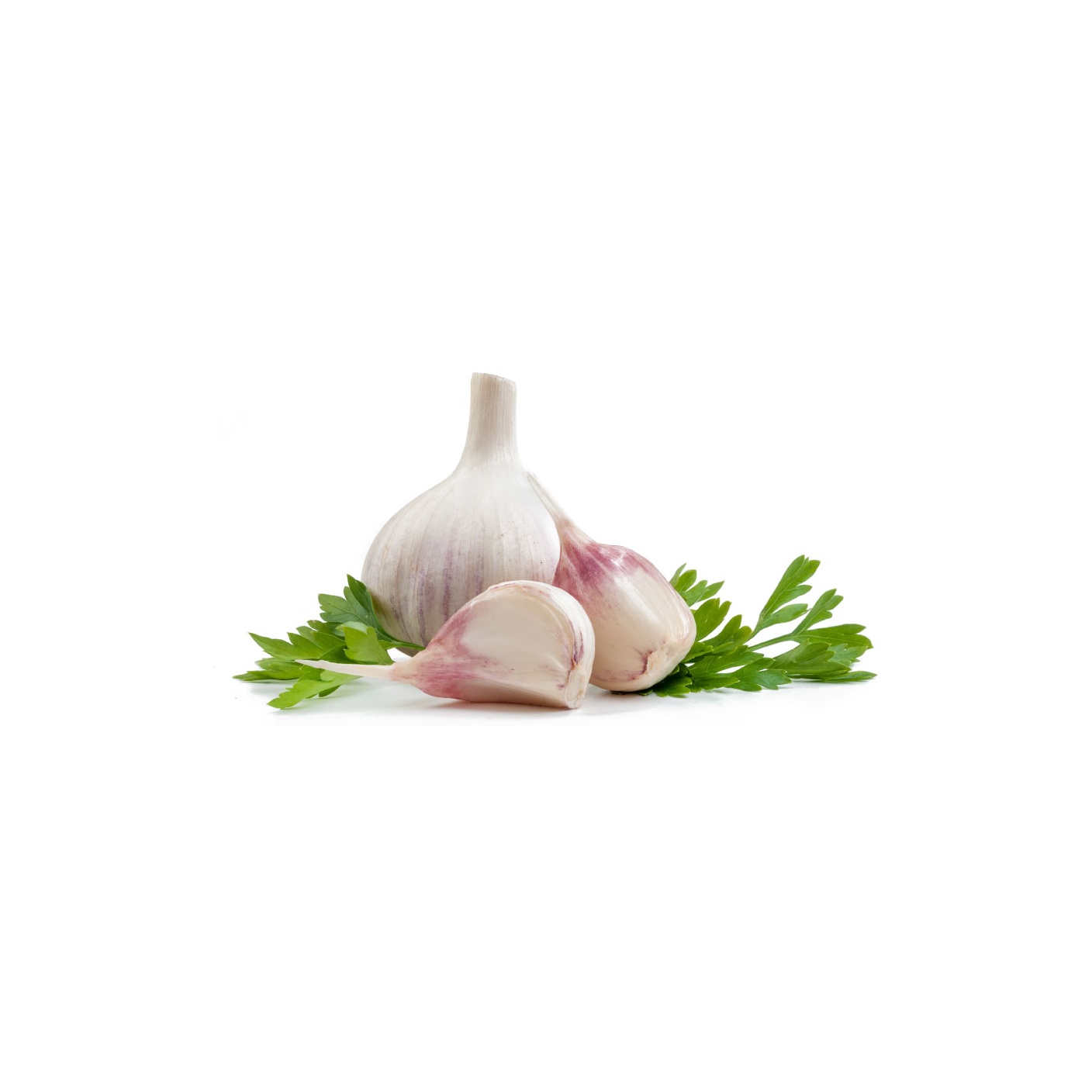 Principal source Garlic Allium sativum Herb monograph →
 Source Black Ant Polyrhachis spp. Herb monograph →
Concentration
Content by Source
Reported concentrations across the plants that contain selenium — the bar marks the typical level, the line shows the reported range.
Literature figures for varying plant parts and preparations. Read them as a comparative guide, not exact assays.
Selenium at a Glance
Selenium is an essential trace mineral — the body needs only micrograms of it, but cannot function without them. Its entire job is to sit at the active site of a small family of proteins called selenoproteins, where a single selenium atom does chemistry that ordinary amino acids cannot. Two of those proteins recycle the body’s main antioxidant defence, and another switches thyroid hormone into its active form, which is why selenium turns up in almost every conversation about thyroid autoimmunity.
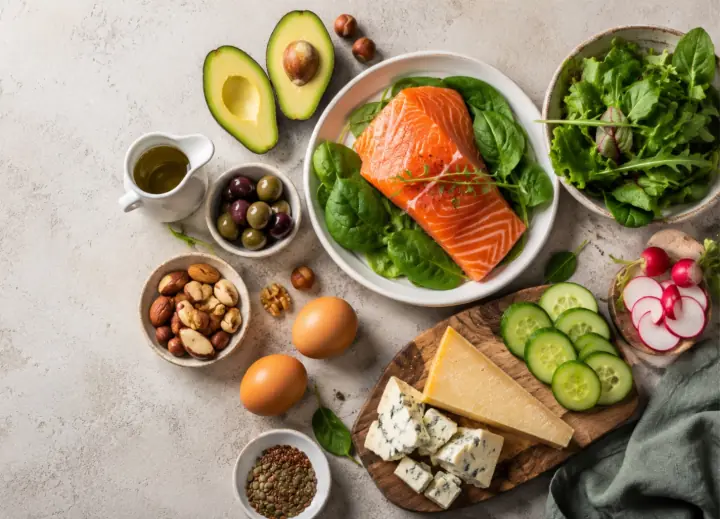
It comes almost entirely from food. Plants take selenium up from soil, so the amount in grains, nuts and vegetables tracks the selenium content of the ground they grew in; animal products concentrate it further. Brazil nuts are the extreme case — a single nut can supply an entire day’s requirement, or several times it. The body makes no selenium of its own.
The load-bearing framing is deficiency versus repletion. Where a real deficiency exists — historically, the low-selenium regions of China — correcting it prevents serious disease. Where it does not, nearly every marketed benefit is an extra laid on top of an already-full system, and selenium is unusual in having a genuinely narrow gap between “enough” and “too much.” Supplementation reliably lowers thyroid antibody levels, but the large prevention trials for cancer and heart disease came back null, and one flagged a higher diabetes risk in people who were already replete.
What It’s Used For
- Correcting deficiency (Keshan disease) — in genuinely deficient populations, selenium prevents a fatal cardiomyopathy. Definitive, but only relevant where soil selenium is very low.
- Hashimoto’s thyroiditis — consistently lowers thyroid peroxidase antibody titres; whether that changes how patients feel is unresolved.
- Mild Graves’ orbitopathy — one good European trial improved eye symptoms and quality of life in a mildly deficient population; not replicated elsewhere.
- Pregnancy & postpartum thyroid autoimmunity — a suggestive early signal that has not held up consistently.
- Male subfertility — small trials, mostly in deficient or oxidatively stressed men; effects on pregnancy rates are unproven.
- Sepsis & critical illness — high-dose intravenous selenium, tried repeatedly with at best marginal and inconsistent mortality effects.
Be sceptical of selenium for cancer prevention — the large SELECT trial found no benefit and a hint of harm — for heart disease or longevity, where randomised trials are null, and of any claim that everyone benefits from topping up. In replete people the upside is small and the diabetes signal is real.
How It Works
Selenium works through a single mechanism repeated across roughly 25 human proteins. When cells build these proteins they insert selenium as the amino acid selenocysteine — chemically like cysteine but with selenium in place of sulphur, which makes it a far more reactive electron donor. That extra reactivity is the whole point: it lets selenoproteins run reduction reactions that ordinary amino acids handle poorly.
Two selenoprotein families explain most of what selenium does. The glutathione peroxidases neutralise hydrogen peroxide and lipid peroxides, working alongside vitamin E and glutathione as part of the cell’s antioxidant network. The iodothyronine deiodinases remove an iodine atom from thyroxine (T4) to produce the active hormone T3. The thyroid holds more selenium per gram than any other tissue, and it generates a great deal of hydrogen peroxide while making hormone — so it depends on selenium both to activate hormone and to protect itself. That double role is why selenium sits at the centre of the thyroid story, and why it is usually discussed alongside iodine.
The wrinkle that explains selenium’s messy trial record is saturation. Selenoprotein synthesis is capped: once the functional pools are full — which happens at intakes near the RDA — extra selenium does not build more antioxidant capacity. It is instead stored non-specifically, and past a point becomes toxic. The dose–response curve is not a slope but a plateau with a cliff: benefit up to adequacy, nothing in the middle, harm at the top. An effect seen in deficient people therefore says little about what happens when a replete person takes the same dose.
Pharmacology & Research
Selenium is an essential trace mineral acting through ~25 selenoproteins, chiefly the glutathione peroxidases (antioxidant defence) and the iodothyronine deiodinases (thyroid hormone activation). The evidence posture is bimodal: strong for correcting genuine deficiency and for lowering thyroid autoantibodies, but null or harmful for the large “extra-on-top” prevention questions in replete populations. The single most important caveat is the narrow window between requirement (~55 µg/day) and toxicity (UL 400 µg/day) — one of the tightest of any nutrient — compounded by the fact that selenoprotein synthesis saturates near adequacy, so benefit seen in deficient people does not generalise. Form matters for blood levels (organic selenomethionine raises measured selenium more than inorganic selenite) but less for filling the functional selenoprotein pool.
Support is an experimental score I’m building — a composite weighted by study type (human > animal > in vitro > review) and study volume. It’s a beta: a fast way to rank strength of evidence at a glance, not a validated metric. Each application links down to its write-up.
Keshan disease is a congestive cardiomyopathy historically endemic to low-selenium regions of China; large field programmes in the 1970s–80s showed that sodium-selenite supplementation dramatically reduced incidence, establishing selenium deficiency as a necessary — though not sole, since a coxsackievirus co-factor is implicated — cause 14Reference 14ReviewAn original discovery: selenium deficiency and Keshan disease (an endemic heart disease) — reviewView study →. This is the clearest human evidence that selenium is essential, but it is a deficiency-repletion effect: it demonstrates what happens when a truly deficient population is corrected, and says nothing about supplementing replete people.
Gap: relevant only where dietary selenium is very low; not a rationale for supplementation in selenium-adequate regions.
Multiple meta-analyses of randomised trials find that selenium — usually 200 µg/day, as selenomethionine or selenite — significantly lowers thyroid peroxidase (TPO) antibody titres in chronic autoimmune thyroiditis, typically over 3–12 months 1,
The effect on antibodies is reasonably consistent. What remains unresolved, and what the most recent systematic reviews emphasise, is whether the antibody drop translates into any change in thyroid function (levothyroxine dose, TSH), symptoms, or long-term progression; trials measuring patient-relevant outcomes are few and underpowered 1Reference 1Meta-analysisSelenium supplementation in patients with Hashimoto thyroiditis — systematic review and meta-analysis of randomised clinical trialsView study →.
Gap: a reliable biomarker effect (TPOAb ↓) with no demonstrated benefit to how patients feel or how the disease progresses.
The EUGOGO randomised, placebo-controlled trial (Marcocci et al., NEJM 2011; n=159) found that selenium 200 µg/day for 6 months improved eye involvement, quality of life, and slowed progression in patients with mild Graves’ orbitopathy, versus placebo 4Reference 4RCTSelenium and the course of mild Graves’ orbitopathy — randomised controlled trialView study →. It is a well-conducted trial and the basis for guideline mention of selenium in mild orbitopathy — but the population was in a mildly selenium-deficient region of Europe, and the result has not been replicated in selenium-replete populations, leaving generalisability open.
Gap: single positive trial in a mildly deficient population; unreplicated elsewhere, so the benefit may be repletion-dependent.
Negro et al. (2007) reported that selenomethionine 200 µg/day during and after pregnancy in TPO-antibody-positive women reduced postpartum thyroiditis and permanent hypothyroidism 5Reference 5RCTThe influence of selenium supplementation on postpartum thyroid status in pregnant women with thyroid peroxidase autoantibodies — randomised controlled trialView study →.
Later trials have been inconsistent: the SERENA study and others did not consistently reproduce a clear clinical benefit on thyroid autoimmunity in pregnancy 6Reference 6RCTSelenium supplementation in the management of thyroid autoimmunity during pregnancy: results of the SERENA study — randomised controlled trialView study →.
Selenium requirement rises modestly in pregnancy (RDA 60 µg/day), but that is met by diet; the case for supplemental doses to modify autoimmunity is not established.
Gap: one early positive RCT not consistently confirmed; supplemental doses in pregnancy must also respect the upper limit.
Selenium is required for normal spermatogenesis — it is a structural component of the sperm mid-piece — and small trials, often combining selenium with N-acetylcysteine or vitamin E, report improvements in sperm motility or concentration, mostly in subfertile or oxidatively stressed men 15Reference 15Systematic reviewDietary patterns, foods and nutrients in male fertility parameters and fecundability — systematic reviewView study →. The evidence is heterogeneous, frequently deficiency- or oxidative-stress-dependent, and rarely measures the endpoint that matters: live births or pregnancy rates.
Gap: small, mixed trials on semen parameters rather than fertility outcomes; benefit likely confined to deficient or oxidatively stressed men.
High-dose intravenous selenium — often as sodium selenite, well above oral doses — has been trialled as an antioxidant adjunct in sepsis and septic shock. Meta-analyses are inconsistent and, on the whole, do not show a robust mortality benefit; some earlier signals have not survived larger or pooled analyses 16Reference 16Meta-analysisThe impact of selenium administration on severe sepsis or septic shock — meta-analysis of randomised controlled trialsView study →. This is a pharmacological rather than nutritional use, at doses that would be toxic chronically.
Gap: heterogeneous high-dose IV trials with, at best, marginal and inconsistent mortality effects; not applicable to oral supplementation.
Mechanisms
| Target / pathway | Effect | Relevant to |
|---|---|---|
| Selenocysteine incorporation into selenoproteins | Enables synthesis of ~25 selenoproteins | All applications (underlies every effect) |
| Glutathione peroxidases (GPx1–4) | ↑ antioxidant defence; reduce H₂O₂ and lipid peroxides | Thyroid autoimmunityfertilitycritical illness |
| Iodothyronine deiodinases (DIO1–3) | Convert T4 → active T3 | Thyroid functionHashimoto’sorbitopathy |
| Thioredoxin reductases | Maintain redox balance, DNA synthesis | Antioxidant/cancer hypotheses (unconfirmed clinically) |
| Selenoprotein P | Selenium transport and storage (plasma pool) | Systemic selenium status |
Pharmacokinetics
Absorption is high and form-dependent. Selenomethionine — the organic form found in food and many supplements — is absorbed at roughly 90% and incorporated non-specifically into body proteins in place of methionine, building a slowly-turning-over tissue pool, so it raises measured blood selenium more than inorganic forms do. Sodium selenite and selenate are absorbed at roughly 50% but feed more directly into the regulated selenoprotein pool. For raising functional selenoprotein activity such as glutathione peroxidase, the two forms are more similar than blood-level comparisons suggest 13,
Clinical trials
Selenium is an off-patent mineral, so most trial activity is investigator-initiated rather than industry-funded; registered activity is substantial (≈159 studies referencing selenium supplementation), spanning thyroid autoimmunity, cancer prevention, critical illness, fertility, and metabolic outcomes. The landmark prevention trials (NPC, SELECT) are complete and reported null-to-harmful results.
| Completed | Planned / recruiting | Terminated | Preclinical |
|---|---|---|---|
| ~98 | ~14 | ~6 | Extensive(hundreds) |
Last checked: August 2026.
Dietary Sources
How much selenium a food contains depends heavily on the selenium content of the soil, for plants, or the feed, for animals — so figures vary by region. The single richest common source is Brazil nuts, which are variable enough that a few per day can push intake toward or past the upper limit. Refining grains removes much of their selenium, so whole grains supply more than white flour products.
| Food | Typical selenium | Notes |
|---|---|---|
| Brazil nuts | ~68–91 µg per nut (highly variable) | A single nut can exceed the RDA; a common route to excess |
| Tuna, cooked | ~90 µg per 85 g | Seafood is consistently rich |
| Sardines / halibut / shrimp | ~40–65 µg per 85 g | — |
| Organ meats (liver, kidney) | ~30–90 µg per serving | — |
| Beef, pork, poultry | ~20–40 µg per 85 g | — |
| Eggs | ~15 µg each | — |
| Whole-wheat bread / brown rice | ~10–20 µg per serving | Depends on soil selenium; refining lowers it |
| Sunflower seeds | ~20 µg per 30 g | — |
Absorption from food is high — typically above 80–90% for organic selenomethionine. A varied diet in a selenium-adequate region comfortably meets the 55 µg/day RDA without supplements; supplementation is chiefly relevant to genuinely low-selenium regions or specific clinical indications. Brazil nuts in particular raise blood selenium efficiently — a randomised trial found two nuts per day comparable to a 100 µg selenomethionine supplement 18Reference 18RCTBrazil nuts: an effective way to improve selenium status — randomised controlled trialView study → — which is exactly why they are also a route to accidental excess. Authoritative food-content values come from the NIH ODS selenium fact sheet 20Reference 20Selenium — Fact Sheet for Health Professionals. https://ods.od.nih.gov/factsheets/Selenium-HealthProfessional/View study →.
Dosage
The figures below are reference intakes and doses studied in research, not a personal recommendation.
- RDA (adults): 55 µg/day; pregnancy 60 µg/day; lactation 70 µg/day 20Reference 20Selenium — Fact Sheet for Health Professionals. https://ods.od.nih.gov/factsheets/Selenium-HealthProfessional/View study →.
- Tolerable Upper Intake Level: 400 µg/day for adults — this counts all sources, including food and Brazil nuts, not just supplements 20Reference 20Selenium — Fact Sheet for Health Professionals. https://ods.od.nih.gov/factsheets/Selenium-HealthProfessional/View study →.
- Studied supplemental ranges: most thyroid-autoimmunity and orbitopathy trials used 200 µg/day
as selenomethionine or sodium selenite, for 3–12 months 1,
4Reference 1Meta-analysisSelenium supplementation in patients with Hashimoto thyroiditis — systematic review and meta-analysis of randomised clinical trialsView study →Reference 4RCTSelenium and the course of mild Graves’ orbitopathy — randomised controlled trialView study → . Cancer-prevention trials used about 200 µg/day (NPC) or 200 µg/day L-selenomethionine (SELECT) and found no benefit, with a diabetes-risk signal 7,8, .11Reference 7RCTEffects of selenium supplementation for cancer prevention in patients with carcinoma of the skin (Nutritional Prevention of Cancer trial) — randomised controlled trialView study →Reference 8RCTEffect of selenium and vitamin E on risk of prostate cancer and other cancers: the Selenium and Vitamin E Cancer Prevention Trial (SELECT) — randomised controlled trialView study →Reference 11RCTEffects of long-term selenium supplementation on the incidence of type 2 diabetes — randomised trialView study → - Form: organic selenomethionine raises blood selenium more than inorganic selenite or selenate,
but both fill the functional selenoprotein pool similarly; for correcting deficiency the difference
is modest 13,
19Reference 13ReviewSelenium and human health — reviewView study →Reference 19ReviewSelenium metabolism and bioavailability — reviewView study → . - Timing: no meaningful food effect on absorption, and once-daily dosing is standard. Because selenium is stored in a slowly-turning protein pool, blood levels take months to stabilise after a change.
The practical point: because the gap between the RDA and the upper limit is narrow, and because most people are already replete, routine high-dose supplementation carries a real downside without a clear upside outside specific indications.
Safety
Selenium has one of the narrowest margins between “enough” and “too much” of any nutrient, so the main safety issue is excess, not deficiency. Where intake is adequate, adding more offers little and, at the top of the range, causes harm — including a documented increase in type 2 diabetes risk in already-replete people.
- Essential at low doses. The 55 µg/day requirement is easily met by a normal diet in selenium-adequate regions.
- Narrow therapeutic window. The gap between requirement (55 µg) and the upper limit (400 µg) is one of the tightest of any nutrient — stacking a supplement, a multivitamin and daily Brazil nuts can quietly exceed it.
- Diabetes-risk signal. Long-term supplementation of replete people at ~200 µg/day raised type 2 diabetes incidence in the NPC and SELECT trials.
- Selenosis with chronic excess. Intake above the upper limit causes hair and nail brittleness or loss, garlic-like breath odour, GI upset and, at high exposure, peripheral neuropathy.
- Acute toxicity from mislabelled products. Manufacturing errors have caused acute selenium poisoning; source matters.
Full Safety & Interactions Detail
For most people the risk is overdose, not shortfall. Chronic intake above the 400 µg/day upper limit produces selenosis: the earliest signs are brittle or lost hair and nails and a garlic-like breath odour, progressing with higher or longer exposure to gastrointestinal upset, fatigue, irritability and peripheral neuropathy. The dose-limiting concern in otherwise healthy, selenium-replete people is metabolic — in the Nutritional Prevention of Cancer trial and SELECT, about 200 µg/day for years was associated with a higher incidence of type 2 diabetes 11,
Route to accidental excess. Brazil nuts are extraordinarily variable in selenium content, so eating them daily plus taking a supplement plus a selenium-containing multivitamin is a realistic way to exceed the upper limit. Acute poisoning has occurred from manufacturing errors in liquid supplements delivering far more selenium than labelled.
Interactions. Selenium has few well-characterised pharmacological drug interactions. Theoretical and minor ones include additive antioxidant effects that could blunt some pro-oxidant chemotherapy or the lipid response to statin–niacin combinations (weak evidence), and competition with other trace minerals at high doses. It is generally compatible with iodine and is often co-considered in thyroid management. High-dose intravenous selenium in critical care is a distinct pharmacological use.
Who should be cautious. People already eating Brazil nuts regularly; anyone taking multiple supplements or a multivitamin containing selenium; and people considering long-term high-dose use in the absence of documented deficiency or a specific clinical indication.
Scope disclosure. Interactions assessed? Yes — chemotherapy/antioxidant, statin–niacin, trace-mineral competition, iodine co-management, all low-to-moderate significance. Pregnancy/lactation assessed? Yes. Upper limit established? Yes — 400 µg/day.
Caution. Selenium is required in pregnancy (RDA 60 µg/day) and lactation (70 µg/day), and intake at these levels is safe and important for both maternal thyroid health and infant selenium status. Supplemental doses such as 200 µg/day have been studied for thyroid autoimmunity in pregnancy with inconsistent benefit 5,
References
- Huwiler VV, et al. (2024). Selenium supplementation in patients with Hashimoto thyroiditis — systematic review and meta-analysis of randomised clinical trials. Thyroid. https://pubmed.ncbi.nlm.nih.gov/38243784/
- Toulis KA, et al. (2010). Selenium supplementation in the treatment of Hashimoto’s thyroiditis — systematic review and meta-analysis. Thyroid. https://pubmed.ncbi.nlm.nih.gov/20883174/
- Wichman J, et al. (2016). Selenium supplementation significantly reduces thyroid autoantibody levels in patients with chronic autoimmune thyroiditis — meta-analysis. Thyroid. https://pubmed.ncbi.nlm.nih.gov/27702392/
- Marcocci C, et al. (2011). Selenium and the course of mild Graves’ orbitopathy — randomised controlled trial. New England Journal of Medicine. https://pubmed.ncbi.nlm.nih.gov/21591944/
- Negro R, et al. (2007). The influence of selenium supplementation on postpartum thyroid status in pregnant women with thyroid peroxidase autoantibodies — randomised controlled trial. Journal of Clinical Endocrinology & Metabolism. https://pubmed.ncbi.nlm.nih.gov/17284630/
- Mantovani G, et al. (2019). Selenium supplementation in the management of thyroid autoimmunity during pregnancy: results of the SERENA study — randomised controlled trial. Endocrine. https://pubmed.ncbi.nlm.nih.gov/31129812/
- Clark LC, et al. (1996). Effects of selenium supplementation for cancer prevention in patients with carcinoma of the skin (Nutritional Prevention of Cancer trial) — randomised controlled trial. JAMA. https://pubmed.ncbi.nlm.nih.gov/8971064/
- Lippman SM, et al. (2009). Effect of selenium and vitamin E on risk of prostate cancer and other cancers: the Selenium and Vitamin E Cancer Prevention Trial (SELECT) — randomised controlled trial. JAMA. https://pubmed.ncbi.nlm.nih.gov/19066370/
- Klein EA, et al. (2011). Vitamin E and the risk of prostate cancer: the Selenium and Vitamin E Cancer Prevention Trial (SELECT) — randomised controlled trial. JAMA. https://pubmed.ncbi.nlm.nih.gov/21990298/
- Vinceti M, et al. (2014). Selenium for preventing cancer — systematic review. Cochrane Database of Systematic Reviews. https://pubmed.ncbi.nlm.nih.gov/24683040/
- Stranges S, et al. (2007). Effects of long-term selenium supplementation on the incidence of type 2 diabetes — randomised trial. Annals of Internal Medicine. https://pubmed.ncbi.nlm.nih.gov/17620655/
- Mao S, et al. (2014). Selenium supplementation and the risk of type 2 diabetes mellitus — meta-analysis of randomised controlled trials. Endocrine. https://pubmed.ncbi.nlm.nih.gov/24858736/
- Rayman MP (2012). Selenium and human health — review. The Lancet. https://pubmed.ncbi.nlm.nih.gov/22381456/
- Chen J (2012). An original discovery: selenium deficiency and Keshan disease (an endemic heart disease) — review. Asia Pacific Journal of Clinical Nutrition. https://pubmed.ncbi.nlm.nih.gov/22705420/
- Salas-Huetos A, et al. (2017). Dietary patterns, foods and nutrients in male fertility parameters and fecundability — systematic review. Human Reproduction Update. https://pubmed.ncbi.nlm.nih.gov/28333357/
- Kong L, et al. (2021). The impact of selenium administration on severe sepsis or septic shock — meta-analysis of randomised controlled trials. African Health Sciences. https://pubmed.ncbi.nlm.nih.gov/34394308/
- Jenkins DJA, et al. (2020). Selenium, antioxidants, cardiovascular disease, and all-cause mortality — systematic review and meta-analysis. American Journal of Clinical Nutrition. https://pubmed.ncbi.nlm.nih.gov/33053149/
- Thomson CD, et al. (2008). Brazil nuts: an effective way to improve selenium status — randomised controlled trial. American Journal of Clinical Nutrition. https://pubmed.ncbi.nlm.nih.gov/18258628/
- Daniels LA (1996). Selenium metabolism and bioavailability — review. Biological Trace Element Research. https://pubmed.ncbi.nlm.nih.gov/8909692/
- NIH Office of Dietary Supplements (2024). Selenium — Fact Sheet for Health Professionals. https://ods.od.nih.gov/factsheets/Selenium-HealthProfessional/
- An P, et al. (2022). Micronutrient supplementation to reduce cardiovascular risk — meta-analysis. Journal of the American College of Cardiology. https://pubmed.ncbi.nlm.nih.gov/36480969/