
Compound Monograph
Syringaresinol
Syringaresinol is a furofuran (bis-epoxy) lignan — the aglycone of eleutheroside E (syringaresinol diglucoside), a defining standardisation marker of eleuthero / Siberian ginseng. Its own isolate literature is entirely preclinical: anti-inflammatory NF-κB suppression, endothelial eNOS-mediated vasorelaxation, and SIRT1/FOXO3 longevity signalling. Adaptogen efficacy belongs to the whole eleuthero extract, not this single molecule.

Sources · 8
Where Does It Come From?
Syringaresinol is a naturally occurring furofuran lignan (bis-epoxylignan), found in Eleuthero Root, Erva-Tostão and 6 other sources. It is well tolerated orally (low toxicity).
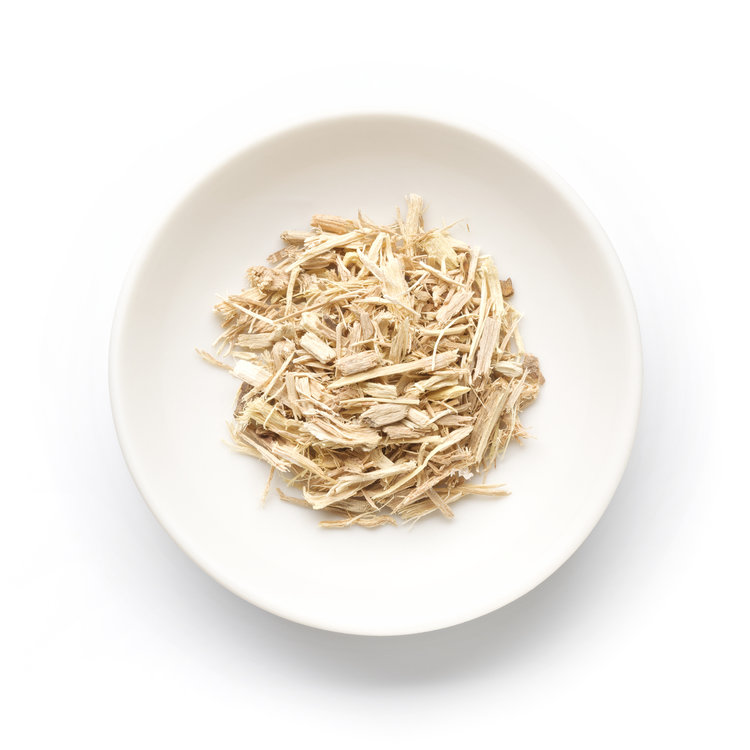 Principal source Eleuthero Root Eleutherococcus senticosus Herb monograph →
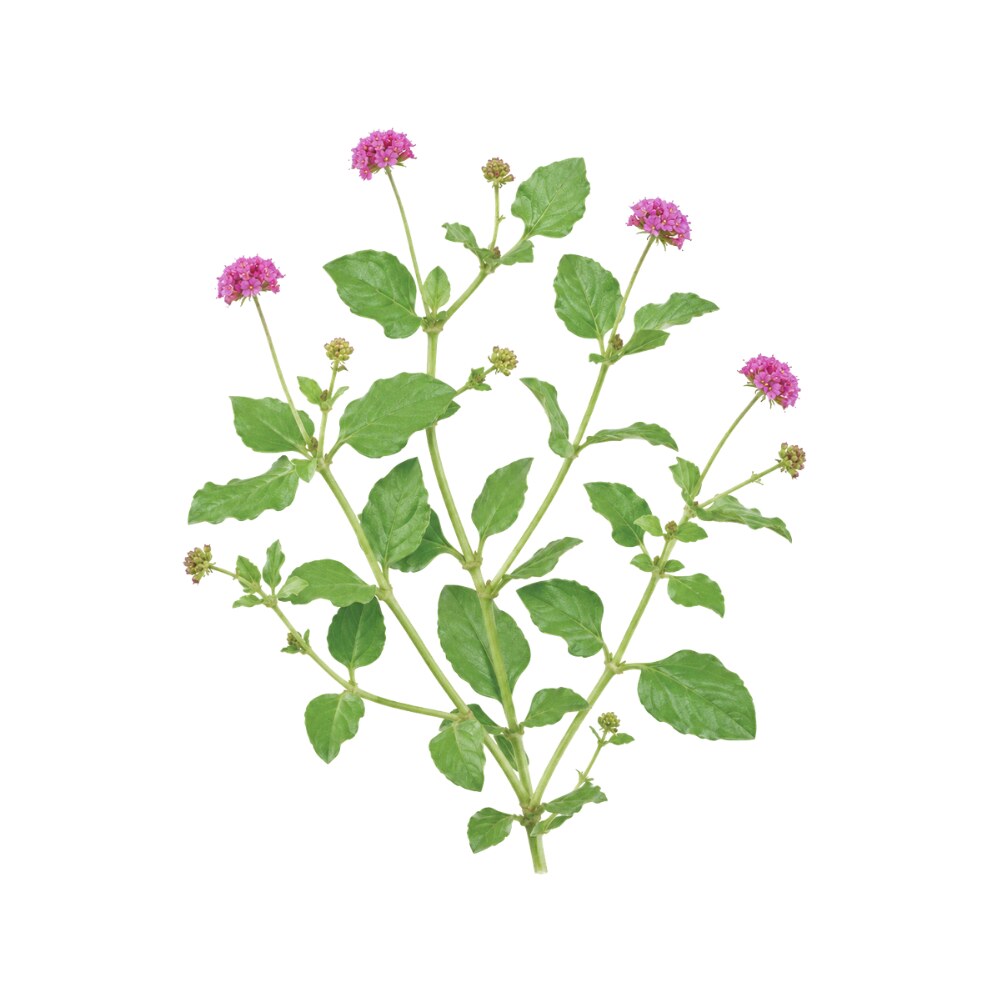 Source Erva Tostão Boerhavia diffusa Herb monograph →
 Source Flaxseed Linum usitatissimum Herb monograph →
Concentration
Content by Source
Concentrations not reported. No percent-dry-weight or mg/g figures have been published for this compound in its source plants.
Syringaresinol at a Glance
Syringaresinol is a furofuran (bis-epoxy) lignan — two syringyl (4-hydroxy-3,5-dimethoxyphenyl) units fused through a rigid dioxabicyclo-octane core, the same skeleton that defines sesamin and pinoresinol. Its most consequential role is not as a free molecule but as an aglycone: its diglucoside, eleutheroside E, is one of the two marker compounds used to standardise eleuthero (Siberian ginseng, Eleutherococcus senticosus), the classic adaptogen.
That marker status is the source of most confusion about it. Eleuthero’s human reputation — anti-fatigue, stress resistance, immune support — rests on the whole standardised extract, a mixture of eleutherosides, caffeoylquinic acids and other constituents. Syringaresinol the isolate has never been shown to reproduce that adaptogen effect on its own, and there are no human trials of the pure compound at all.
What the isolate does have is a coherent, entirely preclinical signature across three threads: it suppresses NF-κB-driven inflammation 1,
Syringaresinol & Eleutheroside E
The single most useful thing to understand about this molecule is its relationship to eleutheroside E. Eleutheroside E is (−)-syringaresinol-4,4′-O-β-D-diglucoside — the syringaresinol core carrying a glucose on each phenolic oxygen — and it is chemically identical to the compound earlier named acanthoside D. Syringaresinol is therefore the aglycone that remains when those two sugars are removed.
In eleuthero, the two pharmacopoeial markers are eleutheroside B (syringin, a phenylpropanoid glycoside) and eleutheroside E (the syringaresinol diglucoside); European Pharmacopoeia dried root is standardised to ≥0.08% of the B+E pair, and Russian- and Korean-grown root generally runs higher in E than Chinese material. Eleutheroside E and its aglycone are thus a quality-control fingerprint for the herb.
Two cautions follow, and they are the point of this section:
- Marker ≠ active agent. Standardising an extract to eleutheroside E does not make eleutheroside E (or syringaresinol) the thing responsible for eleuthero’s effect. The adaptogen action is a property of the whole extract; the marker is how you verify you have real eleuthero, not a claim that the marker carries the pharmacology.
- The diglucoside has its own (still preclinical) data. Eleutheroside E — not the aglycone — has been studied directly in a few animal models, e.g. attenuating anaesthesia-induced cognitive dysfunction in aged rats via α7-nAChR/NMDAR signalling 13Reference 13Eleutheroside E attenuates isoflurane-induced cognitive dysfunction by regulating the α7-nAChR-NMDAR pathwayView study →. That is the glucoside’s result, obtained at 50 mg/kg in rats, and should not be silently transferred to the aglycone or to humans.
A Furofuran Lignan
Structurally, syringaresinol sits in the furofuran (bis-epoxylignan) sub-family alongside sesamin, pinoresinol and medioresinol — the group whose two aryl rings are locked through a fused bicyclic diether. It differs from pinoresinol only in its syringyl (3,5-dimethoxy-4-hydroxy) rings versus pinoresinol’s guaiacyl rings, and biosynthetically the two are close cousins on the lignan pathway. It is not, however, a tetrahydrofuran lignan like grandisin — that sibling has a single, non-fused THF ring rather than the bicyclic bis-epoxy core, a reminder that “lignan” spans several distinct skeletons.
Like other furofuran lignans it exists as enantiomers, and the distinction is worth keeping: much of the anti-inflammatory work used the (+)-enantiomer 1Reference 1In vitroAttenuation of inflammatory responses by (+)-syringaresinol via MAP-Kinase-mediated suppression of NF-κB signaling in vitro and in vivoView study →, while the leukaemia-cytotoxicity and microglial studies used (−)-syringaresinol 4,
Finally, a mammalian-lignan / gut-metabolism angle: like sesamin and pinoresinol, syringaresinol is a dietary lignan that colonic bacteria metabolise. In vitro incubation with human faecal microflora yields several syringaresinol-derived metabolites; unlike pinoresinol or lariciresinol, however, it was not cleanly converted to the mammalian lignans enterolactone/enterodiol, so its enterolignan yield looks more limited and more individual-dependent 11Reference 11In vitroIn vitro metabolism of plant lignans: new precursors of mammalian lignans enterolactone and enterodiolView study →. This matters because it means an ingested dose is partly transformed by the microbiome before it ever acts systemically.
What It's Used For
The isolate literature is preclinical throughout — cell and animal work, no human trials of the pure compound. It clusters into an anti-inflammatory core plus vascular and anti-ageing threads.
Support is an experimental score — weighted by study type (human > animal > in vitro) and volume. A beta, not a validated metric. Every row here is isolate preclinical (no human data), so scores stay low by design. Each application links to its write-up.
The most developed thread, and it is the isolated molecule. (+)-Syringaresinol suppressed LPS-induced nitric oxide, PGE₂, TNF-α, IL-1β and IL-6 in macrophages by downregulating iNOS, COX-2 and NF-κB through p38/JNK MAP-kinase signalling, with confirmatory anti-inflammatory activity in vivo 1Reference 1In vitroAttenuation of inflammatory responses by (+)-syringaresinol via MAP-Kinase-mediated suppression of NF-κB signaling in vitro and in vivoView study →.
The same NF-κB axis recurs in a rat/cell osteoarthritis model 2Reference 2Syringaresinol attenuates osteoarthritis via regulating the NF-κB pathwayView study →, in IgG-immune-complex acute lung injury, where syringaresinol activated PPARγ and suppressed NLRP3-type pyroptosis 3Reference 3Syringaresinol alleviates IgG immune complex induced acute lung injury via activating PPARγ and suppressing pyroptosisView study →, and in LPS-activated microglia, where (−)-syringaresinol lowered NF-κB p65 signalling and interacted with estrogen receptor β 4Reference 4Zhang L, Jiang X, Zhang J, et al. (2021). (−)-Syringaresinol suppressed LPS-induced microglia activation via downregulation of NF-κB p65 signaling and interaction with ERβ. International Immunopharmacology. https://pubmed.ncbi.nlm.nih.gov/34303280/View study →.
Gap: entirely isolate cell/animal work — no human anti-inflammatory trial — and the enantiomer used differs between studies 1,
Syringaresinol (isolated from Panax ginseng berry pulp) is a small-molecule activator of SIRT1 gene expression: it drives FOXO3 binding to the SIRT1 promoter, raising SIRT1, lowering p53 acetylation and PAI-1, restoring eNOS and telomerase activity, and delaying senescence in aged human endothelial cells — effects abolished by SIRT1 or FOXO3 knock-down 5Reference 5Identification of a small molecule activator of SIRT1 gene expressionView study →. In vivo, it reversed age-related skin atrophy by suppressing FoxO3a-mediated MMP-2 activation in Cu/Zn-SOD-deficient mice 6Reference 6AnimalSyringaresinol reverses age-related skin atrophy by suppressing FoxO3a-mediated matrix metalloproteinase-2 activation in copper/zinc superoxide dismutase-deficient miceView study →, and delayed immunosenescence in middle-aged mice — restoring naïve T-cell numbers, shifting the gut Firmicutes/Bacteroidetes ratio and improving vaccine responses — through gut-integrity and FOXO3/Treg mechanisms 7Reference 7AnimalModulation of gut microbiota and delayed immunosenescence as a result of syringaresinol consumption in middle-aged miceView study →.
Gap: a genuinely coherent longevity-signalling story, but every endpoint is a surrogate (senescence markers, telomerase, skin thickness, microbiota) in cells or mice; no human ageing outcome has been tested 5,
Syringaresinol induced endothelium-dependent vasorelaxation of wild-type — but not eNOS-knockout — mouse aortic rings, abolished by the NOS inhibitor L-NMMA. Mechanistically it raised nitric-oxide production in human endothelial cells by phosphorylating and dimerising eNOS, downstream of Akt and AMPK activation and a PLC-dependent rise in intracellular Ca²⁺ 8Reference 8Syringaresinol causes vasorelaxation by elevating nitric oxide production through the phosphorylation and dimerization of endothelial nitric oxide synthaseView study →. This dovetails with the SIRT1 thread, where restored eNOS is one of the rejuvenation markers 5Reference 5Identification of a small molecule activator of SIRT1 gene expressionView study →.
Gap: the vascular evidence rests essentially on one mechanistic ex-vivo/cell study 8Reference 8Syringaresinol causes vasorelaxation by elevating nitric oxide production through the phosphorylation and dimerization of endothelial nitric oxide synthaseView study →; there is no blood-pressure or clinical vascular outcome for the isolate.
(−)-Syringaresinol (from Daphne genkwa) reduced viability of human promyelocytic HL-60 leukaemia cells by inducing G1 arrest then apoptosis: it raised the CDK inhibitors p21 and p27 while lowering cdk2/4/6 and cyclins D1/D2/E, and triggered apoptosis with an increased Bax/Bcl-2 ratio and PARP cleavage 9Reference 9Park BY, Oh SR, Ahn KS, Kwon OK, Lee HK (2008). (−)-Syringaresinol inhibits proliferation of human promyelocytic HL-60 leukemia cells via G1 arrest and apoptosis. International Immunopharmacology. https://pubmed.ncbi.nlm.nih.gov/18486907/View study →.
Gap: a single in-vitro cancer-cell-line study — no animal tumour model, no selectivity data, no human relevance established 9Reference 9Park BY, Oh SR, Ahn KS, Kwon OK, Lee HK (2008). (−)-Syringaresinol inhibits proliferation of human promyelocytic HL-60 leukemia cells via G1 arrest and apoptosis. International Immunopharmacology. https://pubmed.ncbi.nlm.nih.gov/18486907/View study →.
As a lignan, syringaresinol is nominally a phytoestrogen, but the signal is weak and mixed. In LPS-activated microglia its anti-inflammatory action involved a direct interaction with ERβ 4Reference 4Zhang L, Jiang X, Zhang J, et al. (2021). (−)-Syringaresinol suppressed LPS-induced microglia activation via downregulation of NF-κB p65 signaling and interaction with ERβ. International Immunopharmacology. https://pubmed.ncbi.nlm.nih.gov/34303280/View study →; in a broader survey of enterolignans and their precursors it is listed among lignans showing only weak/moderate anti-estrogenic (antagonistic) activity at estrogen receptors rather than clear agonism 10Reference 10Differential and directional estrogenic signaling pathways induced by enterolignans and their precursorsView study →.
Gap: the estrogenic effect is a receptor-interaction/mechanistic observation, not a demonstrated hormonal outcome, and the direction (agonist vs antagonist) is unsettled 4,
Mechanisms
| Target / pathway | Effect | Relevant to |
|---|---|---|
| NF-κB p65 (nuclear translocation) | suppressed, via p38/JNK MAPK activation | anti-inflammatory |
| iNOS, COX-2, TNF-α, IL-1β, IL-6 | downregulated | anti-inflammatory |
| PPARγ / pyroptosis (NLRP3-type) | PPARγ ↑, pyroptosis ↓ | acute lung injury |
| eNOS (Ser-phosphorylation + dimerisation; Akt, AMPK, PLC/Ca²⁺) | activated → ↑ nitric oxide | vasorelaxation |
| SIRT1 (via FOXO3 binding to promoter) | gene expression induced → ↓ p53-acetylation, ↓ PAI-1, ↑ telomerase/eNOS | endothelial anti-ageing |
| FoxO3a / MMP-2 | MMP-2 activation suppressed | skin anti-atrophy (in vivo) |
| Estrogen receptor β (ERβ) | direct interaction; weak/mixed estrogenic | neuroinflammationhormonal |
| CDK2/4/6, cyclins D1/D2/E ↓; p21/p27 ↑; Bax/Bcl-2 ↑ | G1 arrest + apoptosis | anticancer (HL-60) |
The load-bearing observation is that the anti-inflammatory (NF-κB), vascular (eNOS) and anti-ageing (SIRT1/FOXO3) threads converge on endothelial and immune homeostasis — a plausible unifying rationale for why the diglucoside is an adaptogen marker, but one demonstrated only in cells and mice.
Pharmacokinetics
Human pharmacokinetics of syringaresinol are essentially uncharacterised — a major gap behind all the in-vitro potency claims. What is known is indirect. The compound is usually ingested as its glucosides (eleutheroside E and related apioside/glucoside conjugates), which must be deglycosylated before the lipophilic aglycone is absorbed; rat single-pass perfusion work on a syringaresinol diglycoside shows absorption across all intestinal regions that is limited by P-glycoprotein efflux (P-gp inhibitors raise it). Once in the colon, gut bacteria metabolise the aglycone to several products, but — unlike pinoresinol or lariciresinol — it is not efficiently converted to enterolactone/enterodiol 11Reference 11In vitroIn vitro metabolism of plant lignans: new precursors of mammalian lignans enterolactone and enterodiolView study →, so systemic exposure to intact syringaresinol is likely low and highly microbiome-dependent. No human oral-bioavailability figure, half-life or active-metabolite profile has been established.
Clinical Trials
There are no clinical trials of isolated syringaresinol for any indication. The human evidence often invoked alongside it belongs to whole eleuthero extract standardised to the eleutheroside B+E blend — a different, multi-component product — not to this molecule. Every application above is cell or animal work.
| Completed | Planned | Terminated | Preclinical |
|---|---|---|---|
| None(isolate); whole-eleuthero-extract adaptogen trials are a separate entity | — | — | Anti-inflammatory, vascular/eNOS, SIRT1/anti-ageing, anticancer, estrogenic |
Last checked: July 2026.
Isolate vs. Plant Studies
This molecule shows a clean split. The mechanistic work is genuine isolate science — purified (+)- or (−)-syringaresinol in defined cell and animal models 1,
Prevalence in Nature
Syringaresinol is a widely distributed but usually minor plant lignan, found across many families in bark, seeds, stems and leaves — most of it stored as glycosides rather than the free aglycone. Its signature concentrated form is the diglucoside eleutheroside E in eleuthero root, where it and syringin (eleutheroside B) are the pharmacopoeial markers. It also occurs in sesame and related seeds/grains as one lignan among many, in Boerhavia diffusa (erva-tostão) root, in Magnolia species, in Panax ginseng berry pulp 5Reference 5Identification of a small molecule activator of SIRT1 gene expressionView study →, and — like other dietary lignans — in red wine and various woody plants.
Major Natural Sources
| Source (Botanical) | Part | Form | Notes |
|---|---|---|---|
| Eleuthero / Siberian ginseng (Eleutherococcus senticosus) | Root | Eleutheroside E (diglucoside) | Pharmacopoeial marker with eleutheroside B; higher in Russian/Korean root |
| Erva-tostão (Boerhavia diffusa) | Root | Free lignan / glycoside | Co-occurring root lignan; no species-specific isolate finding |
| Sesame (Sesamum indicum) & related seeds | Seed | Free lignan | Minor lignan alongside sesamin |
| Panax ginseng | Berry pulp | Free aglycone | Source used in the SIRT1 studies 5Reference 5Identification of a small molecule activator of SIRT1 gene expressionView study → |
| Magnolia spp., red wine, woody plants | Various | Glycoside / free | Broad dietary/botanical background |
Quantified % dry-weight figures per source were not pinned — the concentration data live in the gaps tracker to chase on a later pass.
Discovery & Synthesis
Syringaresinol has long been known as a naturally occurring furofuran lignan, and much of its early significance came through its diglucoside: the compound named acanthoside D, later shown to be eleutheroside E — (−)-syringaresinol-4,4′-O-β-D-diglucoside — was characterised as a defining marker of Eleutherococcus root. Because it is a symmetrical dimer of two syringyl-C₆C₃ units, it also forms readily by oxidative (peroxidase/laccase-type) coupling of sinapyl alcohol, and modern work has reproduced this biomimetically — e.g. one-pot enzymatic (oxidase/peroxidase) synthesis from a dimethoxy-allylphenol precursor. In practice, research-grade syringaresinol is obtained by extraction/isolation from plant material (eleuthero, Daphne, ginseng berry and others) rather than by total synthesis, and the diglucoside marker is sourced directly from eleuthero root.
Patents: not yet researched.
Toxicity & Safety
Syringaresinol carries a low toxicity flag. Dedicated in-vitro testing found no cytotoxic or genotoxic effect for syringaresinol (or the enterolignans enterodiol/enterolactone) in HepG2 and HT29 cells at physiological and higher concentrations, despite in-silico structural alerts predicting possible reactivity — a case where computational flags were not borne out experimentally 12Reference 12Toxicological testing of syringaresinol and enterolignansView study →. That, plus its status as a widely-consumed dietary lignan present only at marker levels in eleuthero, supports the low badge. The caveats below are mechanistic and precautionary, not established harms.
- No cytotoxicity or genotoxicity in vitro. Comet and viability assays in liver (HepG2) and colon (HT29) cells were negative at physiological and higher concentrations 12Reference 12Toxicological testing of syringaresinol and enterolignansView study →.
- Dietary lignan at marker-level exposure. Human intake is small and indirect, chiefly as the eleutheroside E diglucoside in standardised eleuthero.
- Weak, mixed estrogenic activity. It interacts with ERβ and is listed among lignans with weak/moderate anti-estrogenic activity 4,
10Reference 4Zhang L, Jiang X, Zhang J, et al. (2021). (−)-Syringaresinol suppressed LPS-induced microglia activation via downregulation of NF-κB p65 signaling and interaction with ERβ. International Immunopharmacology. https://pubmed.ncbi.nlm.nih.gov/34303280/View study →Reference 10Differential and directional estrogenic signaling pathways induced by enterolignans and their precursorsView study → ; hormone-sensitive contexts are a theoretical, unstudied consideration. - No human safety, PK or interaction data for the isolate. CYP/transporter interactions are uncharacterised; absence of evidence is not evidence of safety.
Full Safety & Interactions Detail
The only dedicated toxicology on the molecule is reassuring but narrow: an in-silico-plus-in-vitro study generated structural alerts for possible reactive-oxygen/quinoid behaviour, then found no cytotoxicity, DNA damage or strand breaks in HepG2 or HT29 cells at physiological and higher concentrations for syringaresinol and its enterolignan metabolites 12Reference 12Toxicological testing of syringaresinol and enterolignansView study →.
Beyond that, the safety picture is defined by absence of data: there are no human safety studies, no repeat-dose or reproductive-toxicity package, and no characterised drug-metabolising-enzyme or transporter interactions for the isolate (its glycoside is a P-gp substrate, hinting at possible transporter interplay). The one recurring pharmacological caution is hormonal: syringaresinol is a phytoestrogen with a weak and directionally mixed ERβ interaction 4,
Dosage
There is no established human dose for isolated syringaresinol, and nothing here is a recommendation — the figures are the preclinical research concentrations/doses behind the sections above:
| Application | Model | Exposure studied |
|---|---|---|
| Anti-inflammatory (NF-κB) | Macrophages / mice | μM in vitro; in-vivo anti-inflammatory dosing 1Reference 1In vitroAttenuation of inflammatory responses by (+)-syringaresinol via MAP-Kinase-mediated suppression of NF-κB signaling in vitro and in vivoView study → |
| SIRT1 / anti-ageing | Human endothelial cells; mice | μM cell treatment; dietary in mice 5, |
| Vasorelaxation (eNOS) | Mouse aortic rings / endothelial cells | ex-vivo/in-vitro μM 8Reference 8Syringaresinol causes vasorelaxation by elevating nitric oxide production through the phosphorylation and dimerization of endothelial nitric oxide synthaseView study → |
| Skin anti-atrophy | SOD-deficient mice | oral/topical in-vivo dosing 6Reference 6AnimalSyringaresinol reverses age-related skin atrophy by suppressing FoxO3a-mediated matrix metalloproteinase-2 activation in copper/zinc superoxide dismutase-deficient miceView study → |
Human exposure in practice is indirect and small — as the eleutheroside E diglucoside within eleuthero preparations standardised to the eleutheroside B+E marker pair, not as the free isolate. These are doses studied in research and are not a personal recommendation.
References
- Bajpai VK, Alam MB, Quan KT, et al. (2018). Attenuation of inflammatory responses by (+)-syringaresinol via MAP-Kinase-mediated suppression of NF-κB signaling in vitro and in vivo. Scientific Reports. https://pubmed.ncbi.nlm.nih.gov/29907781/
- Wang X, Wang D, Deng B, Yan L (2023). Syringaresinol attenuates osteoarthritis via regulating the NF-κB pathway. International Immunopharmacology. https://pubmed.ncbi.nlm.nih.gov/36989902/
- Zhang S, Yang L, Hu D, et al. (2023). Syringaresinol alleviates IgG immune complex induced acute lung injury via activating PPARγ and suppressing pyroptosis. International Immunopharmacology. https://pubmed.ncbi.nlm.nih.gov/37857123/
- Zhang L, Jiang X, Zhang J, et al. (2021). (−)-Syringaresinol suppressed LPS-induced microglia activation via downregulation of NF-κB p65 signaling and interaction with ERβ. International Immunopharmacology. https://pubmed.ncbi.nlm.nih.gov/34303280/
- Cho SY, Cho M, Seo DB, Lee SJ, Suh Y (2013). Identification of a small molecule activator of SIRT1 gene expression. Aging (Albany NY). https://pubmed.ncbi.nlm.nih.gov/23525956/
- Kim J, Toda T, Watanabe K, et al. (2019). Syringaresinol reverses age-related skin atrophy by suppressing FoxO3a-mediated matrix metalloproteinase-2 activation in copper/zinc superoxide dismutase-deficient mice. Journal of Investigative Dermatology. https://pubmed.ncbi.nlm.nih.gov/30798853/
- Cho SY, Kim J, Lee JH, et al. (2016). Modulation of gut microbiota and delayed immunosenescence as a result of syringaresinol consumption in middle-aged mice. Scientific Reports. https://pubmed.ncbi.nlm.nih.gov/27976725/
- Chung BH, Kim S, Kim JD, et al. (2012). Syringaresinol causes vasorelaxation by elevating nitric oxide production through the phosphorylation and dimerization of endothelial nitric oxide synthase. Experimental & Molecular Medicine. https://pubmed.ncbi.nlm.nih.gov/22170035/
- Park BY, Oh SR, Ahn KS, Kwon OK, Lee HK (2008). (−)-Syringaresinol inhibits proliferation of human promyelocytic HL-60 leukemia cells via G1 arrest and apoptosis. International Immunopharmacology. https://pubmed.ncbi.nlm.nih.gov/18486907/
- Zhu Y, Kawaguchi K, Kiyama R (2017). Differential and directional estrogenic signaling pathways induced by enterolignans and their precursors. PLoS One. https://pubmed.ncbi.nlm.nih.gov/28152041/
- Heinonen S, Nurmi T, Liukkonen K, et al. (2001). In vitro metabolism of plant lignans: new precursors of mammalian lignans enterolactone and enterodiol. Journal of Agricultural and Food Chemistry. https://pubmed.ncbi.nlm.nih.gov/11453749/
- Kirsch V, Bakuradze T, Richling E (2020). Toxicological testing of syringaresinol and enterolignans. Current Research in Toxicology. https://pubmed.ncbi.nlm.nih.gov/34345839/
- Lu X, Chai XQ (2019). Eleutheroside E attenuates isoflurane-induced cognitive dysfunction by regulating the α7-nAChR-NMDAR pathway. Neuroreport. https://pubmed.ncbi.nlm.nih.gov/30585907/



