
Subclass of Phenolics
Lignans
Phenylpropanoid dimers with antioxidant, hepatoprotective, and phytoestrogen activity.
Overview
About Lignans
Lignans are dimers of phenylpropanoid units, joined through the central carbons of their three-carbon side chains. They sit alongside lignin — the polymer that makes wood rigid — but are small, discrete, extractable molecules rather than structural scaffolding.
The group spans an unusually wide pharmacological range for its size: dietary phytoestrogens at one end, the hepatoprotective silymarin complex in the middle, and a direct precursor to two chemotherapy drugs at the other.
Where Lignans Occur
Seeds, woods and roots are the classic sources:
Flaxseed
secoisolariciresinol diglucoside, the richest dietary source by far
Sesame
sesamin and sesamolin
Milk thistle
the silymarin flavonolignans
Schisandra
the dibenzocyclooctadiene lignans (schisandrins, gomisins)
Magnolia
the neolignans magnolol and honokiol
Mayapple
podophyllotoxin
The Enterolignan Conversion
Plant lignans are largely inactive as eaten. Gut bacteria convert them to the enterolignans — enterodiol and enterolactone — and these are the compounds with weak estrogenic and antiestrogenic activity that flaxseed's phytoestrogen reputation actually rests on.
As with the isoflavones, this makes the response microbiome-dependent: antibiotic use and individual bacterial composition materially change how much enterolactone a given flaxseed intake produces.
Pharmacological Importance
Silymarin, and particularly silybin, is the most-used hepatoprotective preparation in the world and the standard of care for Amanita mushroom poisoning in several countries — it competitively blocks the toxin's uptake into hepatocytes.
The schisandra lignans are the actives behind that herb's adaptogenic and liver-supportive profile, and are potent CYP3A4 modulators. Magnolol and honokiol are GABA-A positive modulators with anxiolytic activity. Podophyllotoxin is the semi-synthetic precursor of etoposide and teniposide.
Toxicity & Safety
The dietary lignans of flax and sesame are safe foods, and silymarin has an excellent tolerability record across decades of use.
Podophyllotoxin is the exception and a serious one: mayapple resin is a violent purgative and a systemic toxin, and the compound is used topically only, under supervision. The schisandra lignans' CYP3A4 activity makes that herb a real interaction candidate for anyone on narrow-therapeutic-index medication.
Constituents
All Lignans
46 total#
4-O-MethylhonokiolA
Arctigenin ArctiinC
Clemastanin BD
DehydrodiisoeugenolE
Eleutheroside E Enterodiol Enterolactone EpisesaminG
Gomisins GrandisinH
Honokiol HypophyllanthinI
Iso-8-hydroxy-lariciresinol IsosilybinL
Lariciresinol Licarin A Lignanamide LiriodendrinM
Macelignan Magnolol Malabaricone C MatairesinolN
Nectandrin B NeoolivilO
Obovatol OtobaphenolP
Phyllanthin Pinoresinol PodophyllotoxinS
Schisandrin Schisandrin A Schisandrin B Schisandrol B Schisantherin A Schizandrins Secoisolariciresinol Secoisolariciresinol diglucoside Sesamin Silybin Silychristin Silydianin Silymandin Silymarin Surinamensin SyringaresinolNo lignans match.
Source Plants
Herbs Containing Lignans
17 herbsPlants in the materia medica documented to carry lignans, with the compounds each one is listed for. The bar counts how many DISTINCT lignans are on record for a plant, relative to the best-documented — it measures breadth of record, not potency, so a plant with one well-studied compound can outrank a richer source that has simply been analysed less. Where a measured concentration is on record it is quoted inline; most entries have none yet.
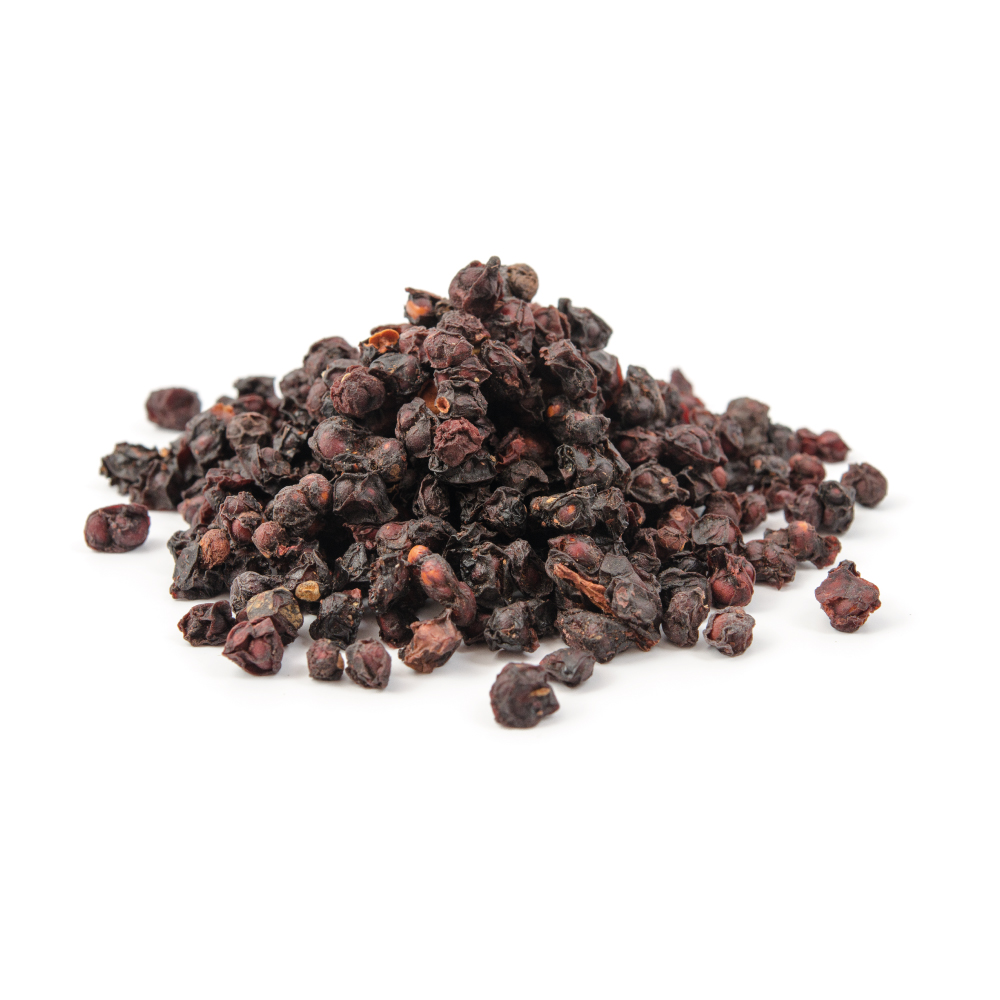 Schisandra Schisandra chinensis Documented for gomisins, lignans, macelignan and 5 more lignans.
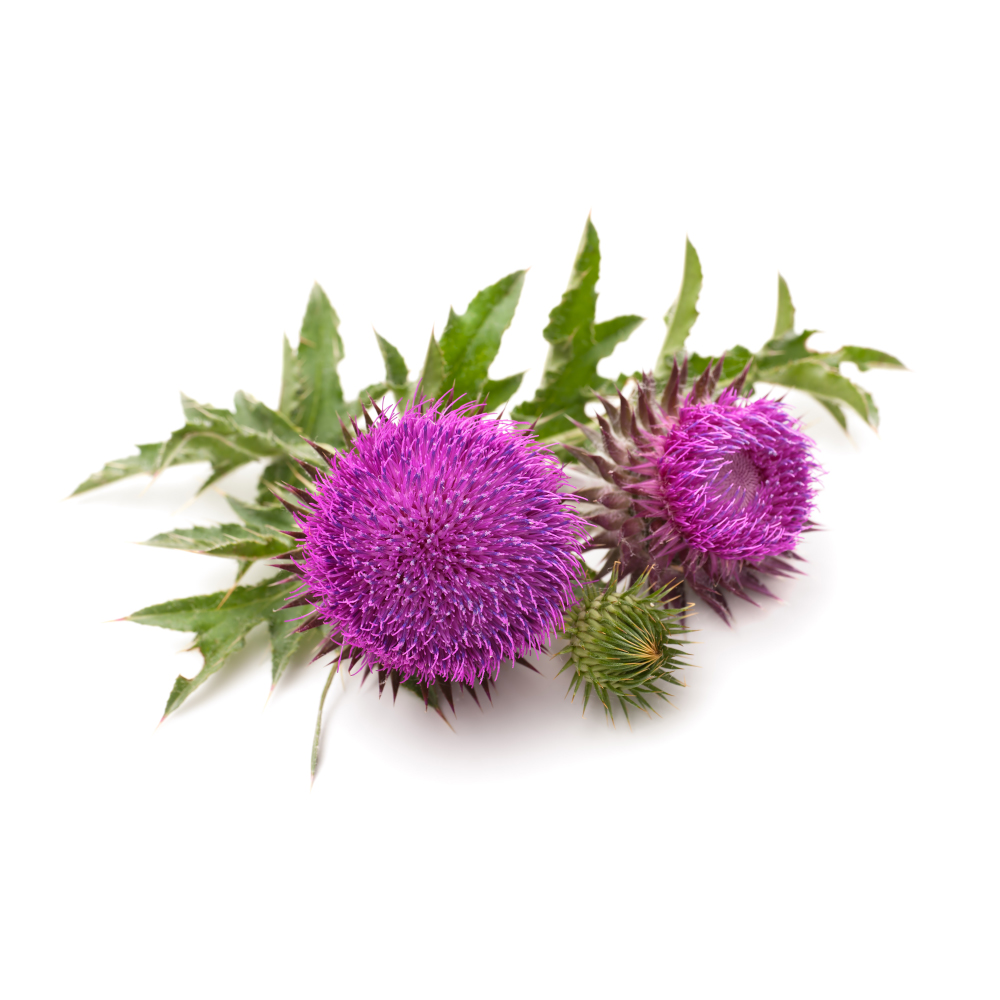 Milk Thistle Silybum marianum Documented for silybin (0.6–1.8 % dry wt), isosilybin, silychristin and 3 more lignans.
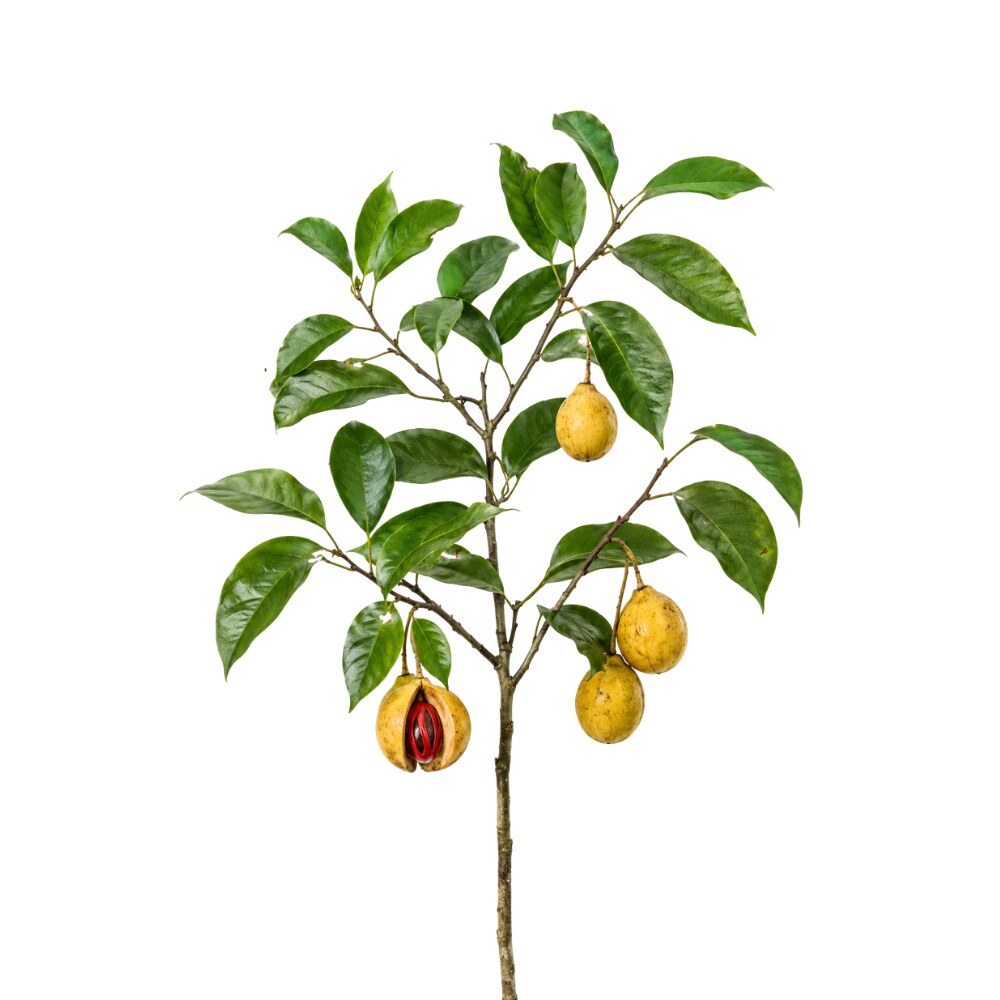 Nutmeg Myristica fragrans Toxic Documented for dehydrodiisoeugenol, grandisin, licarin A and 3 more lignans.
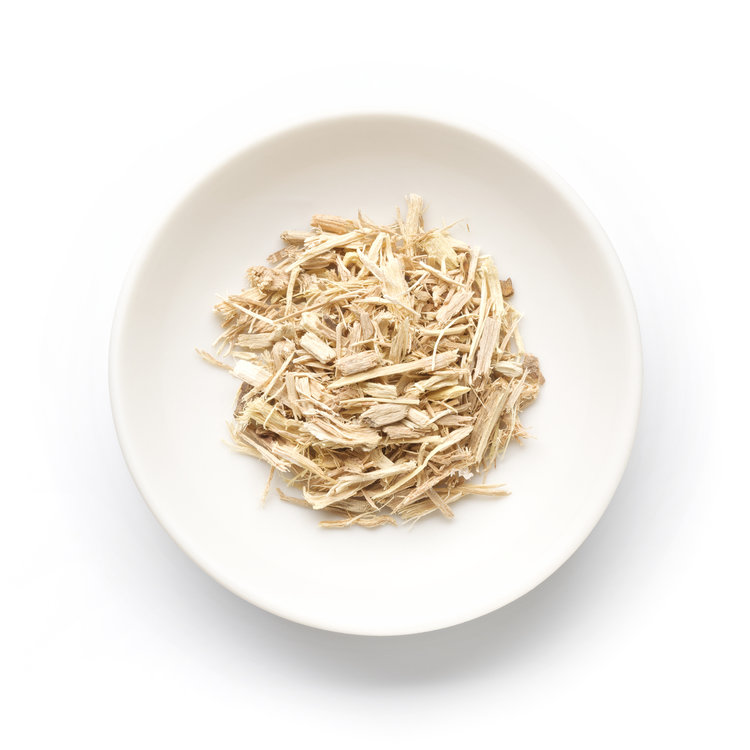 Eleuthero Root Eleutherococcus senticosus Documented for eleutheroside E, lignans, sesamin and 1 more.
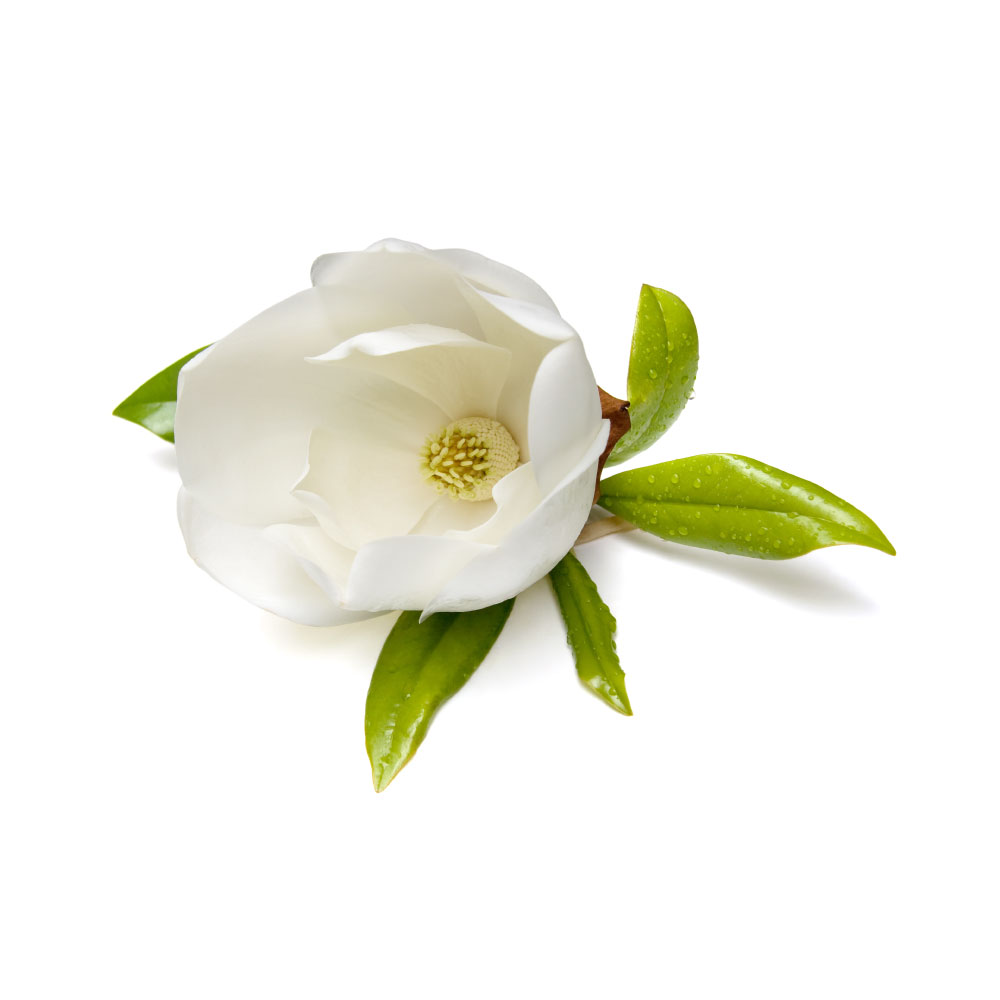 Magnolia Magnolia officinalis Documented for honokiol (1–5 % dry wt), magnolol (2–11 % dry wt), 4-O-methylhonokiol and 1 more.
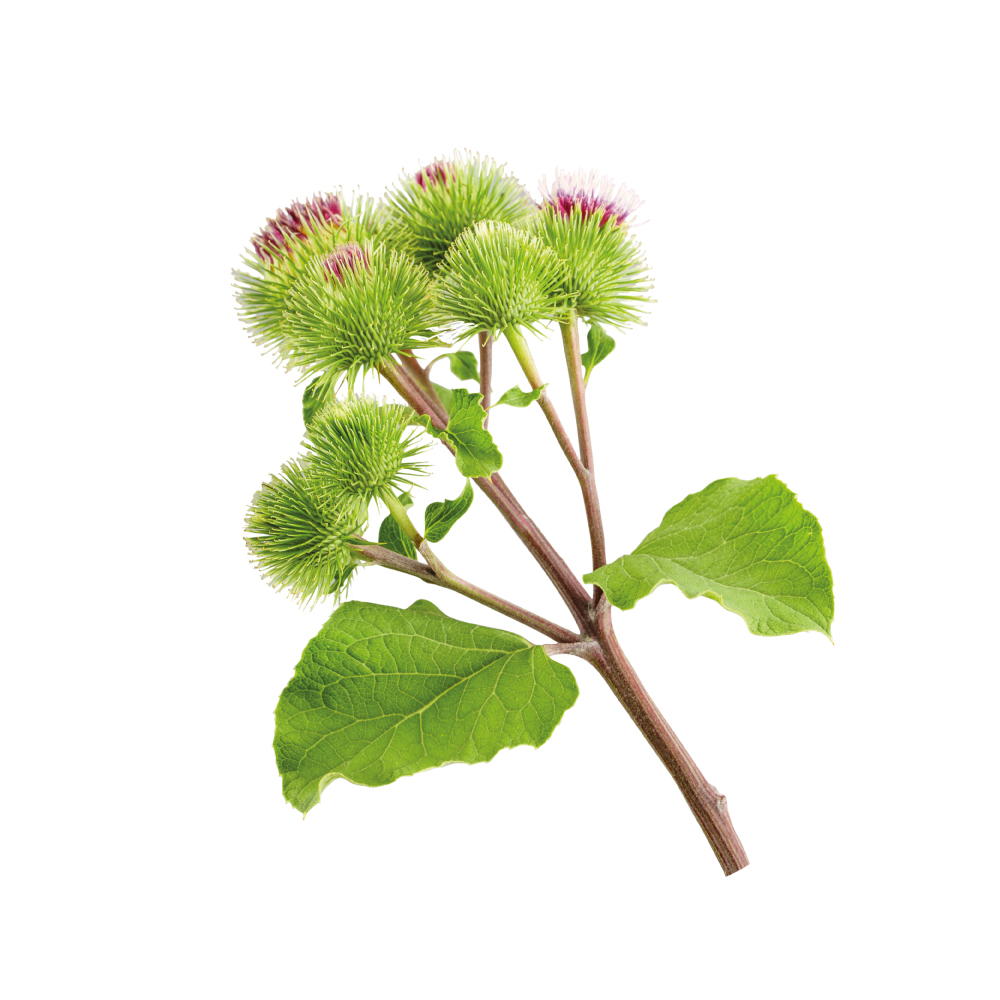 Burdock Arctium lappa Documented for arctigenin, arctiin, matairesinol.
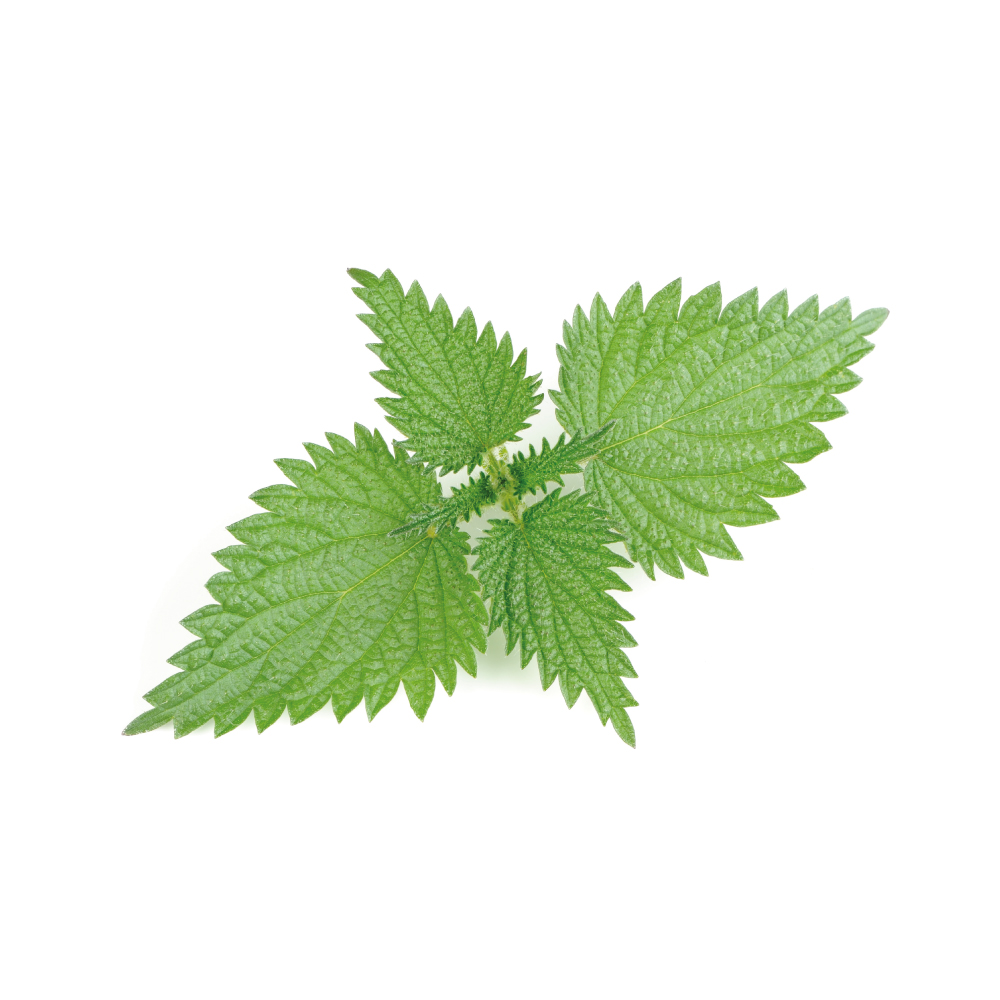 Stinging Nettle Urtica dioica Documented for lignans, neoolivil, secoisolariciresinol.
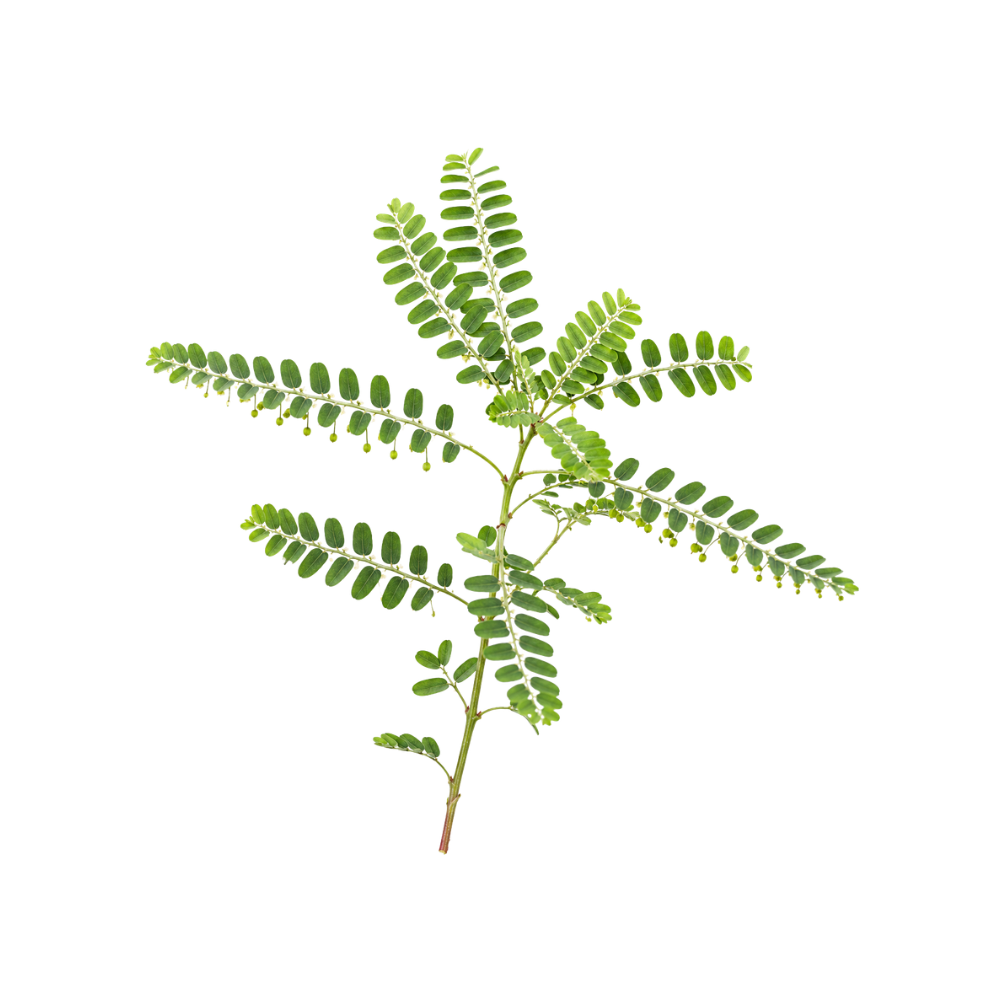 Chanca Piedra Phyllanthus niruri Documented for hypophyllanthin, phyllanthin.
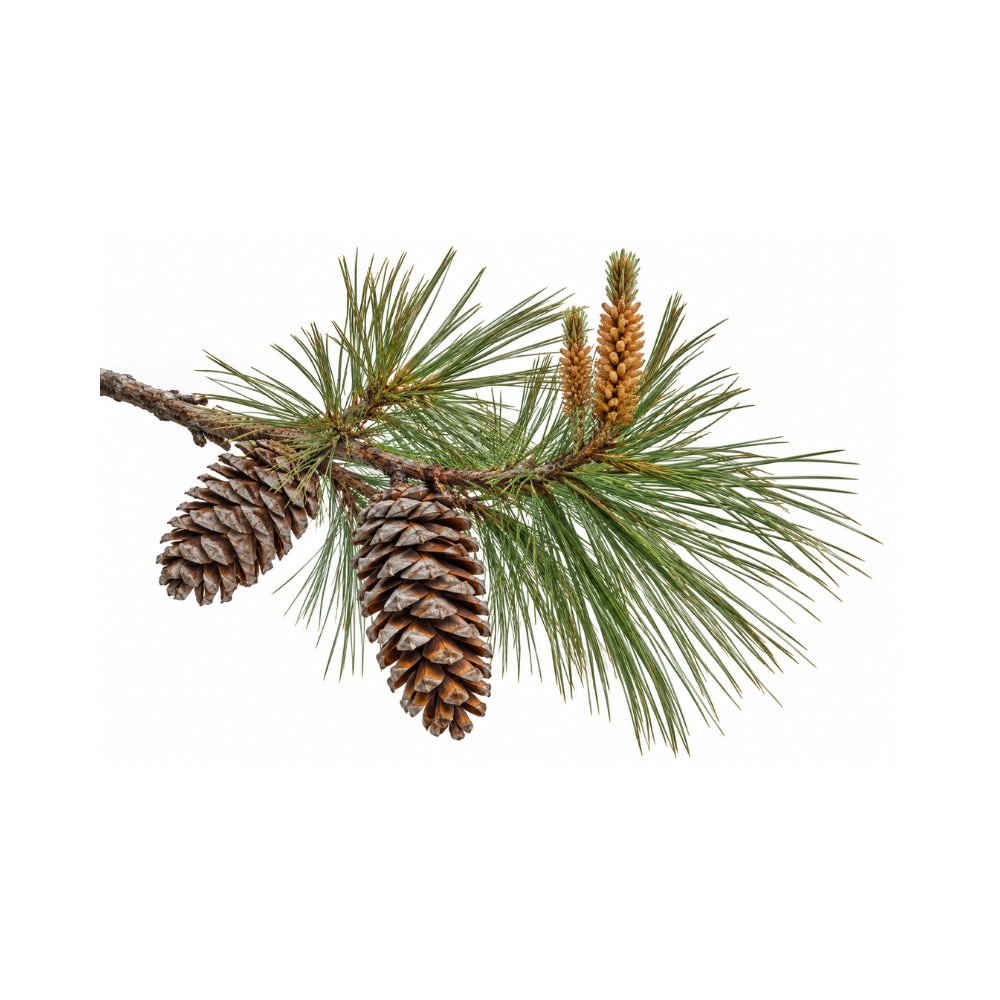 Chir Pine Pinus roxburghii Documented for pinoresinol, secoisolariciresinol.
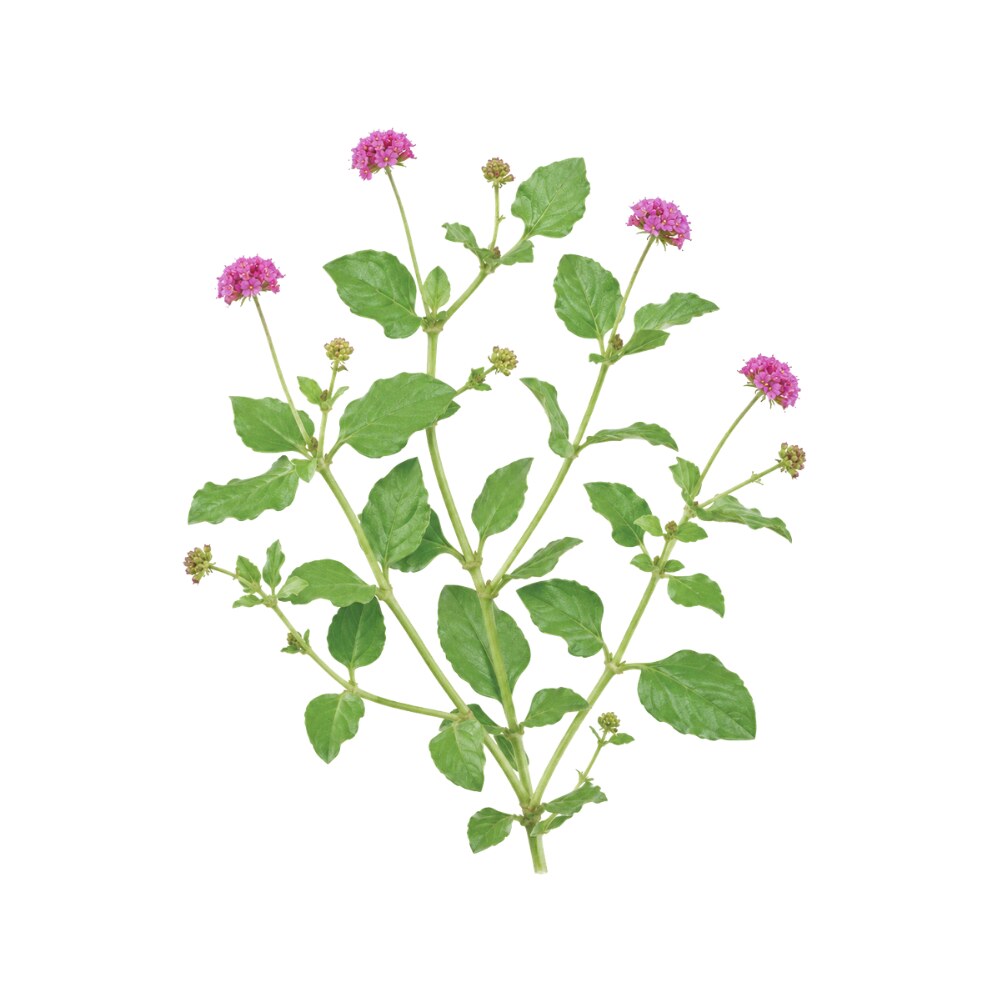 Erva Tostão Boerhavia diffusa Documented for liriodendrin, syringaresinol.
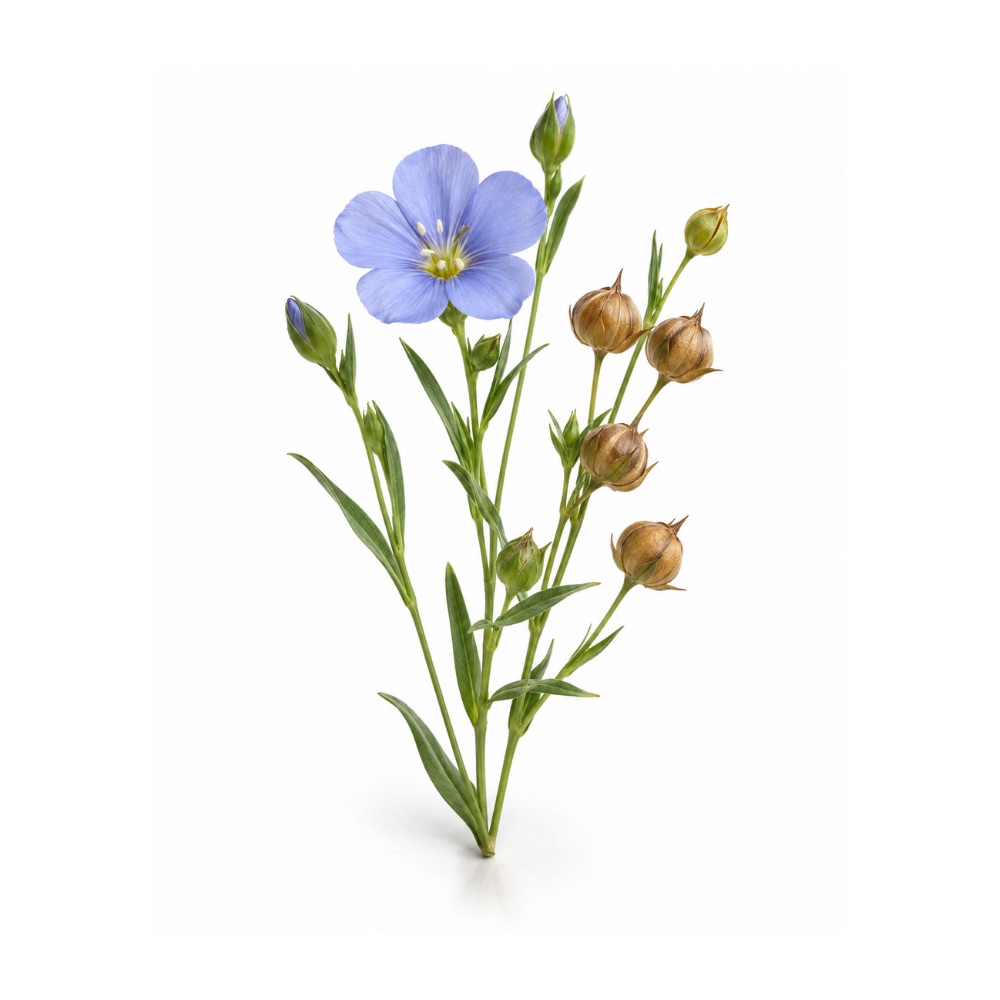 Flaxseed Linum usitatissimum Documented for matairesinol, secoisolariciresinol diglucoside.
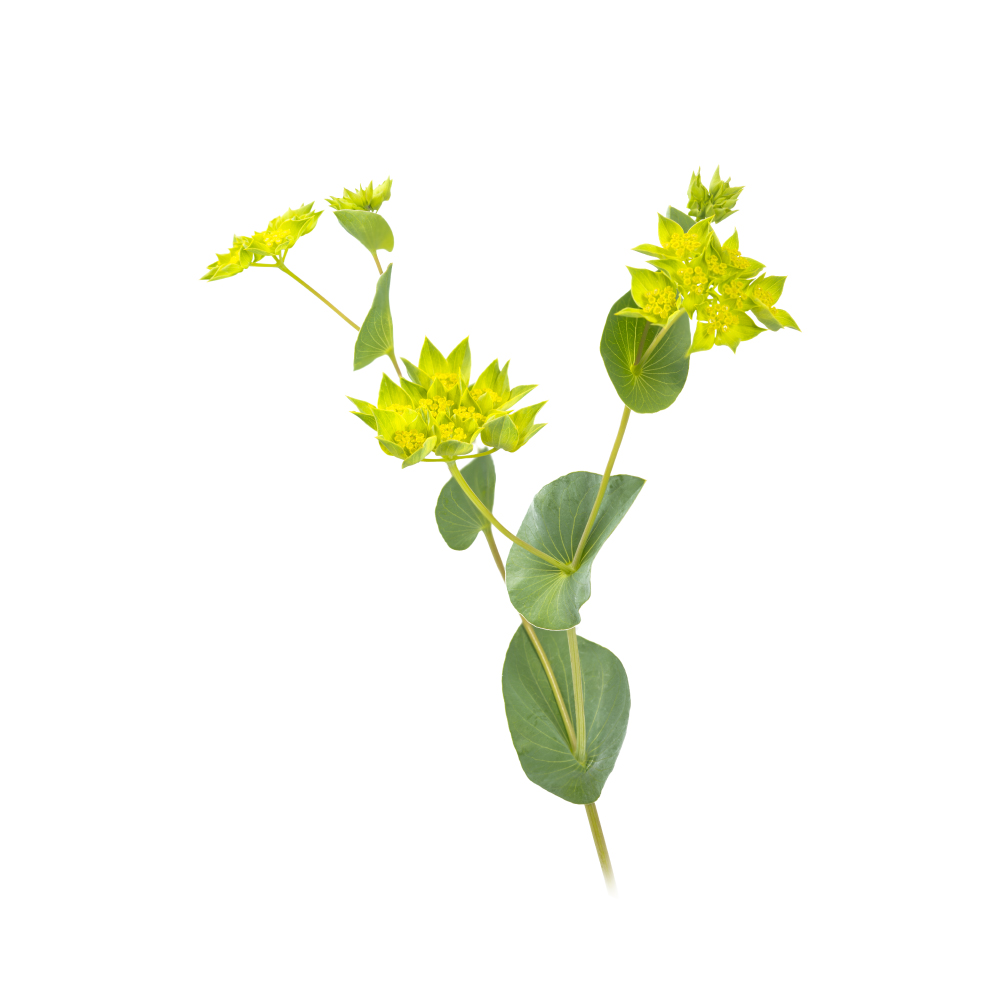 Bupleurum Bupleurum falcatum Documented for lignans.
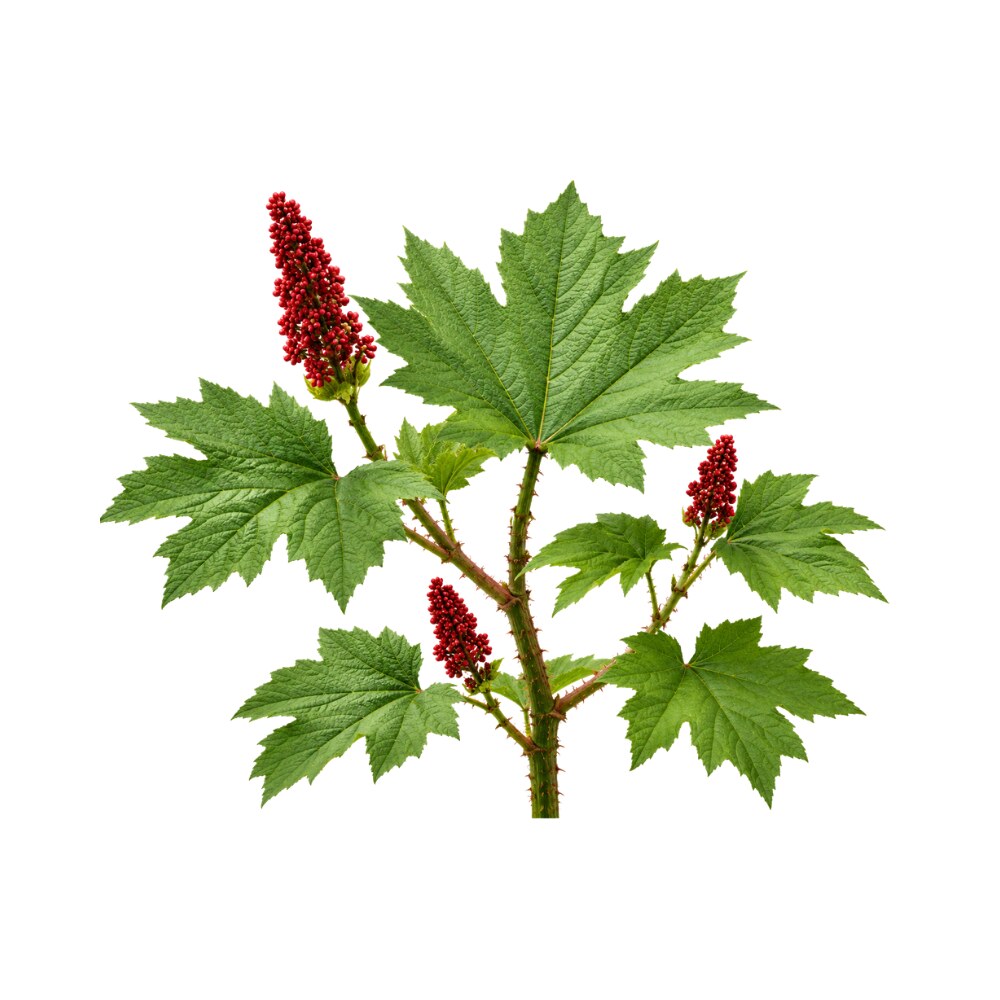 Devil's Club Oplopanax horridus Documented for sesamin.
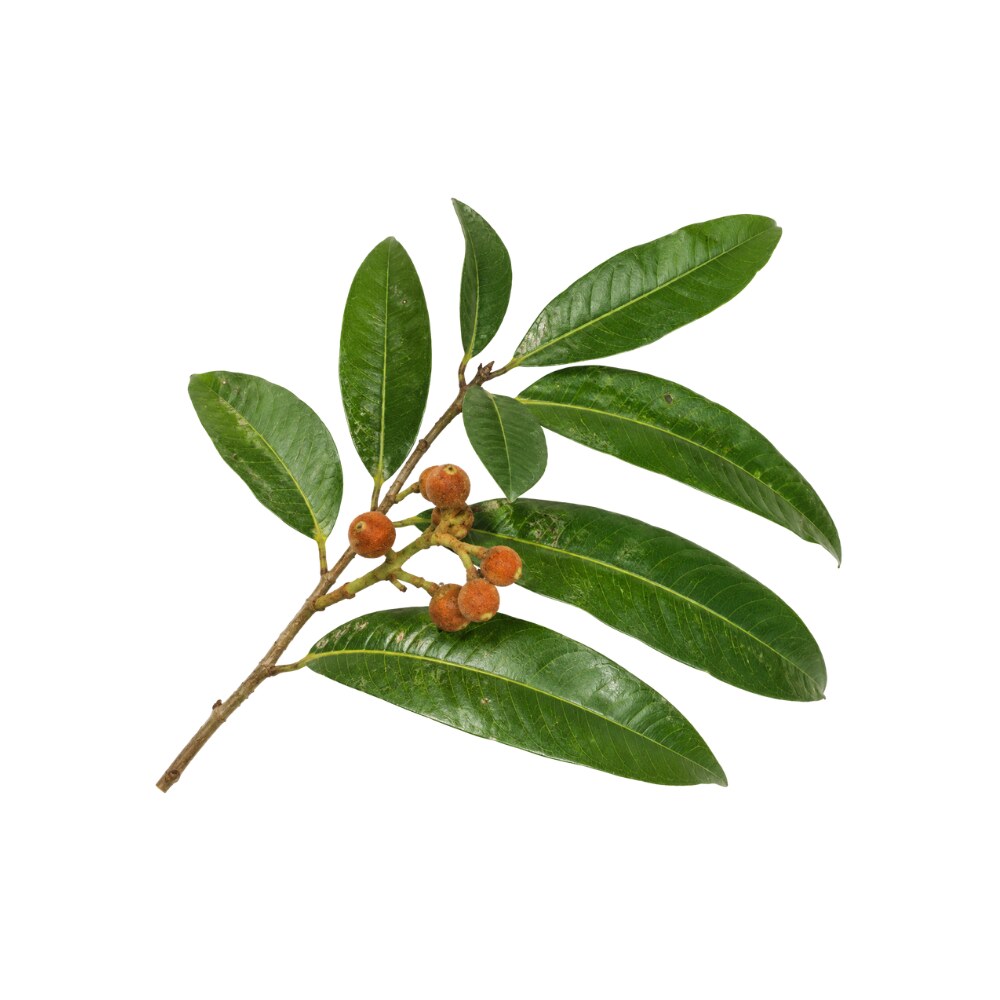 Epeña Virola spp. Documented for grandisin.
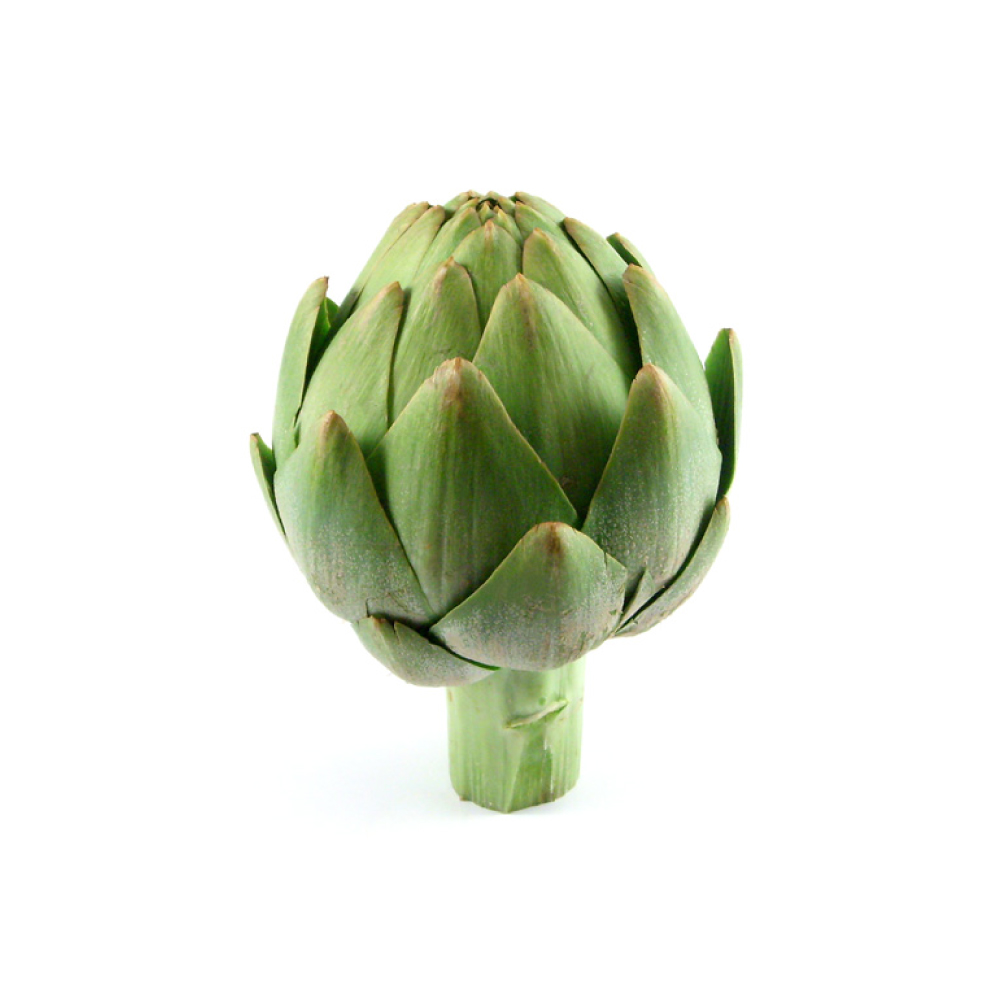 Globe Artichoke Cynara scolymus Documented for silymarin.
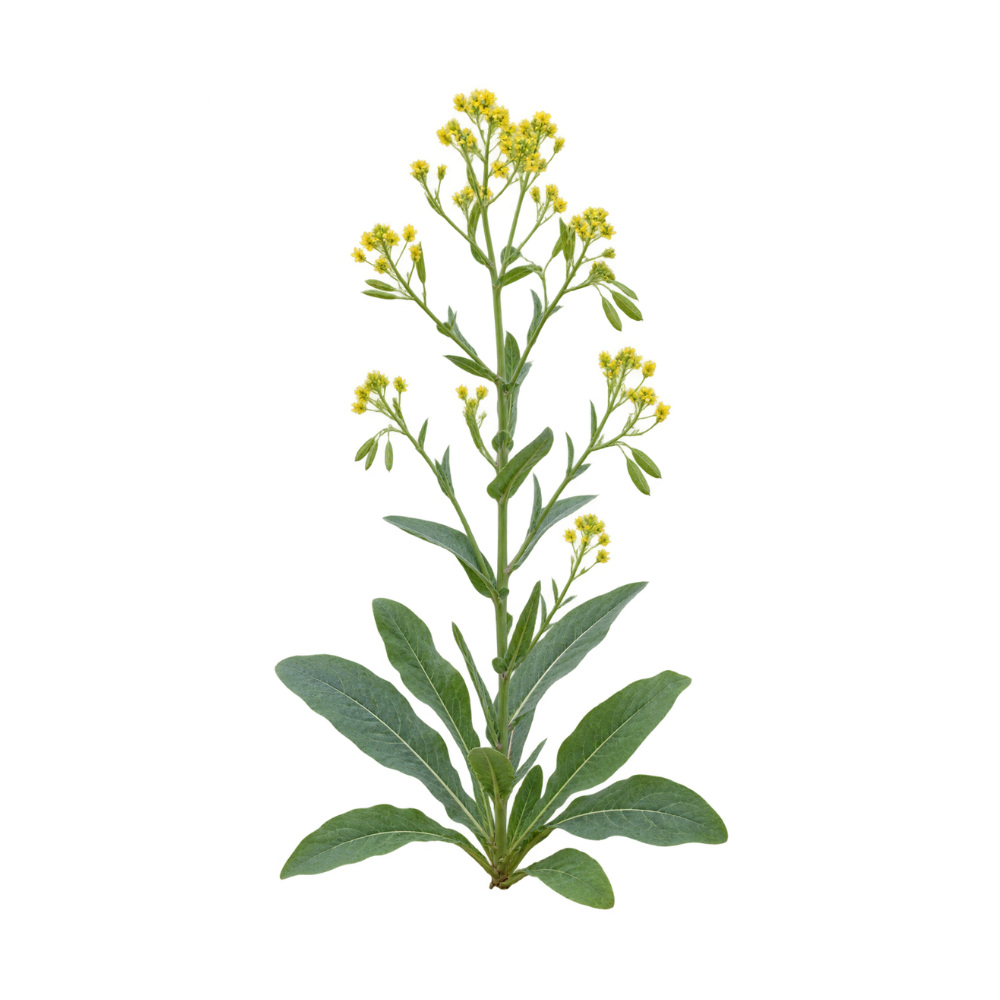 Isatis Isatis indigotica Documented for clemastanin B.
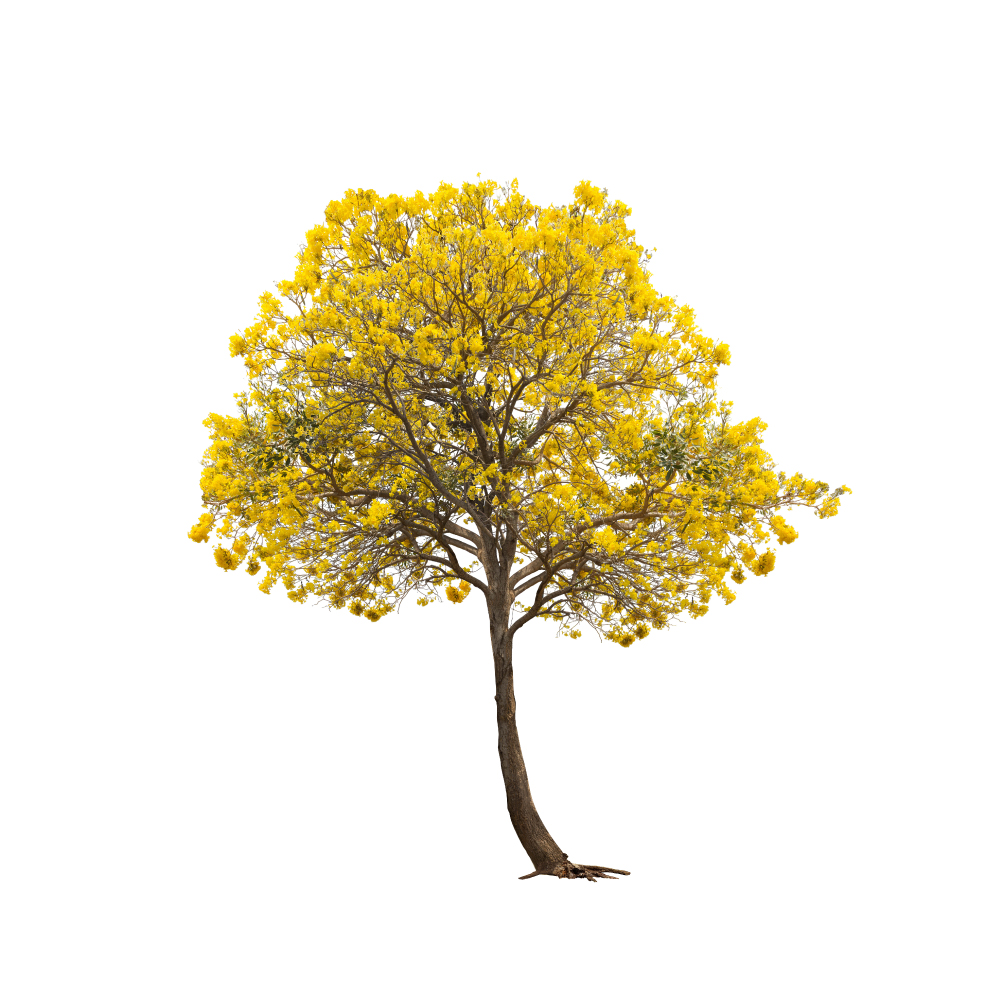 Pau D'Arco Tabebuia impetiginosa Documented for iso-8-hydroxy-lariciresinol.
Keep Exploring
Other Compound Classes
Keep Reading
 GuidesThe Best Kava: A Buyer's GuideHow to buy good kava: noble vs two-day cultivars, which part of the root, chemotype codes, origin, form, and the batch tests a seller should show you.
Read more
 GuidesThe Amazon's Endangered Medicinal PlantsThe Amazon gives us some of our most important medicines — but which healing plants are actually endangered?
Read more
 NutritionThe Best Yerba Maté Brands [Reviewed]A drinker's guide to buying yerba maté — what actually changes the taste, and ten brands worth your money.
Read more
 GuidesHow to Prepare Yerba Maté — The Five Best MethodsHow to brew yerba maté properly — the traditional gourd method, plus tereré, french press and cold brew.
Read more