
Compound Monograph
Tricin
Tricin (4′,5,7-trihydroxy-3′,5′-dimethoxyflavone) is a dimethoxy-flavone woven through the world's cereal grasses — rice bran, wheat, oats, barley and bamboo. Its standout research signal is colorectal-cancer chemoprevention in rodents, backed by direct COX inhibition; its main practical limit is poor oral bioavailability.

Sources · 9
Where Does It Come From?
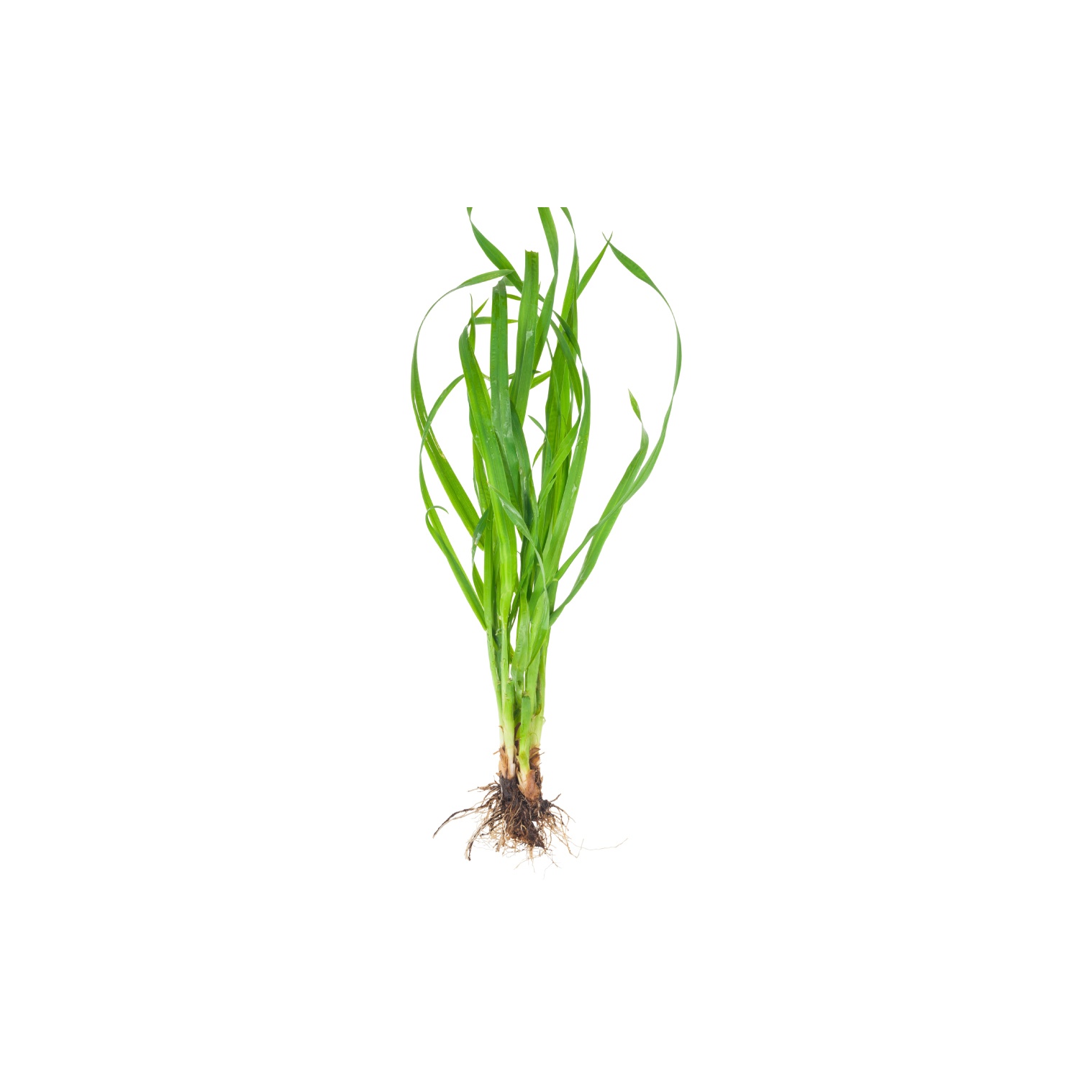
Tricin is a naturally occurring flavone (o-methylated flavone; 3′,5′-dimethoxyflavone), found in Rice bran, Wheat, Oats and 6 other sources. It is well tolerated orally (low toxicity).
Concentration
Content by Source
Concentrations not reported. No percent-dry-weight or mg/g figures have been published for this compound in its source plants.
Tricin at a Glance
Tricin is an O-methylated flavone — apigenin’s scaffold carrying two extra methoxy groups on the B-ring (4′,5,7-trihydroxy-3′,5′-dimethoxyflavone). It is one of the most characteristic flavones of the grass family, occurring throughout the world’s cereal crops: rice bran, wheat, oats, barley and bamboo, as well as in medicinal grasses such as couch grass 1,
Its best-developed research story is colorectal-cancer chemoprevention. As the bioactive flavone of rice bran, isolated tricin inhibits the growth of human colon and breast cancer cells, and in two independent mouse models — the ApcMin adenoma model and inflammation-driven colon carcinogenesis — dietary tricin cut tumour development, apparently through direct inhibition of cyclo-oxygenase enzymes and suppression of TNF-α 1,
Two honest limits frame the whole file. First, nearly all evidence is preclinical — cell and rodent studies of the isolate, or of tricin-containing grass extracts — with no human efficacy trials. Second, its oral bioavailability is poor: tricin is rapidly conjugated to glucuronides and sulfates, so achieving meaningful systemic levels is difficult, and researchers have turned to prodrug forms to get around it 6,
Tricin, the Cereal-Grass Flavone
What makes tricin distinctive is not one dramatic activity but its ubiquity in the plants people eat most. It is a normal, conserved metabolite of the Poaceae (true grasses) — the family that includes rice, wheat, maize, oats, barley, sugarcane and bamboo — where it is made through a dedicated flavone-biosynthetic route and even built into the plant’s cell walls as a lignin building block 13,
That dietary framing is exactly why the colorectal-chemoprevention angle is the marquee claim. Rice is a staple across Asia, where colon-cancer incidence has historically run below Western levels, and the Leicester group that first characterised tricin did so while looking for the rice-bran phenols that might explain it 1Reference 1ObservationalCharacterization of potentially chemopreventive phenols in extracts of brown rice that inhibit the growth of human breast and colon cancer cellsView study →. Tricin turned out to be the most potent anticlonogenic of the eight brown-rice-bran phenols they tested — with IC₅₀ values of roughly 16 µM in SW480 colon cells and 0.6 µM in MDA-MB-468 breast cells 1Reference 1ObservationalCharacterization of potentially chemopreventive phenols in extracts of brown rice that inhibit the growth of human breast and colon cancer cellsView study →. That in-vitro potency then translated into whole-animal chemoprevention (below), giving tricin an unusually joined-up story for a dietary flavone: a plausible food source, an isolate signal, an animal signal, and a defined mechanism.
What It's Used For
The evidence is preclinical throughout, but it is coherent — the anticancer signal is the same across cell lines, two mouse models and a named mechanism (COX inhibition), and the anti-inflammatory and antiviral threads each have a defined target.
Support is an experimental score — weighted by study type (human > animal > in vitro) and volume. A beta, not a validated metric. Every row here is preclinical (no human efficacy data), so scores stay modest by design; the anticancer row leads because it spans cells, two mouse models and a defined mechanism.
The marquee, and the one application where the isolated molecule carries the signal end to end. In brown-rice-bran screening, tricin was the most potent anticlonogenic of eight phenols, with IC₅₀ ≈ 16 µM (SW480 colon) and 0.6 µM (MDA-MB-468 breast) 1Reference 1ObservationalCharacterization of potentially chemopreventive phenols in extracts of brown rice that inhibit the growth of human breast and colon cancer cellsView study →.
Mechanistically, isolated tricin inhibits purified COX-1 and COX-2 with IC₅₀ ≈ 1 µM and lowers PGE₂ in human colon cells; fed at 0.2% of the diet it reduced ApcMin mouse intestinal adenomas by 33% and cut mucosal and blood PGE₂ by ~34–40% 2Reference 2AnimalThe rice bran constituent tricin potently inhibits cyclooxygenase enzymes and interferes with intestinal carcinogenesis in ApcMin miceView study →.
In a separate model, dietary tricin at 50 and 250 ppm significantly reduced azoxymethane/DSS-induced colonic adenomas and adenocarcinomas and suppressed TNF-α in normal-appearing crypts 3Reference 3AnimalDietary tricin suppresses inflammation-related colon carcinogenesis in male Crj: CD-1 miceView study →, a result reproduced by the same group 4Reference 4AnimalDietary tricin suppresses inflammation-related colon carcinogenesis in miceView study →.
Reviews single tricin out as “a potential colorectal cancer chemopreventive agent” 11,
Gap: all rodent and in-vitro; there are no human trials, effective diets are a large fraction of feed, and the potency of the isolate must be read against tricin’s poor oral bioavailability in whole animals (see Pharmacokinetics) 6Reference 6AnimalPharmacokinetics in mice and metabolism in murine and human liver fractions of the putative cancer chemopreventive agents pentamethoxyflavone and tricinView study →.
Mechanistically continuous with the anticancer work. Tricin’s COX-1/COX-2 inhibition (IC₅₀ ≈ 1 µM) and PGE₂ suppression are themselves an anti-inflammatory action 2Reference 2AnimalThe rice bran constituent tricin potently inhibits cyclooxygenase enzymes and interferes with intestinal carcinogenesis in ApcMin miceView study →, and in a Caco-2/RAW-264.7 gut-inflammation co-culture a tricin-containing bamboo-grass (Sasa quelpaertensis) extract suppressed LPS-induced NO, PGE₂, IL-6 and IL-1β and down-regulated iNOS, COX-2 and TNF-α by inhibiting IκBα phosphorylation (NF-κB) — with tricin named as one of the two identified bioactives 9Reference 9Intestinal anti-inflammatory activity of Sasa quelpaertensis leaf extract by suppressing lipopolysaccharide-stimulated inflammatory mediators in intestinal epithelial Caco-2 cells co-cultured with RAW 264.7 macrophage cellsView study →.
The 2026 Elymus repens review likewise attributes part of couch grass’s anti-inflammatory/antioxidant reputation to its flavonoid fraction, tricin among them 15Reference 15Elymus repens (L.) Gould: phytochemistry, pharmacological activities and therapeutic potential with future perspectivesView study →.
Gap: the cleanest anti-inflammatory data are whole-extract studies where tricin is one contributor among several phenolics; isolate-specific NF-κB mechanism work is thinner, and none of it is human 9,
As a polyphenolic flavone, tricin contributes to the radical-scavenging capacity of the grass and cereal extracts it occurs in. It is counted among the antioxidant flavonoids of couch-grass rhizome preparations (with luteolin, quercetin and rutin) that scavenge DPPH radicals and carry into the aqueous tea 15Reference 15Elymus repens (L.) Gould: phytochemistry, pharmacological activities and therapeutic potential with future perspectivesView study →, and rice-bran reviews list it among the phytochemicals whose free-radical scavenging underlies bran’s tissue-protective effects 11Reference 11Chemopreventive properties of dietary rice bran: current status and future prospectsView study →.
Gap: antioxidant capacity here is an in-vitro, extract-level property in which tricin is rarely tested or quantified as the isolate, and it is not a demonstrated clinical endpoint 11,
A specific and mechanistically defined isolate activity. Tricin — studied as a derivative of the bamboo grass Sasa albo-marginata — suppressed human cytomegalovirus (HCMV) production and replication in MRC-5 fibroblasts, an effect that tracked with reduced transcription of the chemokine CXCL11 (I-TAC); knocking down CXCL11 lowered viral immediate-early gene expression, implicating CXCL11 as a target 8Reference 8Anti-cytomegalovirus effects of tricin are dependent on CXCL11View study →.
Because the isolate’s oral availability is low, a tricin–alanine–glutamic-acid prodrug conjugate was engineered to improve permeability and oral exposure as a candidate anti-HCMV agent 7Reference 7Increased bioavailability of tricin-amino acid derivatives via a prodrug approachView study →.
Gap: in-vitro antiviral pharmacology only, on one virus family; the practical obstacle is delivery, and the prodrug work is early-stage medicinal chemistry, not clinical 7,
Mechanisms
| Target / pathway | Effect | Relevant to |
|---|---|---|
| Cyclo-oxygenase (COX-1 & COX-2) | direct inhibition, IC₅₀ ≈ 1 µM → lowered PGE₂ in colon tissue | anticancer / anti-inflammatory |
| NF-κB / IκBα → iNOS, COX-2, TNF-α, IL-6, IL-1β | suppression (shown for tricin-containing grass extract) | anti-inflammatory |
| Tumour-cell proliferation & clonogenicity | anticlonogenic (colon IC₅₀ ≈ 16 µM; breast ≈ 0.6 µM); ↓ Ki-67, ↓ mitoses/anaphase bridging | anticancer |
| CXCL11 (I-TAC) transcription | down-regulation → reduced HCMV immediate-early expression/replication | antiviral |
| Estrogen sulfotransferase (SULT1E1) | potent competitive inhibition (Kᵢ ≈ 1 nM) | metabolism / theoretical interaction |
| Phenolic radical scavenging | contributes to antioxidant capacity of grass/cereal extracts | antioxidant / plant biology |
The load-bearing point is the COX story: the same ~1 µM COX inhibition explains both the anti-inflammatory read-out and a large part of the anti-adenoma effect in the PGE₂-driven ApcMin model 2Reference 2AnimalThe rice bran constituent tricin potently inhibits cyclooxygenase enzymes and interferes with intestinal carcinogenesis in ApcMin miceView study →. The nanomolar SULT1E1 inhibition 10Reference 10Sulfotransferase inhibition: potential impact of diet and environmental chemicals on steroid metabolism and drug detoxificationView study → is a striking biochemical property whose in-vivo significance is unclear given poor bioavailability.
Pharmacokinetics
Tricin’s pharmacokinetics are the crux of its translational problem. After oral dosing in mice it reaches only low plasma concentrations and is rapidly and extensively conjugated — the liver forms tricin O-glucuronides and O-sulfates faster than it does the corresponding metabolites of the more heavily methylated penta-methoxyflavone, so tricin is cleared more quickly and its systemic exposure (AUC) is lower 6Reference 6AnimalPharmacokinetics in mice and metabolism in murine and human liver fractions of the putative cancer chemopreventive agents pentamethoxyflavone and tricinView study →. Independent work describes the isolate’s oral availability as low, which drove the design of tricin–amino-acid prodrugs (a tricin-alanine-glutamic-acid conjugate) with improved cell permeability, stability and oral bioavailability in rats 7Reference 7Increased bioavailability of tricin-amino acid derivatives via a prodrug approachView study →. The practical reading: the micromolar potency measured in vitro is difficult to reproduce systemically, and any future development likely depends on formulation or prodrug strategies rather than the free flavone. A notable metabolic side-note is that tricin is a potent competitive inhibitor of estrogen sulfotransferase (SULT1E1), Kᵢ ≈ 1 nM 10Reference 10Sulfotransferase inhibition: potential impact of diet and environmental chemicals on steroid metabolism and drug detoxificationView study → — a biochemical flag more than an established clinical interaction. Robust human ADME is not characterised.
Clinical Trials
There are no controlled human efficacy trials of tricin — as an isolate or as a standardised extract. The colorectal-chemoprevention literature explicitly frames tricin as a candidate that “may suggest a potential use for clinical trials,” i.e. it has not yet reached them 3,
| Completed | Planned | Terminated | Preclinical |
|---|---|---|---|
| — | — | — | Anticancer(colorectal, ApcMin/AOM-DSS) + anti-inflammatory + anti-HCMV mechanistic |
Last checked: July 2026.
Why the Methoxy Groups Matter
Tricin’s two B-ring methoxy groups are not cosmetic — they are what set it apart from its parent flavone apigenin, and the difference is measurable. In a head-to-head ApcMin comparison of three related flavones, the ranking of chemopreventive efficacy was penta-methoxyflavone (PMF) > tricin > apigenin: PMF (five methoxy groups) cut adenoma number and burden by 43% and 61%, tricin was active, and apigenin — which has no methoxy groups — was inactive on adenomas 5Reference 5Flavones as colorectal cancer chemopreventive agents — phenol-O-methylation enhances efficacyView study →. The authors’ conclusion was direct: the presence of O-methyl groups on the flavone scaffold promotes gastrointestinal chemopreventive efficacy 5Reference 5Flavones as colorectal cancer chemopreventive agents — phenol-O-methylation enhances efficacyView study →.
Two mechanisms plausibly underlie this. First, methoxylation improves COX docking and inhibitory potency 5Reference 5Flavones as colorectal cancer chemopreventive agents — phenol-O-methylation enhances efficacyView study →. Second, and just as important for a molecule taken by mouth, the methoxy groups confer metabolic stability — the pharmacokinetic study found that adding methoxy moieties slowed hepatic conjugation and raised plasma exposure, so a more-methylated flavone survives longer in circulation 6Reference 6AnimalPharmacokinetics in mice and metabolism in murine and human liver fractions of the putative cancer chemopreventive agents pentamethoxyflavone and tricinView study →. This is the useful, transferable lesson of the tricin file: for a dietary flavone whose Achilles’ heel is rapid conjugation and poor bioavailability, methylation partly rescues both potency and exposure.
Isolate vs. Plant Studies
Tricin’s evidence base is unusually isolate-heavy for a plant flavone, which is a genuine strength on the anticancer axis. The Leicester chemoprevention series tested purified tricin — its COX inhibition, its ApcMin adenoma reduction, its cell-line IC₅₀s and its pharmacokinetics are all isolate data 1,
The anti-inflammatory and antioxidant claims lean the other way — they mostly come from whole grass extracts (bamboo Sasa, couch-grass rhizome) in which tricin is one of several active phenolics 9,
Its Role in Plants
Tricin is a conserved metabolite of the grasses, and its biology is genuinely distinctive among flavonoids. It is biosynthesised through a grass-specific branch of the flavone pathway: flavanones are channelled to flavones by rice cytochromes CYP93G1/G2, and the 3′,5′-dimethoxyflavone nucleus of tricin is assembled via chrysoeriol and a dedicated chrysoeriol 5′-hydroxylase (CYP75B4) before O-methylation completes the molecule 14Reference 14Completion of tricin biosynthesis pathway in rice: cytochrome P450 75B4 is a unique chrysoeriol 5′-hydroxylaseView study →. Chalcone synthase (CHS) and chalcone isomerase (CHI) are the committed early enzymes, with a CHI-like protein acting as a non-catalytic enhancer 13Reference 13Deficiency in flavonoid biosynthesis genes CHS, CHI, and CHIL alters rice flavonoid and lignin profilesView study →.
Its most remarkable role is structural: unlike the gymnosperm and eudicot lignins that polymerise from monolignols alone, grass lignins additionally incorporate tricin as a genuine lignin monomer — so-called tricin-lignin, where the flavone acts as a nucleation site for lignin chains in the secondary cell wall 13Reference 13Deficiency in flavonoid biosynthesis genes CHS, CHI, and CHIL alters rice flavonoid and lignin profilesView study →. Tricin is therefore part of both the defensive metabolome (UV protection, antioxidant and antimicrobial chemistry) and the cell-wall architecture of cereals, a dual role that also makes it relevant to biomass and forage digestibility research. As always, a molecule’s role in plant biology does not predict what it does as a medicine.
Prevalence in Nature
Tricin is widespread across the grass family (Poaceae) and is a normal constituent of the world’s cereal crops — rice, wheat, oats and barley 3Reference 3AnimalDietary tricin suppresses inflammation-related colon carcinogenesis in male Crj: CD-1 miceView study → — where it concentrates in the bran rather than the endosperm, so brown rice and rice bran carry substantially more than milled white rice 1Reference 1ObservationalCharacterization of potentially chemopreventive phenols in extracts of brown rice that inhibit the growth of human breast and colon cancer cellsView study →. It is also a notable constituent of bamboo grasses (Sasa albo-marginata, S. quelpaertensis) 8,
Beyond the grasses, tricin turns up sporadically in unrelated plants — most strikingly in Andean Huperzia club-mosses (H. brevifolia, H. compacta) used by the Saraguro of Ecuador, which contain unusually high tricin levels exceeding those reported in other plants 12Reference 12An unprecedented high content of the bioactive flavone tricin in Huperzia medicinal species used by the Saraguro in EcuadorView study →. Absolute concentrations across most sources are not well quantified and are usually low; the reliable generalisation is that tricin is a minor-but-ubiquitous cereal-grass flavone concentrated in bran fractions.
Major Natural Sources
| Source | Plant part | Reported tricin content |
|---|---|---|
| Rice (Oryza sativa) | bran | The marquee dietary source — concentrated in bran; much lower in milled white rice 1Reference 1ObservationalCharacterization of potentially chemopreventive phenols in extracts of brown rice that inhibit the growth of human breast and colon cancer cellsView study → |
| Wheat, oats, barley | grain / bran | Reported cereal dietary sources 3Reference 3AnimalDietary tricin suppresses inflammation-related colon carcinogenesis in male Crj: CD-1 miceView study → |
| Bamboo grass (Sasa spp.) | leaf | Notable source (anti-inflammatory / antiviral extracts) 8, |
| Couch grass (Elymus repens) | rhizome | Minor antioxidant flavonoid of the rhizome 15Reference 15Elymus repens (L.) Gould: phytochemistry, pharmacological activities and therapeutic potential with future perspectivesView study → |
| Huperzia spp. | whole plant | Unusually high — exceeded levels found in other plants 12Reference 12An unprecedented high content of the bioactive flavone tricin in Huperzia medicinal species used by the Saraguro in EcuadorView study → |
Quantified % dry-weight figures are largely absent from the literature for tricin; the entries above are qualitative source assignments, and the concentration holes are tracked in this compound’s gaps file for a later pass.
Other Reported Sources
Tricin is also reported from:
- Sugarcane and other Poaceae grasses
- Maize (Zea mays)
- Various millets and forage grasses
- Occasional non-grass plants (e.g. Huperzia, some medicinal herbs)
Discovery & Synthesis
Tricin’s name derives from Triticum (wheat), reflecting its early recognition as a flavone of cereal grasses; a precise first-isolation date and author are not well documented here. Its modern research profile began around 2000, when the Medical Research Council / Leicester group characterised it as the most potent cancer-chemopreventive phenol of brown-rice bran during a search for the dietary constituents behind rice’s association with lower colon-cancer incidence 1Reference 1ObservationalCharacterization of potentially chemopreventive phenols in extracts of brown rice that inhibit the growth of human breast and colon cancer cellsView study →. Structurally it is tricetin 3′,5′-dimethyl ether — the doubly O-methylated derivative of the trihydroxy-B-ring flavone tricetin — and it is assembled in planta through the grass flavone pathway described above 14Reference 14Completion of tricin biosynthesis pathway in rice: cytochrome P450 75B4 is a unique chrysoeriol 5′-hydroxylaseView study →. There is no dominant commercial manufacture of tricin: research quantities are obtained by extraction from cereal brans or grasses or by partial/total synthesis of the O-methylated flavone scaffold, and the medicinal-chemistry interest has centred on prodrug derivatives (tricin–amino-acid conjugates) designed to overcome its poor oral bioavailability rather than on the parent flavone itself 7Reference 7Increased bioavailability of tricin-amino acid derivatives via a prodrug approachView study →.
Patents: not yet researched.
Toxicity & Safety
Tricin carries a low flag. It is a normal dietary constituent of staple cereals — rice, wheat, oats and barley — eaten by billions of people at meaningful daily quantities with no signal of harm, and it was fed to mice at up to 0.2% of the diet across their post-weaning lifespan without reported toxicity 2,
The honest qualifier is that dedicated safety, genotoxicity and reproductive-toxicity studies of isolated tricin are lacking, so “low” reflects its dietary track record and absence of alarming findings rather than a completed toxicology package. Two prose cautions are worth stating: tricin is a potent competitive inhibitor of estrogen sulfotransferase (SULT1E1, Kᵢ ≈ 1 nM) — a biochemical property that could in principle affect estrogen clearance, though its in-vivo relevance is unproven given how little tricin reaches circulation 10Reference 10Sulfotransferase inhibition: potential impact of diet and environmental chemicals on steroid metabolism and drug detoxificationView study →; and, as with all the flavone’s activities, no human safety data exist for concentrated or supplemental doses.
- A staple-cereal dietary flavone. Ubiquitous in rice, wheat, oats and barley and eaten at scale with no signal of harm; fed long-term to mice without reported toxicity 2,
3Reference 2AnimalThe rice bran constituent tricin potently inhibits cyclooxygenase enzymes and interferes with intestinal carcinogenesis in ApcMin miceView study →Reference 3AnimalDietary tricin suppresses inflammation-related colon carcinogenesis in male Crj: CD-1 miceView study → . - Low systemic exposure from food. Poor oral bioavailability means dietary tricin reaches only low blood levels 6Reference 6AnimalPharmacokinetics in mice and metabolism in murine and human liver fractions of the putative cancer chemopreventive agents pentamethoxyflavone and tricinView study →.
- Safety package is incomplete. No dedicated genotoxicity, repeat-dose or reproductive-toxicity studies of the isolate; “low” rests on dietary history, not a finished toxicology dossier.
- Estrogen-sulfotransferase inhibition (in vitro). A nanomolar SULT1E1 inhibitor — a theoretical hormone/drug-metabolism flag whose clinical significance is unestablished 10Reference 10Sulfotransferase inhibition: potential impact of diet and environmental chemicals on steroid metabolism and drug detoxificationView study →.
- No human dosing data. All efficacy figures are rodent/in-vitro; concentrated or supplemental exposure has not been studied in people.
Dosage
There is no established or recommended human dose for tricin. The figures in the literature are preclinical research doses:
| Context | Form | Dose |
|---|---|---|
| Colon carcinogenesis (AOM/DSS, mice) | dietary | 50–250 ppm in feed 3, |
| Intestinal adenoma (ApcMin mice) | dietary | 0.2% of diet 2Reference 2AnimalThe rice bran constituent tricin potently inhibits cyclooxygenase enzymes and interferes with intestinal carcinogenesis in ApcMin miceView study → |
| Pharmacokinetic study (mice) | oral bolus | 807 µmol/kg 6Reference 6AnimalPharmacokinetics in mice and metabolism in murine and human liver fractions of the putative cancer chemopreventive agents pentamethoxyflavone and tricinView study → |
Human exposure is dietary and incidental, weighted toward brown rice, whole-grain cereals and their brans rather than milled white rice 1Reference 1ObservationalCharacterization of potentially chemopreventive phenols in extracts of brown rice that inhibit the growth of human breast and colon cancer cellsView study →. Because the free flavone is poorly absorbed, the achievable systemic dose from food is low, and any therapeutic use would likely depend on prodrug or formulation approaches 6,
References
- Hudson EA, Dinh PA, Kokubun T, Simmonds MS, Gescher A (2000). Characterization of potentially chemopreventive phenols in extracts of brown rice that inhibit the growth of human breast and colon cancer cells. Cancer Epidemiology, Biomarkers & Prevention. https://pubmed.ncbi.nlm.nih.gov/11097223/
- Cai H, Al-Fayez M, Tunstall RG, Platton S, Greaves P, Steward WP, Gescher AJ (2005). The rice bran constituent tricin potently inhibits cyclooxygenase enzymes and interferes with intestinal carcinogenesis in ApcMin mice. Molecular Cancer Therapeutics. https://pubmed.ncbi.nlm.nih.gov/16170019/
- Oyama T, Yasui Y, Sugie S, Koketsu M, Watanabe K, Tanaka T (2009). Dietary tricin suppresses inflammation-related colon carcinogenesis in male Crj: CD-1 mice. Cancer Prevention Research. https://pubmed.ncbi.nlm.nih.gov/19934339/
- Tanaka T, Oyama T, Sugie S (2019). Dietary tricin suppresses inflammation-related colon carcinogenesis in mice. Journal of Nutritional Science and Vitaminology. https://pubmed.ncbi.nlm.nih.gov/31619605/
- Cai H, Sale S, Schmid R, Britton RG, Brown K, Steward WP, Gescher AJ (2009). Flavones as colorectal cancer chemopreventive agents — phenol-O-methylation enhances efficacy. Cancer Prevention Research. https://pubmed.ncbi.nlm.nih.gov/19638489/
- Cai H, Sale S, Britton RG, Brown K, Steward WP, Gescher AJ (2011). Pharmacokinetics in mice and metabolism in murine and human liver fractions of the putative cancer chemopreventive agents pentamethoxyflavone and tricin. Cancer Chemotherapy and Pharmacology. https://pubmed.ncbi.nlm.nih.gov/20364427/
- Ninomiya M, Tanaka K, Tsuchida Y, Muto Y, Koketsu M, Watanabe K (2011). Increased bioavailability of tricin-amino acid derivatives via a prodrug approach. Journal of Medicinal Chemistry. https://pubmed.ncbi.nlm.nih.gov/21319803/
- Murayama T, Li Y, Takahashi T, Yamada R, Matsubara K, Tuchida Y, Li Z, Sadanari H (2012). Anti-cytomegalovirus effects of tricin are dependent on CXCL11. Microbes and Infection. https://pubmed.ncbi.nlm.nih.gov/22683667/
- Kim KM, Kim YS, Lim JY, Min SJ, Ko HC, Kim SJ, Kim Y (2015). Intestinal anti-inflammatory activity of Sasa quelpaertensis leaf extract by suppressing lipopolysaccharide-stimulated inflammatory mediators in intestinal epithelial Caco-2 cells co-cultured with RAW 264.7 macrophage cells. Nutrition Research and Practice. https://pubmed.ncbi.nlm.nih.gov/25671061/
- Harris RM, Waring RH (2008). Sulfotransferase inhibition: potential impact of diet and environmental chemicals on steroid metabolism and drug detoxification. Current Drug Metabolism. https://pubmed.ncbi.nlm.nih.gov/18473744/
- Henderson AJ, Ollila CA, Kumar A, Borresen EC, Raina K, Agarwal R, Ryan EP (2012). Chemopreventive properties of dietary rice bran: current status and future prospects. Advances in Nutrition. https://pubmed.ncbi.nlm.nih.gov/22983843/
- Armijos C, Ponce J, Ramírez J, Gozzini D, Finzi PV, Vidari G (2016). An unprecedented high content of the bioactive flavone tricin in Huperzia medicinal species used by the Saraguro in Ecuador. Natural Product Communications. https://pubmed.ncbi.nlm.nih.gov/27169172/
- Lam PY, Wang L, Lui ACW, Liu H, Takeda-Kimura Y, et al. (2022). Deficiency in flavonoid biosynthesis genes CHS, CHI, and CHIL alters rice flavonoid and lignin profiles. Plant Physiology. https://pubmed.ncbi.nlm.nih.gov/34963002/
- Lam PY, Liu H, Lo C (2015). Completion of tricin biosynthesis pathway in rice: cytochrome P450 75B4 is a unique chrysoeriol 5′-hydroxylase. Plant Physiology. https://pubmed.ncbi.nlm.nih.gov/26082402/
- Zhakipbekov K, et al. (2026). Elymus repens (L.) Gould: phytochemistry, pharmacological activities and therapeutic potential with future perspectives. International Journal of Molecular Sciences. https://pubmed.ncbi.nlm.nih.gov/42278456/



