
Compound Monograph
Chrysoeriol
Chrysoeriol is a methylated flavone — luteolin with a methyl cap on its 3'-hydroxyl — found across grasses, cereals and many herbs. Preclinically anti-inflammatory, anticancer and aromatase-modulating, and often more metabolically stable than luteolin itself, but with no human trials of the isolate.

Sources · 11
Where Does It Come From?
Chrysoeriol is a naturally occurring flavone (methylated), found in Yerba santa, Rice, Wheat and 8 other sources. It is well tolerated orally (low toxicity).
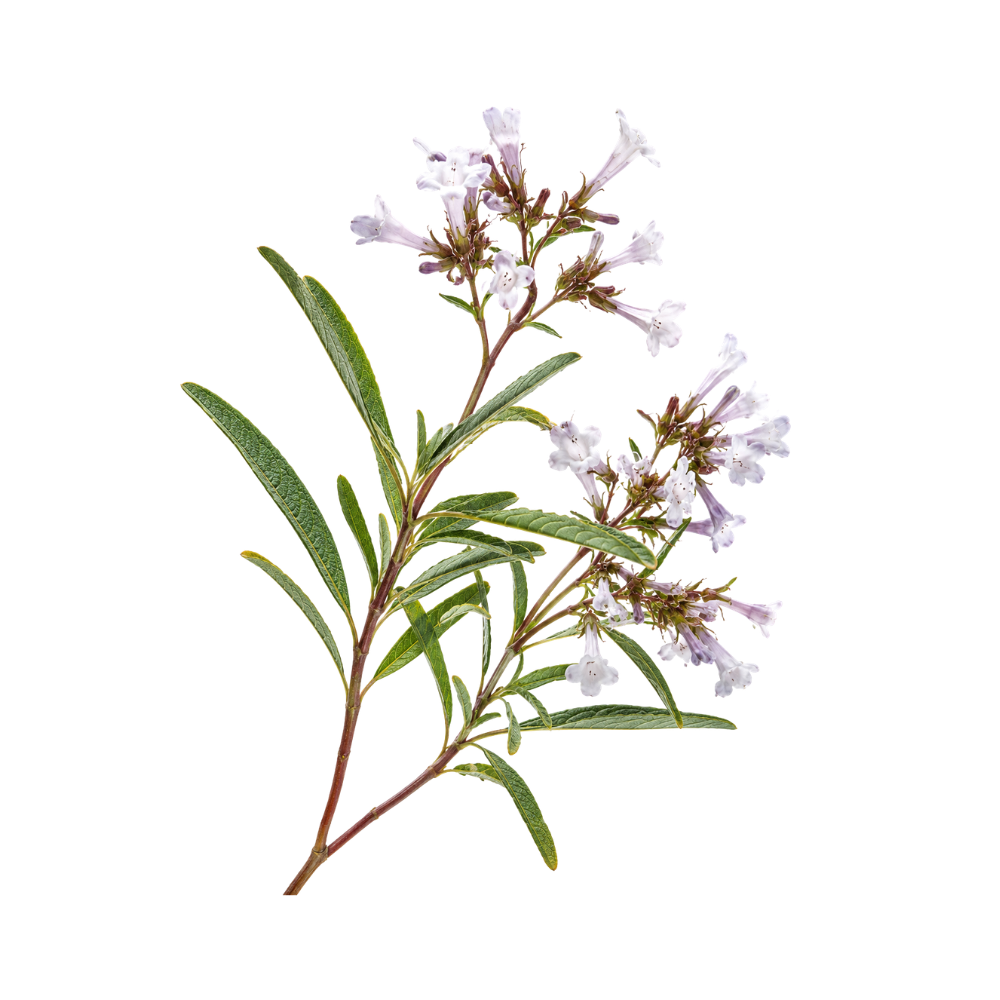 Principal source Yerba Santa Eriodictyon californicum Herb monograph →
 Source Chrysanthemum Chrysanthemum morifolium Herb monograph →
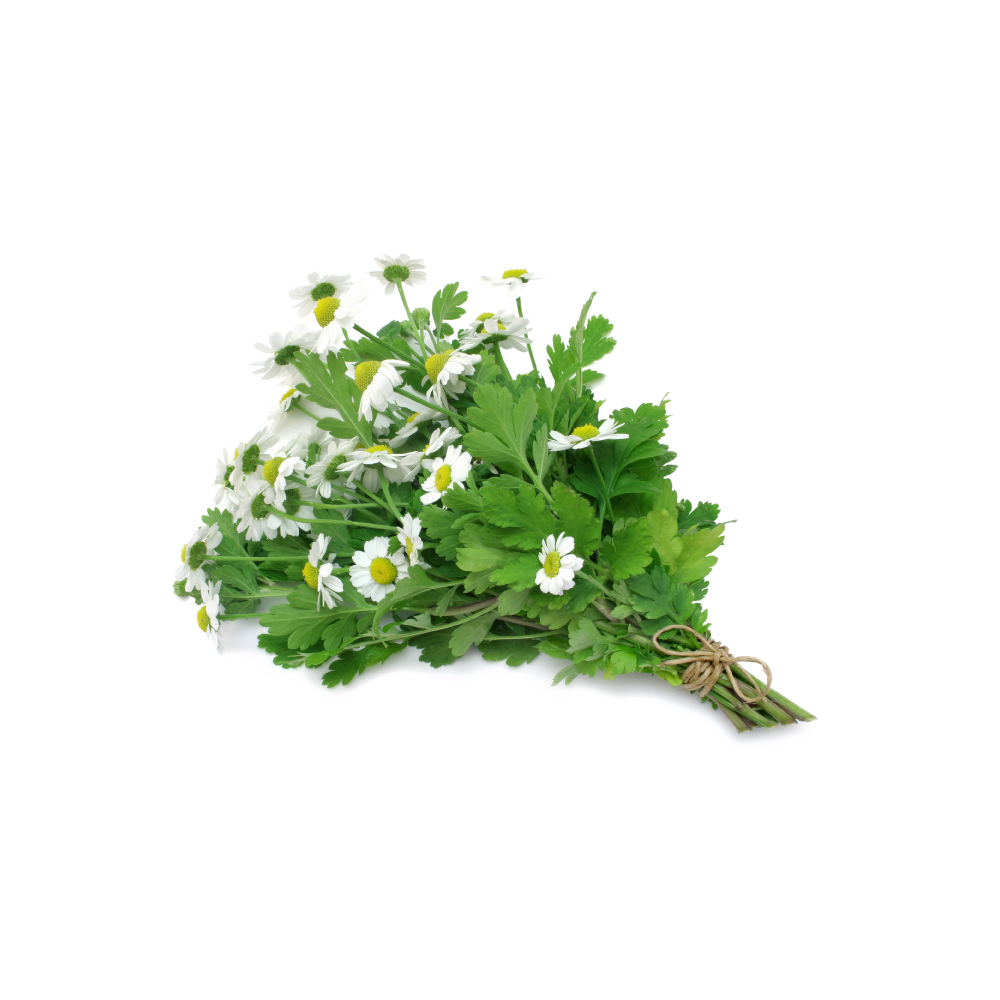 Source Feverfew Tanacetum parthenium Herb monograph →
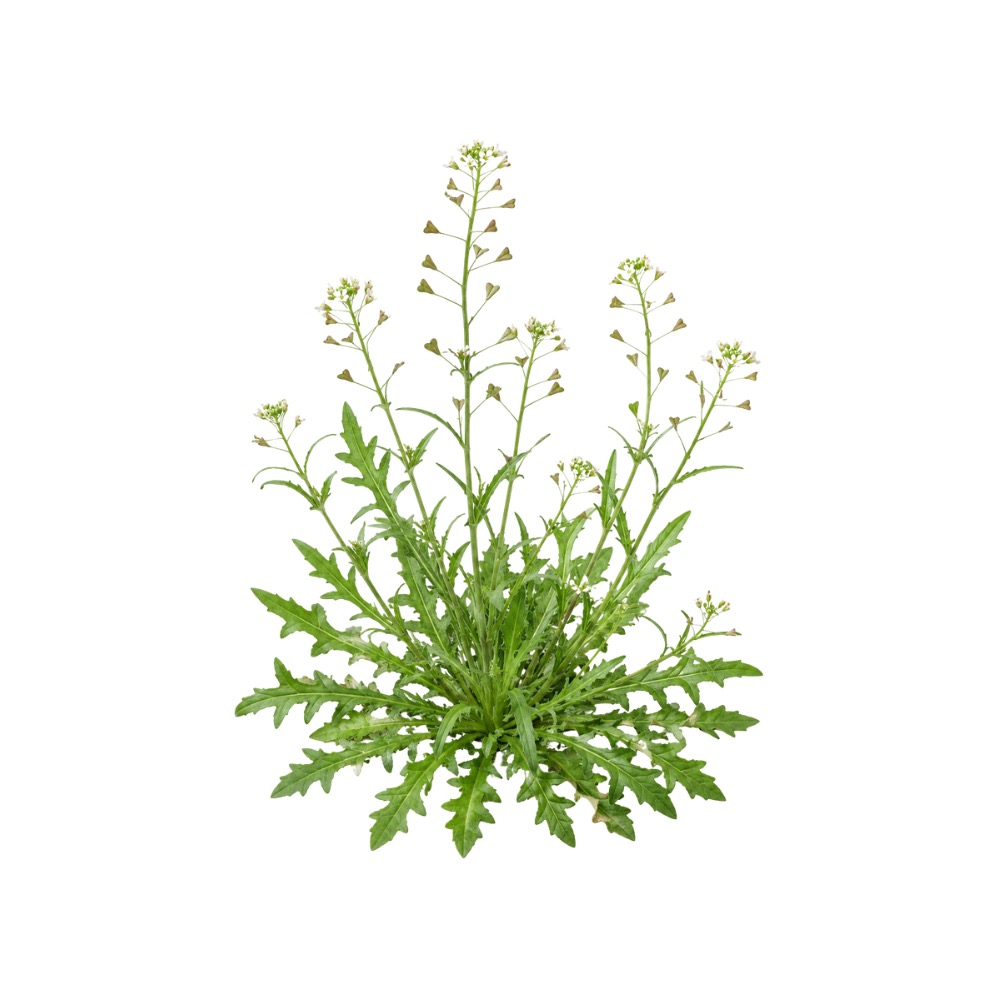 Source Shepherd's Purse Capsella bursa-pastoris Herb monograph →
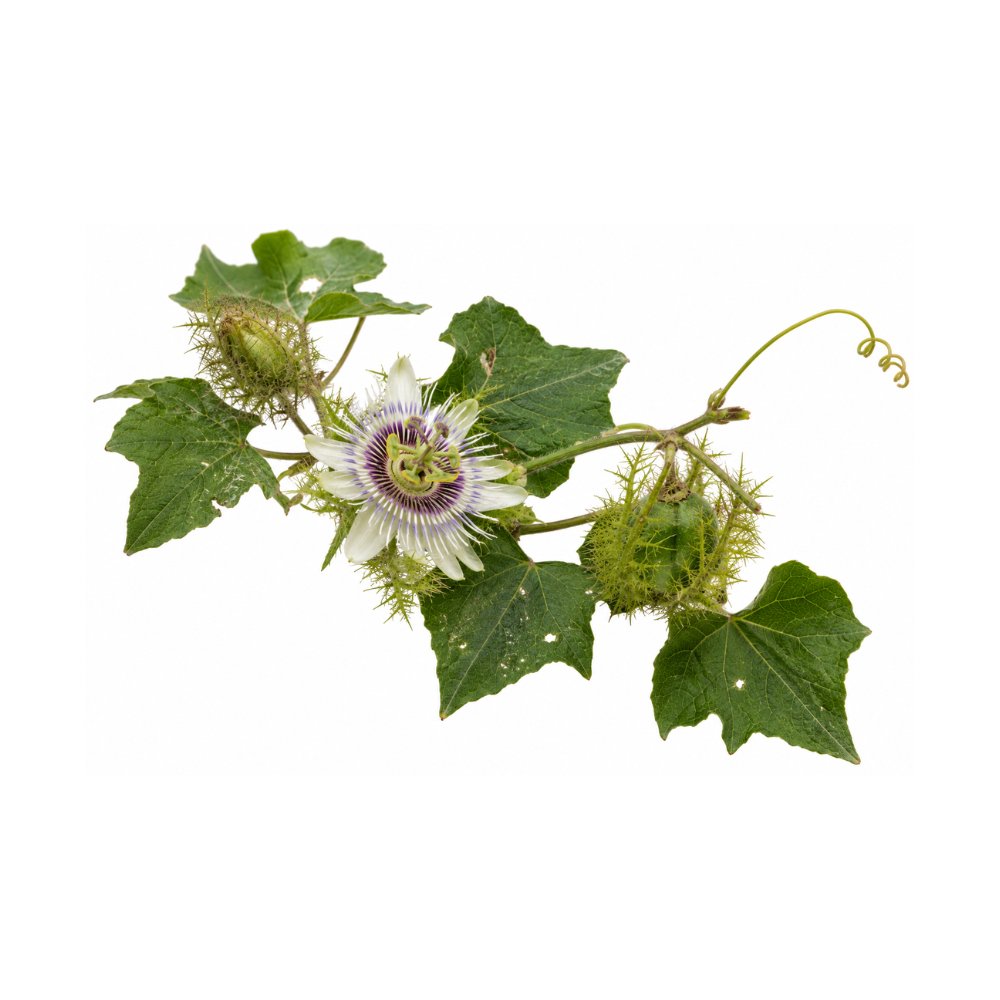 Source Stinking Passionflower Passiflora foetida Herb monograph →
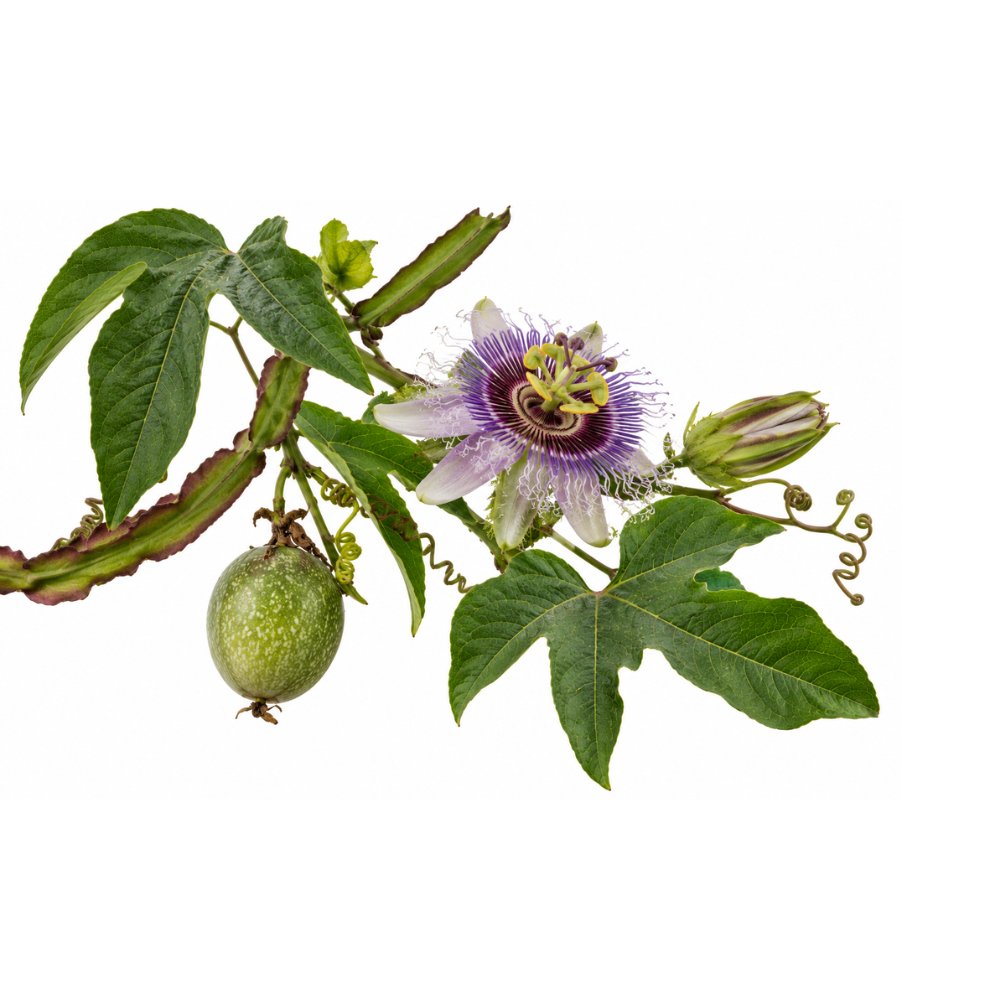 Source Winged-Stem Passionflower Passiflora alata Herb monograph →
Concentration
Content by Source
Concentrations not reported. No percent-dry-weight or mg/g figures have been published for this compound in its source plants.
Chrysoeriol at a Glance
Chrysoeriol is a monomethoxy flavone — structurally, it is luteolin with a single methyl group added to the 3’-hydroxyl of the B-ring (hence its common name, luteolin 3’-methyl ether). Equivalently, it is apigenin carrying a 3’-methoxy group. It occurs widely: as a signature intermediate of the tricin pathway in grasses and cereals (rice, wheat, maize, sorghum) and as a minor constituent of many herbs, usually stored as glycosides rather than the free aglycone 1,
The molecule has an active preclinical literature — anti-inflammatory, anticancer, antioxidant, antidiabetic and aromatase-modulating effects have all been reported 1Reference 1Health Benefits and Pharmacological Aspects of ChrysoeriolView study →. Two threads recur: signalling that suppresses NF-κB and JAK2/STAT3-driven inflammation 2,
The honest headline is the same one that applies to most dietary flavones: there are no human trials of isolated chrysoeriol, so its interest rests on mechanism and animal models. Where it differs from luteolin is the methyl cap — O-methylation tends to make a flavone more membrane-permeable and more resistant to rapid phase-II conjugation, so chrysoeriol is often described as the more metabolically stable of the pair 1Reference 1Health Benefits and Pharmacological Aspects of ChrysoeriolView study →.
Chrysoeriol vs. Luteolin & Diosmetin
The point is the methyl group. Chrysoeriol, diosmetin and luteolin are the same flavone skeleton differing only in B-ring substitution:
- Luteolin — free hydroxyls at both 3’ and 4’ (a catechol).
- Chrysoeriol — luteolin methylated at 3’ (3’-OMe, 4’-OH).
- Diosmetin — luteolin methylated at 4’ (3’-OH, 4’-OMe) — the positional isomer.
That single O-methylation matters for two reasons. First, metabolism: the exposed catechol of luteolin is a fast target for phase-II conjugation (glucuronidation, sulfation) and catechol-O-methyltransferase, which is a major reason luteolin is poorly bioavailable. Capping one hydroxyl removes a conjugation site, so methylated flavones like chrysoeriol generally cross membranes more readily and survive first-pass metabolism better 1Reference 1Health Benefits and Pharmacological Aspects of ChrysoeriolView study →. Second, selectivity: the 3’-vs-4’ distinction changes how each molecule fits an enzyme pocket — chrysoeriol and diosmetin are not interchangeable, and their reported activities (e.g. aromatase modulation, enzyme inhibition) differ even though they share a parent.
In plants, chrysoeriol is quite literally made from luteolin — a luteolin O-methyltransferase installs the 3’-methyl group (see Its Role in Plants) 1,
What It's Used For
Chrysoeriol’s evidence is entirely preclinical. It is best read as a mechanistically interesting flavone with consistent anti-inflammatory signalling data and scattered anticancer/metabolic findings — not as a validated therapeutic.
Support is an experimental score — weighted by study type (human > animal > in vitro) and volume. A beta, not a validated metric. There is no human evidence here; scores rank strength within an all-preclinical field, so read each row’s basis.
The best-developed application, and the one with in-vivo support. In a mouse TPA-induced ear-oedema model, chrysoeriol reduced ear swelling and inflammatory-cell infiltration; in LPS-stimulated RAW264.7 macrophages it lowered nitric oxide and prostaglandin E₂ and suppressed iNOS, COX-2, IL-6, IL-1β and TNF-α, tracking to inhibition of NF-κB (p65) and STAT3 activation 2Reference 2AnimalChrysoeriol ameliorates TPA-induced acute skin inflammation in mice and inhibits NF-κB and STAT3 pathwaysView study →.
A separate study found chrysoeriol curbed the hyperproliferation of rheumatoid-arthritis fibroblast-like synoviocytes by suppressing JAK2/STAT3 signalling 3Reference 3Chrysoeriol suppresses hyperproliferation of rheumatoid arthritis fibroblast-like synoviocytes and inhibits JAK2/STAT3 signalingView study →.
Both used the isolated compound.
Gap: all anti-inflammatory data are cell/rodent on the isolate; no human dosing, and the effective concentrations have not been mapped to achievable dietary or plasma levels 2,
Two distinct strands. In MCF-7 breast-cancer cells, chrysoeriol was the most active of dozens of screened flavonoids at blocking TNFα-induced aromatase (CYP19) expression, acting through inhibition of ERK1/2-mediated EGR-1 — relevant because aromatase drives local oestrogen synthesis in oestrogen-receptor-positive breast cancer 4Reference 4Chrysoeriol Prevents TNFα-Induced CYP19 Gene Expression via EGR-1 Downregulation in MCF7 Breast Cancer CellsView study →.
Separately, in human lung-carcinoma cells (with a mouse xenograft), chrysoeriol produced cytotoxicity, sub-G1 cell-cycle arrest, autophagy and reduced migration/invasion via the MAPK/ERK pathway 6Reference 6In vitroIn vitro and in vivo cytotoxic effects of chrysoeriol in human lung carcinoma are facilitated through activation of autophagy, sub-G1/G0 cell cycle arrest, cell migration and invasion inhibition and modulation of MAPK/ERK signalling pathwayView study →.
Broader reviews collate additional apoptosis findings across cervical, colon and other lines 1Reference 1Health Benefits and Pharmacological Aspects of ChrysoeriolView study →.
Gap: cell-line and single-xenograft evidence only; the lung-carcinoma report appears in a lower-tier journal, no comparative potency against standard agents, and nothing in humans 4,
As a polyphenol, chrysoeriol scavenges free radicals and chelates metal ions, and it has been reported as an α-glucosidase inhibitor (more selective for α-glucosidase than α-amylase) and an aldose-reductase inhibitor — both mechanisms relevant to blood-glucose control and diabetic-complication pathways 1Reference 1Health Benefits and Pharmacological Aspects of ChrysoeriolView study →. Much of this is collated in the pharmacological review rather than resting on a single landmark isolate study.
Gap: these are in-vitro enzyme and antioxidant assays, often on chrysoeriol as one constituent among several in a plant extract; no controlled animal glycaemic outcome is anchored to the isolate here, and no human data exist 1Reference 1Health Benefits and Pharmacological Aspects of ChrysoeriolView study →.
Mechanisms
| Target / pathway | Effect | Relevant to |
|---|---|---|
| NF-κB (p65) / STAT3 | suppresses activation → lowers iNOS, COX-2, IL-6, IL-1β, TNF-α | anti-inflammatory |
| JAK2 / STAT3 | inhibits phosphorylation → curbs synoviocyte hyperproliferation | anti-inflammatory / rheumatoid arthritis |
| ERK1/2 – EGR-1 → CYP19 (aromatase) | downregulates TNFα-induced aromatase transcription | breast-cancer / endocrine |
| MAPK / ERK, autophagy, sub-G1 arrest | cytotoxicity, cell-cycle arrest, reduced invasion | anticancer |
| α-glucosidase / aldose reductase | enzyme inhibition (polyol pathway, carbohydrate digestion) | antidiabetic |
| Radical scavenging / metal chelation | reduces reactive oxygen species | antioxidant (upstream of the above) |
| Luteolin O-methyltransferase (in planta) | forms chrysoeriol by 3’-O-methylation of luteolin | plant biosynthesis / prevalence |
The load-bearing point is that the anti-inflammatory NF-κB/STAT3 signalling is the most reproduced and the only strand with an in-vivo model; the aromatase and anticancer findings are mechanistically specific but confined to cell lines.
Pharmacokinetics
There is no dedicated human pharmacokinetic dataset for chrysoeriol — no measured oral bioavailability, half-life or plasma-concentration figure for the isolate. What can be said is structural: O-methylation of a flavone’s catechol tends to raise membrane permeability and blunt the rapid phase-II conjugation (glucuronidation/sulfation) that limits parent luteolin, so chrysoeriol is generally regarded as the more metabolically stable and better-absorbed of the two 1Reference 1Health Benefits and Pharmacological Aspects of ChrysoeriolView study →. In real diets it is encountered mostly as glycosides (e.g. citrus chrysoeriol-6,8-di-C-glucoside), which must be deglycosylated before the aglycone is available, and overall dietary intake is low 7Reference 7ReviewCitrus limon var. pompia Camarda var. nova: A Comprehensive Review of Its Botanical Characteristics, Traditional Uses, Phytochemical Profile, and Potential Health BenefitsView study →. Any in-vitro potency should therefore be read against the fact that achievable tissue concentrations in a person are unknown.
Clinical Trials
There are no clinical trials of isolated chrysoeriol. All evidence is in-vitro or in animal models; where the molecule reaches humans it is only as a minor constituent of foods and botanical extracts.
| Completed | Planned | Terminated | Preclinical |
|---|---|---|---|
| — | — | — | Anti-inflammatory (mouse + cell), anticancer/aromatase (cell + xenograft), antidiabetic/antioxidant (in vitro) |
Last checked: July 2026.
Isolate vs. Plant Studies
Chrysoeriol’s mechanistic work is reassuringly isolate-based — the mouse anti-inflammatory study, the synoviocyte study, the MCF-7 aromatase screen and the lung-carcinoma work all used the purified compound, so the effects are genuinely attributable to this molecule rather than to a crude extract 2,
Its Role in Plants
Chrysoeriol sits at a branch point of flavone biosynthesis in grasses. It is made from luteolin by a luteolin O-methyltransferase that adds the 3’-methyl group 1Reference 1Health Benefits and Pharmacological Aspects of ChrysoeriolView study →, and in cereals it is then a committed intermediate toward tricin, the grass-signature flavone: in rice, a dedicated cytochrome P450, CYP75B4, acts as a chrysoeriol 5’-hydroxylase that converts chrysoeriol to selgin en route to tricin 5Reference 5Completion of Tricin Biosynthesis Pathway in Rice: Cytochrome P450 75B4 Is a Unique Chrysoeriol 5′-HydroxylaseView study →. The recruitment of this chrysoeriol-processing activity is thought to underlie the prevalence of tricin-type metabolites across grasses and other monocots 5Reference 5Completion of Tricin Biosynthesis Pathway in Rice: Cytochrome P450 75B4 Is a Unique Chrysoeriol 5′-HydroxylaseView study →.
Functionally, flavones of this class contribute to the plant’s UV protection, antioxidant defence and antimicrobial/anti-herbivore chemistry, and tricin-pathway flavones are also incorporated into grass lignin, making chrysoeriol part of both the defensive metabolome and cell-wall chemistry of cereals. As always, a molecule’s role as a plant metabolite does not predict what it does as a medicine.
Prevalence in Nature
Chrysoeriol is widely distributed but rarely abundant. Its most systematic occurrence is in the grasses and cereals — rice (Oryza sativa), wheat (Triticum aestivum), maize, sorghum and related monocots — where it is a normal intermediate of the tricin pathway 1,
A well-quantified example of the glycoside is in pompia (Citrus limon var. pompia) juice, whose predominant flavonoid is chrysoeriol-6,8-di-C-glucoside (stellarin-2) at about 109 mg/L — notably, a chrysoeriol glycoside that is essentially absent from other citrus juices studied 7Reference 7ReviewCitrus limon var. pompia Camarda var. nova: A Comprehensive Review of Its Botanical Characteristics, Traditional Uses, Phytochemical Profile, and Potential Health BenefitsView study →. Free-aglycone concentrations across most sources are not well quantified, which is the main hole in the occurrence picture.
Discovery & Synthesis
Chrysoeriol was recognised as a natural flavone of several plants (the name couples chrys-, gold/yellow, with the genus Eriodictyon — yerba santa — an early source). Its structure as the 3’-methyl ether of luteolin was confirmed by total synthesis reported in 1959, alongside the related flavanone homoeriodictyol. Today the compound is obtained the way most research-grade minor flavones are: isolated from plant material or prepared semi-synthetically by selective O-methylation of luteolin, rather than manufactured at scale — there is no bulk commercial demand for it as a drug.
Patents: not yet researched.
Toxicity & Safety
Chrysoeriol carries a low toxicity flag. It is a dietary flavone consumed in small amounts within cereals, citrus and culinary/medicinal herbs, with no signal of acute toxicity in the preclinical literature. The caveats are the ordinary ones for an under-studied isolate rather than specific hazards.
- Dietary flavone with a low-risk profile. Long-standing incidental intake from cereals, citrus and herbs; no toxicity signal in the available preclinical work.
- Isolated-compound safety is uncharacterised. No formal repeat-dose, genotoxicity or human-tolerability data exist for concentrated chrysoeriol.
- Endocrine and enzyme activity is real in vitro. Aromatase (CYP19) downregulation and other enzyme effects mean high-dose supplemental use (should it ever exist) is not automatically inert; no interaction data are available.
No isolate-specific reproductive or developmental toxicity dataset exists for chrysoeriol; any pregnancy/lactation decision belongs to the specific herb or product a person is actually taking, not to this molecule-level page. Drug-interaction data (CYP isoforms, transporters) have not been characterised for the isolate, so absence of reported interactions should not be read as proof of safety.
Dosage
There is no established human dose for chrysoeriol. Every published study uses the isolated molecule in cells or animals, so there is no clinically validated intake to cite, and no supplement standardised to it in routine use. Dietary exposure is indirect and low — largely as glycosides in cereals, citrus and herbs — and is not something a person meaningfully “doses.” Any figure encountered in the literature is a research concentration, not a recommendation.
References
- Aboulaghras S, Sahib N, Bakrim S, et al. (2022). Health Benefits and Pharmacological Aspects of Chrysoeriol. Pharmaceuticals (Basel). https://pubmed.ncbi.nlm.nih.gov/36015121/
- Wu JY, Chen YJ, Bai L, et al. (2020). Chrysoeriol ameliorates TPA-induced acute skin inflammation in mice and inhibits NF-κB and STAT3 pathways. Phytomedicine. https://pubmed.ncbi.nlm.nih.gov/31999977/
- Wu JY, Chen YJ, Fu XQ, et al. (2022). Chrysoeriol suppresses hyperproliferation of rheumatoid arthritis fibroblast-like synoviocytes and inhibits JAK2/STAT3 signaling. BMC Complementary Medicine and Therapies. https://pubmed.ncbi.nlm.nih.gov/35296317/
- Min DY, Jung E, Ahn SS, Lee YH, Lim Y, Shin SY (2020). Chrysoeriol Prevents TNFα-Induced CYP19 Gene Expression via EGR-1 Downregulation in MCF7 Breast Cancer Cells. International Journal of Molecular Sciences. https://pubmed.ncbi.nlm.nih.gov/33053908/
- Lam PY, Liu H, Lo C (2015). Completion of Tricin Biosynthesis Pathway in Rice: Cytochrome P450 75B4 Is a Unique Chrysoeriol 5′-Hydroxylase. Plant Physiology. https://pubmed.ncbi.nlm.nih.gov/26082402/
- Wei W, et al. (2019). In vitro and in vivo cytotoxic effects of chrysoeriol in human lung carcinoma are facilitated through activation of autophagy, sub-G1/G0 cell cycle arrest, cell migration and invasion inhibition and modulation of MAPK/ERK signalling pathway. Journal of BUON. https://pubmed.ncbi.nlm.nih.gov/31424645/
- Posadino AM, et al. (2024). Citrus limon var. pompia Camarda var. nova: A Comprehensive Review of Its Botanical Characteristics, Traditional Uses, Phytochemical Profile, and Potential Health Benefits. Nutrients. https://pubmed.ncbi.nlm.nih.gov/39203756/



