
Compound Monograph
Tyrosol
Tyrosol (4-hydroxyphenylethanol) is a simple phenylethanoid of olive oil, wine and beer — and the aglycone of Rhodiola's marker glycoside salidroside. It is a milder antioxidant than its catechol cousin hydroxytyrosol, and its cardioprotective, longevity and anti-inflammatory signals are almost entirely preclinical.

Sources · 8
Where Does It Come From?
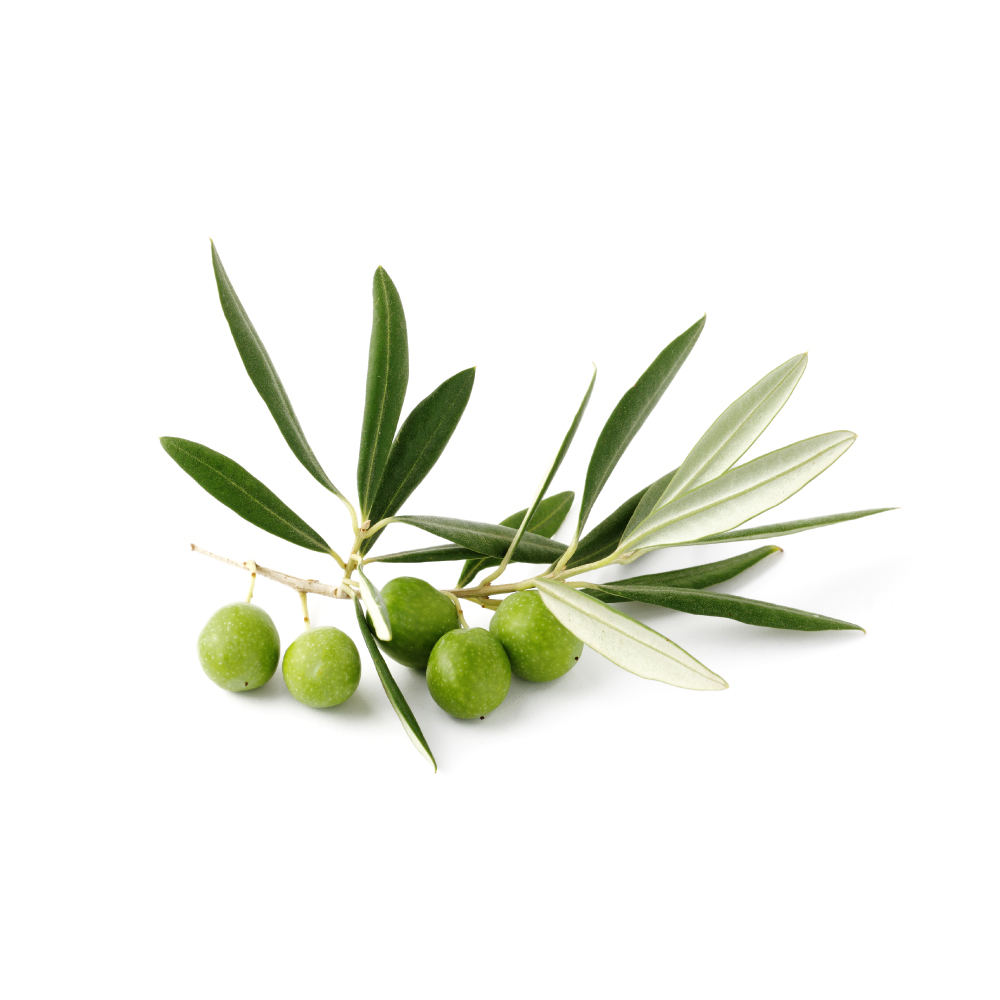
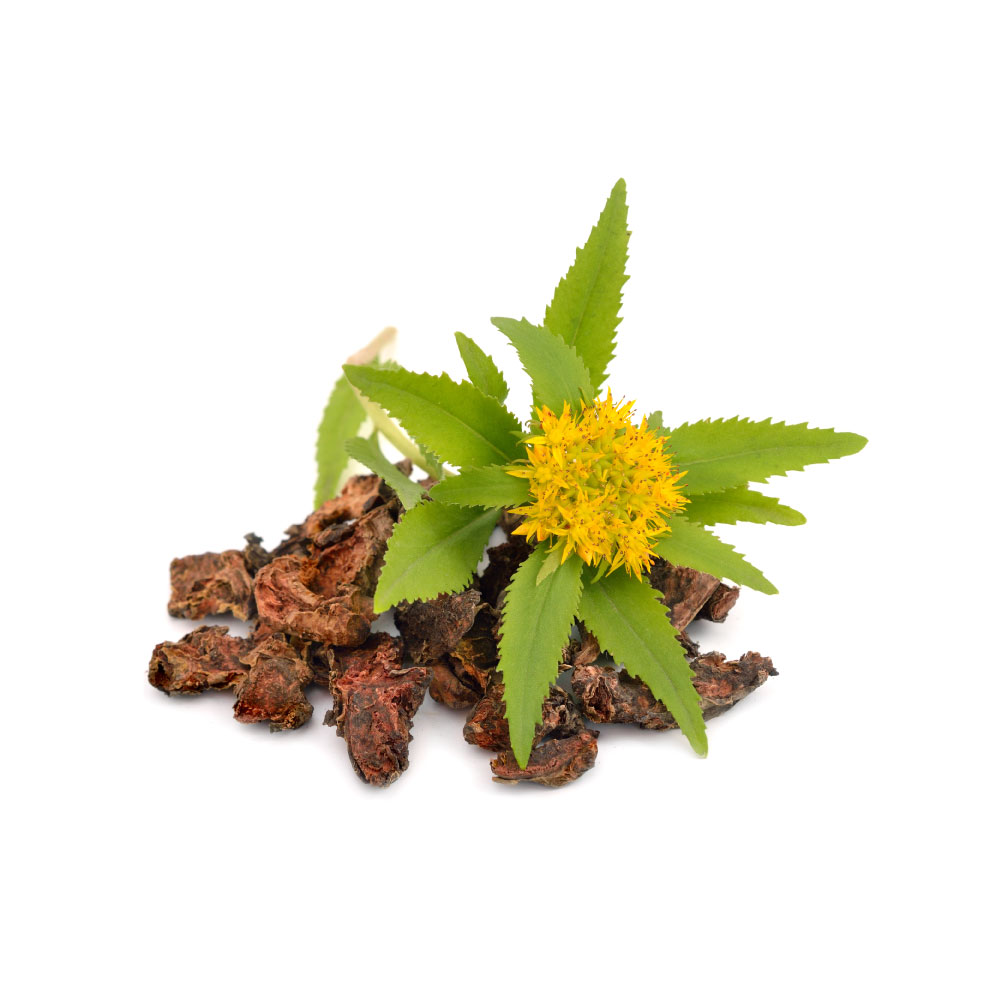
Tyrosol is a naturally occurring (and made in the body) phenolic (phenylethanoid), found in Olive oil, Olive leaf, Rhodiola — as salidroside and 5 other sources. It is well tolerated orally (low toxicity).
Concentration
Content by Source
Reported concentrations across the plants that contain tyrosol — the bar marks the typical level, the line shows the reported range.
Literature figures for varying plant parts and preparations. Read them as a comparative guide, not exact assays.
Tyrosol at a Glance
Tyrosol, or 4-hydroxyphenylethanol, is a simple phenylethanoid — a two-carbon alcohol side chain on a single-hydroxyl phenol ring. It is one of the characteristic phenols of olive oil, wine and beer, and it is the aglycone of salidroside, the marker glycoside that standardised rhodiola extracts are measured by. Those two identities — Mediterranean-diet phenol and adaptogen precursor — are the reason this small molecule turns up across such different herbs and foods.
Chemically it is the milder cousin of hydroxytyrosol. Hydroxytyrosol carries a second hydroxyl on the ring (a catechol); tyrosol has just one, which makes it a much weaker direct antioxidant. Both are released when oleuropein, the olive’s bitter secoiridoid, is hydrolysed — so on an olive-leaf or olive-oil label, tyrosol and hydroxytyrosol travel together as the phenolic breakdown products of the same parent.
The honest posture is that tyrosol’s biology is almost entirely preclinical. Isolated tyrosol shows cardioprotective, longevity, anti-inflammatory and antioxidant signals in cells, nematodes and rodents 1,
Tyrosol vs. Hydroxytyrosol
The single most useful fact about tyrosol is what it lacks: a second ring hydroxyl. Hydroxytyrosol is a catechol (two adjacent –OH groups on the benzene ring), a structure that donates hydrogen atoms and stabilises the resulting phenoxyl radical exceptionally well. Tyrosol is a mono-phenol (one para –OH), so as a direct radical scavenger it is markedly weaker — in the same cell-mediated LDL-oxidation assay, hydroxytyrosol blocked oxidation almost completely while tyrosol managed roughly 40% 1Reference 1Tyrosol, the major extra virgin olive oil compound, restored intracellular antioxidant defences in spite of its weak antioxidative effectivenessView study →.
Yet tyrosol is not inert. In that same study it restored intracellular antioxidant defences despite its weak direct antioxidative effectiveness, apparently by accumulating inside cells over time (hydroxytyrosol entered quickly but was consumed within hours, while tyrosol built up) 1Reference 1Tyrosol, the major extra virgin olive oil compound, restored intracellular antioxidant defences in spite of its weak antioxidative effectivenessView study →. This is the recurring theme of the tyrosol literature: it works less by quenching radicals in a test tube and more by nudging the cell’s own protective machinery — a mechanism that also fits its hormetic longevity signal (see below) 4Reference 4Tyrosol, a main phenol present in extra virgin olive oil, increases lifespan and stress resistance in Caenorhabditis elegansView study →.
Both molecules share an origin. In the olive they are the hydrolysis products of oleuropein (and of ligstroside, tyrosol’s secoiridoid parent): the plant’s β-glucosidase and esterase, gut microbiota, curing and heat all liberate the free phenols.
Tyrosol & Salidroside
Tyrosol’s second identity is as the aglycone of salidroside — the genus-wide chemical marker of rhodiola. Salidroside is simply tyrosol with a glucose attached at the 8-position (tyrosol 8-O-β-D-glucoside); the plant builds it by making tyrosol from the amino acid tyrosine and then glucosylating it (see Its Role in Plants) 11Reference 11Complete pathway elucidation and heterologous reconstitution of Rhodiola salidroside biosynthesisView study →.
That glycosidic bond is reversible in the body, and this is the compound-unique point. After rats are dosed with salidroside, the main species recovered in blood and tissues is not salidroside but its aglycone p-tyrosol — salidroside is extensively deglycosylated, and the liberated tyrosol distributes widely, reaching its highest tissue concentration in the heart 8Reference 8AnimalThe metabolism of salidroside to its aglycone p-tyrosol in rats following the administration of salidrosideView study →. In other words, much of what “salidroside” does pharmacologically may actually be delivered as tyrosol. When both were tested head-to-head against hypoxia-induced loss of membrane Na⁺/K⁺-ATPase, salidroside and tyrosol each reversed the effect through the same ROS–AMPK–PKCζ pathway 7Reference 7Rhodiola crenulata and its bioactive components, salidroside and tyrosol, reverse the hypoxia-induced reduction of plasma-membrane-associated Na,K-ATPase expression via inhibition of the ROS-AMPK-PKCξ pathwayView study →.
The honest boundary: Rhodiola’s adaptogenic and anti-fatigue reputation is for the whole standardised extract and for salidroside, not for isolated tyrosol. Tyrosol is the shared building block and a plausible active metabolite — a mechanistic bridge between the olive and the adaptogen — but it has not itself carried a human adaptogen trial.
What It's Used For
Tyrosol’s evidence base is preclinical throughout — cells, nematodes and rodents on the isolated molecule, with the human record limited to dietary absorption and biomarker work.
Support is an experimental score — weighted by study type (human > animal > in vitro) and volume. A beta, not a validated metric. Every row here is preclinical (no human isolate trials), so scores stay modest by design; read the per-row basis.
Tyrosol’s most developed isolate signal, and the one that ties its “olive phenol” and “longevity” identities together. In a rat in-vivo model of myocardial infarction, tyrosol at 5 mg/kg/day for 30 days reduced infarct size (~33%) and cardiomyocyte apoptosis and improved ejection fraction, while inducing the longevity protein SIRT1 (~3.2-fold) and phosphorylating Akt, eNOS and FOXO3a — a survival-and-longevity program rather than a simple antioxidant effect 2Reference 2AnimalAkt/FOXO3a/SIRT1-mediated cardioprotection by n-tyrosol against ischemic stress in rat in vivo model of myocardial infarction: switching gears toward survival and longevityView study →.
A later study found tyrosol (with ferulic acid and pterostilbene) protected cardiomyocytes and mouse hearts from ER-stress injury by activating SIRT1-dependent deacetylation of eIF2α, an action the authors noted was not explained by direct antioxidant activity 3Reference 3Ferulic acid, pterostilbene, and tyrosol protect the heart from ER-stress-induced injury by activating SIRT1-dependent deacetylation of eIF2αView study →.
Gap: rat and cell models of the isolate only; there is no human cardioprotective trial of tyrosol, and its dietary relevance runs through olive oil and wine (where it co-occurs with the far stronger hydroxytyrosol and other phenols) 1,
A consistent, mechanistically coherent isolate signal. In LPS-induced acute lung injury in mice, oral tyrosol (0.1–10 mg/kg) cut pro-inflammatory cytokines (TNF-α, IL-1β, IL-6), preserved the alveolar–capillary barrier, and suppressed iNOS, COX-2 and IκBα phosphorylation, inhibiting both NF-κB and AP-1 activation in vivo and in RAW 264.7 macrophages 5Reference 5Tyrosol attenuates lipopolysaccharide-induced acute lung injury by inhibiting the inflammatory response and maintaining the alveolar capillary barrierView study →. Importantly for a poorly-retained phenol, tyrosol’s circulating glucuronide and sulfate metabolites also inhibited LPS-induced nitric-oxide/iNOS in intestinal cells with efficacy comparable to the parent, so the anti-inflammatory action survives first-pass conjugation 6Reference 6Modulation of LPS-induced nitric oxide production in intestinal cells by hydroxytyrosol and tyrosol metabolites: insight into the mechanism of actionView study →.
Gap: all animal and cell models; no human anti-inflammatory trial of isolated tyrosol, and the doses are experimental rather than dietary 5,
The application where tyrosol’s chemistry is most interesting because it is weak. As a mono-phenol it is a poor direct radical scavenger next to catechol hydroxytyrosol — in a cell-mediated LDL-oxidation assay it inhibited oxidation ~40% versus hydroxytyrosol’s ~100% 1Reference 1Tyrosol, the major extra virgin olive oil compound, restored intracellular antioxidant defences in spite of its weak antioxidative effectivenessView study →.
But it still counteracted the impairment of cellular antioxidant defences, apparently by accumulating intracellularly over time while hydroxytyrosol was rapidly consumed 1Reference 1Tyrosol, the major extra virgin olive oil compound, restored intracellular antioxidant defences in spite of its weak antioxidative effectivenessView study →.
So tyrosol behaves less like a sacrificial antioxidant and more like a cytoprotective conditioner of the cell’s own defences.
Gap: in-vitro cell models; the direct-scavenging metrics are unimpressive, and no human antioxidant outcome rests on tyrosol specifically rather than on the olive-oil phenolic fraction as a whole 1Reference 1Tyrosol, the major extra virgin olive oil compound, restored intracellular antioxidant defences in spite of its weak antioxidative effectivenessView study →.
A distinctive, much-cited whole-organism result. In the nematode Caenorhabditis elegans, tyrosol at one effective concentration extended lifespan and raised resistance to thermal and oxidative stress, and delayed an ageing biomarker — without altering development, body length or reproduction 4Reference 4Tyrosol, a main phenol present in extra virgin olive oil, increases lifespan and stress resistance in Caenorhabditis elegansView study →.
The effect was mediated by heat-shock-response and insulin-signalling components, consistent with a hormetic mechanism (a mild stress that primes the organism’s defences) rather than brute antioxidant scavenging — dovetailing with the SIRT1/FOXO3a “longevity” wiring seen in the heart work 2,
Gap: a single invertebrate model at a specific dose (with a characteristic hormetic dose-window); it is suggestive of the olive-oil-and-longevity hypothesis but is not a mammalian, let alone human, ageing outcome 4Reference 4Tyrosol, a main phenol present in extra virgin olive oil, increases lifespan and stress resistance in Caenorhabditis elegansView study →.
The application that connects tyrosol to Rhodiola’s high-altitude reputation. In alveolar epithelial (A549) cells under hypoxia, Rhodiola crenulata extract and its components salidroside and tyrosol each prevented the hypoxia-induced endocytosis of plasma-membrane Na⁺/K⁺-ATPase — the pump whose loss underlies impaired lung fluid clearance — by inhibiting a ROS–AMPK–PKCζ pathway 7Reference 7Rhodiola crenulata and its bioactive components, salidroside and tyrosol, reverse the hypoxia-induced reduction of plasma-membrane-associated Na,K-ATPase expression via inhibition of the ROS-AMPK-PKCξ pathwayView study →.
Because salidroside is deglycosylated to tyrosol in vivo 8Reference 8AnimalThe metabolism of salidroside to its aglycone p-tyrosol in rats following the administration of salidrosideView study →, tyrosol is plausibly a shared effector here.
Gap: in-vitro hypoxia model; the whole-extract/altitude claims are Rhodiola’s (and species-specific — this used R. crenulata), not a demonstrated human use of isolated tyrosol 7Reference 7Rhodiola crenulata and its bioactive components, salidroside and tyrosol, reverse the hypoxia-induced reduction of plasma-membrane-associated Na,K-ATPase expression via inhibition of the ROS-AMPK-PKCξ pathwayView study →.
Mechanisms
| Target / pathway | Effect | Relevant to |
|---|---|---|
| SIRT1 / Akt / FOXO3a / eNOS | induces the longevity-survival axis; SIRT1-dependent eIF2α deacetylation | cardioprotection; longevity |
| NF-κB and AP-1 | suppression → lower iNOS, COX-2, TNF-α/IL-1β/IL-6 | anti-inflammatory |
| Intracellular antioxidant defences | restores/preserves them despite weak direct scavenging; accumulates intracellularly | antioxidant (indirect) |
| Heat-shock response / insulin signalling | hormetic priming → lifespan + stress-resistance | longevity |
| ROS–AMPK–PKCζ / Na⁺/K⁺-ATPase | blocks hypoxia-induced pump endocytosis | hypoxia adaptation |
| Single ring hydroxyl (mono-phenol) vs catechol | weak hydrogen-atom donor → modest direct radical scavenging | the key contrast with hydroxytyrosol |
| β-glucoside bond (as salidroside) | deglycosylated in vivo → tyrosol is the main circulating form after salidroside dosing | pharmacokinetics; Rhodiola link |
The load-bearing subtlety is the top rows against the antioxidant row: tyrosol’s mammalian effects run more through SIRT1/FOXO3a survival signalling and hormesis than through the direct free-radical quenching that its weak catechol-free structure would predict 1,
Pharmacokinetics
Tyrosol is a small, water-soluble phenol and is well absorbed from realistic dietary doses. After volunteers consumed virgin olive oil, 24-hour urinary tyrosol rose dose-dependently, and — because tyrosol is a better-retained biomarker than hydroxytyrosol — it was proposed as a marker of sustained olive-oil intake 9Reference 9Tyrosol and hydroxytyrosol are absorbed from moderate and sustained doses of virgin olive oil in humansView study →. It is heavily conjugated: only ~14% of urinary tyrosol (and ~6% of hydroxytyrosol) is excreted free, the rest as glucuronides and sulfates 10Reference 10Capillary gas chromatography-mass spectrometry quantitative determination of hydroxytyrosol and tyrosol in human urine after olive oil intakeView study →. This matters because those conjugates are not inert — tyrosol’s glucuronide/sulfate metabolites retain anti-inflammatory (iNOS-inhibiting) activity 6Reference 6Modulation of LPS-induced nitric oxide production in intestinal cells by hydroxytyrosol and tyrosol metabolites: insight into the mechanism of actionView study →. A distinctive extra route feeds the pool: salidroside from Rhodiola is deglycosylated to tyrosol in vivo, so oral salidroside effectively behaves as a tyrosol pro-drug, with the aglycone concentrating in tissues (highest in the heart) 8Reference 8AnimalThe metabolism of salidroside to its aglycone p-tyrosol in rats following the administration of salidrosideView study →. Robust isolated-tyrosol human PK (Cmax, half-life, absolute bioavailability of the pure compound) is not well established — the human numbers come from olive-oil feeding, not from dosing the isolate.
Clinical Trials
There are no controlled efficacy trials of isolated tyrosol. The human evidence is dietary and biomarker work: olive-oil feeding studies establishing that tyrosol is absorbed and appears (largely conjugated) in urine 9,
| Completed | Planned | Terminated | Preclinical |
|---|---|---|---|
| Human absorption/biomarker only (olive-oil feeding) 9, | — | — | Cardioprotection, anti-inflammatory, antioxidant, longevity, hypoxia (cell/nematode/rodent isolate) 1, |
Last checked: July 2026.
Isolate vs. Plant Studies
Tyrosol inverts nothing and hides nothing: the mechanistic and behavioural evidence is the isolated molecule, in cells, nematodes and rodents — the rat-MI cardioprotection 2Reference 2AnimalAkt/FOXO3a/SIRT1-mediated cardioprotection by n-tyrosol against ischemic stress in rat in vivo model of myocardial infarction: switching gears toward survival and longevityView study →, the ER-stress cardiomyocyte work 3Reference 3Ferulic acid, pterostilbene, and tyrosol protect the heart from ER-stress-induced injury by activating SIRT1-dependent deacetylation of eIF2αView study →, the C. elegans lifespan study 4Reference 4Tyrosol, a main phenol present in extra virgin olive oil, increases lifespan and stress resistance in Caenorhabditis elegansView study →, the mouse acute-lung-injury and macrophage anti-inflammatory work 5,
What is absent is human isolate data. Every human result here is either an olive-oil feeding study (absorption, urinary biomarker) 9,
Its Role in Plants
Tyrosol is made from the amino acid L-tyrosine. In Rhodiola the pathway runs tyrosine → 4-hydroxyphenylacetaldehyde (4-HPAA) → tyrosol, and the plant then glucosylates tyrosol to salidroside. The pathway was fully elucidated in Rhodiola: rather than separate decarboxylation and deamination steps, a single pyridoxal-phosphate-dependent 4-HPAA synthase converts tyrosine directly to 4-HPAA, a 4-HPAA reductase yields tyrosol, and a regio-specific tyrosol:UDP-glucose 8-O-glucosyltransferase caps it to salidroside 11Reference 11Complete pathway elucidation and heterologous reconstitution of Rhodiola salidroside biosynthesisView study →. The same tyrosine-to-tyrosol chemistry runs in yeast via the Ehrlich pathway, which is why fermentation makes tyrosol (see Prevalence).
Functionally, tyrosol and its glycoside sit in the plant’s phenolic defence and stress chemistry. In olive it is part of the secoiridoid system (the ligstroside/oleuropein complex) whose bitter, reactive hydrolysis products deter herbivores and microbes; in Rhodiola, salidroside accumulation is a stress-responsive trait, and its biosynthesis can be induced by fungal endophytes and other stresses 11Reference 11Complete pathway elucidation and heterologous reconstitution of Rhodiola salidroside biosynthesisView study →. Tyrosol is thus both a building block (for salidroside) and, freed by hydrolysis, a defensive phenol in its own right.
Prevalence in Nature
Tyrosol is a widespread simple phenol of the Mediterranean diet and of fermented drinks. Its best-known home is the olive: in virgin olive oil, simple/total tyrosol is measured on the order of ~1.4–7.2 mg/kg (and considerably more is bound in secoiridoid forms released only on full hydrolysis), where it co-occurs with hydroxytyrosol under the EU health claim for olive-oil polyphenols 12Reference 12The EFSA health claim on olive oil polyphenols: acid hydrolysis validation and total hydroxytyrosol and tyrosol determination in Italian virgin olive oilsView study →. In olive leaf and unripe fruit it appears chiefly as the hydrolysis product of oleuropein and ligstroside.
It is equally a fermentation phenol. Yeast make it from tyrosine during alcoholic fermentation, so it is a normal constituent of wine — reaching values as high as ~40 mg/L (generally higher in reds than whites) — and of beer, its levels shaped by yeast strain, temperature, alcohol and amino-acid content 13Reference 13Factors influencing the formation of histaminol, hydroxytyrosol, tyrosol, and tryptophol in wine: temperature, alcoholic degree, and amino acids concentrationView study →. Because the same tyrosine-to-tyrosol chemistry operates in animal and human metabolism, tyrosol is also present endogenously, which is why it is flagged here as also endogenous.
Its third notable occurrence is in rhodiola (Rhodiola rosea and related species), where it is present mostly bound as salidroside rather than free — the marker glycoside that standardised Rhodiola extracts are measured by 11Reference 11Complete pathway elucidation and heterologous reconstitution of Rhodiola salidroside biosynthesisView study →.
Major Natural Sources
| Source | Form / part | Reported tyrosol level |
|---|---|---|
| Wine (grape ferment) | fermented beverage | up to ~40 mg/L (reds > whites) 13Reference 13Factors influencing the formation of histaminol, hydroxytyrosol, tyrosol, and tryptophol in wine: temperature, alcoholic degree, and amino acids concentrationView study → |
| Virgin olive oil (Olea europaea) | oil | ~1.4–7.2 mg/kg simple tyrosol (more bound) 12Reference 12The EFSA health claim on olive oil polyphenols: acid hydrolysis validation and total hydroxytyrosol and tyrosol determination in Italian virgin olive oilsView study → |
| Beer | fermented beverage | present; yeast/strain-dependent 13Reference 13Factors influencing the formation of histaminol, hydroxytyrosol, tyrosol, and tryptophol in wine: temperature, alcoholic degree, and amino acids concentrationView study → |
| Rhodiola (Rhodiola rosea) | root/rhizome | mostly bound as salidroside 11Reference 11Complete pathway elucidation and heterologous reconstitution of Rhodiola salidroside biosynthesisView study → |
| Olive leaf (Olea europaea) | leaf | as oleuropein/ligstroside hydrolysis product |
These figures vary widely with cultivar, matrix, yeast strain and processing, and mix free/simple tyrosol with total (hydrolysis-released) values 12,
Discovery & Synthesis
Tyrosol has been known as a phenolic constituent of olive products and fermented beverages since the development of olive-oil and wine phenolic chemistry, but a single dated “first isolation” is not cleanly documented in the sources reviewed here — it emerged as part of the broader characterisation of olive secoiridoids and yeast-fermentation higher alcohols rather than as a headline discovery.
Today tyrosol is obtained by extraction (from olive by-products and olive-mill wastewater, where it co-purifies with hydroxytyrosol) and, increasingly, by biotechnological synthesis: engineered Escherichia coli and Saccharomyces cerevisiae strains make tyrosol from tyrosine via the Ehrlich pathway, and the full Rhodiola route (tyrosine → tyrosol → salidroside) has been reconstituted heterologously in yeast and in Nicotiana benthamiana 11Reference 11Complete pathway elucidation and heterologous reconstitution of Rhodiola salidroside biosynthesisView study →. Much industrial interest is in the downstream step — converting tyrosol to the higher-value antioxidant hydroxytyrosol, or glucosylating it to salidroside.
Patents: not yet researched.
Toxicity & Safety
Tyrosol carries a low toxicity flag. It is a normal constituent of foods and drinks humans have consumed for millennia — olive oil, wine and beer — and is formed endogenously, so ordinary dietary exposure has a long, reassuring history 9,
- Low-toxicity food constituent. A simple phenol of olive oil, wine and beer with a long dietary history and endogenous formation; well tolerated at studied research doses 2,
5, .9Reference 2AnimalAkt/FOXO3a/SIRT1-mediated cardioprotection by n-tyrosol against ischemic stress in rat in vivo model of myocardial infarction: switching gears toward survival and longevityView study →Reference 5Tyrosol attenuates lipopolysaccharide-induced acute lung injury by inhibiting the inflammatory response and maintaining the alveolar capillary barrierView study →Reference 9Tyrosol and hydroxytyrosol are absorbed from moderate and sustained doses of virgin olive oil in humansView study → - No human isolate safety or efficacy data. There are no controlled human trials of isolated tyrosol; a dedicated isolate toxicology dossier (repeat-dose, genotoxicity, reproductive) is not characterised in the sources reviewed here — absence of a signal is not the same as demonstrated safety of the concentrate.
- Isolate ≠ food ≠ Rhodiola. Dietary tyrosol comes with the whole olive-oil/wine matrix; in Rhodiola it is mostly bound as salidroside. Read the cardioprotective and longevity findings as preclinical isolate results, not established human benefits 2,
4Reference 2AnimalAkt/FOXO3a/SIRT1-mediated cardioprotection by n-tyrosol against ischemic stress in rat in vivo model of myocardial infarction: switching gears toward survival and longevityView study →Reference 4Tyrosol, a main phenol present in extra virgin olive oil, increases lifespan and stress resistance in Caenorhabditis elegansView study → . - Delivered largely as metabolites. Most absorbed tyrosol circulates as glucuronide/sulfate conjugates; interpret in-vitro parent-compound concentrations with that in mind 6,
10Reference 6Modulation of LPS-induced nitric oxide production in intestinal cells by hydroxytyrosol and tyrosol metabolites: insight into the mechanism of actionView study →Reference 10Capillary gas chromatography-mass spectrometry quantitative determination of hydroxytyrosol and tyrosol in human urine after olive oil intakeView study → .
Pregnancy and lactation are per-herb / per-supplement decisions and are not adjudicated on this molecule page; dedicated human reproductive data for isolated tyrosol are limited, and no isolate-specific verdict is issued here.
Dosage
There is no established or recommended human dose for isolated tyrosol. The cited figures are preclinical research doses and are not convertible to human self-dosing:
| Context | Figure |
|---|---|
| Rat cardioprotection (myocardial infarction) | 5 mg/kg/day, 30 days 2Reference 2AnimalAkt/FOXO3a/SIRT1-mediated cardioprotection by n-tyrosol against ischemic stress in rat in vivo model of myocardial infarction: switching gears toward survival and longevityView study → |
| Mouse anti-inflammatory (acute lung injury) | 0.1–10 mg/kg (oral) 5Reference 5Tyrosol attenuates lipopolysaccharide-induced acute lung injury by inhibiting the inflammatory response and maintaining the alveolar capillary barrierView study → |
| Isolated tyrosol (human) | no established dose |
Human exposure is dietary — olive oil, wine and beer 9,
References
- Di Benedetto R, et al. (2007). Tyrosol, the major extra virgin olive oil compound, restored intracellular antioxidant defences in spite of its weak antioxidative effectiveness. Nutrition, Metabolism and Cardiovascular Diseases. https://pubmed.ncbi.nlm.nih.gov/16928436/
- Samuel SM, et al. (2008). Akt/FOXO3a/SIRT1-mediated cardioprotection by n-tyrosol against ischemic stress in rat in vivo model of myocardial infarction: switching gears toward survival and longevity. Journal of Agricultural and Food Chemistry. https://pubmed.ncbi.nlm.nih.gov/18826227/
- Monceaux K, et al. (2022). Ferulic acid, pterostilbene, and tyrosol protect the heart from ER-stress-induced injury by activating SIRT1-dependent deacetylation of eIF2α. International Journal of Molecular Sciences. https://pubmed.ncbi.nlm.nih.gov/35743074/
- Cañuelo A, et al. (2012). Tyrosol, a main phenol present in extra virgin olive oil, increases lifespan and stress resistance in Caenorhabditis elegans. Mechanisms of Ageing and Development. https://pubmed.ncbi.nlm.nih.gov/22824366/
- Kim YY, Lee S, Kim MJ, et al. (2017). Tyrosol attenuates lipopolysaccharide-induced acute lung injury by inhibiting the inflammatory response and maintaining the alveolar capillary barrier. Food and Chemical Toxicology. https://pubmed.ncbi.nlm.nih.gov/28974441/
- Serreli G, et al. (2019). Modulation of LPS-induced nitric oxide production in intestinal cells by hydroxytyrosol and tyrosol metabolites: insight into the mechanism of action. Food and Chemical Toxicology. https://pubmed.ncbi.nlm.nih.gov/30735752/
- Lee SY, et al. (2013). Rhodiola crenulata and its bioactive components, salidroside and tyrosol, reverse the hypoxia-induced reduction of plasma-membrane-associated Na,K-ATPase expression via inhibition of the ROS-AMPK-PKCξ pathway. Evidence-Based Complementary and Alternative Medicine. https://pubmed.ncbi.nlm.nih.gov/23840253/
- Guo N, et al. (2014). The metabolism of salidroside to its aglycone p-tyrosol in rats following the administration of salidroside. PLoS One. https://pubmed.ncbi.nlm.nih.gov/25101641/
- Miró-Casas E, et al. (2003). Tyrosol and hydroxytyrosol are absorbed from moderate and sustained doses of virgin olive oil in humans. European Journal of Clinical Nutrition. https://pubmed.ncbi.nlm.nih.gov/12548315/
- Miró-Casas E, et al. (2001). Capillary gas chromatography-mass spectrometry quantitative determination of hydroxytyrosol and tyrosol in human urine after olive oil intake. Analytical Biochemistry. https://pubmed.ncbi.nlm.nih.gov/11412007/
- Torrens-Spence MP, et al. (2018). Complete pathway elucidation and heterologous reconstitution of Rhodiola salidroside biosynthesis. Molecular Plant. https://pubmed.ncbi.nlm.nih.gov/29277428/
- Bellumori M, et al. (2019). The EFSA health claim on olive oil polyphenols: acid hydrolysis validation and total hydroxytyrosol and tyrosol determination in Italian virgin olive oils. Molecules. https://pubmed.ncbi.nlm.nih.gov/31185655/
- Bordiga M, et al. (2016). Factors influencing the formation of histaminol, hydroxytyrosol, tyrosol, and tryptophol in wine: temperature, alcoholic degree, and amino acids concentration. Food Chemistry. https://pubmed.ncbi.nlm.nih.gov/26675839/



