
Compound Monograph
Hydroxytyrosol
Hydroxytyrosol (3,4-dihydroxyphenylethanol) is the principal simple phenol of the olive and the active metabolite of oleuropein — one of the most-studied dietary antioxidants, and the only olive phenol behind a regulatory health claim (the EFSA claim that olive-oil polyphenols protect blood lipids from oxidative damage). It is also formed endogenously as a metabolite of dopamine.

Sources · 5
Where Does It Come From?
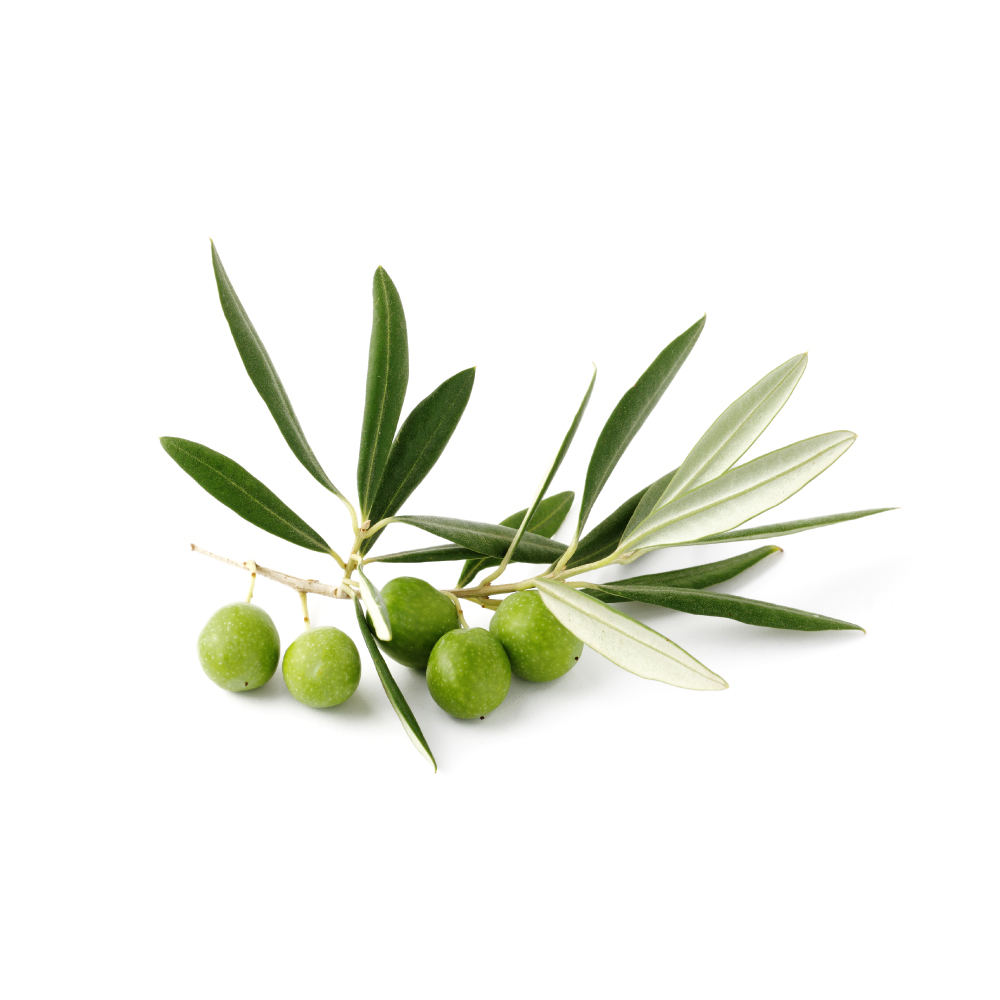
Hydroxytyrosol is a naturally occurring (and made in the body) phenolic (phenylethanoid / catechol), found in Olive leaf, Olive fruit and table olives, Virgin olive oil and 2 other sources. It is well tolerated orally (low toxicity).
Concentration
Content by Source
Reported concentrations across the plants that contain hydroxytyrosol — the bar marks the typical level, the line shows the reported range.
Literature figures for varying plant parts and preparations. Read them as a comparative guide, not exact assays.
Hydroxytyrosol at a Glance
Hydroxytyrosol, or 3,4-dihydroxyphenylethanol, is a small catechol phenol (a phenylethanoid) and the principal simple phenol of the olive (Olea europaea). It is the molecule that carries much of the antioxidant reputation of olive leaf, olives and virgin olive oil, and it is one of the most-studied dietary phenols in the literature.
Its defining relationship is to oleuropein: hydroxytyrosol is the active metabolite of that bitter olive glycoside. Oleuropein is poorly absorbed intact and is largely hydrolysed — by plant enzymes, gut microbiota, food processing and simple acid or heat — to hydroxytyrosol, which is the smaller, more absorbable phenol that actually circulates after an olive dose 4,
Two facts set this molecule apart. First, it is the one olive phenol with a regulatory health claim: the European Food Safety Authority (EFSA) concluded that olive-oil polyphenols protect blood lipids from oxidative damage, at an intake of 5 mg of hydroxytyrosol and its derivatives per day 2Reference 2Scientific Opinion on the substantiation of health claims related to polyphenols in olive and protection of LDL particles from oxidative damage, maintenance of normal blood HDL cholesterol concentrations, maintenance of normal blood pressure, anti-inflammatory properties, contributes to the upper respiratory tract health, can help to maintain a normal function of gastrointestinal tract, and contributes to body defences against external agents pursuant to Article 13(1) of Regulation (EC) No 1924/2006View study →. That is an olive-oil-polyphenols claim, not an endorsement of a pure-isolate supplement. Second, hydroxytyrosol is not only a food compound — it is also formed endogenously from dopamine, making the same molecule a dietary antioxidant and a human neurotransmitter metabolite 4,
The EFSA Health Claim
The single most load-bearing fact about hydroxytyrosol is regulatory: it sits behind the only authorised EU health claim for an olive phenol. In 2011 the EFSA panel concluded there was a cause-and-effect relationship between consumption of olive-oil polyphenols — hydroxytyrosol and its derivatives (the oleuropein complex and tyrosol) — and the protection of LDL particles from oxidative damage 2Reference 2Scientific Opinion on the substantiation of health claims related to polyphenols in olive and protection of LDL particles from oxidative damage, maintenance of normal blood HDL cholesterol concentrations, maintenance of normal blood pressure, anti-inflammatory properties, contributes to the upper respiratory tract health, can help to maintain a normal function of gastrointestinal tract, and contributes to body defences against external agents pursuant to Article 13(1) of Regulation (EC) No 1924/2006View study →. The authorised claim (Commission Regulation (EU) No 432/2012) reads, in effect, that olive-oil polyphenols contribute to the protection of blood lipids from oxidative stress.
The claim’s numbers matter, and they are easy to misread:
- The beneficial effect is obtained at a daily intake of 5 mg of hydroxytyrosol and its derivatives (e.g. as oleuropein complex and tyrosol) 2Reference 2Scientific Opinion on the substantiation of health claims related to polyphenols in olive and protection of LDL particles from oxidative damage, maintenance of normal blood HDL cholesterol concentrations, maintenance of normal blood pressure, anti-inflammatory properties, contributes to the upper respiratory tract health, can help to maintain a normal function of gastrointestinal tract, and contributes to body defences against external agents pursuant to Article 13(1) of Regulation (EC) No 1924/2006View study →.
- In practice this means a qualifying olive oil must contain at least ~250 mg/kg of those phenols (≈ 5 mg per 20 g of oil) — so the claim is carried by everyday consumption of a phenol-rich virgin oil 2Reference 2Scientific Opinion on the substantiation of health claims related to polyphenols in olive and protection of LDL particles from oxidative damage, maintenance of normal blood HDL cholesterol concentrations, maintenance of normal blood pressure, anti-inflammatory properties, contributes to the upper respiratory tract health, can help to maintain a normal function of gastrointestinal tract, and contributes to body defences against external agents pursuant to Article 13(1) of Regulation (EC) No 1924/2006View study →.
- The human evidence EFSA relied on was a set of controlled olive-oil feeding studies — chiefly the EUROLIVE trial — showing that the oil’s phenolic content dose-dependently lowered oxidised LDL in blood 1Reference 1RCTThe effect of polyphenols in olive oil on heart disease risk factors: a randomized trialView study →.
The crucial nuance: this is an olive-oil-polyphenols claim, not a pure-hydroxytyrosol supplement claim. It was substantiated on whole virgin olive oil delivering hydroxytyrosol plus its derivatives, and it does not license marketing an isolated hydroxytyrosol capsule as protecting the heart. Read it as the strongest human signal for the molecule’s antioxidant role — anchored in a food matrix, not in the isolate 1,
Hydroxytyrosol & Oleuropein
Hydroxytyrosol and oleuropein are two ends of the same chemistry. Oleuropein is hydroxytyrosol esterified to elenolic acid and carrying a glucose unit; break those bonds and you liberate hydroxytyrosol, the catechol that does much of the antioxidant work 15Reference 15Enzymatic hydrolysis of oleuropein from Olea europea (olive) leaf extract and antioxidant activitiesView study →. Because oleuropein is a large, polar glycoside that is poorly absorbed intact, what a body actually circulates after eating olive products is largely hydroxytyrosol and its conjugates, not the parent glycoside — so “oleuropein activity” in vivo is substantially hydroxytyrosol activity 6Reference 6Human absorption and metabolism of oleuropein and hydroxytyrosol ingested as olive (Olea europaea L.) leaf extractView study →.
This hydrolysis is also the chemistry of the olive itself. A fresh olive is bitter because it is loaded with oleuropein; ripening, table-olive curing and fermentation hydrolyse that oleuropein away, and in naturally-fermented green olives it is the fruit’s own endogenous β-glucosidase and esterase that do the conversion 16Reference 16Oleuropein hydrolysis in natural green olives: importance of the endogenous enzymesView study →. Enzymatic hydrolysis of olive-leaf oleuropein can convert nearly all of it (~98%) to hydroxytyrosol in vitro 15Reference 15Enzymatic hydrolysis of oleuropein from Olea europea (olive) leaf extract and antioxidant activitiesView study →. The practical consequence is a see-saw: processed and stored olive products tend to be lower in oleuropein and correspondingly richer in hydroxytyrosol than the fresh leaf or fruit.
The same secoiridoid family gives rise to hydroxytyrosol’s chemical relatives in the olive — tyrosol (its mono-phenol analogue, lacking the second hydroxyl and much of the antioxidant punch), and the dialdehyde secoiridoids oleocanthal and oleacein. Oleacein in particular is essentially the secoiridoid-aldehyde built on a hydroxytyrosol core, which is why olive oil’s phenol fraction behaves as an interlocking set rather than a single active 2Reference 2Scientific Opinion on the substantiation of health claims related to polyphenols in olive and protection of LDL particles from oxidative damage, maintenance of normal blood HDL cholesterol concentrations, maintenance of normal blood pressure, anti-inflammatory properties, contributes to the upper respiratory tract health, can help to maintain a normal function of gastrointestinal tract, and contributes to body defences against external agents pursuant to Article 13(1) of Regulation (EC) No 1924/2006View study →.
An Endogenous Dopamine Metabolite
A distinctive fact separates hydroxytyrosol from most dietary phenols: the body makes it too. Hydroxytyrosol is chemically identical to 3,4-dihydroxyphenylethanol (DOPET), a minor endogenous metabolite of dopamine 4Reference 4Metabolic disposition and biological significance of simple phenols of dietary origin: hydroxytyrosol and tyrosolView study →. In the reductive arm of dopamine catabolism, the reactive catechol-aldehyde DOPAL is reduced (by aldehyde/aldose reductases) to DOPET/hydroxytyrosol, in parallel with the better-known oxidation of DOPAL to DOPAC 4Reference 4Metabolic disposition and biological significance of simple phenols of dietary origin: hydroxytyrosol and tyrosolView study →.
This is not merely a chemical curiosity. Endogenous hydroxytyrosol formation is measurable and modifiable in humans: controlled dosing of ethanol shifts dopamine metabolism toward the reductive route, raising endogenous hydroxytyrosol and lowering the DOPAC/hydroxytyrosol ratio in a dose-dependent way 5Reference 5Ethanol induces hydroxytyrosol formation in humansView study →. The overlap has two implications the reader should hold onto: (1) background hydroxytyrosol is present in people who have never touched olive oil, complicating any attempt to read a plasma level as purely dietary 4Reference 4Metabolic disposition and biological significance of simple phenols of dietary origin: hydroxytyrosol and tyrosolView study →; and (2) it gives a mechanistic thread to the molecule’s much-studied but still-preclinical neuroprotective chemistry, since a dopamine-derived antioxidant is well placed to buffer the oxidative and quinone stress of dopaminergic neurons 4,
What It's Used For
Hydroxytyrosol’s evidence base is broad but stratified by evidence tier: a genuine human antioxidant/LDL signal anchored in the olive-oil matrix, a smaller set of human supplement trials (usually multi-ingredient), and an extensive preclinical profile for the isolate in cells and animals.
Support is an experimental score — weighted by study type (human > animal > in vitro) and volume. A beta, not a validated metric. The top row is the olive-oil result behind the EFSA claim; the supplement rows are often multi-ingredient. Read the per-row basis.
The molecule’s best-evidenced human application, and the one carrying a regulatory claim. In controlled olive-oil feeding trials, the oil’s phenolic content dose-dependently reduced oxidised LDL and improved the lipid-oxidation profile — the EUROLIVE crossover being the anchor study 1Reference 1RCTThe effect of polyphenols in olive oil on heart disease risk factors: a randomized trialView study →.
On that evidence EFSA authorised the claim that olive-oil polyphenols (hydroxytyrosol and its derivatives) protect blood lipids from oxidative damage at 5 mg/day 2Reference 2Scientific Opinion on the substantiation of health claims related to polyphenols in olive and protection of LDL particles from oxidative damage, maintenance of normal blood HDL cholesterol concentrations, maintenance of normal blood pressure, anti-inflammatory properties, contributes to the upper respiratory tract health, can help to maintain a normal function of gastrointestinal tract, and contributes to body defences against external agents pursuant to Article 13(1) of Regulation (EC) No 1924/2006View study →.
Mechanistically this fits the isolate chemistry: hydroxytyrosol’s catechol makes it one of the most potent natural radical scavengers, and it up-regulates endogenous antioxidant defences rather than acting only as a sacrificial scavenger 9Reference 9Hydroxytyrosol protects against oxidative damage by simultaneous activation of mitochondrial biogenesis and phase II detoxifying enzyme systems in retinal pigment epithelial cellsView study →.
Gap: the human evidence is whole virgin olive oil delivering hydroxytyrosol plus its derivatives, not the pure isolate — the claim is a food-matrix, olive-oil-polyphenols claim, and a share of the effect co-travels with tyrosol and the oleuropein complex 1,
Beyond the lipid-oxidation claim, small randomised trials point to vascular benefit. A placebo-controlled crossover of a hydroxytyrosol-plus-punicalagin supplement improved flow-mediated dilatation in participants with endothelial dysfunction, lowered systolic and diastolic blood pressure in the (pre)hypertensive subgroup, and reduced circulating oxidised LDL in those with higher baseline levels 13Reference 13RCTSupplementation with hydroxytyrosol and punicalagin improves early atherosclerosis markers involved in the asymptomatic phase of atherosclerosis in the adult population: a randomized, placebo-controlled, crossover trialView study →.
This is coherent with hydroxytyrosol’s antioxidant protection of LDL and endothelial NO.
Gap: the human vascular data are for a multi-ingredient formulation (hydroxytyrosol co-delivered with punicalagin), and the benefits concentrate in already-affected subgroups; there is little controlled evidence for isolated hydroxytyrosol as a stand-alone antihypertensive 13Reference 13RCTSupplementation with hydroxytyrosol and punicalagin improves early atherosclerosis markers involved in the asymptomatic phase of atherosclerosis in the adult population: a randomized, placebo-controlled, crossover trialView study →.
The most active preclinical frontier, and mechanistically tied to the dopamine-metabolite biology above. In cells, hydroxytyrosol is a potent Nrf2 activator: it protects retinal pigment epithelial cells from oxidative injury by simultaneously inducing phase-II detoxifying enzymes and stimulating mitochondrial biogenesis 9Reference 9Hydroxytyrosol protects against oxidative damage by simultaneous activation of mitochondrial biogenesis and phase II detoxifying enzyme systems in retinal pigment epithelial cellsView study →, and it induces phase-II enzyme expression to protect dopaminergic cells against dopamine- and 6-hydroxydopamine-induced toxicity 10Reference 10Hydroxytyrosol induces phase II detoxifying enzyme expression and effectively protects dopaminergic cells against dopamine- and 6-hydroxydopamine induced cytotoxicityView study →.
Because hydroxytyrosol is itself a dopamine metabolite, this is a plausible endogenous protective loop for catecholaminergic neurons 4Reference 4Metabolic disposition and biological significance of simple phenols of dietary origin: hydroxytyrosol and tyrosolView study →.
Gap: the evidence is in-vitro and animal only, on the isolate, with the usual question of how much crosses into the human brain at dietary exposures; there are no controlled human neurological-outcome trials 9,
A modest but real metabolic signal. A randomised double-blind crossover of a hydroxytyrosol formulation (15 mg/day for three weeks) in healthy volunteers reported shifts in body composition, antioxidant status and the expression of inflammatory/oxidative-stress and metabolic genes 14Reference 14RCTAntioxidant effects of a hydroxytyrosol-based pharmaceutical formulation on body composition, metabolic state, and gene expression: a randomized double-blinded, placebo-controlled crossover trialView study →. That dovetails with isolate enzyme work: hydroxytyrosol inhibits α-glucosidase and α-amylase — and is the stronger of the hydroxytyrosol/oleuropein pair at α-glucosidase — slowing carbohydrate digestion and blunting post-meal glucose 11Reference 11The α-glucosidase and α-amylase enzyme inhibitory of hydroxytyrosol and oleuropeinView study →.
Gap: the human trial is small, short and used a formulation with gene-expression rather than hard clinical endpoints; the enzyme-inhibition evidence is in vitro, so a clinically meaningful glycaemic effect of the isolate is not established 11,
A consistent mechanistic theme across the isolate literature. Hydroxytyrosol reduces oxidative and inflammatory signalling in cell models — the same Nrf2/phase-II induction that underlies its neuroprotection also lowers the downstream inflammatory tone 10Reference 10Hydroxytyrosol induces phase II detoxifying enzyme expression and effectively protects dopaminergic cells against dopamine- and 6-hydroxydopamine induced cytotoxicityView study → — and reviews collate anti-inflammatory activity alongside its antioxidant and antitumour actions 8Reference 8Hydroxytyrosol: Bioavailability, toxicity, and clinical applicationsView study →.
Gap: this is in-vitro/animal and review-level on the isolate; no human outcome rests on hydroxytyrosol’s anti-inflammatory action specifically, and much of the measured effect is inseparable from its antioxidant chemistry 8,
The thinnest tier. Isolated hydroxytyrosol shows in-vitro antibacterial activity against clinically relevant strains, and in the head-to-head olive comparison it is broader-acting than oleuropein 12Reference 12On the in-vitro antimicrobial activity of oleuropein and hydroxytyrosolView study →.
Gap: in-vitro MICs only; the concentrations that inhibit microbes exceed anything plausibly reached systemically from an oral dose, so this is not a demonstrated human anti-infective use 12Reference 12On the in-vitro antimicrobial activity of oleuropein and hydroxytyrosolView study →.
Mechanisms
| Target / pathway | Effect | Relevant to |
|---|---|---|
| Radical scavenging (catechol) | direct antioxidant; among the most potent natural radical scavengers | antioxidant / LDL protection |
| LDL oxidation | protects LDL particles from oxidative modification (the EFSA-claim endpoint) | antioxidant / cardiovascular |
| Nrf2 / phase-II enzymes (HO-1, NQO1, GCL, SOD) | induces endogenous antioxidant and detoxifying defences | neuroprotective / anti-inflammatory |
| PGC-1α / mitochondrial biogenesis | stimulates mitochondrial biogenesis and function | neuroprotective |
| Endothelial function / NO | improves flow-mediated dilatation; lowers oxidised LDL and BP (in affected subgroups) | cardiovascular / endothelial |
| α-glucosidase / α-amylase | inhibition slows carbohydrate digestion → lower post-meal glucose (HT > oleuropein at α-glucosidase) | metabolic / glycaemic |
| Dopamine catabolism (DOPAL → DOPET) | is an endogenous reductive metabolite of dopamine | endogenous biology / neuroprotection |
| Microbial membranes | in-vitro antibacterial (broader than oleuropein) | antimicrobial |
The load-bearing subtlety is that hydroxytyrosol acts on two levels at once — a direct catechol radical-scavenger and an inducer of the cell’s own antioxidant machinery (Nrf2/phase-II, mitochondrial biogenesis) — which is why its protective effects persist beyond the brief window its free-phenol plasma levels would predict 9,
Pharmacokinetics
Hydroxytyrosol is a small, water-and-lipid-compatible phenol, and unlike its parent glycoside it is well absorbed — a large fraction of an oral dose is taken up. Its defining PK fact is rapid, extensive first-pass conjugation: it is converted to hydroxytyrosol sulfate and glucuronides (and related catechol metabolites such as homovanillic alcohol), so free hydroxytyrosol in plasma is low and short-lived while conjugates dominate 6,
Clinical Trials
Human evidence is olive-oil-based for the antioxidant claim and small/multi-ingredient for supplements. Controlled olive-oil feeding trials underpin the EFSA lipid-oxidation claim 1,
| Completed | Planned | Terminated | Preclinical |
|---|---|---|---|
| Olive-oil polyphenol feeding (oxidised LDL) 1Reference 1RCTThe effect of polyphenols in olive oil on heart disease risk factors: a randomized trialView study →; HT-formulation RCTs (endothelial function, BP, metabolic/gene expression) 13, | — | — | Isolate: Nrf2/phase-II, mitochondrial biogenesis, neuro/retinal protection, enzyme inhibition, antimicrobial 9, |
Last checked: July 2026.
Isolate vs. Plant Studies
Hydroxytyrosol inverts the usual caveat in an interesting way. Its marquee human evidence is neither pure isolate nor whole herb but a food: virgin olive oil, whose phenolic content lowered oxidised LDL and earned the EFSA claim for hydroxytyrosol-and-derivatives 1,
The supplement human evidence exists but is thin and usually multi-ingredient: the endothelial/BP/oxLDL trial paired hydroxytyrosol with punicalagin 13Reference 13RCTSupplementation with hydroxytyrosol and punicalagin improves early atherosclerosis markers involved in the asymptomatic phase of atherosclerosis in the adult population: a randomized, placebo-controlled, crossover trialView study →, and the metabolic crossover used a hydroxytyrosol formulation 14Reference 14RCTAntioxidant effects of a hydroxytyrosol-based pharmaceutical formulation on body composition, metabolic state, and gene expression: a randomized double-blinded, placebo-controlled crossover trialView study →. The isolated-molecule evidence — the potent radical scavenging, Nrf2/phase-II induction, mitochondrial biogenesis, dopaminergic and retinal protection, enzyme inhibition and antibacterial activity — is overwhelmingly cell and animal work 9,
Its Role in Plants
In the olive, hydroxytyrosol is best understood as a product of secoiridoid metabolism rather than a primary stored end-product. It is the phenylethanoid released when the plant’s dominant secoiridoid, oleuropein, is hydrolysed by its own β-glucosidase and esterase enzymes — a reaction triggered by tissue damage, ripening and processing 16Reference 16Oleuropein hydrolysis in natural green olives: importance of the endogenous enzymesView study →. The liberated hydroxytyrosol (and the reactive aldehydes freed alongside it) contributes to the olive’s chemical defence against herbivores and microbes, and the fruit’s shift from oleuropein-rich and bitter toward hydroxytyrosol-rich and mild is the biochemical signature of ripening and curing 16Reference 16Oleuropein hydrolysis in natural green olives: importance of the endogenous enzymesView study →.
Because this conversion also happens in the olive-mill stream, hydroxytyrosol ends up concentrated in olive-mill wastewater — a pollution problem turned raw material, and now a major industrial source of the compound.
Prevalence in Nature
Hydroxytyrosol is, above all, a marker of the olive (Olea europaea) and its products. As the free phenol it is present at relatively low levels in fresh olives and fresh virgin oil, but it is the dominant simple phenol of olive products once secoiridoid hydrolysis has run its course 15,
- Virgin olive oil — hydroxytyrosol plus its derivatives. Qualifying oils under the EFSA claim carry ≥ ~250 mg/kg (≈ 5 mg per 20 g), with phenol-rich oils higher; free hydroxytyrosol rises during oil storage as bound forms hydrolyse 1,
2Reference 1RCTThe effect of polyphenols in olive oil on heart disease risk factors: a randomized trialView study →Reference 2Scientific Opinion on the substantiation of health claims related to polyphenols in olive and protection of LDL particles from oxidative damage, maintenance of normal blood HDL cholesterol concentrations, maintenance of normal blood pressure, anti-inflammatory properties, contributes to the upper respiratory tract health, can help to maintain a normal function of gastrointestinal tract, and contributes to body defences against external agents pursuant to Article 13(1) of Regulation (EC) No 1924/2006View study → . - Table olives and ripe fruit — hydroxytyrosol accumulates during ripening, fermentation and curing as oleuropein is hydrolysed away, so processed olives are comparatively hydroxytyrosol-rich 16Reference 16Oleuropein hydrolysis in natural green olives: importance of the endogenous enzymesView study →.
- Olive leaf — hydroxytyrosol is present and increases as leaf oleuropein hydrolyses during storage and extraction; enzymatic conversion of leaf oleuropein yields hydroxytyrosol near-quantitatively 15Reference 15Enzymatic hydrolysis of oleuropein from Olea europea (olive) leaf extract and antioxidant activitiesView study →.
- Olive-mill wastewater — a hydroxytyrosol-rich by-product exploited for commercial recovery 16Reference 16Oleuropein hydrolysis in natural green olives: importance of the endogenous enzymesView study →.
Beyond the olive, the same molecule occurs endogenously in humans as the dopamine metabolite DOPET, so it is not strictly a plant-only compound 4,
Major Natural Sources
| Source | Plant part / matrix | Reported hydroxytyrosol |
|---|---|---|
| Virgin olive oil (Olea europaea) | oil | ≥ ~250 mg/kg HT + derivatives in qualifying oils (rises on storage) |
| Table olives / ripe fruit (Olea europaea) | processed fruit | high; accumulates as oleuropein hydrolyses on curing |
| Olive leaf (Olea europaea) | leaf | present; rises as leaf oleuropein hydrolyses |
| Olive-mill wastewater | processing by-product | rich (industrial recovery source) |
Figures depend heavily on cultivar, ripeness, processing and storage; the free-phenol level is a moving target that rises as bound secoiridoids break down 1,
Discovery & Synthesis
Unlike a molecule with a single datable isolation, hydroxytyrosol entered science through two doors at once. In olive chemistry it was long characterised as the catechol hydrolysis product of oleuropein — the phenol left when the olive’s bitter glycoside is cleaved — rather than being credited to one isolation event 15,
As a simple catechol phenylethanol, hydroxytyrosol is straightforward to prepare and is not dependent on total synthesis for supply. Patents: not yet researched.
Commercial Production
Hydroxytyrosol is produced by several competing routes, reflecting its value as a high-purity antioxidant:
- Recovery from olive-mill wastewater — the hydroxytyrosol-rich effluent of oil production is extracted, turning a disposal problem into feedstock 16Reference 16Oleuropein hydrolysis in natural green olives: importance of the endogenous enzymesView study →.
- Enzymatic (or acid/thermal) hydrolysis of oleuropein — olive-leaf extract, an abundant pruning by-product, is converted near-quantitatively to hydroxytyrosol; much industrial interest in oleuropein is really in this downstream step to the higher-value phenol 15Reference 15Enzymatic hydrolysis of oleuropein from Olea europea (olive) leaf extract and antioxidant activitiesView study →.
- Chemical synthesis / bioconversion — the small catechol is also made synthetically or by microbial bioconversion for pharmaceutical-grade material.
This manufacturing story matters for the page’s honesty: purified hydroxytyrosol on the market is often a made or recovered isolate, whereas the human antioxidant evidence is for the compound as delivered in olive oil 1,
Toxicity & Safety
Hydroxytyrosol carries a low toxicity flag. It is a constituent of a food humans have eaten for millennia — olives and virgin olive oil — and its safety has been formally assessed. EFSA’s evaluation of hydroxytyrosol as a novel food established a NOAEL of 50 mg/kg body weight per day from a subchronic study and concluded the ingredient is safe at the proposed food-fortification uses, noting that anticipated intakes are in the range of, or below, ordinary exposure from olive oil and olives 3Reference 3Safety of hydroxytyrosol as a novel food pursuant to Regulation (EC) No 258/97View study →. Review-level toxicology likewise reports no meaningful toxicity across the doses studied 8Reference 8Hydroxytyrosol: Bioavailability, toxicity, and clinical applicationsView study →. The practical cautions are pharmacological rather than toxicological.
- Low-toxicity food antioxidant. A principal phenol of olive oil and olives with a long dietary history; EFSA set a novel-food NOAEL of 50 mg/kg/day and judged it safe at fortification levels 3Reference 3Safety of hydroxytyrosol as a novel food pursuant to Regulation (EC) No 258/97View study →.
- Backed by a regulatory claim (as the oil). Olive-oil polyphenols including hydroxytyrosol carry the authorised EU claim for protecting blood lipids from oxidative damage at 5 mg/day 2Reference 2Scientific Opinion on the substantiation of health claims related to polyphenols in olive and protection of LDL particles from oxidative damage, maintenance of normal blood HDL cholesterol concentrations, maintenance of normal blood pressure, anti-inflammatory properties, contributes to the upper respiratory tract health, can help to maintain a normal function of gastrointestinal tract, and contributes to body defences against external agents pursuant to Article 13(1) of Regulation (EC) No 1924/2006View study →.
- Possible additive blood-pressure lowering. Hydroxytyrosol-containing supplements lowered BP in (pre)hypertensive subgroups — relevant if combined with antihypertensive medication 13Reference 13RCTSupplementation with hydroxytyrosol and punicalagin improves early atherosclerosis markers involved in the asymptomatic phase of atherosclerosis in the adult population: a randomized, placebo-controlled, crossover trialView study →.
- Claim ≠ isolate. The human antioxidant evidence is for olive-oil polyphenols (hydroxytyrosol plus derivatives), not a pure-hydroxytyrosol supplement; supplement trials are small and often multi-ingredient 1,
2, .13Reference 1RCTThe effect of polyphenols in olive oil on heart disease risk factors: a randomized trialView study →Reference 2Scientific Opinion on the substantiation of health claims related to polyphenols in olive and protection of LDL particles from oxidative damage, maintenance of normal blood HDL cholesterol concentrations, maintenance of normal blood pressure, anti-inflammatory properties, contributes to the upper respiratory tract health, can help to maintain a normal function of gastrointestinal tract, and contributes to body defences against external agents pursuant to Article 13(1) of Regulation (EC) No 1924/2006View study →Reference 13RCTSupplementation with hydroxytyrosol and punicalagin improves early atherosclerosis markers involved in the asymptomatic phase of atherosclerosis in the adult population: a randomized, placebo-controlled, crossover trialView study → - Endogenous background. Some circulating hydroxytyrosol comes from dopamine metabolism, not diet — worth remembering when interpreting blood/urine levels 4,
5Reference 4Metabolic disposition and biological significance of simple phenols of dietary origin: hydroxytyrosol and tyrosolView study →Reference 5Ethanol induces hydroxytyrosol formation in humansView study → .
Pregnancy and lactation are per-herb / per-supplement decisions and are not adjudicated on this molecule page; EFSA excluded infants under 36 months and pregnant/breastfeeding women from the novel-food target population as a precaution, but no isolate-specific verdict is issued here 3Reference 3Safety of hydroxytyrosol as a novel food pursuant to Regulation (EC) No 258/97View study →.
Dosage
There is no single established therapeutic dose for isolated hydroxytyrosol. The load-bearing human figure is regulatory:
| Context | Typical figure |
|---|---|
| EFSA health-claim intake (oil) | 5 mg/day hydroxytyrosol + derivatives (≈ 20 g qualifying oil) |
| Qualifying olive oil | ≥ ~250 mg/kg HT + derivatives |
| Human supplement trials | ~10–15 mg/day (often multi-ingredient) |
| Isolated hydroxytyrosol | no established stand-alone dose |
The 5 mg/day figure is the intake at which olive-oil polyphenols protect blood lipids from oxidative damage 2Reference 2Scientific Opinion on the substantiation of health claims related to polyphenols in olive and protection of LDL particles from oxidative damage, maintenance of normal blood HDL cholesterol concentrations, maintenance of normal blood pressure, anti-inflammatory properties, contributes to the upper respiratory tract health, can help to maintain a normal function of gastrointestinal tract, and contributes to body defences against external agents pursuant to Article 13(1) of Regulation (EC) No 1924/2006View study →, and it is delivered by everyday consumption of a phenol-rich virgin oil, not by an isolate. Supplement trials have used roughly 10–15 mg/day, usually in a formulation 13,
References
- Covas MI, et al. (2006). The effect of polyphenols in olive oil on heart disease risk factors: a randomized trial. Annals of Internal Medicine. https://pubmed.ncbi.nlm.nih.gov/16954359/
- EFSA Panel on Dietetic Products, Nutrition and Allergies (NDA) (2011). Scientific Opinion on the substantiation of health claims related to polyphenols in olive and protection of LDL particles from oxidative damage, maintenance of normal blood HDL cholesterol concentrations, maintenance of normal blood pressure, anti-inflammatory properties, contributes to the upper respiratory tract health, can help to maintain a normal function of gastrointestinal tract, and contributes to body defences against external agents pursuant to Article 13(1) of Regulation (EC) No 1924/2006. EFSA Journal 9(4):2033. https://doi.org/10.2903/j.efsa.2011.2033
- EFSA Panel on Dietetic Products, Nutrition and Allergies (NDA) (2017). Safety of hydroxytyrosol as a novel food pursuant to Regulation (EC) No 258/97. EFSA Journal 15(3):4728. https://doi.org/10.2903/j.efsa.2017.4728
- Rodríguez-Morató J, et al. (2016). Metabolic disposition and biological significance of simple phenols of dietary origin: hydroxytyrosol and tyrosol. Drug Metabolism Reviews. https://pubmed.ncbi.nlm.nih.gov/27186796/
- Pérez-Mañá C, et al. (2015). Ethanol induces hydroxytyrosol formation in humans. Pharmacological Research. https://pubmed.ncbi.nlm.nih.gov/25801942/
- de Bock M, et al. (2013). Human absorption and metabolism of oleuropein and hydroxytyrosol ingested as olive (Olea europaea L.) leaf extract. Molecular Nutrition & Food Research. https://pubmed.ncbi.nlm.nih.gov/23766098/
- Alemán-Jiménez C, et al. (2021). Pharmacokinetics and bioavailability of hydroxytyrosol are dependent on the food matrix in humans. European Journal of Nutrition. https://pubmed.ncbi.nlm.nih.gov/32524230/
- Robles-Almazan M, et al. (2018). Hydroxytyrosol: Bioavailability, toxicity, and clinical applications. Food Research International. https://doi.org/10.1016/j.foodres.2017.11.053
- Zhu L, et al. (2010). Hydroxytyrosol protects against oxidative damage by simultaneous activation of mitochondrial biogenesis and phase II detoxifying enzyme systems in retinal pigment epithelial cells. Journal of Nutritional Biochemistry. https://pubmed.ncbi.nlm.nih.gov/20149621/
- Yu G, et al. (2016). Hydroxytyrosol induces phase II detoxifying enzyme expression and effectively protects dopaminergic cells against dopamine- and 6-hydroxydopamine induced cytotoxicity. Neurochemistry International. https://pubmed.ncbi.nlm.nih.gov/26970393/
- Hadrich F, et al. (2015). The α-glucosidase and α-amylase enzyme inhibitory of hydroxytyrosol and oleuropein. Journal of Oleo Science. https://pubmed.ncbi.nlm.nih.gov/26235001/
- Bisignano G, et al. (1999). On the in-vitro antimicrobial activity of oleuropein and hydroxytyrosol. Journal of Pharmacy and Pharmacology. https://pubmed.ncbi.nlm.nih.gov/10504039/
- Quirós-Fernández R, et al. (2019). Supplementation with hydroxytyrosol and punicalagin improves early atherosclerosis markers involved in the asymptomatic phase of atherosclerosis in the adult population: a randomized, placebo-controlled, crossover trial. Nutrients. https://pubmed.ncbi.nlm.nih.gov/30884808/
- Colica C, et al. (2017). Antioxidant effects of a hydroxytyrosol-based pharmaceutical formulation on body composition, metabolic state, and gene expression: a randomized double-blinded, placebo-controlled crossover trial. Oxidative Medicine and Cellular Longevity. https://pubmed.ncbi.nlm.nih.gov/28855976/
- Yuan JJ, et al. (2015). Enzymatic hydrolysis of oleuropein from Olea europea (olive) leaf extract and antioxidant activities. Molecules. https://pubmed.ncbi.nlm.nih.gov/25679050/
- Ramírez E, et al. (2016). Oleuropein hydrolysis in natural green olives: importance of the endogenous enzymes. Food Chemistry. https://pubmed.ncbi.nlm.nih.gov/27041317/



