
Compound Monograph
Vanillin
Vanillin (4-hydroxy-3-methoxybenzaldehyde) is the phenolic aldehyde that gives cured vanilla its scent and the world's most-used flavour compound — but under 1% of it now comes from vanilla pods. Its antioxidant, anti-inflammatory, neuroprotective and anti-sickling pharmacology is broad, coherent and almost entirely preclinical, and it is poorly absorbed by mouth.

Sources · 7
Where Does It Come From?
Vanillin is a naturally occurring phenolic aldehyde (hydroxybenzaldehyde), found in Vanilla, Couchgrass, Pau d'arco and 4 other sources. It is well tolerated orally (low toxicity).
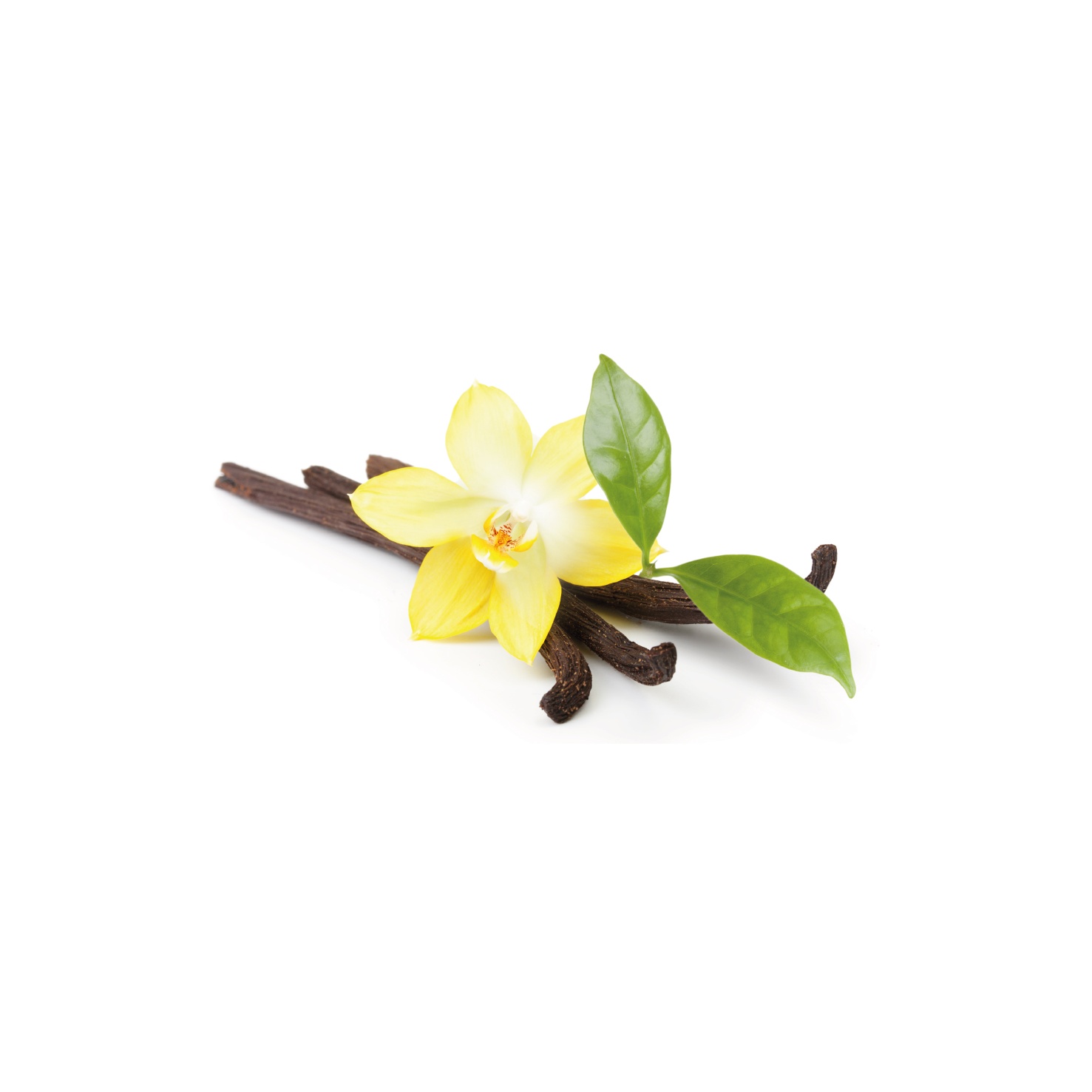 Principal source Vanilla Vanilla planifolia Herb monograph →
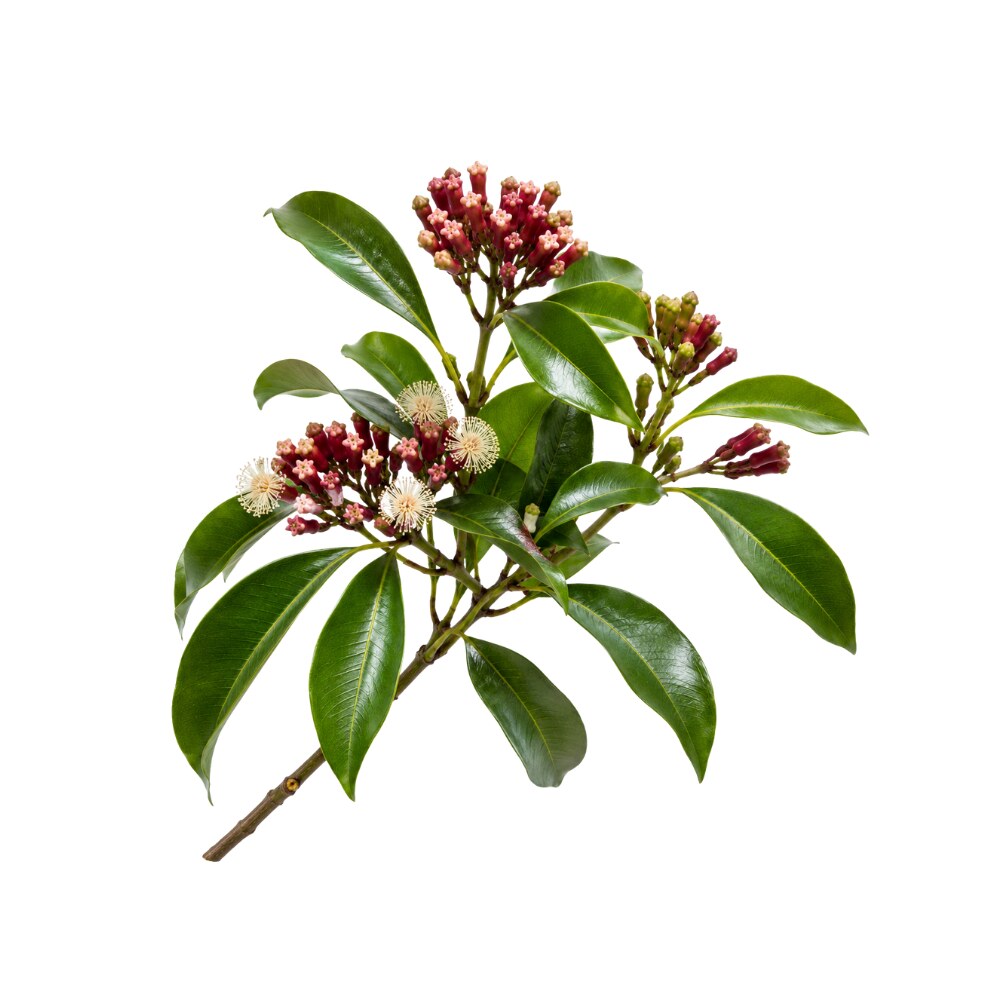 Source Clove Syzygium aromaticum Herb monograph →
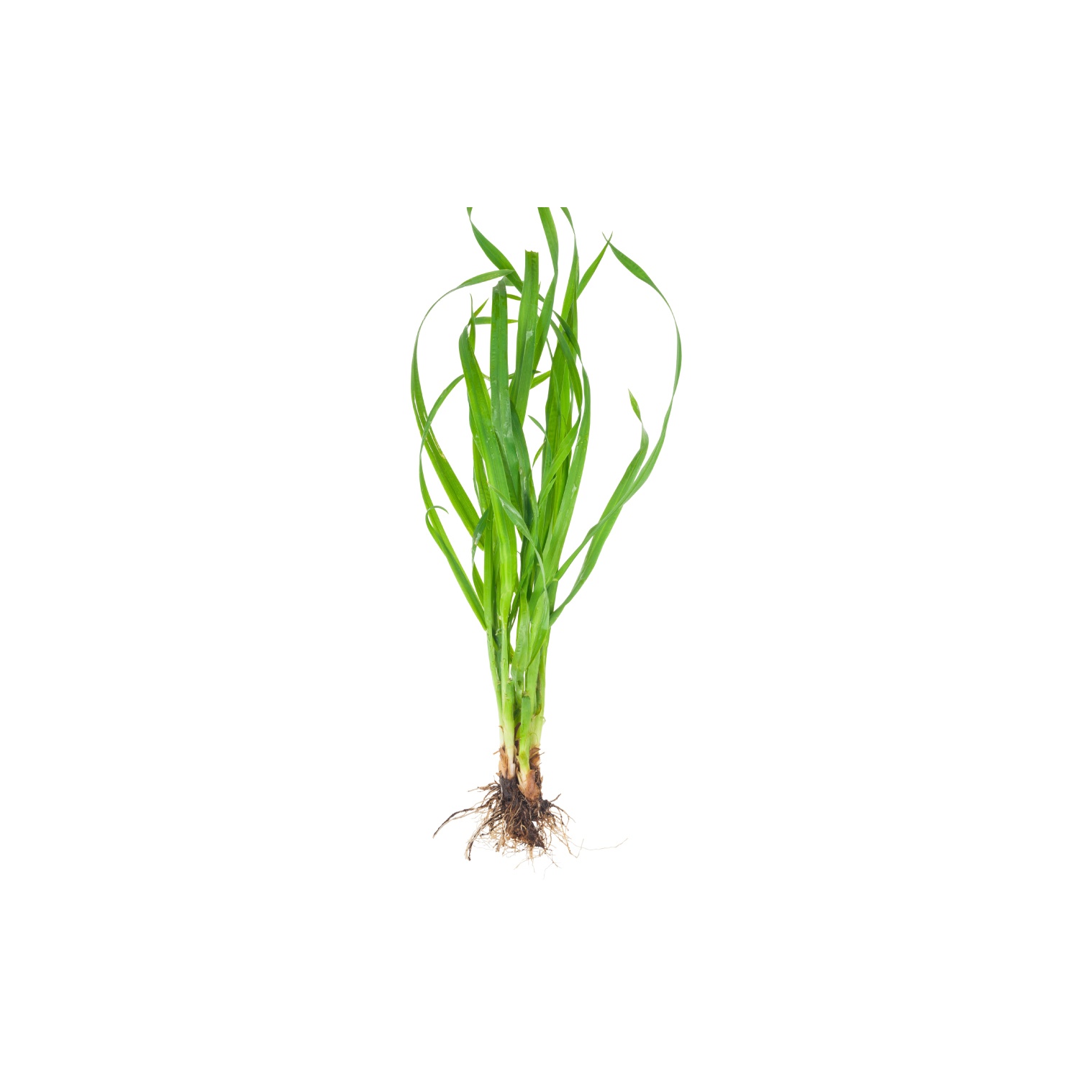 Source Couchgrass Elymus repens Herb monograph →
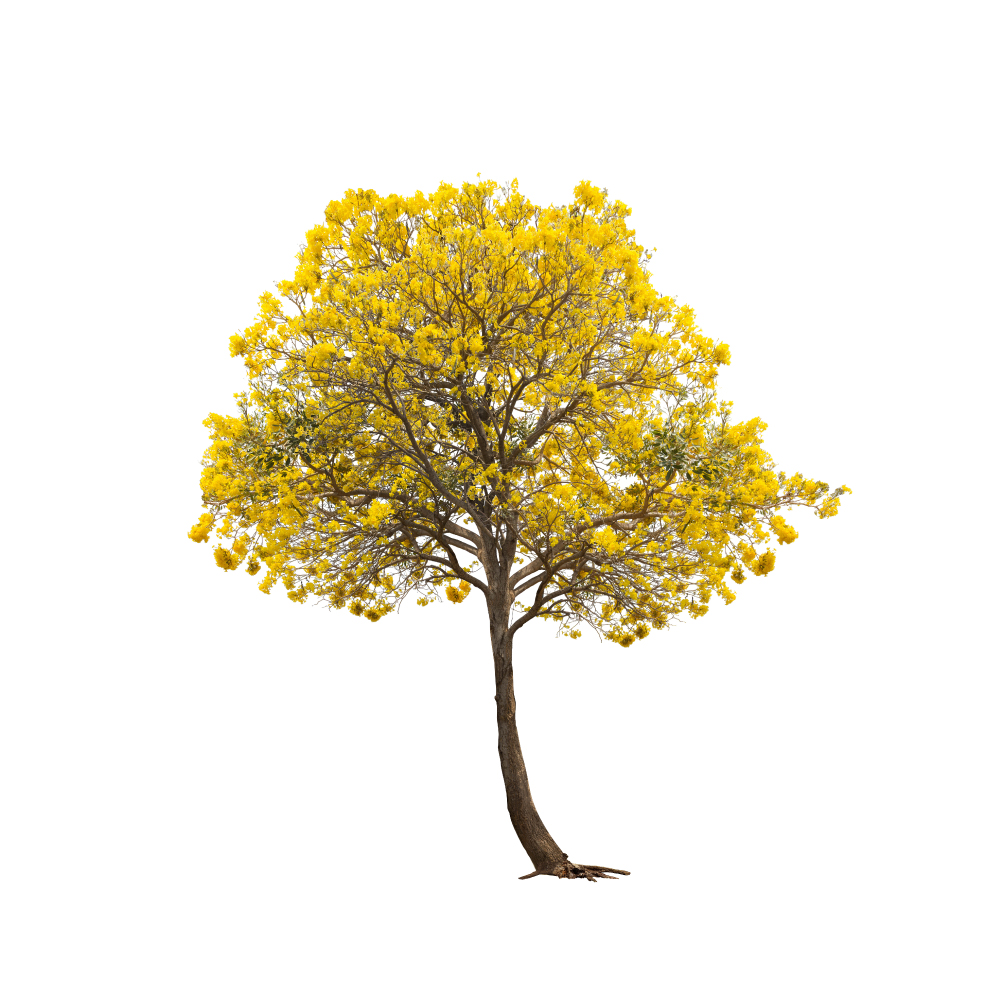 Source Pau D'Arco Tabebuia impetiginosa Herb monograph →
Concentration
Content by Source
Reported concentrations across the plants that contain vanillin — the bar marks the typical level, the line shows the reported range.
Literature figures for varying plant parts and preparations. Read them as a comparative guide, not exact assays.
Vanillin at a Glance
Vanillin, or 4-hydroxy-3-methoxybenzaldehyde, is a simple phenolic aldehyde — the single molecule most responsible for the smell and taste of vanilla, and, by volume, the most-used flavour compound in the world. It is the marker phenolic of the cured vanilla pod, where it makes up the great majority of the extractable phenolics, and it turns up in trace amounts in a scatter of other plants such as couchgrass and pau d’arco 27Reference 27Effects of killing conditions of vanilla (Vanilla planifolia, Andrews) pods during the curing process on aroma composition of pod ethanol extractView study →.
Almost none of the vanillin people actually encounter comes from a vanilla pod. Well under 1% of world vanillin is extracted from vanilla; the rest is manufactured — historically from wood lignin, today mostly from the petrochemical guaiacol, with a growing “natural” slice made by fermenting ferulic acid — a production story covered in its own section below.
Its researched pharmacology is broad and internally coherent — antioxidant, anti-inflammatory, neuroprotective, antidiabetic, antimicrobial and a distinctive anti-sickling activity — but it is almost entirely preclinical, and dominated by studies of the isolated molecule, frequently given by injection 5,
Vanillin vs. Vanillic Acid
Vanillin and vanillic acid are the same aromatic scaffold at two oxidation states, and they are constantly conflated — but they are different compounds with different roles.
Vanillin is an aldehyde (4-hydroxy-3-methoxybenzaldehyde) — the aroma molecule, the flavour the word “vanilla” refers to. Vanillic acid is its oxidation product: oxidise vanillin’s aldehyde group to a carboxylic acid and you get 4-hydroxy-3-methoxybenzoic acid. That single reaction is central to this molecule’s pharmacokinetics — in the body, much of an oral dose of vanillin is oxidised straight to vanillic acid 3Reference 3AnimalAnti-sickling effect of MX-1520, a prodrug of vanillin: an in vivo study using rodents — animal modelView study →. In the cured pod the acid accumulates as a minor by-product of the same curing chemistry that liberates vanillin, at roughly a tenth of vanillin’s level 27Reference 27Effects of killing conditions of vanilla (Vanilla planifolia, Andrews) pods during the curing process on aroma composition of pod ethanol extractView study →.
The practical consequences:
- Flavour vs. the acid — vanillin carries the sweet aromatic flavour; vanillic acid contributes little aroma and behaves more as a phenolic-acid antioxidant.
- Overlapping but distinct pharmacology — both suppress the NF-κB inflammatory axis, and vanillic acid retains that anti-inflammatory activity independently 8Reference 8In vitroVanillic acid inhibits inflammatory mediators by suppressing NF-κB in lipopolysaccharide-stimulated mouse peritoneal macrophages — in vitroView study →. In classic radical assays the roles even invert: vanillin is essentially inert in DPPH (it scavenges by an unusual self-dimerisation route), while vanillic acid and vanillyl alcohol out-scavenge it 10Reference 10In vitroEvaluation of antioxidant activity of vanillin by using multiple antioxidant assays — in vitroView study →.
- The redox pair defines the page — read vanillin as the reactive aldehyde and vanillic acid as its stable oxidised twin. The anti-sickling activity below belongs to the aldehyde, because it depends on the aldehyde group forming a covalent bond with haemoglobin — something the acid cannot do.
Natural vs. Synthetic Vanillin
This is the fact that most distinguishes vanillin from every other molecule here: the “natural” product is a rounding error in its own market. Demand for vanillin vastly outstrips what the world’s vanilla harvest could ever supply, so the overwhelming majority is made industrially.
- Vanilla-pod extract — under ~1%. Only a small fraction of global vanillin is extracted from cured Vanilla planifolia pods; it is by far the most expensive route and is reserved for premium food and fragrance.
- Petrochemical synthesis — the bulk of supply. Most synthetic vanillin is now made in a two-step process from guaiacol and glyoxylic acid. This is chemically identical vanillin, but because its carbon does not come from a plant it cannot be labelled “natural” 29Reference 29Vanillin production from lignin and its use as a renewable chemicalView study →.
- Lignin — the historical route. The first industrial vanillin (from 1875) and, for much of the twentieth century, a large share of supply came from lignin in wood-pulp (paper-industry) waste liquor — turning a by-product into flavour 29Reference 29Vanillin production from lignin and its use as a renewable chemicalView study →.
- Ferulic-acid bioconversion — the “natural” premium slice. Microbial fermentation of ferulic acid (obtained from rice bran, wheat, or other plant material), and related routes from eugenol/isoeugenol, yields vanillin that qualifies as a natural flavouring under food law. It is far dearer than petrochemical vanillin — roughly USD 700/kg versus USD 10-20/kg — which is why it commands a premium 29,
28Reference 29Vanillin production from lignin and its use as a renewable chemicalView study →Reference 28ReviewVanillin — bioconversion and bioengineering of the most popular plant flavor and its de novo biosynthesis in the vanilla orchid — reviewView study → .
The labelling story matters to a reader. On an ingredient list, “natural flavour” vanillin can mean fermented ferulic acid, not vanilla; “vanilla extract” means the pod; and unqualified “vanillin” or “artificial flavour” is usually the guaiacol product. All three are the same molecule — the difference is carbon origin, cost, and law, not chemistry. (Isotope-ratio analysis is used to police vanilla adulteration precisely because the molecules are otherwise indistinguishable.)
What It's Used For
Vanillin has one of the broader preclinical activity profiles of any single food phenolic — but the evidence is almost uniformly cell-and-rodent, mostly of the isolated molecule, and its translation is capped by poor oral bioavailability.
Support is an experimental score — weighted by study type (human > animal > in vitro) and volume. A beta, not a validated metric. Every row except anti-sickling rests on isolate cell/animal work with no human trials, so scores stay modest by design; read the per-row basis.
The most-replicated animal signal. In 6-hydroxydopamine and MPTP rodent models of Parkinson’s disease, vanillin preserved striatal dopamine, reduced apoptosis and α-synucleinopathy, and modulated Wnt/β-catenin and GSK-3β signalling 12,
Gap: every study is the isolated molecule in a rodent or cell model — models, not diseases — with no human neuroprotection data and unresolved brain-exposure questions for a poorly-absorbed phenolic 12,
The best-characterised mechanism. In LPS-stimulated mouse macrophages vanillin inhibited NF-κB activation and COX-2 expression, out-performing eugenol and guaiacol in the same assay 5Reference 5In vitroRe-evaluation of cyclooxygenase-2-inhibiting activity of vanillin and guaiacol in macrophages stimulated with lipopolysaccharide — in vitroView study →; in human THP-1 monocytes it lowered TNF-α, IL-1β, IL-6 and IL-8, blocked the NF-κB/AP-1 pathway and the NLRP3 inflammasome, and activated the antioxidant Nrf2/HO-1 axis 6Reference 6In vitroElucidation of the anti-inflammatory effect of vanillin in LPS-activated THP-1 cells — in vitroView study →.
Comparable effects appear in LPS-stimulated microglia 7Reference 7In vitroAnti-neuroinflammatory effects of vanillin through the regulation of inflammatory factors and NF-κB signaling in LPS-stimulated microglia — in vitroView study → and in a rat acute-lung-injury model, where vanillin inhibited ERK1/2, p38 and NF-κB 9Reference 9AnimalVanillin protects lipopolysaccharide-induced acute lung injury by inhibiting ERK1/2, p38 and NF-κB pathway — animal modelView study →.
Gap: in-vitro and acute rodent-injury models of the isolate; no human anti-inflammatory data, and the concentrations used are not obviously reached in plasma from dietary vanillin 5,
The molecule’s signature — and the only indication with human data. Vanillin reacts covalently with sickle haemoglobin (Hb S), forming a Schiff-base adduct near the α-chain that shifts the oxygen-equilibrium curve leftward and directly inhibits deoxygenation-induced polymerisation, shown by oxygen-equilibrium curves and X-ray crystallography of the deoxyhaemoglobin–vanillin complex 2Reference 2In vitroVanillin, a potential agent for the treatment of sickle cell anemia — in vitro / crystallographyView study →.
In a double-blind, placebo-controlled trial of 30 sickle-cell patients, oral vanillin over 8 weeks increased the polymerisation delay time ~1.6-fold and cut sickled-cell counts ~25% on a surrogate laboratory assay 1Reference 1RCTIn vivo action of vanillin on delay time determined by magnetic relaxation — placebo-controlled clinical trialView study →.
Because plain oral vanillin is rapidly degraded, a prodrug (MX-1520) was engineered and prolonged survival under hypoxia in transgenic sickle mice 3,
Gap: the human data are one small, decades-old trial on a laboratory polymerisation endpoint — not crises or haemoglobin outcomes — and the systemically effective form is an engineered prodrug, not vanilla or plain vanillin 1,
Method-dependent rather than uniformly strong. Vanillin showed potent activity in ORAC, ABTS and oxidative-haemolysis assays — stronger than ascorbic acid and Trolox in ABTS — yet essentially none in DPPH or galvinoxyl, because it scavenges radicals through an unusual self-dimerisation mechanism rather than simple hydrogen donation 10Reference 10In vitroEvaluation of antioxidant activity of vanillin by using multiple antioxidant assays — in vitroView study →. This antioxidant capacity is the presumed engine behind the hepato- and neuroprotective findings.
Gap: the strongest numbers are in-vitro chemistry that diverges sharply by assay, with no human antioxidant outcome resting on vanillin specifically 10Reference 10In vitroEvaluation of antioxidant activity of vanillin by using multiple antioxidant assays — in vitroView study →.
One clean rodent read-out. In carbon-tetrachloride-poisoned rats, vanillin pretreatment blunted the rise in plasma ALT and AST, inhibited hepatic lipid peroxidation and protein-carbonyl formation, restored catalase, superoxide dismutase and glutathione, lowered TNF-α, IL-1β and IL-6, and reduced necrosis on histology 11Reference 11AnimalEvaluation of the antioxidant, anti-inflammatory and hepatoprotective properties of vanillin in carbon tetrachloride-treated rats — animal modelView study → — a single-organ demonstration of vanillin’s combined antioxidant and anti-inflammatory activity.
Gap: a single isolated-molecule study in a chemical-toxin liver model; no human hepatoprotection data 11Reference 11AnimalEvaluation of the antioxidant, anti-inflammatory and hepatoprotective properties of vanillin in carbon tetrachloride-treated rats — animal modelView study →.
In fructose–streptozotocin type-2 diabetic rats, oral vanillin (150–300 mg/kg, 5 weeks) lowered blood glucose, cholesterol and triglycerides, raised insulin and improved pancreatic β-cell morphology while restoring tissue glutathione and inhibiting carbohydrate-digesting enzymes 17Reference 17AnimalVanillin improves glucose homeostasis and modulates metabolic activities linked to type 2 diabetes in fructose-streptozotocin induced diabetic rats — animal modelView study →; a companion study reported reduced oxidative and purinergic dysfunction in diabetic skeletal muscle 18Reference 18AnimalVanillin modulates activities linked to dysmetabolism in psoas muscle of diabetic rats — animal modelView study →.
Gap: two studies from one group in a rodent diabetes model, at doses far above any realistic dietary vanillin intake; no human metabolic data 17,
The likely basis for vanilla’s traditional preservative role. Vanillin disrupts membrane integrity and energy metabolism in Escherichia coli O157:H7 19Reference 19In vitroAntibacterial mechanism of vanillin against Escherichia coli O157:H7 — in vitroView study →, and a review documents activity — often synergistic with antibiotics — against multidrug-resistant ESKAPE pathogens 20Reference 20ReviewAntibacterial effects of vanilla ingredients provide novel treatment options for infections with multidrug-resistant bacteria — reviewView study →.
Gap: in-vitro food-matrix and mechanistic antimicrobial activity — a preservative/adjuvant use, not evidence of a systemic antibiotic effect 19,
Rodent behavioural work suggests a mood effect mediated partly through smell. In mice, oral vanillin reduced immobility in the tail-suspension test (the forced-swim result did not reach significance) 21Reference 21AnimalEvaluation of antidepressant activity of vanillin in mice — animal modelView study →; in a rat model of chronic stress and olfactory bulbectomy, vanillin raised brain serotonin and dopamine and eased depression-like behaviour via the olfactory pathway 22Reference 22AnimalVanillin-induced amelioration of depression-like behaviors in rats by modulating monoamine neurotransmitters in the brain — animal modelView study →.
Gap: two rodent behavioural-model studies of the isolate, with an olfactory route that complicates read-across to an ingested “antidepressant”; no human data 21,
Genuinely mixed — read cautiously. Oral vanillin reduced lung metastases of mouse breast-cancer cells and inhibited MMP-9-driven invasion at non-cytotoxic concentrations 23Reference 23In vitroVanillin suppresses in vitro invasion and in vivo metastasis of mouse breast cancer cells — animal modelView study →, and in triple-negative breast-cancer cells it induced ferroptosis via the KLF2/GPX4 axis 24Reference 24In vitroVanillin restrains proliferation of triple negative breast cancer cells by inducing ferroptosis via the KLF2/GPX4 axis — in vitroView study →.
But in azoxymethane-treated rats, high-dose intraperitoneal vanillin increased pre-cancerous aberrant crypt foci in the colon — a co-carcinogen signal — while oral vanillin had no effect either way 25Reference 25AnimalVanillin differentially affects azoxymethane-injected rat colon carcinogenesis and gene expression — animal modelView study →.
Gap: discordant preclinical data including a co-carcinogenic finding; no coherent human oncology signal, and no basis for any anticancer use 23,
In a single ex-vivo study, vanillin relaxed pre-contracted rat mesenteric resistance arteries in a concentration-dependent, endothelium-independent manner, apparently by inhibiting extracellular Ca²⁺ influx rather than acting through nitric oxide, potassium channels or COX 26Reference 26AnimalVanillin induces relaxation in rat mesenteric resistance arteries by inhibiting extracellular Ca²⁺ influx — animal modelView study →.
Gap: one ex-vivo isolated-vessel study; no in-vivo or human cardiovascular data 26Reference 26AnimalVanillin induces relaxation in rat mesenteric resistance arteries by inhibiting extracellular Ca²⁺ influx — animal modelView study →.
Mechanisms
| Target / pathway | Effect | Relevant to |
|---|---|---|
| NF-κB / COX-2 / NLRP3 inflammasome | suppresses activation → ↓ TNF-α, IL-1β, IL-6, COX-2 | anti-inflammatory (and hepato/neuro/metabolic) |
| Nrf2 / HO-1 | activates antioxidant/cytoprotective transcription | antioxidanthepatoprotective |
| Radical scavenging (ORAC/ABTS via self-dimerisation) | high-stoichiometry scavenging in some assays, inert in DPPH | antioxidant |
| Covalent Schiff-base binding to haemoglobin S | shifts O₂-equilibrium curve, delays HbS polymerisation | anti-sickling |
| Dopamine preservation, Wnt/β-catenin ↑, mitochondrial protection | protects dopaminergic neurons, ↓ apoptosis | neuroprotective |
| Microbial cell membrane / energy metabolism | membrane disruption, ↓ ATP | antimicrobial |
| Extracellular Ca²⁺ influx | inhibition → smooth-muscle relaxation | vasorelaxant |
The load-bearing point: most effects fold back to one upstream theme — NF-κB suppression plus Nrf2-driven antioxidant defence — which is why the organ-protection findings look coherent yet stay low-tier. The anti-sickling activity is the exception that stands apart: it turns on the reactive aldehyde group forming a covalent bond, chemistry the oxidised vanillic acid cannot do.
Pharmacokinetics
Vanillin’s pharmacokinetics are the single most important caveat on its whole activity profile. Orally, it is poorly bioavailable: a large fraction is oxidised — chiefly to vanillic acid — and otherwise degraded in the upper gastrointestinal tract before it can reach the systemic circulation, then further conjugated (glucuronide/sulfate) and excreted. The clearest evidence of this limitation is engineering, not assay: because plain oral vanillin does not persist systemically, an engineered prodrug (MX-1520) had to be created to deliver a therapeutic anti-sickling effect in vivo 3Reference 3AnimalAnti-sickling effect of MX-1520, a prodrug of vanillin: an in vivo study using rodents — animal modelView study →.
Two consequences for reading everything above: (1) much of the pharmacology used injection precisely to bypass this first-pass problem, so those effects do not transfer to vanillin eaten, drunk, or taken as a tincture; and (2) where oral rodent studies did show effects, the doses were very high (hundreds of mg/kg) relative to any realistic dietary intake 17Reference 17AnimalVanillin improves glucose homeostasis and modulates metabolic activities linked to type 2 diabetes in fructose-streptozotocin induced diabetic rats — animal modelView study →. Robust human ADME parameters — Cmax, half-life, absolute oral bioavailability — are not well characterised for the isolate.
Clinical Trials
There is one small therapeutic efficacy trial in humans — the 8-week placebo-controlled sickle-cell polymerisation study, and on a laboratory endpoint 1Reference 1RCTIn vivo action of vanillin on delay time determined by magnetic relaxation — placebo-controlled clinical trialView study →. Otherwise, human “vanilla/vanillin” registry entries test vanilla odour as a calming aroma in preterm infants (one completed, two terminated), not ingested vanillin as a medicine; everything else is cell or rodent work.
| Completed | Planned | Terminated | Preclinical |
|---|---|---|---|
| Anti-sickling(n=30, surrogate endpoint) 1Reference 1RCTIn vivo action of vanillin on delay time determined by magnetic relaxation — placebo-controlled clinical trialView study →; odour-calming (infant) | — | Odour-calming(infant) ×2 | Anti-inflammatory, antioxidant, neuroprotective, hepatoprotective, antidiabetic, antimicrobial, antidepressant, anticancer, vasorelaxant |
Last checked: July 2026.
Isolate vs. Plant Studies
The split is clean and worth stating plainly. Virtually the entire evidence base is the isolated molecule — vanillin (or, for the systemic anti-sickling work, its prodrug), in cells and rodents, frequently by injection 3,
In its source plants, vanillin’s role is lopsided. In vanilla it is the dominant phenolic and the marker compound — so unusually for a phytochemical, “the plant” and “the molecule” nearly coincide there — but even so, whole cured pod (roughly 150 volatiles plus other pod phenols) has barely been studied against the isolate 27Reference 27Effects of killing conditions of vanilla (Vanilla planifolia, Andrews) pods during the curing process on aroma composition of pod ethanol extractView study →. In couchgrass and pau d’arco it is a trace constituent of the volatile fraction, contributing little to those herbs’ actions. So the correct framing is: strong isolate mechanism + one small human trial + poor oral delivery, and — even in vanilla, where the molecule dominates — the whole-pod preparation that people actually consume is essentially unstudied.
Its Role in Plants
In the living vanilla pod there is almost no free vanillin at all. The green pod stores it as the odourless glucoside glucovanillin (vanillin β-D-glucoside); the characteristic aroma is generated only during post-harvest killing and curing, when the pod’s own β-glucosidase enzymes hydrolyse the glucoside and liberate free vanillin 28Reference 28ReviewVanillin — bioconversion and bioengineering of the most popular plant flavor and its de novo biosynthesis in the vanilla orchid — reviewView study →. This is why fresh vanilla pods are nearly scentless and why the entire phenolic profile — vanillin, vanillic acid, 4-hydroxybenzaldehyde, vanillyl alcohol — is a product of processing rather than of the growing plant 27Reference 27Effects of killing conditions of vanilla (Vanilla planifolia, Andrews) pods during the curing process on aroma composition of pod ethanol extractView study →.
Biosynthetically, vanillin sits on the plant phenylpropanoid pathway: from the shikimate-derived amino acid phenylalanine through p-coumaric and ferulic acids to the C6–C1 hydroxybenzaldehyde, with a dedicated enzyme forming vanillin (and glucosyltransferase then capping it as glucovanillin for storage) 28Reference 28ReviewVanillin — bioconversion and bioengineering of the most popular plant flavor and its de novo biosynthesis in the vanilla orchid — reviewView study →. Functionally it belongs to the plant’s phenolic defence chemistry — an antimicrobial, antioxidant metabolite — which dovetails with its measured antibacterial activity 19Reference 19In vitroAntibacterial mechanism of vanillin against Escherichia coli O157:H7 — in vitroView study →. These are plant-biochemistry roles and should not be read as human pharmacology.
Prevalence in Nature
Vanillin is famous but botanically scarce: it is abundant in essentially one crop. In cured vanilla pods (Vanilla planifolia) it reaches ~1–2% of dry weight, up to ~4.6%, the exact level swinging widely with killing/curing method, cultivar and origin 27Reference 27Effects of killing conditions of vanilla (Vanilla planifolia, Andrews) pods during the curing process on aroma composition of pod ethanol extractView study →. Almost everywhere else in nature it is a trace or minor phenolic — present in the volatile fraction of couchgrass rhizome (with its glycoside) and reported among the phenolics of pau d’arco — and it forms as a degradation product of lignin, so trace vanillin appears wherever wood breaks down and in wood-aged foods (aged spirits, some roasted and smoked products).
Set against this scarcity is a staggering scale of exposure, almost none of it botanical: as the world’s leading flavour compound, the vanillin most people meet is manufactured (see Natural vs. Synthetic Vanillin), and dietary encounters through vanilla-flavoured food far outrun the amount any vanilla harvest could provide.
Major Natural Sources
| Source | Plant part | Reported vanillin content |
|---|---|---|
| Vanilla (Vanilla planifolia) | cured pod | ~1–2% dry weight, up to ~4.6% 27Reference 27Effects of killing conditions of vanilla (Vanilla planifolia, Andrews) pods during the curing process on aroma composition of pod ethanol extractView study → |
| Couchgrass (Elymus repens) | rhizome (volatile oil) | trace; present with its glycoside, not quantified |
| Pau d’arco (Handroanthus impetiginosus) | inner bark | reported constituent; not quantified |
| Wood / lignin | — | trace, as a lignin-degradation product |
Only the vanilla figure is quantified in the sources reviewed here; the remaining occurrences are qualitative, and the missing numbers are tracked for a later pass.
Discovery & Synthesis
Vanillin was first isolated in 1858 by the French chemist Nicolas-Théodore Gobley, who evaporated a vanilla extract to dryness and recrystallised the residue from hot water to obtain the pure compound 29Reference 29Vanillin production from lignin and its use as a renewable chemicalView study →. Its structure and first chemical synthesis followed in 1874, when Ferdinand Tiemann and Wilhelm Haarmann in Germany deduced the structure and synthesised vanillin from coniferin, a glucoside of coniferyl alcohol found in pine bark — a landmark as one of the first flavour molecules to be both structurally solved and made 29Reference 29Vanillin production from lignin and its use as a renewable chemicalView study →. Haarmann founded a vanillin factory at Holzminden in 1875, widely regarded as the first industrial plant to manufacture a synthetic flavour/fragrance at scale 29Reference 29Vanillin production from lignin and its use as a renewable chemicalView study →.
Manufacture today is overwhelmingly synthetic and has moved through three eras: the early coniferin route; a long twentieth-century period based on lignin from paper-industry waste liquor; and the modern dominant route, a two-step synthesis from the petrochemical guaiacol and glyoxylic acid 29Reference 29Vanillin production from lignin and its use as a renewable chemicalView study →. A premium “natural” fraction is now made by microbial bioconversion of ferulic acid (and eugenol/isoeugenol), the only route whose product qualifies as a natural flavouring — at many times the cost of the petrochemical product 28,
Patents: not yet researched (future patent-loop pass).
Toxicity & Safety
Vanillin carries a low flag. It is an ordinary dietary flavouring, one of the most widely consumed food additives in the world, generally recognised as safe (GRAS) at the levels used in food. A dedicated rat toxicology study found no toxic effect on blood, kidney or liver even at high oral and intraperitoneal doses (150–300 mg/kg), with only transient sedation at the highest injected dose 30Reference 30AnimalToxicology study of vanillin on rats via oral and intra-peritoneal administration — animal modelView study →; preclinical studies otherwise use vanillin as a protective agent, not a toxicant 11,
The honest limits are the usual ones for a molecule with essentially no human safety trials. Allergy is real: contact and ingestion allergy to vanilla/vanillin is documented (occupational “vanillism” in pod handlers is the classic case). Adulteration is a genuine concern — most commercial “vanilla” is synthetic vanillin, and coumarin-rich tonka bean is a real toxic adulterant of vanilla products. There are no human drug-interaction studies; because vanillin (and its metabolite vanillic acid) suppress inflammatory signalling and vanillin binds haemoglobin, medicinal — not culinary — quantities are a theoretical, unquantified consideration alongside anticoagulant or immunomodulatory regimens. One preclinical co-carcinogen signal (increased colonic aberrant crypt foci from high-dose intraperitoneal, not oral, vanillin) is worth noting but does not translate to dietary use 25Reference 25AnimalVanillin differentially affects azoxymethane-injected rat colon carcinogenesis and gene expression — animal modelView study →.
- A food-safe flavouring. One of the world’s most-consumed additives, GRAS at food levels; a rat study found no organ toxicity even at high oral/IP doses.
- Preclinical studies use it as a protectant. Hepato-, neuro- and metabolic-protective effects, not toxicity, in the rodent literature.
- Allergy and adulteration. Contact/ingestion allergy is documented; most “vanilla” is synthetic vanillin, and coumarin-rich tonka bean is a toxic adulterant.
- Interactions untested. Theoretical additive effect with anticoagulant or immunomodulatory regimens at medicinal — not culinary — quantities; a lone high-dose IP co-carcinogen signal noted, not seen orally.
Dosage
There is no established or recommended human dose for isolated vanillin. Almost every figure in the literature is a preclinical rodent research dose, frequently given by injection, and not convertible to human self-dosing:
| Application | Form / route (research) | Dose studied |
|---|---|---|
| Anti-sickling | Oral vanillin, human trial | 8-week course (surrogate endpoint; poorly absorbed) 1Reference 1RCTIn vivo action of vanillin on delay time determined by magnetic relaxation — placebo-controlled clinical trialView study → |
| Neuroprotective (Parkinson’s) | Vanillin i.p./oral, rat | ~20 mg/kg/day × 7 d 12Reference 12AnimalThe beneficial effect of vanillin on 6-hydroxydopamine rat model of Parkinson’s disease — animal modelView study → |
| Neuroprotective (ischaemia) | Vanillin i.p., neonatal rat | 20–80 mg/kg (injected) 14Reference 14AnimalNeuroprotective effect of vanillin on hypoxic-ischemic brain damage in neonatal rats — animal modelView study → |
| Antidiabetic | Vanillin oral, rat | 150–300 mg/kg/day × 5 wk 17Reference 17AnimalVanillin improves glucose homeostasis and modulates metabolic activities linked to type 2 diabetes in fructose-streptozotocin induced diabetic rats — animal modelView study → |
| Antidepressant | Vanillin oral, mouse | 10 & 100 mg/kg 21Reference 21AnimalEvaluation of antidepressant activity of vanillin in mice — animal modelView study → |
To put the rodent antidiabetic dose in perspective, 150–300 mg/kg would correspond to eating kilograms of cured pod per kilogram of body weight at ~1.5% vanillin — a back-of-envelope illustration of how far medicinal research doses sit above realistic vanilla intake, not a conversion factor. Human exposure is dietary and low, as a flavouring; where the route was injection, no oral equivalent is meaningful. These are doses studied in research and are not a personal recommendation.
References
- García AF, Cabal C, Losada J, et al. (2005). In vivo action of vanillin on delay time determined by magnetic relaxation — placebo-controlled clinical trial. Hemoglobin. https://pubmed.ncbi.nlm.nih.gov/16114181/
- Abraham DJ, Mehanna AS, Wireko FC, et al. (1991). Vanillin, a potential agent for the treatment of sickle cell anemia — in vitro / crystallography. Blood. https://pubmed.ncbi.nlm.nih.gov/2001455/
- Zhang C, Li X, Lian L, et al. (2004). Anti-sickling effect of MX-1520, a prodrug of vanillin: an in vivo study using rodents — animal model. British Journal of Haematology. https://pubmed.ncbi.nlm.nih.gov/15180869/
- Aruoma OI, et al. (1992). Dietary management of sickle cell anaemia with vanillin — review. Free Radical Research Communications. https://pubmed.ncbi.nlm.nih.gov/1483585/
- Murakami Y, Hirata A, Ito S, et al. (2007). Re-evaluation of cyclooxygenase-2-inhibiting activity of vanillin and guaiacol in macrophages stimulated with lipopolysaccharide — in vitro. Anticancer Research. https://pubmed.ncbi.nlm.nih.gov/17465205/
- Zhao D, Jiang Y, Sun J, et al. (2019). Elucidation of the anti-inflammatory effect of vanillin in LPS-activated THP-1 cells — in vitro. Journal of Food Science. https://pubmed.ncbi.nlm.nih.gov/31264720/
- Kim ME, Na JY, Park YD, et al. (2019). Anti-neuroinflammatory effects of vanillin through the regulation of inflammatory factors and NF-κB signaling in LPS-stimulated microglia — in vitro. Applied Biochemistry and Biotechnology. https://pubmed.ncbi.nlm.nih.gov/30097802/
- Kim MC, Kim SJ, Kim DS, et al. (2011). Vanillic acid inhibits inflammatory mediators by suppressing NF-κB in lipopolysaccharide-stimulated mouse peritoneal macrophages — in vitro. Immunopharmacology and Immunotoxicology. https://pubmed.ncbi.nlm.nih.gov/21250779/
- Guo T, Su Z, Wang Q, et al. (2019). Vanillin protects lipopolysaccharide-induced acute lung injury by inhibiting ERK1/2, p38 and NF-κB pathway — animal model. Future Medicinal Chemistry. https://pubmed.ncbi.nlm.nih.gov/31538519/
- Tai A, Sawano T, Yazama F, et al. (2011). Evaluation of antioxidant activity of vanillin by using multiple antioxidant assays — in vitro. Biochimica et Biophysica Acta. https://pubmed.ncbi.nlm.nih.gov/21095222/
- Makni M, Chtourou Y, Fetoui H, et al. (2011). Evaluation of the antioxidant, anti-inflammatory and hepatoprotective properties of vanillin in carbon tetrachloride-treated rats — animal model. European Journal of Pharmacology. https://pubmed.ncbi.nlm.nih.gov/21777577/
- Abuthawabeh R, Abuirmeileh AN, Alzoubi KH (2020). The beneficial effect of vanillin on 6-hydroxydopamine rat model of Parkinson’s disease — animal model. Restorative Neurology and Neuroscience. https://pubmed.ncbi.nlm.nih.gov/32986633/
- Rani L, Mondal AC (2024). Vanillin mitigates the MPTP-induced α-synucleinopathy in a mouse model of Parkinson’s disease — animal model. Journal of Integrative Neuroscience. https://pubmed.ncbi.nlm.nih.gov/39344237/
- Lan XB, Wang Q, Yang JM, et al. (2019). Neuroprotective effect of vanillin on hypoxic-ischemic brain damage in neonatal rats — animal model. Biomedicine & Pharmacotherapy. https://pubmed.ncbi.nlm.nih.gov/31310955/
- Kim HJ, Hwang IK, Won MH (2007). Vanillin, 4-hydroxybenzyl aldehyde and 4-hydroxybenzyl alcohol prevent hippocampal CA1 cell death following global ischemia — animal model. Brain Research. https://pubmed.ncbi.nlm.nih.gov/17945203/
- Dhanalakshmi C, Manivasagam T, Nataraj J, et al. (2015). Neurosupportive role of vanillin on rotenone-induced neurotoxicity in SH-SY5Y neuroblastoma cells — in vitro. Evidence-Based Complementary and Alternative Medicine. https://pubmed.ncbi.nlm.nih.gov/26664453/
- Salau VF, Erukainure OL, Olofinsan KO, et al. (2024). Vanillin improves glucose homeostasis and modulates metabolic activities linked to type 2 diabetes in fructose-streptozotocin induced diabetic rats — animal model. Archives of Physiology and Biochemistry. https://pubmed.ncbi.nlm.nih.gov/34752171/
- Salau VF, Erukainure OL, Olofinsan KA, et al. (2021). Vanillin modulates activities linked to dysmetabolism in psoas muscle of diabetic rats — animal model. Scientific Reports. https://pubmed.ncbi.nlm.nih.gov/34548565/
- Chen P, Liu Y, Li C, et al. (2023). Antibacterial mechanism of vanillin against Escherichia coli O157:H7 — in vitro. Heliyon. https://pubmed.ncbi.nlm.nih.gov/37662745/
- Maisch NA, Bereswill S, Heimesaat MM (2022). Antibacterial effects of vanilla ingredients provide novel treatment options for infections with multidrug-resistant bacteria — review. European Journal of Microbiology & Immunology. https://pubmed.ncbi.nlm.nih.gov/36149764/
- Shoeb A, Chowta M, Pallempati G, et al. (2013). Evaluation of antidepressant activity of vanillin in mice — animal model. Indian Journal of Pharmacology. https://pubmed.ncbi.nlm.nih.gov/23716889/
- Xu J, Xu H, Liu Y, et al. (2015). Vanillin-induced amelioration of depression-like behaviors in rats by modulating monoamine neurotransmitters in the brain — animal model. Psychiatry Research. https://pubmed.ncbi.nlm.nih.gov/25595338/
- Lirdprapamongkol K, Sakurai H, Kawasaki N, et al. (2005). Vanillin suppresses in vitro invasion and in vivo metastasis of mouse breast cancer cells — animal model. European Journal of Pharmaceutical Sciences. https://pubmed.ncbi.nlm.nih.gov/15854801/
- Wang J, Zhang L, Yang Q, et al. (2025). Vanillin restrains proliferation of triple negative breast cancer cells by inducing ferroptosis via the KLF2/GPX4 axis — in vitro. Cytotechnology. https://pubmed.ncbi.nlm.nih.gov/40741604/
- Ho KL, Chong PP, Yazan LS, et al. (2012). Vanillin differentially affects azoxymethane-injected rat colon carcinogenesis and gene expression — animal model. Journal of Medicinal Food. https://pubmed.ncbi.nlm.nih.gov/23216109/
- Choi S, Haam CE, Oh EY, et al. (2022). Vanillin induces relaxation in rat mesenteric resistance arteries by inhibiting extracellular Ca²⁺ influx — animal model. Molecules. https://pubmed.ncbi.nlm.nih.gov/36615485/
- Pardío VT, Mariezcurrena MD, Waliszewski KN, et al. (2009). Effects of killing conditions of vanilla (Vanilla planifolia, Andrews) pods during the curing process on aroma composition of pod ethanol extract. International Journal of Food Science and Technology. https://doi.org/10.1111/j.1365-2621.2009.01944.x
- Gallage NJ, Møller BL (2015). Vanillin — bioconversion and bioengineering of the most popular plant flavor and its de novo biosynthesis in the vanilla orchid — review. Molecular Plant. https://pubmed.ncbi.nlm.nih.gov/25578271/
- Fache M, Boutevin B, Caillol S (2016). Vanillin production from lignin and its use as a renewable chemical. ACS Sustainable Chemistry & Engineering. https://doi.org/10.1021/acssuschemeng.5b01344
- Ho K, Yazan LS, Ismail N, et al. (2011). Toxicology study of vanillin on rats via oral and intra-peritoneal administration — animal model. Food and Chemical Toxicology. https://pubmed.ncbi.nlm.nih.gov/20807560/



