
Compound Monograph
Vanillic Acid
Vanillic acid (4-hydroxy-3-methoxybenzoic acid) is a widespread dietary phenolic acid — the oxidation product of vanillin — with a genuine but almost entirely preclinical antioxidant, anti-inflammatory, hepatoprotective, cardioprotective and neuroprotective profile. It is also a colonic breakdown metabolite of larger polyphenols, so people are exposed to it well beyond the foods that contain it directly.

Sources · 11
Where Does It Come From?
Vanillic Acid is a naturally occurring phenolic acid (hydroxybenzoic acid), found in Vanilla, Marshmallow, Samambaia and 8 other sources. It is well tolerated orally (low toxicity).
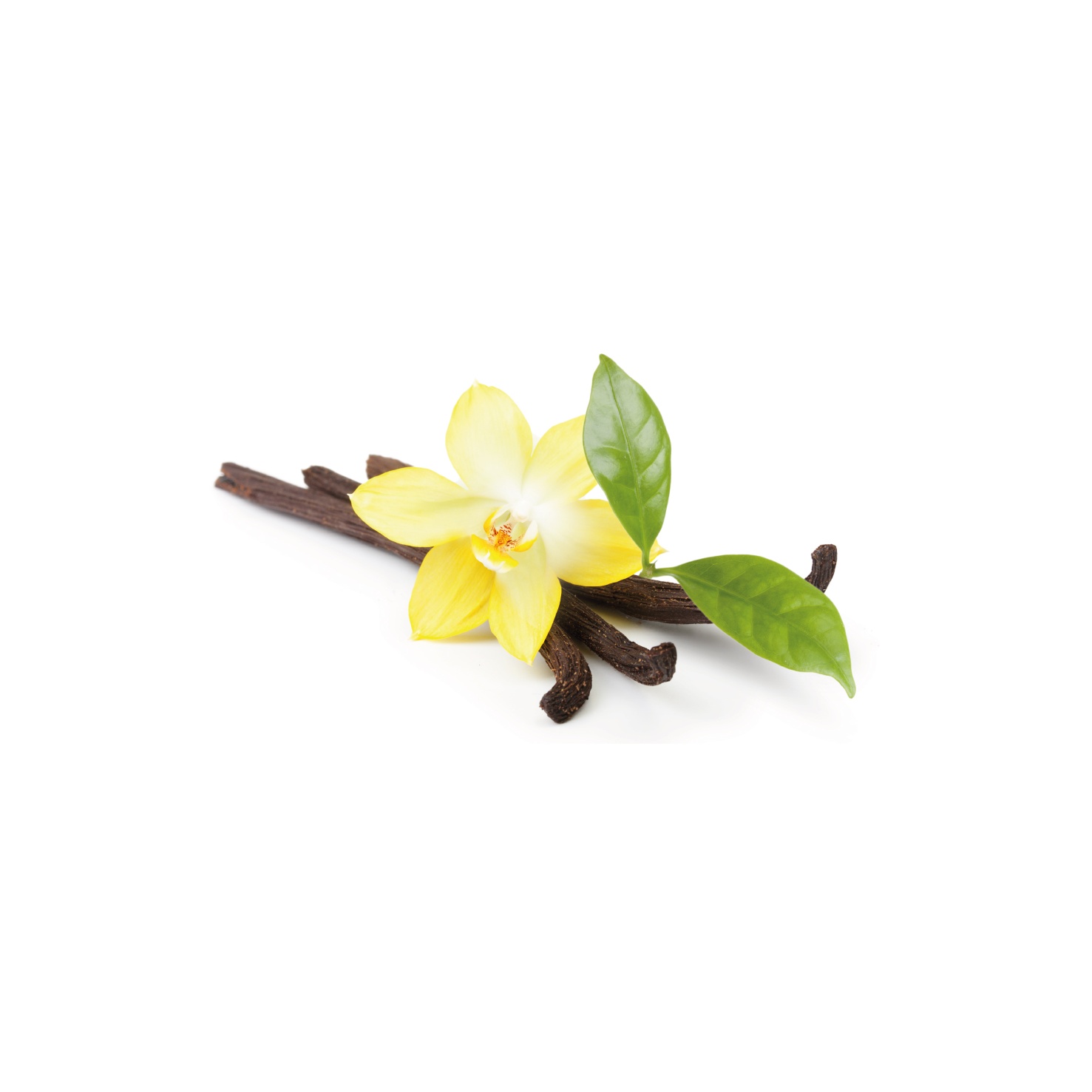 Principal source Vanilla Vanilla planifolia Herb monograph →
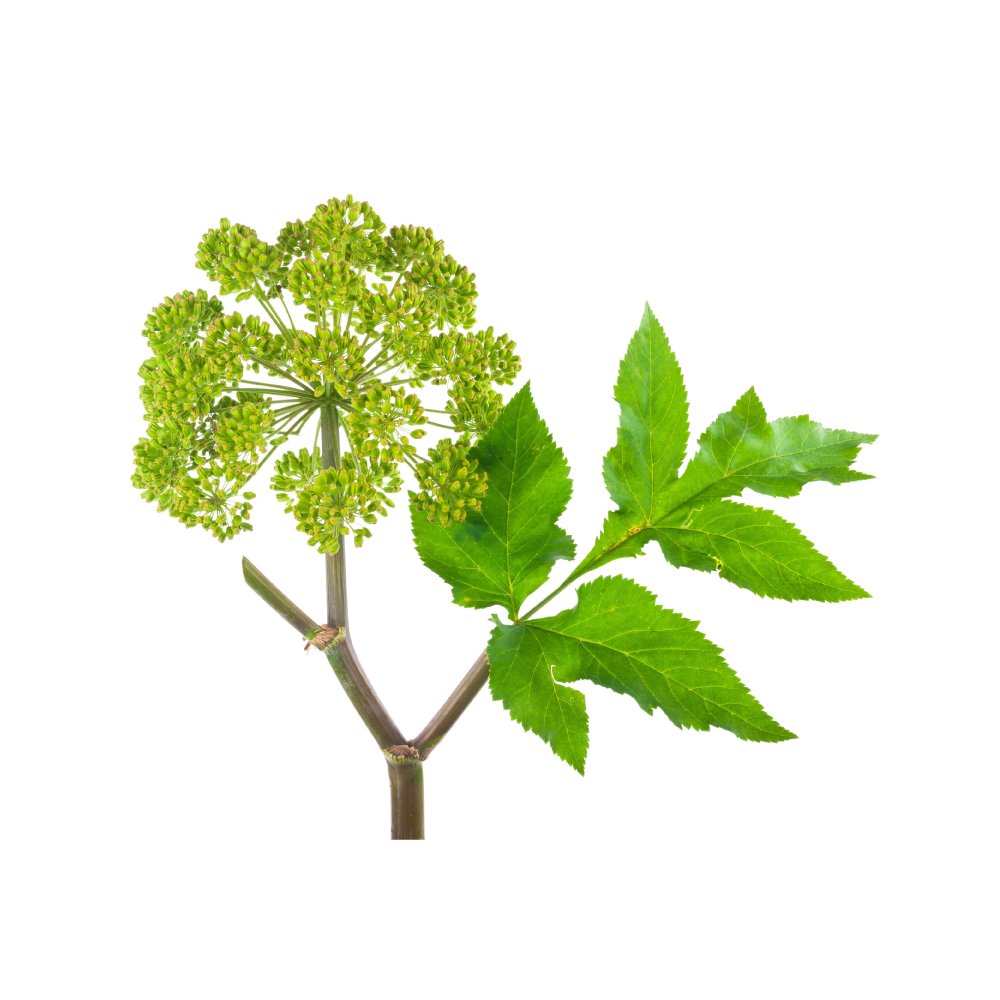 Source Angelica Angelica archangelica Herb monograph →
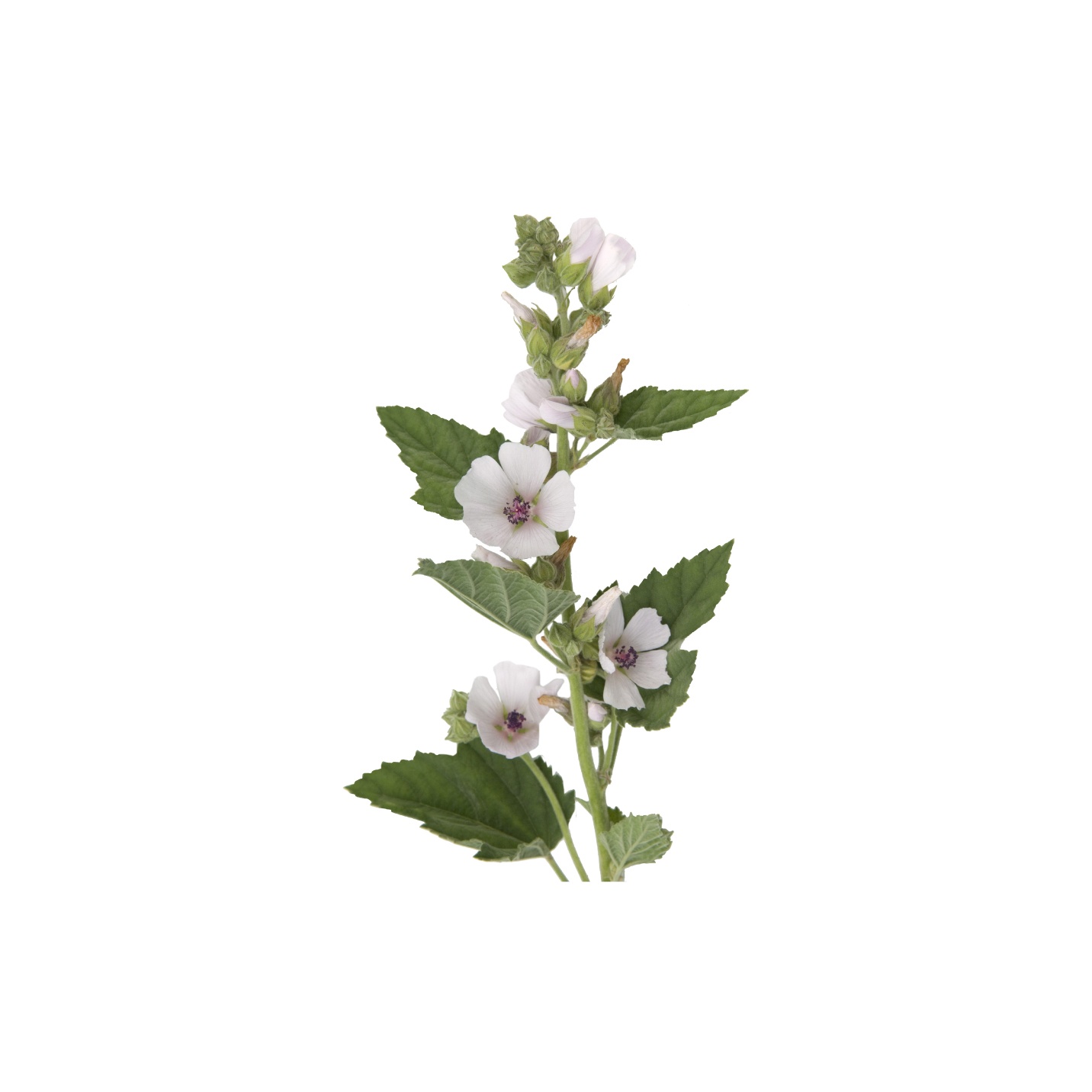 Source Marshmallow Althaea officinalis Herb monograph →
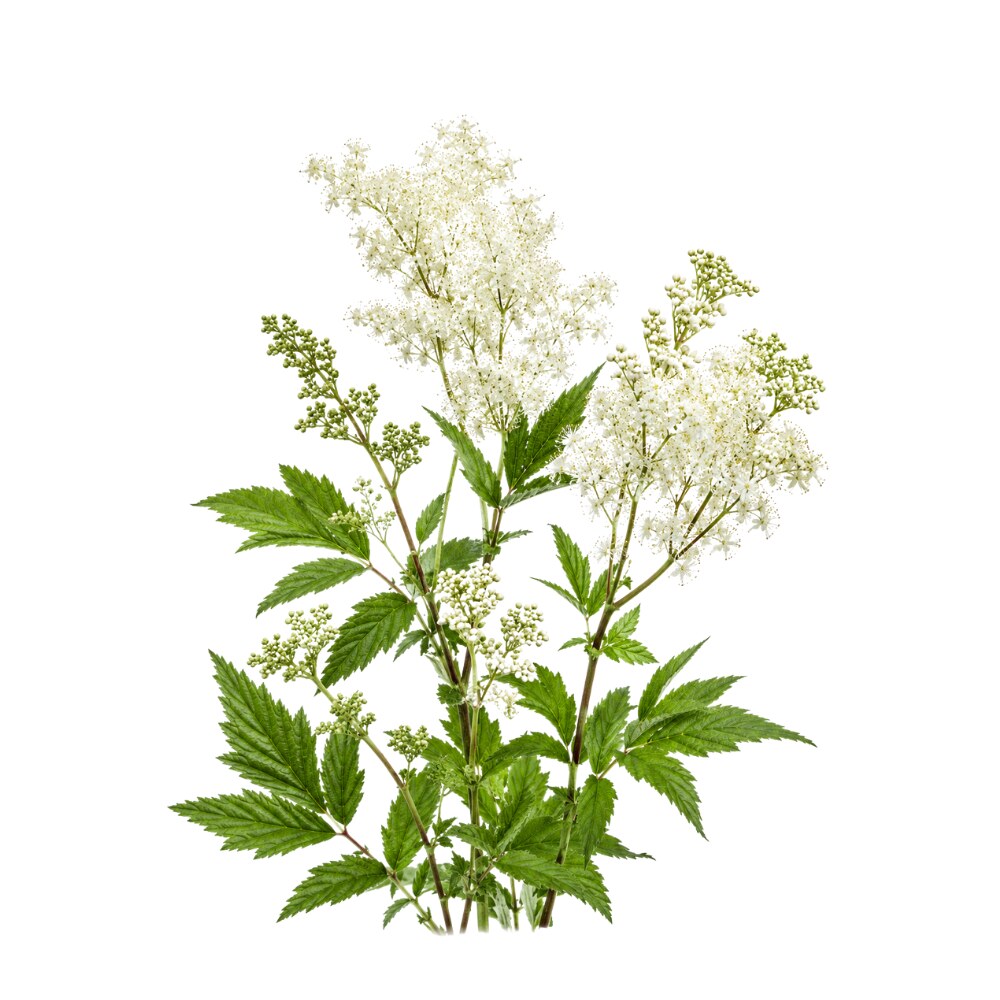 Source Meadowsweet Filipendula ulmaria Herb monograph →
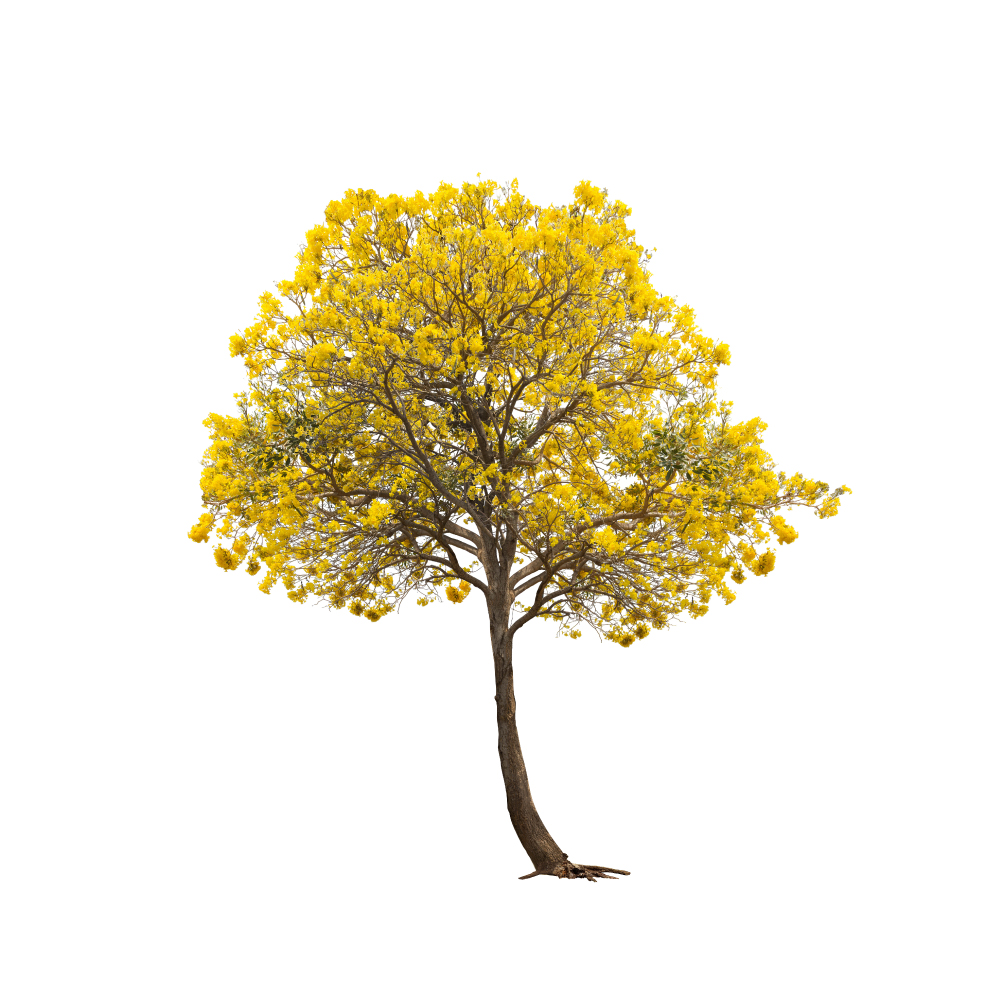 Source Pau D'Arco Tabebuia impetiginosa Herb monograph →
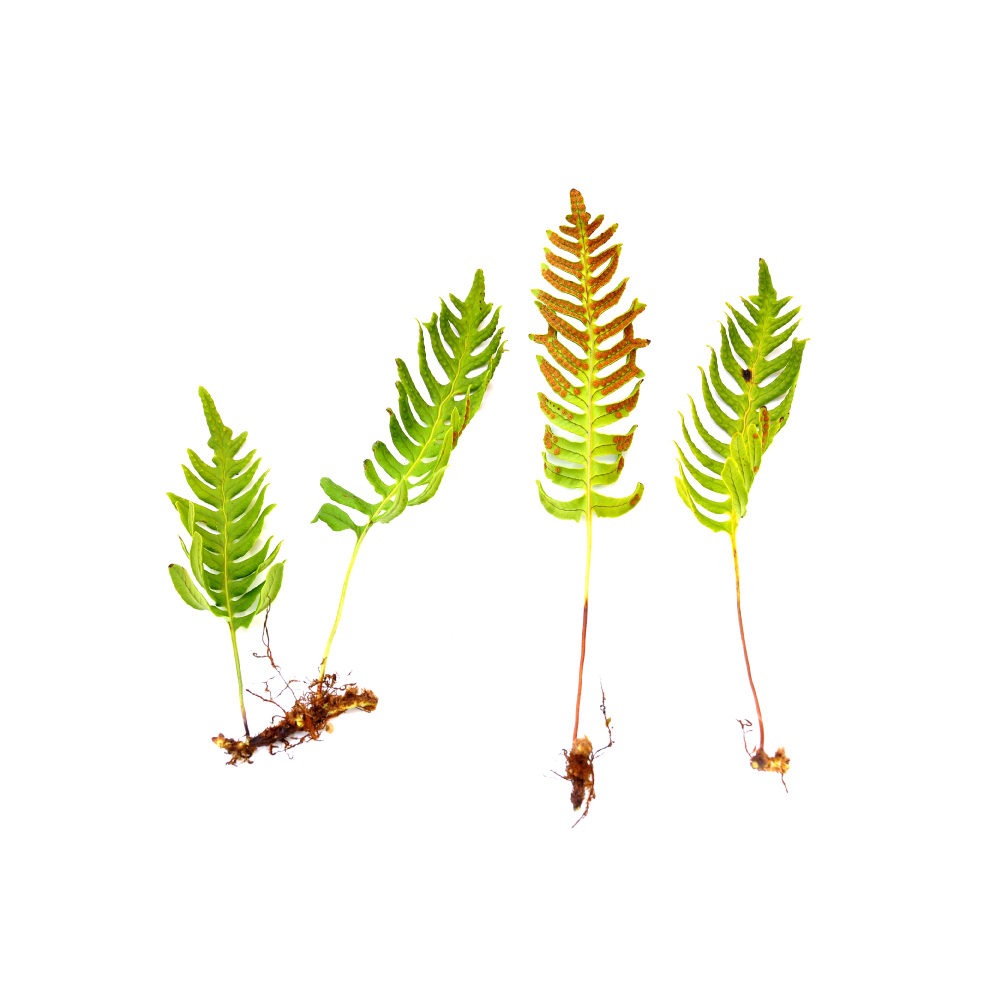 Source Samambaia Polypodium leucotomos Herb monograph →
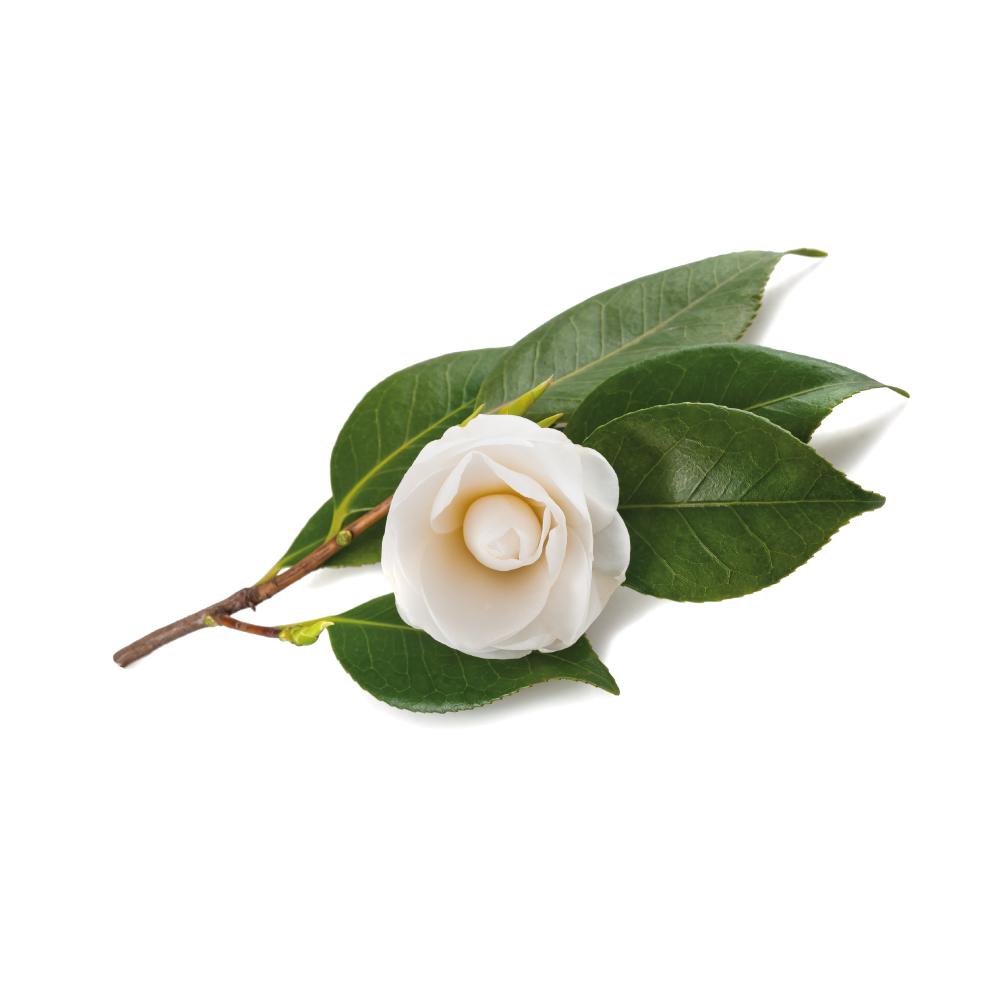 Source Tea Camellia sinensis Herb monograph →
Concentration
Content by Source
Reported concentrations across the plants that contain vanillic acid — the bar marks the typical level, the line shows the reported range.
Literature figures for varying plant parts and preparations. Read them as a comparative guide, not exact assays.
Vanillic Acid at a Glance
Vanillic acid, or 4-hydroxy-3-methoxybenzoic acid, is a simple phenolic acid of the hydroxybenzoic-acid family — the oxidation product of vanillin, sharing vanillin’s aromatic ring but carrying a carboxylic acid where vanillin has an aldehyde. It is widespread and largely dietary: a minor phenolic of vanilla, whole grains, green tea, wine and beer, and hundreds of plants, and one of the phenolic acids in the antioxidant fractions of samambaia and marshmallow 1,
Its researched pharmacology is real but almost entirely preclinical — antioxidant, anti-inflammatory, hepatoprotective, cardioprotective and neuroprotective signals from cell and rodent studies of the isolated molecule, running mostly through NF-κB suppression and general radical scavenging 3,
Two features make this molecule distinctive on a phytochemistry page. First, it sits in a redox pair with vanillin — the aroma aldehyde on one side, the acid on the other. Second, a large share of human exposure is indirect: vanillic acid is a colonic catabolite of bigger polyphenols such as anthocyanins and ferulic acid, so it appears in the body even from foods that contain little of it directly 11Reference 11The pharmacokinetics of anthocyanins and their metabolites in humansView study →.
Vanillic Acid vs. Vanillin
Vanillic acid and vanillin are the same aromatic scaffold at two oxidation states, and the two are easy to conflate — but they are different compounds with different roles.
Vanillin (4-hydroxy-3-methoxybenzaldehyde) is an aldehyde — the dominant aroma molecule of the cured vanilla pod and the flavour the word “vanilla” refers to. Vanillic acid is its oxidation product: oxidise vanillin’s aldehyde group to a carboxylic acid and you get vanillic acid. In vanilla the acid accumulates as a minor by-product of the same curing chemistry that liberates vanillin, at roughly a tenth of vanillin’s level 14Reference 14Effects of killing conditions of vanilla (Vanilla planifolia, Andrews) pods during the curing process on aroma composition of pod ethanol extractView study →.
The practical consequences:
- Flavour vs. the acid — vanillin carries the sweet aromatic flavour; vanillic acid contributes little aroma and is more a phenolic-acid antioxidant than a flavouring.
- Overlapping but distinct pharmacology — both suppress the NF-κB inflammatory axis, and vanillic acid retains that anti-inflammatory activity independently 3Reference 3AnimalVanillic acid inhibits inflammatory mediators by suppressing NF-κB in lipopolysaccharide-stimulated mouse peritoneal macrophagesView study →; in classic radical assays the acid and vanillyl alcohol can out-scavenge vanillin, which is inert in DPPH because it scavenges by an unusual self-dimerisation route.
- The redox pair, both ways — vanillin carries the broad antioxidant/anti-inflammatory/neuroprotective and anti-sickling research profile of the aromatic aldehyde; vanillic acid is the stable oxidised twin. See the vanillin page for the aldehyde’s full pharmacology.
A Metabolite of Bigger Polyphenols
A defining fact about vanillic acid is that much of the body’s exposure to it does not come from eating vanillic acid. It is a downstream catabolite produced when the gut microbiota break apart larger dietary polyphenols.
After ingestion of anthocyanins — the red-purple pigments of berries and other fruit — colonic bacteria cleave the sugar and open the flavylium ring, and the B-ring fragments are released and further modified to simple phenolic acids including protocatechuic acid, vanillic acid and p-coumaric acid 11Reference 11The pharmacokinetics of anthocyanins and their metabolites in humansView study →. Ferulic acid (abundant in cereal cell walls) feeds the same pool. Because parent anthocyanins are themselves poorly absorbed (bioavailability well under ~2%), these microbial phenolic-acid metabolites — excreted in far higher amounts than the parent pigments — are a plausible part of why polyphenol-rich diets show effects 11Reference 11The pharmacokinetics of anthocyanins and their metabolites in humansView study →.
For a compound page this matters twice over: it means vanillic acid is a systemic human exposure even from foods low in it, and it complicates attribution — an “anthocyanin” or “ferulic acid” health signal may in part be a vanillic-acid signal, and vice versa.
What It's Used For
Beyond its role as a dietary phenolic, vanillic acid’s pharmacology is a preclinical mechanism story — cell and rodent studies of the isolate, most of them turning on NF-κB suppression and antioxidant defence, with no human isolate trials to anchor them.
Support is an experimental score — weighted by study type (human > animal > in vitro) and volume. A beta, not a validated metric. Every row here rests on isolate cell/animal work with no human trials, so scores stay modest by design; read the per-row basis.
The best-characterised isolate signal. In lipopolysaccharide-stimulated mouse peritoneal macrophages, vanillic acid suppressed activation of NF-κB and caspase-1, cutting production of TNF-α, IL-6, COX-2 and nitric oxide — the authors framed it as a candidate anti-inflammatory molecule 3Reference 3AnimalVanillic acid inhibits inflammatory mediators by suppressing NF-κB in lipopolysaccharide-stimulated mouse peritoneal macrophagesView study →. This NF-κB-suppressing action is the mechanistic thread that reviews carry through to its metabolic, hepatic and cardiac effects 8,
Gap: in-vitro isolated-molecule work in a single cell model; no human anti-inflammatory data, and the concentrations used are not obviously reached in plasma from dietary intake 3Reference 3AnimalVanillic acid inhibits inflammatory mediators by suppressing NF-κB in lipopolysaccharide-stimulated mouse peritoneal macrophagesView study →.
As a phenolic acid, vanillic acid contributes radical-scavenging capacity to the extracts it occurs in: it is one of the phenolic acids identified in the antioxidant fraction of samambaia (Polypodium leucotomos / Fernblock), where ferulic and caffeic acids are the strongest scavengers and vanillic acid a lesser contributor 1,
Gap: in-vitro assays of whole extracts (where vanillic acid is one phenolic among many, seldom quantified as the isolate) or of chemically modified esters; no human antioxidant outcome rests on vanillic acid specifically 1,
A consistent rodent liver signal across two injury models. Against carbon-tetrachloride (CCl₄) liver injury in mice, vanillic acid (with syringic acid) reduced markers of hepatocellular damage and oxidative stress 5Reference 5Hepatoprotective effect of syringic acid and vanillic acid on CCl₄-induced liver injuryView study →.
In a thioacetamide-induced liver-fibrosis model, integrated microbiome-and-metabolomics analysis found vanillic acid decreased collagen deposition, serum transaminases and the fibrotic index, while normalising gut-microbiota dysbiosis and glutathione-related liver metabolism 6Reference 6AnimalIntegrated microbiome and metabolomic analyses revealed the antifibrotic effect of vanillic acid on thioacetamide-induced liver fibrosis in miceView study →.
Gap: both are isolated-molecule rodent studies in chemical-toxin liver models; no human hepatoprotection data, and the fibrosis study’s microbiome mechanism is associative 5,
One well-executed rodent study anchors this. In mice given lipopolysaccharide, vanillic acid co-treatment reduced RAGE and downstream phospho-c-Jun N-terminal kinase (p-JNK) signalling, dampened glial activation and neuroinflammatory mediators, lowered amyloidogenic and neurodegenerative markers, and improved memory performance 4Reference 4AnimalVanillic acid, a bioactive phenolic compound, counteracts LPS-induced neurotoxicity by regulating c-Jun N-terminal kinase in mouse brainView study →. The mechanism dovetails with the NF-κB/anti-inflammatory core above.
Gap: a single isolate study in an LPS neuroinflammation model — a model, not a disease — with no human neuroprotection data and unresolved brain-exposure questions for a dietary phenolic acid 4Reference 4AnimalVanillic acid, a bioactive phenolic compound, counteracts LPS-induced neurotoxicity by regulating c-Jun N-terminal kinase in mouse brainView study →.
In rats with isoproterenol-induced myocardial infarction, vanillic acid preserved membrane ion pumps (Na⁺/K⁺-, Ca²⁺-, Mg²⁺-ATPases) and ionic balance and inhibited Fas-receptor/caspase-mediated apoptosis, reducing cardiomyocyte death — the higher dose (10 mg/kg) out-performing the lower 7Reference 7AnimalVanillic acid prevents altered ion pumps, ions, inhibits Fas-receptor and caspase mediated apoptosis-signaling pathway and cardiomyocyte death in myocardial infarcted ratsView study →. A dedicated review compiles this with other antioxidant/mitochondrial cardiac signals across models 8Reference 8Cardioprotective potential of vanillic acidView study →.
Gap: rodent isolate model of acute cardiac injury plus a narrative review; no human cardiovascular data for the isolate 7,
A food-safety-relevant activity rather than a therapeutic one. Supplementing powdered infant formula with 20 mM vanillic acid (rehydrated in apple juice) gave the shortest thermal decimal-reduction time for Cronobacter sakazakii among the vanillin derivatives tested and eliminated the pathogen on subsequent storage 9Reference 9Thermal tolerance and survival of Cronobacter sakazakii in powdered infant formula supplemented with vanillin, ethyl vanillin, and vanillic acidView study →; the presumed mechanism is phenolic accumulation in the bacterial membrane, disrupting its integrity.
Gap: high-concentration, low-pH food-matrix antimicrobial activity — a preservative/decontamination use, not evidence of a systemic antibiotic effect 9Reference 9Thermal tolerance and survival of Cronobacter sakazakii in powdered infant formula supplemented with vanillin, ethyl vanillin, and vanillic acidView study →.
Mechanisms
| Target / pathway | Effect | Relevant to |
|---|---|---|
| NF-κB / caspase-1 | suppresses activation → ↓ TNF-α, IL-6, COX-2, nitric oxide | anti-inflammatory (and the hepato/neuro/cardio findings) |
| RAGE → phospho-JNK (MAPK) | ↓ RAGE/p-JNK neuroinflammatory signalling, ↓ glial activation & amyloidogenesis | neuroprotective |
| Antioxidant defence (glutathione, radical scavenging) | phenolic hydrogen donation (assay-dependent) + ↑ GSH-related metabolism | antioxidanthepatoprotective |
| Membrane ion pumps / Fas–caspase apoptosis | preserves ATPase pumps and ionic balance, ↓ cardiomyocyte apoptosis | cardioprotective |
| AMPK / metabolic signalling | activation implicated in antidiabetic/antihyperlipidaemic effects | metabolic syndrome (preclinical) |
| Gut microbiota composition | normalises toxin-induced dysbiosis | hepatoprotective (antifibrotic) |
| Microbial cell membrane | phenolic accumulation in the lipid bilayer → membrane disruption | antimicrobial |
The load-bearing point is that most effects fold back to one upstream theme — NF-κB suppression plus general antioxidant defence — which is exactly why the organ-protection findings look coherent yet remain low-tier: they share a plausible mechanism but not a single human trial.
Pharmacokinetics
Vanillic acid is a small, moderately lipophilic hydroxybenzoic acid, and it reaches the body by two routes. Directly, it is reasonably absorbable: in a human intestinal-cell model the samambaia phenolic acids including vanillic acid showed ~70–100% apparent permeability, with CYP450-dependent metabolism and partial conjugation to glucuronide and sulfate 2Reference 2In vitroPolypodium leucotomos extract: antioxidant activity and dispositionView study →. Indirectly — and quantitatively more important for most diets — it is generated in the colon from larger polyphenols (anthocyanins, ferulic acid) and then absorbed and phase-II-conjugated, so it circulates largely as its glucuronide/sulfate conjugates and is excreted in urine 11Reference 11The pharmacokinetics of anthocyanins and their metabolites in humansView study →.
Two caveats for the compound page: (1) robust human ADME for the isolate — Cmax, half-life, oral bioavailability of pure vanillic acid — is not well characterised; and (2) the antioxidant/anti-inflammatory potencies reported in vitro often use concentrations above the low micromolar range plausibly reached in plasma from food, which tempers the read-across from dish to person 3,
Clinical Trials
There are no controlled human efficacy trials of isolated vanillic acid. The human “evidence” is dietary-exposure and metabolite pharmacokinetics 11Reference 11The pharmacokinetics of anthocyanins and their metabolites in humansView study →; everything mechanistic is cell or rodent work.
| Completed | Planned | Terminated | Preclinical |
|---|---|---|---|
| —(none of the isolate) | — | — | Anti-inflammatory, antioxidant, hepatoprotective, cardioprotective, neuroprotective, antimicrobial, metabolic |
Last checked: July 2026.
Isolate vs. Plant Studies
The evidence splits cleanly and is worth stating plainly. The mechanistic and organ-protection work is the isolated molecule in cells and rodents — the NF-κB macrophage study 3Reference 3AnimalVanillic acid inhibits inflammatory mediators by suppressing NF-κB in lipopolysaccharide-stimulated mouse peritoneal macrophagesView study →, the CCl₄ and thioacetamide liver models 5,
In its source plants, by contrast, vanillic acid is almost always one phenolic acid among many in whole-extract assays: in samambaia it is a lesser contributor to an antioxidant fraction led by ferulic and caffeic acids 1,
Its Role in Plants
In plants vanillic acid is an intermediate of phenylpropanoid metabolism. The pathway runs from the shikimate-derived amino acid phenylalanine through the general phenylpropanoid route to p-coumaric → ferulic acid, and vanillic acid arises alongside vanillin at the hydroxybenzoic-acid branch — vanillin can be oxidised to vanillic acid, and both connect to the machinery that builds lignin, the structural phenolic polymer of plant cell walls 8,
Functionally it belongs to the plant’s phenolic defence and structural chemistry rather than to signalling: as a cell-wall-associated phenolic acid it contributes to the antioxidant and antimicrobial phenolic pool that helps plants resist oxidative and microbial stress. In vanilla specifically, the acid is not a product of the living pod at all — like vanillin, it emerges during post-harvest killing and curing, when enzymatic and oxidative reactions transform the pod’s glucosides 14Reference 14Effects of killing conditions of vanilla (Vanilla planifolia, Andrews) pods during the curing process on aroma composition of pod ethanol extractView study →.
These are plant-biochemistry roles and should not be read as human pharmacology.
Prevalence in Nature
Vanillic acid is widely distributed but usually present at low levels, chiefly as a free or bound hydroxybenzoic acid in the phenolic fraction of foods and herbs. It occurs in cured vanilla pods (~0.18–0.19% of the dried pod, roughly a tenth of the vanillin content) 14Reference 14Effects of killing conditions of vanilla (Vanilla planifolia, Andrews) pods during the curing process on aroma composition of pod ethanol extractView study →; among the phenolic acids of samambaia (Polypodium leucotomos), where it sits with p-coumaric, ferulic, caffeic and chlorogenic acids in the antioxidant/photoprotective fraction 1,
Beyond the database herbs it is a recognised constituent of whole grains (wheat, corn and rice cell walls, via the ferulic-acid pool), green tea, and wine and beer, and it is reported across many fruits and medicinal plants 8,
Major Natural Sources
| Source | Plant part | Reported vanillic-acid content |
|---|---|---|
| Vanilla (Vanilla planifolia) | cured pod | ~0.18–0.19% dry weight 14Reference 14Effects of killing conditions of vanilla (Vanilla planifolia, Andrews) pods during the curing process on aroma composition of pod ethanol extractView study → |
| Samambaia (Polypodium leucotomos) | aerial parts (aqueous extract) | present in the phenolic fraction; not individually quantified 1, |
| Marshmallow (Althaea officinalis) | leaf / root | present among the phenolic acids; not individually quantified 13Reference 13Flavonoids, phenolic acids and coumarins from the roots of Althaea officinalisView study → |
| Whole grains, green tea, wine, beer | — | reported constituent; levels vary 8, |
Only the vanilla figure is quantified in the sources reviewed here; the remaining occurrences are qualitative, and the missing numbers are tracked for a later pass.
Discovery & Synthesis
Vanillic acid entered chemistry as a derivative of vanillin. Vanillin itself was isolated from vanilla and structurally characterised in the mid-nineteenth century (Gobley, 1858), and vanillic acid — its straightforward oxidation product — has been known since that era of vanilla chemistry; a precise “first isolation” date for the acid is not well documented, as it emerged from work on vanillin rather than as a headline discovery of its own.
Manufacture and biotechnology. Vanillic acid can be made by simple oxidation of vanillin, and it sits on the industrial ferulic-acid → vanillic acid → vanillin bioconversion route that microbes and engineered strains use to produce natural vanillin — so vanillic acid is both a precursor and an oxidation product of vanillin depending on the direction of the reaction. As a research and flavour-adjacent chemical it is available synthetically; there is no meaningful plant-extraction industry for the isolated acid.
Patents: not yet researched.
Toxicity & Safety
Vanillic acid carries a low flag. It is an ordinary dietary phenolic acid, present as a natural constituent of vanilla flavouring and of common foods (whole grains, green tea, wine), consumed at low levels for as long as those foods have been eaten, and also produced endogenously in the gut from larger polyphenols 11Reference 11The pharmacokinetics of anthocyanins and their metabolites in humansView study →. Preclinical studies use it as a protective agent — against liver, heart and brain injury — rather than reporting toxicity 4,
The honest limits are the usual ones for a molecule with no human trials: the safety data are preclinical, dedicated repeat-dose and genotoxicity packages for the pure isolate are not characterised here, and there are no human drug-interaction studies — though its NF-κB-suppressing, antioxidant activity is a theoretical, unquantified consideration alongside immunomodulatory or anticoagulant regimens at medicinal (not dietary) quantities.
- An ordinary dietary phenolic acid. A natural constituent of vanilla, whole grains, green tea and wine, eaten at low levels and also made in the gut from larger polyphenols 11Reference 11The pharmacokinetics of anthocyanins and their metabolites in humansView study →.
- Preclinical studies use it as a protectant. Hepato-, cardio- and neuroprotective effects, not toxicity, in the rodent literature 4,
5, .7Reference 4AnimalVanillic acid, a bioactive phenolic compound, counteracts LPS-induced neurotoxicity by regulating c-Jun N-terminal kinase in mouse brainView study →Reference 5Hepatoprotective effect of syringic acid and vanillic acid on CCl₄-induced liver injuryView study →Reference 7AnimalVanillic acid prevents altered ion pumps, ions, inhibits Fas-receptor and caspase mediated apoptosis-signaling pathway and cardiomyocyte death in myocardial infarcted ratsView study → - Safety rests on preclinical and dietary data. No human trials, and no characterised repeat-dose/genotoxicity package for the pure isolate.
- Interactions not studied. Theoretical, unquantified additive effect with immunomodulatory or anticoagulant regimens at medicinal quantities; not a concern at food levels.
Dosage
There is no established or recommended human dose for isolated vanillic acid. Efficacy figures in the literature are preclinical rodent research doses — the cardioprotective work used 5–10 mg/kg in rats 7Reference 7AnimalVanillic acid prevents altered ion pumps, ions, inhibits Fas-receptor and caspase mediated apoptosis-signaling pathway and cardiomyocyte death in myocardial infarcted ratsView study →, and other rodent studies use comparable tens-of-mg/kg ranges — and these are not convertible to human self-dosing.
Human exposure is dietary and indirect, not by supplementation:
- As a minor food phenolic — vanilla, whole grains, green tea, wine and beer.
- As a colonic metabolite of anthocyanins and ferulic acid, so intake of berry- and cereal-rich diets raises systemic vanillic acid without any vanillic-acid supplement 11Reference 11The pharmacokinetics of anthocyanins and their metabolites in humansView study →.
These are doses studied in research and dietary-exposure figures, not a personal recommendation.
References
- García F, et al. (2006). Phenolic components and antioxidant activity of Fernblock, an aqueous extract of the aerial parts of the fern Polypodium leucotomos. Methods and Findings in Experimental and Clinical Pharmacology. https://pubmed.ncbi.nlm.nih.gov/16810341/
- Gombau L, et al. (2006). Polypodium leucotomos extract: antioxidant activity and disposition. Toxicology in Vitro. https://pubmed.ncbi.nlm.nih.gov/16263237/
- Kim MC, et al. (2011). Vanillic acid inhibits inflammatory mediators by suppressing NF-κB in lipopolysaccharide-stimulated mouse peritoneal macrophages. Immunopharmacology and Immunotoxicology. https://pubmed.ncbi.nlm.nih.gov/21250779/
- Ullah R, et al. (2020). Vanillic acid, a bioactive phenolic compound, counteracts LPS-induced neurotoxicity by regulating c-Jun N-terminal kinase in mouse brain. International Journal of Molecular Sciences. https://pubmed.ncbi.nlm.nih.gov/33396372/
- Itoh A, et al. (2010). Hepatoprotective effect of syringic acid and vanillic acid on CCl₄-induced liver injury. Biological & Pharmaceutical Bulletin. https://pubmed.ncbi.nlm.nih.gov/20522963/
- Cen X, et al. (2024). Integrated microbiome and metabolomic analyses revealed the antifibrotic effect of vanillic acid on thioacetamide-induced liver fibrosis in mice. Food & Function. https://pubmed.ncbi.nlm.nih.gov/39545308/
- Stanely Mainzen Prince P, Dhanasekar K, Rajakumar S (2015). Vanillic acid prevents altered ion pumps, ions, inhibits Fas-receptor and caspase mediated apoptosis-signaling pathway and cardiomyocyte death in myocardial infarcted rats. Chemico-Biological Interactions. https://pubmed.ncbi.nlm.nih.gov/25794854/
- Yalameha B, Nejabati HR, Nouri M (2023). Cardioprotective potential of vanillic acid. Clinical and Experimental Pharmacology & Physiology. https://pubmed.ncbi.nlm.nih.gov/36370144/
- Yemiş GP, et al. (2012). Thermal tolerance and survival of Cronobacter sakazakii in powdered infant formula supplemented with vanillin, ethyl vanillin, and vanillic acid. Journal of Food Science. https://pubmed.ncbi.nlm.nih.gov/22900597/
- Tai A, Sawano T, Ito H (2012). Antioxidative properties of vanillic acid esters in multiple antioxidant assays. Bioscience, Biotechnology, and Biochemistry. https://pubmed.ncbi.nlm.nih.gov/22313772/
- de Ferrars RM, et al. (2014). The pharmacokinetics of anthocyanins and their metabolites in humans. British Journal of Pharmacology. https://pubmed.ncbi.nlm.nih.gov/24602005/
- Ghasemzadeh Rahbardar M, Ferns GA, Ghayour Mobarhan M (2025). Vanillic acid as a promising intervention for metabolic syndrome: preclinical studies. Iranian Journal of Basic Medical Sciences. https://pubmed.ncbi.nlm.nih.gov/39850111/
- Gudej J (1991). Flavonoids, phenolic acids and coumarins from the roots of Althaea officinalis. Planta Medica. https://pubmed.ncbi.nlm.nih.gov/17226162/
- Pardío VT, et al. (2009). Effects of killing conditions of vanilla (Vanilla planifolia, Andrews) pods during the curing process on aroma composition of pod ethanol extract. International Journal of Food Science and Technology. https://doi.org/10.1111/j.1365-2621.2009.01944.x



