
Compound Monograph
11β,13-Dihydrolactucin
11β,13-Dihydrolactucin is lactucin with the sesquiterpene-lactone class warhead — the exocyclic α-methylene of the γ-lactone — reduced away. In mice it was analgesic like lactucin and lactucopicrin but, unlike them, not sedative; and in chicory it is the one lactone that forms no cysteine adducts, which appears to make it the strongest anti-inflammatory of the set rather than the weakest.

Sources · 11
Where Does It Come From?
11β,13-Dihydrolactucin is a naturally occurring sesquiterpene lactone (guaianolide, lactucin type), found in Chicory, Wild lettuce, Garden lettuce and 8 other sources. It is well tolerated orally (low toxicity).
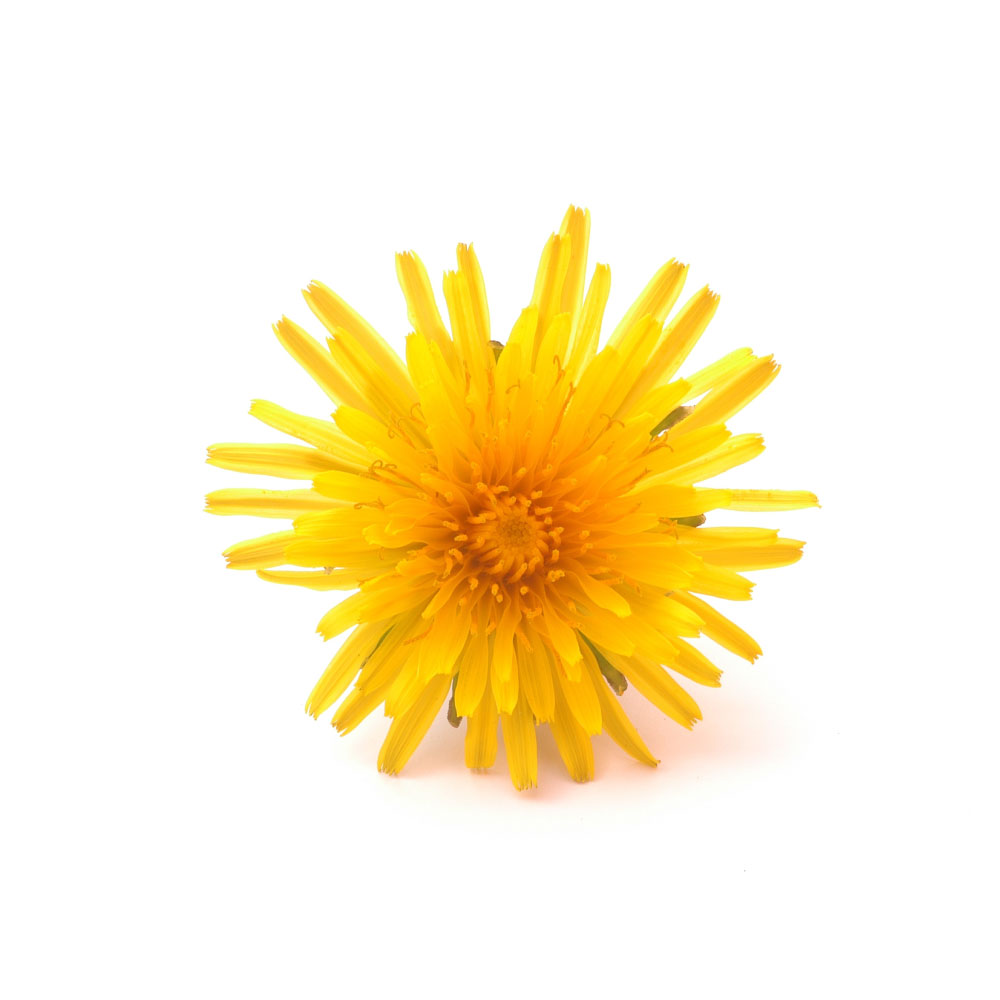 Source Dandelion Taraxacum officinale Herb monograph →
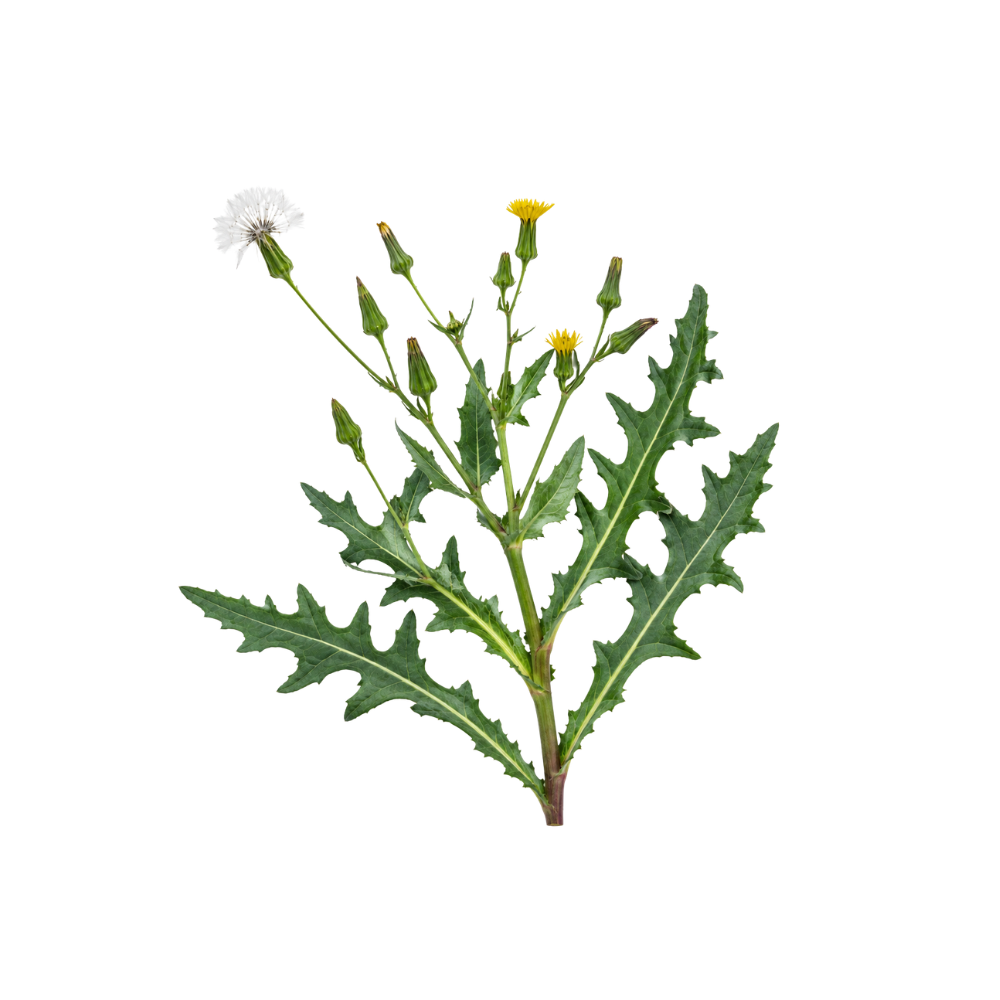 Source Wild Lettuce Lactuca virosa Herb monograph →
Concentration
Content by Source
Concentrations not reported. No percent-dry-weight or mg/g figures have been published for this compound in its source plants.
11β,13-Dihydrolactucin at a Glance
11β,13-Dihydrolactucin is a bitter guaianolide sesquiterpene lactone of the chicory tribe — chicory, lettuce, dandelion and their relatives. It is a genuinely dietary molecule: people eat it in radicchio and lettuce, and drink it in roasted-chicory coffee substitute 10Reference 10In vitroOverlapping activation pattern of bitter taste receptors affect sensory adaptation and food perception — in vitro receptor assays plus human sensory panelView study →.
Structurally it is lactucin with two hydrogens added across the 11,13 double bond — that is, with the exocyclic α-methylene of the γ-lactone reduced away 12Reference 12Sarg TM, Omar AA, Khafagy SM, Grenz M, Bohlmann F (1982). 11β,13-Dihydrolactucin, a sesquiterpene lactone from Launaea mucronata. Phytochemistry. https://doi.org/10.1016/S0031-9422(00)82442-5View study →. That group is the sesquiterpene-lactone class’s signature electrophile, and removing it is why it needs saying.
Two things follow, and they point in opposite directions. In mice, all three of the characteristic Lactuca virosa / chicory lactones were analgesic, but only lactucin and lactucopicrin were sedative — 11β,13-dihydrolactucin was not 1Reference 1AnimalAnalgesic and sedative activities of lactucin and some lactucin-like guaianolides in mice — animal in vivoView study →. And in chicory, this is the lactone that forms no cysteine adducts — and it turned out to be the most anti-inflammatory of the set, not the least 2Reference 2In vitroAssessing the intestinal permeability and anti-inflammatory potential of sesquiterpene lactones from chicory — in vitroView study →. The molecule that gave up the class warhead did not simply become a weaker version of its parent.
Lactucin vs. 11β,13-Dihydrolactucin: The Warhead Removed
The α-methylene-γ-lactone Michael acceptor is a class property of sesquiterpene lactones, not a property of any one of them. Most members alkylate cysteine thiols and thereby land on NF-κB, Nrf2/Keap1 and every other thiol-dependent target, which is why “inhibits NF-κB in vitro” tells you almost nothing about a specific lactone. 11β,13-Dihydrolactucin is one of the small number of members defined by lacking that group, so the comparison against its parent is the informative content here.
The reactivity difference is measured, not inferred. In a Caco-2 intestinal-barrier study that ran six sesquiterpene lactones side by side, cysteine conjugates were detected for parthenolide, costunolide, lactucin and lactucopicrin — but not for 11β,13-dihydrolactucin or 11β,13-dihydrolactucopicrin. The authors attributed this directly to “the lack of the α-methylene-γ-lactone moiety in their structures, since this group is largely responsible for the reactivity of SLs with sulfhydryl groups” 2Reference 2In vitroAssessing the intestinal permeability and anti-inflammatory potential of sesquiterpene lactones from chicory — in vitroView study →.
The consequence inverted the expected ranking. In the same paper’s yeast NFAT-reporter assay, 11β,13-dihydrolactucin was the most anti-inflammatory compound tested, inhibiting Crz1 (the yeast orthologue of human NFAT) by 43 ± 8% at 12.5 µM and up to ~54% at 3.6 µM — against 20 ± 14% for lactucin, 18 ± 9% for lactucopicrin and 20 ± 12% for parthenolide at the same concentration 2Reference 2In vitroAssessing the intestinal permeability and anti-inflammatory potential of sesquiterpene lactones from chicory — in vitroView study →. The proposed explanation is the mirror image of the usual class story: because it is not consumed by cysteine adduction, it stays available to reach its protein targets 2Reference 2In vitroAssessing the intestinal permeability and anti-inflammatory potential of sesquiterpene lactones from chicory — in vitroView study →.
| Read-out | Lactucin | 11β,13-Dihydrolactucin | Source |
|---|---|---|---|
| Exocyclic α-methylene-γ-lactone | present | reduced away (11,13-dihydro) | 12Reference 12Sarg TM, Omar AA, Khafagy SM, Grenz M, Bohlmann F (1982). 11β,13-Dihydrolactucin, a sesquiterpene lactone from Launaea mucronata. Phytochemistry. https://doi.org/10.1016/S0031-9422(00)82442-5View study → |
| Cysteine adducts detected in the Caco-2 system | yes | none detected | 2Reference 2In vitroAssessing the intestinal permeability and anti-inflammatory potential of sesquiterpene lactones from chicory — in vitroView study → |
| Crz1/NFAT inhibition at 12.5 µM | 20 ± 14% | 43 ± 8% | 2Reference 2In vitroAssessing the intestinal permeability and anti-inflammatory potential of sesquiterpene lactones from chicory — in vitroView study → |
| Analgesia in mice, hot-plate and tail-flick | yes, 15–30 mg/kg | yes, 15–30 mg/kg | 1Reference 1AnimalAnalgesic and sedative activities of lactucin and some lactucin-like guaianolides in mice — animal in vivoView study → |
| Sedation, spontaneous locomotor activity | yes | no | 1Reference 1AnimalAnalgesic and sedative activities of lactucin and some lactucin-like guaianolides in mice — animal in vivoView study → |
| Apical loss across a Caco-2 monolayer, 4 h | 28.8% | 8.7% (lowest of the panel) | 2Reference 2In vitroAssessing the intestinal permeability and anti-inflammatory potential of sesquiterpene lactones from chicory — in vitroView study → |
| Transport across an in-vitro blood–brain barrier | 10–20% | 10–20% | 6Reference 6In vitroCostunolide and parthenolide: novel blood-brain barrier permeable sesquiterpene lactones to improve barrier tightness — in vitroView study → |
| Bitter receptors TAS2R43 / TAS2R46 | activated | activated (thresholds 10 µM / 30 µM) | 10Reference 10In vitroOverlapping activation pattern of bitter taste receptors affect sensory adaptation and food perception — in vitro receptor assays plus human sensory panelView study → |
Where the parallel to arnica breaks. The house’s other warhead-removal page, dihydrohelenalin, is helenalin with the same group reduced — but dihydrohelenalin keeps a second Michael acceptor, an α,β-unsaturated cyclopentenone, which still reacts with glutathione and cysteine, and its cytotoxicity is untouched by cysteine competition for exactly that reason. 11β,13-Dihydrolactucin’s guaianolide core carries its own α,β-unsaturated ketone, so it is not chemically inert on paper — but in the one experiment that looked for adducts, none were found 2Reference 2In vitroAssessing the intestinal permeability and anti-inflammatory potential of sesquiterpene lactones from chicory — in vitroView study →. Two structurally analogous reductions, two different outcomes for the residual electrophile. That is a caution against reasoning about any sesquiterpene lactone from its skeleton alone.
Analgesia Without Sedation
This is the finding the page is built on, and it comes from a single, clean, three-way comparison.
Wesołowska and colleagues took the three characteristic bitter lactones of Lactuca virosa and Cichorium intybus — lactucin, lactucopicrin and 11β,13-dihydrolactucin — and ran them through the same battery in mice 1Reference 1AnimalAnalgesic and sedative activities of lactucin and some lactucin-like guaianolides in mice — animal in vivoView study →. The results split:
- Analgesia: all three. Every compound was analgesic at 15 and 30 mg/kg in the hot-plate test, comparable to ibuprofen at 30 mg/kg. At 30 mg/kg in the tail-flick test, all three matched ibuprofen at 60 mg/kg. Lactucopicrin was the most potent analgesic of the three 1Reference 1AnimalAnalgesic and sedative activities of lactucin and some lactucin-like guaianolides in mice — animal in vivoView study →.
- Sedation: only two. “Lactucin and lactucopicrin, but not 11β,13-dihydrolactucin, also showed sedative properties in the spontaneous locomotor activity test” 1Reference 1AnimalAnalgesic and sedative activities of lactucin and some lactucin-like guaianolides in mice — animal in vivoView study →.
Why that matters. Wild lettuce and lactucarium are traditionally used for both pain and sleep, and it is easy to assume the pain relief is simply a downstream consequence of the sedation — a sedated mouse is a less reactive mouse, and hot-plate and tail-flick latencies are behavioural read-outs. This result argues the other way. Here is a molecule that produced full, ibuprofen-comparable antinociception in two thermal assays while leaving spontaneous locomotor activity intact. The analgesia and the sedation are separable, and the class warhead is not required for the analgesia.
Three limits, stated plainly. First, this is one study, in one laboratory, in one species. Second, the abstract reports the analgesic doses but not the doses used in the locomotor test, and does not give the route of administration — so “not sedative” is established as a qualitative dissociation at unstated exposure, not as a dose-separated therapeutic index. Third, no mechanism was proposed for the analgesia by any of the three compounds, and none has been identified since: there is no receptor, no enzyme, no target. The dissociation is real and it is informative; it is not yet a pharmacology.
And it is not opioid. Lactuca virosa’s dried latex has carried the nickname “lettuce opium” since the nineteenth century, and the plant contains no opiate alkaloids. Nothing in the lactucarium literature transfers to this isolate, and nothing in this isolate’s record suggests an opioid mechanism.
What It's Used For
Every application below rests on the isolated molecule or an extract containing it, in cell, enzyme, zebrafish or rodent systems. There is no clinical trial. The one genuinely human dataset is a pharmacokinetic one — what happens to this lactone after people eat chicory 4Reference 4Clinical trialLow oral bioavailability and partial gut microbiotic and phase II metabolism of Brussels/witloof chicory sesquiterpene lactones — human volunteersView study →.
Support is an experimental score — weighted by study type (human > animal > in vitro) and volume. A beta, not a validated metric. Every row is preclinical; the scores rank the depth of the preclinical case, not clinical usefulness, and none is a human claim.
Isolate. The deepest work on this molecule, and it was designed around it. In a triple cell co-culture of Caco-2, HT29-MTX-E12 and Raji B cells, 11β,13-dihydrolactucin prevented activation of NF-κB and MAPK p38, cut release of the neutrophil-recruiting chemokine IL-8, and reduced gene expression of IL-6 and TNF-α plus gene and protein expression of iNOS and COX-2; in a myofibroblast-like human cell model it lowered TNF-α and the COX-2-derived mediator PGE₂; and in a zebrafish model of gut inflammation it reduced neutrophil infiltration 3Reference 3AnimalUnveiling the anti-inflammatory potential of 11β,13-dihydrolactucin for application in inflammatory bowel disease management — cell models and zebrafish animal modelView study →. That is three complementary models including a whole-organism one. The earlier screen from the same group put it at the top of the chicory lactone ranking, inhibiting the NFAT-pathway reporter Crz1 by 43 ± 8% at 12.5 µM and ~54% at 3.6 µM — ahead of lactucin, lactucopicrin, parthenolide and costunolide — and tied that to its failure to form cysteine adducts 2Reference 2In vitroAssessing the intestinal permeability and anti-inflammatory potential of sesquiterpene lactones from chicory — in vitroView study →.
Gap: no mammalian in-vivo model of colitis, no oral dosing study, and no named molecular target — NF-κB and p38 are read-outs, not demonstrated binding partners. Given that only ~7% of an ingested chicory lactone dose reaches blood 4Reference 4Clinical trialLow oral bioavailability and partial gut microbiotic and phase II metabolism of Brussels/witloof chicory sesquiterpene lactones — human volunteersView study →, the gap between these micromolar culture concentrations and an achievable gut-luminal or systemic exposure is unquantified.
Isolate. In mice, 11β,13-dihydrolactucin was analgesic at 15 and 30 mg/kg in the hot-plate test, comparable to ibuprofen at 30 mg/kg, and at 30 mg/kg in the tail-flick test comparable to ibuprofen at 60 mg/kg — the same performance as lactucin and lactucopicrin, tested head-to-head in the same experiment 1Reference 1AnimalAnalgesic and sedative activities of lactucin and some lactucin-like guaianolides in mice — animal in vivoView study →. What separates it is the negative result: in the spontaneous locomotor-activity test it showed no sedative effect, where both of the other two did 1Reference 1AnimalAnalgesic and sedative activities of lactucin and some lactucin-like guaianolides in mice — animal in vivoView study →. Since the reduced compound differs from lactucin only by the missing exocyclic methylene, the comparison localises the sedation, but not the analgesia, to structural features the dihydro compound lacks.
Gap: a single 2006 study, never replicated. No mechanism, no target, no route of administration reported in the abstract, no doses reported for the locomotor test, and no human analgesia data of any kind. A chemical-nociception assay (formalin, acetic-acid writhing) and a rotarod control would be the obvious next steps and have not been run.
Isolate, human receptors. Chicory’s bitterness has been resolved to specific receptors, and this molecule is one of the three agonists. The bitter-taste receptors TAS2R43 and TAS2R46 are “exquisitely sensitive to lactucin, lactucopicrin, and 11β,13-dihydrolactucin”, with thresholds for the dihydro compound of 10 µM (TAS2R43) and 30 µM (TAS2R46) 10Reference 10In vitroOverlapping activation pattern of bitter taste receptors affect sensory adaptation and food perception — in vitro receptor assays plus human sensory panelView study →. The same study quantified it in chicory, radicchio and roasted-chicory surrogate coffee and ran a human sensory panel showing that the order in which chicory, surrogate coffee and roasted coffee are consumed changes perceived bitterness 10Reference 10In vitroOverlapping activation pattern of bitter taste receptors affect sensory adaptation and food perception — in vitro receptor assays plus human sensory panelView study →. This is the molecule’s most concrete, best-characterised interaction with a named human protein — it is a taste receptor rather than a therapeutic target, which is worth being clear about.
Gap: the authors note that the 11β,13-dihydrolactucin concentration in surrogate coffee brew sits below the threshold determined for the receptors, so its own contribution to the drink’s bitterness is limited. No extra-oral TAS2R effect (gut, airway) has been tested for this compound, so the bitter-tonic/digestive reading remains an inference from class behaviour.
Isolate and plant, and they disagree. From Cicerbita alpina, an activity-guided fractionation assigned the active subfraction as 11β,13-dihydrolactucin, which inhibited 58% of Ascaridia galli embryo development at 1.8 µM — within range of the flubendazole control — and, with luteolin, affected tubulin polymerisation at 50 µM, supporting microtubule stabilisation as the proposed mechanism 7Reference 7In vitroMicrotubule inhibition as a proposed mechanism for the anthelmintic effect of phytochemicals isolated from Cicerbita alpina — in vitroView study →. But the forage-chicory data pull the other way: of two cultivars, ‘Puna II’ had significantly higher 11β,13-dihydrolactucin yet its extract was the less potent of the two against Ostertagia ostertagi larvae and adults, while the more active ‘Spadona’ extract was the one richer in 11,13-dihydro-8-deoxylactucin 8Reference 8In vitroSesquiterpene lactone containing extracts from two cultivars of forage chicory (Cichorium intybus) show distinctive chemical profiles and activity against Ostertagia ostertagi — in vitroView study →.
Gap: the isolate result is a single subfraction assignment, not a purified dose–response with an EC₅₀, and no selectivity index against mammalian cells is reported for the compound itself. The cultivar comparison is correlational and argues against this lactone being the driver in whole chicory — an unresolved contradiction, not a settled finding.
Plant extract. Root extracts of Cichorium intybus were inactive against geophilic species and most phytopathogens but inhibited zoophilic and anthropophilic dermatophytes, most notably Trichophyton tonsurans var. sulfureum, where scanning electron microscopy showed morphological anomalies; the authors discussed this “on the basis of the presence in the chicory extract of the two main sesquiterpene lactones, 8-deoxylactucin and 11β,13-dihydrolactucin” 9Reference 9In vitroChicory extracts from Cichorium intybus L. as potential antifungals — in vitroView study →.
Gap: the attribution is to the lactone pair as extract constituents — the isolated compound was not tested, no MIC is reported for it, and the extract was inactive against most of the fungi screened. This is the weakest row on the page and is included for completeness.
Mechanisms
| Target / pathway | Effect | Relevant to |
|---|---|---|
| α-Methylene-γ-lactone | absent — reduced to the 11,13-dihydro form; no cysteine adducts detected where lactucin, lactucopicrin, parthenolide and costunolide all formed them | the entire lactucin contrast |
| NF-κB | activation prevented in a triple intestinal co-culture | intestinal anti-inflammatory |
| MAPK p38 | activation prevented in the same system | intestinal anti-inflammatory |
| NFAT (yeast Crz1 orthologue) | 43% inhibition at 12.5 µM, ~54% at 3.6 µM — highest of six sesquiterpene lactones screened | intestinal anti-inflammatory |
| iNOS / COX-2 / IL-6 / TNF-α / IL-8 / PGE₂ | gene and protein expression, or release, reduced | intestinal anti-inflammatory |
| Tubulin | polymerisation affected at 50 µM; microtubule stabilisation proposed as the anthelmintic mechanism | anthelmintic |
| TAS2R43 and TAS2R46 | agonist; thresholds 10 µM and 30 µM | bitternessbitter-tonic reading |
| Antinociceptive target | not identified — analgesia demonstrated behaviourally, mechanism unknown | analgesia |
The load-bearing rows are the first and the last. The first is why this molecule is worth a page at all; the last is the honest statement that its most interesting effect has no known mechanism.
Pharmacokinetics
Unusually for a molecule this thinly studied, the human pharmacokinetics exist — because chicory is a food. In an open-label single-dose trial, sixteen healthy volunteers drank 150 g of Brussels/witloof chicory juice containing 48.77 µmol of sesquiterpene lactones. Chicory consumption raised serum lactucin, 11β,13-dihydrolactucin and their glucuronide/sulfate conjugates — but not lactucopicrin or 11β,13-dihydrolactucopicrin. Peak total sesquiterpene lactones in serum reached 284.46 nmol/L at 1 h; recovery was 7.03% in blood, 1.13% in urine and 43.76% in faeces of the ingested dose 4Reference 4Clinical trialLow oral bioavailability and partial gut microbiotic and phase II metabolism of Brussels/witloof chicory sesquiterpene lactones — human volunteersView study →. The verdict in the authors’ own framing: chicory sesquiterpene lactones are poorly bioavailable.
The gut microbiota get there first, and they make more of this compound. Human faecal suspensions converted lactucopicrin to lactucin and 11β,13-dihydrolactucopicrin to 11β,13-dihydrolactucin 4Reference 4Clinical trialLow oral bioavailability and partial gut microbiotic and phase II metabolism of Brussels/witloof chicory sesquiterpene lactones — human volunteersView study →, and a separate untargeted-metabolomics study found double-bond hydrogenation and dehydroxylation to be the main microbial reactions, producing tetrahydrolactucin and hexahydrolactucin from lactucin, with phase II glucuronides and sulfates of dihydrolactucin detected in volunteers’ urine after escarole salad — subject to large inter-subject variability 5Reference 5In vitroHuman gut microbiota metabolism of dietary sesquiterpene lactones: untargeted metabolomics of lactucopicrin and lactucin conversion — in vitro fermentation plus human urinary metabolitesView study →. So 11β,13-dihydrolactucin is not only ingested; it is also generated in the gut from lactucin and from dihydrolactucopicrin, and then hydrogenated further.
A tension worth flagging. In the Caco-2 barrier model, 11β,13-dihydrolactucin was the least permeable of the six lactones tested — only an 8.7% apical concentration decrease after 4 h, against 100% for lactucopicrin, costunolide and parthenolide 2Reference 2In vitroAssessing the intestinal permeability and anti-inflammatory potential of sesquiterpene lactones from chicory — in vitroView study →. Yet it is one of only two aglycones that actually turned up in human serum after chicory 4Reference 4Clinical trialLow oral bioavailability and partial gut microbiotic and phase II metabolism of Brussels/witloof chicory sesquiterpene lactones — human volunteersView study →. The most likely reconciliation is that low reactivity, not high permeability, is what gets it through intact — but that has not been demonstrated. At the blood–brain barrier it sat mid-pack, with 10–20% transport in an in-vitro model, alongside lactucin, dihydrolactucopicrin and parthenolide, and well above lactucopicrin (almost none) 6Reference 6In vitroCostunolide and parthenolide: novel blood-brain barrier permeable sesquiterpene lactones to improve barrier tightness — in vitroView study →. No half-life, no clearance and no volume of distribution has been reported for this compound in any species.
Clinical Trials
None. No clinical trial of 11β,13-dihydrolactucin has been conducted in any indication, by any route, and a search of the trial registry returns no studies for this compound or for lactucin. The single human dataset is the pharmacokinetic chicory-juice study 4Reference 4Clinical trialLow oral bioavailability and partial gut microbiotic and phase II metabolism of Brussels/witloof chicory sesquiterpene lactones — human volunteersView study →, which measured exposure rather than an outcome.
| Completed | Planned | Terminated | Preclinical |
|---|---|---|---|
| 0(1 human PK study, no endpoint) | — | — | ~12in-vitro / animal studies |
Last checked: July 2026.
Isolate vs. Plant Studies
This molecule sits on the good side of the usual split. Its two load-bearing results are pure-isolate work: the three-way mouse analgesia/sedation comparison used the purified lactones 1Reference 1AnimalAnalgesic and sedative activities of lactucin and some lactucin-like guaianolides in mice — animal in vivoView study →, and the anti-inflammatory programme dosed the purified compound in cell co-cultures and zebrafish 2,
The plant-level data are thinner and, in one place, contradictory. The antifungal finding is an extract result with the activity discussed in terms of the lactone fraction rather than measured for the isolate 9Reference 9In vitroChicory extracts from Cichorium intybus L. as potential antifungals — in vitroView study →. The forage-chicory anthelmintic work is cultivar-level and points away from this compound as the active constituent 8Reference 8In vitroSesquiterpene lactone containing extracts from two cultivars of forage chicory (Cichorium intybus) show distinctive chemical profiles and activity against Ostertagia ostertagi — in vitroView study →. And in the Lactuca latex study that most resembles traditional use, five species’ latexes were profiled for lactucin, lactucopicrin, 11,13β-dihydrolactucin and 11,13β-dihydrolactucopicrin, and three showed sedative effects in mice at 100 mg/kg — but lactucin was the main component and no attribution to the dihydro compound was made 11Reference 11AnimalSedative effects of latexes obtained from some Lactuca L. species growing in Turkey — animal in vivoView study →. That is the relevant caution next to a wild-lettuce label: the plant’s sedative reputation belongs to the other lactones.
The transferability caveat has a specific shape here. Because the gut microbiota convert lactucin and dihydrolactucopicrin into this compound 4,
Prevalence in Nature
11β,13-Dihydrolactucin is a guaianolide of the Cichorieae — the chicory tribe of the Asteraceae — and it is a food-chain molecule rather than a rare one.
Its principal source is chicory (Cichorium intybus), where it is one of the main root sesquiterpene lactones alongside 8-deoxylactucin 9Reference 9In vitroChicory extracts from Cichorium intybus L. as potential antifungals — in vitroView study →, is present in aerial parts 22Reference 22Chemical and biological studies on Cichorium intybus LView study →, and occurs in conjugated forms (glucoside, oxalate) that hydrolyse to the free lactone on processing 13Reference 13A three-step process to isolate large quantities of bioactive sesquiterpene lactones from Cichorium intybus L. roots and semisynthesis of chicory STL standardsView study →. It is also found in dandelion (Taraxacum officinale) roots 16Reference 16Further sesquiterpenoids and phenolics from Taraxacum officinaleView study →, in Cichorium glandulosum roots 24Reference 24Isolation of three sesquiterpene lactones from the roots of Cichorium glandulosum Boiss. et Huet. by high-speed counter-current chromatographyView study →, across the Lactuca genus — wild lettuce (L. virosa) and chicory being the two species named as its characteristic carriers in the analgesia work 1Reference 1AnimalAnalgesic and sedative activities of lactucin and some lactucin-like guaianolides in mice — animal in vivoView study → — and specifically in L. indica 18Reference 18Terpene and phenolic constituents of Lactuca indica LView study →, L. plumieri (with its 8-O-acetate) 17Reference 17Chemical constituents from Lactuca plumieriView study →, L. saligna, L. serriola and L. viminea latexes 11Reference 11AnimalSedative effects of latexes obtained from some Lactuca L. species growing in Turkey — animal in vivoView study →, and garden lettuce (L. sativa), where iceberg lettuce yielded its 8-O-sulfate, described for the first time from a plant and accumulating in the butt end rather than the leaves 15Reference 15Structural and sensory characterization of novel sesquiterpene lactones from iceberg lettuceView study →. Beyond those it appears in the alpine Cicerbita alpina 7,
Quantities, as reported. A study that deorphanised the bitter receptors also quantified the lactones across chicory products, and the striking pattern is what roasting does — 11β,13-dihydrolactucin is far more abundant in roasted chicory root than in the fresh plant, while lactucin moves the other way 10Reference 10In vitroOverlapping activation pattern of bitter taste receptors affect sensory adaptation and food perception — in vitro receptor assays plus human sensory panelView study →:
| Sample | 11β,13-Dihydrolactucin | Lactucin | Lactucopicrin |
|---|---|---|---|
| Radicchio | 4.22 ± 0.07 | — | — |
| Chicory (spring 2021) | 6.18 ± 0.19 | 42.13 ± 4.10 | 11.93 ± 0.46 |
| Surrogate coffee (100% roasted chicory root) | 52.69 ± 5.50 | 32.48 ± 5.87 | 10.66 ± 0.94 |
| Surrogate coffee brew | 1.98 ± 0.05 µM | — | — |
Solids in µmol/g and the brew in µM, as printed in the source 10Reference 10In vitroOverlapping activation pattern of bitter taste receptors affect sensory adaptation and food perception — in vitro receptor assays plus human sensory panelView study →; the dashes are values not extracted here, not zeroes.
Content is also agronomically movable: in six lettuce cultivars, 11β,13-dihydrolactucin was one of the three key lactones, and biofertiliser treatment raised total sesquiterpene lactones by 14.7–185.7%, with the red cultivars ‘Carmesi’ and ‘Gaugin’ the richest 20Reference 20Phytochemical composition and overall taste modulation in lettuce: combination of cultivar and biofertiliserView study →. Levels in the lettuce core also shift with harvest time of day and storage duration post-harvest 25Reference 25Diurnal and daily changes in the levels of sesquiterpene lactone and other components in lettuce post-harvestView study →. No reliable figure exists for Lactuca virosa itself — the wild-lettuce literature has no validated content data for any of its lactones.
Discovery & Synthesis
The compound was first described in 1982 by Taha Sarg, Abdallah Omar, Saad Khafagy, Michael Grenz and Ferdinand Bohlmann, who found it in the roots of Launaea mucronata alongside lactucin and lactucin-8-O-acetate and characterised it as the 11,13-dihydro derivative of lactucin 12Reference 12Sarg TM, Omar AA, Khafagy SM, Grenz M, Bohlmann F (1982). 11β,13-Dihydrolactucin, a sesquiterpene lactone from Launaea mucronata. Phytochemistry. https://doi.org/10.1016/S0031-9422(00)82442-5View study →. It has since accumulated a second name: the sulfate ester isolated from iceberg lettuce was published as jaquinelin-8-O-sulfate, jaquinelin being an older name for the same aglycone 15Reference 15Structural and sensory characterization of novel sesquiterpene lactones from iceberg lettuceView study →. There is no first-total-synthesis record for it — it has never needed one, and none is documented.
Manufacture today is extraction. For years the practical constraint on studying chicory lactones was that only four were commercially available as analytical standards, and no published or patented process existed for isolating them at scale 13Reference 13A three-step process to isolate large quantities of bioactive sesquiterpene lactones from Cichorium intybus L. roots and semisynthesis of chicory STL standardsView study →. That was solved in 2023 with a three-step route: a 17 h water maceration at 30 °C of freeze-dried chicory root — which both raises free 11β,13-dihydrolactucin and hydrolyses its glucosyl and oxalyl conjugates — followed by liquid–liquid extraction and reversed-phase chromatography, recovering 642.3 ± 76.3 mg of 11β,13-dihydrolactucin and 175.3 ± 32.9 mg of lactucin from 750 g of root powder. The same work semisynthesised 11,13-dihydrolactucin-oxalate and isolated the glucoside as analytical standards 13Reference 13A three-step process to isolate large quantities of bioactive sesquiterpene lactones from Cichorium intybus L. roots and semisynthesis of chicory STL standardsView study →.
Derivatisation is enzymatic rather than synthetic. Lipase B from Candida antarctica selectively acylates the primary alcohol of 11β,13-dihydrolactucin with vinyl esters, giving five new ester chains at conversions from >99% (acetate, propionate) to 69% (octanoate) — a route to analogues for pharmaceutical or biocontrol use 14Reference 14In vitroBiocatalytic regioselective O-acylation of sesquiterpene lactones from chicory: a pathway to novel ester derivatives — in vitroView study →.
Patents: not yet researched.
Toxicity & Safety
11β,13-Dihydrolactucin is flagged low — the same badge as lactucin and lactucopicrin, which is the floor of this scale, so the badge cannot record what the evidence actually says: that on every reactivity measure available this is the least concerning of the three. It is a normal constituent of edible chicory, radicchio and lettuce; it is the one lactone in its comparison set that formed no cysteine adducts 2Reference 2In vitroAssessing the intestinal permeability and anti-inflammatory potential of sesquiterpene lactones from chicory — in vitroView study →; and the class’s characteristic hazard — Asteraceae contact allergy — is attributed to the exact structural feature it lacks 21Reference 21In vitroQuantification of sesquiterpene lactones in Asteraceae plant extracts: evaluation of their allergenic potential — in vitroView study →. What stops that being a clean bill of health is equally simple: nothing has been tested. There is no LD₅₀, no genotoxicity assay, no repeat-dose study and no reproductive or developmental data for this molecule in any species.
- A dietary molecule at dietary exposure. Present in chicory, radicchio, lettuce and roasted-chicory coffee substitute 10Reference 10In vitroOverlapping activation pattern of bitter taste receptors affect sensory adaptation and food perception — in vitro receptor assays plus human sensory panelView study →; a 150 g chicory-juice serving delivered ~49 µmol of total sesquiterpene lactones and produced serum levels in the hundreds of nanomoles per litre 4Reference 4Clinical trialLow oral bioavailability and partial gut microbiotic and phase II metabolism of Brussels/witloof chicory sesquiterpene lactones — human volunteersView study →.
- No cysteine adducts detected. Where lactucin, lactucopicrin, parthenolide and costunolide all formed cysteine conjugates in the same experiment, this compound and its dihydrolactucopicrin analogue did not — the α-methylene-γ-lactone responsible for that reactivity has been reduced away 2Reference 2In vitroAssessing the intestinal permeability and anti-inflammatory potential of sesquiterpene lactones from chicory — in vitroView study →.
- Asteraceae contact allergy — class caution, weaker on structural grounds. Sesquiterpene lactones are the important allergens of the daisy family, and the allergens are “mainly those with an activated exocyclic methylene group” 21Reference 21In vitroQuantification of sesquiterpene lactones in Asteraceae plant extracts: evaluation of their allergenic potential — in vitroView study →. A reduced congener is therefore predicted to be a weaker sensitiser. No study has measured the sensitising potency of 11β,13-dihydrolactucin, so treat that as a prediction, not a finding.
- No isolate toxicology of any kind. No acute, repeat-dose, genotoxicity, reproductive or carcinogenicity study exists. Absence of findings here is absence of testing.
- Interactions not assessed. No CYP450 or transporter phenotyping has been done on this molecule; the only enzyme-level activity documented is bitter-receptor agonism 10Reference 10In vitroOverlapping activation pattern of bitter taste receptors affect sensory adaptation and food perception — in vitro receptor assays plus human sensory panelView study →.
Full Safety & Interactions Detail
What has actually been measured. In the Caco-2 permeability and anti-inflammatory work the compound was carried through cytotoxicity screening at concentrations up to 100 µM, and the active anti-inflammatory concentrations sit far below that at 3.6–12.5 µM 2Reference 2In vitroAssessing the intestinal permeability and anti-inflammatory potential of sesquiterpene lactones from chicory — in vitroView study →. In the Cicerbita alpina anthelmintic study the butanol fraction that carried it was non-cytotoxic to human cell lines, though that is a fraction-level statement, not an isolate one 7Reference 7In vitroMicrotubule inhibition as a proposed mechanism for the anthelmintic effect of phytochemicals isolated from Cicerbita alpina — in vitroView study →. Neither is a toxicology package; both are the incidental cytotoxicity controls that bioactivity papers run.
The sensitisation question, stated precisely. Allergic contact dermatitis to Asteraceae plants is driven by their sesquiterpene lactones, and the structural rule established for the class is that the allergens are “mainly those with an activated exocyclic methylene group” — which is precisely the group 11β,13-dihydrolactucin does not have 21Reference 21In vitroQuantification of sesquiterpene lactones in Asteraceae plant extracts: evaluation of their allergenic potential — in vitroView study →. The prediction that follows is that it should be a weaker sensitiser than lactucin or lactucopicrin. That prediction has never been tested: no guinea-pig maximisation, no local lymph-node assay and no patch-test series has ranked these three lactones for sensitising potency. Anyone already sensitised to the Compositae family should still treat chicory, lettuce and dandelion with the usual caution — the plants contain the reactive lactones as well as this one.
Not chemically inert. The reduction removes one electrophile, not every one; the guaianolide core still carries an α,β-unsaturated ketone. The parallel case of dihydrohelenalin in arnica is instructive here — there, the surviving cyclopentenone does react with glutathione and cysteine, and the compound’s cytotoxicity is unaffected by cysteine competition for exactly that reason. For 11β,13-dihydrolactucin, the one experiment that looked for cysteine adducts found none 2Reference 2In vitroAssessing the intestinal permeability and anti-inflammatory potential of sesquiterpene lactones from chicory — in vitroView study →, but the reactivity of its residual enone has not been characterised directly by NMR or kinetics, as it has been for the arnica lactones.
Exposure context. Oral bioavailability is low — about 7% of an ingested chicory sesquiterpene-lactone dose recovered in blood, 44% in faeces 4Reference 4Clinical trialLow oral bioavailability and partial gut microbiotic and phase II metabolism of Brussels/witloof chicory sesquiterpene lactones — human volunteersView study → — and gut microbiota extensively hydrogenate the molecule further before and during absorption 5Reference 5In vitroHuman gut microbiota metabolism of dietary sesquiterpene lactones: untargeted metabolomics of lactucopicrin and lactucin conversion — in vitro fermentation plus human urinary metabolitesView study →. That limits systemic exposure from food, but it also means the amount reaching a person is a microbiome-dependent variable with large inter-subject variability 5Reference 5In vitroHuman gut microbiota metabolism of dietary sesquiterpene lactones: untargeted metabolomics of lactucopicrin and lactucin conversion — in vitro fermentation plus human urinary metabolitesView study →, not a fixed fraction of what was eaten. Chicory root is also consumed at concentrated doses in inulin supplements and coffee substitutes, which is where dietary exposure to this lactone is highest 10Reference 10In vitroOverlapping activation pattern of bitter taste receptors affect sensory adaptation and food perception — in vitro receptor assays plus human sensory panelView study →.
Reproductive and developmental data (prose note). None exist for this molecule — no reproductive, developmental or genotoxicity study has been run. Pregnancy and lactation decisions belong to the herb or product page, where intake and route are decided, not to a molecule page.
Dosage
There is no human dose for 11β,13-dihydrolactucin, and none should be built from the figures below. The molecule has never been given to people as an isolate. Real exposure is dietary — chicory root, radicchio, lettuce and roasted-chicory coffee substitute — plus whatever the gut microbiota generate from ingested lactucin and dihydrolactucopicrin 4,
| Context | Figure |
|---|---|
| Analgesia, mice (hot-plate and tail-flick) | 15–30 mg/kg; ibuprofen comparators 30 and 60 mg/kg 1Reference 1AnimalAnalgesic and sedative activities of lactucin and some lactucin-like guaianolides in mice — animal in vivoView study → |
| Sedation, mice (spontaneous locomotor activity) | no effect at the doses tested 1Reference 1AnimalAnalgesic and sedative activities of lactucin and some lactucin-like guaianolides in mice — animal in vivoView study → |
| Anti-inflammatory / NFAT-reporter assays | 3.6–12.5 µM 2Reference 2In vitroAssessing the intestinal permeability and anti-inflammatory potential of sesquiterpene lactones from chicory — in vitroView study → |
| Cytotoxicity screening ceiling, Caco-2 work | up to 100 µM 2Reference 2In vitroAssessing the intestinal permeability and anti-inflammatory potential of sesquiterpene lactones from chicory — in vitroView study → |
| Anthelmintic, Ascaridia galli embryos | 58% inhibition at 1.8 µM 7Reference 7In vitroMicrotubule inhibition as a proposed mechanism for the anthelmintic effect of phytochemicals isolated from Cicerbita alpina — in vitroView study → |
| Tubulin polymerisation effect | 50 µM 7Reference 7In vitroMicrotubule inhibition as a proposed mechanism for the anthelmintic effect of phytochemicals isolated from Cicerbita alpina — in vitroView study → |
| Bitter-receptor thresholds (TAS2R43 / TAS2R46) | 10 µM / 30 µM 10Reference 10In vitroOverlapping activation pattern of bitter taste receptors affect sensory adaptation and food perception — in vitro receptor assays plus human sensory panelView study → |
| Human dietary exposure, single chicory-juice serving | 150 g juice = 48.77 µmol total sesquiterpene lactones; serum peak 284.46 nmol/L at 1 h 4Reference 4Clinical trialLow oral bioavailability and partial gut microbiotic and phase II metabolism of Brussels/witloof chicory sesquiterpene lactones — human volunteersView study → |
These are doses and concentrations studied in research and are not a personal recommendation.
References
- Wesołowska A, Nikiforuk A, Michalska K, Kisiel W, Chojnacka-Wójcik E (2006). Analgesic and sedative activities of lactucin and some lactucin-like guaianolides in mice — animal in vivo. Journal of Ethnopharmacology. https://pubmed.ncbi.nlm.nih.gov/16621374/
- Matos MS, Anastácio JD, Allwood JW, Carregosa D, Marques D, Sungurtas J, McDougall GJ, Menezes R, Matias AA, Stewart D, Santos CND (2020). Assessing the intestinal permeability and anti-inflammatory potential of sesquiterpene lactones from chicory — in vitro. Nutrients. https://pubmed.ncbi.nlm.nih.gov/33228214/
- Matos MS, et al. (2024). Unveiling the anti-inflammatory potential of 11β,13-dihydrolactucin for application in inflammatory bowel disease management — cell models and zebrafish animal model. Food & Function. https://pubmed.ncbi.nlm.nih.gov/39162124/
- Weng H, He L, Zheng J, Li Q, Liu X, Wang D (2020). Low oral bioavailability and partial gut microbiotic and phase II metabolism of Brussels/witloof chicory sesquiterpene lactones — human volunteers. Nutrients. https://pubmed.ncbi.nlm.nih.gov/33260567/
- García CJ, Beltrán D, Tomás-Barberán FA (2020). Human gut microbiota metabolism of dietary sesquiterpene lactones: untargeted metabolomics of lactucopicrin and lactucin conversion — in vitro fermentation plus human urinary metabolites. Molecular Nutrition & Food Research. https://pubmed.ncbi.nlm.nih.gov/32970341/
- Ávila-Gálvez MÁ, Marques D, Figueira I, Cankar K, Bosch D, Brito MA, Dos Santos CN (2023). Costunolide and parthenolide: novel blood-brain barrier permeable sesquiterpene lactones to improve barrier tightness — in vitro. Biomedicine & Pharmacotherapy. https://pubmed.ncbi.nlm.nih.gov/37683593/
- Horgan MJ, Sigg I, Poulopoulou I, et al. (2025). Microtubule inhibition as a proposed mechanism for the anthelmintic effect of phytochemicals isolated from Cicerbita alpina — in vitro. Scientific Reports. https://pubmed.ncbi.nlm.nih.gov/39900941/
- Peña-Espinoza M, Boas U, Williams AR, Thamsborg SM, Simonsen HT, Enemark HL (2015). Sesquiterpene lactone containing extracts from two cultivars of forage chicory (Cichorium intybus) show distinctive chemical profiles and activity against Ostertagia ostertagi — in vitro. International Journal for Parasitology: Drugs and Drug Resistance. https://pubmed.ncbi.nlm.nih.gov/27120066/
- Mares D, Romagnoli C, Tosi B, Andreotti E, Chillemi G, Poli F (2005). Chicory extracts from Cichorium intybus L. as potential antifungals — in vitro. Mycopathologia. https://pubmed.ncbi.nlm.nih.gov/16160773/
- Lang R, Lang T, Dunkel A, Ziegler F, Behrens M (2022). Overlapping activation pattern of bitter taste receptors affect sensory adaptation and food perception — in vitro receptor assays plus human sensory panel. Frontiers in Nutrition. https://pubmed.ncbi.nlm.nih.gov/36601079/
- Ilgün S, Küpeli Akkol E, Ilhan M, Çiçek Polat D, Baldemir Kılıç A, Coşkun M, Sobarzo-Sánchez E (2020). Sedative effects of latexes obtained from some Lactuca L. species growing in Turkey — animal in vivo. Molecules. https://pubmed.ncbi.nlm.nih.gov/32235622/
- Sarg TM, Omar AA, Khafagy SM, Grenz M, Bohlmann F (1982). 11β,13-Dihydrolactucin, a sesquiterpene lactone from Launaea mucronata. Phytochemistry. https://doi.org/10.1016/S0031-9422(00)82442-5
- Ruggieri F, Hance P, Gioia B, Biela A, Roussel P, Hilbert JL, Willand N (2023). A three-step process to isolate large quantities of bioactive sesquiterpene lactones from Cichorium intybus L. roots and semisynthesis of chicory STL standards. Pharmaceuticals. https://pubmed.ncbi.nlm.nih.gov/37242554/
- Mosheim JR, Ruggieri F, Humeau C, Hance P, Willand N, Hilbert JL, Heuson E, Froidevaux R (2024). Biocatalytic regioselective O-acylation of sesquiterpene lactones from chicory: a pathway to novel ester derivatives — in vitro. ChemBioChem. https://pubmed.ncbi.nlm.nih.gov/38235523/
- Mai F, Glomb MA (2016). Structural and sensory characterization of novel sesquiterpene lactones from iceberg lettuce. Journal of Agricultural and Food Chemistry. https://pubmed.ncbi.nlm.nih.gov/26727458/
- Kisiel W, Barszcz B (2000). Further sesquiterpenoids and phenolics from Taraxacum officinale. Fitoterapia. https://pubmed.ncbi.nlm.nih.gov/10844166/
- Michalska K, et al. (2022). Chemical constituents from Lactuca plumieri. Natural Product Research. https://pubmed.ncbi.nlm.nih.gov/33969755/
- Kim KH, et al. (2008). Terpene and phenolic constituents of Lactuca indica L. Archives of Pharmacal Research. https://pubmed.ncbi.nlm.nih.gov/18787785/
- Zheleva-Dimitrova D, Petrova A, Zengin G, et al. (2023). Metabolite profiling and bioactivity of Cicerbita alpina (L.) Wallr. (Asteraceae, Cichorieae) — in vitro. Plants. https://pubmed.ncbi.nlm.nih.gov/36903870/
- Stojanović M, Milosavljević D, Delcourt A, Hilbert JL, Hance P, Maksimović V, Dragišić Maksimović J (2025). Phytochemical composition and overall taste modulation in lettuce: combination of cultivar and biofertiliser. Plants. https://pubmed.ncbi.nlm.nih.gov/41470746/
- Salapovic H, Geier J, Reznicek G (2013). Quantification of sesquiterpene lactones in Asteraceae plant extracts: evaluation of their allergenic potential — in vitro. Scientia Pharmaceutica. https://pubmed.ncbi.nlm.nih.gov/24106675/
- Satmbekova D, et al. (2018). Chemical and biological studies on Cichorium intybus L. Natural Product Research. https://pubmed.ncbi.nlm.nih.gov/28629227/
- Michalska K, et al. (2011). Complete NMR spectral assignments of two lactucin-type sesquiterpene lactone glycosides from Picris conyzoides. Magnetic Resonance in Chemistry. https://pubmed.ncbi.nlm.nih.gov/22002327/
- Wu H, et al. (2007). Isolation of three sesquiterpene lactones from the roots of Cichorium glandulosum Boiss. et Huet. by high-speed counter-current chromatography. Journal of Chromatography A. https://pubmed.ncbi.nlm.nih.gov/18037424/
- Kamata K, Okada H, Ohta Y (2025). Diurnal and daily changes in the levels of sesquiterpene lactone and other components in lettuce post-harvest. Molecules. https://pubmed.ncbi.nlm.nih.gov/41515377/



