
Compound Monograph
Achillin
Achillin is a guaianolide sesquiterpene lactone of yarrow and estafiate, and the C-11 epimer of leucodin. Unusually for its class it lacks the α-methylene-γ-lactone Michael acceptor, and its clearest isolate finding is vasorelaxant and blood-pressure-lowering activity in rats — not the thiol-alkylating anti-inflammatory pharmacology most sesquiterpene lactones are known for.

Sources · 4
Where Does It Come From?
Achillin is a naturally occurring sesquiterpene lactone (guaianolide; a 2-oxo-guaianolide, 11,13-dihydro), found in Yarrow, German chamomile and 2 other sources. It is well tolerated orally (low toxicity).
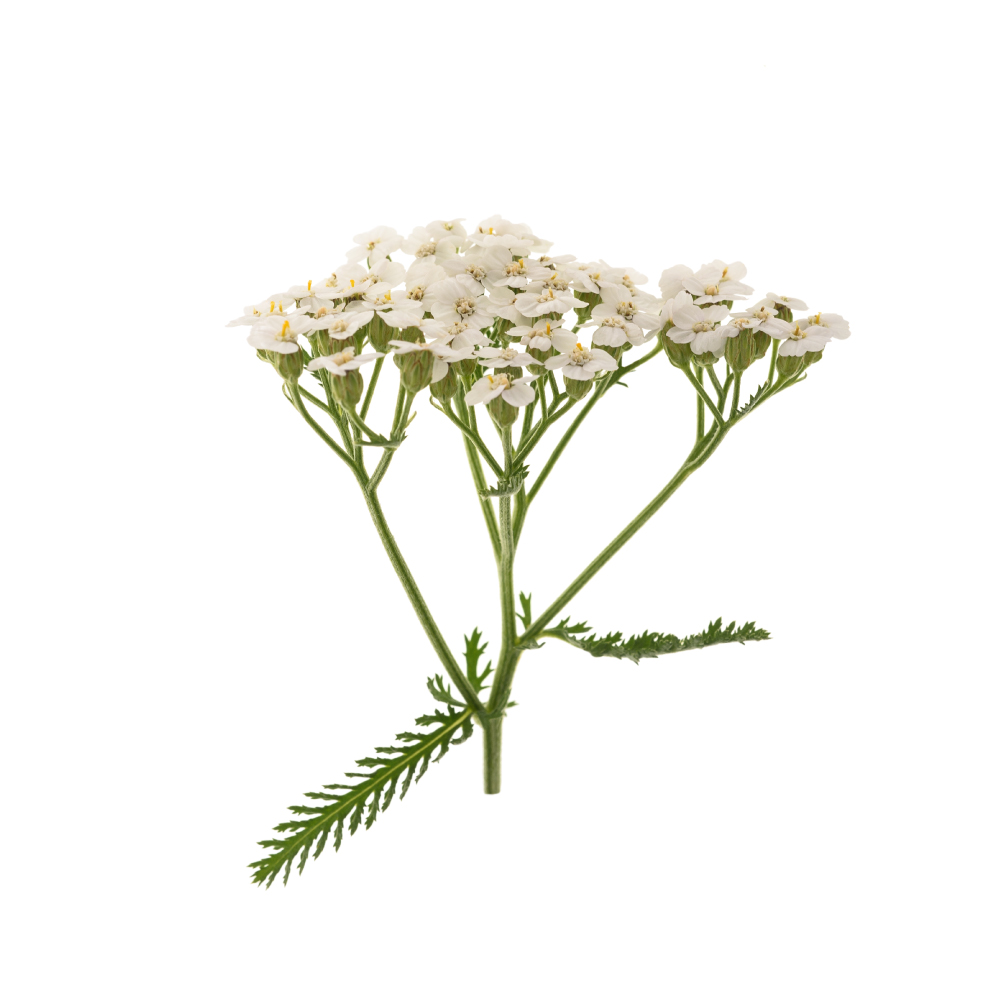 Principal source Yarrow Achillea millefolium Herb monograph →
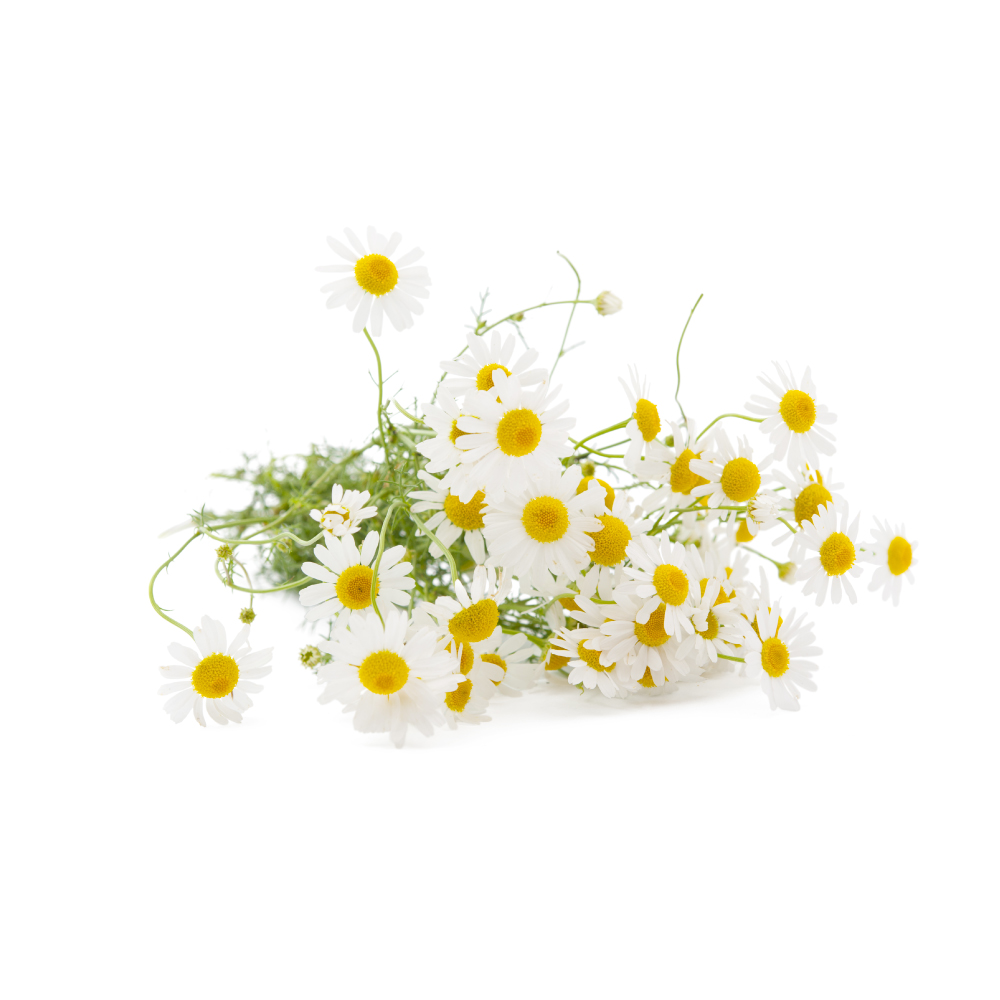 Source German Chamomile Matricaria chamomilla Herb monograph →
Concentration
Content by Source
Concentrations not reported. No percent-dry-weight or mg/g figures have been published for this compound in its source plants.
Achillin at a Glance
Achillin is a guaianolide sesquiterpene lactone — one of the bitter lactones that characterise the daisy family — and it is named for the genus it came from, Achillea. In yarrow (Achillea millefolium) it is one of the two dominant lactones of the flower’s non-polar fraction, the other being its close relative leucodin 2,
Two facts shape everything here. The first is that achillin and leucodin are epimers — the same molecule differing only in the orientation of a single methyl group — so they are almost always isolated together, reported together, and easy to conflate. Keeping their numbers apart is the discipline it is built around.
The second is structural. Most sesquiterpene lactones owe their reputation to an α-methylene-γ-lactone, a reactive group that alkylates cysteine thiols and thereby hits NF-κB and a long list of thiol-dependent targets. Achillin does not have one — its lactone carbon carries a plain methyl group instead. That single difference makes the usual class story a poor predictor of what achillin does, and it shows up directly in the comparative assays, where achillin is repeatedly the weaker or inactive member of the panel 4,
What achillin does have is a reproducible vasorelaxant and blood-pressure-lowering effect in rats, as the isolated molecule, at a whole-animal dose 1,
Achillin vs. Leucodin — The Epimer Problem
Achillin and leucodin share a molecular formula (C15H18O3, MW 246.3) and a skeleton. They differ at C-11 — the lactone-ring carbon bearing the methyl group — which is R in achillin and S in leucodin. Chamomile-tea phytochemistry describes them plainly as “corresponding C-11 stereoisomers” 11Reference 11Guaianolides and volatile compounds in chamomile teaView study →; their solution conformations and the stereochemical assignment were worked out by NMR and molecular mechanics in 1988 14Reference 14Conformational analysis of achillin and leukodin — NMR and molecular-mechanics structural studyView study →.
Because they co-occur, co-elute closely, and behave almost identically in bioassays, the literature routinely reports them as a pair. The two published comparisons that do separate them give this picture:
| Achillin | Leucodin | |
|---|---|---|
| C-11 configuration | R | S |
| Abundance in A. millefolium flowers | ~2.33× leucodin 2Reference 2AnimalStandardization of extracts obtained from Achillea millefolium flowers using high-performance liquid chromatography and correlation with relaxant effects of leucodin and achillin — ex vivo rat aorta and tracheaView study → | the lesser of the two 2Reference 2AnimalStandardization of extracts obtained from Achillea millefolium flowers using high-performance liquid chromatography and correlation with relaxant effects of leucodin and achillin — ex vivo rat aorta and tracheaView study → |
| Rat aorta relaxation, EC50 | 225.73 ± 4.49 µM 2Reference 2AnimalStandardization of extracts obtained from Achillea millefolium flowers using high-performance liquid chromatography and correlation with relaxant effects of leucodin and achillin — ex vivo rat aorta and tracheaView study → | 163.29 ± 2.99 µM 2Reference 2AnimalStandardization of extracts obtained from Achillea millefolium flowers using high-performance liquid chromatography and correlation with relaxant effects of leucodin and achillin — ex vivo rat aorta and tracheaView study → |
| Rat aorta relaxation, Emax | 63.94 ± 6.28% 2Reference 2AnimalStandardization of extracts obtained from Achillea millefolium flowers using high-performance liquid chromatography and correlation with relaxant effects of leucodin and achillin — ex vivo rat aorta and tracheaView study → | 72.96 ± 1.73% 2Reference 2AnimalStandardization of extracts obtained from Achillea millefolium flowers using high-performance liquid chromatography and correlation with relaxant effects of leucodin and achillin — ex vivo rat aorta and tracheaView study → |
| Rat trachea relaxation, EC50 | 304.44 ± 2.61 µM 2Reference 2AnimalStandardization of extracts obtained from Achillea millefolium flowers using high-performance liquid chromatography and correlation with relaxant effects of leucodin and achillin — ex vivo rat aorta and tracheaView study → | 266.40 ± 2.05 µM 2Reference 2AnimalStandardization of extracts obtained from Achillea millefolium flowers using high-performance liquid chromatography and correlation with relaxant effects of leucodin and achillin — ex vivo rat aorta and tracheaView study → |
| Rat trachea relaxation, Emax | 67.67 ± 5.01% 2Reference 2AnimalStandardization of extracts obtained from Achillea millefolium flowers using high-performance liquid chromatography and correlation with relaxant effects of leucodin and achillin — ex vivo rat aorta and tracheaView study → | 76.71 ± 4.73% 2Reference 2AnimalStandardization of extracts obtained from Achillea millefolium flowers using high-performance liquid chromatography and correlation with relaxant effects of leucodin and achillin — ex vivo rat aorta and tracheaView study → |
| Blood pressure, SHR, 50 mg/kg p.o. | systolic + diastolic fall 1Reference 1AnimalAntihypertensive and vasorelaxant effect of leucodin and achillin isolated from Achillea millefolium through calcium channel blockade and NO production: in vivo, functional ex vivo and in silico studies — spontaneously hypertensive ratsView study → | systolic + diastolic fall 1Reference 1AnimalAntihypertensive and vasorelaxant effect of leucodin and achillin isolated from Achillea millefolium through calcium channel blockade and NO production: in vivo, functional ex vivo and in silico studies — spontaneously hypertensive ratsView study → |
The pattern is consistent and mildly counter-intuitive: leucodin is the more potent epimer in every ex-vivo measure, and achillin is the more abundant one in the plant 2Reference 2AnimalStandardization of extracts obtained from Achillea millefolium flowers using high-performance liquid chromatography and correlation with relaxant effects of leucodin and achillin — ex vivo rat aorta and tracheaView study →. Neither difference is large — roughly 1.4-fold in aorta, 1.1-fold in trachea — and in the whole-animal experiment the two were not distinguished on potency at all: both lowered systolic and diastolic pressure at the same 50 mg/kg oral dose in spontaneously hypertensive rats 1Reference 1AnimalAntihypertensive and vasorelaxant effect of leucodin and achillin isolated from Achillea millefolium through calcium channel blockade and NO production: in vivo, functional ex vivo and in silico studies — spontaneously hypertensive ratsView study →. The 2026 standardisation study also found the pair more effective used together than separately, which is why extract standardisation is done on both markers rather than one 2Reference 2AnimalStandardization of extracts obtained from Achillea millefolium flowers using high-performance liquid chromatography and correlation with relaxant effects of leucodin and achillin — ex vivo rat aorta and tracheaView study →.
The practical rule for reading this literature: a paper that says “leucodin and achillin” and reports one number has usually pooled them. Where a number is attributed here, it is because the source attributed it.
A Naming Cluster Worth Getting Right
Four similar names circulate for closely related yarrow guaianolides, and two of them are not synonyms:
- Achillin — C15H18O3, the (11R) epimer. This page.
- Leucodin (leukodin, leucomisin) — C15H18O3, the (11S) epimer. Its correct synonym is desacetoxymatricarin 4,
11Reference 4In vitroEffect of guaianolides in the meiosis reinitiation of amphibian oocytes — in vitro structure–activity comparison of dehydroleucodine, achillin, desacetoxymatricarin and estafietinView study →Reference 11Guaianolides and volatile compounds in chamomile teaView study → . - Desacetylmatricarin — C15H18O4, a different molecule carrying an extra hydroxyl. It is frequently but incorrectly given as a synonym for leucodin.
- Achillicin — the proazulene of yarrow, a different lactone entirely, and the precursor that turns into blue chamazulene on distillation.
All three of the first group were isolated side by side from one A. millefolium-group taxon 10Reference 10Sesquiterpenes and flavonoid aglycones from a Hungarian taxon of the Achillea millefolium groupView study →, and a dedicated analytical paper exists purely to tell them apart by TLC and HPLC 9Reference 9TLC and HPLC characteristics of desacetylmatricarin, leucodin, achillin and their 8α-angeloxy-derivativesView study → — which is a fair indication of how easily they are confused.
The Missing Michael Acceptor
The α-methylene-γ-lactone is the reason sesquiterpene lactones have the pharmacology they do. It is a Michael acceptor: it reacts covalently with cysteine thiols, which is how parthenolide, costunolide and their relatives inhibit NF-κB, glutathione-dependent enzymes and a broad sweep of thiol-sensitive targets. Because the group is so common in the class, “inhibits NF-κB in vitro” is close to uninformative about any particular sesquiterpene lactone.
Achillin does not carry the exocyclic methylene. Its γ-lactone bears a saturated methyl at C-11 — it is, in the class’s own shorthand, an 11,13-dihydro guaianolide. (So is leucodin; the methylene-bearing member of this particular family is dehydroleucodine, a genuinely different and far more reactive molecule.) What achillin retains is a cross-conjugated cyclopentadienone in the five-membered ring: one electrophilic centre rather than two.
The clearest demonstration of what that costs comes from the paper that established the requirement in the first place. Screening sesquiterpene lactones for gastric cytoprotection, Giordano and colleagues found dehydroleucodine active and concluded that “the presence of the α-methylene-γ-lactone moiety is, in principle, a requirement for the observed antiulcerogenic activity” — and the compound that did not show cytoprotective activity was desacetoxymatricarin, i.e. leucodin, achillin’s epimer and its structural twin in exactly this respect 19Reference 19AnimalThe gastric cytoprotective effect of several sesquiterpene lactones — rat antiulcerogenic structure–activity studyView study →. Whatever holds for leucodin here holds for achillin.
That distinction is not theoretical; it has been measured. A study designed around exactly this question compared four guaianolides in amphibian oocyte meiosis — dehydroleucodine (which has both the dienone and the exocyclic methylene), achillin and desacetoxymatricarin (= leucodin; dienone only) and estafietin (epoxide plus exocyclic methylene). Its conclusion: inhibition “is greater when the lactone has two potentially reactive centres” 4Reference 4In vitroEffect of guaianolides in the meiosis reinitiation of amphibian oocytes — in vitro structure–activity comparison of dehydroleucodine, achillin, desacetoxymatricarin and estafietinView study →. Achillin, with one, sits at the weak end.
The same ranking appears wherever achillin is screened alongside methylene-bearing lactones:
- Against pancreatic ductal adenocarcinoma cells, achillin “showed limited antiproliferative, metabolic, and cytotoxic activity,” while polymatin A in the same panel gave LC50 values of 16.11 ± 2.27 µM and 20.00 ± 1.90 µM 6Reference 6In vitroIn vitro evaluation of natural sesquiterpene lactones and naphthoquinones against pancreatic ductal adenocarcinoma cellsView study →.
- In an Anthemis scrobicularis isolation, achillin was co-isolated with micheliolide and an 11(13)-diene guaianolide; the cytotoxicity belonged to those two, not to achillin 12Reference 12New cytotoxic sesquiterpene lactones from Anthemis scrobicularisView study →.
- In Artemisia ludoviciana, achillin and dehydroleucodine were the two major lactones tested for anti-inflammatory effect in mice; dehydroleucodine — the methylene-bearing one — was “the most active,” at 17.7 mg/kg 7Reference 7AnimalQuantitative analysis and pharmacological effects of Artemisia ludoviciana aqueous extract and compounds — antinociceptive and anti-inflammatory models in miceView study →.
- In Achillea setacea, the antiphlogistic actives were 11,13-dehydrodeacetylmatricarin and rupicolin B; achillin was not even detectable in that species 13Reference 13AnimalSesquiterpene lactones of Achillea setacea with antiphlogistic activity — mouse croton-oil ear testView study →.
The honest reading: the class mechanism predicts less for achillin than for a typical sesquiterpene lactone, and the comparative data agree. Achillin should not inherit parthenolide’s NF-κB literature by association. Its interesting activity lies elsewhere — in smooth-muscle relaxation and in a membrane-transporter interaction — and both of those look like something other than thiol alkylation.
What It's Used For
The isolate literature on achillin is small and entirely preclinical. The complete PubMed record for the term achillin is 19 papers (checked July 2026), of which roughly half merely record it as a co-isolated constituent. Four contain a bioassay of the purified molecule, and one of those is a comparative screen in which it was the negative control in all but name.
Support is an experimental score — weighted by study type (human > animal > in vitro) and volume. A beta, not a validated metric. Every row is isolated-molecule preclinical work from a very small literature, so all scores stay low by design; nothing here has human data.
The marquee finding, and the only one carried to a whole animal. Bio-guided fractionation of A. millefolium flowers identified achillin and leucodin as the two active principles of the hexane extract; both were purified and tested as isolates. In rat aortic rings achillin’s relaxation was blunted by L-NAME (NOS inhibition) and ODQ (soluble guanylyl-cyclase inhibition) and it also relaxed KCl-induced contraction, implicating endothelium-dependent NO release with cGMP elevation plus voltage-gated calcium-channel blockade 1Reference 1AnimalAntihypertensive and vasorelaxant effect of leucodin and achillin isolated from Achillea millefolium through calcium channel blockade and NO production: in vivo, functional ex vivo and in silico studies — spontaneously hypertensive ratsView study →.
Quantified separately in the follow-up standardisation study, achillin gave an aortic EC50 of 225.73 ± 4.49 µM (Emax 63.94 ± 6.28%) — measurably weaker than leucodin’s 163.29 ± 2.99 µM 2Reference 2AnimalStandardization of extracts obtained from Achillea millefolium flowers using high-performance liquid chromatography and correlation with relaxant effects of leucodin and achillin — ex vivo rat aorta and tracheaView study →.
Given orally at 50 mg/kg to spontaneously hypertensive rats, achillin decreased both systolic and diastolic blood pressure 1Reference 1AnimalAntihypertensive and vasorelaxant effect of leucodin and achillin isolated from Achillea millefolium through calcium channel blockade and NO production: in vivo, functional ex vivo and in silico studies — spontaneously hypertensive ratsView study →.
Gap: isolate data, but animal-only and from a single research group in two related papers. No dose–response in vivo, no comparison against a reference antihypertensive, no chronic dosing, and no human study. The ex-vivo potency is in the hundreds of micromolar — pharmacologically weak, and with no pharmacokinetics there is no evidence such a concentration is achievable in plasma.
The same molecules, a different tissue, and the reason this pair was investigated at all: yarrow is used traditionally for respiratory complaints. The hexanic extract of A. millefolium relaxed rat tracheal rings, acting through non-competitive antagonism at muscarinic receptors and the NO/cGMP pathway, with calcium-channel blockade the dominant mechanism; bio-guided fractionation again isolated achillin and leucodin as the compounds responsible 3Reference 3AnimalTracheal relaxation through calcium channel blockade of Achillea millefolium hexanic extract and its main bioactive compounds — isolated rat tracheaView study →.
Achillin’s tracheal potency was later quantified as EC50 304.44 ± 2.61 µM, Emax 67.67 ± 5.01% — again slightly behind leucodin 2Reference 2AnimalStandardization of extracts obtained from Achillea millefolium flowers using high-performance liquid chromatography and correlation with relaxant effects of leucodin and achillin — ex vivo rat aorta and tracheaView study →.
Isolate work throughout.
Gap: ex-vivo isolated-tissue data only. No animal model of bronchoconstriction, no inhaled or systemic administration, and no human airway study. The proposal that yarrow could be an anti-asthmatic scaffold 3Reference 3AnimalTracheal relaxation through calcium channel blockade of Achillea millefolium hexanic extract and its main bioactive compounds — isolated rat tracheaView study → is a hypothesis generated by this work, not a result of it.
The most mechanistically distinctive result here, and the one furthest from the sesquiterpene-lactone stereotype. In a paclitaxel-resistant human hepatocellular-carcinoma line (Hep3B/PTX), achillin at 100 µM — a sub-cytotoxic IC20 concentration — co-administered with 25 nM paclitaxel restored G2/M arrest and apoptosis. Achillin lowered P-glycoprotein levels and increased intracellular doxorubicin retention, and homology modelling with docking placed it at the transporter’s M- and R-sites; it also spared non-cancerous hepatocytes 5Reference 5In vitroAchillin increases chemosensitivity to paclitaxel, overcoming resistance and enhancing apoptosis in human hepatocellular carcinoma cell line resistant to paclitaxel (Hep3B/PTX) — in vitroView study →.
Notably, achillin alone produced no meaningful difference in viability between the parental and resistant lines — it is acting as a chemosensitiser, not a cytotoxic agent 5Reference 5In vitroAchillin increases chemosensitivity to paclitaxel, overcoming resistance and enhancing apoptosis in human hepatocellular carcinoma cell line resistant to paclitaxel (Hep3B/PTX) — in vitroView study →.
This is consistent with the broader cytotoxicity picture. Against pancreatic ductal adenocarcinoma lines, achillin “showed limited antiproliferative, metabolic, and cytotoxic activity” while the methylene-bearing polymatin A in the same panel was active in the low micromolar range 6Reference 6In vitroIn vitro evaluation of natural sesquiterpene lactones and naphthoquinones against pancreatic ductal adenocarcinoma cellsView study →; and in Anthemis scrobicularis, achillin was the co-isolated lactone left out of the active set 12Reference 12New cytotoxic sesquiterpene lactones from Anthemis scrobicularisView study →.
Gap: a single in-vitro study, in one resistant cell line, at 100 µM. No P-gp transport assay in a validated model (Caco-2, MDR1-MDCK), no animal pharmacokinetic-interaction study, and no efficacy work in vivo. It is enough to flag a theoretical P-gp drug-interaction concern, and not enough to claim a therapeutic chemosensitising role.
Achillin’s anti-inflammatory data are real but modest, and they come from Artemisia ludoviciana rather than yarrow. Phytochemical work on the aqueous extract’s non-polar fraction isolated two major lactones — achillin and dehydroleucodine — both of which showed an anti-inflammatory effect in mice, with dehydroleucodine the more active, at 17.7 mg/kg 7Reference 7AnimalQuantitative analysis and pharmacological effects of Artemisia ludoviciana aqueous extract and compounds — antinociceptive and anti-inflammatory models in miceView study →.
Achillin is also named as the major component of the ethanol extract in a later antimycobacterial/anti-inflammatory study of the same plant, though every number in that paper is reported for the extract (MIC 250 µg/mL against M. tuberculosis; IC50 20 µg/mL in THP-1 cells) and none is attributed to achillin as an isolate 8Reference 8In vitroAntimycobacterial, cytotoxic, and anti-inflammatory activities of Artemisia ludoviciana — in vitroView study →.
For context on the wider genus, the anti-inflammatory guaianolides characterised from A. millefolium in 2023 — millefolactons and millefoliumins, active against 15-lipoxygenase — are different molecules; achillin was not among them 17Reference 17In vitroGuaianolides from Achillea millefolium L. and their anti-inflammatory activity — in vitro 15-lipoxygenase and BV2 microgliaView study →.
Gap: achillin’s isolate anti-inflammatory effect is reported without a potency figure, in one paper, and it was explicitly the weaker of the two lactones tested 7Reference 7AnimalQuantitative analysis and pharmacological effects of Artemisia ludoviciana aqueous extract and compounds — antinociceptive and anti-inflammatory models in miceView study →. Every stronger anti-inflammatory number in this literature belongs to an α-methylene-bearing relative, not to achillin.
Mechanisms
| Target / pathway | Effect | Relevant to |
|---|---|---|
| Endothelial nitric-oxide synthase / NO release | relaxation blunted by L-NAME — endothelium-dependent NO component | vasorelaxation |
| Soluble guanylyl cyclase / cGMP | relaxation blunted by ODQ — cGMP-mediated | vasorelaxation |
| Voltage-gated Ca²⁺ channels | relaxes KCl-induced contraction; the dominant mechanism in trachea | vasorelaxationairway relaxation |
| Muscarinic receptors | non-competitive antagonism (shown for the parent hexanic extract) | airway relaxation |
| P-glycoprotein (ABCB1) | lowers P-gp levels, raises intracellular doxorubicin; docked at M- and R-sites | chemosensitisation; a theoretical drug-interaction route |
| Mitochondrial membrane potential | depolarisation with little superoxide overproduction — a bioenergetic rather than redox phenotype | weak cytotoxicity |
| α-Methylene-γ-lactone / thiol alkylation | absent — achillin has a saturated C-11 methyl, retaining only the cross-conjugated cyclopentadienone | why the class’s NF-κB story does not transfer |
The load-bearing point: achillin’s two credible activities — smooth-muscle relaxation and P-gp modulation — are not thiol-alkylation phenomena. Reading it as “another NF-κB-inhibiting sesquiterpene lactone” imports a mechanism it structurally lacks 4Reference 4In vitroEffect of guaianolides in the meiosis reinitiation of amphibian oocytes — in vitro structure–activity comparison of dehydroleucodine, achillin, desacetoxymatricarin and estafietinView study →.
Pharmacokinetics
There is none. No absorption, oral bioavailability, Cmax, volume of distribution, protein binding, metabolism, CYP profile, active metabolite or half-life has been published for achillin in any species, and no validated bioanalytical method exists for it in plasma. Not one of the 19 PubMed records for the term is a pharmacokinetic study (checked July 2026).
This is the page’s central caveat, not a footnote. The relaxant EC50 values sit at 226–304 µM 2Reference 2AnimalStandardization of extracts obtained from Achillea millefolium flowers using high-performance liquid chromatography and correlation with relaxant effects of leucodin and achillin — ex vivo rat aorta and tracheaView study → and the chemosensitising concentration at 100 µM 5Reference 5In vitroAchillin increases chemosensitivity to paclitaxel, overcoming resistance and enhancing apoptosis in human hepatocellular carcinoma cell line resistant to paclitaxel (Hep3B/PTX) — in vitroView study → — high figures by any pharmacological standard. The one whole-animal result, an oral 50 mg/kg dose that lowered blood pressure in hypertensive rats 1Reference 1AnimalAntihypertensive and vasorelaxant effect of leucodin and achillin isolated from Achillea millefolium through calcium channel blockade and NO production: in vivo, functional ex vivo and in silico studies — spontaneously hypertensive ratsView study →, demonstrates that something reaches the target after oral dosing, but it does not tell us what plasma concentration was achieved or whether the effect is achillin’s own or a metabolite’s.
Clinical Trials
There are none. Achillin has never been administered to a human being in a published study, as an isolate or as a standardised fraction. Human evidence in this area belongs to whole yarrow preparations, in which achillin is one constituent of a chemically variable mixture.
| Completed | Planned | Terminated | Preclinical |
|---|---|---|---|
| None for the isolate | — | — | Vasorelaxant / antihypertensive (rat, ex vivo + in vivo); tracheal relaxation (ex vivo); P-gp chemosensitisation (in vitro); anti-inflammatory (mouse) |
Last checked: July 2026.
Isolate vs. Plant Studies
This molecule sits on the isolate-preclinical side of the line with unusual clarity, which is a genuine methodological strength as far as it goes. Achillin was not inferred from an extract: it was purified by bio-guided fractionation, characterised by NMR and X-ray diffraction, and then tested on its own — in aortic rings, in tracheal rings, in a whole hypertensive animal, and in cell culture 1,
The limits are equally clear. Everything is animal or cell. The vasorelaxant work comes from a single Mexican research group across two related publications, so it is coherent rather than independently replicated. And the transferability caveat runs backwards here as much as forwards: yarrow’s human use is of teas, tinctures and ointments — aqueous and hydroalcoholic preparations — whereas achillin is concentrated in the hexane fraction 2Reference 2AnimalStandardization of extracts obtained from Achillea millefolium flowers using high-performance liquid chromatography and correlation with relaxant effects of leucodin and achillin — ex vivo rat aorta and tracheaView study →. A water infusion does not deliver the material that produced these results, any more than it delivers the essential oil.
The reverse inference is worth stating too. Because achillin lacks the α-methylene group, results obtained on other sesquiterpene lactones — parthenolide’s NF-κB inhibition, helenalin’s cytotoxicity, dehydroleucodine’s ulcer-protective and antiproliferative work — should not be read across to achillin, and the comparative screens confirm they do not transfer 4,
Prevalence in Nature
Achillin is an Asteraceae guaianolide, reported from three genera in the tribe Anthemideae.
Yarrow (Achillea millefolium) is its type source. Achillin and leucodin are the main sesquiterpene lactones of the flowers, present in hexane, dichloromethane and hydroalcoholic extracts, with the hexane extract richest; across harvest years achillin runs at roughly 2.33 times the level of leucodin 2Reference 2AnimalStandardization of extracts obtained from Achillea millefolium flowers using high-performance liquid chromatography and correlation with relaxant effects of leucodin and achillin — ex vivo rat aorta and tracheaView study →. A Hungarian taxon of the A. millefolium group yielded achillin alongside leucodin, desacetylmatricarin, and the two 8α-angeloxy derivatives (of leucodin and of achillin) that were described there for the first time 10Reference 10Sesquiterpenes and flavonoid aglycones from a Hungarian taxon of the Achillea millefolium groupView study →.
The chemotype point matters here, and it cuts against the intuition most readers bring from yarrow’s blue oil. Yarrow is not one plant but a polyploid complex, and the analytical literature treats these 2-oxo-guaianolides — desacetylmatricarin, leucodin and achillin — as marker substances for certain non-proazulene-containing species within it 9Reference 9TLC and HPLC characteristics of desacetylmatricarin, leucodin, achillin and their 8α-angeloxy-derivativesView study →. In other words, achillin tends to mark the azulene-free lines, not the proazulene-rich cytotypes whose achillicin distils into blue chamazulene. Sampling variability is not hypothetical: in a survey of 40 commercial yarrow samples, only half met European Pharmacopoeia standards, and the material was described as very heterogeneous 16Reference 16Yarrow (Achillea millefolium L. s.l.): pharmaceutical quality of commercial samplesView study →. Nor is achillin universal in the genus — it could not be detected at all in Achillea setacea 13Reference 13AnimalSesquiterpene lactones of Achillea setacea with antiphlogistic activity — mouse croton-oil ear testView study →.
White sagebrush / estafiate (Artemisia ludoviciana), a staple of Mexican traditional medicine, is achillin’s other major source. It is one of the two dominant lactones of the aqueous extract’s non-polar fraction 7Reference 7AnimalQuantitative analysis and pharmacological effects of Artemisia ludoviciana aqueous extract and compounds — antinociceptive and anti-inflammatory models in miceView study → and the major component of the ethanol extract 8Reference 8In vitroAntimycobacterial, cytotoxic, and anti-inflammatory activities of Artemisia ludoviciana — in vitroView study →. Because the plant is an established production source, tissue-culture work has been done specifically on raising achillin yield from A. ludoviciana explants 18Reference 18Effect of plant growth regulators on different explants of Artemisia ludoviciana under photoperiod and darkness conditions and their influence on achillin productionView study →.
German chamomile (Matricaria chamomilla) carries it too. A study of chamomile tea found achillin and matricarin among the known guaianolides and reported acetoxyachillin and leucodin as new to chamomile — noting that these C-11 stereoisomers are compounds “typically occurring in Achillea species” 11Reference 11Guaianolides and volatile compounds in chamomile teaView study →. Achillin has also been isolated from Anthemis scrobicularis 12Reference 12New cytotoxic sesquiterpene lactones from Anthemis scrobicularisView study →.
No absolute concentration — mg/g, % dry weight, or % of extract — has been published for achillin in any of these plants; the only quantitative statement in the literature is a ratio relative to leucodin 2Reference 2AnimalStandardization of extracts obtained from Achillea millefolium flowers using high-performance liquid chromatography and correlation with relaxant effects of leucodin and achillin — ex vivo rat aorta and tracheaView study →.
Discovery & Synthesis
Achillin takes its name directly from Achillea, the genus it was first characterised from, and it belongs to the mid-twentieth-century wave of sesquiterpene-lactone chemistry that worked systematically through the Asteraceae. No first-isolation paper was verified, and the page does not guess at one — the honest statement is that its isolation predates the indexed literature searched here.
What is documented is the stereochemical work. The relationship between achillin and leucodin — the C-11 epimerism, and the solution conformations of both molecules — was resolved by Martinez, Muñoz-Zamora and Joseph-Nathan in 1988, using NMR coupling constants and molecular-mechanics calculations 14Reference 14Conformational analysis of achillin and leukodin — NMR and molecular-mechanics structural studyView study →. Modern isolations re-confirm the structure by NMR and single-crystal X-ray diffraction 2Reference 2AnimalStandardization of extracts obtained from Achillea millefolium flowers using high-performance liquid chromatography and correlation with relaxant effects of leucodin and achillin — ex vivo rat aorta and tracheaView study →.
Manufacture today is by extraction, not synthesis. Achillin is obtained from Achillea millefolium flowers or Artemisia ludoviciana aerial parts with non-polar solvents, and purified chromatographically; it is sold only as a reference standard for analytical and research use. There is no commercial total synthesis, and no evidence of one being pursued — the compound is cheap enough to extract and has no product application to justify a route. The one production-oriented line of work is biotechnological: plant-growth-regulator and photoperiod optimisation of A. ludoviciana explant cultures aimed at increasing achillin yield in vitro 18Reference 18Effect of plant growth regulators on different explants of Artemisia ludoviciana under photoperiod and darkness conditions and their influence on achillin productionView study →.
Patents: not yet researched.
Toxicity & Safety
Achillin carries a low toxicity flag, and that flag should be read as “nothing alarming has been found, in a small literature that was not looking very hard” rather than as a clearance. The 2026 standardisation study reports OECD-guideline toxicological testing of both achillin and leucodin, concluding that the molecules are safe 2Reference 2AnimalStandardization of extracts obtained from Achillea millefolium flowers using high-performance liquid chromatography and correlation with relaxant effects of leucodin and achillin — ex vivo rat aorta and tracheaView study → — the only formal toxicology this compound has, and the abstract does not expose the doses, species, endpoints or duration.
The meaningful cautions are not about achillin’s intrinsic toxicity. They are the daisy-family allergy risk that attaches to the whole sesquiterpene-lactone fraction, and a transporter interaction that has been demonstrated in vitro.
- No distinctive isolate toxicity found. OECD-guideline testing of achillin and leucodin reported them as safe; achillin was non-cytotoxic to normal hepatocytes and to peripheral blood mononuclear cells in the two cell studies that checked 2,
5, .6Reference 2AnimalStandardization of extracts obtained from Achillea millefolium flowers using high-performance liquid chromatography and correlation with relaxant effects of leucodin and achillin — ex vivo rat aorta and tracheaView study →Reference 5In vitroAchillin increases chemosensitivity to paclitaxel, overcoming resistance and enhancing apoptosis in human hepatocellular carcinoma cell line resistant to paclitaxel (Hep3B/PTX) — in vitroView study →Reference 6In vitroIn vitro evaluation of natural sesquiterpene lactones and naphthoquinones against pancreatic ductal adenocarcinoma cellsView study → - It lacks the class’s reactive group. Achillin has no α-methylene-γ-lactone, the structural feature most closely tied to sesquiterpene-lactone contact sensitisation and non-selective thiol reactivity 4,
19Reference 4In vitroEffect of guaianolides in the meiosis reinitiation of amphibian oocytes — in vitro structure–activity comparison of dehydroleucodine, achillin, desacetoxymatricarin and estafietinView study →Reference 19AnimalThe gastric cytoprotective effect of several sesquiterpene lactones — rat antiulcerogenic structure–activity studyView study → . - Asteraceae (Compositae) contact dermatitis. Yarrow is a recognised sesquiterpene-lactone patch-test source, and SL-mix screening detects clinically relevant Compositae allergy in roughly 1.5% of tested dermatitis patients 15Reference 15ObservationalPatch testing with the “sesquiterpene lactone mix”: a marker for contact allergy to Compositae and other sesquiterpene-lactone-containing plants — multicentre observational study of the EECDRGView study →. This is a fraction-level and whole-plant risk; achillin’s own sensitising potential has never been tested.
- P-glycoprotein interaction, theoretical but demonstrated in vitro. Achillin lowered P-gp levels and raised intracellular retention of a P-gp substrate drug in cell culture 5Reference 5In vitroAchillin increases chemosensitivity to paclitaxel, overcoming resistance and enhancing apoptosis in human hepatocellular carcinoma cell line resistant to paclitaxel (Hep3B/PTX) — in vitroView study →. No animal or human interaction study exists; treat concurrent use with narrow-therapeutic-index P-gp substrates as unstudied rather than safe.
- Additive blood-pressure effects are plausible and unstudied. The isolate is orally antihypertensive in rats 1Reference 1AnimalAntihypertensive and vasorelaxant effect of leucodin and achillin isolated from Achillea millefolium through calcium channel blockade and NO production: in vivo, functional ex vivo and in silico studies — spontaneously hypertensive ratsView study →; interaction with antihypertensive medication has never been examined.
What is not known. No genotoxicity, repeat-dose, carcinogenicity, reproductive or developmental study of isolated achillin was found, and no CYP-inhibition profile exists. Silence in a 19-paper literature is not evidence of safety. Pregnancy and lactation decisions belong on the herb or product page where intake is actually decided, not on a molecule page; no isolate-specific verdict is issued here.
Dosage
There is no human dose for achillin. It has never been administered to a person in a published study, is not sold as a supplement, and exists commercially only as an analytical reference standard.
The figures below are the research values that appear here. They are doses and concentrations used in animals and cell culture, and they do not convert into a human intake:
| Setting | Achillin | Source |
|---|---|---|
| Blood pressure, spontaneously hypertensive rat | 50 mg/kg, orally | 1Reference 1AnimalAntihypertensive and vasorelaxant effect of leucodin and achillin isolated from Achillea millefolium through calcium channel blockade and NO production: in vivo, functional ex vivo and in silico studies — spontaneously hypertensive ratsView study → |
| Rat aortic ring relaxation | EC50 225.73 ± 4.49 µM | 2Reference 2AnimalStandardization of extracts obtained from Achillea millefolium flowers using high-performance liquid chromatography and correlation with relaxant effects of leucodin and achillin — ex vivo rat aorta and tracheaView study → |
| Rat tracheal ring relaxation | EC50 304.44 ± 2.61 µM | 2Reference 2AnimalStandardization of extracts obtained from Achillea millefolium flowers using high-performance liquid chromatography and correlation with relaxant effects of leucodin and achillin — ex vivo rat aorta and tracheaView study → |
| Chemosensitisation, Hep3B/PTX cells | 100 µM (sub-cytotoxic, with 25 nM paclitaxel) | 5Reference 5In vitroAchillin increases chemosensitivity to paclitaxel, overcoming resistance and enhancing apoptosis in human hepatocellular carcinoma cell line resistant to paclitaxel (Hep3B/PTX) — in vitroView study → |
Human exposure to achillin is indirect — as one lactone among many in a yarrow or estafiate preparation — and it is unreliable in two separate ways. Yarrow’s chemotype variability means a given sample may carry a very different guaianolide profile 9,
These are doses studied in research and are not a personal recommendation.
References
- Arias-Durán L, Estrada-Soto S, Hernández-Morales M, Millán-Pacheco C, Navarrete-Vázquez G, Villalobos-Molina R, Ibarra-Barajas M, Almanza-Pérez JC (2021). Antihypertensive and vasorelaxant effect of leucodin and achillin isolated from Achillea millefolium through calcium channel blockade and NO production: in vivo, functional ex vivo and in silico studies — spontaneously hypertensive rats. Journal of Ethnopharmacology. https://pubmed.ncbi.nlm.nih.gov/33610712/
- Hernández-Morales M, Alcalá-Alcalá S, Arias-Durán L, Escalante-García J, Barrios-Payán JA, Hernández-Pando R, Estrada-Soto S (2026). Standardization of extracts obtained from Achillea millefolium flowers using high-performance liquid chromatography and correlation with relaxant effects of leucodin and achillin — ex vivo rat aorta and trachea. Drugs and Drug Candidates. https://doi.org/10.3390/ddc5020032
- Arias-Durán L, Estrada-Soto S, Hernández-Morales M, Chávez-Silva F, Navarrete-Vázquez G, León-Rivera I, Perea-Arango I, Villalobos-Molina R, Ibarra-Barajas M (2020). Tracheal relaxation through calcium channel blockade of Achillea millefolium hexanic extract and its main bioactive compounds — isolated rat trachea. Journal of Ethnopharmacology. https://pubmed.ncbi.nlm.nih.gov/32035218/
- Zapata-Martínez J, Sánchez-Toranzo G, Chaín F, Catalán CAN, Bühler MI (2017). Effect of guaianolides in the meiosis reinitiation of amphibian oocytes — in vitro structure–activity comparison of dehydroleucodine, achillin, desacetoxymatricarin and estafietin. Zygote. https://pubmed.ncbi.nlm.nih.gov/27806737/
- Sanchez-Carranza JN, González-Maya L, Razo-Hernández RS, Salas-Vidal E, Nolasco-Quintana NY, Clemente-Soto AF, García-Arizmendi L, Sánchez-Ramos M, Marquina S, Alvarez L (2019). Achillin increases chemosensitivity to paclitaxel, overcoming resistance and enhancing apoptosis in human hepatocellular carcinoma cell line resistant to paclitaxel (Hep3B/PTX) — in vitro. Pharmaceutics. https://pubmed.ncbi.nlm.nih.gov/31590262/
- Mirakian NT, Iácono RF, Pulido VB, Pibuel MA, Lompardía SL, Laurella LC, Pérez-Mauad N, Catalán CAN, Lombardo T, Ledesma MM, Carlucci A, Sülsen VP, Papademetrio DL (2026). In vitro evaluation of natural sesquiterpene lactones and naphthoquinones against pancreatic ductal adenocarcinoma cells. Molecules. https://pubmed.ncbi.nlm.nih.gov/41900113/
- Rivero-Cruz I, Anaya-Eugenio G, Pérez-Vásquez A, Martínez AL, Mata R (2017). Quantitative analysis and pharmacological effects of Artemisia ludoviciana aqueous extract and compounds — antinociceptive and anti-inflammatory models in mice. Natural Product Communications. https://doi.org/10.1177/1934578X1701201002
- Gálvez Romero JL, Parada Sosa CM, León Burgoa G, Lorenzo Leal AC, El Kassis EG, Bautista Rodríguez E, Paredes Juárez GA, Hernández LR, Bach H, Juárez ZN (2022). Antimycobacterial, cytotoxic, and anti-inflammatory activities of Artemisia ludoviciana — in vitro. Journal of Ethnopharmacology. https://pubmed.ncbi.nlm.nih.gov/35395382/
- Glasl S, Mucaji P, Werner I, Jurenitsch J (2003). TLC and HPLC characteristics of desacetylmatricarin, leucodin, achillin and their 8α-angeloxy-derivatives. Pharmazie. https://pubmed.ncbi.nlm.nih.gov/12889533/
- Glasl S, Mucaji P, Werner I, Presser A, Jurenitsch J (2002). Sesquiterpenes and flavonoid aglycones from a Hungarian taxon of the Achillea millefolium group. Zeitschrift für Naturforschung C. https://pubmed.ncbi.nlm.nih.gov/12562079/
- Tschiggerl C, Bucar F (2012). Guaianolides and volatile compounds in chamomile tea. Plant Foods for Human Nutrition. https://pubmed.ncbi.nlm.nih.gov/22410959/
- Zaghloul AM, Yusufoglu HS, Salkini MAA, Alam A (2014). New cytotoxic sesquiterpene lactones from Anthemis scrobicularis. Journal of Asian Natural Products Research. https://pubmed.ncbi.nlm.nih.gov/25227949/
- Zitterl-Eglseer K, Jurenitsch J, Korhammer S, Haslinger E, Sosa S, Della Loggia R, Kubelka W, Franz C (1991). Sesquiterpene lactones of Achillea setacea with antiphlogistic activity — mouse croton-oil ear test. Planta Medica. https://pubmed.ncbi.nlm.nih.gov/1798798/
- Martinez V M, Muñoz-Zamora A, Joseph-Nathan P (1988). Conformational analysis of achillin and leukodin — NMR and molecular-mechanics structural study. Journal of Natural Products. https://doi.org/10.1021/np50056a005
- Ducombs G, Benezra C, Talaga P, Andersen KE, Burrows D, Camarasa JG, Dooms-Goossens A, Frosch PJ, Lachapelle JM, Menné T, et al. (1990). Patch testing with the “sesquiterpene lactone mix”: a marker for contact allergy to Compositae and other sesquiterpene-lactone-containing plants — multicentre observational study of the EECDRG. Contact Dermatitis. https://pubmed.ncbi.nlm.nih.gov/2383982/
- Benedek B, Rothwangl-Wiltschnigg K, Rozema E, Gjoncaj N, Reznicek G, Jurenitsch J, Kopp B, Glasl S (2008). Yarrow (Achillea millefolium L. s.l.): pharmaceutical quality of commercial samples. Pharmazie. https://pubmed.ncbi.nlm.nih.gov/18271298/
- Li H, Liu L, Gou G, Xin X, Li J, Aisa HA (2023). Guaianolides from Achillea millefolium L. and their anti-inflammatory activity — in vitro 15-lipoxygenase and BV2 microglia. Phytochemistry. https://pubmed.ncbi.nlm.nih.gov/36963706/
- Sánchez-Ramos M, Berman-Bahena S, Alvarez L, Sánchez-Carranza JN, Bernabé-Antonio A, Román-Guerrero A, Marquina-Bahena S, Cruz-Sosa F (2022). Effect of plant growth regulators on different explants of Artemisia ludoviciana under photoperiod and darkness conditions and their influence on achillin production. Processes. https://doi.org/10.3390/pr10081439
- Giordano OS, Guerreiro E, Pestchanker MJ, Guzman J, Pastor D, Guardia T (1990). The gastric cytoprotective effect of several sesquiterpene lactones — rat antiulcerogenic structure–activity study. Journal of Natural Products. https://pubmed.ncbi.nlm.nih.gov/2095374/



