
Compound Monograph
Leucodin
Leucodin (desacetoxymatricarin) is a guaianolide sesquiterpene lactone from yarrow, sagebrush and chamomile — best known as one of the two epimeric molecules behind yarrow's blood-pressure-lowering effect in rats, and notable for lacking the reactive α-methylene-γ-lactone that defines most of its chemical class.

Sources · 7
Where Does It Come From?
Leucodin is a naturally occurring sesquiterpene lactone (guaianolide; 2-oxo-guaianolide subgroup), found in Yarrow, Basin big sagebrush, German chamomile and 4 other sources. It is well tolerated orally (low toxicity).
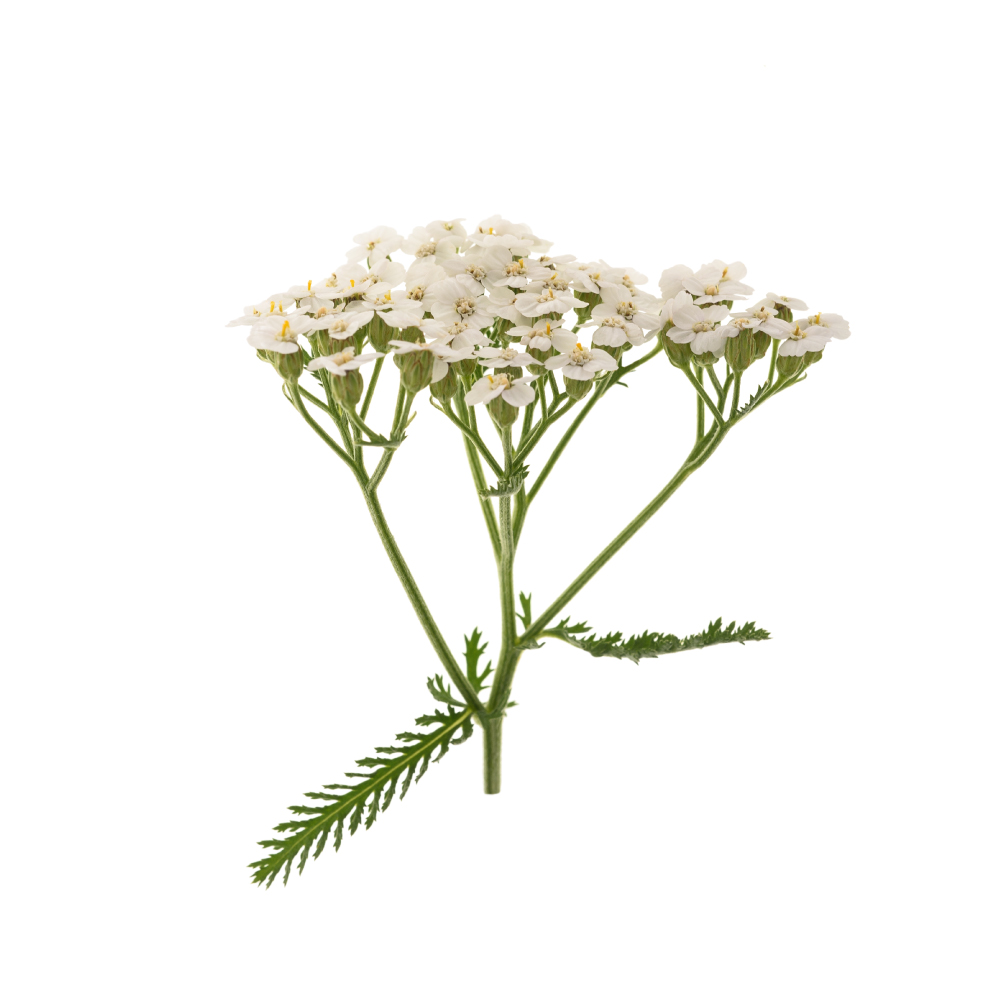 Principal source Yarrow Achillea millefolium Herb monograph →
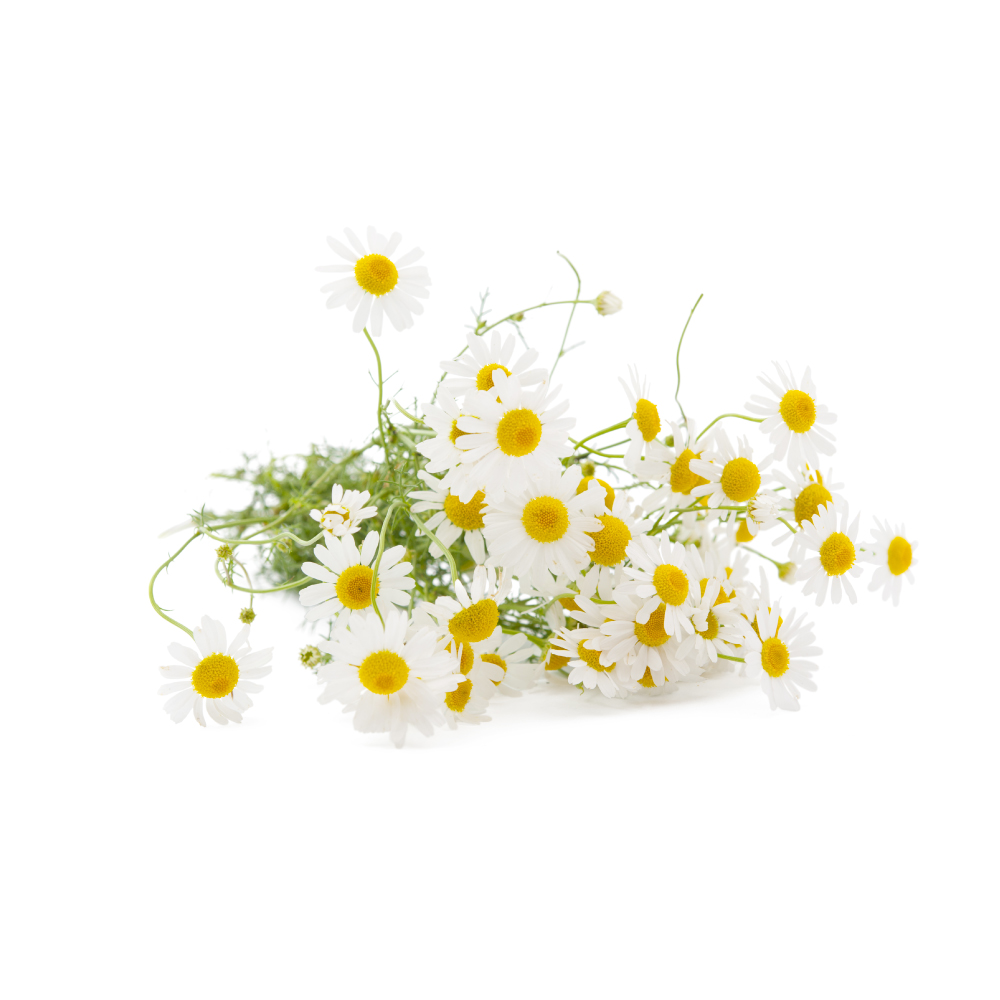 Source German Chamomile Matricaria chamomilla Herb monograph →
Concentration
Content by Source
Concentrations not reported. No percent-dry-weight or mg/g figures have been published for this compound in its source plants.
Leucodin at a Glance
Leucodin is a guaianolide sesquiterpene lactone — one of the bitter, tricyclic terpenoids that characterise the daisy family (Asteraceae). Its proper chemical synonym is desacetoxymatricarin, and it is also spelled leucodine or leukodin 12,
It is best known from yarrow (Achillea millefolium), where bioassay-guided fractionation of the flower hexane extract yielded leucodin and its C-11 epimer achillin as the two major components — and identified them as the molecules responsible for the extract’s blood-pressure-lowering and smooth-muscle-relaxant activity in rats 1,
Two things make leucodin worth a careful page rather than a quick one. First, its name sits in a genuinely confused cluster — leucodin, achillin, matricarin, desacetylmatricarin and dehydroleucodin are five different molecules that are routinely conflated, and the confusion changes what you can attribute to which. Second, leucodin lacks the α-methylene-γ-lactone group that drives most of the sesquiterpene-lactone class’s pharmacology and toxicology — so the usual class claims about thiol alkylation and NF-κB do not transfer to it, and there is published experimental evidence that they don’t 8Reference 8AnimalThe gastric cytoprotective effect of several sesquiterpene lactones — [rat in vivo]View study →.
Leucodin, Achillin & Matricarin — Untangling The Names
Leucodin is not desacetylmatricarin. This is the single most important thing to get right about this molecule, because a great deal of secondary writing treats the two as synonyms. They are different compounds with different molecular formulas 22Reference 22https://pubchem.ncbi.nlm.nih.gov/compound/167683View study →:
| Compound | Formula | MW | PubChem CID | Relationship |
|---|---|---|---|---|
| Leucodin (desacetoxymatricarin) | C₁₅H₁₈O₃ | 246.3 | 167683 | The molecule here — no oxygen at C-8 |
| Achillin | C₁₅H₁₈O₃ | 246.3 | 442139 | C-11 epimer of leucodin — same connectivity, inverted methyl |
| Desacetylmatricarin (deacetylmatricarin, austricin) | C₁₅H₁₈O₄ | 262.3 | 6713966 | Matricarin minus its acetyl — keeps an 8-hydroxyl |
| Matricarin | C₁₇H₂₀O₅ | 304.3 | 3083923 | The 8-O-acetyl ester of desacetylmatricarin |
| Dehydroleucodin | C₁₅H₁₆O₃ | 244.3 | 73440 | Leucodin plus an exocyclic methylene at C-11/C-13 |
The prefix is the tell: desacetoxymatricarin (= leucodin) has lost the whole acetoxy group and carries no oxygen at C-8; desacetylmatricarin has lost only the acetyl and retains the hydroxyl. One letter, one oxygen atom, two molecules.
This is not a pedantic distinction. Phytochemists routinely isolate leucodin and desacetylmatricarin from the same plant in the same run — from a Hungarian Achillea millefolium taxon 11Reference 11Sesquiterpenes and flavonoid aglycones from a Hungarian taxon of the Achillea millefolium group — [phytochemical isolation]View study →, from basin big sagebrush 7Reference 7In vitroSesquiterpene lactones and flavonoid from the leaves of basin big sagebrush (Artemisia tridentata subsp. tridentata): isolation, characterization and biological activities — [in vitro]View study →, and in the analytical methods developed specifically to tell the five guaianolides apart by TLC and HPLC 10Reference 10TLC and HPLC characteristics of desacetylmatricarin, leucodin, achillin and their 8alpha-angeloxy-derivatives — [analytical chemistry]View study →. And where the two have been assayed head-to-head, they behave differently: against mast-cell degranulation, desacetylmatricarin had an IC₅₀ of 7.5 µM while leucodin managed only 80 µM and achillin 100 µM — roughly a tenfold separation 6Reference 6In vitroDesacetylmatricarin, an anti-allergic component from Taraxacum platycarpum — [in vitro]View study →. In a yarrow antiproliferative screen, desacetylmatricarin was inactive against all three human tumour lines tested 20Reference 20In vitroAntiproliferative effect of flavonoids and sesquiterpenoids from Achillea millefolium s.l. on cultured human tumour cell lines — [in vitro]View study →. Findings for one are not findings for the other.
Leucodin and achillin are epimers, differing only in the configuration of the C-11 methyl on the lactone ring 15,
Finally, dehydroleucodin (DhL) is a much more studied molecule with a substantial gastroprotective, antitumour and cell-cycle literature. It is leucodin plus an exocyclic methylene 16Reference 16Dehydro-leucodin: a guaiane-type sesquiterpene lactone — [crystal structure]View study →. Attributing DhL’s results to leucodin is the most consequential error in this cluster — see the next section.
The Missing α-Methylene-γ-Lactone
Almost everything written about sesquiterpene lactones as a class rests on one structural feature: the α-methylene-γ-lactone, an exocyclic C=C conjugated to the lactone carbonyl that acts as a Michael acceptor and alkylates cysteine thiols on proteins. That reactivity is what underlies the class’s NF-κB inhibition, its cytotoxicity, and its notoriety as a contact allergen.
Leucodin does not have it. Leucodin is the 11,13-dihydro compound — a plain C-11 methyl where dehydroleucodin carries the methylidene 16,
This has been tested, not just inferred. In the classic study that identified dehydroleucodin as Artemisia douglasiana’s gastroprotective principle, the authors screened related guaianolides to see whether the activity was general to the class. Desacetoxymatricarin — leucodin — showed no cytoprotective activity at all, and the authors concluded that the α-methylene-γ-lactone moiety is in principle a requirement for the antiulcer effect 8Reference 8AnimalThe gastric cytoprotective effect of several sesquiterpene lactones — [rat in vivo]View study →. A later structure–activity study on guaianolide inhibition of amphibian oocyte meiosis reached a compatible conclusion: inhibition was strongest in lactones carrying two reactive centres, and weakest in those carrying fewer 9Reference 9In vitroEffect of guaianolides in the meiosis reinitiation of amphibian oocytes — [in vitro]View study →.
What leucodin does retain is a cyclopentenone — an α,β-unsaturated ketone on the five-membered ring, which is why the group is classed as the 2-oxo-guaianolides 10Reference 10TLC and HPLC characteristics of desacetylmatricarin, leucodin, achillin and their 8alpha-angeloxy-derivatives — [analytical chemistry]View study →. That is a far weaker electrophile than an α-methylene-γ-lactone, and it is the most plausible structural basis for the modest, high-micromolar activities leucodin does show.
The practical upshot: a claim of the form “sesquiterpene lactones inhibit NF-κB by alkylating cysteine” is uninformative about leucodin, and may be actively wrong. Where leucodin has real activity, the mechanism appears to be something else — ion-channel and receptor-level, not covalent.
What It's Used For
Every result below is in vitro or in rodents. There is no human data of any kind, and no pharmacokinetics.
Support is an experimental score — weighted by study type (human > animal > in vitro) and volume. A beta, not a validated metric. Note that no row here contains any human data; the ceiling for this molecule is low by construction.
The marquee result, and the only one built on isolated leucodin tested in a live animal. Bioassay-guided separation of the hexane extract of A. millefolium flower heads — the most potent of the organic and hydroalcoholic extracts on rat aortic rings — yielded leucodin and achillin as the extract’s two major components. Both relaxed aortic rings; both had their relaxation modified by L-NAME (nitric-oxide synthase inhibitor) and by ODQ (soluble guanylyl cyclase inhibitor), and both relaxed contraction induced by 80 mM KCl, the standard signature of voltage-gated calcium-channel blockade. Given intragastrically at 50 mg/kg, each compound lowered systolic and diastolic blood pressure in spontaneously hypertensive rats 1Reference 1AnimalAntihypertensive and vasorelaxant effect of leucodin and achillin isolated from Achillea millefolium through calcium channel blockade and NO production: in vivo, functional ex vivo and in silico studies — [rat in vivo]View study →.
Leucodin’s vasorelaxant/hypotensive profile is well enough regarded that it has been used as a reference natural product when designing synthetic vasodilator scaffolds 21Reference 21In vitroNovel labdane diterpenes-based synthetic derivatives: identification of a bifunctional vasodilator that inhibits CaV1.2 and stimulates KCa1.1 channels — [in vitro]View study →.
Gap: one research group, one species, no dose–response in vivo, no human data, and — critically — no pharmacokinetics, so it is unknown whether an oral yarrow preparation delivers anything near the 50 mg/kg that worked in rats. The two epimers were not separated in effect, so the page cannot claim leucodin is the more active of the pair.
The precursor study to the blood-pressure work, and the same pharmacology in a different tissue. The hexane extract of A. millefolium was the most active of several extracts at relaxing ex vivo rat tracheal rings; mechanistic dissection of the extract pointed to calcium-channel blockade as the dominant route, with a contributing NO/cGMP component and non-competitive antagonism at muscarinic receptors. Leucodin and achillin were then isolated from that extract and identified by the authors as the compounds responsible for the relaxant activity 2Reference 2AnimalTracheal relaxation through calcium channel blockade of Achillea millefolium hexanic extract and its main bioactive compounds — [rat ex vivo]View study →.
Gap: an important labelling caveat — the mechanistic experiments (L-NAME, atropine, KCl) were run on the extract, with the isolated molecules assigned responsibility afterwards. This is weaker than the aortic work, where the purified compounds themselves were characterised 1Reference 1AnimalAntihypertensive and vasorelaxant effect of leucodin and achillin isolated from Achillea millefolium through calcium channel blockade and NO production: in vivo, functional ex vivo and in silico studies — [rat in vivo]View study →. No asthma model, no in-vivo airway endpoint, no human data.
The most mechanistically detailed single study on this molecule, using leucodin isolated from Artemisia capillaris. In mouse peritoneal macrophages, mouse bone-marrow-derived macrophages and human THP-1 cells stimulated with LPS plus ATP, leucodin inhibited pro-IL-1β cleavage and mature IL-1β release and suppressed expression of P2X7 receptor, TLR4 and NLRP3 — placing it on the purinergic/inflammasome axis rather than the thiol-alkylation axis typical of its chemical class. In HepG2 cells exposed to ethanol, it reduced lipid accumulation, increased phosphorylation of AMPK and acetyl-CoA carboxylase, and lowered SREBP-1 and ACC expression. It showed no significant toxicity up to 200 µM 3Reference 3In vitroLeucodin attenuates inflammatory response in macrophages and lipid accumulation in steatotic hepatocytes via P2x7 receptor pathway: a potential role in alcoholic liver disease — [in vitro]View study →.
Gap: entirely in vitro, a single paper, no animal model of alcoholic liver disease, no replication, and the concentrations were not related to any achievable plasma level (none is known). Isolate, not plant.
Leucodin was one of three sesquiterpene lactones (with α-santonin and sclareolide) chosen as scaffolds for a semi-synthetic anti-inflammatory series, and was tested alongside the derivatives in LPS-stimulated RAW 264.7 macrophages and in photodynamic-therapy-treated RIF-1 cells. Most of the pool needed high concentrations to move COX-2 expression, activity or PGE₂ — leucodin itself was one of only two exceptions that worked at more reasonable levels. The authors were explicit that the activity tracks COX enzyme expression rather than direct enzyme inhibition 4Reference 4In vitroNaturally occurring sesquiterpene lactones and their semi-synthetic derivatives modulate PGE2 levels by decreasing COX2 activity and expression — [in vitro]View study →.
Gap: single in-vitro study, no IC₅₀ reported for leucodin in the abstract, no animal inflammation model, and the paper’s purpose was scaffold development rather than characterising leucodin.
In a screen of Achillea wilhelmsii fractions for cardiometabolic activity, the chloroform fraction was the most active inhibitor of HMG-CoA reductase — the rate-limiting enzyme of cholesterol synthesis and the statin target. Five compounds were isolated from that fraction; of those, 1β,10β-epoxydesacetoxymatricarin and leucodin showed the highest anti-hypercholesterolaemic potential, with a molecular-docking study giving corresponding results 5Reference 5In vitroThe chemical composition of Achillea wilhelmsii CView study →.
Gap: a cell-free enzyme kit assay plus docking — the weakest evidence tier for a metabolic claim. No potency figure for leucodin, no cell or animal cholesterol endpoint, no replication. Note also that this study’s hypoglycaemic effects belonged to the water extract, not to leucodin.
Included mainly because it is the cleanest demonstration of the naming problem. Bioassay-guided fractionation of Taraxacum platycarpum identified desacetylmatricarin — the other molecule — as the anti-allergic principle, inhibiting β-hexosaminidase release from RBL-2H3 mast cells with an IC₅₀ of 7.5 µM. The authors then tested the two structurally related guaianolides: leucodin came in at 80 µM and achillin at 100 µM 6Reference 6In vitroDesacetylmatricarin, an anti-allergic component from Taraxacum platycarpum — [in vitro]View study →.
Gap: leucodin is roughly an order of magnitude weaker than the compound it gets confused with, at a concentration with no plausible in-vivo relevance. This is a negative result for leucodin dressed as a positive one for a neighbour — and it is exactly the kind of finding that gets mis-attributed when the two names are treated as synonyms.
Leucodin was isolated from the leaves of basin big sagebrush (Artemisia tridentata subsp. tridentata) alongside matricarin, desacetylmatricarin and a trimethyl-ether flavonoid, and all four were run through a FRAP assay. Leucodin scored 13.03 µmol TE/g FW — the lowest of the four (matricarin 13.22, desacetylmatricarin 14.90, the flavonoid 15.02) 7Reference 7In vitroSesquiterpene lactones and flavonoid from the leaves of basin big sagebrush (Artemisia tridentata subsp. tridentata): isolation, characterization and biological activities — [in vitro]View study →.
Gap: a single chemical-reducing-power figure with no cellular or in-vivo antioxidant endpoint. The same study submitted all four isolates to the NCI-60 cancer-cell-line screen, where the one-dose results for every sesquiterpene lactone were unremarkable — only the flavonoid warranted follow-up 7Reference 7In vitroSesquiterpene lactones and flavonoid from the leaves of basin big sagebrush (Artemisia tridentata subsp. tridentata): isolation, characterization and biological activities — [in vitro]View study →. That is a useful negative: leucodin is not a cytotoxic sesquiterpene lactone.
Mechanisms
| Target / pathway | Effect | Relevant to |
|---|---|---|
| Voltage-gated (L-type) Ca²⁺ channels | relaxes 80 mM KCl-induced contraction in rat aorta and trachea → calcium-influx blockade | vasorelaxationairway relaxation |
| Endothelial NO synthase → soluble guanylyl cyclase / cGMP | relaxation blunted by L-NAME and by ODQ → endothelium-dependent NO/cGMP component | vasorelaxation |
| P2X7 receptor / TLR4 / NLRP3 inflammasome | ↓ pro-IL-1β cleavage and mature IL-1β release; ↓ P2X7R, TLR4, NLRP3 expression in macrophages | inflammation |
| AMPK → ACC → SREBP-1 | ↑ p-AMPK and p-ACC, ↓ SREBP-1 → less lipid accumulation in ethanol-exposed hepatocytes | hepatic steatosis |
| COX-2 expression (not direct enzyme inhibition) | ↓ PGE₂ via reduced COX-2 expression | inflammation |
| HMG-CoA reductase | inhibition in a cell-free assay, supported by docking | cholesterol synthesis |
| Mast-cell degranulation (β-hexosaminidase release) | weak inhibition, IC₅₀ 80 µM | allergy |
| α-Methylene-γ-lactone thiol alkylation | absent — leucodin is 11,13-dihydro and failed to reproduce a methylene-bearing relative’s gastroprotection | why the class mechanism does not transfer |
The load-bearing row is the last one. Leucodin’s activities are all receptor-, channel- or expression-level; none of them requires — or is explained by — the covalent thiol chemistry that dominates writing about sesquiterpene lactones.
Pharmacokinetics
Nothing is published. No absorption, oral bioavailability, distribution, metabolism, active metabolites, protein binding or half-life data exist for leucodin. The single pharmacokinetically-relevant observation in the whole file is indirect: 50 mg/kg intragastrically lowered blood pressure in rats 1Reference 1AnimalAntihypertensive and vasorelaxant effect of leucodin and achillin isolated from Achillea millefolium through calcium channel blockade and NO production: in vivo, functional ex vivo and in silico studies — [rat in vivo]View study →, which establishes that enough of an oral dose survives to act in that species, but says nothing about the fraction absorbed or the plasma concentration reached.
This matters more than usual here. The in-vitro results sit at 80–200 µM 3,
Clinical Trials
There are none. No trial of isolated leucodin has been conducted or registered, in any indication.
| Completed | Planned | Terminated | Preclinical |
|---|---|---|---|
| 0 | 0 | 0 | ~8(rodent cardiovascular; the rest in vitro) |
Last checked: July 2026.
Isolate vs. Plant Studies
Unusually for a minor plant constituent, most of leucodin’s file is isolate work — which is a strength of the data even though the data are thin. The cardiovascular result used purified leucodin in aortic rings and in live rats 1Reference 1AnimalAntihypertensive and vasorelaxant effect of leucodin and achillin isolated from Achillea millefolium through calcium channel blockade and NO production: in vivo, functional ex vivo and in silico studies — [rat in vivo]View study →; the inflammasome, COX-2, HMG-CoA reductase, mast-cell and FRAP results all used the purified compound 3,
The exception, and it is an important one, is the airway study: there the mechanistic pharmacology (muscarinic antagonism, NO/cGMP, calcium blockade) was characterised on the hexane extract, and leucodin and achillin were isolated afterwards and credited with the activity 2Reference 2AnimalTracheal relaxation through calcium channel blockade of Achillea millefolium hexanic extract and its main bioactive compounds — [rat ex vivo]View study →. That attribution is reasonable — they were the extract’s major components — but it is an inference, not a direct demonstration.
The transferability caveat runs the other way from the usual one. Leucodin is not what most yarrow preparations deliver: it is a lipophilic constituent recovered from a hexane extract 1,
Prevalence in Nature
Leucodin occurs across the Asteraceae, in three tribes that are not especially close to one another — but it has never been quantified in any of them, so its abundance is described qualitatively everywhere below.
Yarrow (Achillea millefolium) is its best-documented home. In the flower-head hexane extract, leucodin and achillin were reported as the two major components 1Reference 1AnimalAntihypertensive and vasorelaxant effect of leucodin and achillin isolated from Achillea millefolium through calcium channel blockade and NO production: in vivo, functional ex vivo and in silico studies — [rat in vivo]View study →. A detailed phytochemical study of a Hungarian A. millefolium taxon isolated leucodin, achillin, desacetylmatricarin and — for the first time — 8α-angeloxy-leucodin and 8α-angeloxy-achillin from flower heads, alongside apigenin, luteolin and centaureidin 11Reference 11Sesquiterpenes and flavonoid aglycones from a Hungarian taxon of the Achillea millefolium group — [phytochemical isolation]View study →. Related Achillea species carry it too: leucodin was one of five compounds isolated from the chloroform fraction of Achillea wilhelmsii 5Reference 5In vitroThe chemical composition of Achillea wilhelmsii CView study →. Because these 2-oxo-guaianolides are markers for non-proazulene taxa, their presence is chemotype-dependent rather than universal in the A. millefolium aggregate 10,
In Artemisia, leucodin is reported from the leaves of basin big sagebrush (A. tridentata subsp. tridentata), where it was co-isolated with matricarin and desacetylmatricarin from a chloroform extract 7Reference 7In vitroSesquiterpene lactones and flavonoid from the leaves of basin big sagebrush (Artemisia tridentata subsp. tridentata): isolation, characterization and biological activities — [in vitro]View study →, and from A. capillaris, the source used for the inflammasome work 3Reference 3In vitroLeucodin attenuates inflammatory response in macrophages and lipid accumulation in steatotic hepatocytes via P2x7 receptor pathway: a potential role in alcoholic liver disease — [in vitro]View study →. Beyond the Achillea/Artemisia axis it appears in German chamomile — leucodin (explicitly given as ”= desacetoxymatricarin”) was identified in the dichloromethane extract of chamomile tea for the first time in 2012, alongside matricarin, achillin and acetoxyachillin 12Reference 12Guaianolides and volatile compounds in chamomile tea — [phytochemical analysis]View study → — and in the roots of Scorzonera latifolia, a Cichorieae species, where it was one of five compounds from a hexane extract 14Reference 14A new triterpene from Scorzonera latifolia (Fisch. and Mey.) DC. — [phytochemical isolation]View study →.
Its occurrence in chicory (Cichorium intybus) is documented biochemically rather than by isolation: chicory root enzyme preparations convert (+)-costunolide into leucodin, establishing it as a genuine end-product of that plant’s sesquiterpene-lactone pathway 13Reference 13Biosynthesis of costunolide, dihydrocostunolide, and leucodin: demonstration of cytochrome P450-catalyzed formation of the lactone ring present in sesquiterpene lactones of chicory — [plant enzymology]View study →. Hydroxylated and glycosylated leucodin derivatives (9α-hydroxyleucodin xylosides) have also been described from Lactuca roots, indicating the skeleton is elaborated further in the lettuce tribe.
No source has been assigned a percentage or mg/g figure.
Discovery & Synthesis
First isolation is not well documented. No original isolation report for leucodin surfaced in a PubMed or Crossref search of the compound and its synonyms; the name predates the indexed literature, and the earliest records found here are structural and pharmacological rather than discovery papers. The molecule’s structure and solution conformation were established by NMR in 1988, in a joint conformational analysis of achillin and “leukodin” that fixed the stereochemical relationship between the two epimers 15Reference 15Conformational analysis of achillin and leukodin — [structural chemistry]View study →; the absolute configuration of the closely related dehydroleucodin was later confirmed by X-ray crystallography and shown to agree with the leucodin assignment 16Reference 16Dehydro-leucodin: a guaiane-type sesquiterpene lactone — [crystal structure]View study →. Analytical methods to distinguish leucodin from achillin, desacetylmatricarin and their 8α-angeloxy esters by TLC and HPLC were published in 2003 10Reference 10TLC and HPLC characteristics of desacetylmatricarin, leucodin, achillin and their 8alpha-angeloxy-derivatives — [analytical chemistry]View study →.
Biosynthesis is comparatively well characterised for a molecule this obscure. Work on chicory established that the germacranolide (+)-costunolide is the common precursor of the family’s guaianolides, and that an enzyme preparation from chicory roots converts (+)-costunolide into leucodin; the conversion appears to require more than one enzyme, including a cytochrome P450. The preceding step — costunolide synthase, which closes the lactone ring via C6-hydroxylation — was itself shown to be a cytochrome P450 in the same study 13Reference 13Biosynthesis of costunolide, dihydrocostunolide, and leucodin: demonstration of cytochrome P450-catalyzed formation of the lactone ring present in sesquiterpene lactones of chicory — [plant enzymology]View study →.
Total synthesis: no dedicated total synthesis of leucodin was found. The molecule has instead been used as a natural-product reference scaffold in medicinal chemistry: its vasorelaxant and hypotensive reputation motivated a series of labdane-based synthetic vasodilators built on the structurally similar lactone (+)-sclareolide 21Reference 21In vitroNovel labdane diterpenes-based synthetic derivatives: identification of a bifunctional vasodilator that inhibits CaV1.2 and stimulates KCa1.1 channels — [in vitro]View study →, and it was one of three lactone starting points in a semi-synthetic anti-inflammatory series 4Reference 4In vitroNaturally occurring sesquiterpene lactones and their semi-synthetic derivatives modulate PGE2 levels by decreasing COX2 activity and expression — [in vitro]View study →. All material used in research to date has been obtained by extraction and chromatographic isolation from plant sources, not by synthesis.
Patents: not yet researched.
Toxicity & Safety
Leucodin carries a low flag — but that reflects the absence of any toxicity signal in a very small dataset, not the presence of a safety package. No repeat-dose, genotoxicity, reproductive or organ-toxicity study of isolated leucodin exists, and no LD₅₀ has been reported.
- No cytotoxicity signal in the two screens that looked. Non-toxic up to 200 µM across mouse peritoneal, bone-marrow-derived and human THP-1 macrophages 3Reference 3In vitroLeucodin attenuates inflammatory response in macrophages and lipid accumulation in steatotic hepatocytes via P2x7 receptor pathway: a potential role in alcoholic liver disease — [in vitro]View study →; NCI-60 one-dose results unremarkable 7Reference 7In vitroSesquiterpene lactones and flavonoid from the leaves of basin big sagebrush (Artemisia tridentata subsp. tridentata): isolation, characterization and biological activities — [in vitro]View study →.
- Lacks the reactive α-methylene-γ-lactone that drives sesquiterpene-lactone thiol alkylation, cytotoxicity and sensitisation 8,
17Reference 8AnimalThe gastric cytoprotective effect of several sesquiterpene lactones — [rat in vivo]View study →Reference 17AnimalSesquiterpene lactones of Achillea setacea with antiphlogistic activity — [mouse in vivo]View study → — the class’s headline hazard is structurally absent here. - Asteraceae contact allergy. The plants that carry leucodin — yarrow, chamomile, sagebrush — are established causes of allergic contact dermatitis and are represented in the sesquiterpene-lactone and Compositae patch-test mixes 18,
19Reference 18ReviewContact dermatitis as an adverse reaction to some topically used European herbal medicinal products — part 1: Achillea millefolium–Curcuma longa — [review]View study →Reference 19Clinical trialContact allergy to Compositae plants in patients with atopic dermatitis — [patch-test study in patients]View study → . Leucodin itself has not been tested as an allergen. - Theoretical additive hypotension. The one reproduced pharmacology is blood-pressure lowering via calcium-channel blockade and NO release 1Reference 1AnimalAntihypertensive and vasorelaxant effect of leucodin and achillin isolated from Achillea millefolium through calcium channel blockade and NO production: in vivo, functional ex vivo and in silico studies — [rat in vivo]View study →; additive effects with antihypertensive drugs are plausible in principle but have never been studied.
- No toxicology package at all. No repeat-dose, genotoxicity or reproductive data; no human exposure data; no pharmacokinetics. Absence of findings here is absence of study, not evidence of safety.
Full Safety & Interactions Detail
What has actually been measured. Leucodin showed no significant toxicity in macrophages at concentrations up to 200 µM over the exposure used in the inflammasome study 3Reference 3In vitroLeucodin attenuates inflammatory response in macrophages and lipid accumulation in steatotic hepatocytes via P2x7 receptor pathway: a potential role in alcoholic liver disease — [in vitro]View study →, and its one-dose NCI-60 screen across 60 human tumour lines was described as unremarkable — in contrast to the co-isolated flavonoid from the same plant, which was potent enough to warrant five-dose follow-up 7Reference 7In vitroSesquiterpene lactones and flavonoid from the leaves of basin big sagebrush (Artemisia tridentata subsp. tridentata): isolation, characterization and biological activities — [in vitro]View study →. Both are screening observations rather than toxicology, but they are consistent with a molecule that lacks the class’s alkylating warhead.
The structural argument, and its limit. Sesquiterpene-lactone toxicity and allergenicity are largely attributed to the α-methylene-γ-lactone Michael acceptor, which leucodin does not have 8,
Asteraceae contact dermatitis. This is a plant-level and class-level caution that a leucodin page has to carry, because the herbs that deliver leucodin are the ones implicated. Achillea millefolium is among the topically used European herbal medicinal products reviewed specifically for contact dermatitis as an adverse reaction 18Reference 18ReviewContact dermatitis as an adverse reaction to some topically used European herbal medicinal products — part 1: Achillea millefolium–Curcuma longa — [review]View study →, and Compositae sensitivity is routinely detected by patch testing with a sesquiterpene lactone mix plus a Compositae mix containing yarrow, chamomile, arnica, tansy and feverfew extracts — in one series of atopic-dermatitis patients, 30% were Compositae-sensitive with a 10% sesquiterpene-lactone-mix detection rate 19Reference 19Clinical trialContact allergy to Compositae plants in patients with atopic dermatitis — [patch-test study in patients]View study →. Which individual lactones drive that response in yarrow has not been resolved, and leucodin has not been tested as a single patch-test allergen.
Interactions. No enzyme- or transporter-level interaction data exist — no CYP inhibition/induction screen, no P-gp work, no protein-binding measurement. The only mechanism-based interaction worth flagging is pharmacodynamic: additive blood-pressure lowering with antihypertensives, calcium-channel blockers or nitrates, inferred from the mechanism 1Reference 1AnimalAntihypertensive and vasorelaxant effect of leucodin and achillin isolated from Achillea millefolium through calcium channel blockade and NO production: in vivo, functional ex vivo and in silico studies — [rat in vivo]View study → and never tested.
Reproductive note (prose only). No reproductive or developmental study of isolated leucodin exists. One structure–activity study found that guaianolides can inhibit meiotic resumption in amphibian oocytes, with the effect weakest in lactones carrying fewer reactive centres — leucodin’s category 9Reference 9In vitroEffect of guaianolides in the meiosis reinitiation of amphibian oocytes — [in vitro]View study →; this is a comparative-biology assay in Rhinella arenarum, not a mammalian reproductive-toxicity finding, and should not be read as one. Pregnancy and lactation decisions belong to the herb or product page where intake is decided, not to a molecule page.
Dosage
There is no human dose for leucodin, and nothing is standardised to it. The figures below are the doses and concentrations used in research.
| Setting | Preparation | Dose / concentration |
|---|---|---|
| Antihypertensive (spontaneously hypertensive rat) | Isolated leucodin, intragastric | 50 mg/kg 1Reference 1AnimalAntihypertensive and vasorelaxant effect of leucodin and achillin isolated from Achillea millefolium through calcium channel blockade and NO production: in vivo, functional ex vivo and in silico studies — [rat in vivo]View study → |
| Vasorelaxation (rat aortic rings, ex vivo) | Isolated leucodin | concentration–response; potency figures not reported in the abstract 1Reference 1AnimalAntihypertensive and vasorelaxant effect of leucodin and achillin isolated from Achillea millefolium through calcium channel blockade and NO production: in vivo, functional ex vivo and in silico studies — [rat in vivo]View study → |
| Macrophage / hepatocyte assays | Isolated leucodin, in vitro | active below the 200 µM no-toxicity ceiling 3Reference 3In vitroLeucodin attenuates inflammatory response in macrophages and lipid accumulation in steatotic hepatocytes via P2x7 receptor pathway: a potential role in alcoholic liver disease — [in vitro]View study → |
| Mast-cell degranulation | Isolated leucodin, in vitro | IC₅₀ 80 µM 6Reference 6In vitroDesacetylmatricarin, an anti-allergic component from Taraxacum platycarpum — [in vitro]View study → |
Human exposure is entirely indirect — through yarrow, chamomile tea, sagebrush and chicory, none of which are marketed with a leucodin content figure, and at least one of which (yarrow) contains it only in certain chemotypes 10,
References
- Arias-Durán L, et al. (2021). Antihypertensive and vasorelaxant effect of leucodin and achillin isolated from Achillea millefolium through calcium channel blockade and NO production: in vivo, functional ex vivo and in silico studies — [rat in vivo]. Journal of Ethnopharmacology. https://pubmed.ncbi.nlm.nih.gov/33610712/
- Arias-Durán L, et al. (2020). Tracheal relaxation through calcium channel blockade of Achillea millefolium hexanic extract and its main bioactive compounds — [rat ex vivo]. Journal of Ethnopharmacology. https://pubmed.ncbi.nlm.nih.gov/32035218/
- Shang Y, et al. (2018). Leucodin attenuates inflammatory response in macrophages and lipid accumulation in steatotic hepatocytes via P2x7 receptor pathway: a potential role in alcoholic liver disease — [in vitro]. Biomedicine & Pharmacotherapy. https://pubmed.ncbi.nlm.nih.gov/30099341/
- Perri F, et al. (2019). Naturally occurring sesquiterpene lactones and their semi-synthetic derivatives modulate PGE2 levels by decreasing COX2 activity and expression — [in vitro]. Heliyon. https://pubmed.ncbi.nlm.nih.gov/30976671/
- Khazneh E, et al. (2016). The chemical composition of Achillea wilhelmsii C. Koch and its desirable effects on hyperglycemia, inflammatory mediators and hypercholesterolemia as risk factors for cardiometabolic disease — [in vitro]. Molecules. https://pubmed.ncbi.nlm.nih.gov/27023504/
- Cheong H, et al. (1998). Desacetylmatricarin, an anti-allergic component from Taraxacum platycarpum — [in vitro]. Planta Medica. https://pubmed.ncbi.nlm.nih.gov/9741305/
- Anibogwu R, et al. (2024). Sesquiterpene lactones and flavonoid from the leaves of basin big sagebrush (Artemisia tridentata subsp. tridentata): isolation, characterization and biological activities — [in vitro]. Molecules. https://pubmed.ncbi.nlm.nih.gov/38398555/
- Giordano OS, et al. (1990). The gastric cytoprotective effect of several sesquiterpene lactones — [rat in vivo]. Journal of Natural Products. https://pubmed.ncbi.nlm.nih.gov/2095374/
- Zapata-Martínez J, et al. (2017). Effect of guaianolides in the meiosis reinitiation of amphibian oocytes — [in vitro]. Zygote. https://pubmed.ncbi.nlm.nih.gov/27806737/
- Glasl S, et al. (2003). TLC and HPLC characteristics of desacetylmatricarin, leucodin, achillin and their 8alpha-angeloxy-derivatives — [analytical chemistry]. Pharmazie. https://pubmed.ncbi.nlm.nih.gov/12889533/
- Glasl S, et al. (2002). Sesquiterpenes and flavonoid aglycones from a Hungarian taxon of the Achillea millefolium group — [phytochemical isolation]. Zeitschrift für Naturforschung C. https://pubmed.ncbi.nlm.nih.gov/12562079/
- Tschiggerl C, Bucar F (2012). Guaianolides and volatile compounds in chamomile tea — [phytochemical analysis]. Plant Foods for Human Nutrition. https://pubmed.ncbi.nlm.nih.gov/22410959/
- de Kraker JW, et al. (2002). Biosynthesis of costunolide, dihydrocostunolide, and leucodin: demonstration of cytochrome P450-catalyzed formation of the lactone ring present in sesquiterpene lactones of chicory — [plant enzymology]. Plant Physiology. https://pubmed.ncbi.nlm.nih.gov/12011356/
- Acıkara ÖB, et al. (2012). A new triterpene from Scorzonera latifolia (Fisch. and Mey.) DC. — [phytochemical isolation]. Natural Product Research. https://pubmed.ncbi.nlm.nih.gov/21995805/
- Martinez VM, Muñoz-Zamora A, Joseph-Nathan P (1988). Conformational analysis of achillin and leukodin — [structural chemistry]. Journal of Natural Products. https://doi.org/10.1021/np50056a005
- Priestap HA, et al. (2011). Dehydro-leucodin: a guaiane-type sesquiterpene lactone — [crystal structure]. Acta Crystallographica Section E. https://pubmed.ncbi.nlm.nih.gov/22199945/
- Zitterl-Eglseer K, et al. (1991). Sesquiterpene lactones of Achillea setacea with antiphlogistic activity — [mouse in vivo]. Planta Medica. https://pubmed.ncbi.nlm.nih.gov/1798798/
- Calapai G, et al. (2014). Contact dermatitis as an adverse reaction to some topically used European herbal medicinal products — part 1: Achillea millefolium–Curcuma longa — [review]. Contact Dermatitis. https://pubmed.ncbi.nlm.nih.gov/24621152/
- Jovanović M, et al. (2004). Contact allergy to Compositae plants in patients with atopic dermatitis — [patch-test study in patients]. Medicinski Pregled. https://pubmed.ncbi.nlm.nih.gov/15503788/
- Csupor-Löffler B, et al. (2009). Antiproliferative effect of flavonoids and sesquiterpenoids from Achillea millefolium s.l. on cultured human tumour cell lines — [in vitro]. Phytotherapy Research. https://pubmed.ncbi.nlm.nih.gov/19107850/
- Carullo G, et al. (2022). Novel labdane diterpenes-based synthetic derivatives: identification of a bifunctional vasodilator that inhibits CaV1.2 and stimulates KCa1.1 channels — [in vitro]. Marine Drugs. https://pubmed.ncbi.nlm.nih.gov/36005518/
- PubChem compound records — Leucodin (CID 167683), Desacetylmatricarin (CID 6713966), Achillin (CID 442139), Matricarin (CID 3083923), Dehydroleucodin (CID 73440) — [chemical database]. https://pubchem.ncbi.nlm.nih.gov/compound/167683



