
Compound Monograph
Allantoin
Allantoin is the small purine-derived molecule behind comfrey's 'knitbone' reputation — a cell-proliferant abundant in root and leaf, and the non-toxic half of a herb otherwise defined by its pyrrolizidine alkaloids. It is used as the positive control in comfrey wound-healing experiments and as a skin-protectant ingredient, and in human blood it is something else entirely: a marker of oxidative stress.

Sources · 9
Where Does It Come From?
Allantoin is a naturally occurring (and made in the body) ureide (purine catabolite / diureide of glyoxylic acid), found in Comfrey, Cha de bugre, Suma and 6 other sources. It is well tolerated orally (low toxicity).
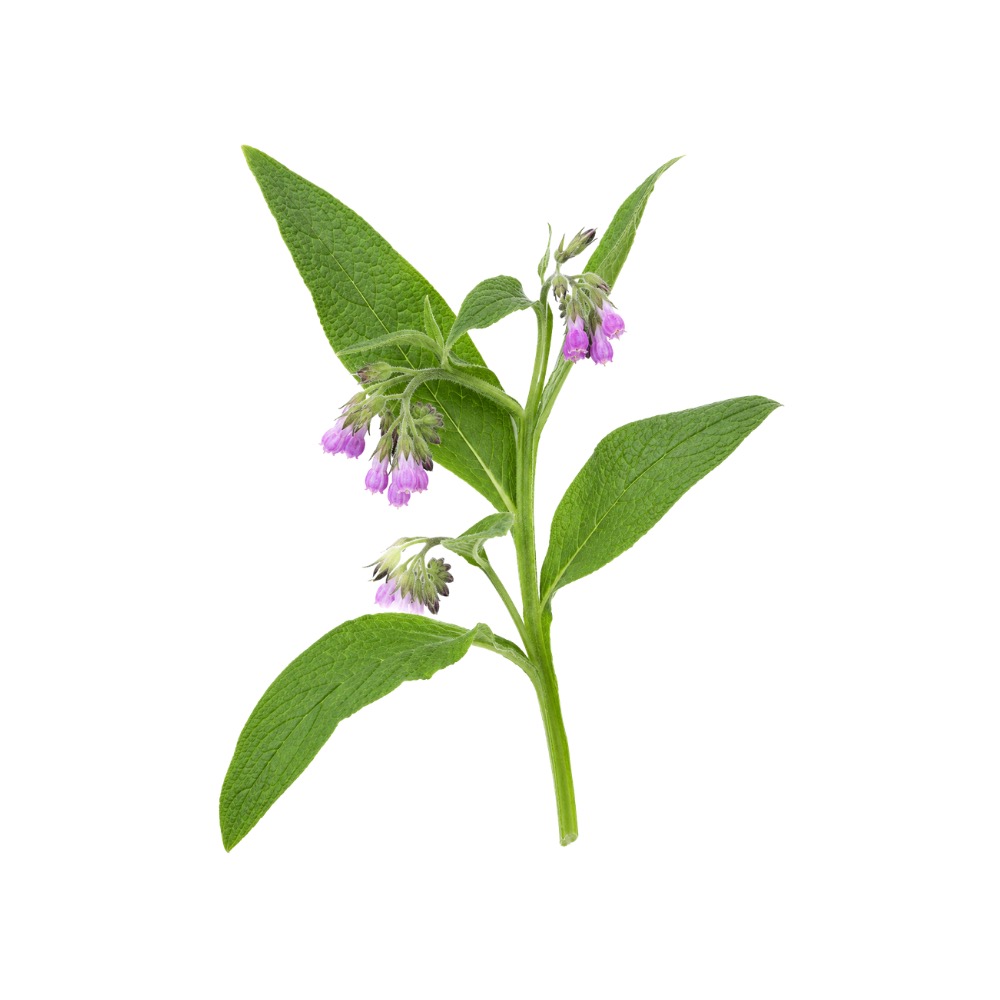 Principal source Comfrey Symphytum officinale Herb monograph →
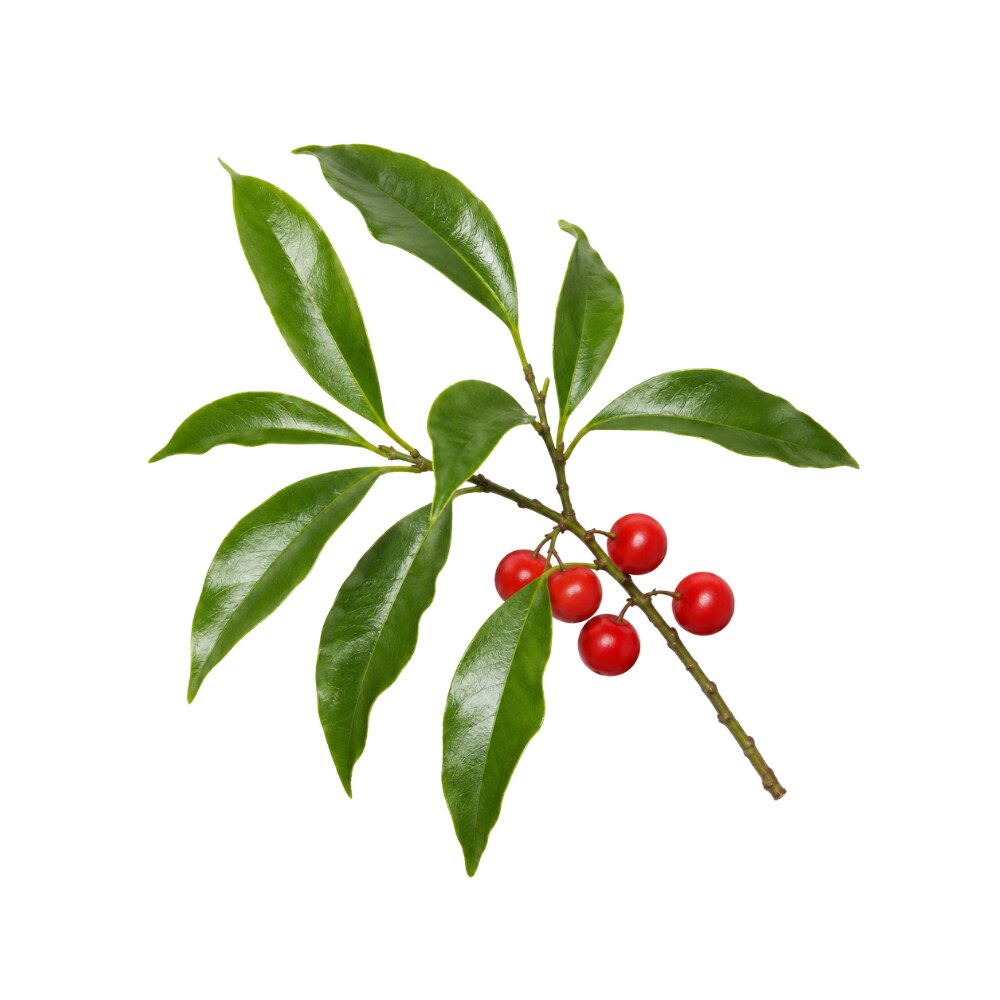 Source Chá de Bugre Cordia salicifolia Herb monograph →
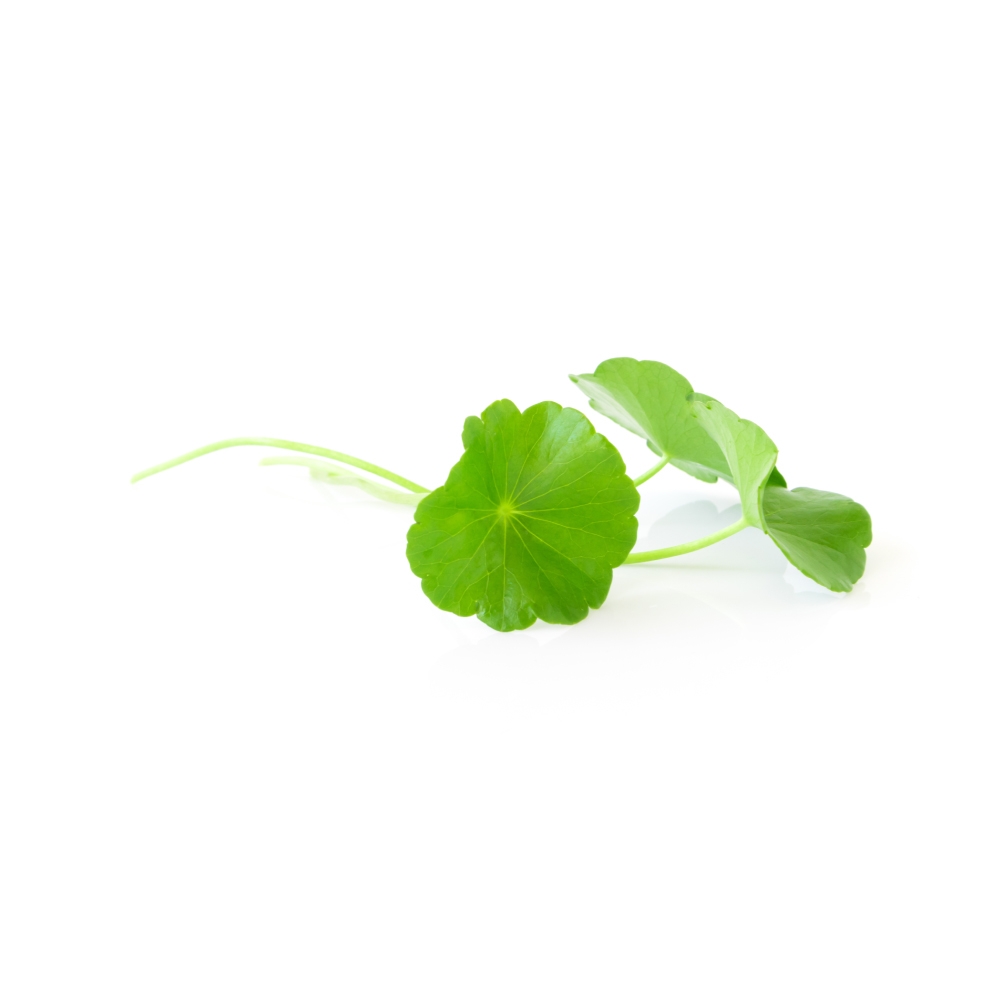 Source Gotu Kola Centella asiatica Herb monograph →
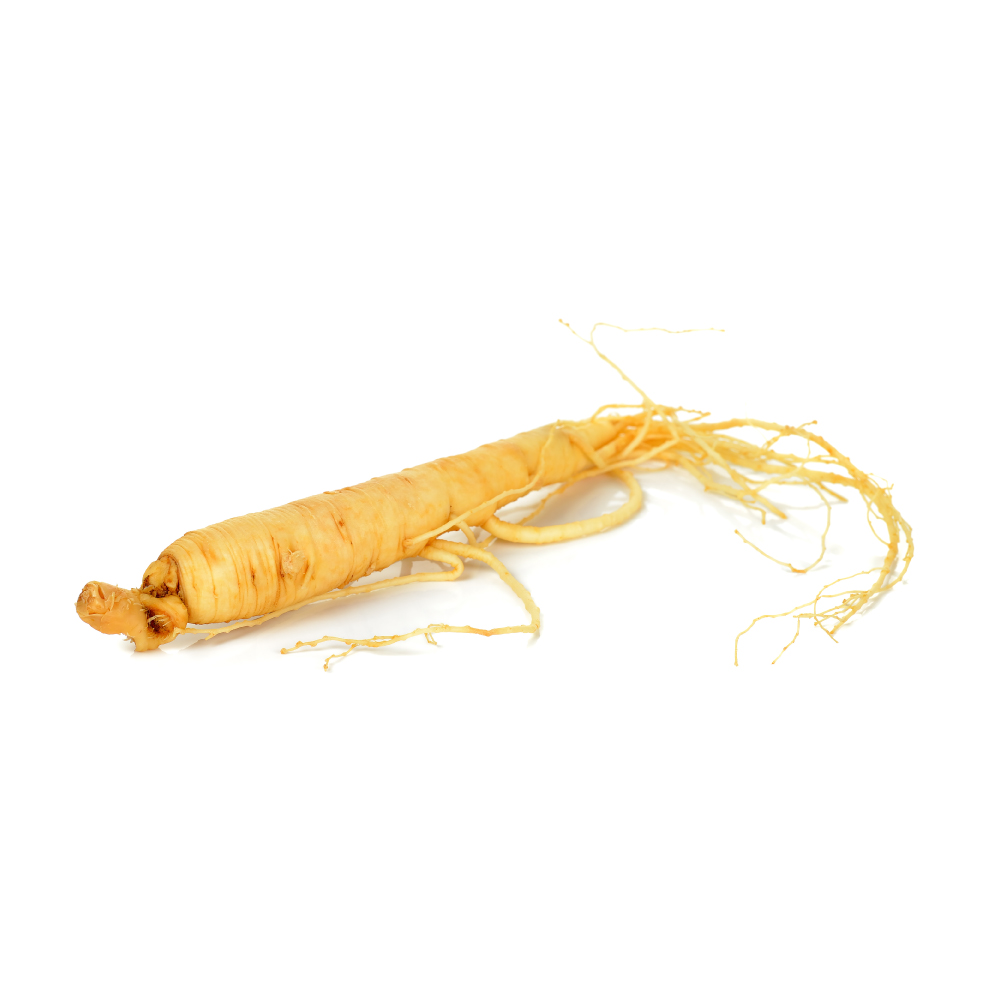 Source Suma Pfaffia paniculata Herb monograph →
 Source Wild Yam Dioscorea villosa Herb monograph →
Concentration
Content by Source
Concentrations not reported. No percent-dry-weight or mg/g figures have been published for this compound in its source plants.
Allantoin at a Glance
Allantoin is a small, simple molecule with an unusually specific reputation: it is what people mean when they say comfrey knits bone. Abundant in comfrey’s root and leaf, it is described throughout the literature as a cell-proliferant — a substance that encourages cells to divide and connective tissue to rebuild — and it is the reason a herb otherwise defined by its hepatotoxic alkaloids has a genuine therapeutic identity.
It is also the non-toxic half of comfrey. The molecules that confine comfrey to external use are the pyrrolizidine alkaloids lycopsamine, intermedine, symphytine and echimidine 10Reference 10ReviewMetabolism, genotoxicity, and carcinogenicity of comfrey — reviewView study →; allantoin has nothing to do with them, carries no comparable hazard, and is a routine ingredient in ordinary skin creams.
Chemically it is a ureide, the breakdown product one step beyond uric acid on the purine-disposal pathway. That gives it two lives that have almost nothing to do with each other. In plants it is a nitrogen-transport and stress metabolite 11,
The Positive Control
The clearest statement of what researchers believe about allantoin is not a study of allantoin. It is the fact that when a laboratory sets out to test whether comfrey heals wounds, allantoin is what they use as the positive control.
In a rat open-wound model comparing three comfrey leaf-extract formulations, allantoin was the reference against which the extracts were judged; the best formulation increased collagen deposition from 40% to 240% and cut inflammatory infiltrate between day 3 and day 28 1Reference 1AnimalIn vivo wound healing effects of Symphytum officinale L. leaves extract in different topical formulations — rat in vivoView study →. A later rat study of comfrey root creams found faster and complete healing of skin excisions at 14 days with a 20% extract cream, and attributed the activity to allantoin alongside rosmarinic and salvianolic acids 2Reference 2AnimalHealing of skin wounds in rats using creams based on Symphytum officinale extract — rat in vivoView study →.
Using a compound as a positive control is a statement that its activity is already accepted — and it is also the reason the evidence base has a hole in the middle. Allantoin is treated as a known cell-proliferant standard rather than as a hypothesis to be tested, so the comparative studies measure comfrey against allantoin and never allantoin against placebo in a person. The confidence is real and long-standing; the trial is missing.
Comfrey’s Benefit Molecule
Comfrey is unusual in having its benefit and its hazard in different molecules, and the split is worth stating precisely.
The hazard is the pyrrolizidine alkaloid fraction — hepatotoxic, genotoxic, concentrated in the root, and the reason internal use was abandoned 10Reference 10ReviewMetabolism, genotoxicity, and carcinogenicity of comfrey — reviewView study →. The benefit is credited to allantoin for tissue repair and to rosmarinic acid and its caffeic-acid oligomers for the anti-inflammatory and analgesic side.
Comfrey’s human trials, though, test the whole ointment and measure the second half. Comfrey root extract ointment beat placebo on pain and swelling in acute ankle sprain 5Reference 5RCTEfficacy and tolerance of a comfrey root extract (ExtrView study →, on acute back pain 6Reference 6RCTEfficacy and safety of comfrey root extract ointment in the treatment of acute upper or lower back pain: results of a double-blind, randomised, placebo controlled, multicentre trial — randomised controlled trialView study →, and on painful knee osteoarthritis 7Reference 7RCTEfficacy of a comfrey root (Symphyti offic. radix) extract ointment in the treatment of patients with painful osteoarthritis of the knee: results of a double-blind, randomised, bicenter, placebo-controlled trial — randomised controlled trialView study → — all real, randomised, placebo-controlled results, and none of them a test of tissue proliferation. The wound-healing side, where allantoin is the presumed driver, rests on rat models and the positive-control convention 1,
So the honest reading is that comfrey has good human evidence for pain and swelling that allantoin probably does not explain, and a plausible mechanism for tissue repair that human trials have not directly measured.
What It's Used For
Allantoin’s pharmacology is thinly but consistently reported: a proliferant and soothing agent in skin, a mucosal protectant in rodent stomach, and one distinctive receptor mechanism in the pancreas. Its most robust human role is diagnostic rather than therapeutic.
The application allantoin is known for, and the one where its own evidence is thinnest by design. In a rat open-wound study comparing comfrey leaf extract in three vehicles, allantoin served as the positive control, and the winning formulation — an 8% prepared extract in an oil-in-water emulsion — produced increases in collagen deposition from 40% to 240% and reductions in inflammatory infiltrate from 3% to 46% between days 3 and 28 1Reference 1AnimalIn vivo wound healing effects of Symphytum officinale L. leaves extract in different topical formulations — rat in vivoView study →.
In a second rat study, oil-in-water cream containing 20% comfrey root extract produced faster and complete healing of skin excisions by day 14; the authors attributed the effect to the extract’s allantoin together with rosmarinic and salvianolic acids 2Reference 2AnimalHealing of skin wounds in rats using creams based on Symphytum officinale extract — rat in vivoView study →.
Mechanistically, allantoin is described as promoting cell proliferation and extracellular-matrix deposition, which fits the collagen findings and the traditional use of comfrey on sprains, closed fractures and blunt injury.
Gap: in both studies the treatment was comfrey extract and allantoin was the yardstick, so neither is a trial of allantoin. No controlled human wound-healing study of the isolated compound exists.
Allantoin’s largest real-world use is dermatological. It appears in creams, lotions, sunburn and nappy-rash preparations and shaving products as a soothing, keratolytic and moisturising agent, and it is one of the standard skin-protectant ingredients — a status resting on long use and low irritancy rather than on trials. Contemporary product studies still use it, generally in multi-ingredient formulations where its own contribution cannot be isolated.
Gap: the topical use is established by convention and decades of tolerability rather than by controlled data on the isolate, and published work almost always tests it inside a formulation containing several other actives.
A single but well-constructed rat study. After ethanol-induced gastritis, rats received allantoin at 12.5, 25 or 50 mg/kg for five days. Allantoin increased parietal-cell and mucosal-cell counts and mucosal thickness, reduced leukocytes and vessels in the mucosal and submucosal layers, and improved gastric ulceration at all three doses. Gastric prostaglandin E₂ and non-protein sulfhydryl levels rose, which the authors read as reinforcement of the gastric mucosal barrier 3Reference 3AnimalAllantoin improves histopathological evaluations in a rat model of gastritis — rat in vivoView study →.
That mechanism — more PGE₂, more protective thiols, thicker mucosa — is the same one that makes the proliferant description credible, expressed on a different epithelium.
Gap: one study, one species, one injury model, and an internal route for a molecule whose established human use is external.
The most mechanistically specific of allantoin’s findings. It protected pancreatic β-cells from streptozotocin-induced apoptosis in a dose-dependent way, lowering caspase-3 and raising phosphorylated Bcl-2; the protection was abolished both by KU14R, an imidazoline I₃ receptor antagonist, and by a phospholipase-C inhibitor, identifying the pathway. Daily injection for eight days in streptozotocin-treated rats significantly lowered plasma glucose and raised plasma insulin, and that too was blocked by the I₃ antagonist 4Reference 4In vitroAllantoin ameliorates chemically-induced pancreatic β-cell damage through activation of the imidazoline I3 receptors — in vitro and rat in vivoView study →.
Gap: injected dosing in a chemical diabetes model, with no oral or human work; the imidazoline-receptor pharmacology is interesting but entirely preclinical.
Not a therapeutic application at all, but the largest body of human data on the molecule. Most mammals convert uric acid to allantoin enzymatically using uricase; humans and other higher primates do not have functional uricase, so uric acid is the endpoint of purine catabolism. Any allantoin in human blood or urine therefore arises non-enzymatically, from attack on urate by reactive oxygen species such as hydroxyl radical and hypochlorous acid — which makes it a direct index of oxidative stress.
In rheumatoid arthritis, serum allantoin averaged 22.1 µM against 13.6 µM in healthy controls, with uric acid essentially unchanged, implicating free-radical activity in the disease 8Reference 8Clinical trialOxidation of uric acid in rheumatoid arthritis: is allantoin a marker of oxidative stress? — in patientsView study →. Validated analytical methods now exist for routine monitoring 9Reference 9Rapid and reliable HILIC-MS/MS method for monitoring allantoin as a biomarker of oxidative stress — analyticalView study →.
Gap: this is diagnostic chemistry rather than pharmacology, and it means that measuring allantoin in a person tells you about their oxidative state, not about anything they applied to their skin.
Mechanisms
| Target / pathway | Effect | Relevant to |
|---|---|---|
| Cell proliferation and extracellular matrix | Promotes cell division and collagen deposition; the basis of the “cell-proliferant” description | Wound healingtissue repair |
| Keratin and stratum corneum | Softening, moisturising and mildly keratolytic action | Skin soothing and protection |
| Gastric prostaglandin E₂ and non-protein sulfhydryls | Raised, with thicker mucosa and fewer infiltrating leukocytes | Gastric mucosal protection |
| Imidazoline I₃ receptor → phospholipase C | Protects β-cells from apoptosis; lowers glucose, raises insulin in rats | Metabolic (preclinical) |
| Uric acid + reactive oxygen species | Non-enzymatic oxidation to allantoin in humans, who lack uricase | Oxidative-stress biomarker |
| Purine catabolism (uricase, allantoinase) | The normal enzymatic route in most other organisms | Its endogenous and plant chemistry |
The therapeutic descriptions all point one way — proliferation and barrier repair — while the human measurements point somewhere else entirely, at oxidative chemistry the molecule reports on rather than causes.
Pharmacokinetics
No pharmacokinetic study of applied or ingested allantoin was found. What is known is its position in metabolism: it is a purine catabolite, formed from uric acid, highly water-soluble, and cleared renally. In humans, background allantoin is generated by oxidation of urate rather than by an enzyme 8Reference 8Clinical trialOxidation of uric acid in rheumatoid arthritis: is allantoin a marker of oxidative stress? — in patientsView study →, and urinary allantoin is measurable by routine mass spectrometry 9Reference 9Rapid and reliable HILIC-MS/MS method for monitoring allantoin as a biomarker of oxidative stress — analyticalView study →. Because it is small and polar, systemic absorption from intact skin is expected to be limited, and no toxicologically relevant systemic exposure has been reported from topical use — but this is inference from its chemistry rather than a measurement.
Clinical Trials
No trial has tested isolated allantoin for any indication. Human trials in this area are of comfrey root extract ointment, which beat placebo on pain and function in ankle sprain 5Reference 5RCTEfficacy and tolerance of a comfrey root extract (ExtrView study →, acute back pain 6Reference 6RCTEfficacy and safety of comfrey root extract ointment in the treatment of acute upper or lower back pain: results of a double-blind, randomised, placebo controlled, multicentre trial — randomised controlled trialView study → and knee osteoarthritis 7Reference 7RCTEfficacy of a comfrey root (Symphyti offic. radix) extract ointment in the treatment of patients with painful osteoarthritis of the knee: results of a double-blind, randomised, bicenter, placebo-controlled trial — randomised controlled trialView study →; allantoin is one constituent of those preparations and is not the presumed driver of the analgesic effect. Human allantoin measurement is diagnostic 8,
| Completed | Planned | Terminated | Preclinical |
|---|---|---|---|
| None(isolate); comfrey ointment RCTs for pain and swelling | — | — | Rat wound, gastritis and β-cell models |
Last checked: September 2026.
Isolate vs. Plant Studies
This molecule sits at an unusual angle to the usual isolate-versus-plant question, because the plant evidence and the isolate reputation are about different endpoints.
The isolate work is rodent: gastric mucosal protection 3Reference 3AnimalAllantoin improves histopathological evaluations in a rat model of gastritis — rat in vivoView study →, β-cell protection with a receptor antagonist control 4Reference 4In vitroAllantoin ameliorates chemically-induced pancreatic β-cell damage through activation of the imidazoline I3 receptors — in vitro and rat in vivoView study →, and its role as the reference standard in wound models 1,
Two consequences follow. First, comfrey’s best human evidence does not validate allantoin, and citing the ankle-sprain trial as proof that allantoin works would be a mistake. Second, allantoin’s own claim — tissue repair — is precisely the claim comfrey’s human trials did not test, which leaves the herb’s oldest and most distinctive reputation, knitting tissue back together, resting on animal work and long use.
Its Role in Plants
In plants allantoin is not a defence compound but a piece of nitrogen logistics. It is a ureide, formed as purines are broken down, and it serves as a compact, nitrogen-rich, water-soluble carrier: tropical legumes such as soybean and common bean export fixed nitrogen from their root nodules to the shoot largely as allantoin and allantoic acid, and its levels are controlled tissue by tissue through the enzyme allantoinase, which opens the ring for further breakdown 12Reference 12Developmental effects on ureide levels are mediated by tissue-specific regulation of allantoinase in Phaseolus vulgaris LView study →. Allantoinase genes have been characterised in Arabidopsis and in non-ureide-type legumes as well, showing the pathway is general rather than confined to nitrogen-fixing species 11Reference 11In vitroFunctional characterization of allantoinase genes from Arabidopsis and a nonureide-type legume black locust — in vitro enzymologyView study →.
Because it sits at a metabolic crossroads between nitrogen recycling and purine turnover, allantoin also accumulates under drought and other stresses, and is discussed as a stress-associated metabolite in its own right.
None of that is human pharmacology, and it should not be read as such — but it does explain why allantoin turns up in so many unrelated plants, including comfrey, cha de bugre, suma and yams. Its presence in a plant is ordinary metabolism, not a specialised adaptation.
Prevalence in Nature
Allantoin is close to universal in plants as a purine-breakdown and nitrogen-transport intermediate 11,
Comfrey is the herb it is identified with: allantoin is abundant in both root and leaf, and it is the compound comfrey’s traditional use is credited to 1,
Outside plants it is equally widespread: it is the normal end-product of purine catabolism in most mammals, and it takes its name from allantoic fluid, the foetal membrane fluid in which it was first identified. Commercial allantoin is synthetic, so a cream ingredient list carrying it says nothing about botanical content.
Discovery & Synthesis
Allantoin was identified in the eighteenth century in the allantoic fluid of cattle, which is where its name comes from, and it was one of the early molecules connected to uric-acid chemistry — it can be made by oxidising uric acid, a reaction known since the nineteenth century and still the conceptual basis of its manufacture.
Today it is produced synthetically at industrial scale, most commonly by the reaction of urea with glyoxylic acid, and supplied for cosmetic and pharmaceutical formulation. Nothing commercial is extracted from comfrey; the plant matters as the traditional source and the historical explanation, not as a supply route.
Toxicity & Safety
Allantoin carries a low flag, and it is one of the least controversial molecules on the site. It is a normal metabolite of purine breakdown present in ordinary human blood and urine 8,
The point worth making is a negative one about the plant. Comfrey’s toxicity is not allantoin’s. The restriction on internal comfrey use, and the topical-only positioning of comfrey products, follow entirely from the hepatotoxic and genotoxic pyrrolizidine alkaloids the plant also contains 10Reference 10ReviewMetabolism, genotoxicity, and carcinogenicity of comfrey — reviewView study →. Allantoin is chemically unrelated to them and is not implicated in comfrey’s liver injury. Conversely, choosing a comfrey product for its allantoin content does nothing to reduce the alkaloid question, which depends on the plant part, how it was extracted, and the measured alkaloid load — a judgement that belongs on the comfrey page.
No isolate reproductive-toxicity or genotoxicity package exists; confidence rests on long topical use and on its status as a normal metabolite rather than on a formal toxicology dossier.
- A normal human metabolite. Present in blood and urine as a purine breakdown product; measured as an oxidative-stress marker rather than treated as a foreign substance.
- Long-established topical ingredient in creams and skin-protectant preparations, with a low irritancy record.
- Comfrey’s hazard is a different molecule. The pyrrolizidine alkaloids restrict comfrey to external use; allantoin content does not offset them.
- No isolate human trial, and no comfrey allantoin figure. The cell-proliferant reputation rests on animal work and on its use as a positive control.
Dosage
There is no human dose of isolated allantoin. Its established use is topical, at the low percentages conventional in skin preparations; the figures below are research doses in animals and the comfrey preparations used in human trials. These are doses studied in research and are not a personal recommendation.
| Context | Form | Dose |
|---|---|---|
| Gastric mucosal protection (rats) | Oral allantoin | 12.5, 25 or 50 mg/kg for 5 days 3Reference 3AnimalAllantoin improves histopathological evaluations in a rat model of gastritis — rat in vivoView study → |
| β-Cell protection (rats) | Injected allantoin | Daily for 8 days 4Reference 4In vitroAllantoin ameliorates chemically-induced pancreatic β-cell damage through activation of the imidazoline I3 receptors — in vitro and rat in vivoView study → |
| Rat wound models | Topical allantoin as positive control | Reference standard, compared against comfrey extract 1, |
| Human comfrey trials | Comfrey root extract ointment | Applied several times daily for pain and swelling — not an allantoin dose 5, |
References
- Araújo LU, Reis PG, Barbosa LC, et al. (2012). In vivo wound healing effects of Symphytum officinale L. leaves extract in different topical formulations — rat in vivo. Pharmazie. https://pubmed.ncbi.nlm.nih.gov/22570943/
- Mârza SM, Dăescu AM, Purdoiu RC, et al. (2024). Healing of skin wounds in rats using creams based on Symphytum officinale extract — rat in vivo. Int J Mol Sci. https://pubmed.ncbi.nlm.nih.gov/38542069/
- Eslami-Farsani M, Moslehi A, Hatami-Shahmir A (2018). Allantoin improves histopathological evaluations in a rat model of gastritis — rat in vivo. Physiol Int. https://pubmed.ncbi.nlm.nih.gov/30582339/
- Amitani M, Cheng KC, Asakawa A, et al. (2015). Allantoin ameliorates chemically-induced pancreatic β-cell damage through activation of the imidazoline I3 receptors — in vitro and rat in vivo. PeerJ. https://pubmed.ncbi.nlm.nih.gov/26290782/
- Koll R, Buhr M, Dieter R, et al. (2004). Efficacy and tolerance of a comfrey root extract (Extr. Rad. Symphyti) in the treatment of ankle distorsions: results of a multicenter, randomized, placebo-controlled, double-blind study — randomised controlled trial. Phytomedicine. https://pubmed.ncbi.nlm.nih.gov/15500257/
- Giannetti BM, Staiger C, Bulitta M, et al. (2010). Efficacy and safety of comfrey root extract ointment in the treatment of acute upper or lower back pain: results of a double-blind, randomised, placebo controlled, multicentre trial — randomised controlled trial. Br J Sports Med. https://pubmed.ncbi.nlm.nih.gov/19460762/
- Grube B, Grünwald J, Krug L, et al. (2007). Efficacy of a comfrey root (Symphyti offic. radix) extract ointment in the treatment of patients with painful osteoarthritis of the knee: results of a double-blind, randomised, bicenter, placebo-controlled trial — randomised controlled trial. Phytomedicine. https://pubmed.ncbi.nlm.nih.gov/17169543/
- Yardim-Akaydin S, Sepici A, Ozkan Y, et al. (2004). Oxidation of uric acid in rheumatoid arthritis: is allantoin a marker of oxidative stress? — in patients. Free Radic Res. https://pubmed.ncbi.nlm.nih.gov/15346653/
- Kozlik P, Hasikova L, Stiburkova B, et al. (2020). Rapid and reliable HILIC-MS/MS method for monitoring allantoin as a biomarker of oxidative stress — analytical. Anal Biochem. https://pubmed.ncbi.nlm.nih.gov/31747555/
- Mei N, Guo L, Fu PP, et al. (2010). Metabolism, genotoxicity, and carcinogenicity of comfrey — review. J Toxicol Environ Health B Crit Rev. https://pubmed.ncbi.nlm.nih.gov/21170807/
- Yang J, Han KH (2004). Functional characterization of allantoinase genes from Arabidopsis and a nonureide-type legume black locust — in vitro enzymology. Plant Physiol. https://pubmed.ncbi.nlm.nih.gov/14976234/
- Díaz-Leal JL, Gálvez-Valdivieso G, Fernández J, et al. (2012). Developmental effects on ureide levels are mediated by tissue-specific regulation of allantoinase in Phaseolus vulgaris L. J Exp Bot. https://pubmed.ncbi.nlm.nih.gov/22442417/



