
Compound Monograph
Artemisia Ketone
Artemisia ketone is an irregular monoterpene ketone that dominates the essential oil of many Artemisia annua chemotypes — an aroma and chemotype marker, unrelated to the plant's antimalarial artemisinin chemistry.

Sources · 1
Where Does It Come From?
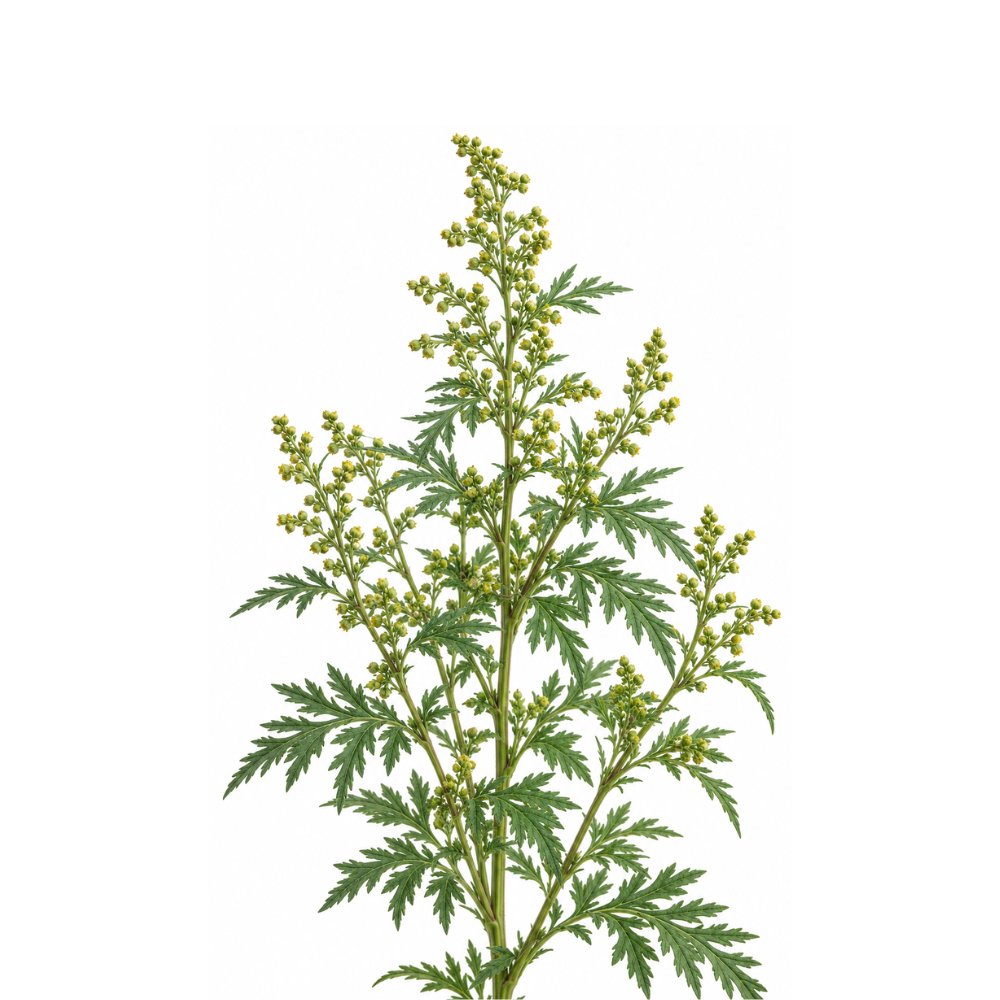
Artemisia Ketone is a naturally occurring monoterpene ketone (irregular / non-head-to-tail), found in Sweet wormwood. Its toxicity is not yet characterized.
Concentration
Content by Source
Concentrations not reported. No percent-dry-weight or mg/g figures have been published for this compound in its source plants.
Research & Evidence
Artemisia ketone is an irregular monoterpene — built on a non-head-to-tail carbon skeleton rather than the ordinary isoprene arrangement of camphor or 1,8-cineole — and it is the compound that most often dominates the essential oil of Artemisia annua. It is a major contributor to the plant’s sharp camphoraceous, sweet-herbaceous smell, and it belongs to the volatile fraction, which is a different pool of chemistry from the non-volatile sesquiterpene lactone that makes the herb famous.
Its practical use is as a chemotype marker. A. annua essential-oil composition varies sharply with provenance, and the plant’s antiradical activity has been reported to differ between “Asian” and “European” chemotypes whose oils differ in this compound. Chemotype and artemisinin yield are separate axes, though — a plant selected for aroma is not thereby selected for antimalarial content, and the reverse.
Do not read essential-oil activity as the herb’s activity. Reported antimicrobial and antiradical effects of A. annua essential oil are in-vitro results for a fraction that a tea or capsule barely delivers, and none of the plant’s clinical literature belongs to them.
Toxicity & Safety
No isolated-compound toxicity data were located. Monoterpene ketones as a class warrant more caution than other essential-oil constituents — the class includes recognised neurotoxic members such as thujone and pulegone — but no such signal has been established for this molecule specifically, and its relatives in this plant (camphor) are the better-characterised concern.



