
Compound Monograph
Aucubin
Aucubin is an iridoid glycoside — the namesake constituent of Aucuba japonica and a widespread marker of plantain, mullein, Eucommia, Rehmannia and chaste-tree. Its coherent but entirely preclinical profile is led by a hepatoprotective / anti-fibrotic signal (Nrf2/Smad7); there are no isolate human trials, in chaste-tree it is a quality-control marker rather than the tested agent, and oral bioavailability is low with an unstable, reactive aglycone.

Sources · 10
Where Does It Come From?
Aucubin is a naturally occurring iridoid glycoside, found in Spotted laurel — the namesake source, Plantain, Mullein — leaf and 7 other sources. It is well tolerated orally (low toxicity).
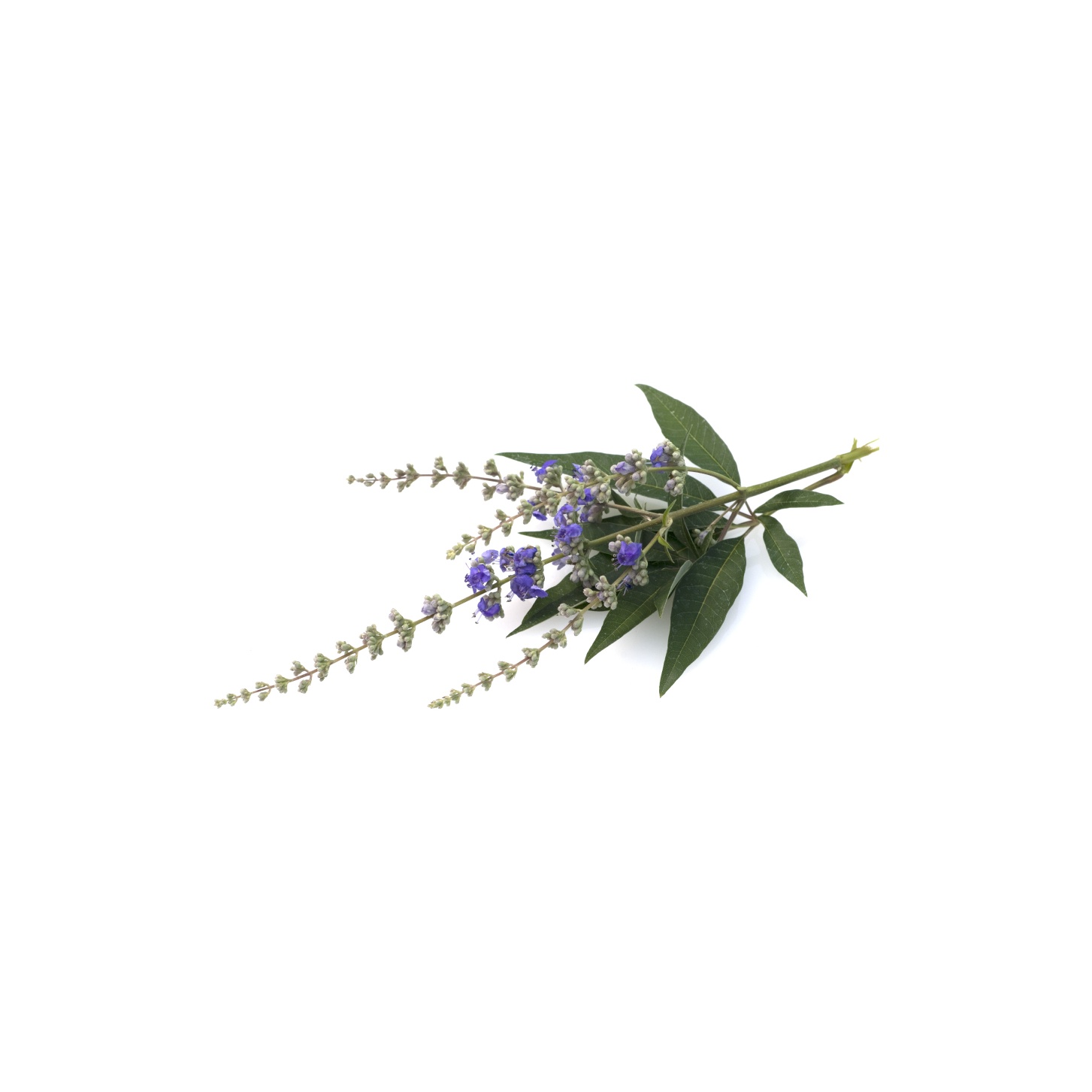 Source Chaste Tree Vitex agnus-castus Herb monograph →
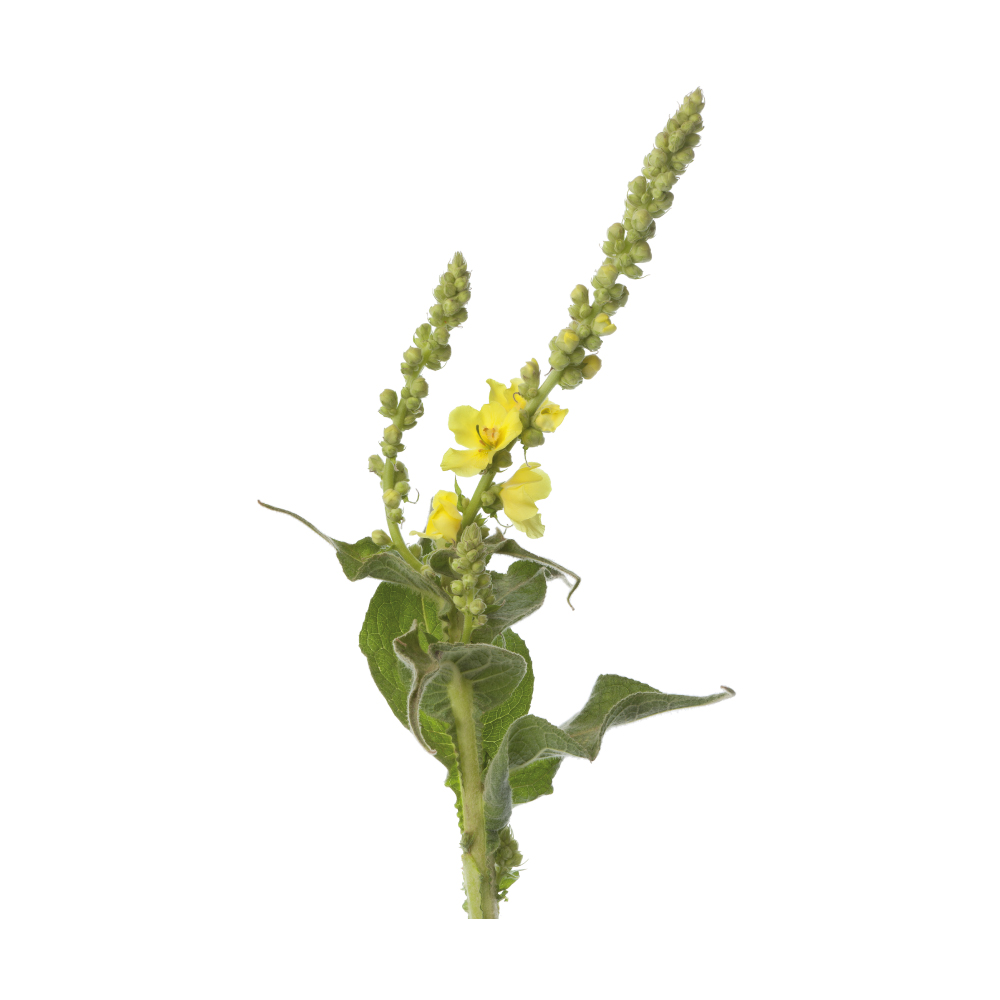 Source Mullein Verbascum thapsus Herb monograph →
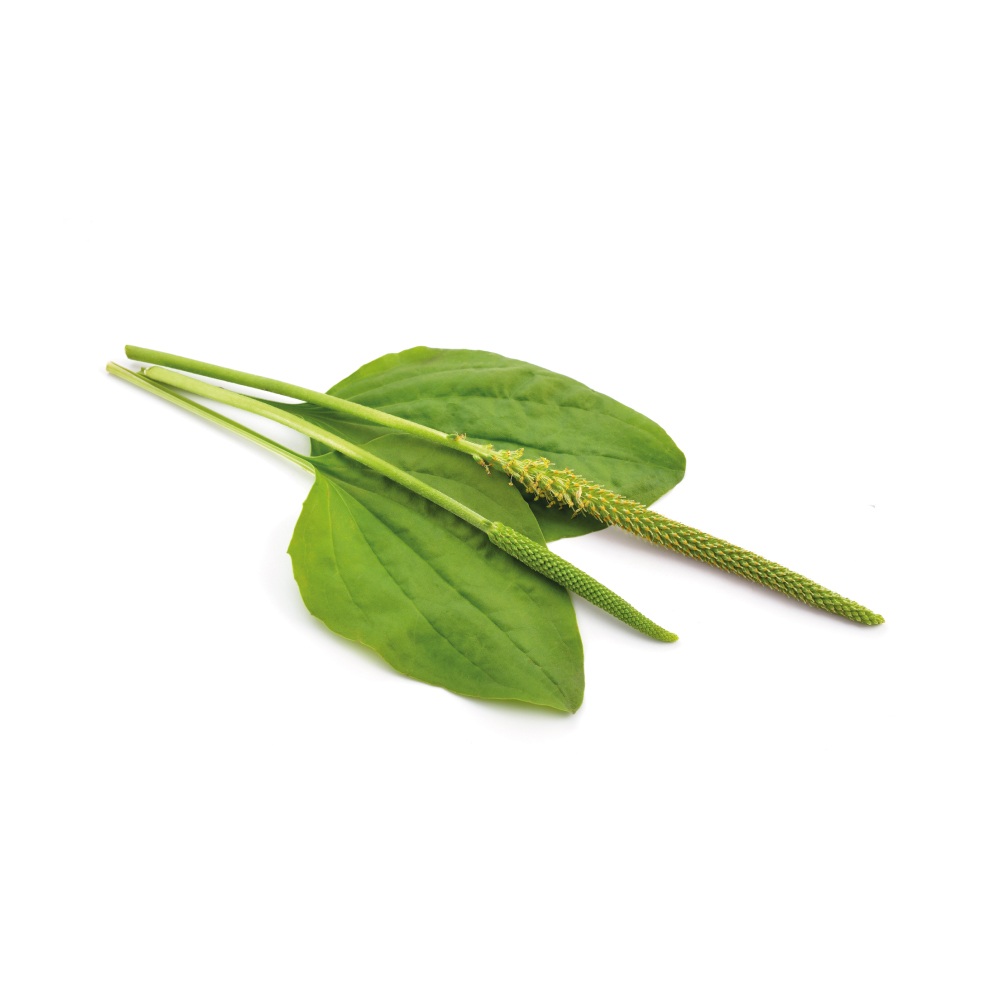 Source Plantain Plantago major Herb monograph →
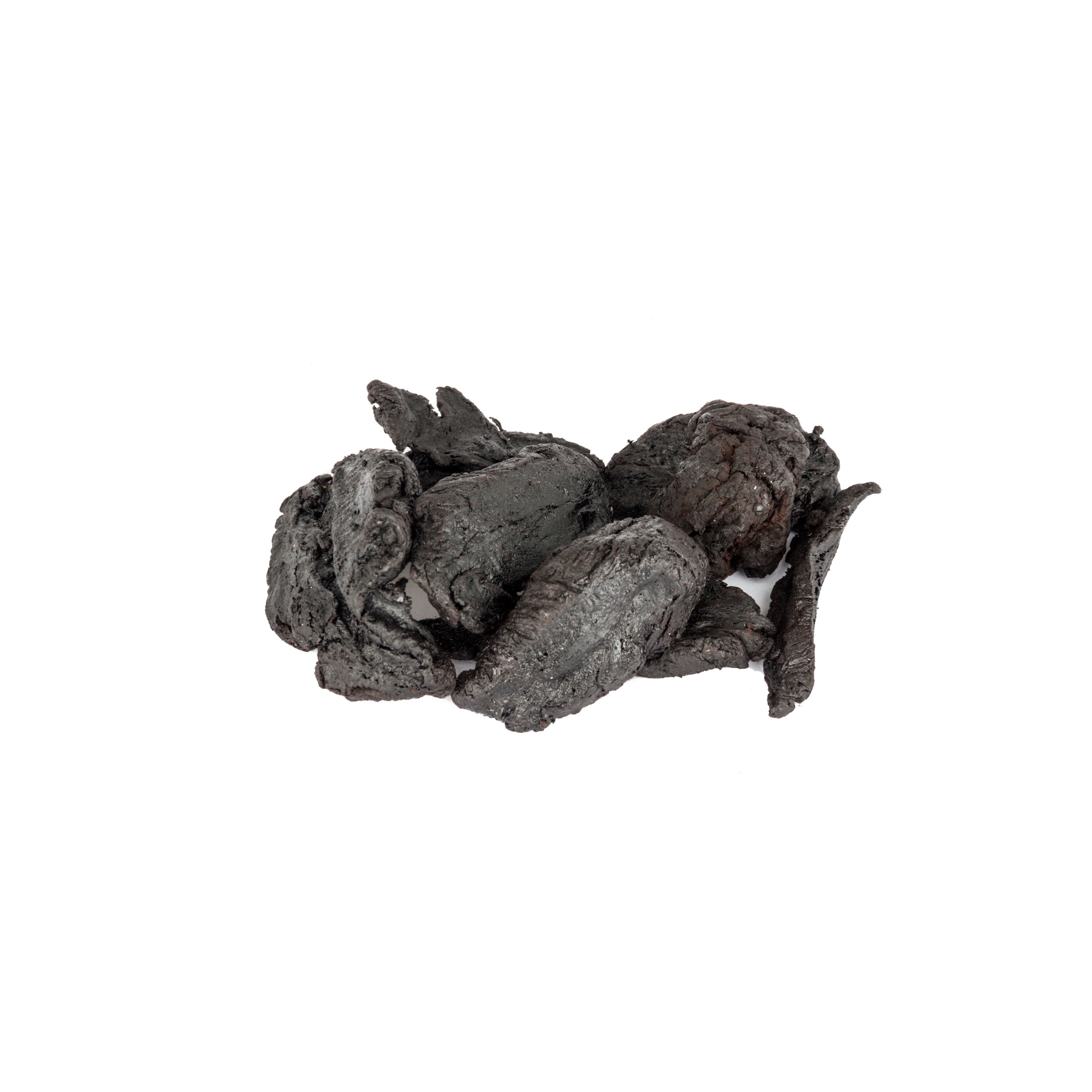 Source Rehmannia Rehmannia glutinosa Herb monograph →
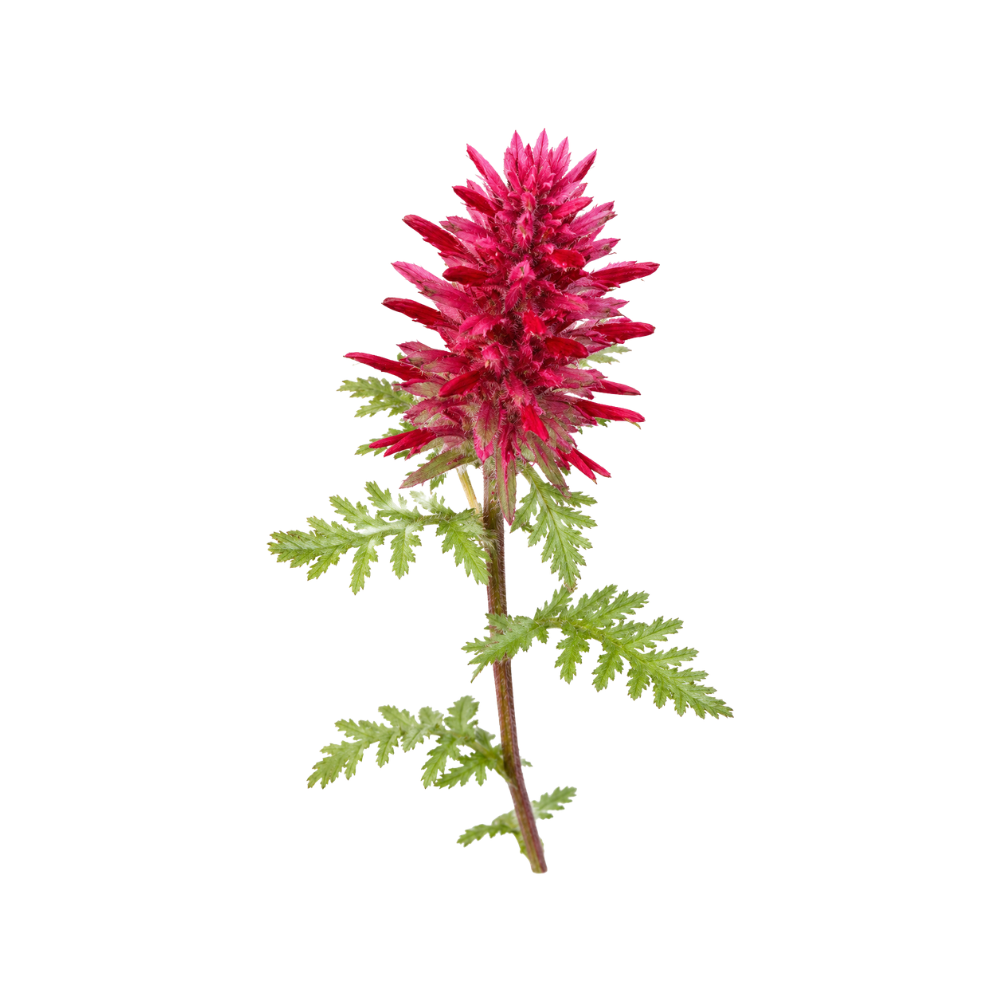 Source Warrior's Plume Pedicularis densiflora Herb monograph →
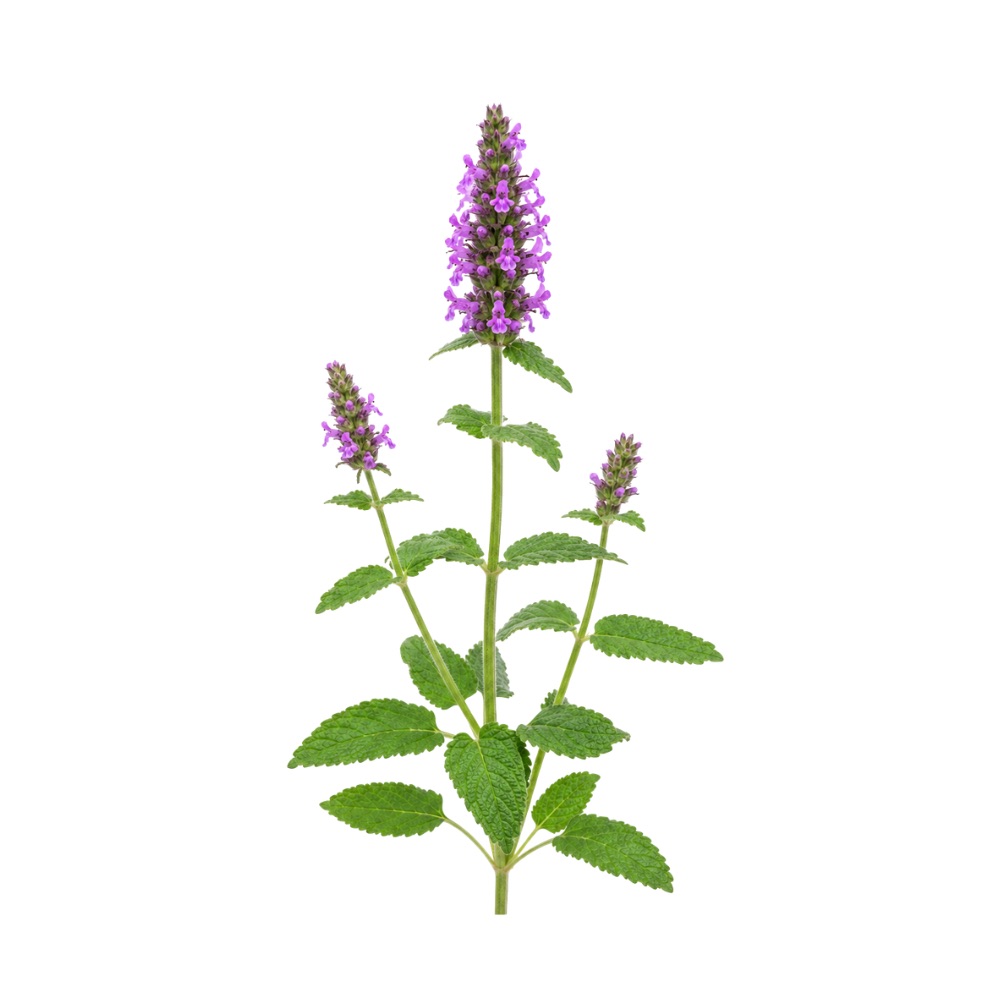 Source Wood Betony Stachys officinalis Herb monograph →
Concentration
Content by Source
Concentrations not reported. No percent-dry-weight or mg/g figures have been published for this compound in its source plants.
Aucubin at a Glance
Aucubin is an iridoid glycoside — a C9 iridoid glucoside — and one of the most widely distributed iridoids in the plant kingdom. It takes its name from Aucuba japonica and recurs across the database as a marker of plantain, mullein leaf, Eucommia bark, rehmannia and chaste-tree fruit.
Its evidence is almost entirely preclinical but unusually coherent: a marquee hepatoprotective / anti-fibrotic signal sits on top of a shared antioxidant / anti-inflammatory mechanism (Nrf2 activation, NF-κB suppression) that also carries its neuroprotective, bone and kidney findings 1,
Two disciplines are load-bearing. In chaste-tree, aucubin is a quality-control marker used to standardize the extract, not the tested agent — the same marker≠isolate rule as its co-marker agnuside. And aucubin has low oral bioavailability while its aglycone aucubigenin is unstable and chemically reactive, so in-vitro potency overreads what an oral dose delivers 2,
Aucubin as a Vitex (Chaste-Tree) Marker
The single most important framing for aucubin’s clinical footprint is that it is a standardization marker for chaste-tree (Vitex agnus-castus), not a drug tested in its own right. The one controlled human study in which aucubin appears is a Vitex PCOS RCT (60 women, 12 weeks) in which the extract was standardized to aucubin content — delivering only ~0.42–0.82 mg aucubin/day as a quality-control quantity 11Reference 11RCTThe effect of Vitex agnus-castus on markers of oxidative stress, lipid profile and insulin resistance in women with polycystic ovary syndrome: a randomized, double-blind controlled clinical trialView study →. The tested agent, and any effect, belong to the whole extract’s dopaminergic/hormonal fraction, which Vitex pharmacology attributes to its diterpenes rather than its iridoids 13Reference 13Chaste tree (Vitex agnus-castus) — pharmacology and clinical indicationsView study →.
Aucubin co-occurs in chaste-tree fruit with agnuside, the other iridoid used to quantify and standardize these extracts — so a label reading “standardized to aucubin/agnuside” is a statement about extract identity and batch consistency, not evidence that either isolated iridoid produces the clinical effect. Read aucubin’s own dossier as an organ-protection story (below); its appearance in a Vitex trial says nothing about the isolate.
Iridoid Instability & Aucubigenin
Aucubin’s chemistry is central to both its pharmacokinetics and its safety. As a glucoside it is water-soluble and reasonably stable in the intact molecule, but two reactions define its real-world behaviour:
- Acid degradation. Aucubin is unstable in gastric fluid — a degradation half-life of ~5 h at pH 1.2 — which, alongside low lipophilicity and first-pass metabolism, is why oral bioavailability is low (~19% in rats) 2Reference 2Pharmacokinetic study of an iridoid glucoside: aucubinView study →.
- Aglycone release. Gut and tissue β-glucosidase cleaves the sugar to liberate the aglycone aucubigenin, which is unstable and chemically reactive: it forms covalent protein adducts in vitro via an imine intermediate (intact aucubin itself did not bind) 14Reference 14Mechanism of covalent adduct formation of aucubin to proteinsView study →.
The practical consequence is a short-lived, poorly-absorbed glycoside whose reactive aglycone is the mechanistic basis for treating high-dose or aglycone exposure cautiously — and the reason isolate potency in cell and high-dose parenteral studies does not transfer cleanly to an achievable oral human exposure.
What It's Used For
Aucubin’s profile is preclinical but internally consistent: one antioxidant/anti-inflammatory core (Nrf2, NF-κB) that surfaces as organ protection in liver, brain, bone and kidney models. The load-bearing caveat is the compound-page discipline — no human isolate data, and the reactive, poorly-absorbed chemistry above limits translation.
Support is an experimental score — weighted by study type (human > animal > in vitro) and volume. A beta, not a validated metric. No human isolate data, so scores stay modest by design.
The strongest and most reproduced strand. In CCl₄-induced liver fibrosis, aucubin upregulated Smad7 dose-dependently and blocked TGF-β signaling, with Nrf2 identified as a direct target whose activation was necessary for the Smad7 effect — reducing collagen deposition, transaminases and inflammatory cytokines in mice and in human hepatic stellate cells 3Reference 3Aucubin inhibits hepatic stellate cell activation through stimulating Nrf2/Smad7 axisView study →.
Separately, aucubin pretreatment attenuated liver ischemia-reperfusion injury by inhibiting the HMGB1/TLR-4/NF-κB pathway, oxidative stress and apoptosis 4Reference 4Aucubin attenuates liver ischemia-reperfusion injury by inhibiting the HMGB1/TLR-4/NF-κB signaling pathway, oxidative stress, and apoptosisView study →; the dedicated review catalogues hepatoprotective and anti-fibrotic activity as a defining property of the molecule 1Reference 1ReviewA review of the pharmacology and toxicology of aucubinView study →.
Gap: all animal / cell-based — no human isolate data, and the anti-fibrotic mechanism (in-vitro Nrf2/Smad7 in stellate cells) needs independent replication and translation to an achievable oral exposure 3Reference 3Aucubin inhibits hepatic stellate cell activation through stimulating Nrf2/Smad7 axisView study →.
Not a separate application so much as the shared engine under the rest. Aucubin activates Nrf2/HO-1 (via AMPK) and suppresses NF-κB and pro-inflammatory cytokines — e.g. inhibiting LPS-induced lung damage in the iridoid-class review 5Reference 5Deciphering the iridoids’ boundaries: from soil ecology to anti-inflammatory medicinesView study → — and the pharmacology/toxicology review characterises antioxidant and anti-inflammatory activity as its core, recurring mechanism across organ models 1Reference 1ReviewA review of the pharmacology and toxicology of aucubinView study →.
Gap: mechanism-level and preclinical; the “antioxidant” label is a disease-model / signaling readout, not a validated human antioxidant effect, and effect sizes depend on doses well above what oral aucubin achieves 1,
Two rodent models. In MPTP-induced parkinsonian mice aucubin reduced dopaminergic-neuron loss, restored dopamine and tyrosine hydroxylase, and dampened glial (microglia/astrocyte) activation 6Reference 6AnimalAucubin alleviates glial cell activation and preserves dopaminergic neurons in MPTP-induced parkinsonian miceView study →; in cerebral ischemia-reperfusion it protected neurons and white matter and improved cognition, downregulating NF-κB and MAPK signaling and microglial activation 7Reference 7Neuroprotective effects of aucubin against cerebral ischemia-reperfusion injuryView study →.
Gap: two different acute-injury models from different groups, no replication of either result and no human data — hypothesis-generating, and central exposure of an orally poorly-absorbed glycoside is unquantified 6,
A small but consistent bone thread. Aucubin promoted osteoblast differentiation (Runx2/osterix, osteocalcin, osteopontin, collagen I) and protected osteoblast-like cells from dexamethasone/H₂O₂ apoptosis, improving bone density in a steroid-osteoporosis mouse model 8Reference 8Aucubin exerts anti-osteoporotic effects by promoting osteoblast differentiationView study →; in ovariectomized mice it impeded preosteoclast fusion into mature osteoclasts and enhanced type-H (CD31ʰⁱEMCNʰⁱ) vessel angiogenesis, reducing bone loss 9Reference 9AnimalAucubin impeded preosteoclast fusion and enhanced CD31ʰⁱEMCNʰⁱ vessel angiogenesis in ovariectomized miceView study →.
Gap: all rodent/cell, two groups, no human data; the anti-resorptive and pro-angiogenic mechanisms are distinct claims that haven’t been reconciled in a single translational program 8,
The newest and thinnest strand. A study reported aucubin — a major Eucommia ulmoides constituent — decreased proteinuria in a diabetic-kidney-disease mouse model and protected high-glucose-injured human glomerular endothelial cells by increasing ATG4B phosphorylation, restoring autophagy and weakening endothelial-mesenchymal transition 10Reference 10Aucubin ameliorates diabetic kidney disease by restoring hGENCs autophagy through promoting phosphorylation of ATG4B proteinView study →.
Gap: a single study on a novel target (p-ATG4B), no replication and no human data 10Reference 10Aucubin ameliorates diabetic kidney disease by restoring hGENCs autophagy through promoting phosphorylation of ATG4B proteinView study →.
Mechanisms
| Target / pathway | Effect | Relevant to |
|---|---|---|
| Nrf2 activation (→ HO-1, → Smad7) | antioxidant/cytoprotective; Smad7 blocks TGF-β/Smad fibrogenesis | hepatoprotective / anti-fibrotic; anti-inflammatory |
| HMGB1 / TLR-4 / NF-κB | suppressed | hepatoprotective (I/R); neuroprotective |
| TGF-β1 / Smad3 signaling | inhibited (via Smad7 upregulation) | anti-fibrotic |
| NLRP3 inflammasome; TNF-α, IL-1β, IL-6 | reduced | anti-inflammatory (multi-organ) |
| AMPK → Nrf2/HO-1 | activated | anti-inflammatory (LPS lung) |
| NF-κB / MAPK; microglia & astrocyte activation | downregulated | neuroprotective |
| Osteoblast markers (Runx2/osterix, OCN, OPN, Col I); preosteoclast fusion; type-H angiogenesis | promoted / fusion inhibited / angiogenesis enhanced | anti-osteoporotic |
| ATG4B phosphorylation → autophagy; endothelial-mesenchymal transition | ↑ p-ATG4B, restored autophagy, ↓ EndMT | renoprotective (diabetic kidney) |
| β-glucosidase → aucubigenin (reactive aglycone) | forms covalent protein adducts in vitro (imine intermediate) | pharmacokinetics / toxicity caveat |
The load-bearing, reproduced finding is the Nrf2-anchored antioxidant/anti-fibrotic core; the organ-specific labels (neuro, bone, kidney) are largely single- or double-study extensions of that same mechanism.
Pharmacokinetics
Aucubin is a typical poorly-absorbed iridoid glucoside. The classic rat study reports oral bioavailability ~19.3% (100 mg/kg) with a short postdistributive half-life (~42.5 min i.v.), attributing the low oral figure to acid instability in gastric fluid (degradation half-life ~5 h at pH 1.2), low lipophilicity and GI/hepatic first-pass metabolism 2Reference 2Pharmacokinetic study of an iridoid glucoside: aucubinView study →. The review adds wide tissue distribution (kidney, liver, heart, spleen, lung) and a reported sex difference in absorption 1Reference 1ReviewA review of the pharmacology and toxicology of aucubinView study →. The aglycone chemistry — β-glucosidase liberating reactive aucubigenin 14Reference 14Mechanism of covalent adduct formation of aucubin to proteinsView study → — is covered under Iridoid Instability & Aucubigenin above; net, a short-lived, poorly-absorbed glycoside whose in-vitro and high-dose parenteral potency outruns what an oral dose plausibly delivers.
Clinical Trials
There are no trials of isolated aucubin. The one controlled human study in which aucubin appears is the Vitex agnus-castus PCOS RCT (60 women, 12 weeks), where the extract was standardized to aucubin content (~0.42–0.82 mg/day) as a quality-control marker — the tested agent, and any effect, belong to the whole extract’s dopaminergic/hormonal fraction, not to aucubin 11Reference 11RCTThe effect of Vitex agnus-castus on markers of oxidative stress, lipid profile and insulin resistance in women with polycystic ovary syndrome: a randomized, double-blind controlled clinical trialView study →.
| Completed | Planned | Terminated | Preclinical |
|---|---|---|---|
| —(none, isolate; aucubin appears only as a standardization marker in 1 Vitex RCT 11Reference 11RCTThe effect of Vitex agnus-castus on markers of oxidative stress, lipid profile and insulin resistance in women with polycystic ovary syndrome: a randomized, double-blind controlled clinical trialView study →) | — | — | Moderate(multi-organ rodent, hepatoprotective-led) |
Last checked: July 2026.
Isolate vs. Plant Studies
The split is unusually clean and cuts both ways. The organ-protection literature — liver fibrosis and ischemia-reperfusion, MPTP and cerebral-ischemia neuroprotection, osteoblast/osteoclast and diabetic-kidney models — is almost all done with the isolated compound in rodents and cell lines 3,
Its Role in Plants
In the plant, aucubin is a defensive iridoid. Iridoid glycosides are bitter, deterrent compounds whose ecological function is chemical defence: stored inert as the glucoside, they are activated when tissue damage brings the molecule into contact with β-glucosidase, releasing the reactive aucubigenin aglycone that deters and can harm herbivores and pathogens — the same enzyme-triggered activation that underlies its pharmacokinetics 5,
As with any constituent, a compound’s defensive role in the plant is plant biology, not human pharmacology, and does not predict what it does as a medicine.
Prevalence in Nature
Aucubin is one of the most widely distributed iridoid glycosides in flowering plants, concentrated in the order Lamiales and neighbours. It is the namesake constituent of spotted laurel (Aucuba japonica, Garryaceae), and a recurring marker across plantains (Plantago spp., Plantaginaceae), mullein (Verbascum thapsus) — where it is a leaf iridoid 12Reference 12Common mullein (Verbascum thapsus L.): recent advances in researchView study → — Eucommia ulmoides bark (du zhong, a rich source used in several of the organ studies), Rehmannia glutinosa, the lousewort genus Pedicularis (where it is a diagnostic iridoid), and chaste-tree (Vitex agnus-castus) fruit, in which it co-occurs with agnuside as a QC marker 11Reference 11RCTThe effect of Vitex agnus-castus on markers of oxidative stress, lipid profile and insulin resistance in women with polycystic ovary syndrome: a randomized, double-blind controlled clinical trialView study →. Biosynthetically it belongs to the iridoid pathway (geraniol → 8-oxogeranial → iridodial via iridoid synthase, then oxidation and glucosylation to the iridoid glucoside). Absolute content is rarely quantified as % dry weight and varies widely with species, plant part (often leaf/bark) and provenance, so no reliable cross-source concentration ranking exists — a gap tracked for a later pass rather than asserted here.
Discovery & Synthesis
Aucubin was first isolated from Aucuba japonica (spotted laurel), from which it takes its name — an early entry in the long 19th–20th-century effort to characterise the bitter iridoid glucosides of Lamiales; its structure as a C9 iridoid glucoside was settled by mid-20th-century natural-product chemistry (older synonyms aucuboside and rhinanthin survive from that period). Total synthesis of the aucubin skeleton has been pursued in the iridoid-synthesis literature, but it is not the manufacturing route: supply for research is by extraction from aucubin-rich plants (notably Eucommia ulmoides bark and Plantago and Aucuba leaf), because the molecule is abundant in nature and its reactive aglycone makes synthesis unattractive versus isolation.
Patents: not yet researched.
Toxicity & Safety
Aucubin reads as a low-toxicity, food-and-medicine-adjacent iridoid — the pharmacology/toxicology review characterises its toxicity as low 1Reference 1ReviewA review of the pharmacology and toxicology of aucubinView study → — but two honest, chemistry-driven caveats keep the rating off “none,” and no isolate toxicology package exists.
- A widespread dietary/medicinal plant iridoid. Present in plantain, mullein and other long-used herbs with no acute toxicity signal at the doses used in rodent studies 1Reference 1ReviewA review of the pharmacology and toxicology of aucubinView study →.
- Real-world marker exposure is tiny. As a chaste-tree standardization marker, incidental intake is well under ~1 mg/day 11Reference 11RCTThe effect of Vitex agnus-castus on markers of oxidative stress, lipid profile and insulin resistance in women with polycystic ovary syndrome: a randomized, double-blind controlled clinical trialView study →.
- The aglycone is reactive. β-glucosidase liberates aucubigenin, which forms covalent protein adducts in vitro — a chemistry caveat, though intact aucubin itself did not bind 14Reference 14Mechanism of covalent adduct formation of aucubin to proteinsView study →.
- No comprehensive isolate toxicology. No definitive LD50, genotoxicity or repeat-dose organ-toxicity package for the pure compound; reproductive safety of the isolate is not established 1Reference 1ReviewA review of the pharmacology and toxicology of aucubinView study →.
Full Safety & Interactions Detail
Aucubin carries a low flag. It is a natural iridoid glycoside of foods-and-medicines with a long dietary/decoction history, and rodent efficacy studies report no acute toxicity signal at the doses used; the dedicated review characterises its toxicity profile as low 1Reference 1ReviewA review of the pharmacology and toxicology of aucubinView study →.
The caveats are chemical and evidentiary rather than observed harms. First, the aglycone aucubigenin — released when gut β-glucosidase cleaves the sugar — is unstable and reactive and forms covalent protein adducts in vitro (via an imine intermediate; intact aucubin did not bind), which is the mechanistic basis for treating high-dose or aglycone exposure cautiously 14Reference 14Mechanism of covalent adduct formation of aucubin to proteinsView study →.
Second, there is no comprehensive isolate toxicology (no definitive LD50, genotoxicity or repeat-dose package) and no reproductive-safety data for pure aucubin. Any pregnancy/lactation caution around aucubin-containing herbs (e.g. hormonally-active Vitex agnus-castus) belongs to the source herb and its actives, not to the iridoid marker — that decision lives on the herb page, not here. Poor oral bioavailability further limits real-world isolate exposure 2Reference 2Pharmacokinetic study of an iridoid glucoside: aucubinView study →.
Dosage
There is no established or recommended human dose for isolated aucubin — it has never been given to people as an isolate for therapy. Cited figures are preclinical rodent research doses (µM in vitro; low-to-mid mg/kg in vivo, often dosed parenterally to bypass poor oral absorption), not recommendations, and they do not translate given ~19% oral bioavailability and a short half-life 2Reference 2Pharmacokinetic study of an iridoid glucoside: aucubinView study →. Human exposure occurs incidentally through whole plants (plantain, mullein leaf, Eucommia, Rehmannia). In the chaste-tree PCOS trial the standardized extract supplied only ~0.42–0.82 mg aucubin/day — a quality-control marker quantity, not a therapeutic aucubin dose 11Reference 11RCTThe effect of Vitex agnus-castus on markers of oxidative stress, lipid profile and insulin resistance in women with polycystic ovary syndrome: a randomized, double-blind controlled clinical trialView study →. These are doses studied in research and are not a personal recommendation.
References
- Zeng X, Guo F, Ouyang D. (2020). A review of the pharmacology and toxicology of aucubin. Fitoterapia. https://pubmed.ncbi.nlm.nih.gov/31790767/
- Suh NJ, Shim CK, Lee MH, Kim SK, Chang IM. (1991). Pharmacokinetic study of an iridoid glucoside: aucubin. Pharmaceutical Research. https://pubmed.ncbi.nlm.nih.gov/1924160/
- Shi X, et al. (2023). Aucubin inhibits hepatic stellate cell activation through stimulating Nrf2/Smad7 axis. European Journal of Pharmacology. https://pubmed.ncbi.nlm.nih.gov/37607604/
- Zhang S, et al. (2020). Aucubin attenuates liver ischemia-reperfusion injury by inhibiting the HMGB1/TLR-4/NF-κB signaling pathway, oxidative stress, and apoptosis. Frontiers in Pharmacology. https://pubmed.ncbi.nlm.nih.gov/33013386/
- Chaitanya MVNL, et al. (2025). Deciphering the iridoids’ boundaries: from soil ecology to anti-inflammatory medicines. Inflammopharmacology. https://pubmed.ncbi.nlm.nih.gov/40794373/
- Zhu YL, et al. (2018). Aucubin alleviates glial cell activation and preserves dopaminergic neurons in MPTP-induced parkinsonian mice. Neuroreport. https://pubmed.ncbi.nlm.nih.gov/29985188/
- Liang Y, et al. (2024). Neuroprotective effects of aucubin against cerebral ischemia-reperfusion injury. International Immunopharmacology. https://pubmed.ncbi.nlm.nih.gov/38335656/
- Li Y, et al. (2020). Aucubin exerts anti-osteoporotic effects by promoting osteoblast differentiation. Aging (Albany NY). https://pubmed.ncbi.nlm.nih.gov/32023550/
- Li Z, et al. (2022). Aucubin impeded preosteoclast fusion and enhanced CD31ʰⁱEMCNʰⁱ vessel angiogenesis in ovariectomized mice. Stem Cells International. https://pubmed.ncbi.nlm.nih.gov/36406003/
- Wang H, et al. (2025). Aucubin ameliorates diabetic kidney disease by restoring hGENCs autophagy through promoting phosphorylation of ATG4B protein. Renal Failure. https://pubmed.ncbi.nlm.nih.gov/41536046/
- Hatami A, et al. (2026). The effect of Vitex agnus-castus on markers of oxidative stress, lipid profile and insulin resistance in women with polycystic ovary syndrome: a randomized, double-blind controlled clinical trial. JBRA Assisted Reproduction. https://pubmed.ncbi.nlm.nih.gov/41428718/
- Turker AU, Gurel E. (2005). Common mullein (Verbascum thapsus L.): recent advances in research. Phytotherapy Research. https://pubmed.ncbi.nlm.nih.gov/16222647/
- Wuttke W, et al. (2003). Chaste tree (Vitex agnus-castus) — pharmacology and clinical indications. Phytomedicine. https://pubmed.ncbi.nlm.nih.gov/12809367/
- Kim DH, Kim BR, Kim JY, et al. (2000). Mechanism of covalent adduct formation of aucubin to proteins. Toxicol Lett. https://pubmed.ncbi.nlm.nih.gov/10713483/



