
Subclass of Terpenoids
Iridoids
Bitter monoterpene-derived glycosides with anti-inflammatory and bile-stimulating actions.
Overview
About Iridoids
Iridoids are bitter glycosides built on a distinctive fused bicyclic monoterpene skeleton — a cyclopentane ring welded to a six-membered oxygen-containing ring. They take their name from Iridomyrmex ants, in which the parent structure was first identified.
Almost all circulate in the plant as glucosides, which keeps them stable and water-soluble. That sugar is also the trigger: break the tissue and plant enzymes cleave it, releasing a reactive aglycone that polymerizes and blackens. This is why devil's claw, gentian and valerian preparations darken with age.
Where Iridoids Occur
They mark several specific plant families and are useful chemotaxonomic markers:
Devil's claw
harpagoside and harpagide
Gentians and centaury
gentiopicroside, amarogentin, swertiamarin
Plantain, eyebright and figworts
aucubin, catalpol
Valerian
the valepotriates
Noni and madder family
asperuloside, deacetylasperulosidic acid
Olive and privet (Oleaceae)
oleuropein and the secoiridoids
Pharmacological Importance
Iridoids are the archetypal bitters. Amarogentin from gentian is one of the most bitter substances known, detectable at roughly one part in fifty million, and the reflex it triggers on the tongue — increased saliva, gastric acid and bile flow — is the entire basis of the bitter-tonic tradition.
Beyond taste, harpagoside carries devil's claw's anti-inflammatory reputation in musculoskeletal pain, aucubin and catalpol show hepatoprotective and neuroprotective activity in preclinical models, and the secoiridoid oleuropein anchors olive leaf's cardiovascular profile.
Toxicity & Safety
Intact iridoid glycosides are generally well tolerated, and the bitter herbs carrying them have long traditional records. The main practical caution is the bitter reflex itself: strong bitters increase gastric secretion and are best avoided in active peptic ulceration and hyperacidity.
The valepotriates of valerian are the group's asterisk — unstable epoxide-bearing iridoids that are cytotoxic in vitro. They degrade rapidly in dried and aqueous preparations, so ordinary valerian tea and tincture carry little of them, but concentrated fresh-plant extracts are a different matter.
Constituents
All Iridoids
37 total#
10-Desacetylasperulosidic Acid 8-Coumaroylharpagide 8-O-AcetylharpagideA
Agnuside Ajugol Ajugols Allobetonicoside Amarogentin Asperuloside Asperulosidic Acid AucubinC
CatalpolD
Deacetylasperulosidic acidE
Elenolic acidG
Geniposide GentiopicrosideH
Harpagide Harpagoside HastatosideJ
JioglutosidesL
Leonuride Loganic acid LoganinM
Monotropein MorronisideN
Nepetalactone Nepetalic acidP
ProcumbideR
Rehmaglutins Rehmannioside A RehmanniosidesS
Secologanin Specioside Sweroside SwertiamarinV
Valtrate VerbenalinNo iridoids match.
Source Plants
Herbs Containing Iridoids
19 herbsPlants in the materia medica documented to carry iridoids, with the compounds each one is listed for. The bar counts how many DISTINCT iridoids are on record for a plant, relative to the best-documented — it measures breadth of record, not potency, so a plant with one well-studied compound can outrank a richer source that has simply been analysed less. Where a measured concentration is on record it is quoted inline; most entries have none yet.
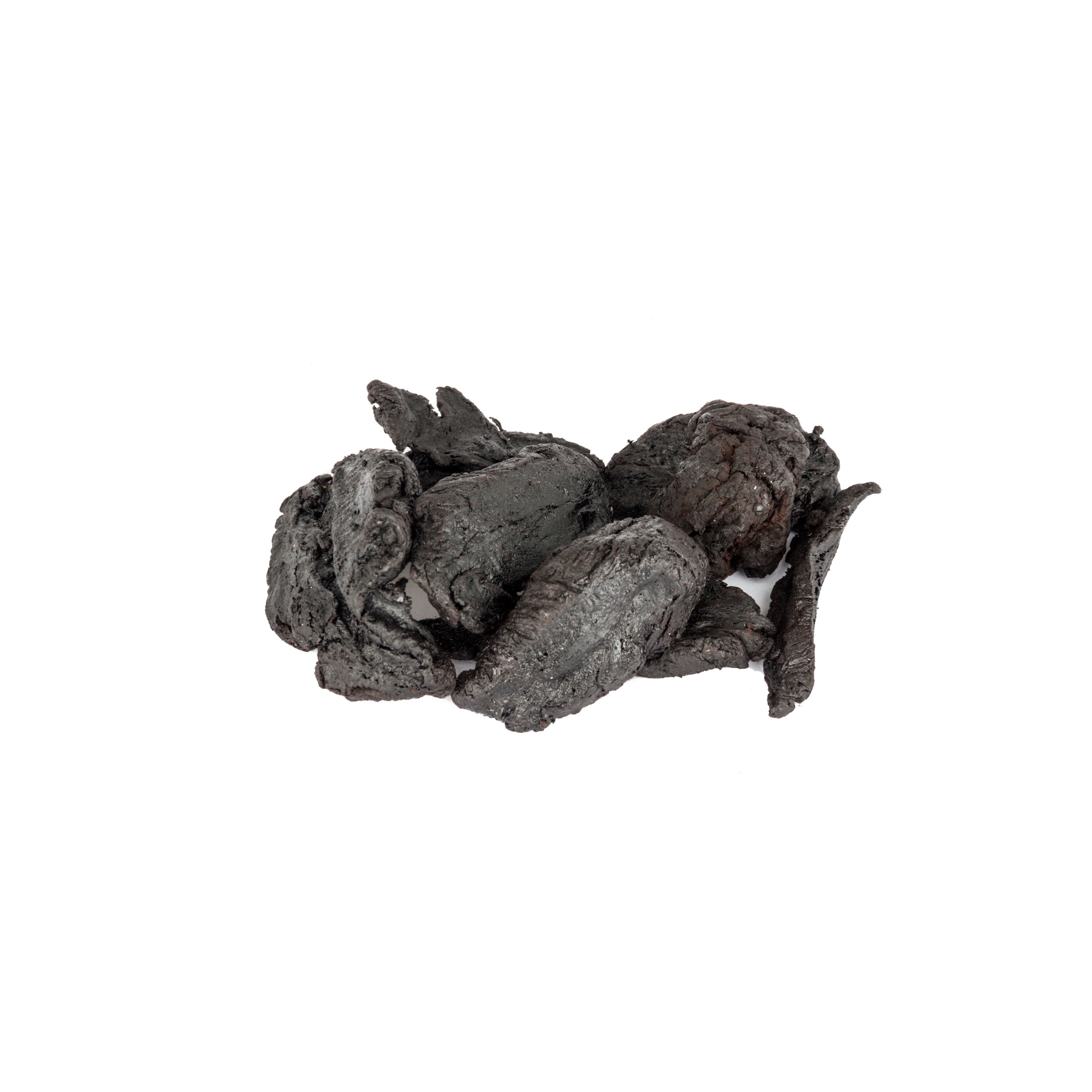 Rehmannia Rehmannia glutinosa Documented for catalpol (2.6–4.3 % dry wt), ajugol, aucubin and 4 more iridoids.
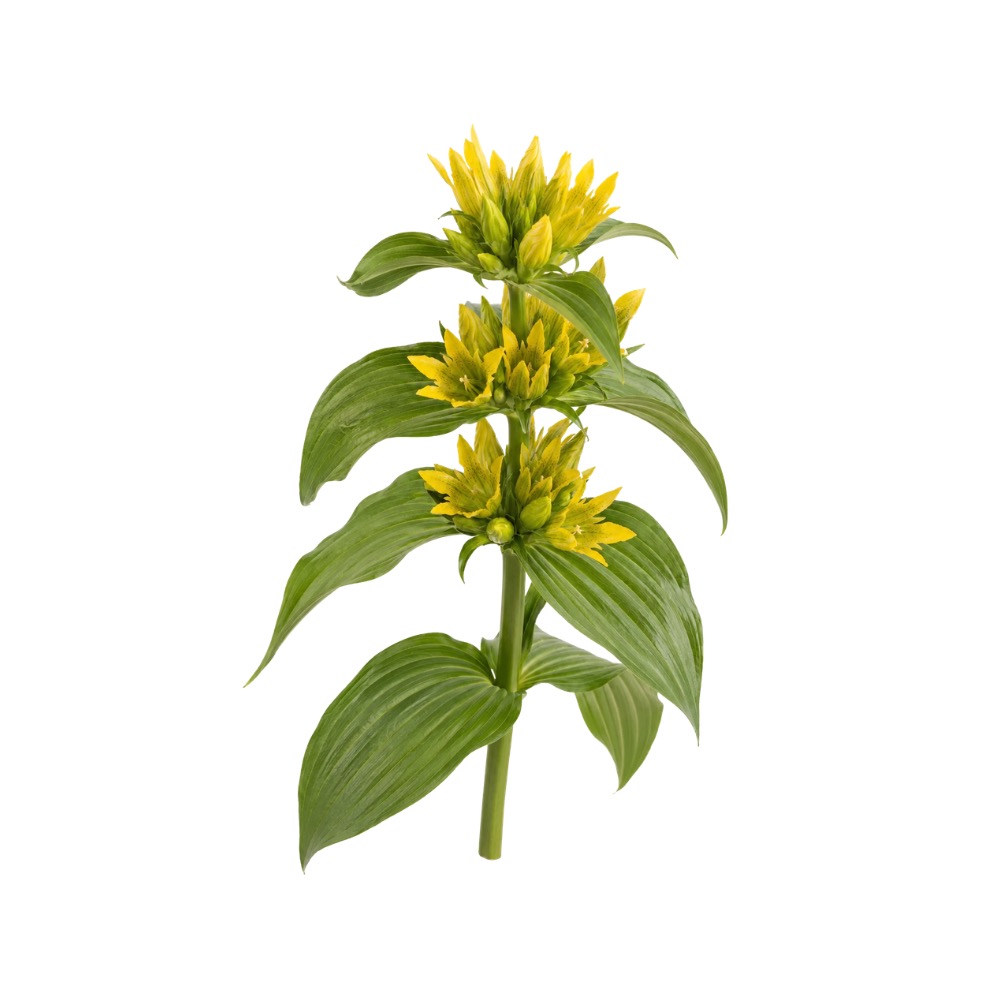 Gentian Gentiana lutea Documented for amarogentin (0.03–0.4 % dry wt), gentiopicroside (13 % of extract), loganin and 3 more iridoids.
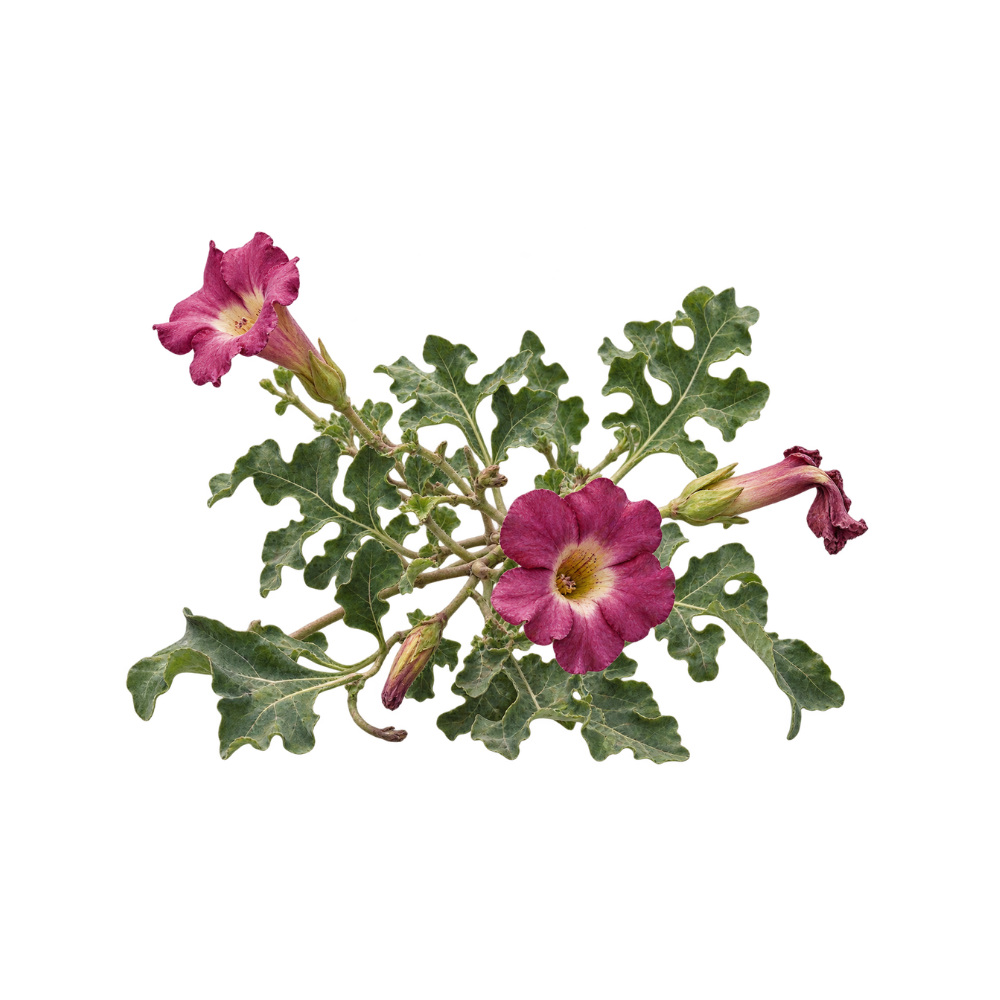 Devil's Claw Harpagophytum procumbens Documented for 8-coumaroylharpagide, harpagide, harpagoside and 1 more.
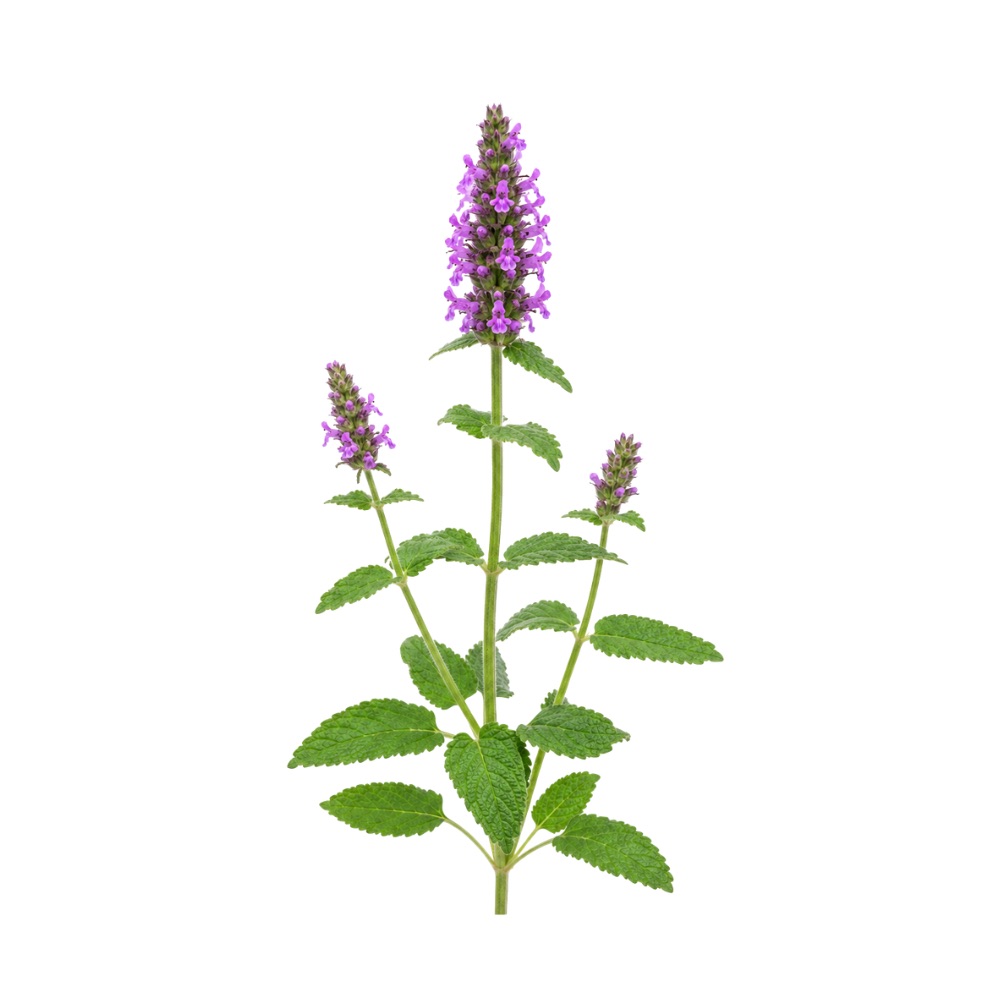 Wood Betony Stachys officinalis Documented for 8-O-acetylharpagide, allobetonicoside, aucubin and 1 more.
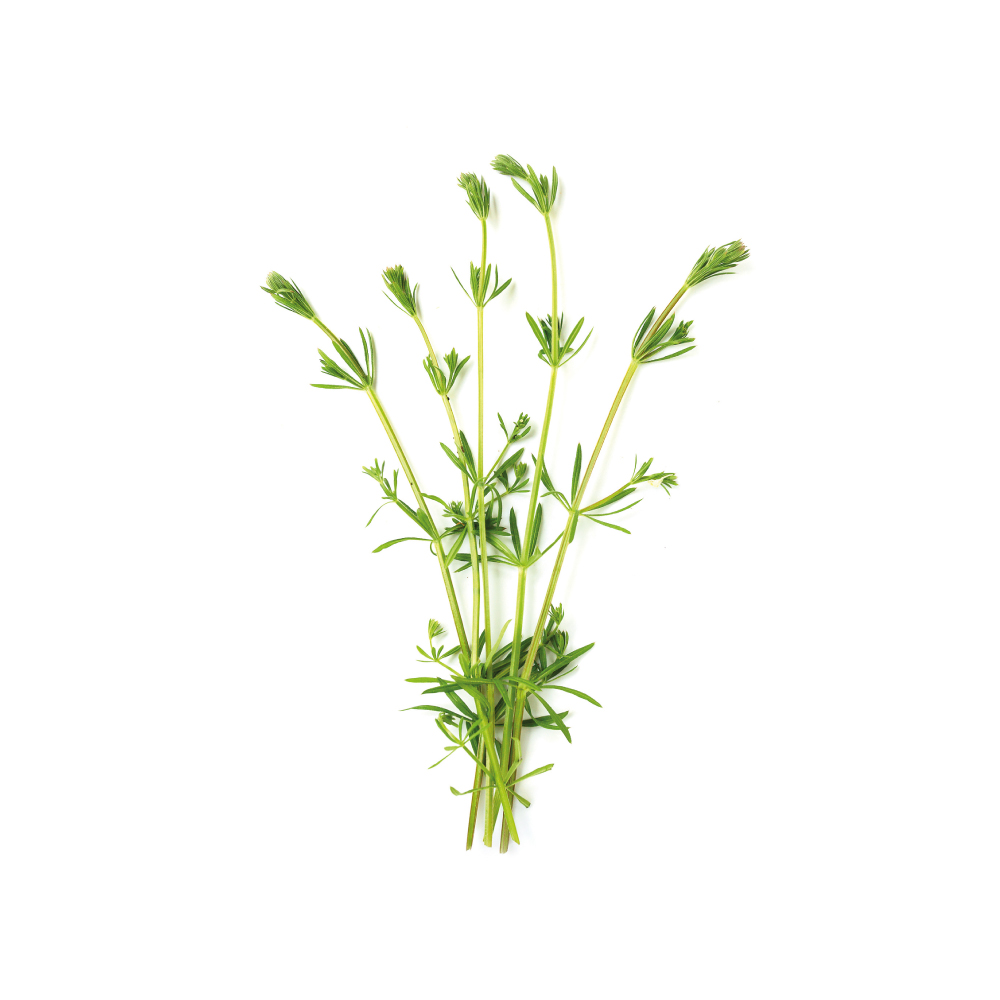 Cleavers Galium aparine Documented for asperuloside, deacetylasperulosidic acid, monotropein.
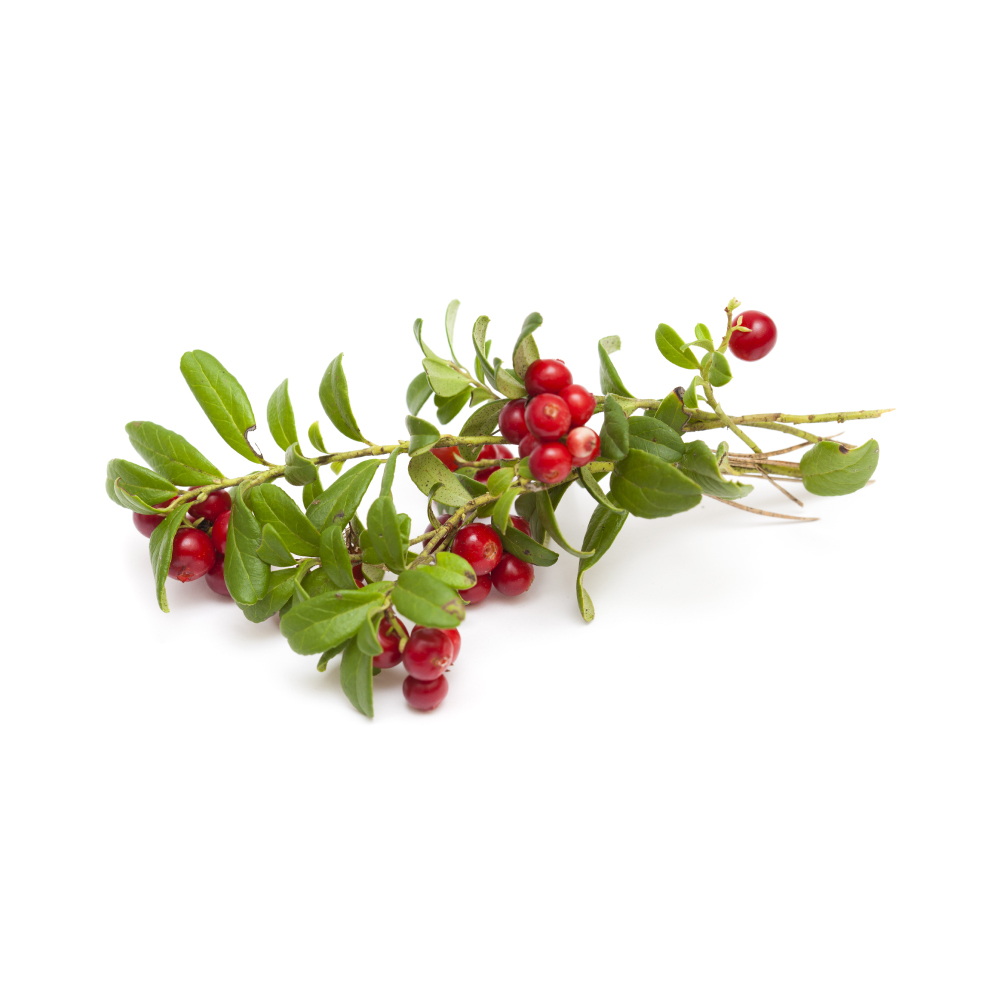 Bearberry Arctostaphylos uva-ursi Documented for iridoids, monotropein.
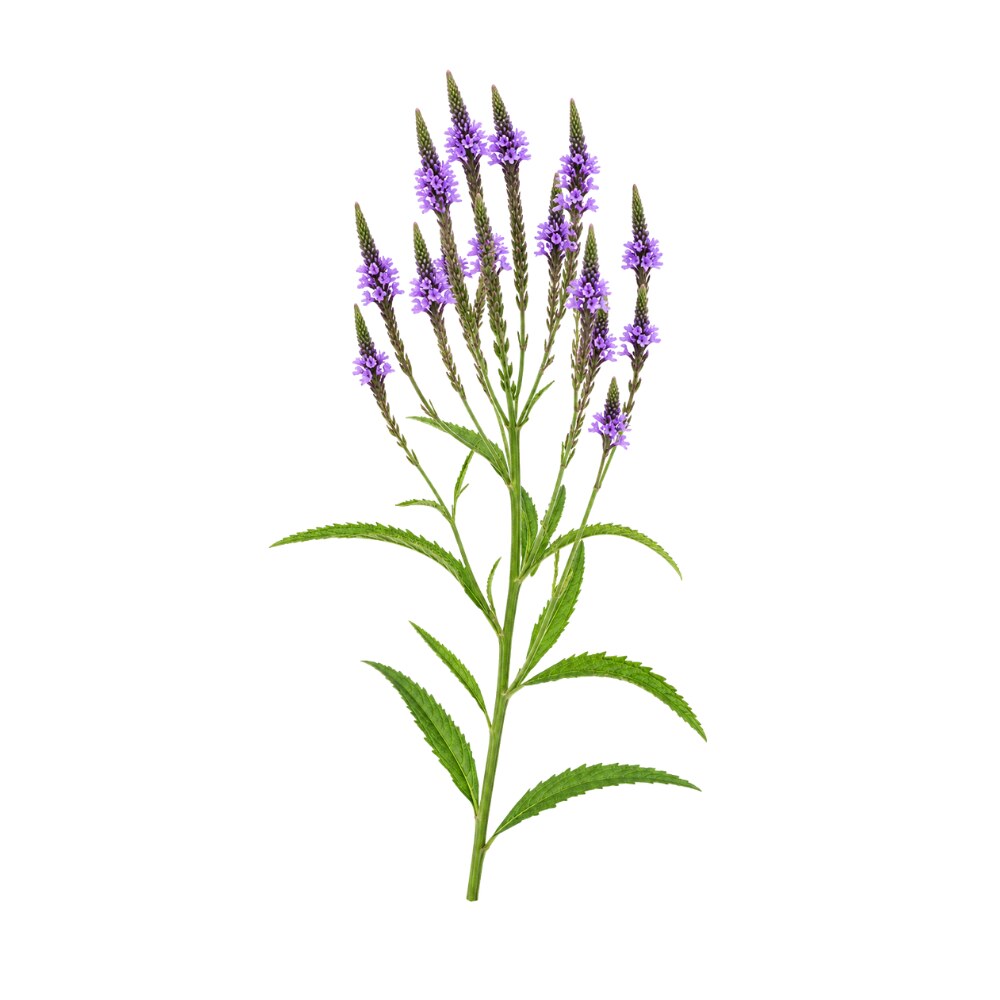 Blue Vervain Verbena hastata Documented for hastatoside, verbenalin.
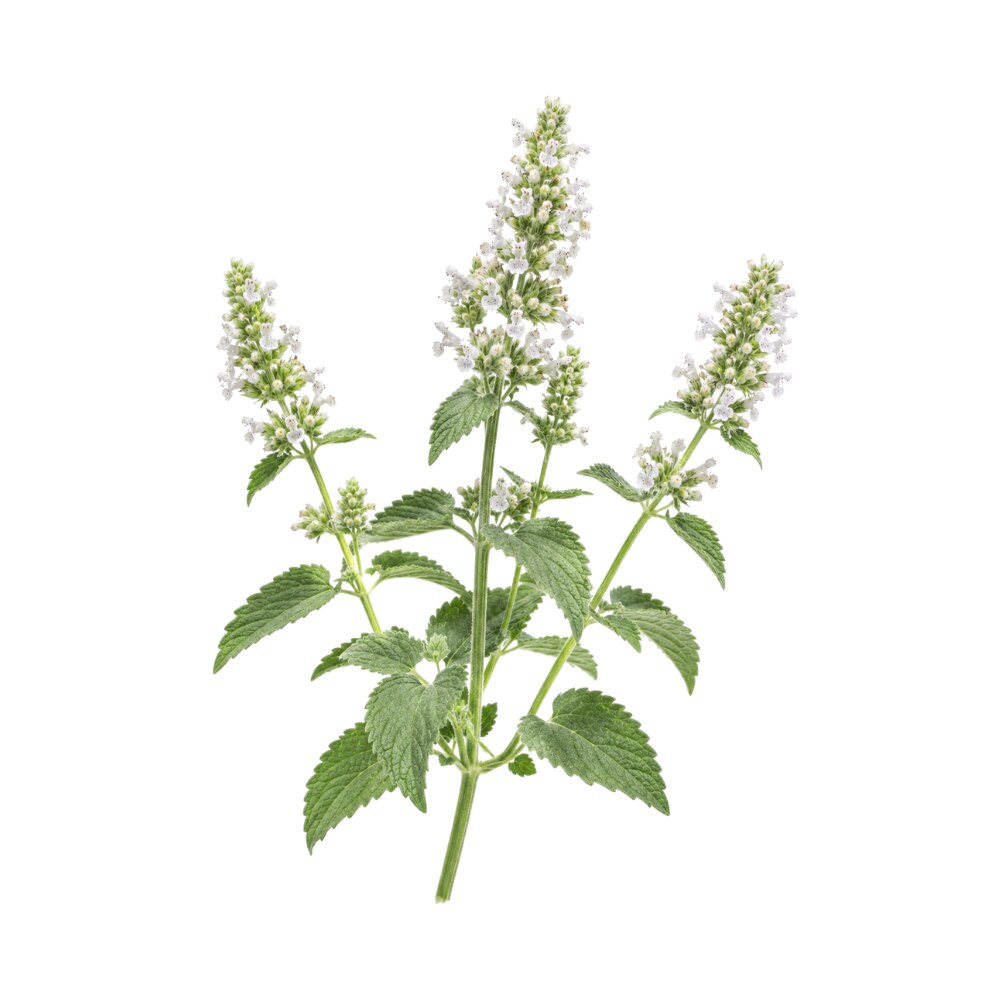 Catnip Nepeta cataria Documented for nepetalactone, nepetalic acid.
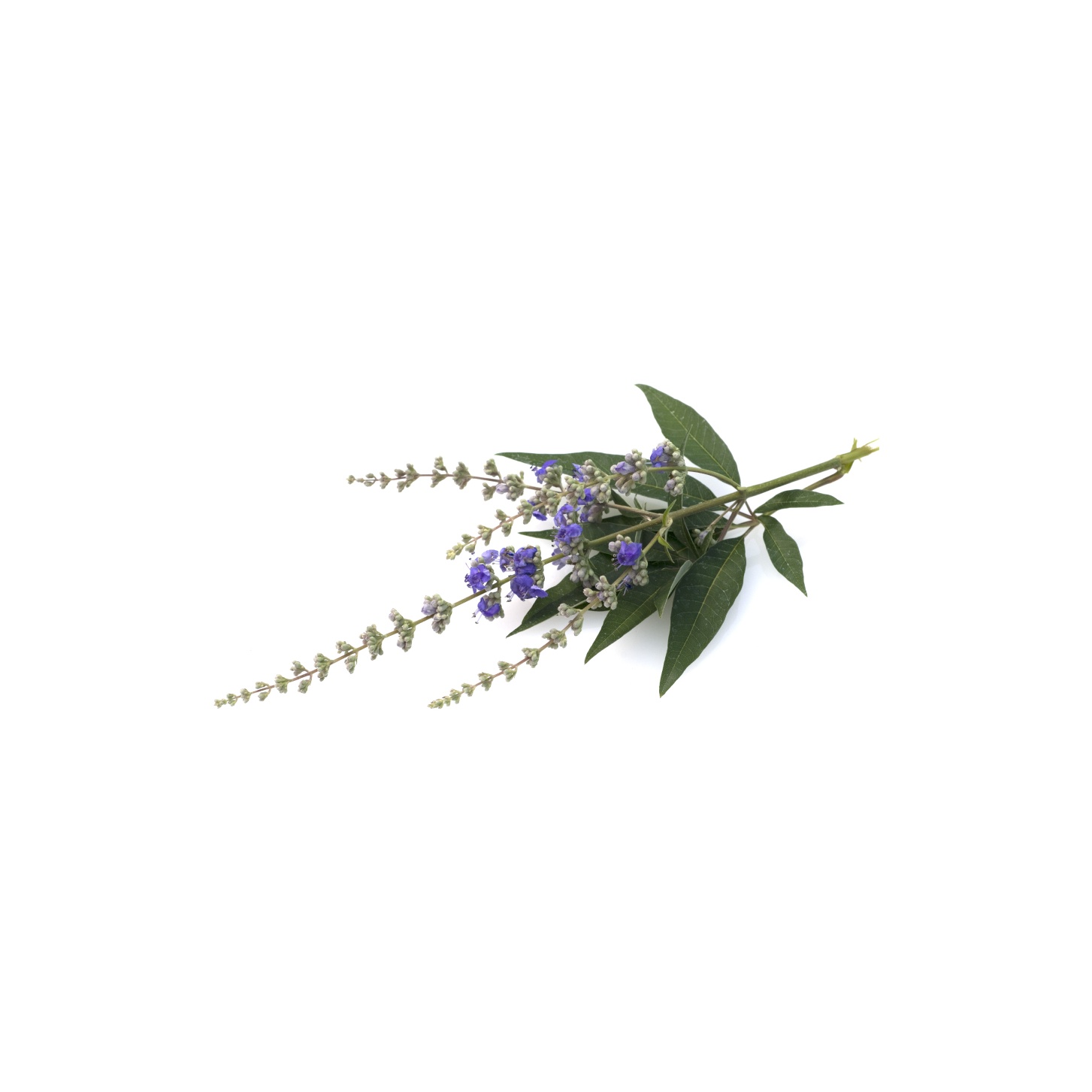 Chaste Tree Vitex agnus-castus Documented for agnuside, aucubin.
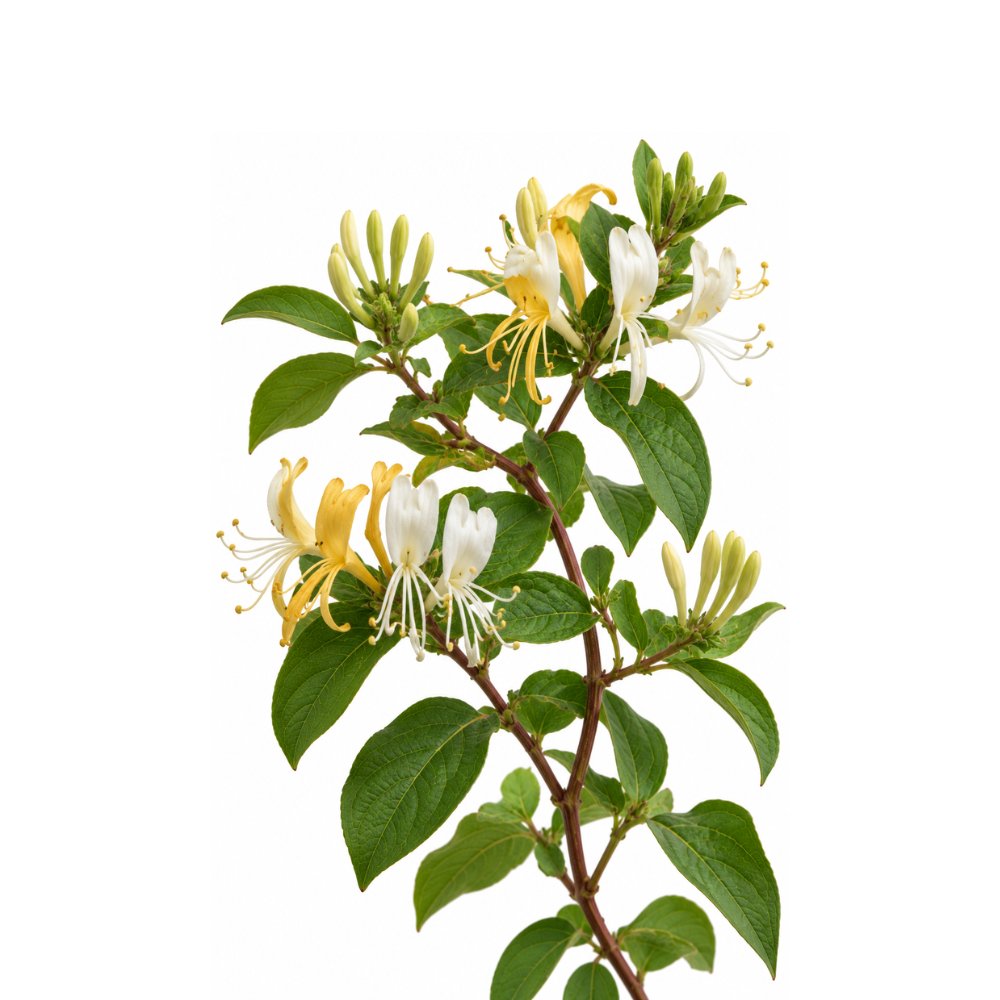 Honeysuckle Lonicera japonica Documented for loganin, sweroside.
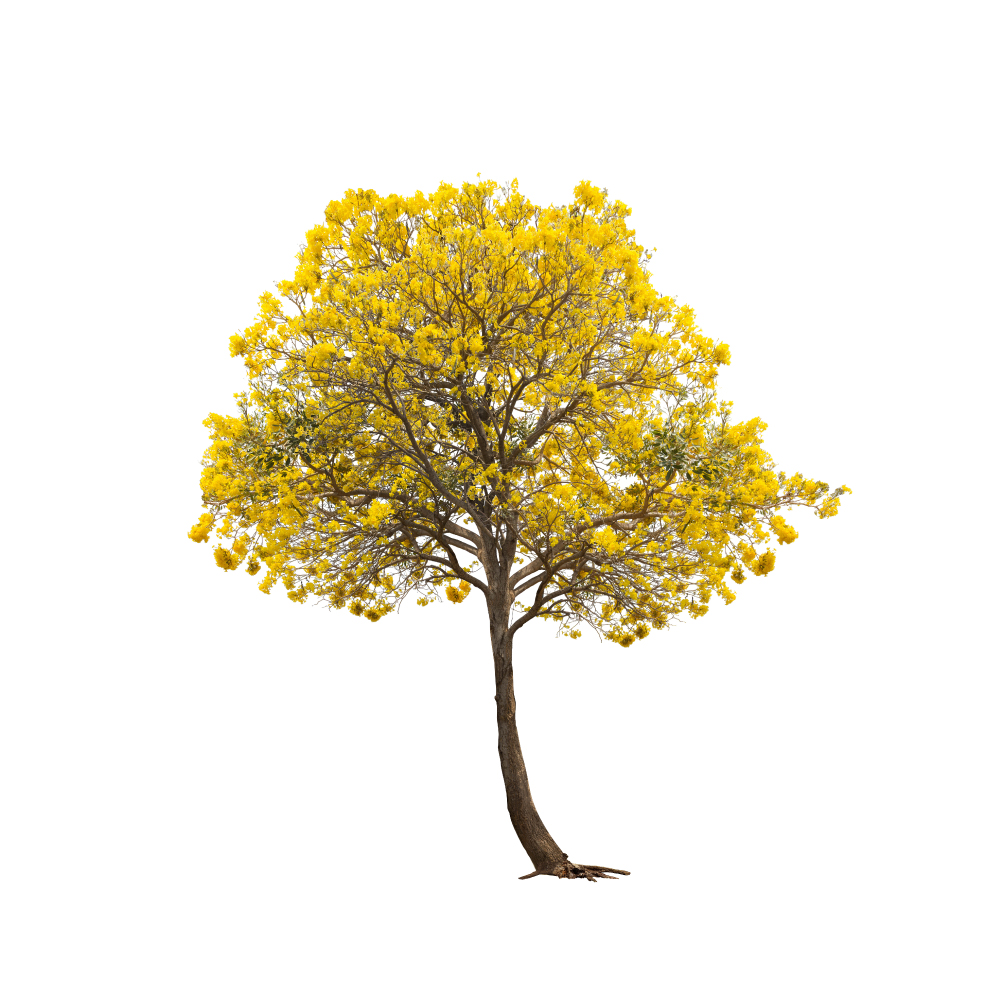 Pau D'Arco Tabebuia impetiginosa Documented for ajugols, specioside.
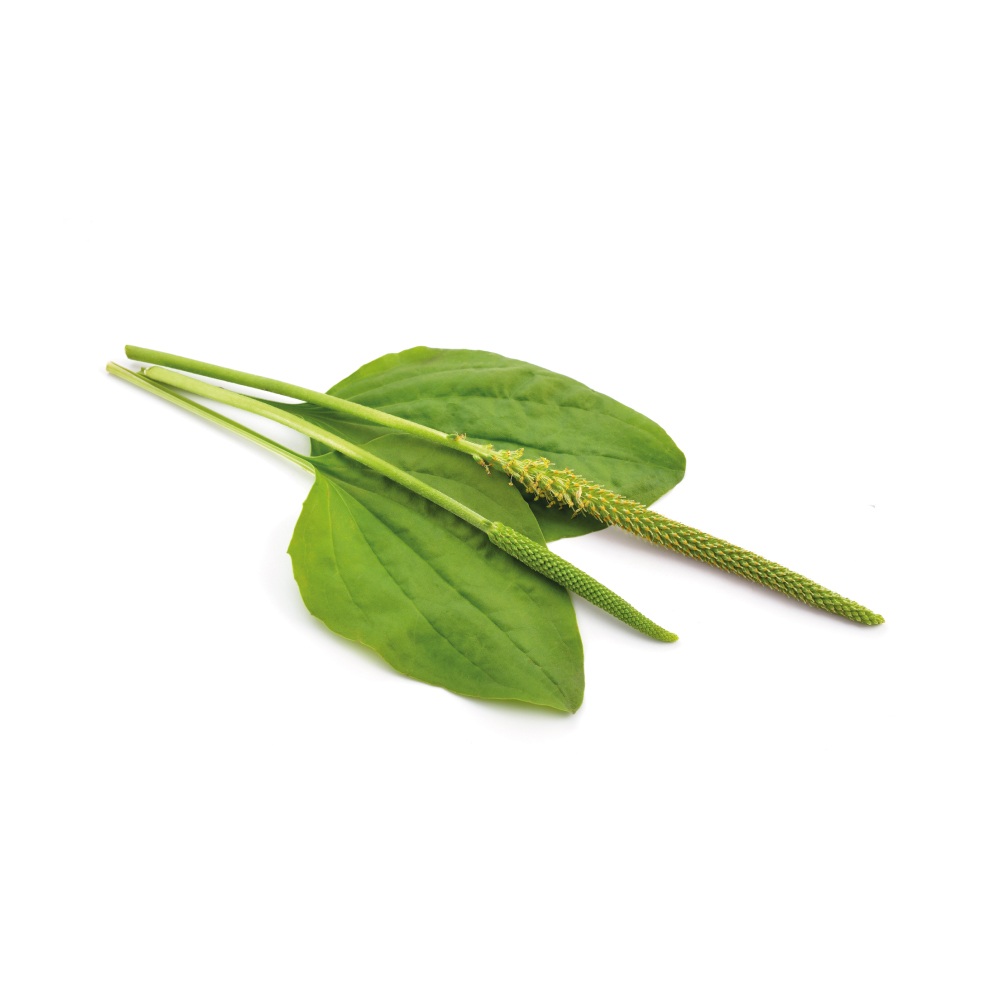 Plantain Plantago major Documented for aucubin, catalpol.
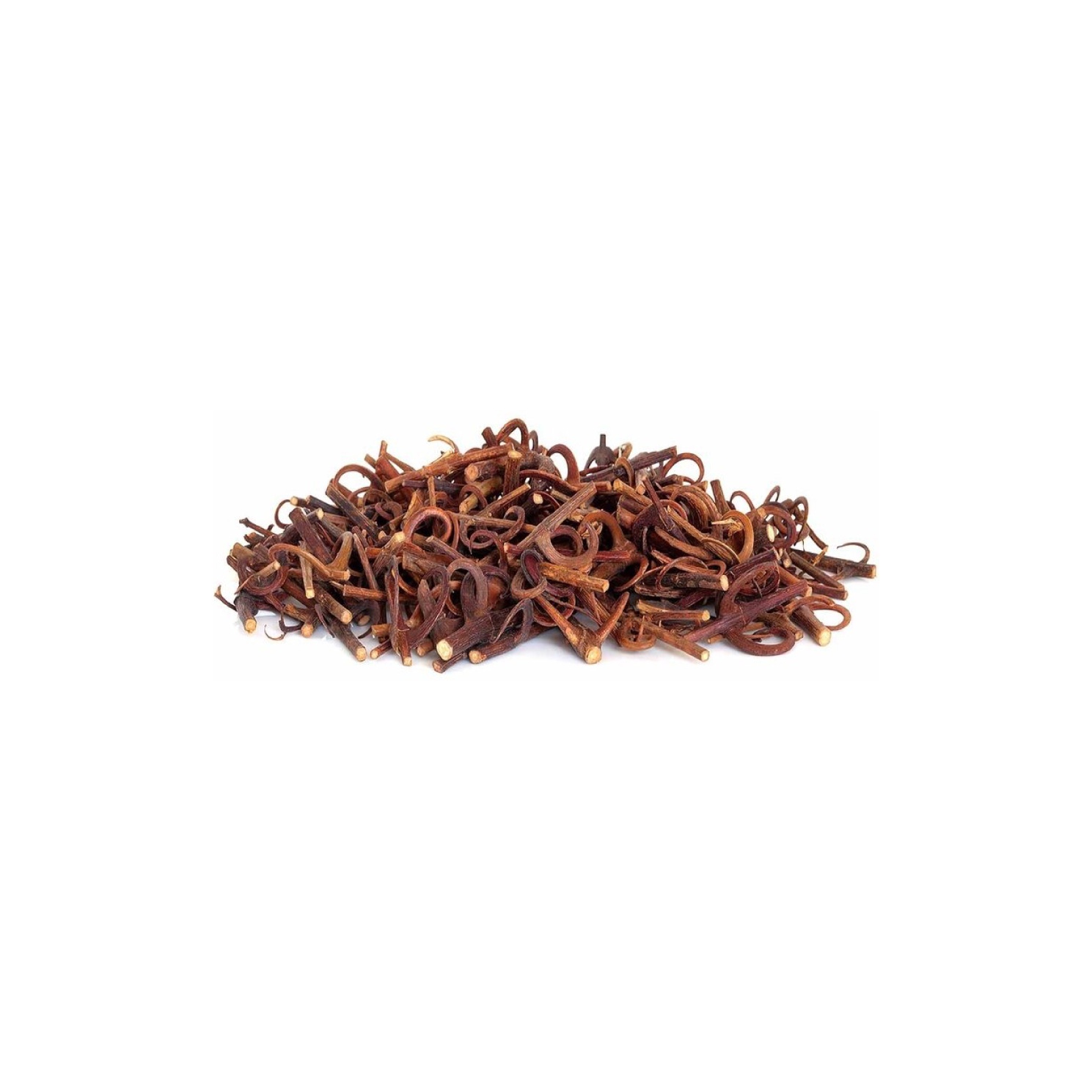 Cat's Claw Uncaria tomentosa Documented for loganic acid.
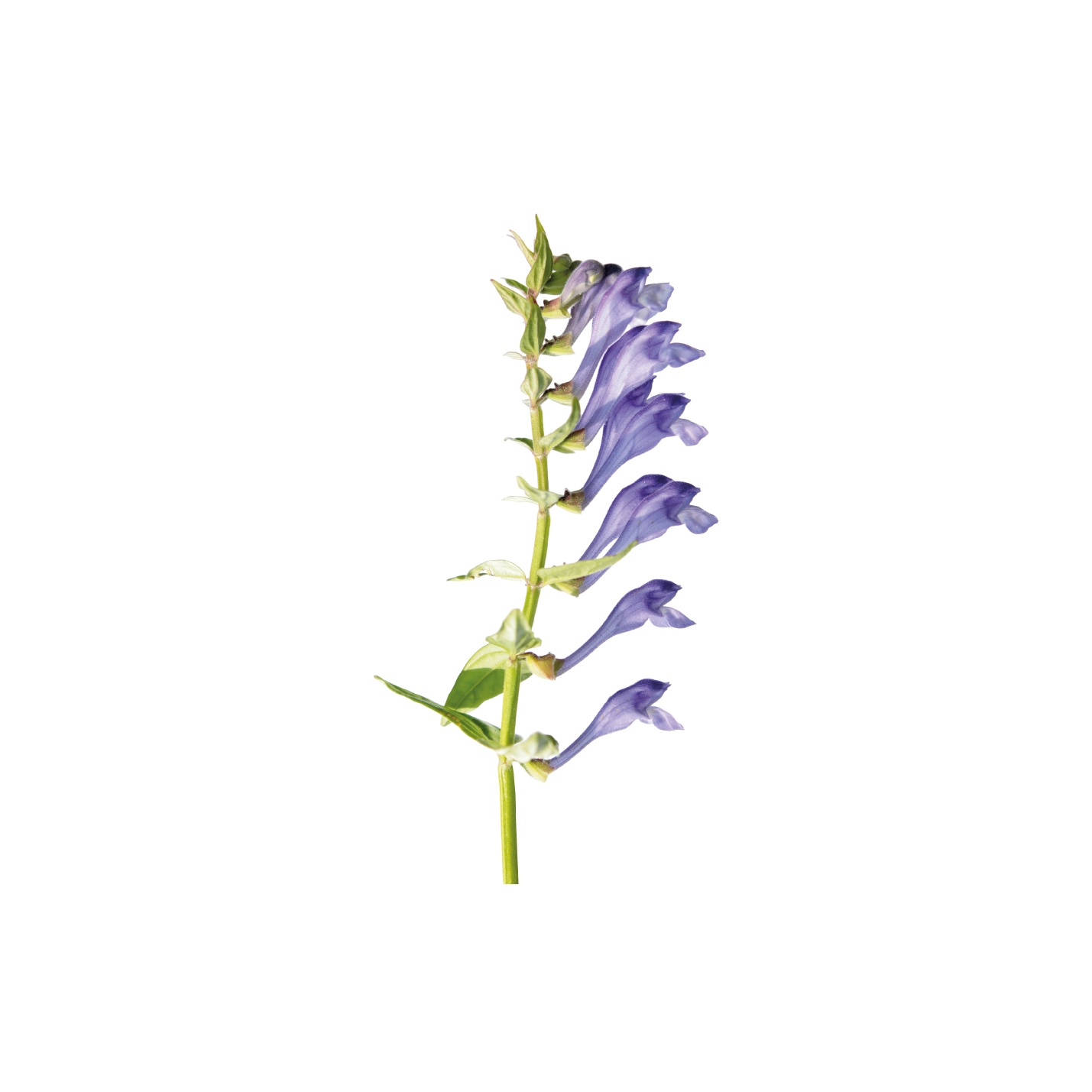 Chinese Skullcap Scutellaria baicalensis Documented for catalpol.
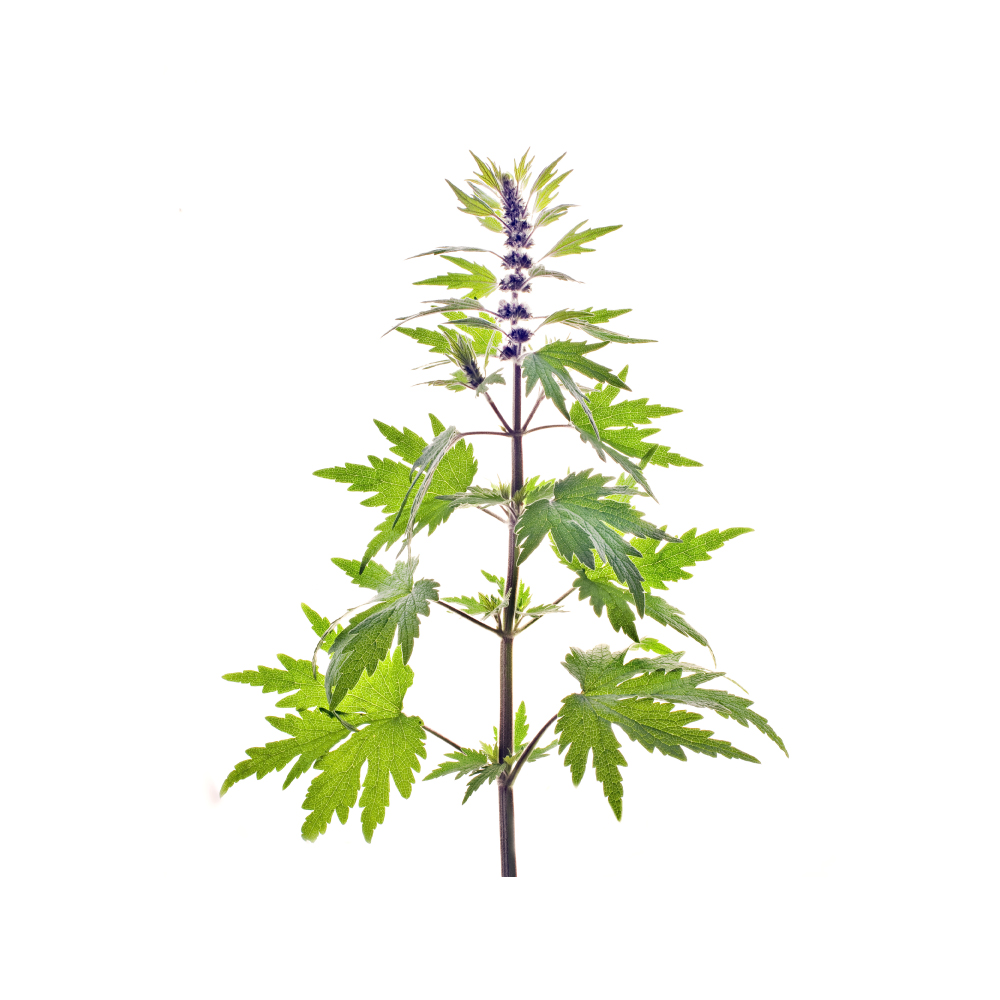 Motherwort Leonurus cardiaca Documented for leonuride.
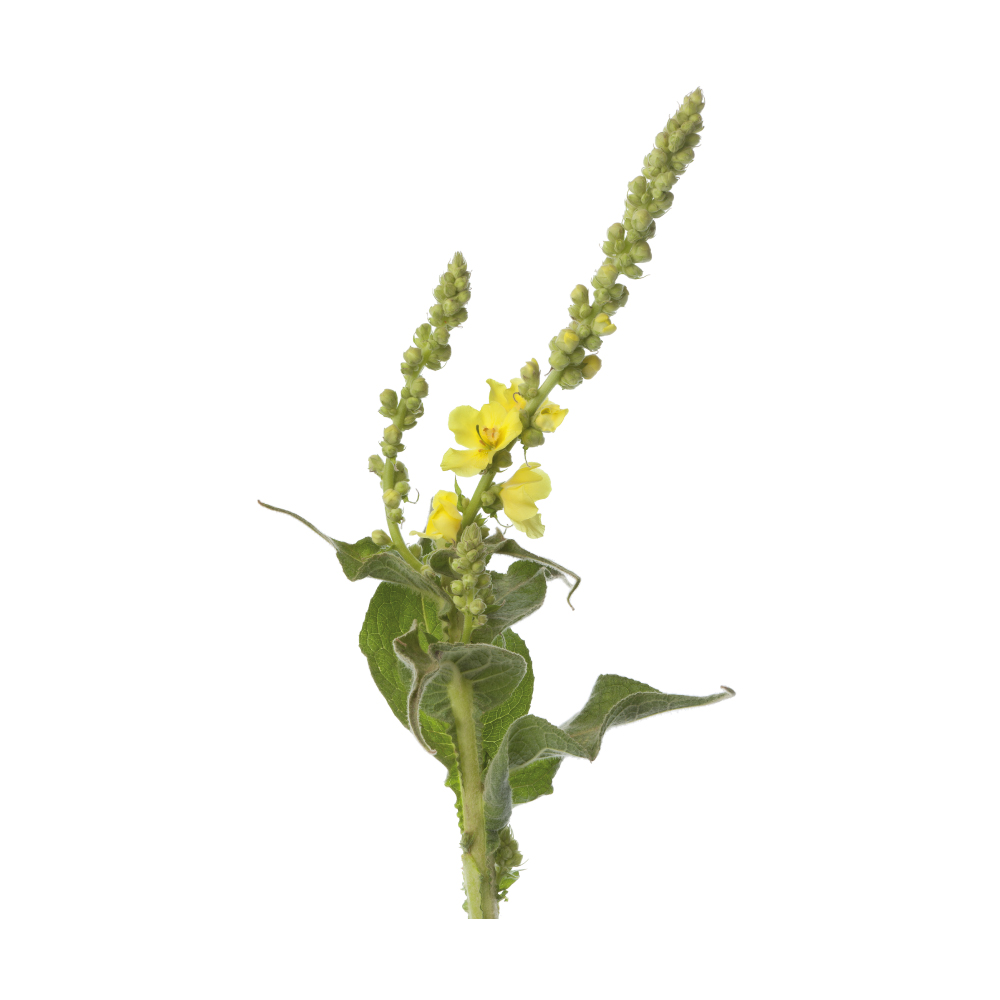 Mullein Verbascum thapsus Documented for aucubin.
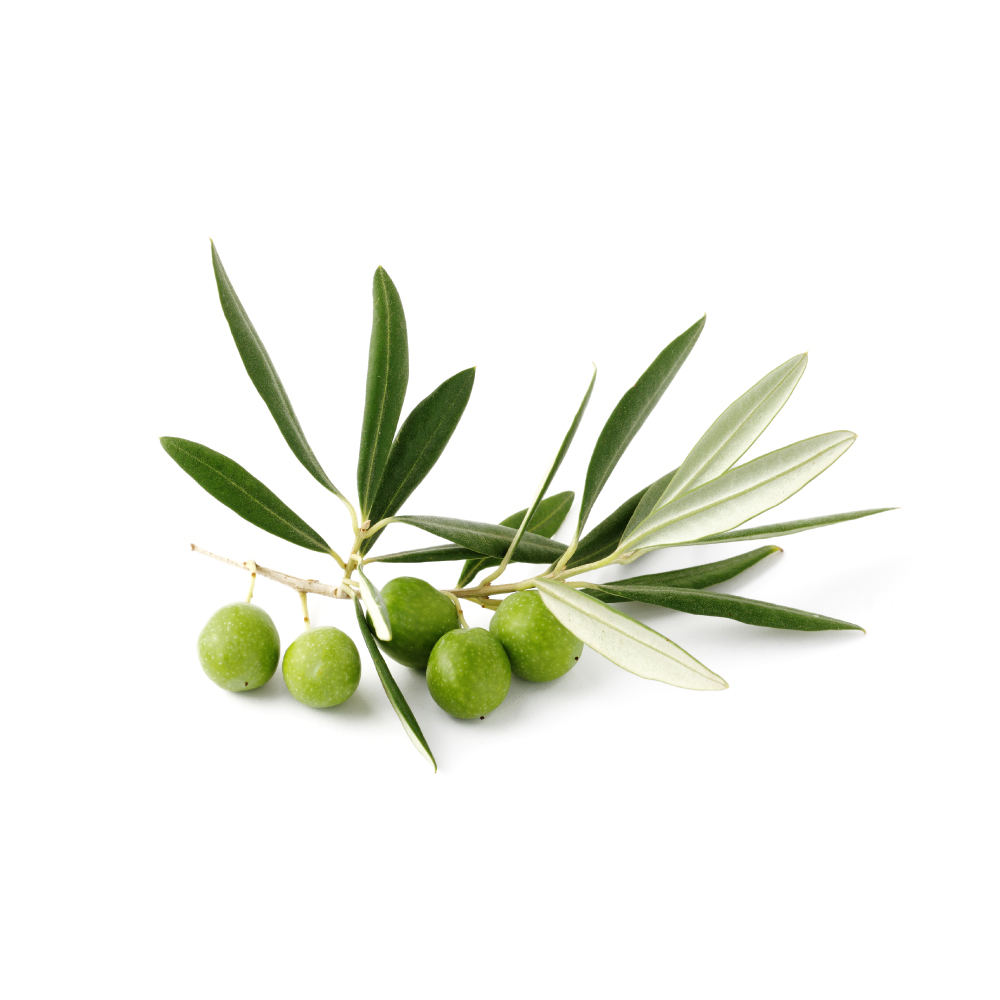 Olive Leaf Olea europaea Documented for elenolic acid.
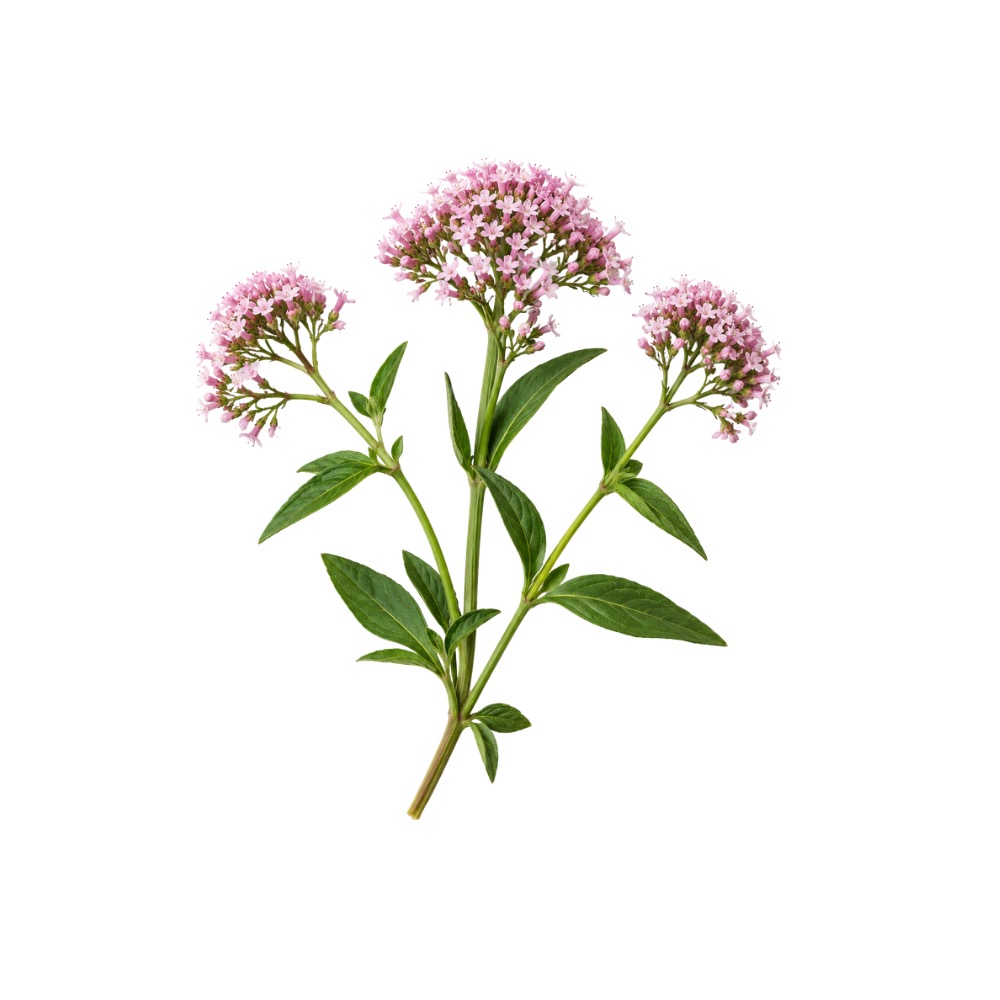 Valerian Valeriana officinalis Documented for valtrate.
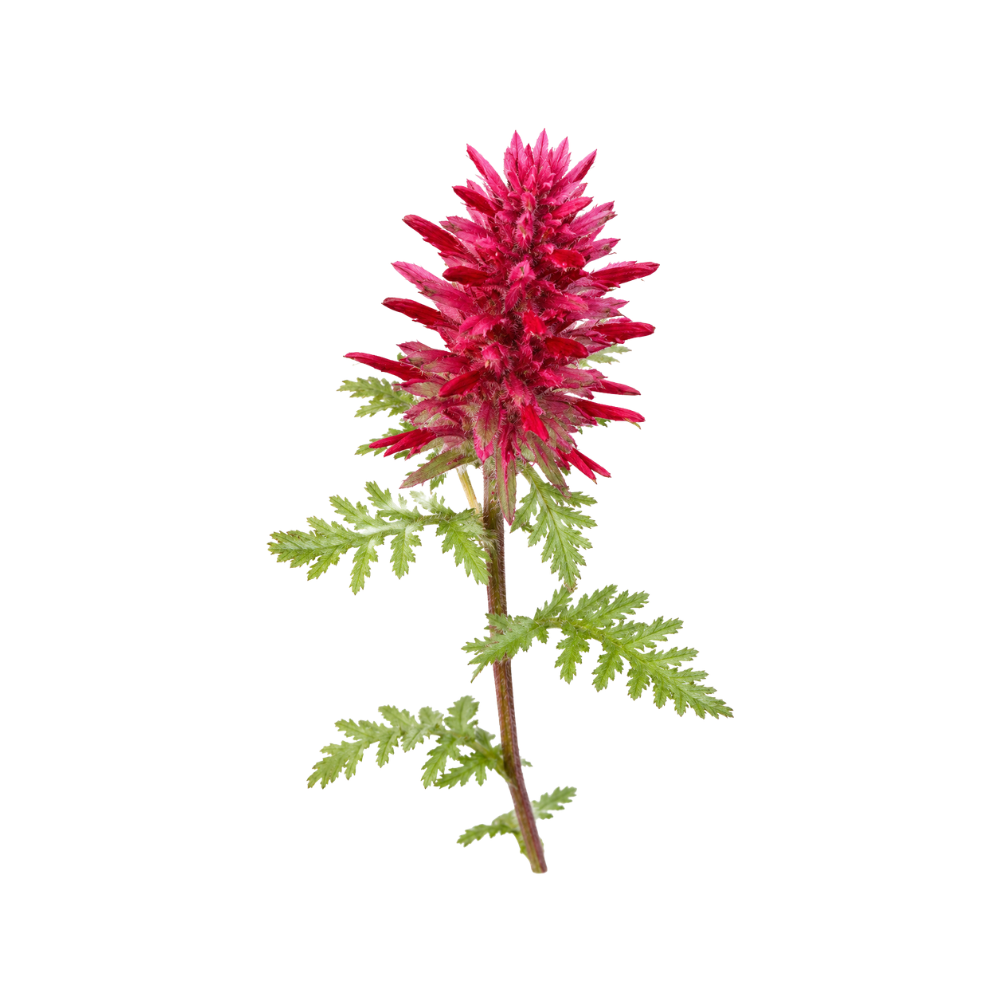 Warrior's Plume Pedicularis densiflora Documented for aucubin.
Keep Exploring
Other Compound Classes
Keep Reading
 GuidesThe Best Kava: A Buyer's GuideHow to buy good kava: noble vs two-day cultivars, which part of the root, chemotype codes, origin, form, and the batch tests a seller should show you.
Read more
 GuidesThe Amazon's Endangered Medicinal PlantsThe Amazon gives us some of our most important medicines — but which healing plants are actually endangered?
Read more
 NutritionThe Best Yerba Maté Brands [Reviewed]A drinker's guide to buying yerba maté — what actually changes the taste, and ten brands worth your money.
Read more
 GuidesHow to Prepare Yerba Maté — The Five Best MethodsHow to brew yerba maté properly — the traditional gourd method, plus tereré, french press and cold brew.
Read more