
Compound Monograph
Canadine
Canadine (tetrahydroberberine, THB) is the reduced, tertiary-amine form of berberine and a minor marker alkaloid of goldenseal — a tetrahydroprotoberberine whose ring-reduction gives it dopamine-receptor and sedative CNS activity that berberine lacks, and which sits one enzyme step before berberine in the plant.

Sources · 3
Where Does It Come From?
Canadine is a naturally occurring isoquinoline alkaloid (tetrahydroprotoberberine group), found in Goldenseal, Corydalis and 1 other source. It is well tolerated orally (low toxicity).
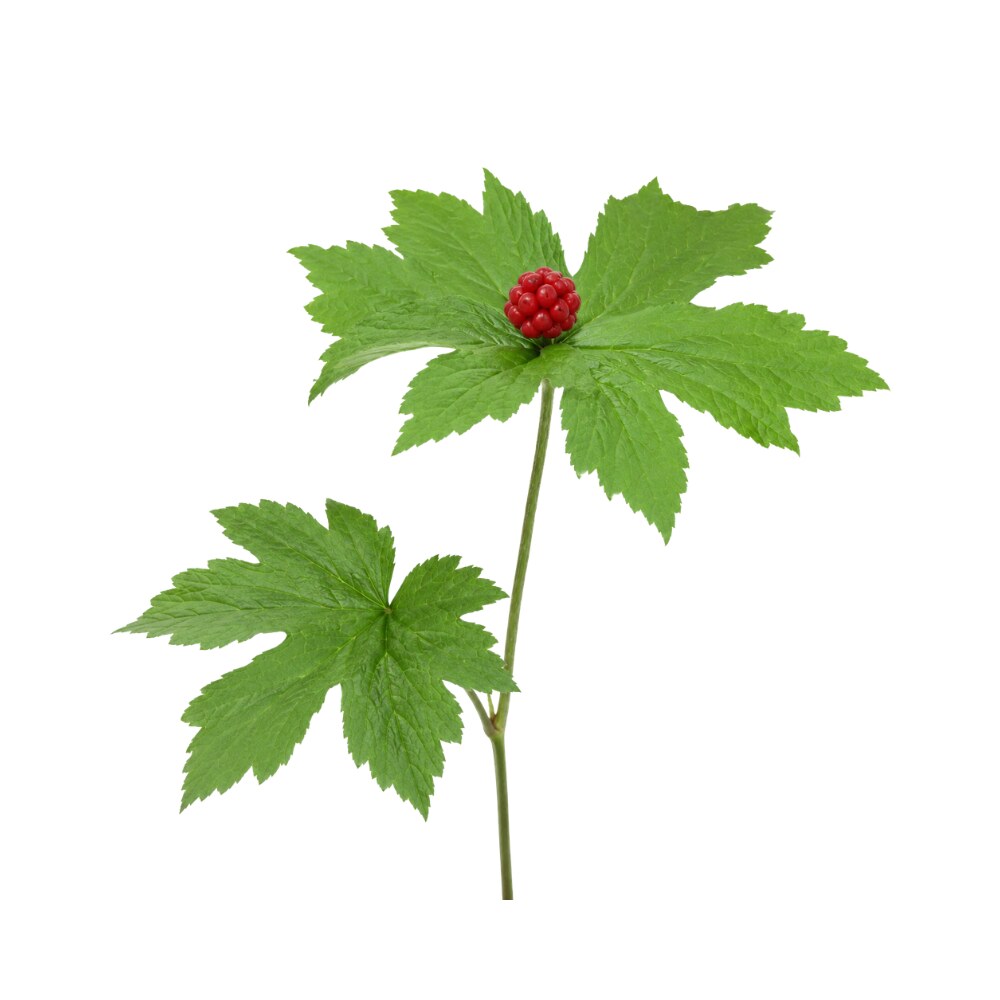 Principal source Goldenseal Hydrastis canadensis Herb monograph →
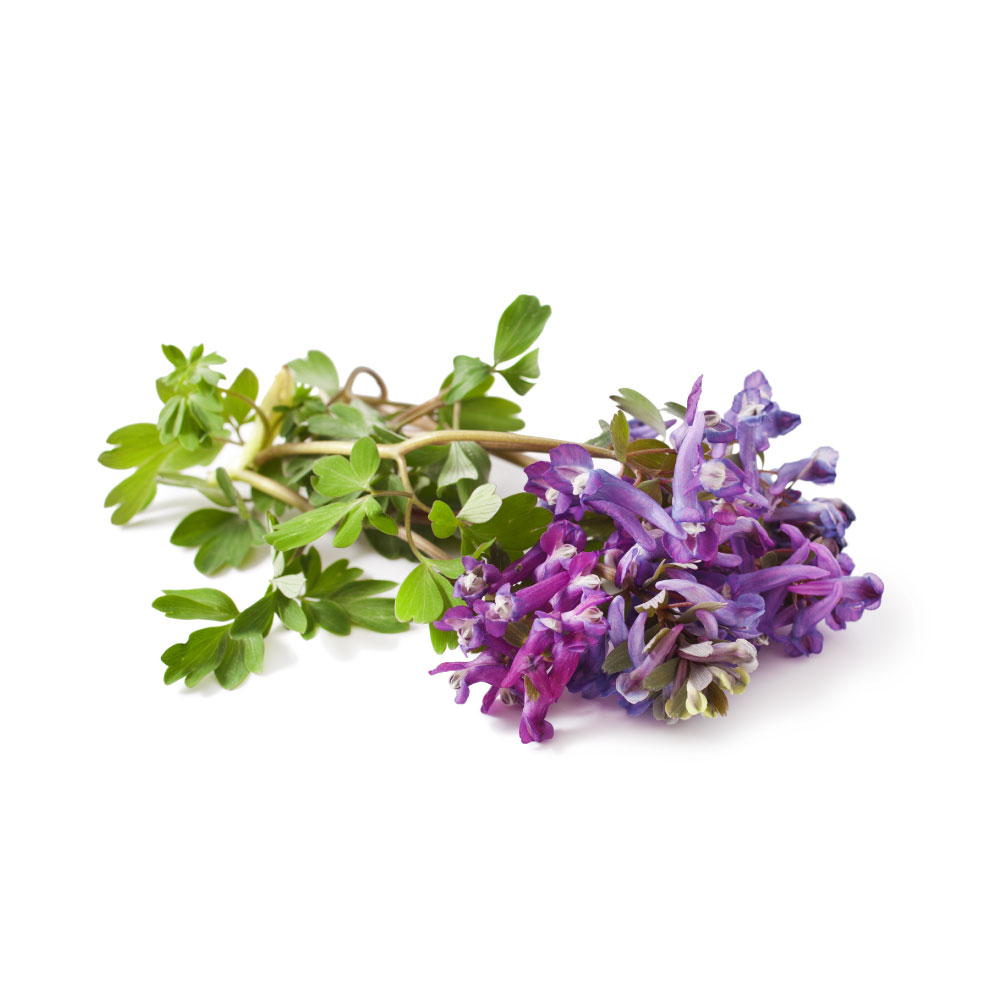 Source Corydalis Corydalis yanhusuo Herb monograph →
Concentration
Content by Source
Concentrations not reported. No percent-dry-weight or mg/g figures have been published for this compound in its source plants.
Canadine at a Glance
Canadine, better known in the pharmacology literature as tetrahydroberberine (THB), is an isoquinoline alkaloid of the tetrahydroprotoberberine class. It is the fully reduced (tetrahydro) form of berberine and a minor marker alkaloid of goldenseal root, where it sits alongside berberine and β-hydrastine 1Reference 1In vitroAntibacterial activity of Hydrastis canadensis extract and its major isolated alkaloids — in vitroView study →.
That single structural difference — a saturated ring in place of berberine’s flat, positively charged core — matters more than it sounds. It converts a quaternary cation with metabolic and gut-antimicrobial activity into a tertiary amine that crosses into the brain and engages dopamine receptors, the defining trait of its chemical family 2,
The honest evidence posture: canadine itself is data-thin. There are no human trials. What exists is a small preclinical literature — some on canadine directly (its contribution to goldenseal’s antibacterial and airway effects) and more on the tetrahydroprotoberberine scaffold as a whole 1,
Canadine as Reduced Berberine (Tetrahydroberberine)
Canadine and berberine share the same carbon skeleton but differ at one ring, and the difference reorganises the pharmacology.
Berberine is a quaternary protoberberine — permanently positively charged, flat, and poorly absorbed; its activity is dominated by gut and hepatic effects (glucose and lipid metabolism, luminal antimicrobial action) rather than by the central nervous system.
Canadine is berberine with that ring reduced — a tetrahydroprotoberberine, hence “tetrahydroberberine.” Reduction removes the permanent charge and yields a tertiary amine that is more lipophilic, better able to enter the brain, and — like the rest of its class — active at dopamine receptors 2,
The two are also linked biochemically in the plant. Canadine — as (S)-canadine — is the immediate biosynthetic precursor to berberine: a single oxidase step, (S)-canadine oxidase / tetrahydroberberine oxidase, dehydrogenates canadine to berberine 6,
The practical reading: do not transfer berberine’s metabolic clinical data to canadine, and do not transfer canadine’s CNS pharmacology to berberine. They are different molecules with different targets that happen to sit next to each other on a biosynthetic pathway.
What It's Used For
The evidence is preclinical throughout. The most substantive theme is the CNS / dopamine-receptor pharmacology of the tetrahydroprotoberberine class, though much of that work is on canadine’s relatives rather than canadine as consumed; the direct canadine data are the goldenseal antibacterial and airway-relaxant contributions.
Support is an experimental score I’m building — a composite weighted by study type (human > animal > in vitro > review) and study volume, tempered for isolate-vs-plant match. It’s a beta: a fast way to rank strength of evidence at a glance, not a validated metric. Each application links down to its write-up. Canadine scores low across the board — everything here is preclinical.
The tetrahydroprotoberberine (THPB) scaffold is a recognised chemical type of dopamine-receptor antagonist: in classic work, tetrahydroberberine and l-tetrahydropalmatine produced dopamine-antagonist behaviour in lesioned rats comparable to haloperidol 2Reference 2Tetrahydroprotoberberine — a new chemical type of antagonist of dopamine receptors — animal studyView study →.
The class as a whole (l-tetrahydropalmatine, l-stepholidine and canadine among them) is associated with sedation, hypnosis and antinociception via dopamine-receptor and related targets 2,
Canadine specifically has been shown to reversibly block ATP-sensitive potassium (K-ATP) channels in dopamine neurons of the rat substantia nigra pars compacta, exciting those neurons — proposed as a mechanism that could be neuroprotective in Parkinson-type models 3Reference 3In vitroTetrahydroberberine blocks ATP-sensitive potassium channels in dopamine neurons acutely-dissociated from rat substantia nigra pars compacta — in vitro electrophysiologyView study →.
Structure-activity studies on THPB analogues confirm the scaffold’s affinity for dopamine (including D3) and sigma receptors 4Reference 4Tetrahydroprotoberberine alkaloids with dopamine and σ receptor affinity — medicinal chemistry / SARView study →.
Gap: this is isolate/animal and in-vitro pharmacology, and the strongest behavioural evidence is on canadine’s relatives (l-THP, stepholidine), not canadine dosed in people. There are no clinical outcomes for canadine.
When the major goldenseal alkaloids were isolated and tested against six bacterial strains, canadine was one of the alkaloids contributing to antibacterial activity, alongside berberine, β-hydrastine and canadaline — supporting the traditional antibacterial use of the root 1Reference 1In vitroAntibacterial activity of Hydrastis canadensis extract and its major isolated alkaloids — in vitroView study →. This is the isolated molecule tested in vitro, not canadine given to an infected host.
Gap: berberine (and whole-extract flavonoid synergists) dominate goldenseal’s antibacterial story; canadine reads as a minor contributor, and there are no whole-organism or human infection data for it 1Reference 1In vitroAntibacterial activity of Hydrastis canadensis extract and its major isolated alkaloids — in vitroView study →.
In isolated guinea-pig trachea, canadine relaxed the airway smooth muscle with an EC50 of about 11.9 µg/mL; the effect was antagonised by the β-blocker timolol, implicating a β-adrenergic-linked relaxant mechanism 5Reference 5Relaxant effects of Hydrastis canadensis L. and its major alkaloids on guinea pig isolated trachea — ex vivoView study →. It was one of several goldenseal alkaloids with this ex-vivo activity.
Gap: a single ex-vivo tissue study — no in-vivo bronchodilation, no respiratory-outcome data, and the concentration is high 5Reference 5Relaxant effects of Hydrastis canadensis L. and its major alkaloids on guinea pig isolated trachea — ex vivoView study →.
Mechanisms
| Target / pathway | Effect | Relevant to |
|---|---|---|
| Dopamine receptors (D2/D3, class-level antagonism) | dampened dopaminergic signalling (neuroleptic-like) | CNS / sedative activity |
| Neuronal K-ATP channels (substantia nigra DA neurons) | reversible block → neuronal excitation | proposed neuroprotection |
| Sigma receptors (THPB scaffold) | binding affinity (analogue SAR) | CNS pharmacology |
| β-adrenergic-linked airway relaxation | tracheal smooth-muscle relaxation (timolol-sensitive) | airway effect |
| Bacterial membranes (goldenseal alkaloid fraction) | contributory antibacterial action in vitro | antibacterial |
Pharmacokinetics
Essentially unstudied for canadine in humans. No oral bioavailability figure, plasma half-life or metabolite map has been established here. Two structural inferences are worth stating and no more: unlike quaternary berberine (oral bioavailability <1%, gut-confined), canadine is a lipophilic tertiary amine, which is consistent with better membrane penetration and the CNS activity its class shows — but this is inference from structure and class behaviour, not measured human data. Its metabolic fate (including any re-oxidation toward berberine-type products) has not been characterised here.
Clinical Trials
None. No registered or published human clinical trials of canadine (tetrahydroberberine) as an isolated agent were identified.
| Completed | Planned | Terminated | Preclinical |
|---|---|---|---|
| — | — | — | Limited(isolate + class) |
Last checked: July 2026.
Isolate vs. Plant Studies
All of canadine’s evidence is on the isolated molecule or on isolated members of its chemical class — there is no whole-plant trial that isolates a canadine effect. The two direct canadine findings (antibacterial, tracheal relaxation) both come from studies that purified goldenseal alkaloids and tested them individually 1,
Its Role in Plants
Canadine is a benzylisoquinoline alkaloid built, like the rest of its family, from the branch-point intermediate (S)-reticuline. Its plant role is best described by its position on the pathway: (S)-canadine is the direct precursor to berberine. In Coptis (and in goldenseal’s shared chemistry), the methylenedioxy bridge is formed on the tetrahydroprotoberberine skeleton to give (S)-canadine, which is then dehydrogenated to berberine by (S)-canadine oxidase (tetrahydroberberine oxidase) — an oxidase characterised and cloned from berberine-producing Coptis japonica cell cultures 6,
Prevalence in Nature
Canadine occurs chiefly in the root and rhizome of goldenseal (Hydrastis canadensis), where it is a minor alkaloid — present alongside the far more abundant berberine and β-hydrastine, and typically on the order of ~1% or less of dry root 1Reference 1In vitroAntibacterial activity of Hydrastis canadensis extract and its major isolated alkaloids — in vitroView study →. It is also reported in Corydalis species and scattered across other alkaloid-rich Papaveraceae and Ranunculaceae, the same families that make berberine 8Reference 8ReviewBerberine: botanical occurrence, traditional uses, extraction methods, and relevance in cardiovascular, metabolic, hepatic, and renal disorders — reviewView study →. As in berberine, it concentrates in underground organs (roots, rhizomes) rather than leaves.
Major Natural Sources
| Source | Botanical | Part | Notes |
|---|---|---|---|
| Goldenseal | Hydrastis canadensis | Root / rhizome | Principal source; minor vs berberine & hydrastine 1Reference 1In vitroAntibacterial activity of Hydrastis canadensis extract and its major isolated alkaloids — in vitroView study → |
| Corydalis | Corydalis spp. | Tuber / root | Tetrahydroprotoberberine-rich genus |
| Other Papaveraceae / Ranunculaceae | various | Root | Trace, reported qualitatively 8Reference 8ReviewBerberine: botanical occurrence, traditional uses, extraction methods, and relevance in cardiovascular, metabolic, hepatic, and renal disorders — reviewView study → |
Discovery & Synthesis
Canadine was isolated from goldenseal (Hydrastis canadensis), and the alkaloid takes its name directly from the plant (and, through it, from Canada); the older synonym xanthopuccine likewise references the root’s yellow pigment. In the chemistry literature the compound is more often called tetrahydroberberine, a name that states its relationship to berberine outright — it is berberine with the central ring reduced. Because it is the direct biosynthetic precursor to berberine, canadine can also be obtained by partial reduction of berberine, a route long used to prepare the tetrahydro compound for study. There is no commercial demand for isolated canadine; it is prepared in small quantities for research (by extraction or by reduction of the cheap, abundant berberine) rather than manufactured at scale.
Patents: not yet researched (future patent-loop pass).
Toxicity & Safety
Canadine’s safety is essentially unstudied as an isolated compound, and this is the honest headline — an absence of data, not evidence of safety. Human dietary exposure is small and indirect (a minor alkaloid of goldenseal root), which is reassuring at the level of ordinary herbal use, but the molecule’s own pharmacology carries a plausible flag: as a brain-penetrant dopamine-receptor antagonist, its chemical class produces sedation and neuroleptic-like effects in animals 2Reference 2Tetrahydroprotoberberine — a new chemical type of antagonist of dopamine receptors — animal studyView study →, so pharmacological doses would not be expected to be inert. No isolated-compound toxicology, carcinogenicity, or reproductive data were located.
- Minor, indirect dietary exposure. Canadine is consumed only as a trace goldenseal alkaloid, not as a stand-alone supplement.
- Brain-penetrant dopamine antagonist (class effect). The tetrahydroprotoberberine family is sedative/neuroleptic-like in animals; pharmacological doses would not be inert 2,
4Reference 2Tetrahydroprotoberberine — a new chemical type of antagonist of dopamine receptors — animal studyView study →Reference 4Tetrahydroprotoberberine alkaloids with dopamine and σ receptor affinity — medicinal chemistry / SARView study → . - Safety essentially unstudied. No human data, no isolated-compound toxicology, no interaction or pregnancy assessment for canadine specifically — treat silence as unknown, not safe.
Note on scope: drug-interaction and pregnancy/lactation risk were not assessed for canadine here — those decisions belong to the whole-herb goldenseal monograph, where intake is actually decided, and where goldenseal’s better-characterised alkaloids (berberine’s kernicterus and CYP-inhibition concerns, hydrastine’s CYP3A4 inhibition) drive the verdict.
Dosage
There is no established or studied human dose for canadine. It has never been used as a stand-alone medicine. The figures in the pharmacology sections above are research concentrations in cells and isolated tissues (e.g. a tracheal EC50 near 11.9 µg/mL 5Reference 5Relaxant effects of Hydrastis canadensis L. and its major alkaloids on guinea pig isolated trachea — ex vivoView study →), not doses given to people. Human exposure occurs only as a minor alkaloid within goldenseal preparations, where the dose “of canadine” is whatever trace amount the root and preparation happen to contain. Any figure here would be a research concentration and is not a personal recommendation.
References
- Scazzocchio F, Cometa MF, Tomassini L, Palmery M. (2001). Antibacterial activity of Hydrastis canadensis extract and its major isolated alkaloids — in vitro. Planta Medica, 67(6), 561–564. https://pubmed.ncbi.nlm.nih.gov/11509983/
- Jin GZ, Wang XL, Shi WX. (1986). Tetrahydroprotoberberine — a new chemical type of antagonist of dopamine receptors — animal study. Scientia Sinica (Series B), 29(5), 527–534. https://pubmed.ncbi.nlm.nih.gov/2880397/
- Wu C, Yang K, Liu Q, Wakui M, Jin GZ, Zhen X, Wu J. (2010). Tetrahydroberberine blocks ATP-sensitive potassium channels in dopamine neurons acutely-dissociated from rat substantia nigra pars compacta — in vitro electrophysiology. Neuropharmacology, 59(7–8), 567–572. https://pubmed.ncbi.nlm.nih.gov/20804776/
- Gadhiya S, Madapa S, Kurtzman T, Alberts IL, Ramsey S, Pillarsetty NK, et al. (2016). Tetrahydroprotoberberine alkaloids with dopamine and σ receptor affinity — medicinal chemistry / SAR. Bioorganic & Medicinal Chemistry, 24(9), 2060–2071. https://pubmed.ncbi.nlm.nih.gov/27032890/
- Abdel-Haq H, Cometa MF, Palmery M, Leone MG, Silvestrini B, Saso L. (2000). Relaxant effects of Hydrastis canadensis L. and its major alkaloids on guinea pig isolated trachea — ex vivo. Pharmacology & Toxicology, 87(5), 218–222. https://pubmed.ncbi.nlm.nih.gov/11129501/
- Galneder E, Rueffer M, Wanner G, Tabata M, Zenk MH. (1988). Alternative final steps in berberine biosynthesis in Coptis japonica cell cultures — (S)-canadine oxidase — plant biochemistry. Plant Cell Reports, 7(1), 1–4. https://pubmed.ncbi.nlm.nih.gov/24241402/
- Okada N, Koizumi N, Tanaka T, Ohkubo H, Nakanishi S, Yamada Y. (1989). Isolation, sequence, and bacterial expression of a cDNA for (S)-tetrahydroberberine oxidase from cultured berberine-producing Coptis japonica cells — plant enzymology. Proceedings of the National Academy of Sciences USA, 86(2), 534–538. https://pubmed.ncbi.nlm.nih.gov/2463630/
- Neag MA, Mocan A, Echeverría J, Pop RM, Bocsan CI, Crişan G, Buzoianu AD. (2018). Berberine: botanical occurrence, traditional uses, extraction methods, and relevance in cardiovascular, metabolic, hepatic, and renal disorders — review. Frontiers in Pharmacology, 9, 557. https://pubmed.ncbi.nlm.nih.gov/30186157/



