
Compound Monograph
Catalpol
Catalpol is the marker iridoid glycoside of rehmannia (di huang) and a widespread constituent of plantain and catalpa. It carries one of the largest preclinical natural-product literatures — an insulin-sensitising, anti-apoptotic PI3K/Akt signal that surfaces as both antidiabetic and neuroprotective activity — yet there is essentially no isolated-catalpol human data, and as a large polar glucoside it is poorly absorbed orally, with an unstable reactive aglycone.

Sources · 10
Where Does It Come From?
Catalpol is a naturally occurring iridoid glycoside (catalpol-type; c9 iridoid glucoside), found in Rehmannia — di huang, the principal source, Plantain, Catalpa — the namesake genus and 7 other sources. It is well tolerated orally (low toxicity).
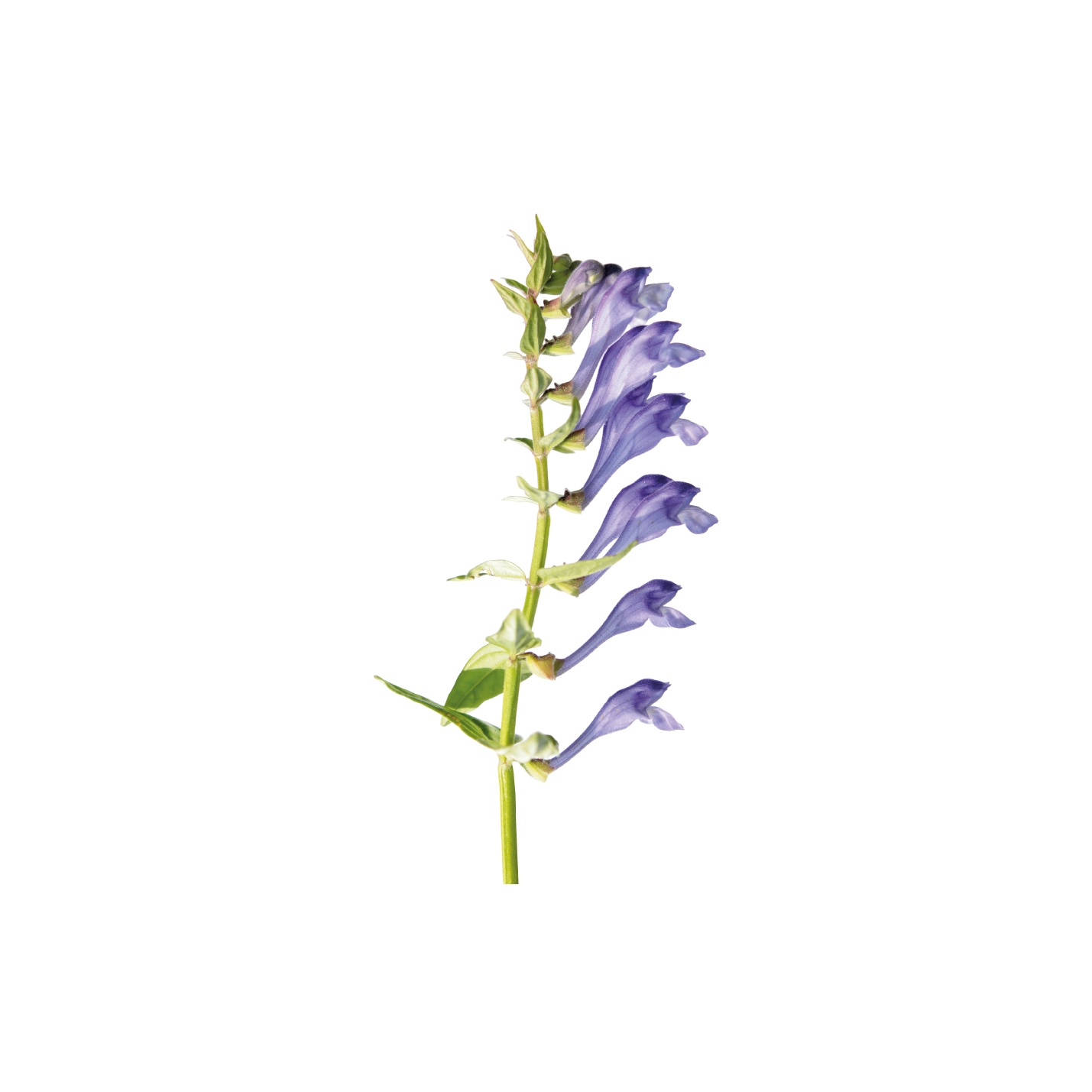 Source Chinese Skullcap Scutellaria baicalensis Herb monograph →
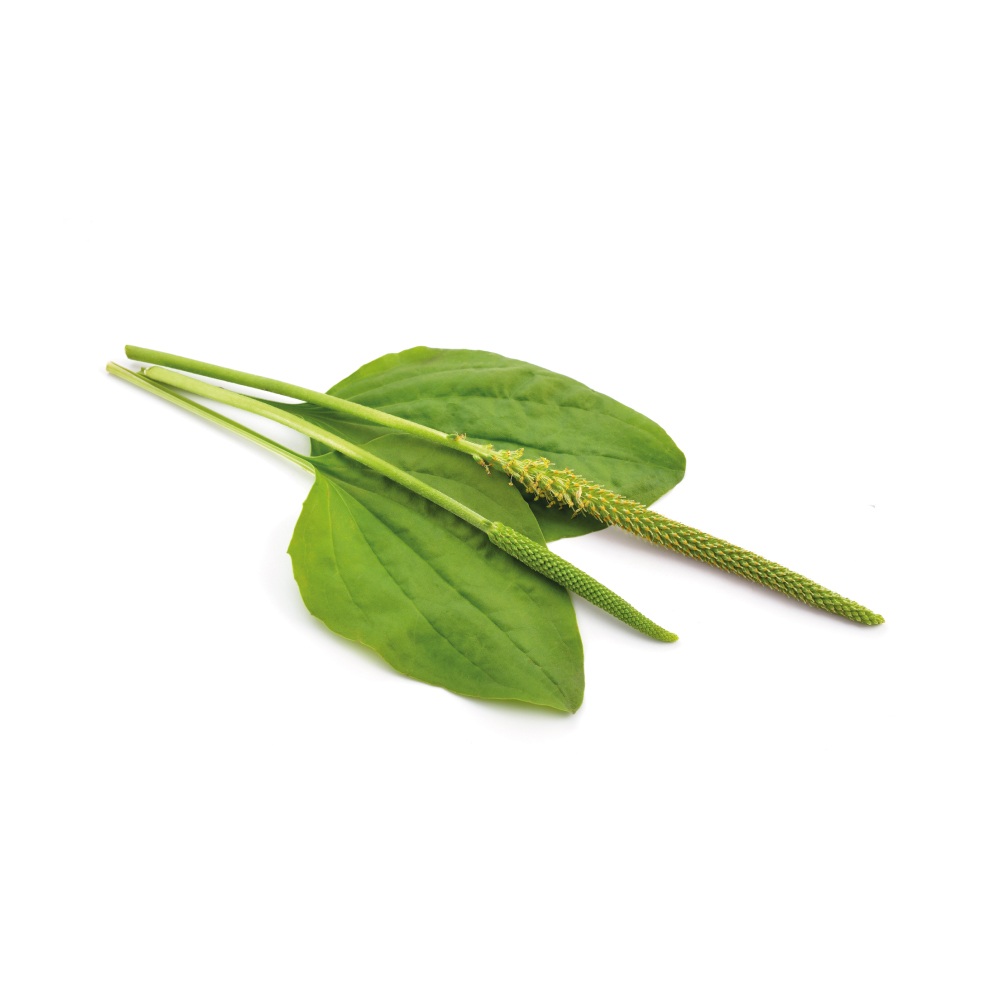 Source Plantain Plantago major Herb monograph →
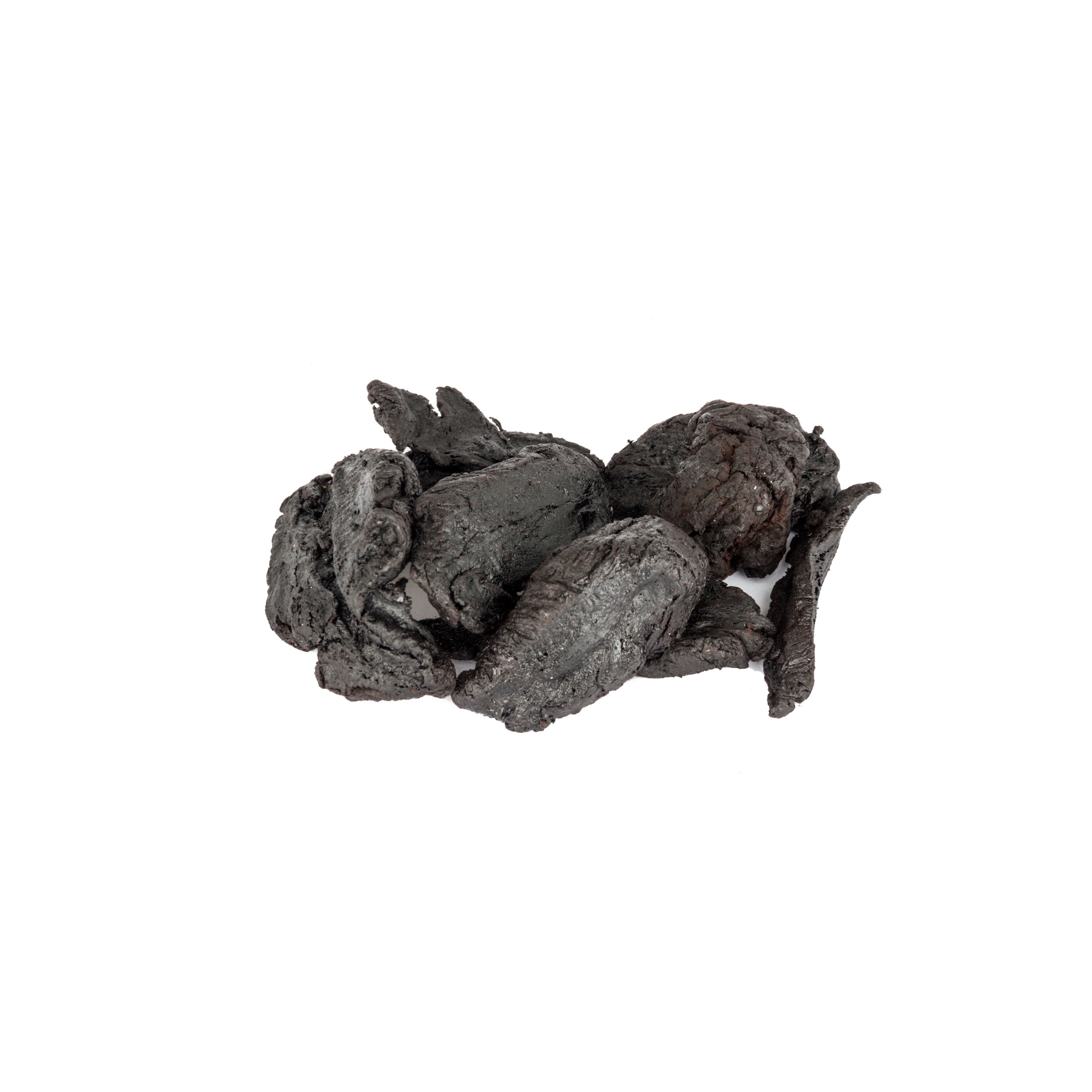 Source Rehmannia Rehmannia glutinosa Herb monograph →
Concentration
Content by Source
Reported concentrations across the plants that contain catalpol — the bar marks the typical level, the line shows the reported range.
Literature figures for varying plant parts and preparations. Read them as a comparative guide, not exact assays.
Catalpol at a Glance
Catalpol is an iridoid glycoside — a C9 iridoid glucoside of the catalpol subtype — and the marker constituent of rehmannia root (Rehmannia glutinosa, di huang). It takes its name from the genus Catalpa and recurs across the plant kingdom in plantain, catalpa, figwort and other Plantaginaceae, Bignoniaceae and Lamiaceae. It is closely related to — and biosynthesised from — its simpler sibling aucubin 18Reference 18Transcriptome analysis provides insights into catalpol biosynthesis in the medicinal plant Rehmannia glutinosa and the functional characterization of RgGES genesView study →.
Catalpol has one of the largest preclinical literatures of any plant iridoid. Hundreds of rodent and cell studies describe antidiabetic, neuroprotective, antidepressant, hepatoprotective and anti-inflammatory effects, and they converge on a small set of shared mechanisms — most notably insulin-sensitising, anti-apoptotic PI3K/Akt signalling and an antioxidant Nrf2/NLRP3 axis 1,
The honest counterweight runs through the whole file. There is essentially no isolated-catalpol human data — the human rehmannia evidence is whole decoction inside multi-herb formulas, not the isolate 17Reference 17RCTAdd-on Rehmannia-6-based Chinese medicine in type-2 diabetes and CKD: a multicenter randomized controlled trialView study →. And catalpol is a large, polar glucoside that is poorly absorbed by mouth: gut bacteria hydrolyse much of it, its aglycone is unstable and reactive, and in-vitro potency overreads what an oral dose delivers 15,
A Catalpol-Type Iridoid
Iridoid glycosides are bitter monoterpene glucosides built on a cyclopenta[c]pyran (iridoid) skeleton. They divide into two broad structural camps: the catalpol-type iridoids, which keep the intact bicyclic ring (catalpol adds an epoxide bridge across it), and the secoiridoids, in which that ring is cleaved. Catalpol is the archetype of the first camp — an aucubin-derived iridoid bearing a characteristic epoxy group.
Its biosynthesis places it one step past aucubin. The iridoid pathway runs from geraniol (via the plastidial MEP route; geraniol synthase, RgGES, is the first committed enzyme in rehmannia) through 8-oxogeranial and iridodial to the iridoid glucoside, and catalpol is formed by oxidation of aucubin — so the two molecules are literal biosynthetic neighbours, which is why they co-occur in rehmannia, plantain and mullein 18Reference 18Transcriptome analysis provides insights into catalpol biosynthesis in the medicinal plant Rehmannia glutinosa and the functional characterization of RgGES genesView study →. This is the cleanest way to read catalpol: aucubin’s organ-protective chemistry, plus an epoxide.
The same chemistry creates a bioavailability paradox. As a large, hydrophilic, polar glucoside, catalpol crosses the gut wall poorly; instead, intestinal β-glucosidase and gut flora cleave the sugar, and the liberated aglycone is unstable and chemically reactive 15,
Catalpol in Neuroprotection & Diabetes
Catalpol’s two deepest evidence threads — neuroprotection and glucose control — look like separate stories but rest on one shared node: PI3K/Akt signalling. This is the interpretive spine of the whole molecule, so it is worth telling as a unit before the application-by-application breakdown below.
In diabetes models, catalpol behaves as an insulin-sensitiser. Across streptozotocin-diabetic rats and other rodent models (2.5–200 mg/kg) it lowers blood glucose and improves insulin sensitivity, and two detailed reviews map the effect to AMPK and PI3K/Akt activation, PPAR signalling and suppression of the AGE/RAGE axis — i.e. it pushes on the same intracellular pathway that insulin itself uses to move glucose and restrain gluconeogenesis 1,
In neuroprotection, the same PI3K/Akt pathway is a canonical cell-survival / anti-apoptotic signal. In ischemic-stroke rats catalpol protected the neurovascular unit through VEGF–PI3K/Akt and VEGF–MEK/ERK signalling 6Reference 6AnimalCatalpol improves impaired neurovascular unit in ischemic stroke rats via enhancing VEGF-PI3K/AKT and VEGF-MEK1/2/ERK1/2 signalingView study →; in a β-amyloid-plus-glutamate memory-defect model it was comparable to donepezil at reducing Alzheimer markers through a non-cholinergic mechanism 5Reference 5Memory defect induced by β-amyloid plus glutamate receptor agonist is alleviated by catalpol and donepezil through different mechanismsView study →; and reviews catalogue its activity across Alzheimer’s and Parkinson’s models, anchored on antioxidant Nrf2/HO-1 induction, NLRP3-inflammasome suppression and mitochondrial protection 7,
A separate, thinner strand — catalpol lowering CRH, ACTH and cortisol in an Alzheimer’s-model rat — is the mechanistic basis often cited for rehmannia’s traditional “adrenal tonic” reputation, but it rests on essentially one study 19Reference 19AnimalCatalpol regulates function of the hypothalamic-pituitary-adrenocortical axis in an Alzheimer’s disease rat modelView study →.
Read together, the “insulin-sensitising” antidiabetic catalpol and the “anti-apoptotic” neuroprotective catalpol are the same molecule pressing on the same survival pathway in two different tissues. That unity is the compelling part — and the caveat is unchanged: all of it is preclinical, much of it dosed by injection, and none of it has been shown for the isolate in humans 1,
What It's Used For
The evidence machinery below systematises what the two threads above narrate. The load-bearing discipline is the compound-page rule: no isolated-catalpol human trials, whole-decoction human data only, and a poorly-absorbed glucoside whose in-vitro potency outruns oral exposure 15,
Support is an experimental score — weighted by study type (human > animal > in vitro) and volume. A beta, not a validated metric. There is no isolate human data, so scores stay modest by design; the antidiabetic score is lifted only by a whole-formula human RCT.
The strongest and most reproduced strand. In streptozotocin-induced diabetic rats, oral catalpol improved glucose handling and insulin sensitivity 3Reference 3AnimalAntihyperglycemic effect of catalpol in streptozotocin-induced diabetic ratsView study →, and the anti-diabetic effect is replicated at 2.5–200 mg/kg across rat and mouse studies, mapped to AMPK, PI3K/Akt, PPAR and AGE/RAGE signalling in detailed reviews 1,
On the human side, evidence exists only for multi-herb rehmannia formulas — a 48-week Rehmannia-6-based Chinese-medicine formula slowed eGFR decline in type-2 diabetes with kidney disease 17Reference 17RCTAdd-on Rehmannia-6-based Chinese medicine in type-2 diabetes and CKD: a multicenter randomized controlled trialView study →.
Gap: no randomised trial has tested catalpol — or rehmannia root — as a single agent for glycaemic control in humans; the human data are confounded by co-formulated herbs, and the isolate’s poor oral bioavailability undercuts direct read-across 15,
One of the more compelling natural neuroprotectants in preclinical work. In ischemic-stroke rats catalpol protected the neurovascular unit via VEGF-PI3K/Akt and VEGF-MEK/ERK signalling 6Reference 6AnimalCatalpol improves impaired neurovascular unit in ischemic stroke rats via enhancing VEGF-PI3K/AKT and VEGF-MEK1/2/ERK1/2 signalingView study →; in a β-amyloid-plus-glutamate memory-defect model it matched donepezil at reducing Alzheimer markers through a non-cholinergic mechanism 5Reference 5Memory defect induced by β-amyloid plus glutamate receptor agonist is alleviated by catalpol and donepezil through different mechanismsView study →; and two reviews summarise its activity across Alzheimer’s and Parkinson’s models on an Nrf2/HO-1 + NLRP3↓ + anti-apoptotic base 7,
Gap: exclusively animal and in vitro, with no clinical neurological endpoints; most effects use isolated catalpol, often by injection, and central exposure of an orally poorly-absorbed glucoside is unquantified 6,
A consistent set of rodent studies. Catalpol ameliorated depressive-like behaviour in chronic-unpredictable-mild-stress mice by suppressing oxidative-stress-driven NLRP3 inflammasome activation and neuroinflammation 9Reference 9AnimalCatalpol ameliorates depressive-like behaviors in CUMS mice via oxidative stress-mediated NLRP3 inflammasome and neuroinflammationView study →, acted through HO-1-linked antioxidant and neurotrophic pathways 10Reference 10Catalpol exerts antidepressant-like effects by enhancing anti-oxidation and neurotrophyView study →, and in a later study showed SIRT1-mediated synaptic plasticity with sex-differences (a stronger response in females) 11Reference 11Role of SIRT1-mediated synaptic plasticity and neurogenesis: sex-differences in antidepressant-like efficacy of catalpolView study →.
Gap: no human antidepressant trials of catalpol as a defined agent; three rodent studies from overlapping groups on a shared oxidative-stress/neurotrophy mechanism, not independent replication of a clinical endpoint 9,
Not a separate application so much as the shared engine under the rest. A comprehensive iridoid review places catalpol (with aucubin) among iridoids that lower COX-2 and inflammatory cytokines 12Reference 12Deciphering the iridoids’ boundaries: from soil ecology to anti-inflammatory medicinesView study →, and the dedicated catalpol review characterises antioxidant Nrf2/HO-1 induction and NLRP3/NF-κB suppression as its recurring cross-organ mechanism 1Reference 1Multiple biological effects of an iridoid glucoside, catalpol, and its underlying molecular mechanismsView study →.
Gap: mechanism-level and preclinical; the “antioxidant” label is a disease-model / signalling readout, not a validated human antioxidant effect, and effect sizes rest on doses well above achievable oral catalpol 1,
A focused liver thread. Catalpol reduced liver fibrosis in mice by inhibiting hepatic-stellate-cell aerobic glycolysis via EphA2/FAK/Src signalling, with matching in-vitro data 13Reference 13Catalpol ameliorates liver fibrosis via inhibiting aerobic glycolysis by EphA2/FAK/Src signaling pathwayView study → — mechanistically adjacent to aucubin’s Nrf2/Smad7 anti-fibrotic signal in the same organ.
Gap: a single mechanism-focused mouse/cell study on a novel target axis, no replication and no human data 13Reference 13Catalpol ameliorates liver fibrosis via inhibiting aerobic glycolysis by EphA2/FAK/Src signaling pathwayView study →.
Mechanisms
| Target / pathway | Effect | Relevant to |
|---|---|---|
| PI3K/Akt signalling | activated — insulin-sensitising in metabolic tissue; anti-apoptotic/pro-survival in neurons | antidiabetic; neuroprotective (the shared spine) |
| AMPK; PPAR; AGE/RAGE axis | AMPK/PPAR activated, AGE/RAGE suppressed | antidiabetic / glycaemic control |
| VEGF → PI3K/Akt and MEK/ERK | activated — neurovascular-unit protection | neuroprotective (ischemic stroke) |
| Nrf2 / HO-1 antioxidant response | induced | anti-inflammatory/antioxidant; neuroprotective; antidepressant |
| NLRP3 inflammasome; NF-κB; COX-2, IL-1β, IL-6, TNF-α | suppressed | anti-inflammatory; antidepressant |
| HO-1 / neurotrophic and SIRT1 synaptic signalling | enhanced (sex-dependent) | antidepressant |
| EphA2 / FAK / Src → aerobic glycolysis | inhibited (hepatic stellate cells) | hepatoprotective / anti-fibrotic |
| HPA axis (CRH, ACTH, cortisol) | lowered in an AD rat model | the traditional rehmannia “adrenal” claim (thin) |
| Human CYP3A4 / CYP2E1 / CYP2C9 | inhibited in vitro | interaction caveat (see Toxicity) |
| β-glucosidase → reactive aglycone | glucoside cleaved; aglycone unstable/reactive | pharmacokinetics / bioavailability paradox |
The load-bearing point is the shared PI3K/Akt node: catalpol’s insulin-sensitising antidiabetic effect and its anti-apoptotic neuroprotection are the same signalling story in two tissues. The organ-specific labels are largely single- or double-study extensions of that antioxidant/anti-apoptotic core.
Pharmacokinetics
Catalpol is a textbook poorly-absorbed iridoid glucoside. As a large, hydrophilic polar molecule it crosses the gut wall inefficiently; instead, intestinal β-glucosidase and gut microbiota deglycosylate it 15Reference 15AnimalPharmacokinetics, mass balance, tissue distribution, and metabolism of [3H]catalpol in ratsView study →, and the molecule is itself chemically labile — degradation-kinetics work shows it breaks down readily, its degradation products retaining some radical-scavenging activity 16Reference 16Characteristics and kinetics of catalpol degradation and the effect of its degradation products on free radical scavengingView study →. Tritiated-catalpol mass-balance work in rats shows rapid absorption but extensive metabolism (hydrogenation and deglycosylation), elimination in urine and faeces, and a short plasma half-life, with absorption further modulated by intestinal-flora composition 15Reference 15AnimalPharmacokinetics, mass balance, tissue distribution, and metabolism of [3H]catalpol in ratsView study →. Reviews note that the isolate’s in-vitro and high-dose parenteral potency therefore overreads what an oral dose can plausibly deliver, and much of the efficacy literature doses by injection for exactly this reason 1,
Clinical Trials
There are no trials of isolated catalpol. The nearest human evidence is for whole rehmannia decoctions inside multi-herb formulas — e.g. a 48-week Rehmannia-6-based formula in type-2 diabetes with chronic kidney disease 17Reference 17RCTAdd-on Rehmannia-6-based Chinese medicine in type-2 diabetes and CKD: a multicenter randomized controlled trialView study → — where catalpol is one constituent of a complex extract (and prepared rehmannia is comparatively catalpol-poor). Everything mechanistic and efficacy-related for the molecule itself is preclinical.
| Completed | Planned | Terminated | Preclinical |
|---|---|---|---|
| —(none, isolate; catalpol appears only as a constituent of multi-herb rehmannia formulas 17Reference 17RCTAdd-on Rehmannia-6-based Chinese medicine in type-2 diabetes and CKD: a multicenter randomized controlled trialView study →) | — | — | Extensive(large multi-organ rodent literature; antidiabetic- and neuroprotection-led) |
Last checked: July 2026.
Isolate vs. Plant Studies
The split is stark and cuts one way. The efficacy and mechanism literature is almost entirely done with the isolated compound in rodents and cell lines — antidiabetic, stroke/AD neuroprotection, depression and liver-fibrosis models all use purified catalpol 3,
Its Role in Plants
In the plant, catalpol is a defensive iridoid. Iridoid glycosides are bitter, deterrent compounds stored inert as the glucoside; tissue damage brings them into contact with β-glucosidase, releasing a reactive aglycone that deters herbivores and pathogens — the same enzyme-triggered activation that underlies catalpol’s pharmacokinetics 15Reference 15AnimalPharmacokinetics, mass balance, tissue distribution, and metabolism of [3H]catalpol in ratsView study →. Because it sits one oxidation step past aucubin on the iridoid pathway (geraniol → iridodial → aucubin → catalpol), it is a chemotaxonomic marker for the chemically-defended Lamiales and neighbouring lineages that make it, and its biosynthesis in rehmannia is being dissected down to the first committed enzyme, geraniol synthase (RgGES) 18Reference 18Transcriptome analysis provides insights into catalpol biosynthesis in the medicinal plant Rehmannia glutinosa and the functional characterization of RgGES genesView study →.
As with any constituent, a compound’s defensive role in the plant is plant biology, not human pharmacology, and does not predict what it does as a medicine.
Prevalence in Nature
Catalpol occurs across several families of the order Lamiales and its neighbours. Its most important source is rehmannia root (Rehmannia glutinosa, di huang), where it is the marker iridoid at roughly 2.6–4.3% of the dried processed root and higher in the fresh, uncured root 21Reference 21Standardization of Rehmannia glutinosa steam processing and evaluation of chemical, antioxidant and anti-inflammatory propertiesView study →. It is also a widespread constituent of plantain (Plantago spp.), the namesake genus Catalpa (Bignoniaceae), figwort (Scrophularia), Buddleja and Veronica (speedwell), among other Plantaginaceae, Bignoniaceae and Lamiaceae.
The dominant driver of catalpol content in the medicinal supply is processing, not provenance. The traditional wine-steaming (“curing”) that converts fresh rehmannia (Sheng Di Huang) into prepared rehmannia (Shu Di Huang) sharply degrades catalpol — studies tracking the process document a steep fall in catalpol with the appearance of characteristic degradation products, so prepared rehmannia is markedly catalpol-poorer than the fresh root 20,
Major Natural Sources
| Source | Part | Reported catalpol | Notes |
|---|---|---|---|
| Rehmannia (Rehmannia glutinosa) | Dried processed root | ~2.6–4.3% dry wt 21Reference 21Standardization of Rehmannia glutinosa steam processing and evaluation of chemical, antioxidant and anti-inflammatory propertiesView study → | Marker iridoid; higher in fresh root, falls on wine-steaming 20, |
| Plantain (Plantago spp.) | Leaf / whole plant | Not reliably quantified | Co-occurs with aucubin |
| Catalpa spp. | Fruit / bark / leaf | Not reliably quantified | The namesake genus (Bignoniaceae) |
| Scrophularia, Buddleja, Veronica | Aerial / root | Not reliably quantified | Scattered Lamiales occurrence |
Discovery & Synthesis
Catalpol takes its name from the genus Catalpa (Bignoniaceae), from which the catalpol-type iridoid skeleton was first characterised; the synonym catalpinoside survives from that early natural-product chemistry. Its structure — a bicyclic C9 iridoid glucoside bearing the diagnostic epoxide, biosynthetically an oxidation product of aucubin — was settled by mid-20th-century iridoid chemistry, and the biosynthetic route in rehmannia (MEP pathway → geraniol via RgGES → iridodial → aucubin → catalpol) is now being mapped at the gene level 18Reference 18Transcriptome analysis provides insights into catalpol biosynthesis in the medicinal plant Rehmannia glutinosa and the functional characterization of RgGES genesView study →.
Manufacture today is by extraction, not synthesis: catalpol is abundant in rehmannia root and Plantago, and its polar, epoxide-bearing, base- and acid-sensitive structure — plus a reactive aglycone — makes total synthesis unattractive versus isolation from these rich natural sources. Research-grade material is isolated chromatographically from rehmannia or plantain.
Patents: not yet researched.
Toxicity & Safety
Catalpol reads as a low-toxicity, food-and-medicine-adjacent iridoid — it is the marker constituent of rehmannia, a long-used tonic food-herb, and rodent efficacy studies across a wide dose range report no acute toxicity signal at the doses used. But the low flag reflects a thin isolate toxicology rather than a demonstrated clean profile, and two honest caveats keep it off “none.”
- A widely consumed medicinal-plant iridoid. The marker compound of rehmannia (di huang) and a constituent of plantain, used for centuries in whole-herb decoctions with no acute toxicity signal at rodent research doses.
- A potential herb–drug interaction. Catalpol inhibits human CYP3A4, CYP2E1 and CYP2C9 in vitro, so a theoretical interaction with drugs cleared by those enzymes cannot be excluded 14Reference 14Effects of catalpol on the activity of human liver cytochrome P450 enzymesView study →.
- The aglycone is reactive. Gut β-glucosidase liberates an unstable, chemically reactive aglycone — a chemistry caveat behind the poor oral bioavailability and a reason to treat high-dose/aglycone exposure conservatively 15Reference 15AnimalPharmacokinetics, mass balance, tissue distribution, and metabolism of [3H]catalpol in ratsView study →.
- No comprehensive isolate toxicology. No definitive LD50, genotoxicity or repeat-dose organ-toxicity package for pure catalpol; reproductive safety of the isolate is not established, and any pregnancy/lactation caution belongs to the source herb where intake is decided, not to this molecule page.
Full Safety & Interactions Detail
Catalpol carries a low flag as a natural iridoid glycoside of long-used food-and-medicine plants; rodent studies dosing it from ~2.5 to 200 mg/kg report efficacy without an acute toxicity signal 1,
The caveats are evidentiary and chemical rather than observed harms. First, an in-vitro CYP finding: catalpol inhibited human CYP3A4, CYP2E1 and CYP2C9 activity, so a herb–drug interaction with substrates of those isoforms is plausible in principle and has not been ruled out clinically 14Reference 14Effects of catalpol on the activity of human liver cytochrome P450 enzymesView study →.
Second, the aglycone chemistry — β-glucosidase cleaving the glucoside to an unstable, reactive aglycone — is the mechanistic basis for treating aglycone or very high-dose exposure cautiously and, together with acid/base sensitivity, explains the poor oral bioavailability 15,
Third, there is no comprehensive isolate toxicology (no definitive LD50, genotoxicity or repeat-dose package) and no reproductive-safety dataset for pure catalpol. Any pregnancy or lactation caution around catalpol-containing herbs — rehmannia, plantain — belongs to the source herb and is a per-herb decision made on the herb page, not a property asserted for the isolated iridoid here. Poor oral bioavailability further limits real-world isolate exposure 15Reference 15AnimalPharmacokinetics, mass balance, tissue distribution, and metabolism of [3H]catalpol in ratsView study →.
Dosage
There is no established or recommended human dose for isolated catalpol — it has never been given to people as an isolate for therapy. Cited figures are preclinical research doses (µM in vitro; roughly 2.5–200 mg/kg in rodents, frequently administered by injection to bypass poor oral absorption), not recommendations, and they do not translate given the compound’s low oral bioavailability and rapid metabolism 1,
References
- Bhattamisra SK, Yap KH, Rao V, Choudhury H. (2019). Multiple biological effects of an iridoid glucoside, catalpol, and its underlying molecular mechanisms. Biomolecules. https://pubmed.ncbi.nlm.nih.gov/31878316/
- Bhattamisra SK, et al. (2021). Molecular and biochemical pathways of catalpol in alleviating diabetes mellitus and its complications. Biomolecules. https://pubmed.ncbi.nlm.nih.gov/33672590/
- Huang WJ, et al. (2010). Antihyperglycemic effect of catalpol in streptozotocin-induced diabetic rats. Journal of Natural Products. https://pubmed.ncbi.nlm.nih.gov/20518543/
- Bai Y, et al. (2019). Catalpol in diabetes and its complications: a review of pharmacology, pharmacokinetics, and safety. Molecules. https://pubmed.ncbi.nlm.nih.gov/31514313/
- Xia Z, et al. (2012). Memory defect induced by β-amyloid plus glutamate receptor agonist is alleviated by catalpol and donepezil through different mechanisms. Brain Research. https://pubmed.ncbi.nlm.nih.gov/22305339/
- Wang HJ, et al. (2022). Catalpol improves impaired neurovascular unit in ischemic stroke rats via enhancing VEGF-PI3K/AKT and VEGF-MEK1/2/ERK1/2 signaling. Acta Pharmacologica Sinica. https://pubmed.ncbi.nlm.nih.gov/34795412/
- Zhang X, et al. (2021). Therapeutic potential of catalpol and geniposide in Alzheimer’s and Parkinson’s diseases. Brain Research Bulletin. https://pubmed.ncbi.nlm.nih.gov/34216649/
- Dinda B, et al. (2019). Therapeutic potentials of plant iridoids in Alzheimer’s and Parkinson’s diseases: a review. European Journal of Medicinal Chemistry. https://pubmed.ncbi.nlm.nih.gov/30877973/
- Wang YL, et al. (2021). Catalpol ameliorates depressive-like behaviors in CUMS mice via oxidative stress-mediated NLRP3 inflammasome and neuroinflammation. Translational Psychiatry. https://pubmed.ncbi.nlm.nih.gov/34103482/
- Wu X, et al. (2022). Catalpol exerts antidepressant-like effects by enhancing anti-oxidation and neurotrophy. Neurochemical Research. https://pubmed.ncbi.nlm.nih.gov/35668334/
- Wu X, et al. (2024). Role of SIRT1-mediated synaptic plasticity and neurogenesis: sex-differences in antidepressant-like efficacy of catalpol. Phytomedicine. https://pubmed.ncbi.nlm.nih.gov/39395323/
- Chaitanya MVNL, et al. (2025). Deciphering the iridoids’ boundaries: from soil ecology to anti-inflammatory medicines. Inflammopharmacology. https://pubmed.ncbi.nlm.nih.gov/40794373/
- Zhang Q, et al. (2024). Catalpol ameliorates liver fibrosis via inhibiting aerobic glycolysis by EphA2/FAK/Src signaling pathway. Phytomedicine. https://pubmed.ncbi.nlm.nih.gov/39321687/
- Liu L, et al. (2019). Effects of catalpol on the activity of human liver cytochrome P450 enzymes. Xenobiotica. https://pubmed.ncbi.nlm.nih.gov/30557096/
- Ge X, et al. (2023). Pharmacokinetics, mass balance, tissue distribution, and metabolism of [3H]catalpol in rats. Current Drug Metabolism. https://pubmed.ncbi.nlm.nih.gov/37409552/
- Wei GD, et al. (2014). Characteristics and kinetics of catalpol degradation and the effect of its degradation products on free radical scavenging. Pharmacognosy Magazine. https://pubmed.ncbi.nlm.nih.gov/24914291/
- Chan KW, et al. (2023). Add-on Rehmannia-6-based Chinese medicine in type-2 diabetes and CKD: a multicenter randomized controlled trial. Clinical Journal of the American Society of Nephrology. https://pubmed.ncbi.nlm.nih.gov/37307005/
- Li Y, et al. (2024). Transcriptome analysis provides insights into catalpol biosynthesis in the medicinal plant Rehmannia glutinosa and the functional characterization of RgGES genes. Genes (Basel). https://pubmed.ncbi.nlm.nih.gov/38397145/
- Wang JH, et al. (2014). Catalpol regulates function of the hypothalamic-pituitary-adrenocortical axis in an Alzheimer’s disease rat model. Pharmazie. https://pubmed.ncbi.nlm.nih.gov/25272941/
- Yang J, et al. (2024). Exploration of the dynamic variations of the characteristic constituents and the degradation products of catalpol during the process of Radix Rehmanniae. Molecules. https://pubmed.ncbi.nlm.nih.gov/38338449/
- Lee SJ, et al. (2023). Standardization of Rehmannia glutinosa steam processing and evaluation of chemical, antioxidant and anti-inflammatory properties. Applied Biological Chemistry. https://doi.org/10.1186/s13765-023-00773-7



