
Compound Monograph
Citreorosein
Citreorosein (ω-hydroxyemodin) is a minor hydroxyanthraquinone — the ω-hydroxymethyl analogue and oxidation product of emodin — found in Japanese knotweed, rhubarb and some fungi. Its only distinctive research signal is in-vitro anti-allergic activity in mast cells (COX-2/PGD2, leukotriene and cytokine suppression); there is no human data, and it sits in the EU-restricted hydroxyanthracene class, though it is less genotoxic than emodin itself.

Sources · 2
Where Does It Come From?
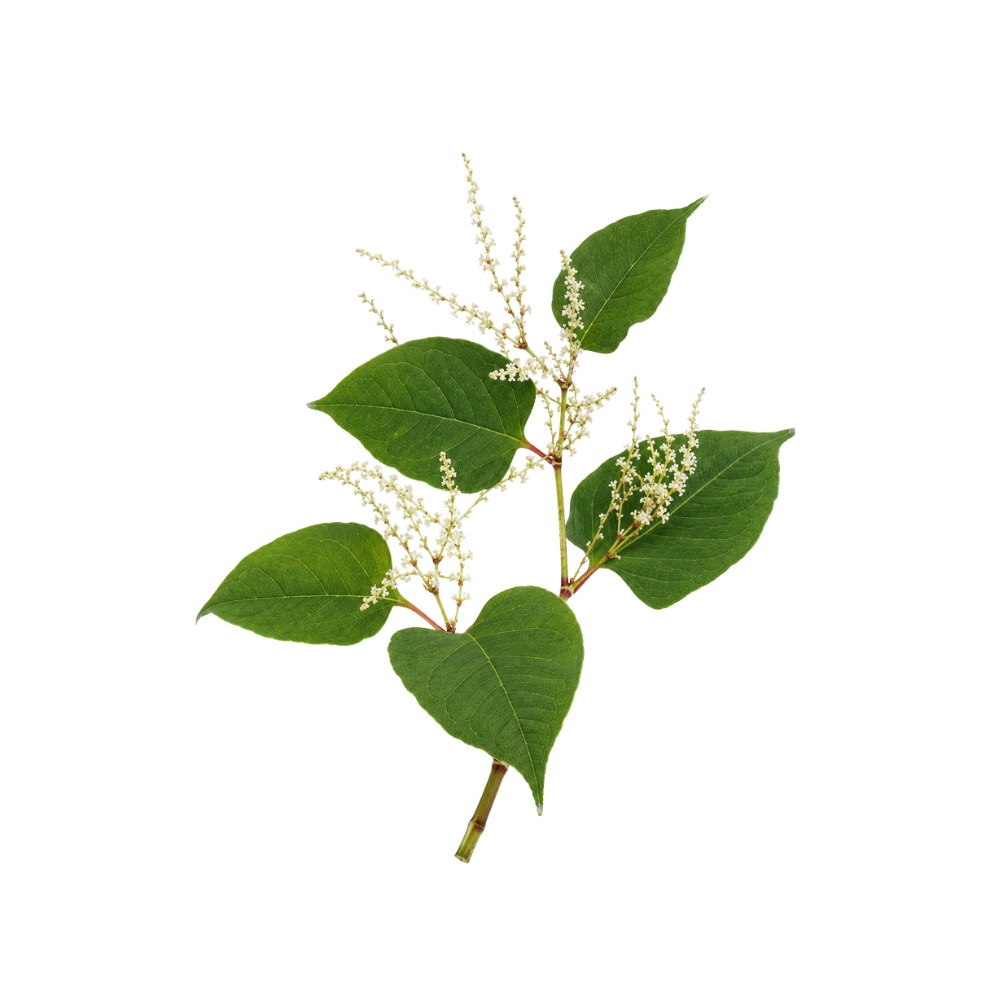
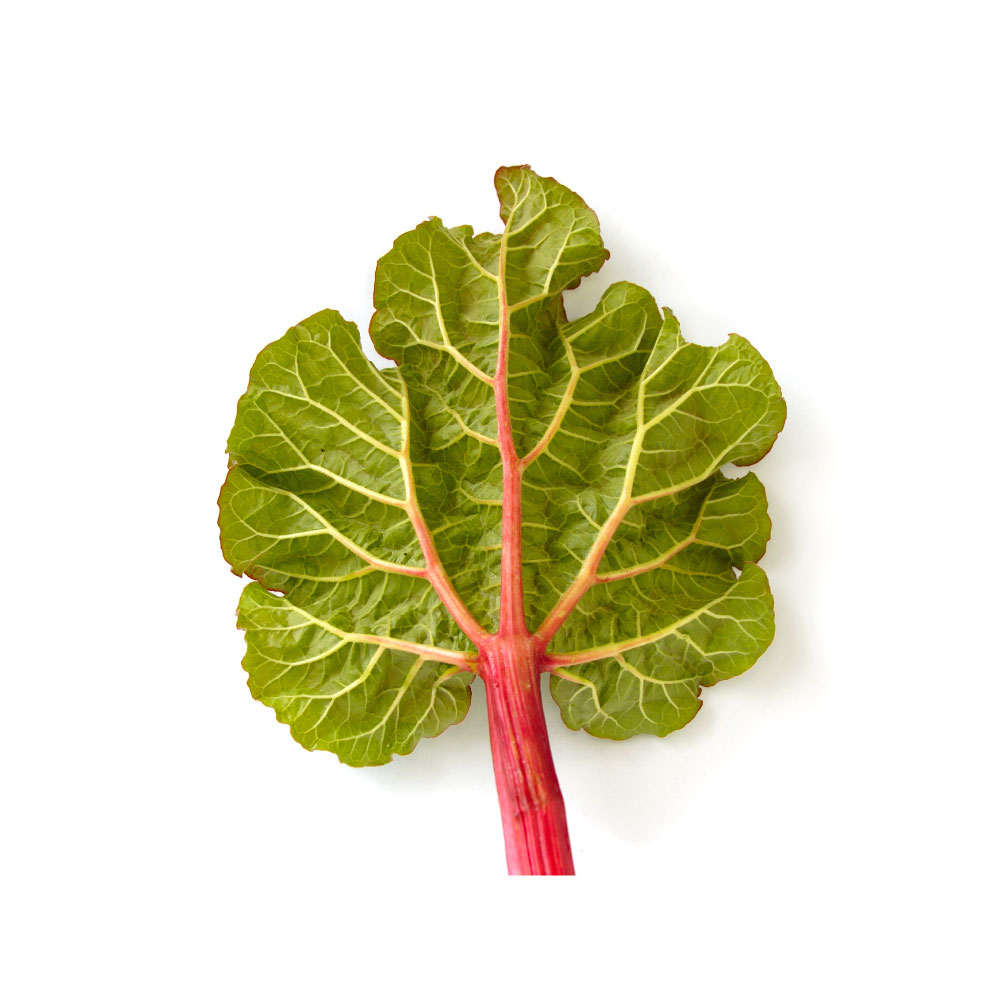
Citreorosein is a naturally occurring anthraquinone (aglycone; ω-hydroxymethyl emodin analogue), found in Japanese knotweed and Rhubarb. It is flagged as moderately toxic.
Concentration
Content by Source
Concentrations not reported. No percent-dry-weight or mg/g figures have been published for this compound in its source plants.
Citreorosein at a Glance
Citreorosein, or ω-hydroxyemodin, is a minor hydroxyanthraquinone — structurally the same anthraquinone-laxative family as emodin, chrysophanol and rhein. It is essentially emodin with the 6-methyl group oxidised to a hydroxymethyl (–CH₂OH), which places it structurally between emodin and aloe-emodin. It is found in Japanese knotweed (Polygonum cuspidatum) root, in rhubarb, and in several fungi.
Unlike its abundant parent emodin, citreorosein has only a thin research literature, almost all of it from one Korean group studying its effects on mast cells — the immune cells central to allergy. In those cell studies the isolated molecule suppressed several arms of mast-cell activation (prostaglandin, leukotriene and cytokine output). That is its distinctive signal, and it is the reason the page exists.
Two honest caveats frame everything below. There is no human data of any kind — every result is in-vitro, on the isolated compound, in cultured cells. And as a hydroxyanthracene derivative it inherits the class safety caution that applies to emodin and the anthraquinone-laxative herbs, even though citreorosein itself is, on the one direct comparison available, less genotoxic than emodin.
Citreorosein as ω-Hydroxyemodin
The name that unlocks this molecule is its synonym, ω-hydroxyemodin. Citreorosein is what you get when the methyl group of emodin (1,3,8-trihydroxy-6-methylanthraquinone) is oxidised at the ω (terminal) carbon to a hydroxymethyl group (1,3,8-trihydroxy-6-hydroxymethylanthraquinone) 8Reference 8Chemoenzymatic reduction of citreorosein and its implications on aloe-emodin and rugulosin C (bio)synthesisView study →. It therefore shares emodin’s trihydroxy ring pattern but carries the ω-hydroxymethyl group of aloe-emodin — sitting, structurally and biosynthetically, between the two.
This relationship is not just drawn on paper. Citreorosein is a genuine metabolite of emodin: mammalian cytochrome-P450 enzymes oxidise emodin to ω-hydroxyemodin (citreorosein) in the liver, alongside a second, distinct metabolite, 2-hydroxyemodin 7Reference 7Biotransformation of the anthraquinones emodin and chrysophanol by cytochrome P450 enzymes: bioactivation to genotoxic metabolitesView study →. The distinction is safety-relevant and easy to get wrong — the two are different molecules:
- ω-Hydroxyemodin (citreorosein) — the ω-carbon is hydroxylated; in micronucleus testing it induced lower genotoxicity than emodin 7Reference 7Biotransformation of the anthraquinones emodin and chrysophanol by cytochrome P450 enzymes: bioactivation to genotoxic metabolitesView study →.
- 2-Hydroxyemodin — a ring position is hydroxylated (CYP1A2-driven); it is a direct-acting mutagen that induced higher genotoxicity than emodin 7Reference 7Biotransformation of the anthraquinones emodin and chrysophanol by cytochrome P450 enzymes: bioactivation to genotoxic metabolitesView study →. This is not citreorosein, despite the similar name.
So within the emodin family, citreorosein is at the milder end of the genotoxicity spectrum — an important point given the class caution below.
Its distinctive pharmacology is the anti-allergic mast-cell signal: across three in-vitro studies of the isolated compound, citreorosein damped down cyclooxygenase-2-dependent prostaglandin D₂ generation, leukotriene C₄ generation and degranulation, and pro-inflammatory cytokine expression in activated mast cells 1,
What It's Used For
Citreorosein’s evidence base is small, isolated-compound, and entirely in-vitro. It clusters almost wholly around mast-cell/anti-allergic activity, with scattered antimicrobial and estrogenic-assay reports. There is no animal efficacy model and no human trial.
Support is an experimental score — weighted by study type (human > animal > in vitro) and volume. A beta, not a validated metric. Citreorosein’s evidence is entirely in-vitro isolate work, so scores stay low by design. Each application links to its write-up.
The marquee — and the only application with more than a single paper. In mouse bone-marrow-derived mast cells (the isolated compound throughout), citreorosein: (a) attenuated COX-2-dependent prostaglandin D₂ generation by blocking Akt/IKK and JNK signalling and NF-κB p65 nuclear translocation 1Reference 1AnimalCitreorosein, a naturally occurring anthraquinone derivative isolated from Polygoni cuspidati radix, attenuates cyclooxygenase-2-dependent prostaglandin D2 generation by blocking Akt and JNK pathways in mouse bone marrow-derived mast cellsView study →; (b) suppressed degranulation and leukotriene C₄ generation by inhibiting the Syk pathway upstream of PLCγ, calcium mobilisation, PI3K/Akt and cytosolic-PLA₂/5-lipoxygenase translocation 2Reference 2Citreorosein inhibits degranulation and leukotriene C4 generation through suppression of Syk pathway in mast cellsView study →; and (c) reduced TNF-α, IL-6 and IL-1β expression via MAPKs (ERK/p38/JNK), NF-κB and AP-1 3Reference 3AnimalCitreorosein inhibits production of proinflammatory cytokines by blocking mitogen-activated protein kinases, nuclear factor-κB and activator protein-1 activation in mouse bone marrow-derived mast cellsView study →.
The three together map onto the main effector arms of an allergic mast-cell response.
Gap: all three studies are in-vitro, isolated-compound, from a single research group, in a mouse cell line — there is no animal allergy model and no human data, so this is a mechanistic lead, not a demonstrated anti-allergic effect.
Citreorosein isolated from the fungus Penicillium herquei showed in-vitro activity against promastigotes of Leishmania brasiliensis and against Escherichia coli, Pseudomonas aeruginosa and Bacillus subtilis 5Reference 5Active polyketides isolated from Penicillium herqueiView study →. This is consistent with the broad, low-potency antimicrobial character of many fungal anthraquinone pigments.
Gap: single in-vitro report, no potency benchmarking against standards, no in-vivo confirmation — a screening hit, not an established antimicrobial 5Reference 5Active polyketides isolated from Penicillium herqueiView study →.
In a bioassay-guided fractionation of Japanese knotweed (Polygonum cuspidatum), citreorosein was separated as one of several estrogenic compounds, with activity read out on a recombinant-yeast estrogen assay 4Reference 4Bioassay-guided separation of citreorosein and other oestrogenic compounds from Polygonum cuspidatumView study →. It was reported alongside emodin and emodin glucoside rather than as a dominant contributor.
Gap: a recombinant-yeast assay is a first-tier screen, not evidence of estrogenic activity in an animal or a person; citreorosein was one of a mixture and was not quantified as the driver 4Reference 4Bioassay-guided separation of citreorosein and other oestrogenic compounds from Polygonum cuspidatumView study →.
Mechanisms
| Target / pathway | Effect | Relevant to |
|---|---|---|
| COX-2 induction (Akt/IKK, JNK, NF-κB p65) | ↓ COX-2-dependent PGD₂ generation | anti-allergic (mast cell) |
| Syk → PLCγ, Ca²⁺, PI3K/Akt, cPLA₂/5-LOX | ↓ degranulation and leukotriene C₄ generation | anti-allergic (mast cell) |
| MAPKs (ERK/p38/JNK), NF-κB, AP-1 | ↓ TNF-α, IL-6, IL-1β expression | anti-allergic (mast cell) |
| Estrogen receptor (yeast reporter) | weak estrogenic read-out in vitro | estrogenic assay signal |
| CYP-mediated formation from emodin | citreorosein is itself an emodin metabolite (less genotoxic than emodin) | pharmacokinetics / toxicity |
Pharmacokinetics
There is no dedicated pharmacokinetic study of citreorosein — no measured oral bioavailability, half-life or metabolism data for the isolate. What can be said is inferential. As a hydroxyanthraquinone aglycone, citreorosein belongs to a class with characteristically poor oral bioavailability driven by extensive glucuronidation and efflux (the pattern documented for emodin, ~3–5% in rats), so its striking in-vitro potencies almost certainly overstate any achievable systemic exposure. The one firm PK-adjacent fact is directional: citreorosein is a product of emodin metabolism — CYP enzymes convert emodin to ω-hydroxyemodin in vivo — rather than a molecule with a characterised disposition of its own 7Reference 7Biotransformation of the anthraquinones emodin and chrysophanol by cytochrome P450 enzymes: bioactivation to genotoxic metabolitesView study →. Treat the absence of PK data as a real gap, not as reassurance.
Clinical Trials
There are no clinical trials of citreorosein — completed, planned or terminated. The molecule has never been administered to humans. All evidence is in-vitro isolate work.
| Completed | Planned | Terminated | Preclinical |
|---|---|---|---|
| — | — | — | In-vitro only (mast-cell, antimicrobial, estrogenic assays) |
Last checked: July 2026.
Prevalence in Nature
Citreorosein is a minor anthraquinone rather than a headline constituent of any herb. Its best-documented plant source is the root of Japanese knotweed (Polygonum cuspidatum, syn. Reynoutria/Fallopia japonica) — the “Polygoni cuspidati radix” from which the mast-cell and estrogenic studies isolated it 1,
No quantified plant-content figures were found, so its abundance cannot be placed on a comparative scale here; qualitatively it is a secondary aglycone, present partly as an oxidation product of the more abundant emodin rather than accumulated in bulk. It occurs both as a free aglycone and, in the plant, associated with the anthraquinone-glycoside pool typical of these species.
Discovery & Synthesis
Citreorosein (CAS 481-73-2) has long been known as a naturally occurring anthraquinone pigment of plants and fungi; its name reflects that fungal-pigment heritage. It was not “discovered” as a drug — it entered the literature as a characterised anthraquinone and, later, as an identified oxidative metabolite of emodin formed by cytochrome-P450 enzymes 7Reference 7Biotransformation of the anthraquinones emodin and chrysophanol by cytochrome P450 enzymes: bioactivation to genotoxic metabolitesView study →.
A facile total synthesis was reported in 2012, preparing citreorosein (and emodin carbaldehyde and their 10-deoxygenated derivatives) from emodin via an ω,ω′-dibromomethyl-emodin-triacetate intermediate; in that work the deoxy derivatives, not citreorosein itself, showed modest μ-calpain inhibition 6Reference 6A facile synthesis of emodin derivatives, emodin carbaldehyde, citreorosein, and their 10-deoxygenated derivatives and their inhibitory activities on μ-calpainView study →. Its position in anthraquinone biosynthesis has also been probed chemically — a 2019 study on the chemoenzymatic reduction of citreorosein framed it in relation to aloe-emodin and rugulosin C (bio)synthesis 8Reference 8Chemoenzymatic reduction of citreorosein and its implications on aloe-emodin and rugulosin C (bio)synthesisView study →. Manufacture today is entirely research-scale: citreorosein is obtained by isolation from knotweed/fungi or by semisynthesis from emodin for use as an analytical standard and research reagent — it is not a commercial ingredient.
Patents: not yet researched.
Toxicity & Safety
Citreorosein carries a moderate flag — not from any citreorosein-specific toxicology (there is essentially none) but from its membership in the hydroxyanthracene-derivative class that regulators have restricted. The nuance below is what keeps it honest in both directions.
There is no dedicated safety dataset for the isolate — no repeat-dose, reproductive or carcinogenicity study of citreorosein itself. The applicable context is the class: EFSA reviewed hydroxyanthracene derivatives (emodin, aloe-emodin, danthron and the parent extracts) and concluded they raise a genotoxicity/safety concern in food, underpinning the EU/EMA restriction on these compounds in food and supplements 9Reference 9Safety of hydroxyanthracene derivatives for use in foodView study →; the anthranoid class as a whole carries documented cytotoxicity and the laxative-associated cautions 10Reference 10Anthraquinones as pharmacological tools and drugs / cytotoxicity of structurally diverse anthranoids and correlation with mechanism and side effectsView study →. Citreorosein inherits that class caution by structure.
Against that, the one direct genotoxicity comparison is reassuring in relative terms: as an emodin metabolite, ω-hydroxyemodin (citreorosein) induced lower micronucleus frequencies than emodin, unlike the sibling metabolite 2-hydroxyemodin, which was more genotoxic than emodin 7Reference 7Biotransformation of the anthraquinones emodin and chrysophanol by cytochrome P450 enzymes: bioactivation to genotoxic metabolitesView study →. So within the family citreorosein appears to be at the milder end — but “milder than emodin” is not “safe,” and the class restriction still applies.
Interactions, reproductive and pregnancy/lactation effects have not been assessed for the isolated compound; the absence of data is not evidence of safety. Any real-world exposure is as a minor component of anthraquinone-containing herbs, governed by those herbs’ own cautions.
- Less genotoxic than emodin. In the one direct comparison, ω-hydroxyemodin (citreorosein) induced lower micronucleus frequencies than its parent emodin.
- Hydroxyanthracene-derivative class caution. Citreorosein sits in the EU-restricted anthraquinone class flagged by EFSA for a genotoxicity/safety concern in food.
- No citreorosein-specific safety data. No repeat-dose, reproductive or carcinogenicity study of the isolate exists; interactions and pregnancy are unassessed.
- Don’t confuse with 2-hydroxyemodin. A different emodin metabolite of the same family, that one is a direct-acting mutagen — citreorosein is not it.
Dosage
There is no established or safe human dose for citreorosein, and nothing here is a recommendation. The molecule has never been given to people. The only figures in the literature are in-vitro micromolar concentrations used to treat cultured mast cells or microbial assays 1,
References
- Lu Y, Suh SJ, Li X, et al. (2012). Citreorosein, a naturally occurring anthraquinone derivative isolated from Polygoni cuspidati radix, attenuates cyclooxygenase-2-dependent prostaglandin D2 generation by blocking Akt and JNK pathways in mouse bone marrow-derived mast cells. Food and Chemical Toxicology. https://pubmed.ncbi.nlm.nih.gov/22154852/
- Lu Y, Li Y, Jahng Y, Son JK, Chang HW (2012). Citreorosein inhibits degranulation and leukotriene C4 generation through suppression of Syk pathway in mast cells. Molecular and Cellular Biochemistry. https://pubmed.ncbi.nlm.nih.gov/22395859/
- Lu Y, Suh SJ, Li X, et al. (2012). Citreorosein inhibits production of proinflammatory cytokines by blocking mitogen-activated protein kinases, nuclear factor-κB and activator protein-1 activation in mouse bone marrow-derived mast cells. Biological & Pharmaceutical Bulletin. https://pubmed.ncbi.nlm.nih.gov/22687535/
- Zhang C, Wang X, Zhang X, et al. (2009). Bioassay-guided separation of citreorosein and other oestrogenic compounds from Polygonum cuspidatum. Phytotherapy Research. https://pubmed.ncbi.nlm.nih.gov/19107857/
- Marinho AM, Marinho PS, Santos LS, Rodrigues Filho E, Ferreira IC (2013). Active polyketides isolated from Penicillium herquei. Anais da Academia Brasileira de Ciências. https://pubmed.ncbi.nlm.nih.gov/23969848/
- Liang JL, Cha HC, Lee SH, et al. (2012). A facile synthesis of emodin derivatives, emodin carbaldehyde, citreorosein, and their 10-deoxygenated derivatives and their inhibitory activities on μ-calpain. Archives of Pharmacal Research. https://pubmed.ncbi.nlm.nih.gov/22477191/
- Mueller SO, Stopper H, Dekant W (1998). Biotransformation of the anthraquinones emodin and chrysophanol by cytochrome P450 enzymes: bioactivation to genotoxic metabolites. Drug Metabolism and Disposition. https://pubmed.ncbi.nlm.nih.gov/9616189/
- Mondal A, Saha N, Rajput A, Singh SK, Roy B, Husain SM (2019). Chemoenzymatic reduction of citreorosein and its implications on aloe-emodin and rugulosin C (bio)synthesis. Organic & Biomolecular Chemistry. https://pubmed.ncbi.nlm.nih.gov/31549123/
- EFSA ANS Panel (2018). Safety of hydroxyanthracene derivatives for use in food. EFSA Journal. https://pubmed.ncbi.nlm.nih.gov/32625659/
- Demarque DP, Silva RMP, Santos LF, et al. (2018). Anthraquinones as pharmacological tools and drugs / cytotoxicity of structurally diverse anthranoids and correlation with mechanism and side effects. Journal of Pharmacy & Pharmaceutical Sciences. https://pubmed.ncbi.nlm.nih.gov/30321134/



