
Compound Monograph
Cynarin
Cynarin (a dicaffeoylquinic acid) is the signature caffeoylquinic marker of globe artichoke — the molecule behind artichoke leaf extract's choleretic, hepatoprotective and lipid-lowering reputation. The catch: the marquee human data are for the whole leaf extract, and the one controlled trial of isolated cynarin for cholesterol was negative. It is also the classic 'sweet-water' taste modifier.

Sources · 6
Where Does It Come From?
Cynarin is a naturally occurring hydroxycinnamic acid ester (dicaffeoylquinic acid), found in Globe artichoke, Cardoon, Echinacea and 3 other sources. It is well tolerated orally (low toxicity).
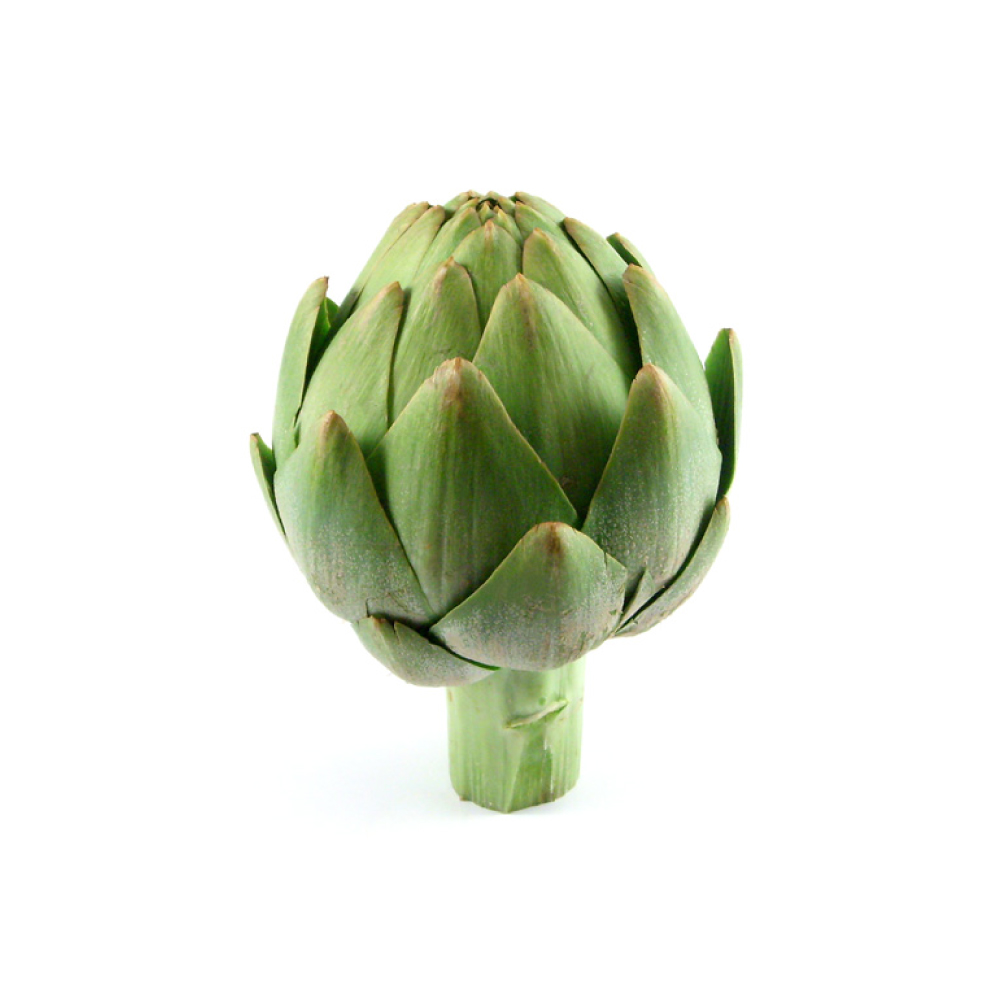 Principal source Globe Artichoke Cynara scolymus Herb monograph →
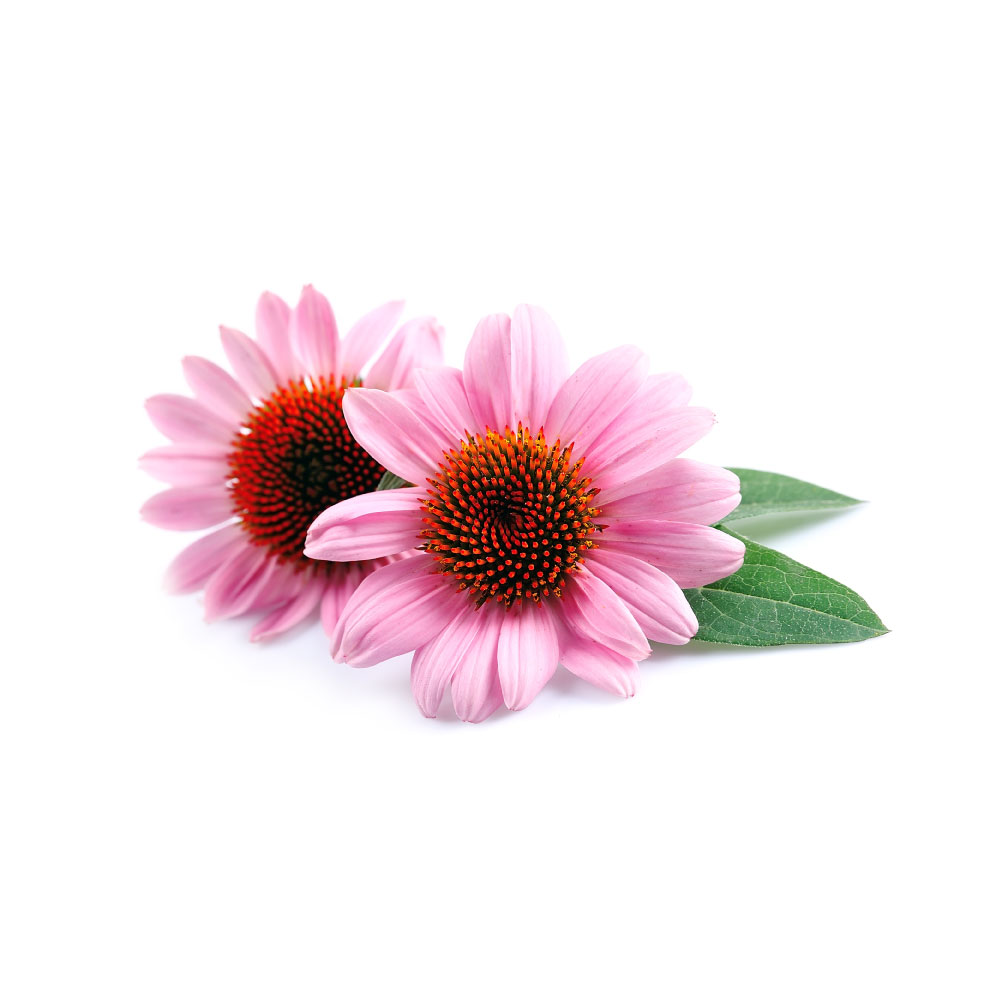 Source Echinacea Echinacea purpurea Herb monograph →
Concentration
Content by Source
Concentrations not reported. No percent-dry-weight or mg/g figures have been published for this compound in its source plants.
Cynarin at a Glance
Cynarin is a dicaffeoylquinic acid — an ester of quinic acid bearing two caffeic acid units — and the best-known phenolic marker of globe artichoke (Cynara scolymus). It is the di-caffeoyl sibling of chlorogenic acid, which carries only one caffeoyl group. For most of the 20th century cynarin was the story of artichoke as a medicine: the “liver and bile” compound behind the plant’s choleretic, hepatoprotective and cholesterol-lowering reputation.
The honest modern reading is more careful. The strong human evidence for those effects belongs to the standardized whole leaf extract, not to isolated cynarin — and the single controlled trial that dosed the pure molecule for cholesterol found no effect 2Reference 2Inefficiency of cynarin as therapeutic regimen in familial type II hyperlipoproteinaemiaView study →. Where the isolate has been tested directly, the cleaner signals are antioxidant activity and preclinical hepatoprotection 3,
It also has a quirk no other molecule here shares: it is a taste modifier that makes plain water taste sweet afterwards — the classic “artichoke effect” 1Reference 1Sweet taste of water induced by artichoke (Cynara scolymus)View study →.
Cynarin, Cynara & the Caffeoylquinic Family
Cynarin sits in the caffeoylquinic acid (CQA) family, the same phenolic class as chlorogenic acid. The difference is how many caffeic acids are attached to the quinic-acid core:
- Chlorogenic acid — mono-caffeoylquinic acid (one caffeoyl group).
- Cynarin — a di-caffeoylquinic acid (two caffeoyl groups).
- The batch’s other diCQA isomers (3,4-, 3,5-, 4,5-dicaffeoylquinic acids) differ only in where on the ring the two caffeoyls sit.
Because it is built from two caffeic acids, cynarin is expected to behave, on hydrolysis, largely like caffeic acid plus quinic acid — a fact that matters for its pharmacokinetics (below).
The 1,5- vs. 1,3- Numbering
Cynarin is the source of one of pharmacognosy’s most persistent naming muddles. The same molecule is written as both 1,5-di-O-caffeoylquinic acid and 1,3-di-O-caffeoylquinic acid, because the quinic-acid ring can be numbered two different ways. Under the IUPAC 1976 recommendation for cyclitol numbering it is 1,5-diCQA (the form used in the classic pharmacology literature — e.g. the cynarin cholesterol trial defines it as “the 1,5-dicaffeyl ester of quinic acid” 2Reference 2Inefficiency of cynarin as therapeutic regimen in familial type II hyperlipoproteinaemiaView study →); under the older/CAS convention the identical compound is 1,3-diCQA, which is how most chemical databases and suppliers list “cynarine” 8Reference 8In vitroIn vitro genotoxic and antigenotoxic effects of cynarinView study →. They are not two different molecules — same structure, same CAS-registered substance, two numbering schemes. This page uses cynarin throughout to avoid the ambiguity, and lists both positional names as synonyms.
A second, easily-confused point: in fresh tissue the naturally dominant artichoke diCQA is often a different isomer (commonly 1,5-/3,5-forms), and analytically measured “cynarin” is partly generated by heat- and processing-driven isomerization — it is markedly higher in artichoke juice than in the raw head 9Reference 9Identification and quantification of caffeoylquinic acids and flavonoids from artichoke (Cynara scolymus L.) heads, juice, and pomace by HPLC-DAD-ESI/MSnView study →. So a headline “cynarin content” figure is as much a statement about processing as about the plant.
The Sweet-Water Taste Effect
One of cynarin’s most distinctive properties has nothing to do with the liver. After the tongue is exposed to artichoke, plain water tastes sweet — a well-documented sensory curiosity in which cynarin (with chlorogenic acid) is the implicated agent 1Reference 1Sweet taste of water induced by artichoke (Cynara scolymus)View study →. The effect is a taste modification, not sweetness of the molecule itself: cynarin appears to transiently alter the taste receptors so that water rinsing them afterwards is perceived as sweet, comparable to a couple of teaspoons of sugar 1Reference 1Sweet taste of water induced by artichoke (Cynara scolymus)View study →. It does not work for everyone — a substantial minority of people never experience it — and the precise receptor mechanism remains unresolved. It is a genuine, reproducible pharmacological effect on human taste, and historically part of how the “artichoke molecule” was characterised.
What It's Used For
Cynarin’s evidence base is unusually split by preparation. Its famous clinical roles (bile, liver, cholesterol) are almost all documented for the whole artichoke leaf extract; the studies that dosed the isolated molecule are fewer, older or preclinical, and for cholesterol the isolate outright failed 2Reference 2Inefficiency of cynarin as therapeutic regimen in familial type II hyperlipoproteinaemiaView study →. Read every row below for what was actually tested.
Support is an experimental score — weighted by study type (human > animal > in vitro) and volume. A beta, not a validated metric. Scores separate a genuinely-tested extract from the thinner isolate record, so read the per-row basis.
Artichoke’s oldest medicinal claim, and where isolate and extract data actually overlap. As whole extract, artichoke (with cynarin named as the principal ingredient) produced a measured increase in bile flow in a randomised human choleresis study 6Reference 6Increase in choleresis by means of artichoke extractView study →.
At the isolate level, cynarin was one of only two artichoke polyphenols to show clear cytoprotection of isolated rat hepatocytes against carbon-tetrachloride toxicity, cutting enzyme leakage 3Reference 3AnimalHepatoprotective activity of polyphenolic compounds from Cynara scolymus against CCl4 toxicity in isolated rat hepatocytesView study →, older German work reported isolated cynarin acting on fatty liver 13Reference 13Eberhardt G (1973). [Effect of cynarin on fatty liver]. Zeitschrift für Gastroenterologie. https://pubmed.ncbi.nlm.nih.gov/4803418/View study →, and a 2022 study found cynarin a partial PPARγ agonist that inhibits PDGF-BB-driven activation and proliferation of hepatic stellate cells — an antifibrotic mechanism, PPARγ-dependent 11Reference 11Cynarin inhibits PDGF-BB-induced proliferation and activation in hepatic stellate cells through PPARγView study →.
Gap: the human bile-flow evidence is for the extract, not purified cynarin 6Reference 6Increase in choleresis by means of artichoke extractView study →; the isolate hepatoprotection is rodent/cell and preclinical 3,
The cleanest isolate signal. Cynarin purified from Illyrian thistle showed marked antioxidant, radical-scavenging (DPPH, ABTS), reducing and metal-chelating activity in vitro, alongside acetylcholinesterase inhibition 10Reference 10Antioxidant, antiradical, and anticholinergic properties of cynarin purified from the Illyrian thistle (Onopordum illyricum L.)View study → — expected from a molecule carrying two catechol (caffeoyl) groups. Consistent with a protective rather than damaging profile, cynarin was not genotoxic in cultured human lymphocytes and reduced the chromosomal damage caused by mitomycin C and hydrogen peroxide (antigenotoxic) 8Reference 8In vitroIn vitro genotoxic and antigenotoxic effects of cynarinView study →.
Gap: these are cell-free and cell-culture assays of the isolate; antioxidant chemistry in a cuvette does not establish a systemic antioxidant effect in people, especially given cynarin’s poor intact absorption 9Reference 9Identification and quantification of caffeoylquinic acids and flavonoids from artichoke (Cynara scolymus L.) heads, juice, and pomace by HPLC-DAD-ESI/MSnView study →.
A mechanistically specific isolate finding. In human coronary artery smooth-muscle cells, isolated cynarin (and cyanidin, and whole artichoke extract) downregulated the expression of inducible nitric-oxide synthase (iNOS) — the pro-inflammatory NOS isoform — pointing to a vascular anti-inflammatory action distinct from the endothelial eNOS-upregulation attributed to artichoke’s flavones 4Reference 4Artichoke, cynarin and cyanidin downregulate the expression of inducible nitric oxide synthase in human coronary smooth muscle cellsView study →.
Gap: single cell-model study; no animal or human vascular outcome rests on isolated cynarin, and the concentrations used may exceed achievable plasma levels 4Reference 4Artichoke, cynarin and cyanidin downregulate the expression of inducible nitric oxide synthase in human coronary smooth muscle cellsView study →.
The application most often mis-attributed to the isolate. Artichoke leaf extract has a real randomised-trial record for lowering total and LDL cholesterol and triglycerides, and the extract inhibits hepatic cholesterol biosynthesis in cultured hepatocytes 5Reference 5AnimalInhibition of cholesterol biosynthesis in primary cultured rat hepatocytes by artichoke (Cynara scolymus L.) extractsView study → — but that biosynthesis effect is traced chiefly to the flavone luteolin, not cynarin. Crucially, the one controlled trial of isolated cynarin (250–750 mg/day for three months in familial type II hyperlipoproteinaemia) found no significant change in serum cholesterol or triglycerides 2Reference 2Inefficiency of cynarin as therapeutic regimen in familial type II hyperlipoproteinaemiaView study →.
Gap: the lipid record is an extract effect; the isolated-cynarin cholesterol trial was negative 2Reference 2Inefficiency of cynarin as therapeutic regimen in familial type II hyperlipoproteinaemiaView study →, so cynarin should not be presented as a stand-alone hypolipidaemic agent.
A class effect of dicaffeoylquinic acids, tested in vitro. DiCQAs — cynarin among them — are selective inhibitors of HIV-1 integrase, blocking the enzyme at nanomolar concentrations and HIV replication in culture at low-micromolar, non-toxic concentrations 7Reference 7Dicaffeoylquinic and dicaffeoyltartaric acids are selective inhibitors of human immunodeficiency virus type 1 integraseView study →; the inhibition is irreversible and relatively specific to retroviral integrases 12Reference 12Irreversible inhibition of human immunodeficiency virus type 1 integrase by dicaffeoylquinic acidsView study →.
Gap: entirely in-vitro enzyme/cell-culture work on the diCQA class; there is no animal or human antiviral evidence, and the required concentrations far exceed anything achievable from oral cynarin 7,
Mechanisms
| Target / pathway | Effect | Relevant to |
|---|---|---|
| Bile secretion (hepatocyte choleresis) | ↑ bile flow (whole-extract evidence) | choleretic / digestive |
| Hepatocyte membrane / antioxidant defence | cytoprotection vs CCl4; ↓ transaminase leakage | hepatoprotective |
| PPARγ (partial agonist) | ↓ PDGF-BB-driven stellate-cell proliferation; ↓ p-ERK/p-AKT/α-SMA | antifibrotic (preclinical) |
| Inducible NOS (iNOS) expression | downregulation in coronary smooth-muscle cells | vascular / anti-inflammatory |
| DPPH/ABTS radicals, Fe reduction, metal chelation | direct radical scavenging | antioxidant |
| Acetylcholinesterase | inhibition (in-vitro) | anticholinergic (isolate assay) |
| HIV-1 integrase (catalytic core) | irreversible inhibition (diCQA class) | antiviral (in-vitro) |
| Hepatic cholesterol biosynthesis | inhibited by the extract (chiefly luteolin); isolated cynarin ineffective in vivo | lipid (the honest contrast) |
The load-bearing point is the isolate-vs-extract split: cynarin has clean preclinical mechanisms (hepatoprotection, PPARγ, iNOS, antioxidant), but the human lipid/bile claims belong to artichoke leaf extract, and the isolate’s one cholesterol trial failed 2Reference 2Inefficiency of cynarin as therapeutic regimen in familial type II hyperlipoproteinaemiaView study →.
Pharmacokinetics
Cynarin’s pharmacokinetics are poorly characterised for the isolate, but its chemistry is predictive. As a dicaffeoylquinic acid it behaves much like chlorogenic acid: a large, polar polyphenol ester that is extensively hydrolysed and metabolised by gut microbiota and tissues before it reaches the systemic circulation, releasing caffeic acid and quinic acid, so little intact cynarin is absorbed 9Reference 9Identification and quantification of caffeoylquinic acids and flavonoids from artichoke (Cynara scolymus L.) heads, juice, and pomace by HPLC-DAD-ESI/MSnView study →. It is also chemically labile — prone to isomerization on heating/processing, which both changes the measured “cynarin” figure and complicates dosing 9Reference 9Identification and quantification of caffeoylquinic acids and flavonoids from artichoke (Cynara scolymus L.) heads, juice, and pomace by HPLC-DAD-ESI/MSnView study →. This poor delivery of the intact molecule is the most parsimonious explanation for why oral isolated cynarin underperformed the extract in the cholesterol trial 2Reference 2Inefficiency of cynarin as therapeutic regimen in familial type II hyperlipoproteinaemiaView study →: robust human ADME parameters — Cmax, half-life, oral bioavailability of pure cynarin — are not established.
Clinical Trials
Human trials of isolated cynarin are sparse and old: a controlled cholesterol trial that was negative 2Reference 2Inefficiency of cynarin as therapeutic regimen in familial type II hyperlipoproteinaemiaView study → and mid-20th-century liver-complaint reports 13Reference 13Eberhardt G (1973). [Effect of cynarin on fatty liver]. Zeitschrift für Gastroenterologie. https://pubmed.ncbi.nlm.nih.gov/4803418/View study →. The substantial modern human evidence — lipids, dyspepsia, NAFLD — is for standardized artichoke leaf extract, discussed on the globe artichoke monograph, not the pure molecule.
| Completed | Planned | Terminated | Preclinical |
|---|---|---|---|
| Isolated cynarin: 1 controlled lipid trial (negative) + older liver reports; the modern record is extract-level | — | — | Hepatoprotective, antifibrotic (PPARγ), antioxidant, iNOS, HIV-1 integrase |
Last checked: July 2026.
Isolate vs. Plant Studies
Cynarin is a textbook case of the compound-page caveat. The human clinical evidence is almost entirely the whole plant/extract — the choleresis study used artichoke extract 6Reference 6Increase in choleresis by means of artichoke extractView study →, and the lipid, dyspepsia and NAFLD trials all used standardized leaf extract, not purified cynarin. When the isolated molecule was actually put to a controlled human test — the 1977 familial-hyperlipoproteinaemia trial at 250–750 mg/day — it did not lower cholesterol or triglycerides 2Reference 2Inefficiency of cynarin as therapeutic regimen in familial type II hyperlipoproteinaemiaView study →. The genuinely isolate-level positives are all preclinical: hepatocyte protection 3Reference 3AnimalHepatoprotective activity of polyphenolic compounds from Cynara scolymus against CCl4 toxicity in isolated rat hepatocytesView study →, PPARγ-dependent antifibrotic action 11Reference 11Cynarin inhibits PDGF-BB-induced proliferation and activation in hepatic stellate cells through PPARγView study →, iNOS downregulation 4Reference 4Artichoke, cynarin and cyanidin downregulate the expression of inducible nitric oxide synthase in human coronary smooth muscle cellsView study →, and antioxidant/antigenotoxic chemistry 8,
Prevalence in Nature
Cynarin is the signature caffeoylquinic acid of globe artichoke (Cynara scolymus) and its wild ancestor the cardoon (C. cardunculus), where it is far more concentrated in the leaf than in the edible flower head 9Reference 9Identification and quantification of caffeoylquinic acids and flavonoids from artichoke (Cynara scolymus L.) heads, juice, and pomace by HPLC-DAD-ESI/MSnView study →. It is also a recognised marker constituent of Echinacea — particularly Echinacea angustifolia root, where “cynarine” is used to help distinguish species — and occurs in other Asteraceae such as the Illyrian thistle (Onopordum illyricum), the source from which it was purified for the antioxidant study 10Reference 10Antioxidant, antiradical, and anticholinergic properties of cynarin purified from the Illyrian thistle (Onopordum illyricum L.)View study →.
Reliable absolute concentrations are genuinely hard to pin down, and the page deliberately does not chart a comparative figure, because measured cynarin is confounded by processing: it is a minor share of the total caffeoylquinic-acid fraction in raw tissue but is enriched by heat/processing isomerization (much higher in artichoke juice than in the raw head) 9Reference 9Identification and quantification of caffeoylquinic acids and flavonoids from artichoke (Cynara scolymus L.) heads, juice, and pomace by HPLC-DAD-ESI/MSnView study →. So any single ”% cynarin” number reflects the preparation as much as the plant — a caveat kept on every claim here.
Discovery & Synthesis
Cynarin was isolated from globe artichoke and characterised as a di-O-caffeoylquinic acid by mid-20th-century Italian phytochemists (1950s) — the work is commonly attributed to Panizzi and Scarpati, though the primary source is unconfirmed here. Its name derives directly from the plant genus Cynara. Through the 1960s–70s it was marketed as a pharmaceutical (as “cynarine”) for liver and cholesterol complaints, which is why isolated-cynarin human data exist at all — including the controlled trial that undercut the cholesterol indication 2Reference 2Inefficiency of cynarin as therapeutic regimen in familial type II hyperlipoproteinaemiaView study →. A facile chemical synthesis of the 1,3/1,5-dicaffeoylquinic acid (the anti-HIV agent) has since been published, and cynarin can also be accumulated in artichoke callus culture under ethephon treatment; for commercial purposes, however, it is obtained by extraction from artichoke leaf, standardised as part of the total caffeoylquinic-acid fraction rather than as the pure isolate.
Patents: not yet researched.
Toxicity & Safety
Cynarin carries a low toxicity flag. It is a food-derived polyphenol from a long-eaten vegetable, with a favourable safety signal in the limited direct testing: in cultured human lymphocytes it was not genotoxic and actually reduced mutagen- and oxidant-induced chromosomal damage (antigenotoxic) 8Reference 8In vitroIn vitro genotoxic and antigenotoxic effects of cynarinView study →. The cautions below are class/context notes, not evidence of isolate harm.
- Low intrinsic toxicity. A dietary caffeoylquinic-acid polyphenol; isolated cynarin was non-genotoxic and antigenotoxic in human cells 8Reference 8In vitroIn vitro genotoxic and antigenotoxic effects of cynarinView study →.
- Choleretic caution. Because it (and artichoke extract) stimulate bile flow, use is traditionally avoided in bile-duct obstruction or gallstones, where increased bile flow against a blockage is undesirable — a whole-plant caution that carries over to the marker molecule.
- Asteraceae allergy. Artichoke sources belong to the daisy family; people allergic to Asteraceae (ragweed, chamomile, etc.) may react to artichoke preparations, though this is driven mainly by sesquiterpene lactones (cynaropicrin), not cynarin itself.
- Not the extract. Human efficacy and safety data are for standardized artichoke leaf extract; do not read them as established for the pure isolate.
Pregnancy and lactation are decided on the herb or product page where intake happens, not on this molecule page; no isolate-specific reproductive-toxicity dataset for cynarin is characterised here.
Dosage
There is no established dose for isolated cynarin, and its one controlled cholesterol trial — at 250–750 mg/day of the pure molecule — was negative 2Reference 2Inefficiency of cynarin as therapeutic regimen in familial type II hyperlipoproteinaemiaView study →; mid-20th-century liver work used broadly similar or higher amounts 13Reference 13Eberhardt G (1973). [Effect of cynarin on fatty liver]. Zeitschrift für Gastroenterologie. https://pubmed.ncbi.nlm.nih.gov/4803418/View study →. Real-world human exposure comes almost entirely through standardized artichoke leaf extract (commonly 600–1,800 mg/day of extract, standardised to total caffeoylquinic acids, of which cynarin is one marker) — see the globe artichoke monograph. Dietary exposure from eating artichokes is lower still and highly variable with cultivar and cooking.
These are research and historical figures, not a personal recommendation.
References
- Bartoshuk LM, Lee CH, Scarpellino R (1972). Sweet taste of water induced by artichoke (Cynara scolymus). Science. https://pubmed.ncbi.nlm.nih.gov/5084667/
- Heckers H, Dittmar K, Schmahl FW, Huth K (1977). Inefficiency of cynarin as therapeutic regimen in familial type II hyperlipoproteinaemia. Atherosclerosis. https://pubmed.ncbi.nlm.nih.gov/576409/
- Adzet T, Camarasa J, Laguna JC (1987). Hepatoprotective activity of polyphenolic compounds from Cynara scolymus against CCl4 toxicity in isolated rat hepatocytes. Journal of Natural Products. https://pubmed.ncbi.nlm.nih.gov/3430163/
- Xia N, Pautz A, Wollscheid U, Reifenberg G, Förstermann U, Li H (2014). Artichoke, cynarin and cyanidin downregulate the expression of inducible nitric oxide synthase in human coronary smooth muscle cells. Molecules. https://pubmed.ncbi.nlm.nih.gov/24662080/
- Gebhardt R (1998). Inhibition of cholesterol biosynthesis in primary cultured rat hepatocytes by artichoke (Cynara scolymus L.) extracts. Journal of Pharmacology and Experimental Therapeutics. https://pubmed.ncbi.nlm.nih.gov/9732368/
- Kirchhoff R, Beckers C, Kirchhoff GM, Trinczek-Gärtner H, Petrowicz O, Reimann HJ (1994). Increase in choleresis by means of artichoke extract. Phytomedicine. https://pubmed.ncbi.nlm.nih.gov/23195882/
- McDougall B, King PJ, Wu BW, Hostomsky Z, Reinecke MG, Robinson WE Jr (1998). Dicaffeoylquinic and dicaffeoyltartaric acids are selective inhibitors of human immunodeficiency virus type 1 integrase. Antimicrobial Agents and Chemotherapy. https://pubmed.ncbi.nlm.nih.gov/9449274/
- Erikel E, Yuzbasioglu D, Unal F (2019). In vitro genotoxic and antigenotoxic effects of cynarin. Journal of Ethnopharmacology. https://pubmed.ncbi.nlm.nih.gov/30890359/
- Schütz K, Kammerer D, Carle R, Schieber A (2004). Identification and quantification of caffeoylquinic acids and flavonoids from artichoke (Cynara scolymus L.) heads, juice, and pomace by HPLC-DAD-ESI/MSn. Journal of Agricultural and Food Chemistry. https://pubmed.ncbi.nlm.nih.gov/15212452/
- Topal M, Gocer H, Topal F, Kalin P, Köse LP, Gülçin İ, et al. (2016). Antioxidant, antiradical, and anticholinergic properties of cynarin purified from the Illyrian thistle (Onopordum illyricum L.). Journal of Enzyme Inhibition and Medicinal Chemistry. https://pubmed.ncbi.nlm.nih.gov/25792498/
- Ding T, Tao M, Chen J, et al. (2022). Cynarin inhibits PDGF-BB-induced proliferation and activation in hepatic stellate cells through PPARγ. Open Chemistry. https://doi.org/10.1515/chem-2022-0192
- Zhu K, Cordeiro ML, Atienza J, Robinson WE Jr, Chow SA (1999). Irreversible inhibition of human immunodeficiency virus type 1 integrase by dicaffeoylquinic acids. Journal of Virology. https://pubmed.ncbi.nlm.nih.gov/10074185/
- Eberhardt G (1973). [Effect of cynarin on fatty liver]. Zeitschrift für Gastroenterologie. https://pubmed.ncbi.nlm.nih.gov/4803418/



