
Compound Monograph
Dihydroartemisinic Acid
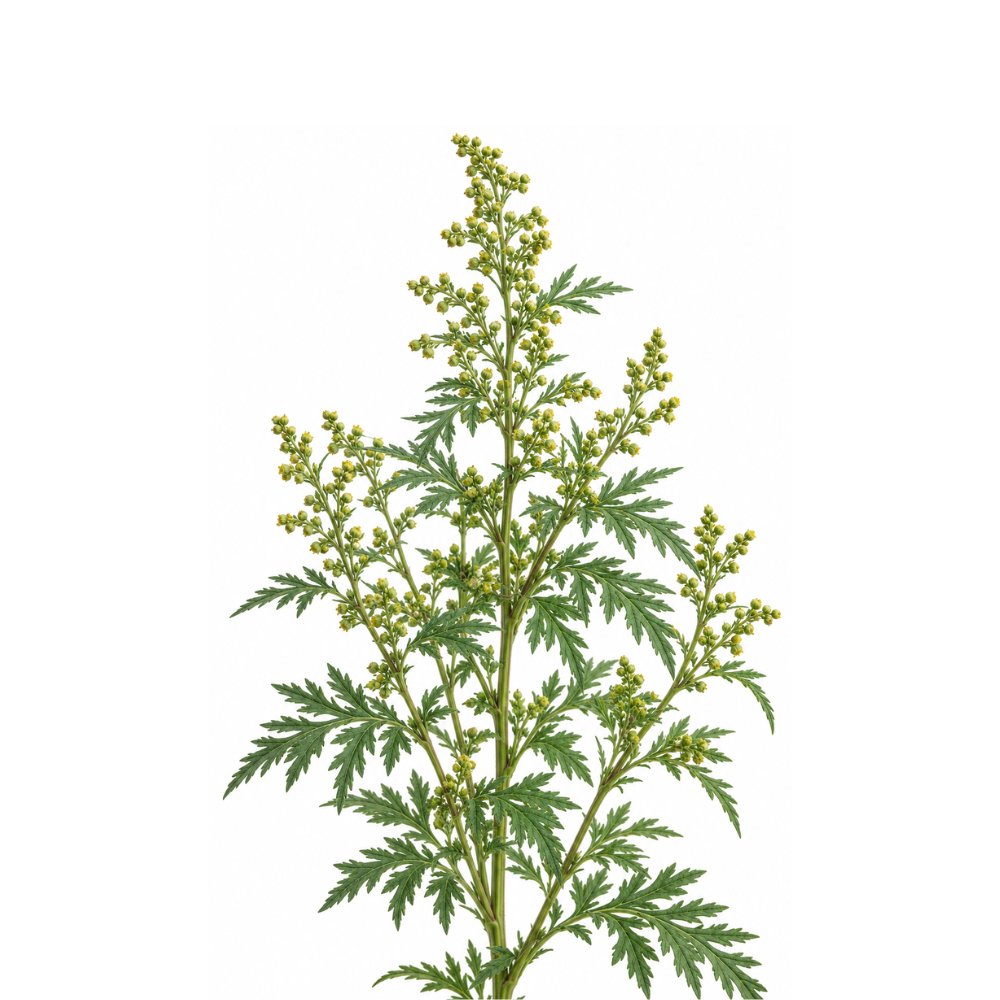
Dihydroartemisinic acid is the immediate biosynthetic precursor of artemisinin in sweet wormwood, converted to it by non-enzymatic photo-oxidation in the leaf. It is not the same thing as the antimalarial drug dihydroartemisinin.

Sources · 1
Where Does It Come From?
Dihydroartemisinic Acid is a naturally occurring sesquiterpene acid (amorphane), found in Sweet wormwood. Its toxicity is not yet characterized.
Concentration
Content by Source
Concentrations not reported. No percent-dry-weight or mg/g figures have been published for this compound in its source plants.
Research & Evidence
First, a disambiguation that matters. Dihydroartemisinic acid is a plant precursor. Dihydroartemisinin is a pharmaceutical — the active metabolite of artesunate and artemether and a first-line antimalarial in its own right. The names are one syllable apart and describe completely different things: one is a sesquiterpene acid inside a leaf, the other an endoperoxide drug in an ACT tablet. They are routinely conflated in supplement marketing.
Dihydroartemisinic acid is the last intermediate on the route to artemisinin. The plant reduces artemisinic acid to it, and the final step — the installation of the endoperoxide bridge that makes artemisinin what it is — is a non-enzymatic photo-oxidation occurring in the glandular trichomes rather than a reaction the plant catalyses. That is an unusual arrangement, and it explains why A. annua artemisinin yields respond to light, drying and post-harvest handling as much as to genetics: a stored pool of this precursor can continue converting after the leaf is cut.
It is best read here as a yield and processing marker rather than an active constituent. Like its own precursor, it has no endoperoxide bridge and therefore none of artemisinin’s mechanism.
Toxicity & Safety
No isolated-compound toxicity data were located; it has no therapeutic use as an isolate.



