
Subclass of Terpenoids
Sesquiterpenes
Fifteen-carbon terpenes giving woody, spicy essential-oil notes; often anti-inflammatory and antimicrobial.
Overview
About Sesquiterpenes
Sesquiterpenes are the fifteen-carbon terpenes, assembled from three isoprene units. The extra unit over a monoterpene makes them heavier, less volatile and more structurally varied — this is the most skeletally diverse terpene class known, with hundreds of distinct carbon frameworks described.
In an essential oil they are the base notes: the woody, spicy, balsamic depth that lingers after the bright top notes have flashed off. They also tend to be the anti-inflammatory fraction.
Where Sesquiterpenes Occur
They are widespread, but concentrate in resins, woods, roots and the oleoresins of warm-climate plants:
Chamomile
chamazulene and bisabolol
Ginger and turmeric (Zingiberaceae)
zingiberene, the turmerones
Myrrh and frankincense resins
furanoeudesmanes, curzerene
Valerian root
valerenic acid and the valeranones
Patchouli, vetiver, sandalwood
the classic heavy perfume woods
Cannabis and hops
beta-caryophyllene, humulene
Pharmacological Importance
Anti-inflammatory activity is the group's signature. Bisabolol and chamazulene account for much of chamomile's soothing reputation, and beta-caryophyllene is unusual among plant compounds in being a selective CB2 cannabinoid-receptor agonist — a dietary cannabinoid that carries no psychoactivity.
Beyond that, the class supplies antimicrobial and antifungal constituents, the bitter digestive principles of several roots, and — through the sesquiterpene lactones treated separately below — a good part of the daisy family's pharmacology.
Toxicity & Safety
Excluding the lactone-bearing subgroup, sesquiterpenes are generally well tolerated and several are cleared as food flavourings.
The usual essential-oil cautions apply — skin sensitization from neat application, and the wide gap between a herbal dose and a concentrated-oil dose. Individual members warrant their own reading rather than a blanket class judgement.
Constituents
All Sesquiterpenes
88 total#
2-Acetoxyfuranodiene 2-Methoxyfuranodiene 9-DeoxymuzigadialA
Acetoxyvalerenic acid Acorone Allo-aromadendrene alpha-Bisabolene alpha-Bisabolol oxide A alpha-Bisabolol oxide B Alpha-Cadinol alpha-copaene Alpha-elemene alpha-Farnesene Alpha-guaiene Alpha-muurolene alpha-turmerone alpha-zingiberene ar-turmerone Aromadendrene Artemisinic acidB
Beta-bisabolene beta-Bourbonene beta-Elemene Beta-eudesmol Beta-gurjunene beta-humulene Beta-selinene beta-sesquiphellandrene Beta-transfarnesene beta-turmerone Bicyclogermacrene Bisabolol Bisabolol oxide BC
Calamene Calamenene Calamusin Caryophyllene Caryophyllene oxide Chamazulene Copaene Cubebene Curzerene CurzerenoneD
d-Cadinene Delta-Cadinene Dihydroartemisinic acidE
E-beta-farnesene Edulan I Edulan II Elixene epi-alpha-Cadinol EremophyllaneF
Farnesene Farnesol Furanoeudesma-1,3-dieneG
gamma-cadinene Gamma-eudesmol Gamma-muurolene Germacrene B Germacrene D Germacrone Globulol GuaiolH
HumuleneI
IsoshyobunoneL
Lindestrene Longifolene LupuleneM
MyrrhoneN
NerolidolO
OplopanoneP
PolygodialS
Sesquiterpene derivatives Sesquiterpene ketones Shyobunone SpathulenolT
Terbangelene trans-beta-Farnesene Turmerone Tussilagone TussilagononeV
Valencene Valeranone Valerenic acid ValerenolZ
Zingiberene Zingiberol Zingiberol AcetateNo sesquiterpenes match.
Source Plants
Herbs Containing Sesquiterpenes
63 herbsPlants in the materia medica documented to carry sesquiterpenes, with the compounds each one is listed for. The bar counts how many DISTINCT sesquiterpenes are on record for a plant, relative to the best-documented — it measures breadth of record, not potency, so a plant with one well-studied compound can outrank a richer source that has simply been analysed less. Where a measured concentration is on record it is quoted inline; most entries have none yet.
 Muira Puama Ptychopetalum olacoides Documented for allo-aromadendrene, alpha-copaene, alpha-elemene and 11 more sesquiterpenes.
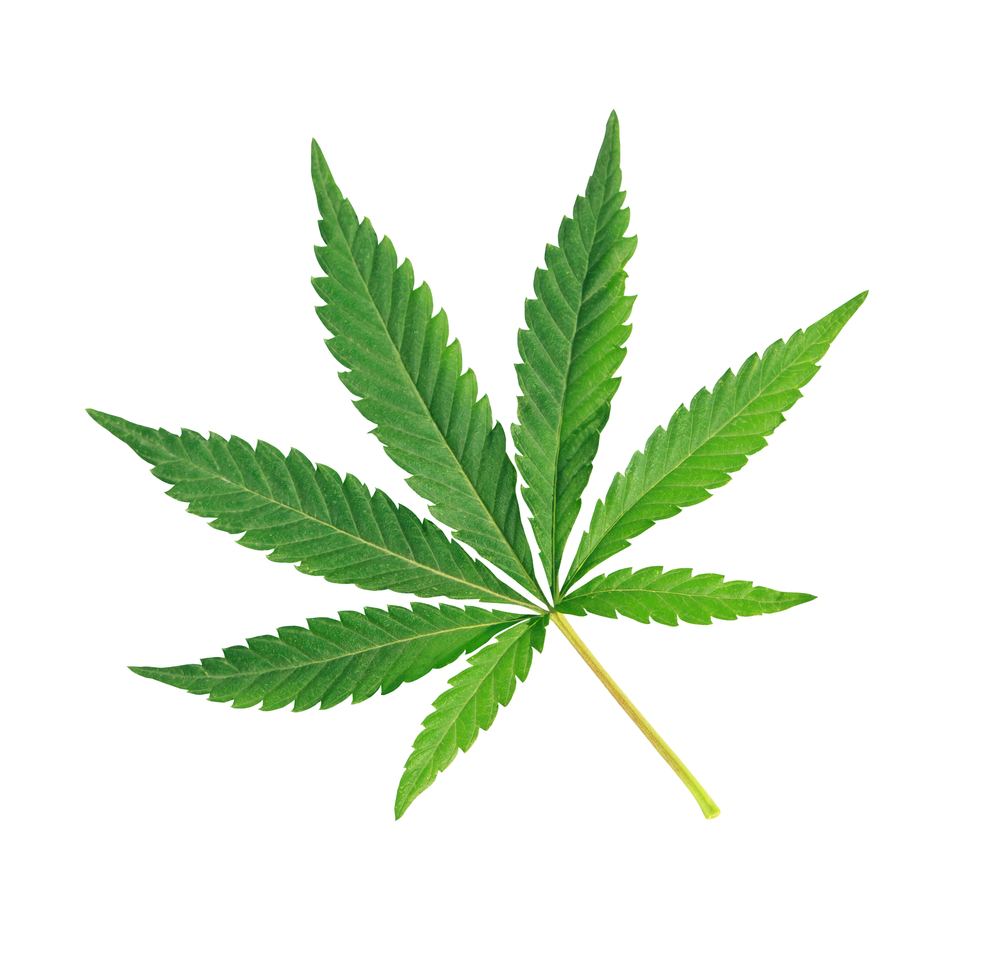 Cannabis Cannabis sativa Documented for bisabolol, caryophyllene, caryophyllene oxide and 5 more sesquiterpenes.
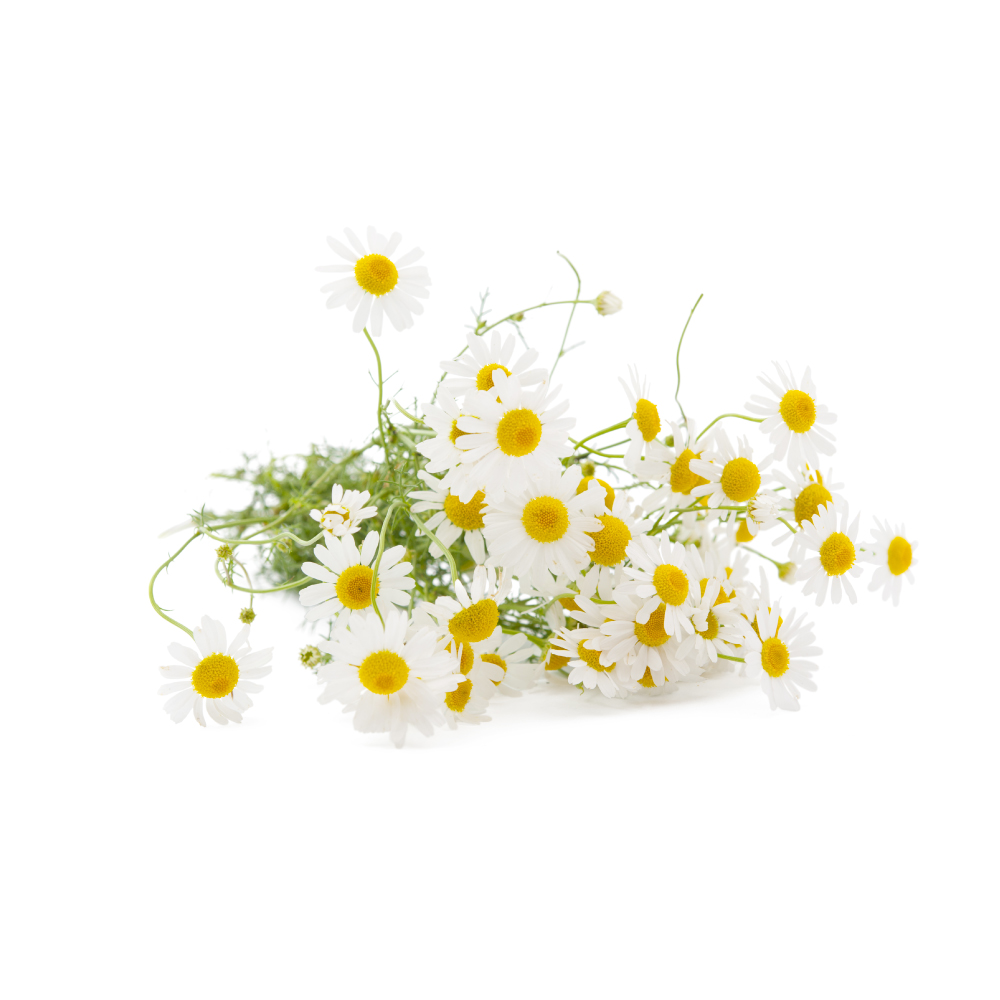 German Chamomile Matricaria chamomilla Documented for alpha-bisabolol oxide A, alpha-bisabolol oxide B, alpha-farnesene and 5 more sesquiterpenes.
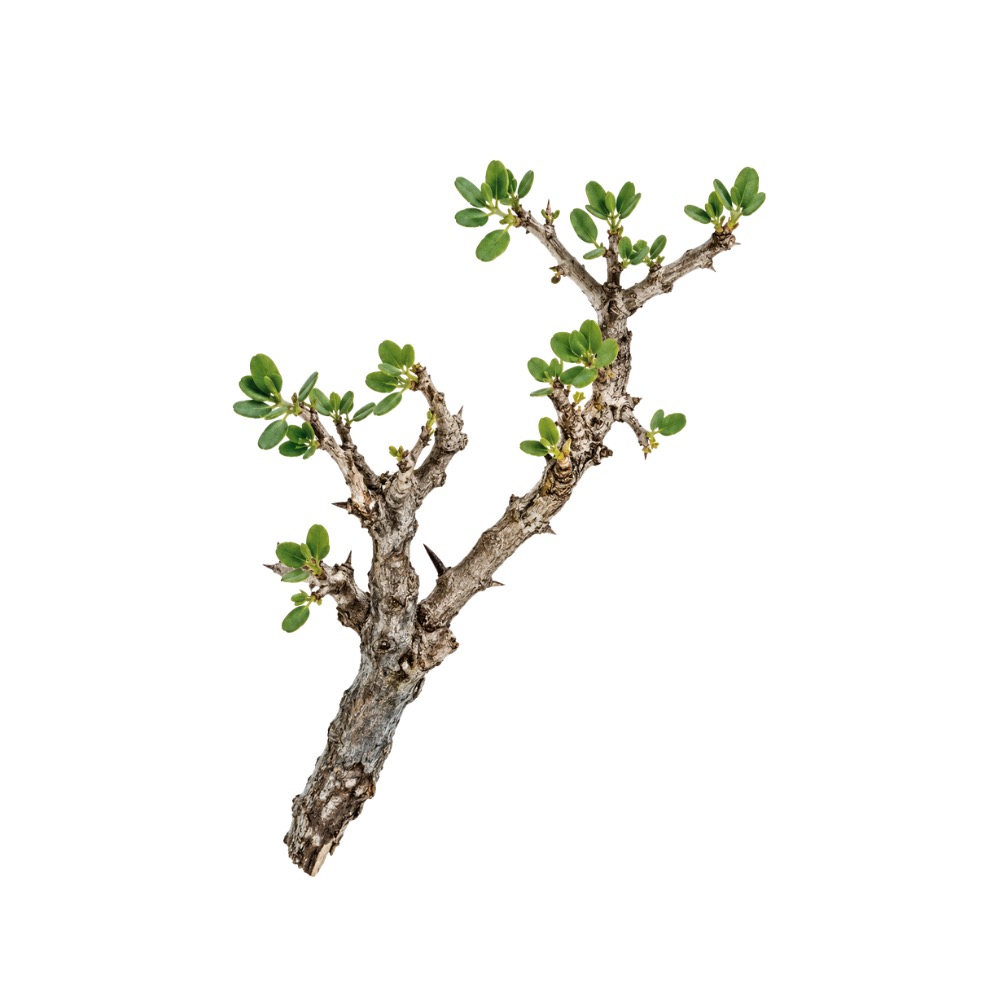 Myrrh Commiphora myrrha Documented for 2-acetoxyfuranodiene, 2-methoxyfuranodiene, curzerene and 5 more sesquiterpenes.
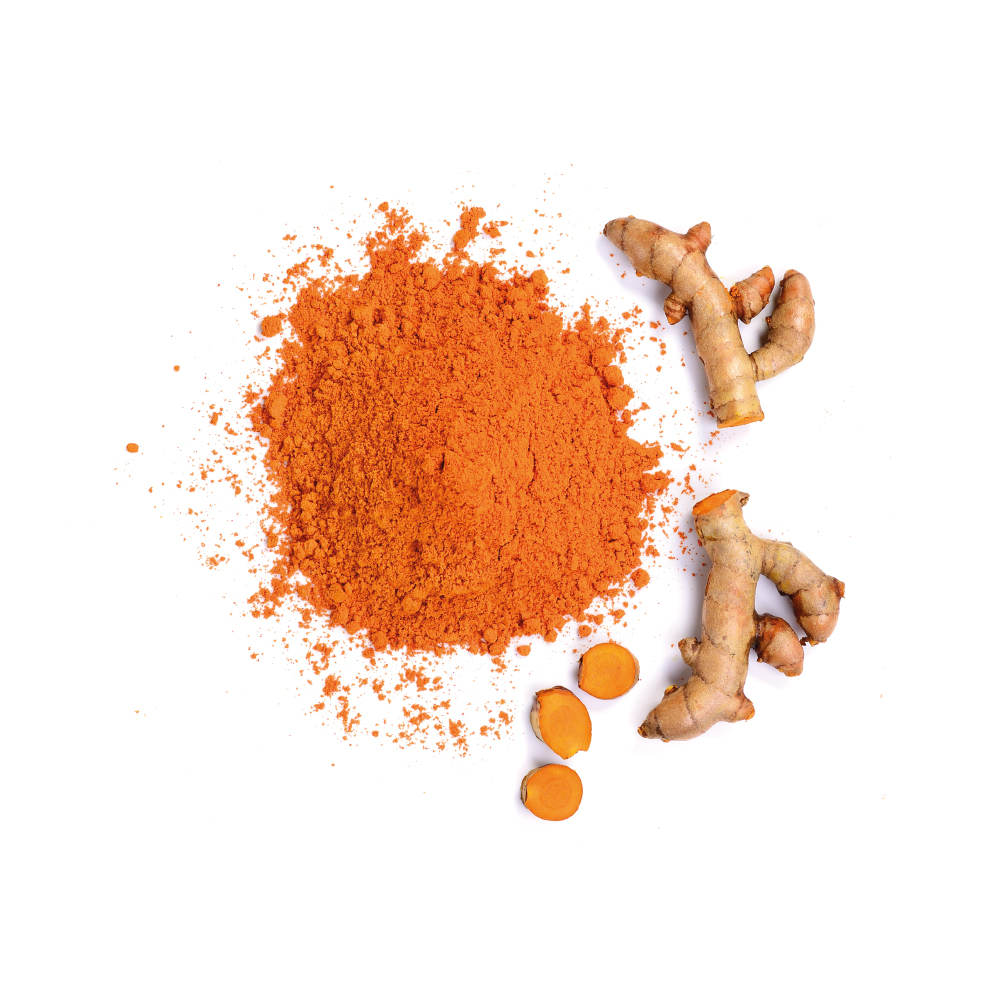 Turmeric Curcuma longa Documented for beta-turmerone (14.7–18.4 % of oil), alpha-turmerone, alpha-zingiberene and 5 more sesquiterpenes.
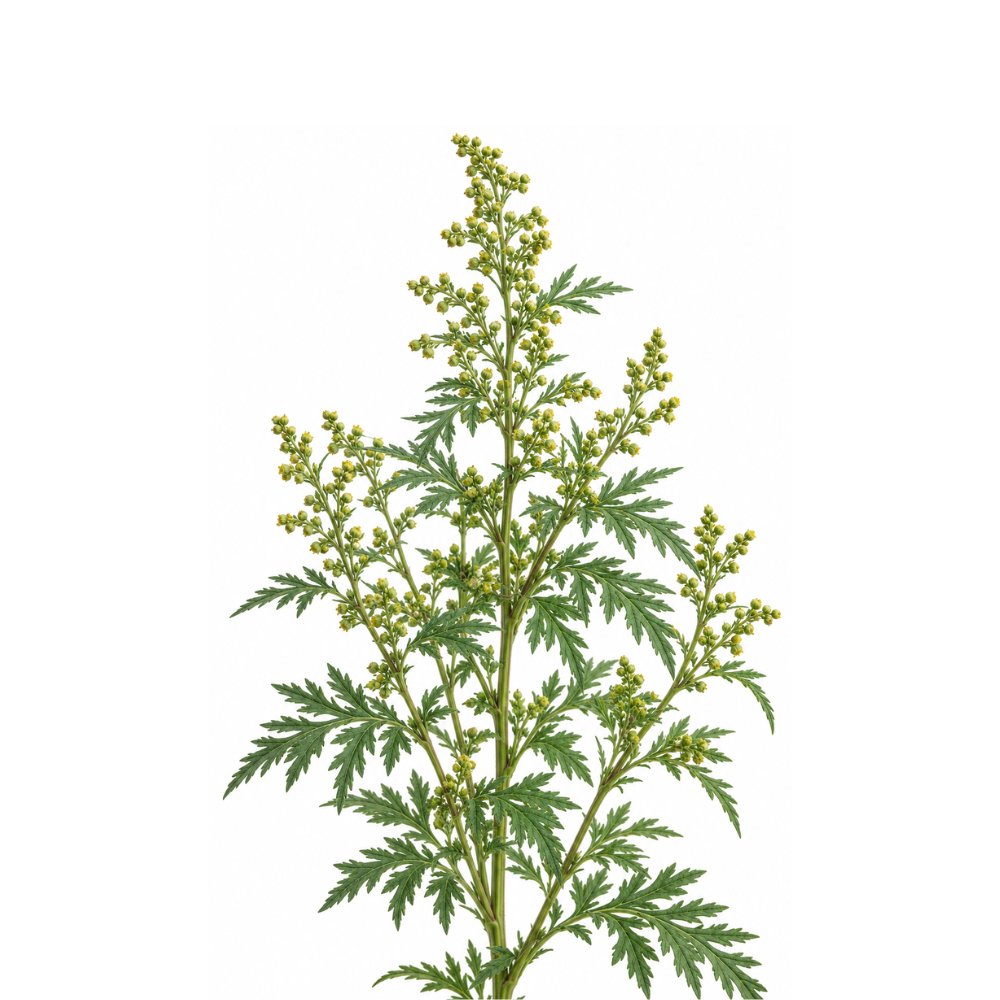 Sweet Wormwood Artemisia annua Documented for artemisinic acid, beta-selinene, caryophyllene and 3 more sesquiterpenes.
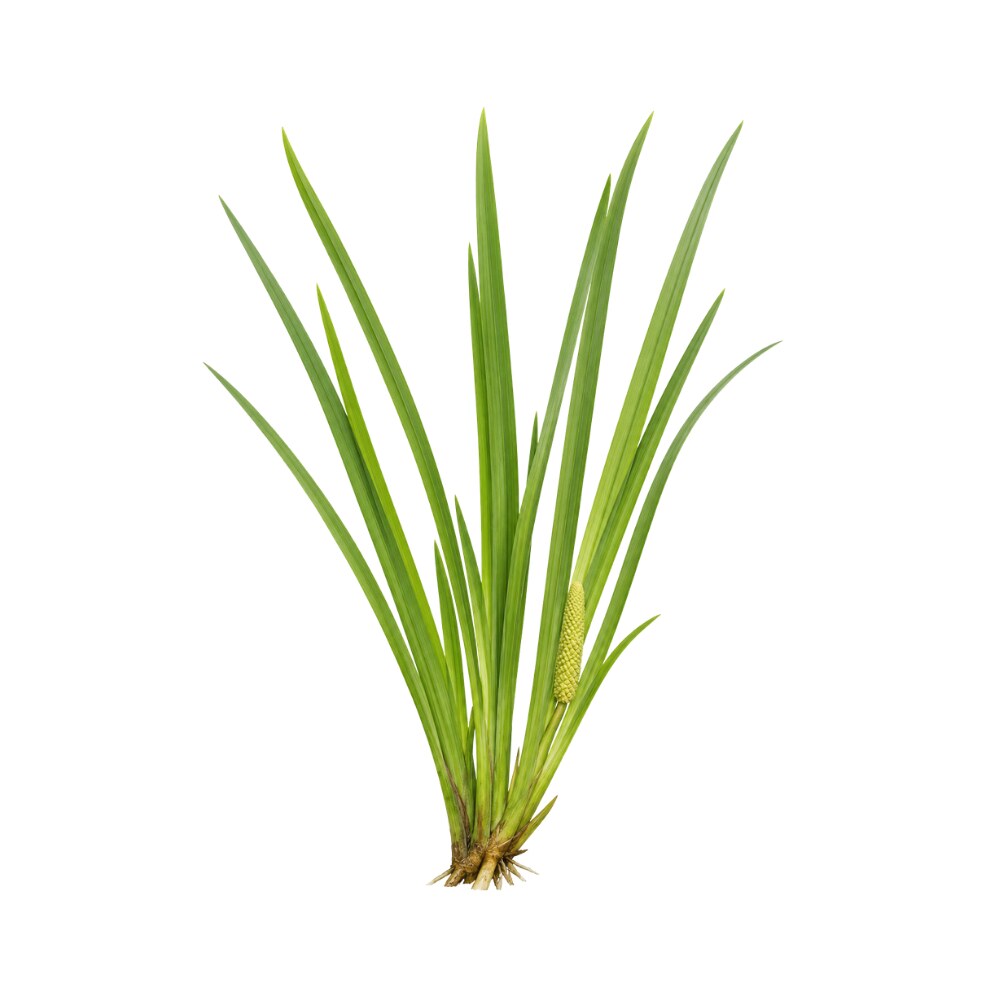 Calamus Acorus calamus Documented for acorone, beta-gurjunene, calamusin and 2 more sesquiterpenes.
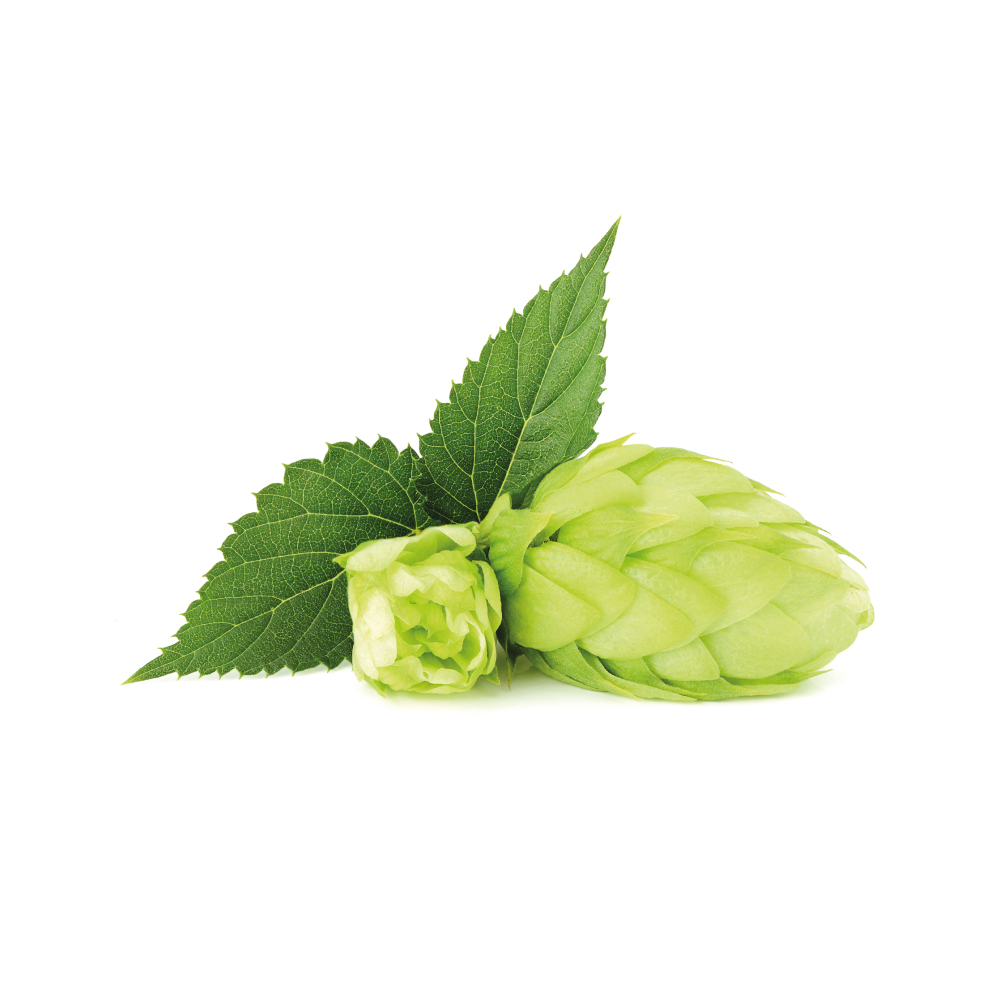 Hops Humulus lupulus Documented for caryophyllene, caryophyllene oxide, farnesene and 2 more sesquiterpenes.
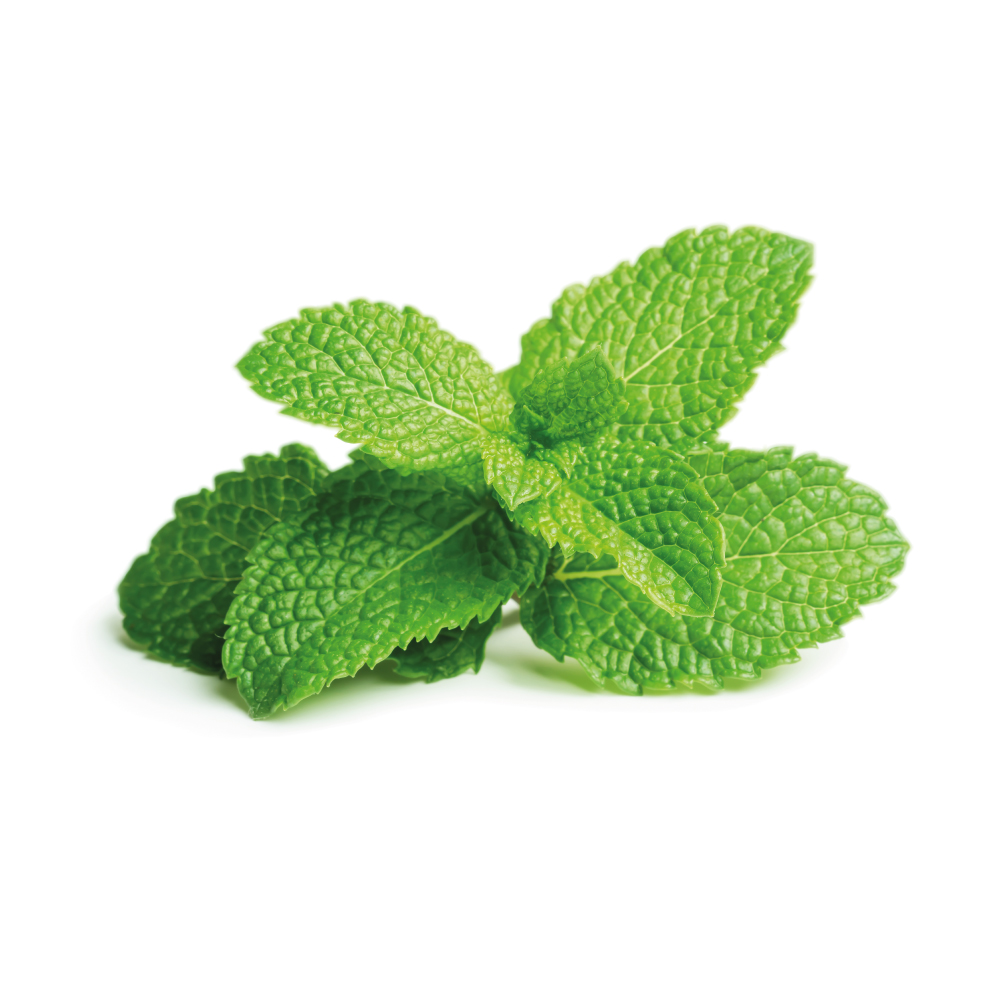 Peppermint Mentha × piperita Documented for beta-bourbonene, bicyclogermacrene, caryophyllene and 2 more sesquiterpenes.
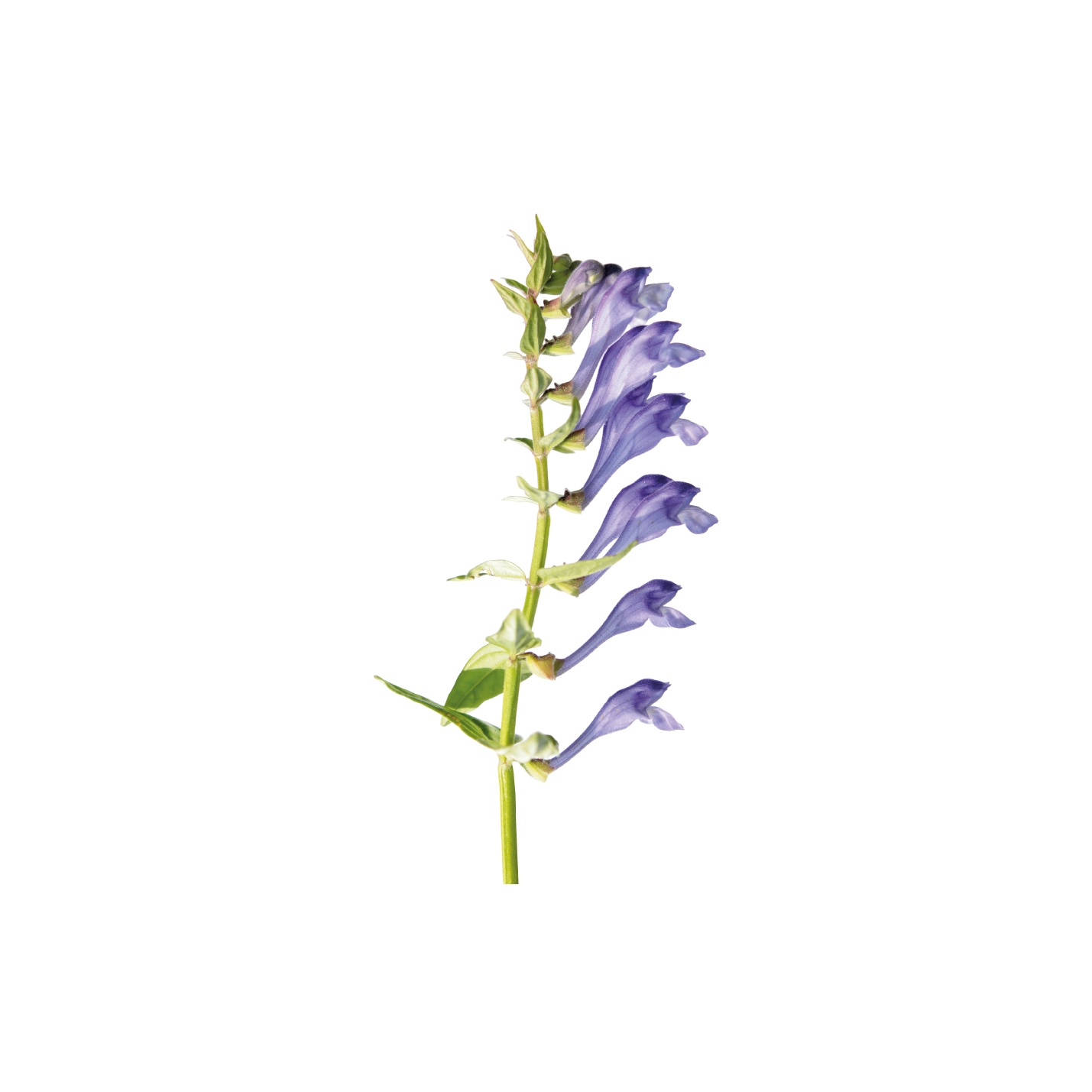 Chinese Skullcap Scutellaria baicalensis Documented for beta-humulene, caryophyllene, d-cadinene and 1 more.
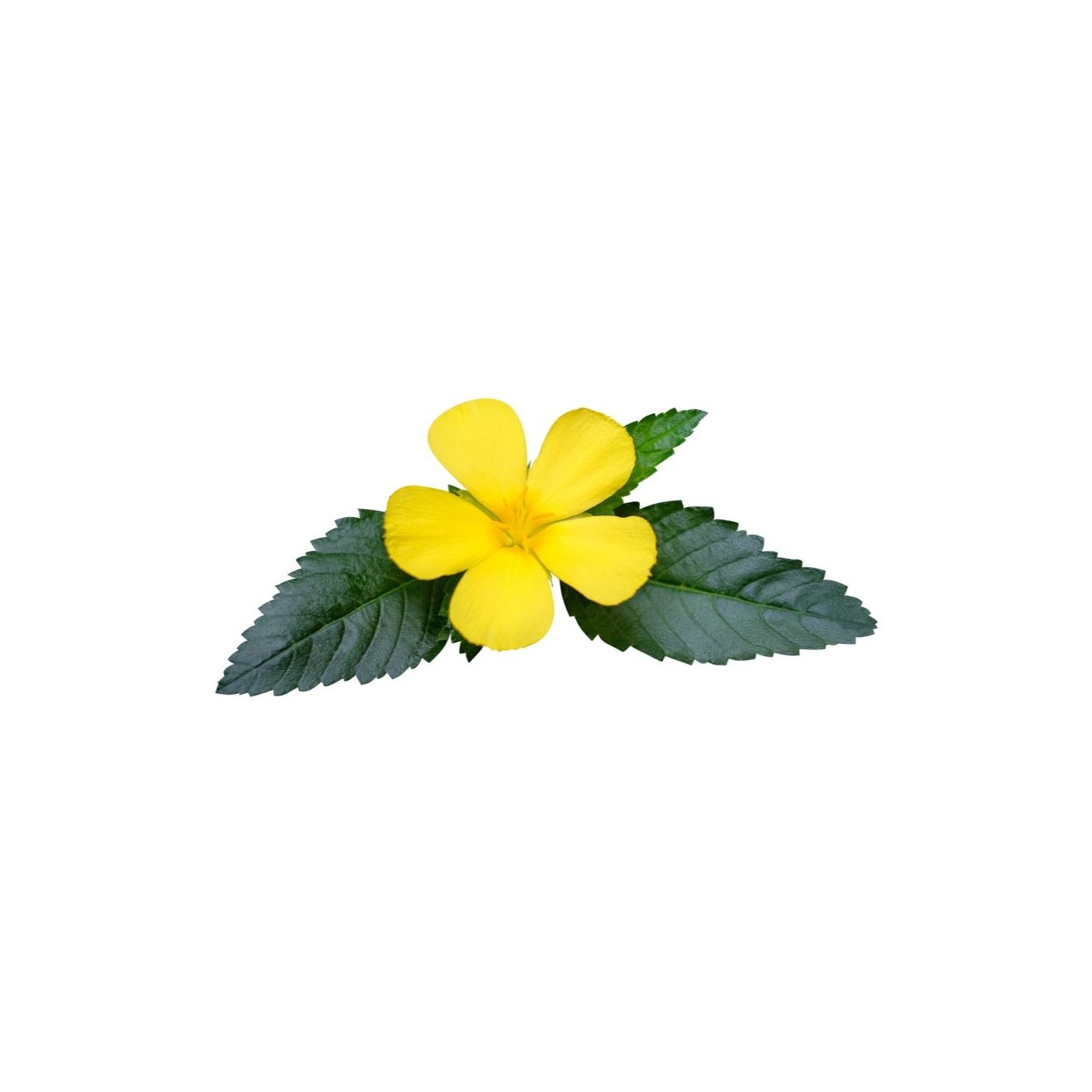 Damiana Turnera diffusa Documented for alpha-copaene, calamene, eremophyllane and 1 more.
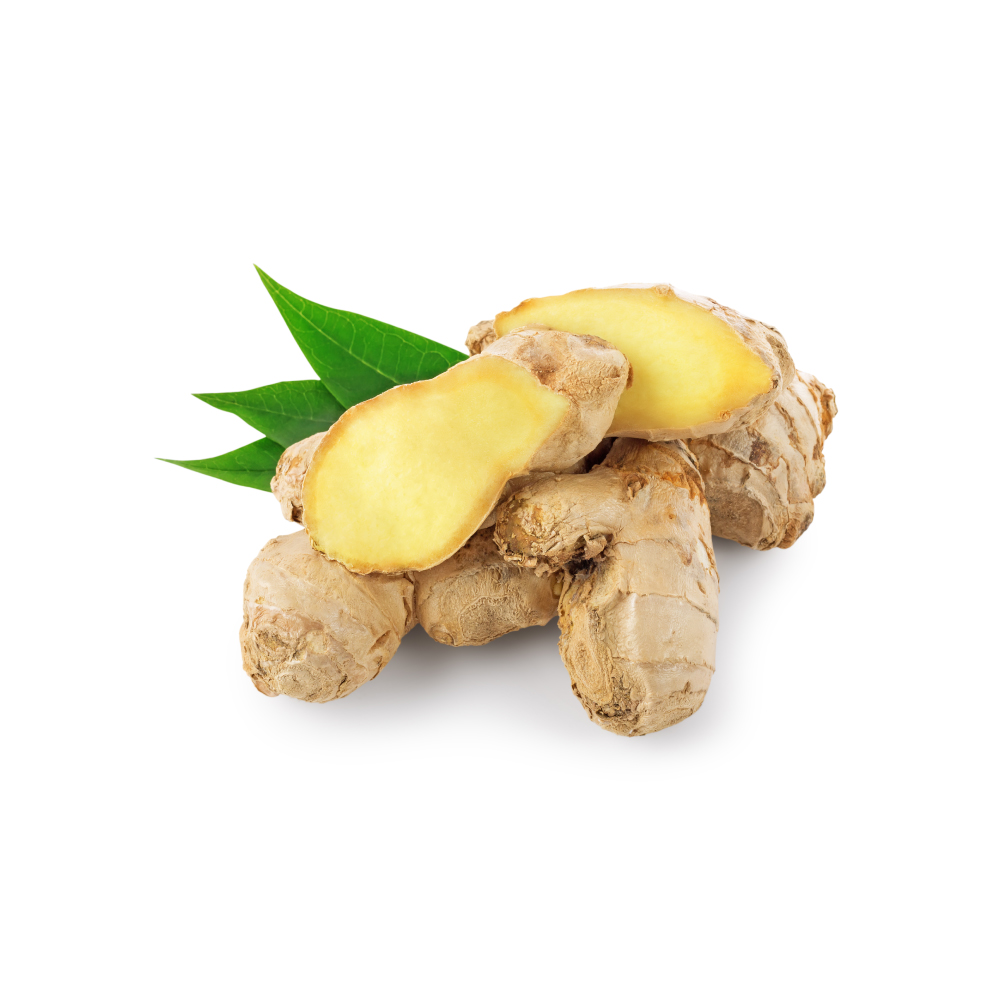 Ginger Zingiber officinale Documented for nerolidol, zingiberene, zingiberol and 1 more.
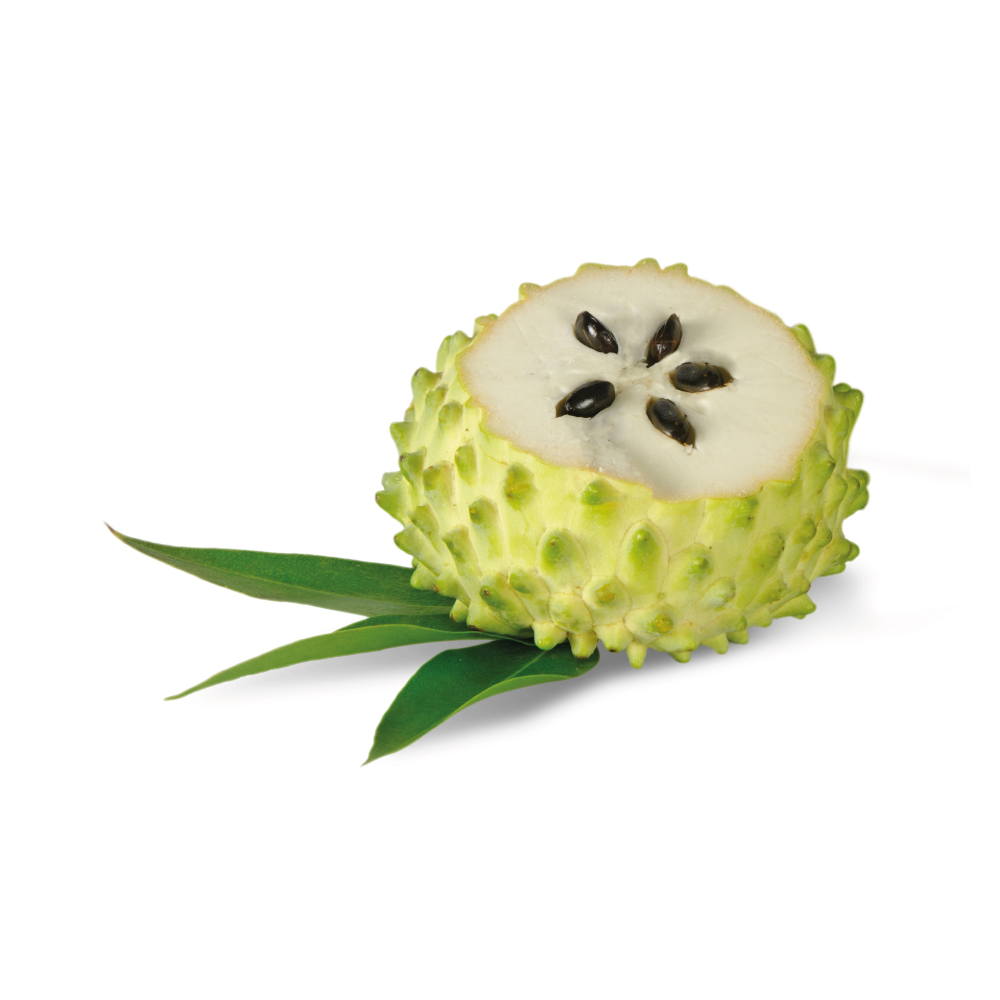 Graviola Annona muricata Toxic Documented for alpha-cadinol, caryophyllene, delta-cadinene and 1 more.
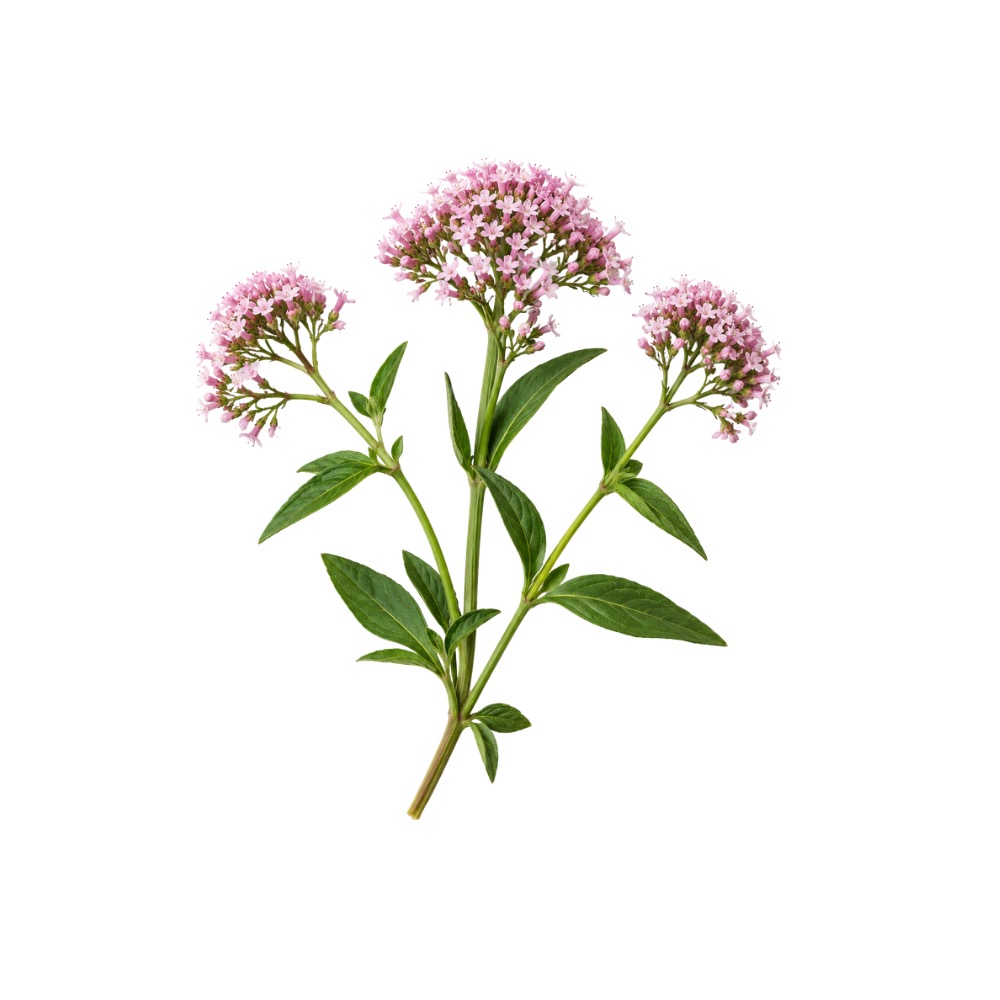 Valerian Valeriana officinalis Documented for acetoxyvalerenic acid (0.15–0.19 % dry wt), valerenic acid (0.3–1.23 % dry wt), valerenol (3.7–5.2 % of oil) and 1 more.
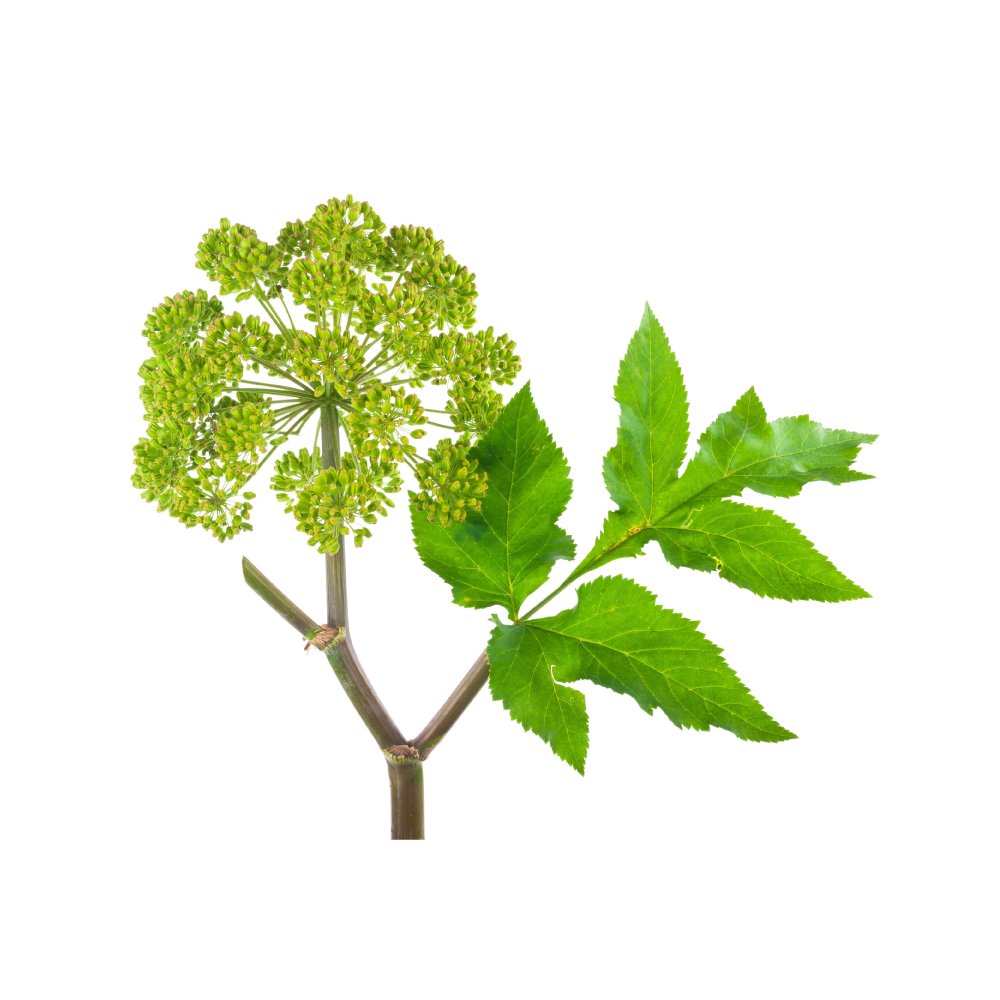 Angelica Angelica archangelica Documented for alpha-bisabolene, copaene, terbangelene.
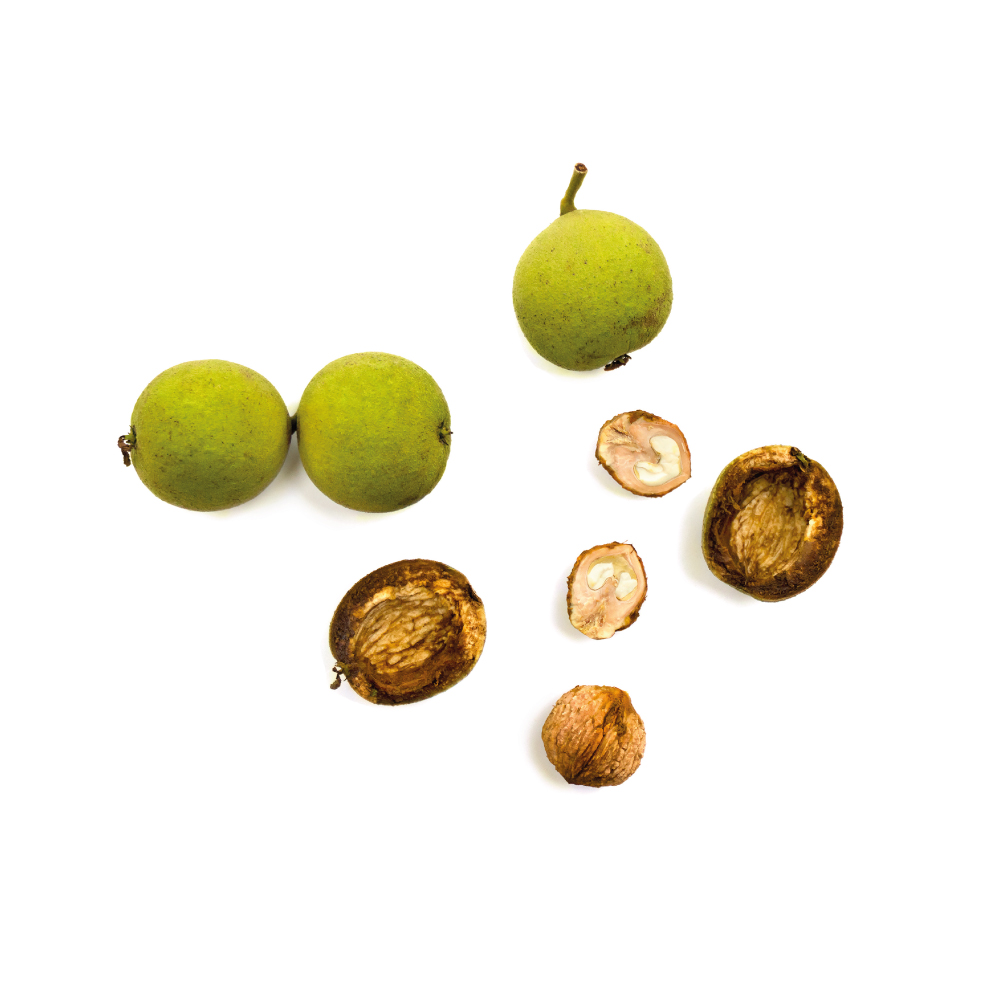 Black Walnut Juglans nigra Documented for caryophyllene, gamma-eudesmol, germacrene D.
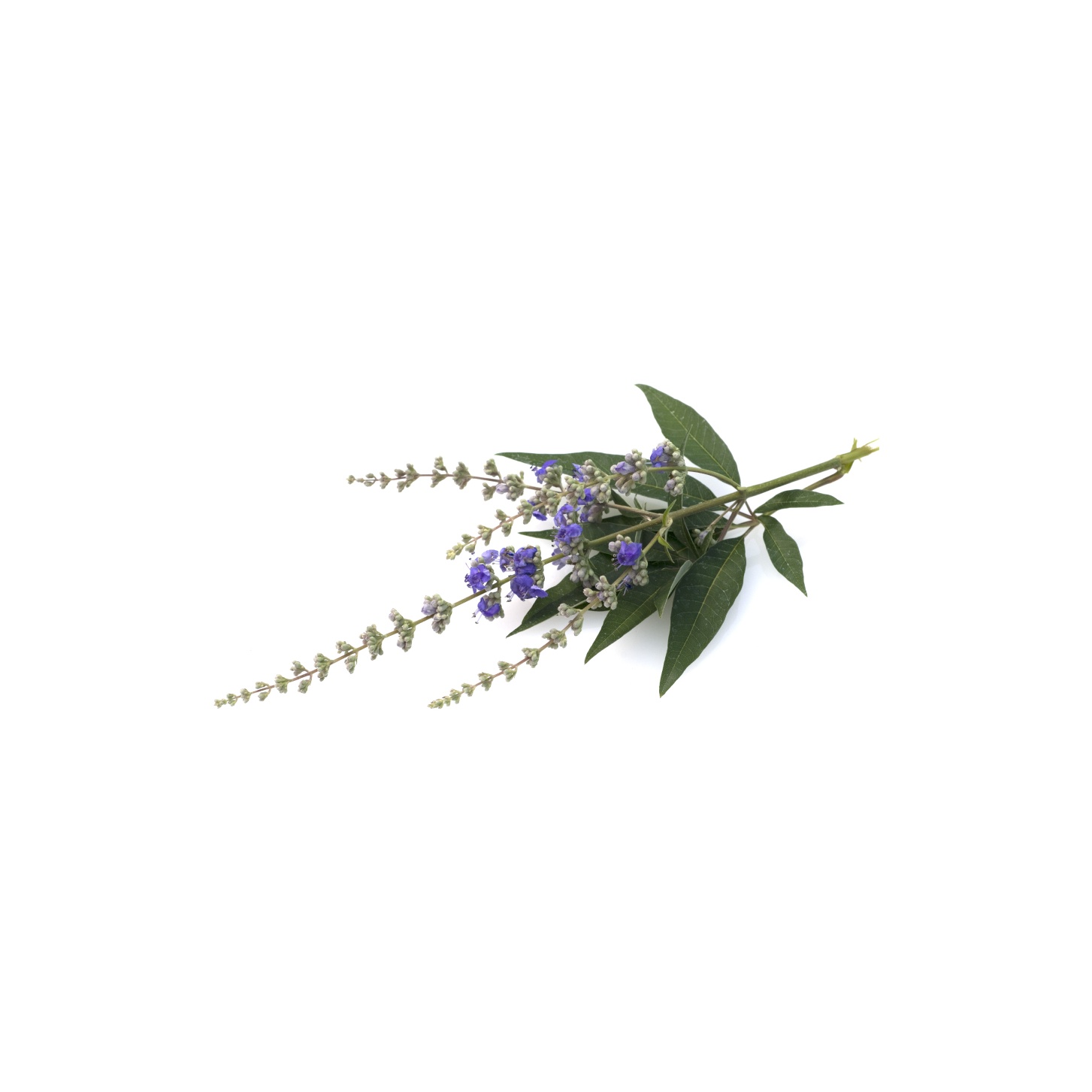 Chaste Tree Vitex agnus-castus Documented for caryophyllene, sesquiterpenes, trans-beta-farnesene.
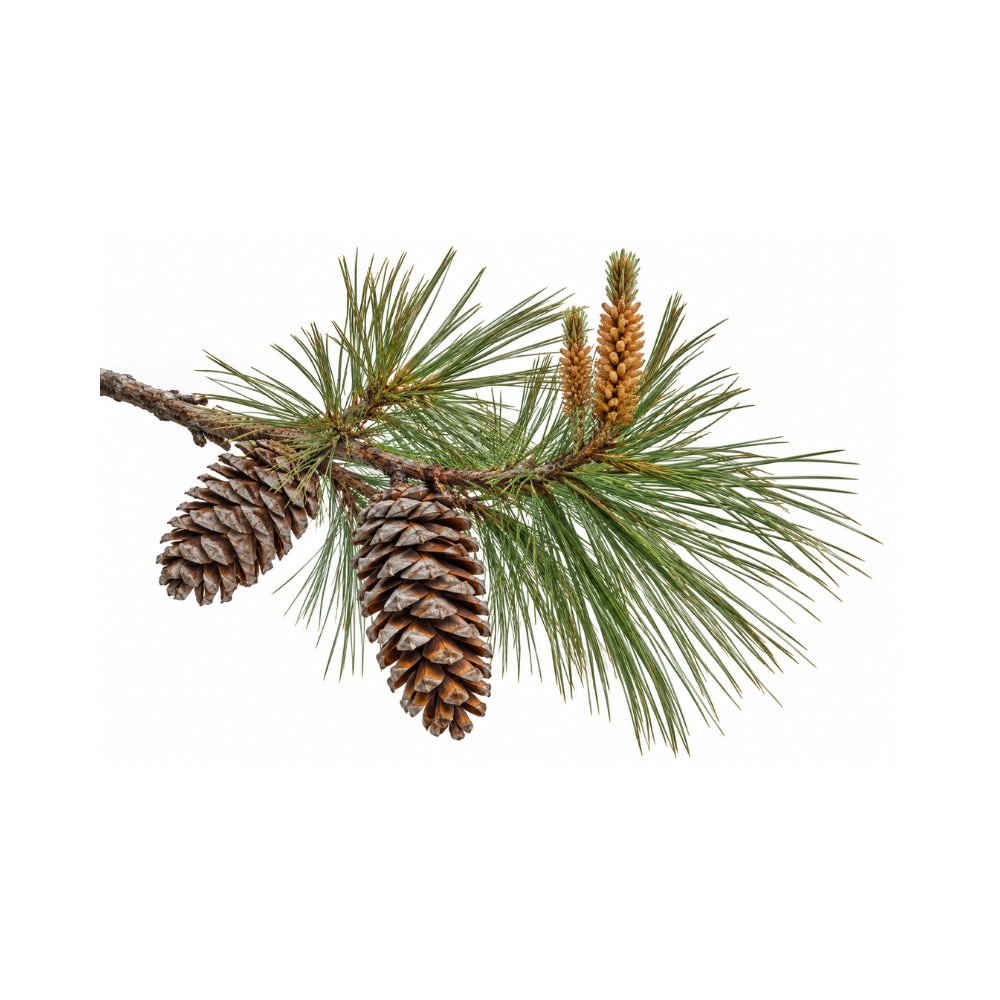 Chir Pine Pinus roxburghii Documented for caryophyllene, humulene, longifolene.
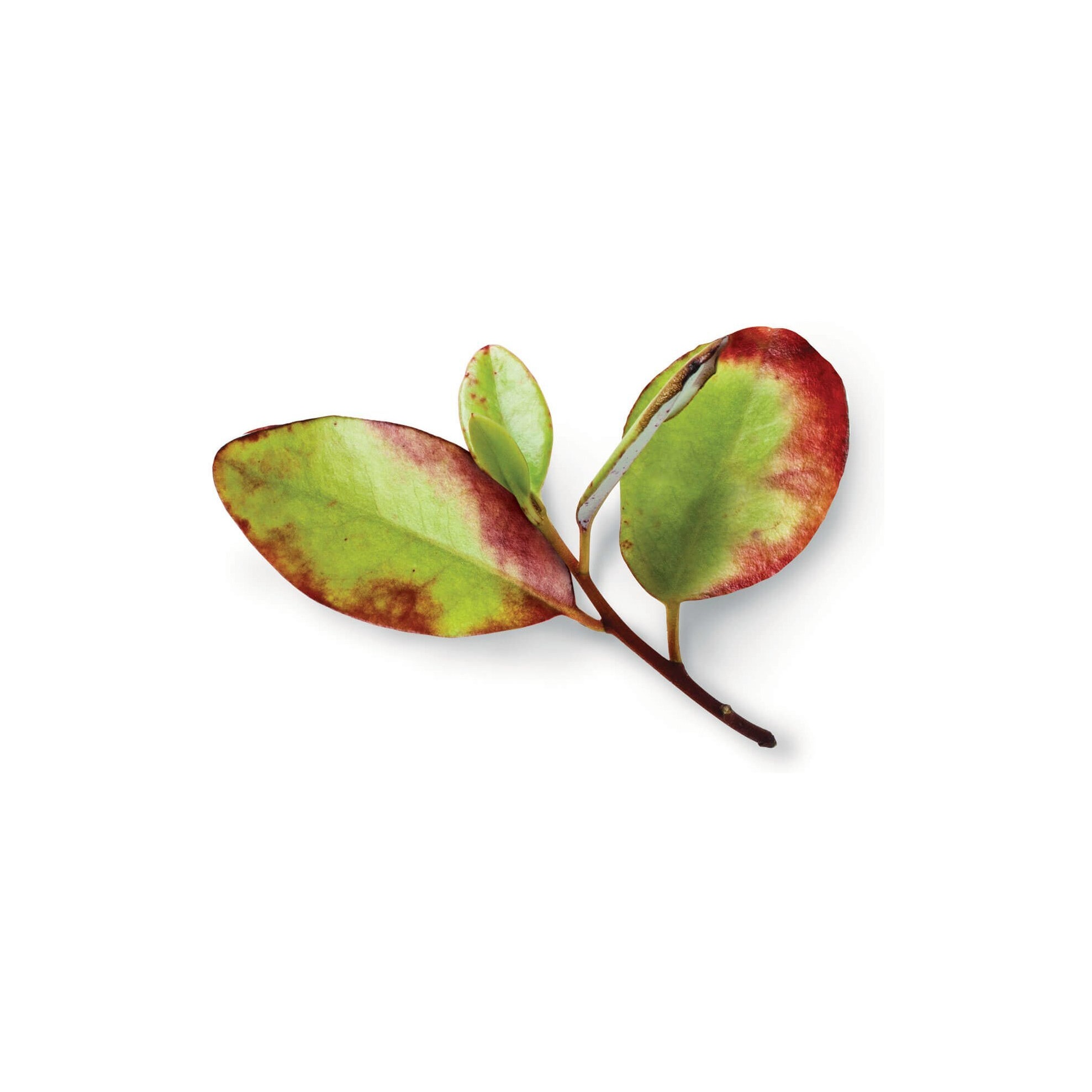 Horopito Pseudowintera colorata Documented for 9-deoxymuzigadial, polygodial, sesquiterpenes.
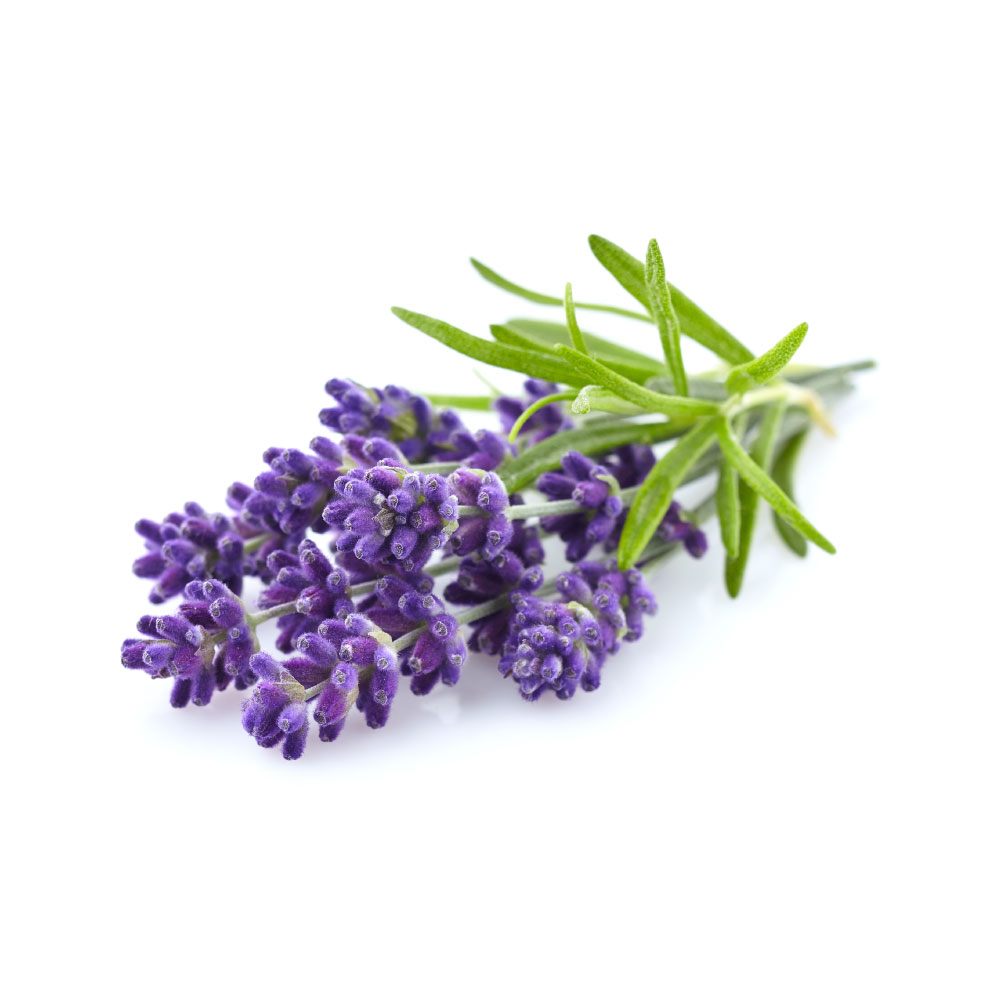 Lavender Lavandula angustifolia Documented for caryophyllene, caryophyllene oxide, nerolidol. Ylang Ylang Cananga odorata Documented for germacrene D (3–15 % of oil), alpha-farnesene, caryophyllene.
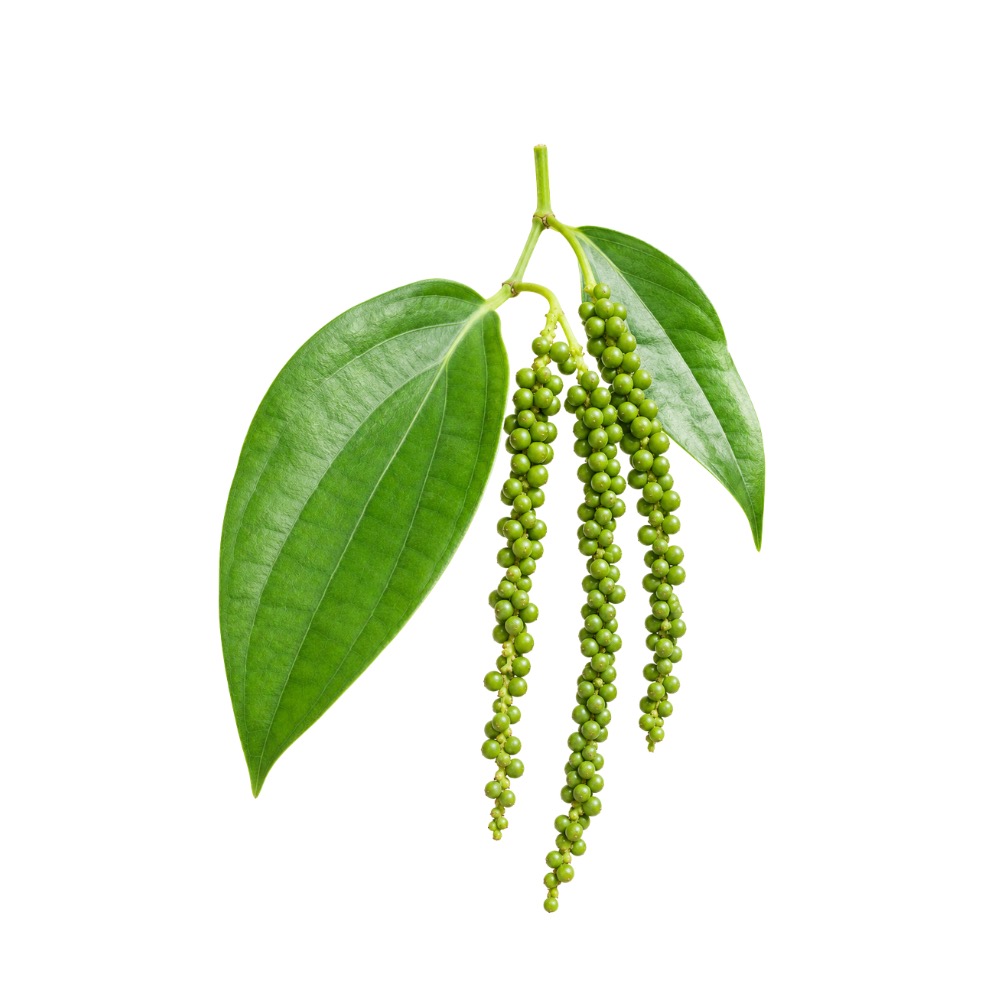 Black Pepper Piper nigrum Documented for caryophyllene, caryophyllene oxide.
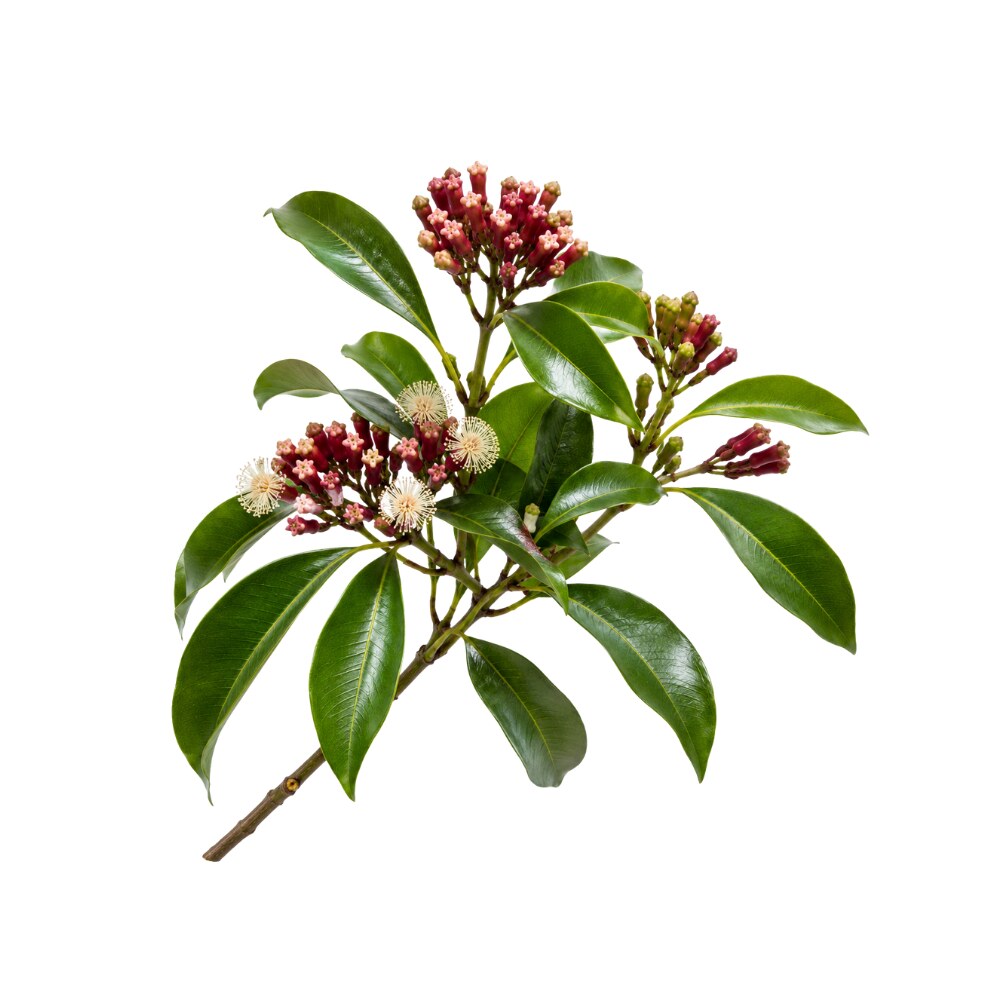 Clove Syzygium aromaticum Documented for caryophyllene, caryophyllene oxide.
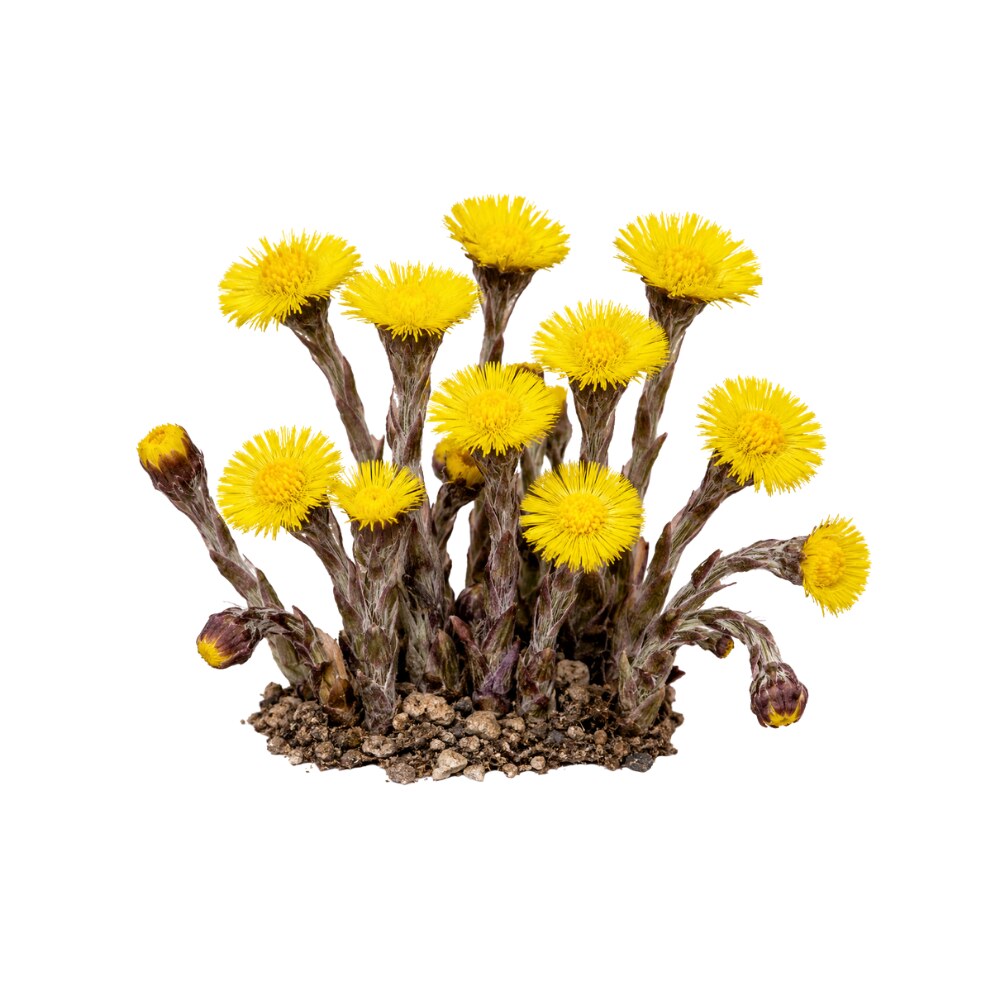 Coltsfoot Tussilago farfara Toxic Documented for tussilagone (0.07 % dry wt), tussilagonone.
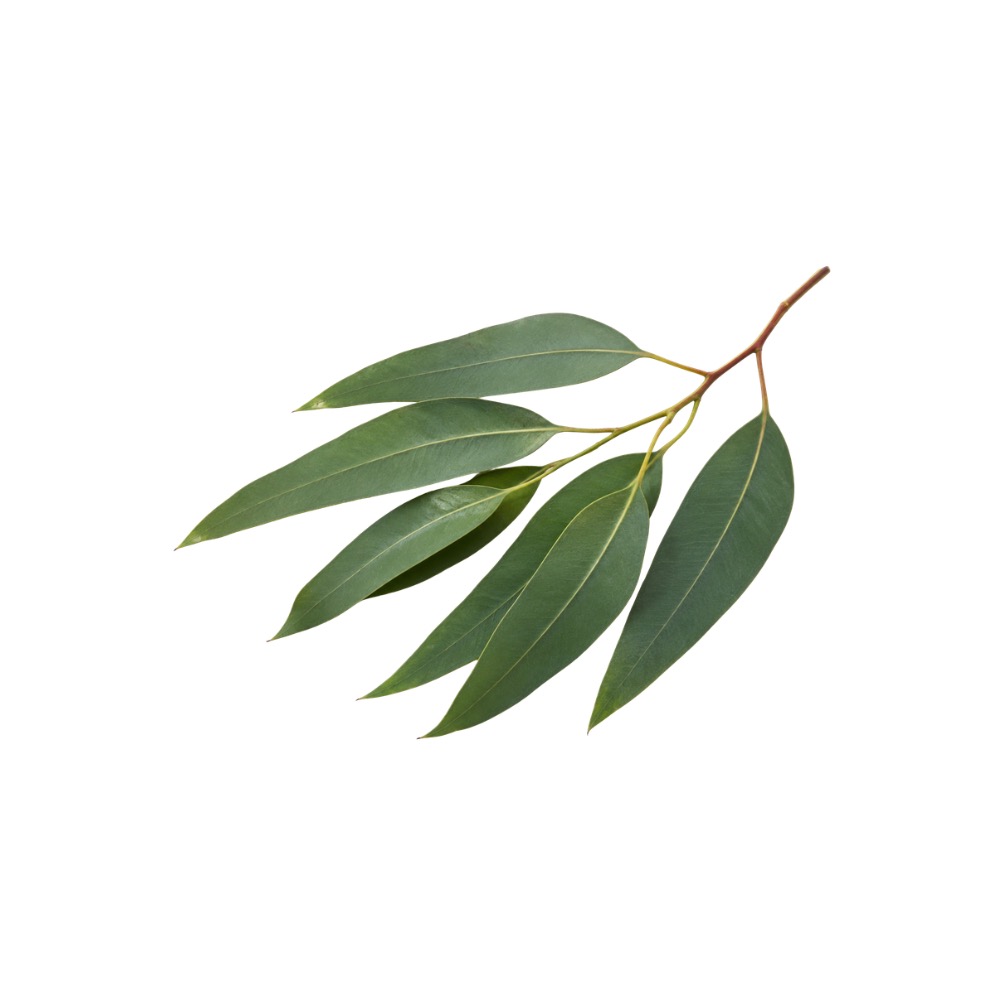 Eucalyptus Eucalyptus globulus Documented for aromadendrene, globulol.
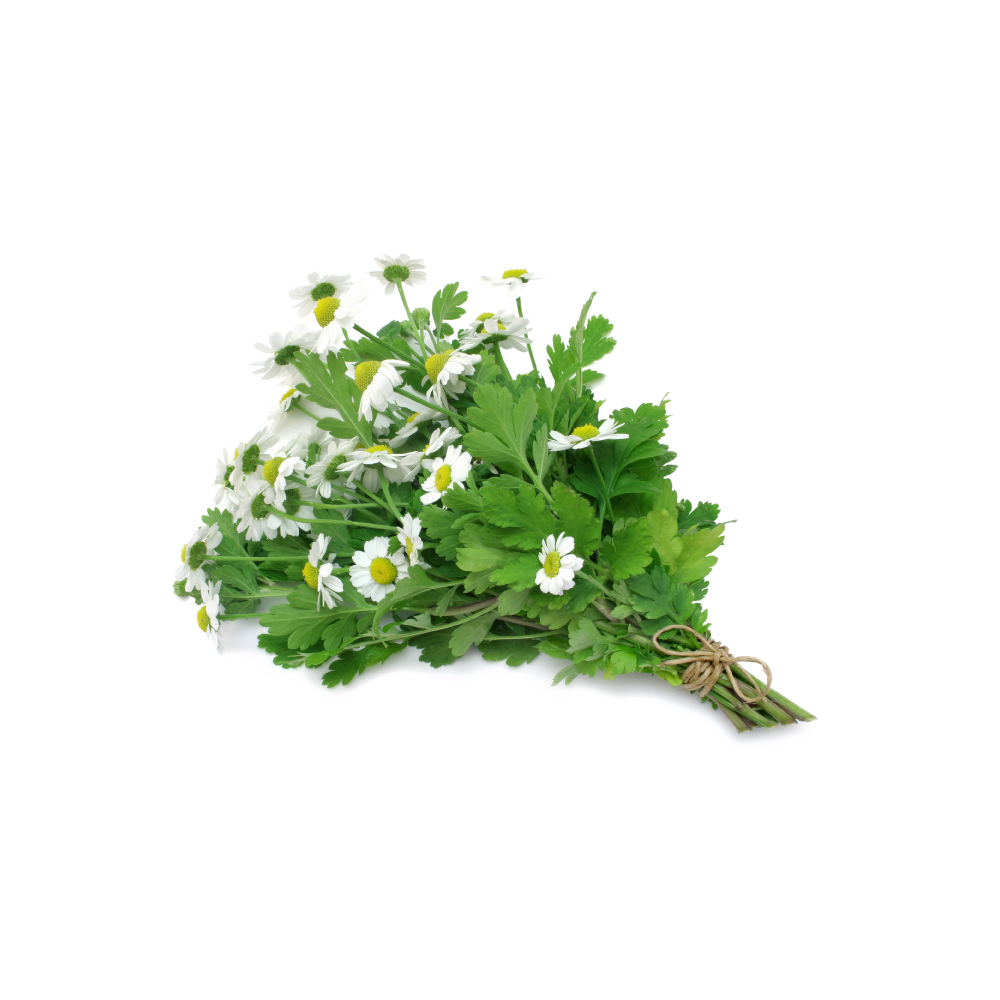 Feverfew Tanacetum parthenium Documented for caryophyllene oxide, sesquiterpenes.
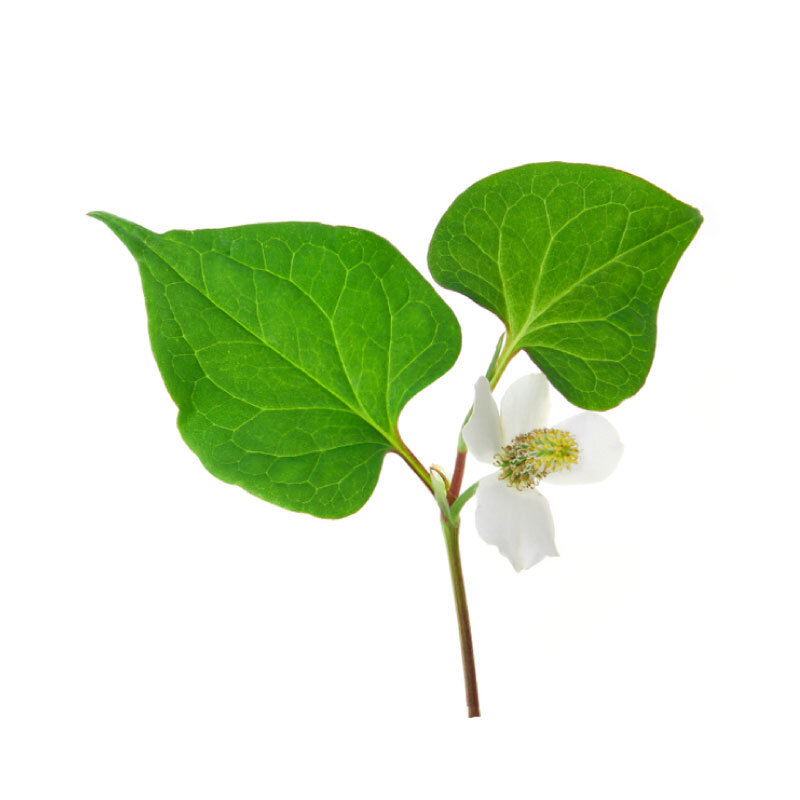 Fish Mint Houttuynia cordata Documented for caryophyllene, caryophyllene oxide.
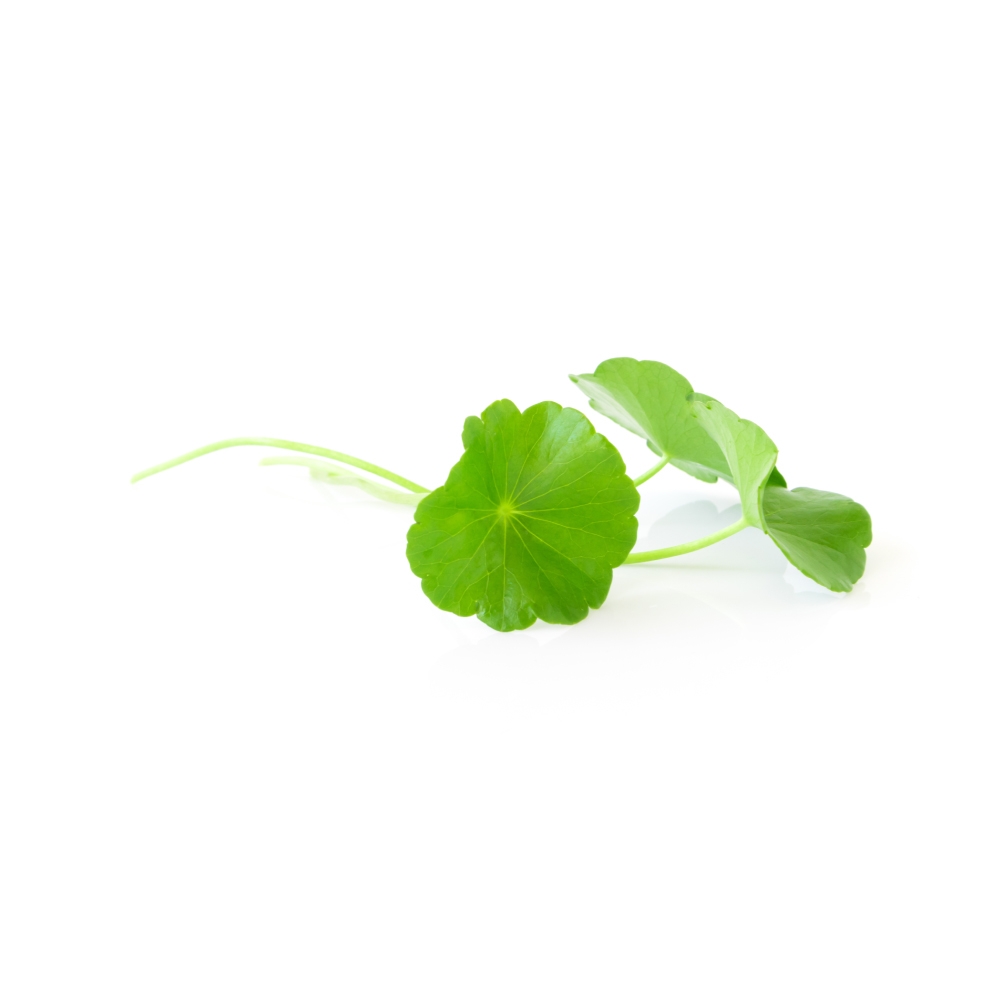 Gotu Kola Centella asiatica Documented for alpha-copaene, sesquiterpene derivatives.
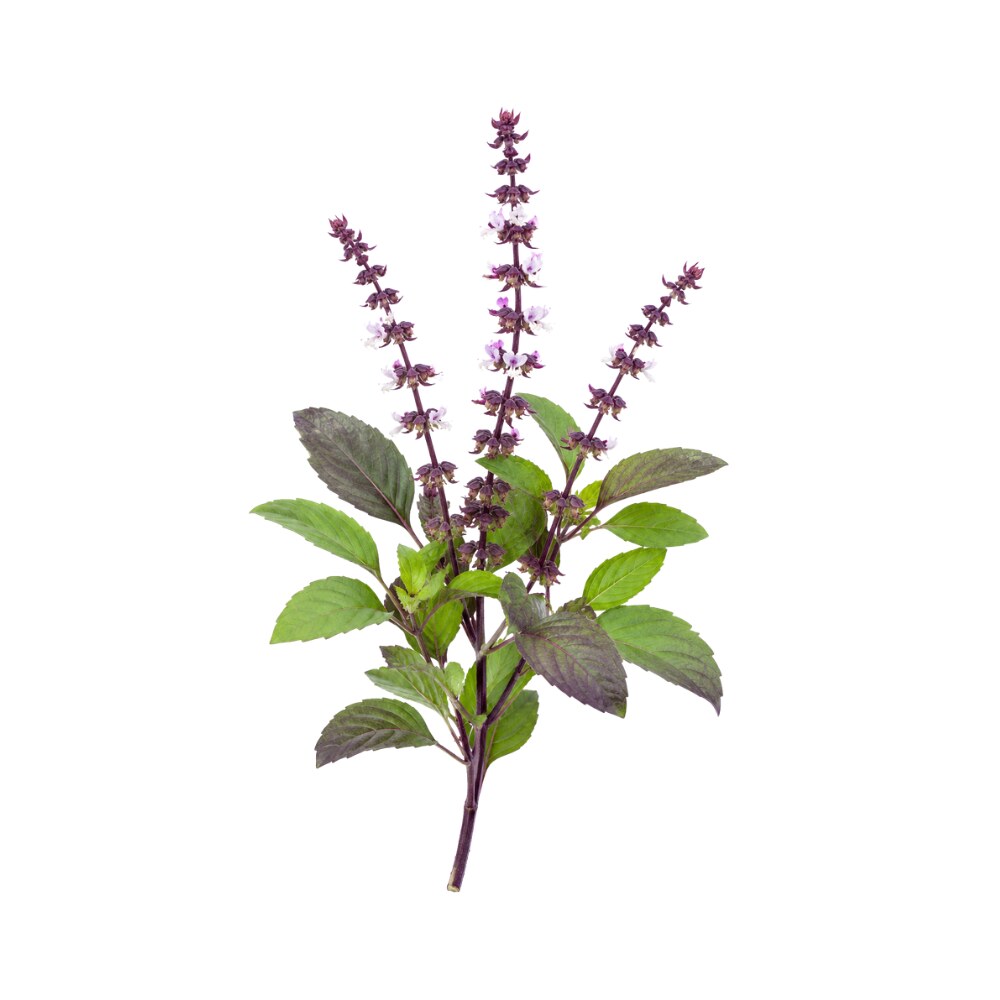 Holy Basil Ocimum tenuiflorum Documented for beta-elemene, caryophyllene.
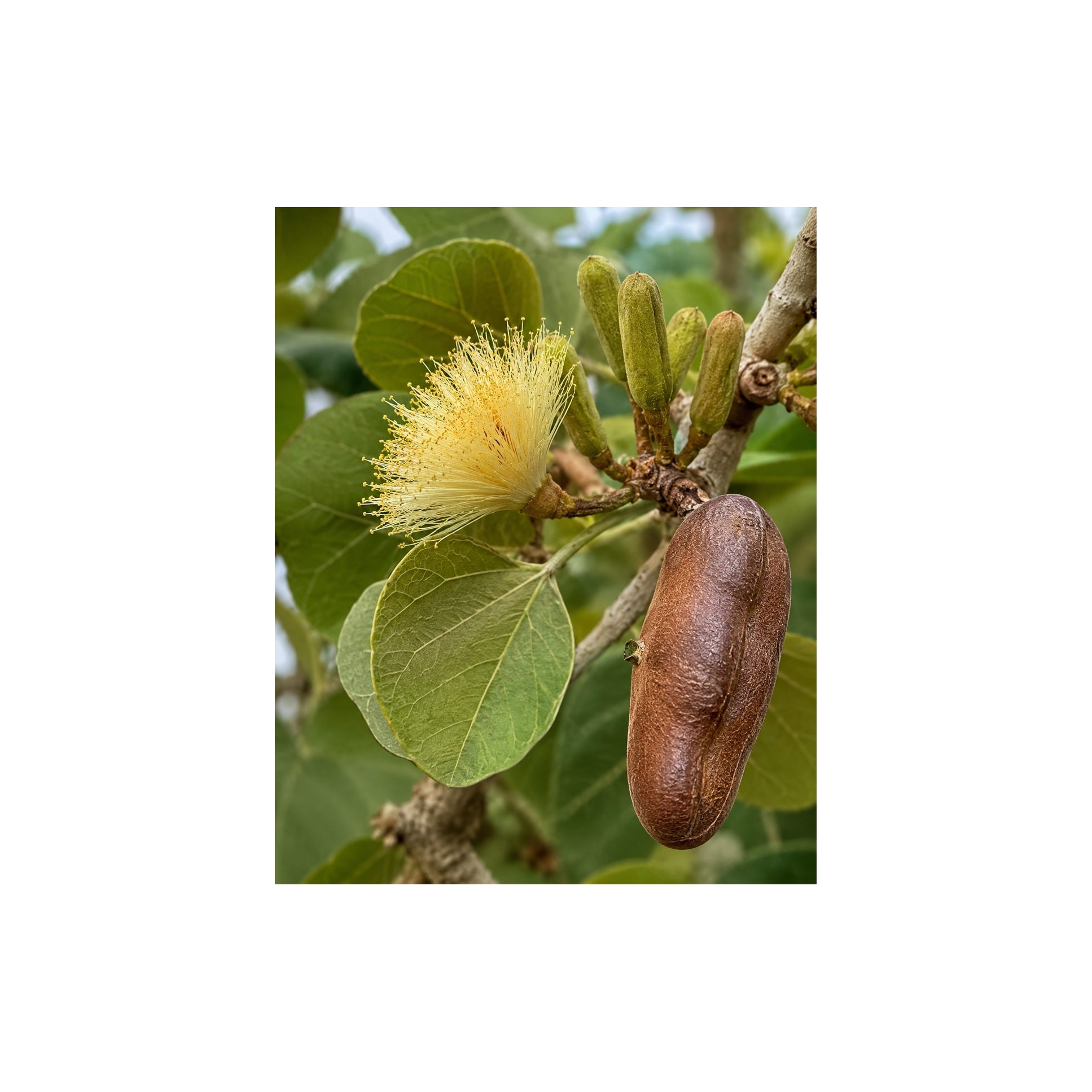 Jatobá Hymenaea courbaril Documented for caryophyllene, caryophyllene oxide.
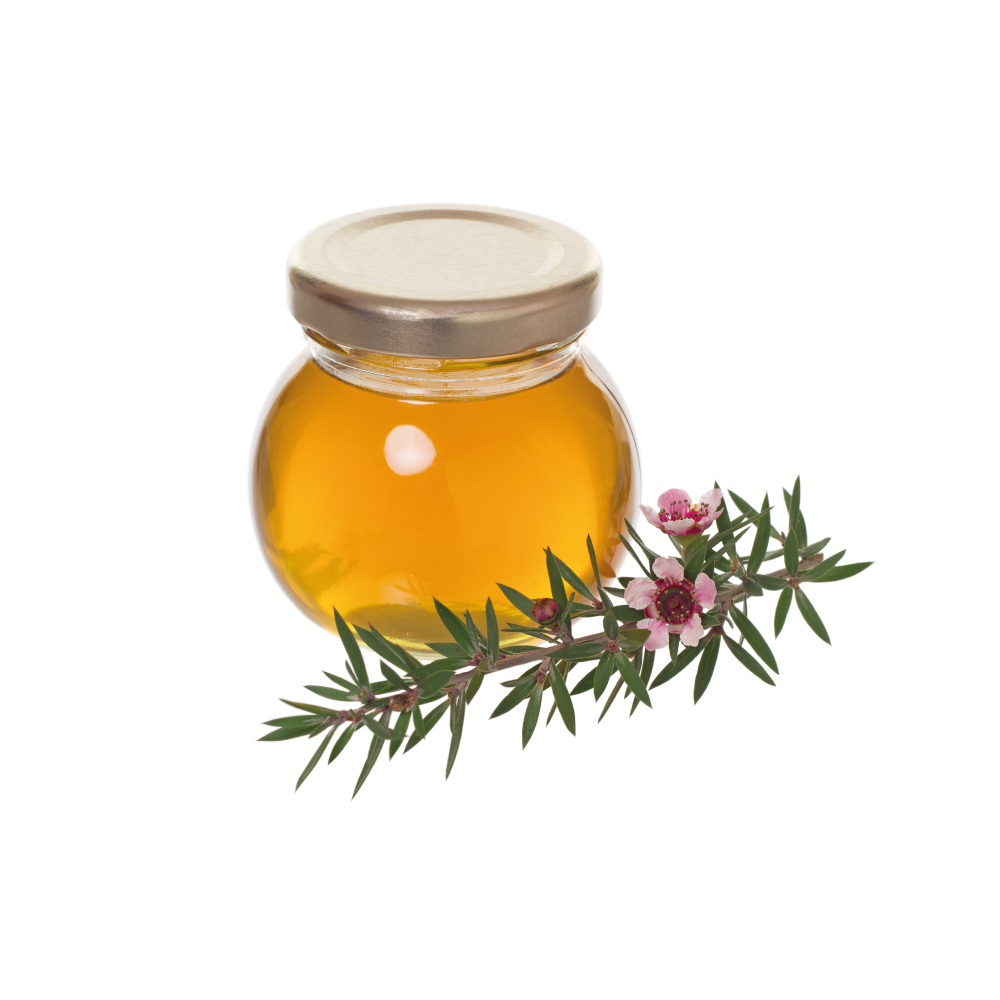 Manuka Leptospermum scoparium Documented for calamenene, sesquiterpenes.
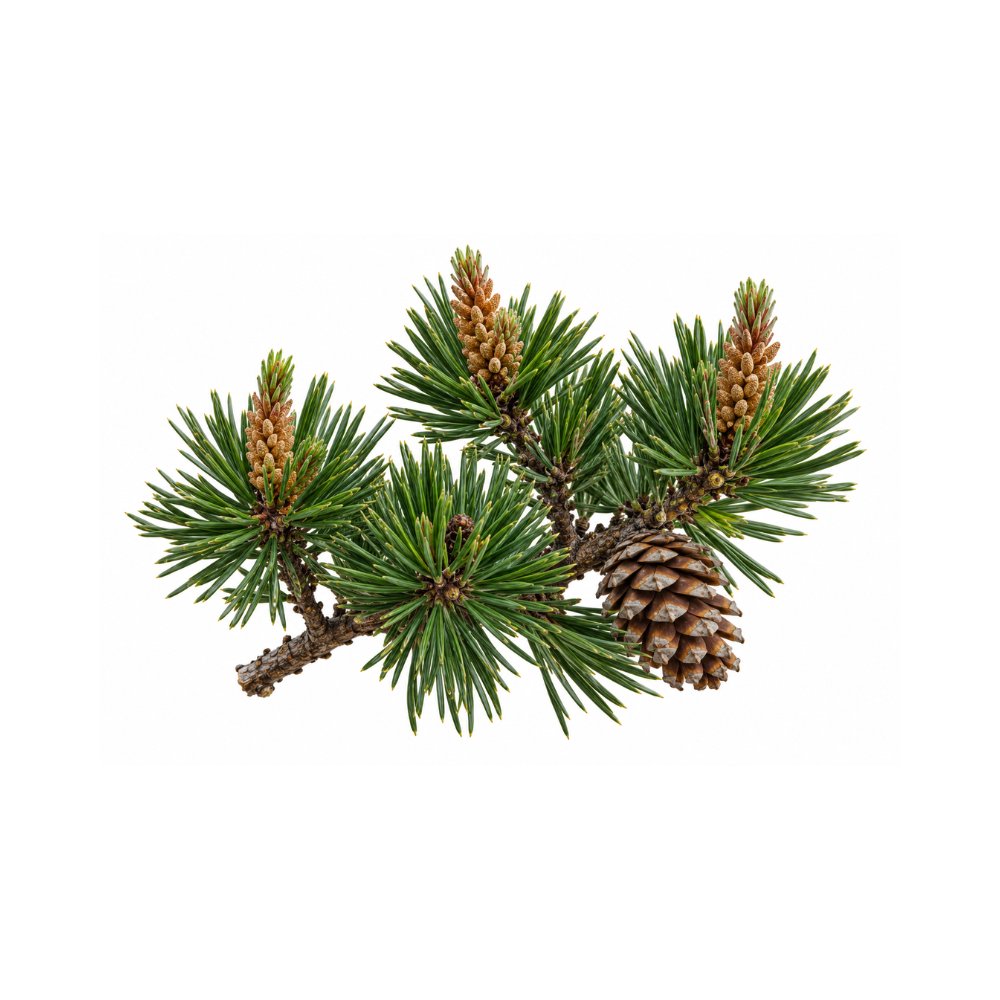 Mugo Pine Pinus mugo Documented for caryophyllene, germacrene D.
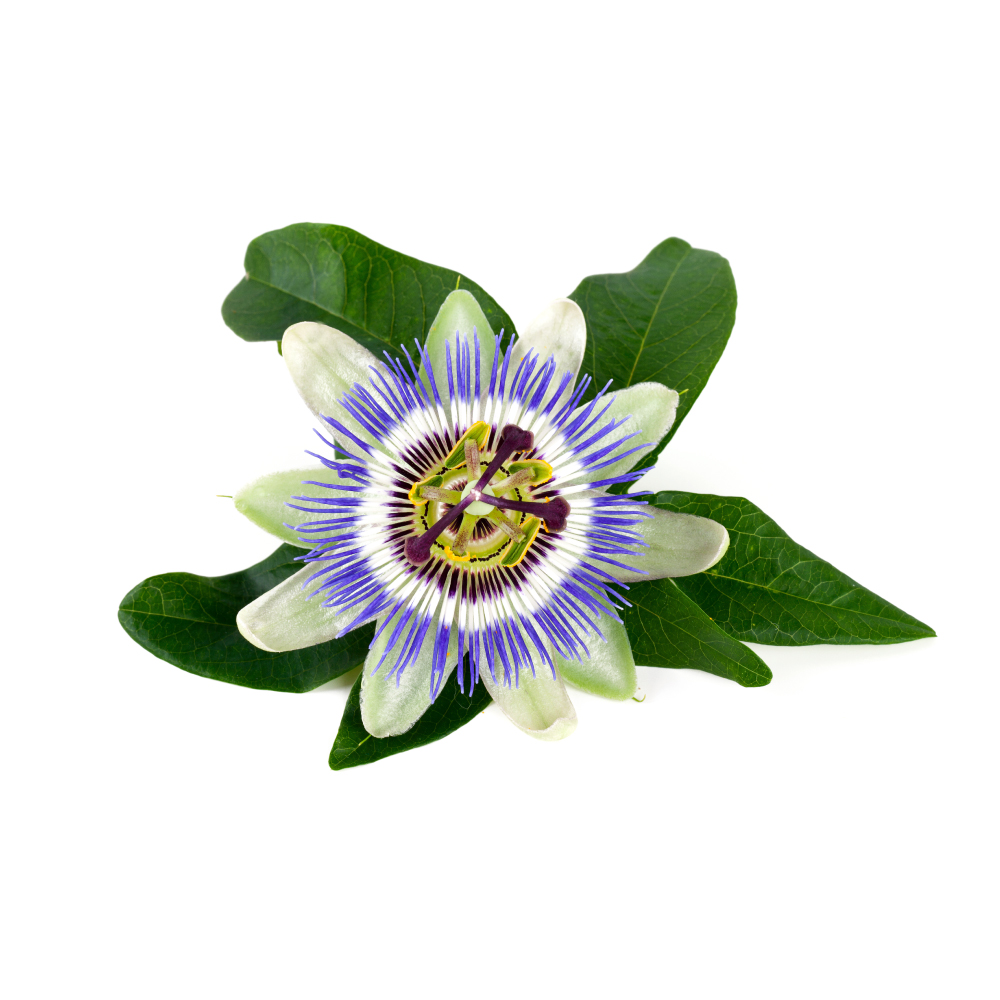 Passionflower Passiflora incarnata Documented for edulan I, edulan II.
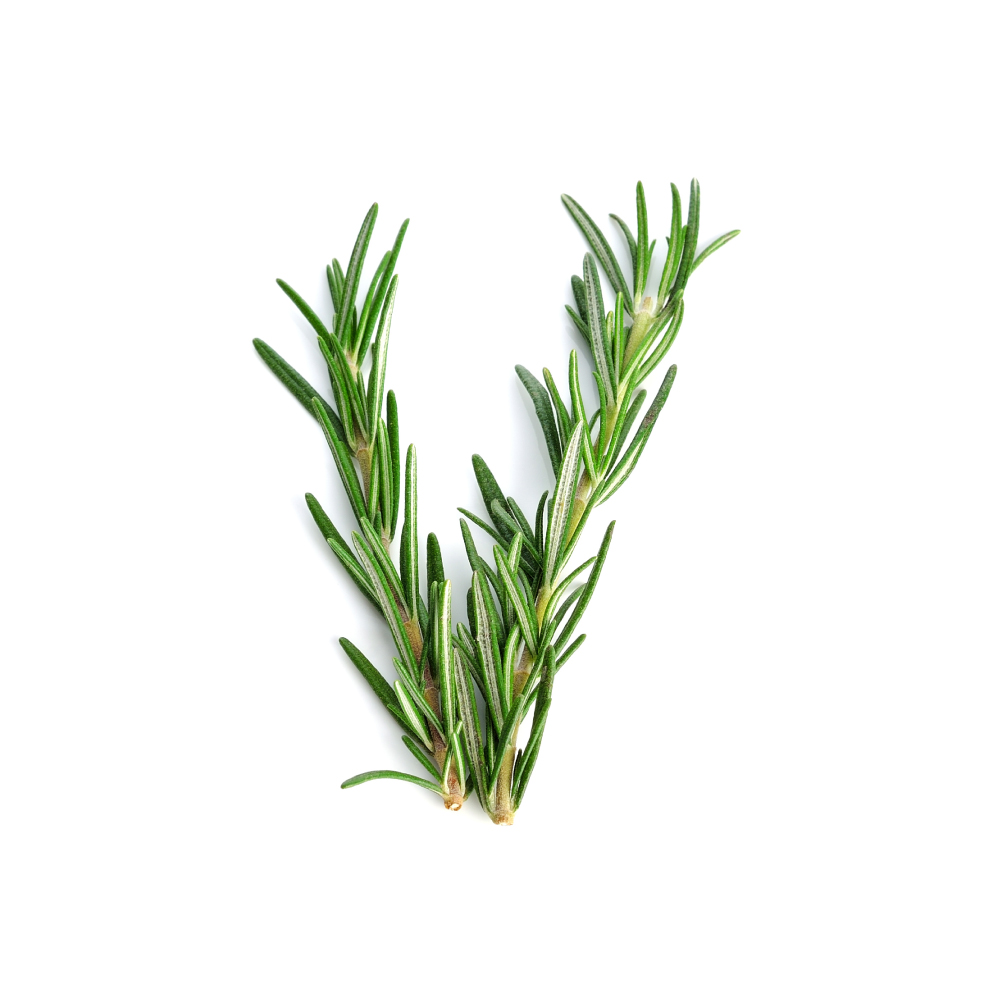 Rosemary Rosmarinus officinalis Documented for caryophyllene, caryophyllene oxide.
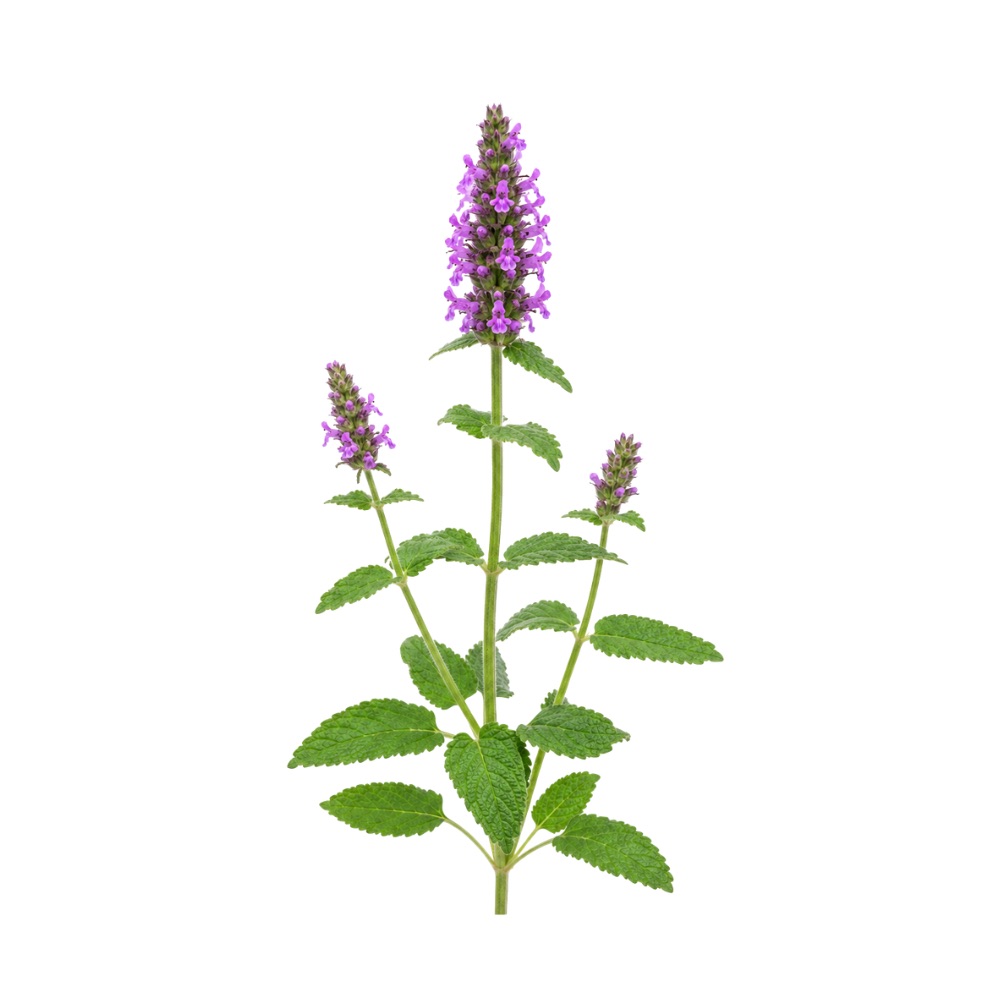 Wood Betony Stachys officinalis Documented for nerolidol (15.4 % of oil), caryophyllene oxide.
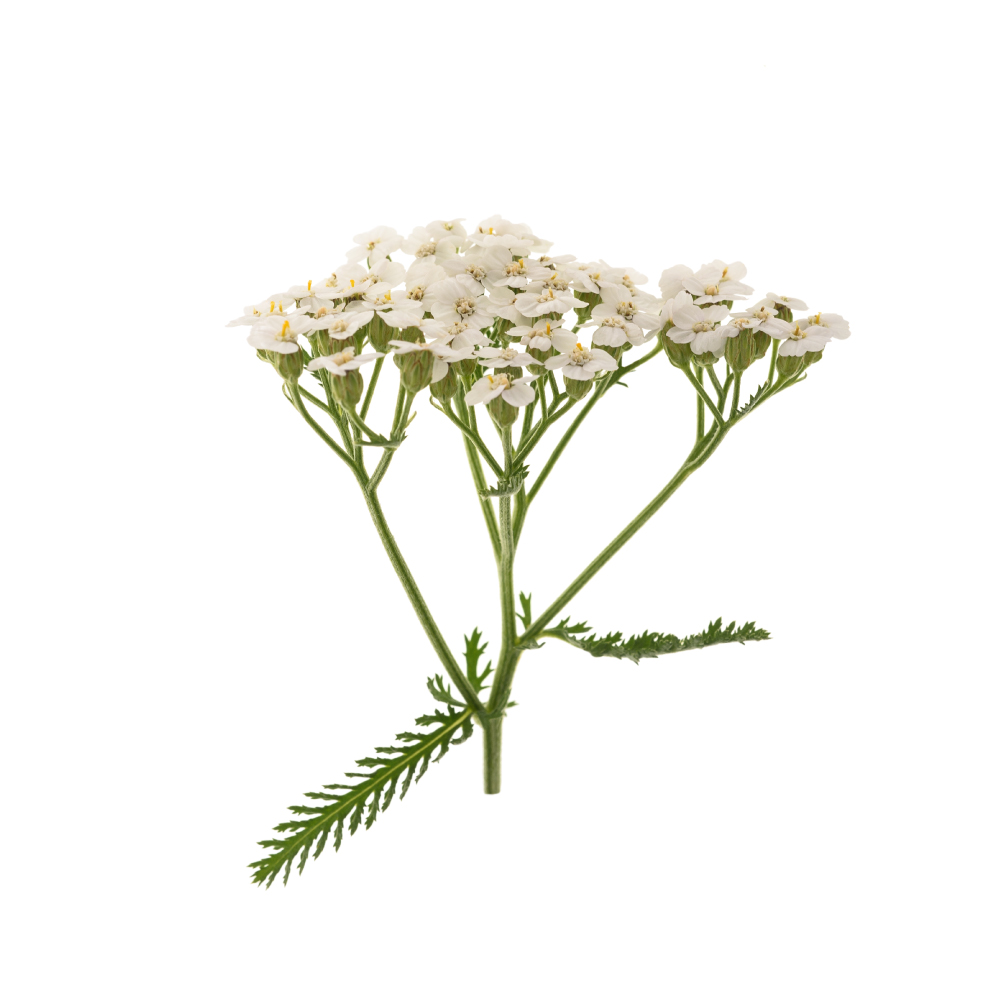 Yarrow Achillea millefolium Documented for bisabolol, chamazulene.
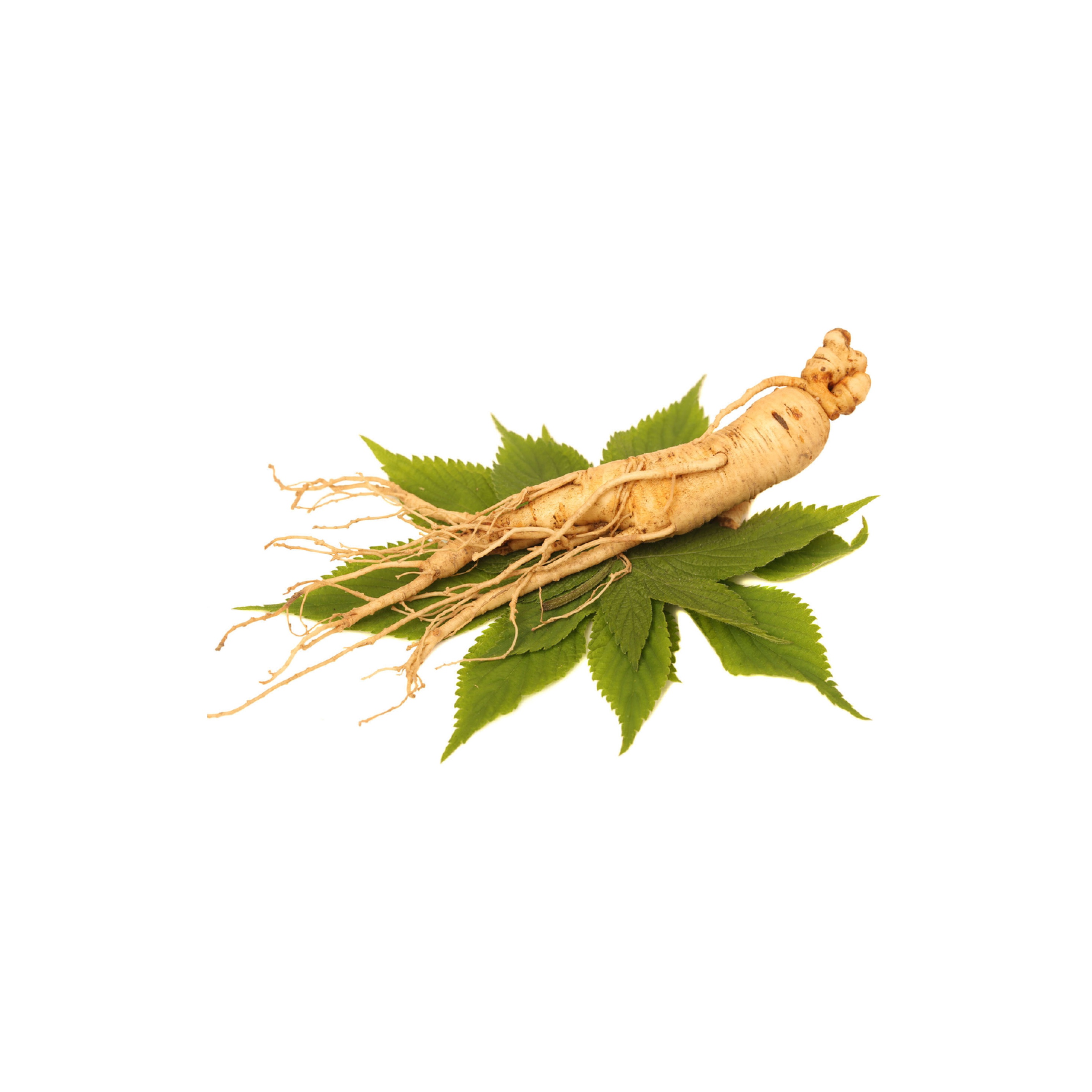 Asian Ginseng Panax ginseng Documented for sesquiterpenes.
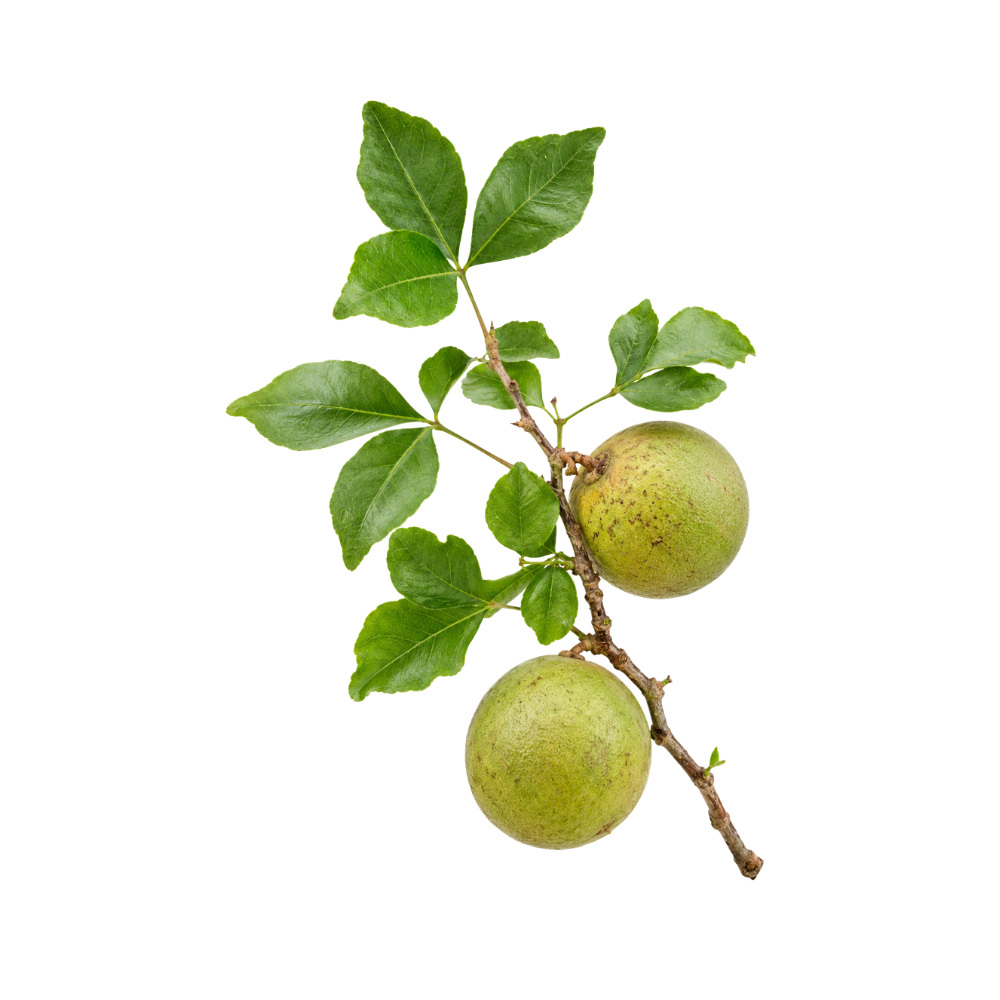 Bael Aegle marmelos Documented for caryophyllene.
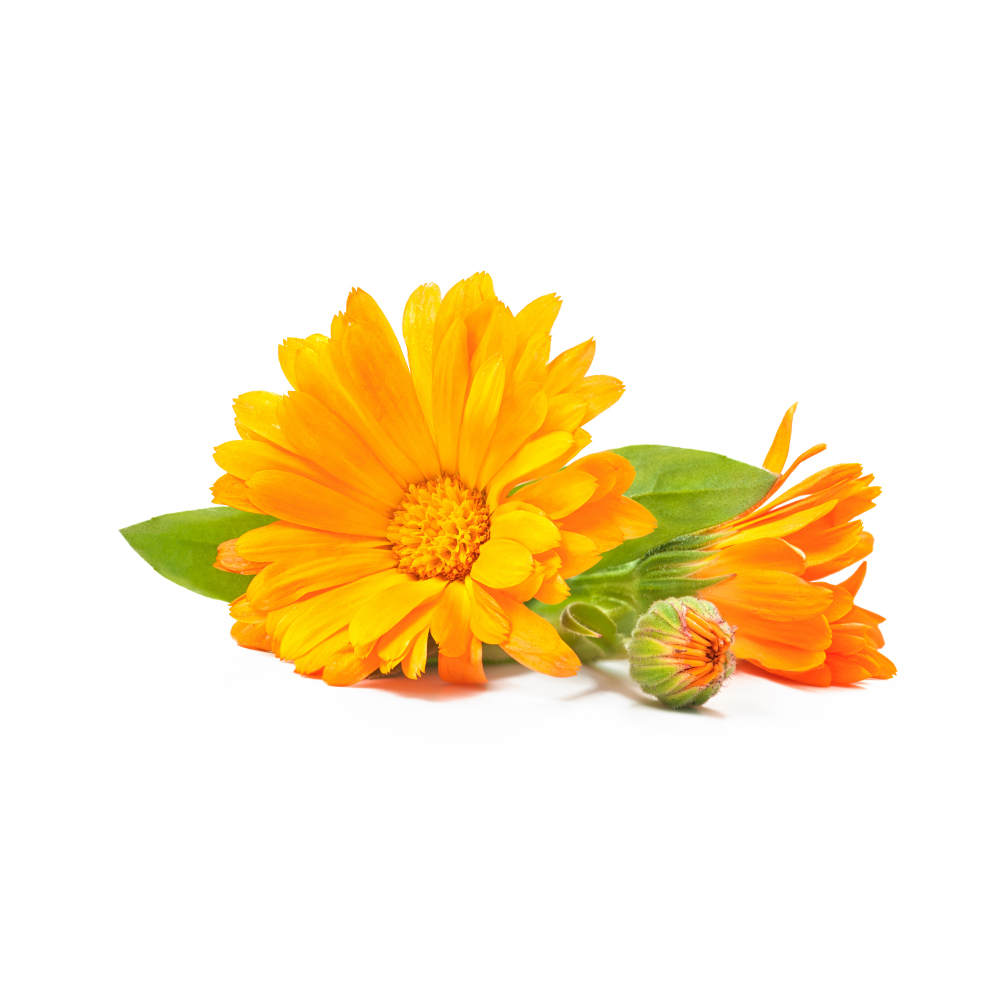 Calendula Calendula officinalis Documented for sesquiterpenes. Cassia Cinnamon Cinnamomum cassia Documented for caryophyllene.
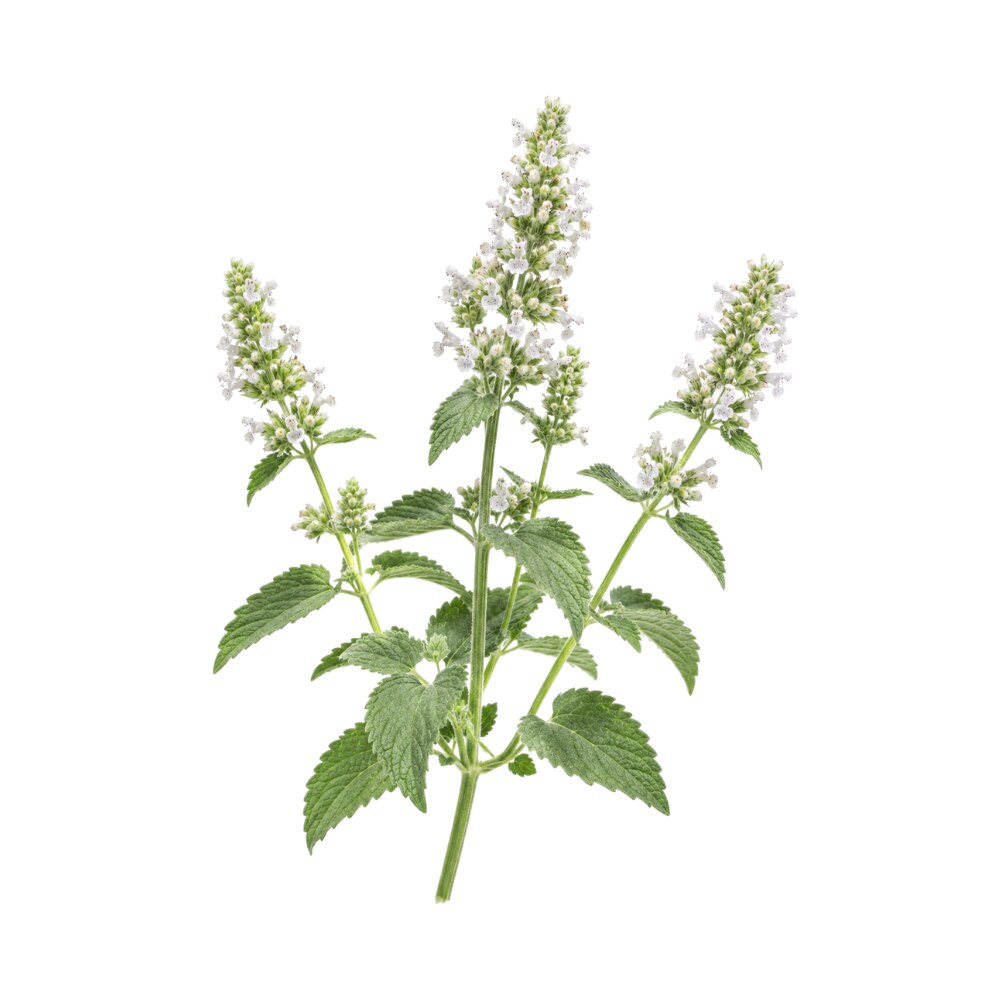 Catnip Nepeta cataria Documented for caryophyllene.
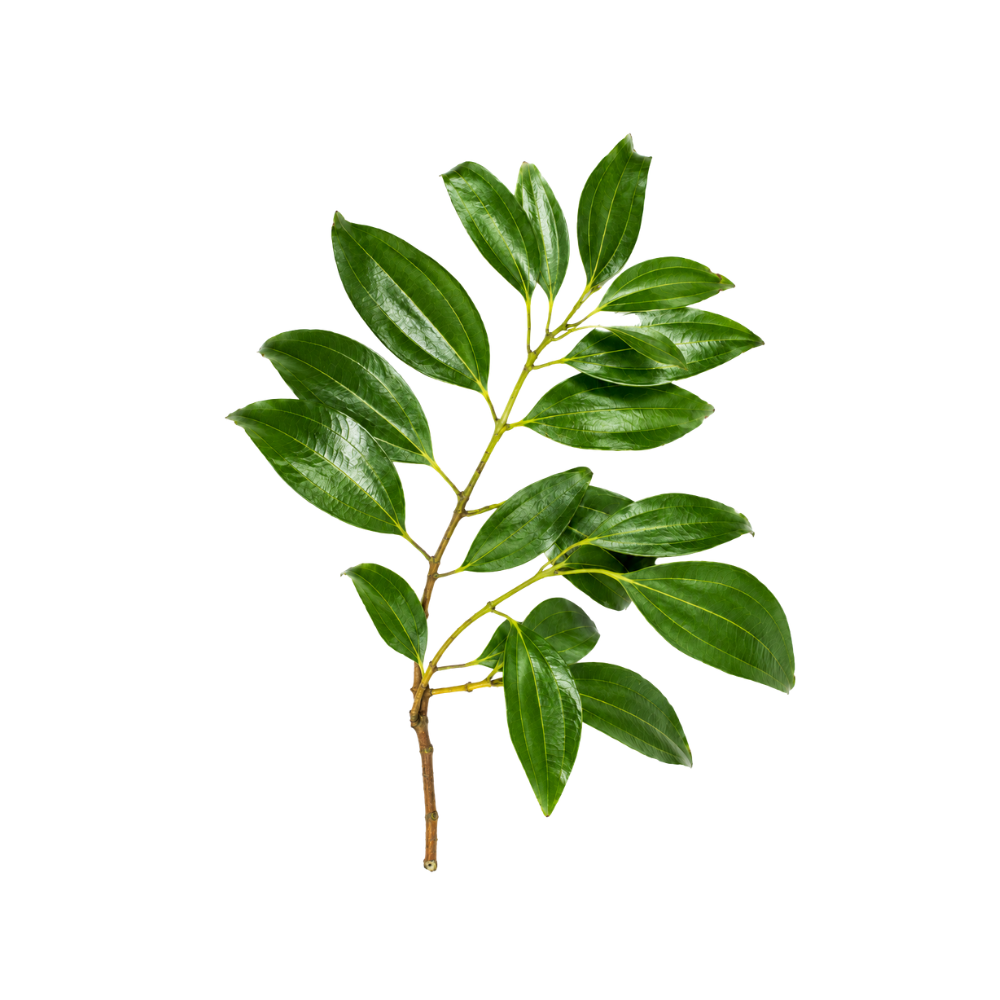 Ceylon Cinnamon Cinnamomum verum Documented for caryophyllene.
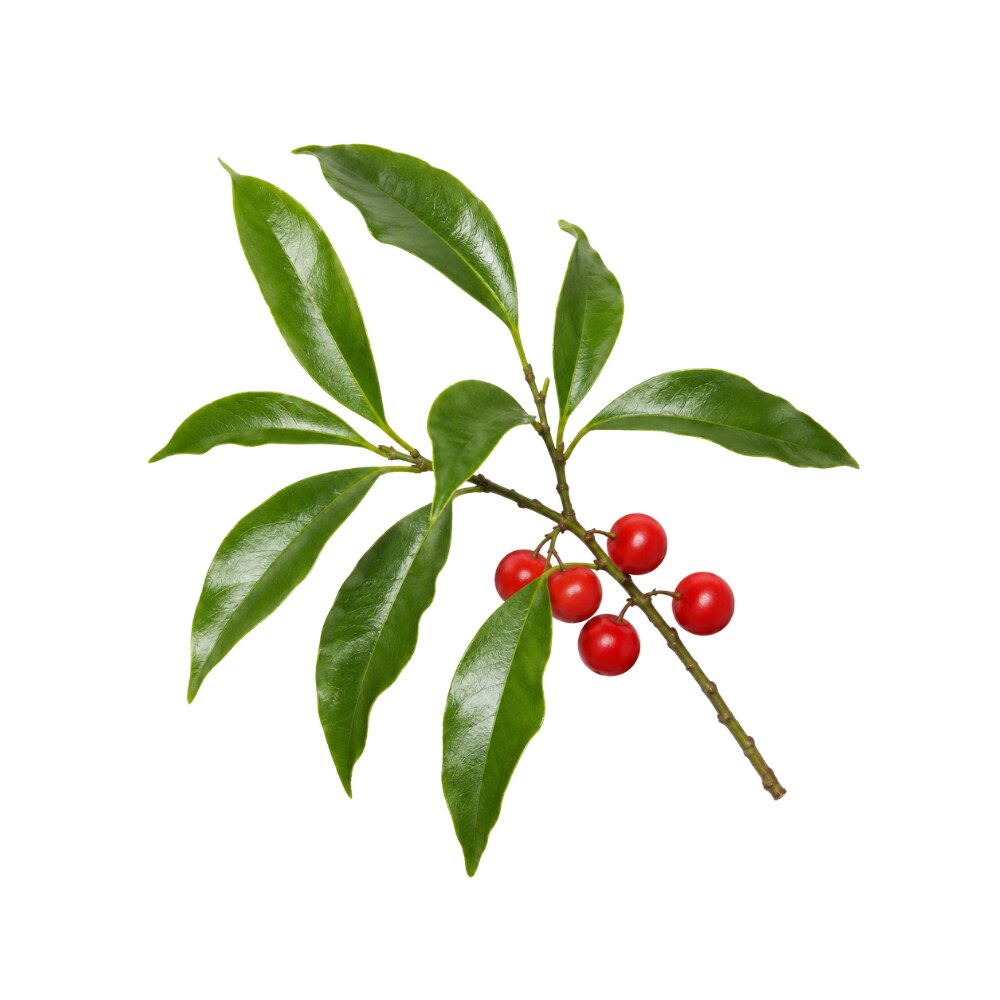 Chá de Bugre Cordia salicifolia Documented for spathulenol.
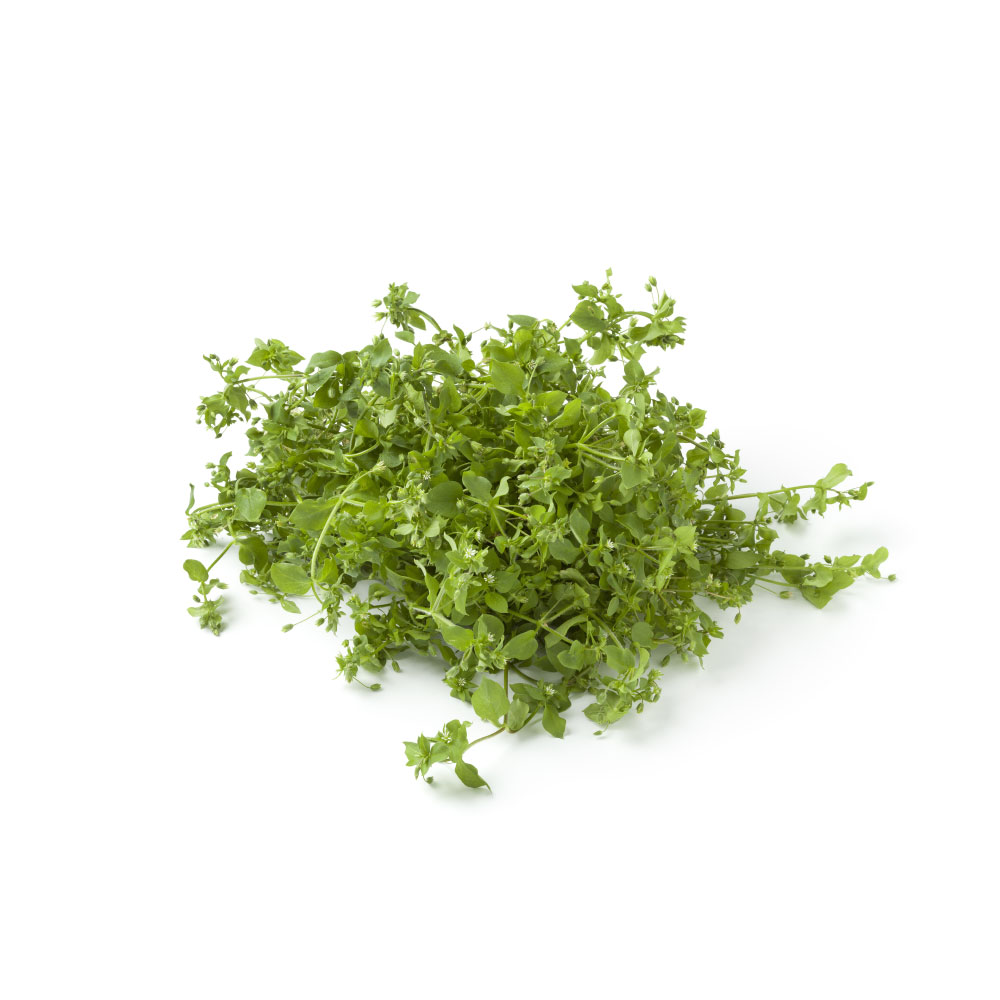 Chickweed Stellaria media Documented for caryophyllene.
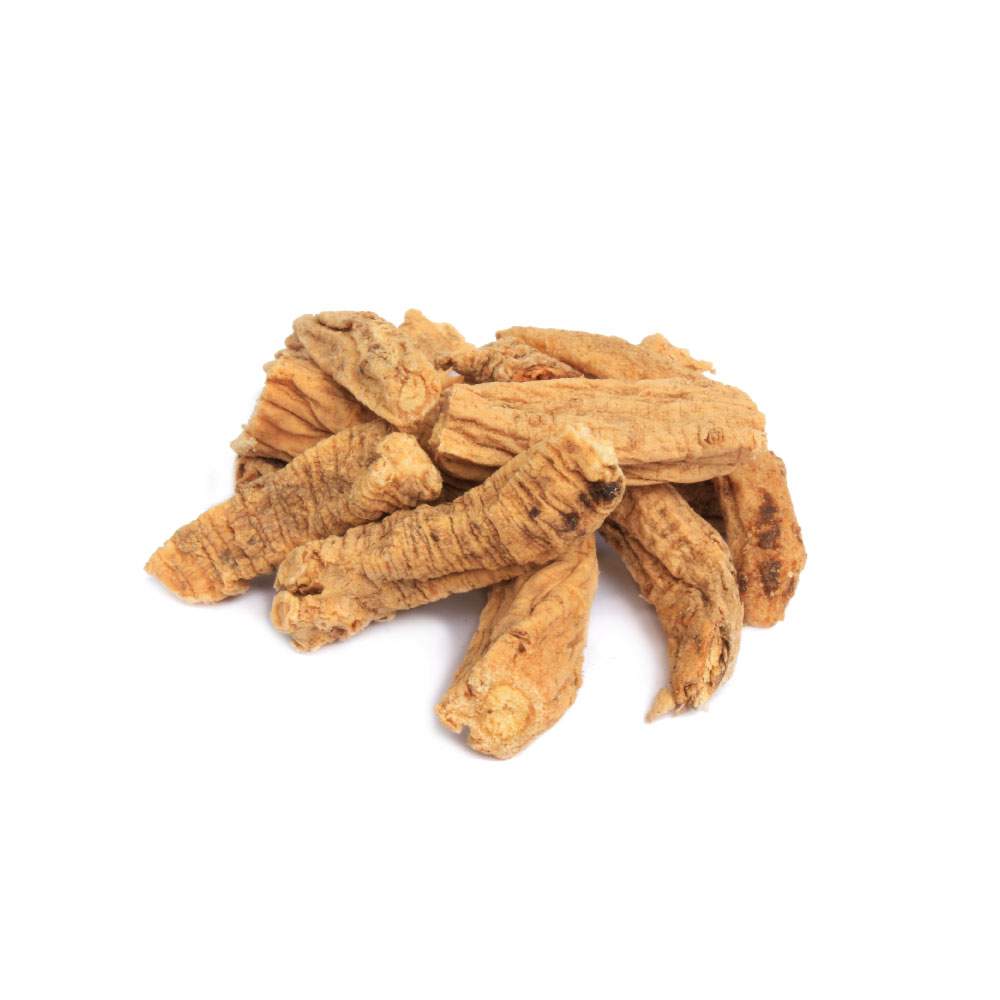 Codonopsis Codonopsis pilosula Documented for sesquiterpenes.
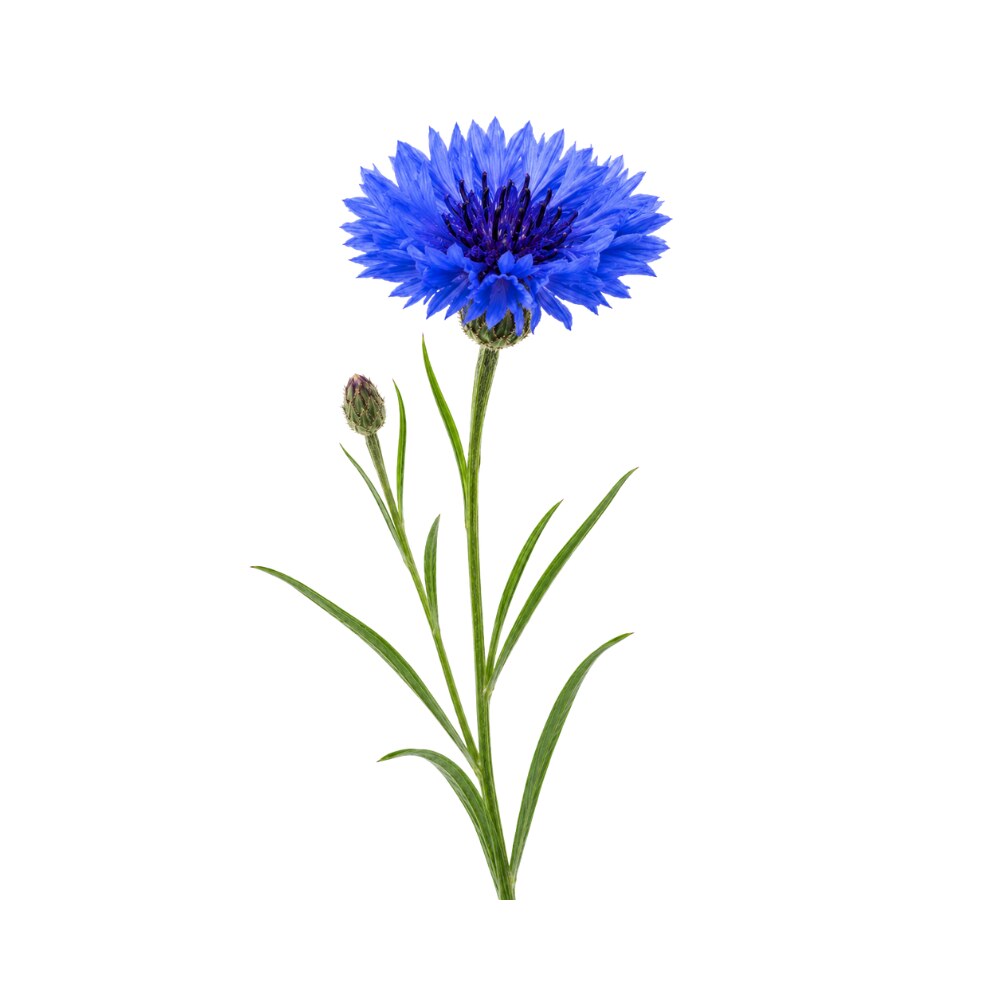 Cornflower Centaurea cyanus Documented for chamazulene.
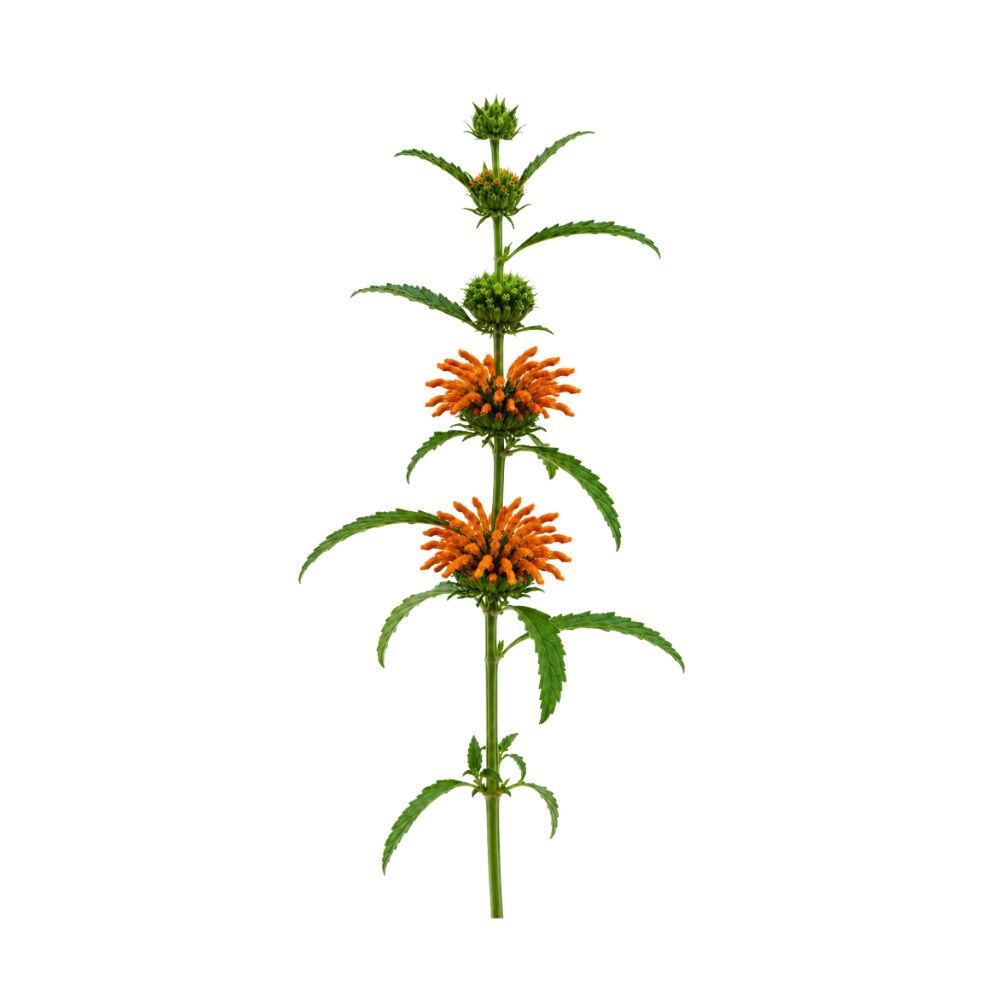 Dagga Leonotis nepetifolia Documented for germacrene D (31.5 % of oil).
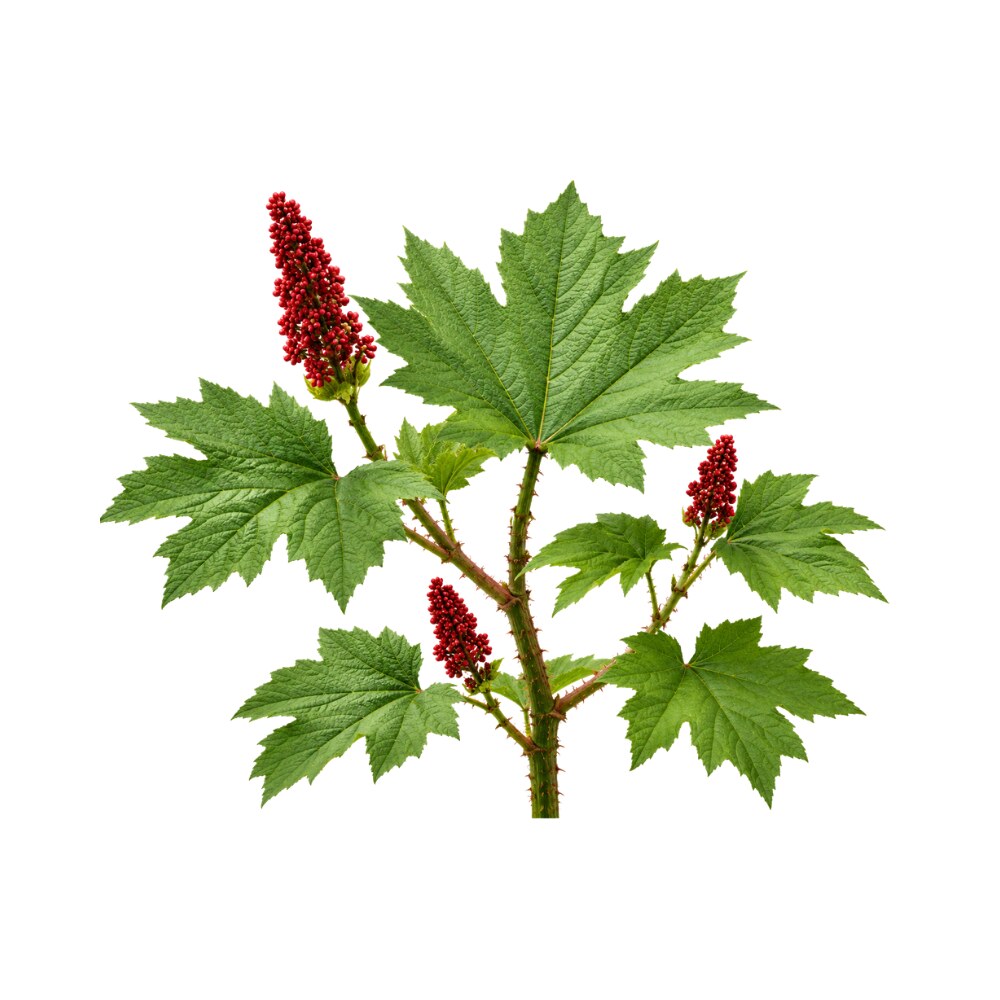 Devil's Club Oplopanax horridus Documented for oplopanone.
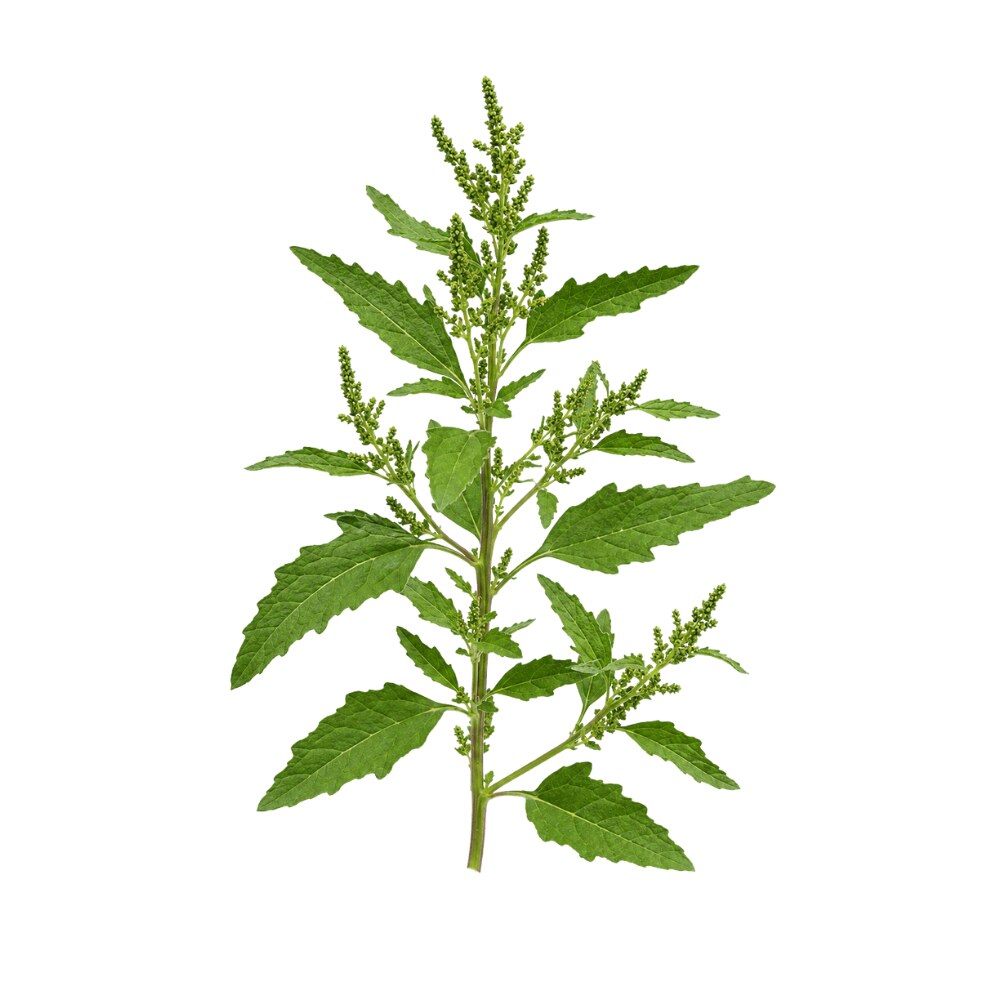 Epazote Dysphania ambrosioides Documented for caryophyllene oxide.
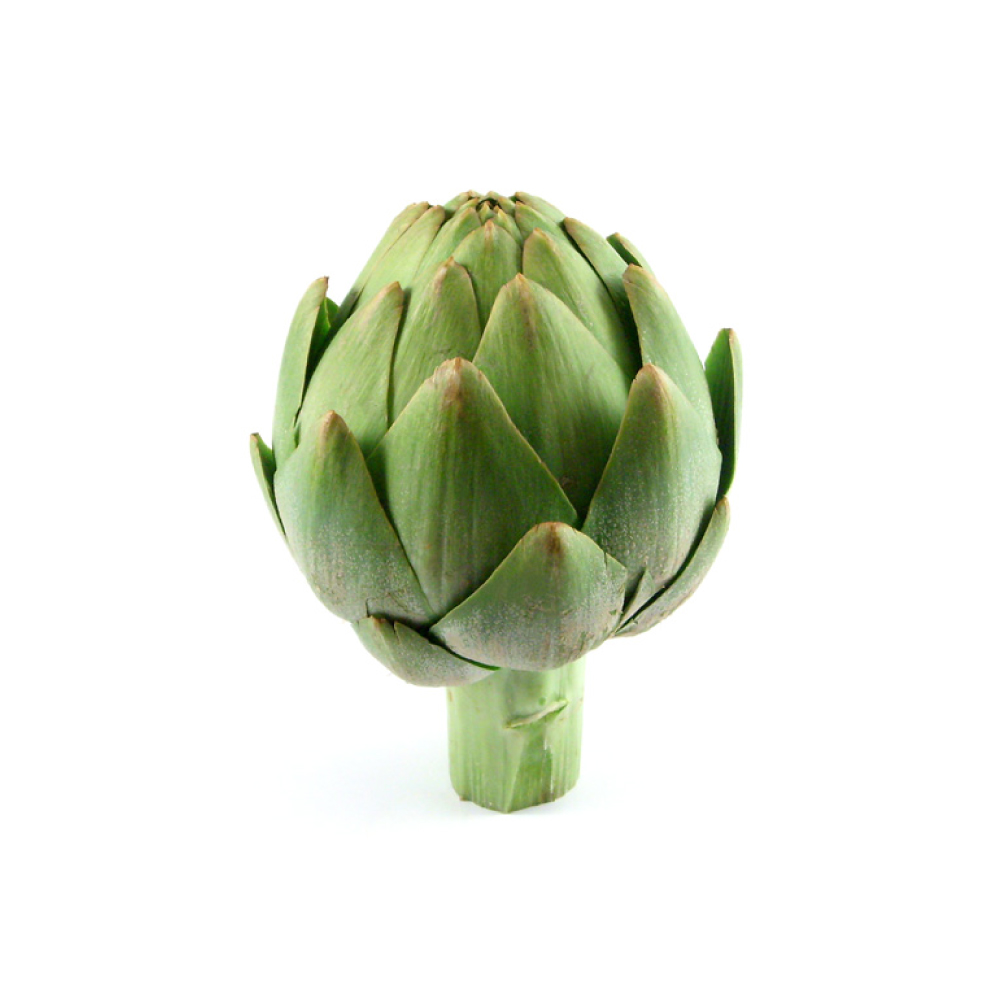 Globe Artichoke Cynara scolymus Documented for caryophyllene.
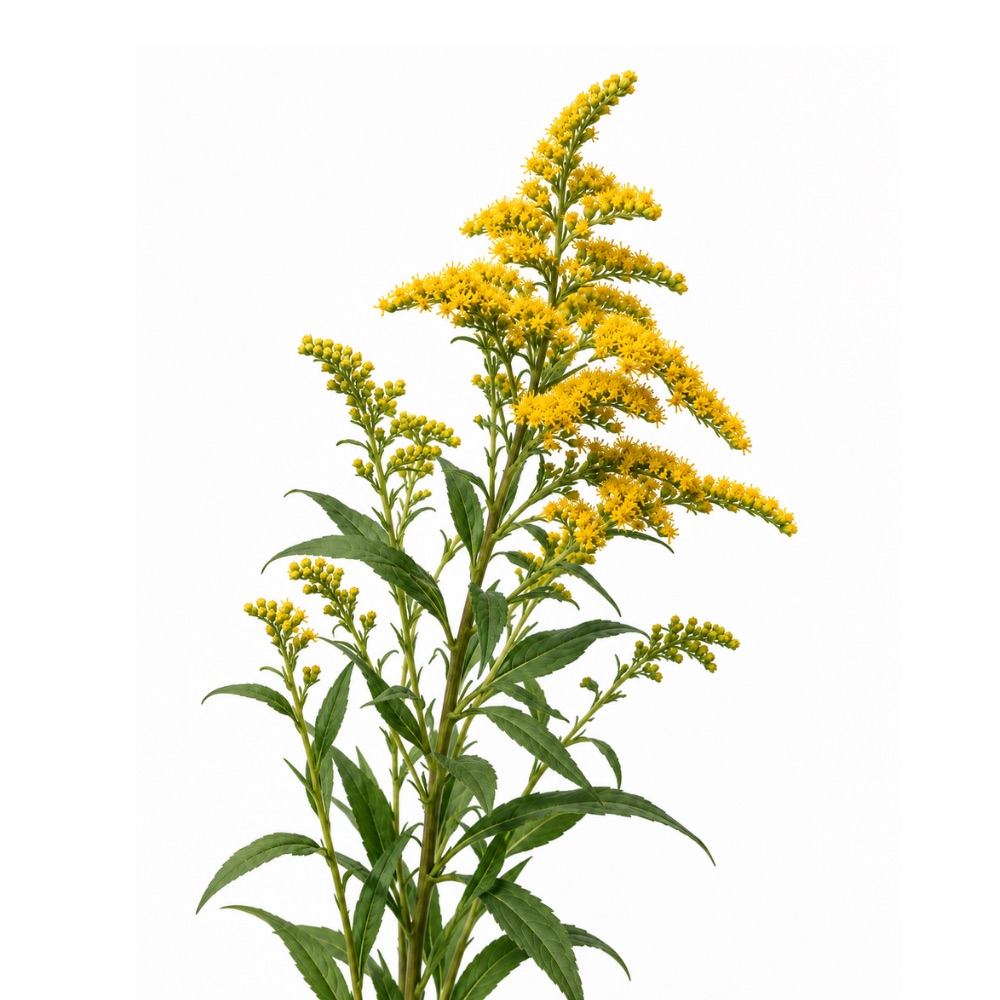 Goldenrod Solidago virgaurea Documented for germacrene D (3.89–19.51 % of oil).
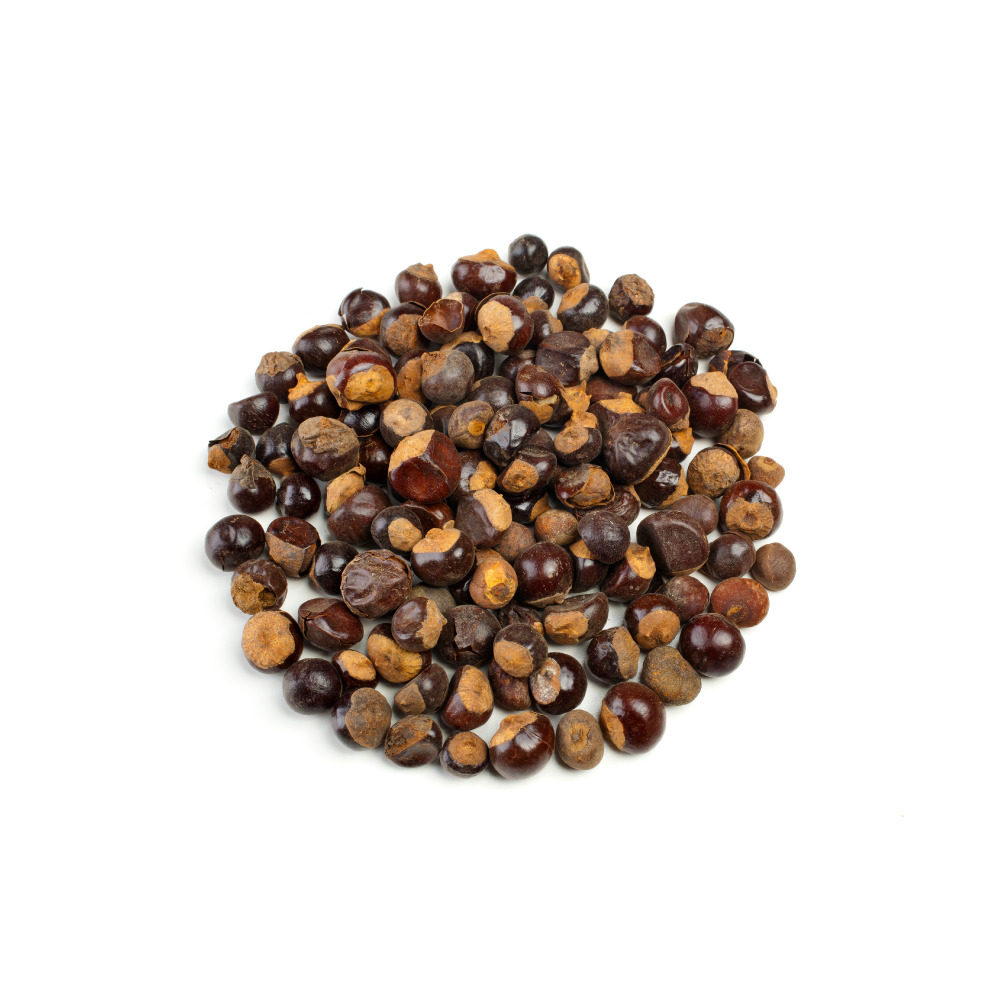 Guarana Paullinia cupana Documented for sesquiterpenes.
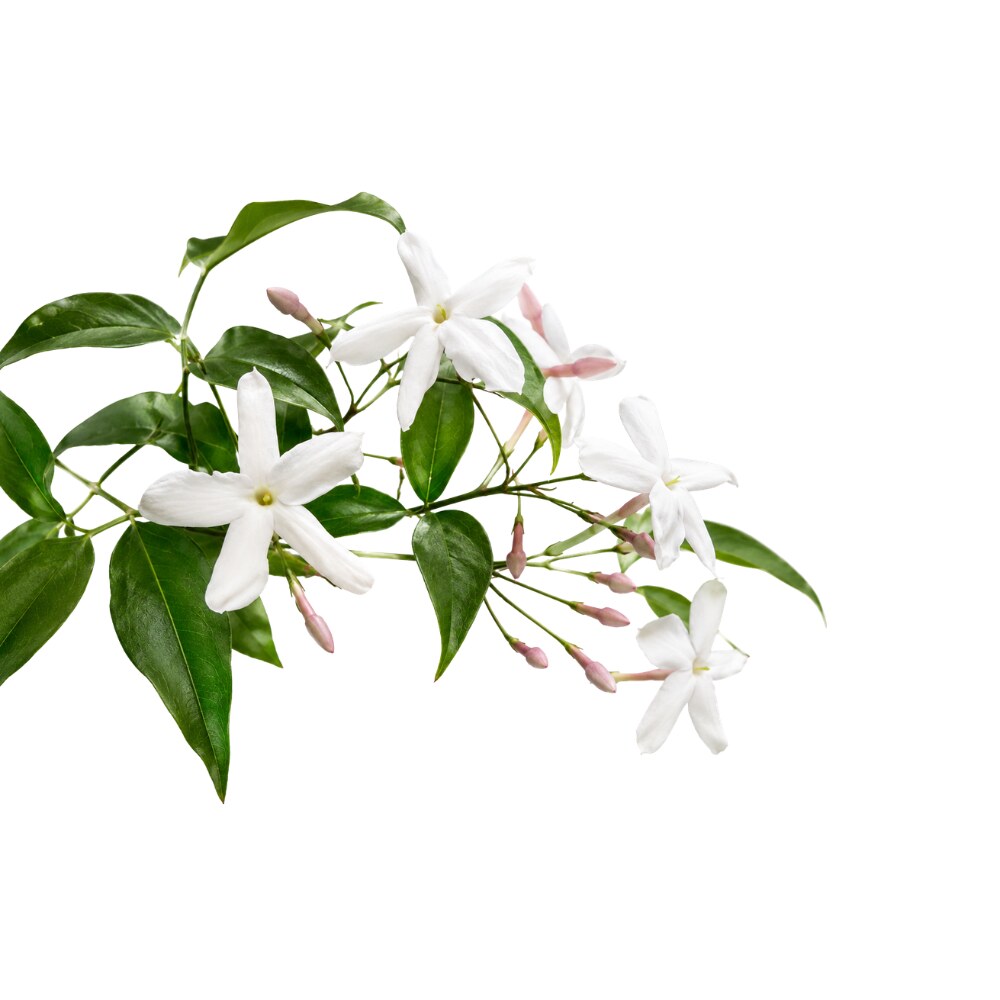 Jasmine Jasminum officinale Documented for nerolidol.
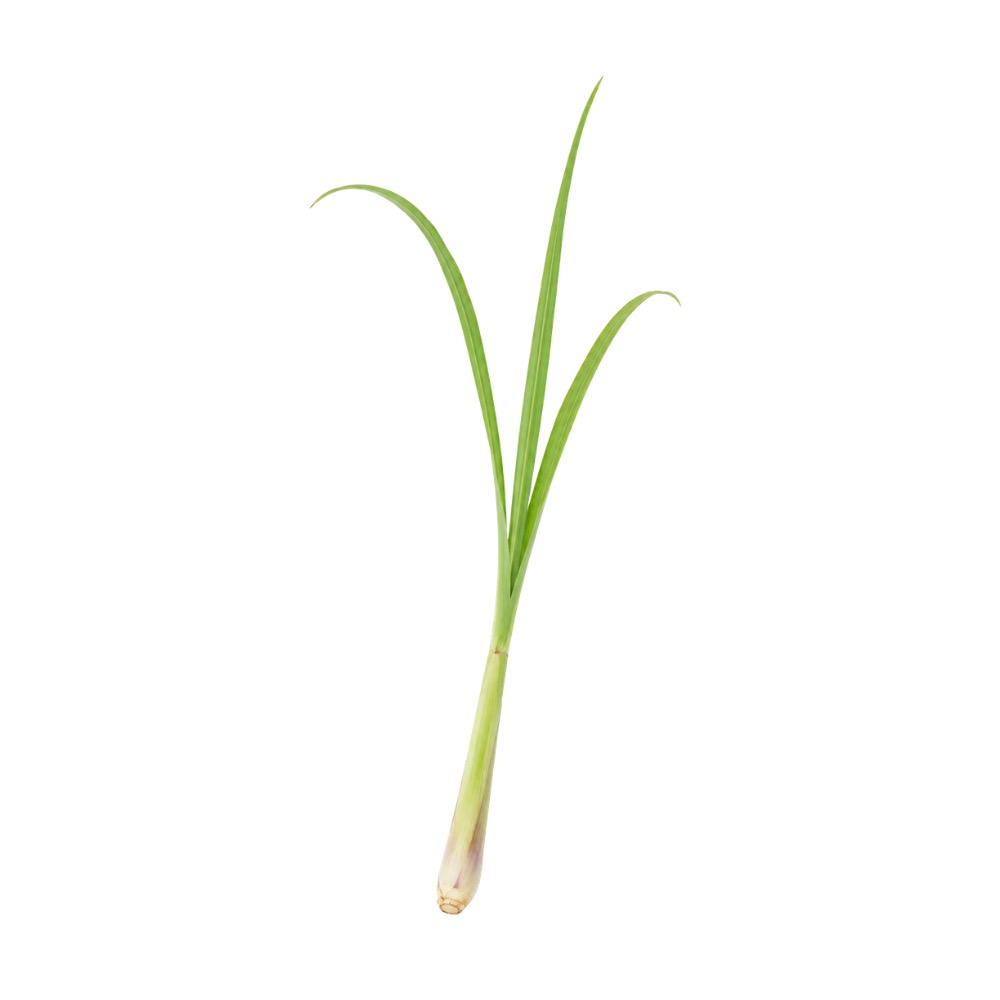 Lemongrass Cymbopogon citratus Documented for nerolidol.
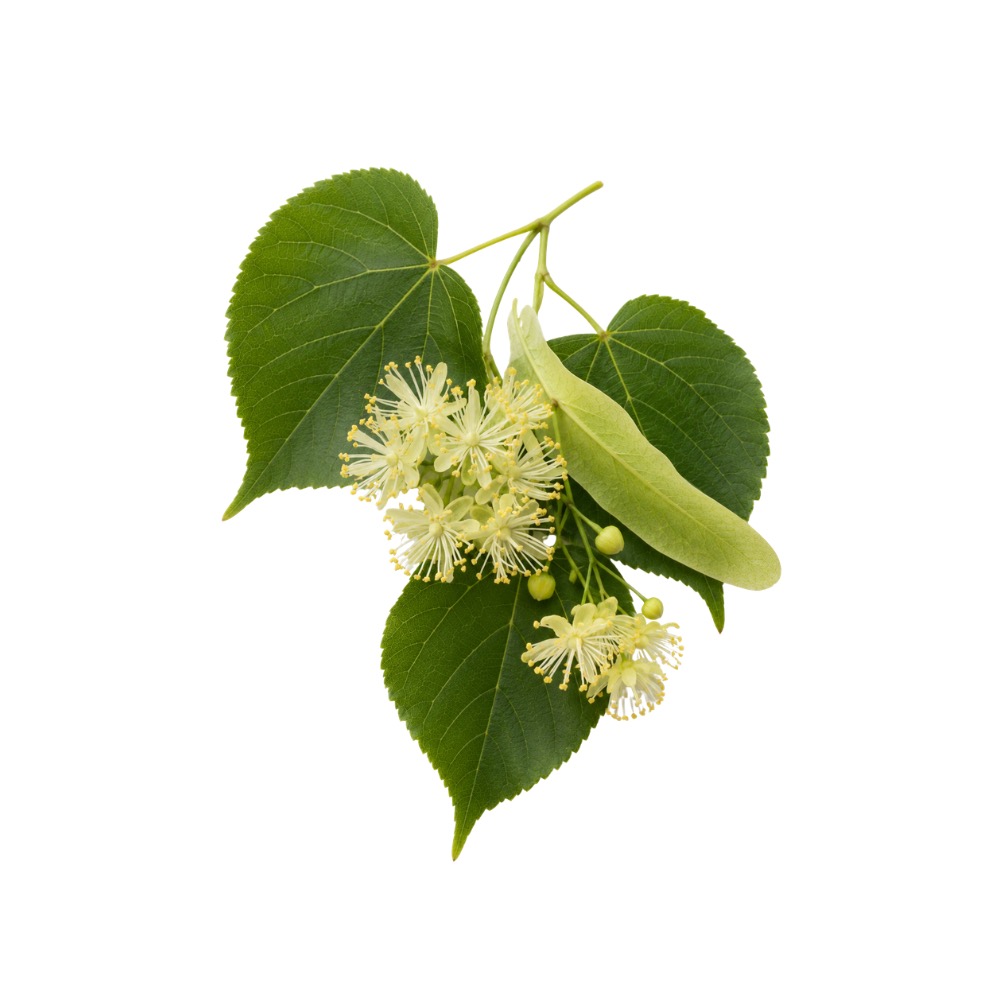 Linden Flower Tilia spp. Documented for farnesol.
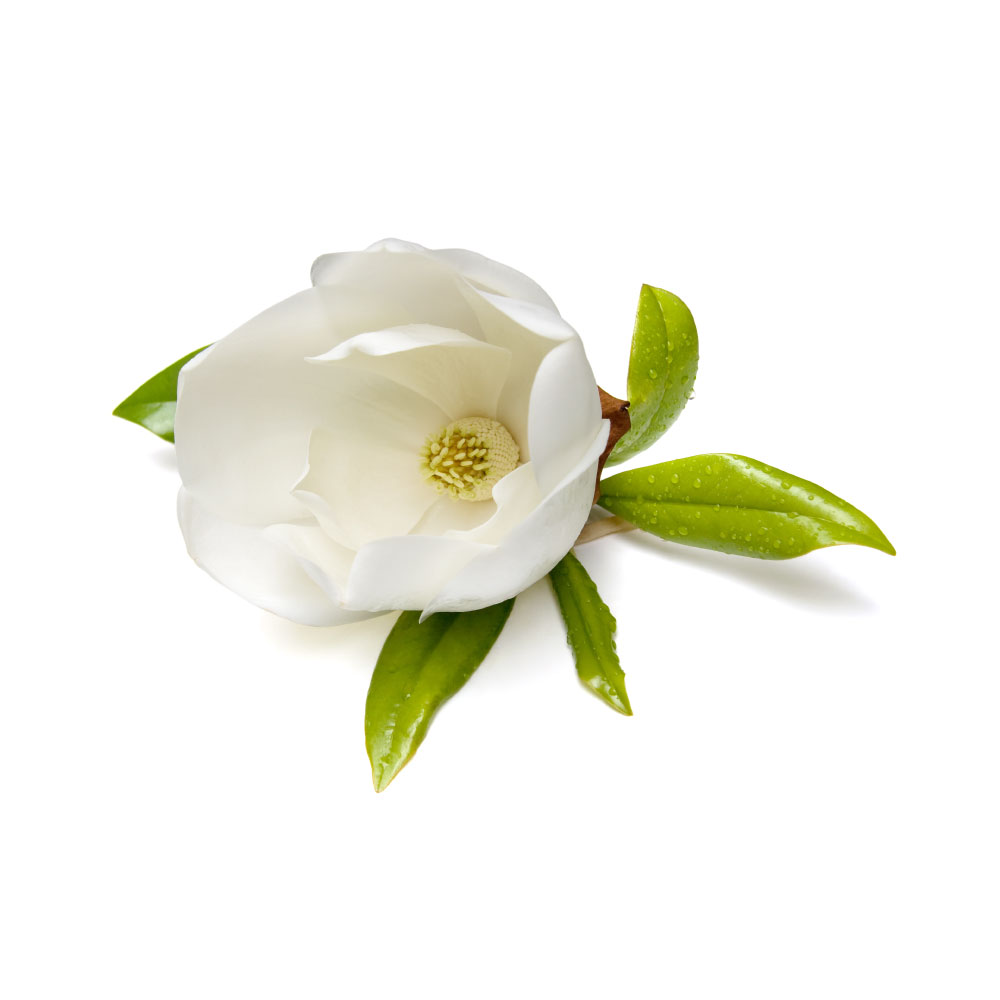 Magnolia Magnolia officinalis Documented for beta-eudesmol.
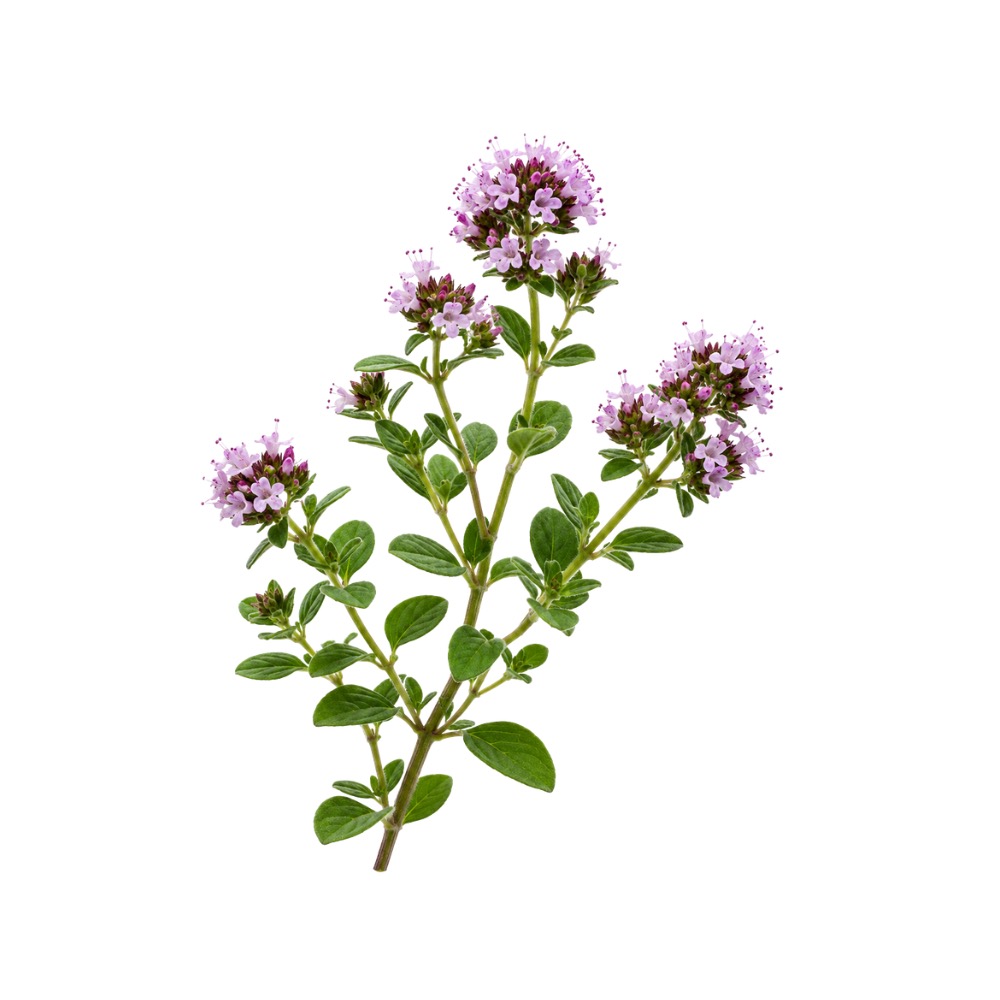 Marjoram Origanum majorana Documented for caryophyllene.
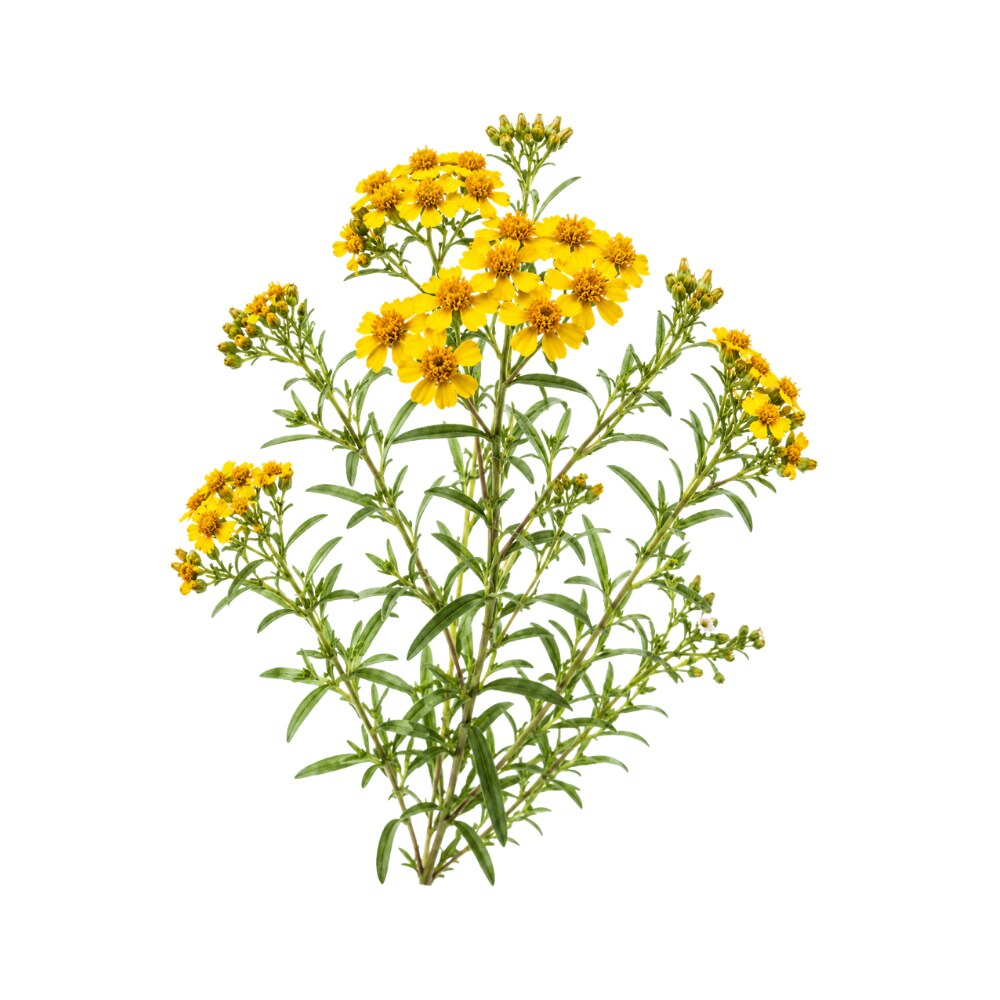 Mexican Tarragon Tagetes lucida Documented for caryophyllene.
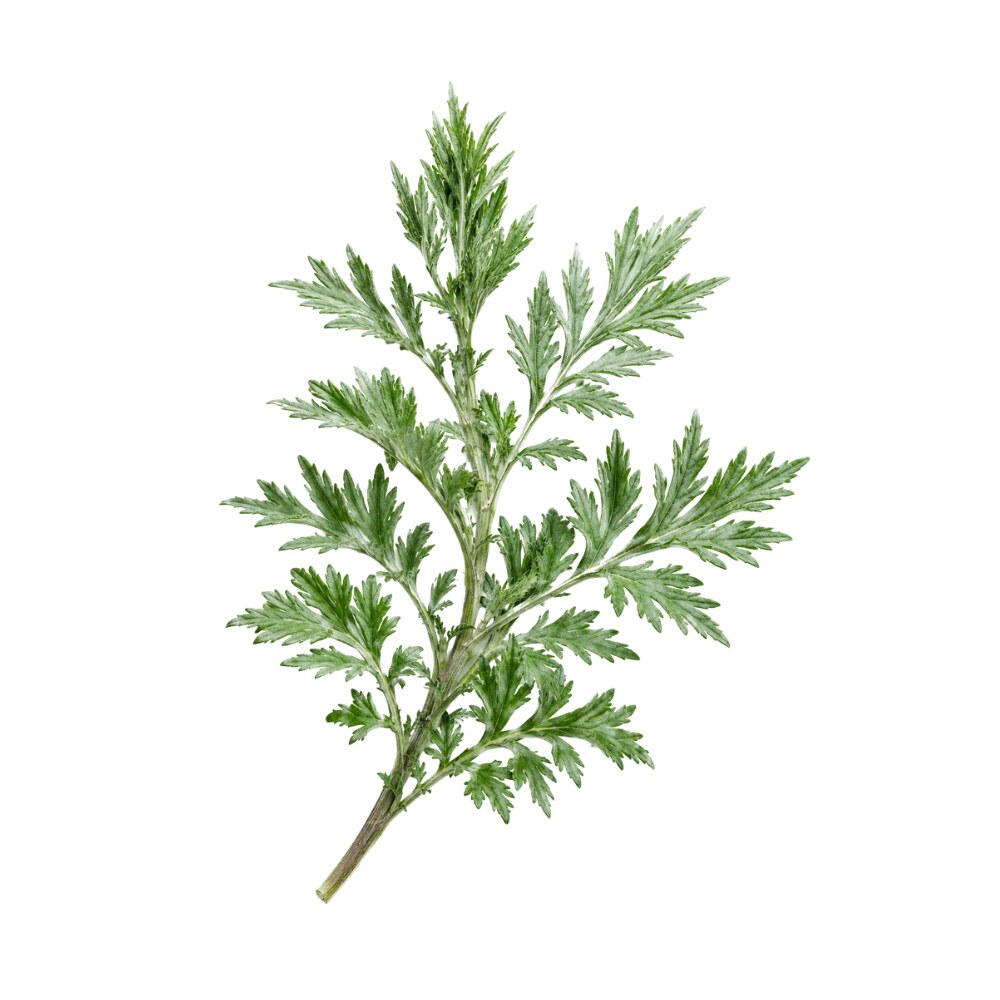 Mugwort Artemisia vulgaris Documented for germacrene D.
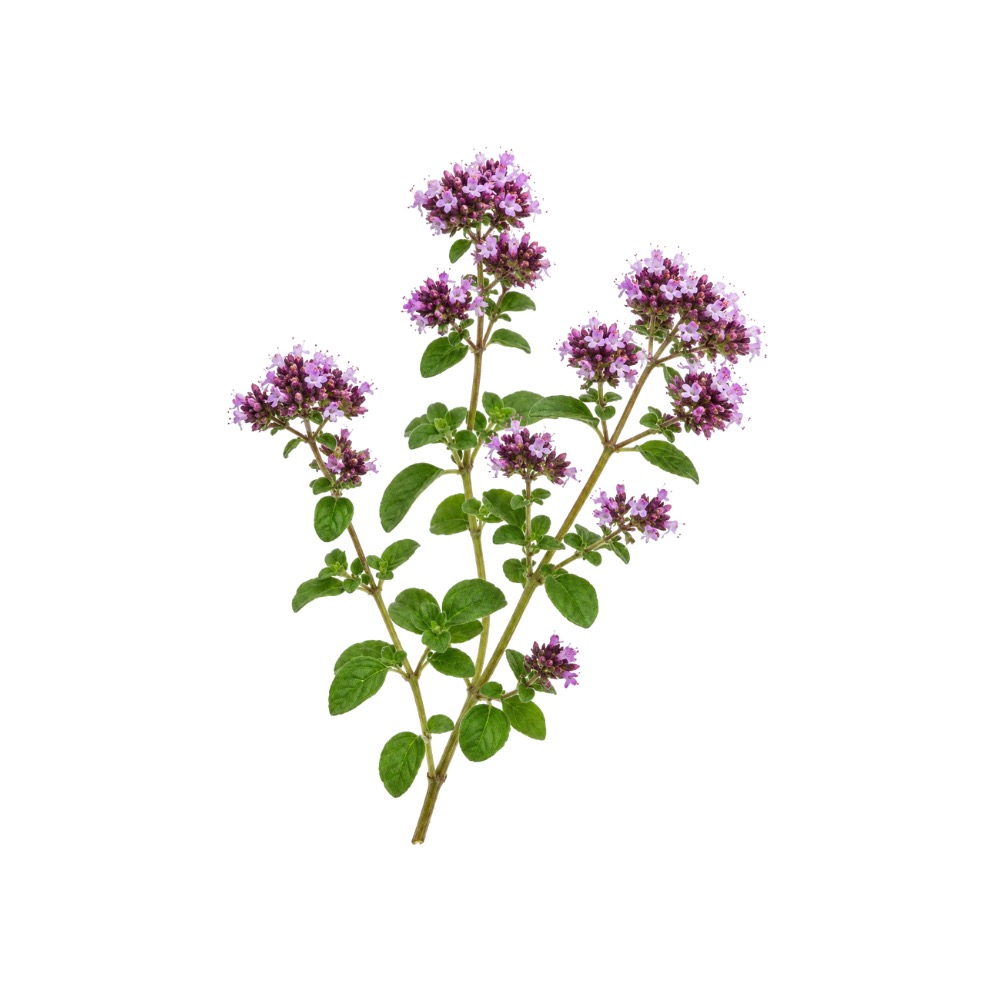 Oregano Origanum vulgare Documented for caryophyllene.
 Pine Pinus sylvestris Documented for caryophyllene.
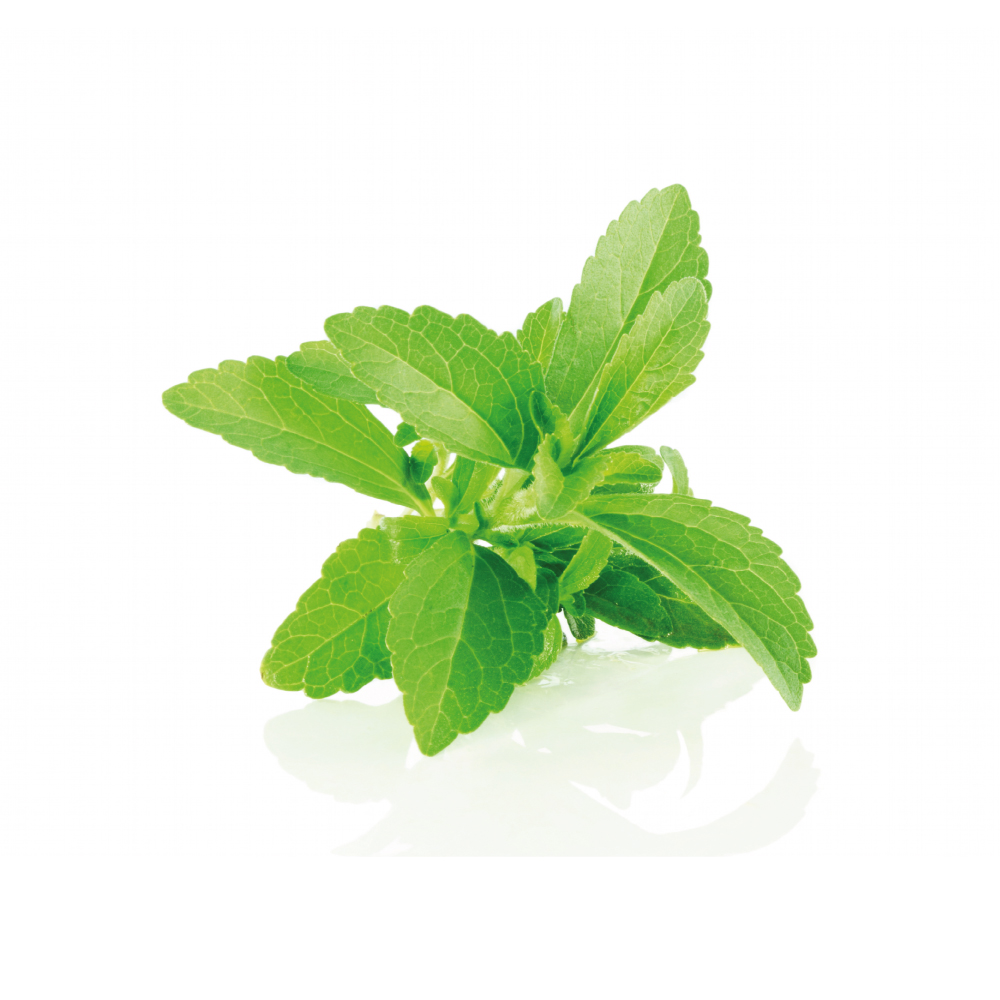 Stevia Stevia rebaudiana Documented for caryophyllene.
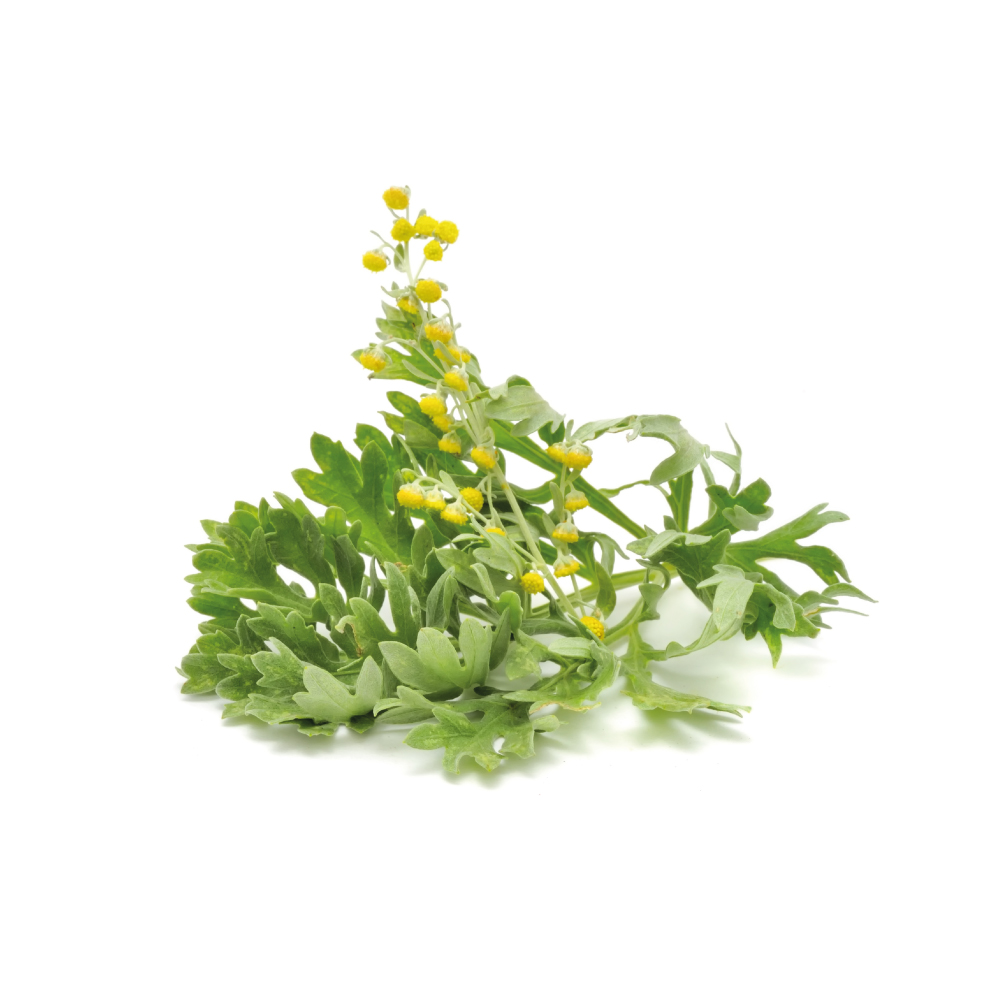 Wormwood Artemisia absinthium Documented for chamazulene.
Keep Exploring
Other Compound Classes
Keep Reading
 GuidesThe Best Kava: A Buyer's GuideHow to buy good kava: noble vs two-day cultivars, which part of the root, chemotype codes, origin, form, and the batch tests a seller should show you.
Read more
 GuidesThe Amazon's Endangered Medicinal PlantsThe Amazon gives us some of our most important medicines — but which healing plants are actually endangered?
Read more
 NutritionThe Best Yerba Maté Brands [Reviewed]A drinker's guide to buying yerba maté — what actually changes the taste, and ten brands worth your money.
Read more
 GuidesHow to Prepare Yerba Maté — The Five Best MethodsHow to brew yerba maté properly — the traditional gourd method, plus tereré, french press and cold brew.
Read more