
Compound Monograph
Ephedrine
Ephedrine is the principal phenylpropylamine alkaloid of Ephedra (ma huang) — a mixed-acting sympathomimetic that both activates beta-adrenergic receptors directly and releases noradrenaline indirectly. It is simultaneously an FDA-approved injectable vasopressor, the molecule whose adverse-event record got ephedra-alkaloid dietary supplements banned in the United States in 2004, a WADA-restricted stimulant, and a controlled methamphetamine precursor.

Sources · 7
Where Does It Come From?
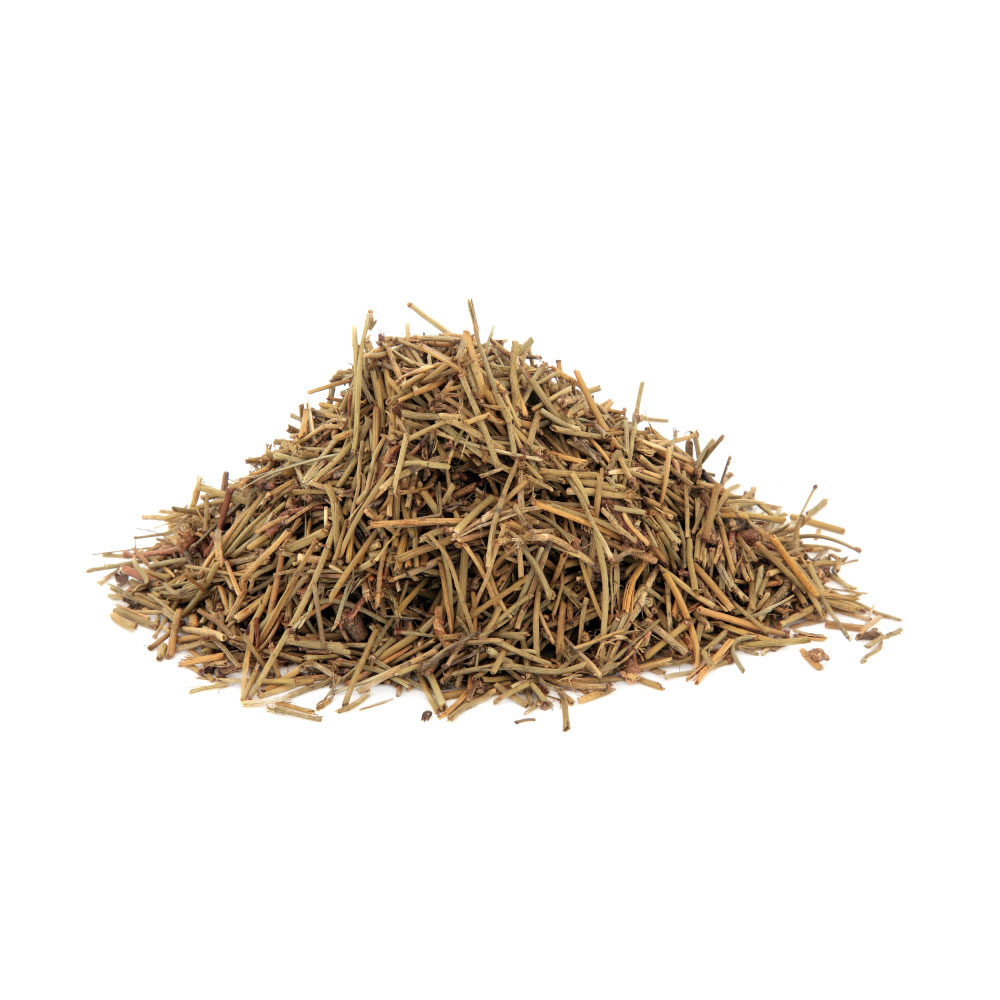
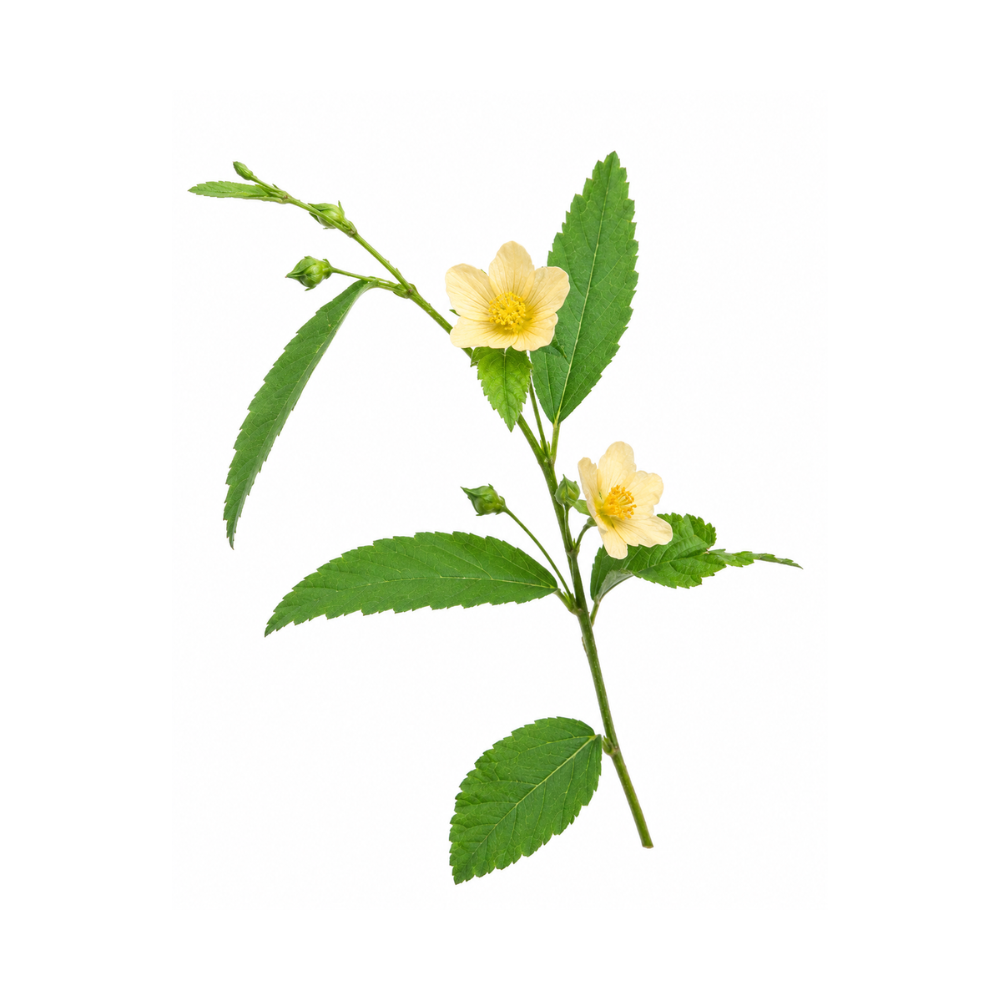
Ephedrine is a naturally occurring phenylpropylamine (phenethylamine-type protoalkaloid; beta-hydroxyamphetamine class), found in Ephedra / ma huang, Ephedra equisetina, Ephedra intermedia and 4 other sources. It is flagged as toxic.
Concentration
Content by Source
Reported concentrations across the plants that contain ephedrine — the bar marks the typical level, the line shows the reported range.
Literature figures for varying plant parts and preparations. Read them as a comparative guide, not exact assays.
Ephedrine at a Glance
Ephedrine is the principal alkaloid of ephedra (Ephedra sinica, ma huang) — a phenylpropylamine, structurally a β-hydroxylated relative of amphetamine, and typically 30–90% of the plant’s total alkaloid fraction 2,
Pharmacologically it is a mixed-acting sympathomimetic. It activates β-adrenergic receptors directly 4Reference 4In vitroDirect effects of ephedrine isomers on human beta-adrenergic receptor subtypes — in vitroView study → and acts as a substrate at the noradrenaline transporter, displacing noradrenaline out of sympathetic nerve terminals 6Reference 6In vitroIn vitro characterization of ephedrine-related stereoisomers at biogenic amine transporters and the receptorome reveals selective actions as norepinephrine transporter substrates — in vitroView study →. Exactly how much of its pressor effect is direct and how much is indirect has been argued about for a century and is still not settled — that argument has its own section below.
Ephedrine occupies four regulatory categories at once, which is unusual and worth stating up front. It is an FDA-approved prescription drug (ephedrine sulfate injection, for hypotension during anaesthesia) 39Reference 39AKOVAZ (ephedrine sulfate) injection — prescribing information; approved for clinically important hypotension in the setting of anesthesia. https://www.accessdata.fda.gov/drugsatfda_docs/label/2016/208289s000lbl.pdfView study →. It is banned as a dietary supplement ingredient in the United States — the 2004 final rule declaring ephedrine-alkaloid supplements adulterated is the only time the FDA has removed a botanical supplement class from the market on risk grounds 25Reference 25Final rule declaring dietary supplements containing ephedrine alkaloids adulterated because they present an unreasonable riskView study →. It is restricted in sport by the World Anti-Doping Agency above a urinary threshold 36Reference 36The Prohibited List — S6 Stimulants; ephedrine and methylephedrine prohibited in-competition above a urinary threshold of 10 µg/mLView study →. And it is a controlled methamphetamine precursor, subject to purchase limits and logbook requirements at retail 37,
This page is a pharmacology, toxicology and regulatory reference. It gives no dose for effect, no preparation or extraction guidance, and no advice about use.
Established Medical Uses
Three uses are genuinely established, and they are not equally alive today.
Vasopressor support during anaesthesia — the surviving one. Ephedrine raises blood pressure through combined α-vasoconstriction and β₁ cardiac stimulation, and unlike a pure α-agonist it tends to maintain or increase heart rate 10Reference 10ReviewEphedrine — clinical pharmacology reviewView study →. It has been used this way for decades; in 2016 ephedrine sulfate injection became a formally FDA-approved product (previously it was a marketed-but-unapproved drug), indicated for clinically important hypotension in the setting of anaesthesia 39Reference 39AKOVAZ (ephedrine sulfate) injection — prescribing information; approved for clinically important hypotension in the setting of anesthesia. https://www.accessdata.fda.gov/drugsatfda_docs/label/2016/208289s000lbl.pdfView study →. This is the one indication where ephedrine remains standard care.
Bronchodilation — largely superseded. Ephedrine relaxes bronchial smooth muscle through β₂ agonism, the same receptor modern inhalers target, but it is non-selective and orally active, so it hits cardiac β₁ and central receptors at the same time 4,
Nasal decongestion — mostly its stereoisomer’s job. α-mediated vasoconstriction of nasal mucosa shrinks swollen tissue. In practice the oral decongestant with the human trial record is pseudoephedrine, not ephedrine, and both are now behind the counter for precursor reasons 37,
Ephedrine vs. Pseudoephedrine: Two Stereocentres, Four Molecules
This is the single most commonly muddled point about ephedrine, and it is not pedantry — the stereochemistry changes the pharmacology.
Ephedrine has two stereocentres: the carbinol carbon bearing the β-hydroxyl, and the adjacent carbon bearing the N-methylamine. Two centres give four stereoisomers, which fall into two diastereomeric pairs:
| Isomer | Configuration | Relative configuration | Status |
|---|---|---|---|
| (−)-Ephedrine | 1R,2S | erythro | The natural, pharmacologically dominant form in Ephedra |
| (+)-Ephedrine | 1S,2R | erythro | Unnatural enantiomer |
| (+)-Pseudoephedrine | 1S,2S | threo | The other major natural Ephedra alkaloid; the classic oral decongestant |
| (−)-Pseudoephedrine | 1R,2R | threo | Unnatural enantiomer |
So ephedrine and pseudoephedrine are diastereomers, not enantiomers — same connectivity, different relative configuration at one centre — and Ephedra makes both. Together they are usually more than 80% of the plant’s total alkaloid fraction 2,
The configuration is load-bearing. At human β-adrenergic receptors expressed in cultured cells, 1R,2S-ephedrine was the most potent isomer at β₁ (EC50 ~0.5 µM, 68% of maximal response) and β₂ (EC50 ~0.36 µM, 78%), and the only one of the four with significant agonist activity at β₃ (EC50 ~45 µM, 31%) 4Reference 4In vitroDirect effects of ephedrine isomers on human beta-adrenergic receptor subtypes — in vitroView study →. The β₃ point matters for the thermogenesis story, since β₃ receptors sit on adipose tissue. At α-receptors the structure–activity picture is different again: the 1R,2R and 1R,2S isomers were the stronger α-antagonists, and both the orientation of the β-hydroxyl and the degree of N-methylation shifted receptor interaction, with norephedrine ≥ ephedrine >> N-methylephedrine 5Reference 5In vitroPharmacological effects of ephedrine alkaloids on human alpha(1)- and alpha(2)-adrenergic receptor subtypes — in vitroView study →.
The practical consequence is that “ephedrine alkaloids” is not a single pharmacological entity. A plant, an extract or a product delivering a different isomer ratio delivers a different drug.
Direct, Indirect, or Both? The Mechanism Argument
Textbooks call ephedrine a “mixed-acting sympathomimetic,” which is true but hides a genuinely unresolved century-old dispute about which arm does the work in vivo. The honest summary is that the evidence points in different directions depending on the preparation.
The case for direct receptor activation. At cloned human β-adrenergic receptors, 1R,2S-ephedrine is a straightforward partial agonist at β₁, β₂ and β₃ with sub-micromolar potency at β₁/β₂ — no nerve terminals involved 4Reference 4In vitroDirect effects of ephedrine isomers on human beta-adrenergic receptor subtypes — in vitroView study →. In rats, systemic and pulmonary pressor responses and hindlimb vasoconstriction to ephedrine were attributed to direct action on α-adrenergic receptors, with noradrenaline release playing no significant role 8Reference 8AnimalPressor responses to ephedrine are mediated by a direct mechanism in the rat — animal modelView study →; the same group then showed that ephedrine’s pressor responses were not impaired in dopamine-β-hydroxylase knockout mice, which cannot synthesise noradrenaline at all 9Reference 9AnimalPressor responses to ephedrine are not impaired in dopamine beta-hydroxylase knockout mice — animal modelView study →.
The case for indirect noradrenaline release. A broad in vitro screen across biogenic amine transporters and the receptorome found that ephedrine-related stereoisomers act as selective substrates at the noradrenaline transporter — the most potent activity in the entire screen — with the authors concluding the effects are likely mediated by noradrenaline release 6Reference 6In vitroIn vitro characterization of ephedrine-related stereoisomers at biogenic amine transporters and the receptorome reveals selective actions as norepinephrine transporter substrates — in vitroView study →. In intact rat, l-ephedrine’s in vivo pressor response was entirely attributable to noradrenaline release from sympathetic nerves, even though about half of its tissue-level activity was resistant to chemical sympathectomy 7Reference 7AnimalThe sympathomimetic actions of l-ephedrine and d-pseudoephedrine: direct receptor activation or norepinephrine release? — animal modelView study →. And in cultured human α₁- and α₂-receptor systems, ephedrine alkaloids did not activate the receptors at all — they antagonised phenylephrine and medetomidine, leading the authors to propose that presynaptic α₂A/α₂C blockade (which disinhibits noradrenaline release) is part of what looks like α-agonism 5Reference 5In vitroPharmacological effects of ephedrine alkaloids on human alpha(1)- and alpha(2)-adrenergic receptor subtypes — in vitroView study →.
Where that leaves it. The defensible position is that ephedrine is a genuine direct agonist at β-receptors, a weak-to-absent direct agonist at α-receptors, and an indirect sympathomimetic whose α-mediated pressor effect is largely carried by noradrenaline release and presynaptic α₂ blockade 4,
What It's Used For
The evidence base is old, human, and lopsided in an unusual direction: unlike most plant molecules here, ephedrine’s clinical pharmacology is well characterised in people. What is thin is modern controlled evidence, because the research programme was largely halted by regulation rather than completed.
Support is an experimental score — weighted by study type (human > animal > in vitro) and volume. A beta, not a validated metric, and here it reflects how well characterised an application is, not an endorsement. Note the unusual shape of the record: most rows rest on human data for the isolated molecule, and the limiting factor is safety and regulation rather than absence of efficacy.
The best-established application, and the only one still standard practice. Ephedrine raises systemic vascular resistance through α-adrenergic vasoconstriction while maintaining or increasing heart rate through β₁ chronotropy and inotropy — a profile that suits anaesthesia-induced hypotension, where bradycardia is often part of the problem 10Reference 10ReviewEphedrine — clinical pharmacology reviewView study →. This is isolated-molecule pharmacology throughout: the clinical agent is ephedrine sulfate, and in 2016 it became a formally FDA-approved injectable product rather than a legacy marketed-but-unapproved drug 39Reference 39AKOVAZ (ephedrine sulfate) injection — prescribing information; approved for clinically important hypotension in the setting of anesthesia. https://www.accessdata.fda.gov/drugsatfda_docs/label/2016/208289s000lbl.pdfView study →.
Gap: the indirect component means the effect is subject to tachyphylaxis on repeated dosing, and in obstetric anaesthesia the choice matters — ephedrine crosses the placenta far more readily than phenylephrine (transfer ratio 1.13 vs 0.17) and produces measurable fetal acidosis through β-mediated stimulation of fetal metabolism 28Reference 28RCTPlacental transfer and fetal metabolic effects of phenylephrine and ephedrine during spinal anesthesia for cesarean delivery — randomised controlled trialView study →.
The application with the largest human trial literature and the one that ended the molecule’s supplement career. Ephedrine raises energy expenditure and fat oxidation through β-adrenergic stimulation — including at β₃ receptors on adipose tissue, where 1R,2S-ephedrine is the only one of the four stereoisomers with meaningful activity 4,
The RAND/AHRQ evidence review identified 52 controlled trials and the accompanying JAMA meta-analysis concluded ephedra or ephedrine promotes short-term weight loss of about 0.9 kg per month over placebo, with no data on long-term use 13,
Landmark trials illustrate the pattern: a 24-week double-blind trial in 141 obese patients found the ephedrine/caffeine combination significantly outperformed placebo while ephedrine alone and caffeine alone did not 15Reference 15RCTThe effect and safety of an ephedrine/caffeine compound compared to ephedrine, caffeine and placebo in obese subjects on an energy restricted diet — randomised controlled trialView study →, and ephedrine/caffeine preserved lean mass while sustaining energy expenditure during caloric restriction 16Reference 16RCTThe effect of ephedrine/caffeine mixture on energy expenditure and body composition in obese women — randomised controlled trialView study →.
A 6-month herbal ephedra/caffeine trial reported 5.3 kg lost versus 2.6 kg on placebo 17Reference 17RCTHerbal ephedra/caffeine for weight loss: a 6-month randomized safety and efficacy trial — randomised controlled trialView study →, and a 2024 meta-analysis of ephedra-containing oral medications still found a significant BMI reduction of about 1.5 kg/m² 18Reference 18Meta-analysisEfficacy and safety of ephedra-containing oral medications: a systematic review, meta-analysis and dose-response analysis for weight reductionView study →.
Gap: the benefit is modest, short-term and almost never demonstrated for ephedrine alone — the caffeine pairing does much of the work 15,
Ephedra’s classical indication, and the reason ephedrine entered Western medicine at all in the 1920s 1Reference 1ReviewThe history of Ephedra (ma-huang) — reviewView study →.
The mechanism is clean: β₂ agonism relaxes bronchial smooth muscle, and 1R,2S-ephedrine is a sub-micromolar partial agonist at the human β₂ receptor 4,
But it is orally active and non-selective, so cardiac β₁ and central effects come with it. The decisive controlled evidence is unflattering: in 23 children with chronic asthma given individualised theophylline with and without ephedrine, ephedrine added no significant efficacy while the combinations produced insomnia, nervousness and gastrointestinal complaints, leading the authors to argue against routine combined use 20Reference 20RCTInteraction of ephedrine and theophylline — randomised controlled trialView study →.
Gap: selective inhaled β₂-agonists superseded ephedrine precisely because they deliver the same airway effect without the systemic sympathomimetic load; there are essentially no modern controlled trials of oral ephedrine as a stand-alone asthma treatment, and none of standardised whole ephedra 3Reference 3ReviewEphedra in perspective — a current reviewView study →.
α-mediated vasoconstriction of the nasal mucosa reduces swelling and airflow obstruction — a straightforward and uncontroversial pharmacological effect 10Reference 10ReviewEphedrine — clinical pharmacology reviewView study →. The complication is that the oral decongestant with the trial record is pseudoephedrine, ephedrine’s diastereomer, not ephedrine itself; ephedrine’s decongestant use is largely topical and historical. The FDA’s 2004 supplement ban explicitly did not touch approved OTC or prescription drugs using ephedrine or pseudoephedrine for colds and allergies 25Reference 25Final rule declaring dietary supplements containing ephedrine alkaloids adulterated because they present an unreasonable riskView study →.
Gap: attributing pseudoephedrine’s clinical decongestant evidence to ephedrine is a diastereomer error; and in the cell-based α-receptor work, ephedrine alkaloids failed to activate α₁ or α₂ receptors directly at all, complicating the simple “α-agonist decongestant” account 5Reference 5In vitroPharmacological effects of ephedrine alkaloids on human alpha(1)- and alpha(2)-adrenergic receptor subtypes — in vitroView study →.
The weakest row, and the one most at odds with ephedrine’s reputation. Ephedrine’s CNS stimulant and cardiovascular effects are real, which is why it is restricted in sport 36Reference 36The Prohibited List — S6 Stimulants; ephedrine and methylephedrine prohibited in-competition above a urinary threshold of 10 µg/mLView study →.
But the RAND/AHRQ systematic review and the JAMA meta-analysis drawn from it found only a handful of small, short trials, and concluded there was insufficient evidence to support an ergogenic effect beyond very short-term measures — with most positive signals again involving co-administered caffeine 13,
Gap: trials are few, small and brief; no study demonstrates a durable performance benefit; and the stimulant effect responsible for any acute change is the same one driving the cardiovascular risk 13,
Mechanisms
| Target / pathway | Effect | Relevant to |
|---|---|---|
| β₁-adrenergic receptor | direct partial agonism (EC50 ~0.5 µM, 68% Emax for 1R,2S) | cardiac chronotropy and inotropy; vasopressor action |
| β₂-adrenergic receptor | direct partial agonism (EC50 ~0.36 µM, 78% Emax for 1R,2S) | bronchodilation |
| β₃-adrenergic receptor | weak direct agonism (EC50 ~45 µM); only the 1R,2S isomer is active | adipose thermogenesis and lipolysis |
| Noradrenaline transporter (NET) | substrate-type releaser — the most potent activity in a broad receptorome screen | the indirect sympathomimetic arm; tachyphylaxis; MAOI interaction |
| α₁- and α₂-adrenergic receptors | no direct activation in cultured human receptor systems; moderate antagonism of phenylephrine/medetomidine | reframes the “α-agonist” account; presynaptic α₂A/α₂C blockade may disinhibit noradrenaline release |
| Sympathetic nerve terminals (in vivo) | displacement of stored noradrenaline; the in vivo pressor response is largely indirect in intact rat, though direct α mechanisms are supported in other rodent work | the unresolved direct-vs-indirect dispute |
| Monoamine oxidase (interaction, not target) | released noradrenaline is not degraded when MAO is inhibited | hypertensive crisis with MAOIs — a contraindication |
| Myocardium (chronic exposure) | contraction band necrosis reported with long-term use | arrhythmia predisposition |
The load-bearing point: ephedrine’s β pharmacology is direct and well defined, while its α/pressor pharmacology runs substantially through noradrenaline release. That asymmetry explains both of its signature clinical behaviours — the fading response on repeat dosing and the MAOI catastrophe — better than the flat label “mixed sympathomimetic” does 5,
Pharmacokinetics
Ephedrine is a small, water-soluble base that is almost fully absorbed and almost entirely renally cleared — a profile very different from the poorly-absorbed polyphenols that dominate this site.
Absorption is excellent. Oral bioavailability is about 88%, with peak plasma concentration at roughly 1.8 hours 10Reference 10ReviewEphedrine — clinical pharmacology reviewView study →. In a controlled study of a thermogenic dietary supplement labelled to contain 20 mg ephedrine alkaloids and 200 mg caffeine, mean peak plasma ephedrine was 63.5 ng/mL at about 2.4 hours 12Reference 12Clinical trialPharmacology of ephedra alkaloids and caffeine after single-dose dietary supplement use — clinical trialView study →.
Distribution is wide — an apparent volume of distribution around 215.6 L, and ephedrine crosses the placenta, with a measured umbilical-to-maternal transfer ratio of 1.13 (versus 0.17 for phenylephrine) 10,
Metabolism is minor. Ephedrine undergoes limited hepatic N-demethylation to norephedrine; both parent and metabolite are excreted in urine, with the majority of a dose leaving unchanged 10Reference 10ReviewEphedrine — clinical pharmacology reviewView study →. There is no active-metabolite story here comparable to other alkaloids.
Elimination is renal and pH-dependent — the distinctive feature. Because ephedrine is a base, acidic urine traps the ionised molecule and accelerates excretion, while alkaline urine promotes reabsorption and prolongs exposure 10Reference 10ReviewEphedrine — clinical pharmacology reviewView study →. The plasma elimination half-life after oral dosing is approximately 6 hours 10,
The half-life outlasts the peak effect, and that matters. In the single-dose supplement study, systolic blood pressure peaked at +14 mm Hg around 90 minutes while heart rate did not peak until about 6 hours — so the cardiovascular signature persists well past the subjective “kick,” which is a plausible route to unintentional re-dosing and stacking 12Reference 12Clinical trialPharmacology of ephedra alkaloids and caffeine after single-dose dietary supplement use — clinical trialView study →.
Clinical Trials
Unusually for a plant alkaloid, ephedrine’s controlled human record is substantial — and largely historical, because the research programme was truncated by regulation. The RAND/AHRQ evidence review identified 52 controlled trials of synthetic ephedrine or botanical ephedra for weight loss or athletic performance 14Reference 14Systematic reviewEphedra and Ephedrine for Weight Loss and Athletic Performance Enhancement: Clinical Efficacy and Side Effects — AHRQ Evidence Report/Technology Assessment NoView study →. Registered modern trials of ephedrine as a supplement are effectively absent in the US; contemporary trial activity concerns the prescription injectable vasopressor and, separately, ephedrine-alkaloid-free ephedra extracts developed explicitly to remove this molecule 35,
| Completed | Planned | Terminated | Preclinical |
|---|---|---|---|
| 52controlled weight-loss/performance trials (RAND/AHRQ) 14Reference 14Systematic reviewEphedra and Ephedrine for Weight Loss and Athletic Performance Enhancement: Clinical Efficacy and Side Effects — AHRQ Evidence Report/Technology Assessment NoView study →; landmark ephedrine/caffeine RCTs 15, | None identified for supplement use | US supplement research programme curtailed by the 2004 ban 25Reference 25Final rule declaring dietary supplements containing ephedrine alkaloids adulterated because they present an unreasonable riskView study → | Receptor and transporter pharmacology 4, |
Last checked: July 2026.
The Ephedra–Caffeine Stack
The “EC stack” deserves its own section because most of the human evidence — for benefit and for harm — is evidence about a combination, not about ephedrine.
The efficacy signal is unambiguous on this point. In the 24-week Danish trial in 141 obese patients, the ephedrine/caffeine compound produced significantly greater weight loss than placebo, while ephedrine alone and caffeine alone did not 15Reference 15RCTThe effect and safety of an ephedrine/caffeine compound compared to ephedrine, caffeine and placebo in obese subjects on an energy restricted diet — randomised controlled trialView study →. A companion study in obese women found the mixture preserved lean tissue and sustained energy expenditure during caloric restriction, so more of the loss came from fat 16Reference 16RCTThe effect of ephedrine/caffeine mixture on energy expenditure and body composition in obese women — randomised controlled trialView study →. The mechanistic rationale is a genuine pharmacological synergy: ephedrine drives β-adrenergic stimulation while caffeine, through adenosine antagonism and phosphodiesterase effects, removes the brakes on that signalling — the thermogenic literature treats the pair, not the parts, as the effective agent 19Reference 19ReviewObesity and thermogenesis related to the consumption of caffeine, ephedrine, capsaicin and green tea — reviewView study →.
The commercial products that followed were built on this: the 6-month herbal trial that reported 5.3 kg lost versus 2.6 kg on placebo used a ma-huang/kola-nut supplement delivering 90 mg ephedrine alkaloids plus 192 mg caffeine daily 17Reference 17RCTHerbal ephedra/caffeine for weight loss: a 6-month randomized safety and efficacy trial — randomised controlled trialView study →, and pharmacology work on a typical thermogenic supplement measured both molecules together in plasma 12Reference 12Clinical trialPharmacology of ephedra alkaloids and caffeine after single-dose dietary supplement use — clinical trialView study →.
The harm data are combination data too. The pooled analysis reporting a 2–3-fold increase in psychiatric, autonomic, gastrointestinal and palpitation events was for ephedra or ephedrine with caffeine as well as alone 13,
The honest reading is that ephedrine and caffeine are pharmacodynamically additive in both directions. Attributing the modest benefit to ephedrine alone overstates the molecule; attributing the adverse events to caffeine understates it. They were consumed together, and that is how they should be interpreted.
The 2004 US Ban & the Evidence Behind It
This is the most consequential regulatory event in the history of dietary supplements, and it turned on this molecule.
The evidence base. At the direction of the NIH Office of Dietary Supplements, NCCAM and AHRQ, the RAND Southern California Evidence-based Practice Center assembled the full record: 52 controlled trials, plus adverse-event reports and case series 14Reference 14Systematic reviewEphedra and Ephedrine for Weight Loss and Athletic Performance Enhancement: Clinical Efficacy and Side Effects — AHRQ Evidence Report/Technology Assessment NoView study →. The published JAMA meta-analysis drawn from it concluded that ephedra/ephedrine produce modest short-term weight loss (~0.9 kg/month) with no long-term data, insufficient evidence for athletic performance, and a 2–3-fold increase in psychiatric, autonomic, gastrointestinal and palpitation symptoms 13Reference 13Meta-analysisEfficacy and safety of ephedra and ephedrine for weight loss and athletic performance: a meta-analysisView study →.
The adverse-event record. A structured review of 140 reports of ephedra-associated adverse events submitted to the FDA found that 31% were definitely or probably related to supplement use and another 31% possibly related, including hypertension, palpitations, tachycardia, stroke and seizures — with several deaths and permanent disabilities in previously healthy young adults 21Reference 21Case reportAdverse cardiovascular and central nervous system events associated with dietary supplements containing ephedra alkaloids — case seriesView study →. A separate review of FDA’s monitoring database identified 37 serious cardiovascular events among 926 ma-huang reports — 16 strokes, 10 myocardial infarctions, 11 sudden deaths — and, critically, in 36 of the 37 cases the product had been used within the manufacturer’s dosing guidelines 22Reference 22Case reportAdverse cardiovascular events temporally associated with ma huang, an herbal source of ephedrine — case seriesView study →. Poison-centre analyses put the disproportion starkly: ephedra products represented 0.82% of herbal sales but 64% of adverse reactions to herbs 23Reference 23Case reportThe relative safety of ephedra compared with other herbal products — comparative case seriesView study →, with hazard rates of about 250 per 1,000 exposures versus 96 per 1,000 for non-ephedra botanicals 24Reference 24The severity of toxic reactions to ephedra: comparisons to other botanical products and national trends from 1993–2002 — surveillance analysisView study →.
The rule. On 11 February 2004 the FDA published a final rule declaring dietary supplements containing ephedrine alkaloids adulterated because they present an unreasonable risk of illness or injury under section 402(f)(1)(A) of the Federal Food, Drug and Cosmetic Act, effective 12 April 2004 25Reference 25Final rule declaring dietary supplements containing ephedrine alkaloids adulterated because they present an unreasonable riskView study →. The agency’s stated basis was the known pharmacology of the alkaloids, the peer-reviewed literature, and the adverse-event reports 25Reference 25Final rule declaring dietary supplements containing ephedrine alkaloids adulterated because they present an unreasonable riskView study →.
What the rule did not cover is as important as what it did. It excludes approved OTC and prescription drugs containing ephedrine or pseudoephedrine (“the use of ephedrine or pseudoephedrine for the treatment of asthma, colds, allergies, or any other disease is beyond the scope of this final rule”), conventional foods, and traditional Asian medicine preparations not marketed as dietary supplements 25Reference 25Final rule declaring dietary supplements containing ephedrine alkaloids adulterated because they present an unreasonable riskView study →. Notably, the rule identifies Sida cordifolia alongside Ephedra as a botanical source of ephedrine alkaloids, so the ban is written around the molecule, not one plant 25Reference 25Final rule declaring dietary supplements containing ephedrine alkaloids adulterated because they present an unreasonable riskView study →.
The legal challenge — and the dose question. A supplement manufacturer sued, arguing the FDA had not shown risk at low doses. In Nutraceutical Corp. v. Von Eschenbach (459 F.3d 1033, 10th Cir. 2006) the Tenth Circuit reversed the district court and upheld the rule, finding the FDA’s record supported an unreasonable risk at all dosage levels, including a recommended daily dose of 10 mg or less 26Reference 26Von Eschenbach, 459 F.3d 1033 (10th CirView study →.
Did it work? Analysis of National Poison Data System records found ephedra poisonings peaked at 10,326 in 2002 and fell to 180 by 2013 — a more than 98% reduction in poisonings resulting in major effects or death since 2002, with no reported ephedra deaths after 2008 27Reference 27Reduction in ephedra poisonings after FDA ban — surveillance analysisView study →. This is one of the cleaner natural experiments in supplement regulation.
Doping Control
Ephedrine is prohibited in competition by the World Anti-Doping Agency as a stimulant (class S6), and — unlike most prohibited substances — it carries a urinary threshold rather than a flat ban: it is prohibited when urinary concentration exceeds 10 µg/mL 36Reference 36The Prohibited List — S6 Stimulants; ephedrine and methylephedrine prohibited in-competition above a urinary threshold of 10 µg/mLView study →. Methylephedrine, a minor Ephedra alkaloid, carries the same threshold. The threshold exists because ephedrine is present in legitimate over-the-counter medicines, so a zero-tolerance rule would be unworkable.
Two practical consequences follow. First, ephedra-containing herbal products are an unmanaged doping risk: stem alkaloid content varies several-fold with species and provenance 31Reference 31Comparison of contents of five ephedrine alkaloids in three official origins of Ephedra Herb in China by high-performance liquid chromatographyView study →, so an athlete cannot predict urinary concentration from a stated quantity of herb. Second, because the substance is threshold-based and in-competition only, the WADA position is a genuine restriction rather than a prohibition — but the list is revised annually and the current edition should be checked before it is relied on 36Reference 36The Prohibited List — S6 Stimulants; ephedrine and methylephedrine prohibited in-competition above a urinary threshold of 10 µg/mLView study →.
A Methamphetamine Precursor
Ephedrine’s second regulatory identity has nothing to do with its own effects. Because of its structure — a phenylpropylamine differing from methamphetamine only by the β-hydroxyl group — ephedrine and pseudoephedrine are direct precursors for illicit methamphetamine manufacture. No synthetic route is described here.
The consequence is a body of law aimed at supply rather than use. In the United States the Combat Methamphetamine Epidemic Act of 2005 made ephedrine, pseudoephedrine and phenylpropanolamine “scheduled listed chemicals”, with retail sales restricted from 2006: products must be kept behind the counter or in a locked cabinet, purchasers must show identification and sign a logbook, and sales are capped at 3.6 g of base per purchaser per day and 9 g per 30 days 37,
These controls are independent of the 2004 dietary-supplement ban and would apply even if that rule were repealed. Together they explain an otherwise puzzling market situation: ephedrine is simultaneously an approved injectable medicine, a prohibited supplement ingredient, and a logbook-controlled retail commodity.
Isolate vs. Plant Studies
The split here is unusually favourable to the isolate, and it is the opposite of the pattern on most compound pages.
Nearly all the human evidence is isolate evidence. The receptor pharmacology used purified stereoisomers at cloned human receptors 4,
Where plant material was used, it introduced variance rather than new pharmacology. The 6-month herbal ephedra/caffeine trial standardised its product to a stated alkaloid content precisely because raw herb cannot be trusted to deliver a consistent dose 17Reference 17RCTHerbal ephedra/caffeine for weight loss: a 6-month randomized safety and efficacy trial — randomised controlled trialView study →, and the single-dose pharmacology study had to assay the actual supplement, finding 17.3 mg ephedrine and 5.3 mg pseudoephedrine in a product labelled for 20 mg “ephedrine alkaloids” 12Reference 12Clinical trialPharmacology of ephedra alkaloids and caffeine after single-dose dietary supplement use — clinical trialView study →.
The transfer problem runs one way. Because the isolate carries the evidence, the caution is not “does the isolate predict the plant?” but “does the plant deliver the isolate?” — and often it does not predictably. Total ephedrine-type alkaloids span roughly 0.7% to 3.4% of dried stem across the three official Chinese source species, with ranges that overlap so heavily the species barely predicts content 31Reference 31Comparison of contents of five ephedrine alkaloids in three official origins of Ephedra Herb in China by high-performance liquid chromatographyView study →. Ephedrine is then 30–90% of that fraction 2,
One genuinely plant-level line of work runs the other way: Japanese groups have developed an ephedrine-alkaloid-free Ephedra Herb extract that retains analgesic, anti-inflammatory and antiviral activity, explicitly framed as a safer alternative that removes this molecule 35Reference 35In vitroEphedrine alkaloids-free Ephedra Herb extract: a safer alternative to ephedra with comparable analgesic, anticancer and anti-influenza activities — in vitro, animal modelView study →. That research treats ephedrine as the liability rather than the active — a useful corrective to reading the whole plant through its most famous constituent, and the same logic behind ephedra’s root polyphenols such as ephedrannin A.
Its Role in the Plant
Ephedrine is a phenylpropylamine protoalkaloid — the nitrogen sits on a side chain rather than in a ring, which is why some classifications treat it as a “biological amine” rather than a true alkaloid.
Its biosynthesis begins not with a whole aromatic amino acid but with benzaldehyde. Soluble protein preparations from Ephedra sinica and E. foeminea stems catalyse the condensation of benzaldehyde with pyruvate — a “benzaldehyde carboxyligase” activity requiring magnesium and thiamine pyrophosphate — and that activity is about 40-fold higher in the high-alkaloid E. sinica than in E. foeminea. Critically, its distribution across E. sinica tissues tracks the distribution of the ephedrine alkaloids themselves 32Reference 32Benzaldehyde is a precursor of phenylpropylamino alkaloids as revealed by targeted metabolic profiling and comparative biochemical analyses in Ephedra sppView study →.
The final step has been isolated. A phenylalkylamine N-methyltransferase (PaNMT) from Ephedra sinica catalyses the N-methylation of norephedrine → ephedrine and norpseudoephedrine → pseudoephedrine; the enzyme has unusually broad substrate tolerance, and paired with a transaminase in engineered bacteria it enabled microbial production of both alkaloids 40Reference 40An N-methyltransferase from Ephedra sinica catalyzing the formation of ephedrine and pseudoephedrine enables microbial phenylalkylamine productionView study →. This makes the diastereomer question a biosynthetic one: the plant sets the ephedrine/pseudoephedrine ratio upstream of the methylation step, at the stereochemistry of the amino precursor.
Ecologically, phenylpropylamines fit the standard alkaloid brief — nitrogenous, bitter, receptor-active secondary metabolites concentrated in the photosynthetic stems of a desert shrub. The specific herbivore or stress pressures selecting for them in Ephedra have not been characterised.
Prevalence in Nature
Ephedrine is narrowly distributed. For practical purposes it is a genus Ephedra molecule — the genus comprises more than 60 species, and the ephedrine-type alkaloids are its chemotaxonomic signature 33,
Within the medicinal species, content is high but variable. Across 64 samples of the three official Chinese source species, total ephedrine-type alkaloids averaged 2.71 ± 0.64% in E. equisetina, 1.54 ± 0.75% in E. intermedia and 1.37 ± 0.62% in E. sinica — but the ranges are so wide that the three species overlap heavily, so species identity alone is a weak predictor of alkaloid load 31Reference 31Comparison of contents of five ephedrine alkaloids in three official origins of Ephedra Herb in China by high-performance liquid chromatographyView study →. Pharmacopoeial material is typically required to hold at least ~0.7% total alkaloids 2Reference 2ReviewChemical composition of various Ephedra species — reviewView study →. Ephedrine itself makes up roughly 30–90% of that alkaloid fraction, with ephedrine plus pseudoephedrine exceeding 80% 2,
Outside the genus, the best-documented occurrence is country mallow (Sida cordifolia), which the FDA’s own final rule names as a botanical source of ephedrine alkaloids alongside Ephedra 25Reference 25Final rule declaring dietary supplements containing ephedrine alkaloids adulterated because they present an unreasonable riskView study →. Ephedrine has been attributed to other Sida species inconsistently and should be treated as unconfirmed there.
Ephedrine is not the plant’s only phenylpropylamine. Pseudoephedrine, norephedrine, norpseudoephedrine (also known as cathine, the khat alkaloid) and methylephedrine occur alongside it, and the analytical methods used to certify Ephedra material quantify all five 31Reference 31Comparison of contents of five ephedrine alkaloids in three official origins of Ephedra Herb in China by high-performance liquid chromatographyView study →.
Major Natural Sources
| Source (botanical) | Part | Notes |
|---|---|---|
| Ephedra / ma huang (Ephedra sinica) | Green stem | The principal medicinal species; total alkaloids ~1.37 ± 0.62% of dry stem 31Reference 31Comparison of contents of five ephedrine alkaloids in three official origins of Ephedra Herb in China by high-performance liquid chromatographyView study → |
| Ephedra equisetina | Green stem | Highest total alkaloid content of the three official Chinese origins (~2.71 ± 0.64%) 31Reference 31Comparison of contents of five ephedrine alkaloids in three official origins of Ephedra Herb in China by high-performance liquid chromatographyView study → |
| Ephedra intermedia | Green stem | Official origin; ~1.54 ± 0.75% total alkaloids, wide range 31Reference 31Comparison of contents of five ephedrine alkaloids in three official origins of Ephedra Herb in China by high-performance liquid chromatographyView study → |
| Other Ephedra spp. (60+ species) | Stem | Alkaloid presence and profile vary widely; many species are low or alkaloid-free 33, |
| Country mallow (Sida cordifolia) | Whole plant | Named by the FDA as a botanical source of ephedrine alkaloids; content low and inconsistently reported 25Reference 25Final rule declaring dietary supplements containing ephedrine alkaloids adulterated because they present an unreasonable riskView study → |
Ephedra root is not a source — the root carries proanthocyanidins, not alkaloids 34Reference 34ReviewPhytochemistry and pharmacology of the genus Ephedra — reviewView study →.
Discovery & Synthesis
First isolation. Ephedrine was isolated and characterised by the Japanese chemist Nagai Nagayoshi in 1885 from Ephedra. It then sat essentially unused for four decades before being rediscovered by K. K. Chen and Carl Schmidt in the early 1920s, whose 1924 pharmacological work introduced it to Western medicine as an orally active, long-acting sympathomimetic — and made it, briefly, the standard treatment for asthma 1Reference 1ReviewThe history of Ephedra (ma-huang) — reviewView study →. That two-stage history is unusual and is why ephedrine is sometimes dated to 1885 and sometimes to 1924.
Synthesis and manufacture. Pharmaceutical ephedrine is not chiefly a plant extract. The dominant industrial route is a hybrid biotransformation–chemical process: fermenting yeast, using pyruvate decarboxylase, condenses benzaldehyde with pyruvate-derived “activated acetaldehyde” to give the chiral intermediate L-phenylacetylcarbinol (L-PAC), which is then converted by reductive amination with methylamine to optically pure ephedrine. The yeast step dates to Neuberg’s work in the early 1920s and was industrialised by Hildebrandt and Klavehn in the 1930s; it remains in use because the fermentation sets the stereochemistry that a purely chemical route would struggle to control. No procedure is given here, and it is worth noting that this is precisely the chemistry that makes ephedrine a controlled precursor 37Reference 37Combat Methamphetamine Epidemic Act of 2005 — scheduled listed chemical products; retail sales limits and logbook requirementsView study →.
More recently, the plant’s own enzymes have been recruited: expressing Ephedra sinica’s phenylalkylamine N-methyltransferase with a transaminase in engineered bacteria produced both ephedrine and pseudoephedrine microbially 40Reference 40An N-methyltransferase from Ephedra sinica catalyzing the formation of ephedrine and pseudoephedrine enables microbial phenylalkylamine productionView study →.
Patents: not yet researched.
Toxicity & Safety
Ephedrine carries a toxic flag here. The justification is documentary rather than inferential: a structured review of FDA adverse-event reports found roughly a third definitely or probably related to ephedra supplements, including strokes, seizures and deaths in previously healthy young adults 21Reference 21Case reportAdverse cardiovascular and central nervous system events associated with dietary supplements containing ephedra alkaloids — case seriesView study →; a database review identified 37 serious cardiovascular events — 16 strokes, 10 myocardial infarctions, 11 sudden deaths — of which 36 occurred at label doses 22Reference 22Case reportAdverse cardiovascular events temporally associated with ma huang, an herbal source of ephedrine — case seriesView study →; pooled trial data show a 2–3-fold excess of psychiatric, autonomic, gastrointestinal and palpitation events 13Reference 13Meta-analysisEfficacy and safety of ephedra and ephedrine for weight loss and athletic performance: a meta-analysisView study →; and a federal regulator concluded, and an appellate court affirmed, that there is no dose level at which supplement use is reasonably safe 25,
Cardiovascular
The dominant risk. Reported events include hypertension, palpitations, tachycardia, arrhythmia, myocardial infarction, stroke and sudden death 21,
Neurological & Psychiatric
Restlessness, anxiety, insomnia, tremor and nervousness are common 10,
Drug Interactions
The most dangerous is monoamine oxidase inhibitors: because a substantial part of ephedrine’s effect is displacement of stored noradrenaline, MAO inhibition can turn that release into hypertensive crisis. Ephedrine should be avoided within 14 days of MAOI therapy 10Reference 10ReviewEphedrine — clinical pharmacology reviewView study →. Caffeine is the interaction that matters most in practice — the combination is pharmacodynamically additive for both weight loss and adverse events, and it characterised nearly every implicated product 13,
Renal
Ephedrine nephrolithiasis is a documented, molecule-specific complication. Stones composed of ephedrine, norephedrine and pseudoephedrine are reported in chronic high-level users 29Reference 29Case reportEphedrine nephrolithiasis associated with chronic ephedrine abuse — case reportView study →, and ephedrine- and guaifenesin-derived calculi account for a substantial share of the small class of drug-metabolite stones — importantly, they are radiolucent, so CT rather than plain radiography is needed to find them 30Reference 30ReviewEphedrine- and guaifenesin-induced nephrolithiasis — reviewView study →.
Contraindications & Populations
Contraindicated with acute hypertension or tachycardia, and cautioned in ischaemic heart disease, heart failure, aortic stenosis, urinary retention and prostatic hyperplasia 10Reference 10ReviewEphedrine — clinical pharmacology reviewView study →. Reproductive note (prose only): ephedrine crosses the placenta readily — an umbilical-to-maternal transfer ratio of 1.13, versus 0.17 for phenylephrine — and in a randomised obstetric-anaesthesia trial it produced lower umbilical arterial and venous pH and base excess with raised fetal lactate, glucose and catecholamines, consistent with β-adrenergic stimulation of fetal metabolism 28Reference 28RCTPlacental transfer and fetal metabolic effects of phenylephrine and ephedrine during spinal anesthesia for cesarean delivery — randomised controlled trialView study →. That is a controlled clinical finding about the drug in a supervised setting, not a verdict on intake; pregnancy and lactation decisions belong on the ephedra monograph and on any product page, not on a molecule page.
Product & Legal Integrity
Ephedra products were repeatedly found to be adulterated with synthetic alkaloids and to deviate from label content — the pharmacology study found 17.3 mg of ephedrine in a product labelled for 20 mg of “ephedrine alkaloids” 3,
- A legitimate, approved medicine in its place. Ephedrine sulfate injection is an FDA-approved vasopressor for anaesthesia-induced hypotension, with a defined α/β mechanism 10,
39Reference 10ReviewEphedrine — clinical pharmacology reviewView study →Reference 39AKOVAZ (ephedrine sulfate) injection — prescribing information; approved for clinically important hypotension in the setting of anesthesia. https://www.accessdata.fda.gov/drugsatfda_docs/label/2016/208289s000lbl.pdfView study → . - Serious cardiovascular events at label doses. Stroke, myocardial infarction, arrhythmia and sudden death are documented in the FDA adverse-event record — in 36 of 37 serious cases the product had been used within the manufacturer’s dosing guidance 21,
22Reference 21Case reportAdverse cardiovascular and central nervous system events associated with dietary supplements containing ephedra alkaloids — case seriesView study →Reference 22Case reportAdverse cardiovascular events temporally associated with ma huang, an herbal source of ephedrine — case seriesView study → . - Banned as a US dietary supplement since 2004. The FDA found an unreasonable risk at every dose level, including 10 mg/day or less; the ban was upheld on appeal 25,
26Reference 25Final rule declaring dietary supplements containing ephedrine alkaloids adulterated because they present an unreasonable riskView study →Reference 26Von Eschenbach, 459 F.3d 1033 (10th CirView study → . - MAOI interaction can be fatal. Ephedrine releases stored noradrenaline; with MAO inhibited this can precipitate hypertensive crisis. Avoid within 14 days of an MAOI 10Reference 10ReviewEphedrine — clinical pharmacology reviewView study →.
- Caffeine is additive in both directions. The combination drives both the modest weight-loss effect and most of the adverse-event record 13,
15, .19Reference 13Meta-analysisEfficacy and safety of ephedra and ephedrine for weight loss and athletic performance: a meta-analysisView study →Reference 15RCTThe effect and safety of an ephedrine/caffeine compound compared to ephedrine, caffeine and placebo in obese subjects on an energy restricted diet — randomised controlled trialView study →Reference 19ReviewObesity and thermogenesis related to the consumption of caffeine, ephedrine, capsaicin and green tea — reviewView study → - Seizures, agitation, insomnia and psychiatric symptoms appear in trials and adverse-event reports at a 2–3-fold excess over placebo 13,
21Reference 13Meta-analysisEfficacy and safety of ephedra and ephedrine for weight loss and athletic performance: a meta-analysisView study →Reference 21Case reportAdverse cardiovascular and central nervous system events associated with dietary supplements containing ephedra alkaloids — case seriesView study → . - Radiolucent kidney stones made of ephedrine and its relatives are documented with chronic heavy use, and require CT to detect 29,
30Reference 29Case reportEphedrine nephrolithiasis associated with chronic ephedrine abuse — case reportView study →Reference 30ReviewEphedrine- and guaifenesin-induced nephrolithiasis — reviewView study → . - Herbal exposure is unstandardised. Total stem alkaloids span roughly 0.7–3.4% of dry weight with overlapping species ranges, so a stated weight of ma huang is a poor proxy for delivered ephedrine 31Reference 31Comparison of contents of five ephedrine alkaloids in three official origins of Ephedra Herb in China by high-performance liquid chromatographyView study →.
- Restricted in sport and controlled as a precursor. Prohibited in-competition above a 10 µg/mL urinary threshold, and subject to retail purchase limits and logbook requirements as a methamphetamine precursor 36,
37, .38Reference 36The Prohibited List — S6 Stimulants; ephedrine and methylephedrine prohibited in-competition above a urinary threshold of 10 µg/mLView study →Reference 37Combat Methamphetamine Epidemic Act of 2005 — scheduled listed chemical products; retail sales limits and logbook requirementsView study →Reference 38Legal requirements for the sale and purchase of drug products containing pseudoephedrine, ephedrine and phenylpropanolamineView study →
Dosage
No dose for effect is given here, and none should be inferred from the figures below. Ephedrine is banned as a dietary-supplement ingredient in the United States, restricted in sport, and controlled as a chemical precursor; its remaining legitimate uses are prescription and supervised. What follows are research, regulatory and pharmacokinetic reference parameters, recorded so the pharmacology above can be read in context.
| Context | Preparation | Reported figure |
|---|---|---|
| Pooled weight-loss efficacy 13, | Ephedra or ephedrine, usually with caffeine | ~0.9 kg/month greater loss than placebo; no long-term data |
| Landmark ephedrine/caffeine RCT 15Reference 15RCTThe effect and safety of an ephedrine/caffeine compound compared to ephedrine, caffeine and placebo in obese subjects on an energy restricted diet — randomised controlled trialView study → | Synthetic ephedrine + caffeine, 24 weeks, n=141 | Combination beat placebo; ephedrine alone and caffeine alone did not |
| Herbal ephedra/caffeine RCT 17Reference 17RCTHerbal ephedra/caffeine for weight loss: a 6-month randomized safety and efficacy trial — randomised controlled trialView study → | Ma huang / kola nut supplement, 6 months, n=167 | 90 mg ephedrine alkaloids + 192 mg caffeine daily; −5.3 kg vs −2.6 kg placebo |
| Single-dose pharmacology 12Reference 12Clinical trialPharmacology of ephedra alkaloids and caffeine after single-dose dietary supplement use — clinical trialView study → | Thermogenic supplement, healthy adults | Labelled 20 mg alkaloids (assayed 17.3 mg ephedrine); peak plasma 63.5 ng/mL at 2.4 h; SBP +14 mm Hg at 90 min; HR +15 bpm at 6 h |
| Regulatory threshold 25, | Dietary supplement, any dose | FDA found unreasonable risk at all levels, including ≤10 mg/day; upheld by the Tenth Circuit |
| Doping control 36Reference 36The Prohibited List — S6 Stimulants; ephedrine and methylephedrine prohibited in-competition above a urinary threshold of 10 µg/mLView study → | Any source | Prohibited in-competition above 10 µg/mL urinary ephedrine |
| Retail precursor limits 37, | OTC products containing ephedrine base | 3.6 g/day and 9 g/30 days per purchaser; ID and logbook required |
| Pharmacokinetic reference 10, | Oral | Bioavailability ~88%; Tmax ~1.8 h; Vd ~215.6 L; t½ ~6 h; largely renal, excretion accelerated by acidic urine |
Two caveats make any herbal figure a poor proxy for alkaloid exposure. Total stem alkaloid content spans roughly 0.7–3.4% of dry weight across the official source species, with ranges that overlap heavily 31Reference 31Comparison of contents of five ephedrine alkaloids in three official origins of Ephedra Herb in China by high-performance liquid chromatographyView study →, and ephedrine is only 30–90% of that fraction 2,
References
- Lee MR (2011). The history of Ephedra (ma-huang) — review. Journal of the Royal College of Physicians of Edinburgh. https://pubmed.ncbi.nlm.nih.gov/21365072/
- Ibragic S, Sofić E (2015). Chemical composition of various Ephedra species — review. Bosnian Journal of Basic Medical Sciences. https://pubmed.ncbi.nlm.nih.gov/26295290/
- Abourashed EA, El-Alfy AT, Khan IA, Walker L (2003). Ephedra in perspective — a current review. Phytotherapy Research. https://pubmed.ncbi.nlm.nih.gov/12916063/
- Vansal SS, Feller DR (1999). Direct effects of ephedrine isomers on human beta-adrenergic receptor subtypes — in vitro. Biochemical Pharmacology. https://pubmed.ncbi.nlm.nih.gov/10449190/
- Ma G, Bavadekar SA, Davis YM, et al. (2007). Pharmacological effects of ephedrine alkaloids on human alpha(1)- and alpha(2)-adrenergic receptor subtypes — in vitro. Journal of Pharmacology and Experimental Therapeutics. https://pubmed.ncbi.nlm.nih.gov/17405867/
- Rothman RB, Vu N, Partilla JS, et al. (2003). In vitro characterization of ephedrine-related stereoisomers at biogenic amine transporters and the receptorome reveals selective actions as norepinephrine transporter substrates — in vitro. Journal of Pharmacology and Experimental Therapeutics. https://pubmed.ncbi.nlm.nih.gov/12954796/
- Kobayashi S, Endou M, Sakuraya F, et al. (2003). The sympathomimetic actions of l-ephedrine and d-pseudoephedrine: direct receptor activation or norepinephrine release? — animal model. Anesthesia and Analgesia. https://pubmed.ncbi.nlm.nih.gov/14570629/
- Liles JT, Dabisch PA, Hude KE, et al. (2006). Pressor responses to ephedrine are mediated by a direct mechanism in the rat — animal model. Journal of Pharmacology and Experimental Therapeutics. https://pubmed.ncbi.nlm.nih.gov/16002460/
- Liles JT, Baber SR, Deng W, et al. (2007). Pressor responses to ephedrine are not impaired in dopamine beta-hydroxylase knockout mice — animal model. British Journal of Pharmacology. https://pubmed.ncbi.nlm.nih.gov/17099719/
- Statler AK, Maani CV, Kohli A (2023). Ephedrine — clinical pharmacology review. StatPearls (NCBI Bookshelf, NBK547661). https://www.ncbi.nlm.nih.gov/books/NBK547661/
- Pickup ME, May CS, Ssendagire R, Paterson JW (1976). The pharmacokinetics of ephedrine after oral dosage in asthmatics receiving acute and chronic treatment — clinical trial. British Journal of Clinical Pharmacology. https://pubmed.ncbi.nlm.nih.gov/973934/
- Haller CA, Jacob P 3rd, Benowitz NL (2002). Pharmacology of ephedra alkaloids and caffeine after single-dose dietary supplement use — clinical trial. Clinical Pharmacology and Therapeutics. https://pubmed.ncbi.nlm.nih.gov/12087345/
- Shekelle PG, Hardy ML, Morton SC, et al. (2003). Efficacy and safety of ephedra and ephedrine for weight loss and athletic performance: a meta-analysis. JAMA. https://pubmed.ncbi.nlm.nih.gov/12672771/
- Shekelle P, Hardy M, Morton SC, et al. (2003). Ephedra and Ephedrine for Weight Loss and Athletic Performance Enhancement: Clinical Efficacy and Side Effects — AHRQ Evidence Report/Technology Assessment No. 76, prepared by the RAND Southern California Evidence-based Practice Center (systematic review). https://www.ncbi.nlm.nih.gov/books/NBK36915/
- Astrup A, Breum L, Toubro S, Hein P, Quaade F (1992). The effect and safety of an ephedrine/caffeine compound compared to ephedrine, caffeine and placebo in obese subjects on an energy restricted diet — randomised controlled trial. International Journal of Obesity. https://pubmed.ncbi.nlm.nih.gov/1318281/
- Astrup A, Buemann B, Christensen NJ, et al. (1992). The effect of ephedrine/caffeine mixture on energy expenditure and body composition in obese women — randomised controlled trial. Metabolism. https://pubmed.ncbi.nlm.nih.gov/1619985/
- Boozer CN, Daly PA, Homel P, et al. (2002). Herbal ephedra/caffeine for weight loss: a 6-month randomized safety and efficacy trial — randomised controlled trial. International Journal of Obesity. https://pubmed.ncbi.nlm.nih.gov/12032741/
- Cho H, Oh J, et al. (2024). Efficacy and safety of ephedra-containing oral medications: a systematic review, meta-analysis and dose-response analysis for weight reduction. Frontiers in Pharmacology. https://pubmed.ncbi.nlm.nih.gov/39539620/
- Diepvens K, Westerterp KR, Westerterp-Plantenga MS (2007). Obesity and thermogenesis related to the consumption of caffeine, ephedrine, capsaicin and green tea — review. American Journal of Physiology: Regulatory, Integrative and Comparative Physiology. https://pubmed.ncbi.nlm.nih.gov/16840650/
- Weinberger M, Bronsky E, Bensch GW, Bock GN, Yecies JJ (1975). Interaction of ephedrine and theophylline — randomised controlled trial. Clinical Pharmacology and Therapeutics. https://pubmed.ncbi.nlm.nih.gov/1092514/
- Haller CA, Benowitz NL (2000). Adverse cardiovascular and central nervous system events associated with dietary supplements containing ephedra alkaloids — case series. New England Journal of Medicine. https://pubmed.ncbi.nlm.nih.gov/11117974/
- Samenuk D, Link MS, Homoud MK, et al. (2002). Adverse cardiovascular events temporally associated with ma huang, an herbal source of ephedrine — case series. Mayo Clinic Proceedings. https://pubmed.ncbi.nlm.nih.gov/11795249/
- Bent S, Tiedt TN, Odden MC, Shlipak MG (2003). The relative safety of ephedra compared with other herbal products — comparative case series. Annals of Internal Medicine. https://pubmed.ncbi.nlm.nih.gov/12639079/
- Woolf AD, Watson WA, Smolinske S, Litovitz T (2005). The severity of toxic reactions to ephedra: comparisons to other botanical products and national trends from 1993–2002 — surveillance analysis. Clinical Toxicology. https://pubmed.ncbi.nlm.nih.gov/16235509/
- Food and Drug Administration (2004). Final rule declaring dietary supplements containing ephedrine alkaloids adulterated because they present an unreasonable risk. Federal Register 69(28):6788–6854 (effective 12 April 2004). https://www.govinfo.gov/content/pkg/FR-2004-02-11/html/04-2912.htm
- Nutraceutical Corporation v. Von Eschenbach, 459 F.3d 1033 (10th Cir. 2006) — appellate decision upholding the FDA ephedrine-alkaloid rule at all dose levels. https://law.justia.com/cases/federal/appellate-courts/F3/459/1033/489585/
- Zell-Kanter M, Quigley MA, Leikin JB (2015). Reduction in ephedra poisonings after FDA ban — surveillance analysis. New England Journal of Medicine. https://pubmed.ncbi.nlm.nih.gov/26017843/
- Ngan Kee WD, Khaw KS, Tan PE, Ng FF, Karmakar MK (2009). Placental transfer and fetal metabolic effects of phenylephrine and ephedrine during spinal anesthesia for cesarean delivery — randomised controlled trial. Anesthesiology. https://pubmed.ncbi.nlm.nih.gov/19672175/
- Blau JJ (1998). Ephedrine nephrolithiasis associated with chronic ephedrine abuse — case report. Journal of Urology. https://pubmed.ncbi.nlm.nih.gov/9720557/
- Bennett S, Hoffman N, Monga M (2004). Ephedrine- and guaifenesin-induced nephrolithiasis — review. Journal of Alternative and Complementary Medicine. https://pubmed.ncbi.nlm.nih.gov/15673990/
- Hong H, Chen HB, Yang DH, et al. (2011). Comparison of contents of five ephedrine alkaloids in three official origins of Ephedra Herb in China by high-performance liquid chromatography. Journal of Natural Medicines. https://pubmed.ncbi.nlm.nih.gov/21465337/
- Krizevski R, Bar E, Shalit O, et al. (2012). Benzaldehyde is a precursor of phenylpropylamino alkaloids as revealed by targeted metabolic profiling and comparative biochemical analyses in Ephedra spp. Phytochemistry. https://pubmed.ncbi.nlm.nih.gov/22727117/
- Tang S, Ren J, Kong L, et al. (2023). Ephedrae Herba: a review of its phytochemistry, pharmacology, clinical application and alkaloid toxicity — review. Molecules. https://pubmed.ncbi.nlm.nih.gov/36677722/
- Zhang BM, Wang ZB, Xin P, et al. (2018). Phytochemistry and pharmacology of the genus Ephedra — review. Chinese Journal of Natural Medicines. https://pubmed.ncbi.nlm.nih.gov/30502763/
- Hyuga S, Hyuga M, Oshima N, et al. (2016). Ephedrine alkaloids-free Ephedra Herb extract: a safer alternative to ephedra with comparable analgesic, anticancer and anti-influenza activities — in vitro, animal model. Journal of Natural Medicines. https://pubmed.ncbi.nlm.nih.gov/26943796/
- World Anti-Doping Agency. The Prohibited List — S6 Stimulants; ephedrine and methylephedrine prohibited in-competition above a urinary threshold of 10 µg/mL. Revised annually. https://www.wada-ama.org/en/prohibited-list
- US Drug Enforcement Administration, Diversion Control Division. Combat Methamphetamine Epidemic Act of 2005 — scheduled listed chemical products; retail sales limits and logbook requirements. https://www.deadiversion.usdoj.gov/meth/cma2005.html
- US Food and Drug Administration. Legal requirements for the sale and purchase of drug products containing pseudoephedrine, ephedrine and phenylpropanolamine. https://www.fda.gov/drugs/postmarket-drug-safety-information-patients-and-providers/legal-requirements-sale-and-purchase-drug-products-containing-pseudoephedrine-ephedrine-and
- US Food and Drug Administration (2016). AKOVAZ (ephedrine sulfate) injection — prescribing information; approved for clinically important hypotension in the setting of anesthesia. https://www.accessdata.fda.gov/drugsatfda_docs/label/2016/208289s000lbl.pdf
- Morris JS, Groves RA, Hagel JM, Facchini PJ (2018). An N-methyltransferase from Ephedra sinica catalyzing the formation of ephedrine and pseudoephedrine enables microbial phenylalkylamine production. Journal of Biological Chemistry. https://pubmed.ncbi.nlm.nih.gov/29929980/



