
Compound Monograph
Pseudoephedrine
Pseudoephedrine is the threo diastereomer of ephedrine and the standard oral nasal decongestant — an Ephedra alkaloid whose changed stereochemistry costs it most of the β-adrenergic and CNS punch of ephedrine while keeping the α-mediated vasoconstriction that shrinks nasal mucosa. It is also a methamphetamine precursor, which is why it sits behind the pharmacy counter.

Sources · 3
Where Does It Come From?
Pseudoephedrine is a naturally occurring phenylpropylamine alkaloid (ephedrine-type phenethylamine; the (1s,2s)-threo diastereomer), found in Ephedra, Ephedra and Ephedra. It is flagged as moderately toxic.
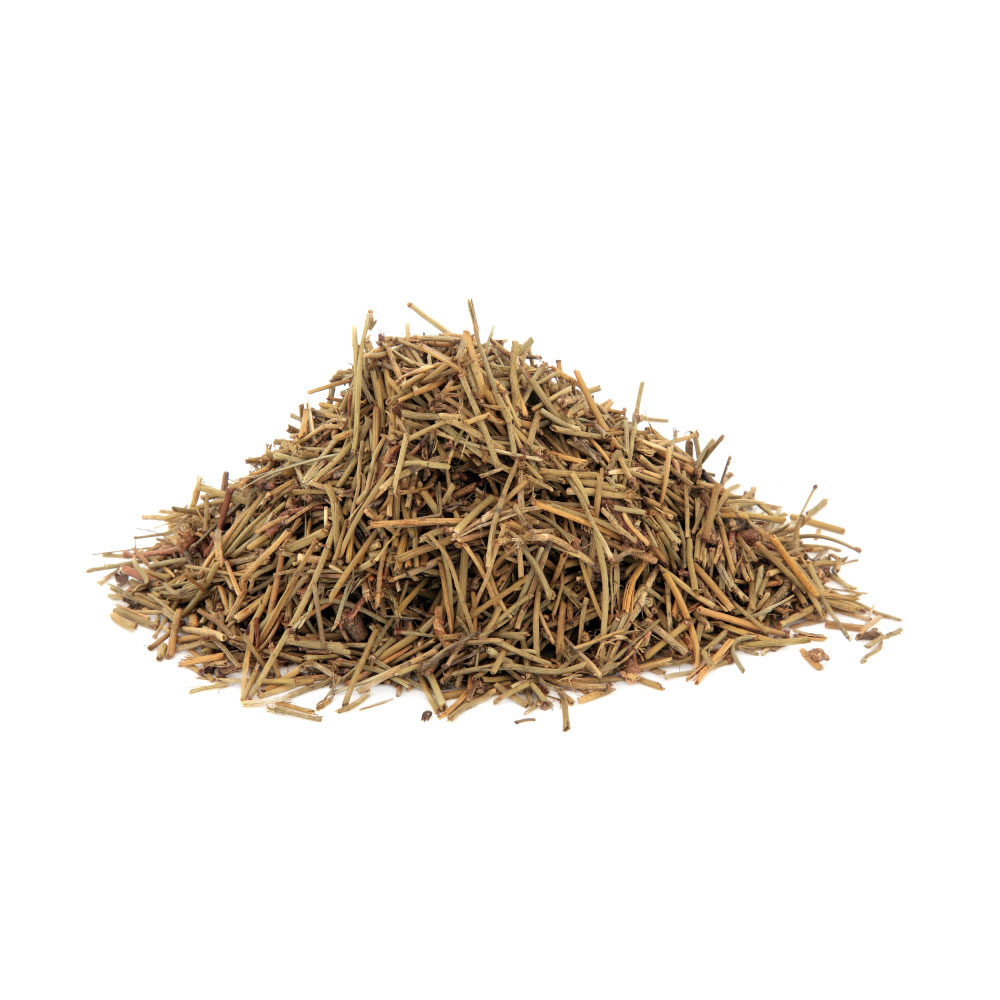 Principal source Ephedra Ephedra sinica Herb monograph →
 Source Wireweed Sida acuta Herb monograph →
Concentration
Content by Source
Concentrations not reported. No percent-dry-weight or mg/g figures have been published for this compound in its source plants.
Pseudoephedrine at a Glance
Pseudoephedrine is a phenylpropylamine alkaloid of Ephedra and the molecule behind the standard oral nasal decongestant. Chemically it is the diastereomer of ephedrine — same atoms, same connectivity, one flipped stereocentre — and that single difference is the whole story of the page.
The flip costs it most of what makes ephedrine a stimulant drug. In a direct human comparison, three to four times more pseudoephedrine was needed to produce the same rise in diastolic blood pressure, and its bronchodilator effect was less than half ephedrine’s 1Reference 1RCTComparison of the effects of D-(−)-ephedrine and L-(+)-pseudoephedrine on the cardiovascular and respiratory systems in man — double-blind studyView study →. What survives is enough α-mediated vasoconstriction to shrink swollen nasal mucosa at doses that leave heart rate and blood pressure only slightly moved 1,
Two things then complicated its position. Its renal clearance is strongly urine-pH-dependent, so the same dose behaves differently in different people 9,
This page is a pharmacology, toxicology and regulatory reference. It gives no dosing advice and no preparation guidance of any kind.
Ephedrine vs. Pseudoephedrine: What the Stereochemistry Buys
Ephedrine and pseudoephedrine share a molecular formula and differ only in the configuration at C1. Ephedrine is the (1R,2S)-erythro isomer; pseudoephedrine is the (1S,2S)-threo isomer. They are diastereomers, not mirror images — which is why they are not merely more and less potent versions of one another but genuinely different drugs at the receptor.
The cleanest demonstration is a 1978 double-blind human comparison 1Reference 1RCTComparison of the effects of D-(−)-ephedrine and L-(+)-pseudoephedrine on the cardiovascular and respiratory systems in man — double-blind studyView study →:
- Pressor effect. 60-90 mg of ephedrine raised diastolic blood pressure above 90 mmHg in resting healthy volunteers; 210-240 mg of pseudoephedrine was required for the same effect — roughly a three- to four-fold difference in potency.
- Bronchodilation. In patients with reversible airway obstruction, 60 mg ephedrine vs. 210 mg pseudoephedrine both produced some improvement in FEV₁, but pseudoephedrine’s effect was less than half ephedrine’s despite the much larger dose.
- Nasal decongestion. Pseudoephedrine nonetheless works as a decongestant, which the authors attributed to its α-adrenoceptor effects on nasal blood vessels — the one action the stereochemistry leaves largely intact.
The mechanistic picture underneath is worth stating honestly, because it is not the textbook “direct α1-agonist” cartoon. When the ephedrine-related stereoisomers were profiled across biogenic amine transporters and a large receptor panel, their most potent action was as substrates of the noradrenaline transporter — i.e. as releasers of noradrenaline — with only weak affinity at α2-adrenergic and 5-HT₇ receptors and no meaningful direct activity at α1 or β receptors 2Reference 2In vitroIn vitro characterization of ephedrine-related stereoisomers at biogenic amine transporters and the receptorome reveals selective actions as norepinephrine transporter substratesView study →. On that evidence the vasoconstriction is substantially indirect, mediated by released noradrenaline rather than by the molecule sitting on the receptor itself, and the stereochemistry is tuning transporter potency more than receptor selectivity.
The clinical translation. Ephedrine keeps the β-adrenergic and CNS load — bronchodilation, thermogenesis, stimulation, and the cardiovascular risk that goes with them. Pseudoephedrine keeps a usable fraction of the α-mediated vasoconstriction and sheds most of the rest. One became a regulated stimulant and a banned weight-loss ingredient; the other became a household decongestant.
Established Use: The Oral Decongestant
Pseudoephedrine’s real-world role is narrow and well defined: an orally-active nasal decongestant for the congestion of the common cold and of allergic rhinitis, taken alone or — far more often — combined with an antihistamine, an analgesic or a cough suppressant.
The evidence for the class is positive but modest. A Cochrane review of nasal decongestants used as monotherapy for the common cold found that with multiple doses, subjective congestion improved significantly versus placebo (SMD 0.49, 95% CI 0.07 to 0.92) — the authors’ own reading being a small clinical effect — with adverse-event rates indistinguishable from placebo over the short trial durations (125 vs 126 per 1000) 3Reference 3Systematic reviewNasal decongestants in monotherapy for the common cold — systematic reviewView study →.
In allergic rhinitis the molecule is usually studied inside a combination. A six-week randomised trial of loratadine 5 mg plus pseudoephedrine 120 mg twice daily in seasonal allergic rhinitis with mild asthma improved nasal and asthma symptom scores, peak expiratory flow and FEV₁ versus placebo 4Reference 4RCTEfficacy and safety of loratadine plus pseudoephedrine in patients with seasonal allergic rhinitis and mild asthma — randomised controlled trialView study →. That is a real result, but it is a result for the combination — the decongestant’s separate contribution is not isolated by that design.
Pseudoephedrine vs. Oral Phenylephrine
The most consequential comparison for this molecule is not with ephedrine but with oral phenylephrine, the ingredient that replaced it on open shelves after pseudoephedrine went behind the counter.
Phenylephrine’s oral efficacy has not held up. A systematic review and meta-analysis found 10 mg oral phenylephrine — the monograph dose — no better than placebo; a 25 mg dose reduced nasal airway resistance by 27.6%, but patient-reported decongestion was not consistently better than placebo at any dose, and the authors concluded there was insufficient evidence that oral phenylephrine works as a non-prescription decongestant 5Reference 5Meta-analysisEfficacy and safety of oral phenylephrine: systematic review and meta-analysisView study →. Eccles made the policy argument bluntly at the time: substituting an ineffective decongestant for an effective one in order to control methamphetamine manufacture is an illogical trade, because it removes a working medicine without removing the drug problem 6Reference 6ReviewSubstitution of phenylephrine for pseudoephedrine as a nasal decongestantView study →.
Regulators eventually agreed on the pharmacology. After a September 2023 advisory-committee review concluded the data do not support the monograph dose of oral phenylephrine as effective, the FDA issued a proposed order in November 2024 to remove orally administered phenylephrine hydrochloride (and phenylephrine bitartrate in effervescent form) from the OTC monograph “because they are not effective” 7Reference 7ReviewAmending Over-the-Counter Monograph M012: Cold, Cough, Allergy, Bronchodilator, and Antiasthmatic Drug Products for Over-the-Counter Human Use (proposed order, Docket FDA-2024-N-4734)View study →. As of July 2026 this remains a proposed order — not final — so phenylephrine products are still on sale.
The upshot for pseudoephedrine: within the oral-decongestant class it is the ingredient with the better efficacy case, and its retreat from the shelf was driven by precursor chemistry, not by pharmacology.
What It's Used For
The research base here is unusual for a plant constituent: pseudoephedrine has been studied almost entirely as an isolated, dose-controlled drug in humans, so the isolate-versus-plant problem that dogs most compound pages barely applies. What limits the evidence instead is effect size — the decongestant benefit is real but small, and everything outside decongestion is weaker than the molecule’s reputation suggests.
Support is an experimental score — weighted by study type (human > animal > in vitro) and volume. A beta, not a validated metric. Unusually for a plant constituent, every row here rests on human data for the isolated molecule; read the per-row basis for what that data actually shows.
The flagship application, and one tested as the isolated drug in dose-controlled human trials. A Cochrane review of nasal decongestants in monotherapy for the common cold found that multiple-dose regimens improved subjective nasal congestion versus placebo (SMD 0.49, 95% CI 0.07 to 0.92), which the reviewers characterised as a small clinical effect; adverse events over these short courses did not differ from placebo (OR 0.98, 95% CI 0.68 to 1.40) 3Reference 3Systematic reviewNasal decongestants in monotherapy for the common cold — systematic reviewView study →.
The mechanism is α-adrenergic constriction of the nasal mucosal vasculature, reducing mucosal swelling and so the sensation of blockage 1,
Gap: the effect is statistically real but small, measured over a few days in a self-limiting illness; the Cochrane pool mixes oral and topical decongestants rather than isolating oral pseudoephedrine, and no trial addresses repeated or long-term use. 3Reference 3Systematic reviewNasal decongestants in monotherapy for the common cold — systematic reviewView study →
Pseudoephedrine’s second established setting, but here it is almost always one half of a fixed combination. A six-week randomised trial in seasonal allergic rhinitis with concomitant mild asthma gave loratadine 5 mg plus pseudoephedrine 120 mg twice daily and found significant improvement in nasal and asthma symptom scores, peak expiratory flow, FEV₁ and quality of life versus placebo 4Reference 4RCTEfficacy and safety of loratadine plus pseudoephedrine in patients with seasonal allergic rhinitis and mild asthma — randomised controlled trialView study →.
The rationale is complementary: the antihistamine covers sneeze/itch/rhinorrhoea, the decongestant covers the blockage that antihistamines treat poorly.
Gap: the design cannot separate the two ingredients — the decongestant’s individual contribution to that result is not measured, and there is no comparable body of long-term trials of pseudoephedrine alone in allergic rhinitis. 4Reference 4RCTEfficacy and safety of loratadine plus pseudoephedrine in patients with seasonal allergic rhinitis and mild asthma — randomised controlled trialView study →
Real, demonstrated, and mostly a lesson in why this molecule is not ephedrine. In the double-blind comparison in patients with reversible airway obstruction, 210 mg pseudoephedrine and 60 mg ephedrine both produced some bronchodilation, but pseudoephedrine’s effect was less than half ephedrine’s — at three and a half times the dose 1Reference 1RCTComparison of the effects of D-(−)-ephedrine and L-(+)-pseudoephedrine on the cardiovascular and respiratory systems in man — double-blind studyView study →. The receptor profiling explains the shortfall: the ephedrine-type isomers have no meaningful direct β-adrenergic activity, so airway smooth-muscle relaxation depends on released noradrenaline, and pseudoephedrine is the weaker releaser 2Reference 2In vitroIn vitro characterization of ephedrine-related stereoisomers at biogenic amine transporters and the receptorome reveals selective actions as norepinephrine transporter substratesView study →.
Gap: one small controlled study, decades old, and clinically superseded — selective inhaled β2-agonists do this job far better and more safely, so bronchodilation is a pharmacological property of the molecule, not a use for it. 1,
The most over-claimed application. A meta-analysis of pseudoephedrine’s effects on exercise-performance parameters found the effects trivial across the board with the exception of heart rate, which rose by a small amount (ES = 0.43); improvements clustered in subgroups — well-trained participants (VO₂max ≥65 mL/kg/min), younger participants (<28 years), shorter bouts (<25 min) and administration less than 90 minutes before exercise. Doses above ~170 mg produced small improvements in time-trial performance and moderate heart-rate increases. The authors’ conclusion: the performance benefit is marginal and likely smaller than that of permitted stimulants such as caffeine 12Reference 12Meta-analysisEffects of pseudoephedrine on parameters affecting exercise performance: a meta-analysisView study →.
Gap: the doses that move performance at all are well above ordinary decongestant use and are the same doses that push urinary concentrations toward the anti-doping threshold 11,
Mechanisms
| Target / pathway | Effect | Relevant to |
|---|---|---|
| Noradrenaline transporter (NET) | substrate/releaser — the most potent action of the ephedrine-type stereoisomers; raises synaptic noradrenaline 2Reference 2In vitroIn vitro characterization of ephedrine-related stereoisomers at biogenic amine transporters and the receptorome reveals selective actions as norepinephrine transporter substratesView study → | all sympathomimetic effects (indirect mechanism) |
| α-adrenoceptors of nasal mucosal vessels | vasoconstriction → reduced mucosal swelling and nasal airway resistance 1Reference 1RCTComparison of the effects of D-(−)-ephedrine and L-(+)-pseudoephedrine on the cardiovascular and respiratory systems in man — double-blind studyView study → | nasal decongestion (the established use) |
| α2-adrenergic and 5-HT₇ receptors | weak direct affinity only; no meaningful direct α1 or β activity 2Reference 2In vitroIn vitro characterization of ephedrine-related stereoisomers at biogenic amine transporters and the receptorome reveals selective actions as norepinephrine transporter substratesView study → | why the actions are largely indirect |
| β2-adrenergic (via released noradrenaline) | bronchial smooth-muscle relaxation — less than half ephedrine’s effect 1Reference 1RCTComparison of the effects of D-(−)-ephedrine and L-(+)-pseudoephedrine on the cardiovascular and respiratory systems in man — double-blind studyView study → | bronchodilation |
| Systemic α/β drive | small rises in systolic pressure (~1 mmHg) and heart rate (~2.8 bpm); larger with higher doses and immediate-release forms 8Reference 8Meta-analysisEffect of oral pseudoephedrine on blood pressure and heart rate: a meta-analysisView study → | cardiovascular effectshypertension caution |
| Splanchnic/mesenteric vasoconstriction | proposed basis for reported non-occlusive ischaemic colitis 25, | toxicity |
The load-bearing point: pseudoephedrine is best understood as a weak indirect sympathomimetic whose stereochemistry has cost it potency at the noradrenaline transporter. Everything downstream — the modest decongestion, the mild pressor effect, the marginal ergogenic signal — is a consequence of that single change 1,
Pharmacokinetics
Pseudoephedrine is well absorbed orally and, unusually among plant-derived actives, is not limited by first-pass metabolism — its elimination is predominantly renal, with only a minority of the dose metabolised (in part by N-demethylation to cathine, norpseudoephedrine) 9,
The defining feature is that this average conceals a large pH-dependent range. Pseudoephedrine is a weak base, so its renal handling depends on how much of it is ionised in the tubule: urinary excretion is pH-dependent, and the plasma half-life varies with urinary pH — acidic urine traps the ionised drug and speeds elimination, alkaline urine allows reabsorption and prolongs it 9,
Those controlled studies also anchor the analytical side: after therapeutic administration of pseudoephedrine-containing medicines to healthy subjects, urinary pseudoephedrine and its metabolite cathine were quantified specifically to establish where a doping threshold could sit conservatively above ordinary therapeutic use — the basis for the 150 µg/mL figure 11Reference 11Determination of urinary concentrations of pseudoephedrine and cathine after therapeutic administration of pseudoephedrine-containing medications to healthy subjects: implications for doping control analysisView study →.
Clinical Trials
Human evidence for this molecule is genuinely extensive but almost all of it is old, short and symptomatic — decongestant efficacy trials in colds and allergic rhinitis, sports-science crossovers, and blood-pressure studies pooled into meta-analyses. There is no active development programme; the contemporary regulatory activity concerns its substitute (oral phenylephrine) rather than pseudoephedrine itself 7Reference 7ReviewAmending Over-the-Counter Monograph M012: Cold, Cough, Allergy, Bronchodilator, and Antiasthmatic Drug Products for Over-the-Counter Human Use (proposed order, Docket FDA-2024-N-4734)View study →.
| Completed | Planned | Terminated | Preclinical |
|---|---|---|---|
| Decongestant monotherapy and combination RCTs (Cochrane-pooled) 3, | — | — | Receptor/transporter profiling of the ephedrine stereoisomers 2Reference 2In vitroIn vitro characterization of ephedrine-related stereoisomers at biogenic amine transporters and the receptorome reveals selective actions as norepinephrine transporter substratesView study → |
Last checked: July 2026.
Isolate vs. Plant Studies
This molecule inverts the usual caveat, and does so more completely than most. Every human efficacy and safety finding here is for the isolated, dose-controlled compound — pseudoephedrine hydrochloride in a tablet, not an Ephedra preparation 1,
The transfer runs in the other direction, and it fails. Ephedra stem delivers pseudoephedrine as part of a variable alkaloid mixture — dominated by ephedrine, whose pharmacology is three to four times stronger and much less α-selective 1,
Precursor Controls & the OTC Market
Pseudoephedrine is the clearest case here of a medicine whose availability was decided by what it can be converted into rather than by what it does. It is a direct precursor for illicit methamphetamine manufacture — no chemistry is described here — and that single fact restructured the global OTC cold-and-flu aisle.
United States. The Combat Methamphetamine Epidemic Act of 2005 made pseudoephedrine a “scheduled listed chemical product” and imposed retail controls that took effect through 2006 14Reference 14CMEA (Combat Methamphetamine Epidemic Act of 2005) — General InformationView study →:
| Control | Requirement |
|---|---|
| Placement | Sold only from behind the counter or a locked cabinet (effective 30 September 2006) |
| Daily limit | 3.6 g of pseudoephedrine base per purchaser, regardless of the number of transactions |
| 30-day limit | 9 g per purchaser (no more than 7.5 g of it by mail or carrier) |
| Identification | Government-issued photo ID required at purchase |
| Records | Logbook of product, quantity, purchaser name and address, date and time — retained at least two years |
Some US states went further: Oregon (2006) and Mississippi (2010) made pseudoephedrine prescription-only. The evaluation of those laws found the effect depended on the baseline — Oregon’s change had no detectable impact because clandestine-laboratory seizures there were already low, whereas Mississippi saw a regulation-associated drop of 28.9 seizures (50.2%) 15Reference 15Changing over-the-counter ephedrine and pseudoephedrine products to prescription only: impacts on methamphetamine clandestine laboratory seizuresView study →. Broader economic evaluation of federal and state precursor laws found mixed results: some evidence that domestic production was affected, alongside evidence that prices fell, purity rose and treatment episodes increased — i.e. supply-side substitution rather than elimination 17Reference 17Are methamphetamine precursor control laws effective tools to fight the methamphetamine epidemic? Health Economics. https://pubmed.ncbi.nlm.nih.gov/21433216/View study →.
Elsewhere. Comparable controls exist internationally; Australia’s Project Stop, a real-time pharmacy recording system for pseudoephedrine sales, is the best-documented non-US example and has been reviewed for how much of the intended effect it actually achieved 16Reference 16ReviewThe impact of pseudoephedrine regulation at Australian pharmacies through Project Stop: a narrative reviewView study →.
The market consequence. With pseudoephedrine moved behind the counter, manufacturers reformulated front-of-shelf products around oral phenylephrine — an ingredient whose efficacy at the monograph dose was already questionable 5Reference 5Meta-analysisEfficacy and safety of oral phenylephrine: systematic review and meta-analysisView study →, which Eccles argued at the time was an illogical swap 6Reference 6ReviewSubstitution of phenylephrine for pseudoephedrine as a nasal decongestantView study →, and which the FDA has now proposed to remove from the OTC monograph outright as ineffective 7Reference 7ReviewAmending Over-the-Counter Monograph M012: Cold, Cough, Allergy, Bronchodilator, and Antiasthmatic Drug Products for Over-the-Counter Human Use (proposed order, Docket FDA-2024-N-4734)View study →. The net result of a decade and a half of precursor control is that the effective oral decongestant sits behind a counter with a logbook, and the one on the open shelf may not work.
Sport & Anti-Doping Status
Pseudoephedrine occupies an unusual middle position in anti-doping: not banned outright, but capped. It is listed among the S6 stimulants on the WADA Prohibited List as a specified substance prohibited In-Competition only above a urinary threshold of 150 µg/mL 13Reference 13The Prohibited List — S6 Stimulants (pseudoephedrine: specified stimulant, prohibited In-Competition above a urinary threshold of 150 µg/mL)View study →.
The threshold exists because ordinary therapeutic use and performance-oriented use are separated by dose, not by kind. WADA-commissioned controlled excretion studies quantified urinary pseudoephedrine and cathine after therapeutic administration precisely so the cut-off could be set conservatively above normal medicinal exposure 11Reference 11Determination of urinary concentrations of pseudoephedrine and cathine after therapeutic administration of pseudoephedrine-containing medications to healthy subjects: implications for doping control analysisView study →. The pharmacology backs the placement: measurable performance effects appear only at doses above ~170 mg, and even then the benefit is marginal — smaller, on the meta-analytic evidence, than that of permitted caffeine 12Reference 12Meta-analysisEffects of pseudoephedrine on parameters affecting exercise performance: a meta-analysisView study →. Because pseudoephedrine is widely present in multi-ingredient cold and influenza products, athletes are advised to stop taking pseudoephedrine-containing medicines at least 24 hours before the In-Competition period 13Reference 13The Prohibited List — S6 Stimulants (pseudoephedrine: specified stimulant, prohibited In-Competition above a urinary threshold of 150 µg/mL)View study →.
One analytical wrinkle matters: pseudoephedrine is metabolised in part to cathine (norpseudoephedrine), which carries its own urinary threshold — so a single medicine can produce two separately-regulated analytes 11Reference 11Determination of urinary concentrations of pseudoephedrine and cathine after therapeutic administration of pseudoephedrine-containing medications to healthy subjects: implications for doping control analysisView study →.
Prevalence in Nature
Pseudoephedrine is a narrowly distributed alkaloid, essentially confined to the genus Ephedra and concentrated in the aerial stem — the medicinal part — rather than the root 18,
Within that stem it is the second major ephedrine-type alkaloid. Ephedrine and pseudoephedrine together account for more than 80% of the total alkaloid fraction, and that fraction runs roughly 0.5-2.5% of dried stem, with pharmacopoeial material required to hold at least about 0.7% 19Reference 19ReviewEphedra in perspective — a current reviewView study →. Across eight Ephedra species, combined ephedrine + pseudoephedrine content ranged from 20.8 mg/g dry weight (E. distachya subsp. helvetica) to 34.7 mg/g (E. monosperma) 18Reference 18ReviewChemical composition of various Ephedra species — reviewView study →. HPLC work on the three official Chinese origins put total alkaloids at 2.708% in E. equisetina, 1.537% in E. intermedia and 1.365% in E. sinica, and — the point that matters for this molecule — found the ephedrine-to-pseudoephedrine ratio itself to be species-diagnostic, usable to tell the three apart 20Reference 20Comparison of contents of five ephedrine alkaloids in three official origins of Ephedra Herb in China by high-performance liquid chromatographyView study →. In other words, how much of an Ephedra stem’s alkaloid load is pseudoephedrine rather than ephedrine is a taxonomic property, not a constant.
Two boundaries are worth drawing. The root (ma huang gen) is a different material chemically: it carries A-type proanthocyanidins such as ephedrannin A, not alkaloids. And outside Ephedra, ephedrine-type phenethylamines are reported in Sida cordifolia and occasionally attributed to related Sida species, but the reports are inconsistent across the genus and should be treated as unconfirmed for pseudoephedrine specifically 21Reference 21ReviewSecondary metabolite compounds from Sida genus and their bioactivity — reviewView study →.
A close relative rounds out the picture: cathine — norpseudoephedrine, the N-demethyl analogue — occurs naturally in khat (Catha edulis) and also appears in humans as a metabolite of pseudoephedrine 11Reference 11Determination of urinary concentrations of pseudoephedrine and cathine after therapeutic administration of pseudoephedrine-containing medications to healthy subjects: implications for doping control analysisView study →.
Major Natural Sources
| Source (botanical) | Part | Reported level | Notes |
|---|---|---|---|
| Ephedra / ma huang (Ephedra sinica) | Stem | Total alkaloids ~1.365% 20Reference 20Comparison of contents of five ephedrine alkaloids in three official origins of Ephedra Herb in China by high-performance liquid chromatographyView study → | The principal medicinal species; ephedrine-dominant 19, |
| Ephedra equisetina | Stem | Total alkaloids ~2.708% 20Reference 20Comparison of contents of five ephedrine alkaloids in three official origins of Ephedra Herb in China by high-performance liquid chromatographyView study → | Highest total alkaloid content of the three Chinese official origins 20Reference 20Comparison of contents of five ephedrine alkaloids in three official origins of Ephedra Herb in China by high-performance liquid chromatographyView study → |
| Ephedra intermedia | Stem | Total alkaloids ~1.537% 20Reference 20Comparison of contents of five ephedrine alkaloids in three official origins of Ephedra Herb in China by high-performance liquid chromatographyView study → | E/PE ratio distinguishes it from the other two official species 20Reference 20Comparison of contents of five ephedrine alkaloids in three official origins of Ephedra Herb in China by high-performance liquid chromatographyView study → |
| Other Ephedra spp. (8 species surveyed) | Dried herb | Ephedrine + pseudoephedrine 20.8-34.7 mg/g dry wt 18Reference 18ReviewChemical composition of various Ephedra species — reviewView study → | Range across E. distachya subsp. helvetica to E. monosperma 18Reference 18ReviewChemical composition of various Ephedra species — reviewView study → |
| Heartleaf sida (Sida cordifolia) | Whole plant | Not quantified for pseudoephedrine | Ephedrine-type alkaloids reported; inconsistent across the genus 21Reference 21ReviewSecondary metabolite compounds from Sida genus and their bioactivity — reviewView study → |
No source-specific percentage for pseudoephedrine alone was found in the accessible literature — published figures are for total alkaloids or for ephedrine + pseudoephedrine combined. Tracked in the compound’s gaps file.
Discovery & Synthesis
The molecule arrived as a puzzle left over from a bigger discovery. Nagai Nagayoshi isolated and characterised pure ephedrine from ma huang in 1885 — a landmark that was then largely forgotten in the West until Chen and Schmidt rediscovered it in the early 1920s 22Reference 22ReviewThe history of Ephedra (ma-huang) — historical reviewView study →. Four years after Nagai, in 1889, Albert Ladenburg and Carl Oelschlägel published “Ueber das »Pseudo Ephedrin«”, describing and naming the accompanying isomer 23Reference 23Ueber das »Pseudo Ephedrin«View study →. The prefix pseudo- is exactly what it looks like: an admission that this was the other, not-quite-ephedrine base in the same plant — decades before the stereochemistry that distinguishes them could be assigned.
Manufacture today is not plant extraction. The dominant industrial route runs through L-phenylacetylcarbinol (L-PAC), produced by yeast biotransformation of benzaldehyde — a fermentation step exploiting the pyruvate-decarboxylase activity of Saccharomyces and related yeasts — followed by reductive amination. L-PAC is explicitly described in the biotechnology literature as “the precursor for L-ephedrine and D-pseudoephedrine”, and optimising its yield has been a long-running industrial fermentation problem 24Reference 24ReviewFactors affecting the production of L-phenylacetylcarbinol by yeast: a case study — reviewView study →. Both alkaloids are therefore made molecules with a biological first step, not extracts of Ephedra; the plant is the historical source, not the commercial one.
Patents: not yet researched.
Toxicity & Safety
Pseudoephedrine carries a moderate flag. At label doses in healthy adults it is a well-tolerated drug with placebo-level adverse-event rates over short courses 3Reference 3Systematic reviewNasal decongestants in monotherapy for the common cold — systematic reviewView study →; the badge reflects a genuine sympathomimetic tail — small but real cardiovascular effects that matter more in some people than others, a set of uncommon but serious vascular events, a first-trimester teratogenicity signal, and interaction potential with monoamine-oxidase inhibition.
Cardiovascular Effects
The quantified picture is reassuring on average and non-zero in detail. A meta-analysis of oral pseudoephedrine found a small but significant increase in systolic pressure (+0.99 mmHg, 95% CI 0.08 to 1.90) and heart rate (+2.83 beats/min, 95% CI 2.0 to 3.6), with no effect on diastolic pressure 8Reference 8Meta-analysisEffect of oral pseudoephedrine on blood pressure and heart rate: a meta-analysisView study →. In people with controlled hypertension the systolic rise was of similar magnitude (+1.20 mmHg, 95% CI 0.56 to 1.84) — i.e. the drug does not behave dramatically differently in treated hypertension. But the same analysis found higher doses, immediate-release formulations and shorter duration of use associated with larger blood-pressure increases 8Reference 8Meta-analysisEffect of oral pseudoephedrine on blood pressure and heart rate: a meta-analysisView study →, and the head-to-head data show the pressor effect is dose-scalable: 210-240 mg was enough to push diastolic pressure above 90 mmHg in healthy volunteers 1Reference 1RCTComparison of the effects of D-(−)-ephedrine and L-(+)-pseudoephedrine on the cardiovascular and respiratory systems in man — double-blind studyView study →. Uncontrolled hypertension, coronary disease, arrhythmia and hyperthyroidism remain standard label cautions.
Vascular Events
Uncommon, disproportionately serious, and the main reason this is not a “low” badge. Ischaemic colitis is the best-characterised: a four-case series first drew the association 25Reference 25Case reportIschemic colitis associated with pseudoephedrine: four cases — case seriesView study →, and a later case report with literature review confirmed a recognisable pseudoephedrine-associated pattern — typically non-occlusive, in younger patients without conventional vascular risk factors, attributed to splanchnic vasoconstriction 26Reference 26Case reportPseudoephedrine-induced ischemic colitis: case report and literature reviewView study →. Separately, a case series of 22 strokes following over-the-counter sympathomimetics found intracerebral haemorrhage in 17, subarachnoid haemorrhage in 4 and ischaemic stroke in 1, with a substantial proportion occurring after recommended doses; the proposed mechanisms were acute hypertension, vasospasm or angiitis 27Reference 27Case reportStroke associated with sympathomimetics contained in over-the-counter cough and cold drugs — case seriesView study →. That series covers the sympathomimetic class rather than pseudoephedrine alone, and case series cannot establish incidence — but they establish the hazard’s existence at ordinary doses.
CNS & Other Effects
The expected sympathomimetic effects — insomnia, restlessness, nervousness, palpitations — are dose-related and are the usual reason people stop taking it; the Cochrane monotherapy pooling found no excess of adverse events over placebo across short courses, which bounds how common the troublesome ones are in trial conditions 3Reference 3Systematic reviewNasal decongestants in monotherapy for the common cold — systematic reviewView study →. Standard label contraindications additionally cover narrow-angle glaucoma and urinary retention / bladder-outlet obstruction, both predictable consequences of α-adrenergic drive.
Drug Interactions
The classical concern is monoamine-oxidase inhibition: an indirect sympathomimetic that works by releasing noradrenaline is exactly the wrong partner for a drug that prevents noradrenaline breakdown, and non-selective MAOIs remain a firm contraindication. The best human test of the modern, selective end of that class is reassuring but does not overturn the rule — with selegiline transdermal system 6 mg/24 h (an MAO-B-selective route) in healthy volunteers, pseudoephedrine’s pharmacodynamics and pharmacokinetics were unremarkable, yet the authors still concluded it is prudent to avoid coadministration of the transdermal MAOI with sympathomimetics 30Reference 30Evaluation of the potential for pharmacodynamic and pharmacokinetic drug interactions between selegiline transdermal system and two sympathomimetic agents (pseudoephedrine and phenylpropanolamine) in healthy volunteersView study →. Because elimination is renal and pH-dependent, anything that alkalinises urine will raise exposure at a fixed dose 9,
Reproductive Findings
Stated as findings, not as a verdict — intake decisions belong to the herb or product page. A teratogen update on pseudoephedrine reported small increases in the risk of three defects after first-trimester decongestant use — gastroschisis, small intestinal atresia and hemifacial microsomia — with greater risks among women also exposed to the vasoconstrictive effects of cigarette smoking, while noting that a pharmacy-record cohort of 902 first-trimester pseudoephedrine exposures found 9 malformed infants, i.e. no association with birth defects overall 28Reference 28ReviewTeratogen update: pseudoephedrine — reviewView study →. A 2024 systematic review and meta-analysis of 18 studies (751,954 pregnancies) found first-trimester pseudoephedrine/phenylpropanolamine exposure associated with gastroschisis at a pooled RR 1.51 (95% CI 1.16-1.97), with the authors cautioning that associations were significant only in particular subgroups 29Reference 29Meta-analysisMedication use during pregnancy and the risk of gastroschisis: a systematic review and meta-analysis of observational studiesView study →. The coherent reading is a vasoconstriction-mediated, low-absolute-risk signal for a rare defect, concentrated in early pregnancy and amplified by smoking.
- Effective and well tolerated at label doses. The best-evidenced oral decongestant in its class; short-course adverse events do not differ from placebo 3,
5Reference 3Systematic reviewNasal decongestants in monotherapy for the common cold — systematic reviewView study →Reference 5Meta-analysisEfficacy and safety of oral phenylephrine: systematic review and meta-analysisView study → . - Much milder than ephedrine. Three to four times less potent as a pressor and less than half as strong a bronchodilator — the stereochemistry removes most of the stimulant load 1Reference 1RCTComparison of the effects of D-(−)-ephedrine and L-(+)-pseudoephedrine on the cardiovascular and respiratory systems in man — double-blind studyView study →.
- Real cardiovascular effects. Small average rises in systolic pressure and heart rate that scale with dose and with immediate-release forms; caution in uncontrolled hypertension, coronary disease, arrhythmia and hyperthyroidism 1,
8Reference 1RCTComparison of the effects of D-(−)-ephedrine and L-(+)-pseudoephedrine on the cardiovascular and respiratory systems in man — double-blind studyView study →Reference 8Meta-analysisEffect of oral pseudoephedrine on blood pressure and heart rate: a meta-analysisView study → . - Uncommon but serious vascular events. Ischaemic colitis and haemorrhagic stroke are reported, including after recommended doses 25,
26, .27Reference 25Case reportIschemic colitis associated with pseudoephedrine: four cases — case seriesView study →Reference 26Case reportPseudoephedrine-induced ischemic colitis: case report and literature reviewView study →Reference 27Case reportStroke associated with sympathomimetics contained in over-the-counter cough and cold drugs — case seriesView study → - First-trimester signal. Small increased risks of gastroschisis and related defects, amplified by smoking; pooled RR 1.51 for gastroschisis 28,
29Reference 28ReviewTeratogen update: pseudoephedrine — reviewView study →Reference 29Meta-analysisMedication use during pregnancy and the risk of gastroschisis: a systematic review and meta-analysis of observational studiesView study → . - MAOI interaction. Avoid with monoamine-oxidase inhibitors; even a selective transdermal MAOI carries an avoid-coadministration recommendation 30Reference 30Evaluation of the potential for pharmacodynamic and pharmacokinetic drug interactions between selegiline transdermal system and two sympathomimetic agents (pseudoephedrine and phenylpropanolamine) in healthy volunteersView study →.
- Exposure varies with urine pH. Renal clearance is pH-dependent, so the same dose does not produce the same exposure in everyone 9,
10Reference 9ReviewPharmacokinetics of oral decongestants — reviewView study →Reference 10The influence of urinary pH on the plasma half-life of pseudoephedrine in man and dog and a sensitive assay for its determination in human plasmaView study → . - Legally controlled as a precursor. Behind-the-counter, ID and quantity limits in the US; prescription-only in some states; equivalent controls elsewhere 14,
15, .16Reference 14CMEA (Combat Methamphetamine Epidemic Act of 2005) — General InformationView study →Reference 15Changing over-the-counter ephedrine and pseudoephedrine products to prescription only: impacts on methamphetamine clandestine laboratory seizuresView study →Reference 16ReviewThe impact of pseudoephedrine regulation at Australian pharmacies through Project Stop: a narrative reviewView study →
Dosage
No dose is recommended here. The figures below are the doses used in the published research cited here, given so the evidence can be read against them.
| Context | Dose studied | Source |
|---|---|---|
| Pressor comparison vs. ephedrine (healthy volunteers) | 210-240 mg single oral dose (vs. 60-90 mg ephedrine for the same effect) | 1Reference 1RCTComparison of the effects of D-(−)-ephedrine and L-(+)-pseudoephedrine on the cardiovascular and respiratory systems in man — double-blind studyView study → |
| Bronchodilation comparison (reversible airway obstruction) | 210 mg single oral dose (vs. 60 mg ephedrine) | 1Reference 1RCTComparison of the effects of D-(−)-ephedrine and L-(+)-pseudoephedrine on the cardiovascular and respiratory systems in man — double-blind studyView study → |
| Seasonal allergic rhinitis, 6-week RCT | 120 mg twice daily, with loratadine 5 mg | 4Reference 4RCTEfficacy and safety of loratadine plus pseudoephedrine in patients with seasonal allergic rhinitis and mild asthma — randomised controlled trialView study → |
| Common cold, decongestant monotherapy | Single- and multiple-dose regimens (Cochrane-pooled) | 3Reference 3Systematic reviewNasal decongestants in monotherapy for the common cold — systematic reviewView study → |
| Sports-performance studies | Above ~170 mg for any measurable time-trial effect | 12Reference 12Meta-analysisEffects of pseudoephedrine on parameters affecting exercise performance: a meta-analysisView study → |
| Anti-doping ceiling | Urinary threshold 150 µg/mL In-Competition; stop ≥24 h before competition | 11, |
Herbal exposure is indirect and unstandardised. Ephedra stem supplies pseudoephedrine only as part of a variable, mostly-ephedrine alkaloid mixture (roughly 0.5-2.5% total alkaloids of dried stem, ratio varying by species) 18,
These are doses studied in research and are not a personal recommendation. Purchase quantity limits and behind-the-counter requirements apply to this molecule in many jurisdictions 14Reference 14CMEA (Combat Methamphetamine Epidemic Act of 2005) — General InformationView study →.
References
- Drew CD, Knight GT, Hughes DT, Bush M (1978). Comparison of the effects of D-(−)-ephedrine and L-(+)-pseudoephedrine on the cardiovascular and respiratory systems in man — double-blind study. British Journal of Clinical Pharmacology. https://pubmed.ncbi.nlm.nih.gov/687500/
- Rothman RB, Vu N, Partilla JS, et al. (2003). In vitro characterization of ephedrine-related stereoisomers at biogenic amine transporters and the receptorome reveals selective actions as norepinephrine transporter substrates. Journal of Pharmacology and Experimental Therapeutics. https://pubmed.ncbi.nlm.nih.gov/12954796/
- Deckx L, De Sutter AI, Guo L, Mir NA, van Driel ML (2016). Nasal decongestants in monotherapy for the common cold — systematic review. Cochrane Database of Systematic Reviews. https://pubmed.ncbi.nlm.nih.gov/27748955/
- Corren J, Harris AG, Aaronson D, et al. (1997). Efficacy and safety of loratadine plus pseudoephedrine in patients with seasonal allergic rhinitis and mild asthma — randomised controlled trial. Journal of Allergy and Clinical Immunology. https://pubmed.ncbi.nlm.nih.gov/9438487/
- Hatton RC, Winterstein AG, McKelvey RP, Shuster J, Hendeles L (2007). Efficacy and safety of oral phenylephrine: systematic review and meta-analysis. The Annals of Pharmacotherapy. https://pubmed.ncbi.nlm.nih.gov/17264159/
- Eccles R (2007). Substitution of phenylephrine for pseudoephedrine as a nasal decongestant. An illogical way to control methamphetamine abuse — review. British Journal of Clinical Pharmacology. https://pubmed.ncbi.nlm.nih.gov/17116124/
- US Food and Drug Administration (2024). Amending Over-the-Counter Monograph M012: Cold, Cough, Allergy, Bronchodilator, and Antiasthmatic Drug Products for Over-the-Counter Human Use (proposed order, Docket FDA-2024-N-4734). Federal Register, 8 November 2024. https://www.govinfo.gov/content/pkg/FR-2024-11-08/html/2024-25910.htm
- Salerno SM, Jackson JL, Berbano EP (2005). Effect of oral pseudoephedrine on blood pressure and heart rate: a meta-analysis. Archives of Internal Medicine. https://pubmed.ncbi.nlm.nih.gov/16087815/
- Kanfer I, Dowse R, Vuma V (1993). Pharmacokinetics of oral decongestants — review. Pharmacotherapy. https://pubmed.ncbi.nlm.nih.gov/7507589/
- Kuntzman RG, Tsai I, Brand L, Mark LC (1971). The influence of urinary pH on the plasma half-life of pseudoephedrine in man and dog and a sensitive assay for its determination in human plasma. Clinical Pharmacology & Therapeutics. https://pubmed.ncbi.nlm.nih.gov/5541135/
- Barroso O, Goudreault D, Carbó Banús ML, et al. (2012). Determination of urinary concentrations of pseudoephedrine and cathine after therapeutic administration of pseudoephedrine-containing medications to healthy subjects: implications for doping control analysis. Drug Testing and Analysis. https://pubmed.ncbi.nlm.nih.gov/21548139/
- Gheorghiev MD, Hosseini F, Moran J, Cooper CE (2018). Effects of pseudoephedrine on parameters affecting exercise performance: a meta-analysis. Sports Medicine - Open. https://pubmed.ncbi.nlm.nih.gov/30291523/
- World Anti-Doping Agency. The Prohibited List — S6 Stimulants (pseudoephedrine: specified stimulant, prohibited In-Competition above a urinary threshold of 150 µg/mL). https://www.wada-ama.org/en/prohibited-list
- US Drug Enforcement Administration, Diversion Control Division. CMEA (Combat Methamphetamine Epidemic Act of 2005) — General Information. https://www.deadiversion.usdoj.gov/meth/cma2005.html
- Cunningham JK, Callaghan RC, Tong D, Liu LM, Li HY, Lattyak WJ (2012). Changing over-the-counter ephedrine and pseudoephedrine products to prescription only: impacts on methamphetamine clandestine laboratory seizures. Drug and Alcohol Dependence. https://pubmed.ncbi.nlm.nih.gov/22592141/
- Brookfield S, Gartner C (2024). The impact of pseudoephedrine regulation at Australian pharmacies through Project Stop: a narrative review. Drug and Alcohol Review. https://pubmed.ncbi.nlm.nih.gov/37963493/
- Nonnemaker J, Engelen M, Shive D (2011). Are methamphetamine precursor control laws effective tools to fight the methamphetamine epidemic? Health Economics. https://pubmed.ncbi.nlm.nih.gov/21433216/
- Ibragic S, Sofić E (2015). Chemical composition of various Ephedra species — review. Bosnian Journal of Basic Medical Sciences. https://pubmed.ncbi.nlm.nih.gov/26295290/
- Abourashed EA, El-Alfy AT, Khan IA, Walker L (2003). Ephedra in perspective — a current review. Phytotherapy Research. https://pubmed.ncbi.nlm.nih.gov/12916063/
- Hong H, Chen HB, Yang DH, et al. (2011). Comparison of contents of five ephedrine alkaloids in three official origins of Ephedra Herb in China by high-performance liquid chromatography. Journal of Natural Medicines. https://pubmed.ncbi.nlm.nih.gov/21465337/
- Aminah NS, Laili ER, Rafi M, Rochman A, Insanu M, Tun KNW (2021). Secondary metabolite compounds from Sida genus and their bioactivity — review. Heliyon. https://pubmed.ncbi.nlm.nih.gov/33912700/
- Lee MR (2011). The history of Ephedra (ma-huang) — historical review. Journal of the Royal College of Physicians of Edinburgh. https://pubmed.ncbi.nlm.nih.gov/21365072/
- Ladenburg A, Oelschlägel C (1889). Ueber das »Pseudo Ephedrin«. Berichte der deutschen chemischen Gesellschaft, 22, 1823-1827. https://doi.org/10.1002/cber.18890220225
- Oliver AL, Anderson BN, Roddick FA (1999). Factors affecting the production of L-phenylacetylcarbinol by yeast: a case study — review. Advances in Microbial Physiology. https://pubmed.ncbi.nlm.nih.gov/10500843/
- Dowd J, Bailey D, Moussa K, Nair S, Doyle R, Culpepper-Morgan JA (1999). Ischemic colitis associated with pseudoephedrine: four cases — case series. The American Journal of Gastroenterology. https://pubmed.ncbi.nlm.nih.gov/10484004/
- Sherid M, Samo S, Husein H, et al. (2014). Pseudoephedrine-induced ischemic colitis: case report and literature review. Journal of Digestive Diseases. https://pubmed.ncbi.nlm.nih.gov/24612436/
- Cantu C, Arauz A, Murillo-Bonilla LM, López M, Barinagarrementeria F (2003). Stroke associated with sympathomimetics contained in over-the-counter cough and cold drugs — case series. Stroke. https://pubmed.ncbi.nlm.nih.gov/12791938/
- Werler MM (2006). Teratogen update: pseudoephedrine — review. Birth Defects Research Part A: Clinical and Molecular Teratology. https://pubmed.ncbi.nlm.nih.gov/16933214/
- Baldacci S, Santoro M, Mezzasalma L, Pierini A, Coi A (2024). Medication use during pregnancy and the risk of gastroschisis: a systematic review and meta-analysis of observational studies. Orphanet Journal of Rare Diseases. https://pubmed.ncbi.nlm.nih.gov/38287353/
- Azzaro AJ, Ziemniak J, Kemper E, Campbell BJ, VanDenBerg C (2007). Evaluation of the potential for pharmacodynamic and pharmacokinetic drug interactions between selegiline transdermal system and two sympathomimetic agents (pseudoephedrine and phenylpropanolamine) in healthy volunteers. Journal of Clinical Pharmacology. https://pubmed.ncbi.nlm.nih.gov/17554106/



