
Subclass of Alkaloids
Amines & Protoalkaloids
Simple nitrogen bases — histamine, serotonin, melatonin, and the ephedra phenethylamines.
Overview
About Amines & Protoalkaloids
Amines are the simplest nitrogen-bearing plant compounds — an amino acid with its carboxyl group removed, and little else. Because the nitrogen sits outside a ring rather than within one, they are strictly protoalkaloids or biological amines rather than true alkaloids.
Their simplicity is exactly why they matter. These are often the same molecules the body uses as neurotransmitters and hormones, or one enzymatic step away from them, so a plant amine can plug straight into human signalling.
Where Amines Occur
Scattered widely, with a few plants concentrating one to notable levels:
Ephedra
ephedrine and pseudoephedrine
Bitter orange
synephrine and octopamine
Fermented and aged foods, mistletoe, cheese
tyramine and histamine
Cacao
phenethylamine
Many plants
serotonin, melatonin, dopamine in trace amounts
Melatonin and serotonin in plants are a genuine curiosity: the same molecules that regulate human sleep and mood occur across the plant kingdom, generally at doses far too low to matter.
Pharmacological Importance
The phenethylamine amines are sympathomimetics — they release noradrenaline and stimulate adrenergic receptors directly, producing bronchodilation, raised heart rate and blood pressure, appetite suppression and thermogenesis.
Ephedrine is the archetype and remains a legitimate bronchodilator and vasopressor; pseudoephedrine is the standard oral decongestant. Synephrine took ephedra's place in weight-loss products after the ephedra ban, on a much thinner evidence base.
Toxicity & Safety
This subgroup has caused more regulatory action than any other on this site. Ephedra-containing weight-loss supplements were banned in the United States in 2004 after deaths from cardiac arrhythmia and stroke, particularly in combination with caffeine.
The tyramine problem is the other headline: monoamine oxidase normally destroys dietary tyramine before it reaches circulation, so anyone taking an MAO inhibitor — pharmaceutical or the herbal beta-carbolines — risks a hypertensive crisis from tyramine-rich foods. Sympathomimetic amines are also contraindicated in hypertension, cardiovascular disease, hyperthyroidism and glaucoma.
Constituents
All Amines & Protoalkaloids
36 total#
3-MethoxytyramineA
Acetylcholine agmatineB
BetonicineC
Cathine Cathinone CholineD
deanolE
Ephedrine CareH
Histamine Hordenine HydroxytyramineI
Ibotenic acid IndoleM
Melatonin Mephedrone (4-MMC) Mescaline meta-Octopamine meta-Tyramine Methcathinone Methyl anthranilate Muscarine Muscazone MuscimolN
N-Methylphenethylamine N-Methyltyramine N,N-Dimethylphenethylamine N,N-dimethyltyramine NoradrenalineP
Phenethylamine Proscaline Pseudoephedrine CareS
Serotonin StachydrineT
Trigonelline TyramineNo amines & protoalkaloids match.
Source Plants
Herbs Containing Amines & Protoalkaloids
22 herbsPlants in the materia medica documented to carry amines & protoalkaloids, with the compounds each one is listed for. The bar counts how many DISTINCT amines & protoalkaloids are on record for a plant, relative to the best-documented — it measures breadth of record, not potency, so a plant with one well-studied compound can outrank a richer source that has simply been analysed less. Where a measured concentration is on record it is quoted inline; most entries have none yet.
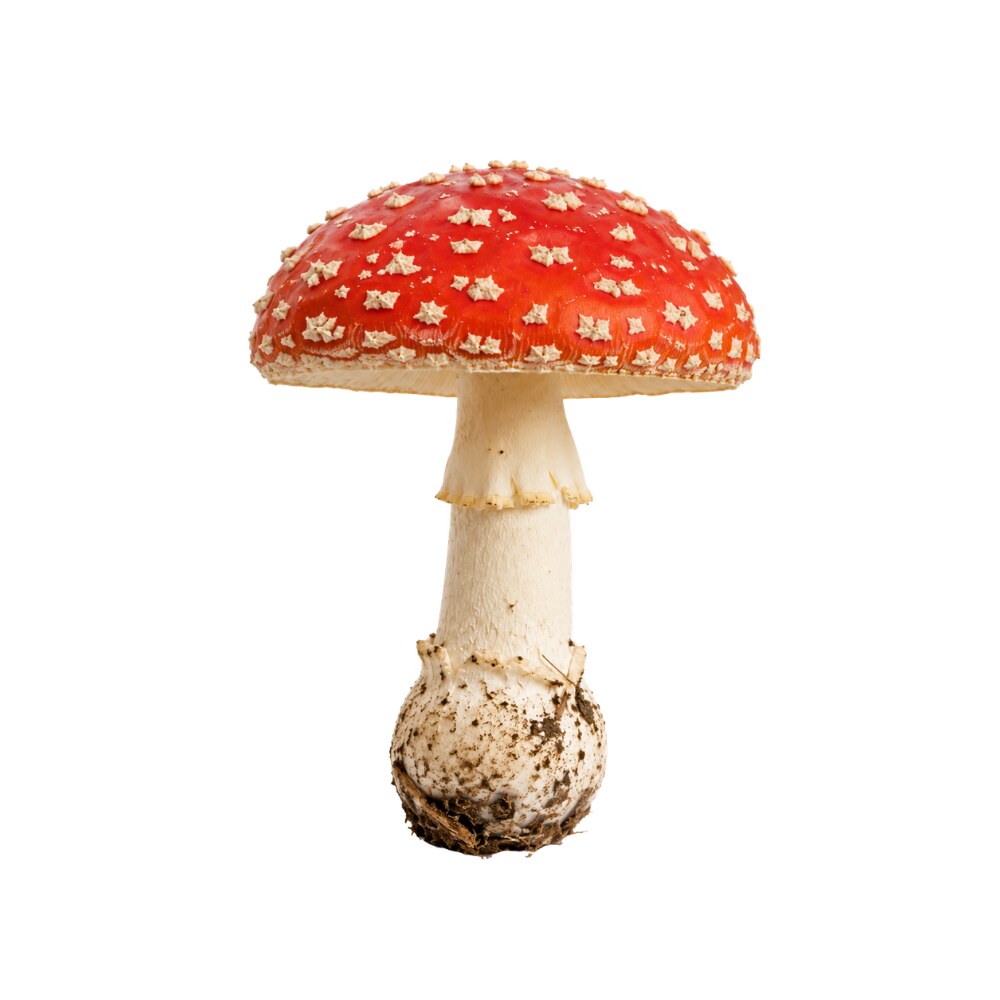 Fly Agaric Amanita muscaria Documented for ibotenic acid, muscarine, muscazone and 1 more.
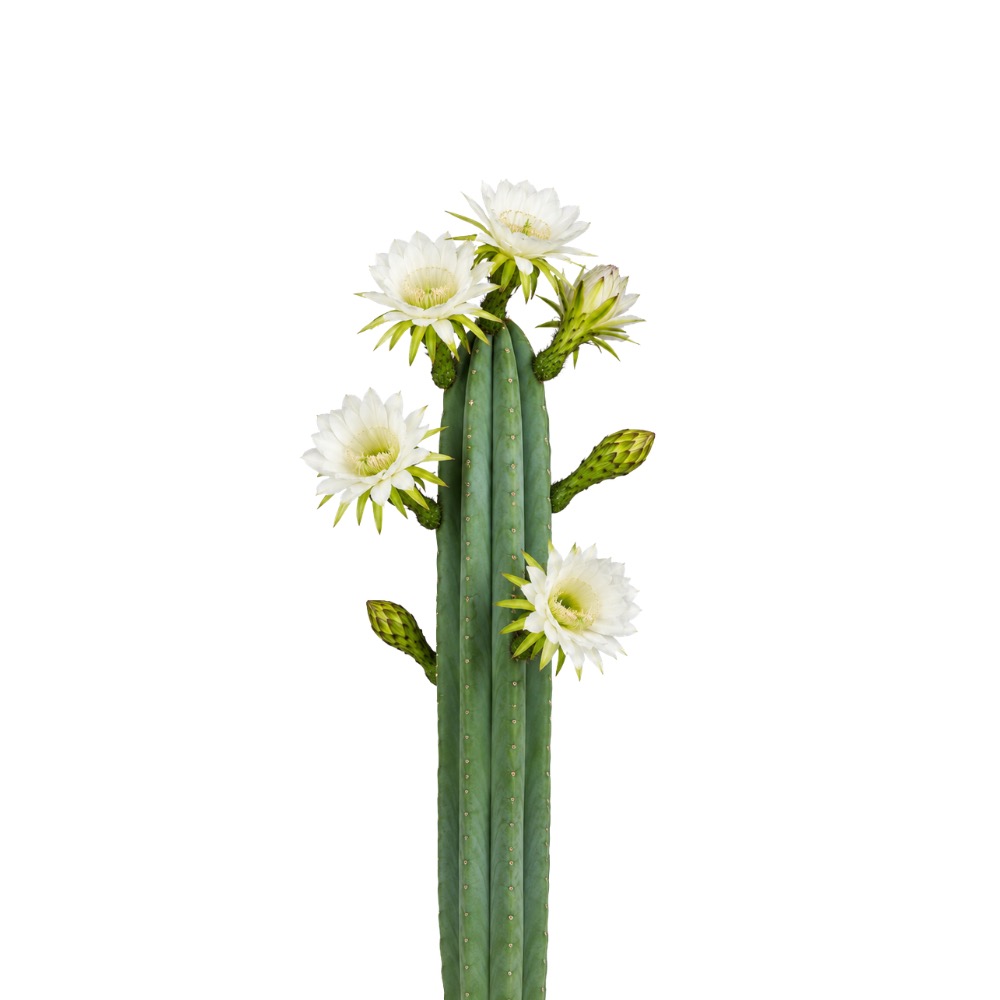 San Pedro Echinopsis pachanoi Documented for 3-methoxytyramine, hordenine, mescaline and 1 more.
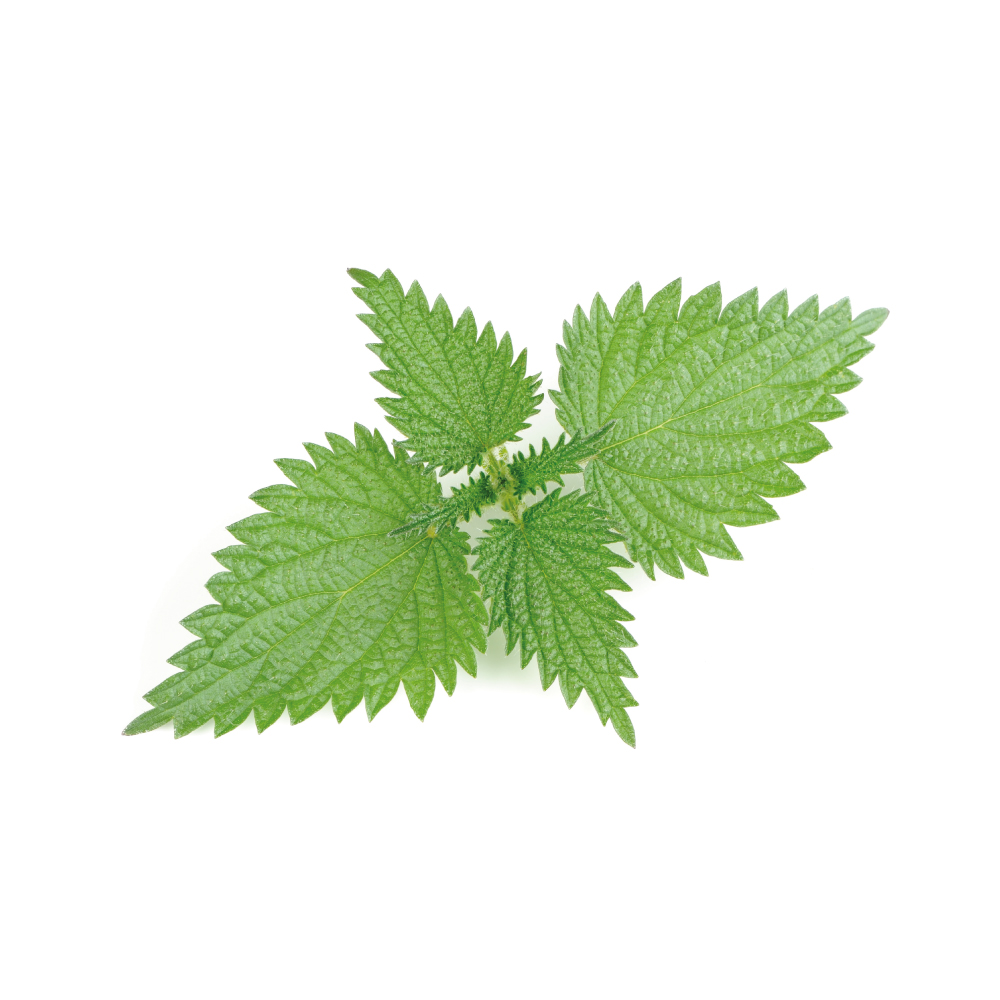 Stinging Nettle Urtica dioica Documented for acetylcholine, choline, histamine and 1 more.
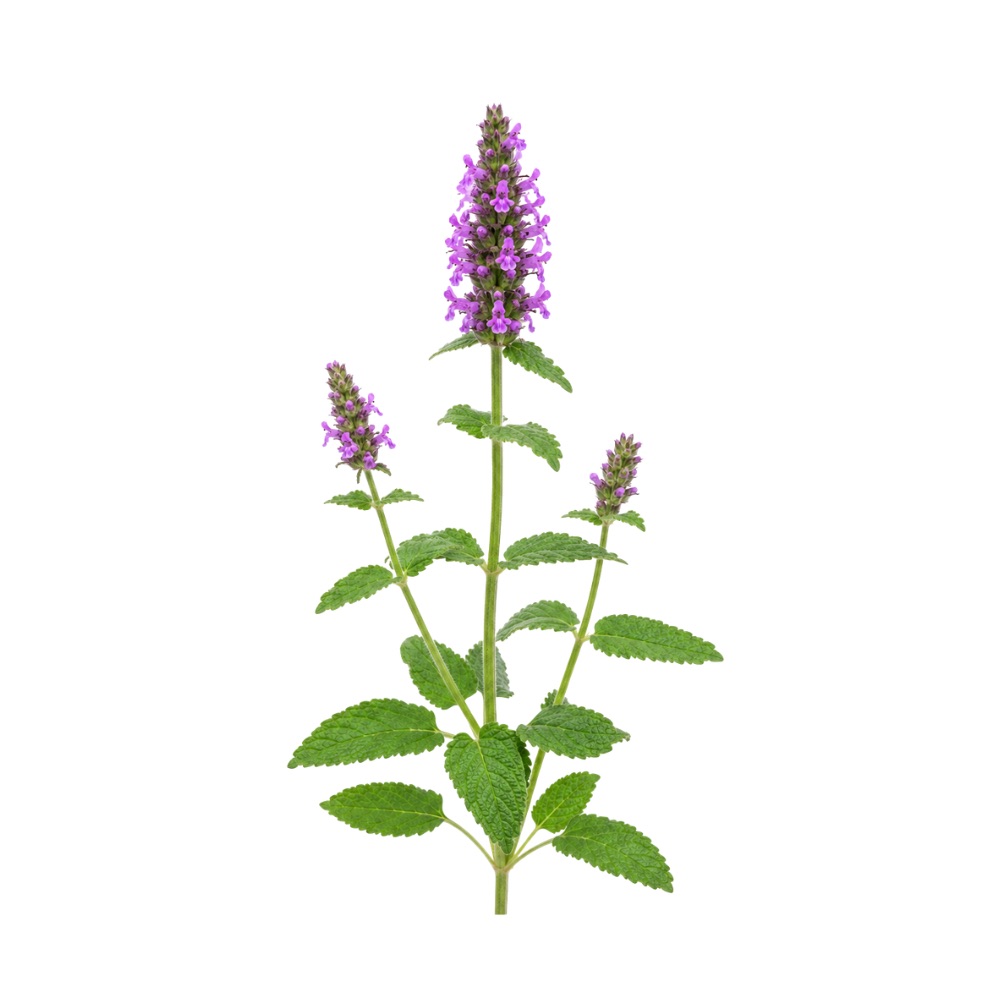 Wood Betony Stachys officinalis Documented for betonicine, choline, stachydrine and 1 more.
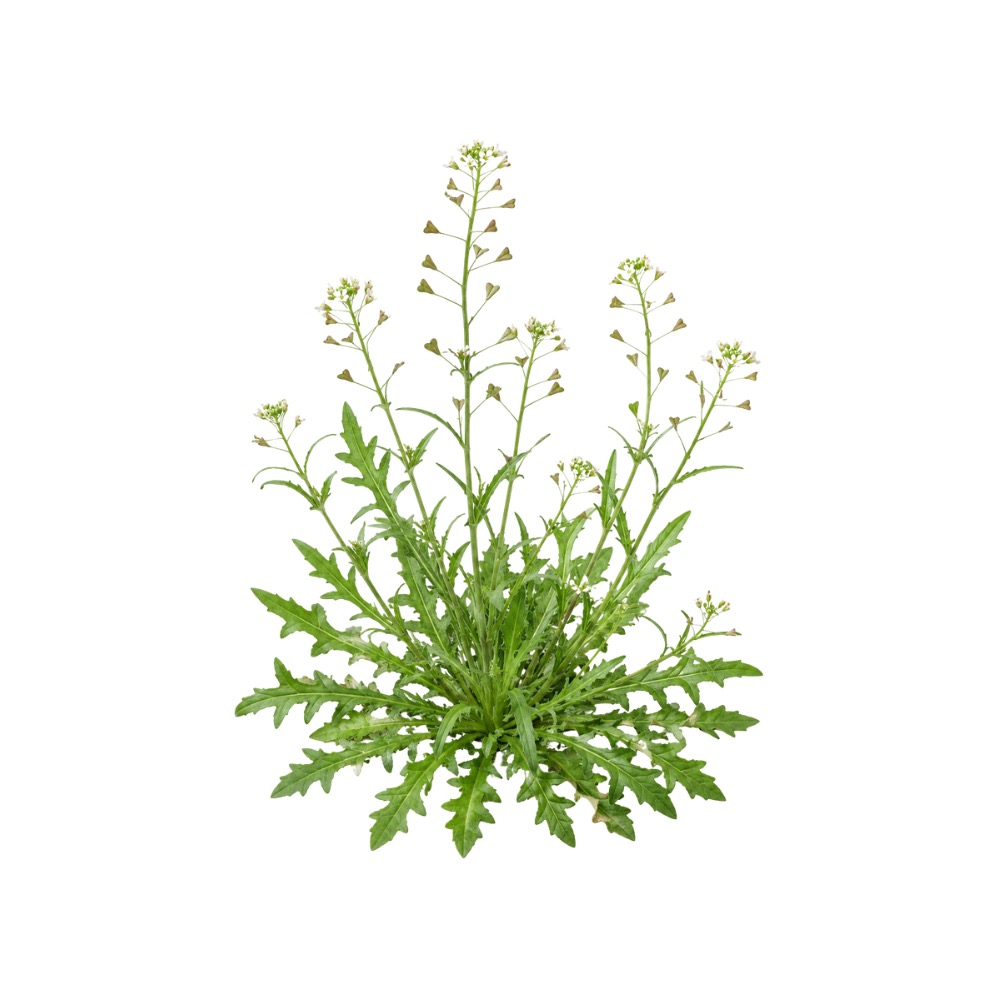 Shepherd's Purse Capsella bursa-pastoris Documented for acetylcholine, choline, tyramine.
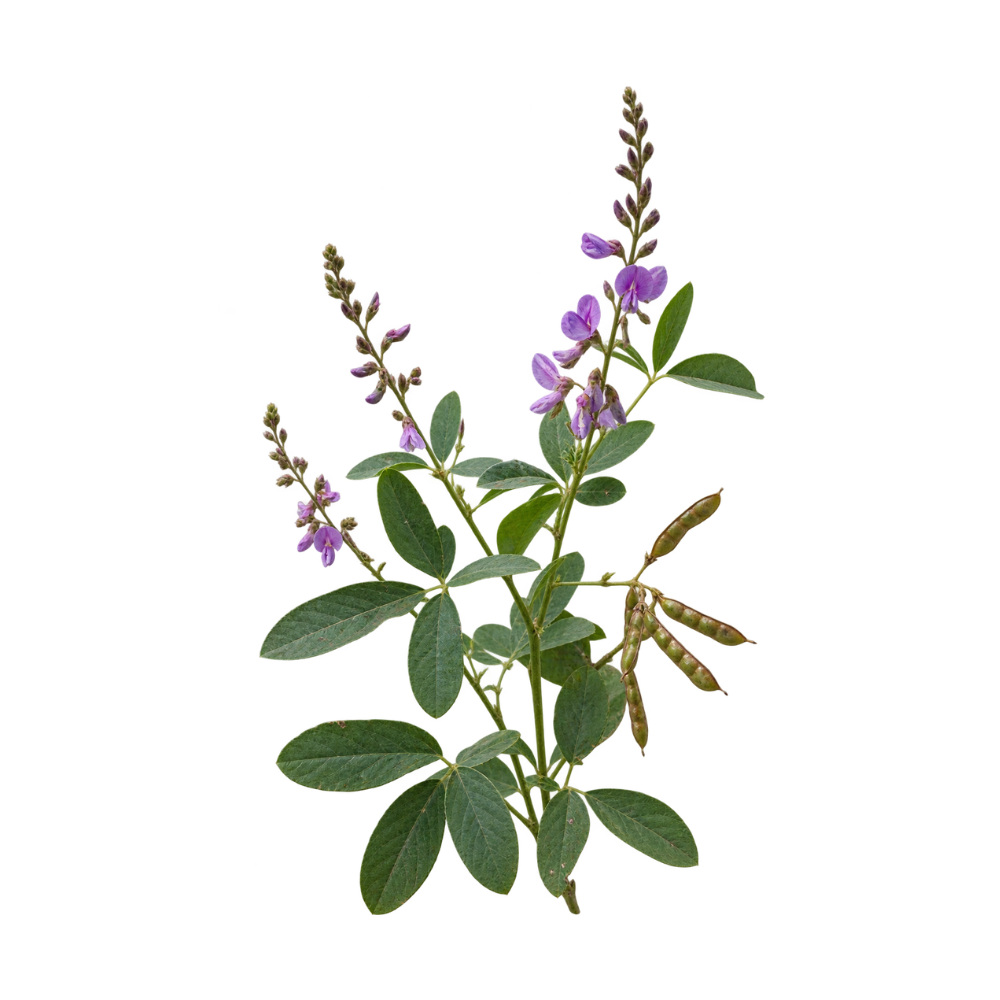 Tick Trefoil Desmodium spp. Documented for hordenine, N,N-dimethyltyramine, tyramine.
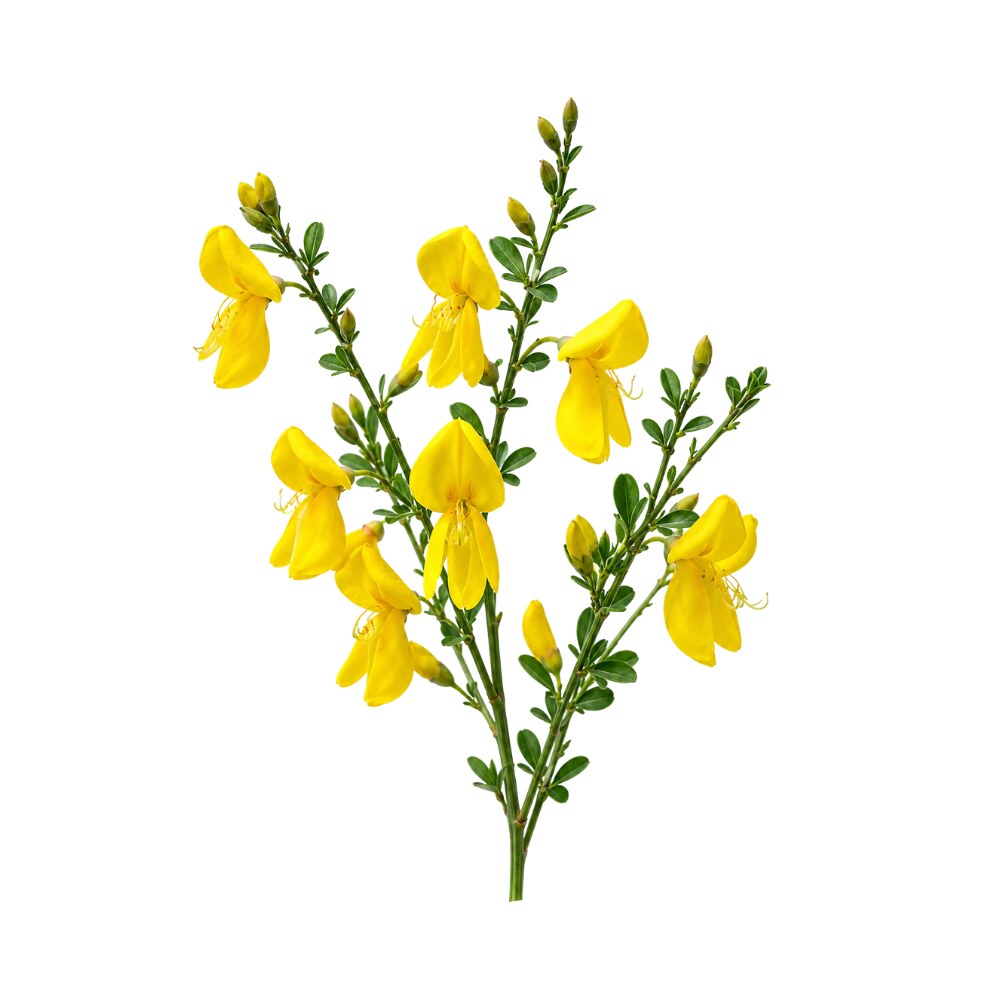 Broom Cytisus scoparius Toxic Documented for hydroxytyramine, tyramine.
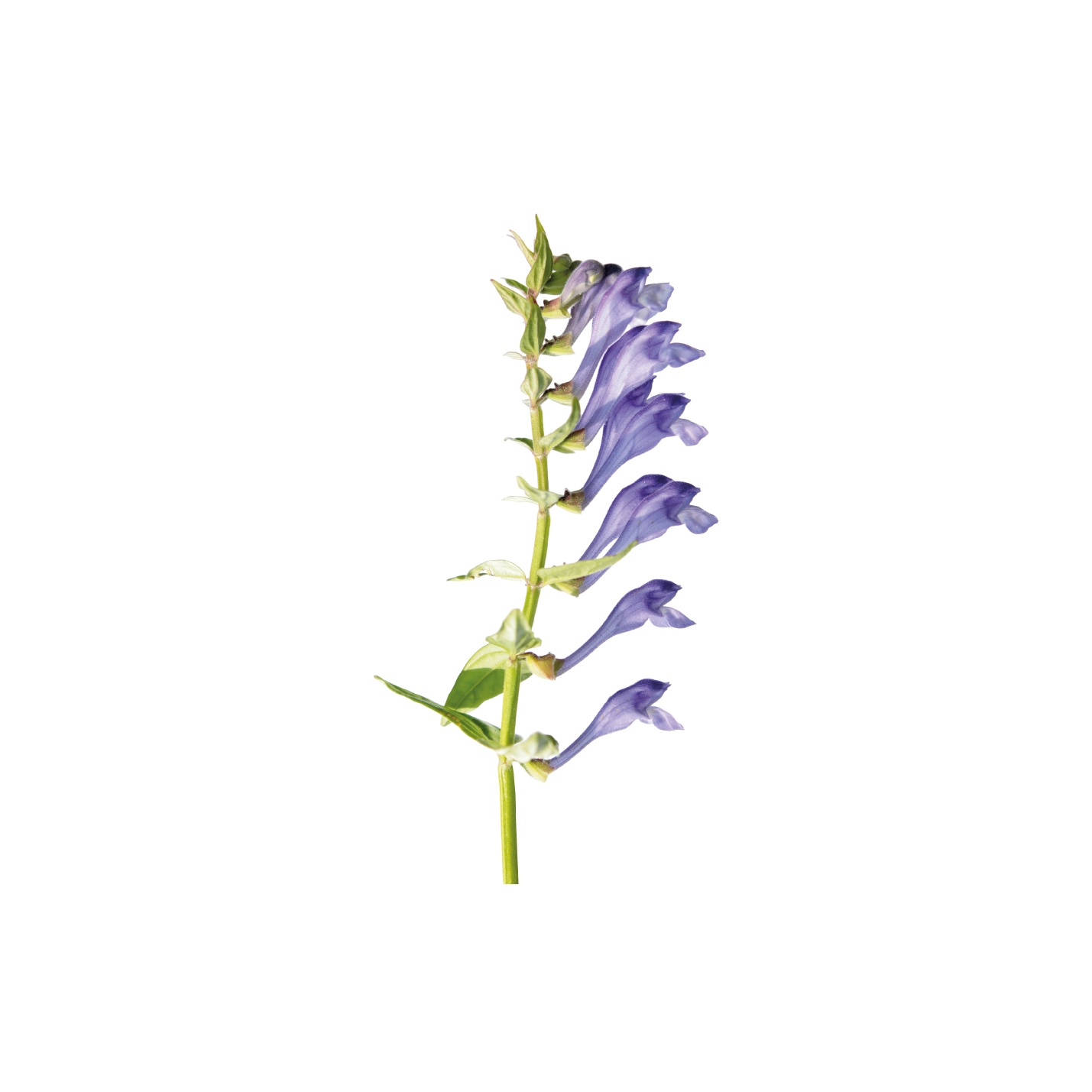 Chinese Skullcap Scutellaria baicalensis Documented for melatonin, serotonin.
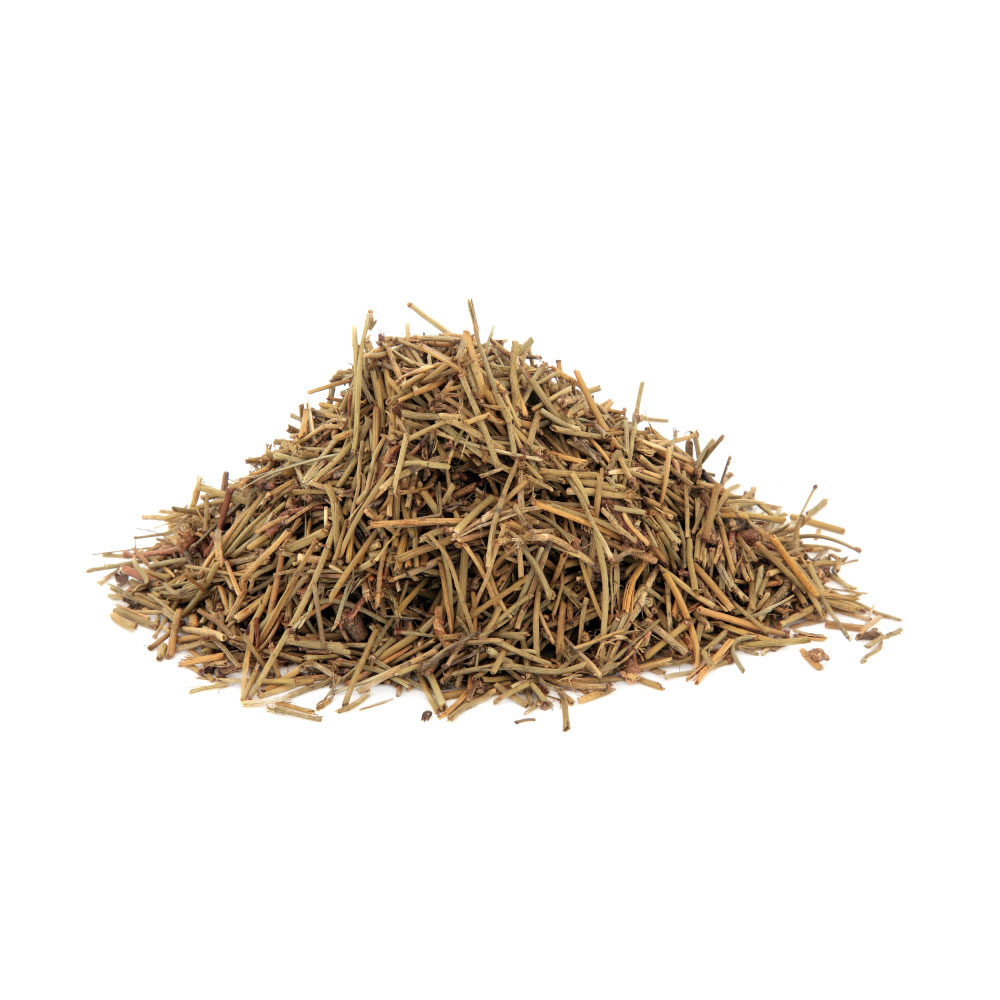 Ephedra Ephedra sinica Toxic Documented for ephedrine (0.7–2 % dry wt), pseudoephedrine.
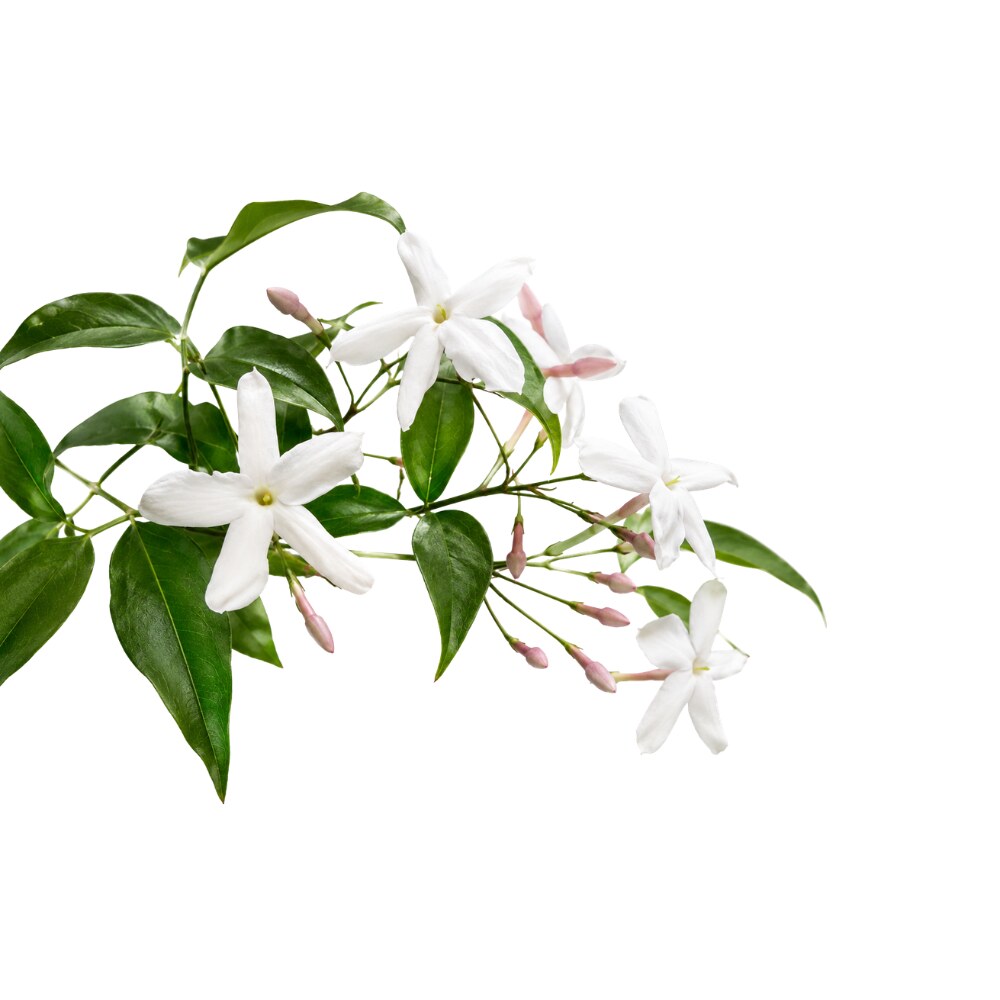 Jasmine Jasminum officinale Documented for indole, methyl anthranilate.
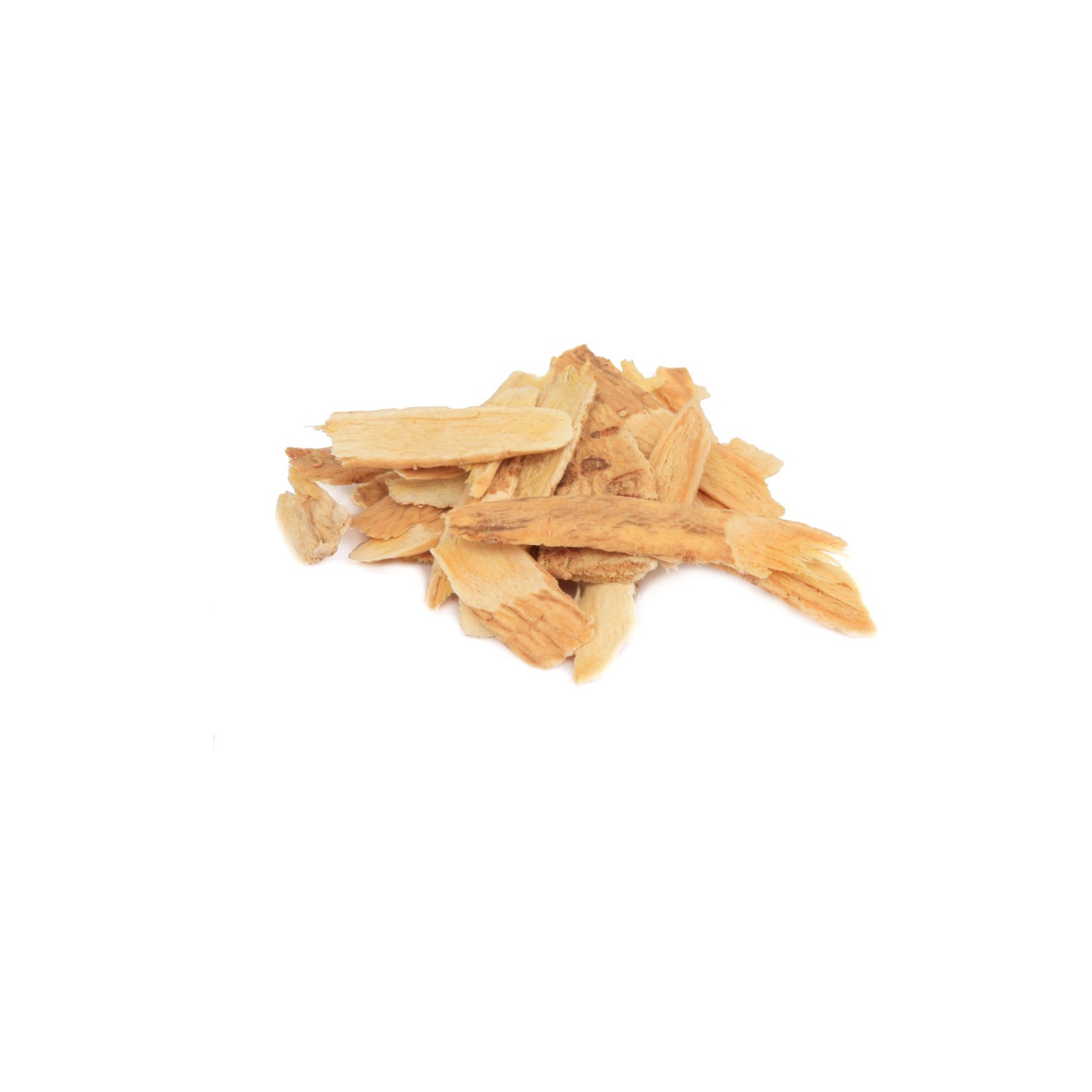 Astragalus Astragalus mongholicus Documented for choline.
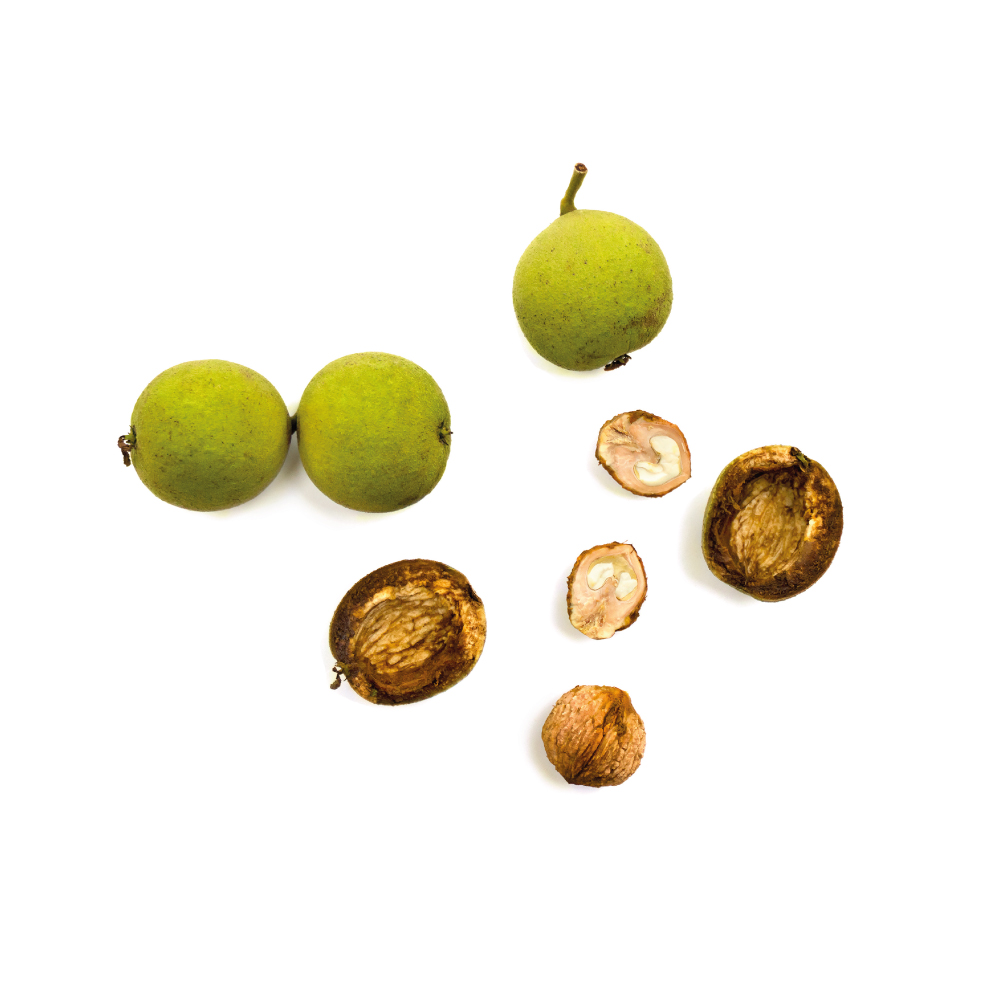 Black Walnut Juglans nigra Documented for serotonin. Bulbous Canary Grass ☠️ Phalaris aquatica Toxic Documented for hordenine.
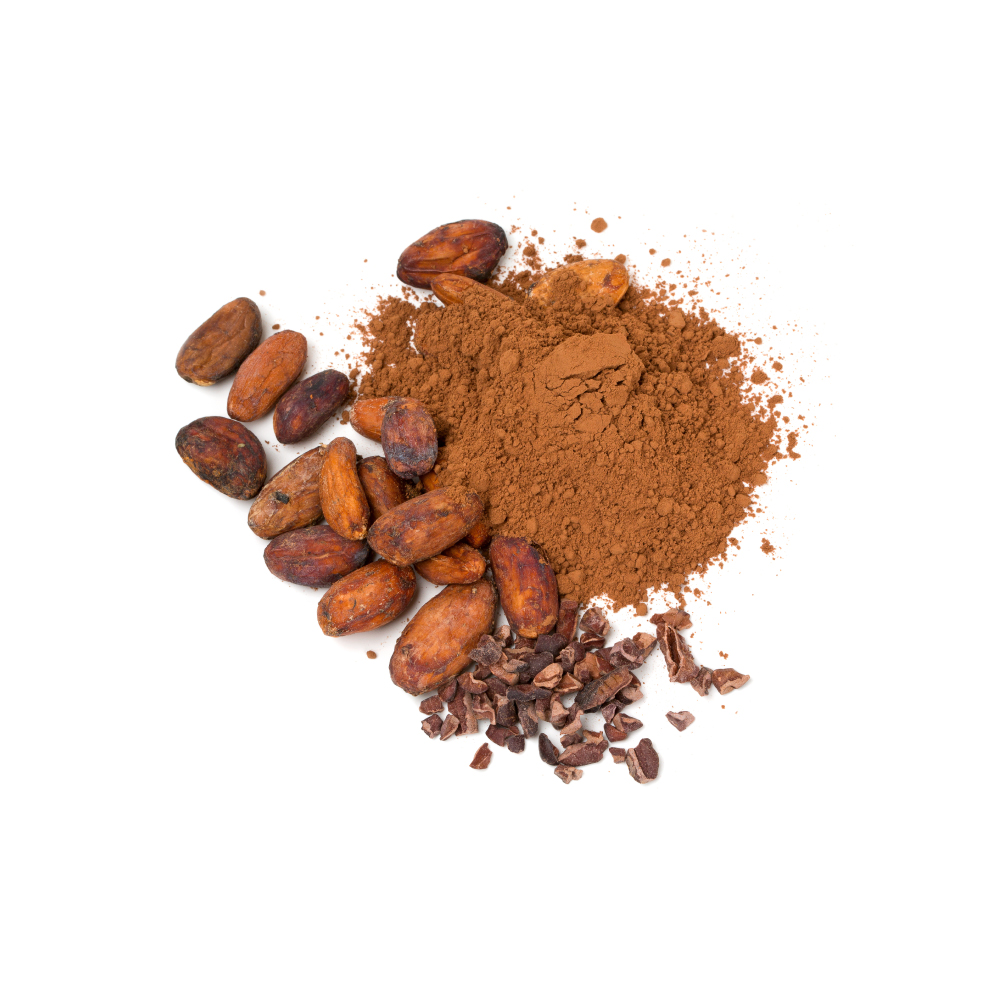 Cacao Theobroma cacao Documented for phenethylamine (9.6–71.7 mg/kg).
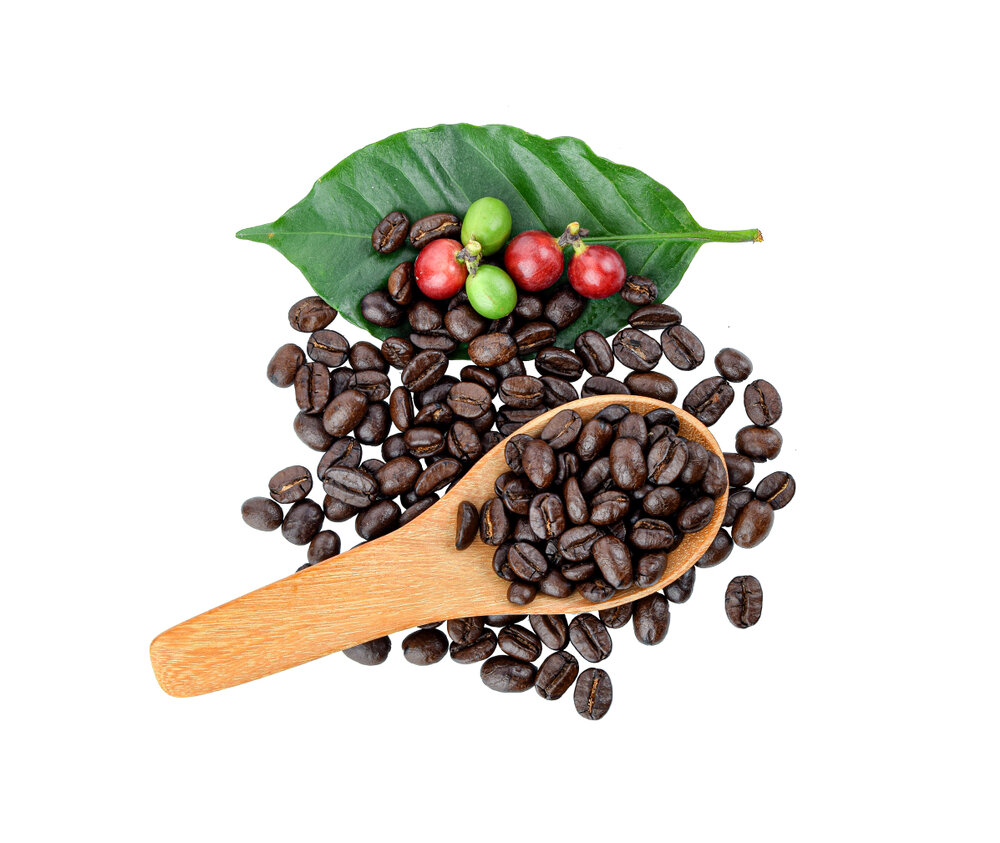 Coffee Coffea arabica Documented for trigonelline (1–3 % dry wt).
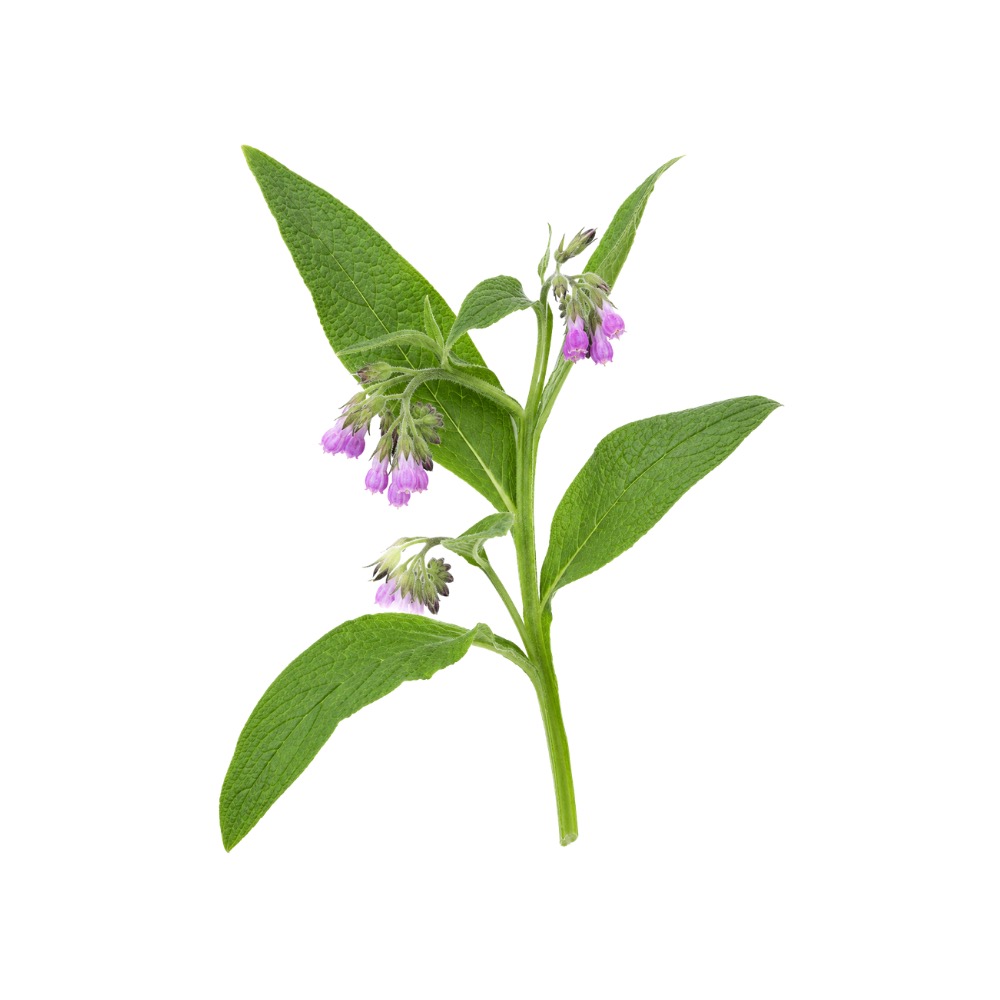 Comfrey Symphytum officinale Toxic Documented for choline.
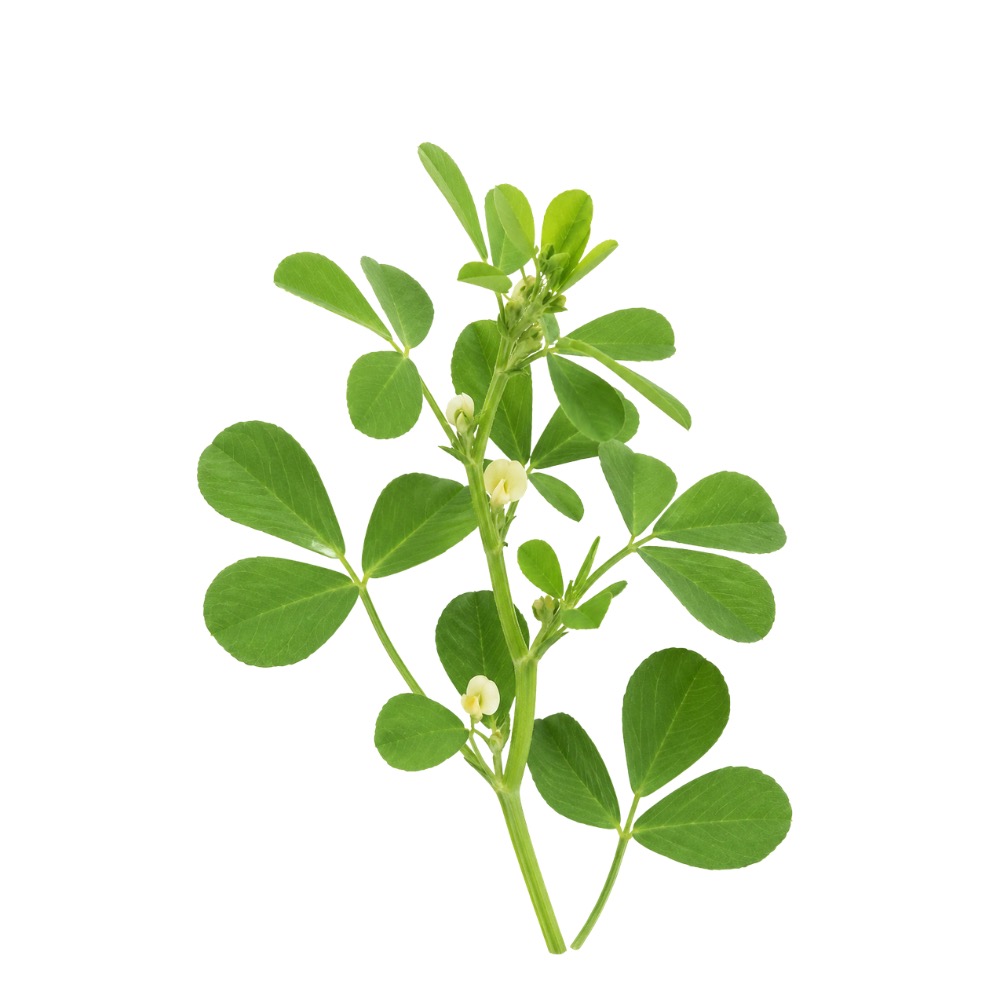 Fenugreek Trigonella foenum-graecum Documented for trigonelline (0.4–1 % dry wt).
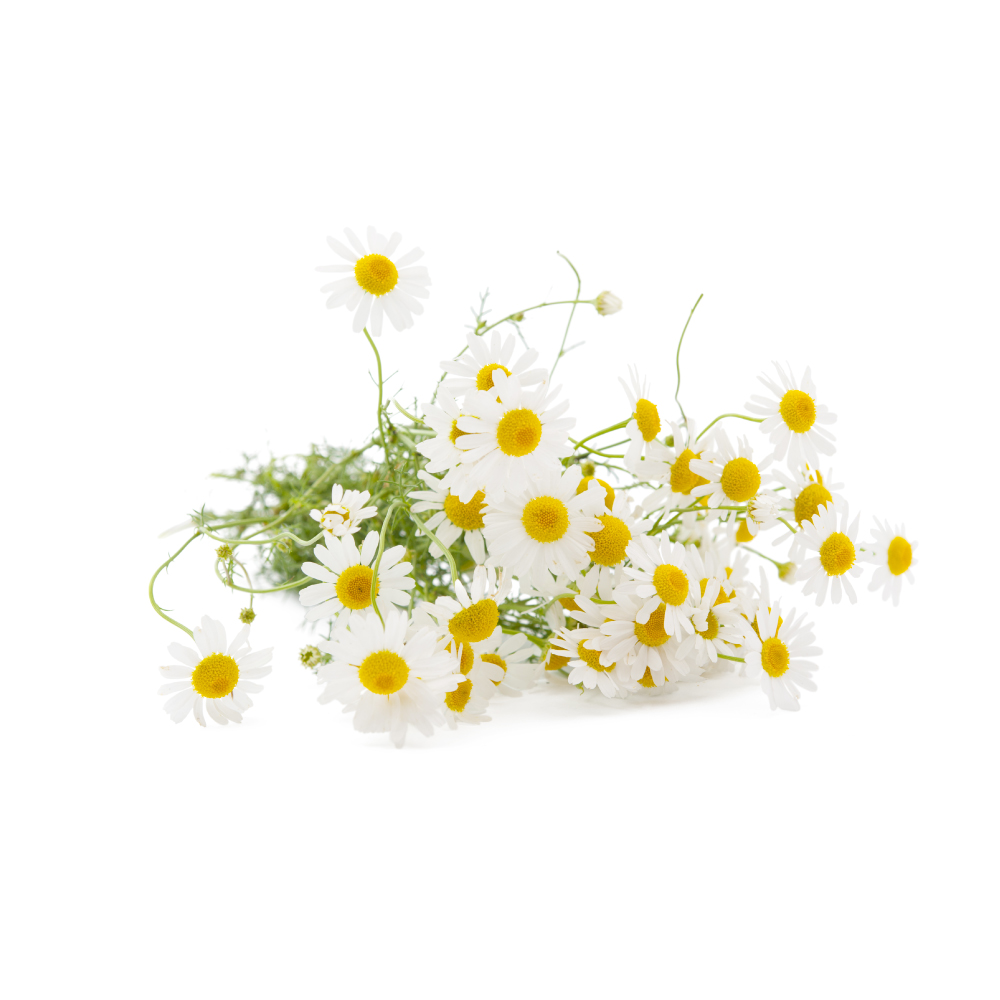 German Chamomile Matricaria chamomilla Documented for choline.
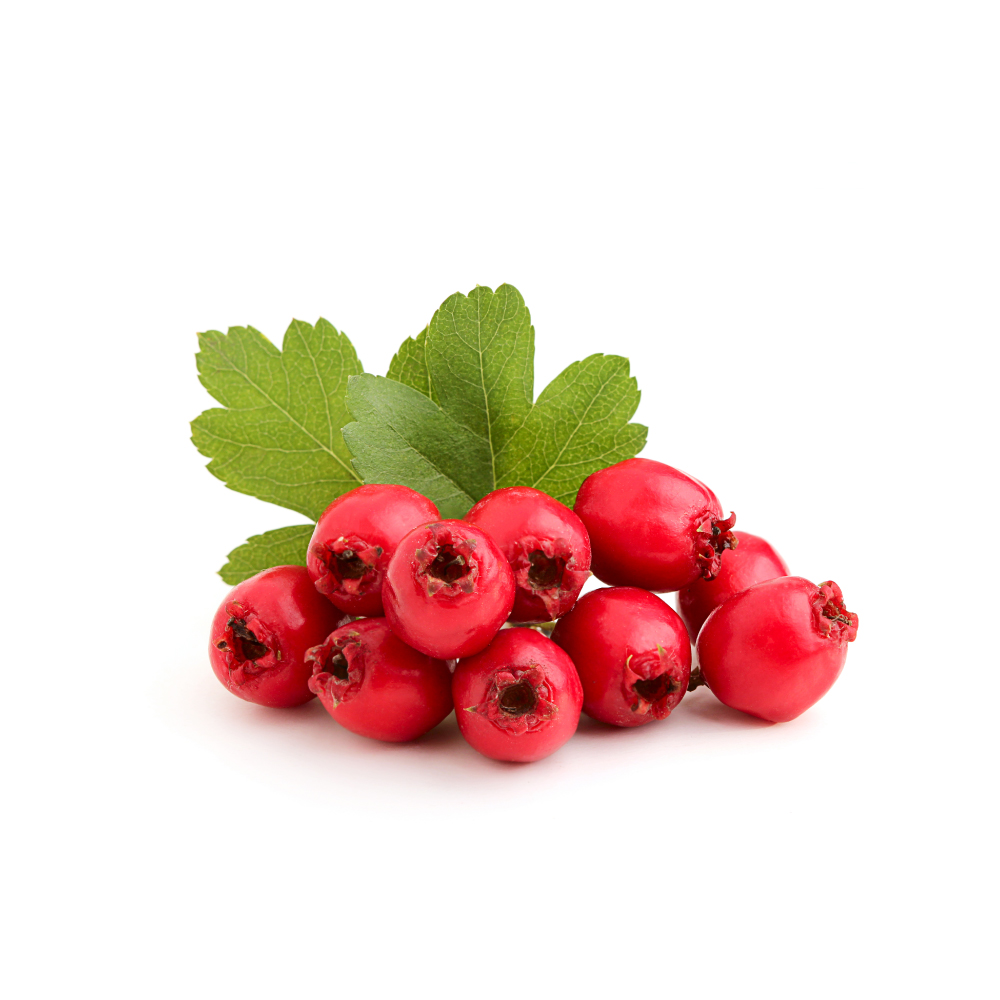 Hawthorn Crataegus oxyacantha Documented for amines.
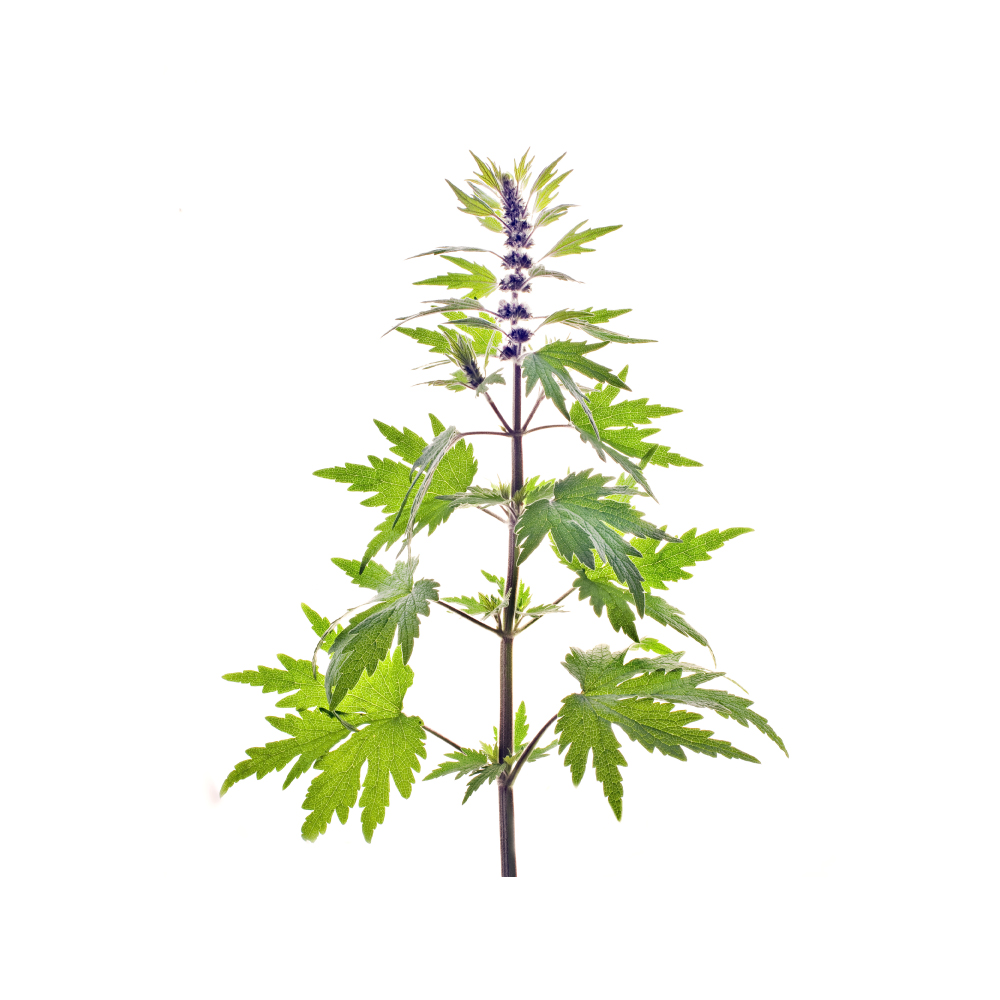 Motherwort Leonurus cardiaca Documented for stachydrine.
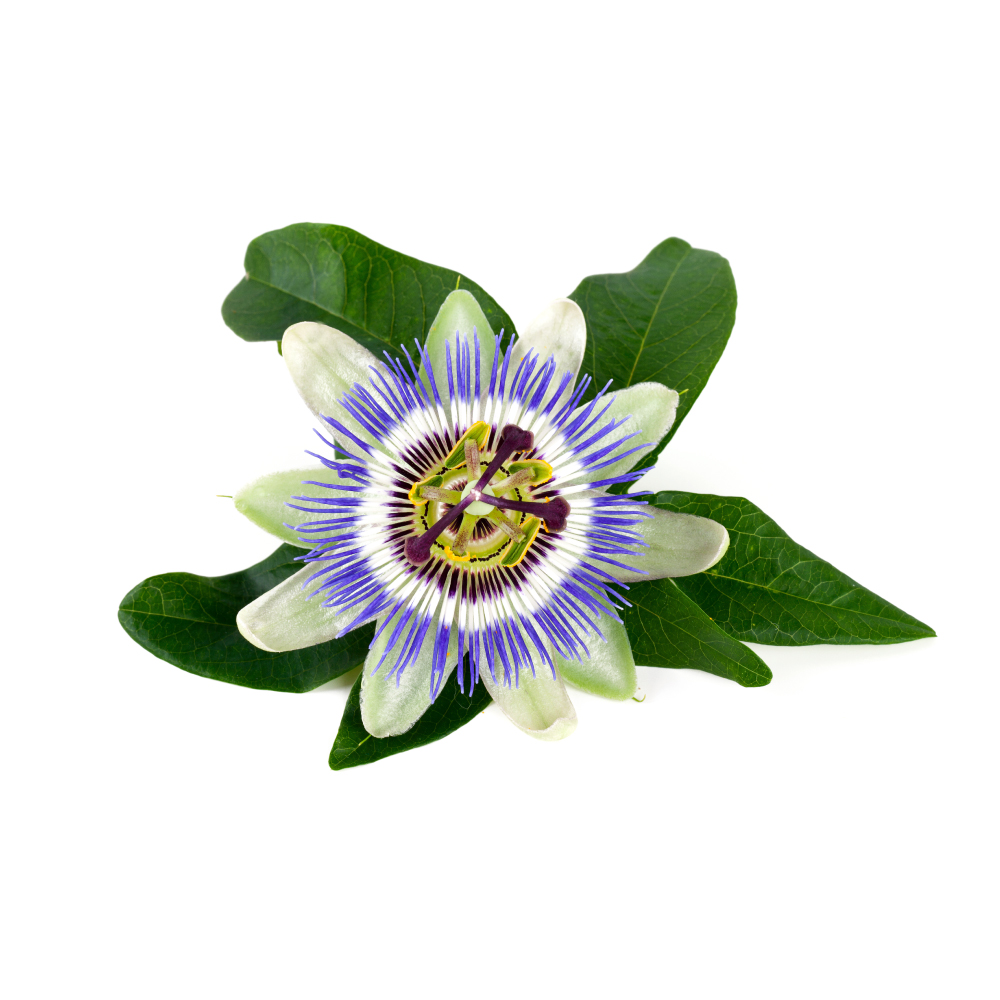 Passionflower Passiflora incarnata Documented for serotonin.
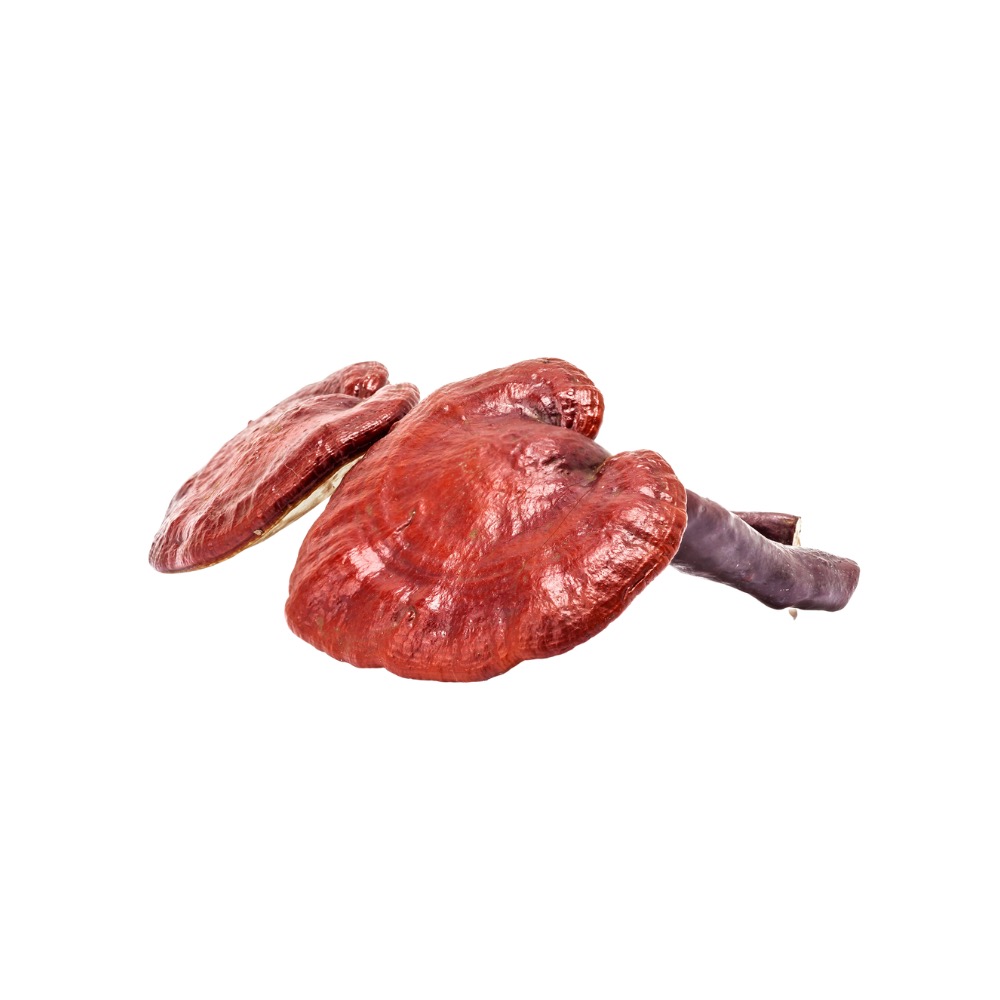 Reishi Ganoderma lucidum Documented for choline.
Keep Exploring
Other Compound Classes
Keep Reading
 GuidesThe Best Kava: A Buyer's GuideHow to buy good kava: noble vs two-day cultivars, which part of the root, chemotype codes, origin, form, and the batch tests a seller should show you.
Read more
 GuidesThe Amazon's Endangered Medicinal PlantsThe Amazon gives us some of our most important medicines — but which healing plants are actually endangered?
Read more
 NutritionThe Best Yerba Maté Brands [Reviewed]A drinker's guide to buying yerba maté — what actually changes the taste, and ten brands worth your money.
Read more
 GuidesHow to Prepare Yerba Maté — The Five Best MethodsHow to brew yerba maté properly — the traditional gourd method, plus tereré, french press and cold brew.
Read more