
Compound Monograph
Ginsenoside F2
Ginsenoside F2 is a protopanaxadiol-type ginseng saponin that is really a metabolic waystation — a partly deglycosylated intermediate sitting between ginsenoside Rd and compound K on the way from Rb1 to the absorbable aglycone. It is barely present in raw ginseng, and its notable isolated-molecule signals — apoptosis-with-protective-autophagy in breast cancer stem cells, and mitochondrial/AMPK cytotoxicity in glioblastoma — are all preclinical, with no human efficacy data.

Sources · 5
Where Does It Come From?
Ginsenoside F2 is a naturally occurring dammarane triterpenoid saponin (protopanaxadiol group), found in Asian ginseng and 4 other sources. It is well tolerated orally (low toxicity).
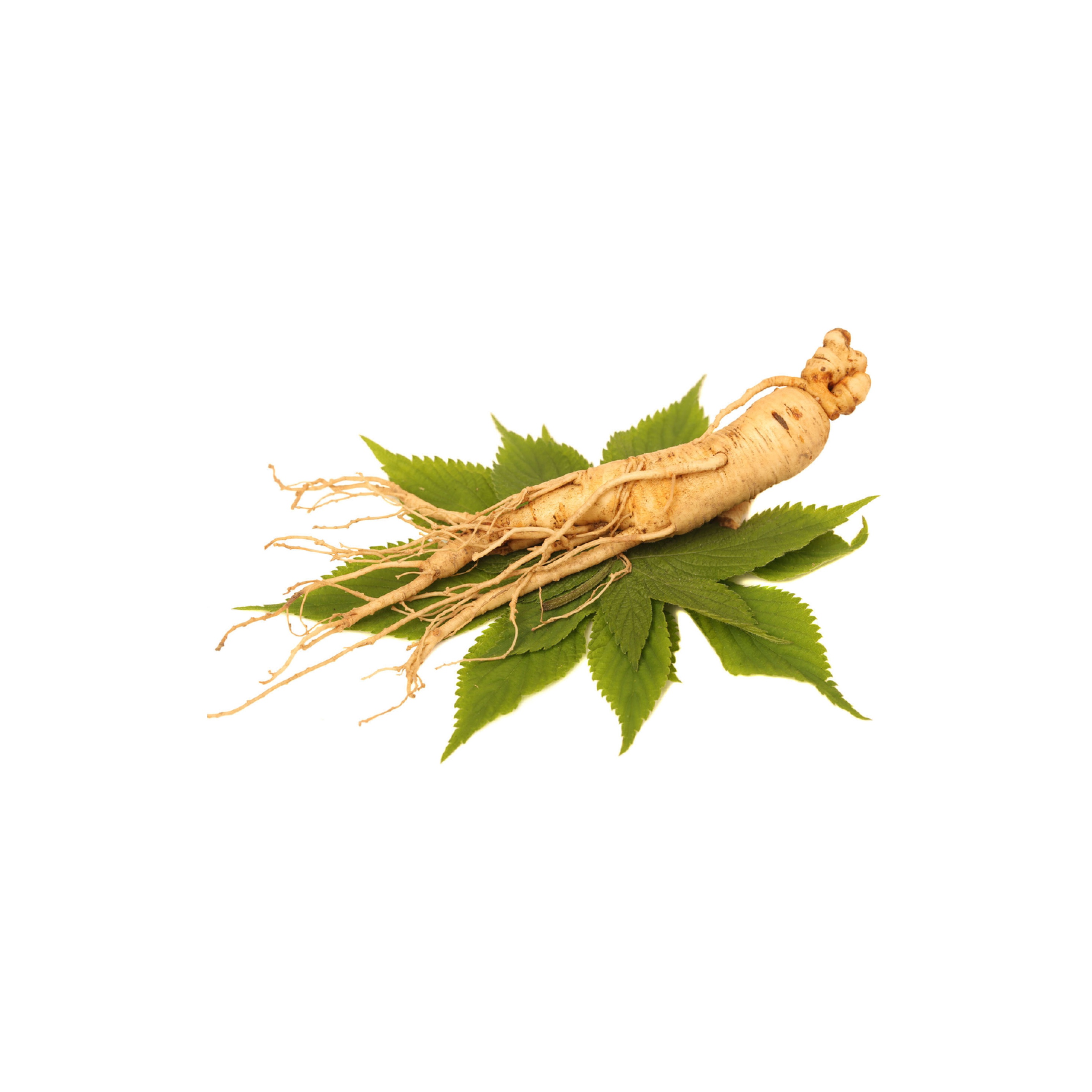 Principal source Asian Ginseng Panax ginseng Herb monograph →
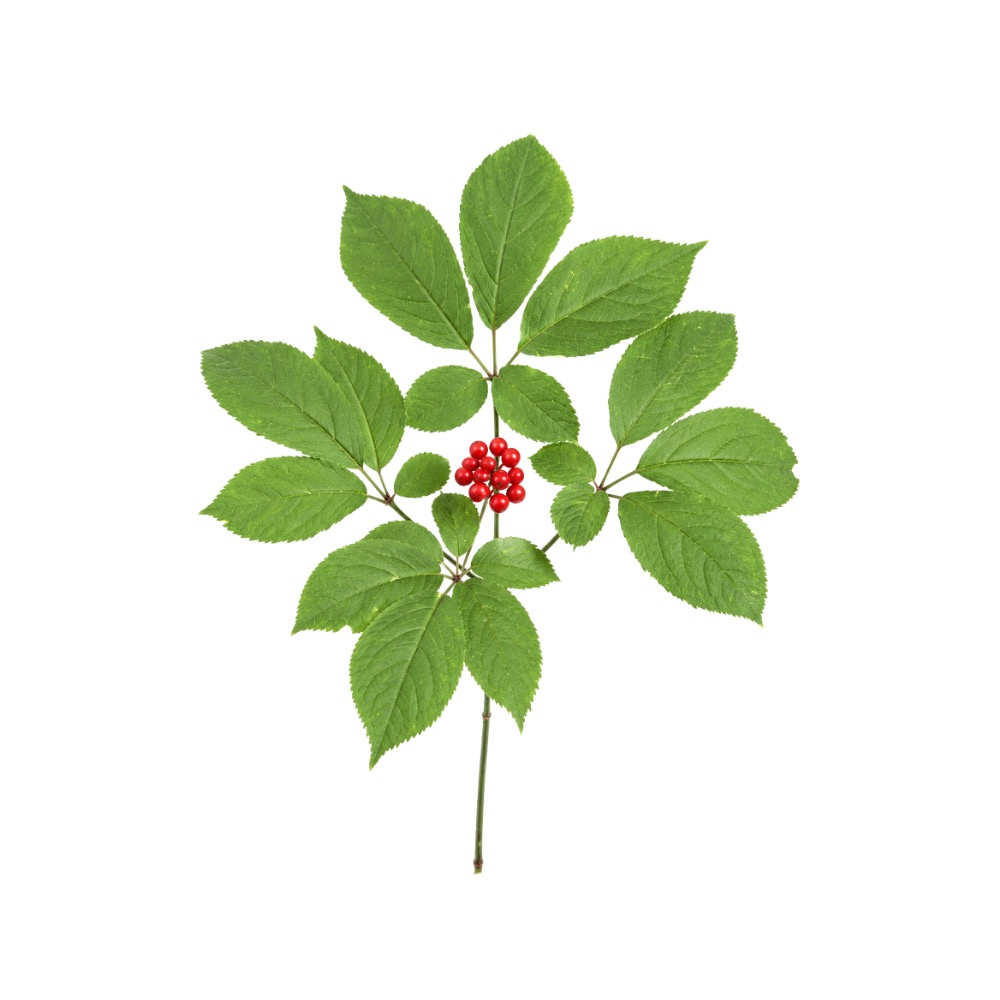 Source American Ginseng Panax quinquefolius Herb monograph →
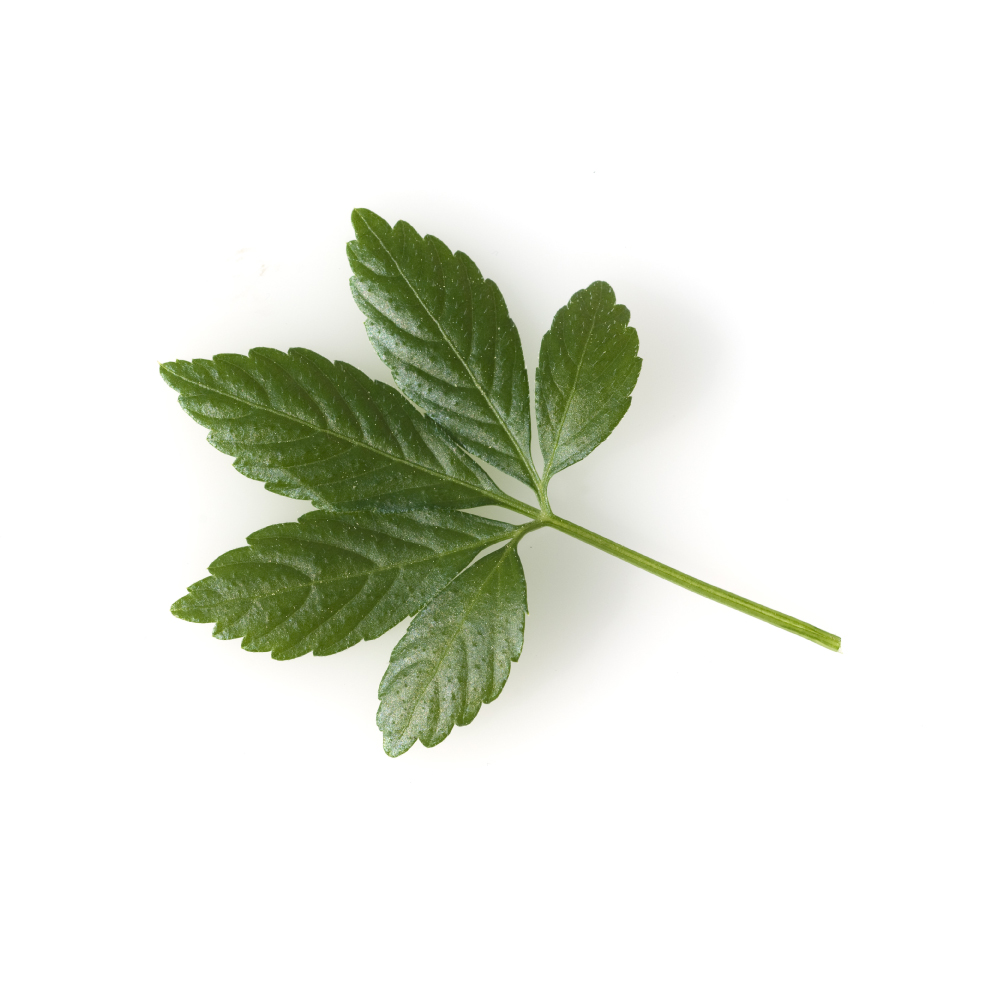 Source Gynostemma Gynostemma pentaphyllum Herb monograph →
 Source Notoginseng Panax notoginseng Herb monograph →
Concentration
Content by Source
Concentrations not reported. No percent-dry-weight or mg/g figures have been published for this compound in its source plants.
Ginsenoside F2 at a Glance
Ginsenoside F2 is a protopanaxadiol (PPD)-type dammarane saponin of Asian ginseng (Panax ginseng). Structurally it is a partly stripped-down version of the abundant marker saponins — a diglucoside carrying one sugar at each of two positions — and that structure is the key to what it is: not a headline plant constituent but a metabolic intermediate, a transient waystation on the deglycosylation path from ginsenoside Rb1 down to compound K 1,
Because it sits mid-chain, F2 is barely present in raw ginseng and is often undetectable in unprocessed root; it accumulates instead when the big saponins are broken down — by steaming and fermentation, by gut bacteria after ingestion, or by deliberate enzymatic conversion in the lab 5,
A Metabolic Intermediate (Rd → F2 → Compound K)
F2’s real identity is best understood not as a fixed ingredient but as a step in a conveyor belt. The dominant protopanaxadiol saponin of ginseng, ginsenoside Rb1, is progressively deglycosylated — sugars are cleaved off one at a time — along the route Rb1 → Rd → F2 → compound K, ending at the highly absorbable aglycone protopanaxadiol 6,
This transformation is carried out by gut microbiota after oral ginseng (species such as Bacteroides and Clostridium, and lactic-acid bacteria, run the hydrolysis) 9Reference 9AnimalGut microbiota in the pharmacokinetics and colonic deglycosylation metabolism of ginsenoside Rb1 in rats — animal modelView study →, and it can be reproduced industrially with β-glucosidase enzymes or bacterial fermentation to manufacture F2 deliberately 6,
Two honesties follow from this, and they run through everything below:
- Isolate vs. plant. Every efficacy signal for F2 comes from the purified molecule applied to cells or animals — not from eating ginseng, where F2 is a fleeting trace species 1,
2, .3Reference 1In vitroGinsenoside F2 induces apoptosis accompanied by protective autophagy in breast cancer stem cells — in vitroView study →Reference 2In vitroGinsenoside F2 induces cellular toxicity to glioblastoma through the impairment of mitochondrial function — in vitroView study →Reference 3AnimalProtective effects of ginsenoside F2 on 12-O-tetradecanoylphorbol-13-acetate-induced skin inflammation in mice — animal modelView study → - Intermediate vs. endpoint. F2 is a transient metabolite. Much of its own downstream fate is conversion to compound K, the more absorbable and heavily studied endpoint metabolite that carries much of the PPD-pathway’s pharmacology 6,
8Reference 6Biotransformation of ginsenoside Rb1 to prosapogenins, gypenoside XVII, ginsenoside Rd, ginsenoside F2, and compound K by Leuconostoc mesenteroides — biotransformationView study →Reference 8ReviewProof of the mysterious efficacy of ginseng: metabolic activation of ginsenoside — deglycosylation by intestinal bacteria and esterification with fatty acid — reviewView study → . Attributing a whole-pathway effect to F2 specifically is difficult when F2 is, by design, on its way to becoming something else.
What It's Used For
F2’s evidence base is small, entirely preclinical, and built on the isolated molecule. Two anticancer signals dominate it; a skin anti-inflammatory and a cytoprotective antioxidant finding round it out.
Support is an experimental score — weighted by study type (human > animal > in vitro) and volume, tempered for isolate-vs-plant match and bioavailability. A beta, not a validated metric. Every row rests on isolated F2 in cells or rodents (no human efficacy data), so scores are capped accordingly. Each application links to its write-up.
The signature F2 study, and the reason the molecule is remembered at all. In a breast cancer-stem-cell model, isolated F2 triggered apoptosis through the intrinsic (mitochondrial) pathway — and, at the same time, induced autophagy: acidic vesicular organelles formed, GFP-LC3-II was recruited to autophagosomes, and Atg-7 rose 1Reference 1In vitroGinsenoside F2 induces apoptosis accompanied by protective autophagy in breast cancer stem cells — in vitroView study →.
Crucially, the autophagy was protective (pro-survival), not lethal: adding an autophagy inhibitor increased F2-induced cell death, framing autophagy as a resistance mechanism that a combination therapy could target 1Reference 1In vitroGinsenoside F2 induces apoptosis accompanied by protective autophagy in breast cancer stem cells — in vitroView study →.
Gap: a single in-vitro cancer-stem-cell study on the isolated molecule — no animal tumour endpoint here, no human data, and F2’s poor oral absorption means the concentrations used in the dish are not what oral ginseng delivers 5Reference 5Pharmacokinetics of ginsenoside Rb1, Rg3, Rk1, Rg5, F2, and compound K from red ginseng extract in healthy Korean volunteers — human pharmacokinetic studyView study →.
The second distinct anticancer signal. In glioblastoma cells, isolated F2 was directly cytotoxic by impairing mitochondrial function — it lowered mitochondrial membrane potential, suppressed cellular oxygen consumption, activated AMP-activated protein kinase (AMPK), and drove cell death 2Reference 2In vitroGinsenoside F2 induces cellular toxicity to glioblastoma through the impairment of mitochondrial function — in vitroView study →. The picture is metabolic: F2 appears to starve the tumour cell’s energy machinery rather than acting through a single receptor.
Gap: an isolated-molecule, largely single-lab in-vitro mechanism study; no in-vivo glioblastoma efficacy for F2 specifically, and no human evidence 2Reference 2In vitroGinsenoside F2 induces cellular toxicity to glioblastoma through the impairment of mitochondrial function — in vitroView study →.
Isolated F2 showed topical anti-inflammatory activity in a mouse model of TPA (12-O-tetradecanoylphorbol-13-acetate)-induced skin inflammation, reducing the inflammatory response 3Reference 3AnimalProtective effects of ginsenoside F2 on 12-O-tetradecanoylphorbol-13-acetate-induced skin inflammation in mice — animal modelView study →. This fits the broad anti-inflammatory reputation of PPD-type ginsenosides, but it is demonstrated here for the isolated compound in one model.
Gap: a single animal skin-inflammation model with isolated F2; no human data, and no evidence this maps onto systemic anti-inflammatory use of ginseng 3Reference 3AnimalProtective effects of ginsenoside F2 on 12-O-tetradecanoylphorbol-13-acetate-induced skin inflammation in mice — animal modelView study →.
Isolated F2 protected cells against hydrogen-peroxide-induced oxidative injury in vitro, consistent with the cytoprotective/antioxidant activity reported broadly across ginsenosides 4Reference 4In vitroLiu D, Zhang C, et al. (2019). [Protective effects of ginsenoside F2 on hydrogen peroxide-induced cell injury] — in vitro. Wei Sheng Yan Jiu (Journal of Hygiene Research), 48(3), 452–457. https://pubmed.ncbi.nlm.nih.gov/31133133/View study →. It is the thinnest of the four strands and sits at the mechanistic, cell-assay level.
Gap: an in-vitro cytoprotection assay on the isolate; no antioxidant outcome in an animal or human rests on F2 specifically 4Reference 4In vitroLiu D, Zhang C, et al. (2019). [Protective effects of ginsenoside F2 on hydrogen peroxide-induced cell injury] — in vitro. Wei Sheng Yan Jiu (Journal of Hygiene Research), 48(3), 452–457. https://pubmed.ncbi.nlm.nih.gov/31133133/View study →.
Mechanisms
| Target / pathway | Effect | Relevant to |
|---|---|---|
| Intrinsic (mitochondrial) apoptosis | ↑ apoptosis via mitochondrial dysfunction | breast cancer stem cells |
| Autophagy (LC3-II, Atg-7, acidic vesicles) | induces protective/pro-survival autophagy — inhibiting it enhances killing | breast cancer stem cells |
| Mitochondrial membrane potential & O₂ consumption | ↓ potential, ↓ respiration → energy crisis | glioblastoma cytotoxicity |
| AMP-activated protein kinase (AMPK) | activation (metabolic-stress sensor) | glioblastoma cytotoxicity |
| Skin inflammatory signalling (TPA model) | ↓ inflammatory response | anti-inflammatory |
| Reactive-oxygen defence | cytoprotection against H₂O₂ injury | antioxidant |
| Gut / enzymatic β-glucosidases | F2 is the substrate/product of deglycosylation (Rd → F2 → compound K) | pharmacokinetics; bioactivation |
The load-bearing mechanistic nuance is the autophagy contrast: F2’s autophagy in breast cancer stem cells is a survival response the cell mounts against the drug, which is why the interesting therapeutic idea is F2 plus an autophagy blocker 1Reference 1In vitroGinsenoside F2 induces apoptosis accompanied by protective autophagy in breast cancer stem cells — in vitroView study →.
Pharmacokinetics
F2 inherits the poor oral bioavailability of the protopanaxadiol saponins: as a diglucoside it is large and polar, and PPD-type ginsenosides in this family are absorbed intact at only single-digit percentages, most of the dose passing to the colon for microbial processing 9,
Clinical Trials
There are no registered clinical trials of isolated ginsenoside F2. All human ginseng evidence is at the whole-extract level, where F2 is a trace (often undetectable) species — so no clinical benefit can be attributed to F2 specifically. The one human dataset that touches F2 is a pharmacokinetic study, not an efficacy trial 5Reference 5Pharmacokinetics of ginsenoside Rb1, Rg3, Rk1, Rg5, F2, and compound K from red ginseng extract in healthy Korean volunteers — human pharmacokinetic studyView study →.
| Completed | Planned | Terminated | Preclinical |
|---|---|---|---|
| None(isolated F2; one human PK study only) | None known | None known | Small(anticancer, anti-inflammatory, antioxidant mechanism) |
Last checked: July 2026.
Isolate vs. Plant Studies
F2 is an unusually clear case of the isolate-vs-plant gap. All of its pharmacology is isolated-molecule work — purified F2 dosed onto breast cancer stem cells, glioblastoma cells, mouse skin, or peroxide-stressed cells 1,
Prevalence in Nature
Ginsenoside F2 occurs across the Panax genus — Asian ginseng (Panax ginseng), American ginseng (P. quinquefolius) and notoginseng (P. notoginseng) — and, in analogous dammarane form, in jiaogulan (Gynostemma pentaphyllum). But unlike the marquee saponins Rb1 and Rg1, which sit at milligrams per gram of root, F2 is a minor, often trace, constituent of raw material and is frequently below detection in unprocessed ginseng 5Reference 5Pharmacokinetics of ginsenoside Rb1, Rg3, Rk1, Rg5, F2, and compound K from red ginseng extract in healthy Korean volunteers — human pharmacokinetic studyView study →.
Its abundance is a processing story rather than a botanical one. F2 is enriched when the large parent saponins are broken down: by steaming and heat (red-ginseng manufacture), by fermentation, by gut microbiota after ingestion, and by deliberate enzymatic conversion 5,
Discovery & Synthesis
Ginsenoside F2 was catalogued among the minor dammarane saponins during the twentieth-century chemical surveys of Panax ginsenosides, but it drew little attention until the 2000s, when interest in the deglycosylation cascade — how gut bacteria turn indigestible ginseng saponins into absorbable actives — put the Rb1 → Rd → F2 → compound K chain in the spotlight 6,
Manufacture today is by conversion, not extraction, precisely because the plant contains so little. F2 is produced by enzymatic hydrolysis of the abundant saponins — for example a β-glucosidase from Thermus thermophilus that selectively cleaves the outer glucose at the C-20 position of larger ginsenosides to yield F2 7Reference 7Highly selective hydrolysis for the outer glucose at the C-20 position in ginsenosides by β-glucosidase from Thermus thermophilus and its application to the production of ginsenoside F2 — biocatalysisView study → — and by microbial biotransformation, such as fermenting ginsenoside Rb1 with Leuconostoc mesenteroides to give a mixture of Rd, F2 and compound K 6Reference 6Biotransformation of ginsenoside Rb1 to prosapogenins, gypenoside XVII, ginsenoside Rd, ginsenoside F2, and compound K by Leuconostoc mesenteroides — biotransformationView study →. These biocatalytic routes are the practical way to obtain gram quantities of an otherwise scarce molecule for research and for enriched-ginseng products.
Patents: not yet researched.
Toxicity & Safety
Ginsenoside F2 carries a low toxicity flag, consistent with the protopanaxadiol ginsenoside family and with the fact that it is a natural human metabolite of everyday ginseng use — it forms transiently in the gut of anyone who takes ginseng and is present at trace levels at most 5,
- Low expected toxicity. A natural PPD-type ginseng metabolite, formed transiently in the gut and present only in trace amounts in raw ginseng.
- No isolate safety package. No dedicated repeat-dose, genotoxicity or reproductive-toxicity studies exist for pure F2 — the profile is inferred, not measured.
- Bioconverted/fermented products change exposure. Products engineered to raise minor-saponin content deliver measurable F2 (and compound K) that ordinary ginseng does not — a different exposure than traditional use 5Reference 5Pharmacokinetics of ginsenoside Rb1, Rg3, Rk1, Rg5, F2, and compound K from red ginseng extract in healthy Korean volunteers — human pharmacokinetic studyView study →.
Reproductive and pregnancy/lactation decisions belong to the ginseng herb or the specific product where intake is decided, not to this molecule page; no reproductive-toxicity dataset exists for isolated F2.
Dosage
There is no established human dose of isolated ginsenoside F2. It is a research compound and a transient metabolite, not a standardised supplement. The anticancer, anti-inflammatory and antioxidant effects above come from cell and rodent studies dosing purified F2 at experimental concentrations chosen for the assay, none of which translate to a human oral dose 1,
These are doses studied in research and are not a personal recommendation.
References
- Mai TT, Moon J, Song Y, et al. (2012). Ginsenoside F2 induces apoptosis accompanied by protective autophagy in breast cancer stem cells — in vitro. Cancer Letters, 321(2), 144–153. https://pubmed.ncbi.nlm.nih.gov/22326284/
- Kim TJ, Kim HJ, Kang M, et al. (2021). Ginsenoside F2 induces cellular toxicity to glioblastoma through the impairment of mitochondrial function — in vitro. Phytomedicine, 83, 153483. https://pubmed.ncbi.nlm.nih.gov/33578358/
- Park SH, Seo W, Eun HS, et al. (2016). Protective effects of ginsenoside F2 on 12-O-tetradecanoylphorbol-13-acetate-induced skin inflammation in mice — animal model. Biochemical and Biophysical Research Communications, 478(4), 1713–1719. https://pubmed.ncbi.nlm.nih.gov/27596969/
- Liu D, Zhang C, et al. (2019). [Protective effects of ginsenoside F2 on hydrogen peroxide-induced cell injury] — in vitro. Wei Sheng Yan Jiu (Journal of Hygiene Research), 48(3), 452–457. https://pubmed.ncbi.nlm.nih.gov/31133133/
- Kim HJ, Oh TK, Kim YH, et al. (2022). Pharmacokinetics of ginsenoside Rb1, Rg3, Rk1, Rg5, F2, and compound K from red ginseng extract in healthy Korean volunteers — human pharmacokinetic study. Evidence-Based Complementary and Alternative Medicine, 2022, 8427519. https://pubmed.ncbi.nlm.nih.gov/35111231/
- Quan LH, Piao JY, Min JW, et al. (2011). Biotransformation of ginsenoside Rb1 to prosapogenins, gypenoside XVII, ginsenoside Rd, ginsenoside F2, and compound K by Leuconostoc mesenteroides — biotransformation. Journal of Ginseng Research, 35(3), 344–351. https://pubmed.ncbi.nlm.nih.gov/23717079/
- Shin KC, Oh DK. (2014). Highly selective hydrolysis for the outer glucose at the C-20 position in ginsenosides by β-glucosidase from Thermus thermophilus and its application to the production of ginsenoside F2 — biocatalysis. Biotechnology Letters, 36(6), 1191–1199. https://pubmed.ncbi.nlm.nih.gov/24563303/
- Hasegawa H. (2004). Proof of the mysterious efficacy of ginseng: metabolic activation of ginsenoside — deglycosylation by intestinal bacteria and esterification with fatty acid — review. Journal of Pharmacological Sciences, 95(2), 153–157. https://pubmed.ncbi.nlm.nih.gov/15215638/
- Kang A, Zhang S, Zhu D, et al. (2016). Gut microbiota in the pharmacokinetics and colonic deglycosylation metabolism of ginsenoside Rb1 in rats — animal model. Chemico-Biological Interactions, 258, 187–196. https://pubmed.ncbi.nlm.nih.gov/27613481/
- Xu QF, Fang XL, Chen DF. (2003). Pharmacokinetics and bioavailability of ginsenoside Rb1 and Rg1 from Panax notoginseng in rats — animal model. Journal of Ethnopharmacology, 84(2–3), 187–192. https://pubmed.ncbi.nlm.nih.gov/12648814/



