
Compound Monograph
Ginsenoside Rd
Ginsenoside Rd is a protopanaxadiol-type saponin of ginseng and gynostemma, and the one ginsenoside with completed randomized human trials — two placebo-controlled studies of intravenous isolated Rd in acute ischaemic stroke. It is also a key intermediate in the gut-bacterial deglycosylation of Rb1 toward compound K. Almost everything else about it is preclinical, and oral Rd is poorly absorbed.

Sources · 4
Where Does It Come From?
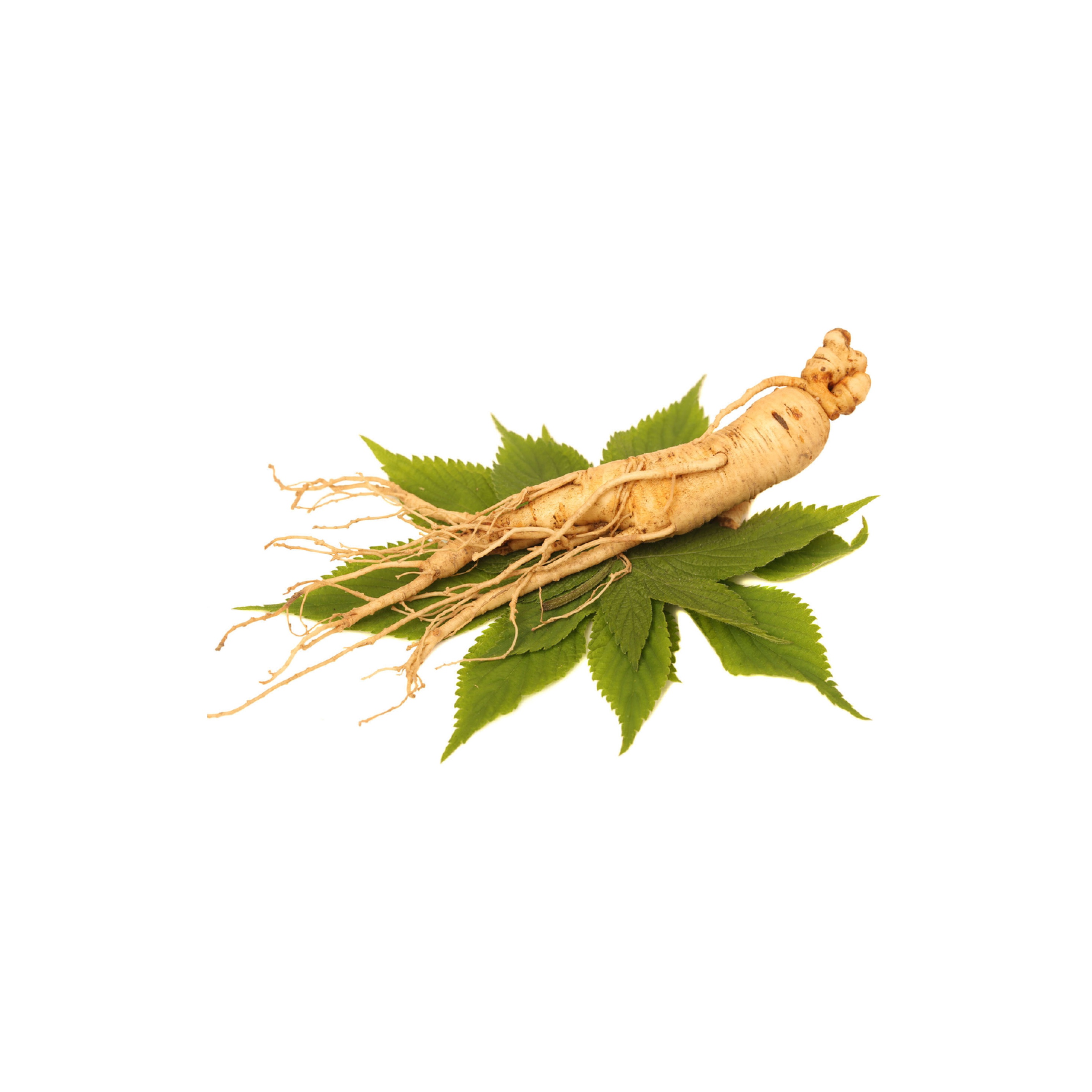
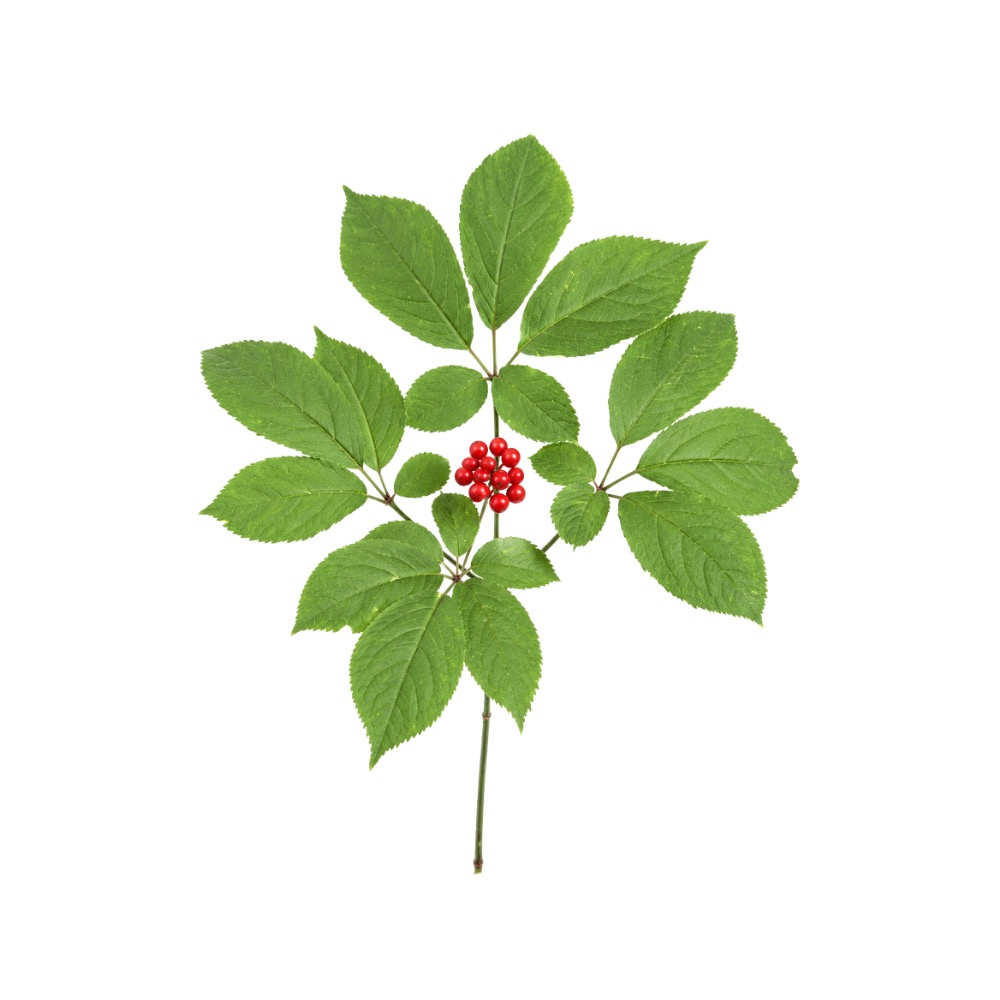
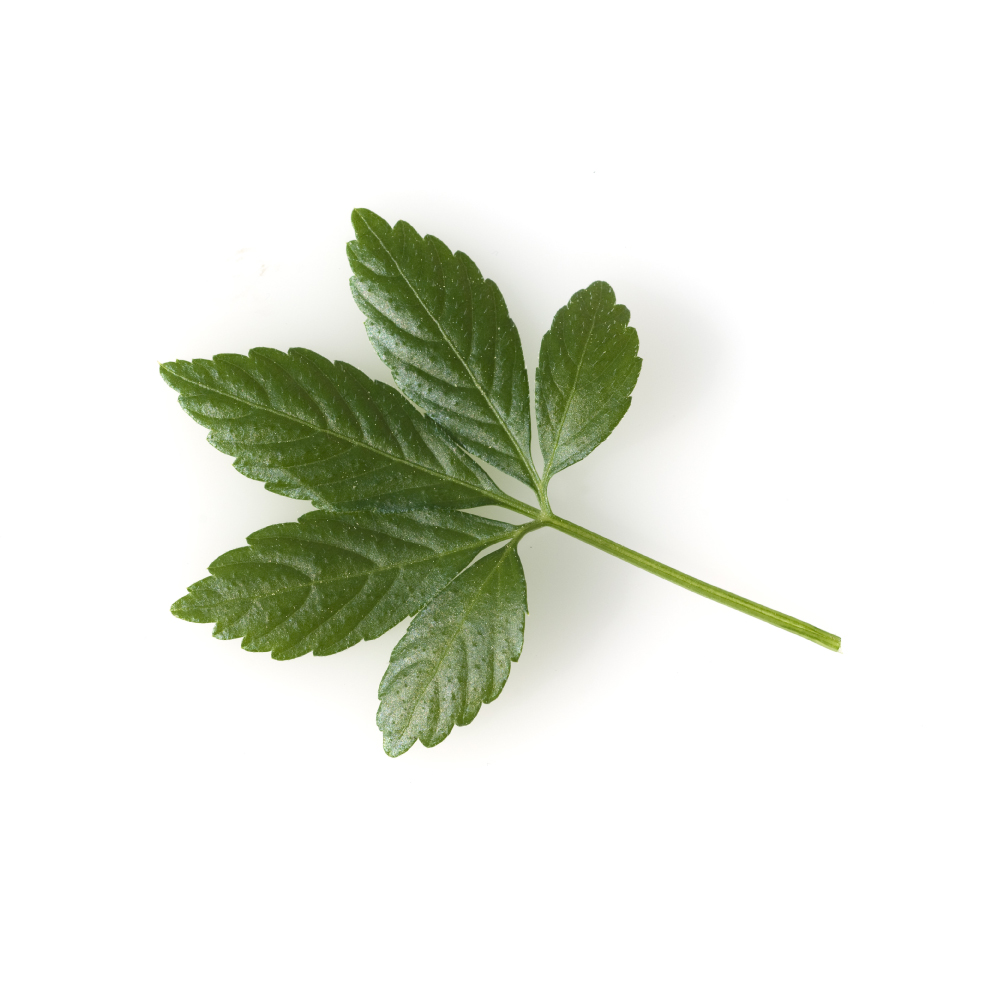
Ginsenoside Rd is a naturally occurring dammarane triterpenoid saponin (protopanaxadiol group), found in Asian ginseng, Gynostemma, Notoginseng and 1 other source. It is well tolerated orally (low toxicity).

Concentration
Content by Source
Concentrations not reported. No percent-dry-weight or mg/g figures have been published for this compound in its source plants.
Ginsenoside Rd at a Glance
Ginsenoside Rd is a protopanaxadiol (PPD)-type dammarane saponin — the same structural family as ginsenoside Rb1, and the PPD counterpart to the protopanaxatriol (PPT) saponin ginsenoside Rg1. In the plant it is a comparatively minor ginsenoside, but it occupies two positions that make it stand out from its siblings.
First, Rd is the only ginsenoside taken as a single isolated molecule into completed, randomized, placebo-controlled human trials — two multicenter studies of intravenous Rd as a neuroprotectant in acute ischaemic stroke 1Reference 1RCTEfficacy and safety of ginsenoside-Rd for acute ischaemic stroke: a randomized, double-blind, placebo-controlled, phase II multicenter trial — randomized controlled trialView study →2Reference 2RCTGinsenoside-Rd improves outcome of acute ischaemic stroke — a randomized, double-blind, placebo-controlled, multicenter trialView study →. No other ginsenoside isolate has that. Second, it is a metabolic crossroads: gut bacteria strip the sugars off Rb1 in a defined sequence — Rb1 → Rd → F2 → compound K — so Rd is at once a saponin in its own right and a transient intermediate on the way to the more absorbable compound K 10Reference 10AnimalGut microbiota in the pharmacokinetics and colonic deglycosylation metabolism of ginsenoside Rb1 in rats: contrary effects of antimicrobials treatment and restraint stress — animal modelView study →11Reference 11Clinical trialProof of the mysterious efficacy of ginseng: basic and clinical trials — metabolic activation of ginsenoside: deglycosylation by intestinal bacteria and esterification with fatty acid — reviewView study →.
The honest frame for the rest of the page: the stroke trials are real and are the strongest human evidence for any ginsenoside isolate, but they were delivered by injection (oral Rd is poorly absorbed), come from essentially one research programme in China, and have not been independently replicated. Everything beyond stroke — cardioprotection, anti-inflammatory and antioxidant activity — remains preclinical 4Reference 4ReviewGinsenoside Rd and ischemic stroke; a short review of literatures — reviewView study →12Reference 12ReviewGinsenoside Rd: molecular mechanisms, pharmacological activities, and therapeutic potential — reviewView study →.
Ginsenoside Rd & Ischemic Stroke
This is the section that sets Rd apart. Where Rb1 and Rg1 have no isolated-molecule human trials, Rd has two completed randomized controlled trials of the pure compound, both testing intravenous Rd as an acute-stroke neuroprotectant 1Reference 1RCTEfficacy and safety of ginsenoside-Rd for acute ischaemic stroke: a randomized, double-blind, placebo-controlled, phase II multicenter trial — randomized controlled trialView study →2Reference 2RCTGinsenoside-Rd improves outcome of acute ischaemic stroke — a randomized, double-blind, placebo-controlled, multicenter trialView study →.
The Human Trials
Phase II (2009). A randomized, double-blind, placebo-controlled multicenter trial enrolled 199 patients with acute ischaemic stroke, allocated equally to a 14-day intravenous infusion of placebo, Rd 10 mg/day, or Rd 20 mg/day. The primary outcome — change in the National Institutes of Health Stroke Scale (NIHSS) at day 15 — differed significantly across the three groups (P = 0.0003), favouring Rd, with a safety profile similar to placebo 1Reference 1RCTEfficacy and safety of ginsenoside-Rd for acute ischaemic stroke: a randomized, double-blind, placebo-controlled, phase II multicenter trial — randomized controlled trialView study →.
Phase III (2012). A larger multicenter trial randomized 390 patients (386 analysed) in a 3:1 ratio to a 14-day intravenous infusion of Rd or placebo, started within 72 hours of stroke onset. The primary endpoint — the distribution of modified Rankin Scale (mRS) disability scores at 90 days — improved with Rd (P = 0.02; odds ratio 1.74, 95% CI 1.08–2.78); dichotomised, 66.8% of Rd patients reached mRS 0–1 versus 53.1% on placebo (P = 0.01; OR 2.32). NIHSS again improved, and mortality and adverse-event rates were comparable between arms 2Reference 2RCTGinsenoside-Rd improves outcome of acute ischaemic stroke — a randomized, double-blind, placebo-controlled, multicenter trialView study →.
The caveats that keep this honest. These are the standout human data for a ginsenoside — but the phase-II study found the NIHSS signal without a matching improvement on the Barthel index or disability scales at that stage, the programme comes from essentially a single Chinese group, the phase-III sample was modest, and there has been no independent, international replication 4Reference 4ReviewGinsenoside Rd and ischemic stroke; a short review of literatures — reviewView study →. The route also matters: Rd was given intravenously, precisely because oral Rd is poorly absorbed — so these results do not transfer to an oral ginseng or Rd supplement.
The Mechanism — Calcium & Excitotoxicity
Rd’s neuroprotective rationale centres on excitotoxic calcium overload, the cascade in which ischaemia drives excess glutamate signalling, pathological Ca²⁺ influx, and neuronal death. Rd behaves as a selective, competitive antagonist of receptor-operated Ca²⁺ channels, damping that influx 3Reference 3AnimalGinsenoside Rd in experimental stroke: superior neuroprotective efficacy with a wide therapeutic window — animal modelView study →4Reference 4ReviewGinsenoside Rd and ischemic stroke; a short review of literatures — reviewView study →. It does not appear to plug the NMDA-receptor channel directly; instead it blocks calcineurin, the phosphatase that activates the death-associated protein kinase DAPK1 downstream of NMDA-receptor overactivation, attenuating the excitotoxic signal a step removed from the channel 6Reference 6In vitroProtopanaxadiol ginsenoside Rd protects against NMDA receptor-mediated excitotoxicity by attenuating calcineurin-regulated DAPK1 activity — in vitro / in vivoView study →. Around this core it upregulates the glial glutamate transporter GLT-1 (via PI3K/Akt and ERK1/2) to speed glutamate clearance, inhibits PARP-1 and the mitochondrio-nuclear translocation of apoptosis-inducing factor, and suppresses microglial proteasome activity and NF-κB-driven inflammation after the insult 4Reference 4ReviewGinsenoside Rd and ischemic stroke; a short review of literatures — reviewView study →5Reference 5AnimalGinsenoside Rd is efficacious against acute ischemic stroke by suppressing microglial proteasome-mediated inflammation — animal modelView study →. Preclinically, Rd crosses the intact blood–brain barrier and showed superior neuroprotective efficacy with a wide therapeutic window in rat middle-cerebral-artery-occlusion models 3Reference 3AnimalGinsenoside Rd in experimental stroke: superior neuroprotective efficacy with a wide therapeutic window — animal modelView study →; a meta-analysis of 18 animal studies found Rd significantly reduced infarct volume (SMD −1.75), with moderate doses (>10–<50 mg/kg) most effective 7Reference 7Meta-analysisNeuroprotective effect and possible mechanisms of ginsenoside-Rd for cerebral ischemia/reperfusion damage in experimental animals: a meta-analysis and systematic review — meta-analysisView study →.
The Deglycosylation Chain (Rb1 → Rd → F2 → Compound K)
Rd is best understood not as an endpoint but as a stage in the deglycosylation of the protopanaxadiol saponins. Ginsenosides are large sugar-decorated molecules; the gut microbiota progressively cleave those sugars, and the products become smaller, more lipophilic, more absorbable — and often more potent — as they go. For the PPD series the canonical route is:
Rb1 → Rd → F2 → compound K.
Rb1 first loses a glucose at the C-20 position to give Rd (the major branch), Rd loses a further C-20 glucose to give F2, and F2 loses its C-3 glucose to give compound K, the highly absorbable end-metabolite that reaches the blood in quantity and is esterified with fatty acids in the body 10Reference 10AnimalGut microbiota in the pharmacokinetics and colonic deglycosylation metabolism of ginsenoside Rb1 in rats: contrary effects of antimicrobials treatment and restraint stress — animal modelView study →11Reference 11Clinical trialProof of the mysterious efficacy of ginseng: basic and clinical trials — metabolic activation of ginsenoside: deglycosylation by intestinal bacteria and esterification with fatty acid — reviewView study →. The Rd → F2 conversion is the rate-limiting step of the whole cascade, so Rd tends to accumulate transiently before moving on 10Reference 10AnimalGut microbiota in the pharmacokinetics and colonic deglycosylation metabolism of ginsenoside Rb1 in rats: contrary effects of antimicrobials treatment and restraint stress — animal modelView study →. This dual identity is the key nuance: when someone takes oral ginseng or Rb1, some of the systemic exposure passes through Rd on its way to compound K — and conversely, oral isolated Rd is itself subject to onward microbial conversion, which is one practical reason the stroke trials delivered it intravenously 10Reference 10AnimalGut microbiota in the pharmacokinetics and colonic deglycosylation metabolism of ginsenoside Rb1 in rats: contrary effects of antimicrobials treatment and restraint stress — animal modelView study →11Reference 11Clinical trialProof of the mysterious efficacy of ginseng: basic and clinical trials — metabolic activation of ginsenoside: deglycosylation by intestinal bacteria and esterification with fatty acid — reviewView study →. It also means individual gut-flora differences shape how much Rd (and downstream compound K) a person actually forms.
What It's Used For
Beyond the stroke programme, Rd’s evidence is preclinical and organised around the same anti-apoptotic, antioxidant, anti-inflammatory and calcium-modulating machinery seen in the neuroprotection work.
Support is an experimental score — weighted by study type (human > animal > in vitro) and volume, tempered for isolate-vs-plant match and route/bioavailability. A beta, not a validated metric. Rd scores highest of the ginsenosides here because its top row rests on completed human RCTs of the isolate — but on intravenous, single-programme data. Each application links to its write-up.
The marquee application and the strongest isolate-level human evidence of any ginsenoside. Two randomized, double-blind, placebo-controlled multicenter trials of intravenous isolated Rd in acute ischaemic stroke reported benefit: a phase II trial (n = 199; Rd 10 or 20 mg/day for 14 days) improved NIHSS at day 15 (P = 0.0003) 1Reference 1RCTEfficacy and safety of ginsenoside-Rd for acute ischaemic stroke: a randomized, double-blind, placebo-controlled, phase II multicenter trial — randomized controlled trialView study →, and a phase III trial (n = 390, 3:1 Rd:placebo, 14-day infusion within 72 h of onset) improved the 90-day modified-Rankin distribution (OR 1.74) 2Reference 2RCTGinsenoside-Rd improves outcome of acute ischaemic stroke — a randomized, double-blind, placebo-controlled, multicenter trialView study →.
Mechanistically this is Rd acting as a receptor-operated Ca²⁺-channel antagonist against excitotoxic calcium overload, with GLT-1 upregulation, calcineurin/DAPK1 attenuation, PARP-1/AIF inhibition and anti-inflammatory effects layered on 3Reference 3AnimalGinsenoside Rd in experimental stroke: superior neuroprotective efficacy with a wide therapeutic window — animal modelView study →4Reference 4ReviewGinsenoside Rd and ischemic stroke; a short review of literatures — reviewView study →6Reference 6In vitroProtopanaxadiol ginsenoside Rd protects against NMDA receptor-mediated excitotoxicity by attenuating calcineurin-regulated DAPK1 activity — in vitro / in vivoView study →.
A meta-analysis of 18 animal studies confirms a consistent infarct-volume reduction 7Reference 7Meta-analysisNeuroprotective effect and possible mechanisms of ginsenoside-Rd for cerebral ischemia/reperfusion damage in experimental animals: a meta-analysis and systematic review — meta-analysisView study →.
See Ginsenoside Rd & Ischemic Stroke for the full trial detail.
Gap: the trials are intravenous, from essentially one Chinese research group, modest in size, and have not been independently or internationally replicated; oral Rd would not reproduce the delivered exposure 2Reference 2RCTGinsenoside-Rd improves outcome of acute ischaemic stroke — a randomized, double-blind, placebo-controlled, multicenter trialView study →4Reference 4ReviewGinsenoside Rd and ischemic stroke; a short review of literatures — reviewView study →.
Isolated Rd has protected heart tissue in ischaemia–reperfusion models that parallel its stroke pharmacology. In a rat myocardial ischaemia–reperfusion model and in neonatal rat cardiomyocytes, Rd pretreatment reduced infarct size and apoptotic cell death, lowered reactive-oxygen-species generation, stabilised mitochondrial membrane potential and raised the Bcl-2/Bax ratio — effects traced to Akt/GSK-3β signalling and inhibition of the mitochondria-dependent apoptotic pathway 9Reference 9In vitroGinsenoside Rd attenuates myocardial ischemia/reperfusion injury via Akt/GSK-3β signaling and inhibition of the mitochondria-dependent apoptotic pathway — animal model / in vitroView study →.
Gap: all isolated-Rd, all preclinical (rat + cell), delivered by pretreatment; no clinical cardiovascular endpoints for the molecule.
Less a standalone “use” than the mechanistic engine beneath the protective signals. In an ischaemic-stroke model, Rd given after the insult suppressed microglial proteasome activity and the downstream NF-κB inflammatory programme, reducing pro-inflammatory cytokines 5Reference 5AnimalGinsenoside Rd is efficacious against acute ischemic stroke by suppressing microglial proteasome-mediated inflammation — animal modelView study →; across the neuro- and cardio-protection work it consistently lowers ROS and blunts apoptotic signalling 7Reference 7Meta-analysisNeuroprotective effect and possible mechanisms of ginsenoside-Rd for cerebral ischemia/reperfusion damage in experimental animals: a meta-analysis and systematic review — meta-analysisView study →9Reference 9In vitroGinsenoside Rd attenuates myocardial ischemia/reperfusion injury via Akt/GSK-3β signaling and inhibition of the mitochondria-dependent apoptotic pathway — animal model / in vitroView study →.
A 2026 review frames Rd as a pleiotropic candidate spanning ischaemic, inflammatory, metabolic and degenerative conditions on exactly this antioxidant/anti-inflammatory basis 12Reference 12ReviewGinsenoside Rd: molecular mechanisms, pharmacological activities, and therapeutic potential — reviewView study →.
Gap: mechanistic and model-level only; no human anti-inflammatory endpoint rests on isolated Rd, and the “pleiotropic” framing is a research hypothesis, not a demonstrated clinical profile 12Reference 12ReviewGinsenoside Rd: molecular mechanisms, pharmacological activities, and therapeutic potential — reviewView study →.
Mechanisms
| Target / pathway | Effect | Relevant to |
|---|---|---|
| Receptor-operated Ca²⁺ channels | Selective competitive antagonist; suppresses Ca²⁺ influx/overload | Strokeexcitotoxicity |
| NMDA receptor → calcineurin → DAPK1 | Blocks calcineurin, lowering DAPK1 activation (indirect — not channel binding) | Excitotoxicity |
| Glutamate transporter GLT-1 (via PI3K/Akt, ERK1/2) | Upregulation; enhances glutamate clearance | Excitotoxicitystroke |
| PARP-1 → apoptosis-inducing factor | Inhibits PARP-1; blocks AIF mitochondrio-nuclear translocation | Neuroprotection |
| Microglial proteasome / NF-κB | Suppresses proteasome activity and NF-κB-driven cytokines | Anti-inflammatorystroke |
| Akt/GSK-3β; mitochondrial apoptosis (Bcl-2/Bax, cytochrome c, caspase-3) | Pro-survival, anti-apoptotic; preserves mitochondrial potential | Cardio- & neuroprotection |
| Reactive oxygen species | Antioxidant; lowers ROS burden | Cardioneuro |
| Gut-microbiota β-glucosidases | Rd is itself a deglycosylation intermediate (Rb1 → Rd → F2 → compound K) | Pharmacokinetics / bioactivation |
Pharmacokinetics
Rd’s pharmacokinetics are unusual for a ginsenoside in one respect and typical in another. Typical: as a large, polar PPD saponin it is poorly absorbed by mouth, and it is itself a substrate for the gut-microbiota deglycosylation cascade — colonic bacteria convert Rd onward to F2 and compound K (with Rd → F2 the rate-limiting step), so an oral dose partly disappears into its own downstream metabolites 10Reference 10AnimalGut microbiota in the pharmacokinetics and colonic deglycosylation metabolism of ginsenoside Rb1 in rats: contrary effects of antimicrobials treatment and restraint stress — animal modelView study →11Reference 11Clinical trialProof of the mysterious efficacy of ginseng: basic and clinical trials — metabolic activation of ginsenoside: deglycosylation by intestinal bacteria and esterification with fatty acid — reviewView study →. Unusual: because the clinical work used the intravenous route, Rd actually has human pharmacokinetic data, which most ginsenosides lack. In healthy volunteers given single IV doses of 10, 45 or 75 mg, exposure was dose-proportional and the compound was cleared slowly, with a terminal half-life of about 17.7–19.3 hours; repeated dosing (10 mg/day for 6 days) gave a half-life near 20.5 hours with minimal accumulation 8Reference 8Pharmacokinetics and safety of ginsenoside Rd following a single or multiple intravenous dose in healthy Chinese volunteers — human pharmacokineticsView study →. Preclinically, Rd crosses the intact blood–brain barrier, which — with the long half-life and slow clearance — is part of why it was an attractive IV neuroprotectant candidate 3Reference 3AnimalGinsenoside Rd in experimental stroke: superior neuroprotective efficacy with a wide therapeutic window — animal modelView study →. The load-bearing caveat: the favourable systemic kinetics were measured intravenously; they do not describe what an oral Rd supplement delivers.
Clinical Trials
Rd is the exception to the “ginsenosides have no isolate trials” rule: two completed randomized controlled trials tested the isolated molecule (intravenously) in acute ischaemic stroke 1Reference 1RCTEfficacy and safety of ginsenoside-Rd for acute ischaemic stroke: a randomized, double-blind, placebo-controlled, phase II multicenter trial — randomized controlled trialView study →2Reference 2RCTGinsenoside-Rd improves outcome of acute ischaemic stroke — a randomized, double-blind, placebo-controlled, multicenter trialView study →. Everything else — cardioprotection, anti-inflammatory activity — is preclinical.
| Completed | Planned | Terminated | Preclinical |
|---|---|---|---|
| 2RCTs of isolated IV Rd in acute ischaemic stroke (phase II n=199 1Reference 1RCTEfficacy and safety of ginsenoside-Rd for acute ischaemic stroke: a randomized, double-blind, placebo-controlled, phase II multicenter trial — randomized controlled trialView study →; phase III n=390 2Reference 2RCTGinsenoside-Rd improves outcome of acute ischaemic stroke — a randomized, double-blind, placebo-controlled, multicenter trialView study →) | None currently registered | None known | Extensive |
Last checked: July 2026.
Isolate vs. Plant Studies
Rd flips the usual ginsenoside caveat in the one place that matters most. For stroke, the evidence is the isolate — pure Rd, dosed intravenously, in randomized humans — which is a genuine strength and the reason this molecule is treated differently from Rb1 and Rg1 1Reference 1RCTEfficacy and safety of ginsenoside-Rd for acute ischaemic stroke: a randomized, double-blind, placebo-controlled, phase II multicenter trial — randomized controlled trialView study →2Reference 2RCTGinsenoside-Rd improves outcome of acute ischaemic stroke — a randomized, double-blind, placebo-controlled, multicenter trialView study →. The transferability limit is the route, not the isolate-vs-plant gap: intravenous Rd is not what a ginseng capsule or an oral Rd supplement provides, and oral Rd is further metabolised toward compound K before it acts 10Reference 10AnimalGut microbiota in the pharmacokinetics and colonic deglycosylation metabolism of ginsenoside Rb1 in rats: contrary effects of antimicrobials treatment and restraint stress — animal modelView study →. For every other application — cardioprotection, anti-inflammatory activity — the data are again isolated Rd but only in cells and rodents 9Reference 9In vitroGinsenoside Rd attenuates myocardial ischemia/reperfusion injury via Akt/GSK-3β signaling and inhibition of the mitochondria-dependent apoptotic pathway — animal model / in vitroView study →. And as a plant constituent, Rd is a minor saponin whose contribution to whole-ginseng effects can’t be separated from the dozens of co-occurring ginsenosides; ginseng’s human reputation rests on standardized whole extracts, not on Rd 4Reference 4ReviewGinsenoside Rd and ischemic stroke; a short review of literatures — reviewView study →12Reference 12ReviewGinsenoside Rd: molecular mechanisms, pharmacological activities, and therapeutic potential — reviewView study →.
Prevalence in Nature
Rd is a protopanaxadiol-type ginsenoside found across the Panax genus and in gynostemma. In Asian ginseng (Panax ginseng) root it is a comparatively minor saponin — on the order of 0.4 mg/g in Korean red ginseng, well below the dominant Rb1 — but its level rises markedly in wild ginseng and in steamed/processed (red) ginseng, where heat-driven partial deglycosylation of larger saponins feeds the Rd pool 4Reference 4ReviewGinsenoside Rd and ischemic stroke; a short review of literatures — reviewView study →. It occurs in gynostemma (Gynostemma pentaphyllum) leaf as one of the “southern ginseng” saponins shared with the Panax ginsenosides, and in Panax notoginseng and American ginseng (Panax quinquefolius) 12Reference 12ReviewGinsenoside Rd: molecular mechanisms, pharmacological activities, and therapeutic potential — reviewView study →. Because Rd is also a transient product of Rb1 deglycosylation, both its native abundance and the amount effectively present after processing or ingestion vary widely with source, cultivar, plant part and preparation — a moving target rather than a fixed figure.
Discovery & Synthesis
Rd was characterised as one of the Panax ginseng dammarane saponins during the systematic ginsenoside surveys of the 1960s–1970s (the work of Shibata and co-workers in Japan that defined the Rb/Rc/Rd/Re/Rg nomenclature by chromatographic mobility), rather than through a single celebrated isolation; the precise first-isolation record is not well documented. The letter-and-number name simply marks its position in that thin-layer-chromatography series. Manufacture today is by extraction from Panax biomass, usually as part of a total-ginsenoside preparation and then chromatographic purification, and increasingly by biotransformation — using microbial or enzymatic β-glucosidases to convert the far more abundant Rb1 into Rd (and, if pushed further, into F2 and compound K), which is often more economical than isolating the minor native Rd directly 10Reference 10AnimalGut microbiota in the pharmacokinetics and colonic deglycosylation metabolism of ginsenoside Rb1 in rats: contrary effects of antimicrobials treatment and restraint stress — animal modelView study →12Reference 12ReviewGinsenoside Rd: molecular mechanisms, pharmacological activities, and therapeutic potential — reviewView study →. Total chemical synthesis of the intact glycoside is not the practical route.
Patents: not yet researched.
Toxicity & Safety
Ginsenoside Rd carries a low toxicity flag. It is among the better-characterised ginsenosides on safety precisely because it went through human trials: across the phase-II and phase-III stroke studies, intravenous Rd for 14 days produced adverse-event and mortality rates comparable to placebo 1Reference 1RCTEfficacy and safety of ginsenoside-Rd for acute ischaemic stroke: a randomized, double-blind, placebo-controlled, phase II multicenter trial — randomized controlled trialView study →2Reference 2RCTGinsenoside-Rd improves outcome of acute ischaemic stroke — a randomized, double-blind, placebo-controlled, multicenter trialView study →, and healthy-volunteer pharmacokinetic dosing up to 75 mg IV was tolerated 8Reference 8Pharmacokinetics and safety of ginsenoside Rd following a single or multiple intravenous dose in healthy Chinese volunteers — human pharmacokineticsView study →. The usual whole-ginseng cautions still apply at the level of ginseng intake rather than the isolated saponin — additive effects with anticoagulant/antiplatelet drugs and with glucose-lowering agents, and the general stimulation cautions — but these are extrapolations from the herb, not specific isolated-Rd findings.
- Human-tested at the isolate level. Two randomized stroke trials of intravenous Rd for 14 days reported adverse-event and mortality rates similar to placebo 1Reference 1RCTEfficacy and safety of ginsenoside-Rd for acute ischaemic stroke: a randomized, double-blind, placebo-controlled, phase II multicenter trial — randomized controlled trialView study →2Reference 2RCTGinsenoside-Rd improves outcome of acute ischaemic stroke — a randomized, double-blind, placebo-controlled, multicenter trialView study →.
- Low intrinsic toxicity. A minor dietary ginsenoside; no isolate-specific toxicity signal has emerged from the trial or pharmacokinetic work 1Reference 1RCTEfficacy and safety of ginsenoside-Rd for acute ischaemic stroke: a randomized, double-blind, placebo-controlled, phase II multicenter trial — randomized controlled trialView study →2Reference 2RCTGinsenoside-Rd improves outcome of acute ischaemic stroke — a randomized, double-blind, placebo-controlled, multicenter trialView study →8Reference 8Pharmacokinetics and safety of ginsenoside Rd following a single or multiple intravenous dose in healthy Chinese volunteers — human pharmacokineticsView study →.
- Route matters. The safety (and efficacy) data are for intravenous Rd — they do not license an unstudied oral or high-dose supplement, and oral Rd is metabolised onward to compound K 10Reference 10AnimalGut microbiota in the pharmacokinetics and colonic deglycosylation metabolism of ginsenoside Rb1 in rats: contrary effects of antimicrobials treatment and restraint stress — animal modelView study →.
- Whole-ginseng interaction cautions carry over. Anticoagulant/antiplatelet drugs and glucose-lowering agents warrant the standard ginseng caution; no dedicated isolated-Rd interaction studies exist.
Reproductive and developmental toxicity has not been characterised for isolated Rd; pregnancy and lactation decisions belong to the herb or product page where intake is decided, not to this molecule page.
Dosage
There is no established human oral dose of isolated ginsenoside Rd — it is a research compound, and the human evidence used a different route entirely. For orientation only:
| Setting | Route | Dose |
|---|---|---|
| Acute ischaemic stroke (phase II) | IV infusion, 14 days | 10 or 20 mg/day 1Reference 1RCTEfficacy and safety of ginsenoside-Rd for acute ischaemic stroke: a randomized, double-blind, placebo-controlled, phase II multicenter trial — randomized controlled trialView study → |
| Acute ischaemic stroke (phase III) | IV infusion, 14 days | Fixed daily dose within 72 h of onset 2Reference 2RCTGinsenoside-Rd improves outcome of acute ischaemic stroke — a randomized, double-blind, placebo-controlled, multicenter trialView study → |
| Healthy-volunteer pharmacokinetics | Single/multiple IV | 10–75 mg (single); 10 mg/day ×6 (multiple) 8Reference 8Pharmacokinetics and safety of ginsenoside Rd following a single or multiple intravenous dose in healthy Chinese volunteers — human pharmacokineticsView study → |
| Preclinical neuroprotection | Injection (rodent) | ~10–50 mg/kg, moderate doses most effective 7Reference 7Meta-analysisNeuroprotective effect and possible mechanisms of ginsenoside-Rd for cerebral ischemia/reperfusion damage in experimental animals: a meta-analysis and systematic review — meta-analysisView study → |
The clinical figures are intravenous — a person cannot reproduce them with an oral supplement, and oral Rd is poorly absorbed and partly converted to compound K before it acts 10Reference 10AnimalGut microbiota in the pharmacokinetics and colonic deglycosylation metabolism of ginsenoside Rb1 in rats: contrary effects of antimicrobials treatment and restraint stress — animal modelView study →. In practice, human exposure to Rd happens indirectly, as one minor saponin within standardized whole-ginseng extracts. These are doses studied in research and are not a personal recommendation.
References
- Liu X, Xia J, Wang L, Song Y, Yang J, Yan Y, Ren H, Zhao G (2009). Efficacy and safety of ginsenoside-Rd for acute ischaemic stroke: a randomized, double-blind, placebo-controlled, phase II multicenter trial — randomized controlled trial. European Journal of Neurology. https://pubmed.ncbi.nlm.nih.gov/19236467/
- Liu X, Wang L, Wen A, Yang J, Yan Y, Song Y, Liu X, Ren H, Wu Y, Li Z, Chen W, Xu Y, Li L, Xia J, Zhao G (2012). Ginsenoside-Rd improves outcome of acute ischaemic stroke — a randomized, double-blind, placebo-controlled, multicenter trial. European Journal of Neurology, 19(6), 855–863. https://pubmed.ncbi.nlm.nih.gov/22233205/
- Ye R, Kong X, Yang Q, Zhang Y, Han J, Li P, Xiong L, Zhao G (2011). Ginsenoside Rd in experimental stroke: superior neuroprotective efficacy with a wide therapeutic window — animal model. Neurotherapeutics, 8(3), 515–525. https://pubmed.ncbi.nlm.nih.gov/21647765/
- Nabavi SF, Sureda A, Habtemariam S, Nabavi SM (2015). Ginsenoside Rd and ischemic stroke; a short review of literatures — review. Journal of Ginseng Research, 39(4), 299–303. https://pubmed.ncbi.nlm.nih.gov/26869821/
- Zhang G, Xia F, Zhang Y, Zhang X, Cao Y, Wang L, Liu X, Zhao G, Shi M (2016). Ginsenoside Rd is efficacious against acute ischemic stroke by suppressing microglial proteasome-mediated inflammation — animal model. Molecular Neurobiology. https://pubmed.ncbi.nlm.nih.gov/26081140/
- Zhang C, Liu X, Xu H, Hu G, Zhang X, Xie Z, Feng D, Wu R, Zhao G, Shi M (2020). Protopanaxadiol ginsenoside Rd protects against NMDA receptor-mediated excitotoxicity by attenuating calcineurin-regulated DAPK1 activity — in vitro / in vivo. Scientific Reports, 10, 8078. https://pubmed.ncbi.nlm.nih.gov/32415270/
- Zhou Y, et al. (2022). Neuroprotective effect and possible mechanisms of ginsenoside-Rd for cerebral ischemia/reperfusion damage in experimental animals: a meta-analysis and systematic review — meta-analysis. Oxidative Medicine and Cellular Longevity. https://pubmed.ncbi.nlm.nih.gov/36092162/
- Zeng X, Deng Y, Feng Y, Liu Y, Yang L, Huang Y, Sun J, Liang W, Guan Y (2010). Pharmacokinetics and safety of ginsenoside Rd following a single or multiple intravenous dose in healthy Chinese volunteers — human pharmacokinetics. Journal of Clinical Pharmacology. https://pubmed.ncbi.nlm.nih.gov/19940231/
- Wang Y, Li X, Wang X, Lau W, Wang Y, Xing Y, Zhang X, Ma X, Gao F (2013). Ginsenoside Rd attenuates myocardial ischemia/reperfusion injury via Akt/GSK-3β signaling and inhibition of the mitochondria-dependent apoptotic pathway — animal model / in vitro. PLoS One, 8(8), e70956. https://pubmed.ncbi.nlm.nih.gov/23976968/
- Kang A, Zhang S, Zhu D, Dong Y, Shan J, Xie T, Wen H, Di L (2016). Gut microbiota in the pharmacokinetics and colonic deglycosylation metabolism of ginsenoside Rb1 in rats: contrary effects of antimicrobials treatment and restraint stress — animal model. Chemico-Biological Interactions. https://pubmed.ncbi.nlm.nih.gov/27613481/
- Hasegawa H (2004). Proof of the mysterious efficacy of ginseng: basic and clinical trials — metabolic activation of ginsenoside: deglycosylation by intestinal bacteria and esterification with fatty acid — review. Journal of Pharmacological Sciences, 95(2), 153–157. https://pubmed.ncbi.nlm.nih.gov/15215638/
- Tan Y, Pu Y, Zhang R, Cai H, Ye R (2026). Ginsenoside Rd: molecular mechanisms, pharmacological activities, and therapeutic potential — review. Biochemical Pharmacology. https://pubmed.ncbi.nlm.nih.gov/42097314/



