
Compound Monograph
Hygrine
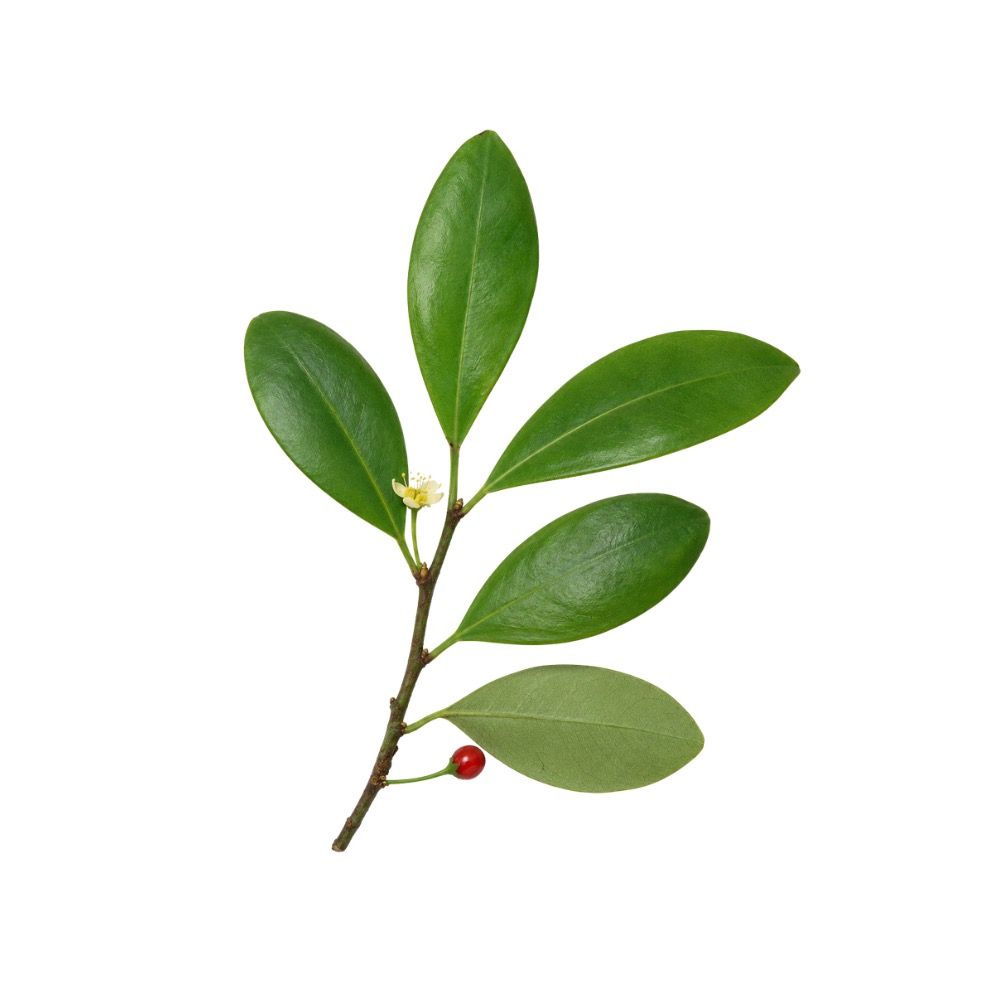
Hygrine is a minor pyrrolidine alkaloid of coca (Erythroxylum) and other tropane-producing plants. Its significance is biosynthetic and chemotaxonomic — it sits on the N-methylpyrrolinium branch that feeds the tropane-alkaloid pathway — not pharmacological; it has essentially no standalone drug activity.

Sources · 2
Where Does It Come From?
Hygrine is a naturally occurring pyrrolidine alkaloid, found in Coca and 1 other source. It is well tolerated orally (low toxicity).
Concentration
Content by Source
Concentrations not reported. No percent-dry-weight or mg/g figures have been published for this compound in its source plants.
Hygrine at a Glance
Hygrine is a small pyrrolidine alkaloid found as a minor constituent of coca (Erythroxylum coca and E. novogranatense) and of several other tropane-producing plants. Chemically it is 1-(1-methylpyrrolidin-2-yl)propan-2-one — a methylated pyrrolidine ring bearing an acetonyl side chain 1Reference 1Biological activity of the alkaloids of Erythroxylum coca and Erythroxylum novogranatenseView study →.
The honest headline for this molecule is that its importance is biosynthetic and chemotaxonomic, not pharmacological. Hygrine is one of roughly eighteen alkaloids identified across cultivated coca varieties, and it sits far below cocaine in abundance 1Reference 1Biological activity of the alkaloids of Erythroxylum coca and Erythroxylum novogranatenseView study →. It has no meaningful standalone pharmacology in people or animals; where it matters, it matters as a marker of the tropane-alkaloid pathway and as a chemical fingerprint used to tell Erythroxylum material apart 1,
This page treats hygrine as what it is: a pathway molecule and a chemotaxonomic signpost, not a drug or a supplement ingredient.
A Pyrrolidine Precursor in the Tropane-Alkaloid Pathway
This is the point of the page. Hygrine is a pyrrolidine alkaloid tied to the branch of metabolism that builds the tropane alkaloids — the family that leads, in Erythroxylum, to tropinone, tropine and the coca alkaloids 2,
The shared starting point is the N-methyl-Δ¹-pyrrolinium cation, a reactive five-membered iminium intermediate. Condensation of that cation with an acetate/malonate-derived unit gives a β-keto side chain; the same chemistry is what ultimately closes into the bicyclic tropinone ring on the way to tropine and, downstream, the coca alkaloids 2,
An important nuance kept honest here: hygrine has long been described as an intermediate on the way to tropinone, but modern pathway work treats the N-methylpyrrolinium cation as the true pivot and leaves open whether hygrine is an obligate on-pathway intermediate or a shunt/side product of that branch 2,
- Upstream: ornithine/putrescine → N-methylputrescine → N-methyl-Δ¹-pyrrolinium cation (the branch point) 2,
4Reference 2Tropane Alkaloids: Chemistry, Pharmacology, Biosynthesis and ProductionView study →Reference 4Tropinone reductases, enzymes at the branch point of tropane alkaloid metabolismView study → . - Hygrine: the monocyclic pyrrolidine formed from that branch; cuscohygrine is the dimeric partner 2,
6Reference 2Tropane Alkaloids: Chemistry, Pharmacology, Biosynthesis and ProductionView study →Reference 6Alkaloid content of the seeds from Erythroxylum coca var. cocaView study → . - Downstream (tropane arm): the same cation feeds ring closure to tropinone → tropine (tropinone reduced by tropinone reductase), then esterification toward the coca alkaloids such as cocaine 2,
4, .8Reference 2Tropane Alkaloids: Chemistry, Pharmacology, Biosynthesis and ProductionView study →Reference 4Tropinone reductases, enzymes at the branch point of tropane alkaloid metabolismView study →Reference 8ReviewTropinone reductase: a comprehensive review on its role as the key enzyme in tropane alkaloids biosynthesisView study →
What It's Used For
There is very little “pharmacology of hygrine” to report, because the molecule’s significance is chemical, not therapeutic. The literature that exists is about how hygrine is made and how it is used to identify plant material — not about effects of the isolated alkaloid in animals or people.
Support is an experimental score — weighted by study type and volume. A beta, not a validated metric. Note the unusual profile: the best-evidenced “applications” here are a biochemical role and an analytical one, not a health effect, and the intrinsic-activity row is deliberately near-zero.
The genuine, best-evidenced role — and it is chemistry, not therapy. Hygrine is the monocyclic pyrrolidine arising from the N-methyl-Δ¹-pyrrolinium cation, the branch-point intermediate that the plant also routes into tropinone, and thence to tropine and the coca tropanes 2,
Pathway reviews and metabolite-network studies place hygrine (and its dimer cuscohygrine) on this branch, while treating the pyrrolinium cation — not hygrine itself — as the committed pivot 2,
This is pathway-level/plant-biochemistry evidence, not whole-plant pharmacology.
Gap: the pathway is described at the level of intermediates and networks, but whether hygrine is an obligate on-pathway intermediate or a shunt/side product of the branch is not settled, and “precursor” is a metabolic fact — it is not a demonstrated benefit of the molecule 2,
Hygrine’s practical utility is analytical. It appears among the roughly eighteen alkaloids identified in cultivated coca and, alongside cuscohygrine and the tropane esters, forms part of the alkaloid fingerprint used to profile Erythroxylum leaf and seed and to distinguish varieties and cultigens 1,
Chemotaxonomic reviews of tropane-alkaloid distribution use the presence and pattern of such pyrrolidine/tropane alkaloids to map plant relationships 5Reference 5Chemotaxonomy and geographical distribution of tropane alkaloidsView study →.
Gap: this is a taxonomic/analytical use of the molecule as a signpost seen in plant chemistry, not a human pharmacological finding — it implies no biological activity of hygrine itself 1,
The application most likely to be mis-attributed to hygrine by association with coca. In the survey of the biological activity of coca alkaloids, the stimulant, local-anaesthetic and monoamine-reuptake activity is a property of cocaine and the ester tropanes — not of the minor pyrrolidine alkaloids such as hygrine 1Reference 1Biological activity of the alkaloids of Erythroxylum coca and Erythroxylum novogranatenseView study →. Hygrine has no characterised receptor or transporter target and no isolate efficacy dataset of its own.
Gap: there is no isolate clinical or meaningful preclinical activity dataset for hygrine; absence of reported effects is not evidence of an effect, and nothing here supports using hygrine for any purpose 1Reference 1Biological activity of the alkaloids of Erythroxylum coca and Erythroxylum novogranatenseView study →.
Mechanisms
| Target / pathway | Effect | Relevant to |
|---|---|---|
| N-methyl-Δ¹-pyrrolinium cation (branch point) | condensation with an acetate/malonate-derived unit gives the pyrrolidine side chain → hygrine | biosynthesis / pathway role |
| Dimerisation of pyrrolinium/acetonyl units | pairing of the same building blocks yields cuscohygrine | relationship to its paired pyrrolidine alkaloid |
| Ring closure of the tropane arm | the same cation feeds tropinone → tropine and the coca esters (hygrine is off this closed-ring arm) | why hygrine is a markernot the endpoint |
| Receptor / transporter pharmacology | none characterised for free hygrine; coca CNS activity belongs to cocaine | why hygrine ≠ the active coca alkaloid |
The load-bearing point is the last row: hygrine sits on the pathway that makes the active coca alkaloids, but it is not one of them and has no defined pharmacological target of its own 1,
Pharmacokinetics
There is no dedicated pharmacokinetic dataset for hygrine — it is not administered as a drug and has not been characterised for absorption, distribution, metabolism or half-life in humans or animals. It is a small, basic pyrrolidine alkaloid present in coca and related plants at trace-to-minor levels 1,
Clinical Trials
There are no clinical trials of hygrine as an isolate — it is a biosynthetic-pathway molecule and chemotaxonomic marker, not a candidate drug. What exists for hygrine is plant-biochemistry and analytical chemistry (pathway characterisation, alkaloid profiling), not human research 1,
| Completed | Planned | Terminated | Preclinical |
|---|---|---|---|
| — | — | — | Biosynthesis/chemotaxonomy characterisation only (no efficacy work) |
Last checked: July 2026.
Isolate vs. Plant Studies
The isolate-vs-plant axis here is unusual: the isolate evidence is biochemical and analytical, not therapeutic. Where hygrine appears as a defined species it is as a pathway intermediate in tropane-alkaloid biosynthesis studies or as a peak in an alkaloid profile used to characterise Erythroxylum material 2,
Its Role in Plants
In coca and other tropane-producing plants, hygrine is best understood as a pyrrolidine metabolite on the alkaloid-building branch rather than a defensive end-product in its own right. It is generated from the N-methylpyrrolinium cation that the plant also commits to tropinone and the tropane alkaloids, and it co-occurs with its dimeric relative cuscohygrine 2,
Because hygrine and cuscohygrine track the operation of this pathway, their presence and pattern are informative about a plant’s alkaloid chemistry — one reason they feature in chemotaxonomic treatments of tropane-alkaloid distribution across genera and families 5Reference 5Chemotaxonomy and geographical distribution of tropane alkaloidsView study →. The defensive, biologically active end-products of the pathway in coca are the ester tropanes (chiefly cocaine), not the pyrrolidine precursors 1Reference 1Biological activity of the alkaloids of Erythroxylum coca and Erythroxylum novogranatenseView study →.
Prevalence in Nature
Hygrine occurs as a minor alkaloid of coca — reported across Erythroxylum coca and E. novogranatense as one of roughly eighteen alkaloids identified in cultivated material, and detected in coca seed as well as leaf 1,
Beyond Erythroxylum, hygrine and related pyrrolidine alkaloids are reported among the tropane-alkaloid chemistry of other plant families that run the same pathway (various Solanaceae and Convolvulaceae), which is why they appear in broad chemotaxonomic surveys of tropane-alkaloid distribution 5Reference 5Chemotaxonomy and geographical distribution of tropane alkaloidsView study →. Quantitative figures are rarely given, so the honest statement is that hygrine is present at trace-to-minor levels without a well-documented percentage.
Discovery & Synthesis
Hygrine entered chemistry through the nineteenth-century investigation of coca, in which chemists resolving the coca-leaf alkaloids described a series of minor bases alongside cocaine; hygrine is commonly attributed to Carl Liebermann (1889), of the same era that characterised its dimeric partner cuscohygrine. It has never been the subject of a celebrated total-synthesis campaign the way tropinone was — its interest has stayed biosynthetic and analytical rather than synthetic.
Today hygrine is not manufactured as a product. It is encountered as a naturally occurring minor alkaloid in coca and related plants and as a reference marker in analytical alkaloid profiling, not as an extracted or synthesised commercial compound 1,
Patents: not yet researched.
Toxicity & Safety
Hygrine carries a low flag. It is a minor pyrrolidine alkaloid with no characterised pharmacological target and no isolate toxicity dataset of its own; the stimulant and toxic effects associated with coca belong to cocaine, not to the pyrrolidine precursors 1Reference 1Biological activity of the alkaloids of Erythroxylum coca and Erythroxylum novogranatenseView study →. “Low” here reflects the absence of demonstrated activity for the isolated molecule — it should not be read as “safe to consume.” Hygrine is not a food, supplement or medicine, it is a trace intermediate, and it has essentially no safety characterisation as an isolate.
- Not the active coca alkaloid. Hygrine is a minor pyrrolidine precursor with no characterised receptor/transporter target; the stimulant and local-anaesthetic activity of coca is cocaine’s, not hygrine’s 1Reference 1Biological activity of the alkaloids of Erythroxylum coca and Erythroxylum novogranatenseView study →.
- Do not read this as coca being benign. Coca’s controlled-substance alkaloid, cocaine, is a serious drug — hygrine’s inertness says nothing about the plant’s overall risk.
- No isolate safety data. Hygrine is a trace biosynthetic intermediate, not a characterised ingredient; absence of toxicity reports is not evidence of safety.
- Don’t infer herb safety from it. Whether coca or any tropane plant is safe is decided on the herb page, where the whole alkaloid mixture and legal status are considered — not from the inertness of one precursor molecule.
Dosage
There is no dose for hygrine. It is not used therapeutically, has no established human dosing, and is present in plants only as a trace/minor alkaloid. The coca alkaloid with real pharmacology, cocaine, is a controlled substance and not a self-dosed agent; hygrine itself is simply a pathway molecule. Any number you might see attached to “hygrine” is an analytical measurement of plant content, not a recommendation.
References
- Novák M, Salemink CA, Khan I (1984). Biological activity of the alkaloids of Erythroxylum coca and Erythroxylum novogranatense. Journal of Ethnopharmacology. https://pubmed.ncbi.nlm.nih.gov/6379304/
- Kohnen-Johannsen KL, Kayser O (2019). Tropane Alkaloids: Chemistry, Pharmacology, Biosynthesis and Production. Molecules. https://pubmed.ncbi.nlm.nih.gov/30813289/
- Nguyen TK, Jamali A, Lanoue A, Gontier E (2015). Unravelling the architecture and dynamics of tropane alkaloid biosynthesis pathways using metabolite correlation networks. Phytochemistry. https://pubmed.ncbi.nlm.nih.gov/25823585/
- Dräger B (2006). Tropinone reductases, enzymes at the branch point of tropane alkaloid metabolism. Phytochemistry. https://pubmed.ncbi.nlm.nih.gov/16426652/
- Griffin WJ, Lin GD (2000). Chemotaxonomy and geographical distribution of tropane alkaloids. Phytochemistry. https://pubmed.ncbi.nlm.nih.gov/10746874/
- Casale JF, Toske SG, Colley VL (2005). Alkaloid content of the seeds from Erythroxylum coca var. coca. Journal of Forensic Sciences. https://pubmed.ncbi.nlm.nih.gov/16382835/
- Casale JF, Mallette JR, Jones LM (2014). Chemosystematic identification of fifteen new cocaine-bearing Erythroxylum cultigens grown in Colombia for illicit cocaine production. Forensic Science International. https://pubmed.ncbi.nlm.nih.gov/24561557/
- Hu X, Liu W, Yan Y, Deng H, Cai Y (2023). Tropinone reductase: a comprehensive review on its role as the key enzyme in tropane alkaloids biosynthesis. International Journal of Biological Macromolecules. https://pubmed.ncbi.nlm.nih.gov/37839598/



