
Compound Monograph
Cuscohygrine
Cuscohygrine is a dipyrrolidine alkaloid of coca and several nightshades — a minor offshoot of the tropane-alkaloid pathway with essentially no standalone pharmacology, valued mainly as a chemotaxonomic marker.

Sources · 4
Where Does It Come From?
Cuscohygrine is a naturally occurring dipyrrolidine (pyrrolidine) alkaloid — tropane-pathway offshoot, found in Coca, Deadly nightshade, Thornapple and 1 other source. It is well tolerated orally (low toxicity).
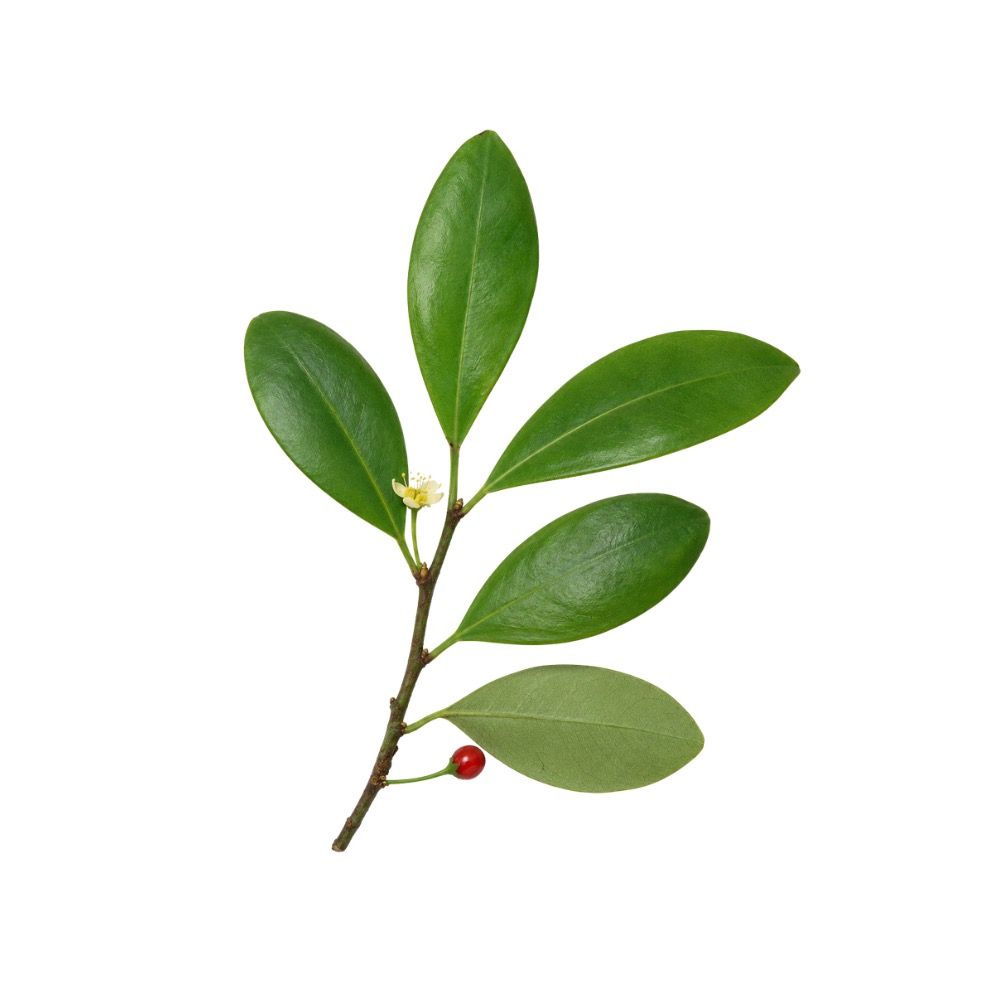 Principal source Coca Erythroxylum coca Herb monograph →
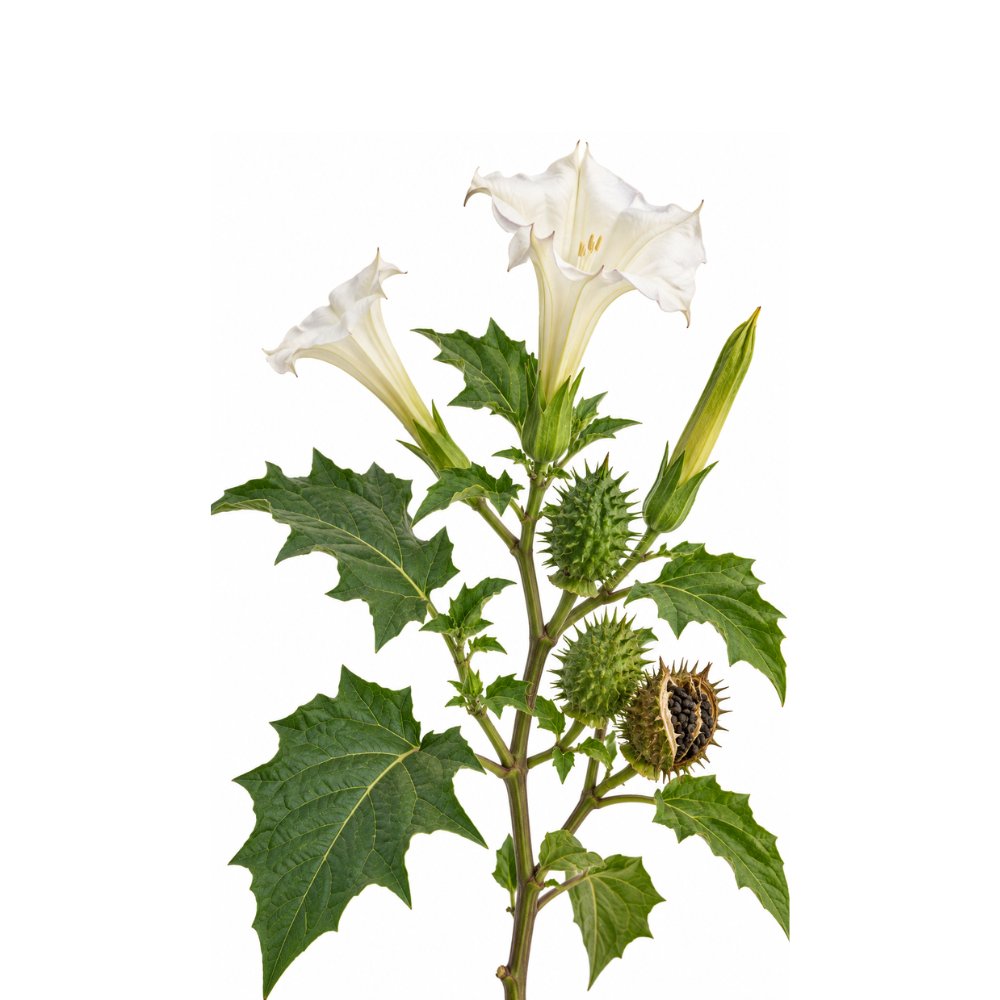 Source Datura ☠️ Datura stramonium Herb monograph →
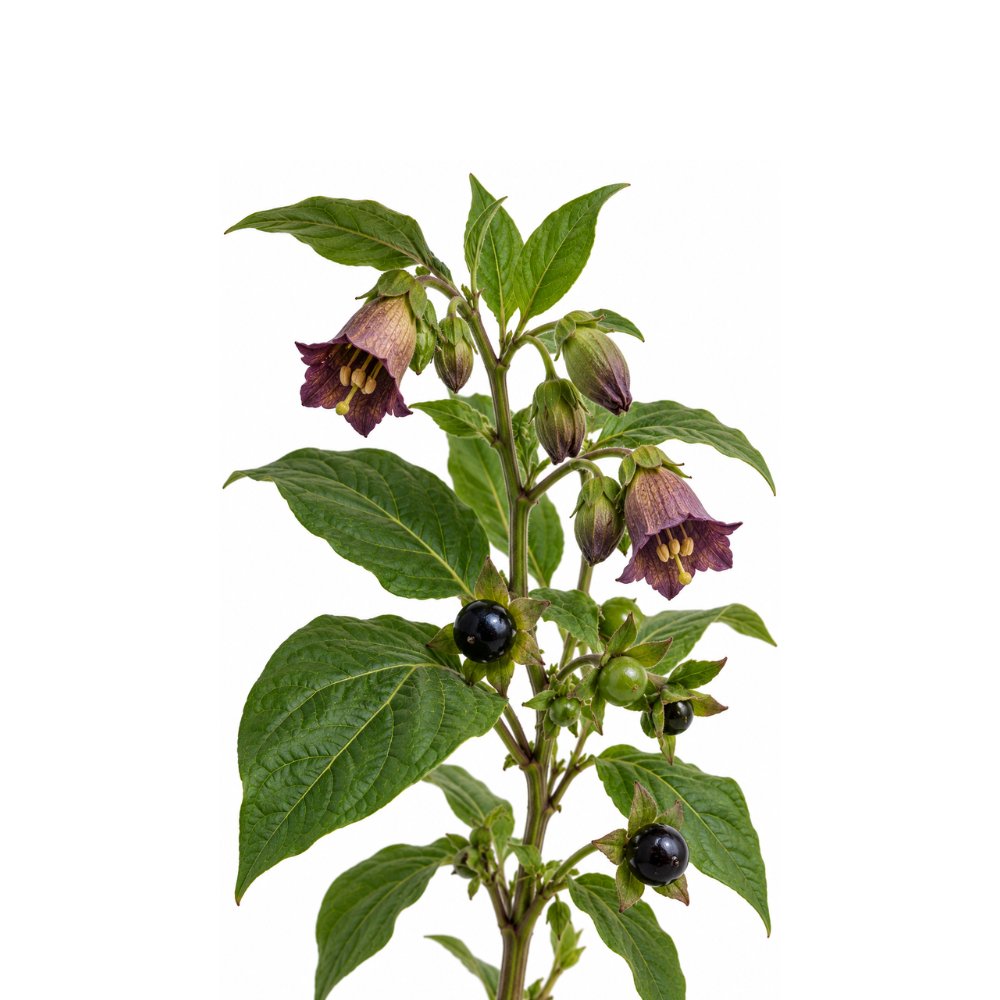 Source Deadly Nightshade ☠️ Atropa belladonna Herb monograph →
Concentration
Content by Source
Concentrations not reported. No percent-dry-weight or mg/g figures have been published for this compound in its source plants.
Cuscohygrine at a Glance
Cuscohygrine is a minor dipyrrolidine alkaloid — two N-methylpyrrolidine rings bridged by a central acetone-derived carbonyl — found in coca (Erythroxylum coca) and in several tropane-bearing nightshades such as deadly nightshade (Atropa belladonna) and Datura 1,
It has almost no standalone pharmacology. Where it appears in the literature it is essentially always as a characterised constituent of a plant’s alkaloid profile rather than as a molecule studied in its own right; the one biological-activity review to catalogue it treats it alongside the other minor coca alkaloids and reports no distinctive activity 1Reference 1Biological activity of the alkaloids of Erythroxylum coca and Erythroxylum novogranatenseView study →. Its practical value is chemotaxonomic — as one of the “other” alkaloids used to fingerprint and distinguish Erythroxylum and Solanaceae material 1,
This page treats cuscohygrine honestly as a thin molecule: a well-defined structure and a clear biosynthetic origin, but no meaningful human or mechanistic pharmacology. It is the dimeric relative of hygrine — see the comparison below.
A Dipyrrolidine Tropane-Pathway Offshoot Alkaloid — Chemotaxonomic Marker Across Coca & Nightshades
Structurally, cuscohygrine is a bis-pyrrolidine (dipyrrolidine) alkaloid: two 1-methylpyrrolidin-2-yl units flanking a central β-diketone-derived methylene bridge. That two-ring architecture is what sets it apart from its monomeric relative hygrine, which carries a single N-methylpyrrolidine ring — the two are the standard “pyrrolidine” pair reported together in coca and nightshade alkaloid surveys 1,
It does not belong to the tropane bicyclic core itself (the tropine/atropine framework). Instead it sits on a side branch of the tropane pathway: the same ornithine/arginine-derived N-methyl-Δ¹-pyrrolinium ion that condenses with polyketide units to build the tropane ring can instead be diverted — largely by non-enzymatic condensation — into the hygrine/cuscohygrine branch 3,
Because it is a minor, structurally distinctive, and reliably co-occurring alkaloid, cuscohygrine functions as a chemotaxonomic marker. In Erythroxylum coca it is frequently the most abundant of the non-cocaine “other” alkaloids, so its presence and relative amount help characterise leaf and seed material and distinguish plant sources in forensic and botanical profiling 1,
Cuscohygrine vs. Hygrine
The single most common confusion about this molecule is with hygrine, and the distinction is simple and structural:
- Hygrine is the monomeric pyrrolidine alkaloid — one N-methylpyrrolidine ring bearing an acetonyl (2-oxopropyl) side chain.
- Cuscohygrine is the dimeric / bis-pyrrolidine relative — two N-methylpyrrolidine rings joined through a central 1,3-diketone-derived bridge.
Biosynthetically they are two exits from the same junction: both arise from the N-methylpyrrolinium ion, with cuscohygrine forming when a second pyrrolidine unit condenses onto the hygrine-type intermediate 3,
What It's Used For
There is very little to report, and saying so plainly is the honest position. Cuscohygrine has no dedicated pharmacology programme — no target-level mechanism, no pharmacokinetic characterisation, and no clinical study. What exists is its inclusion in plant alkaloid inventories and one biological-activity review that lists it among coca’s minor alkaloids without attributing a distinctive effect to it 1Reference 1Biological activity of the alkaloids of Erythroxylum coca and Erythroxylum novogranatenseView study →.
Support is an experimental score — weighted by study type (human > animal > in vitro) and volume. A beta, not a validated metric. Both rows are deliberately low: this is a thin molecule whose literature is chemical-characterisation, not pharmacology.
The application the molecule actually serves. Cuscohygrine is identified as a discrete alkaloid in analytical surveys of coca — including the alkaloid content of Erythroxylum coca var. coca seeds, where it is characterised alongside methylecgonidine, tropine, ecgonine methyl ester and the cinnamoylcocaines 2Reference 2Alkaloid content of the seeds from Erythroxylum coca var. cocaView study → — and it is one of the minor alkaloids catalogued across Erythroxylum coca and E. novogranatense 1Reference 1Biological activity of the alkaloids of Erythroxylum coca and Erythroxylum novogranatenseView study →.
Because it is minor, structurally distinctive and reliably present, its detection and relative abundance help fingerprint plant material and separate sources. This is isolate-level identification (GC-MS of the pure alkaloid within a plant extract), not a pharmacological claim.
Gap: “marker” is an analytical role, not a health effect. There is no evidence that cuscohygrine itself does anything physiologically at the levels present in these plants.
Essentially absent. The one review to place cuscohygrine in a biological-activity context lists it among the alkaloids of Erythroxylum coca and E. novogranatense whose reported activities have been surveyed, but it is grouped with the minor alkaloids and no distinctive, cuscohygrine-specific effect is established 1Reference 1Biological activity of the alkaloids of Erythroxylum coca and Erythroxylum novogranatenseView study →.
There are no target-level mechanistic studies, no animal efficacy studies, and no human data for the isolated molecule.
Gap: the near-total absence of pharmacology means “no established activity” — not “safe by proof” and not “active but unstudied.” Any future claim would have to start from primary in-vitro work that currently does not exist.
Mechanisms
| Target / pathway | Effect | Relevant to |
|---|---|---|
| No characterised molecular target | none established for the isolated molecule | intrinsic pharmacology (the honest null result) |
| N-methylpyrrolinium branch of the tropane pathway | cuscohygrine is a product of this pathway, not an actor on a physiological target | biosynthesis / prevalence |
There is no mechanism to report in the usual sense. The only well-supported “mechanism” involving cuscohygrine is biochemical — how the plant makes it — not pharmacological. See Its Role in Plants.
Pharmacokinetics
No pharmacokinetic data exist for cuscohygrine. Absorption, oral bioavailability, distribution, metabolism and half-life have not been characterised for the isolated molecule in humans or animals. Because it is never taken as an isolate and occurs only as a minor plant alkaloid, exposure is incidental to consuming the parent plant, and no quantitative human exposure figures are available. This absence should be read as uncharacterised, not as evidence of any particular safety or activity.
Clinical Trials
No clinical trials of cuscohygrine have been conducted or registered; it is not a therapeutic candidate.
| Completed | Planned | Terminated | Preclinical |
|---|---|---|---|
| — | — | — | Chemical characterisation / biosynthesis only (no pharmacology) |
Last checked: July 2026.
Its Role in Plants
Cuscohygrine’s real story is biosynthetic. It forms on a branch of the tropane-alkaloid pathway that begins from the amino acids ornithine and arginine: these are converted through N-methylputrescine to N-methyl-Δ¹-pyrrolinium, the pivotal iminium ion that the plant also commits to building the tropane ring of cocaine, atropine and scopolamine 3,
When N-methylpyrrolinium condenses with acetoacetate-derived (polyketide) units, it can be routed off the main tropane line into the pyrrolidine branch — yielding hygrine and, on a second condensation, cuscohygrine 3,
That is why cuscohygrine is a shared signature of tropane-producing plants rather than a specialist metabolite of one species: it is a readout of the pathway itself. Its ecological function as an isolated compound is not established — it is best understood as a metabolic offshoot rather than a dedicated defence molecule.
Prevalence in Nature
Cuscohygrine occurs across two plant lineages that both run the tropane pathway:
- Coca (Erythroxylum). It is one of the recognised minor alkaloids of Erythroxylum coca and E. novogranatense 1Reference 1Biological activity of the alkaloids of Erythroxylum coca and Erythroxylum novogranatenseView study →, and is characterised in analytical work on coca seed and leaf material alongside the other non-cocaine alkaloids 2Reference 2Alkaloid content of the seeds from Erythroxylum coca var. cocaView study →. Within the “other” (non-cocaine) fraction it is frequently the most abundant component, though still far below cocaine in absolute terms.
- Solanaceae (nightshades). It is a documented minor alkaloid of tropane-bearing nightshades — historically noted in deadly nightshade (Atropa belladonna) (the old synonym bellaradine comes from this source) and in thornapple (Datura) and relatives, where it accompanies atropine, hyoscyamine and scopolamine as a pathway offshoot 4Reference 4Tropane alkaloids biosynthesis involves an unusual type III polyketide synthase and non-enzymatic condensationView study →.
Quantitative, cross-source concentration figures for cuscohygrine specifically are not well tabulated in the accessible literature — it is usually reported qualitatively (present / relatively abundant among minor alkaloids) rather than as a measured percentage of dry weight. Those missing numbers are tracked in this molecule’s gaps file rather than guessed at here.
Discovery & Synthesis
Cuscohygrine was first obtained from coca in the late nineteenth century, and its name records that origin — cusco- after the Cusco (Cuzco) region of Peru historically associated with coca, joined to -hygrine (from Greek hygros, “liquid/moist,” the root shared with its monomer hygrine, reflecting the oily character of these bases). When later isolated from deadly nightshade it was for a time called bellaradine, a synonym that survives in older Solanaceae literature 4Reference 4Tropane alkaloids biosynthesis involves an unusual type III polyketide synthase and non-enzymatic condensationView study →.
As a dipyrrolidine structure it has been of interest to synthetic chemists (its two pyrrolidine rings and central bridge make it a classic biomimetic Mannich target), but a fully verified first-total-synthesis attribution is not researched here and is left to a later pass rather than stated from memory. Cuscohygrine is not manufactured commercially — there is no supplement, drug or industrial use to drive production; it is encountered only as a naturally occurring minor plant alkaloid or as an analytical reference standard.
Patents: not yet researched.
Toxicity & Safety
Cuscohygrine carries a low flag. It has no documented toxicity of its own: it is not the reason coca leaf or a tropane nightshade is hazardous, and it is present at levels far below the plants’ principal, genuinely potent alkaloids. The real toxicity of the source plants belongs to those principals — cocaine in coca, and the anticholinergic tropanes atropine/hyoscyamine and scopolamine in the nightshades — not to cuscohygrine. The “low” rating reflects the absence of any toxicity signal for the isolated molecule, not a positive demonstration of safety.
- No toxicity signal for the isolated molecule. No characterised acute or organ toxicity is attributed to cuscohygrine itself at the trace-to-minor levels it occurs in plants.
- Judge the source plant, not this molecule. Any risk from coca leaf or a tropane nightshade comes from its principal alkaloids (cocaine; atropine/scopolamine), which are potent — cuscohygrine is a minor bystander.
- “Low” reflects absent data, not proven safety. No dedicated toxicology, genotoxicity, reproductive or interaction studies exist for the isolated compound; treat the profile as uncharacterised rather than cleared.
References
- Novák M, Salemink CA, Khan I (1984). Biological activity of the alkaloids of Erythroxylum coca and Erythroxylum novogranatense. Journal of Ethnopharmacology. https://pubmed.ncbi.nlm.nih.gov/6379304/
- Casale JF, Toske SG, Colley VL (2005). Alkaloid content of the seeds from Erythroxylum coca var. coca. Journal of Forensic Sciences. https://pubmed.ncbi.nlm.nih.gov/16382835/
- Chavez BG, Srinivasan P, Glockzin K, Kim N, Montero Estrada O, Jirschitzka J, Rowden G, Shao J, Meinhardt L, Smolke CD, D’Auria JC (2022). Elucidation of tropane alkaloid biosynthesis in Erythroxylum coca using a microbial pathway discovery platform. Proceedings of the National Academy of Sciences U.S.A. https://pubmed.ncbi.nlm.nih.gov/36442128/
- Huang JP, Fang C, Ma X, Wang L, Yang J, Luo J, Yan Y, Zhang Y, Huang SX (2019). Tropane alkaloids biosynthesis involves an unusual type III polyketide synthase and non-enzymatic condensation. Nature Communications. https://pubmed.ncbi.nlm.nih.gov/31492848/



