
Compound Monograph
Inulin
Inulin is not one molecule but a family — every linear β(2→1) fructan, from short oligofructose chains to long polymers. It is the storage carbohydrate of dandelion, burdock and chicory roots, indigestible by human enzymes, and fermented in the colon instead. That is what makes it a prebiotic, what gives it a real 33-trial glycaemic meta-analysis, and what makes it a FODMAP that some people with irritable bowel cannot tolerate.

Sources · 11
Where Does It Come From?
Inulin is a naturally occurring fructan (class — linear β(2→1) fructose polymers), found in Burdock, Dandelion, Couchgrass and 8 other sources. It is well tolerated orally (low toxicity).
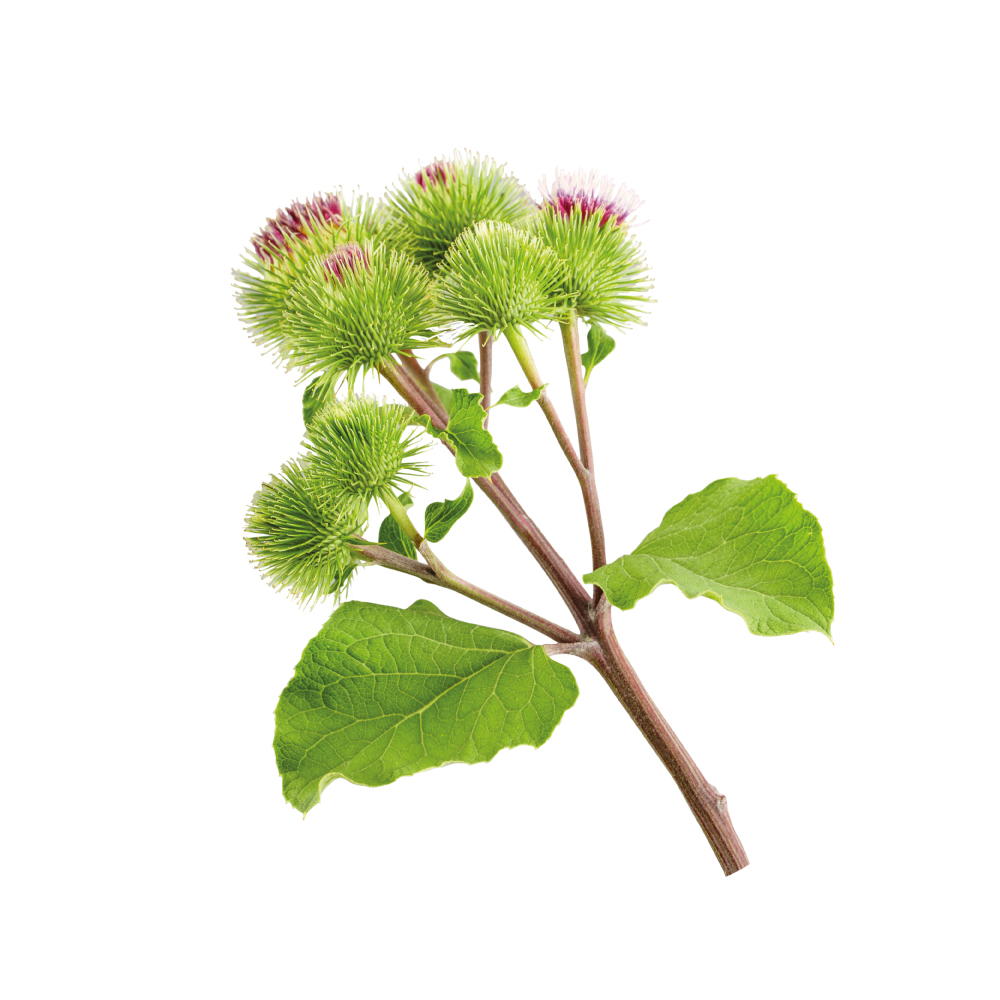 Principal source Burdock Arctium lappa Herb monograph →
 Source Arnica Arnica montana Herb monograph →
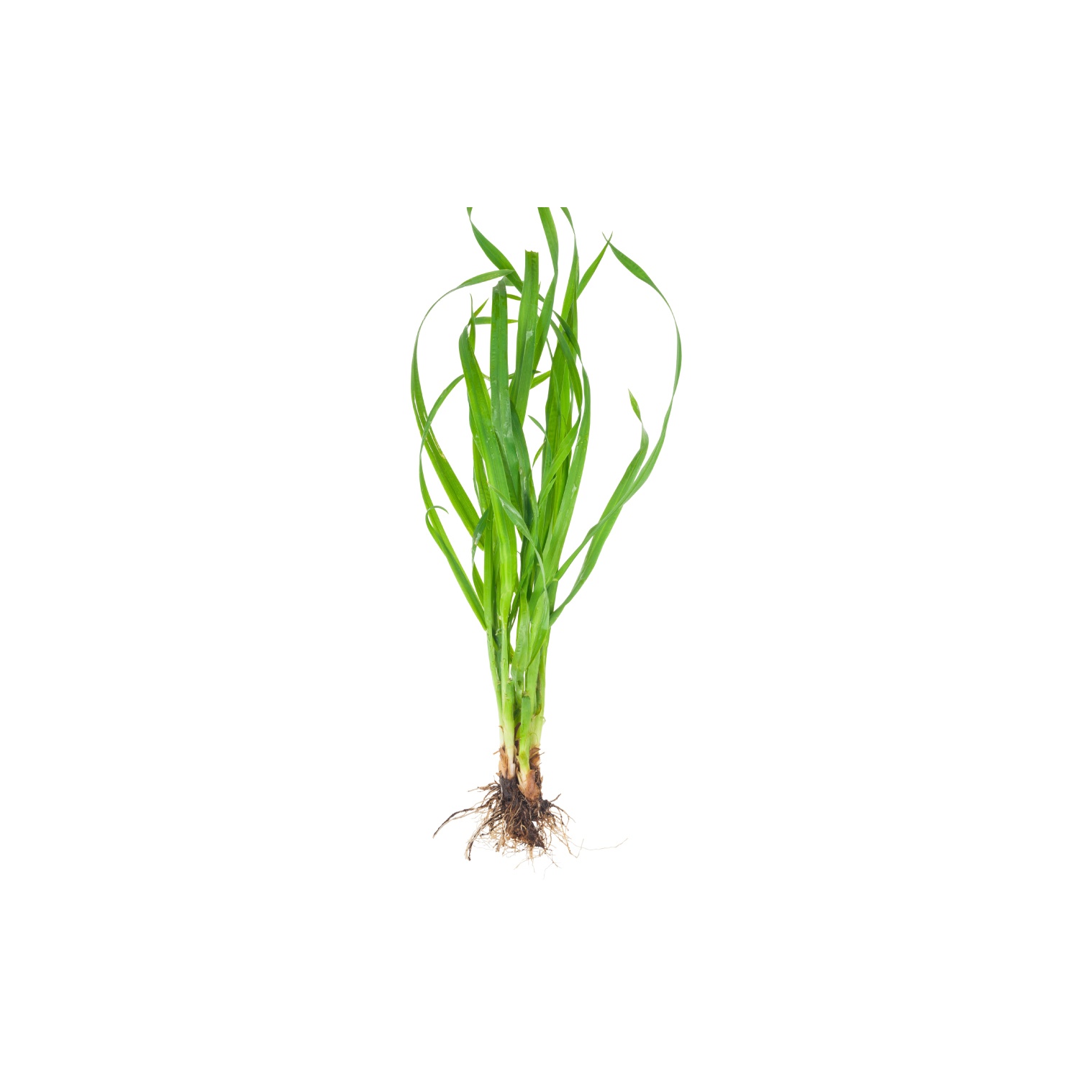 Source Couchgrass Elymus repens Herb monograph →
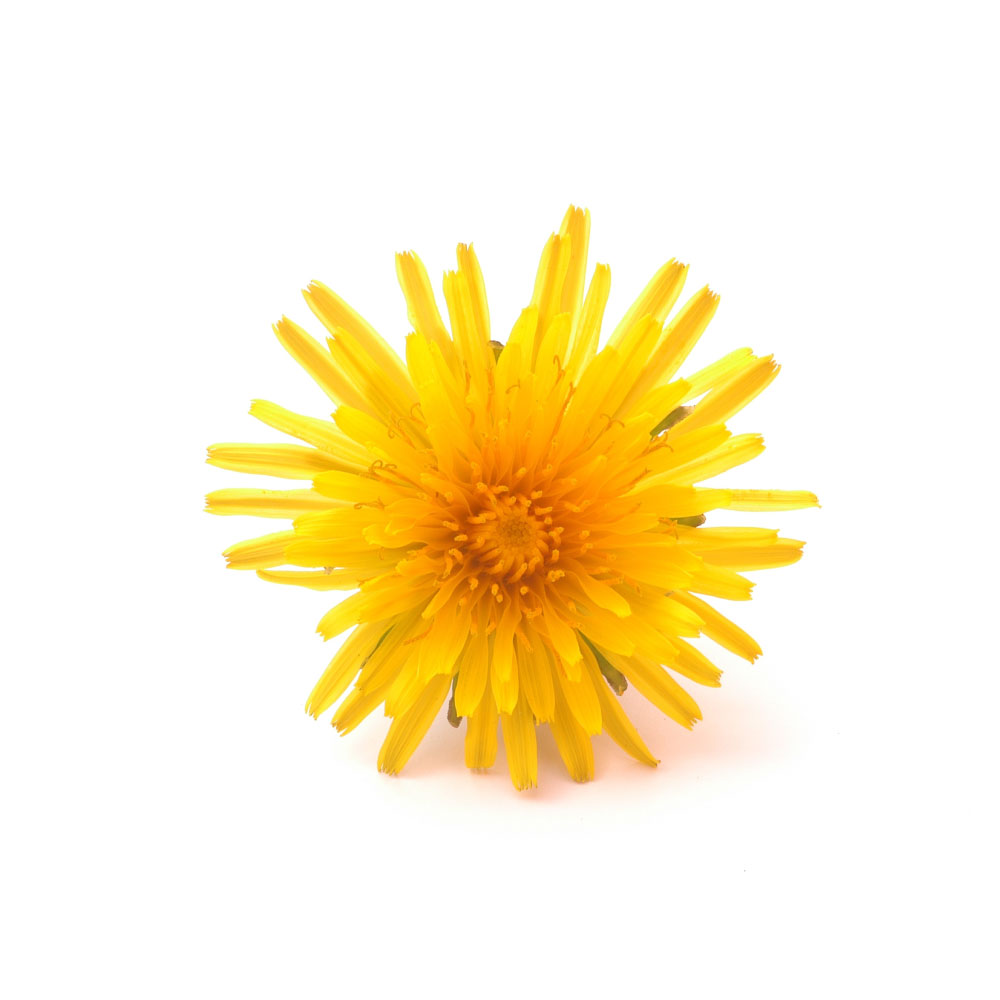 Source Dandelion Taraxacum officinale Herb monograph →
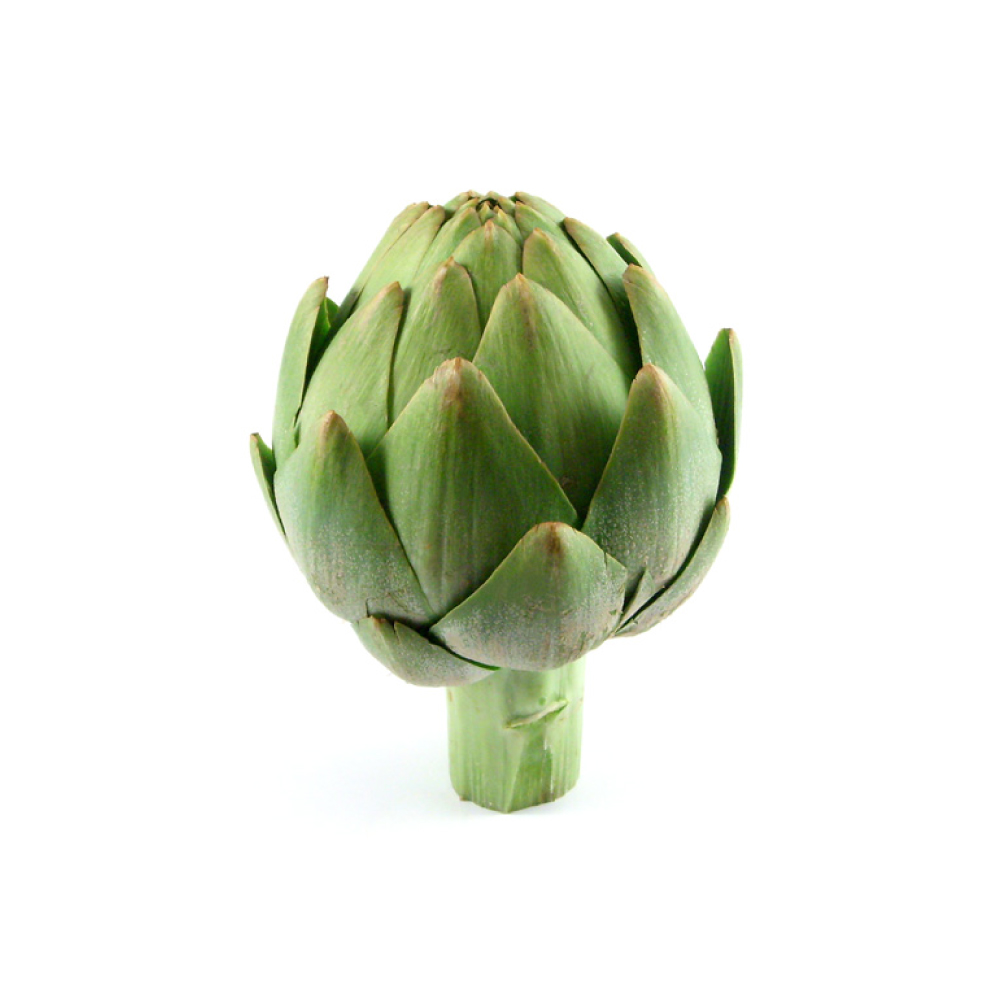 Source Globe Artichoke Cynara scolymus Herb monograph →
Concentration
Content by Source
Reported concentrations across the plants that contain inulin — the bar marks the typical level, the line shows the reported range.
Literature figures for varying plant parts and preparations. Read them as a comparative guide, not exact assays.
Inulin at a Glance
Inulin is a class, not a molecule, and reading it as a single compound is the commonest mistake made about it. The term inulin-type fructans covers all linear β(2→1) fructans — chains of fructose units with a terminal glucose — and the chains vary in length: native inulin runs from 2 to about 60 units with an average near 12, oligofructose is the short fraction at 2 to 8 units averaging 4, and high-performance inulin is the long fraction at 10 to 60 units averaging 25 1Reference 1ReviewInulin-type fructans: functional food ingredients — reviewView study →. A root does not contain “inulin” the way it contains a flavonoid; it contains a distribution of chain lengths, and chain length changes how fast the material ferments and how well it is tolerated.
What unites them is a bond human enzymes cannot break. The β(2→1) linkage passes through the small intestine intact and arrives in the colon, where gut bacteria ferment it to short-chain fatty acids. Everything else follows from that single fact. Inulin behaves as dietary fibre, acts as a prebiotic by selectively feeding particular bacteria 1,
In herbal medicine it is the storage carbohydrate of the Asteraceae roots: burdock, dandelion, chicory, elecampane and Jerusalem artichoke. Its presence in those roots is not incidental — at up to half the dry weight of burdock root 11Reference 11ReviewA review of the pharmacological effects of Arctium lappa (burdock) — reviewView study →, inulin is most of what those medicines physically are.
What Inulin Actually Is
Fructans are plant storage carbohydrates built from fructose rather than glucose, and inulin-type fructans are the linear ones, joined β(2→1), usually capped with a glucose at one end. Degree of polymerisation — the number of sugar units in a chain — is the variable that matters, and commercial products are sold by it 1Reference 1ReviewInulin-type fructans: functional food ingredients — reviewView study →:
| Fraction | Chain length (DP) | Average |
|---|---|---|
| Oligofructose (fructo-oligosaccharides) | 2–8 | 4 |
| Native inulin | 2–60 | 12 |
| Long-chain inulin (inulin HP) | 10–60 | 25 |
Short chains ferment fast and early in the colon; long chains ferment slowly and reach further along it. That is not a detail — it decides where the fermentation happens, which bacteria get fed, how much gas is produced at once, and how well a given person tolerates a given dose. Products combining both fractions were developed for exactly this reason, and it is the combination that carries the strongest calcium-absorption evidence 1,
For a herb, the practical consequence is that “contains inulin” describes a raw material whose behaviour depends on chain-length distribution nobody has measured for most medicinal roots.
Why Cooking Changes It
One of the more satisfying facts about inulin is that it explains a cooking method.
Because human enzymes cannot hydrolyse the β(2→1) bond, an inulin-rich root is largely indigestible raw — the calories pass to the colon rather than being absorbed. Prolonged heat does what human enzymes cannot, slowly hydrolysing the fructan chains into digestible fructose and shorter sugars. That is the chemical basis for the long pit-cooking traditionally applied to inulin-rich roots such as balsamroot and camas, sometimes for a day or more: the process converts an indigestible storage carbohydrate into food, and produces the characteristic sweetness of a well-cooked inulin root.
The same chemistry runs the other way in a modern kitchen. Roasting chicory root develops sweetness and the coffee-like flavour of chicory “coffee”, and gently prepared inulin roots are correspondingly less sweet and more fermentable. A raw dandelion root and a long-roasted one are different foods, and the difference is where the fructan ends up.
What It's Used For
Inulin has a larger and better human evidence base than most herbal constituents, because it is also a mainstream food ingredient. Read the rows for what they are: fibre and microbiology, not pharmacology.
Inulin-type fructans are the archetypal prebiotic: non-digestible, selectively fermented, and reaching the colon intact where they change which bacteria thrive 1,
The most careful human characterisation combined 16S microbiota profiling with faecal metabolomics in a double-blind randomised crossover trial in healthy adults with mild constipation. It found the old bifidogenic-only picture too simple: inulin produced a modest global shift in microbiota composition with specific changes in three genera — Anaerostipes, Bilophila and Bifidobacterium — and, tellingly, faecal metabolite profiles were not significantly altered. The decrease in Bilophila was associated with both softer stools and improved constipation-specific quality of life 4Reference 4RCTPrebiotic inulin-type fructans induce specific changes in the human gut microbiota — randomised controlled trialView study →.
As dietary fibre it improves bowel habit directly, and the fermentation produces short-chain fatty acids that feed colonocytes 1Reference 1ReviewInulin-type fructans: functional food ingredients — reviewView study →.
Gap: the ecosystem effects are modest and the metabolite profiles did not move, so “feeds good bacteria” overstates what was measured; and effects on stool are the best-established outcome, not any systemic benefit.
The strongest quantitative human evidence, and unusually well graded. A systematic review and dose-response meta-analysis pooled 33 randomised controlled trials in 1,346 participants. Inulin-type fructan supplementation significantly reduced fasting blood glucose, HbA1c, fasting insulin and HOMA-IR overall; in the prediabetes and type 2 diabetes population the reductions were fasting glucose −0.60 mmol/L (95% CI −0.71 to −0.48; graded high), HbA1c −0.58% (95% CI −0.83 to −0.32; graded high), fasting insulin −1.75 µU/mL and HOMA-IR −0.69 (both graded low). The dose-response model recommended 10 g a day for six weeks or longer, and subgroup analysis found the effect varied with sex, the type of fructan, and how it was taken 3Reference 3Meta-analysisInulin-type fructans supplementation improves glycemic control for the prediabetes and type 2 diabetes populations: results from a GRADE-assessed systematic review and dose-response meta-analysis of 33 randomized controlled trials — meta-analysisView study →.
An HbA1c reduction of 0.58% from a fibre is a clinically meaningful size, though it sits below what glucose-lowering drugs achieve.
Gap: the fasting-insulin and HOMA-IR results are low-quality evidence even where the glucose results are high, and none of these trials used a herbal root — they used purified inulin-type fructans at a defined dose.
An unusual claim for a fibre, and one that held up. A combination of short- and long-chain inulin-type fructans increased calcium absorption and bone mineralisation in young adolescents in a randomised trial 5Reference 5RCTA combination of prebiotic short- and long-chain inulin-type fructans enhances calcium absorption and bone mineralization in young adolescents — randomised controlled trialView study →, and the reviewer who assembled the field concluded that the claim “inulin-type fructans enhance calcium and magnesium absorption” is scientifically substantiated, with the oligofructose-enriched long-chain combination the most active preparation 1Reference 1ReviewInulin-type fructans: functional food ingredients — reviewView study →.
The proposed route is colonic: fermentation acidifies the colon and increases mineral solubility and uptake there.
Gap: the effect belongs to a specific engineered combination of chain lengths at food-ingredient doses, and it is not transferable to a root of unmeasured composition.
The row where inulin is the problem rather than the treatment. Fructans are FODMAPs, and in a double-blind, placebo-controlled crossover trial against maltodextrin in 23 children with irritable bowel syndrome, fructans exacerbated symptoms in a subset of them 6Reference 6RCTFructans exacerbate symptoms in a subset of children with irritable bowel syndrome — randomised controlled trialView study →.
Reviewing the field in adults, low prebiotic doses have shown some promise for modulating gut bacteria and reducing IBS symptoms, but larger doses may have neutral or negative effects; meanwhile the low-FODMAP diet, which improves IBS symptoms, works partly by removing these same naturally occurring prebiotics — and lowers some beneficial gut bacteria as a result 2Reference 2ReviewPrebiotic inulin-type fructans and galacto-oligosaccharides: definition, specificity, function, and application in gastrointestinal disorders — reviewView study →.
Gap: who reacts and who benefits is unresolved, and the trial that showed harm was in children with a specific diagnosis; the practical rule is dose and individual tolerance, not avoidance.
Mechanisms
| Target / pathway | Effect | Relevant to |
|---|---|---|
| β(2→1) glycosidic bond | Not hydrolysed by human digestive enzymes → reaches the colon intact | Everything below |
| Colonic saccharolytic bacteria | Selective fermentation; shifts in Bifidobacterium, Anaerostipes, Bilophila | Prebiotic effect |
| Short-chain fatty acid production | Colonocyte fuel; colonic acidification | Bowel functionmineral absorption |
| Colonic pH and mineral solubility | Increased calcium and magnesium absorption | Bone mineralisation |
| Gut peptide secretion and lipid metabolism | Modulated — proposed route for appetite and metabolic effects | Glycaemic and metabolic outcomes |
| Osmotic load and gas production | Water retention and fermentation gas in the lumen | BloatingflatulenceIBS symptoms |
| Prolonged heat | Hydrolysis to fructose and shorter sugars | Why inulin roots are pit-cooked or roasted |
The same property drives the benefit and the problem: a carbohydrate that humans cannot digest but their bacteria can.
Pharmacokinetics
There is nothing conventional to describe, because inulin is essentially not absorbed. Human enzymes cannot hydrolyse the β(2→1) bond, so the material passes the small intestine intact, is fermented in the colon, and leaves as short-chain fatty acids, gas, bacterial biomass and water 1,
What varies instead is fermentation kinetics. Short chains ferment early and fast, long chains later and further along the colon, so the same gram dose can produce different symptoms and different bacterial effects depending on chain length 1Reference 1ReviewInulin-type fructans: functional food ingredients — reviewView study →. Tolerance studies exist for particular preparations — agave inulin and a roasted chicory extract have both been assessed for gastrointestinal tolerance in healthy adults 7,
Clinical Trials
Human trials are extensive, but they are food-ingredient trials of purified fructans: 33 randomised trials pooled for glycaemic outcomes 3Reference 3Meta-analysisInulin-type fructans supplementation improves glycemic control for the prediabetes and type 2 diabetes populations: results from a GRADE-assessed systematic review and dose-response meta-analysis of 33 randomized controlled trials — meta-analysisView study →, randomised crossover work on microbiota and constipation 4Reference 4RCTPrebiotic inulin-type fructans induce specific changes in the human gut microbiota — randomised controlled trialView study →, calcium absorption in adolescents 5Reference 5RCTA combination of prebiotic short- and long-chain inulin-type fructans enhances calcium absorption and bone mineralization in young adolescents — randomised controlled trialView study →, IBS symptom provocation 6Reference 6RCTFructans exacerbate symptoms in a subset of children with irritable bowel syndrome — randomised controlled trialView study →, and tolerance studies 7,
| Completed | Planned | Terminated | Preclinical |
|---|---|---|---|
| Extensive: glycaemic (33 RCTs), microbiota, calcium absorption, tolerance, IBS provocation | — | — | Antioxidant activity of burdock root fructan 9Reference 9In vitroIn vitro and in vivo antioxidant activity of a fructan from the roots of Arctium lappa LView study → |
Last checked: September 2026.
Isolate vs. Plant Studies
The gap here is unusually clean. All the human evidence uses purified inulin-type fructans at defined chain lengths and doses of roughly 5–20 g a day 1,
Two things do carry across. The dose is plausible: at up to about half the dry weight of burdock root 11Reference 11ReviewA review of the pharmacological effects of Arctium lappa (burdock) — reviewView study →, an ordinary culinary or decoction quantity of root supplies grams of fructan, which is the right order of magnitude for the trials. And the traditional indications rhyme with the mechanism — burdock and dandelion root are classic “alterative” and digestive-tonic herbs, and a substrate that changes colonic fermentation is a reasonable partial explanation for a reputation built on digestion and elimination.
Two do not. Nobody has measured the chain-length distribution of any medicinal root, so tolerance and fermentation behaviour are unknown. And preparation decides how much survives: a long decoction or a roasted root has hydrolysed part of its fructan to simple sugars, so it is not the same material as a raw root or a purified supplement.
Its Role in Plants
Fructans are how a large fraction of the world’s plants store energy without using starch, and inulin-type fructans are the Asteraceae’s version. They accumulate in roots, rhizomes and tubers over the growing season and are drawn down for regrowth, which is why traditional harvesting of inulin roots is autumn work: the fructan reserve peaks after the aerial parts die back and falls once the plant starts growing again.
They also serve a second purpose. Fructans are highly water-soluble and osmotically active, and they are implicated in drought and cold tolerance, helping stabilise membranes and hold water in the tissue. In couchgrass rhizome the closely related fructan triticin, at roughly 3–8%, hydrolyses to fructose and mannitol and contributes the demulcent, soothing quality that underlies the herb’s urinary use 12Reference 12ReviewElymus repens (L.) Gould: phytochemistry, pharmacological activities and therapeutic potential with future perspectives — reviewView study →.
That storage role explains the herbal distribution neatly: the plants richest in inulin are the ones with big perennial storage roots, and those are exactly the roots Western herbal medicine dug in autumn.
Prevalence in Nature
Inulin-type fructans are widespread, and concentrated in the Asteraceae roots.
Burdock root is the richest herbal source, reported at up to about 40–50% of dry weight, highest in autumn-dug first-year roots before flowering 11Reference 11ReviewA review of the pharmacological effects of Arctium lappa (burdock) — reviewView study →. Dandelion root is the other classic, where inulin is the major storage carbohydrate, peaks in autumn, and is named among the constituents behind the root’s metabolic and digestive use 10Reference 10ReviewThe physiological effects of dandelion (Taraxacum officinale) in type 2 diabetes — reviewView study → — although no reliable quantified figure was found. Chicory root is the main industrial source of commercial inulin, and Jerusalem artichoke, elecampane — the plant that gave inulin its name — balsamroot and camas are all inulin-storage species. Artichoke and arnica both carry it as a listed constituent.
Outside the Asteraceae, couchgrass rhizome stores the related fructan triticin at 3–8% 12Reference 12ReviewElymus repens (L.) Gould: phytochemistry, pharmacological activities and therapeutic potential with future perspectives — reviewView study →, and inulin-type fructans are ordinary components of the diet in onion, garlic, leek, wheat and agave — which is why the FODMAP question is a dietary one and not just a supplement one.
Discovery & Synthesis
Inulin was isolated in 1804 by Valentin Rose from the root of elecampane, Inula helenium, and named for the genus. It was among the earliest plant polysaccharides to be characterised, and its identity as a fructose polymer rather than a starch was established through the nineteenth century.
Commercial production is agricultural, not synthetic. Chicory root is the dominant industrial source: the fructans are extracted with hot water, purified, and then separated by chain length into oligofructose, native inulin and long-chain fractions, or recombined into defined mixtures — which is why food-science papers specify a fraction rather than “inulin” 1Reference 1ReviewInulin-type fructans: functional food ingredients — reviewView study →. Agave and Jerusalem artichoke are secondary sources. Partial enzymatic hydrolysis converts long chains to oligofructose, and the same reaction happens slowly under prolonged cooking.
Toxicity & Safety
Inulin carries a low flag, and its safety question is not toxicity but tolerance. It is an ordinary food component eaten daily in onions, wheat and garlic, it is not absorbed, and it has no systemic toxicity.
What it reliably does is ferment. Gas, bloating, flatulence, borborygmi and osmotic looseness are dose-related and expected rather than adverse in the usual sense, and gastrointestinal tolerance has been formally assessed for particular preparations in healthy adults 7,
The group that needs the caution is people with irritable bowel syndrome or fructan malabsorption, for whom fructans are a FODMAP and a documented symptom trigger: in a double-blind crossover trial, fructans exacerbated symptoms in a subset of children with IBS 6Reference 6RCTFructans exacerbate symptoms in a subset of children with irritable bowel syndrome — randomised controlled trialView study →, and in adults larger prebiotic doses can be neutral or worse even though low doses may help 2Reference 2ReviewPrebiotic inulin-type fructans and galacto-oligosaccharides: definition, specificity, function, and application in gastrointestinal disorders — reviewView study →. That is a genuine tension worth stating plainly — the same molecule is a prebiotic to be encouraged in one guideline and a FODMAP to be restricted in another, and both positions are evidence-based for their populations.
For herbs the implication is practical rather than alarming: a large decoction of burdock or dandelion root is a meaningful fructan dose, and someone who reacts to onions and wheat may react to it too.
- Not absorbed and not toxic. An ordinary dietary carbohydrate; the human evidence base is food-ingredient-scale and reassuring.
- Real human evidence at ~10 g/day — a 33-trial meta-analysis found fasting glucose and HbA1c reductions graded high-quality.
- A FODMAP. Fructans exacerbated symptoms in a subset of children with irritable bowel syndrome; those with IBS or fructan malabsorption may react at low doses.
- Gas and bloating are dose-related and expected, more so with short-chain fractions; introduce gradually.
- A large root decoction is a fructan dose. Burdock root is up to about half inulin by dry weight.
Dosage
These are doses studied in research and are not a personal recommendation.
| Context | Form | Dose |
|---|---|---|
| Glycaemic control (prediabetes, type 2 diabetes) | Purified inulin-type fructans | ~10 g/day for 6 weeks or longer 3Reference 3Meta-analysisInulin-type fructans supplementation improves glycemic control for the prediabetes and type 2 diabetes populations: results from a GRADE-assessed systematic review and dose-response meta-analysis of 33 randomized controlled trials — meta-analysisView study → |
| Prebiotic / bowel function | Purified inulin-type fructans | Food-ingredient doses, typically 5–15 g/day 1, |
| Calcium absorption (adolescents) | Short- plus long-chain combination | Trial dosing of the combined preparation 1, |
| Tolerance ceiling | Any | Bloating and flatulence rise with dose; short chains ferment fastest 7, |
| Herbal | Burdock or dandelion root decoction | Not standardised; root is up to ~40–50% inulin by dry weight 11Reference 11ReviewA review of the pharmacological effects of Arctium lappa (burdock) — reviewView study →, so grams of fructan per dose |
References
- Roberfroid MB (2007). Inulin-type fructans: functional food ingredients — review. J Nutr. https://pubmed.ncbi.nlm.nih.gov/17951492/
- Wilson B, Whelan K (2017). Prebiotic inulin-type fructans and galacto-oligosaccharides: definition, specificity, function, and application in gastrointestinal disorders — review. J Gastroenterol Hepatol. https://pubmed.ncbi.nlm.nih.gov/28244671/
- Wang L, Yang H, Huang H, et al. (2019). Inulin-type fructans supplementation improves glycemic control for the prediabetes and type 2 diabetes populations: results from a GRADE-assessed systematic review and dose-response meta-analysis of 33 randomized controlled trials — meta-analysis. J Transl Med. https://pubmed.ncbi.nlm.nih.gov/31805963/
- Vandeputte D, Falony G, Vieira-Silva S, et al. (2017). Prebiotic inulin-type fructans induce specific changes in the human gut microbiota — randomised controlled trial. Gut. https://pubmed.ncbi.nlm.nih.gov/28213610/
- Abrams SA, Griffin IJ, Hawthorne KM, et al. (2005). A combination of prebiotic short- and long-chain inulin-type fructans enhances calcium absorption and bone mineralization in young adolescents — randomised controlled trial. Am J Clin Nutr. https://pubmed.ncbi.nlm.nih.gov/16087995/
- Chumpitazi BP, McMeans AR, Vaughan A, et al. (2018). Fructans exacerbate symptoms in a subset of children with irritable bowel syndrome — randomised controlled trial. Clin Gastroenterol Hepatol. https://pubmed.ncbi.nlm.nih.gov/28970147/
- Holscher HD, Doligale JL, Bauer LL, et al. (2014). Gastrointestinal tolerance and utilization of agave inulin by healthy adults — randomised controlled trial. Food Funct. https://pubmed.ncbi.nlm.nih.gov/24664349/
- Ripoll C, Flourié B, Megnien S, et al. (2010). Gastrointestinal tolerance to an inulin-rich soluble roasted chicory extract after consumption in healthy subjects — randomised controlled trial. Nutrition. https://pubmed.ncbi.nlm.nih.gov/19931416/
- Liu W, Wang J, Zhang Z, et al. (2014). In vitro and in vivo antioxidant activity of a fructan from the roots of Arctium lappa L. Int J Biol Macromol. https://pubmed.ncbi.nlm.nih.gov/24508920/
- Wirngo FE, Lambert MN, Jeppesen PB (2016). The physiological effects of dandelion (Taraxacum officinale) in type 2 diabetes — review. Rev Diabet Stud. https://pubmed.ncbi.nlm.nih.gov/28012278/
- Chan YS, Cheng LN, Wu JH, et al. (2011). A review of the pharmacological effects of Arctium lappa (burdock) — review. Inflammopharmacology. https://pubmed.ncbi.nlm.nih.gov/20981575/
- Zhakipbekov KS, Serikbayeva EA, Tleubayeva MI, et al. (2026). Elymus repens (L.) Gould: phytochemistry, pharmacological activities and therapeutic potential with future perspectives — review. Int J Mol Sci. https://pubmed.ncbi.nlm.nih.gov/42278456/



