
Compound Class
Carbohydrates
Sugars and their polymers — the immune-active polysaccharides, soothing mucilages, and prebiotic fibers of medicinal plants.
35 Constituents4 Subclasses53 Source herbs
Overview
What Are Carbohydrates?
Carbohydrates are sugars and their polymers, built almost entirely from carbon, hydrogen and oxygen — the name reflects their formulaic character as “hydrated carbon”. They range from single sugar units up to vast chains of thousands.
They are the most abundant biomolecules in the plant kingdom, forming both the structural scaffolding of cell walls and the energy reserves laid down in roots, seeds and tubers. Only a fraction of that vast pool, however, is medicinally active in any meaningful sense.
How Carbohydrates Are Built
The class is organized by chain length, which largely determines how a carbohydrate behaves in the body:
- Monosaccharides
- single sugar units (glucose, fructose)
- Disaccharides
- two units joined (sucrose, maltose)
- Oligosaccharides
- short chains, including the prebiotic fructans
- Polysaccharides
- long chains (starch, cellulose, mucilage, beta-glucans)
- Sugar alcohols
- reduced sugars (xylitol, sorbitol)
Short sugars are sweet and readily absorbed; long chains are neither, and it is the long chains that carry most of the medicinal interest.
Where Carbohydrates Occur
Every plant is largely built of carbohydrate, but the medicinally useful forms concentrate in particular tissues and families:
Roots and tubers, as starch reserves
Mucilaginous herbs
marshmallow, slippery elm, aloe
Medicinal mushrooms, rich in beta-glucans
Chicory, burdock and Jerusalem artichoke, rich in inulin
Seaweeds, source of alginates and carrageenan
A herb valued as a demulcent or an immune tonic is very often working through its polysaccharide fraction.
Pharmacological Importance
The active carbohydrates work in three broad ways. Mucilages are demulcent: they swell in water to form a gel that coats and soothes irritated membranes, which is the basis of marshmallow and slippery elm.
Beta-glucans and related polysaccharides are immune-modulating, and are the principal researched constituents of the medicinal mushrooms. Fructans and other fermentable fibers act as prebiotics, feeding beneficial gut bacteria rather than acting on the body directly.
Toxicity & Safety
Medicinally relevant carbohydrates are among the safest of all constituent classes. True toxicity is rare.
The usual caveats are digestive rather than poisonous: fermentable fibers and fructans can produce gas and bloating, and sugar alcohols are laxative in quantity. Bulk-forming mucilages should be taken with adequate water, and can slow the absorption of medicines taken at the same time.
Constituents
All Carbohydrates
35 totalA
Acemannan Arabinogalactan Arabinogalactans Arabinopyranosides ArabinoxylanB
Beta-glucansC
Cellulose Chitin Cordycepic acidD
D-glucan d-pinitolE
Eleutherans EphedransF
FructansG
Ganoderan B Ganoderan C Gentiobiose Glycans Gum arabicI
Inositol InulinM
Mannitol Monosaccharides Mucilage myo-inositolP
Pectin Pentosan Pinitol PolysaccharidesQ
QuercitolR
Raffinose Rhamnogalacturonans RhamnoseS
Soluble fiberT
TriticinNo carbohydrates match.
Source Plants
Herbs Containing Carbohydrates
53 herbsPlants in the materia medica documented to carry carbohydrates, with the compounds each one is listed for. The bar counts how many DISTINCT carbohydrates are on record for a plant, relative to the best-documented — it measures breadth of record, not potency, so a plant with one well-studied compound can outrank a richer source that has simply been analysed less. Where a measured concentration is on record it is quoted inline; most entries have none yet.
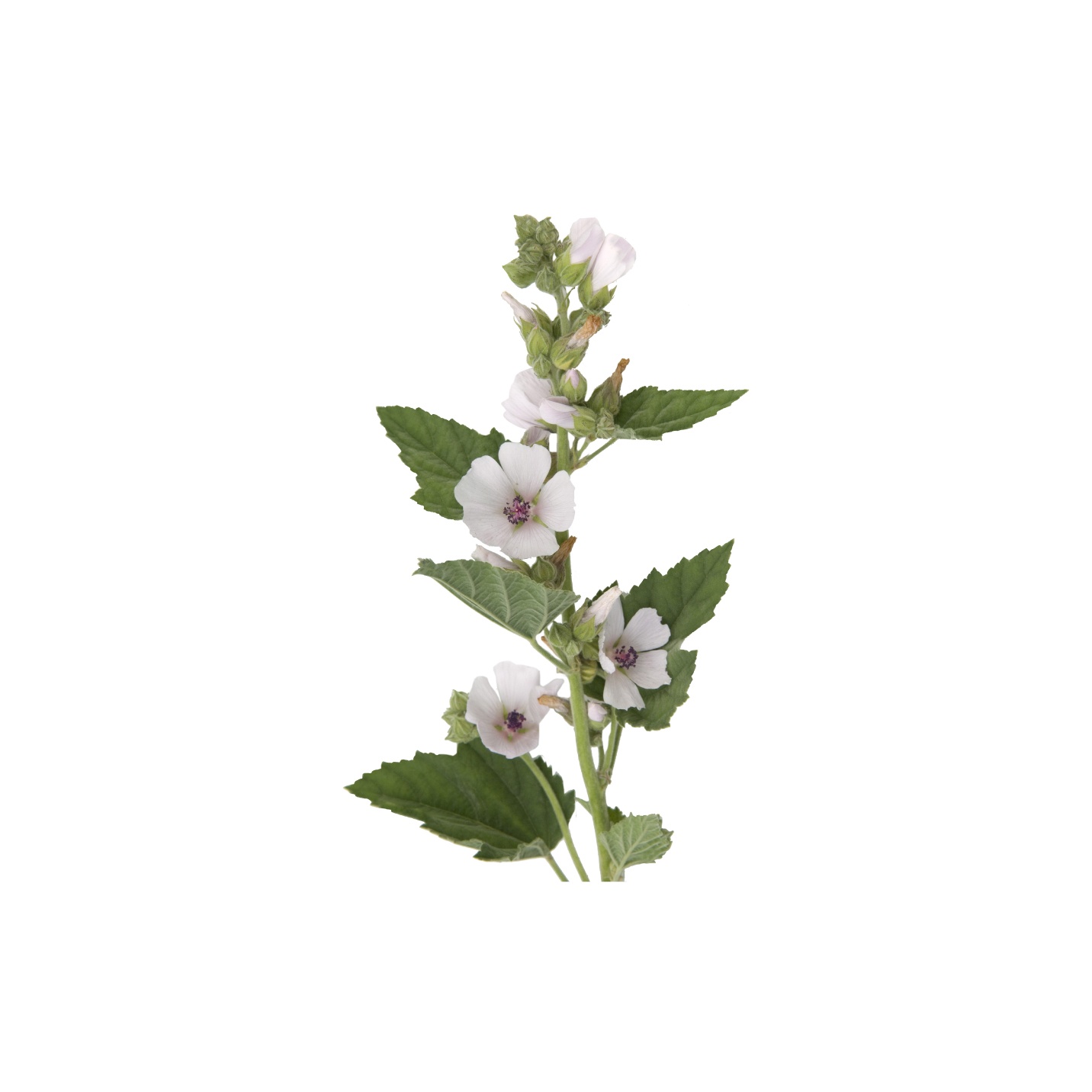 Marshmallow Althaea officinalis Documented for arabinogalactans, cellulose, D-glucan and 2 more carbohydrates.
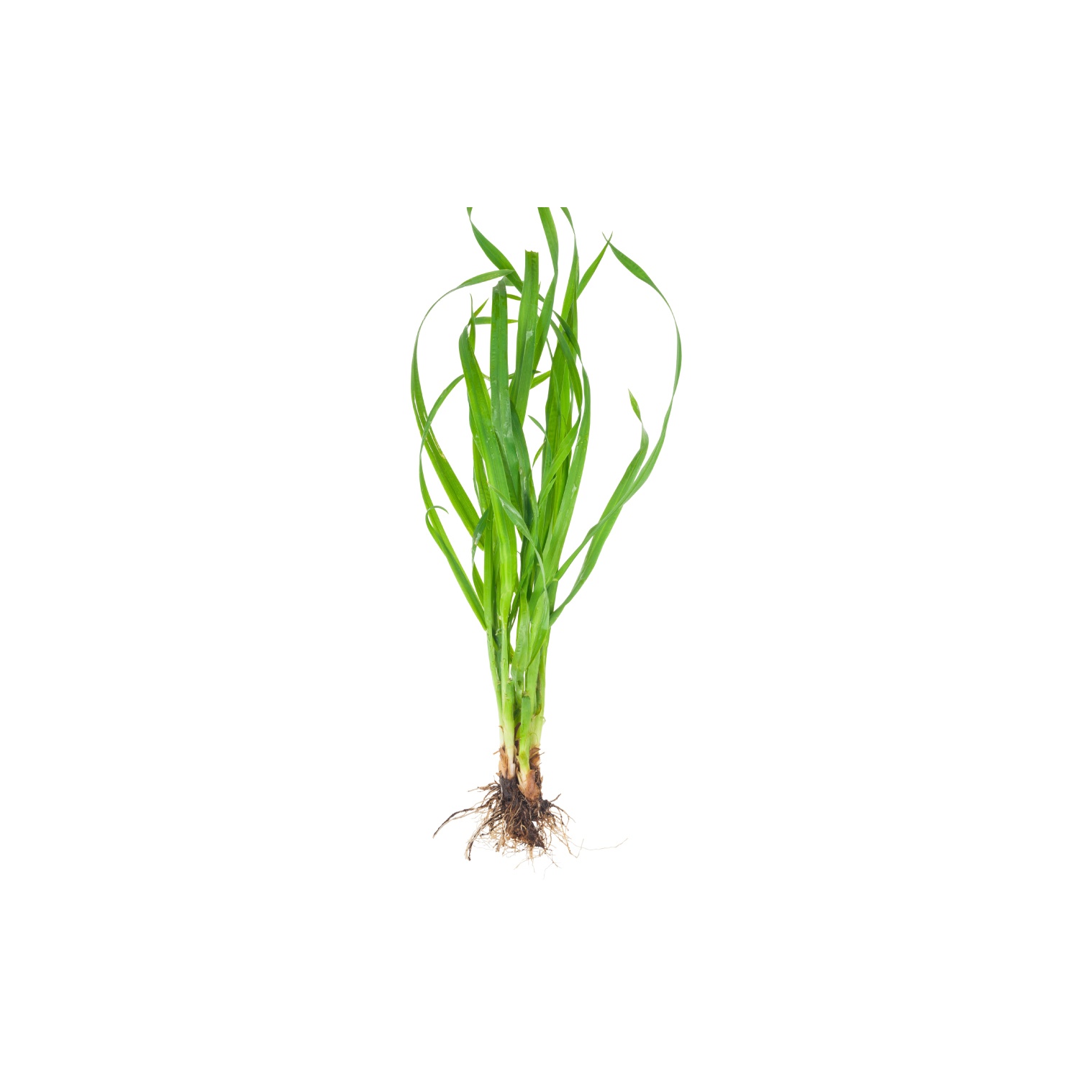 Couchgrass Elymus repens Documented for inositol, mannitol, mucilage and 1 more.
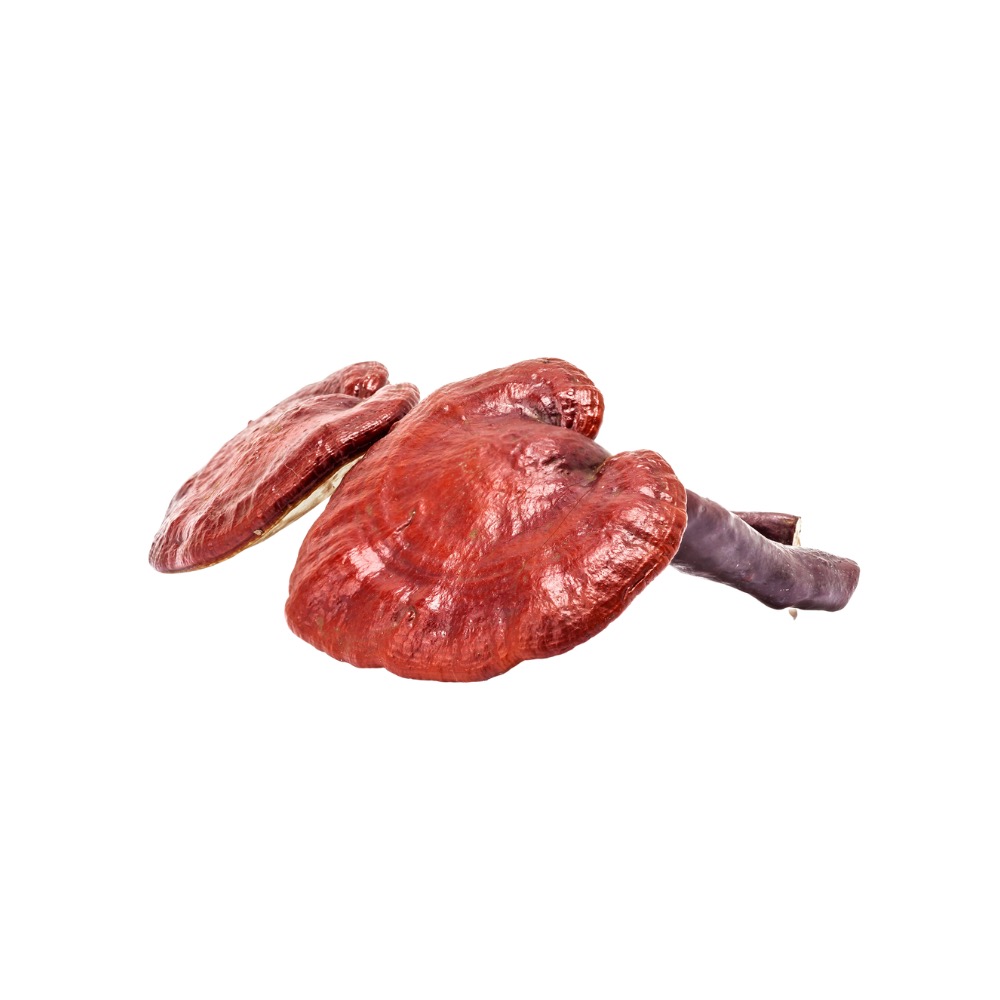 Reishi Ganoderma lucidum Documented for beta-glucans, ganoderan B, ganoderan C and 1 more.
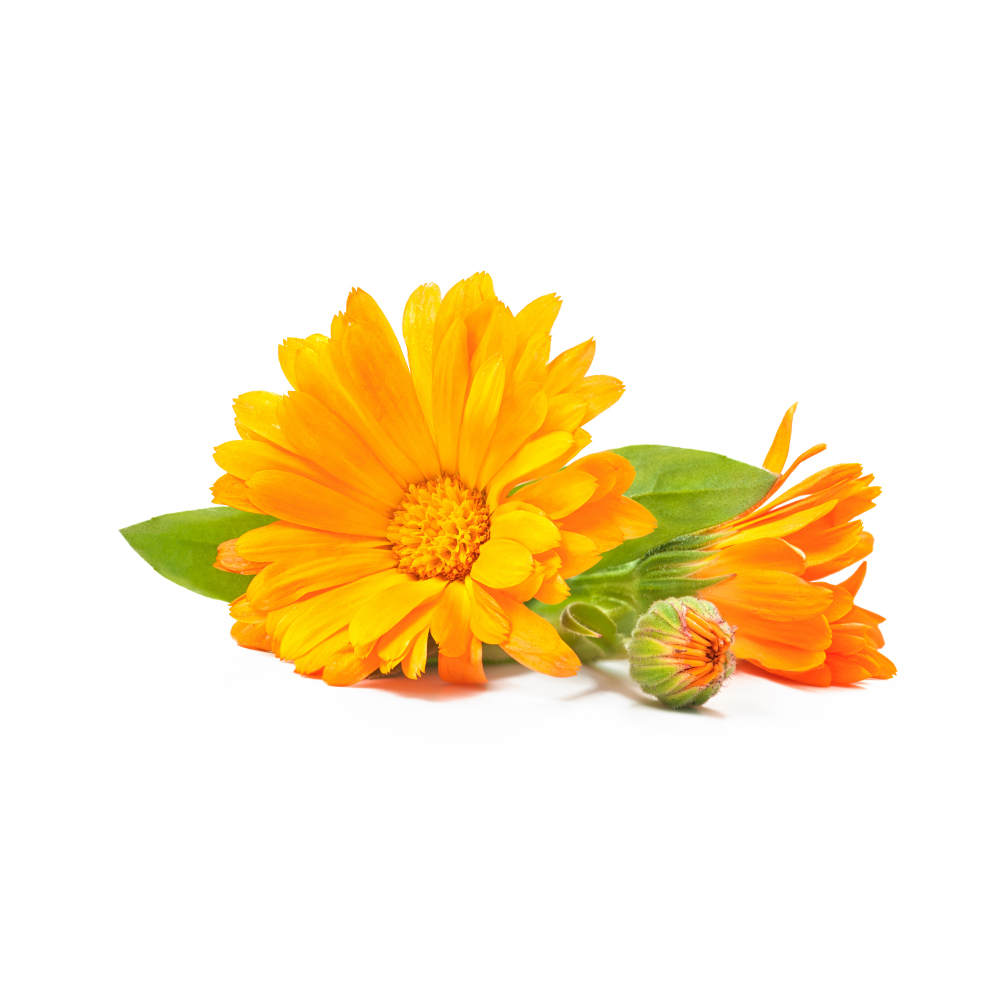 Calendula Calendula officinalis Documented for arabinogalactans, polysaccharides, rhamnogalacturonans.
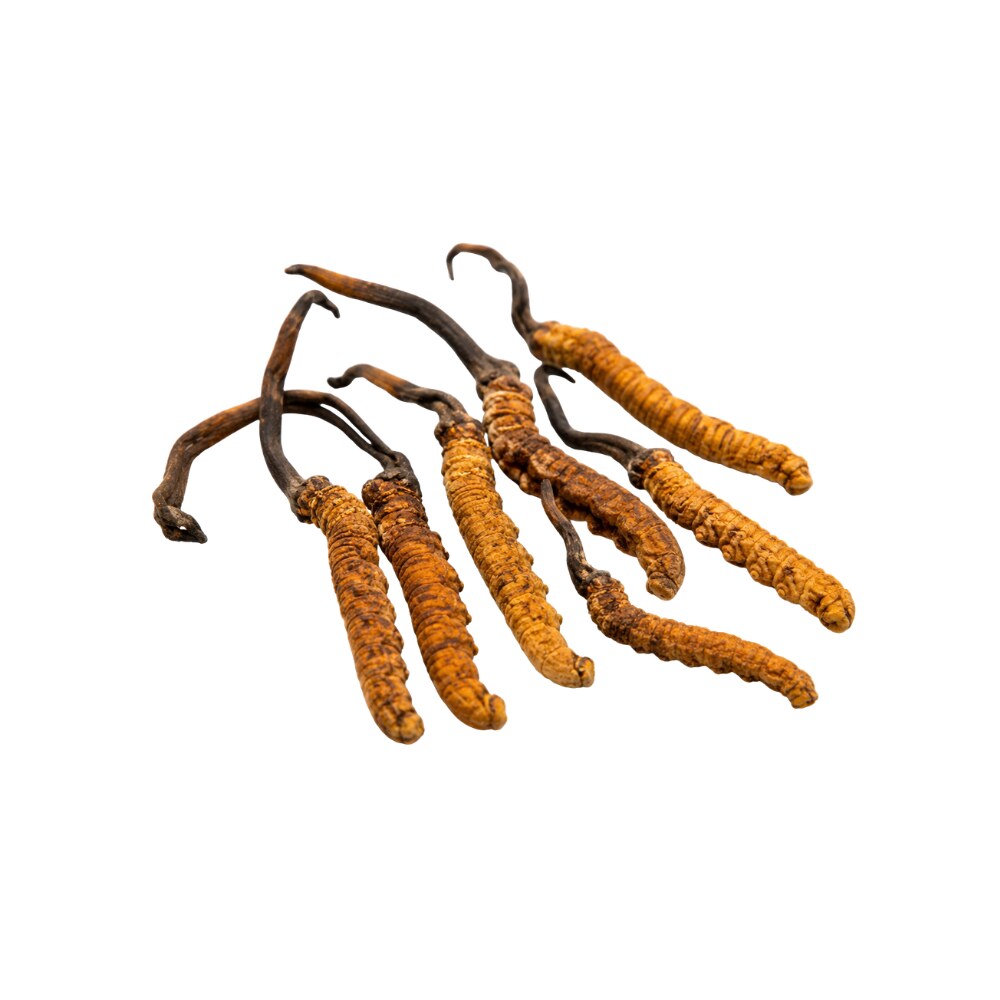 Cordyceps Ophiocordyceps sinensis Documented for beta-glucans, cordycepic acid, polysaccharides.
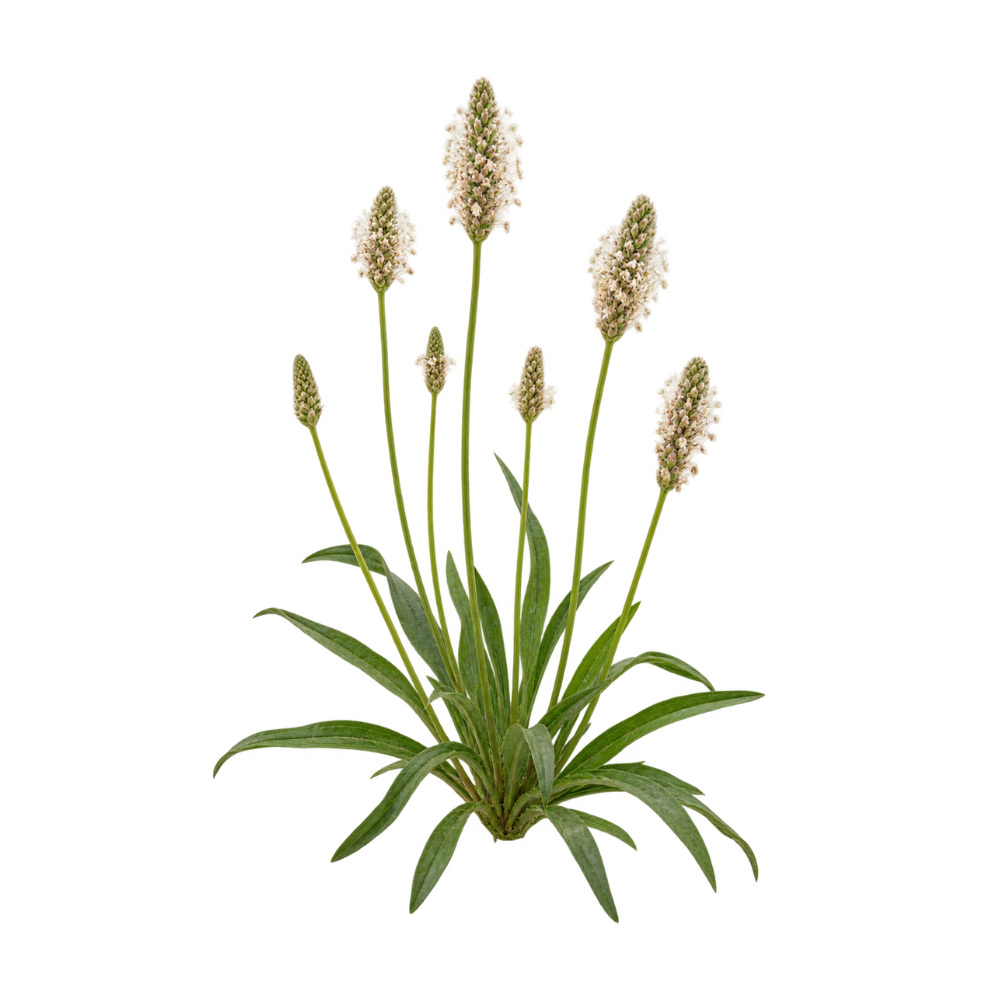 Psyllium Plantago ovata Documented for arabinoxylan, mucilage, soluble fiber.
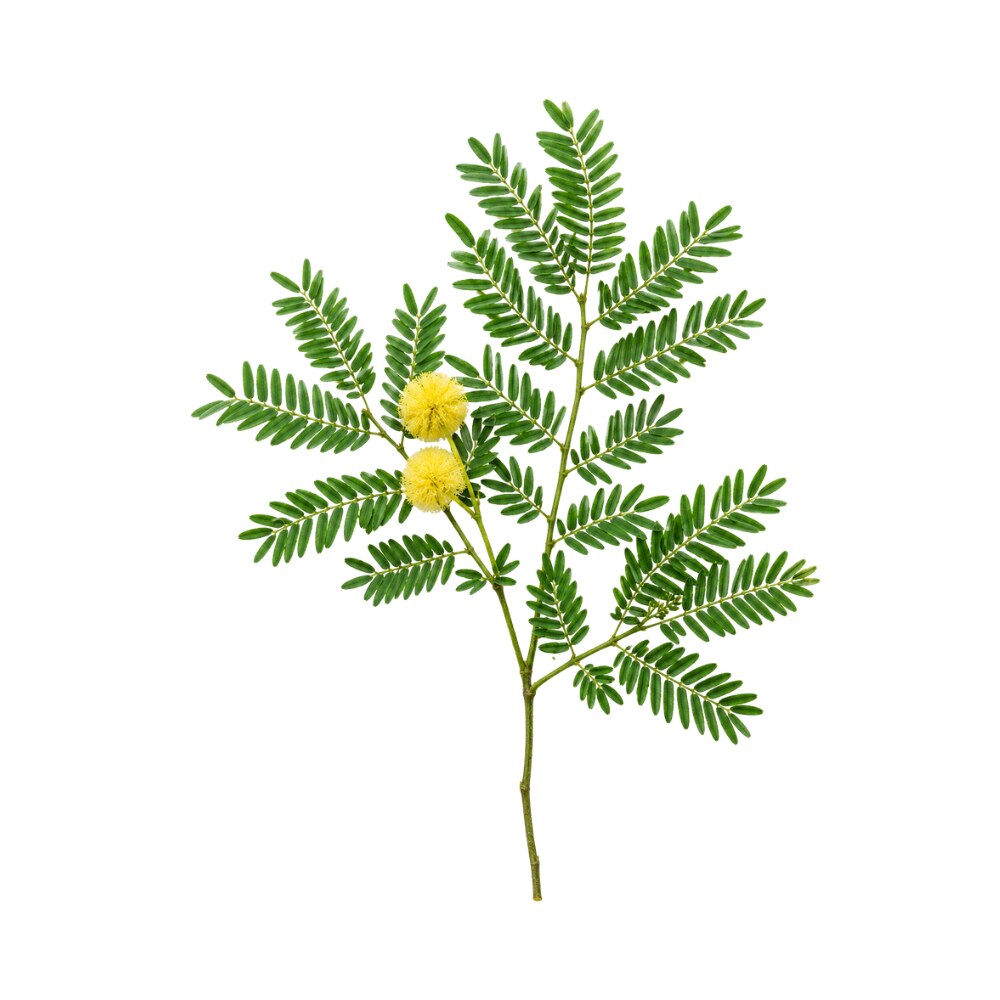 Acacia Acacia, Vachellia & Senegalia spp. Documented for arabinogalactan, gum arabic.
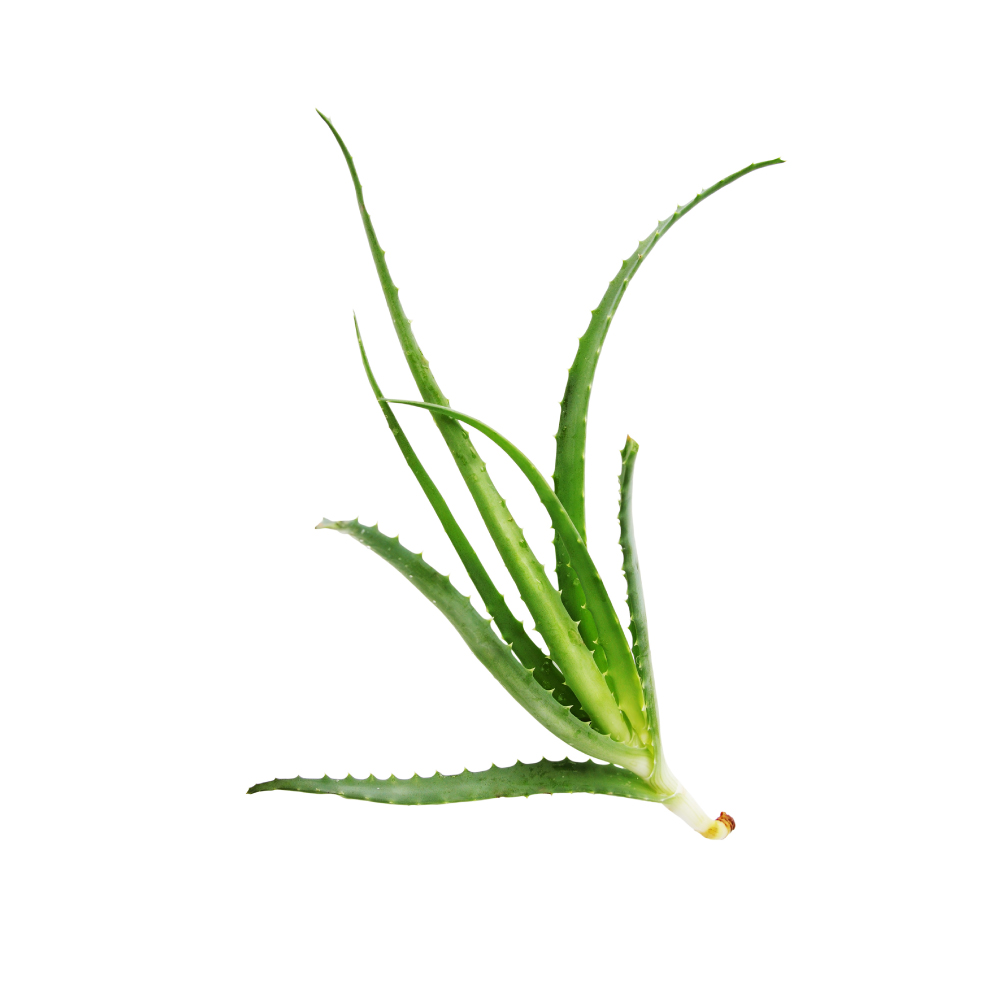 Aloe Aloe vera Documented for acemannan, polysaccharides.
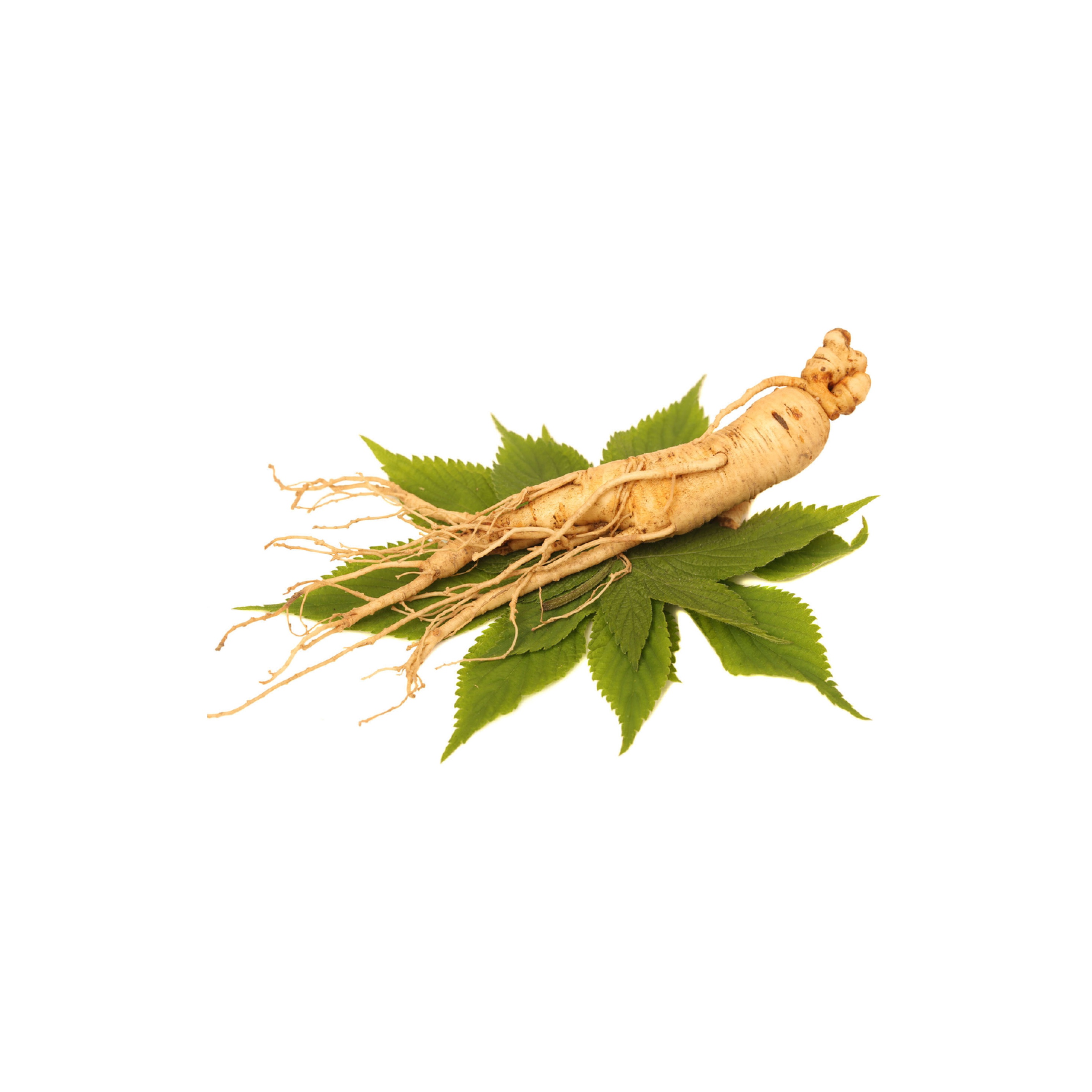 Asian Ginseng Panax ginseng Documented for glycans, polysaccharides.
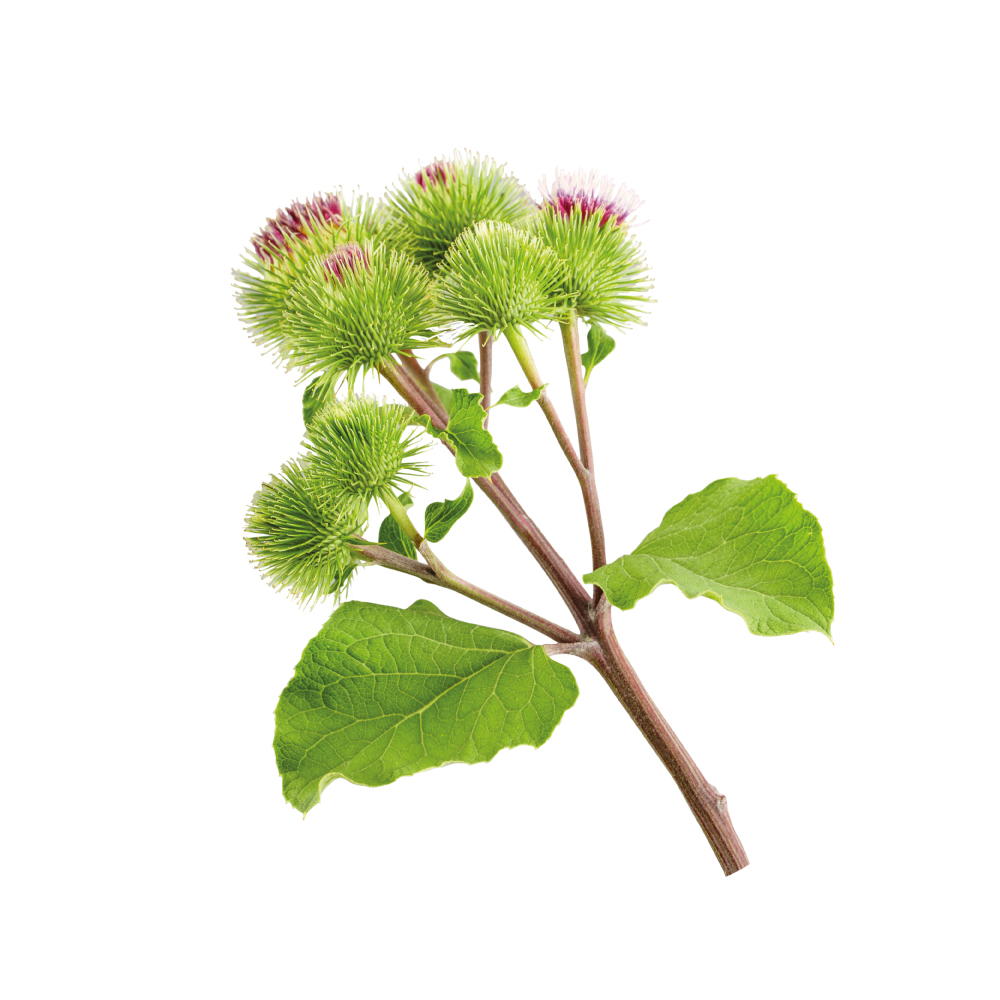 Burdock Arctium lappa Documented for inulin (40–50 % dry wt), mucilage. Chaga Inonotus obliquus Documented for beta-glucans, polysaccharides.
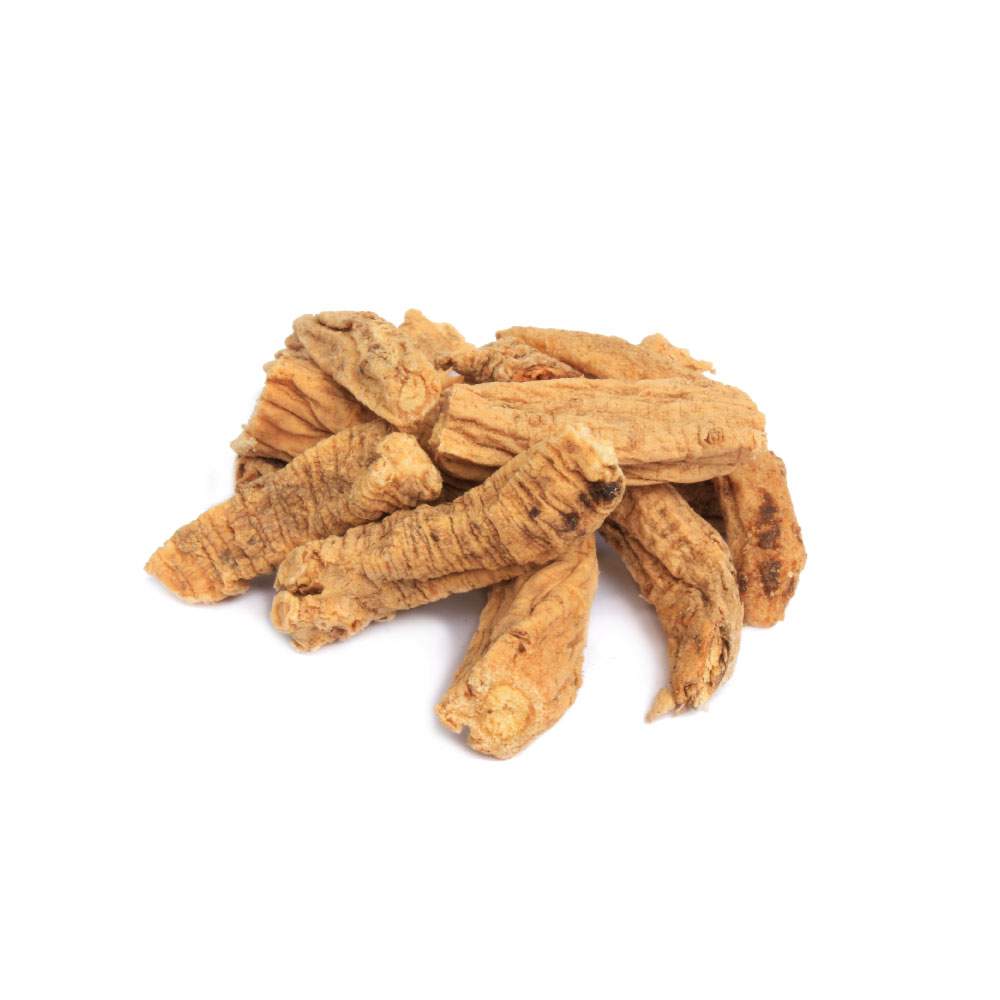 Codonopsis Codonopsis pilosula Documented for mucilage, polysaccharides.
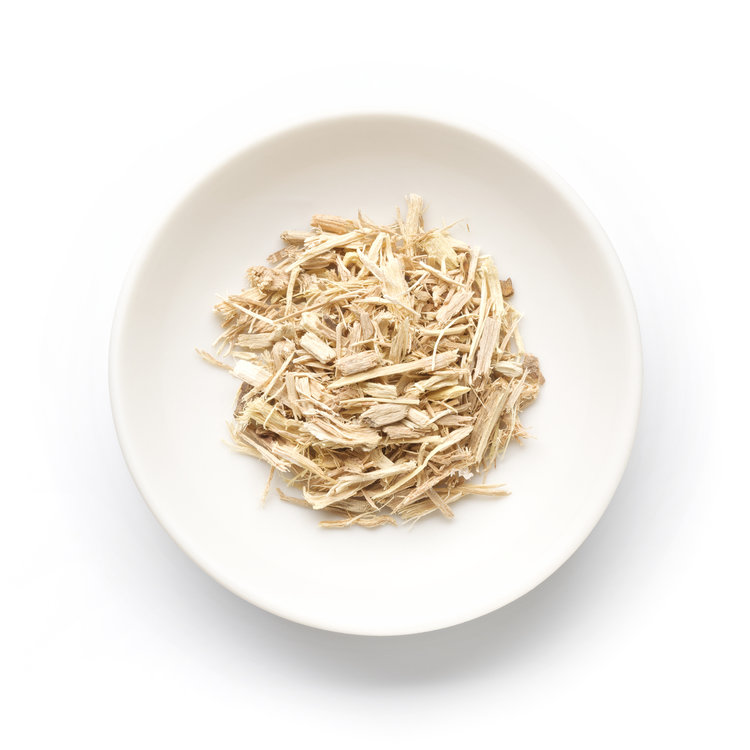 Eleuthero Root Eleutherococcus senticosus Documented for eleutherans, polysaccharides.
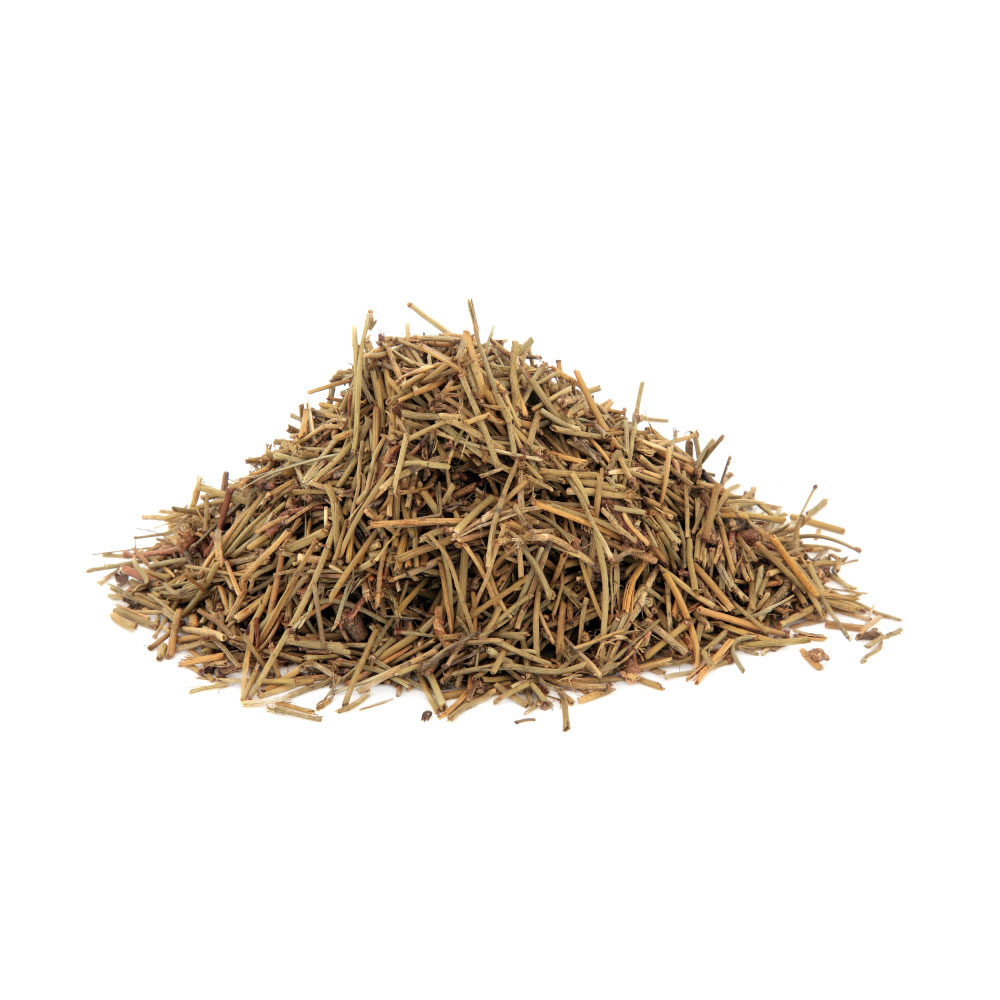 Ephedra Ephedra sinica Toxic Documented for ephedrans, polysaccharides.
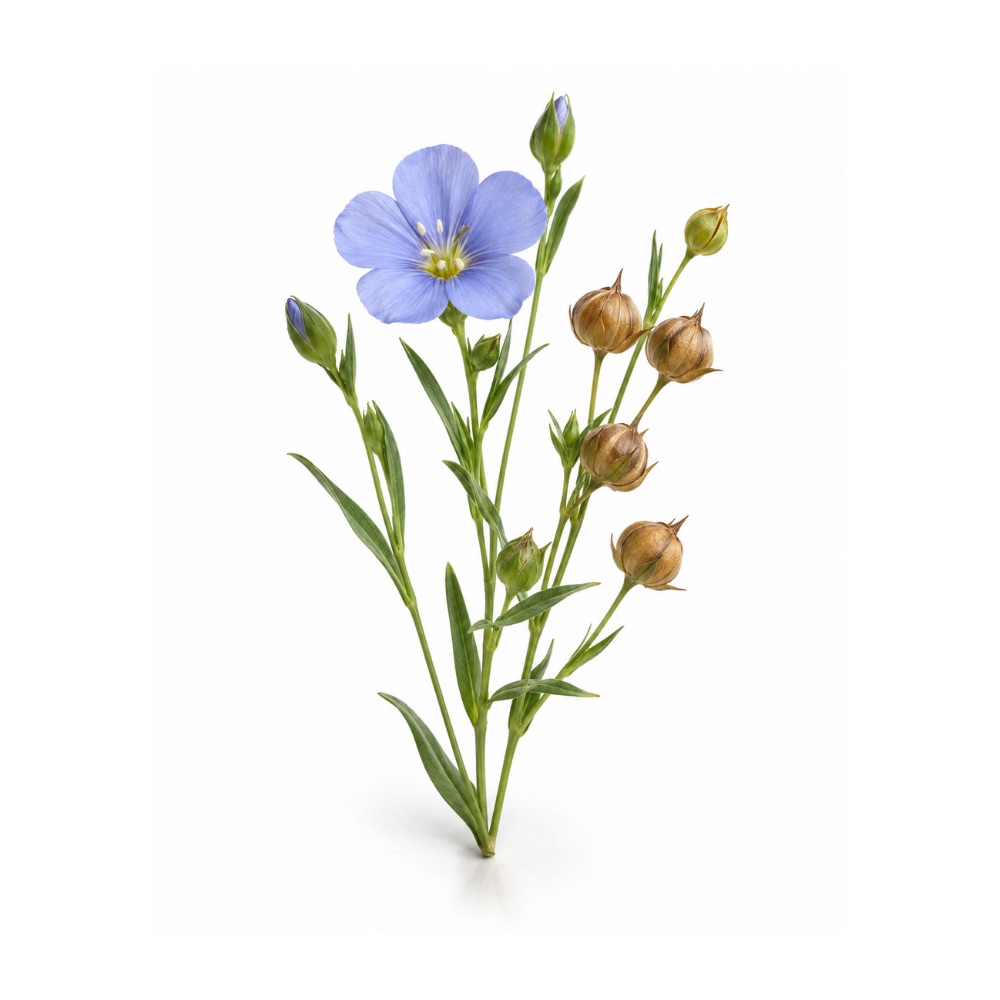 Flaxseed Linum usitatissimum Documented for mucilage, soluble fiber.
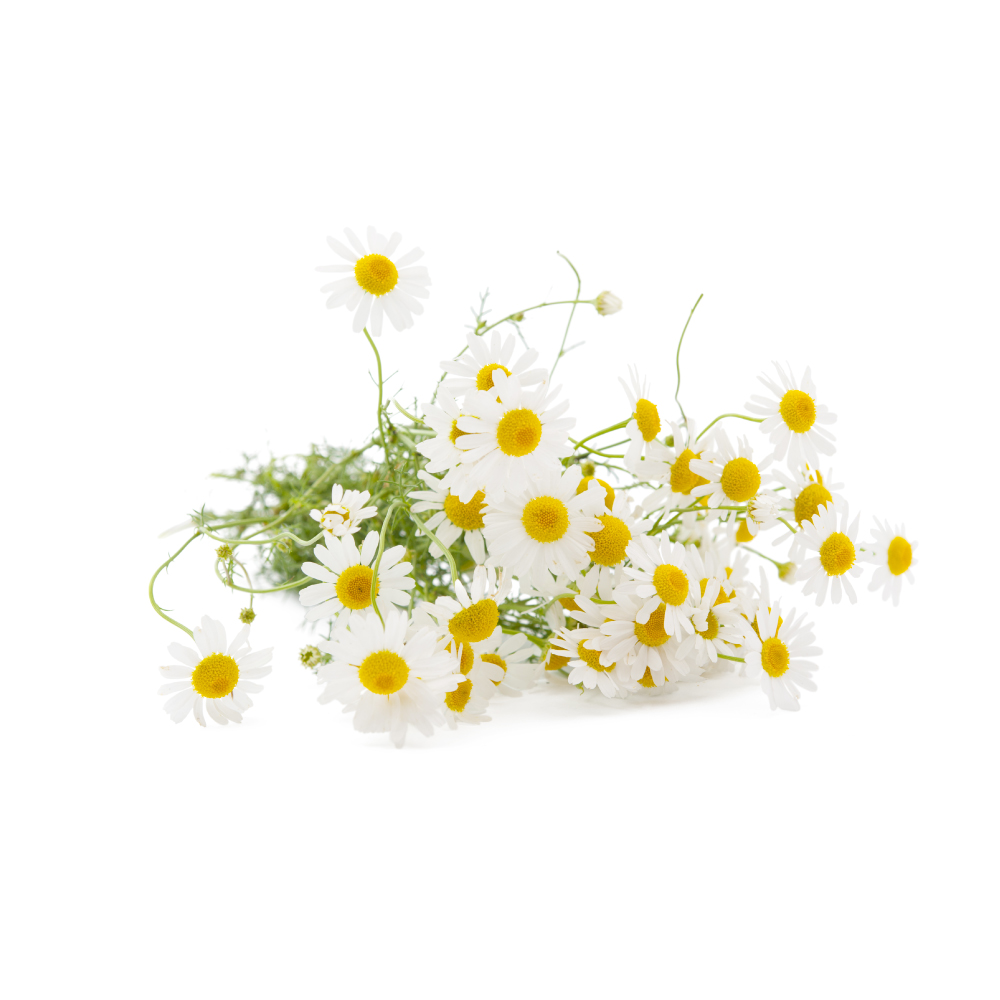 German Chamomile Matricaria chamomilla Documented for mucilage, polysaccharides.
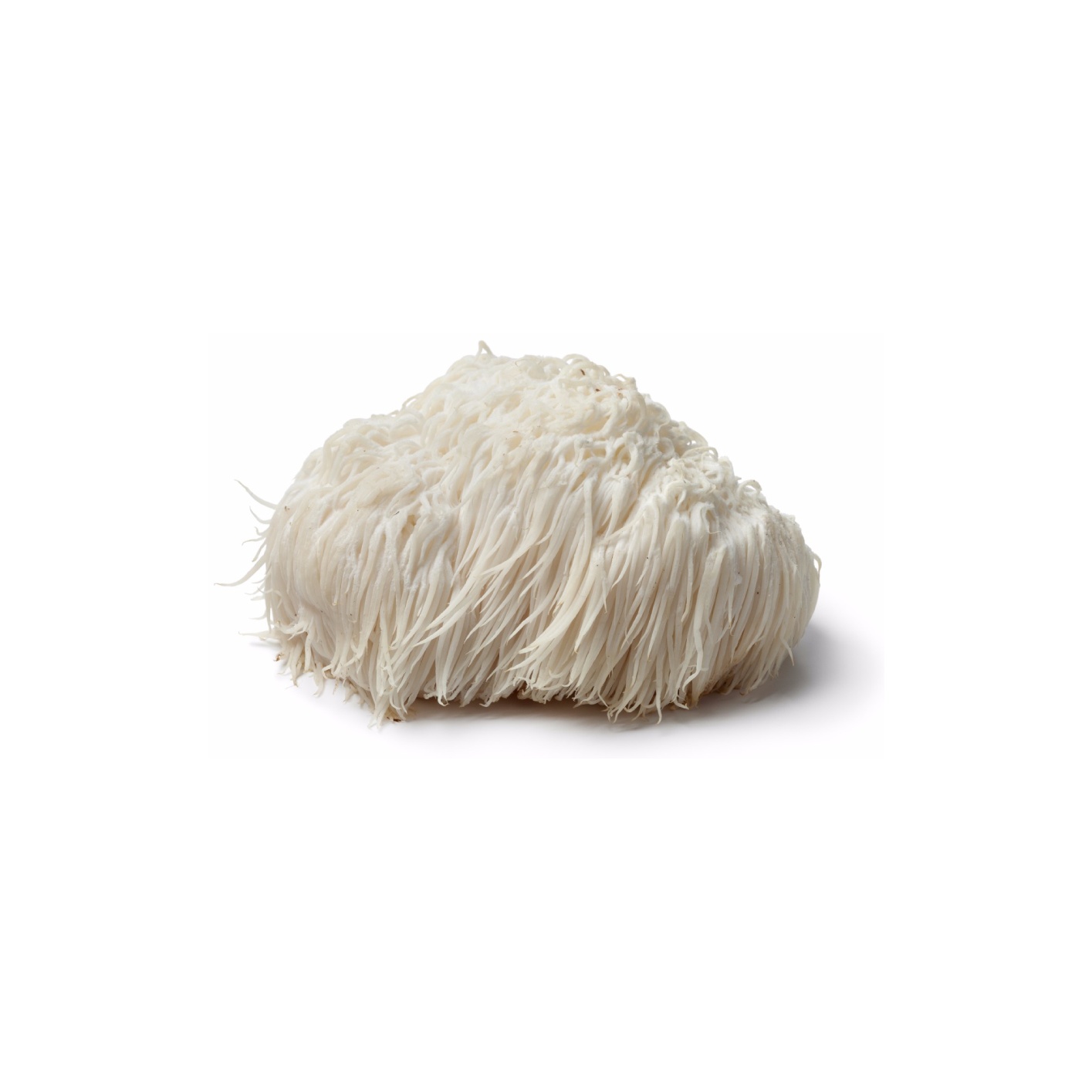 Lion's Mane Hericium erinaceus Documented for beta-glucans, polysaccharides.
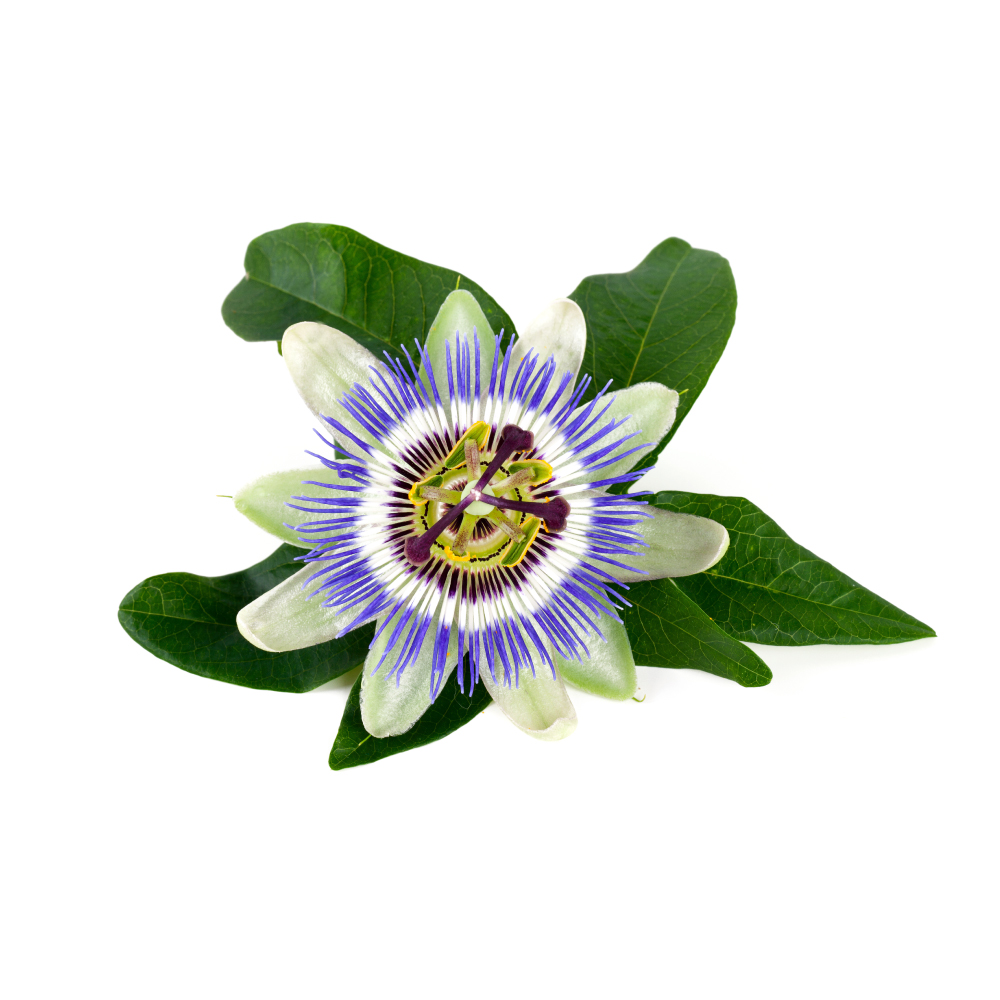 Passionflower Passiflora incarnata Documented for pectin, raffinose.
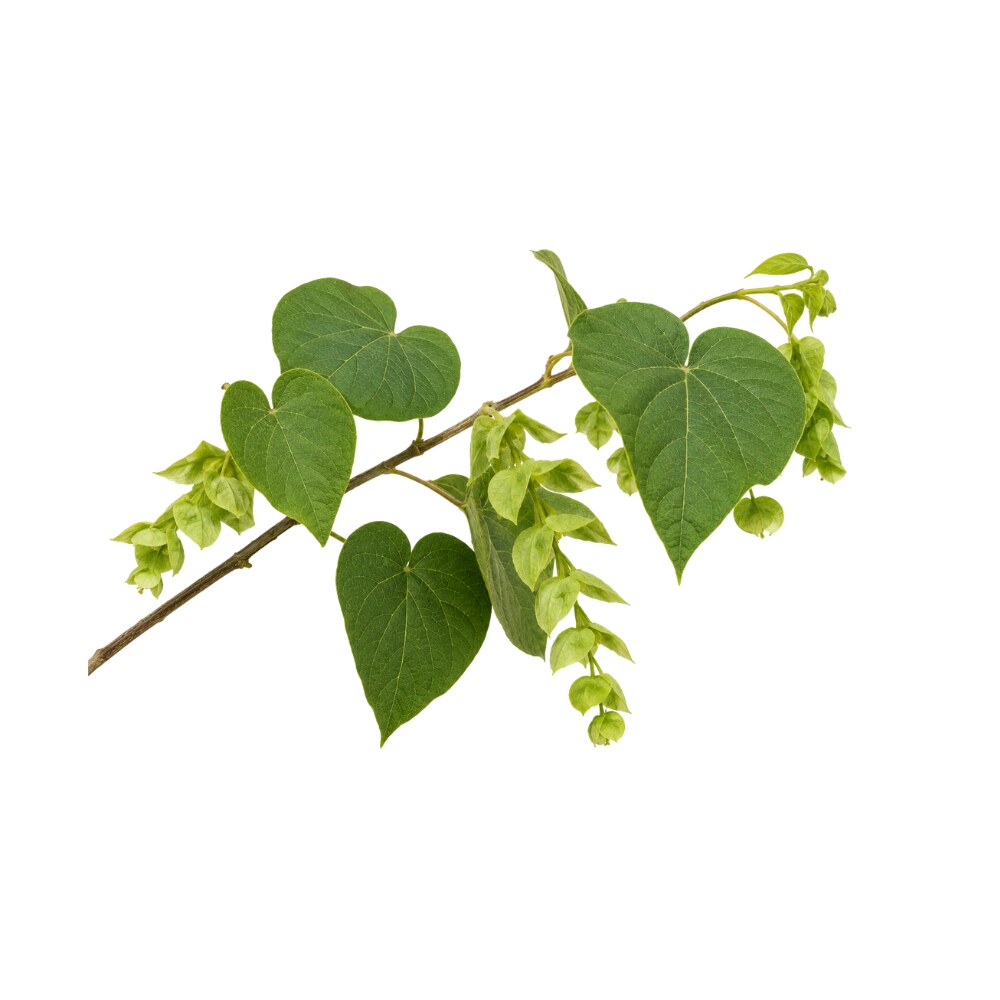 Abuta Cissampelos pareira Documented for quercitol.
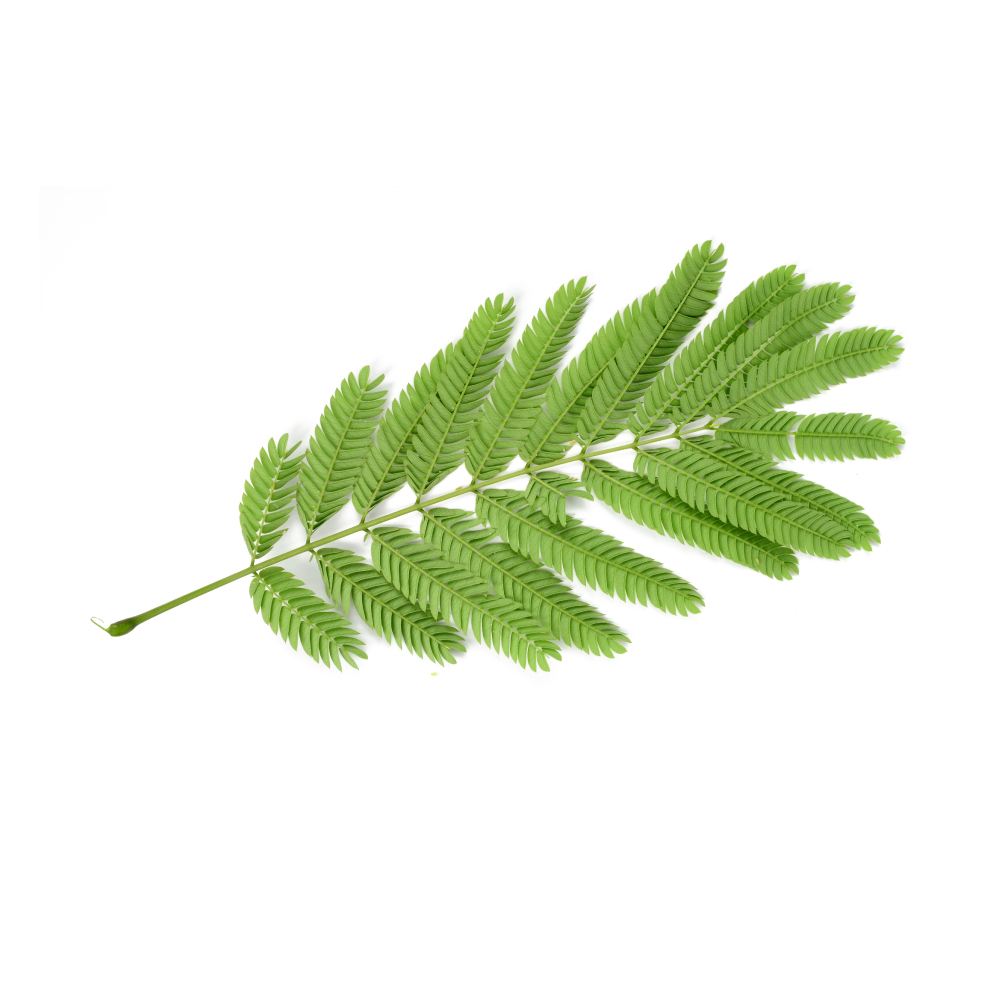 Albizzia Albizzia lebbeck Documented for d-pinitol.
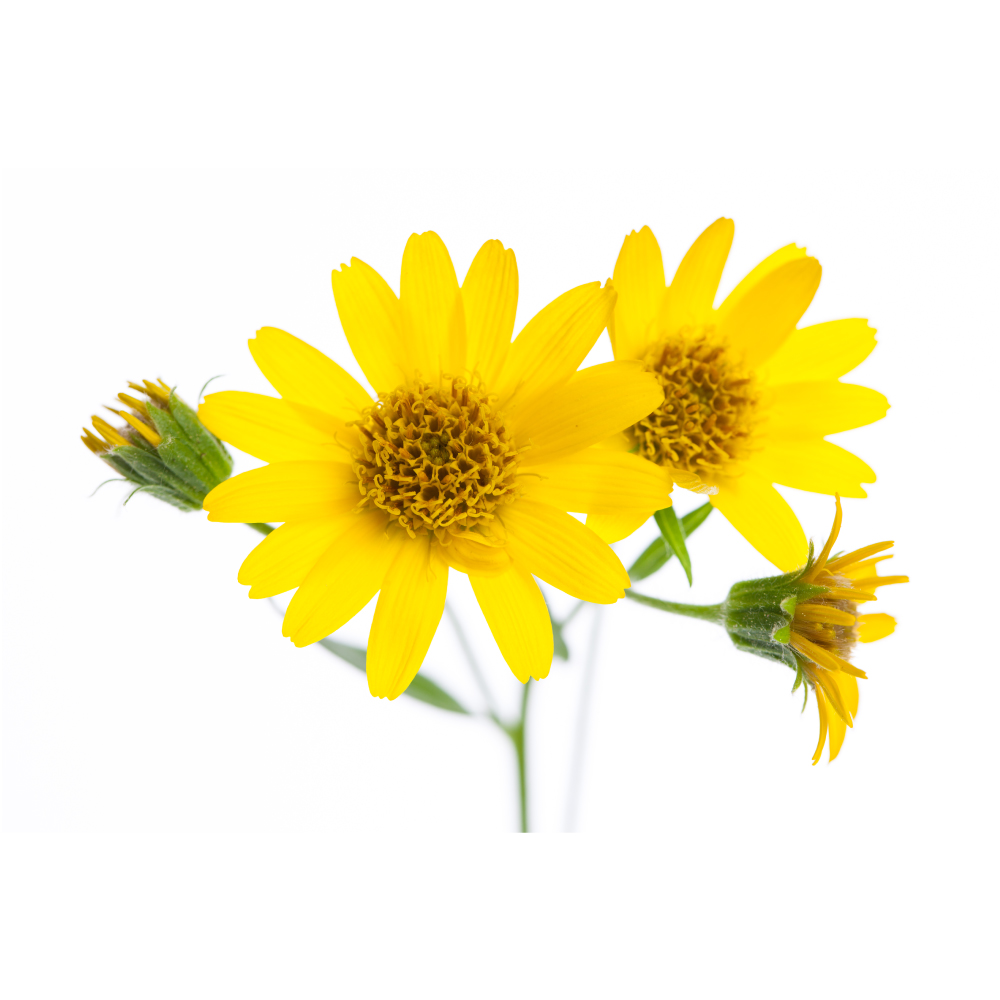 Arnica Arnica montana Toxic Documented for inulin.
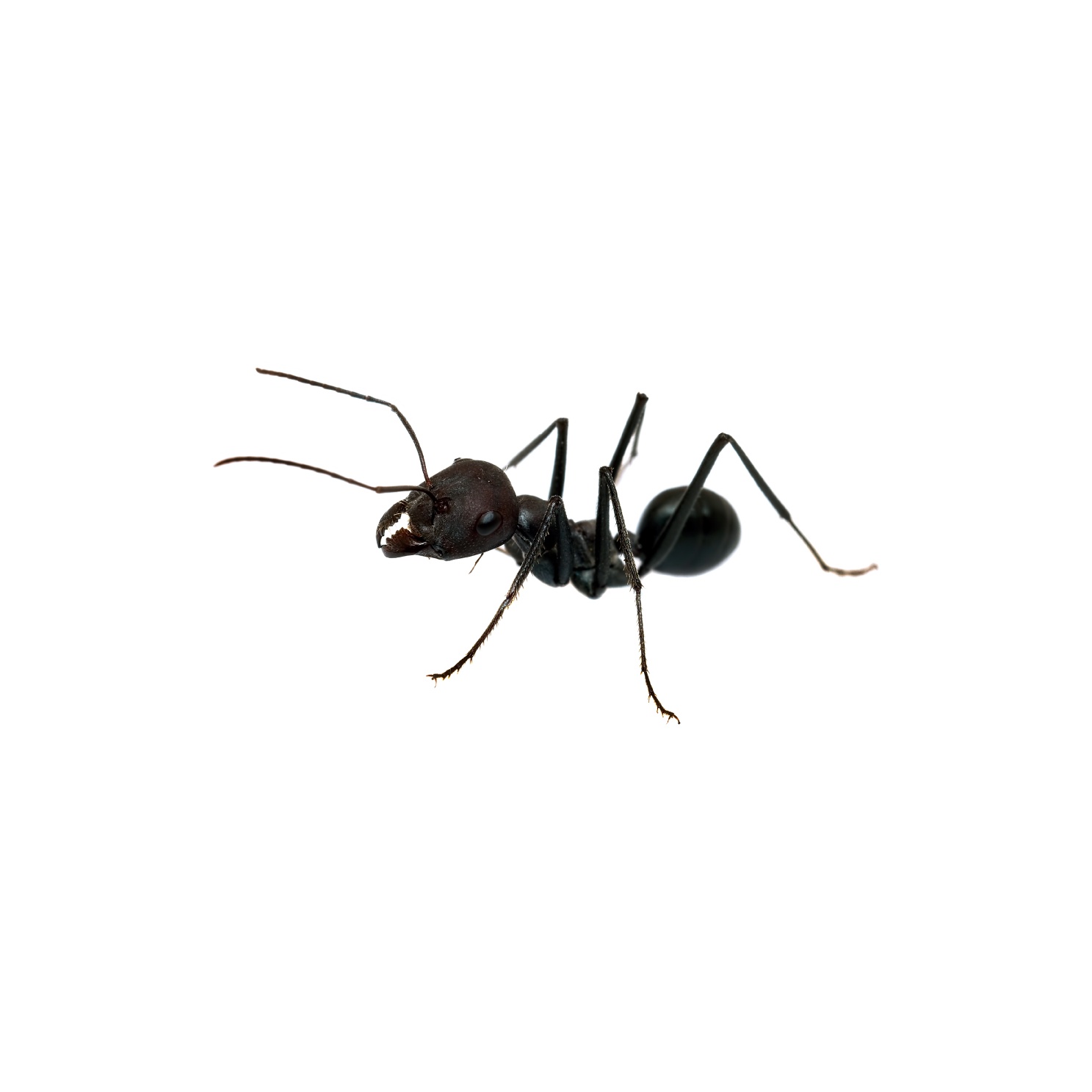 Black Ant Polyrhachis spp. Documented for chitin.
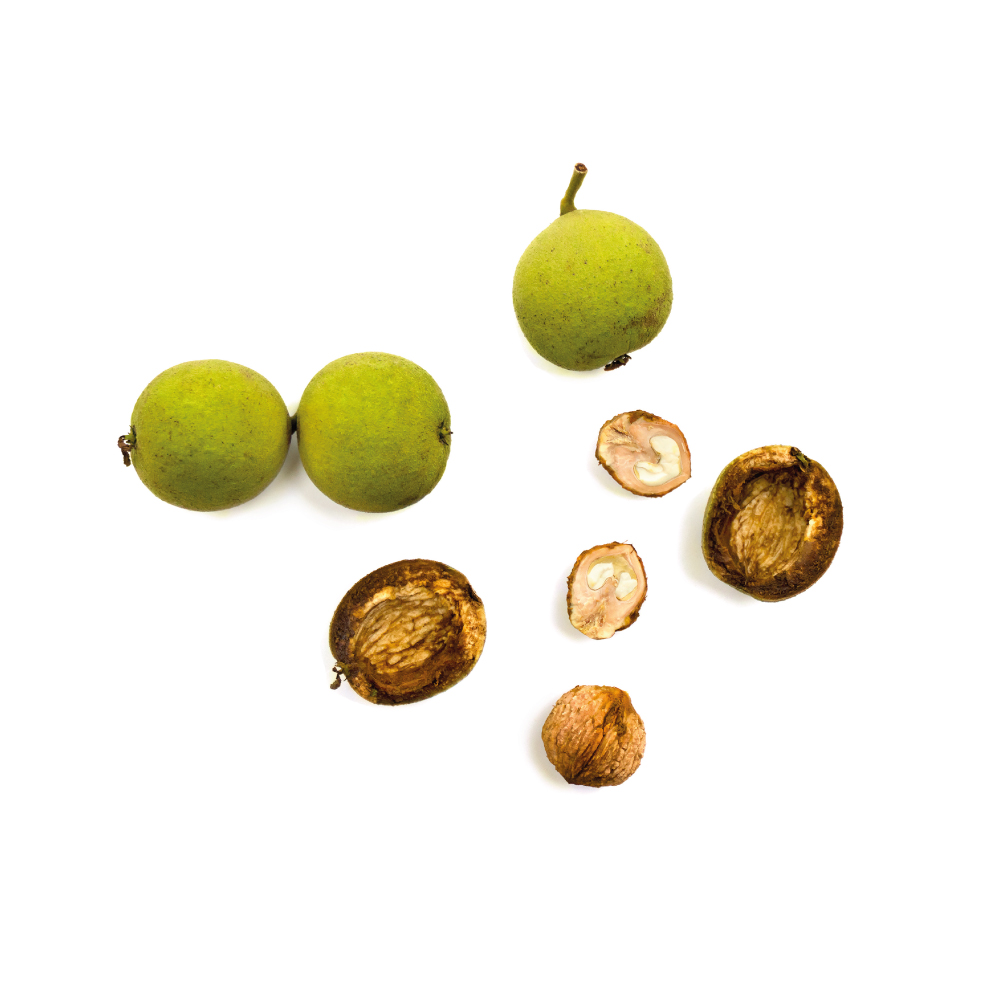 Black Walnut Juglans nigra Documented for mucilage.
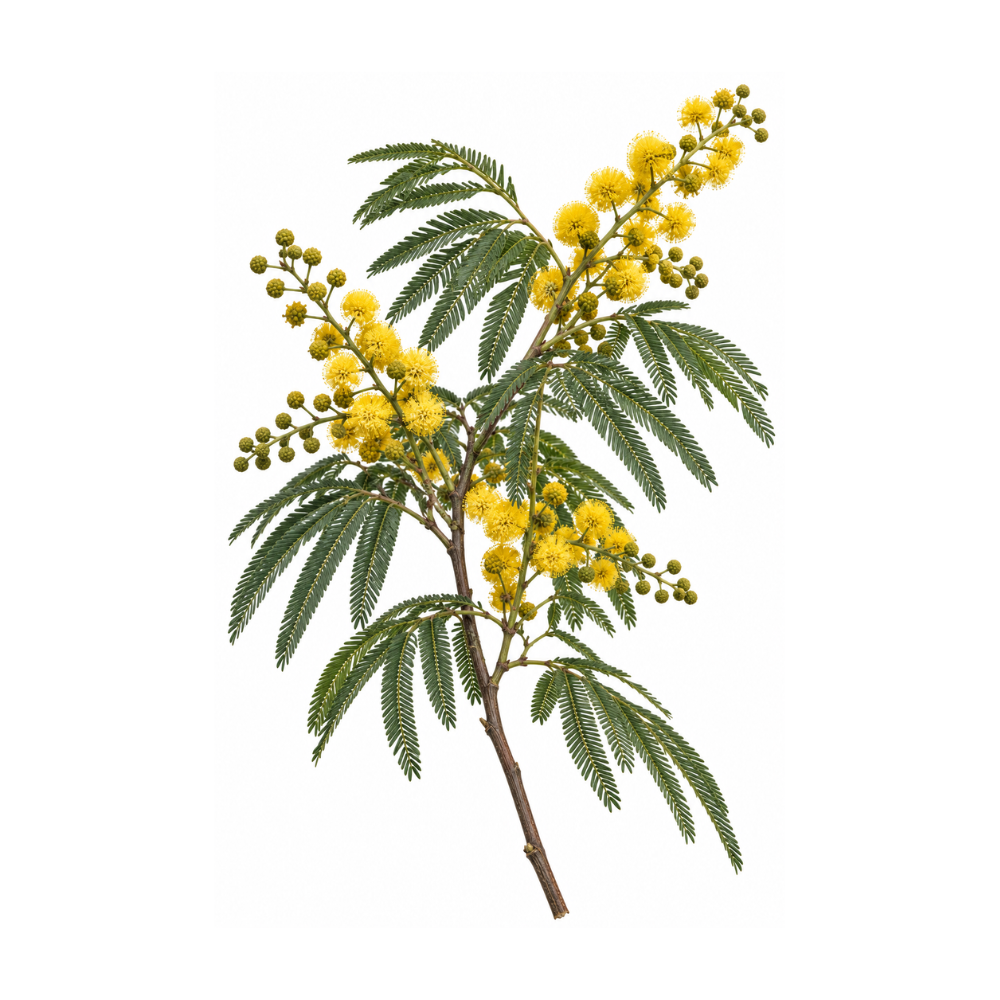 Black Wattle Acacia mearnsii Documented for pinitol.
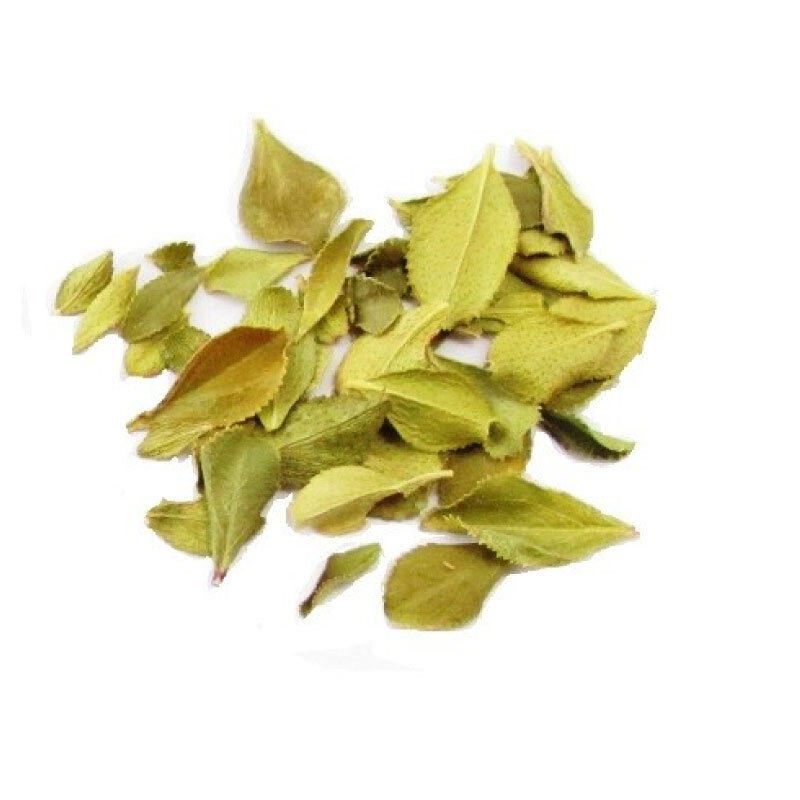 Buchu Agathosma betulina Documented for mucilage.
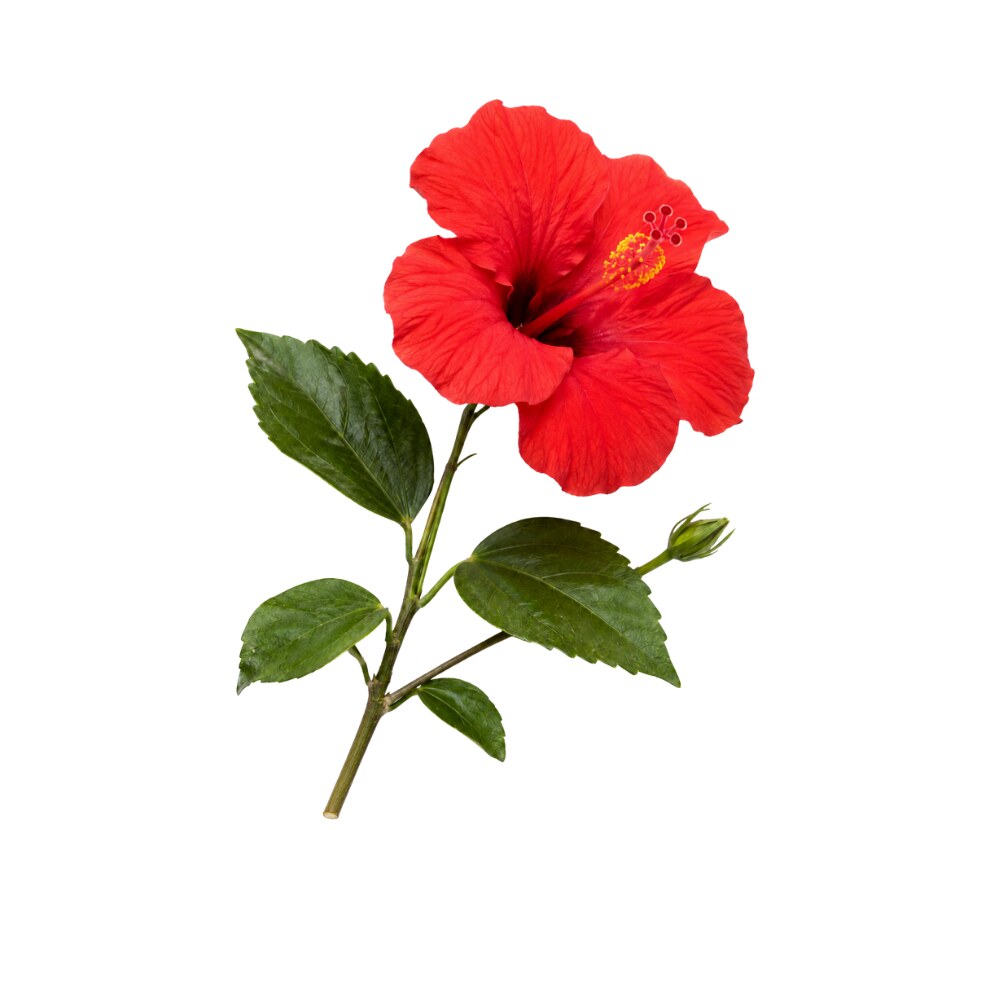 Chinese Hibiscus Hibiscus rosa-sinensis Documented for mucilage.
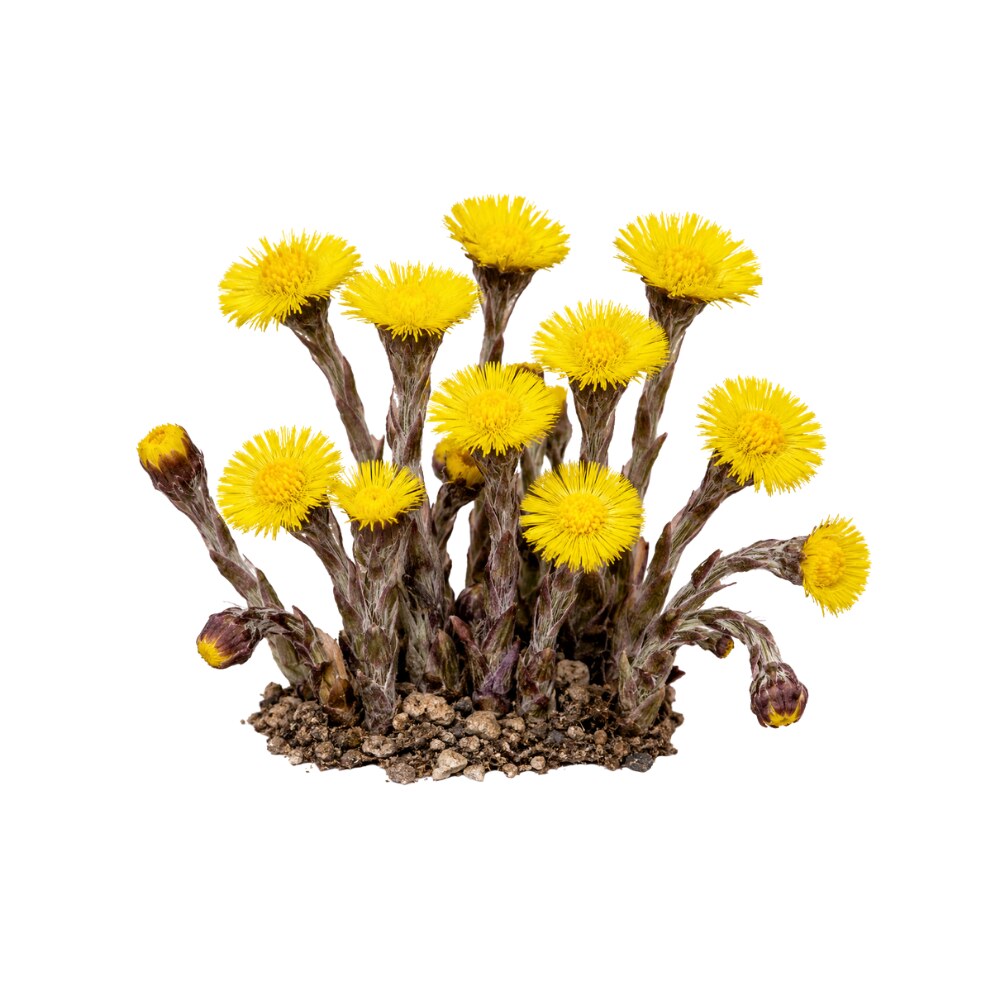 Coltsfoot Tussilago farfara Toxic Documented for mucilage.
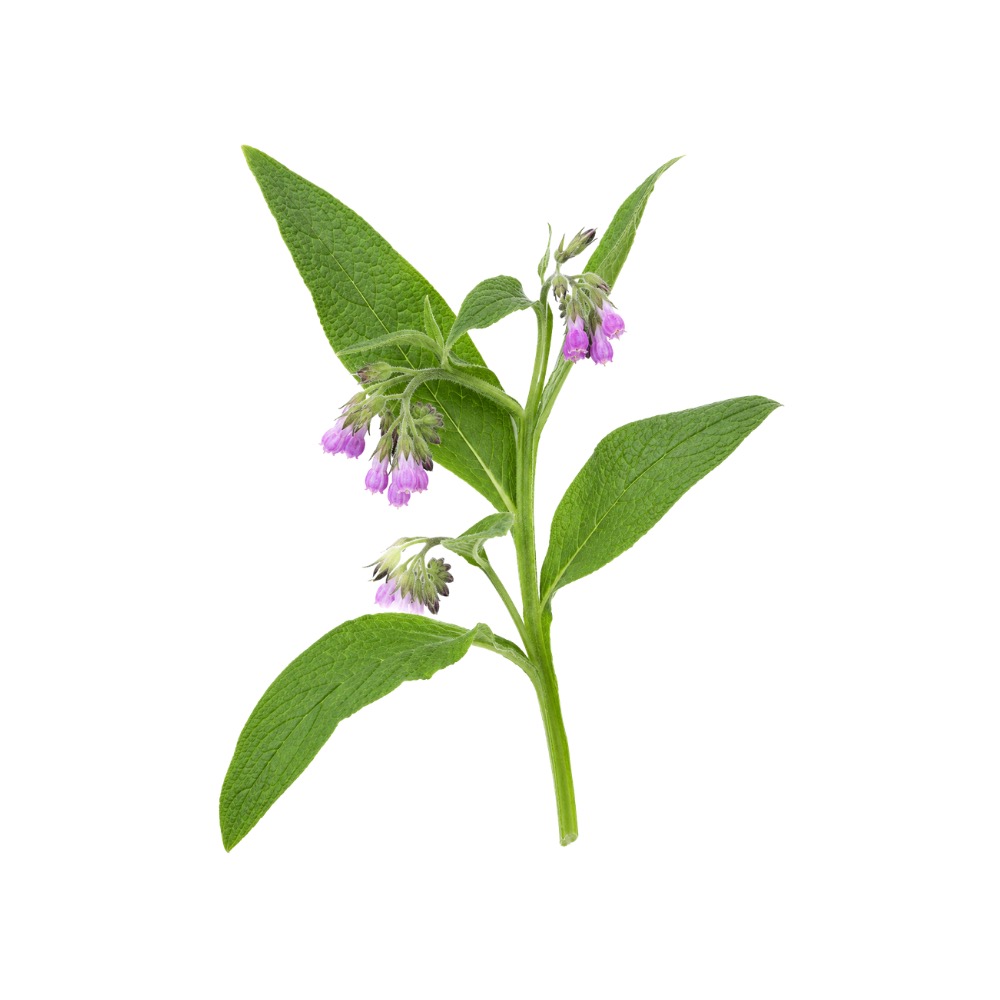 Comfrey Symphytum officinale Toxic Documented for mucilage.
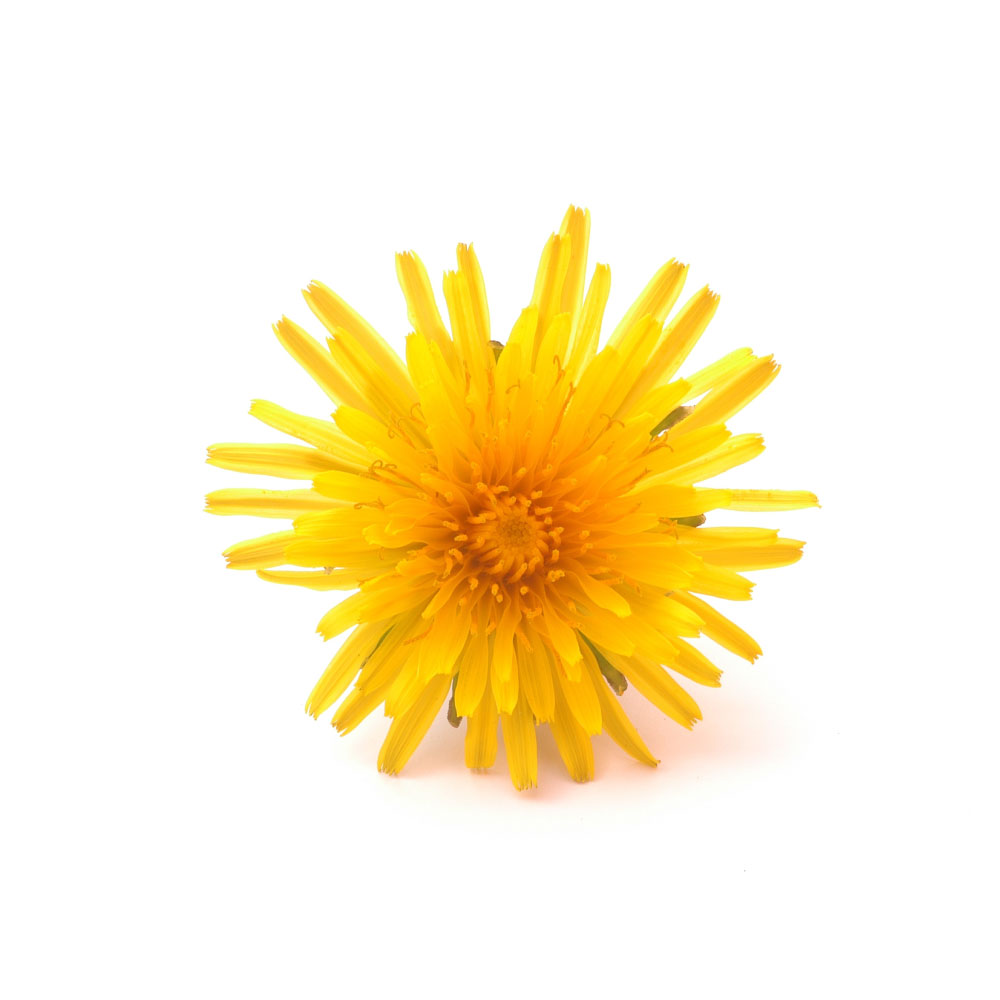 Dandelion Taraxacum officinale Documented for inulin.
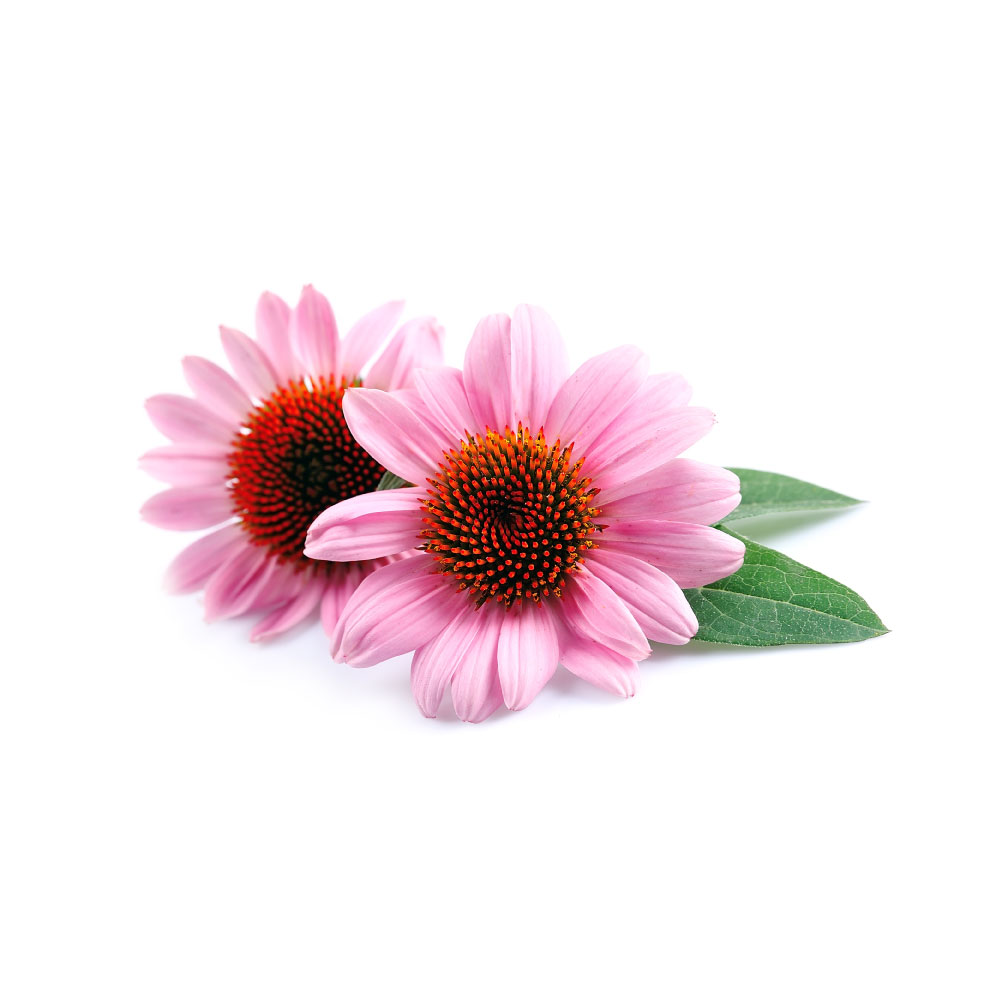 Echinacea Echinacea purpurea Documented for polysaccharides.
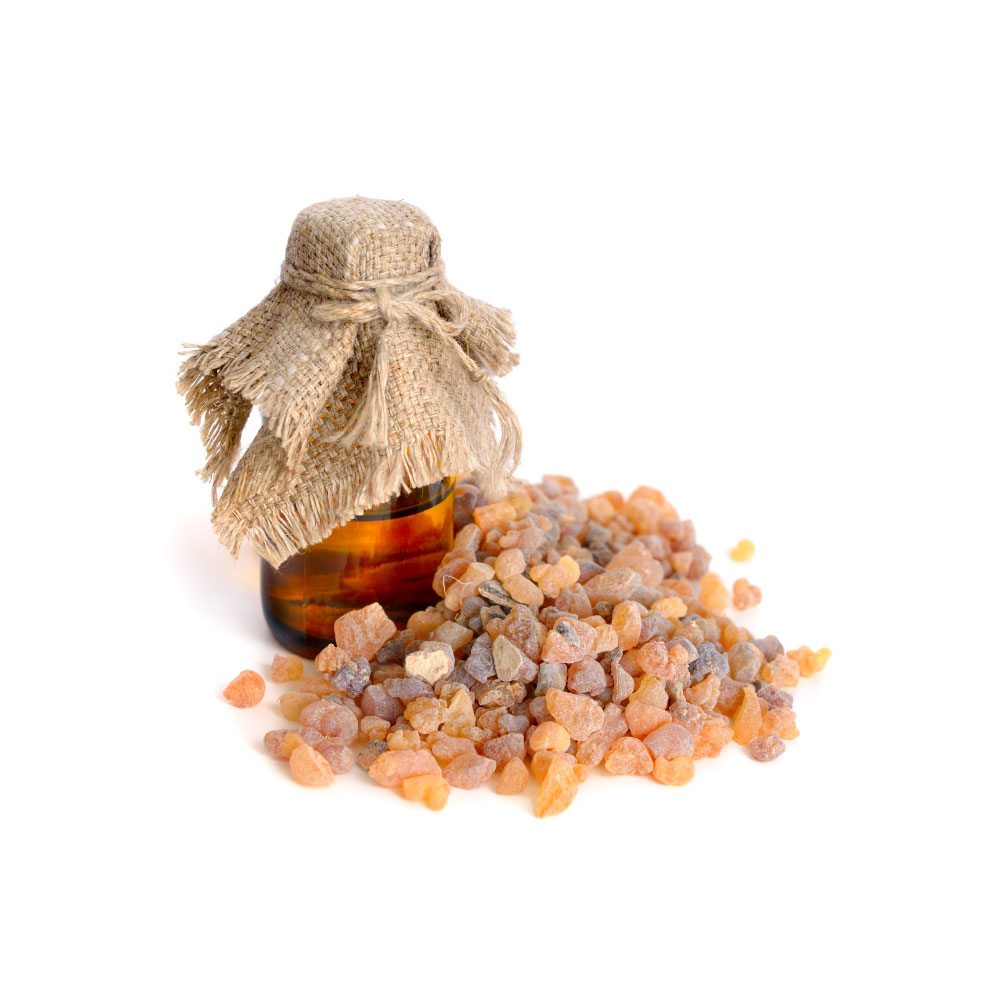 Frankincense Boswellia serrata Documented for monosaccharides.
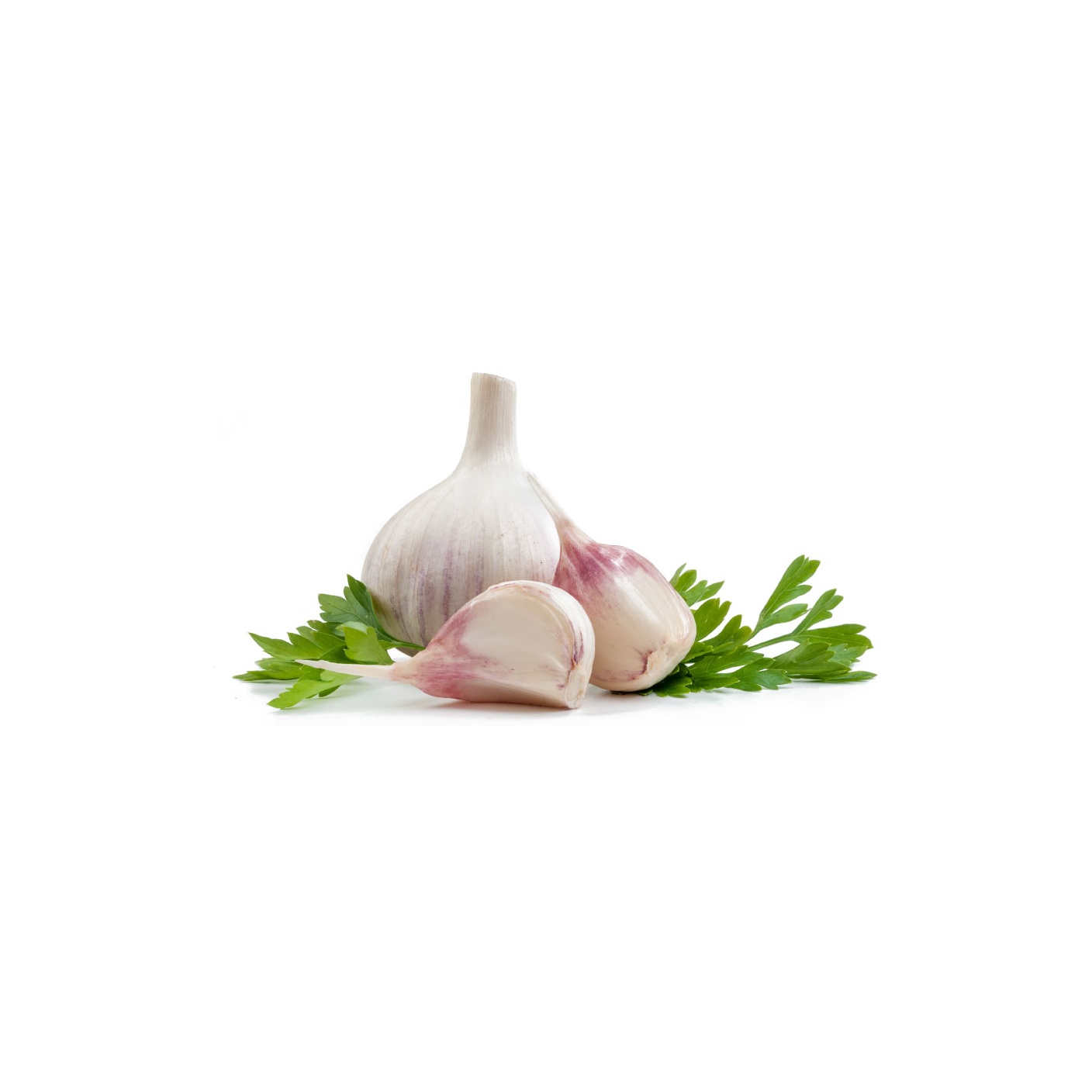 Garlic Allium sativum Documented for fructans.
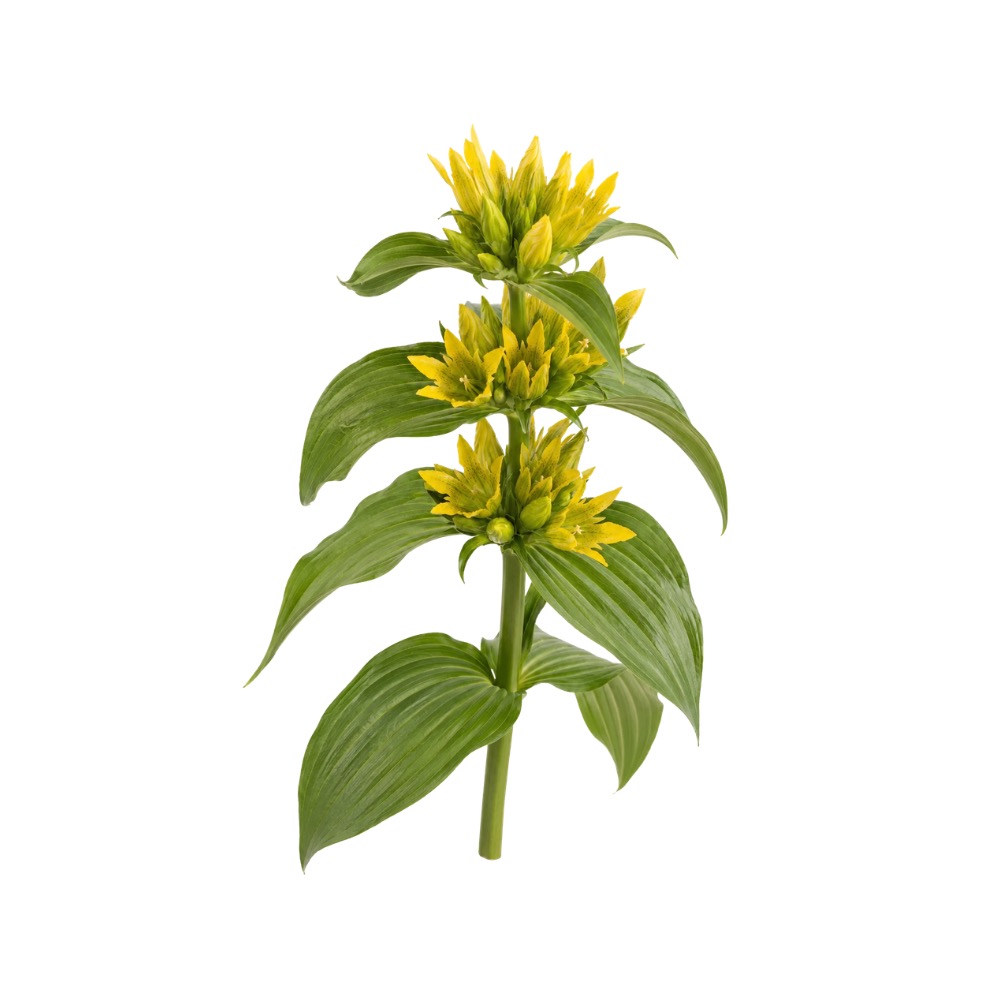 Gentian Gentiana lutea Documented for gentiobiose.
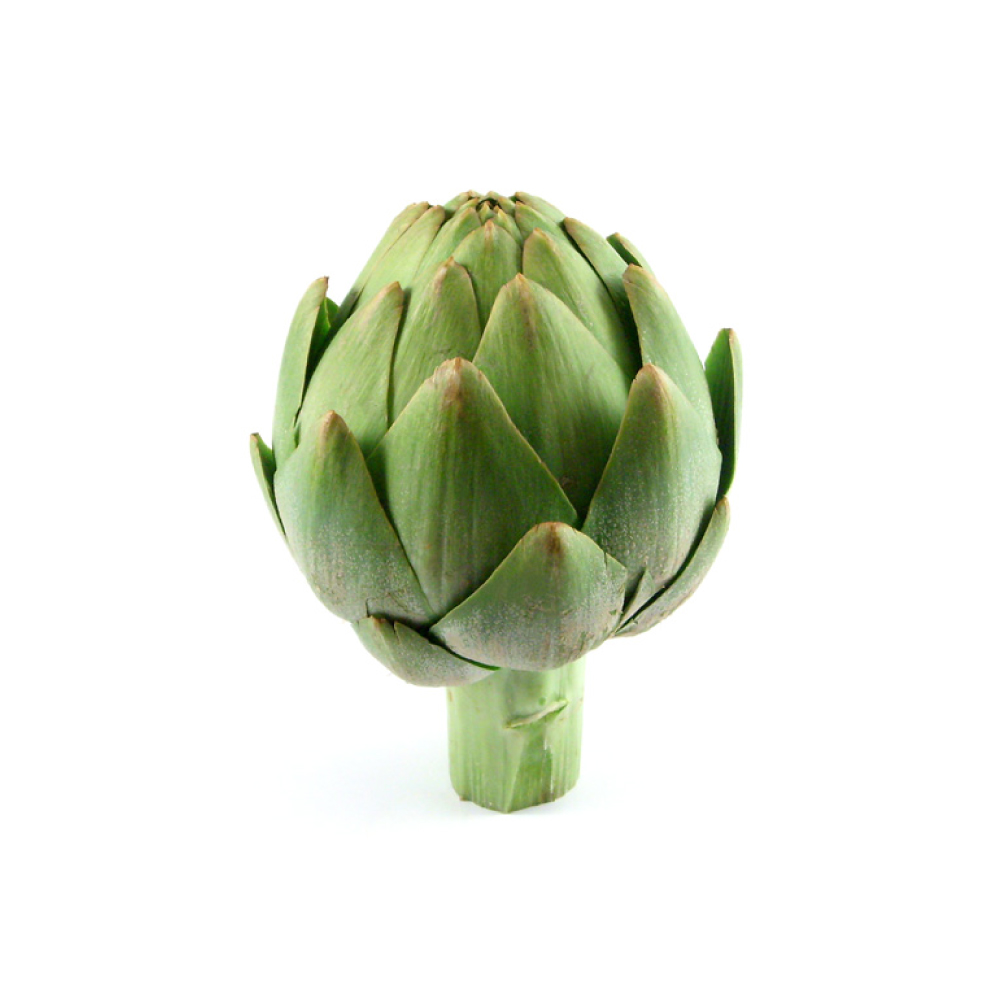 Globe Artichoke Cynara scolymus Documented for inulin.
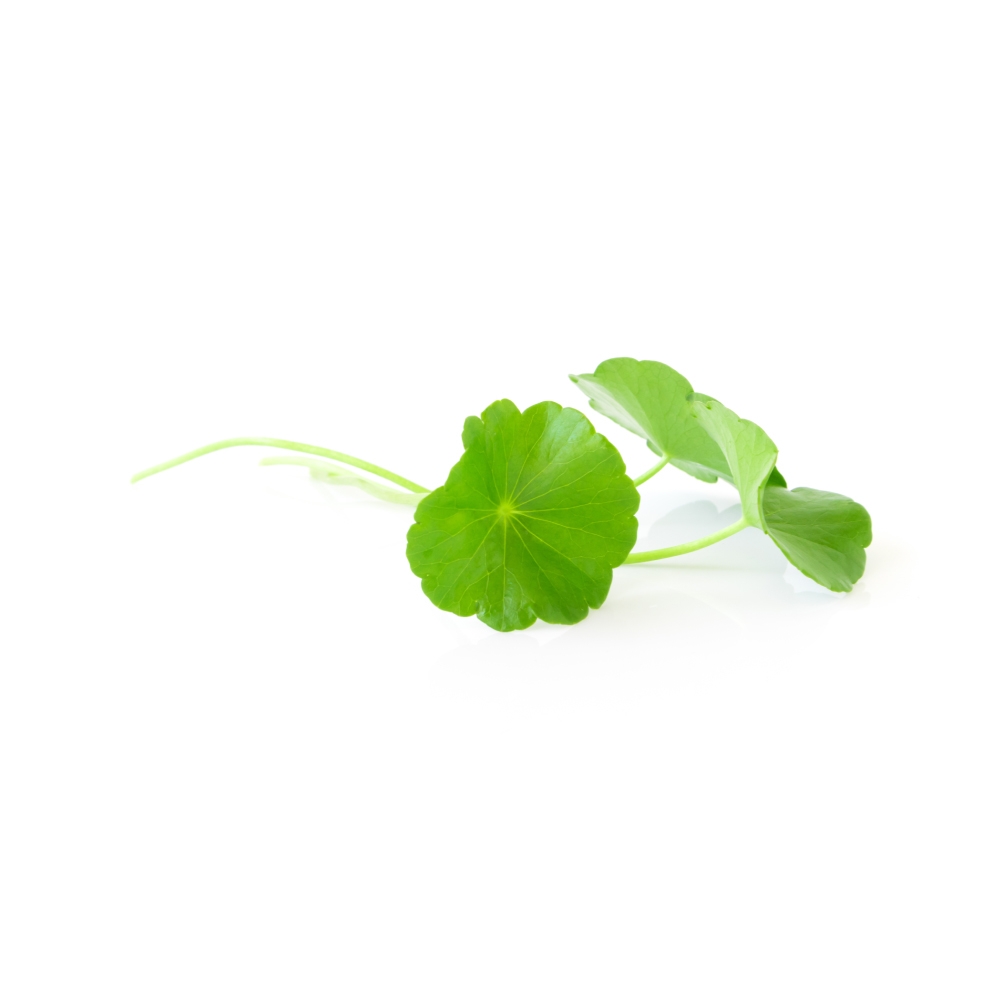 Gotu Kola Centella asiatica Documented for polysaccharides.
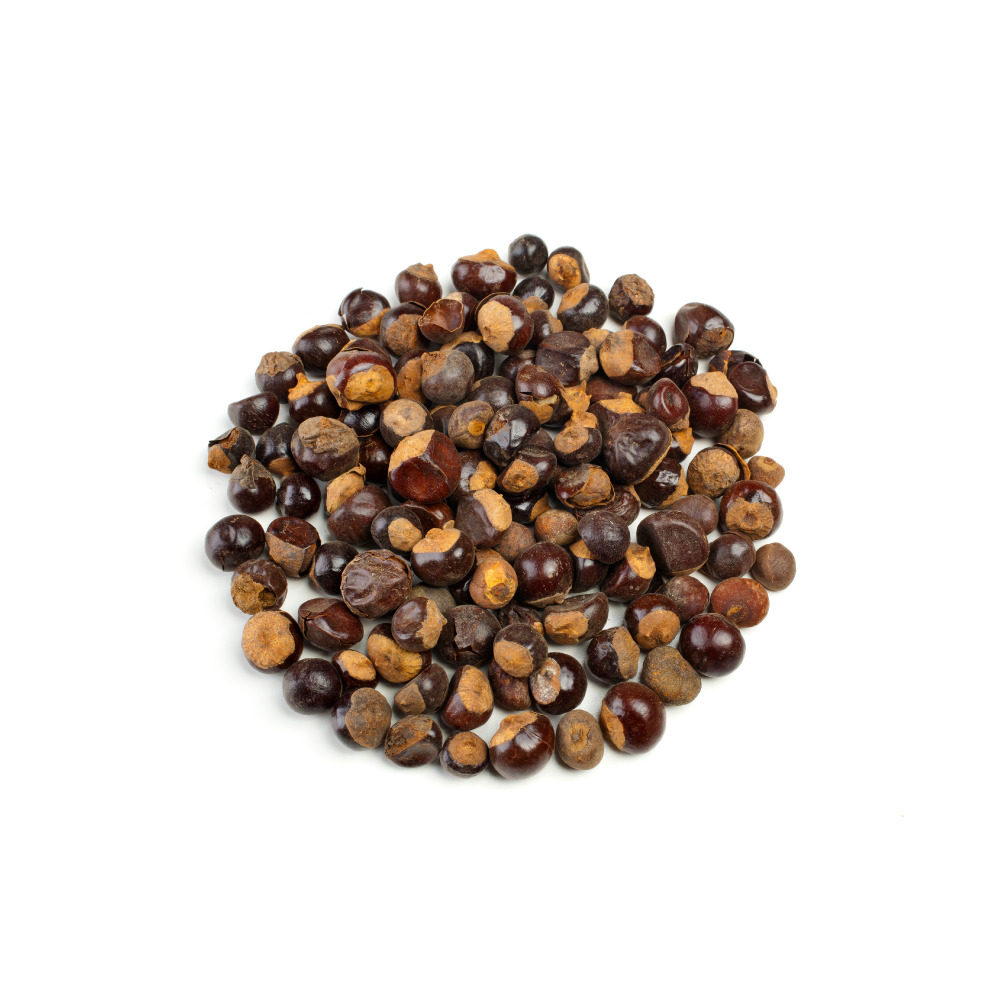 Guarana Paullinia cupana Documented for pentosan.
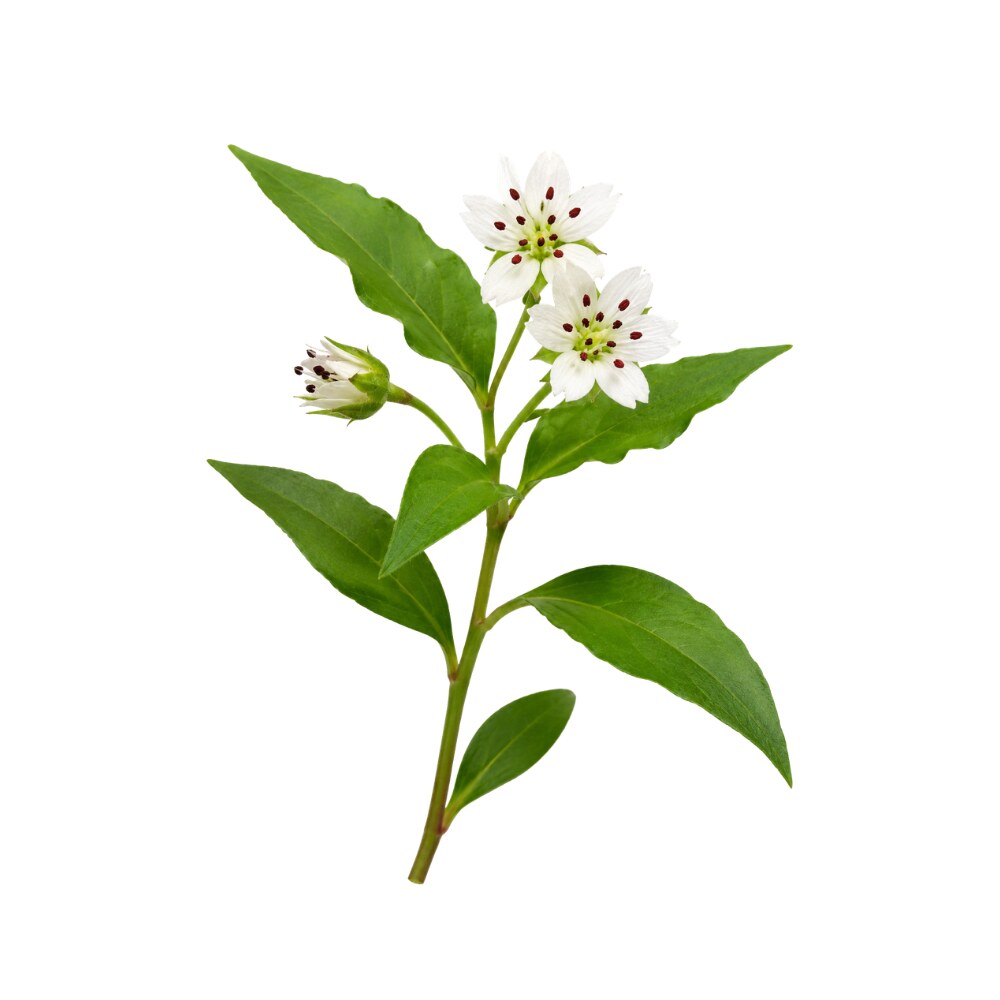 Kid Ginseng Pseudostellaria heterophylla Documented for polysaccharides.
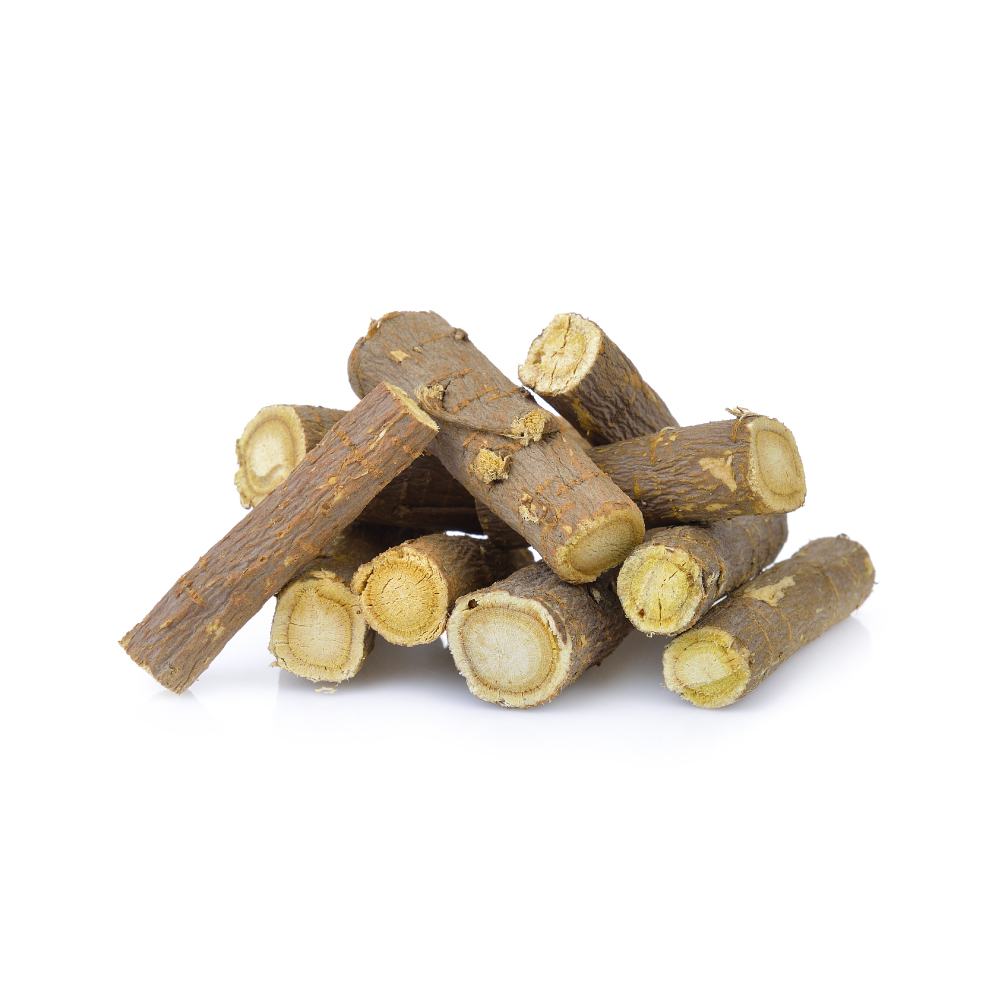 Licorice Glycyrrhiza glabra Documented for arabinogalactans.
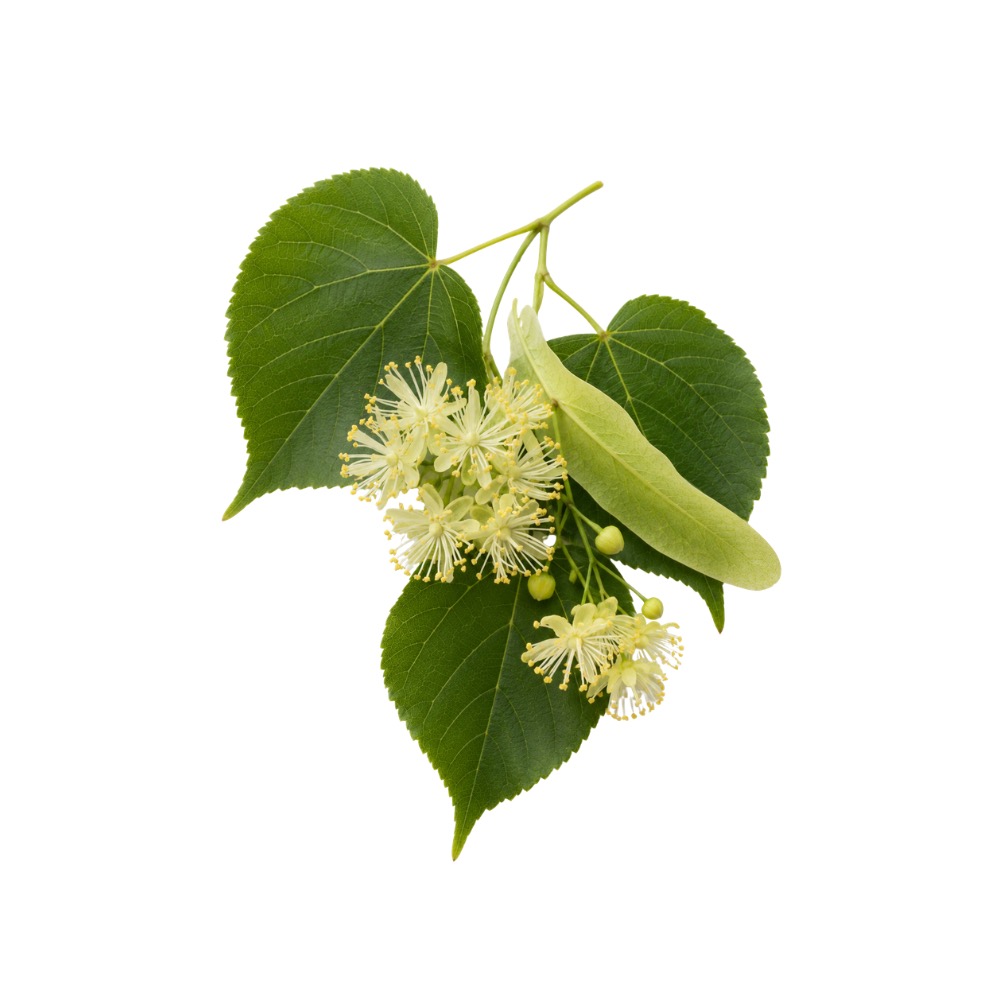 Linden Flower Tilia spp. Documented for mucilage.
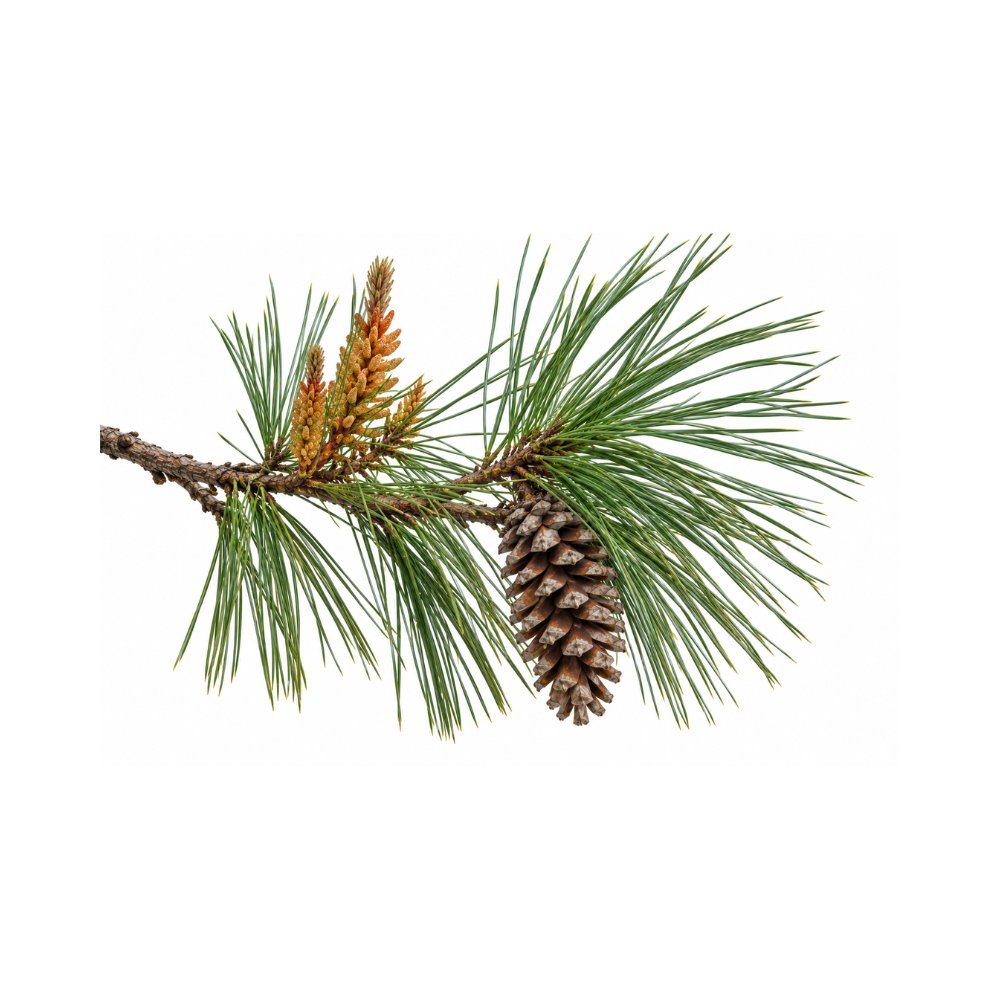 Masson Pine Pinus massoniana Documented for polysaccharides.
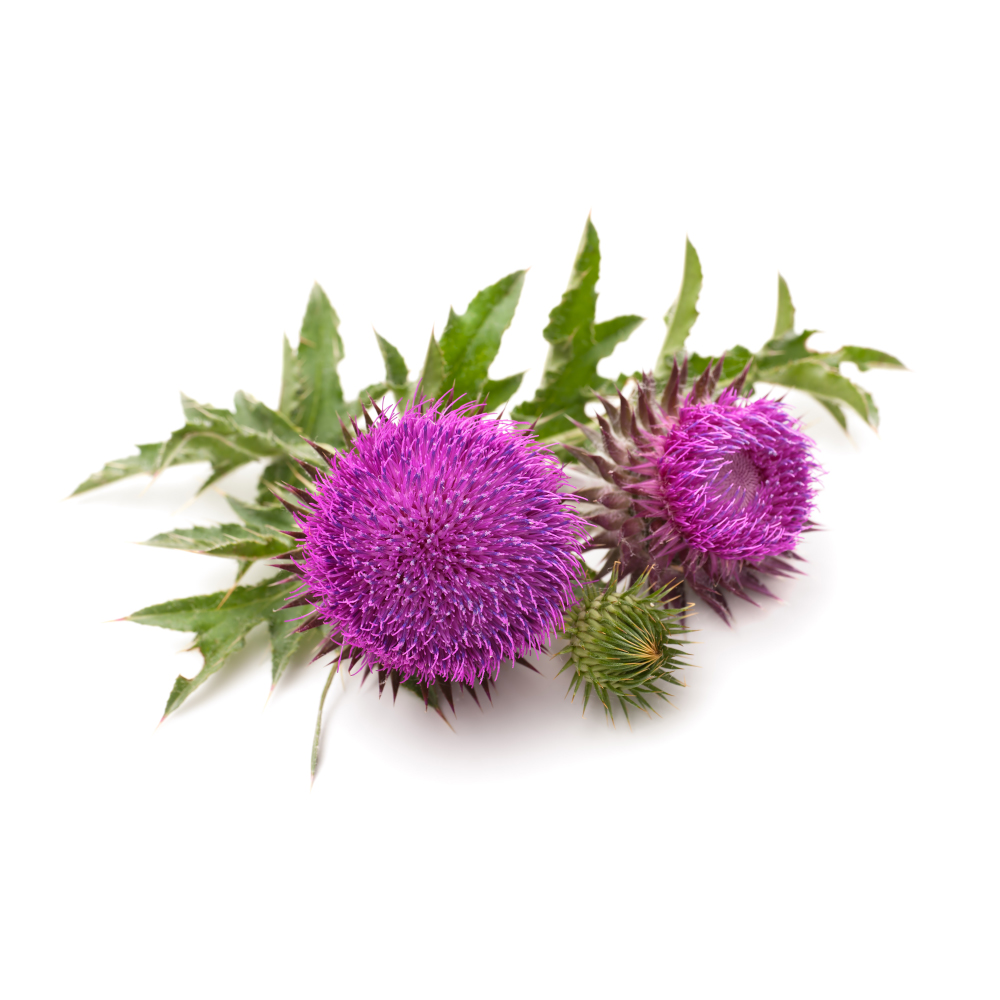 Milk Thistle Silybum marianum Documented for rhamnose.
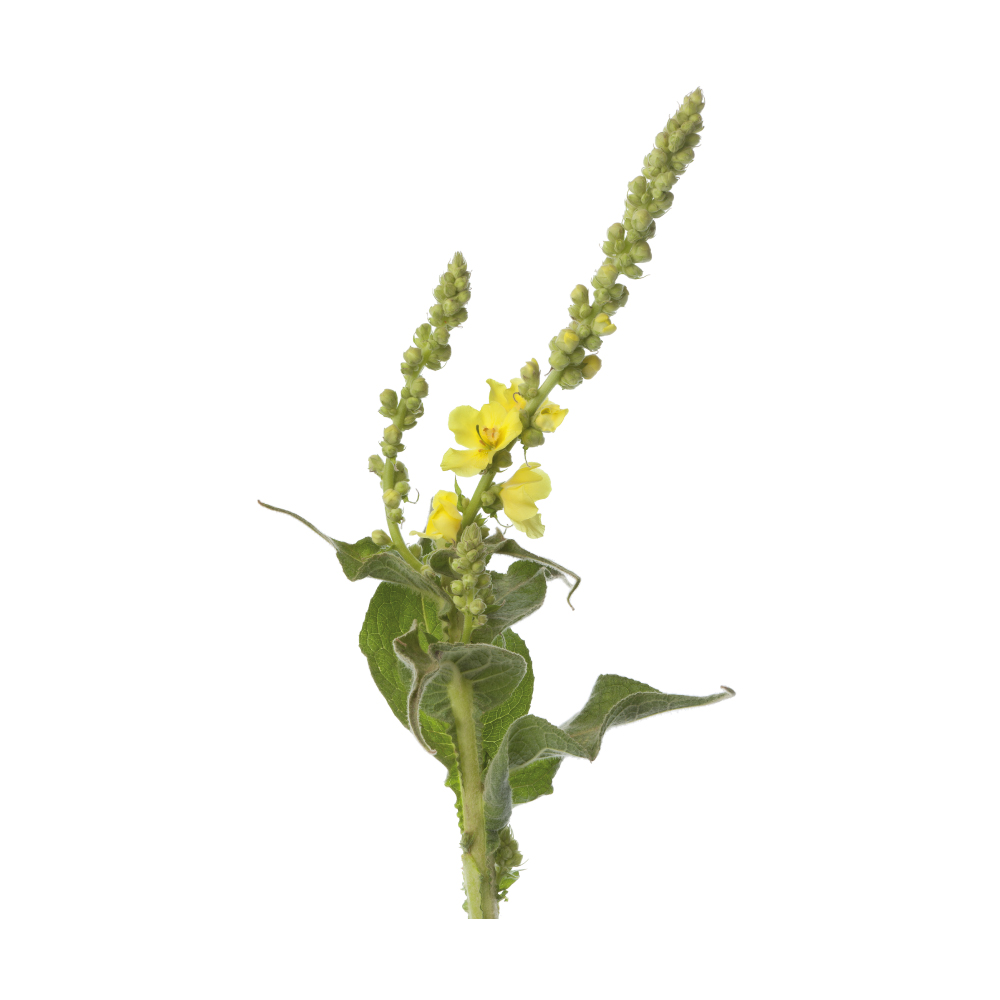 Mullein Verbascum thapsus Documented for mucilage.
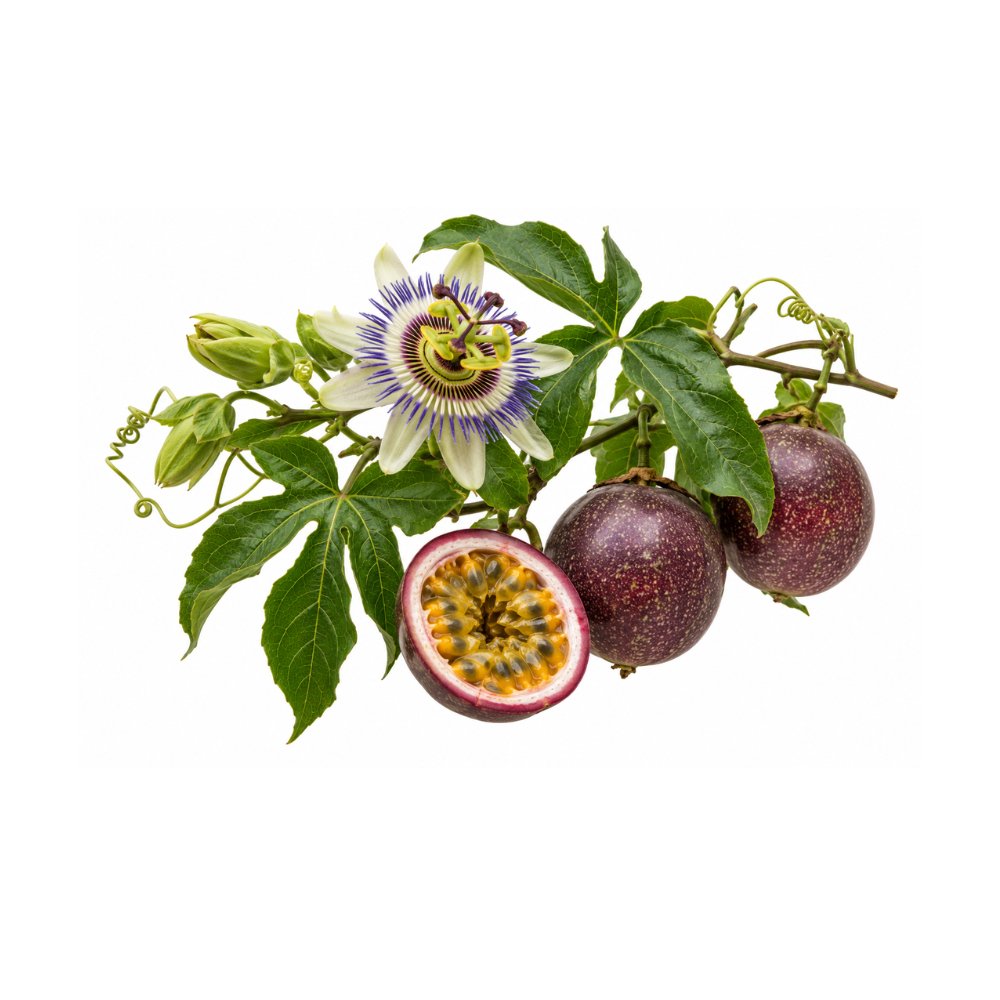 Passion Fruit Passiflora edulis Documented for pectin.
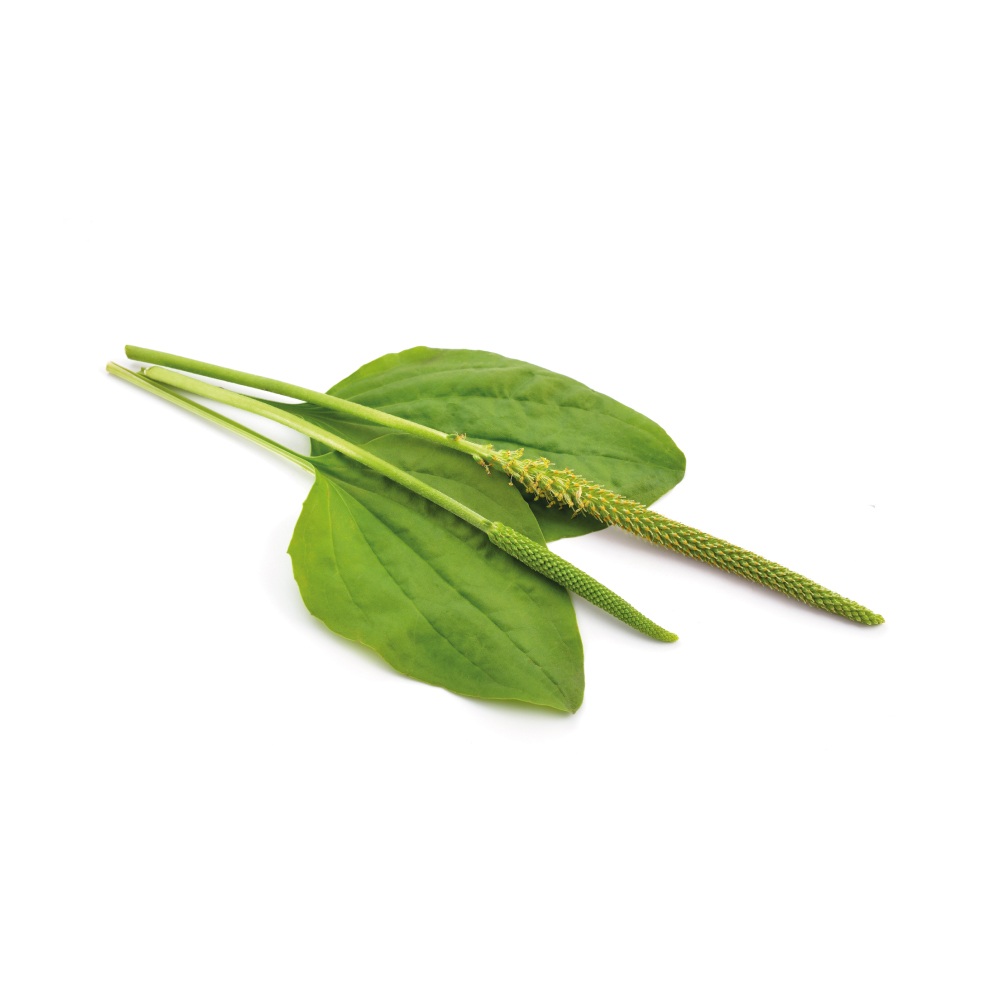 Plantain Plantago major Documented for mucilage.
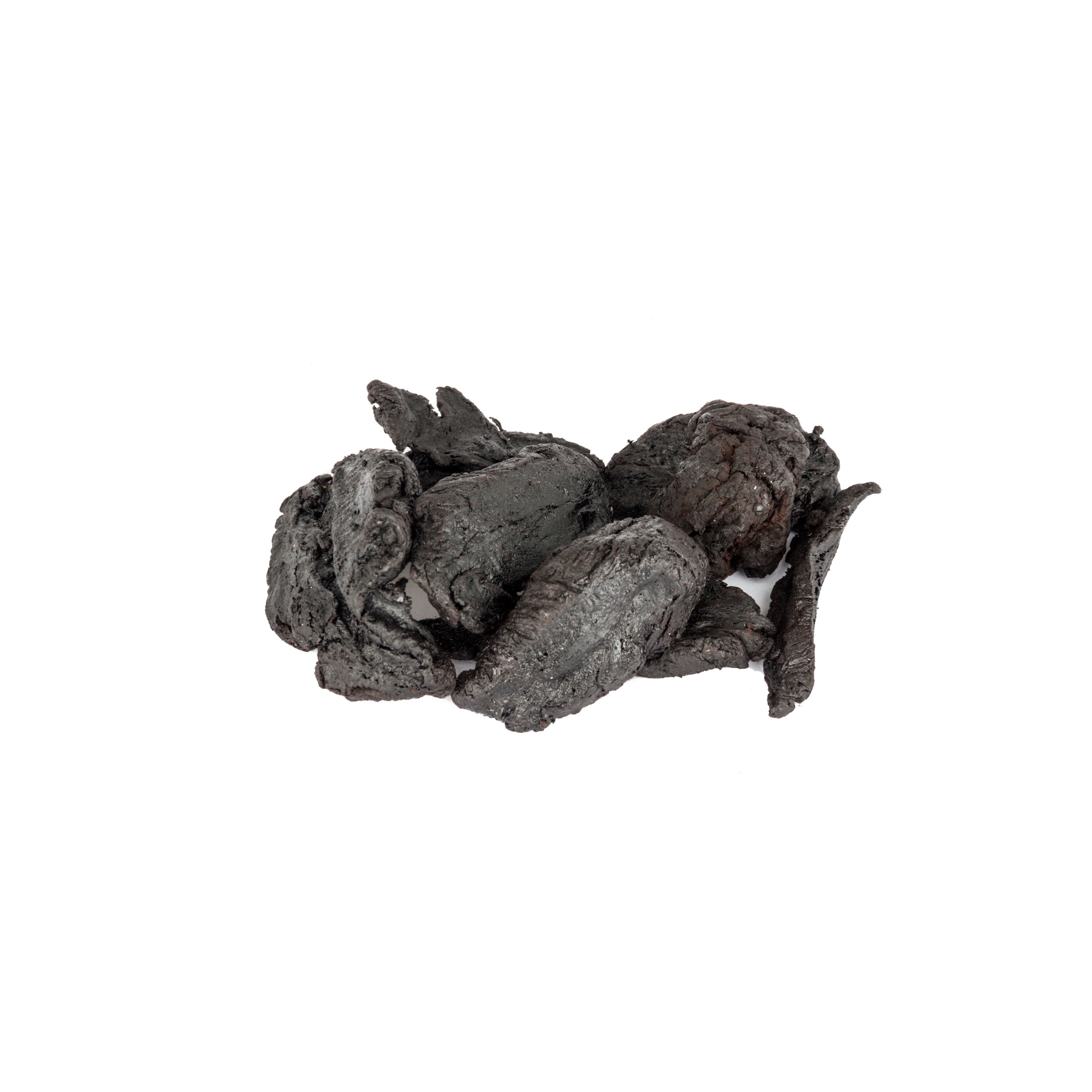 Rehmannia Rehmannia glutinosa Documented for polysaccharides.
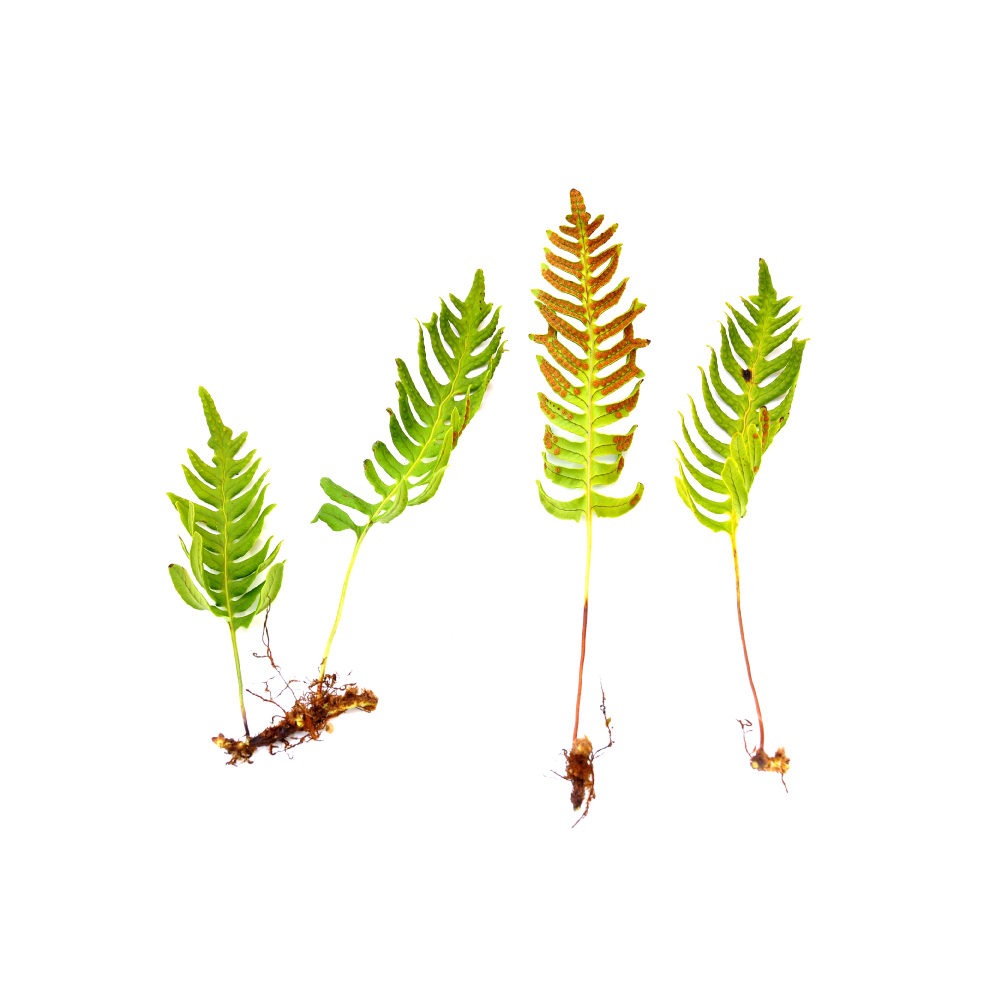 Samambaia Polypodium leucotomos Documented for arabinopyranosides.
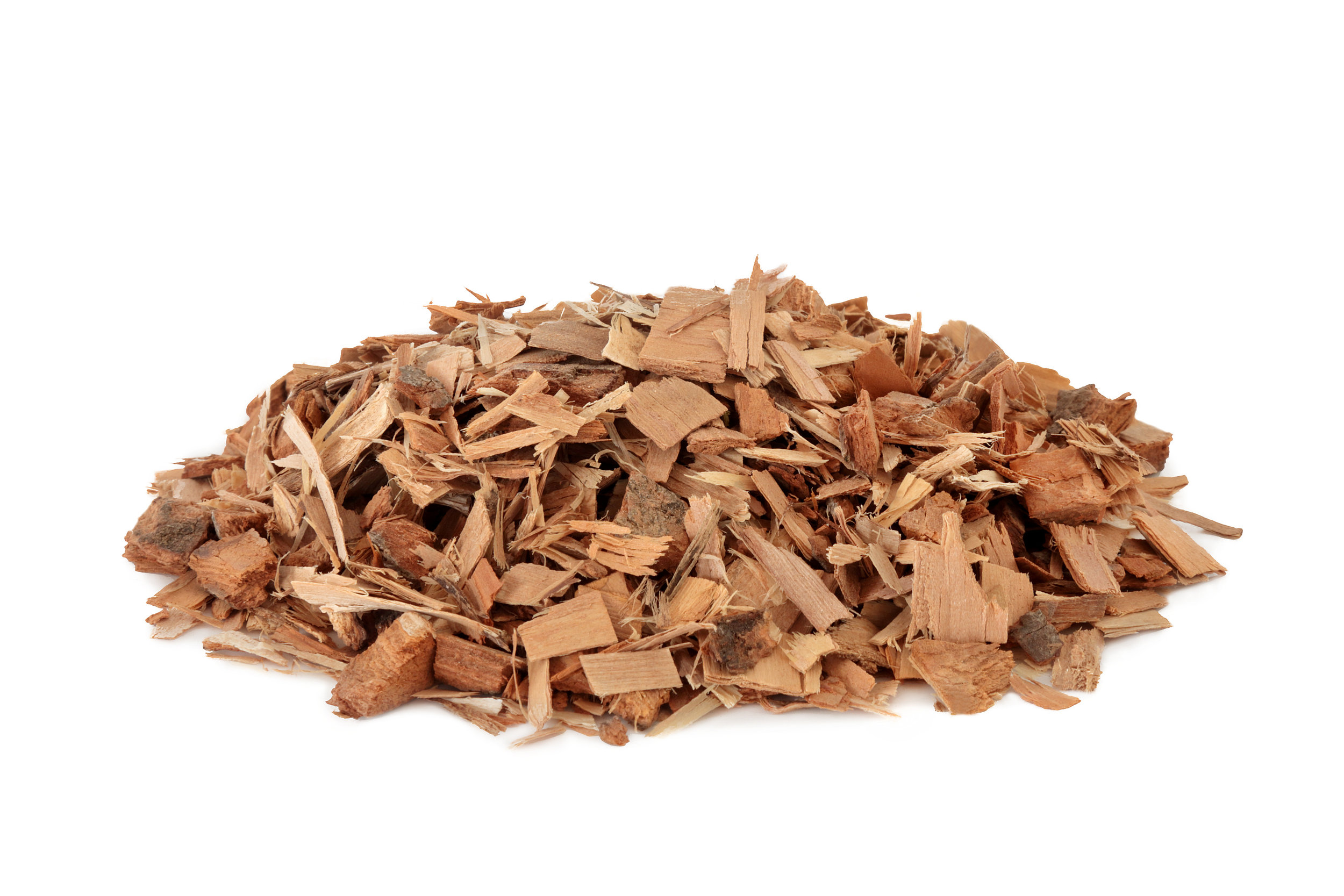 Saw Palmetto Serenoa repens Documented for polysaccharides.
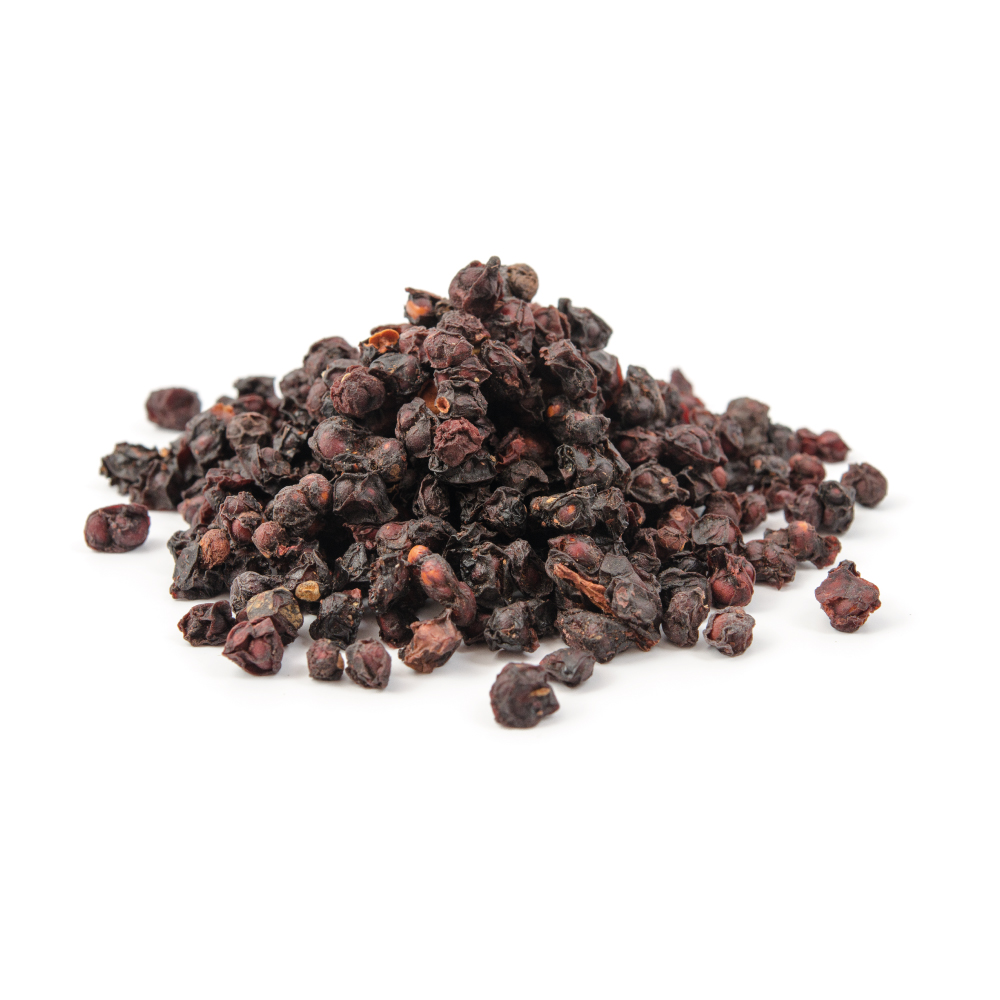 Schisandra Schisandra chinensis Documented for polysaccharides.
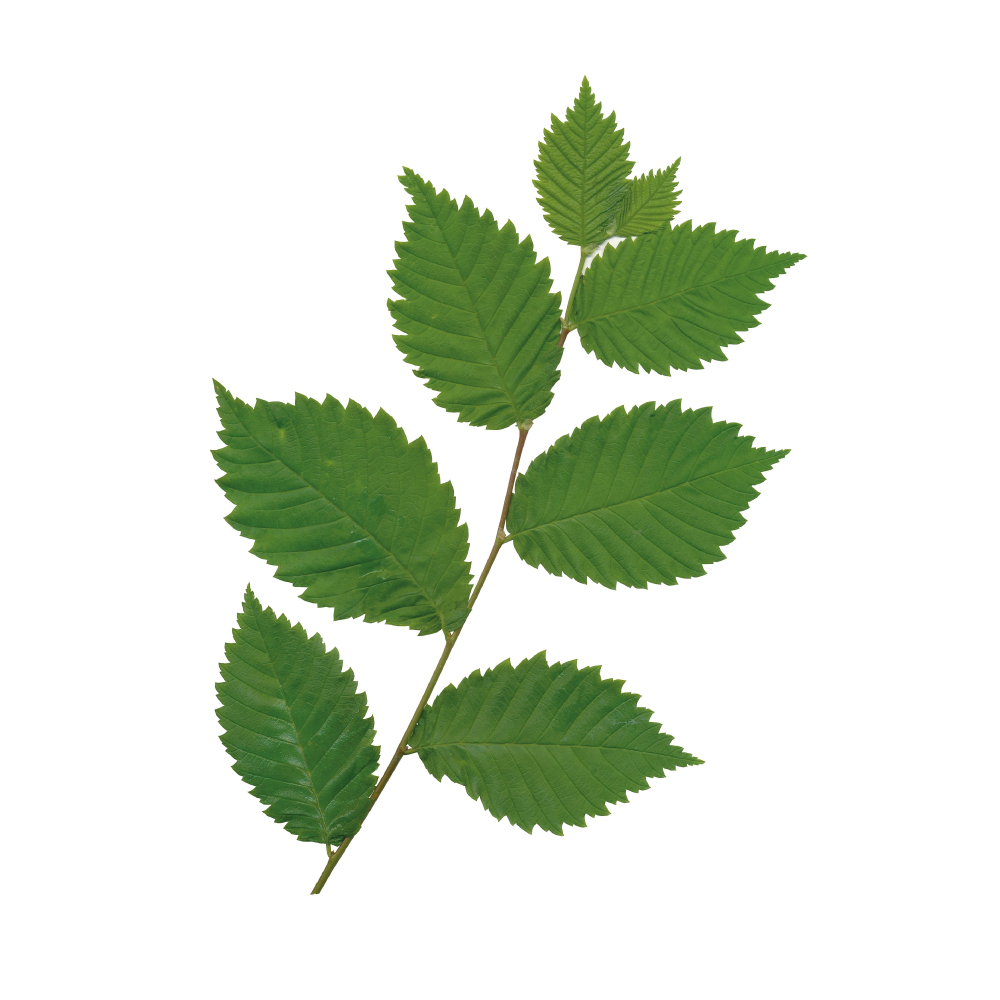 Slippery Elm Ulmus rubra Documented for mucilage.
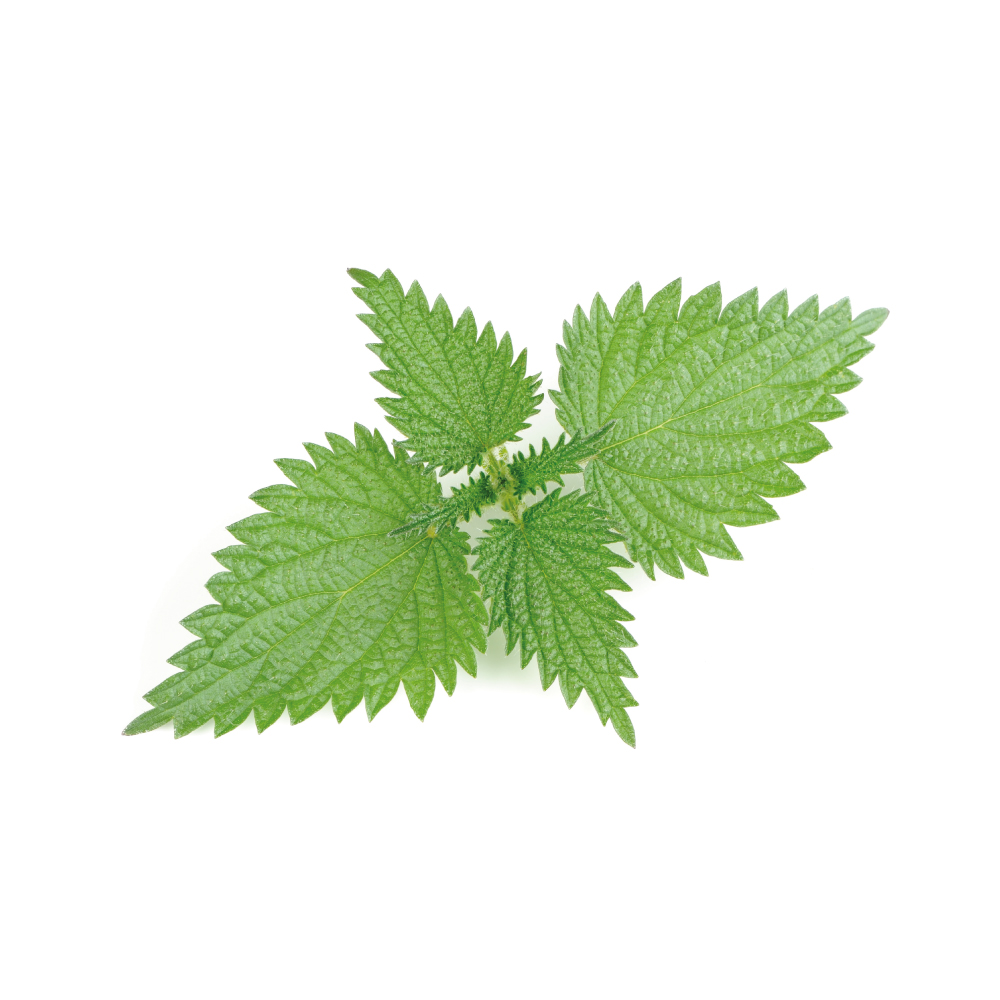 Stinging Nettle Urtica dioica Documented for polysaccharides.
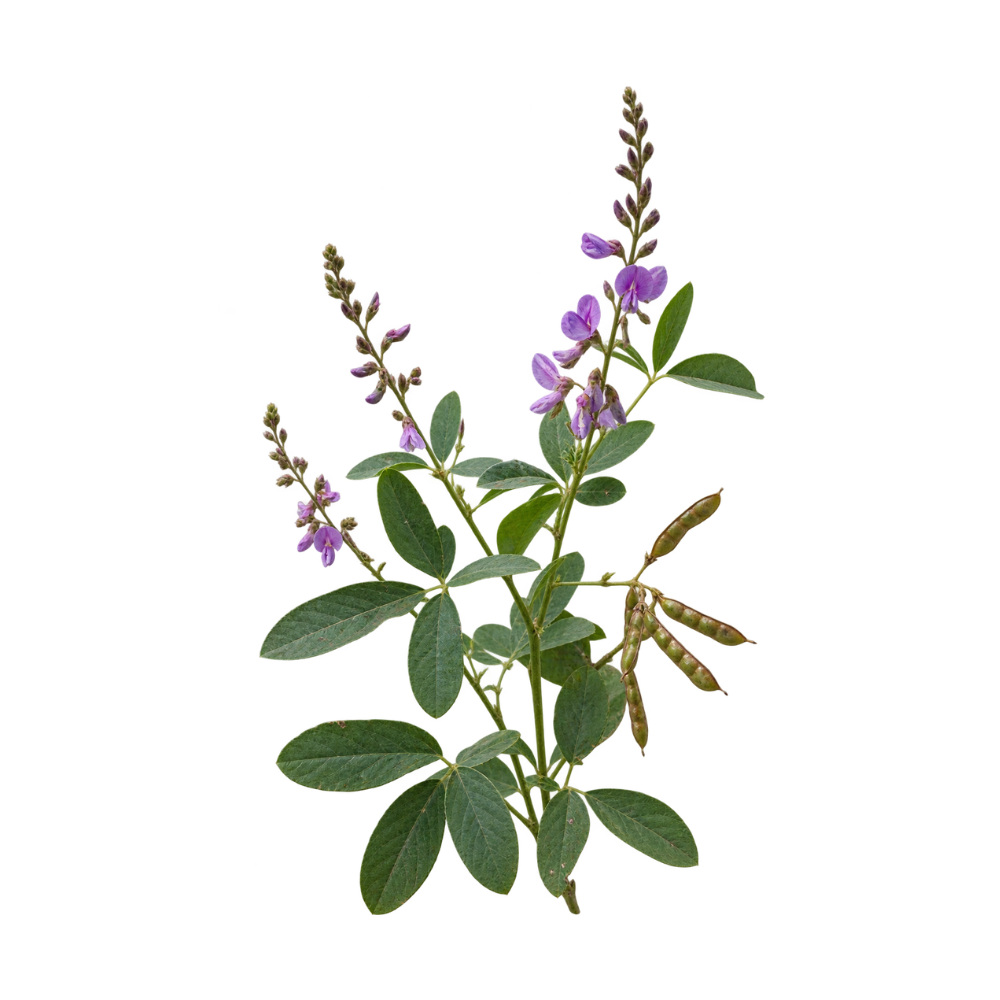 Tick Trefoil Desmodium spp. Documented for pinitol.
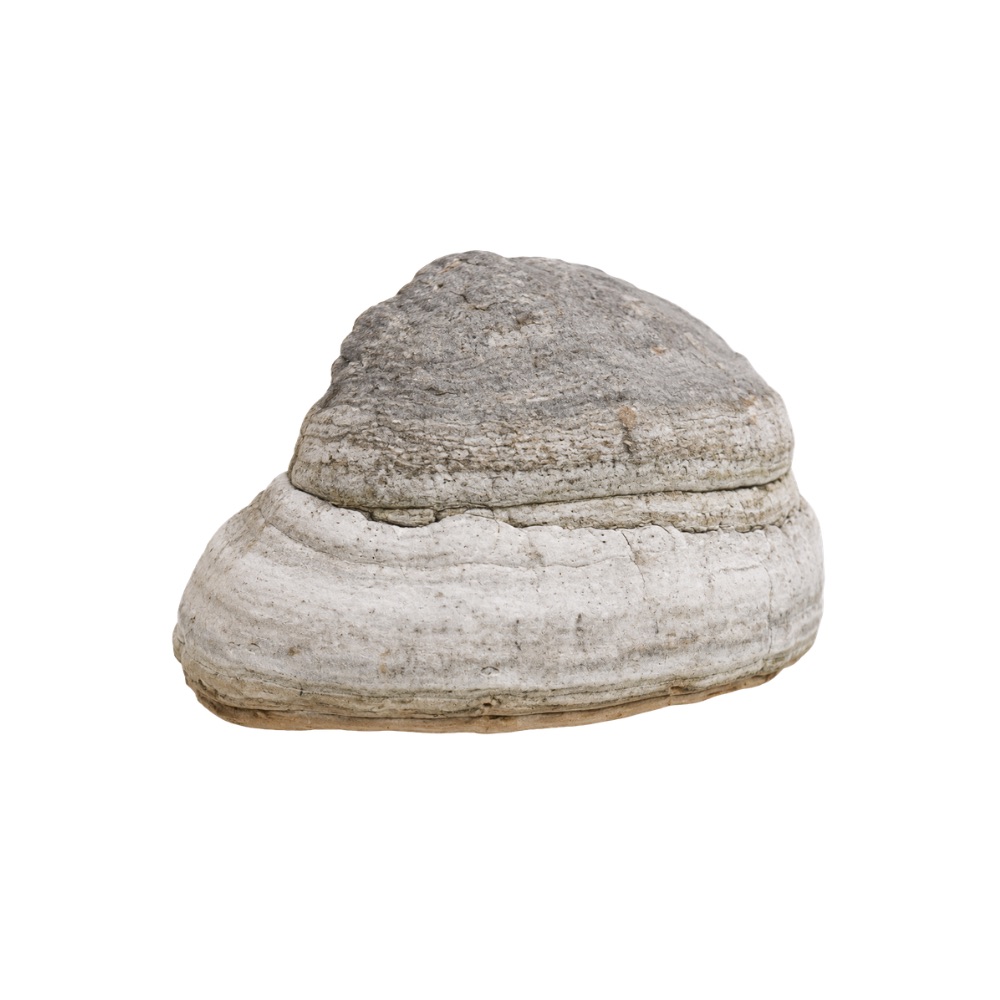 Tinder Conk Fomes fomentarius Documented for beta-glucans.
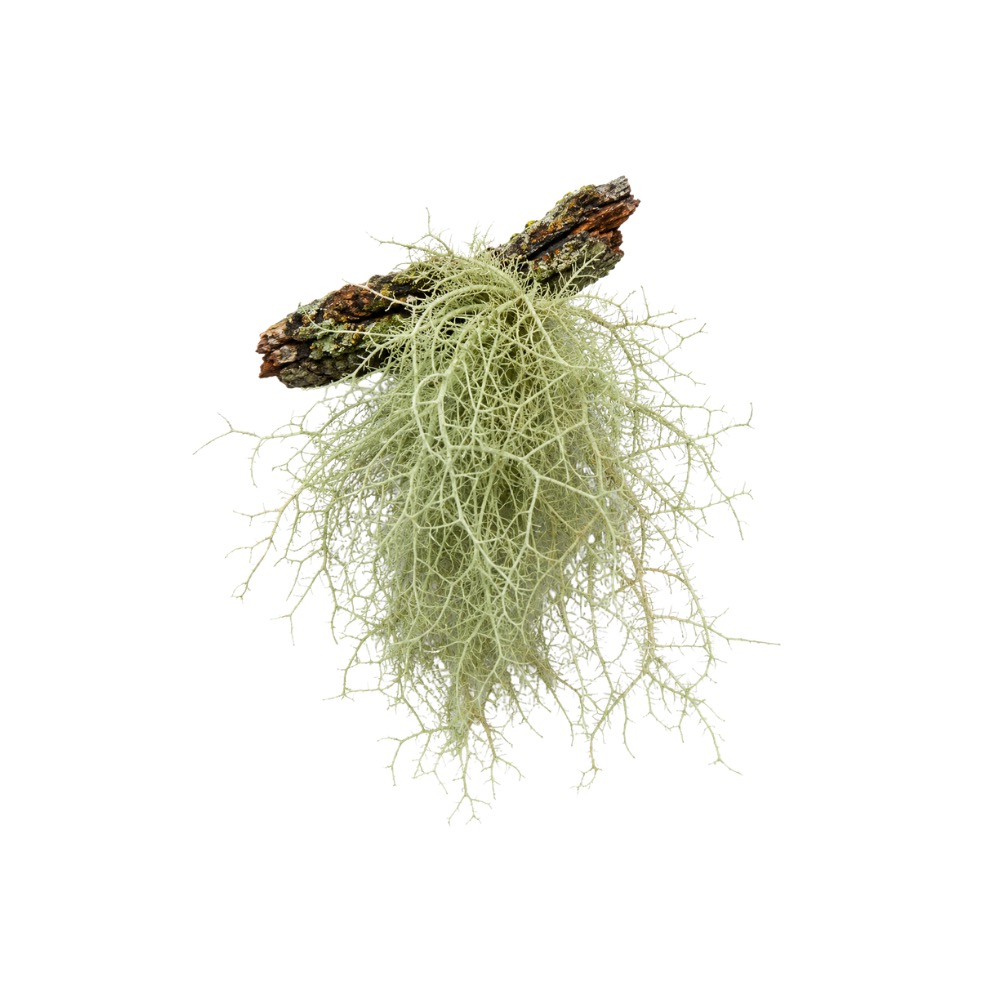 Usnea Usnea spp. Documented for polysaccharides.
Keep Exploring
Other Compound Classes
Keep Reading
 GuidesThe Best Kava: A Buyer's GuideHow to buy good kava: noble vs two-day cultivars, which part of the root, chemotype codes, origin, form, and the batch tests a seller should show you.
Read more
 GuidesThe Amazon's Endangered Medicinal PlantsThe Amazon gives us some of our most important medicines — but which healing plants are actually endangered?
Read more
 NutritionThe Best Yerba Maté Brands [Reviewed]A drinker's guide to buying yerba maté — what actually changes the taste, and ten brands worth your money.
Read more
 GuidesHow to Prepare Yerba Maté — The Five Best MethodsHow to brew yerba maté properly — the traditional gourd method, plus tereré, french press and cold brew.
Read more