
Subclass of Carbohydrates
Fructans & Inulin
Fructose-based prebiotic fibers that feed beneficial gut bacteria and gently support blood sugar.
Overview
About Fructans & Inulin
Fructans are polymers of fructose, usually capped with a single glucose unit. Inulin is the best-known type, built on straight β(2→1) linkages; the shorter chains are called fructo-oligosaccharides, and grasses make a differently-linked variant called levan.
That β(2→1) bond is the whole point. Human digestive enzymes cannot cleave it, so fructans pass the small intestine untouched and arrive in the colon intact — which makes them food for bacteria rather than for us.
Where Fructans Occur
Many plants use fructans instead of starch as their storage carbohydrate, particularly in the daisy family:
Chicory root
the main commercial inulin source
Jerusalem artichoke and yacón
very high inulin content
Dandelion, burdock and elecampane roots
Onion, garlic, leek and asparagus
Wheat and rye
the fructan load behind much wheat intolerance
Agave
the source of agave syrup's fructans and fructose
The presence of inulin in dandelion, burdock and elecampane is worth noting — the prebiotic effect is part of why these bitter roots have a reputation as digestive tonics.
Pharmacological Importance
Fructans are the original prebiotics and the best-characterized ones. Colonic bacteria — bifidobacteria especially — ferment them to short-chain fatty acids, chiefly acetate, propionate and butyrate. Butyrate is the preferred fuel of the colonocytes themselves and has a substantial literature in mucosal integrity and anti-inflammatory signalling.
The downstream effects are real if modest: improved stool frequency and consistency, better calcium and magnesium absorption, and small favourable shifts in glycaemic and lipid markers. Inulin is also widely used as a fat and sugar replacer in food manufacture, which is how most people encounter it without knowing.
Toxicity & Safety
There is no toxicity here, but there is a tolerability ceiling that matters more than usual. Rapid fermentation produces gas, and doses above roughly 10–15 g a day commonly cause bloating, flatulence and cramping. Starting low and building slowly is the difference between a useful prebiotic and an abandoned one.
Fructans are also the "O" — oligosaccharides — in FODMAPs, and are a leading trigger in irritable bowel syndrome. This is the single most useful thing on this page: a large share of self-diagnosed "gluten sensitivity" without coeliac disease appears to be fructan sensitivity to wheat's carbohydrate rather than a reaction to its protein, and controlled challenge studies support that reading. Rare IgE-mediated inulin allergy has been reported.
Constituents
All Fructans & Inulin
2 totalNo fructans & inulin match.
Source Plants
Herbs Containing Fructans & Inulin
6 herbsPlants in the materia medica documented to carry fructans & inulin, with the compounds each one is listed for. The bar counts how many DISTINCT fructans & inulin are on record for a plant, relative to the best-documented — it measures breadth of record, not potency, so a plant with one well-studied compound can outrank a richer source that has simply been analysed less. Where a measured concentration is on record it is quoted inline; most entries have none yet.
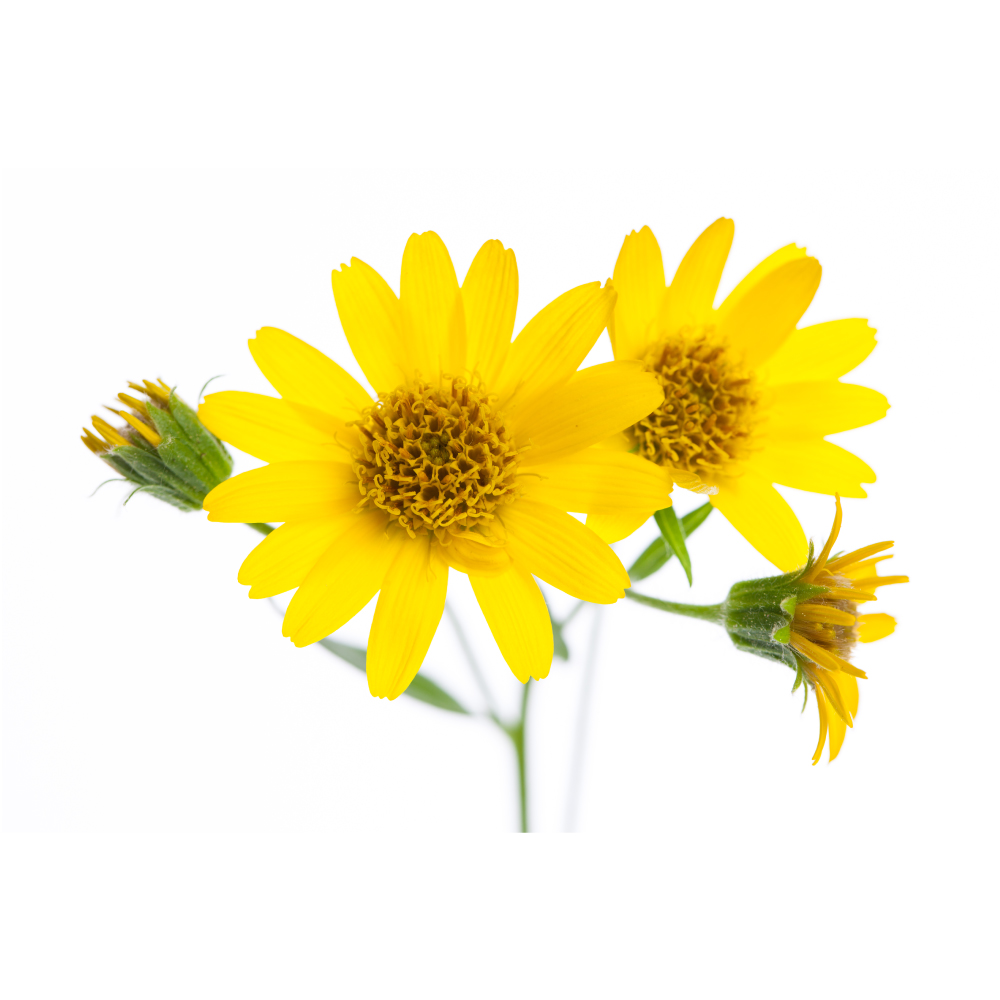 Arnica Arnica montana Toxic Documented for inulin.
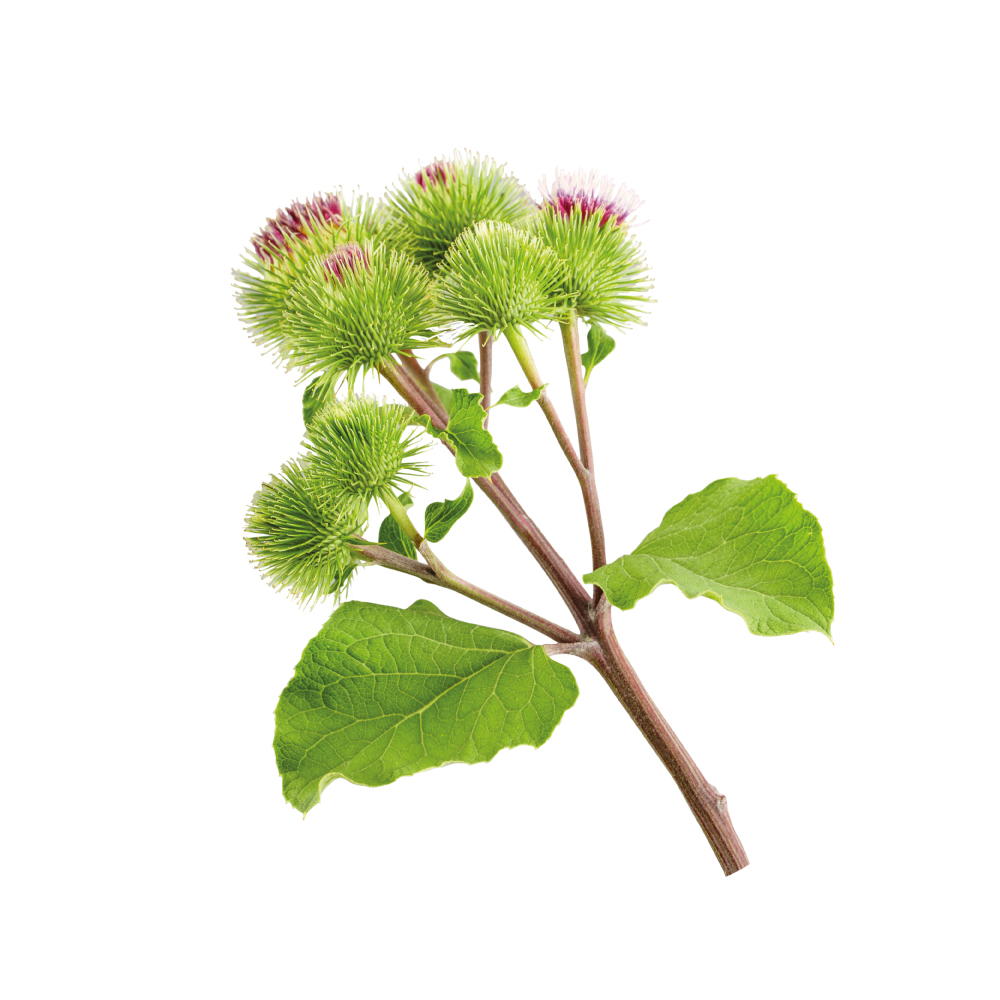 Burdock Arctium lappa Documented for inulin (40–50 % dry wt).
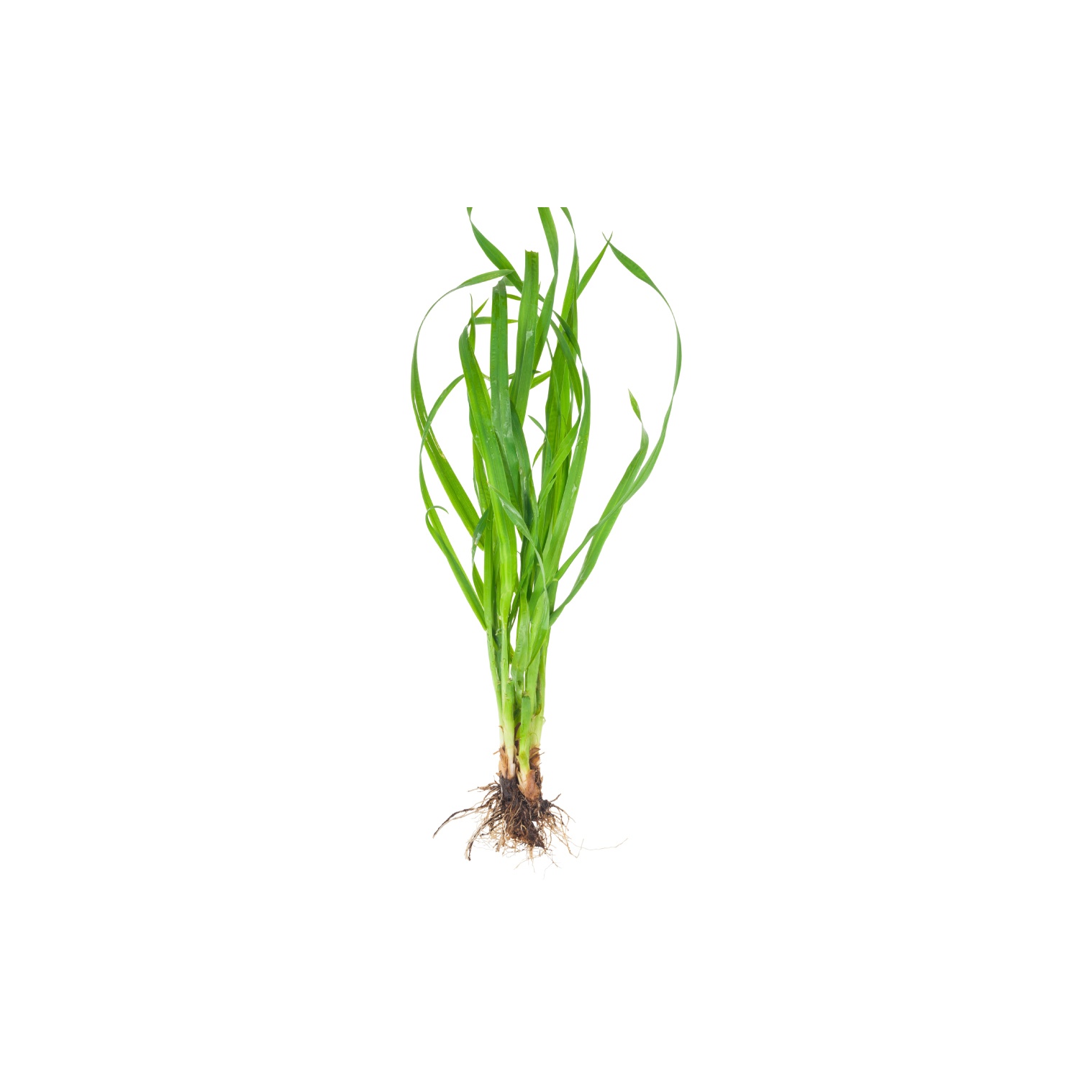 Couchgrass Elymus repens Documented for triticin.
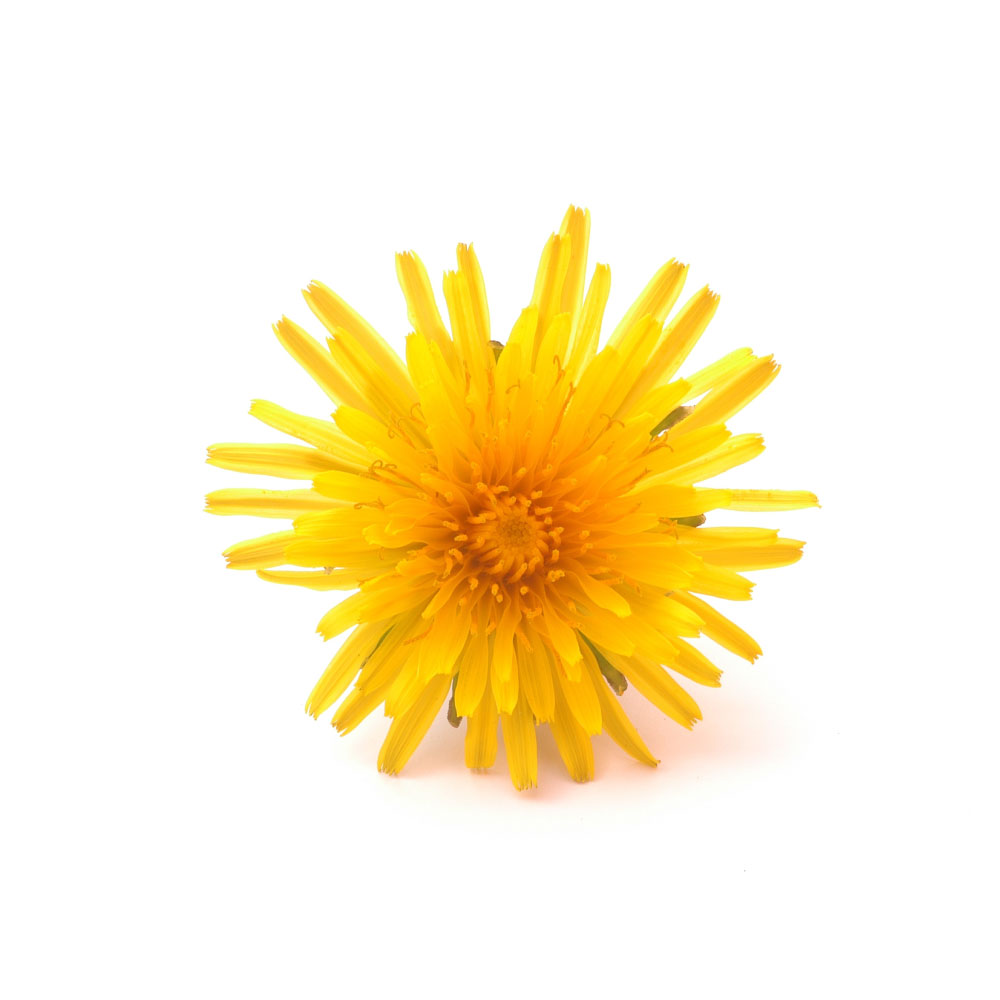 Dandelion Taraxacum officinale Documented for inulin.
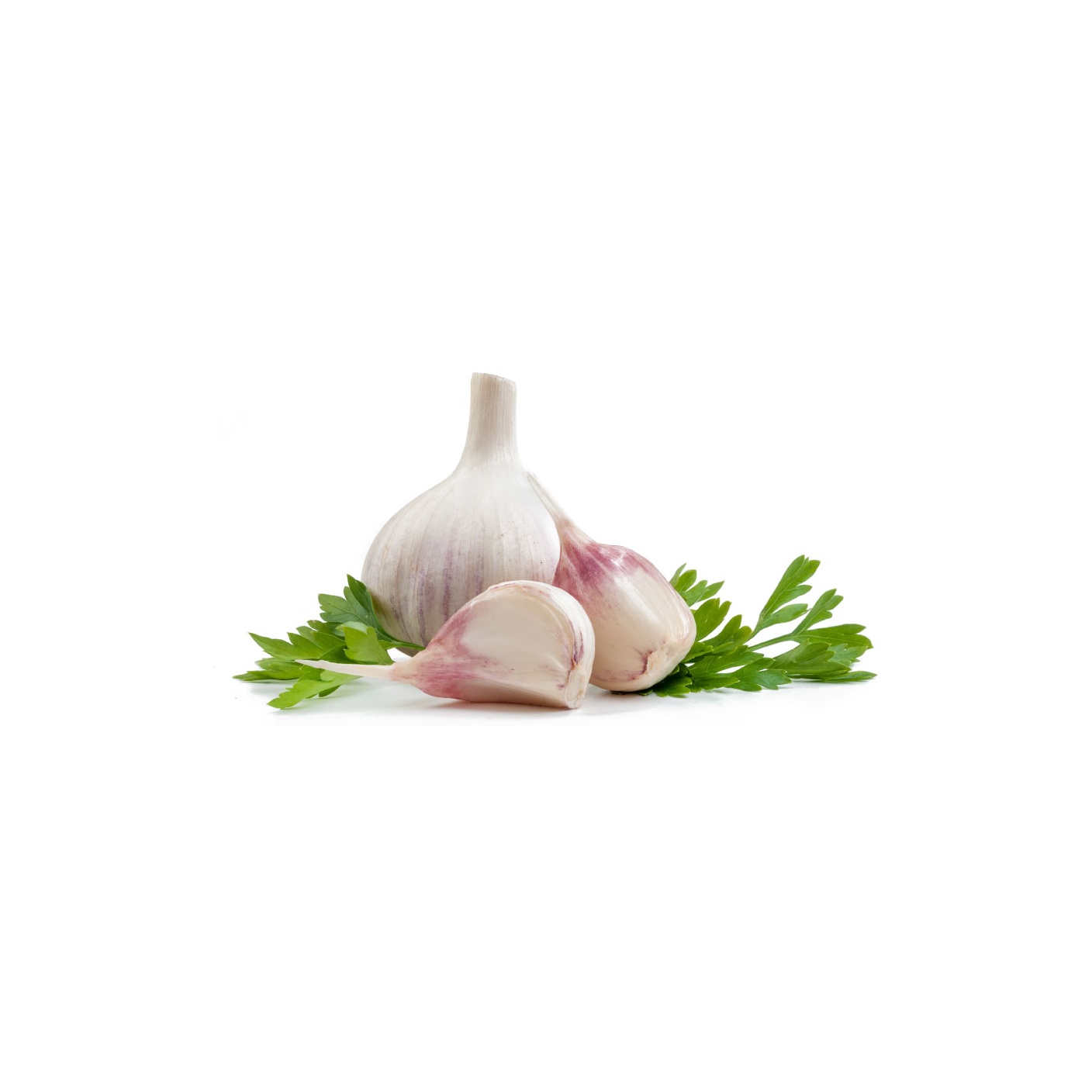 Garlic Allium sativum Documented for fructans.
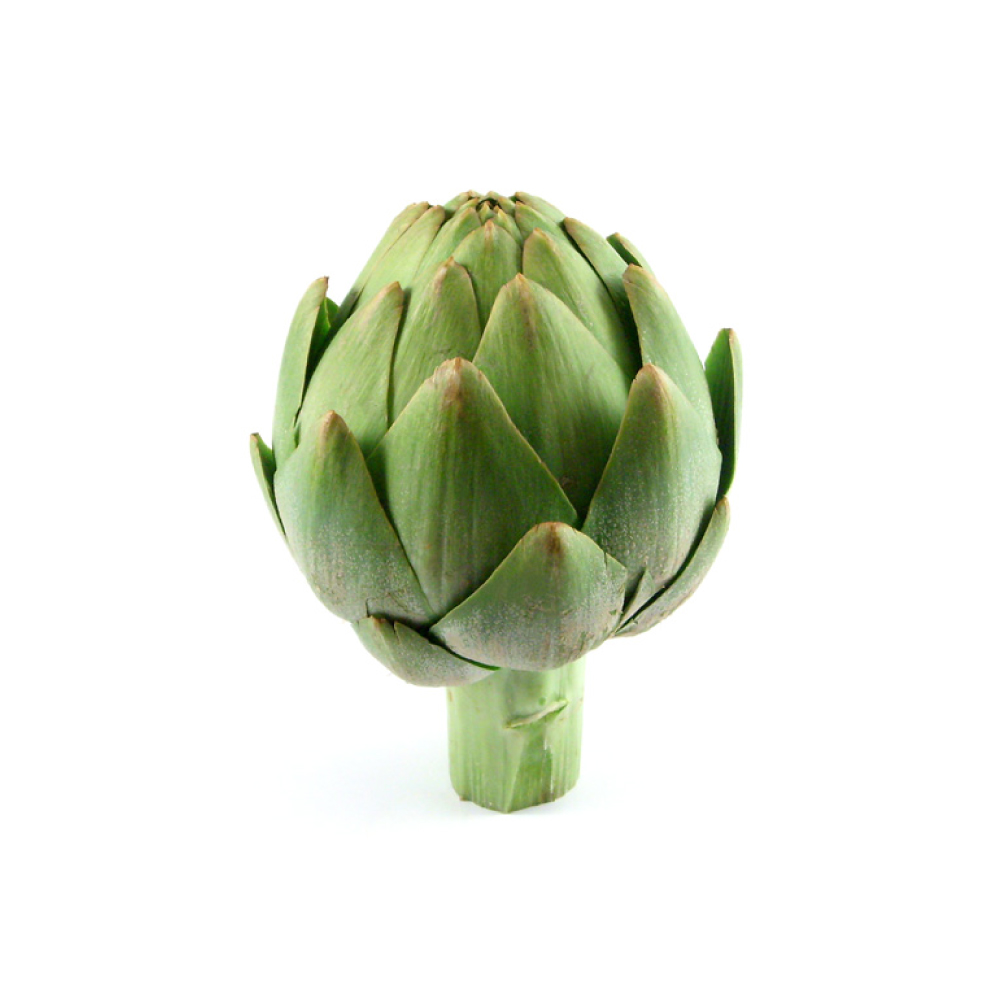 Globe Artichoke Cynara scolymus Documented for inulin.
Keep Exploring
Other Compound Classes
Keep Reading
 GuidesThe Best Kava: A Buyer's GuideHow to buy good kava: noble vs two-day cultivars, which part of the root, chemotype codes, origin, form, and the batch tests a seller should show you.
Read more
 GuidesThe Amazon's Endangered Medicinal PlantsThe Amazon gives us some of our most important medicines — but which healing plants are actually endangered?
Read more
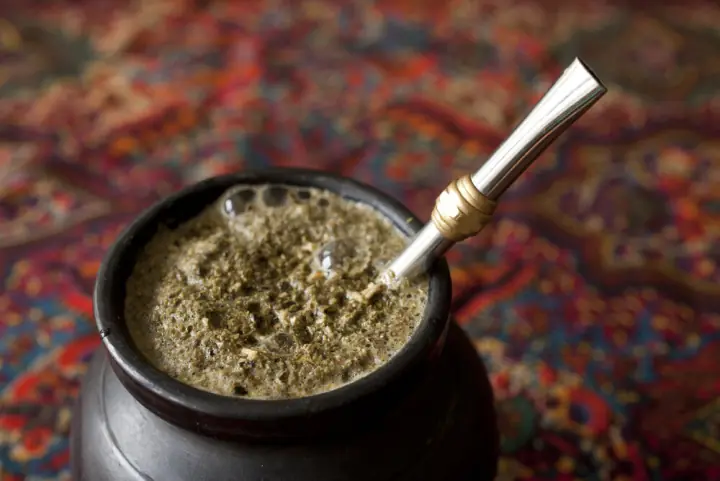 NutritionThe Best Yerba Maté Brands [Reviewed]A drinker's guide to buying yerba maté — what actually changes the taste, and ten brands worth your money.
Read more
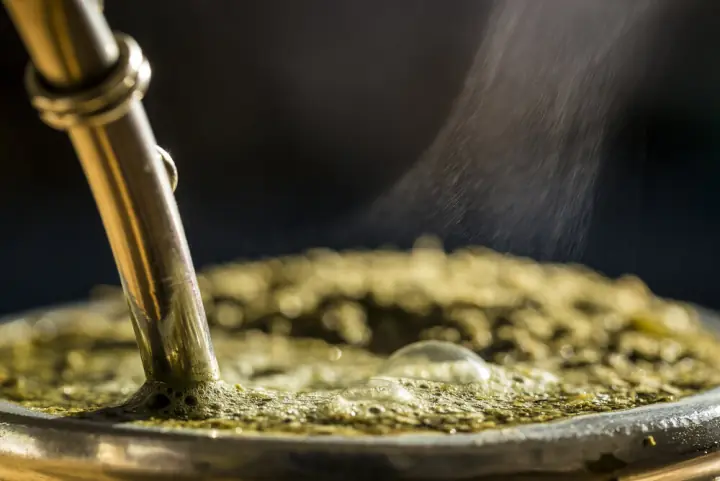 GuidesHow to Prepare Yerba Maté — The Five Best MethodsHow to brew yerba maté properly — the traditional gourd method, plus tereré, french press and cold brew.
Read more