
Compound Monograph
Isorhynchophylline
Isorhynchophylline is the C7-epimer of rhynchophylline — a tetracyclic oxindole alkaloid of the Chinese Uncaria (gou teng, U. rhynchophylla) and cat's claw that carries much of the class's neuroprotective signal. Its distinctive thread is autophagy induction (clearing α-synuclein and amyloid-β aggregates) alongside non-competitive NMDA-receptor antagonism and L-type calcium-channel vasodilation. All evidence is preclinical; it interconverts with rhynchophylline in the body, and it is only a minor, variable kratom alkaloid — the pharmacology is Uncaria-studied, not a kratom effect.

Sources · 4
Where Does It Come From?
Isorhynchophylline is a naturally occurring alkaloid (tetracyclic oxindole alkaloid), found in Uncaria rhynchophylla, Cat's Claw, Kratom and 1 other source. It is well tolerated orally (low toxicity).
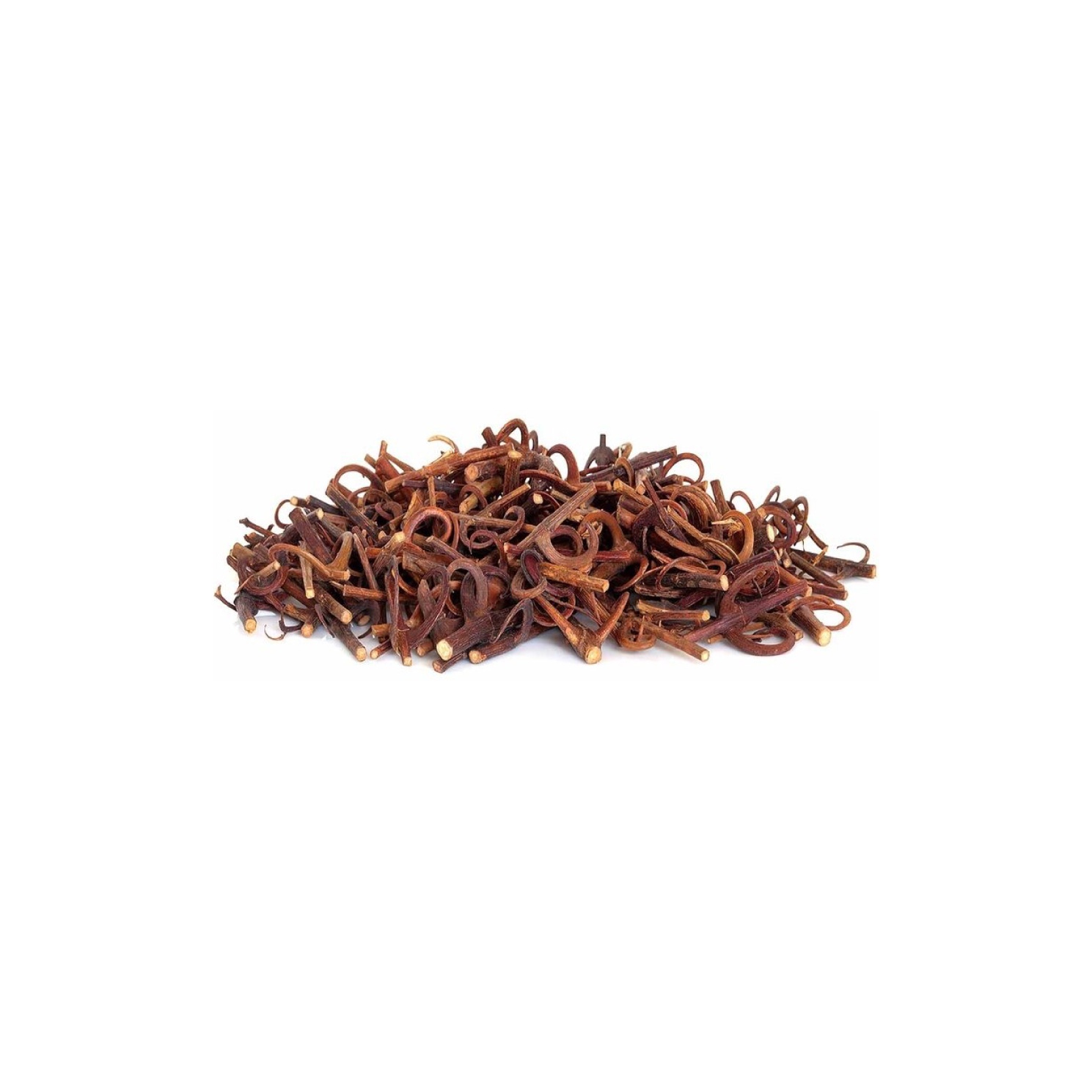 Source Cat's Claw Uncaria tomentosa Herb monograph →
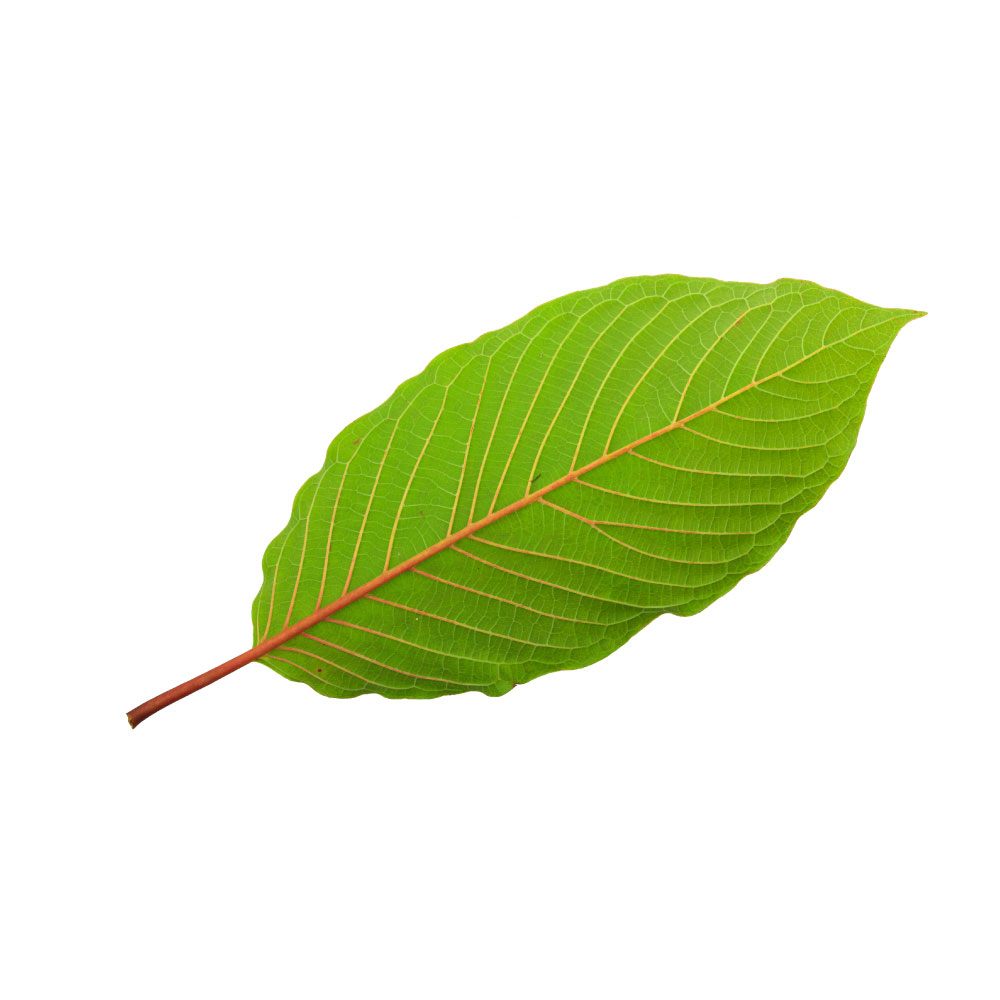 Source Kratom Mitragyna speciosa Herb monograph →
Concentration
Content by Source
Concentrations not reported. No percent-dry-weight or mg/g figures have been published for this compound in its source plants.
Isorhynchophylline at a Glance
Isorhynchophylline is a tetracyclic oxindole alkaloid of the Chinese Uncaria — chiefly U. rhynchophylla, the hooked vine known in Chinese medicine as gou teng — and is also present in Amazonian cat’s claw (U. tomentosa). It is the C7 stereoisomer (epimer) of rhynchophylline, differing only in the configuration at the spiro-centre, and the two are routinely isolated and studied together as gou teng’s marker oxindoles.
Where rhynchophylline leads with cardiovascular data, isorhynchophylline carries the marquee neuroprotective signal of the pair. Its distinctive thread is autophagy induction — it drives the autophagy-lysosome machinery that clears aggregation-prone proteins such as α-synuclein and amyloid-β — layered on top of the shared class actions: non-competitive NMDA-receptor antagonism and L-type calcium-channel-blocking vasodilation 1,
Two honest caveats frame everything below. First, all of it is preclinical — cell culture and rodents; there is no human trial of the isolate. Second, although isorhynchophylline is a shared Uncaria/Mitragyna alkaloid, it is only a minor and highly variable component of kratom — the pharmacology was worked out in Uncaria, and reading it onto a cup of kratom is not supported. A third, molecule-specific wrinkle matters too: isorhynchophylline has poor oral bioavailability and interconverts to rhynchophylline in the body, so some of its in-vivo neuro-benefit is likely delivered as its epimer 3,
Isorhynchophylline vs. Rhynchophylline
Isorhynchophylline and rhynchophylline are C7 epimers — the same tetracyclic spiro-oxindole skeleton, differing only in the three-dimensional configuration at a single carbon. That near-identity is the defining fact of this molecule, and it cuts three ways.
- They interconvert. The two epimers equilibrate under heat during extraction and, more importantly, in vivo: after oral dosing of either epimer in rats, rhynchophylline is consistently the major/predominant form recovered in blood, brain and CSF 4Reference 4AnimalEvidence on integrating pharmacokinetics to find truly therapeutic agent for Alzheimer’s disease: comparative pharmacokinetics and disposition kinetics profiles of stereoisomers isorhynchophylline and rhynchophylline in ratsView study →. Reading a “pure isorhynchophylline” animal result at face value is therefore risky — the exposed molecule is partly its sibling.
- Their pharmacology overlaps but is not identical. Both are non-competitive NMDA-receptor antagonists with near-matching potency (isorhynchophylline IC50 ≈ 48 µM vs rhynchophylline ≈ 43 µM) 1Reference 1Rhynchophylline and isorhynchophylline inhibit NMDA receptors expressed in Xenopus oocytesView study →, and both block L-type calcium channels to relax blood vessels — though rhynchophylline is somewhat more potent at inhibiting intracellular-store (caffeine/CPA-sensitive) calcium release at high concentrations 2Reference 2In vitroIn vitro vasodilator mechanisms of the indole alkaloids rhynchophylline and isorhynchophylline, isolated from the hook of Uncaria rhynchophylla (Miquel)View study →. Where isorhynchophylline pulls ahead is the autophagy / protein-clearance signal (below).
- Their pharmacokinetics diverge sharply. Isorhynchophylline is eliminated faster and has far lower systemic and brain exposure than rhynchophylline — oral bioavailability ~4% vs ~23% in rats 3Reference 3AnimalDifferences of first-pass effect in the liver and intestine contribute to the stereoselective pharmacokinetics of rhynchophylline and isorhynchophylline epimers in ratsView study → — which is why a comparative-PK study argued rhynchophylline may be the more “druggable” of the pair for the brain 4Reference 4AnimalEvidence on integrating pharmacokinetics to find truly therapeutic agent for Alzheimer’s disease: comparative pharmacokinetics and disposition kinetics profiles of stereoisomers isorhynchophylline and rhynchophylline in ratsView study →.
Structurally, both sit in the tetracyclic oxindole family, distinct from Uncaria’s other alkaloid lines: the pentacyclic oxindole mitraphylline (an anti-inflammatory marker of cat’s claw) and the corynanthe indole hirsutine (the calcium-channel-blocking, antiviral alkaloid). And it should not be confused with kratom’s mitragynine: mitragynine is a corynanthe-indole µ-opioid partial agonist — a different scaffold with a different receptor — whereas isorhynchophylline is an oxindole with no opioid activity. The molecules co-occur in the Rubiaceae but are not pharmacological substitutes.
Neuroprotection & Autophagy
This is the section that makes isorhynchophylline its own page rather than a footnote to rhynchophylline. Beyond the shared NMDA antagonism, isorhynchophylline has a distinctive protein-clearance mechanism and the most convincing in-vivo anti-Alzheimer dataset of the Uncaria oxindoles.
Autophagy induction and aggregate clearance. In a landmark 2011/2012 Autophagy study, isorhynchophylline induced autophagy across several neuronal backgrounds (N2a, SH-SY5Y and PC12 lines plus primary cortical neurons) and, through the autophagy-lysosome pathway, promoted the degradation of α-synuclein — clearing wild-type, A53T and A30P monomers, α-synuclein oligomers and α-synuclein/synphilin-1 aggresomes 5Reference 5Isorhynchophylline, a natural alkaloid, promotes the degradation of α-synuclein in neuronal cells via inducing autophagyView study →. Because α-synuclein accumulation is central to Parkinson’s disease and related synucleinopathies, this is a genuine, mechanistically-specific anti-aggregation / Parkinson lead — not merely a generic antioxidant claim.
Anti-amyloid, anti-tau neuroprotection. The compound’s Alzheimer’s-facing evidence climbs the usual ladder from cells to living animals:
- In PC12 cells, isorhynchophylline blunted amyloid-β toxicity, cutting Aβ-induced cell death, intracellular calcium overload and tau hyperphosphorylation 6Reference 6Bioassay-guided isolation of neuroprotective compounds from Uncaria rhynchophylla against beta-amyloid-induced neurotoxicityView study →, with a follow-up study attributing the anti-apoptotic effect to PI3K/Akt (and CREB) signalling 7Reference 7Isorhynchophylline protects PC12 cells against beta-amyloid-induced apoptosis via PI3K/Akt signaling pathwayView study →.
- In amyloid-β 25-35-injected rats, oral isorhynchophylline (20–40 mg/kg, 21 days) improved spatial memory, reduced hippocampal neuronal apoptosis (normalising Bcl-2/Bax, cleaved caspase-3/-9) and suppressed tau hyperphosphorylation at Ser396/Ser404/Thr205 via GSK-3β inhibition and PI3K/Akt activation 8Reference 8AnimalIsorhynchophylline treatment improves the amyloid-β-induced cognitive impairment in rats via inhibition of neuronal apoptosis and tau protein hyperphosphorylationView study →.
- Most tellingly, in the TgCRND8 transgenic mouse model of Alzheimer’s disease, four months of oral isorhynchophylline (40 mg/kg) ameliorated cognitive deficits while lowering cerebral amyloid-β and plaque load, tau hyperphosphorylation and neuroinflammation 9Reference 9AnimalIsorhynchophylline ameliorates cognitive impairment via modulating amyloid pathology, tau hyperphosphorylation and neuroinflammation: studies in a transgenic mouse model of Alzheimer’s diseaseView study → — a rare instance of a Uncaria oxindole showing chronic oral efficacy in a genetic disease model.
NMDA antagonism and anti-addiction. The shared non-competitive NMDA-receptor antagonism 1Reference 1Rhynchophylline and isorhynchophylline inhibit NMDA receptors expressed in Xenopus oocytesView study → underwrites both excitotoxicity protection — isorhynchophylline (with rhynchophylline) protected hippocampal tissue against in-vitro ischemia-induced neuronal damage 10Reference 10In vitroProtective effect of rhynchophylline and isorhynchophylline on in vitro ischemia-induced neuronal damage in the hippocampus: putative neurotransmitter receptors involved in their actionView study → — and an anti-addiction thread: isorhynchophylline ameliorated morphine dependence behaviours in zebrafish, an effect shown to depend on the microbiota-gut-brain axis (it reversed morphine-induced shifts in gut flora, and antibiotics abolished the benefit) 11Reference 11The ameliorative effects of isorhynchophylline on morphine dependence are mediated through the microbiota-gut-brain axisView study →.
The honest reading: this is a coherent, multi-model neuro story with real in-vivo depth, but it remains entirely preclinical, and the epimer/PK caveat lingers — because isorhynchophylline interconverts to rhynchophylline and has low brain exposure 3,
What It's Used For
Isorhynchophylline’s literature is neuro-forward and mechanistically specific — an autophagy-inducing, NMDA-antagonist neuroprotectant that also blocks L-type calcium channels — but entirely preclinical.
Support is an experimental score — weighted by study type (human > animal > in vitro) and volume. A beta, not a validated metric. No human isolate data, so scores stay low by design; the neuroprotective row edges up only because it has genuine chronic oral in-vivo (rat + transgenic-mouse) support.
Isorhynchophylline’s best-supported and most distinctive application. Mechanistically it is a non-competitive NMDA-receptor antagonist (IC50 ~48.3 µM in Xenopus oocytes, acting independently of the polyamine, zinc, proton and redox sites), a property it shares with rhynchophylline 1Reference 1Rhynchophylline and isorhynchophylline inhibit NMDA receptors expressed in Xenopus oocytesView study →.
Downstream, it protected PC12 cells from amyloid-β by cutting intracellular calcium overload and tau hyperphosphorylation 6Reference 6Bioassay-guided isolation of neuroprotective compounds from Uncaria rhynchophylla against beta-amyloid-induced neurotoxicityView study → and, via PI3K/Akt/CREB anti-apoptotic signalling, from Aβ-induced apoptosis 7Reference 7Isorhynchophylline protects PC12 cells against beta-amyloid-induced apoptosis via PI3K/Akt signaling pathwayView study →.
Crucially the effect carries into living animals: oral dosing improved cognition and reduced hippocampal apoptosis and tau-phosphorylation in Aβ25-35 rats 8Reference 8AnimalIsorhynchophylline treatment improves the amyloid-β-induced cognitive impairment in rats via inhibition of neuronal apoptosis and tau protein hyperphosphorylationView study →, and four months of oral treatment lowered amyloid, tau-P and neuroinflammation while rescuing cognition in TgCRND8 Alzheimer’s mice 9Reference 9AnimalIsorhynchophylline ameliorates cognitive impairment via modulating amyloid pathology, tau hyperphosphorylation and neuroinflammation: studies in a transgenic mouse model of Alzheimer’s diseaseView study →.
Gap: all cell/rodent, no human data; and because isorhynchophylline interconverts to rhynchophylline and has low brain exposure 3,
The mechanism that most separates isorhynchophylline from its siblings. In N2a, SH-SY5Y and PC12 lines and primary cortical neurons it induced autophagy and, through the autophagy-lysosome pathway, promoted degradation of α-synuclein — wild-type, A53T and A30P monomers, oligomers and α-synuclein/synphilin-1 aggresomes 5Reference 5Isorhynchophylline, a natural alkaloid, promotes the degradation of α-synuclein in neuronal cells via inducing autophagyView study →.
The same aggregate-clearing logic plausibly underlies its anti-amyloid action, where it reduces Aβ burden and Aβ-driven toxicity in vivo and in vitro 6,
Because α-synuclein and amyloid-β accumulation are central to Parkinson’s and Alzheimer’s disease respectively, this is a mechanistically specific anti-proteinopathy lead.
Gap: the α-synuclein work is cell-based (neuronal lines + primary neurons) with no in-vivo Parkinson’s model or human data for the isolate; the Parkinson’s application is a lead, not a demonstrated therapy 5Reference 5Isorhynchophylline, a natural alkaloid, promotes the degradation of α-synuclein in neuronal cells via inducing autophagyView study →.
The action isorhynchophylline shares most closely with rhynchophylline, and the basis for gou teng’s traditional antihypertensive use. In isolated rat vessels it is an endothelium-independent vasodilator that blocks L-type (voltage-gated) calcium channels, relaxing KCl- and agonist-induced contraction; head-to-head, rhynchophylline was somewhat more potent at inhibiting caffeine/CPA-sensitive intracellular-store calcium release above ~100 µM, but the two were comparable at L-type-channel blockade 2Reference 2In vitroIn vitro vasodilator mechanisms of the indole alkaloids rhynchophylline and isorhynchophylline, isolated from the hook of Uncaria rhynchophylla (Miquel)View study →.
A dedicated isorhynchophylline review collates the broader antihypertensive picture — inhibition of the vasomotor centre and sympathetic outflow alongside the calcium-channel block, plus antiarrhythmic/bradycardic activity 12Reference 12Isorhynchophylline: a plant alkaloid with therapeutic potential for cardiovascular and central nervous system diseasesView study →.
Gap: isolated-tissue and review-level only — unlike rhynchophylline there is no confirmatory human-artery patch-clamp study, no clinical blood-pressure trial, and potency sits in the µM range 2,
A consistent secondary signal in neuroinflammation models, and part of the mechanistic backdrop to the anti-Alzheimer data. In LPS-activated N9 microglia, isorhynchophylline — studied alongside rhynchophylline — reduced nitric oxide, TNF-α, IL-1β and other mediators by down-regulating iNOS and suppressing NF-κB together with ERK/p38 MAPK signalling 13Reference 13AnimalAnti-inflammatory effects of rhynchophylline and isorhynchophylline in mouse N9 microglial cells and the molecular mechanismView study →; the TgCRND8 study likewise reported lower neuroinflammation in vivo 9Reference 9AnimalIsorhynchophylline ameliorates cognitive impairment via modulating amyloid pathology, tau hyperphosphorylation and neuroinflammation: studies in a transgenic mouse model of Alzheimer’s diseaseView study →.
Gap: the primary anti-inflammatory data are in-vitro microglial lines, with the in-vivo signal embedded in the broader Alzheimer’s-model readout rather than a standalone anti-inflammatory efficacy study 13Reference 13AnimalAnti-inflammatory effects of rhynchophylline and isorhynchophylline in mouse N9 microglial cells and the molecular mechanismView study →.
A small but mechanistically-linked thread flowing from the NMDA action. Isorhynchophylline ameliorated morphine-dependence behaviours in a zebrafish model, and the benefit was shown to run through the microbiota-gut-brain axis — it reversed morphine-induced changes in gut-flora composition and in MGBA-related gene expression, and the effect was lost when antibiotics depleted the microbiota 11Reference 11The ameliorative effects of isorhynchophylline on morphine dependence are mediated through the microbiota-gut-brain axisView study →, consistent with the NMDA-antagonist anti-addiction logic seen for rhynchophylline.
Gap: a single zebrafish behavioural study, no mammalian or human data, and the effect is mediated indirectly (gut microbiota) rather than a demonstrated addiction-treatment outcome 11Reference 11The ameliorative effects of isorhynchophylline on morphine dependence are mediated through the microbiota-gut-brain axisView study →.
Mechanisms
| Target / pathway | Effect | Relevant to |
|---|---|---|
| NMDA receptor | non-competitive antagonism (IC50 ~48 µM), site-independent | neuroprotection; anti-excitotoxicity; anti-addiction |
| Autophagy-lysosome pathway | induced → degradation of α-synuclein & aggresomes | anti-proteinopathy (Parkinson/Alzheimer lead) |
| PI3-K/Akt → GSK-3β inhibition → CREB | survival pathway activated; ↓ tau hyperphosphorylation | anti-Alzheimer neuroprotection |
| Neuronal intracellular Ca²⁺ overload | attenuated (amyloid-β model) | neuroprotection |
| Amyloid-β load / plaques (in vivo) | reduced (TgCRND8 mice) | anti-Alzheimer |
| L-type (voltage-gated) Ca²⁺ channel (vascular smooth muscle) | blocked → endothelium-independent vasorelaxation | antihypertensive / vasodilatory |
| Vasomotor centre / sympathetic outflow | reduced (review-level) | antihypertensive |
| iNOS / NF-κB / ERK–p38 MAPK (microglia) | suppressed → lower NO, TNF-α, IL-1β | anti-inflammatory / neuroinflammation |
| Gut microbiota (microbiota-gut-brain axis) | normalised after morphine | anti-addiction (preclinical) |
The load-bearing distinction from rhynchophylline is the autophagy row: isorhynchophylline doesn’t only antagonise the Ca²⁺-permeable NMDA receptor, it switches on the cell’s protein-clearance machinery — the mechanism behind its α-synuclein and amyloid-β aggregate clearing.
Pharmacokinetics
Isorhynchophylline’s pharmacokinetics are characterized only in rodents, and they are the molecule’s biggest liability. Its oral bioavailability in rats is very low — about 4%, roughly six-fold below rhynchophylline’s ~23% — driven mainly by faster hepatic first-pass metabolism 3Reference 3AnimalDifferences of first-pass effect in the liver and intestine contribute to the stereoselective pharmacokinetics of rhynchophylline and isorhynchophylline epimers in ratsView study →. In rat liver microsomes it is cleared ~1.9-fold faster than rhynchophylline (degradation half-life ~4.7-fold shorter), with CYP3A the predominant metabolising isoform and oxidation at the C-ring the major route 14Reference 14In vitroStereoselective in vitro metabolism of rhynchophylline and isorhynchophylline epimers of Uncaria rhynchophylla in rat liver microsomesView study →. Critically, the two epimers interconvert in vivo, and after oral dosing of either one rhynchophylline is the predominant form in blood, brain and CSF, with isorhynchophylline showing markedly lower brain and CSF disposition 4Reference 4AnimalEvidence on integrating pharmacokinetics to find truly therapeutic agent for Alzheimer’s disease: comparative pharmacokinetics and disposition kinetics profiles of stereoisomers isorhynchophylline and rhynchophylline in ratsView study → — so systemic isorhynchophylline exposure is both small and partly re-badged as its sibling. There is no validated human pharmacokinetic data.
Clinical Trials
There are no human trials of isolated isorhynchophylline. All neuroprotective, autophagy, cardiovascular, anti-inflammatory and anti-addiction data are in-vitro or animal; human Uncaria/gou teng use is traditional and extract-based, not attributable to this single molecule.
| Completed | Planned | Terminated | Preclinical |
|---|---|---|---|
| —(none, isolate) | — | — | Modest(neuroprotection-led, with oral rodent efficacy) |
Last checked: July 2026.
Isolate vs. Plant Studies
The evidence here is unusually isolate-forward for a botanical alkaloid, and — unlike most Uncaria molecules — it reaches whole living animals. Isorhynchophylline has been purified and tested directly in oocytes, neurons, microglia and isolated vessels 1,
What is missing is the top of the ladder — there is no human dosed study of the isolate, and gou teng’s actual human use is as a whole hook/extract where isorhynchophylline co-acts with rhynchophylline, corynoxeine, hirsutine and geissoschizine methyl ether 15Reference 15Ethnobotany, phytochemistry and pharmacology of Uncaria (Rubiaceae)View study →. Two isolate-specific caveats also blunt the “pure isorhynchophylline” reading: the compound’s low oral bioavailability 3Reference 3AnimalDifferences of first-pass effect in the liver and intestine contribute to the stereoselective pharmacokinetics of rhynchophylline and isorhynchophylline epimers in ratsView study → and its in-vivo interconversion to rhynchophylline 4Reference 4AnimalEvidence on integrating pharmacokinetics to find truly therapeutic agent for Alzheimer’s disease: comparative pharmacokinetics and disposition kinetics profiles of stereoisomers isorhynchophylline and rhynchophylline in ratsView study → mean the animal benefits cannot be cleanly assigned to isorhynchophylline alone — they are, in part, an epimer-pair effect.
Prevalence in Nature
Isorhynchophylline is a hook/stem alkaloid of the genus Uncaria (Rubiaceae). Its richest and best-studied source is the Chinese gou teng, Uncaria rhynchophylla — the hooked branchlets used in Chinese medicine — where it and rhynchophylline are the marker tetracyclic oxindoles, co-occurring as an interconverting epimer pair; it also occurs in U. sinensis, U. macrophylla and Amazonian cat’s claw (U. tomentosa) 15Reference 15Ethnobotany, phytochemistry and pharmacology of Uncaria (Rubiaceae)View study →. Total oxindole-alkaloid content in Uncaria is low — on the order of tenths of a percent of dry material — and varies widely with species, plant part, chemotype and season, which (together with heat-driven epimerisation during processing) makes any single “isorhynchophylline percentage” unstable 15Reference 15Ethnobotany, phytochemistry and pharmacology of Uncaria (Rubiaceae)View study →.
Beyond Uncaria, isorhynchophylline is one of several oxindole alkaloids shared with kratom (Mitragyna speciosa), but there it is a minor and highly variable constituent, not a defining one — kratom’s pharmacology is driven by mitragynine and 7-hydroxymitragynine, not the oxindoles 16Reference 16Seasonal and geographic variation in alkaloid content of kratom (Mitragyna speciosa (Korth.) Havil.) from ThailandView study →. Clean quantitative per-source figures for the free alkaloid are sparse in the accessible literature; the specific ranges are logged as a gap to chase rather than guessed at here.
Discovery & Synthesis
Isorhynchophylline was isolated from Uncaria rhynchophylla by mid-20th-century natural-product chemists working on the traditional Chinese “gou teng” hook, and it is named as the iso- (C7-epimeric) form of rhynchophylline, with which it is always found. The exact first-isolation date and worker are not cleanly documented in the accessible literature. Its structure is a spiro-oxindole with a tetracyclic ring system that exists in heat-driven equilibrium with rhynchophylline, the two epimers interconverting during extraction and processing — a fact that complicates both isolation and any “single-alkaloid” quantitation 1,
Because Uncaria alkaloids are structurally intricate spiro-oxindoles present at low natural abundance, practical supply is still overwhelmingly by extraction from gou teng, and isorhynchophylline functions in practice as a standardization/quality marker for the herb rather than a manufactured drug substance. A first total synthesis and a modern preparative route are not well documented here.
Patents: not yet researched.
Toxicity & Safety
Isorhynchophylline carries a low flag on the available preclinical data — no LD50 or dedicated toxicology package for the isolate was located, and its active concentrations sit in the µM range. As with its epimer rhynchophylline, the honest qualifier is pharmacology, not documented harm: isorhynchophylline is genuinely cardioactive (an L-type calcium-channel blocker with review-level antiarrhythmic/bradycardic activity) and centrally active (non-competitive NMDA antagonism), so its plausible risks follow from those mechanisms. Its very low oral bioavailability 3Reference 3AnimalDifferences of first-pass effect in the liver and intestine contribute to the stereoselective pharmacokinetics of rhynchophylline and isorhynchophylline epimers in ratsView study → further limits systemic exposure from any oral route.
- Not mitragynine, not an opioid. A distinct oxindole scaffold; kratom’s opioid and dependence pharmacology does not apply.
- Cardioactive at pharmacological exposures. As an L-type Ca²⁺-channel blocker it is plausibly hypotensive/bradycardic and antiarrhythmic — the same properties that make it interesting make it something to respect.
- Additive with cardiovascular drugs. Plausibly additive with calcium-channel blockers, antihypertensives and antiarrhythmics.
- Central activity. Non-competitive NMDA antagonism means additive CNS effects are conceivable with sedatives and other NMDA-active agents.
- No human safety data or LD50. No genotoxicity or repeat-dose toxicology for the isolate was located; cardioactivity and CNS activity are inferred pharmacology, not measured harm.
Full Safety & Interactions Detail
Isorhynchophylline has a low verdict on the available preclinical data — no LD50, genotoxicity or repeat-dose study for the isolate was located, and its documented activity (vasodilation, NMDA antagonism, autophagy induction, microglial anti-inflammation) sits at µM concentrations 1,
The load-bearing caution is pharmacology, not toxicity signal: it is a genuine L-type calcium-channel blocker described with antiarrhythmic/bradycardic and central (NMDA-antagonist) activity in the review literature 12Reference 12Isorhynchophylline: a plant alkaloid with therapeutic potential for cardiovascular and central nervous system diseasesView study →, so at pharmacological exposures the plausible risks are hypotension, bradycardia and conduction effects, with additive interaction with calcium-channel blockers, antihypertensives and antiarrhythmics, and additive CNS effects with sedatives. Its predominant metabolising enzyme is CYP3A 14Reference 14In vitroStereoselective in vitro metabolism of rhynchophylline and isorhynchophylline epimers of Uncaria rhynchophylla in rat liver microsomesView study →, the theoretical basis for any CYP3A-mediated interaction. It is chemically and pharmacologically distinct from kratom’s mitragynine: it has no opioid activity, and kratom’s dependence/respiratory profile must not be attributed to it.
Reproductive note (prose only). No dedicated reproductive-toxicity dataset exists for isolated isorhynchophylline, and Uncaria species are traditionally cautioned in pregnancy; pregnancy/lactation decisions belong on the herb or product page where intake is decided, not on this molecule page.
Dosage
There is no established human dose for isolated isorhynchophylline, and it is not a standalone supplement — it functions as a standardization marker for gou teng (Uncaria rhynchophylla) extracts, not a dosed ingredient. The evidence exists only as in-vitro concentrations (µM-range vasodilation and NMDA antagonism; ~48 µM NMDA IC50) 1Reference 1Rhynchophylline and isorhynchophylline inhibit NMDA receptors expressed in Xenopus oocytesView study → and animal doses (oral rodent 20–40 mg/kg neuroprotection studies) 8,
References
- Kang TH, Murakami Y, Matsumoto K, Takayama H, Kitajima M, Aimi N, Watanabe H (2002). Rhynchophylline and isorhynchophylline inhibit NMDA receptors expressed in Xenopus oocytes. European Journal of Pharmacology. https://pubmed.ncbi.nlm.nih.gov/12433591/
- Zhang WB, Chen CX, Sim SM, Kwan CY (2004). In vitro vasodilator mechanisms of the indole alkaloids rhynchophylline and isorhynchophylline, isolated from the hook of Uncaria rhynchophylla (Miquel). Naunyn-Schmiedeberg’s Archives of Pharmacology. https://pubmed.ncbi.nlm.nih.gov/14668978/
- Wang X, Zheng M, Liu J, Huang Z, Bai Y, Ren Z, Wang Z, Tian Y, Qiao Z, Liu W, Feng F (2017). Differences of first-pass effect in the liver and intestine contribute to the stereoselective pharmacokinetics of rhynchophylline and isorhynchophylline epimers in rats. Journal of Ethnopharmacology. https://pubmed.ncbi.nlm.nih.gov/28755970/
- Zhang C, Wu X, Xian Y, Zhu L, Lin G, Lin ZX (2019). Evidence on integrating pharmacokinetics to find truly therapeutic agent for Alzheimer’s disease: comparative pharmacokinetics and disposition kinetics profiles of stereoisomers isorhynchophylline and rhynchophylline in rats. Evidence-Based Complementary and Alternative Medicine. https://pubmed.ncbi.nlm.nih.gov/30854007/
- Lu JH, Tan JQ, Durairajan SS, Liu LF, Zhang ZH, Ma L, Shen HM, Chan HY, Li M (2012). Isorhynchophylline, a natural alkaloid, promotes the degradation of α-synuclein in neuronal cells via inducing autophagy. Autophagy. https://pubmed.ncbi.nlm.nih.gov/22113202/
- Xian YF, Lin ZX, Mao QQ, Hu Z, Zhao M, Che CT, Ip SP (2012). Bioassay-guided isolation of neuroprotective compounds from Uncaria rhynchophylla against beta-amyloid-induced neurotoxicity. Evidence-Based Complementary and Alternative Medicine. https://pubmed.ncbi.nlm.nih.gov/22778778/
- Xian YF, Lin ZX, Mao QQ, Chen JN, Su ZR, Lai XP, Ip SP (2013). Isorhynchophylline protects PC12 cells against beta-amyloid-induced apoptosis via PI3K/Akt signaling pathway. Evidence-Based Complementary and Alternative Medicine. https://pubmed.ncbi.nlm.nih.gov/24319473/
- Xian YF, Mao QQ, Wu JCY, Su ZR, Chen JN, Lai XP, Ip SP, Lin ZX (2014). Isorhynchophylline treatment improves the amyloid-β-induced cognitive impairment in rats via inhibition of neuronal apoptosis and tau protein hyperphosphorylation. Journal of Alzheimer’s Disease. https://pubmed.ncbi.nlm.nih.gov/24164737/
- Li HQ, Ip SP, Yuan QJ, Zheng GQ, Tsim KKW, Dong TTX, Lin G, Han Y, Liu Y, Xian YF, Lin ZX (2019). Isorhynchophylline ameliorates cognitive impairment via modulating amyloid pathology, tau hyperphosphorylation and neuroinflammation: studies in a transgenic mouse model of Alzheimer’s disease. Brain, Behavior, and Immunity. https://pubmed.ncbi.nlm.nih.gov/31476414/
- Kang TH, Murakami Y, Takayama H, Kitajima M, Aimi N, Watanabe H, Matsumoto K (2004). Protective effect of rhynchophylline and isorhynchophylline on in vitro ischemia-induced neuronal damage in the hippocampus: putative neurotransmitter receptors involved in their action. Life Sciences. https://pubmed.ncbi.nlm.nih.gov/15531384/
- Chen Z, Chen Z, Zhou Y, Li C, Xiao S, Zhou Q, Ou J, Li J, Luo C, Mo Z (2021). The ameliorative effects of isorhynchophylline on morphine dependence are mediated through the microbiota-gut-brain axis. Frontiers in Pharmacology. https://pubmed.ncbi.nlm.nih.gov/34168553/
- Zhou JY, Zhou SW (2012). Isorhynchophylline: a plant alkaloid with therapeutic potential for cardiovascular and central nervous system diseases. Fitoterapia. https://pubmed.ncbi.nlm.nih.gov/22406453/
- Yuan D, Ma B, Yang JY, Xie YY, Wang L, Zhang LJ, Kano Y, Wu CF (2009). Anti-inflammatory effects of rhynchophylline and isorhynchophylline in mouse N9 microglial cells and the molecular mechanism. International Immunopharmacology. https://pubmed.ncbi.nlm.nih.gov/19781666/
- Wang X, Qiao Z, Liu J, Zheng M, Liu W, Wu C (2018). Stereoselective in vitro metabolism of rhynchophylline and isorhynchophylline epimers of Uncaria rhynchophylla in rat liver microsomes. Xenobiotica. https://pubmed.ncbi.nlm.nih.gov/28990840/
- Heitzman ME, Neto CC, Winiarz E, Vaisberg AJ, Hammond GB (2005). Ethnobotany, phytochemistry and pharmacology of Uncaria (Rubiaceae). Phytochemistry. https://pubmed.ncbi.nlm.nih.gov/15649507/
- Sengnon N, Vonghirundecha P, Chaichan W, Juengwatanatrakul T, Onthong J, Kitprasong P, Sriwiriyajan S, Chittrakarn S, Limsuwanchote S, Wungsintaweekul J (2023). Seasonal and geographic variation in alkaloid content of kratom (Mitragyna speciosa (Korth.) Havil.) from Thailand. Plants (Basel). https://pubmed.ncbi.nlm.nih.gov/36840297/



