
Subclass of Alkaloids
Oxindole Alkaloids
Immune-modulating alkaloids characteristic of cat's claw (Uncaria).
Overview
About Oxindole Alkaloids
Oxindole alkaloids are indole alkaloids in which the indole ring has been oxidized to an oxindole — a carbonyl added at the 2-position. That small change creates a stereocentre and, with it, the pentacyclic and tetracyclic pairs that define the group.
They are the characteristic chemistry of Uncaria, and the pentacyclic/tetracyclic distinction is not academic: it is the single most practically important fact about cat's claw as a herb.
Where They Occur
Overwhelmingly the genus Uncaria, in the madder family:
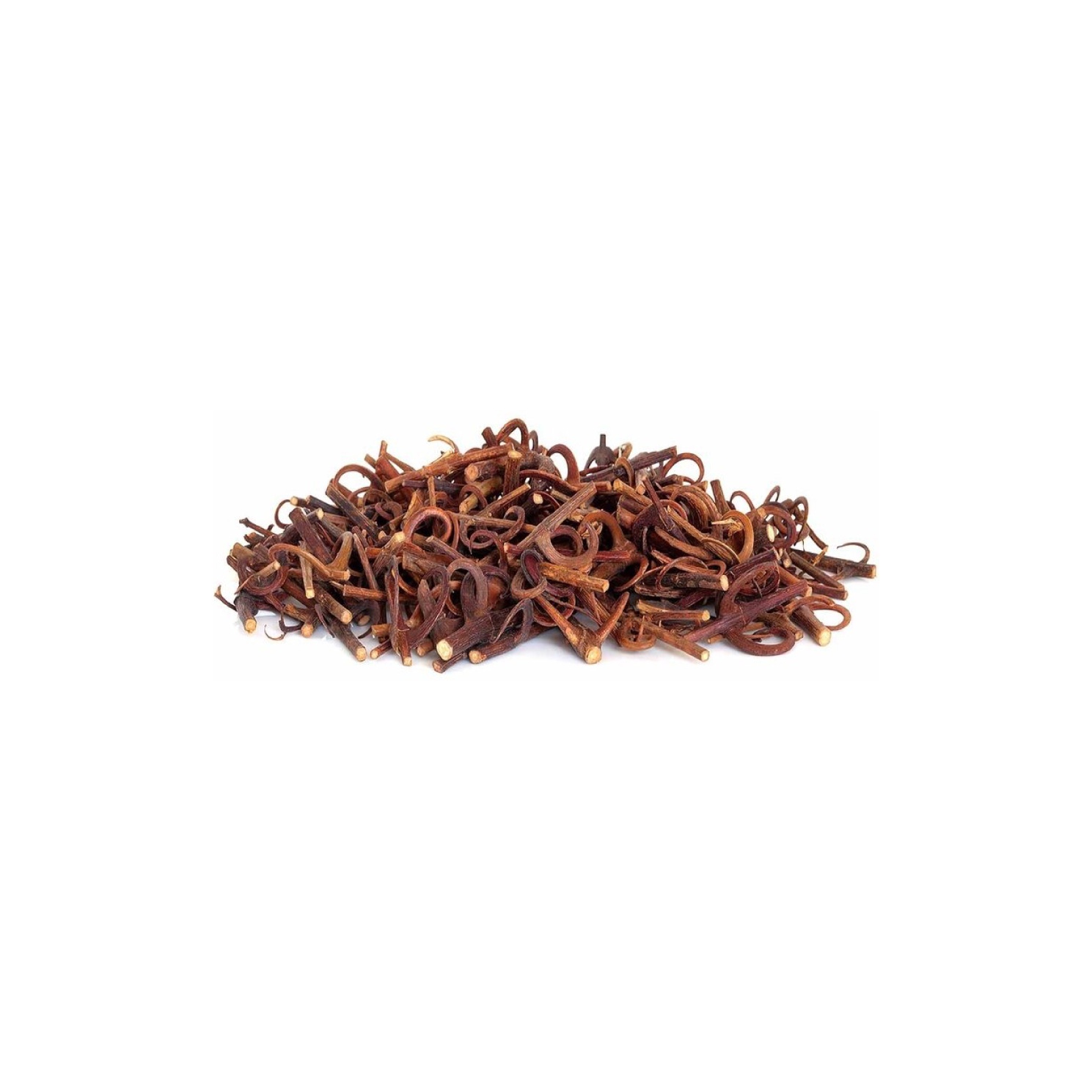
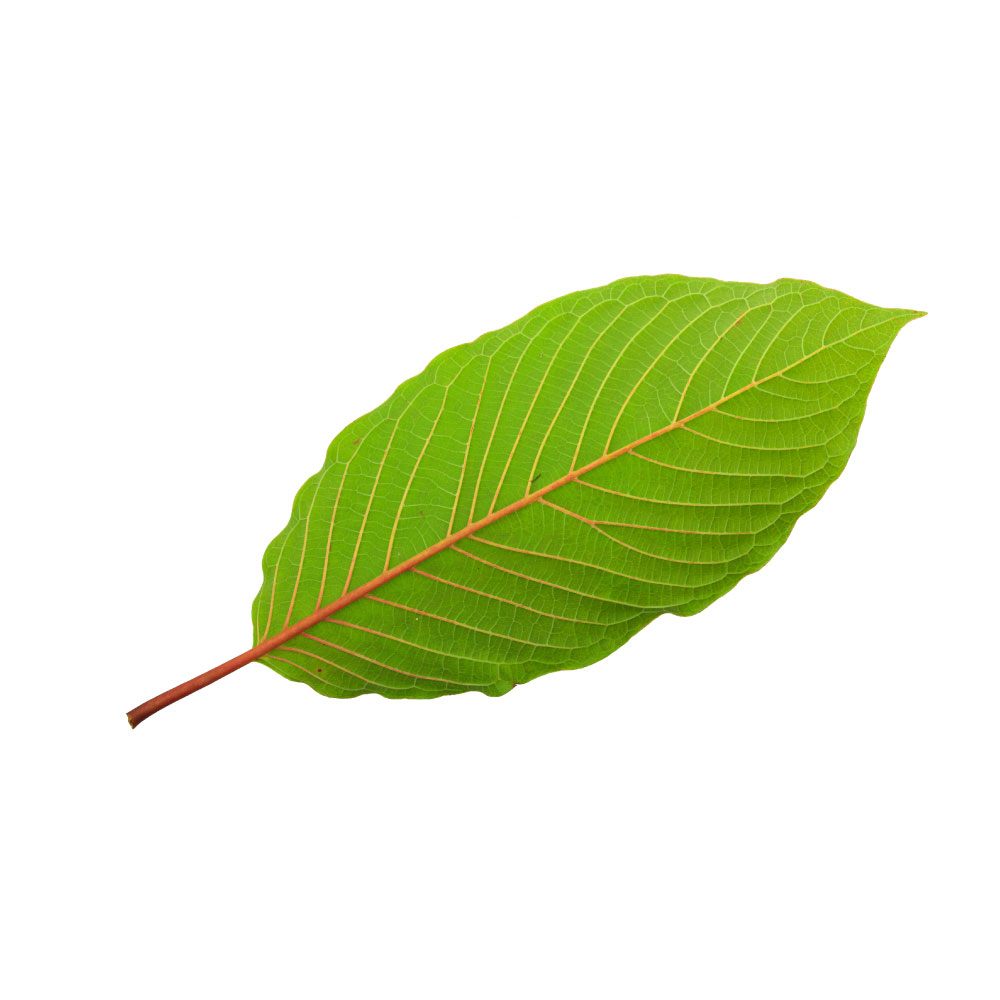
Cat's claw (Uncaria tomentosa)
pteropodine, isopteropodine, mitraphylline, uncarines
Uncaria rhynchophylla (gou teng)
rhynchophylline, isorhynchophylline
Uncaria guianensis
a related, differently-weighted profile
Pentacyclic Versus Tetracyclic
Cat's claw occurs as two chemotypes that look identical as bark. The pentacyclic oxindole alkaloids (POAs) — pteropodine and its relatives — carry the immunomodulating activity the herb is used for. The tetracyclic oxindole alkaloids (TOAs) — rhynchophylline and isorhynchophylline — act on the central nervous system instead.
The problem is that TOAs appear to antagonize the POAs' immune effect. A batch of cat's claw high in TOAs is therefore not a weaker version of the same herb but a functionally different one, which is why quality preparations are standardized to POA content and specified TOA-free.
Pharmacological Importance
The POAs stimulate an endothelial factor regulating lymphocyte proliferation, which is the mechanistic account behind cat's claw's traditional use in immune and inflammatory conditions; the herb also has small randomized trials in osteoarthritis and rheumatoid arthritis.
Rhynchophylline, on the tetracyclic side, is a calcium-channel blocker and NMDA-receptor antagonist and is the active behind gou teng's use in Chinese medicine for hypertension, convulsions and vascular dementia.
Toxicity & Safety
Cat's claw is generally well tolerated, with mild gastrointestinal upset the usual complaint.
Its immunostimulant character is the reason for the standard cautions: it is avoided in transplant recipients on immunosuppressants and approached carefully in autoimmune disease. There are also reports of interaction with protease inhibitors and other CYP3A4 substrates.
Constituents
All Oxindole Alkaloids
16 totalC
Corynoxeine Corynoxine A Corynoxine BI
Isomitraphylline Isopteropodine IsorhynchophyllineM
MitraphyllineP
PteropodineR
RhynchophyllineS
SpeciophyllineU
Uncarine A Uncarine B Uncarine C Uncarine D Uncarine E Uncarine FNo oxindole alkaloids match.
Source Plants
Herbs Containing Oxindole Alkaloids
2 herbsPlants in the materia medica documented to carry oxindole alkaloids, with the compounds each one is listed for. The bar counts how many DISTINCT oxindole alkaloids are on record for a plant, relative to the best-documented — it measures breadth of record, not potency, so a plant with one well-studied compound can outrank a richer source that has simply been analysed less. No concentration figures are on record for this class yet, so nothing here distinguishes a major source from a trace.
Keep Exploring
Other Compound Classes
Keep Reading
 GuidesThe Best Kava: A Buyer's GuideHow to buy good kava: noble vs two-day cultivars, which part of the root, chemotype codes, origin, form, and the batch tests a seller should show you.
Read more
 GuidesThe Amazon's Endangered Medicinal PlantsThe Amazon gives us some of our most important medicines — but which healing plants are actually endangered?
Read more
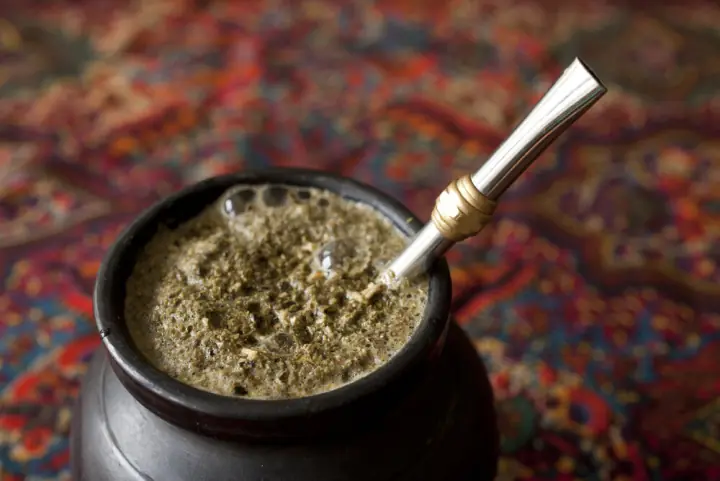 NutritionThe Best Yerba Maté Brands [Reviewed]A drinker's guide to buying yerba maté — what actually changes the taste, and ten brands worth your money.
Read more
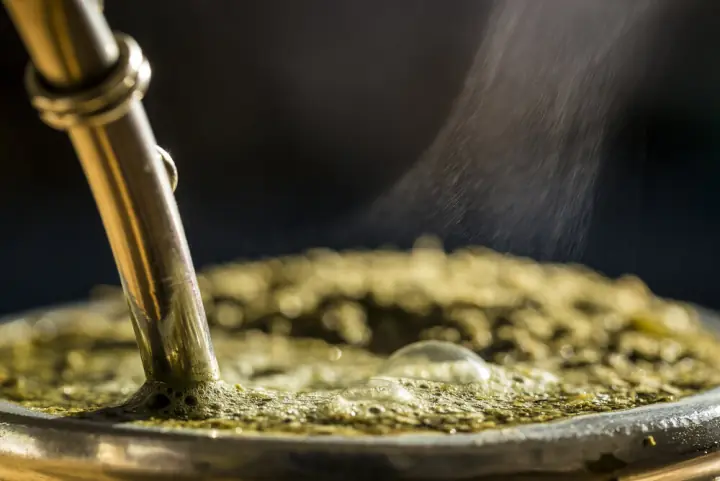 GuidesHow to Prepare Yerba Maté — The Five Best MethodsHow to brew yerba maté properly — the traditional gourd method, plus tereré, french press and cold brew.
Read more