L-Isoleucine
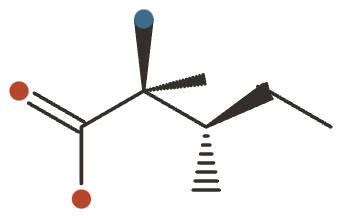
L-Isoleucine is an essential branched-chain amino acid (BCAA) involved in muscle energy metabolism and glucose uptake.

L-Isoleucine at a Glance
L-Isoleucine is an essential branched-chain amino acid — one of the three, alongside leucine and valine, that make up the BCAA group. Like the others it is metabolised largely in skeletal muscle rather than the liver, and it must come from dietary protein.
Almost all the human evidence for isoleucine is group-level — whole-BCAA or essential-amino-acid blends — rather than isolate-level, so claims for isoleucine “on its own” rest on a thin base of small acute trials plus rodent work.
Its one distinctive isolate effect is metabolic rather than anabolic: 10 g before a meal blunts the post-meal glucose rise in healthy lean volunteers, apparently without raising insulin. That is the source of its “blood-sugar amino acid” reputation — and it failed when tested in the people most likely to want it, men with type-2 diabetes.
The more robust human signal points the other way. Circulating isoleucine is among the strongest metabolomic biomarkers of insulin resistance and type-2-diabetes risk, and in mice it is dietary restriction of isoleucine, not supplementation, that improves metabolic health. Since everyday protein already supplies well above the requirement, extra isoleucine is “on top of adequacy” for nearly everyone — where the case for benefit is weak and there is a plausible case for harm.
What It’s Used For
- Postprandial glucose — the most-studied isolate effect: acute, modest, and null in type-2 diabetes.
- Immune function (β-defensins) — a genuinely distinctive mechanism, but entirely preclinical.
- Exercise recovery & lean mass — what it is sold for, and where isolate data barely exist.
How It Works
BCAAs are unusual among amino acids in that they largely bypass the liver. Isoleucine is catabolised in skeletal muscle by BCAT and BCKDH, where it can be oxidised for energy during exercise. It is both glucogenic and ketogenic.
Its glucose effect appears to be insulin-independent — unlike leucine, isoleucine lowered post-meal glucose without raising insulin, pointing at direct muscle glucose uptake, with rodent work adding a central, ketoacid-dependent suppression of hepatic glucose output.
The distinctive immune mechanism is induction of β-defensins, the host-defence peptides of innate immunity. That is reproducible in animal and cell models and untested in humans.
And the caveat that reframes the rest: chronically elevated circulating BCAAs track with insulin resistance, partly reflecting impaired BCAA catabolism rather than intake. In mice, restricting dietary isoleucine raises energy expenditure and insulin sensitivity through FGF21–UCP1 signalling. Loading a molecule whose elevation is a disease marker is not an obviously good idea.
The full trial record is in Pharmacology & Research below.
Pharmacology & Research
L-Isoleucine is one of the three branched-chain amino acids (BCAAs) — an essential nutrient obtained from dietary protein and metabolised largely in skeletal muscle rather than the liver. Almost all of the human evidence for isoleucine is group-level (whole-BCAA or essential-amino-acid blends), not isolate-level, so claims for isoleucine “on its own” rest on a thin base of small acute trials plus rodent work. The single most-studied isolate effect — an acute lowering of the post-meal blood-glucose rise — is real in healthy lean volunteers but absent in the people it is marketed to (type-2 diabetes), and it is an acute, food-independent effect rather than a benefit of chronic loading. Critically, the more robust human signal points the other way: circulating isoleucine is among the strongest biomarkers of insulin resistance and type-2-diabetes risk, and in mice it is dietary restriction of isoleucine, not supplementation, that improves metabolic health. Because everyday protein already supplies more than the requirement, extra isoleucine is “on top of adequacy” for nearly everyone, where the case for benefit is weak.
Support is an experimental score I’m building — a composite weighted by study type (human > animal > in vitro > review) and study volume. It’s a beta: a fast way to rank strength of evidence at a glance, not a validated metric. Each application links down to its write-up.
In healthy, lean volunteers, 10 g of isoleucine given intragastrically before a mixed-nutrient drink reduced the blood-glucose area-under-the-curve and peak glucose, and — unlike leucine — appeared to act without raising insulin, pointing to an insulin-independent, muscle-glucose-uptake mechanism 1Reference 1RCTIntragastric administration of leucine or isoleucine lowers the blood glucose response to a mixed-nutrient drink by different mechanisms in healthy, lean volunteers — randomised controlled trialView study →.
A comparative study in healthy men broadly reproduced BCAA effects on the glucose, C-peptide and glucagon response to a drink 2Reference 2RCTComparative effects of the branched-chain amino acids leucine, isoleucine and valine on gastric emptying, plasma glucose, C-peptide and glucagon in healthy men — randomisedView study →, and rodent work shows isoleucine and valine can suppress endogenous hepatic glucose production via a central, ketoacid-dependent pathway 4Reference 4AnimalSuppression of endogenous glucose production by isoleucine and valine and impact of diet composition — rat studyView study →.
The reputation as a “blood-sugar” amino acid comes from these acute findings. However, the one randomised trial in the target population — 14 men with type-2 diabetes — found that 10 g isoleucine did not lower post-meal glucose or slow gastric emptying, only nudging insulin and glucagon 3Reference 3RCTIntragastric administration of leucine and isoleucine does not reduce the glycaemic response to, or slow gastric emptying of, a carbohydrate-containing drink in type-2 diabetes — randomised controlled trialView study →.
The effect is acute, modest, and does not translate to the group most likely to seek it.
Gap: demonstrated only acutely in healthy lean people; it failed in type-2 diabetes, and there is no evidence that chronic supplementation improves glycaemic control — chronic loading impaired glucose tolerance in lean mice 12Reference 12AnimalThe effect of isoleucine supplementation on body-weight gain and blood-glucose response in lean and obese miceView study →.
A narrative review summarises evidence that isoleucine supports immune organs and cells and — most distinctively — induces host-defence peptides (β-defensins) that contribute to innate and adaptive immunity, with some animal data suggesting isoleucine can blunt the impact of certain pathogens 8Reference 8ReviewIsoleucine plays an important role for maintaining immune function — reviewView study →.
The mechanism is biologically interesting and reproducible in animal and cell models. There are, however, essentially no controlled human trials testing isoleucine supplementation for infection or immune outcomes, so this remains a preclinical, mechanistic story.
Gap: the β-defensin and immune data are almost entirely animal and in-vitro; no human efficacy trials support taking isoleucine to “boost immunity.”
Isoleucine is rarely studied in isolation for exercise; the evidence is group-level. A systematic review of oral BCAA supplementation in athletes found that although BCAAs activate anabolic signalling, the benefits on performance and body composition were negligible, with only a possible attenuation of muscle-damage markers in resistance-trained participants 9Reference 9Systematic reviewOral branched-chain amino acids supplementation in athletes: a systematic reviewView study →.
Mechanistically, leucine — not isoleucine — is the primary trigger of muscle protein synthesis via mTOR, and a complete protein or full essential-amino-acid source outperforms a BCAA blend for building muscle. Isoleucine’s more characteristic role is metabolic rather than anabolic.
Gap: no isolate-level human trials show a recovery or lean-mass benefit from isoleucine; the group-level BCAA signal for performance and body composition is close to null, and BCAAs underperform complete protein.
Mechanisms
| Target / pathway | Effect | Relevant to |
|---|---|---|
| BCAT/BCKDH (muscle BCAA catabolism) | Oxidised in skeletal muscle for energy; both glucogenic and ketogenic | Energy metabolismexercise |
| Muscle glucose uptake (insulin-independent) | ↑ glucose disposal (acute; rodent + healthy human) | Postprandial glucose |
| Hepatic glucose production (central, ketoacid-dependent) | ↓ endogenous glucose output (rodent) | Postprandial glucose |
| β-defensin (host-defence peptide) expression | ↑ (animal/in-vitro) | Immune function |
| FGF21–UCP1 / hepatic insulin sensitivity | Dietary restriction ↑ energy expenditure and insulin sensitivity (mouse) | The metabolic-health caveat |
| Propionyl-CoA → histone propionylation | Isoleucine is a major nuclear source (cell model) | Epigenetic/metabolic signalling |
Pharmacokinetics
Isoleucine is absorbed in the small intestine via sodium-dependent neutral-amino-acid transporters and, being a BCAA, largely bypasses first-pass hepatic metabolism to be catabolised in skeletal muscle. Plasma levels rise within roughly 30–60 minutes of an oral dose. It competes with the other BCAAs — leucine and valine — and with aromatic amino acids for shared transporters, so large single-amino-acid doses can lower the others; that is one rationale for balanced 2:1:1 blends rather than isoleucine alone. It is both glucogenic and ketogenic. No distinct elimination half-life is clinically tracked for isoleucine as a free amino acid; disposal is governed by the muscle BCAA-catabolic enzymes. Chronically elevated circulating isoleucine tracks with insulin resistance, partly reflecting impaired BCAA catabolism rather than intake.
Clinical trials
Isoleucine as a single agent has minimal registered-trial activity. ClinicalTrials.gov lists roughly 138 studies mentioning “isoleucine,” but the overwhelming majority use it as a component of BCAA, EAA or parenteral-nutrition formulas, or as a metabolomic biomarker, rather than testing isolated isoleucine. As a cheap, off-patent dietary amino acid it attracts little dedicated industry funding at the isolate level; the substantive human trial base sits at the whole-BCAA level — hepatic encephalopathy 14Reference 14Meta-analysisBranched-chain amino acids for people with hepatic encephalopathy — Cochrane systematic review and meta-analysisView study →, cirrhosis-related sarcopenia 10Reference 10Meta-analysisEfficacy of branched-chain amino acids supplementation in liver cirrhosis: a systematic review and meta-analysisView study →, exercise.
| Completed | Planned | Terminated | Preclinical |
|---|---|---|---|
| ~5(isolate-level) | Few | Few | Many(rodent/cell) |
Last checked: August 2026.
Dietary Sources
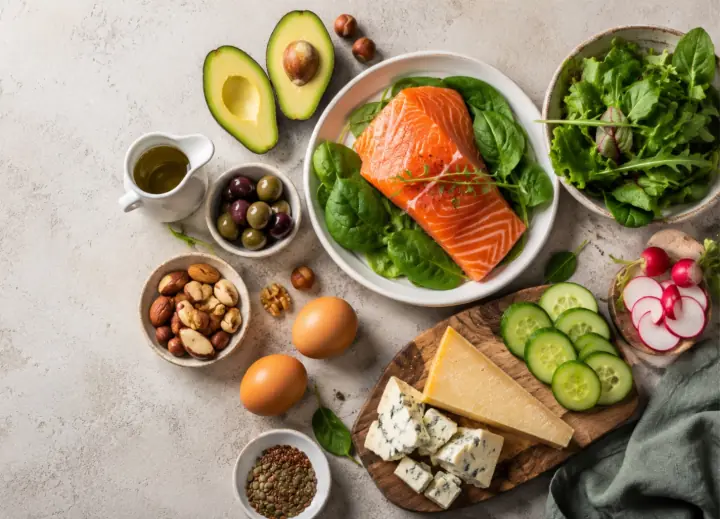
Isoleucine is present in all complete (animal and soy) proteins and in most plant proteins, so deficiency is essentially unknown in anyone eating adequate protein. It typically makes up roughly 4–5% of dietary protein by weight.
| Food (per 100 g cooked, approx.) | Isoleucine |
|---|---|
| Chicken / beef / pork | ~1.3–1.7 g |
| Whey protein isolate (per ~30 g scoop) | ~1.5–2 g |
| Canned tuna / salmon | ~1.2–1.5 g |
| Cooked lentils / beans | ~0.4–0.7 g |
| Firm tofu | ~0.4–0.6 g |
| Whole egg (per large egg) | ~0.3–0.4 g |
| Milk / Greek yogurt | ~0.2–0.6 g |
Refining and heavy processing of grains lowers total protein — and therefore isoleucine — but any mixed diet meeting protein needs easily supplies the requirement. Free-form isoleucine from supplements is well absorbed but competes with leucine and valine for shared transporters.
Because it is abundant in ordinary food, the practical question for most people is not “am I getting enough?” but “is there any reason to add more?” For replete people the answer is generally no.
Intake & Dosage
These are doses studied in research, not a personal recommendation.
- Dietary requirement: IOM (2005) EAR 15 mg/kg/day, RDA 19 mg/kg/day — about 1.3 g/day for a 70 kg adult; WHO/FAO/UNU (2007) estimate ≈20 mg/kg/day. Roughly 0.8 g/kg/day of mixed protein meets it.
- As part of a BCAA blend: commonly supplied in a 2:1:1 leucine:isoleucine:valine ratio within a 5–10 g/day BCAA serving — roughly 1.25–2.5 g of isoleucine per serving.
- Acute research dose: the glucose studies used 10 g as a single pre-meal dose 1,
3Reference 1RCTIntragastric administration of leucine or isoleucine lowers the blood glucose response to a mixed-nutrient drink by different mechanisms in healthy, lean volunteers — randomised controlled trialView study →Reference 3RCTIntragastric administration of leucine and isoleucine does not reduce the glycaemic response to, or slow gastric emptying of, a carbohydrate-containing drink in type-2 diabetes — randomised controlled trialView study → — an experimental amount, not a daily supplement. - No upper limit: the IOM set no Tolerable Upper Intake Level for isoleucine or any amino acid. That reflects insufficient data to define a safe ceiling, not a finding that high intakes are safe.
Safety
As a normal component of dietary protein, isoleucine is well tolerated and dietary intake is not a safety concern. Isolated, high-dose, long-term supplementation is far less well characterised.
- Safe as part of ordinary dietary protein. Well tolerated in healthy adults at food-level and standard BCAA-blend intakes.
- Contraindicated in maple-syrup-urine disease and any disorder of impaired BCAA metabolism.
- Interacts with levodopa. BCAAs compete with levodopa for intestinal and blood–brain-barrier transport, potentially reducing its effect — separate the dosing and involve a clinician.
- Interacts with glucose-lowering drugs. Additive or opposing effects on glucose are plausible.
- Chronic loading may be counterproductive. Elevated circulating BCAAs track with insulin resistance and diabetes risk 6,
7Reference 6ReviewInsulin action, type 2 diabetes, and branched-chain amino acids: a two-way street — reviewView study →Reference 7Meta-analysisMetabolomics in prediabetes and diabetes: a systematic review and meta-analysisView study → , and chronic isoleucine impaired glucose tolerance in mice 12Reference 12AnimalThe effect of isoleucine supplementation on body-weight gain and blood-glucose response in lean and obese miceView study →. - Single-BCAA doses unbalance the others. Large isoleucine-alone doses lower plasma leucine and valine through transporter competition — one reason blends are preferred.
Full Safety & Interactions Detail
Dietary intake from food is not a safety concern. The cautions below apply to isolated, high-dose supplementation.
- Amino-acid balance: large single-BCAA doses can lower plasma leucine and valine by competing for shared transporters, which is one reason balanced blends are preferred. Very high total BCAA intake can also raise ammonia.
- Metabolic caution: chronically elevated circulating BCAAs and isoleucine are consistently
associated with insulin resistance and higher type-2-diabetes risk 6,
7Reference 6ReviewInsulin action, type 2 diabetes, and branched-chain amino acids: a two-way street — reviewView study →Reference 7Meta-analysisMetabolomics in prediabetes and diabetes: a systematic review and meta-analysisView study → , and in rodents chronic isoleucine supplementation impaired glucose tolerance 12Reference 12AnimalThe effect of isoleucine supplementation on body-weight gain and blood-glucose response in lean and obese miceView study → while dietary restriction improved metabolic health 5,11Reference 5AnimalThe adverse metabolic effects of branched-chain amino acids are mediated by isoleucine and valine — mouse + human BMI analysisView study →Reference 11AnimalDietary isoleucine content modulates the metabolic and molecular response to a Western diet in miceView study → . There is no evidence that adding isoleucine benefits metabolically healthy people, and a plausible signal that chronic loading could be counterproductive. - Interactions: BCAAs may interact with anti-diabetic agents (additive or opposing effects on glucose) and with levodopa — BCAAs compete with levodopa for intestinal and blood–brain-barrier transport, potentially reducing its effect. Separate dosing and clinician oversight are prudent.
- Who should be cautious: people with impaired BCAA metabolism (maple-syrup-urine disease — contraindicated), advanced kidney or liver disease (altered amino-acid handling; medical supervision only), and anyone on glucose-lowering or Parkinson’s medication.
Scope disclosure. Interactions were assessed: anti-diabetic drugs and levodopa were reviewed; other drug classes were not systematically screened. Pregnancy and lactation were assessed at a high level — dietary adequacy is required and safe, but dedicated supplemental-dose safety data are absent. The IOM set no Upper Limit for any amino acid; that absence is a data gap, not a safety endorsement. Where isoleucine has not been studied at supplemental doses, that is stated rather than assumed safe.
Dietary intake is safe and necessary; isolated high-dose supplementation is not recommended. Isoleucine is an essential nutrient that pregnant and lactating people require from ordinary dietary protein, and normal food intake is appropriate. Dedicated safety data for supplemental high-dose isoleucine or BCAA blends in pregnancy and lactation are lacking, so supplementation beyond food is not advised without clinician guidance.
References
- Ullrich SS, Fitzgerald PC, Schober G, et al. (2016). Intragastric administration of leucine or isoleucine lowers the blood glucose response to a mixed-nutrient drink by different mechanisms in healthy, lean volunteers — randomised controlled trial. American Journal of Clinical Nutrition. https://pubmed.ncbi.nlm.nih.gov/27655440/
- Elovaris RA, Bitarafan V, Agah S, et al. (2021). Comparative effects of the branched-chain amino acids leucine, isoleucine and valine on gastric emptying, plasma glucose, C-peptide and glucagon in healthy men — randomised. Nutrients. https://pubmed.ncbi.nlm.nih.gov/34064996/
- Elovaris RA, Hajishafiee M, Ullrich SS, et al. (2021). Intragastric administration of leucine and isoleucine does not reduce the glycaemic response to, or slow gastric emptying of, a carbohydrate-containing drink in type-2 diabetes — randomised controlled trial. Diabetes Research and Clinical Practice. https://pubmed.ncbi.nlm.nih.gov/33310174/
- Arrieta-Cruz I, Su Y, Gutiérrez-Juárez R (2016). Suppression of endogenous glucose production by isoleucine and valine and impact of diet composition — rat study. Nutrients. https://pubmed.ncbi.nlm.nih.gov/26891318/
- Yu D, Richardson NE, Green CL, et al. (2021). The adverse metabolic effects of branched-chain amino acids are mediated by isoleucine and valine — mouse + human BMI analysis. Cell Metabolism. https://pubmed.ncbi.nlm.nih.gov/33887198/
- White PJ, McGarrah RW, Herman MA, et al. (2021). Insulin action, type 2 diabetes, and branched-chain amino acids: a two-way street — review. Molecular Metabolism. https://pubmed.ncbi.nlm.nih.gov/34044180/
- Guasch-Ferré M, Hruby A, Toledo E, et al. (2016). Metabolomics in prediabetes and diabetes: a systematic review and meta-analysis. Diabetes Care. https://pubmed.ncbi.nlm.nih.gov/27208380/
- Gu C, Mao X, Chen D, et al. (2019). Isoleucine plays an important role for maintaining immune function — review. Current Protein & Peptide Science. https://pubmed.ncbi.nlm.nih.gov/30843485/
- Martinho DV, Nobari H, Faria A, et al. (2022). Oral branched-chain amino acids supplementation in athletes: a systematic review. Nutrients. https://pubmed.ncbi.nlm.nih.gov/36235655/
- Konstantis G, Pourzitaki C, Chourdakis M, et al. (2022). Efficacy of branched-chain amino acids supplementation in liver cirrhosis: a systematic review and meta-analysis. Clinical Nutrition. https://pubmed.ncbi.nlm.nih.gov/35500317/
- Green CL, et al. (2025). Dietary isoleucine content modulates the metabolic and molecular response to a Western diet in mice. Molecular Metabolism. https://pubmed.ncbi.nlm.nih.gov/40939730/
- O’Rielly R, Li H, Lim SM, et al. (2020). The effect of isoleucine supplementation on body-weight gain and blood-glucose response in lean and obese mice. Nutrients. https://pubmed.ncbi.nlm.nih.gov/32823899/
- Liu Y, Liu X, He Q, et al. (2024). Changes in isoleucine, sarcosine and dimethylglycine during OGTT as risk factors for diabetes. Journal of Clinical Endocrinology & Metabolism. https://pubmed.ncbi.nlm.nih.gov/38214112/
- Gluud LL, Dam G, Les I, et al. (2017). Branched-chain amino acids for people with hepatic encephalopathy — Cochrane systematic review and meta-analysis. Cochrane Database of Systematic Reviews. https://pubmed.ncbi.nlm.nih.gov/28518283/