L-Ornithine
L-Ornithine is a non-protein amino acid in the urea cycle, taken for sleep quality, stress and ammonia clearance, with limited human trial support.

L-Ornithine at a Glance
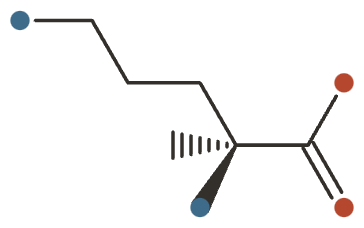
L-ornithine is one of the amino acids that never made it into proteins. It has no codon and is never incorporated into a peptide chain; instead it works as a carrier molecule in the urea cycle, the liver’s system for turning ammonia — a genuinely toxic by-product of protein metabolism — into urea for the kidneys to excrete. Ornithine picks up the nitrogen, hands it on, and regenerates, going round the loop repeatedly.
That role is the whole basis for the supplement, and it produces a reasonable hypothesis: ammonia accumulates during prolonged exertion and contributes to central fatigue, so improving ammonia handling might reduce tiredness. It is a clean idea, and ornithine-containing compounds do have a legitimate clinical role in managing hepatic encephalopathy, where ammonia clearance genuinely fails.
The gap is between that mechanism and what has actually been shown in healthy people. The human evidence here is one small trial, and the effects it found — a shift in a stress-hormone ratio, less self-reported anger, better perceived sleep — were mostly secondary and subjective. Interesting, plausible, unreplicated. This page is honest about being thin rather than dressing a single study as a body of evidence.
What It’s Used For
Read the form before the claim. Two of the six applications below belong to different molecules sold under the ornithine name, and they carry most of the good evidence.
- Hepatic encephalopathy (LOLA) — the strongest evidence by far, and it is for the pharmaceutical salt, in liver failure, under clinical supervision.
- Clinical nutrition & wound healing (OKG) — again a different compound, tube-fed to burn and elderly patients in hospital.
- Stress & perceived sleep quality — the lead use for the actual supplement, and its best evidence: 400 mg/day for eight weeks.
- Post-alcohol next-morning fatigue — the Japanese-market hangover use, from one crossover in eleven people.
- Exercise fatigue & recovery — where ammonia falls but performance does not.
- Growth-hormone secretion — acute hormonal blips with no outcome data behind them.
The reasonable summary: a preliminary signal on stress and sleep at a modest dose, a set of mechanistically appealing claims nobody has demonstrated, and an impressive medical literature that belongs to compounds you cannot buy off the shelf.
How It Works
The urea cycle runs across two compartments of the liver cell. Ammonia, carried in from protein breakdown, is combined with bicarbonate to form carbamoyl phosphate, which is transferred onto ornithine to make citrulline. Citrulline leaves the mitochondrion, picks up a second nitrogen from aspartate, and is eventually cleaved to release urea — regenerating ornithine, which returns to start again. Ornithine is not consumed by the cycle; it is the shuttle that keeps it turning.
Supplying more of a molecule that is recycled rather than used up is a weaker intervention than it first sounds, which is one reason the effects are modest. Where ornithine loading plausibly helps is when cycle throughput is the constraint — as in liver dysfunction, or possibly under a heavy ammonia load from prolonged exercise.
Ornithine has two other roles worth knowing. It is the precursor to the polyamines (putrescine, spermidine, spermine), which are involved in cell growth and tissue repair. And via glutamate it feeds proline synthesis, which connects it to collagen and wound healing — the basis for ornithine alpha-ketoglutarate’s use in clinical nutrition.
As for the stress and sleep finding, the honest answer is that the mechanism is not established. The trial measured a shift in the cortisol/DHEA-S ratio, which is a marker of stress-axis balance rather than an explanation of one, and how a urea-cycle intermediate at 400 mg/day would produce that is unresolved. Ornithine’s relationship with arginine — and therefore with nitric oxide and with growth-hormone signalling — is the usual speculation, but it is speculation.
Pharmacology & Research
L-ornithine is a non-protein amino acid — it has no codon and is never built into a peptide chain — that works as the recycling carrier of the liver’s urea cycle, picking up ammonia-derived nitrogen and handing it toward urea. Almost everything sold as a benefit follows from that one role, and the evidence splits sharply by molecular form and setting. The best-replicated data are for two different compounds — L-ornithine L-aspartate (LOLA) in hepatic encephalopathy and ornithine α-ketoglutarate (OKG) in clinical nutrition — both supervised medical uses that should not be read across to the over-the-counter supplement. The plain L-ornithine (usually the hydrochloride) sold for sleep, stress, hangover and exercise rests on a small set of mostly Japanese trials, several with subjective primary endpoints. Because ornithine is recycled rather than consumed by the cycle, “supplying more” is a weaker lever than the mechanism first suggests, and the signal is largest where cycle throughput is actually the constraint (liver dysfunction) rather than in healthy, replete people.
Support is an experimental score I’m building — a composite weighted by study type (human > animal > in vitro > review) and study volume. It’s a beta: a fast way to rank strength of evidence at a glance, not a validated metric. Each application links down to its write-up.
This is the one genuinely well-evidenced use of an ornithine compound — but it is the pharmaceutical salt L-ornithine L-aspartate (LOLA), given by infusion or high-dose oral sachet under medical supervision, not the OTC supplement. A 2018 Cochrane systematic review found LOLA may improve hepatic encephalopathy and reduce mortality versus placebo or no intervention, while cautioning that the underlying trials were at high risk of bias and the certainty of evidence was low 7Reference 7Systematic reviewL-ornithine L-aspartate for prevention and treatment of hepatic encephalopathy in people with cirrhosis — Cochrane systematic reviewView study →.
Earlier meta-analyses agreed on benefit: pooling three RCTs (212 patients) gave an overall relative risk of improvement of 1.89 (95% CI 1.32–2.71), with a subgroup analysis restricted to overt grade I–II disease giving RR 1.87 (95% CI 1.30–2.68) 8Reference 8Meta-analysisL-ornithine-L-aspartate in the management of hepatic encephalopathy — meta-analysisView study →, and a 2024 meta-analysis of six RCTs (292 patients) found LOLA more than doubled reversal of minimal hepatic encephalopathy (RR ≈ 2.26) 9Reference 9Meta-analysisEfficacy of L-ornithine L-aspartate for minimal hepatic encephalopathy in patients with cirrhosis — meta-analysis of randomized controlled trialsView study →.
A 2022 double-blind RCT in severe grade III–IV encephalopathy found intravenous LOLA (30 g/day for 5 days) added to lactulose and rifaximin raised the rate of improvement (92.5% vs 66%) and lowered 28-day mortality (16.4% vs 41.8%) 10Reference 10RCTL-ornithine L-aspartate in acute treatment of severe hepatic encephalopathy — double-blind randomized controlled trialView study →, and a 2025 meta-analysis confirmed benefit for LOLA combined with lactulose 11Reference 11Meta-analysisEfficacy and safety of L-ornithine L-aspartate combined with lactulose in treatment of hepatic encephalopathy — systematic review and meta-analysis of randomized controlled trialsView study →.
Gap: the evidence is for a supervised drug in liver failure, at grams-per-day dosing — it says nothing about a wellness dose of L-ornithine HCl in healthy people, and the trials themselves are graded low-certainty.
Again a different compound: ornithine α-ketoglutarate (OKG), a salt of two ornithine molecules and one α-ketoglutarate, used in hospital enteral feeding. In a prospective double-blind RCT in 47 severe burn patients, OKG (2 × 10 g/day) added to tube feeds shortened wound-healing time versus an isonitrogenous control 14Reference 14RCTOrnithine alpha-ketoglutarate improves wound healing in severe burn patients — prospective randomized double-blind trial versus isonitrogenous controlsView study →.
The rationale is that OKG — unlike ornithine alone — is diverted toward arginine, glutamine and proline synthesis, feeding collagen deposition and anabolic-hormone secretion; reviews position it for malnourished elderly, trauma and burn patients and, speculatively, sarcopenia 15,
Gap: benefits are in catabolic, malnourished, tube-fed hospital patients, and OKG’s activity requires the α-ketoglutarate moiety — so plain L-ornithine cannot be assumed to do the same thing.
The lead use for the actual supplement, and the strongest OTC evidence — which is still modest. A randomised, double-blind, placebo-controlled trial in 52 mildly stressed Japanese workers found 400 mg/day of L-ornithine for eight weeks lowered the serum cortisol/DHEA-S ratio and was associated with reduced anger and better perceived sleep quality (Athens Insomnia Scale, POMS, OSA sleep inventory) versus placebo 1Reference 1RCTRandomised controlled trial of the effects of L-ornithine on stress markers and sleep quality in healthy workers — randomized controlled trialView study →.
A 2024 randomised, double-blind, placebo-controlled parallel-group trial using the Trier Social Stress Test likewise examined L-ornithine for mental stress and fatigue in healthy adults 2Reference 2RCTEffects of oral ingestion of L-ornithine on mental stress and fatigue based on the Trier Social Stress Test in healthy humans — randomized controlled trialView study →.
Gap: two small trials in one country, with subjective and mostly secondary endpoints — a hormone ratio, self-rated sleep and mood — rather than objective sleep architecture. A preliminary signal, not an established sleep aid.
The Japanese-market “morning after” use, rooted in the shijimi-clam hangover tradition. A randomised, double-masked, placebo-controlled crossover trial gave 400 mg of ornithine after alcohol in 11 healthy adults with the “flusher” phenotype and measured next-morning salivary stress markers and self-reported fatigue 4Reference 4RCTEffects of L-ornithine on salivary cortisol and feelings of fatigue of flushers the morning after alcohol consumption — randomized crossover trialView study →.
The trial reported effects on subjective morning state and salivary cortisol; it did not show that ornithine accelerates ethanol metabolism.
Gap: a single very small crossover (n=11) in a specific alcohol-metabolising phenotype, with subjective morning ratings — hypothesis-generating at best, and not a demonstration that ammonia clearance drives any hangover benefit.
The performance claim rides on the urea-cycle logic — that clearing exercise-induced ammonia delays fatigue — and the human data are mixed. A crossover trial (2 g/day for 7 days plus 6 g on day 8) attenuated the subjective feeling of fatigue after a 2-hour cycling load and shifted lipid and ammonia metabolism, most clearly in women 3Reference 3RCTL-ornithine supplementation attenuates physical fatigue in healthy volunteers by modulating lipid and amino acid metabolism — randomized controlled trialView study →.
Acute dosing (0.1 g/kg) changed ammonia and glutamate handling and nudged peak rpm in intermittent anaerobic cycling 5Reference 5Clinical trialEffect of L-ornithine hydrochloride ingestion on intermittent maximal anaerobic cycle ergometer performance and fatigue recovery after exercise — clinical trialView study →, but in an incremental exhaustive test the same dose left maximal aerobic capacity unchanged 6Reference 6Clinical trialThe effect of L-ornithine hydrochloride ingestion on performance during incremental exhaustive ergometer bicycle exercise and ammonia metabolism — controlled clinical trialView study →.
Combining ornithine with tea catechins suppressed exercise ammonia rises, yet a 2025 crossover RCT found no improvement in cycling performance 18Reference 18RCTThe effects of acute and chronic oral tea catechins and ornithine supplementation on exercise-induced ammonia accumulation and cycling performance in healthy young men — randomized crossover placebo-controlled trialView study →.
Gap: ammonia handling shifts fairly reliably, but objective performance usually does not — the metabolic marker moves while the outcome that matters stays flat.
A staple of 1980s and 90s bodybuilding marketing. In strength-trained athletes, combined L-arginine plus L-ornithine over 3 weeks of heavy-resistance training raised post-exercise serum GH and IGF-1 13Reference 13RCTArginine and ornithine supplementation increases growth hormone and insulin-like growth factor-1 serum levels after heavy-resistance exercise in strength-trained athletes — randomized controlled trialView study →, and animal work shows oral L-ornithine acutely amplifies GH secretion in a time-of-day-dependent way 17Reference 17AnimalEffects of time of L-ornithine administration on the diurnal rhythms of plasma growth hormone, melatonin, and corticosterone levels in miceView study →. These are acute, transient hormonal responses — and the arginine partner is doing much of the work.
Gap: no trial links these hormone blips to gains in muscle, strength or body composition; a short-lived GH rise is not a demonstrated ergogenic or anabolic outcome.
Mechanisms
| Target / pathway | Effect | Relevant to |
|---|---|---|
| Urea cycle (ornithine → citrulline → arginine → urea) | Carries ammonia-derived nitrogen toward urea; ornithine is regenerated, not consumed | Hepatic encephalopathy; exercise and alcohol ammonia claims |
| Ornithine aminotransferase → glutamate | Feeds glutamine synthesis, an alternative ammonia sink | Ammonia lowering; LOLA’s dual mechanism |
| Ornithine decarboxylase → polyamines (putrescine, spermidine, spermine) | Supports cell growth and tissue repair | Wound healing; OKG’s anabolic role |
| Glutamate → proline | Precursor for collagen | Wound healing (OKG) |
| Arginine synthesis → nitric oxide / GH axis | Indirect; drives OKG’s anabolic and vascular effects | GH claims; OKG clinical nutrition |
Pharmacokinetics
Oral L-ornithine is absorbed by active amino-acid transport in the small intestine, appears in plasma within roughly 1–2 hours, and is cleared over a few hours as it is drawn into the urea cycle and other pathways. It is recycled rather than stored, so there is no meaningful body pool to “top up.” As with free amino acids generally, fractional absorption falls as the dose rises, and gram-level intakes provoke gastrointestinal symptoms — a practical ceiling on dosing.
The pharmaceutical salt LOLA dissociates readily into L-ornithine and L-aspartate, both taken up by active transport and metabolised in periportal (urea) and perivenous (glutamine) hepatocytes — the basis for its ammonia-lowering use 12Reference 12ReviewPharmacokinetic and pharmacodynamic properties of L-ornithine L-aspartate (LOLA) in hepatic encephalopathy — reviewView study →. The recycled-carrier pharmacology is the decision-relevant point: it is one reason effects in replete people are modest.
Clinical trials
Registered trial activity is concentrated almost entirely on LOLA for hepatic encephalopathy, and increasingly on ammonia in metabolic liver disease. Plain L-ornithine for sleep, stress or exercise has drawn only a handful of small investigator-led trials, mostly in Japan, with little industry-sponsored activity for the off-patent supplement.
| Completed | Planned | Terminated | Preclinical |
|---|---|---|---|
| ~20(mostly LOLA/HE) | ~5 | ~2 | Many(animal/in vitro) |
Last checked: August 2026.
Dietary Sources
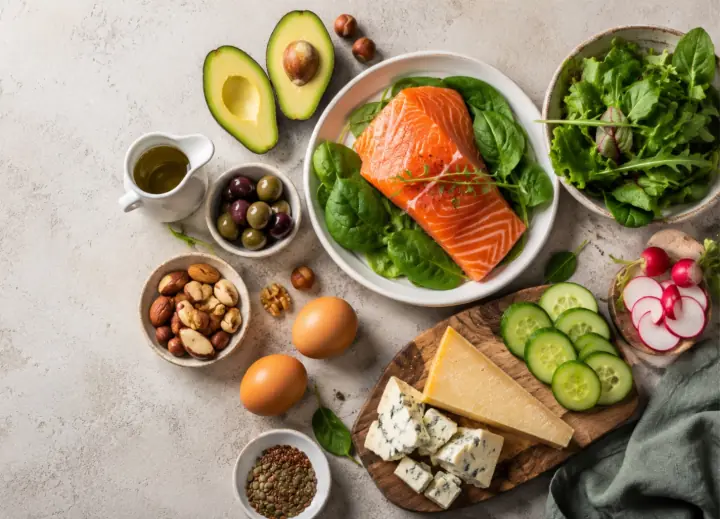
Ornithine is not an essential nutrient — the body makes it from arginine via arginase, and there is no requirement and no deficiency state. Because it is a non-protein amino acid, it is not built into proteins and so is not abundant in food the way protein amino acids are. The main dietary route is indirect, through arginine-rich foods that supply the precursor.
| Food group | Relevance to ornithine |
|---|---|
| Meat, poultry, fish | Arginine-rich; the main precursor source |
| Nuts and seeds (pumpkin, peanuts) | High arginine per gram |
| Legumes (soy, lentils, chickpeas) | Good plant arginine |
| Dairy | Moderate arginine |
| Shijimi clam (Corbicula japonica) | Notably high in free ornithine — the cultural origin of the Japanese “morning after alcohol” marketing |
Ordinary dietary quantities of free ornithine are small relative to the 0.4–6 g used in studies. Supplemental L-ornithine is manufactured, usually sold as the hydrochloride salt.
Dosage
These are doses studied in research, not a personal recommendation.
- No RDA/AI and no Tolerable Upper Intake Level. L-ornithine is non-essential, so reference intakes do not exist.
- Sleep and stress: 400 mg/day for eight weeks — a notably modest dose for an amino acid, and the effects were measured after chronic dosing rather than acutely 1Reference 1RCTRandomised controlled trial of the effects of L-ornithine on stress markers and sleep quality in healthy workers — randomized controlled trialView study →.
- Fatigue and exercise: larger amounts, roughly 2–6 g/day (for example 2 g/day for a week
plus a 6 g load), or an acute 0.1 g/kg body mass — uses that are less well supported 3,
5, .6Reference 3RCTL-ornithine supplementation attenuates physical fatigue in healthy volunteers by modulating lipid and amino acid metabolism — randomized controlled trialView study →Reference 5Clinical trialEffect of L-ornithine hydrochloride ingestion on intermittent maximal anaerobic cycle ergometer performance and fatigue recovery after exercise — clinical trialView study →Reference 6Clinical trialThe effect of L-ornithine hydrochloride ingestion on performance during incremental exhaustive ergometer bicycle exercise and ammonia metabolism — controlled clinical trialView study → - Compound weight: sold mostly as L-ornithine HCl, which is heavier than the free base, so labelled amounts may reflect the salt. There is no “elemental” adjustment as there is for minerals.
- Split larger doses: fractional absorption of free amino acids falls at higher doses, and gram-level intakes cause GI upset.
- Different compounds, different doses. Clinical LOLA (hepatic encephalopathy) and OKG (clinical nutrition) are dosed in the tens of grams under supervision, and should not be read across to the supplement.
Safety
At the doses studied for wellness, L-ornithine is unremarkable — with one setting that genuinely needs clinical oversight.
- Well tolerated at studied doses. The 400 mg/day trial reported no notable problems over eight weeks 1Reference 1RCTRandomised controlled trial of the effects of L-ornithine on stress markers and sleep quality in healthy workers — randomized controlled trialView study →.
- GI upset at higher doses. Nausea, cramping and loose stools, typical of gram-level free amino acids rather than specific to ornithine.
- Liver disease is a supervised setting. Ornithine products used for ammonia management (LOLA) belong under clinical care — hepatic encephalopathy treatment is dose- and monitoring-dependent, not a self-directed supplement decision.
- Kidney impairment. A general consideration for any substantial free-amino-acid load, since the nitrogen must ultimately be excreted.
- Arginine-pathway overlap. Mechanistic attention is warranted with L-arginine and L-citrulline, which share metabolism.
- No upper limit is set, and formal drug-interaction studies were not identified.
Full Safety & Interactions Detail
The dose-limiting adverse effect is gastrointestinal — nausea, cramping, loose stools — typical of gram-level free amino acids rather than specific to ornithine. The 400 mg/day trial reported no notable problems over eight weeks 1Reference 1RCTRandomised controlled trial of the effects of L-ornithine on stress markers and sleep quality in healthy workers — randomized controlled trialView study →.
- Liver disease is the one genuine caution. Ornithine-containing products used for ammonia management (LOLA) belong under clinical supervision: hepatic encephalopathy is a serious condition whose treatment is dose- and monitoring-dependent, not a self-directed supplement decision.
- Interactions: on mechanistic grounds, attention is warranted with other arginine-pathway supplements — L-arginine, L-citrulline — which share metabolism, and with anything affecting nitrogen handling in compromised liver function. Formal drug-interaction studies were not identified in this pass.
- Kidney impairment is a general consideration for any substantial free-amino-acid load, since the nitrogen ultimately has to be excreted.
Scope disclosure. Interactions were assessed only partially — no formal drug-interaction trials were identified, and the arginine-pathway and liver-function cautions above are mechanistic rather than from interaction studies. Pregnancy and lactation were not assessed: no adequate human data exist, so treat them as not established. No Upper Limit has been set, and absence of one does not imply that unlimited intake is safe — gram-level doses cause GI symptoms. Where a domain was not formally studied, it is marked “not assessed,” not “safe.”
Not established — avoid without professional advice. No adequate human data exist for supplemental L-ornithine in pregnancy or lactation; the controlled trials were in healthy non-pregnant adults and were not designed to address either. Pregnant or breastfeeding people should discuss it with a qualified practitioner before use.
References
- Miyake M, et al. (2014). Randomised controlled trial of the effects of L-ornithine on stress markers and sleep quality in healthy workers — randomized controlled trial. Nutrition Journal. https://pubmed.ncbi.nlm.nih.gov/24889392/
- Moriyasu K, Nakajima A, Morita M (2024). Effects of oral ingestion of L-ornithine on mental stress and fatigue based on the Trier Social Stress Test in healthy humans — randomized controlled trial. Journal of Clinical Medicine. https://pubmed.ncbi.nlm.nih.gov/39768508/
- Sugino T, et al. (2008). L-ornithine supplementation attenuates physical fatigue in healthy volunteers by modulating lipid and amino acid metabolism — randomized controlled trial. Nutrition Research. https://pubmed.ncbi.nlm.nih.gov/19083482/
- Kokubo T, et al. (2013). Effects of L-ornithine on salivary cortisol and feelings of fatigue of flushers the morning after alcohol consumption — randomized crossover trial. BioPsychoSocial Medicine. https://pubmed.ncbi.nlm.nih.gov/23414576/
- Demura S, Morishita K, Yamada T, et al. (2011). Effect of L-ornithine hydrochloride ingestion on intermittent maximal anaerobic cycle ergometer performance and fatigue recovery after exercise — clinical trial. European Journal of Applied Physiology. https://pubmed.ncbi.nlm.nih.gov/21431425/
- Demura S, et al. (2010). The effect of L-ornithine hydrochloride ingestion on performance during incremental exhaustive ergometer bicycle exercise and ammonia metabolism — controlled clinical trial. European Journal of Clinical Nutrition. https://pubmed.ncbi.nlm.nih.gov/20717126/
- Goh ET, et al. (2018). L-ornithine L-aspartate for prevention and treatment of hepatic encephalopathy in people with cirrhosis — Cochrane systematic review. Cochrane Database of Systematic Reviews. https://pubmed.ncbi.nlm.nih.gov/29762873/
- Jiang Q, et al. (2009). L-ornithine-L-aspartate in the management of hepatic encephalopathy — meta-analysis. Journal of Gastroenterology and Hepatology. https://pubmed.ncbi.nlm.nih.gov/18823442/
- He Q, Mao C, Chen Z, et al. (2024). Efficacy of L-ornithine L-aspartate for minimal hepatic encephalopathy in patients with cirrhosis — meta-analysis of randomized controlled trials. Arab Journal of Gastroenterology. https://pubmed.ncbi.nlm.nih.gov/38403493/
- Jain A, et al. (2022). L-ornithine L-aspartate in acute treatment of severe hepatic encephalopathy — double-blind randomized controlled trial. Hepatology. https://pubmed.ncbi.nlm.nih.gov/34822189/
- Zhang H, Fu Y, Lin M, et al. (2025). Efficacy and safety of L-ornithine L-aspartate combined with lactulose in treatment of hepatic encephalopathy — systematic review and meta-analysis of randomized controlled trials. Frontiers in Medicine. https://pubmed.ncbi.nlm.nih.gov/40370740/
- Kircheis G, Lüth S, et al. (2019). Pharmacokinetic and pharmacodynamic properties of L-ornithine L-aspartate (LOLA) in hepatic encephalopathy — review. Drugs. https://pubmed.ncbi.nlm.nih.gov/30706424/
- Zajac A, et al. (2010). Arginine and ornithine supplementation increases growth hormone and insulin-like growth factor-1 serum levels after heavy-resistance exercise in strength-trained athletes — randomized controlled trial. Journal of Strength and Conditioning Research. https://pubmed.ncbi.nlm.nih.gov/20300016/
- Coudray-Lucas C, et al. (2000). Ornithine alpha-ketoglutarate improves wound healing in severe burn patients — prospective randomized double-blind trial versus isonitrogenous controls. Critical Care Medicine. https://pubmed.ncbi.nlm.nih.gov/10890617/
- Cynober L (2004). Ornithine alpha-ketoglutarate as a potent precursor of arginine and nitric oxide — review. The Journal of Nutrition. https://pubmed.ncbi.nlm.nih.gov/15465801/
- Walrand S (2010). Ornithine alpha-ketoglutarate: could it be a new therapeutic option for sarcopenia? — review. The Journal of Nutrition, Health & Aging. https://pubmed.ncbi.nlm.nih.gov/20818473/
- Matsuo H, Iwamoto A, Otsuka T, et al. (2015). Effects of time of L-ornithine administration on the diurnal rhythms of plasma growth hormone, melatonin, and corticosterone levels in mice. Chronobiology International. https://pubmed.ncbi.nlm.nih.gov/25286138/
- Nagayama C, Hamada Y, Kamemoto K, et al. (2025). The effects of acute and chronic oral tea catechins and ornithine supplementation on exercise-induced ammonia accumulation and cycling performance in healthy young men — randomized crossover placebo-controlled trial. European Journal of Applied Physiology. https://pubmed.ncbi.nlm.nih.gov/40506665/