
Compound Monograph
Linalyl Acetate
Linalyl acetate is the acetate ester of linalool and, with linalool, the co-dominant active and aroma of lavender and bergamot essential oils — a monoterpene ester with rodent anti-inflammatory, vascular-relaxant and anxiolytic-sedative activity. It behaves largely as a linalool prodrug, and the human anxiety evidence belongs to whole standardised lavender oil (Silexan), not the isolated ester.

Sources · 9
Where Does It Come From?
Linalyl Acetate is a naturally occurring monoterpenoid ester (acetate ester of linalool), found in Lavender, Bergamot, Clary sage and 6 other sources. It is well tolerated orally (low toxicity).
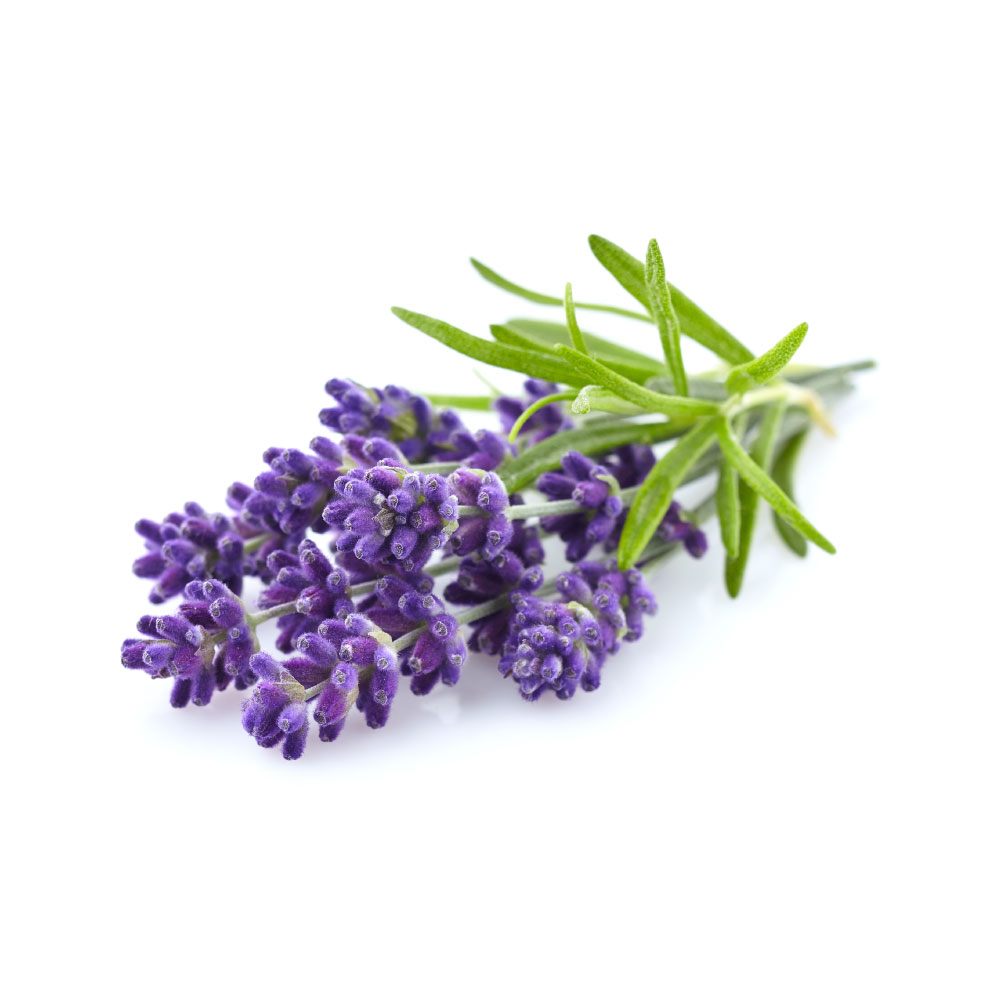 Principal source Lavender Lavandula angustifolia Herb monograph →
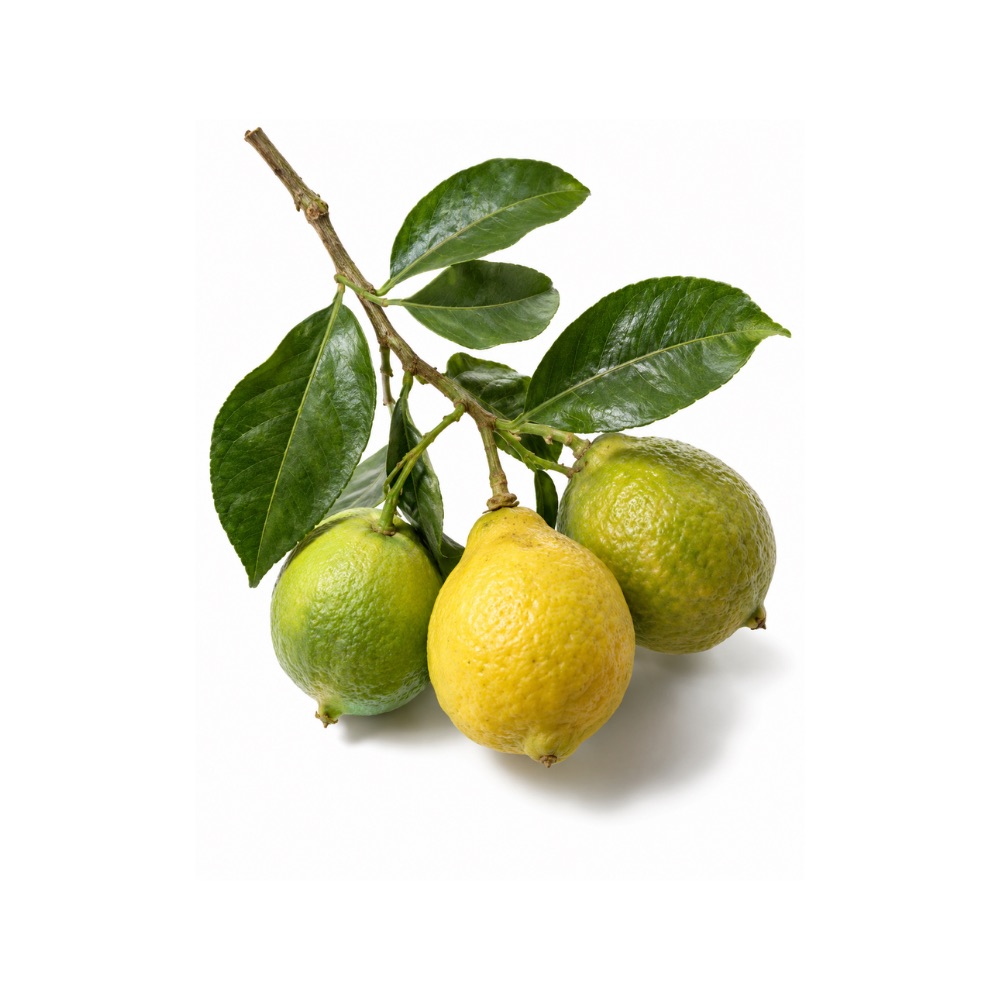 Source Bergamot Citrus bergamia Herb monograph →
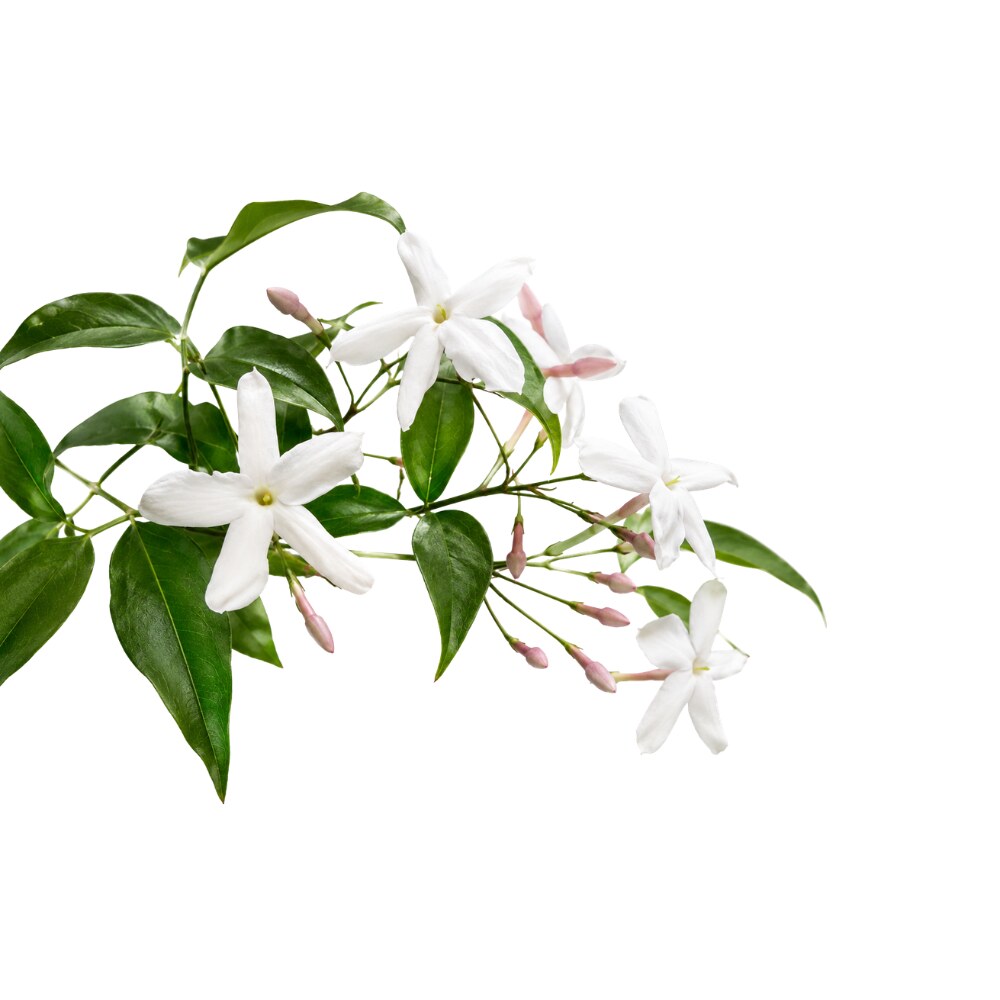 Source Jasmine Jasminum officinale Herb monograph →
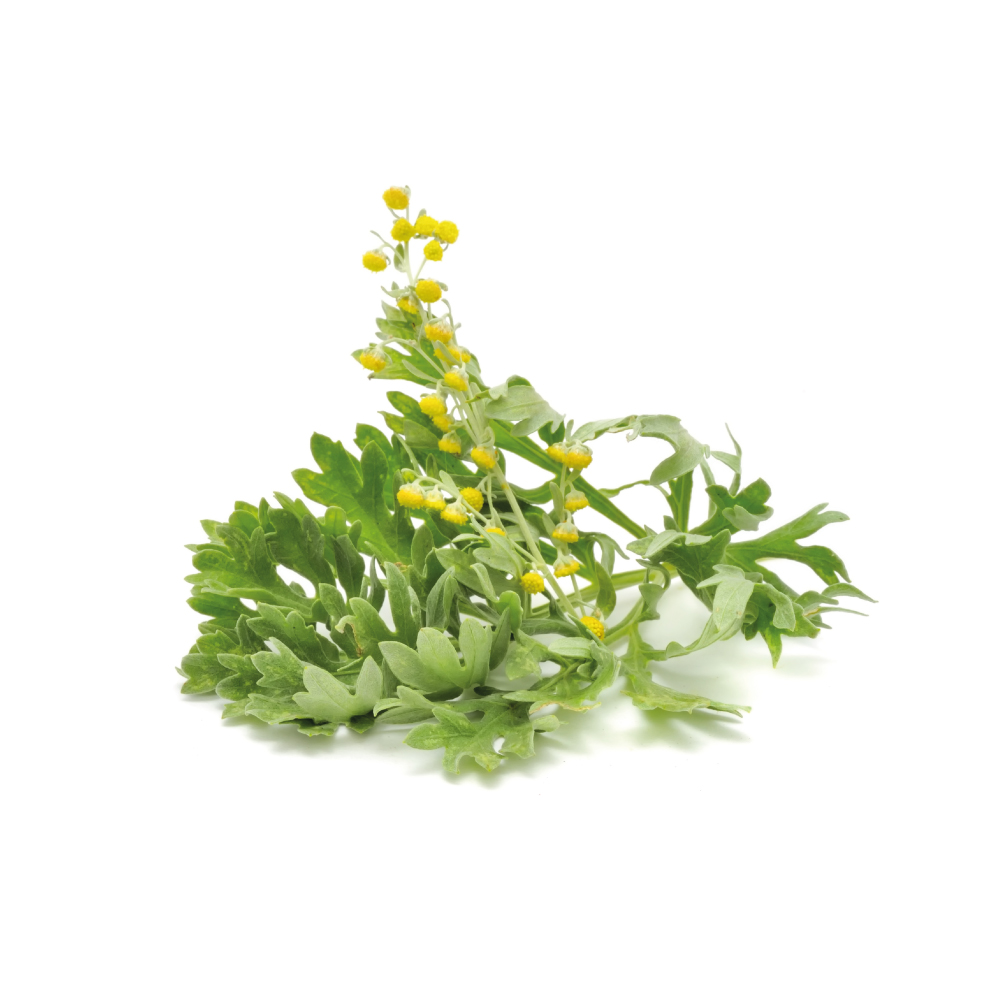 Source Wormwood Artemisia absinthium Herb monograph →
Photo coming soon
Source Ylang Ylang Cananga odorata Herb monograph →
Concentration
Content by Source
Reported concentrations across the plants that contain linalyl acetate — the bar marks the typical level, the line shows the reported range.
Literature figures for varying plant parts and preparations. Read them as a comparative guide, not exact assays.
Linalyl Acetate at a Glance
Linalyl acetate is the acetate ester of linalool — a volatile acyclic monoterpene ester and one of the two molecules, alongside linalool itself, that define the aroma and much of the reputed activity of lavender and bergamot essential oils. It is a widely used GRAS fragrance and flavour ingredient and carries the sweet, fruity-floral top note of lavender, bergamot, clary sage and petitgrain oils 7,
The ester and its parent alcohol are best understood as a pair: linalyl acetate is readily hydrolysed back to linalool by esterases and in the gut, so a good deal of its biology is really linalool’s, reached by way of a prodrug 13Reference 13Critical assessment of the endocrine potential of linalool and linalyl acetate: proactive testing strategy assessing estrogenic and androgenic activity of lavender oil main componentsView study →. Where linalyl acetate has been tested as an isolate, the signals are genuine but preclinical — anti-inflammatory, vascular smooth-muscle relaxant and cardioprotective effects in rodents 1,
Linalyl acetate itself has low acute toxicity and a long history of dietary and fragrance use. As with linalool, the practical caution attaches less to the fresh ester than to concentrated, air-exposed essential oils, which can sensitise skin.
Linalyl Acetate & Linalool — the Lavender Pair
The single most important fact about this molecule is its relationship to linalool. Linalyl acetate is linalool with its tertiary hydroxyl acetylated — the acetate ester — and the two interconvert: plants build the ester by acetylating linalool, and animal tissue and acidic/enzymatic conditions hydrolyse it straight back to linalool plus acetic acid 13,
In lavender and bergamot the two travel together as the standardisation pair. True Lavandula angustifolia oil is defined by a high linalool and high linalyl acetate content (the ISO 3515 quality standard sets a linalyl-acetate window of roughly 25–45%), and adulteration or the wrong species shows up as this ratio slipping — spike lavender (L. latifolia) and lavandin (L. × intermedia) carry much less ester and far more camphor and 1,8-cineole 13Reference 13Critical assessment of the endocrine potential of linalool and linalyl acetate: proactive testing strategy assessing estrogenic and androgenic activity of lavender oil main componentsView study →. Bergamot oil pairs linalyl acetate (~31%) with limonene and linalool 9Reference 9AnimalRole of 5-HT1A receptor in the anxiolytic-relaxant effects of bergamot essential oil in rodentView study →. Clary sage is the richest common source, with linalyl acetate often the single largest constituent (~45–75%) 7Reference 7Salvia sclarea essential oil chemical composition and biological activitiesView study →.
This matters for reading the evidence. The marquee human product, Silexan, is a standardised lavender flower oil specified by its linalool + linalyl-acetate content 11,
Anxiolytic & Sedative Research
Calming and anxiety-reducing effects are the headline claim for lavender and bergamot aromatherapy, and linalyl acetate is one of the two constituents credited with them — but the honest framing is whole-oil, not isolated ester.
The strongest human data are for Silexan, a standardised L. angustifolia oil (a linalool + linalyl-acetate preparation): in generalized anxiety disorder it reduced symptoms versus placebo and comparably to paroxetine, with 160 mg/day superior to placebo on all outcomes and 80 mg/day also effective 11,
The mechanistic and behavioural work that does isolate the ester is animal or ex-vivo. In rodents, the anxiolytic-relaxant effect of bergamot essential oil — an oil in which linalyl acetate is a principal component — is modulated through the 5-HT1A serotonin receptor rather than the GABAA/benzodiazepine route 9Reference 9AnimalRole of 5-HT1A receptor in the anxiolytic-relaxant effects of bergamot essential oil in rodentView study →, echoing the finding that inhaled lavender oil’s anxiolysis is serotonergic and flumazenil-insensitive 8Reference 8AnimalAnxiolytic-like effect of lavender essential oil inhalation in mice: participation of serotonergic but not GABAA/benzodiazepine neurotransmissionView study →. Inhaled bergamot oil is also antinociceptive in mice, an effect its linalool/linalyl-acetate fraction contributes to 10Reference 10AnimalAntinociceptive effect of inhalation of the essential oil of bergamot in miceView study →. Human aromatherapy-massage studies with lavender/bergamot blends report shifts toward parasympathetic (calmer) autonomic balance and improved mood 16Reference 16Aroma-therapeutic effects of massage blended essential oils on humansView study →, though these cannot be pinned on one molecule.
The load-bearing caveat: there is no controlled human efficacy trial of isolated linalyl acetate for anxiety. The clinical evidence is the whole oil, and the isolate work is rodent, often inhaled, and frequently confounded by hydrolysis to linalool 8,
What It's Used For
Beyond the aromatherapy story, linalyl acetate has a modest but real preclinical pharmacology of its own — concentrated in anti-inflammatory and cardiovascular/smooth-muscle effects, almost all of it rodent or ex-vivo work on the isolated ester.
Support is an experimental score — weighted by study type (human > animal > in vitro) and volume. A beta, not a validated metric. Human efficacy data are the oil (Silexan/lavender), not the isolated ester, so the isolate scores stay modest by design.
The best-known claim, and the one where the isolate-vs-oil line is sharpest. The human evidence is a whole oil: standardised lavender oil Silexan reduced generalized-anxiety symptoms versus placebo and comparably to paroxetine 11,
The isolate-in-oil mechanism work is rodent: bergamot essential oil’s anxiolytic-relaxant effect is 5-HT1A-modulated 9Reference 9AnimalRole of 5-HT1A receptor in the anxiolytic-relaxant effects of bergamot essential oil in rodentView study →, and lavender-oil anxiolysis is serotonergic, not GABAA/benzodiazepine 8Reference 8AnimalAnxiolytic-like effect of lavender essential oil inhalation in mice: participation of serotonergic but not GABAA/benzodiazepine neurotransmissionView study →.
Both oils carry linalyl acetate as a principal constituent, but neither study dosed the pure ester.
Gap: no controlled human trial of isolated linalyl acetate; the clinical data are the oil, the mechanistic data are rodent and inhaled, and hydrolysis to linalool confounds attribution 8,
The clearest place where linalyl acetate is tested as the isolated molecule. In endothelium-denuded rabbit vessels the ester relaxed phenylephrine-induced contraction by reducing myosin-light-chain phosphorylation — an effect abolished by the MLC-phosphatase inhibitor calyculin A, implicating MLC-phosphatase activation as the mechanism 1Reference 1Linalyl acetate as a major ingredient of lavender essential oil relaxes the rabbit vascular smooth muscle through dephosphorylation of myosin light chainView study →.
In rodents, linalyl acetate reversed acute nicotine-induced cardiovascular disruption — restoring heart rate, lowering LDH-marked cell damage and normalising nitric oxide 4Reference 4Cardiovascular effects of linalyl acetate in acute nicotine exposureView study → — prevented hypertension-related ischaemic injury 5Reference 5Linalyl acetate prevents hypertension-related ischemic injuryView study →, and restored colon contractility and blood pressure in repeatedly-stressed colitis rats 6Reference 6AnimalLinalyl acetate restores colon contractility and blood pressure in repeatedly stressed-ulcerative colitis ratsView study →.
This is a coherent smooth-muscle-relaxant / endothelium-protective signal, and it is the ester’s own.
Gap: all ex-vivo or rodent isolate work at research doses (e.g. 10–100 mg/kg); no human cardiovascular trials, and systemic exposure from ordinary aromatherapy is far below these doses 1,
A rodent isolate signal shared with linalool. Isolated linalool and linalyl acetate both reduced carrageenan-induced paw oedema, marking the ester as an anti-inflammatory essential-oil constituent 2Reference 2Anti-inflammatory activity of linalool and linalyl acetate constituents of essential oilsView study →.
In a combined COPD-like + hypertensive rat model, linalyl acetate lowered TNF-α, IL-6 and MMP-9 in bronchoalveolar lavage and reduced alveolar-airspace enlargement, consistent with suppression of NF-κB-driven inflammation 3Reference 3AnimalLinalyl acetate prevents three related factors of vascular damage in COPD-like and hypertensive ratsView study →.
A review of the ester’s actions on oxidative stress, inflammation and endothelial dysfunction frames these as a plausible basis for its vascular effects 14Reference 14Genome-wide identification and expression of BAHD acyltransferase gene family shed novel insights into the regulation of linalyl acetate and lavandulyl acetate in lavenderView study →.
Gap: rodent isolate models of acute or organ-specific inflammation; no human confirmation, and the anti-inflammatory action overlaps and may partly proceed through linalool 2,
A functional but oil-level activity. Inhaled bergamot essential oil produced antinociception in mice, and its deterpenated fraction — enriched in linalool and linalyl acetate — was one of the active fractions on formalin-induced nociception 10Reference 10AnimalAntinociceptive effect of inhalation of the essential oil of bergamot in miceView study →. This dovetails with linalool’s own well-replicated rodent antinociception, again suggesting the ester contributes partly by way of its parent alcohol.
Gap: the evidence is the inhaled oil and its fractions, not purified linalyl acetate, and it is rodent only — no human analgesic data for the isolate 10Reference 10AnimalAntinociceptive effect of inhalation of the essential oil of bergamot in miceView study →.
Mechanisms
| Target / pathway | Effect | Relevant to |
|---|---|---|
| Ester hydrolysis (esterases, gastric/enteric) | cleaved to linalool + acetic acid — acts partly as a linalool prodrug | pharmacokinetics; all downstream CNS/anti-inflammatory effects |
| 5-HT1A serotonergic signalling | whole-oil anxiolysis modulated by 5-HT1A (bergamot); lavender anxiolysis serotonergic, not GABAA/benzodiazepine | anxiolytic / sedative |
| Myosin-light-chain (MLC) phosphatase | activation → MLC dephosphorylation → endothelium-independent vascular smooth-muscle relaxation | vascular / smooth-muscle relaxant |
| NF-κB / TNF-α, IL-6, MMP-9 | suppression of pro-inflammatory mediator release | anti-inflammatory |
| Endothelial NO / nitric oxide | normalises NO signalling; endothelial protection under nicotine/ischaemic stress | cardiovascular |
| Autonomic (sympathetic) tone | shifts autonomic balance toward parasympathetic dominance (whole-oil inhalation) | anxiolytic; cardiovascular |
The throughline is that several effects are either shared with — or routed through — linalool after hydrolysis; the MLC-phosphatase vascular action is the most clearly ester-specific finding 1Reference 1Linalyl acetate as a major ingredient of lavender essential oil relaxes the rabbit vascular smooth muscle through dephosphorylation of myosin light chainView study →.
Pharmacokinetics
Linalyl acetate is a lipophilic, volatile monoterpene ester, and its defining pharmacokinetic fact is rapid hydrolysis to linalool: esterases and acidic gastrointestinal conditions cleave the acetate to linalool plus acetic acid, so systemically the ester behaves largely as a linalool prodrug 13,
Clinical Trials
There are no controlled efficacy trials of isolated linalyl acetate. The human evidence is entirely whole lavender/bergamot oil — the Silexan generalized-anxiety programme 11,
| Completed | Planned | Terminated | Preclinical |
|---|---|---|---|
| Whole-oil only (Silexan GAD; lavender-inhalation migraine) | — | — | Isolate: vascular/smooth-muscle, anti-inflammatory, cardioprotective (rodent/ex-vivo) |
Last checked: July 2026.
Isolate vs. Plant Studies
Linalyl acetate splits its evidence base almost perfectly by application. The cardiovascular and smooth-muscle work is the isolated ester — the rabbit-vessel MLC-dephosphorylation study 1Reference 1Linalyl acetate as a major ingredient of lavender essential oil relaxes the rabbit vascular smooth muscle through dephosphorylation of myosin light chainView study → and the Seol-group rodent series on nicotine cardiotoxicity, hypertensive ischaemia and stress-colitis 4,
Its Role in Plants
Linalyl acetate is a floral-scent volatile and, in the plant, the acetylated storage/emission form of linalool. It is biosynthesised by acetylating linalool — itself made in one step from geranyl diphosphate by a linalool synthase — using acetyl-CoA as the acetyl donor, a reaction carried out by BAHD-family acetyltransferases 13,
Functionally the ester contributes to the sweet, fruity-floral component of floral scent that helps attract pollinators, and it forms part of the volatile blend plants emit from glandular trichomes and petals. Its abundance is strongly species- and chemotype-dependent: true lavender and clary sage are ester-rich, while spike lavender and lavandin shift toward camphor and cineole 7,
Prevalence in Nature
Linalyl acetate occurs chiefly in Lamiaceae (lavender, clary sage, bergamot mint) and Rutaceae (bergamot, petitgrain, neroli) essential oils, where it is typically a major or co-dominant ester rather than a trace volatile. Its content is highly variable with species, chemotype, plant part and extraction, and — unlike the very widespread linalool — it is largely confined to a smaller set of aromatic oils 9,
The richest common source is clary sage (Salvia sclarea), in which linalyl acetate is often the single largest constituent (~45–75% of the oil) 7Reference 7Salvia sclarea essential oil chemical composition and biological activitiesView study →. In true lavender (L. angustifolia) it is co-dominant with linalool at roughly 25–45% of the oil (the ISO 3515 quality window), and in cold-pressed bergamot peel oil it runs near 30%, paired with limonene and linalool 9,
Major Natural Sources
| Source | Plant part | Reported linalyl-acetate content |
|---|---|---|
| Clary sage (Salvia sclarea) | flower/herb oil | ~45–75% |
| Lavender (Lavandula angustifolia) | flower oil | ~25–45% |
| Bergamot (Citrus bergamia) | cold-pressed peel oil | ~27–35% |
| Petitgrain (Citrus aurantium leaf) | leaf/twig oil | major ester |
These figures are the percentage of the essential oil, not of the whole plant, and shift with chemotype and method 7,
Discovery & Synthesis
Linalyl acetate entered chemistry through perfumery, as the sweet, fruity-floral ester characterised in bergamot and lavender oils — its old trade name bergamiol derives from bergamot oil. Structurally it is simply the acetate ester of linalool, and it became a high-tonnage aroma chemical of the fragrance and flavour industry.
Commercially, linalyl acetate is obtained both by extraction (as a natural fraction of lavandin, lavender, clary sage and bergamot oils, where a natural-source label or the whole-oil matrix is wanted) and by synthesis — straightforward acetylation of linalool (itself largely made by total synthesis) with acetic anhydride or acetyl donors, which gives a consistent, lower-cost product. Because linalyl acetate is one acetylation step from linalool, its synthetic supply is closely tied to the industrial linalool it derives from.
Patents: not yet researched.
Toxicity & Safety
Linalyl acetate carries a low flag: it is a GRAS food and fragrance ester with low acute oral toxicity and a long history of dietary and cosmetic use, and it is rapidly hydrolysed to the equally low-toxicity linalool 13Reference 13Critical assessment of the endocrine potential of linalool and linalyl acetate: proactive testing strategy assessing estrogenic and androgenic activity of lavender oil main componentsView study →. As with all fragrance monoterpenes, the meaningful cautions attach to concentrated and air-exposed essential oils, not to the trace amounts in food.
Skin Sensitisation & Oxidation
The chief practical concern is contact allergy from essential oils, shared with linalool and limonene: on air exposure the lavender/bergamot terpene fraction oxidises to hydroperoxides that are among the more frequent fragrance skin sensitisers on patch testing. Undiluted or oxidised oil applied to skin is the risk; fresh, well-sealed, antioxidant-protected oil at appropriate dilution is the mitigation 13Reference 13Critical assessment of the endocrine potential of linalool and linalyl acetate: proactive testing strategy assessing estrogenic and androgenic activity of lavender oil main componentsView study →. Bergamot oil additionally carries bergapten (a furanocoumarin) and is phototoxic — a separate hazard from linalyl acetate itself, but relevant when bergamot oil is the source.
Endocrine Question
A proactive regulatory testing strategy assessed the estrogenic and androgenic potential of lavender oil’s main components, linalool and linalyl acetate, and did not find the compounds to be endocrine active in the assays applied — addressing (and not supporting) earlier concern raised from case reports about lavender-oil products 13Reference 13Critical assessment of the endocrine potential of linalool and linalyl acetate: proactive testing strategy assessing estrogenic and androgenic activity of lavender oil main componentsView study →.
Additive Sedation & Reproductive Note
As constituents of a centrally calming oil, linalyl acetate and linalool could in principle add to the effects of alcohol and other CNS depressants; this is plausible but poorly quantified in humans and is far more relevant to concentrated oils than to dietary traces 8,
- Low-toxicity food/fragrance ester. GRAS, low acute oral toxicity, hydrolysed to the equally low-toxicity linalool; centuries of dietary and cosmetic use 13Reference 13Critical assessment of the endocrine potential of linalool and linalyl acetate: proactive testing strategy assessing estrogenic and androgenic activity of lavender oil main componentsView study →.
- Concentrated/oxidised oils sensitise skin. Air-oxidised lavender/bergamot terpenes are common fragrance contact allergens — use fresh, well-sealed, appropriately diluted oil 13Reference 13Critical assessment of the endocrine potential of linalool and linalyl acetate: proactive testing strategy assessing estrogenic and androgenic activity of lavender oil main componentsView study →.
- Bergamot oil is phototoxic from its bergapten content — a source-oil hazard separate from linalyl acetate itself.
- Additive sedation, in principle. As part of a calming oil it could compound alcohol and other CNS depressants; theoretical and poorly quantified, and more relevant to oils than to food traces 8,
9Reference 8AnimalAnxiolytic-like effect of lavender essential oil inhalation in mice: participation of serotonergic but not GABAA/benzodiazepine neurotransmissionView study →Reference 9AnimalRole of 5-HT1A receptor in the anxiolytic-relaxant effects of bergamot essential oil in rodentView study → . - Human evidence is the oil, not the ester. Anxiety benefits belong to standardised lavender oil (Silexan), and reproductive data for the isolate are limited.
Dosage
There is no established or recommended human dose for isolated linalyl acetate. Cited efficacy figures are preclinical rodent research doses — the cardiovascular studies used roughly 10–100 mg/kg 4,
The closest studied human oral “dose” is the standardised lavender-oil extract Silexan at ~80 mg/day and ~160 mg/day in anxiety trials 11,
References
- Koto R, et al. (2006). Linalyl acetate as a major ingredient of lavender essential oil relaxes the rabbit vascular smooth muscle through dephosphorylation of myosin light chain. Journal of Cardiovascular Pharmacology. https://pubmed.ncbi.nlm.nih.gov/16891914/
- Peana AT, et al. (2002). Anti-inflammatory activity of linalool and linalyl acetate constituents of essential oils. Phytomedicine. https://pubmed.ncbi.nlm.nih.gov/12587692/
- Hsieh YS, et al. (2019). Linalyl acetate prevents three related factors of vascular damage in COPD-like and hypertensive rats. Life Sciences. https://pubmed.ncbi.nlm.nih.gov/31254583/
- Kim JR, et al. (2017). Cardiovascular effects of linalyl acetate in acute nicotine exposure. Environmental Health and Preventive Medicine. https://pubmed.ncbi.nlm.nih.gov/29165169/
- Hsieh YS, et al. (2018). Linalyl acetate prevents hypertension-related ischemic injury. PLoS One. https://pubmed.ncbi.nlm.nih.gov/29799836/
- Shin YK, et al. (2022). Linalyl acetate restores colon contractility and blood pressure in repeatedly stressed-ulcerative colitis rats. Environmental Health and Preventive Medicine. https://pubmed.ncbi.nlm.nih.gov/35753805/
- Kačániová M, et al. (2023). Salvia sclarea essential oil chemical composition and biological activities. International Journal of Molecular Sciences. https://pubmed.ncbi.nlm.nih.gov/36982252/
- Chioca LR, et al. (2013). Anxiolytic-like effect of lavender essential oil inhalation in mice: participation of serotonergic but not GABAA/benzodiazepine neurotransmission. Journal of Ethnopharmacology. https://pubmed.ncbi.nlm.nih.gov/23524167/
- Rombolà L, et al. (2020). Role of 5-HT1A receptor in the anxiolytic-relaxant effects of bergamot essential oil in rodent. International Journal of Molecular Sciences. https://pubmed.ncbi.nlm.nih.gov/32283606/
- Scuteri D, et al. (2018). Antinociceptive effect of inhalation of the essential oil of bergamot in mice. Fitoterapia. https://pubmed.ncbi.nlm.nih.gov/29906556/
- Kasper S, et al. (2014). Lavender oil preparation Silexan is effective in generalized anxiety disorder — a randomized, double-blind comparison to placebo and paroxetine. International Journal of Neuropsychopharmacology. https://pubmed.ncbi.nlm.nih.gov/24456909/
- Kasper S, et al. (2017). Silexan in generalized anxiety disorder: investigation of the therapeutic dosage range in a pooled data set. International Clinical Psychopharmacology. https://pubmed.ncbi.nlm.nih.gov/28379882/
- Hareng L, et al. (2024). Critical assessment of the endocrine potential of linalool and linalyl acetate: proactive testing strategy assessing estrogenic and androgenic activity of lavender oil main components. Archives of Toxicology. https://pubmed.ncbi.nlm.nih.gov/37906319/
- Zhang W, et al. (2024). Genome-wide identification and expression of BAHD acyltransferase gene family shed novel insights into the regulation of linalyl acetate and lavandulyl acetate in lavender. Journal of Plant Physiology. https://pubmed.ncbi.nlm.nih.gov/38064887/
- Sasannejad P, et al. (2012). Lavender essential oil in the treatment of migraine headache: a placebo-controlled clinical trial. European Neurology. https://pubmed.ncbi.nlm.nih.gov/22517298/
- Hongratanaworakit T. (2011). Aroma-therapeutic effects of massage blended essential oils on humans. Natural Product Communications. https://pubmed.ncbi.nlm.nih.gov/21922934/
- Russo R, et al. (2013). Implication of limonene and linalyl acetate in cytotoxicity induced by bergamot essential oil in human neuroblastoma cells. Fitoterapia. https://pubmed.ncbi.nlm.nih.gov/23707744/



