Materia Medica
Bergamot
Citrus bergamia
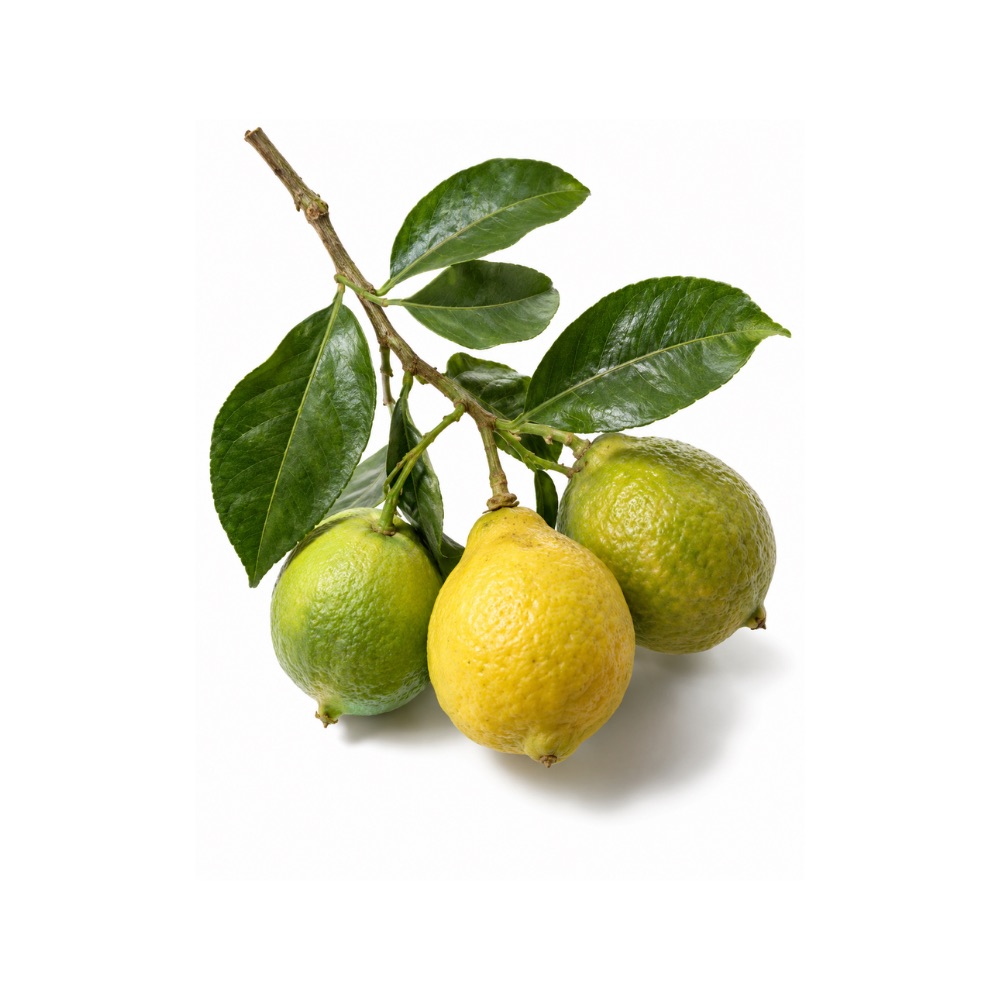
Bergamot is a fragrant citrus grown mainly in Calabria, southern Italy, whose peel oil flavours Earl Grey tea. Its juice is rich in flavonoids, including brutieridin and melitidin, studied for lowering cholesterol.
What Is Bergamot?
Bergamot is a fragrant citrus tree, Citrus bergamia, grown mainly on the Calabrian coast of southern Italy. Its peel oil flavours Earl Grey tea and is used in perfumes and cosmetics 18Reference 18Systematic reviewClinical pharmacology of Citrus bergamia: a systematic reviewView study →.
The tree is known only from cultivation and is probably a hybrid, most often said to be between sour orange and lemon 21Reference 21Citrus bergamia — habit, range, hybrid origin, cultivation, uses and hazards — species databaseView study →. Its fruit is used mainly as a flavouring 21Reference 21Citrus bergamia — habit, range, hybrid origin, cultivation, uses and hazards — species databaseView study →.
The juice is rich in flavonoids. Two of them, brutieridin and melitidin, carry a 3-hydroxy-3-methylglutaryl (HMG) group like the one in statin drugs 10Reference 10Chronic consumption of a bergamot-based beverage does not affect glucose, lipid and inflammatory biomarkers of cardiometabolic risk in healthy subjectsView study →. Concentrated as a bergamot polyphenolic fraction (BPF), the juice flavonoids have been tested in a dozen or so small trials for cholesterol, with mixed results 7,
How Is Bergamot Used?
The same fruit gives two very different products.
- Peel essential oil — a flavour and fragrance material, used in Earl Grey tea, cosmetics and aromatherapy. It carries the furanocoumarins that make the skin sensitive to sunlight 21Reference 21Citrus bergamia — habit, range, hybrid origin, cultivation, uses and hazards — species databaseView study →.
- Juice polyphenol fraction (BPF) — a standardised flavonoid extract of the juice, taken in capsules for cholesterol. This is the product tested in the lipid trials.
Traditional Uses
Calabrian and European Folk Use
Bergamot’s traditional use is mainly as an aromatic. The peel oil was used in Calabrian folk practice, and later throughout European perfumery and flavouring, and in aromatherapy for mood and relaxation.
Indications
- High cholesterol and triglycerides [juice polyphenol fraction] Caution: Results vary widely between trials and products, and a 12-week trial of a bergamot drink in healthy adults found no effect on blood lipids 7,
8, .10 - Metabolic syndrome [juice polyphenol fraction]
- Raised blood sugar [juice polyphenol fraction]
- Fatty liver [juice polyphenols combined with cardoon or artichoke]
- Added to statin treatment to lower LDL cholesterol [juice polyphenol fraction]
- Stress and poor sleep [inhaled peel oil]
Botany
Bergamot is an erect, much-branched evergreen tree in the citrus family (Rutaceae), without thorns 21Reference 21Citrus bergamia — habit, range, hybrid origin, cultivation, uses and hazards — species databaseView study →. It can grow up to 12 m tall with a trunk up to 25 cm across, but in orchards it is pruned to 4–5 m 21Reference 21Citrus bergamia — habit, range, hybrid origin, cultivation, uses and hazards — species databaseView study →.
It is known only from cultivation and has a small number of cultivars. Only the common bergamot is grown commercially for its essential oil 21Reference 21Citrus bergamia — habit, range, hybrid origin, cultivation, uses and hazards — species databaseView study →.
Its origin is most probably hybrid. It has been suggested to be a cross between sour orange (Citrus aurantium) and lemon (C. limon), a mutation of lemon, or a cross between sour orange and lime 21Reference 21Citrus bergamia — habit, range, hybrid origin, cultivation, uses and hazards — species databaseView study →.
Distribution
Bergamot is grown mainly along the coast of Calabria in southern Italy, which produces most of the world’s supply 18,
It is an orchard tree and is not known in the wild 21Reference 21Citrus bergamia — habit, range, hybrid origin, cultivation, uses and hazards — species databaseView study →.
Growing Conditions
Cultivation snapshot for Bergamot
Like other citrus, bergamot grows best at 25–30 °C, where the coldest month averages at least 15 °C, and growth stops below about 13 °C 21Reference 21Citrus bergamia — habit, range, hybrid origin, cultivation, uses and hazards — species databaseView study →. It needs irrigation where dry spells last more than three months 21Reference 21Citrus bergamia — habit, range, hybrid origin, cultivation, uses and hazards — species databaseView study →.
It prefers deep, well-drained but moisture-retentive loam in full sun, at a pH of 5–6.5 21Reference 21Citrus bergamia — habit, range, hybrid origin, cultivation, uses and hazards — species databaseView study →.
Grow it yourself
Farm Wiki is our cultivation-focused sister site, also run by Justin Cooke.
Pharmacology & Research
Almost all of the clinical work on bergamot uses the juice-derived polyphenolic fraction (BPF), not the peel oil. More than a dozen randomised trials and two lipid meta-analyses report falls in total and LDL cholesterol and triglycerides, but the size of the effect varies widely between trials, many use proprietary or combination products, and a trial in healthy adults found no effect 7,
The proposed mechanism is inhibition of HMG-CoA reductase, the enzyme that statins block, by the HMG-bearing juice flavonoids 1,
A separate literature tests the peel essential oil in aromatherapy for stress and sleep 17,
-
Best-supported: modest lowering of total and LDL cholesterol and triglycerides with standardised BPF, backed by RCTs and two meta-analyses, with wide variation between trials and a null result in healthy subjects 7,
8, .10Reference 7Meta-analysisThe effect of bergamot supplementation on lipid profiles: a systematic review and meta-analysis of randomised controlled trialsView study →Reference 8Systematic reviewEffect of bergamot on lipid profile in humans: a systematic reviewView study →Reference 10Chronic consumption of a bergamot-based beverage does not affect glucose, lipid and inflammatory biomarkers of cardiometabolic risk in healthy subjectsView study → -
Emerging, worth watching: improvements in blood sugar and metabolic-syndrome markers, and reductions in liver fat, mostly from combination formulations 3,
4, .11Reference 3Hypoglycemic and hypolipemic effects of a new lecithin formulation of bergamot polyphenolic fractionView study →Reference 4Atherogenic index reduction and weight loss in metabolic syndrome patients treated with a novel pectin-enriched formulation of bergamot polyphenolsView study →Reference 11RCTBergamot citrus and wild cardoon reduce liver steatosis and body weight in non-diabetic individuals aged over 50 years: a randomised, double-blind, placebo-controlled trialView study → -
Mechanistically thin: antioxidant, endothelial and HDL-raising effects rest largely on biomarkers and small pilots 14,
16Reference 14Effect of dietary supplementation with Eufortyn Colesterolo Plus on serum lipids, endothelial reactivity and NAFLD indices (ANEMONE study)View study →Reference 16The antioxidant power of bergamot polyphenolic fraction Gold potentiates the effects of L-citrulline in athlete performance and vasodilationView study → . -
The caveat: the aromatherapy evidence is for the peel oil, a different product from the lipid supplement 17,
18Reference 17Relieving psychological stress and improving sleep quality by bergamot essential oil use before bedtime and upon awakeningView study →Reference 18Systematic reviewClinical pharmacology of Citrus bergamia: a systematic reviewView study → .
The trials are small, short and use different products. Many come from one research group in Calabria, and several have co-authors from the companies that make the extracts 1,
1. Hypolipidemic (LDL, Total Cholesterol, Triglycerides)
The first human report gave BPF by mouth for 30 days to 237 people with raised blood lipids, with or without raised blood sugar. It lowered total and LDL cholesterol and triglycerides, raised HDL, and inhibited HMG-CoA reductase; the same study also tested rats 1Reference 1AnimalHypolipemic and hypoglycaemic activity of bergamot polyphenols: from animal models to human studiesView study →.
In a double-blind trial in 60 people with type 2 diabetes and mixed hyperlipidaemia, both standard BPF and a phytosome form (“BPF Phyto”) lowered LDL cholesterol and triglycerides, raised HDL and reduced small dense LDL particles compared with placebo. The two forms worked equally well, although the phytosome absorbed naringin at least 2.5 times better 3Reference 3Hypoglycemic and hypolipemic effects of a new lecithin formulation of bergamot polyphenolic fractionView study →.
In 60 overweight adults with mild hypercholesterolaemia who had responded poorly to bergamot alone, a bergamot phytosome combined with artichoke leaf extract lowered total and LDL cholesterol compared with placebo over two months 5Reference 5RCTArtichoke and bergamot phytosome alliance: a randomised double-blind clinical trial in mild hypercholesterolemiaView study →.
A whole-fruit extract (Brumex, 400 mg a day for 12 weeks) in 50 people with moderately raised cholesterol lowered total cholesterol, triglycerides, LDL, non-HDL cholesterol, ApoB and liver enzymes compared with placebo 6Reference 6Clinical trialEffect of Citrus bergamia extract on lipid profile: a combined in vitro and human studyView study →.
A 2022 meta-analysis of 14 trials pooled large falls in total cholesterol, triglycerides and LDL, while noting inconsistent results for combination products and the need for higher-quality studies 7Reference 7Meta-analysisThe effect of bergamot supplementation on lipid profiles: a systematic review and meta-analysis of randomised controlled trialsView study →. A network meta-analysis ranked bergamot the most effective LDL-lowering nutraceutical of those compared, but noted that the estimate rests on a small number of participants 9Reference 9Meta-analysisA network meta-analysis on the comparative effect of nutraceuticals on lipid profile in adultsView study →.
A systematic review of 12 studies reported falls of 12.3–31.3% in total cholesterol, 7.6–40.8% in LDL and 11.5–39.5% in triglycerides, with heterogeneous designs and limited quality 8Reference 8Systematic reviewEffect of bergamot on lipid profile in humans: a systematic reviewView study →.
A 2024 randomised trial gave 45 healthy adults 400 mL a day of a bergamot drink (up to 25% juice) or a control for 12 weeks. There was no difference between the groups in lipids, glucose or inflammatory markers, and bergamot’s HMG-containing flavanones could not be detected in the urine 10Reference 10Chronic consumption of a bergamot-based beverage does not affect glucose, lipid and inflammatory biomarkers of cardiometabolic risk in healthy subjectsView study →.
Gap: LDL falls range from about 8% to about 40%, the largest come from proprietary and combination products, and the one clear null trial was in healthy (not hyperlipidaemic) subjects. The true effect in people with high cholesterol is uncertain.
2. Glycaemic & Metabolic-Syndrome Markers
The BPF trial in type 2 diabetes reduced fasting plasma glucose as well as lipids 3Reference 3Hypoglycemic and hypolipemic effects of a new lecithin formulation of bergamot polyphenolic fractionView study →.
A double-blind trial of a pectin-enriched bergamot formulation (BPE-C, 650 or 1,300 mg a day for 90 days) enrolled 52 obese people with a high atherogenic index and mild hyperglycaemia, and 15 per group completed it. At the high dose, fasting glucose fell by 18.1%, triglycerides by 32% and body weight by 14.8%, with lower HOMA-IR and insulin 4Reference 4Atherogenic index reduction and weight loss in metabolic syndrome patients treated with a novel pectin-enriched formulation of bergamot polyphenolsView study →.
The whole-fruit extract lowered fasting glucose compared with placebo 6Reference 6Clinical trialEffect of Citrus bergamia extract on lipid profile: a combined in vitro and human studyView study →. A bergamot–artichoke combination lowered glucose compared with baseline after 12 weeks 15Reference 15Effect of a dietary supplement containing dry artichoke and bergamot extracts on metabolic and vascular risk factorsView study →.
Gap: no adequately powered trial separates bergamot’s effect on blood sugar from weight loss or from co-formulated botanicals, and no trial has shown a lasting change in HbA1c.
3. Hepatoprotective / NAFLD (Liver-Fat Reduction)
In a double-blind trial in 102 people with fatty liver, a combination of bergamot polyphenols and wild cardoon (Cynara cardunculus) extract, 300 mg a day for 12 weeks, reduced liver fat measured by transient elastography more than placebo (−48 vs −27 dB/m, p = 0.02). After adjusting for weight change, the benefit was significant only in people over 50 11Reference 11RCTBergamot citrus and wild cardoon reduce liver steatosis and body weight in non-diabetic individuals aged over 50 years: a randomised, double-blind, placebo-controlled trialView study →.
A secondary analysis of the same combination found lower serum uric acid after six weeks 13Reference 13Citrus bergamia and Cynara cardunculus reduce serum uric acid in individuals with non-alcoholic fatty liver diseaseView study →.
A multi-ingredient product (Livogen Plus) containing bergamot polyphenols with curcumin, artichoke, fish oil and other ingredients also reduced liver fat compared with placebo in 140 people 12Reference 12A new nutraceutical (Livogen Plus) improves liver steatosis in adults with non-alcoholic fatty liver diseaseView study →.
Bergamot–artichoke combinations lowered the fatty liver index compared with placebo in people with raised cholesterol 14,
Gap: every positive fatty-liver trial used bergamot in a combination, so the benefit cannot be attributed to bergamot alone; there is no trial of BPF alone with a liver-fat endpoint.
4. Antioxidant & Endothelial
The juice flavanones neoeriocitrin, neohesperidin and naringin have antioxidant activity, and the proposed vascular benefit is protection of LDL from oxidation.
In an open-label randomised study of 77 people with mixed hyperlipidaemia, BPF 1,000 mg a day, alone or with rosuvastatin, lowered cholesterol. Adding BPF to rosuvastatin enhanced the statin’s effect, and the lipid change came with lower malondialdehyde, LOX-1 (the oxidised-LDL receptor) and phospho-PKB in white blood cells 2Reference 2Bergamot polyphenolic fraction enhances rosuvastatin-induced effect on LDL-cholesterol, LOX-1 expression and protein kinase B phosphorylationView study →.
In the ANEMONE trial of a bergamot–artichoke–Q10 product in 60 people, hs-CRP and endothelial reactivity improved compared with baseline; compared with placebo, the significant changes were in lipids, waist size and the fatty liver index 14Reference 14Effect of dietary supplementation with Eufortyn Colesterolo Plus on serum lipids, endothelial reactivity and NAFLD indices (ANEMONE study)View study →. A second bergamot–artichoke product improved endothelial reactivity and hs-CRP compared with placebo 15Reference 15Effect of a dietary supplement containing dry artichoke and bergamot extracts on metabolic and vascular risk factorsView study →.
In a pilot trial in 90 male cyclists, a combination of BPF Gold and L-citrulline raised nitric oxide, reactive hyperaemia index and VO₂max compared with placebo over three months 16Reference 16The antioxidant power of bergamot polyphenolic fraction Gold potentiates the effects of L-citrulline in athlete performance and vasodilationView study →.
Gap: these are biomarkers and surrogate endpoints in small samples, not clinical outcomes.
5. HDL Cholesterol Increase
HDL rose in the first human series 1Reference 1AnimalHypolipemic and hypoglycaemic activity of bergamot polyphenols: from animal models to human studiesView study → and in the BPF diabetes trial 3Reference 3Hypoglycemic and hypolipemic effects of a new lecithin formulation of bergamot polyphenolic fractionView study →. The 2022 meta-analysis pooled a small increase of about 5.8 mg/dL across 14 trials 7Reference 7Meta-analysisThe effect of bergamot supplementation on lipid profiles: a systematic review and meta-analysis of randomised controlled trialsView study →, and eight trials in the systematic review reported an HDL rise 8Reference 8Systematic reviewEffect of bergamot on lipid profile in humans: a systematic reviewView study →.
The change is inconsistent, and the trial in healthy adults found no lipid effect of any kind 10Reference 10Chronic consumption of a bergamot-based beverage does not affect glucose, lipid and inflammatory biomarkers of cardiometabolic risk in healthy subjectsView study →.
6. Anxiolytic & Mood (Essential Oil)
This indication uses a different preparation: the peel essential oil used in aromatherapy, not the juice-derived BPF taken for cholesterol.
In an open-label randomised crossover trial in 48 university students, a bergamot oil spray used before bed and on waking improved how rested they felt on rising and their sleep length, and lowered depression, anxiety and stress scores 17Reference 17Relieving psychological stress and improving sleep quality by bergamot essential oil use before bedtime and upon awakeningView study →.
A systematic review of C. bergamia clinical trials found that aromatherapy with the oil could be safe and useful for reducing stress, but that the studies were small and of low quality 18Reference 18Systematic reviewClinical pharmacology of Citrus bergamia: a systematic reviewView study →.
Gap: the mood and sleep evidence is for inhaled peel oil, not the oral lipid supplement; trials are small, often use oil blends, and outcomes are subjective.
Mechanisms
Brutieridin and melitidin carry an HMG group similar to the part of statin drugs that binds HMG-CoA reductase, and BPF inhibited that enzyme in the first human and animal study 1,
The peel furanocoumarins act separately. Bergamottin inactivates the drug-metabolising enzymes CYP3A4 and CYP2C9, and bergapten makes the skin sensitive to UV light 19,
| Mechanism | Drives | Key compounds |
|---|---|---|
| HMG-CoA reductase inhibition (statin-like HMG group) | cholesterol-lowering | brutieridin, melitidin |
| AMPK activation; SREBP, HMGCR and FASN ↓ (liver cells) | cholesterol-loweringliver fat ↓ | whole-fruit extract |
| LDL protection from oxidation, LOX-1 ↓ | antioxidantendothelial protection | neoeriocitrin, neohesperidin, naringin |
| CYP3A4 and CYP2C9 inactivation (peel and oil) | drug interactions | bergamottin |
| UV-activated skin reactions (peel and oil) | photosensitivity | bergapten |
Clinical Trials
Around a dozen lipid and metabolic trials are registered, most of them completed, alongside a larger group of essential-oil aromatherapy trials. Most completed lipid trials are small, single-centre and often test combination products rather than BPF alone.
| Completed | Planned | Terminated | Preclinical |
|---|---|---|---|
| ~10(lipid/metabolic) | ~3(recruiting/not-yet) | 0identified | Many |
Last checked: August 2026.
Phytochemistry
Bergamot juice is rich in flavanone glycosides. The two distinctive ones, brutieridin and melitidin, carry a 3-hydroxy-3-methylglutaryl (HMG) group 10Reference 10Chronic consumption of a bergamot-based beverage does not affect glucose, lipid and inflammatory biomarkers of cardiometabolic risk in healthy subjectsView study →. Alongside them are neoeriocitrin, neohesperidin and naringin, and naringin is the main component of BPF 3Reference 3Hypoglycemic and hypolipemic effects of a new lecithin formulation of bergamot polyphenolic fractionView study →.
The HMG group is what links these flavanones to HMG-CoA reductase, the target of statin drugs 1Reference 1AnimalHypolipemic and hypoglycaemic activity of bergamot polyphenols: from animal models to human studiesView study →.
The peel and its essential oil contain furanocoumarins. Bergapten is 5-methoxypsoralen, one of the most potent phototoxic furanocoumarins 19,
The essential oil’s scent comes from monoterpenes. In an analysis of five Calabrian citrus oils, limonene was the main component of all of them, and bergamot oil held more linalyl acetate (13.5%) and linalool (11.3%) than the others 24Reference 24In vitroTherapeutic potential of Calabrian Citrus essential oils as sustainable anthelmintics against Haemonchus contortus and Trichostrongylus colubriformis in sheep — in vitro, with GC-MS compositionView study →.
Dosage
The trials used standardised juice-derived products at roughly 500–1,300 mg a day. These include standard BPF, phytosome, pectin-enriched, whole-fruit and combination products, and they are not interchangeable.
| Indication | Preparation | Dose | Est. dried-herb equivalent | Source |
|---|---|---|---|---|
| Cholesterol-lowering | Standardised BPF (juice-derived flavonoid fraction) | 1,000 mg/day, 30 days | — | 1, |
| Statin adjunct (LDL) | BPF + rosuvastatin | BPF 1,000 mg/day, 30 days | — | 2Reference 2Bergamot polyphenolic fraction enhances rosuvastatin-induced effect on LDL-cholesterol, LOX-1 expression and protein kinase B phosphorylationView study → |
| Metabolic syndrome, blood sugar | Pectin-enriched BPF (BPE-C) | 650–1,300 mg/day, 90 days | — | 4Reference 4Atherogenic index reduction and weight loss in metabolic syndrome patients treated with a novel pectin-enriched formulation of bergamot polyphenolsView study → |
| Cholesterol-lowering (whole fruit) | Whole-fruit extract (Brumex) | 400 mg/day, 12 weeks | — | 6Reference 6Clinical trialEffect of Citrus bergamia extract on lipid profile: a combined in vitro and human studyView study → |
| Mild hypercholesterolaemia | Bergamot + artichoke phytosome | 600 mg bergamot phytosome + 100 mg artichoke/day, 60 days | — | 5Reference 5RCTArtichoke and bergamot phytosome alliance: a randomised double-blind clinical trial in mild hypercholesterolemiaView study → |
| Fatty liver | Bergamot polyphenols + Cynara cardunculus | 300 mg/day (combination), 12 weeks | — | 11Reference 11RCTBergamot citrus and wild cardoon reduce liver steatosis and body weight in non-diabetic individuals aged over 50 years: a randomised, double-blind, placebo-controlled trialView study → |
| Stress and sleep | Peel essential oil, sprayed and inhaled | Aromatic use (not ingested) | n/a | 17Reference 17Relieving psychological stress and improving sleep quality by bergamot essential oil use before bedtime and upon awakeningView study → |
Each trial used a proprietary extract without a common marker, so no dried-fruit equivalent can be given. The phytosome form absorbed naringin at least 2.5 times better than standard BPF 3Reference 3Hypoglycemic and hypolipemic effects of a new lecithin formulation of bergamot polyphenolic fractionView study →, and in the drink trial the HMG-flavanones were not detected in urine at all 10Reference 10Chronic consumption of a bergamot-based beverage does not affect glucose, lipid and inflammatory biomarkers of cardiometabolic risk in healthy subjectsView study →.
Traditional Dosage
| System | Preparation | Dose |
|---|---|---|
| Aromatherapy | Peel essential oil (topical, diluted; or inhaled) | No established oral dose |
| Culinary | Peel oil as flavouring (e.g. Earl Grey tea) | Food flavouring amounts |
Safety & Pregnancy
The juice polyphenol fraction was well tolerated in trials of up to three months, with no serious adverse events reported 10,
- The juice polyphenol fraction was well tolerated in trials of up to three months, with no serious adverse events reported 10,
16Reference 10Chronic consumption of a bergamot-based beverage does not affect glucose, lipid and inflammatory biomarkers of cardiometabolic risk in healthy subjectsView study →Reference 16The antioxidant power of bergamot polyphenolic fraction Gold potentiates the effects of L-citrulline in athlete performance and vasodilationView study → . - Drug interactions from peel and oil products. In healthy volunteers, bergamottin raised levels of the CYP3A4 drug felodipine, the same kind of effect as grapefruit 25Reference 25Bergamottin contribution to the grapefruit juice-felodipine interaction and disposition in humans — clinical pharmacokinetic studyView study →. It also inactivates CYP2C9 in vitro and inhibits CYP2D6 in mice 22,
23Reference 22In vitroMechanistic study of bergamottin-induced inactivation of CYP2C9 — in vitroView study →Reference 23In vitroCytochrome P450 2D6 (CYP2D6) inhibition by bergamottin and diosmetin as a strategy to enhance the pharmacokinetics and antidepressant efficacy of amoxapine — in vitro / animalView study → . - Sun sensitivity. Bergapten in the peel oil can irritate skin exposed to sunlight 19,
21Reference 19ReviewPhototoxicity and skin damage: a review of adverse effects of some furocoumarins found in natural extractsView study →Reference 21Citrus bergamia — habit, range, hybrid origin, cultivation, uses and hazards — species databaseView study → . - With statins or other lipid drugs, use bergamot under medical supervision 2Reference 2Bergamot polyphenolic fraction enhances rosuvastatin-induced effect on LDL-cholesterol, LOX-1 expression and protein kinase B phosphorylationView study →.
- Long-term safety has not been established. Trials ran 4–12 weeks.
Full Safety Detail
The juice fraction. No adverse events were recorded in the bergamot-drink trial, and no harmful effects in the BPF Gold trial 10,
Sun sensitivity. Bergamot essential oil contains bergapten (5-methoxypsoralen), one of the most potent phototoxic furanocoumarins 19,
Drug interactions. Bergamottin, the furanocoumarin behind the grapefruit–drug interaction, irreversibly inactivates intestinal CYP3A4, which metabolises up to half of marketed drugs 20Reference 20Physiologically based pharmacokinetic modeling of bergamottin and 6,7-dihydroxybergamottin to describe CYP3A4-mediated grapefruit–drug interactionsView study →. In healthy volunteers, bergamottin capsules of 2–12 mg raised blood levels of the CYP3A4 drug felodipine by about a third, with large differences between people 25Reference 25Bergamottin contribution to the grapefruit juice-felodipine interaction and disposition in humans — clinical pharmacokinetic studyView study →.
It also inactivates CYP2C9 in laboratory tests and inhibits CYP2D6 in mice 22,
With lipid drugs. One trial combined BPF with rosuvastatin 2Reference 2Bergamot polyphenolic fraction enhances rosuvastatin-induced effect on LDL-cholesterol, LOX-1 expression and protein kinase B phosphorylationView study →. Anyone taking a statin or other cardiovascular medicine should use bergamot under medical supervision.
No trials have assessed bergamot supplements or bergamot oil in pregnancy or while breastfeeding, so concentrated products are best avoided.
Bergamot as a food flavouring, as in Earl Grey tea, is a separate, dietary matter. Using the oil on the skin carries the added sun-sensitivity caution 19Reference 19ReviewPhototoxicity and skin damage: a review of adverse effects of some furocoumarins found in natural extractsView study →.
References
- Mollace, V., Sacco, I., Janda, E., et al. (2011). Hypolipemic and hypoglycaemic activity of bergamot polyphenols: from animal models to human studies. Fitoterapia. https://pubmed.ncbi.nlm.nih.gov/21056640/
- Gliozzi, M., Walker, R., Muscoli, S., et al. (2013). Bergamot polyphenolic fraction enhances rosuvastatin-induced effect on LDL-cholesterol, LOX-1 expression and protein kinase B phosphorylation. International Journal of Cardiology. https://pubmed.ncbi.nlm.nih.gov/24239156/
- Mollace, V., Scicchitano, M., Paone, S., et al. (2019). Hypoglycemic and hypolipemic effects of a new lecithin formulation of bergamot polyphenolic fraction. Endocrine, Metabolic & Immune Disorders Drug Targets. https://pubmed.ncbi.nlm.nih.gov/30501605/
- Capomolla, A. S., Janda, E., Paone, S., et al. (2019). Atherogenic index reduction and weight loss in metabolic syndrome patients treated with a novel pectin-enriched formulation of bergamot polyphenols. Nutrients. https://pubmed.ncbi.nlm.nih.gov/31167512/
- Riva, A., Petrangolini, G., Allegrini, P., et al. (2021). Artichoke and bergamot phytosome alliance: a randomised double-blind clinical trial in mild hypercholesterolemia. Nutrients. https://pubmed.ncbi.nlm.nih.gov/35010984/
- Pierdomenico, M., Cicero, A. F. G., Veronesi, M., et al. (2023). Effect of Citrus bergamia extract on lipid profile: a combined in vitro and human study. Phytotherapy Research. https://pubmed.ncbi.nlm.nih.gov/37312672/
- Sadeghi-Dehsahraei, H., Esmaeili Gouvarchin Ghaleh, H., Mirnejad, R., & Parastouei, K. (2022). The effect of bergamot supplementation on lipid profiles: a systematic review and meta-analysis of randomised controlled trials. Phytotherapy Research. https://pubmed.ncbi.nlm.nih.gov/36251526/
- Lamiquiz-Moneo, I., Giné-González, J., Alisente, S., et al. (2020). Effect of bergamot on lipid profile in humans: a systematic review. Critical Reviews in Food Science and Nutrition. https://pubmed.ncbi.nlm.nih.gov/31670973/
- Osadnik, T., Goławski, M., Lewandowski, P., et al. (2022). A network meta-analysis on the comparative effect of nutraceuticals on lipid profile in adults. Pharmacological Research. https://pubmed.ncbi.nlm.nih.gov/35988871/
- Maggiolo, G., Aldigeri, R., Savini, C., et al. (2024). Chronic consumption of a bergamot-based beverage does not affect glucose, lipid and inflammatory biomarkers of cardiometabolic risk in healthy subjects. Food & Function. https://pubmed.ncbi.nlm.nih.gov/38767145/
- Ferro, Y., Montalcini, T., Mazza, E., et al. (2020). Bergamot citrus and wild cardoon reduce liver steatosis and body weight in non-diabetic individuals aged over 50 years: a randomised, double-blind, placebo-controlled trial. Frontiers in Endocrinology. https://pubmed.ncbi.nlm.nih.gov/32849284/
- Ferro, Y., Pujia, R., Mazza, E., et al. (2022). A new nutraceutical (Livogen Plus) improves liver steatosis in adults with non-alcoholic fatty liver disease. Journal of Translational Medicine. https://pubmed.ncbi.nlm.nih.gov/35986358/
- Ferro, Y., Maurotti, S., Mazza, E., et al. (2022). Citrus bergamia and Cynara cardunculus reduce serum uric acid in individuals with non-alcoholic fatty liver disease. Medicina (Kaunas). https://pubmed.ncbi.nlm.nih.gov/36556930/
- Fogacci, F., Rizzoli, E., Giovannini, M., et al. (2022). Effect of dietary supplementation with Eufortyn Colesterolo Plus on serum lipids, endothelial reactivity and NAFLD indices (ANEMONE study). Nutrients. https://pubmed.ncbi.nlm.nih.gov/35631240/
- Fogacci, F., Giovannini, M., Di Micoli, A., et al. (2024). Effect of a dietary supplement containing dry artichoke and bergamot extracts on metabolic and vascular risk factors. Nutrients. https://pubmed.ncbi.nlm.nih.gov/38892519/
- Mollace, R., Macrì, R., Serra, M., et al. (2025). The antioxidant power of bergamot polyphenolic fraction Gold potentiates the effects of L-citrulline in athlete performance and vasodilation. Nutrients. https://pubmed.ncbi.nlm.nih.gov/40218864/
- Wakui, N., Togawa, C., Ichikawa, K., et al. (2023). Relieving psychological stress and improving sleep quality by bergamot essential oil use before bedtime and upon awakening. Complementary Therapies in Medicine. https://pubmed.ncbi.nlm.nih.gov/37625623/
- Mannucci, C., Navarra, M., Calapai, F., et al. (2017). Clinical pharmacology of Citrus bergamia: a systematic review. Phytotherapy Research. https://pubmed.ncbi.nlm.nih.gov/27747942/
- Irizar, A., Boislève, F., Gautier, F., & Nash, J. F. (2025). Phototoxicity and skin damage: a review of adverse effects of some furocoumarins found in natural extracts. Food and Chemical Toxicology. https://pubmed.ncbi.nlm.nih.gov/39984024/
- Fuhr, L. M., Marok, F. Z., Fuhr, U., Selzer, D., & Lehr, T. (2023). Physiologically based pharmacokinetic modeling of bergamottin and 6,7-dihydroxybergamottin to describe CYP3A4-mediated grapefruit–drug interactions. Clinical Pharmacology & Therapeutics. https://pubmed.ncbi.nlm.nih.gov/37307228/
- Fern, K. (2024). Citrus bergamia — habit, range, hybrid origin, cultivation, uses and hazards — species database. Useful Tropical Plants Database. https://tropical.theferns.info/viewtropical.php?id=Citrus+bergamia
- Liu, Y., Zhang, S., Jiang, T., Tan, R., Fu, Y., Yang, X., Gong, B., Zou, Y., Li, W., & Zheng, J. (2021). Mechanistic study of bergamottin-induced inactivation of CYP2C9 — in vitro. Food and Chemical Toxicology, 153, 112278. https://pubmed.ncbi.nlm.nih.gov/34019943/
- Pawar, S. D., Yadav, S. S., Pulimamidi, S. S., Datusalia, A. K., & Kumar, P. (2026). Cytochrome P450 2D6 (CYP2D6) inhibition by bergamottin and diosmetin as a strategy to enhance the pharmacokinetics and antidepressant efficacy of amoxapine — in vitro / animal. ACS Pharmacology & Translational Science, 9(3), 608–619. https://pubmed.ncbi.nlm.nih.gov/41852638/
- Bava, R., Castagna, F., Lupia, C., Ruga, S., Liguori, G., Britti, D., Palma, E., Perri, M. R., Marelli, M., Statti, G., Štrbac, F., Rinaldi, L., Musella, V., & Bosco, A. (2026). Therapeutic potential of Calabrian Citrus essential oils as sustainable anthelmintics against Haemonchus contortus and Trichostrongylus colubriformis in sheep — in vitro, with GC-MS composition. Veterinary Parasitology, 347, 110892. https://pubmed.ncbi.nlm.nih.gov/42628404/
- Goosen, T. C., Cillié, D., Bailey, D. G., et al. (2004). Bergamottin contribution to the grapefruit juice-felodipine interaction and disposition in humans — clinical pharmacokinetic study. Clinical Pharmacology and Therapeutics. https://pubmed.ncbi.nlm.nih.gov/15592332/