
Compound Monograph
Liriodendrin
Liriodendrin is a furofuran lignan diglucoside — (+)-syringaresinol di-O-β-D-glucoside, the symmetric bis-glucoside whose aglycone is syringaresinol. First isolated from yellow-poplar bark and found across erva-tostão, eleuthero and many other plants, its isolate literature is entirely preclinical: calcium-channel antagonism with antiarrhythmic/cardioprotective effects, plus anti-inflammatory and antinociceptive activity that may partly reflect in-vivo conversion to the more potent aglycone syringaresinol.

Sources · 9
Where Does It Come From?
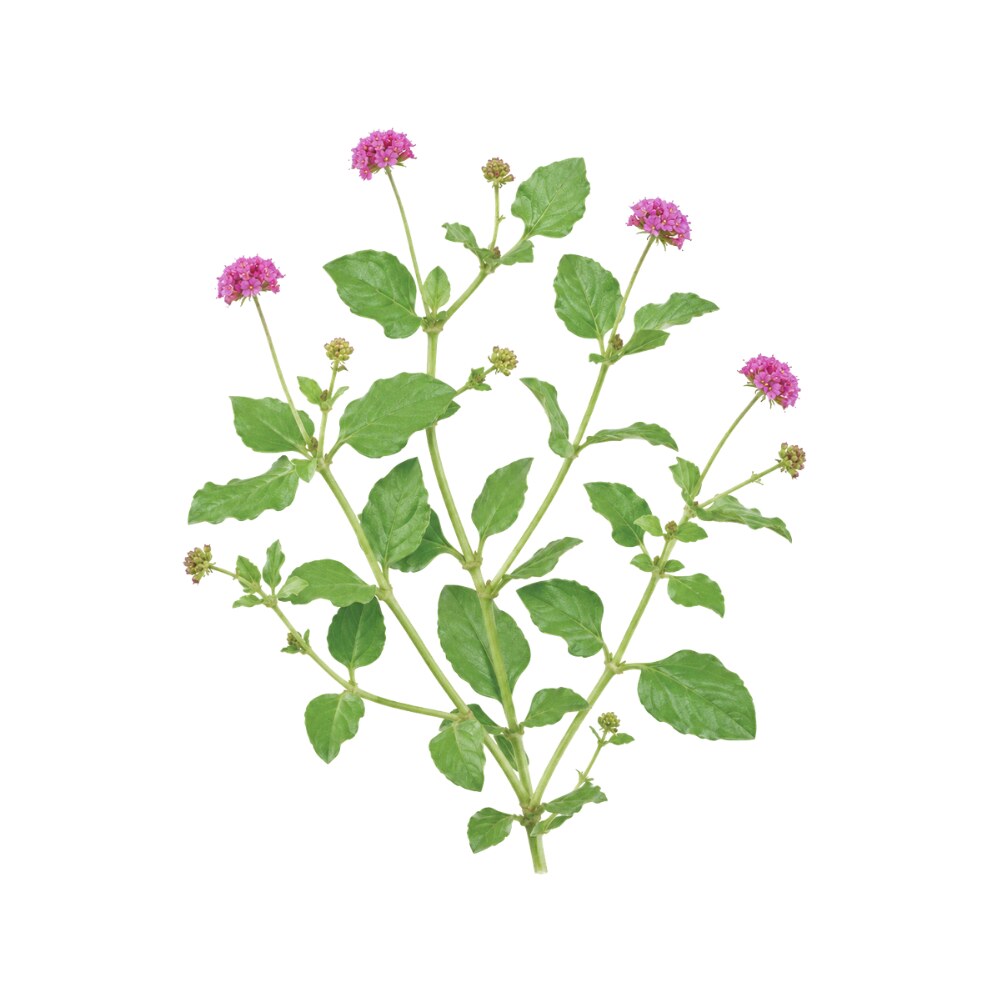
Liriodendrin is a naturally occurring furofuran lignan diglucoside ((+)-syringaresinol di-o-β-d-glucoside), found in Erva-Tostão, Eleuthero, Yellow Poplar / Tulip Tree and 6 other sources. It is well tolerated orally (low toxicity).
Concentration
Content by Source
Reported concentrations across the plants that contain liriodendrin — the bar marks the typical level, the line shows the reported range.
Literature figures for varying plant parts and preparations. Read them as a comparative guide, not exact assays.
Liriodendrin at a Glance
Liriodendrin is a furofuran lignan diglucoside — a symmetric molecule built from the syringaresinol core carrying a glucose on each of its two phenolic oxygens. Its formal name is (+)-syringaresinol di-O-β-D-glucoside; remove the two sugars and what remains is the aglycone syringaresinol. It was first isolated from the inner bark of yellow poplar and turns up as a minor constituent across many plants, including erva-tostão (Boerhavia diffusa), eleuthero and the Chinese vine sargentgloryvine.
Its isolate literature is entirely preclinical and clusters into two coherent threads. The older, and mechanistically the tidiest, is cardiovascular: liriodendrin is a calcium-channel antagonist 2Reference 2Constituents of the roots of Boerhaavia diffusa LView study → with antiarrhythmic 4Reference 4A new triterpene and an antiarrhythmic liriodendrin from Pittosporum brevicalyxView study → and cardioprotective 7,
There are no human trials of liriodendrin for any indication, and — as a diglucoside — it is expected to be poorly absorbed intact by mouth. Read the sections below as mechanistic promise from cells and rodents, not established human benefit.
Liriodendrin as Syringaresinol Diglucoside
The single most useful fact about this molecule is its relationship to syringaresinol. Liriodendrin is syringaresinol with a β-D-glucose bonded to each of its two phenolic hydroxyls — a symmetric bis-glucoside. Hydrolyse it and you get two molecules of D-glucose plus one of the aglycone. When Dickey first isolated the glucoside from yellow-poplar bark in 1958 he named the glucoside liriodendrin and its aglycone lirioresinol; that aglycone (lirioresinol B) was later shown to be (+)-syringaresinol 1Reference 1Liriodendrin, a new lignan diglucoside from the inner bark of yellow poplar (Liriodendron tulipifera L.)View study →.
That parent–sugar relationship is more than nomenclature. In the one study that tested both side by side, syringaresinol was more potent than liriodendrin at suppressing LPS-induced nitric oxide, PGE₂ and TNF-α in macrophages, and the authors concluded that liriodendrin’s oral anti-inflammatory and antinociceptive effects were attributable to its in-vivo transformation to syringaresinol — i.e. liriodendrin behaves partly as a glycoside “pro-drug” that must shed its sugars to release the active aglycone 3Reference 3AnimalIn vivo anti-inflammatory and antinociceptive effects of liriodendrin isolated from the stem bark of Acanthopanax senticosusView study →. This is the usual fate of dietary lignan glucosides: gut and tissue β-glucosidases deglycosylate them before the lipophilic aglycone can act.
Distinguish it carefully from eleutheroside E and acanthoside D — the literature does not fully agree, so do not overstate identity:
- Acanthoside D is generally treated as the same compound as liriodendrin — (+)-syringaresinol di-O-β-D-glucoside.
- Eleutheroside E (the eleuthero standardisation marker) is a very close relative, but not simply identical. Older reports equated eleutheroside E with acanthoside D, and many databases still list them as synonyms. A 2015 study using circular dichroism, however, argues they are stereoisomers that differ in configuration at two chiral centres (C-7 and C-8) — acanthoside D showing a positive Cotton effect at 200 nm and eleutheroside E a negative one — a difference that leaves their (planar) NMR spectra indistinguishable and so had caused decades of confusion 5Reference 5Utilization of circular dichroism experiment to distinguish acanthoside D and eleutheroside EView study →.
The honest position is therefore: liriodendrin ≈ acanthoside D = (+)-syringaresinol diglucoside, and it is structurally in the same family as eleutheroside E without being demonstrably the identical stereochemical entity. Treat “liriodendrin is eleutheroside E” as an approximation the newer evidence complicates, not a settled fact.
A Furofuran Lignan Glycoside
Structurally, liriodendrin’s core places it in the furofuran (bis-epoxylignan) family — two aryl units locked through a rigid, fused dioxabicyclo-octane ring — the same skeleton that defines sesamin and pinoresinol, and it is symmetric because both rings are syringyl (3,5-dimethoxy-4-hydroxy) groups. What sets liriodendrin apart from those free lignans is that it is stored as the double glucoside, which has two practical consequences worth flagging up front:
- Poor oral bioavailability. A large, polar, twice-glycosylated molecule is not well absorbed intact across the gut wall; systemic exposure depends on deglycosylation to the aglycone first 3Reference 3AnimalIn vivo anti-inflammatory and antinociceptive effects of liriodendrin isolated from the stem bark of Acanthopanax senticosusView study →. Any in-vitro potency of the intact glucoside must be read against that absorption penalty.
- The sugars are the point for the plant, not the pharmacology. Glycosylation is how plants store and transport lignans; it does not, on its own, tell you the molecule is the active agent in the herbs that contain it (see Isolate vs. Plant Studies).
What It's Used For
The isolate literature is preclinical throughout — frog-heart, rodent and cell models, with no human trials of the pure compound. It splits into a cardiovascular thread and an anti-inflammatory/analgesic thread.
Support is an experimental score — weighted by study type (human > animal > in vitro) and volume. A beta, not a validated metric. Every row here is isolate preclinical (no human data), so scores stay low by design. Each application links to its write-up.
The oldest and cleanest thread, and it is the isolated molecule. Liriodendrin from erva-tostão (Boerhavia diffusa) root was identified by voltage-clamp as a significant calcium-channel antagonist in frog-heart single cells — the plausible basis for the mild blood-pressure and cardiovascular effects attributed to the plant 2Reference 2Constituents of the roots of Boerhaavia diffusa LView study →.
Consistent with a Ca²⁺-blocker action, liriodendrin from Pittosporum brevicalyx was antiarrhythmic against CaCl₂-induced arrhythmia in rats: prophylactic dosing prolonged arrhythmia latency and cut ventricular fibrillation from 75% to 25% and mortality from 87.5% to 25%, benchmarked directly against verapamil 4Reference 4A new triterpene and an antiarrhythmic liriodendrin from Pittosporum brevicalyxView study →.
In injury models, liriodendrin (from Sargentodoxa cuneata) reduced infarct markers, apoptosis and inflammation in rat myocardial infarction by inhibiting NF-κB/IκBα phosphorylation and lowering the Bax/Bcl-2 ratio 7Reference 7AnimalThe protective role and mechanism of liriodendrin in rats with myocardial infarctionView study →, and (from Linaria vulgaris) alleviated ischaemia-reperfusion injury by limiting ROS-linked metabolic disorder, preserving mitochondrial homeostasis and attenuating Bax-driven apoptosis 8Reference 8AnimalLiriodendrin alleviates myocardial ischemia-reperfusion injury via partially attenuating apoptosis, inflammation and mitochondria damage in ratsView study →.
Gap: every result is frog-heart, rat or H9c2-cell work — no human haemodynamic or arrhythmia outcome exists, and the source plants differ between studies, so the “liriodendrin is cardioprotective” story is mechanistically consistent but clinically unproven.
Liriodendrin from eleuthero (Acanthopanax/Eleutherococcus senticosus) stem bark inhibited acetic-acid-induced vascular permeability in mice and carrageenan paw oedema in rats at 5–10 mg/kg orally, and — importantly — its hydrolysate syringaresinol suppressed LPS-induced NO, PGE₂ and TNF-α (via ↓iNOS/COX-2) more potently than liriodendrin itself 3Reference 3AnimalIn vivo anti-inflammatory and antinociceptive effects of liriodendrin isolated from the stem bark of Acanthopanax senticosusView study →. The same NF-κB axis recurs in sepsis: liriodendrin (from Sargentodoxa cuneata) improved survival in cecal-ligation-and-puncture septic mice and reduced lung injury by suppressing NF-κB p65 activation and VEGF 6Reference 6Protective role of liriodendrin in sepsis-induced acute lung injuryView study →.
Gap: all cell/rodent models, no human anti-inflammatory data; and because the effect is partly carried by the syringaresinol aglycone 3Reference 3AnimalIn vivo anti-inflammatory and antinociceptive effects of liriodendrin isolated from the stem bark of Acanthopanax senticosusView study →, some of this “liriodendrin” signal is really the deglycosylated metabolite at work.
In the same eleuthero study, oral liriodendrin showed dose-dependent analgesia in both the acetic-acid writhing test (visceral/inflammatory pain) and the hot-plate test (a thermal/central assay) in mice 3Reference 3AnimalIn vivo anti-inflammatory and antinociceptive effects of liriodendrin isolated from the stem bark of Acanthopanax senticosusView study →. Mechanistically this is tied to the anti-inflammatory suppression above, and the authors again attribute the oral effect to in-vivo transformation to syringaresinol as the active constituent 3Reference 3AnimalIn vivo anti-inflammatory and antinociceptive effects of liriodendrin isolated from the stem bark of Acanthopanax senticosusView study →.
Gap: rests on a single in-vivo study, with no receptor-level analgesic target defined for liriodendrin itself and no human pain data — and the effect may be the aglycone’s rather than the intact glucoside’s 3Reference 3AnimalIn vivo anti-inflammatory and antinociceptive effects of liriodendrin isolated from the stem bark of Acanthopanax senticosusView study →.
Mechanisms
| Target / pathway | Effect | Relevant to |
|---|---|---|
| Voltage-gated Ca²⁺ channels (cardiac) | antagonism (verapamil-like) | cardiovascular / antiarrhythmic |
| NF-κB p65 / IκBα / IKK-β | phosphorylation & activation suppressed | anti-inflammatorycardioprotectivesepsis |
| Bax / Bcl-2 / caspase-3 | ↓Bax, ↑Bcl-2 → less apoptosis | cardioprotection (MII/R) |
| Mitochondrial homeostasis / ROS; SOD | ROS ↓, SOD preserved, mitochondria protected | ischaemia-reperfusion |
| NLRP3 inflammasome / pyroptosis (p38 MAPK, JNK, Akt) | inflammasome assembly & pyroptosis ↓ | acute lung injury / ARDS |
| iNOS, COX-2, NO, PGE₂, TNF-α | downregulated (largely via the aglycone syringaresinol) | anti-inflammatory / analgesic |
| VEGF / vascular permeability | suppressed | sepsis-induced lung injury |
The load-bearing observation is that liriodendrin’s two threads may share a root: calcium-channel antagonism plausibly underlies both the antiarrhythmic effect and part of the anti-inflammatory signalling, while the aglycone syringaresinol carries much of the inflammatory suppression once the glucoside is cleaved 2,
Pharmacokinetics
Human pharmacokinetics of liriodendrin are uncharacterised — no oral-bioavailability figure, half-life or clearance value has been established, a major gap behind every in-vitro potency claim. What can be said follows from its chemistry. As a twice-glycosylated, polar diglucoside, liriodendrin is expected to be poorly absorbed intact across the gut wall; the functional route to systemic activity is deglycosylation by gut/tissue β-glucosidases to the lipophilic aglycone syringaresinol, which is both better absorbed and, in head-to-head assays, more potent 3Reference 3AnimalIn vivo anti-inflammatory and antinociceptive effects of liriodendrin isolated from the stem bark of Acanthopanax senticosusView study →. That makes liriodendrin behave partly as a glycoside pro-drug of syringaresinol — and it also means its systemic exposure is likely low and microbiome-dependent, sharing the aglycone’s poorly-characterised, P-glycoprotein-influenced absorption profile (see the syringaresinol page). No active-metabolite panel beyond syringaresinol has been mapped for the isolate.
Clinical Trials
There are no clinical trials of isolated liriodendrin for any indication. Any human evidence invoked for the plants that contain it — eleuthero’s adaptogen trials, erva-tostão’s traditional use — belongs to the whole extract, a multi-component product, not to this single molecule. Every application above is cell or animal work.
| Completed | Planned | Terminated | Preclinical |
|---|---|---|---|
| None(isolate); whole-plant/extract trials are separate entities | — | — | Cardiovascular(Ca²⁺-channel, antiarrhythmic, cardioprotective), anti-inflammatory (NF-κB/NLRP3), analgesic |
Last checked: July 2026.
Isolate vs. Plant Studies
Liriodendrin shows the usual split, sharpened by its pro-drug behaviour. The mechanistic work is genuine isolate science — purified liriodendrin in defined frog-heart, rodent and cell models 2,
Prevalence in Nature
Liriodendrin is a widely distributed but usually minor furofuran-lignan diglucoside, found across several plant families in bark, stems and roots, and — being a glucoside — stored as the conjugate rather than the free aglycone. It was named for the tree it was first found in, the tulip tree / yellow poplar (Liriodendron tulipifera), whose fresh inner bark carries it at roughly 0.05–0.08% 1Reference 1Liriodendrin, a new lignan diglucoside from the inner bark of yellow poplar (Liriodendron tulipifera L.)View study →. It is a documented constituent of erva-tostão (Boerhavia diffusa) root 2Reference 2Constituents of the roots of Boerhaavia diffusa LView study →, eleuthero (Eleutherococcus senticosus) 3Reference 3AnimalIn vivo anti-inflammatory and antinociceptive effects of liriodendrin isolated from the stem bark of Acanthopanax senticosusView study →, the Chinese vine sargentgloryvine (Sargentodoxa cuneata) 6,
Major Natural Sources
| Source (Botanical) | Part | Form | Notes |
|---|---|---|---|
| Yellow poplar / tulip tree (Liriodendron tulipifera) | Inner bark | Diglucoside | Type source; ~0.05–0.08% of fresh bark 1Reference 1Liriodendrin, a new lignan diglucoside from the inner bark of yellow poplar (Liriodendron tulipifera L.)View study → |
| Erva-tostão (Boerhavia diffusa) | Root | Diglucoside | Ca²⁺-channel-antagonist fraction 2Reference 2Constituents of the roots of Boerhaavia diffusa LView study → |
| Eleuthero (Eleutherococcus senticosus) | Stem bark / root | Diglucoside | Anti-inflammatory/antinociceptive isolate source 3Reference 3AnimalIn vivo anti-inflammatory and antinociceptive effects of liriodendrin isolated from the stem bark of Acanthopanax senticosusView study → |
| Sargentgloryvine (Sargentodoxa cuneata) | Stem | Diglucoside | Source in sepsis/MI studies 6, |
| Common toadflax (Linaria vulgaris) | Aerial / whole | Diglucoside | Source in the I/R study 8Reference 8AnimalLiriodendrin alleviates myocardial ischemia-reperfusion injury via partially attenuating apoptosis, inflammation and mitochondria damage in ratsView study → |
| Pittosporum brevicalyx; Penstemon deustus | Leaf/bark; whole | Diglucoside | Antiarrhythmic 4Reference 4A new triterpene and an antiarrhythmic liriodendrin from Pittosporum brevicalyxView study →; cytotoxic-screen isolate |
Discovery & Synthesis
Liriodendrin was first isolated and named in 1958 by E. E. Dickey, who obtained a new di-β-D-glucoside from an alcohol extract of the inner bark of yellow poplar (Liriodendron tulipifera) at 0.05–0.08% of the fresh bark, hydrolysed it to D-glucose plus a new lignan, and proposed the names “liriodendrin” for the glucoside and “lirioresinol” for the aglycone 1Reference 1Liriodendrin, a new lignan diglucoside from the inner bark of yellow poplar (Liriodendron tulipifera L.)View study →. That aglycone (lirioresinol B) was subsequently identified as (+)-syringaresinol, tying the molecule permanently to the syringaresinol skeleton. Because the aglycone is a symmetric dimer of two syringyl-C₆C₃ units, it forms in plants by oxidative (peroxidase/laccase-type) coupling of sinapyl alcohol followed by glucosylation; in practice, research-grade liriodendrin is obtained by extraction and isolation from plant material (yellow poplar, sargentgloryvine, eleuthero, erva-tostão and others) rather than by total synthesis.
Patents: not yet researched.
Toxicity & Safety
Liriodendrin carries a low toxicity flag. It is a dietary furofuran-lignan glucoside whose aglycone syringaresinol showed no cytotoxicity or genotoxicity in dedicated in-vitro testing, and liriodendrin itself was protective, not harmful, across multiple animal models at roughly 5–100 mg/kg with no reported adverse effects 3,
- Protective in animal models, no reported toxicity. Cardioprotective, anti-inflammatory and analgesic effects at ~5–100 mg/kg in rodents without documented adverse events 3,
6, .7, 8Reference 3AnimalIn vivo anti-inflammatory and antinociceptive effects of liriodendrin isolated from the stem bark of Acanthopanax senticosusView study →Reference 6Protective role of liriodendrin in sepsis-induced acute lung injuryView study →Reference 7AnimalThe protective role and mechanism of liriodendrin in rats with myocardial infarctionView study →Reference 8AnimalLiriodendrin alleviates myocardial ischemia-reperfusion injury via partially attenuating apoptosis, inflammation and mitochondria damage in ratsView study → - Dietary lignan glucoside; poorly absorbed intact. Human exposure is small and indirect, and the polar diglucoside is largely deglycosylated before systemic action 3Reference 3AnimalIn vivo anti-inflammatory and antinociceptive effects of liriodendrin isolated from the stem bark of Acanthopanax senticosusView study →.
- Calcium-channel antagonism is a theoretical interaction. Because liriodendrin blocks cardiac Ca²⁺ channels (verapamil-like) 2,
4Reference 2Constituents of the roots of Boerhaavia diffusa LView study →Reference 4A new triterpene and an antiarrhythmic liriodendrin from Pittosporum brevicalyxView study → , additive effects with antihypertensives, calcium-channel blockers or antiarrhythmics are plausible but unstudied in humans. - No human safety, PK or interaction data for the isolate. CYP/transporter interactions are uncharacterised; absence of evidence is not evidence of safety.
Full Safety & Interactions Detail
No dedicated human toxicology exists for liriodendrin. The reassurance is indirect: its aglycone syringaresinol showed no cytotoxic, DNA-damaging or genotoxic effect in liver (HepG2) and colon (HT29) cells at physiological and higher concentrations (see the syringaresinol page), and liriodendrin itself is beneficial rather than toxic in the cardiovascular, sepsis and lung-injury models that have tested it 3,
Beyond that, the picture is defined by missing data — no repeat-dose or reproductive-toxicity package, and no characterised drug-metabolising-enzyme or transporter interactions for the isolate. The one mechanistically-grounded caution is cardiovascular: liriodendrin is a calcium-channel antagonist 2,
Dosage
There is no established human dose for isolated liriodendrin, and nothing here is a recommendation — the figures are the preclinical research doses behind the sections above:
| Application | Model | Exposure studied |
|---|---|---|
| Anti-inflammatory / analgesic | Mice / rats (oral) | ~5–10 mg/kg 3Reference 3AnimalIn vivo anti-inflammatory and antinociceptive effects of liriodendrin isolated from the stem bark of Acanthopanax senticosusView study → |
| Antiarrhythmic | Rats (CaCl₂ arrhythmia) | prophylactic dosing vs verapamil 4Reference 4A new triterpene and an antiarrhythmic liriodendrin from Pittosporum brevicalyxView study → |
| Cardioprotection (MI) | Rats (oral) | ~100 mg/kg 7Reference 7AnimalThe protective role and mechanism of liriodendrin in rats with myocardial infarctionView study → |
| Sepsis / lung injury | Mice (CLP / LPS) | in-vivo dosing 6, |
Human exposure in practice is indirect and small — as a minor lignan glucoside within whole plants (erva-tostão, eleuthero and others), not as the free isolate, and much of an ingested dose is deglycosylated to syringaresinol before it acts 3Reference 3AnimalIn vivo anti-inflammatory and antinociceptive effects of liriodendrin isolated from the stem bark of Acanthopanax senticosusView study →. These are doses studied in research and are not a personal recommendation.
References
- Dickey EE (1958). Liriodendrin, a new lignan diglucoside from the inner bark of yellow poplar (Liriodendron tulipifera L.). The Journal of Organic Chemistry. https://doi.org/10.1021/jo01096a007
- Lami N, Kadota S, Kikuchi T, Momose Y (1991). Constituents of the roots of Boerhaavia diffusa L. III. Identification of a Ca²⁺ channel antagonistic compound from the methanol extract. Chemical & Pharmaceutical Bulletin (Tokyo). https://pubmed.ncbi.nlm.nih.gov/1934177/
- Jung HJ, Park HJ, Kim RG, et al. (2003). In vivo anti-inflammatory and antinociceptive effects of liriodendrin isolated from the stem bark of Acanthopanax senticosus. Planta Medica. https://pubmed.ncbi.nlm.nih.gov/12898415/
- Feng C, Li BG, Gao XP, Qi HY, Zhang GL (2010). A new triterpene and an antiarrhythmic liriodendrin from Pittosporum brevicalyx. Archives of Pharmacal Research. https://pubmed.ncbi.nlm.nih.gov/21191756/
- Kil YS, Park JY, Kim Y, et al. (2015). Utilization of circular dichroism experiment to distinguish acanthoside D and eleutheroside E. Archives of Pharmacal Research. https://pubmed.ncbi.nlm.nih.gov/25802110/
- Yang L, Li D, Zhuo Y, Zhang S, Wang X, Gao H (2016). Protective role of liriodendrin in sepsis-induced acute lung injury. Inflammation. https://pubmed.ncbi.nlm.nih.gov/27498121/
- Li B, Yao BC, Chen QL, et al. (2022). The protective role and mechanism of liriodendrin in rats with myocardial infarction. Journal of Thoracic Disease. https://pubmed.ncbi.nlm.nih.gov/35242375/
- Li B, Yang WW, Yao BC, et al. (2025). Liriodendrin alleviates myocardial ischemia-reperfusion injury via partially attenuating apoptosis, inflammation and mitochondria damage in rats. International Journal of Molecular Medicine. https://pubmed.ncbi.nlm.nih.gov/39981888/



