
Compound Monograph
Lupanine
Lupanine is the dominant quinolizidine ("lupin-type") alkaloid of bitter lupins and a minor constituent of blue cohosh and broom. It is the molecule debittering is meant to remove — the cause of the anticholinergic toxidrome seen after eating under-soaked bitter lupin beans — and the subject of narrow research interest as a glucose-dependent insulin secretagogue. Human data are thin; the safety story is food-processing, not pharmacology.

Sources · 4
Where Does It Come From?
Lupanine is a naturally occurring quinolizidine alkaloid (lupanine-type, tetracyclic), found in Bitter lupins, Broom, Blue cohosh and 1 other source. It is flagged as moderately toxic.
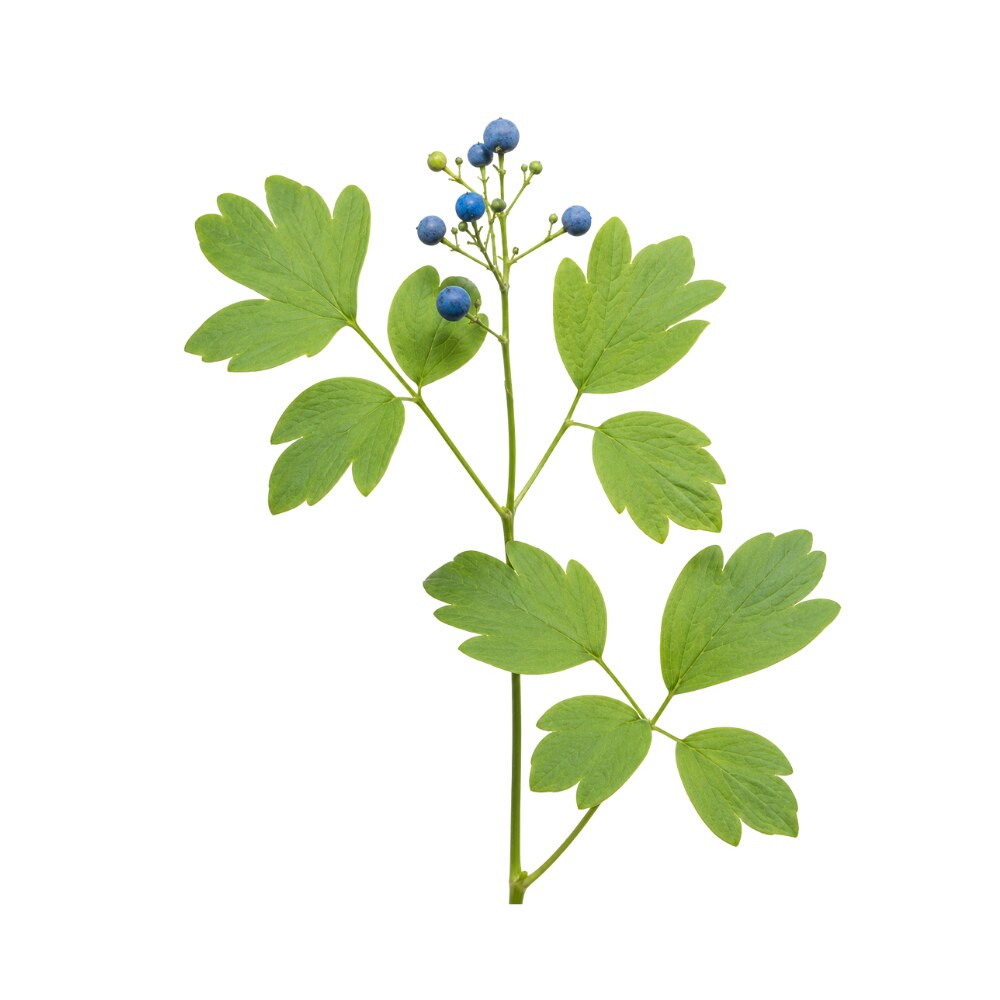 Source Blue Cohosh Caulophyllum thalictroides Herb monograph →
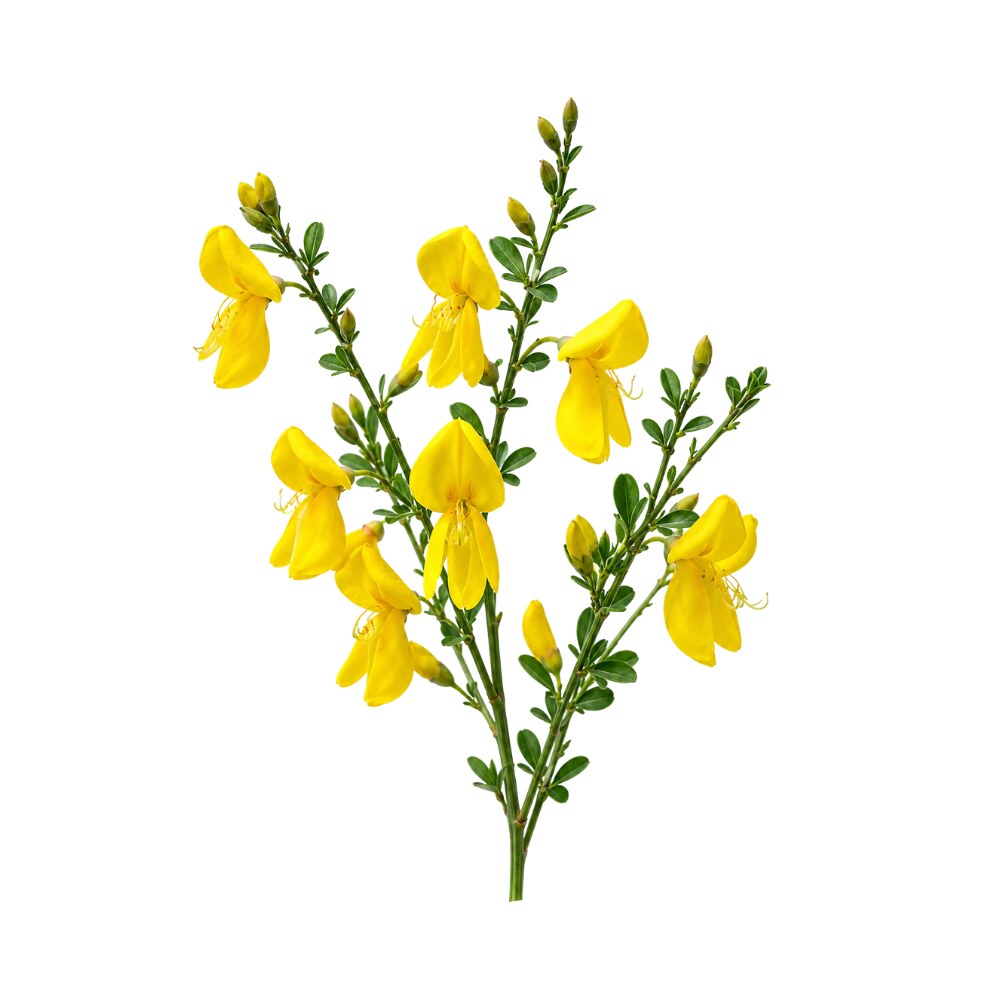 Source Broom Cytisus scoparius Herb monograph →
Concentration
Content by Source
Reported concentrations across the plants that contain lupanine — the bar marks the typical level, the line shows the reported range.
Literature figures for varying plant parts and preparations. Read them as a comparative guide, not exact assays.
Lupanine at a Glance
Lupanine is a quinolizidine (“lupin-type”) alkaloid — the most abundant one in the seeds of bitter lupins (Lupinus species), and the compound most responsible for their bitter taste and their toxicity when they are eaten under-prepared. It also occurs as a minor alkaloid of broom (Cytisus scoparius) and of blue cohosh (Caulophyllum thalictroides) rhizome.
Unlike most molecules here, lupanine is not a candidate remedy but chiefly an anti-nutrient and food-safety concern. Traditional and modern lupin foods are edible only because the alkaloids — lupanine foremost — are washed out by long soaking (“debittering”), or bred down in “sweet” cultivars. Eating bitter, insufficiently soaked lupin beans produces a recognisable anticholinergic-type poisoning 7,
There is a narrow strand of therapeutic interest: isolated lupanine is a glucose-dependent insulin secretagogue in pancreatic beta-cell and rodent studies, part of why whole lupin seed lowers blood glucose 1,
The Signature Bitter-Lupin Alkaloid
Lupanine’s identity is unusual because it wears two different hats depending on which plant it is in, and the more important one is agricultural.
In bitter lupins it is the alkaloid debittering exists to remove. Bitter Lupinus seed carries a quinolizidine-alkaloid fraction that can exceed 1% of dry weight, and lupanine is typically its single most abundant member 7Reference 7Scientific opinion on the risks for animal and human health related to the presence of quinolizidine alkaloids in feed and food, in particular in lupins and lupin-derived productsView study →. That fraction is bitter and toxic, so lupins become food only after the alkaloids are leached out — by repeated boiling and days of water changes for traditional snack lupins, or by breeding “sweet” cultivars and processing to keep total quinolizidine alkaloids below roughly 200 mg/kg, the guideline level used for food lupins 7Reference 7Scientific opinion on the risks for animal and human health related to the presence of quinolizidine alkaloids in feed and food, in particular in lupins and lupin-derived productsView study →. When that step is skipped or shortened, lupanine is the molecule that poisons the eater 7,
In blue cohosh it is a bit-player in an alkaloid complex. Blue-cohosh rhizome’s toxicity and its herb-drug-interaction potential are driven by other quinolizidines — chiefly the nicotinic marker n-methylcytisine and the teratogen anagyrine — with lupanine and its relative alpha-isolupanine present as minor constituents that add to the extract’s cytochrome-P450 inhibition 4,
The through-line is that lupanine is best understood as a defence alkaloid the plant makes to deter herbivores, which humans then have to engineer around — by soaking, breeding, or (in the herbal case) simply respecting the dose.
What It's Used For
Lupanine’s pharmacology is modest, largely preclinical, and split between a genuine glucose-handling signal and a set of shared quinolizidine-class effects (sodium-channel block, nicotinic activity, enzyme inhibition) on which it is usually the weaker member relative to its cousin sparteine.
Support is an experimental score — weighted by study type (human > animal > in vitro) and volume. A beta, not a validated metric. Every row here is preclinical (islet, cell or rodent) or class-level; there is no efficacy trial of isolated lupanine, so scores stay low by design.
The one application where the isolated molecule has been studied directly, and the results are instructive precisely because they disagree. In isolated normal rat islets, lupanine enhanced insulin secretion at 8.3 and 16.7 mM glucose but not at low glucose, and diazoxide (a KATP-channel opener) blunted it — pointing to beta-cell KATP-channel blockade as the mechanism 1Reference 1Quinolizidine alkaloids isolated from Lupinus species enhance insulin secretionView study →.
A later study in INS-1E beta-cells and mouse islets confirmed lupanine directly inhibits the KATP channel (incompletely, even at 1 mM), depolarising the cell and raising Ca²⁺ action-potential frequency, and additionally increased insulin-gene (Ins-1) expression; in streptozotocin-diabetic rats it improved an oral glucose tolerance test without causing hypoglycaemia 2Reference 2Lupanine improves glucose homeostasis by influencing KATP channels and insulin gene expressionView study →.
Against this, a whole-animal study found that a single injection of isolated lupanine did not lower blood glucose in diabetic or non-diabetic rats — whereas 2-thionosparteine did — concluding lupanine is not by itself a glucose-lowering agent 3Reference 3AnimalHypoglycaemic effect of quinolizidine alkaloids — lupanine and 2-thionosparteine on non-diabetic and streptozotocin-induced diabetic ratsView study →.
Gap: all islet/rodent, no human trial of the isolate; the reconciling read is that lupanine is a glucose-gated potentiator of insulin release (useful because it should not drop normal glucose) but too weak to act as a stand-alone hypoglycaemic, and the human-relevant effect belongs to whole lupin seed, not the purified alkaloid 1,
Lupanine’s clinically relevant liability, and it emerges from the blue-cohosh literature rather than the lupin one. In fractionation studies of Caulophyllum thalictroides rhizome, lupanine and its isomer alpha-isolupanine are among the alkaloids that inhibit human cytochrome-P450 enzymes in vitro, contributing (with n-methylcytisine, anagyrine, baptifoline and the caulophyllumine piperidines) to the extract’s overall CYP-inhibitory activity 4,
That is the mechanistic basis for treating blue-cohosh products as a potential herb-drug-interaction risk.
Gap: this is in-vitro enzyme work on the whole alkaloid set, with lupanine one contributor among several and rarely the most potent; no clinical interaction has been quantified for isolated lupanine, and the dominant blue-cohosh safety concerns (nicotinic toxidrome, teratogenicity) belong to other alkaloids 4,
A shared quinolizidine property on which lupanine is the weak member. Using loose-patch clamp on single muscle fibres, lupanine blocked voltage-gated Na⁺ currents with an IC50 of ~1.2 mM — roughly seven-fold weaker than sparteine (169 µM) and far weaker than the class-I antiarrhythmics quinidine (56 µM) and ajmaline (6.6 µM) — a rank order consistent with the use of those other alkaloids as antiarrhythmic drugs 6Reference 6Differential effects of alkaloids on sodium currents of isolated single skeletal muscle fibersView study →.
At the level of the whole alkaloid mixture, EFSA identified changes in cardiac electrical conductivity (alongside anticholinergic effects) as a critical hazard of acute quinolizidine-alkaloid exposure, using sparteine as the reference compound 7Reference 7Scientific opinion on the risks for animal and human health related to the presence of quinolizidine alkaloids in feed and food, in particular in lupins and lupin-derived productsView study →.
Gap: lupanine’s own Na⁺-block is too weak to be a therapeutic antiarrhythmic, and the cardiac-conduction hazard is a class/high-dose effect anchored on sparteine, not a demonstrated lupanine cardiotoxicity at food-relevant intakes 6,
A single, mechanistically tidy in-vitro finding. Lupanine isolated from Cytisus scoparius (with 17-oxosparteine) protected PC12 cells and hippocampal neurons from soluble amyloid-β oligomer toxicity at 0.03 µM (≈57–64% protection), increased the frequency of spontaneous Ca²⁺ transients, and raised Akt phosphorylation; the protection was abolished by alpha-bungarotoxin, implicating nicotinic acetylcholine receptors and downstream PI3K/Akt survival signalling 8Reference 8Gavilan J, et al. (2019). 17-oxo-sparteine and lupanine, obtained from Cytisus scoparius, exert a neuroprotection against soluble oligomers of amyloid-β toxicity by nicotinic acetylcholine receptors. Journal of Alzheimer’s Disease. https://pubmed.ncbi.nlm.nih.gov/30584148/View study →.
Gap: one isolate study in cell models — no animal cognition data, no human work — and the nicotinic mechanism that protects neurons here is the same pharmacology that makes the alkaloid class toxic at whole-seed doses 8Reference 8Gavilan J, et al. (2019). 17-oxo-sparteine and lupanine, obtained from Cytisus scoparius, exert a neuroprotection against soluble oligomers of amyloid-β toxicity by nicotinic acetylcholine receptors. Journal of Alzheimer’s Disease. https://pubmed.ncbi.nlm.nih.gov/30584148/View study →.
Mechanisms
| Target / pathway | Effect | Relevant to |
|---|---|---|
| Beta-cell ATP-sensitive K⁺ (KATP) channel | direct, incomplete block → depolarisation, ↑ Ca²⁺ action potentials, glucose-gated insulin release | insulin secretion / glycaemic control |
| Insulin gene (Ins-1) expression | up-regulated in beta-cells exposed to lupanine | insulin secretion / glycaemic control |
| Voltage-gated Na⁺ channels | weak block (IC50 ≈ 1.2 mM), far below sparteine/quinidine potency | cardiac & sodium-channel activity |
| Cytochrome P450 enzymes | in-vitro inhibition as a blue-cohosh alkaloid constituent | CYP inhibition / herb-drug interaction |
| Nicotinic acetylcholine receptors (nAChR) → PI3K/Akt | agonist-type activation; anti-apoptotic survival signalling in neurons | neuroprotection; also the toxidrome |
| Muscarinic/autonomic balance (whole-alkaloid) | anticholinergic-type toxidrome after high bitter-seed intake | toxicity |
The load-bearing point is that lupanine’s beneficial (insulin, neuroprotective) and harmful (toxidrome, cardiac) actions run through the same ion-channel and nicotinic pharmacology — which is why the alkaloid is interesting in a dish and dangerous on a plate.
Pharmacokinetics
Human PK is, unusually, one of the best-documented things about lupanine — and it is reassuring. In a controlled disposition study, healthy volunteers given oral lupanine (~40 µmol) excreted ~90–96% of the dose unchanged in urine within 72 h, with an elimination half-life of roughly 6.2–6.5 h 9Reference 9Disposition of lupanine and 13-hydroxylupanine in manView study →. Critically, disposition did not differ between CYP2D6 extensive- and poor-metaboliser phenotypes — so, unlike sparteine (a classic CYP2D6 probe), lupanine is cleared largely renally and intact rather than by CYP2D6 oxidation, and the authors concluded that clinical toxicity from lupin seed used as food is unlikely at normal intakes 9Reference 9Disposition of lupanine and 13-hydroxylupanine in manView study →. The practical upshot: lupanine does not accumulate, its window of anticholinergic effect is short (matching the 24–36 h clinical course of poisonings), and the interaction concern is lupanine inhibiting CYP enzymes (blue-cohosh context) rather than depending on them for its own clearance 4,
Clinical Trials
There are no efficacy trials of isolated lupanine. The human record consists of pharmacokinetic/disposition studies 9Reference 9Disposition of lupanine and 13-hydroxylupanine in manView study → and case reports of accidental poisoning 10Reference 10Awada A, Atallah D, Zoghbi A (2011). [Anticholinergic syndrome after intoxication by lupine seeds (Tourmos)]. Journal Médical Libanais. https://pubmed.ncbi.nlm.nih.gov/22746013/View study →; the glucose and cardiac findings are islet, cell and rodent work 1,
| Completed | Planned | Terminated | Preclinical |
|---|---|---|---|
| Human PK/disposition; poisoning case series | — | — | Insulin-secretion (islet/INS-1E), Na⁺-channel, CYP, nAChR neuroprotection |
Last checked: July 2026.
Isolate vs. Plant Studies
The evidence divides cleanly. The mechanistic pharmacology is the isolate — the KATP/insulin work 1,
Its Role in Plants
Lupanine is a chemical-defence alkaloid. Lupins accumulate quinolizidine alkaloids in vegetative tissues and seed, where they deter herbivorous insects such as aphids — lupanine being the dominant member of that defensive fraction 7,
That defence, however, is not free of collateral cost. Lupanine and its derivatives are also expressed in lupin pollen, and feeding lupanine-laced pollen to queenless Bombus terrestris microcolonies at field-relevant concentrations reduced the number and size of males produced — evidence that a plant’s anti-herbivore chemistry can spill over onto its pollinators 13Reference 13Herbivore defence compounds occur in pollen and reduce bumblebee colony fitnessView study →. This is plant/insect ecology, not human pharmacology, but it is the clearest illustration of what lupanine is for.
Prevalence in Nature
Lupanine is a quinolizidine alkaloid of the legume family (Fabaceae), concentrated in the genus Lupinus and present in scattered relatives. In bitter lupins — Lupinus angustifolius (narrow-leafed/“blue” lupin), L. albus (white lupin) and the Andean L. mutabilis — the total quinolizidine-alkaloid fraction of the seed can exceed 1% of dry weight, and lupanine is typically its single most abundant component (often the majority of the alkaloid mixture, though L. albus also carries much 13-hydroxylupanine) 7Reference 7Scientific opinion on the risks for animal and human health related to the presence of quinolizidine alkaloids in feed and food, in particular in lupins and lupin-derived productsView study →. Food (“sweet”) lupins are the same species bred and processed to hold total alkaloids below ~200 mg/kg 7Reference 7Scientific opinion on the risks for animal and human health related to the presence of quinolizidine alkaloids in feed and food, in particular in lupins and lupin-derived productsView study →. Beyond the lupins it is a minor alkaloid of broom (Cytisus scoparius) 8Reference 8Gavilan J, et al. (2019). 17-oxo-sparteine and lupanine, obtained from Cytisus scoparius, exert a neuroprotection against soluble oligomers of amyloid-β toxicity by nicotinic acetylcholine receptors. Journal of Alzheimer’s Disease. https://pubmed.ncbi.nlm.nih.gov/30584148/View study → and of blue-cohosh rhizome, where it sits within a quinolizidine/aporphine/piperidine alkaloid complex 4Reference 4In vitroDetecting potential teratogenic alkaloids from blue cohosh rhizomes using an in vitro rat embryo cultureView study →.
Major Natural Sources
| Source | Plant part | Lupanine status |
|---|---|---|
| Bitter narrow-leafed lupin (Lupinus angustifolius) | seed | Dominant QA; ~55–75% of a >1% dry-wt alkaloid fraction 7Reference 7Scientific opinion on the risks for animal and human health related to the presence of quinolizidine alkaloids in feed and food, in particular in lupins and lupin-derived productsView study → |
| Bitter white lupin (Lupinus albus) | seed | Major QA alongside 13-hydroxylupanine 7Reference 7Scientific opinion on the risks for animal and human health related to the presence of quinolizidine alkaloids in feed and food, in particular in lupins and lupin-derived productsView study → |
| Andean lupin (Lupinus mutabilis) | seed | Major QA of a high-alkaloid, must-debitter species 7Reference 7Scientific opinion on the risks for animal and human health related to the presence of quinolizidine alkaloids in feed and food, in particular in lupins and lupin-derived productsView study → |
| Broom (Cytisus scoparius) | aerial parts | Minor alkaloid 8Reference 8Gavilan J, et al. (2019). 17-oxo-sparteine and lupanine, obtained from Cytisus scoparius, exert a neuroprotection against soluble oligomers of amyloid-β toxicity by nicotinic acetylcholine receptors. Journal of Alzheimer’s Disease. https://pubmed.ncbi.nlm.nih.gov/30584148/View study → |
| Blue cohosh (Caulophyllum thalictroides) | rhizome | Minor alkaloid within a mixed complex 4Reference 4In vitroDetecting potential teratogenic alkaloids from blue cohosh rhizomes using an in vitro rat embryo cultureView study → |
These are shares of the alkaloid fraction, not whole-plant percentages, and they vary with species, cultivar, growing conditions and processing 7Reference 7Scientific opinion on the risks for animal and human health related to the presence of quinolizidine alkaloids in feed and food, in particular in lupins and lupin-derived productsView study →.
Discovery & Synthesis
Lupanine is one of the classic “lupin” quinolizidine alkaloids, recognised since nineteenth-century chemical study of bitter lupin seed; its name, like the alkaloid class, derives directly from the genus Lupinus. Its structure is a tetracyclic quinolizidine related to sparteine (lupanine is, in effect, the 2-oxo relative within the sparteine/lupanine skeleton), and it occurs predominantly as the (+)-enantiomer in lupins.
Unlike most pharmaceutical alkaloids, lupanine has no commercially important total synthesis — there is no drug demand to justify one. Where it is needed as a reference standard or a chemical feedstock, it is isolated from the alkaloid-rich wastewater produced when bitter lupins are debittered, turning a food-processing waste stream into the practical source of the pure compound 7Reference 7Scientific opinion on the risks for animal and human health related to the presence of quinolizidine alkaloids in feed and food, in particular in lupins and lupin-derived productsView study →. That inversion — the molecule you pay to remove from food being the molecule you harvest for the lab — is the defining fact of its “production.”
Patents: not yet researched.
Toxicity & Safety
Lupanine carries a moderate flag. It is a genuine poison — the cause of a recognised anticholinergic toxidrome — but the risk is conditional and self-limiting: it requires eating bitter, insufficiently debittered lupins (or overdosing a bitter-lupin product), poisonings resolve spontaneously in 24–36 h, and properly processed food lupins and sweet cultivars are safe 7,
- Properly debittered / sweet food lupins are safe. Soaking bitter lupins thoroughly, or using low-alkaloid cultivars kept below ~200 mg/kg total alkaloids, removes the hazard 7Reference 7Scientific opinion on the risks for animal and human health related to the presence of quinolizidine alkaloids in feed and food, in particular in lupins and lupin-derived productsView study →.
- Clears fast and intact. ~90–96% of an oral dose is excreted unchanged in urine within 72 h (t½ ≈ 6 h), CYP2D6-independent, so it does not accumulate 9Reference 9Disposition of lupanine and 13-hydroxylupanine in manView study →.
- Anticholinergic toxidrome from under-soaked bitter lupins. Dry mouth, mydriasis (blurred vision), palpitations/tachycardia, dizziness and malaise follow large intakes of poorly prepared bitter seed; symptoms are self-limiting but real 7,
10Reference 7Scientific opinion on the risks for animal and human health related to the presence of quinolizidine alkaloids in feed and food, in particular in lupins and lupin-derived productsView study →Reference 10Awada A, Atallah D, Zoghbi A (2011). [Anticholinergic syndrome after intoxication by lupine seeds (Tourmos)]. Journal Médical Libanais. https://pubmed.ncbi.nlm.nih.gov/22746013/View study → . - Class cardiac-conduction hazard. For the quinolizidine-alkaloid group, acute high exposure can affect cardiac electrical conductivity (EFSA hazard characterisation, referenced to sparteine) 7Reference 7Scientific opinion on the risks for animal and human health related to the presence of quinolizidine alkaloids in feed and food, in particular in lupins and lupin-derived productsView study →.
- Herb-drug-interaction context. As a blue-cohosh alkaloid constituent, lupanine contributes to in-vitro cytochrome-P450 inhibition — a reason to treat blue-cohosh products cautiously with co-administered drugs 4,
5Reference 4In vitroDetecting potential teratogenic alkaloids from blue cohosh rhizomes using an in vitro rat embryo cultureView study →Reference 5Alkaloids and saponins as cytochrome P450 inhibitors from blue cohosh (Caulophyllum thalictroides)View study → .
Full Safety & Interactions Detail
The toxidrome. The bitter taste of unprocessed lupins is a warning: it is largely the quinolizidine alkaloids, lupanine foremost, that are both bitter and toxic. Case reports describe patients developing an anticholinergic syndrome — mydriasis, dry mouth, palpitations, general malaise — after eating 200–500 g of bitter lupin (“lupini”) snack seeds that had not been soaked enough, with spontaneous recovery in roughly a day 10Reference 10Awada A, Atallah D, Zoghbi A (2011). [Anticholinergic syndrome after intoxication by lupine seeds (Tourmos)]. Journal Médical Libanais. https://pubmed.ncbi.nlm.nih.gov/22746013/View study →. The clinical picture and its brevity match lupanine’s short pharmacokinetic window 9Reference 9Disposition of lupanine and 13-hydroxylupanine in manView study →.
Food processing is the control. Traditional preparation (boiling then days of soaking with repeated water changes) and modern breeding/quality control both target the same endpoint: getting total quinolizidine alkaloids down to safe levels. EFSA’s risk assessment of quinolizidine alkaloids in food and feed identified anticholinergic effects and altered cardiac conductivity as the critical acute hazards (using sparteine as the reference compound), set a lowest single oral effective dose of 0.16 mg sparteine/kg as its reference point, and flagged lupin seeds eaten without a debittering step, high-alkaloid debittered seed, and lupin-based meat imitates as scenarios where some consumers’ exposure may be of concern 7Reference 7Scientific opinion on the risks for animal and human health related to the presence of quinolizidine alkaloids in feed and food, in particular in lupins and lupin-derived productsView study →.
Repeat-dose animal toxicology. Sub-chronic and longer feeding studies of lupin alkaloids in rats — a 90-day study of L. angustifolius alkaloids up to ~500 mg/kg/day 11Reference 11AnimalA 90-day feeding study of the alkaloids of Lupinus angustifolius in the ratView study → and a nine-month, multigeneration study of sweet L. albus 12Reference 12AnimalSafety evaluation of sweet lupine (Lupinus albus cvView study → — underpin the tolerance/safety limits used for food lupins.
Interactions. The documented interaction signal is lupanine (and alpha-isolupanine) inhibiting cytochrome-P450 enzymes as constituents of blue-cohosh rhizome extract in vitro — relevant to co-administered CYP-substrate drugs when blue-cohosh products are used 4,
Reproductive note (prose only). In bitter lupins the reproductive-toxicity concern of the alkaloid fraction is a food-safety matter handled by debittering; in blue cohosh the well-documented teratogenicity belongs to n-methylcytisine and anagyrine, not to lupanine 4Reference 4In vitroDetecting potential teratogenic alkaloids from blue cohosh rhizomes using an in vitro rat embryo cultureView study →. Pregnancy and lactation decisions are made on the herb or product page where intake is decided, not on this molecule page; no isolate-specific verdict is issued here.
Dosage
There is no therapeutic dose of lupanine — it is an anti-nutrient to be minimised, not taken. The only meaningful “dosing” numbers are the food-safety limit and the research exposures behind the findings above:
| Context | Figure |
|---|---|
| Food (“sweet”) lupin guideline | total quinolizidine alkaloids below ~200 mg/kg 7Reference 7Scientific opinion on the risks for animal and human health related to the presence of quinolizidine alkaloids in feed and food, in particular in lupins and lupin-derived productsView study → |
| Rat sub-chronic feeding study | up to ~500 mg lupin alkaloid/kg/day 11Reference 11AnimalA 90-day feeding study of the alkaloids of Lupinus angustifolius in the ratView study → |
| Islet / beta-cell insulin studies | 0.05–1 mmol/L lupanine in vitro 1, |
| Human disposition (tracer) dose | ~40 µmol oral lupanine 9Reference 9Disposition of lupanine and 13-hydroxylupanine in manView study → |
| Reported poisoning intake | 200–500 g under-soaked bitter lupin seed 10Reference 10Awada A, Atallah D, Zoghbi A (2011). [Anticholinergic syndrome after intoxication by lupine seeds (Tourmos)]. Journal Médical Libanais. https://pubmed.ncbi.nlm.nih.gov/22746013/View study → |
These are research and regulatory figures, not a personal recommendation — the applicable “dose” for anyone eating lupins is as little as possible, achieved by proper debittering or by choosing sweet cultivars.
References
- García López PM, et al. (2004). Quinolizidine alkaloids isolated from Lupinus species enhance insulin secretion. European Journal of Pharmacology. https://pubmed.ncbi.nlm.nih.gov/15507230/
- Wiedemann M, et al. (2015). Lupanine improves glucose homeostasis by influencing KATP channels and insulin gene expression. Molecules. https://pubmed.ncbi.nlm.nih.gov/26492234/
- Bobkiewicz-Kozłowska T, et al. (2007). Hypoglycaemic effect of quinolizidine alkaloids — lupanine and 2-thionosparteine on non-diabetic and streptozotocin-induced diabetic rats. European Journal of Pharmacology. https://pubmed.ncbi.nlm.nih.gov/17379208/
- Kennelly EJ, et al. (1999). Detecting potential teratogenic alkaloids from blue cohosh rhizomes using an in vitro rat embryo culture. Journal of Natural Products. https://pubmed.ncbi.nlm.nih.gov/10543898/
- Madgula VLM, et al. (2009). Alkaloids and saponins as cytochrome P450 inhibitors from blue cohosh (Caulophyllum thalictroides). Planta Medica. https://pubmed.ncbi.nlm.nih.gov/19137500/
- Körper S, Wink M, Fink RHA (1998). Differential effects of alkaloids on sodium currents of isolated single skeletal muscle fibers. FEBS Letters. https://pubmed.ncbi.nlm.nih.gov/9781689/
- EFSA Panel on Contaminants in the Food Chain (CONTAM) (2019). Scientific opinion on the risks for animal and human health related to the presence of quinolizidine alkaloids in feed and food, in particular in lupins and lupin-derived products. EFSA Journal. https://pubmed.ncbi.nlm.nih.gov/32626161/
- Gavilan J, et al. (2019). 17-oxo-sparteine and lupanine, obtained from Cytisus scoparius, exert a neuroprotection against soluble oligomers of amyloid-β toxicity by nicotinic acetylcholine receptors. Journal of Alzheimer’s Disease. https://pubmed.ncbi.nlm.nih.gov/30584148/
- Petterson DS, et al. (1994). Disposition of lupanine and 13-hydroxylupanine in man. Xenobiotica. https://pubmed.ncbi.nlm.nih.gov/7810174/
- Awada A, Atallah D, Zoghbi A (2011). [Anticholinergic syndrome after intoxication by lupine seeds (Tourmos)]. Journal Médical Libanais. https://pubmed.ncbi.nlm.nih.gov/22746013/
- Robbins MC, Petterson DS, Brantom PG (1996). A 90-day feeding study of the alkaloids of Lupinus angustifolius in the rat. Food and Chemical Toxicology. https://pubmed.ncbi.nlm.nih.gov/8883468/
- Ballester DR, et al. (1984). Safety evaluation of sweet lupine (Lupinus albus cv. Multolupa). II. Nine-month feeding and multigeneration study in rats. Food and Chemical Toxicology. https://pubmed.ncbi.nlm.nih.gov/6537936/
- Arnold SEJ, et al. (2014). Herbivore defence compounds occur in pollen and reduce bumblebee colony fitness. Journal of Chemical Ecology. https://pubmed.ncbi.nlm.nih.gov/24952086/



