
Compound Monograph
Sparteine
Sparteine is a lupine-type quinolizidine alkaloid from broom, lupins and blue cohosh — a class-I-type cardiac sodium-channel blocker and historical oxytocic that became famous for something else entirely: as the CYP2D6 probe whose 'sparteine oxidation polymorphism' helped found pharmacogenetics.

Sources · 5
Where Does It Come From?
Sparteine is a naturally occurring quinolizidine alkaloid (lupine-type, tetracyclic bis-quinolizidine), found in Broom, Blue cohosh, Lupins and 2 other sources. It is flagged as moderately toxic.
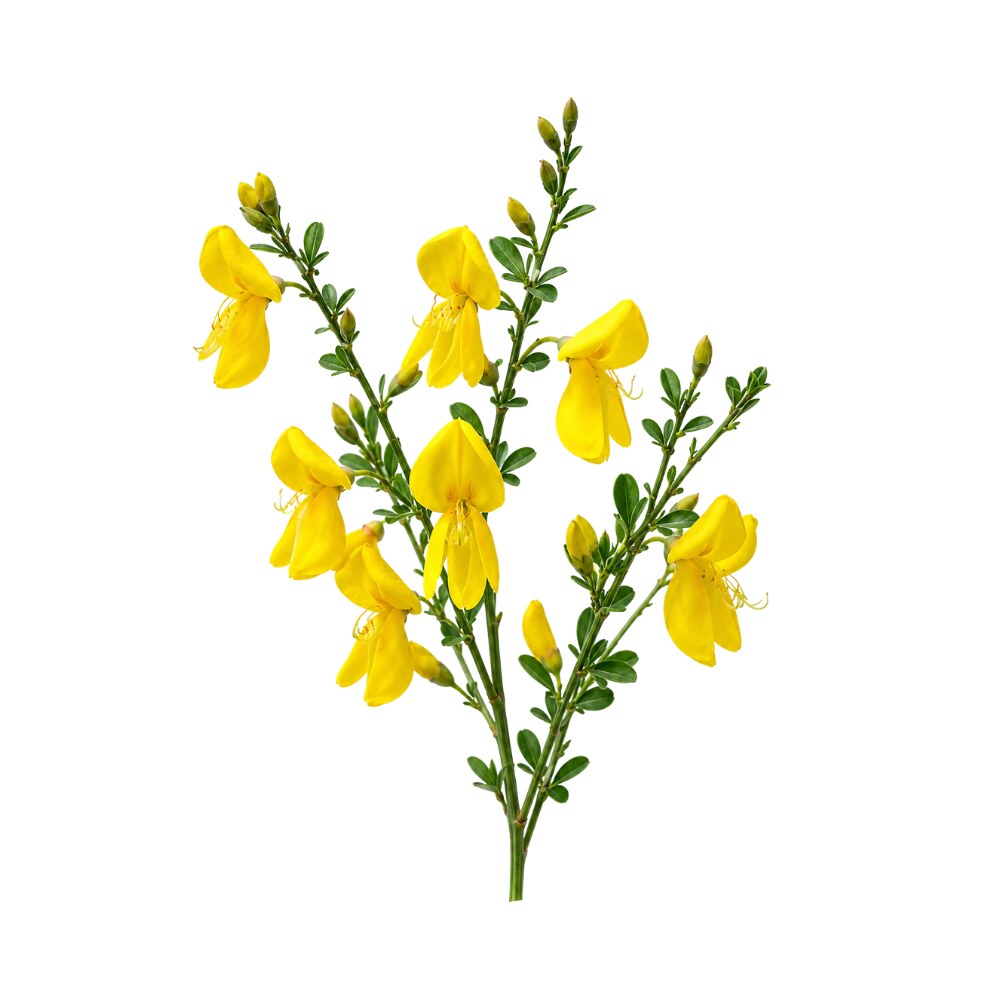 Principal source Broom Cytisus scoparius Herb monograph →
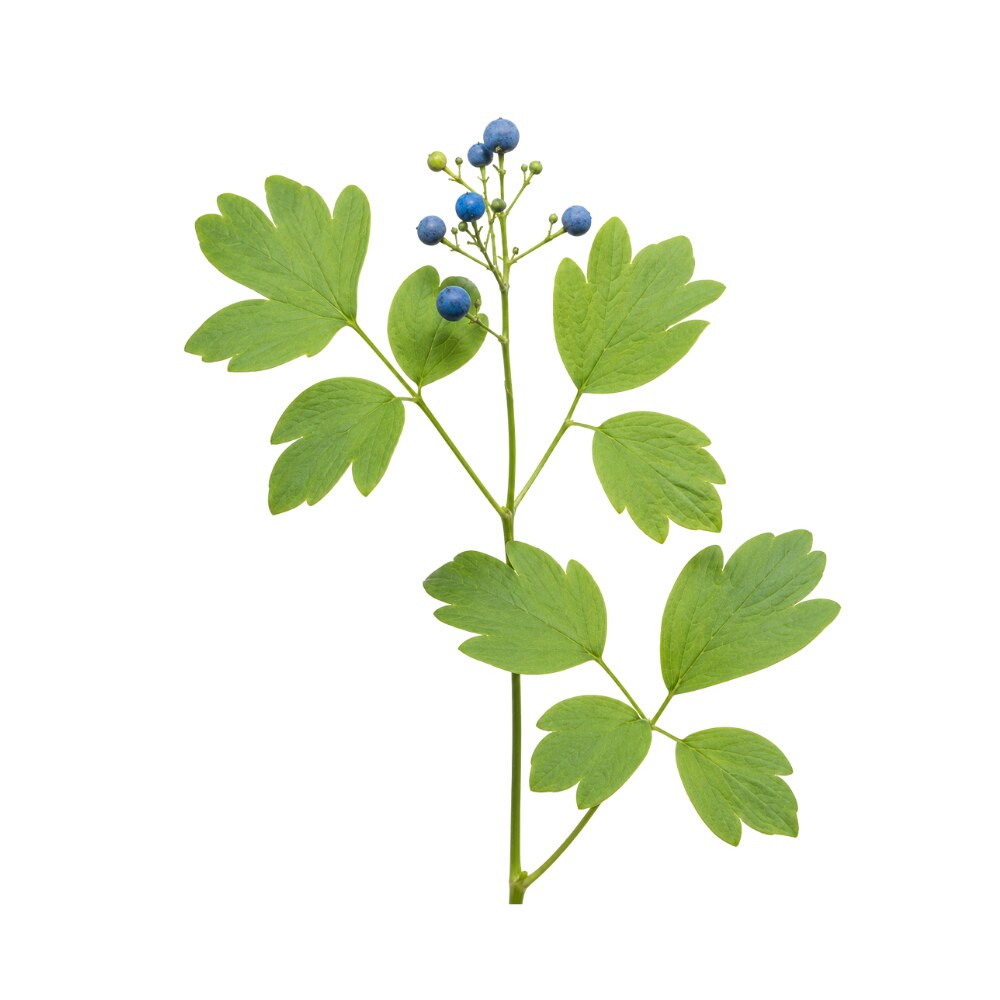 Source Blue Cohosh Caulophyllum thalictroides Herb monograph →
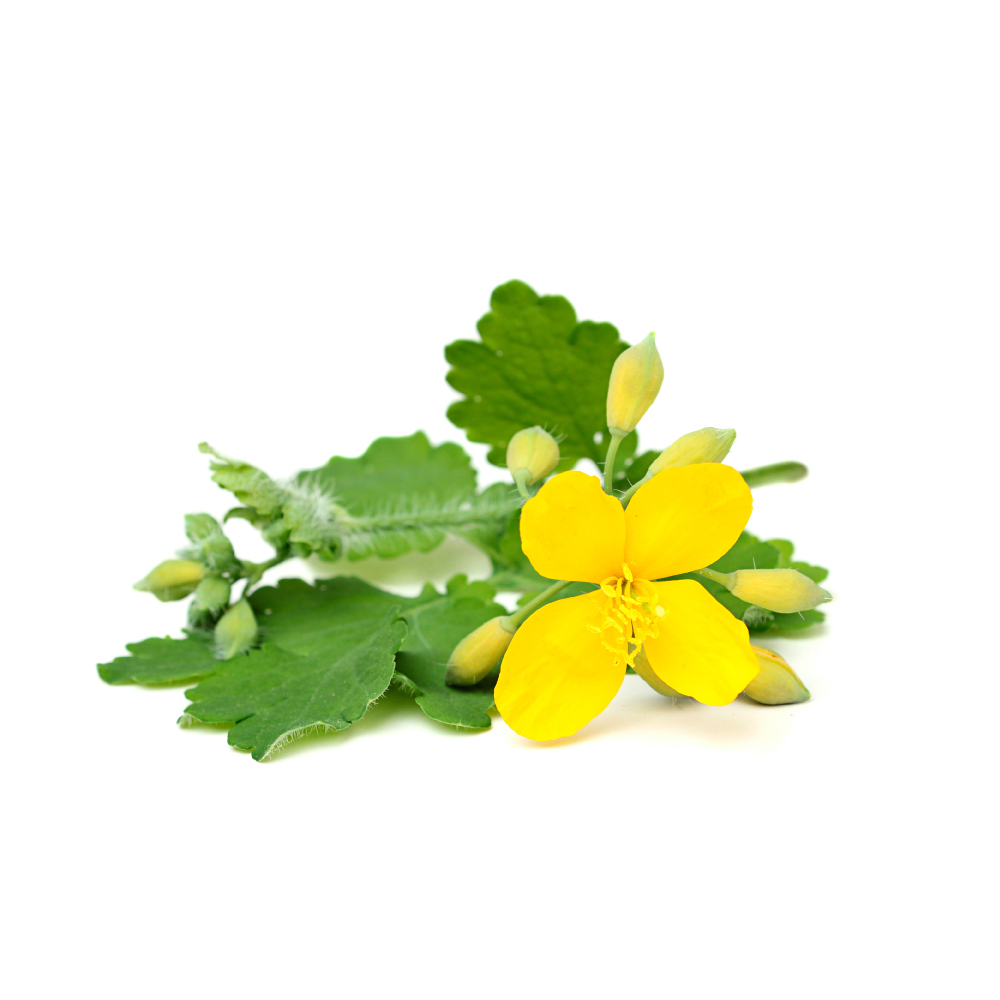 Source Greater Celandine Chelidonium majus Herb monograph →
Concentration
Content by Source
Concentrations not reported. No percent-dry-weight or mg/g figures have been published for this compound in its source plants.
Sparteine at a Glance
Sparteine is a lupine-type (tetracyclic) quinolizidine alkaloid — the principal alkaloid of broom (Cytisus scoparius), a lupin alkaloid, and one of the minor lupine-type alkaloids of blue cohosh (Caulophyllum thalictroides) 8,
Its lasting importance, though, is neither of those. Sparteine became one of the founding molecules of pharmacogenetics: in 1979 a subset of people were found to metabolise a test dose extremely poorly, and that “sparteine oxidation polymorphism” turned out to be genetic variation in the enzyme now called CYP2D6 1,
It carries a moderate toxicity flag: a narrow margin between its cardiac and uterine effects and toxicity is exactly why its therapeutic use was dropped, and the oxytocic action makes it a reproductive concern.
Sparteine & the Birth of Pharmacogenetics
This is the section that makes sparteine matter far beyond its own modest pharmacology. In 1979, Eichelbaum and colleagues reported that when healthy volunteers took sparteine, a distinct minority showed “defective N-oxidation” — they barely metabolised it, accumulated much higher plasma levels, and experienced exaggerated effects 1,
The same year, an independent group found an identical pattern with the antihypertensive debrisoquine. The two defects turned out to be the same deficiency — of a single hepatic enzyme, later cloned and named CYP2D6 3Reference 3Cytochrome P450 enzymes in drug metabolism: regulation of gene expression, enzyme activities, and impact of genetic variationView study →. This “sparteine/debrisoquine oxidation polymorphism” was one of the first demonstrations that ordinary variation in a drug-metabolising gene could explain why the same dose is safe in one person and toxic in another — a founding result of modern pharmacogenetics 3Reference 3Cytochrome P450 enzymes in drug metabolism: regulation of gene expression, enzyme activities, and impact of genetic variationView study →.
Roughly 5–10% of people of European ancestry are CYP2D6 poor metabolizers, with the frequency differing markedly between populations 3Reference 3Cytochrome P450 enzymes in drug metabolism: regulation of gene expression, enzyme activities, and impact of genetic variationView study →. Because sparteine is oxidised cleanly and specifically by CYP2D6, a single oral test dose with a urinary metabolic ratio became a standard way to phenotype the enzyme — the practical legacy that outlived sparteine’s own use as a drug 1,
What It's Used For
Sparteine’s own pharmacology is real but historical: a cardiac sodium-channel blocker and a uterine stimulant, both once used clinically and both largely abandoned. The strongest, most modern evidence attached to the molecule is not therapeutic at all — it is its role as a metabolic probe (above).
Support is an experimental score — weighted by study type (human > animal > in vitro) and volume. A beta, not a validated metric. Note that the highest-scoring “application” here is a laboratory probe use, not a treatment; the therapeutic rows are historical.
Sparteine’s best-evidenced human application is as a phenotyping probe for CYP2D6 — the isolated molecule, given as a defined oral test dose. Because it is oxidised specifically by CYP2D6 to its dehydro metabolites, the urinary metabolic ratio cleanly separates extensive from poor metabolizers, the trait Eichelbaum’s group first described in 1979 1,
This is not a treatment but a research/diagnostic use, and it is the reason the molecule is still discussed at all.
Gap: this is a laboratory probe, not a therapy; it tells you about the enzyme, not about any benefit of sparteine. Probe phenotyping has largely been superseded by direct CYP2D6 genotyping in routine practice 3Reference 3Cytochrome P450 enzymes in drug metabolism: regulation of gene expression, enzyme activities, and impact of genetic variationView study →.
The isolated alkaloid is a class-I-type cardiac sodium-channel blocker. In rats, sparteine (and its analogue BRB-I-28) produced dose-dependent slowing of conduction, PR/QT prolongation and a raised arrhythmia threshold 5Reference 5AnimalThe cardiac electrophysiological effects of sparteine and its analogue BRB-I-28 in the ratView study →; in an isolated-tissue comparison of class-I antiarrhythmics, sparteine’s action tracked Na-channel blockade, with its negative inotropic effect weaker than and secondary to that block 6Reference 6Negative inotropic effects of tetrodotoxin and seven class 1 antiarrhythmic drugs in relation to sodium channel blockadeView study →.
This underwrote its former use as an antiarrhythmic drug (as sparteine sulfate).
Gap: the mechanistic data are animal/tissue, the clinical use is historical and abandoned, and the same Na-channel block that treats arrhythmia can cause conduction disturbance — a narrow margin that helped end its therapeutic use 5,
Sparteine has a genuine uterotonic action: sparteine sulfate raised uterine prostaglandin F and stimulated contraction in pregnant rats 7Reference 7AnimalEffect of sparteine sulfate on uterine prostaglandin F in the ratView study →, consistent with its former obstetric use to induce or augment labour. Broom’s traditional reputation as a uterine herb tracks this alkaloid, and in blue cohosh the uterine-stimulant folklore is usually credited to the saponin fraction rather than sparteine specifically 10Reference 10Primary constituents of blue cohosh: quantification in dietary supplements and potential for toxicityView study →.
Gap: the mechanistic data are animal; historical obstetric use of sparteine sulfate was abandoned because contractions could become excessive/uncontrolled, and this oxytocic action is precisely why the molecule is treated as a reproductive-safety hazard rather than a benefit 7Reference 7AnimalEffect of sparteine sulfate on uterine prostaglandin F in the ratView study →.
As a constituent of blue cohosh, sparteine sits among the lupine-type alkaloids — with lupanine and α-isolupanine — that contribute to the rhizome’s in-vitro cytochrome-P450 inhibition 8,
Gap: the evidence is an in-vitro CYP-inhibition assay of blue cohosh constituents; the dominant CYP-inhibitory and teratogenic alkaloids of that herb are others (N-methylcytisine, anagyrine, baptifoline), and no clinical interaction has been demonstrated for isolated sparteine 8,
Mechanisms
| Target / pathway | Effect | Relevant to |
|---|---|---|
| CYP2D6 (hepatic) | substrate — oxidised to 2- and 5-dehydrosparteine; the oxidation rate is the phenotype readout | pharmacogenetic probe |
| Cardiac voltage-gated Na⁺ channels | class-I-type block → slowed conduction, PR/QT prolongation, raised arrhythmia threshold | antiarrhythmic |
| Myocardial contractility | weak negative inotropy, less potent than and secondary to the Na-channel block | cardiac |
| Uterine smooth muscle / prostaglandin F | oxytocic — stimulates contraction, raises uterine PGF | oxytocic |
| CYP450 enzymes (inhibition) | contributes, with lupanine / α-isolupanine, to blue cohosh CYP inhibition | herb–drug interactions |
| Nicotinic ACh receptors (ganglionic) | quinolizidine-class ganglionic/nicotinic activity (weaker than cytisine) | toxicity |
The load-bearing point is that sparteine’s two therapeutic mechanisms — the cardiac Na-channel block and the uterine stimulation — both have narrow, hard-to-control margins, while the mechanism that made sparteine famous (being a clean CYP2D6 substrate) is not a therapeutic action at all.
Pharmacokinetics
Sparteine is absorbed after oral dosing and cleared mainly by CYP2D6-mediated oxidation to 2-dehydro- and 5-dehydrosparteine, which are excreted in urine; the ratio of parent to metabolites in urine is the classic phenotyping index 1,
Clinical Trials
There is no active therapeutic development of sparteine. Its former uses — as an oxytocic and as a class-I antiarrhythmic (sparteine sulfate) — have been abandoned on safety grounds; its only surviving human role is as a CYP2D6 phenotyping probe 1,
| Completed | Planned | Terminated | Preclinical |
|---|---|---|---|
| CYP2D6 phenotyping (probe); historical obstetric/antiarrhythmic use | — | Clinical drug use discontinued (safety) | Cardiac electrophysiology + CYP-inhibition mechanistic |
Last checked: July 2026.
Isolate vs. Plant Studies
Sparteine is unusual among plant constituents in that its most important evidence is squarely on the isolated molecule — the pharmacogenetic phenotyping work uses purified sparteine at a defined dose, which is a genuine strength 1,
Prevalence in Nature
Sparteine is a lupine-type quinolizidine alkaloid of the legume tribe Genisteae. It is the principal alkaloid of broom (Cytisus scoparius, synonym Sarothamnus scoparius), a constituent of lupins (Lupinus spp.), and one of the minor lupine-type alkaloids identified in blue cohosh rhizome (Caulophyllum thalictroides), alongside lupanine, α-isolupanine and 5,6-dehydro-α-isolupanine 8Reference 8In vitroDetecting potential teratogenic alkaloids from blue cohosh rhizomes using an in vitro rat embryo cultureView study →. Like other quinolizidine alkaloids it is biosynthesised from the amino acid lysine (via cadaverine and the quinolizidine pathway) as a chemical-defence compound 12Reference 12New Analytical Approach to Quinolizidine Alkaloids and Their Assumed Biosynthesis Pathways in Lupin SeedsView study →.
Reliable quantitative figures for sparteine specifically are scarce: its content in broom and lupins varies widely with species, strain, plant part, season and provenance, and blue cohosh analyses have quantified the marker alkaloids (N-methylcytisine, baptifoline, anagyrine) far more consistently than sparteine 8,
Discovery & Synthesis
Sparteine was first isolated from broom in the 19th century, and its name comes from Spartium — the old genus name for the broom that also gives us the tribe Genisteae; the alkaloid is likewise known as lupinidine for its occurrence in lupins. It is one of the classic, long-studied lupin/quinolizidine alkaloids, and its complex tetracyclic bis-quinolizidine skeleton made it a recurring target and tool in alkaloid chemistry. Beyond medicine, (−)-sparteine is widely used as a chiral diamine ligand in asymmetric synthesis (notably in enantioselective organolithium chemistry) — a role in the laboratory quite separate from its biology. First-isolation attribution and the earliest total synthesis are not documented in detail here.
Patents: not yet researched.
Toxicity & Safety
Sparteine carries a moderate flag. It is less acutely poisonous than the nicotinic quinolizidine cytisine, but it is a bioactive cardiac and uterine agent with a narrow margin — the very reason its clinical use as an antiarrhythmic and oxytocic was dropped. Its cardiac Na-channel block can slow conduction and provoke arrhythmia at excessive exposure, and that risk is amplified in CYP2D6 poor metabolizers, in whom a normal dose behaves like an overdose 2,
Its oxytocic action makes it a reproductive-safety concern: sparteine stimulates uterine contraction and raises uterine prostaglandin F 7Reference 7AnimalEffect of sparteine sulfate on uterine prostaglandin F in the ratView study →, and historical obstetric use was abandoned partly because contractions could become excessive and uncontrolled. Note that within blue cohosh the most serious documented hazards — nicotinic toxicity and teratogenicity — belong to the sibling alkaloids N-methylcytisine and anagyrine, not to sparteine itself 8,
Reproductive note (prose only): sparteine’s uterotonic/oxytocic activity is a documented isolate finding 7Reference 7AnimalEffect of sparteine sulfate on uterine prostaglandin F in the ratView study → and is the reason it is treated as a substance to avoid around pregnancy. Per house policy, the pregnancy/lactation verdict for any product belongs to the relevant herb or supplement page, where intake is decided, not to this molecule page. No comprehensive isolate reproductive-toxicity dataset is characterised here beyond the oxytocic pharmacology above.
- Useful as a research probe. As an isolated, defined-dose CYP2D6 substrate, sparteine has a clean, well-characterised laboratory use 1,
2, .3Reference 1Defective N-oxidation of sparteine in man: a new pharmacogenetic defectView study →Reference 2Influence of the defective metabolism of sparteine on its pharmacokineticsView study →Reference 3Cytochrome P450 enzymes in drug metabolism: regulation of gene expression, enzyme activities, and impact of genetic variationView study → - Narrow cardiac margin. A class-I-type Na-channel blocker whose conduction effects can themselves be arrhythmogenic at excessive exposure — the reason its antiarrhythmic use was abandoned 5,
6Reference 5AnimalThe cardiac electrophysiological effects of sparteine and its analogue BRB-I-28 in the ratView study →Reference 6Negative inotropic effects of tetrodotoxin and seven class 1 antiarrhythmic drugs in relation to sodium channel blockadeView study → . - Oxytocic — a reproductive concern. Stimulates uterine contraction and raises uterine prostaglandin F in animals; historical obstetric use was dropped for lack of control 7Reference 7AnimalEffect of sparteine sulfate on uterine prostaglandin F in the ratView study →.
- Exaggerated effects in CYP2D6 poor metabolizers. ~5–10% of Europeans clear it slowly, so a standard exposure can act like an overdose 2,
3Reference 2Influence of the defective metabolism of sparteine on its pharmacokineticsView study →Reference 3Cytochrome P450 enzymes in drug metabolism: regulation of gene expression, enzyme activities, and impact of genetic variationView study → . - Part of the blue cohosh / broom / lupin alkaloid load. Contributes to CYP inhibition and to the general caution against ingesting these plants; the teratogenic alkaloids of blue cohosh are others 8,
9, .11Reference 8In vitroDetecting potential teratogenic alkaloids from blue cohosh rhizomes using an in vitro rat embryo cultureView study →Reference 9In vitroAlkaloids and saponins as cytochrome P450 inhibitors from blue cohosh (Caulophyllum thalictroides) in an in vitro assayView study →Reference 11Actions of piperidine alkaloid teratogens at fetal nicotinic acetylcholine receptorsView study →
Dosage
There is no current recommended human dose for sparteine. Sparteine sulfate was formerly administered as an oxytocic and as a class-I antiarrhythmic, but that therapeutic use has been abandoned on safety grounds 5,
Herbal exposure is indirect — via broom, blue cohosh, or insufficiently debittered lupins — at alkaloid concentrations that are not reliably quantified and that vary widely by species, strain, plant part and season 8,
References
- Eichelbaum M, et al. (1979). Defective N-oxidation of sparteine in man: a new pharmacogenetic defect. European Journal of Clinical Pharmacology. https://pubmed.ncbi.nlm.nih.gov/499318/
- Eichelbaum M, et al. (1979). Influence of the defective metabolism of sparteine on its pharmacokinetics. European Journal of Clinical Pharmacology. https://pubmed.ncbi.nlm.nih.gov/499319/
- Zanger UM, Schwab M (2013). Cytochrome P450 enzymes in drug metabolism: regulation of gene expression, enzyme activities, and impact of genetic variation. Pharmacology & Therapeutics. https://pubmed.ncbi.nlm.nih.gov/23333322/
- Christensen PM, et al. (1997). The sparteine/debrisoquine (CYP2D6) oxidation polymorphism and the risk of lung cancer: a meta-analysis. European Journal of Clinical Pharmacology. https://pubmed.ncbi.nlm.nih.gov/9049580/
- Pugsley MK, et al. (1995). The cardiac electrophysiological effects of sparteine and its analogue BRB-I-28 in the rat. European Journal of Pharmacology. https://pubmed.ncbi.nlm.nih.gov/8788447/
- Honerjäger P, et al. (1986). Negative inotropic effects of tetrodotoxin and seven class 1 antiarrhythmic drugs in relation to sodium channel blockade. Naunyn-Schmiedeberg’s Archives of Pharmacology. https://pubmed.ncbi.nlm.nih.gov/2422563/
- Abtahi FS, et al. (1978). Effect of sparteine sulfate on uterine prostaglandin F in the rat. Prostaglandins. https://pubmed.ncbi.nlm.nih.gov/725080/
- Kennelly EJ, et al. (1999). Detecting potential teratogenic alkaloids from blue cohosh rhizomes using an in vitro rat embryo culture. Journal of Natural Products. https://pubmed.ncbi.nlm.nih.gov/10543898/
- Madgula VL, et al. (2009). Alkaloids and saponins as cytochrome P450 inhibitors from blue cohosh (Caulophyllum thalictroides) in an in vitro assay. Planta Medica. https://pubmed.ncbi.nlm.nih.gov/19137500/
- Rader JI, Pawar RS (2013). Primary constituents of blue cohosh: quantification in dietary supplements and potential for toxicity. Analytical and Bioanalytical Chemistry. https://pubmed.ncbi.nlm.nih.gov/23420136/
- Green BT, et al. (2010). Actions of piperidine alkaloid teratogens at fetal nicotinic acetylcholine receptors. Neurotoxicology and Teratology. https://pubmed.ncbi.nlm.nih.gov/20116429/
- Namdar D, et al. (2024). New Analytical Approach to Quinolizidine Alkaloids and Their Assumed Biosynthesis Pathways in Lupin Seeds. Toxins. https://pubmed.ncbi.nlm.nih.gov/38535829/



